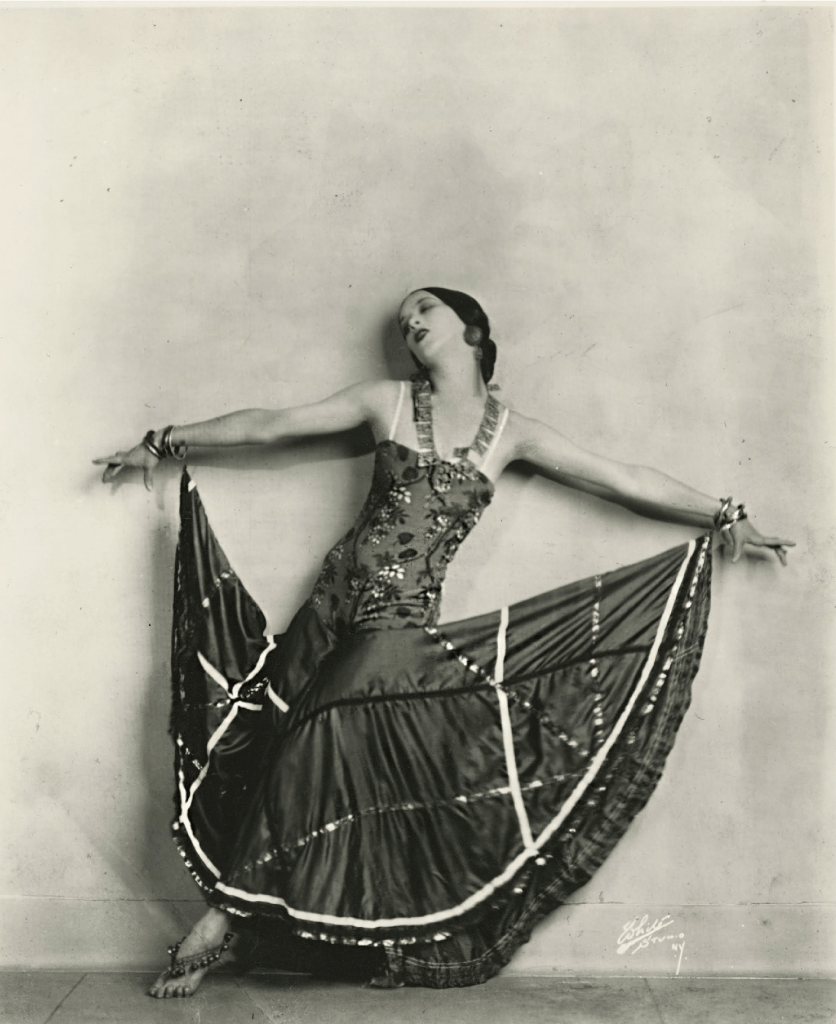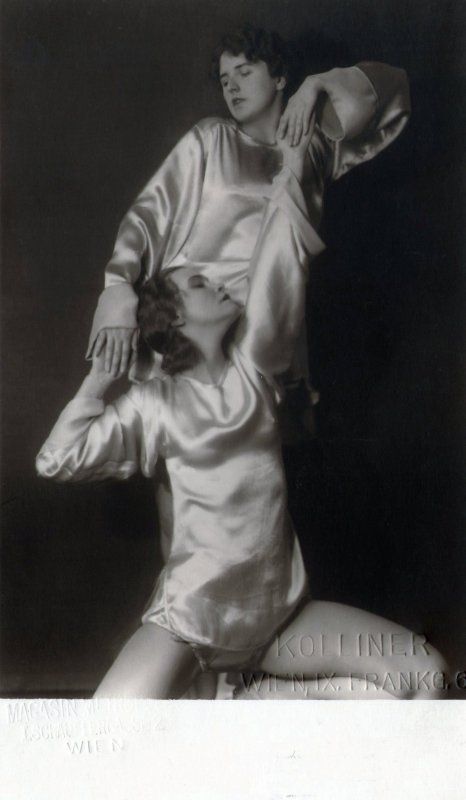
Kolliner Cirul und Pfundmayr

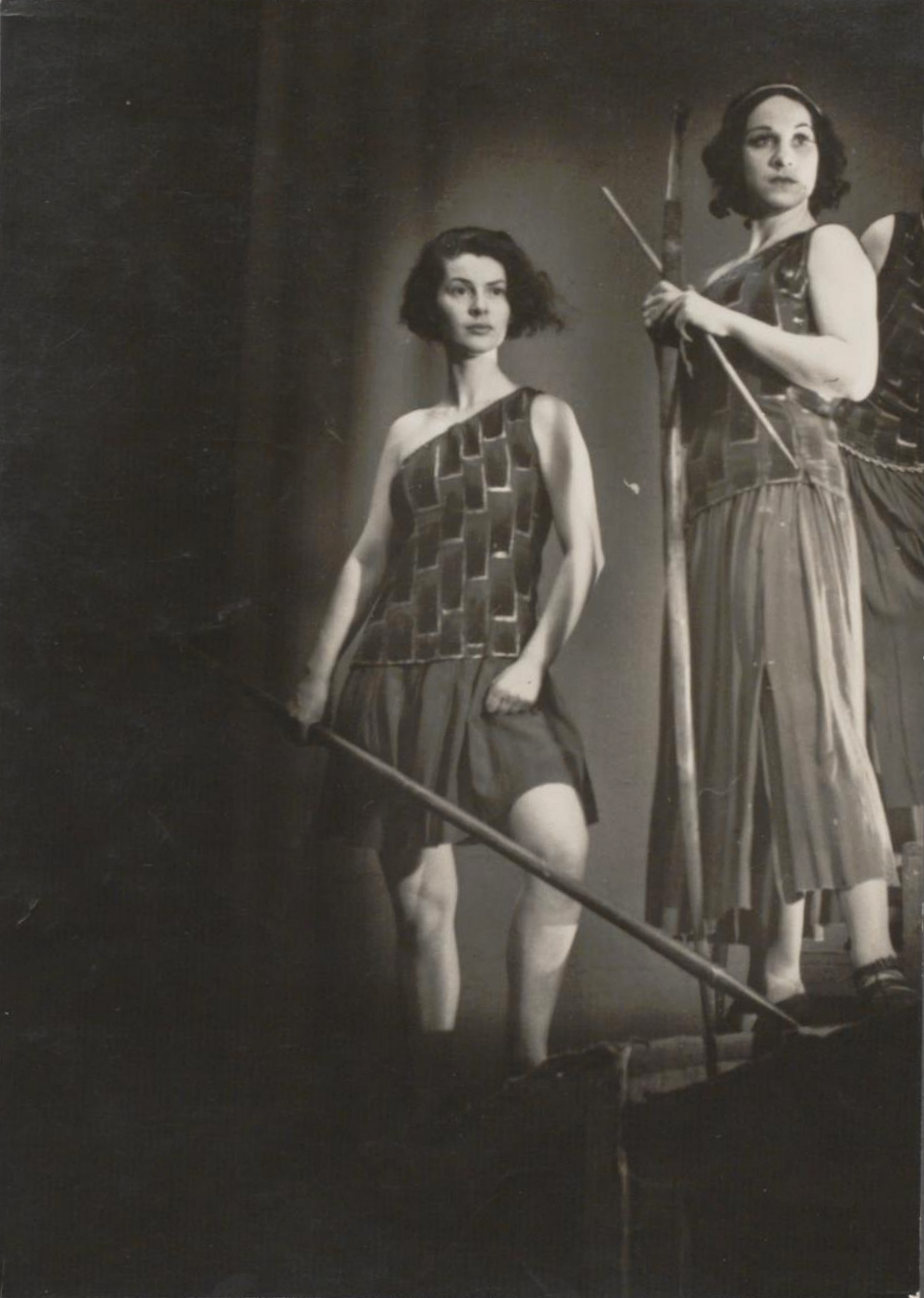
Grete Kolliner (1892-1933) ~ Die Tänzerinnen Hedi Pfundmayr und Mira Cirul, Wien, um 1925 | src Wien Museum
Grete Kolliner (1892-1933) ~ The dancers Mila Cirul and Hedy Pfundmayr, 1920s | src skyrock

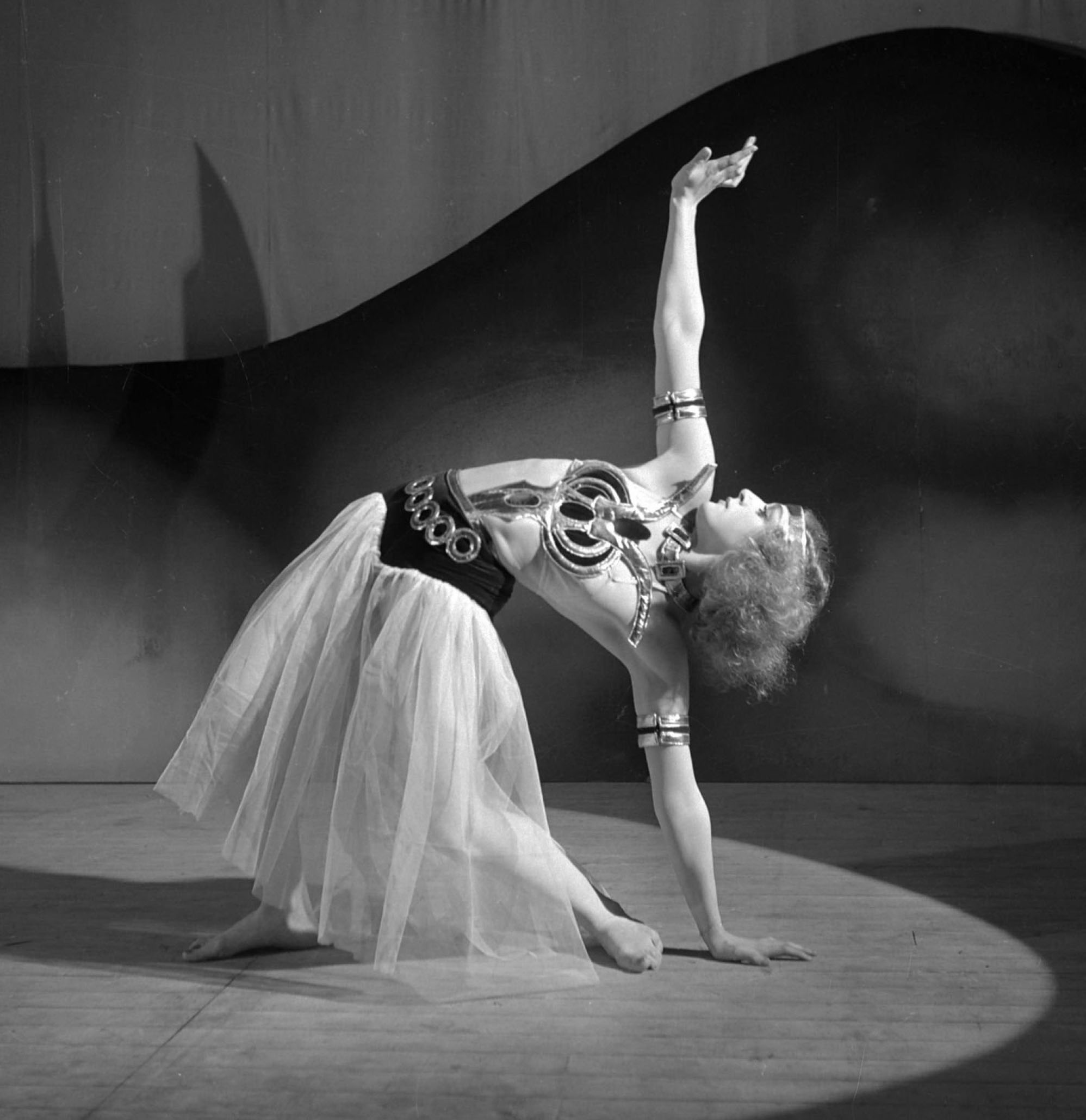
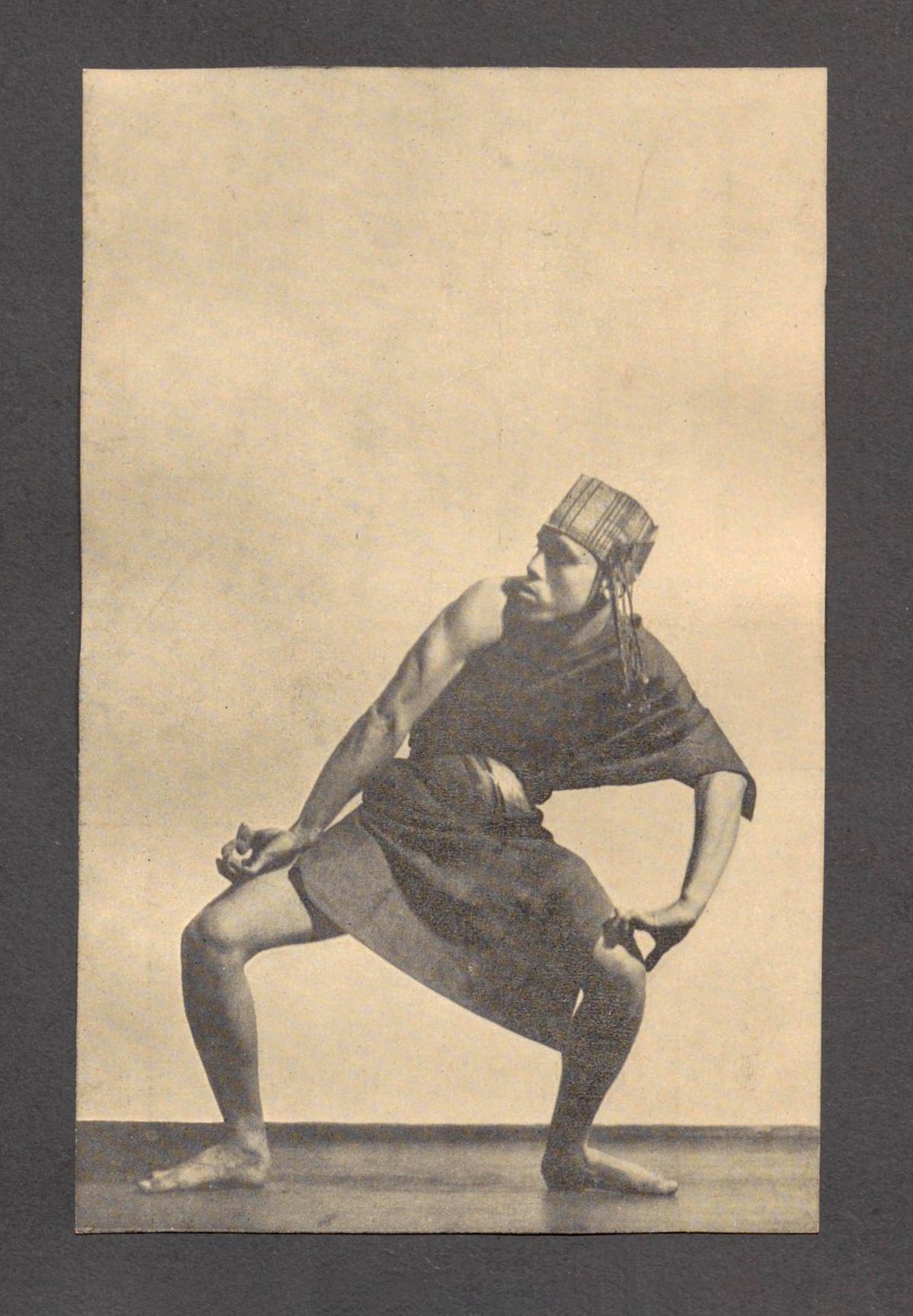
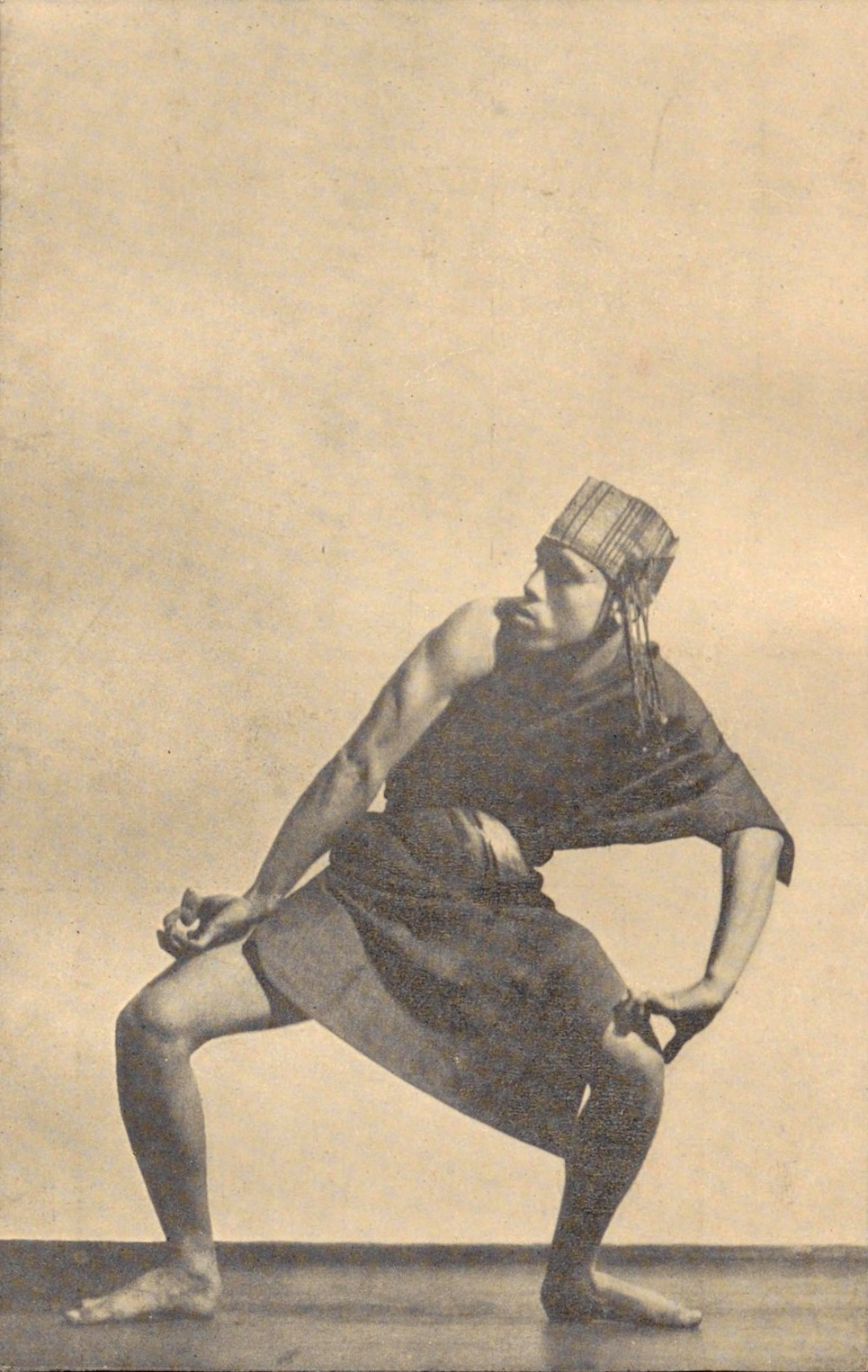
Slavenska in Triumphant David

Mia Slavenska in ‘Triumphant David’. Paris, theatre Cite Universitaire, December 1936. (Detail) | src getty images
Mia Slavenska in ‘Triumphant David’. Paris, theatre Cite Universitaire, December 1936. (Roger-Viollet) | src getty images

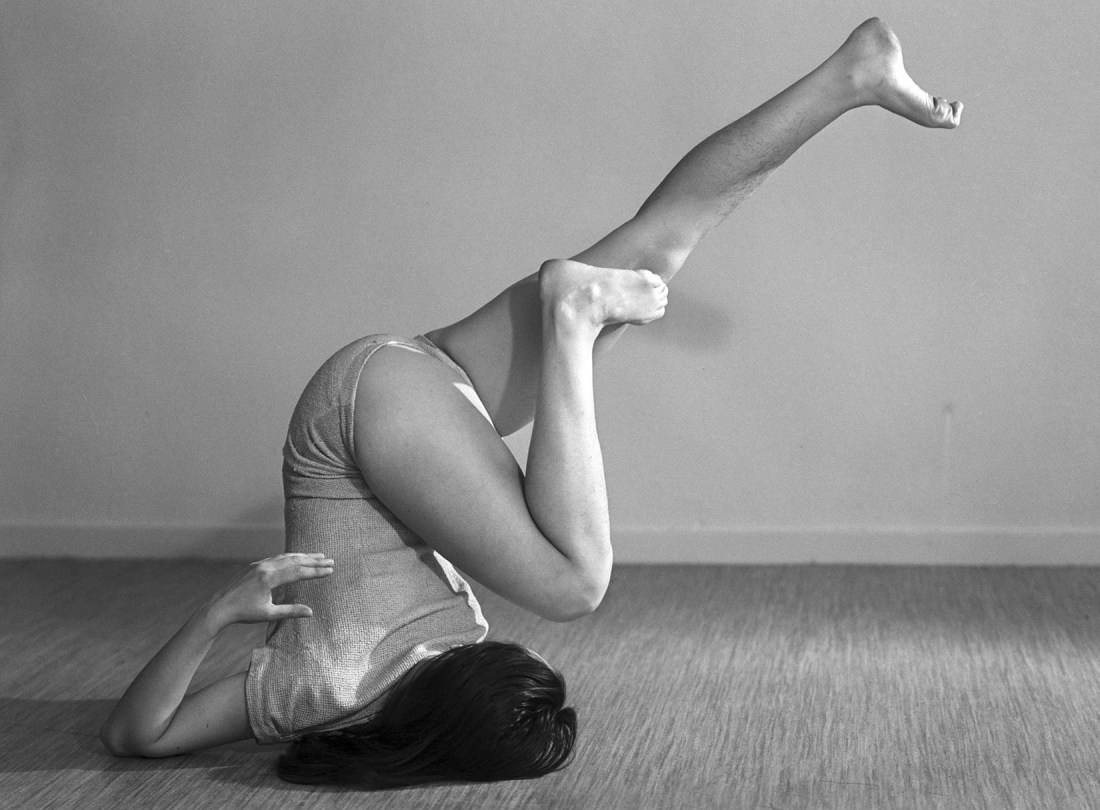
Akesson by Sundahl · 1949

Sune Sundahl ~ Dansbild med Birgit Åkesson, 03.01.1949. Arkitektur- och designcentrum · Ark Des / ARKM.1988-111-05485-5
Sune Sundahl ~ Dance picture with Birgit Åkesson, January 3, 1949. Center for Architecture and Design · Ark Des / ARKM.1988-111-05485-3

The images above are part of the exhibition: «Dansen har mycket gemensamt med arkitektur» / «Dance has a lot in common with architecture» (2013)

Arkitektur- och designcentrum / Center for Architecture and Design (Ark Des)

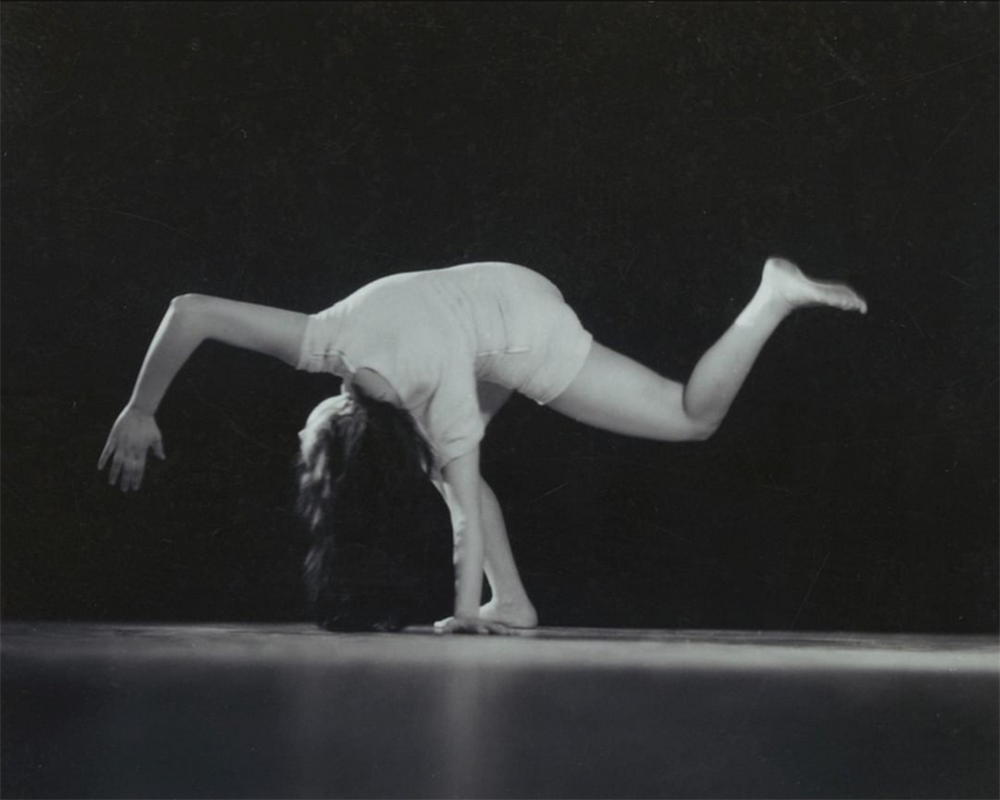
Birgit Åkesson, foto: okänd. | src Dansmuseet • IG

Both images above this line are uncredited in source: Dansmuseet (view post in this blog : Birgit Åkesson training), but we reckon that them could belong to the same photo-session with Sune Sundahl
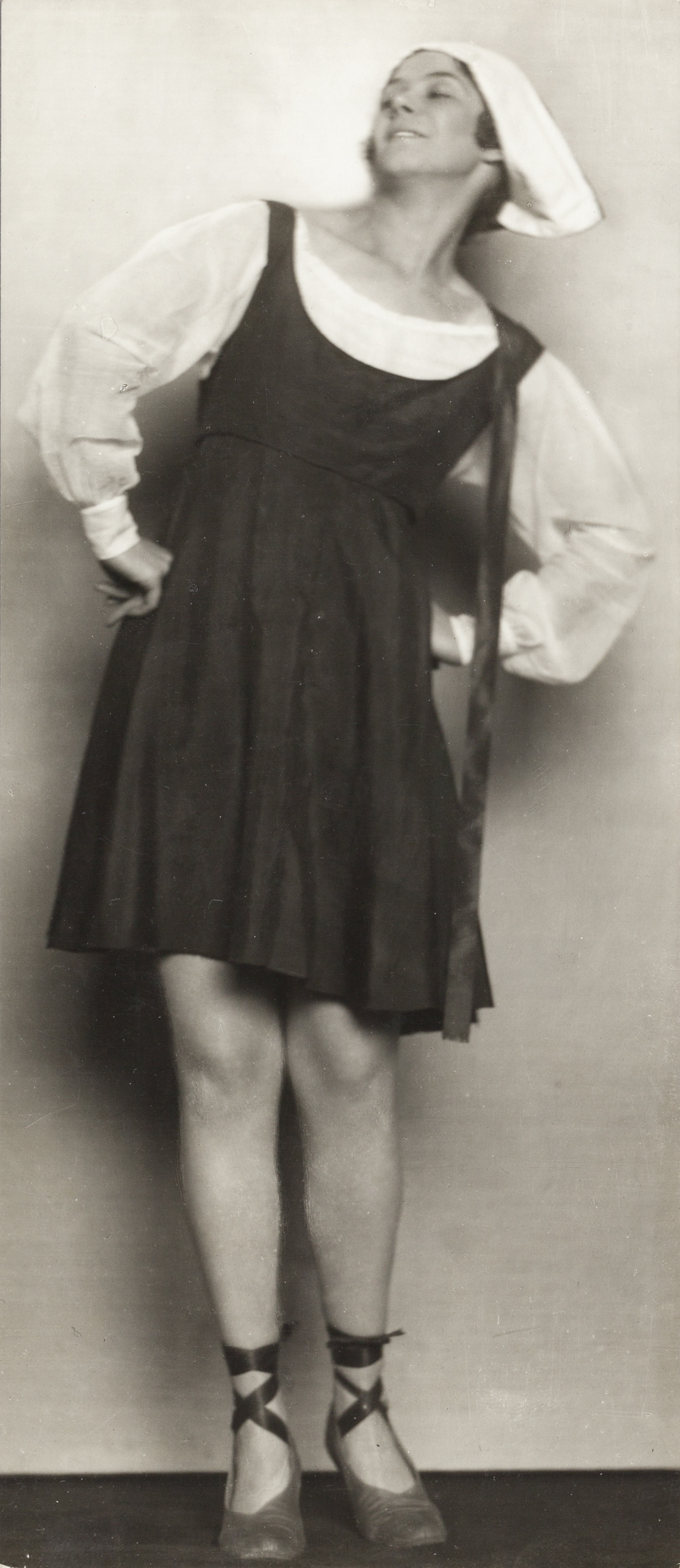
Johansson by Fleischmann

Trude Fleischmann (1895–1990) ~ Die Tänzerin Ronny Johansson, Wien, 1924. Vintage silver print on semi-matte paper.
src Ostlicht Foto Auktion Spring 2023

Photographer’s stamp with address at “Wien I. Ebendorferstraße 3”, her copyright stamp and her re-order stamp with handwritten negative no. “281” in ink, and handwritten title in pencil on the reverse [‘Die Tänzerin Ronny Johansson’]. Ronny Irene Johansson was born 1891 in Latvia, to Swedish and Scottish parents. Her father, a businessman in the shipping industry, sent Ronny to Russian and Swedish boarding schools. It was in Sweden that she established a professional dancing career, debuting in Weisbaden in 1916. After touring and performing throughout Europe, she moved to the USA in 1925 to pursue Modern dance. [quoted from source]
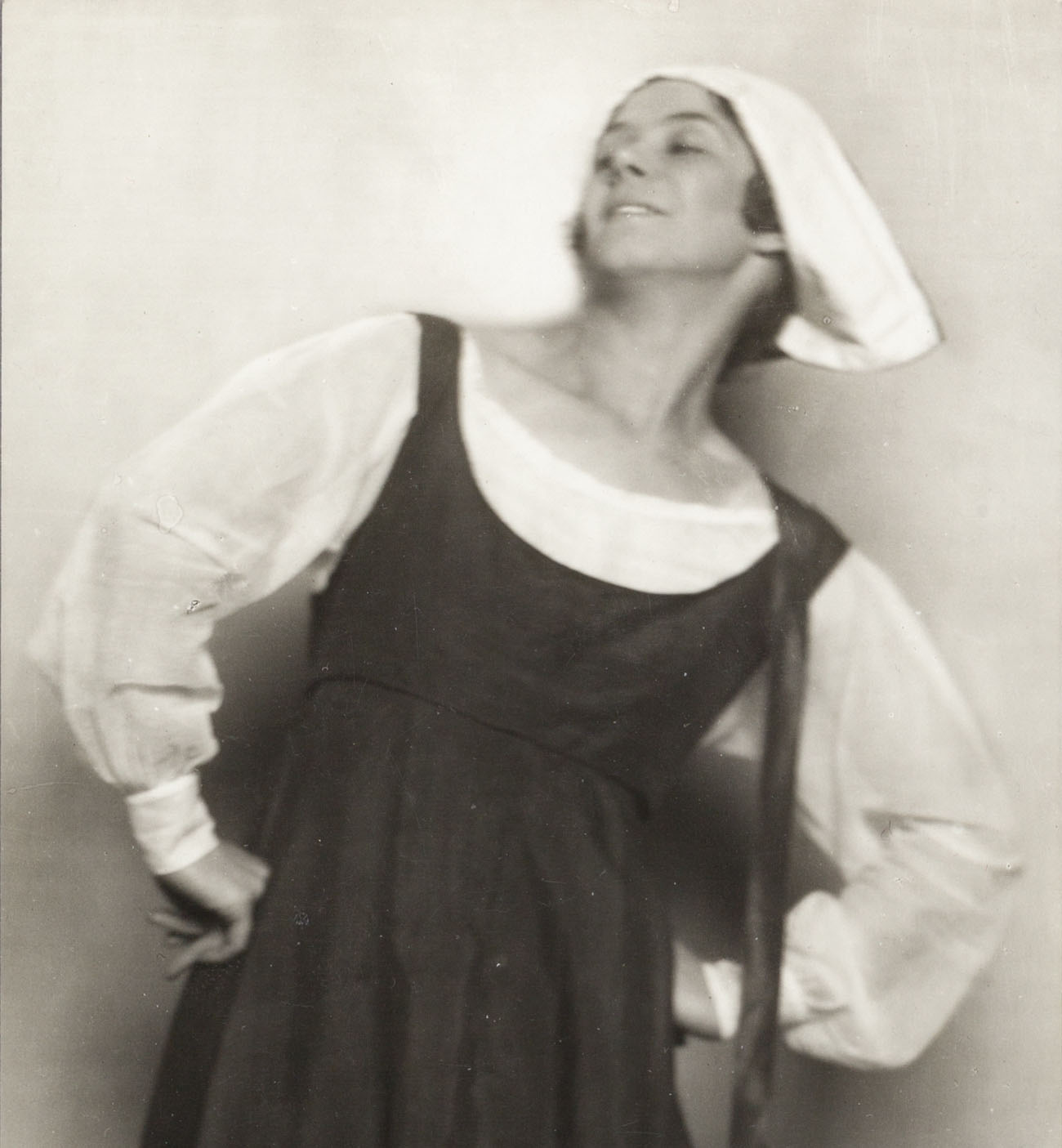
Trude Fleischmann (1895–1990) ~ The dancer Ronny Johansson, Vienna, 1924. Vintage silver print on semi-matte paper.
src Ostlicht Photo Auction Spring 2023

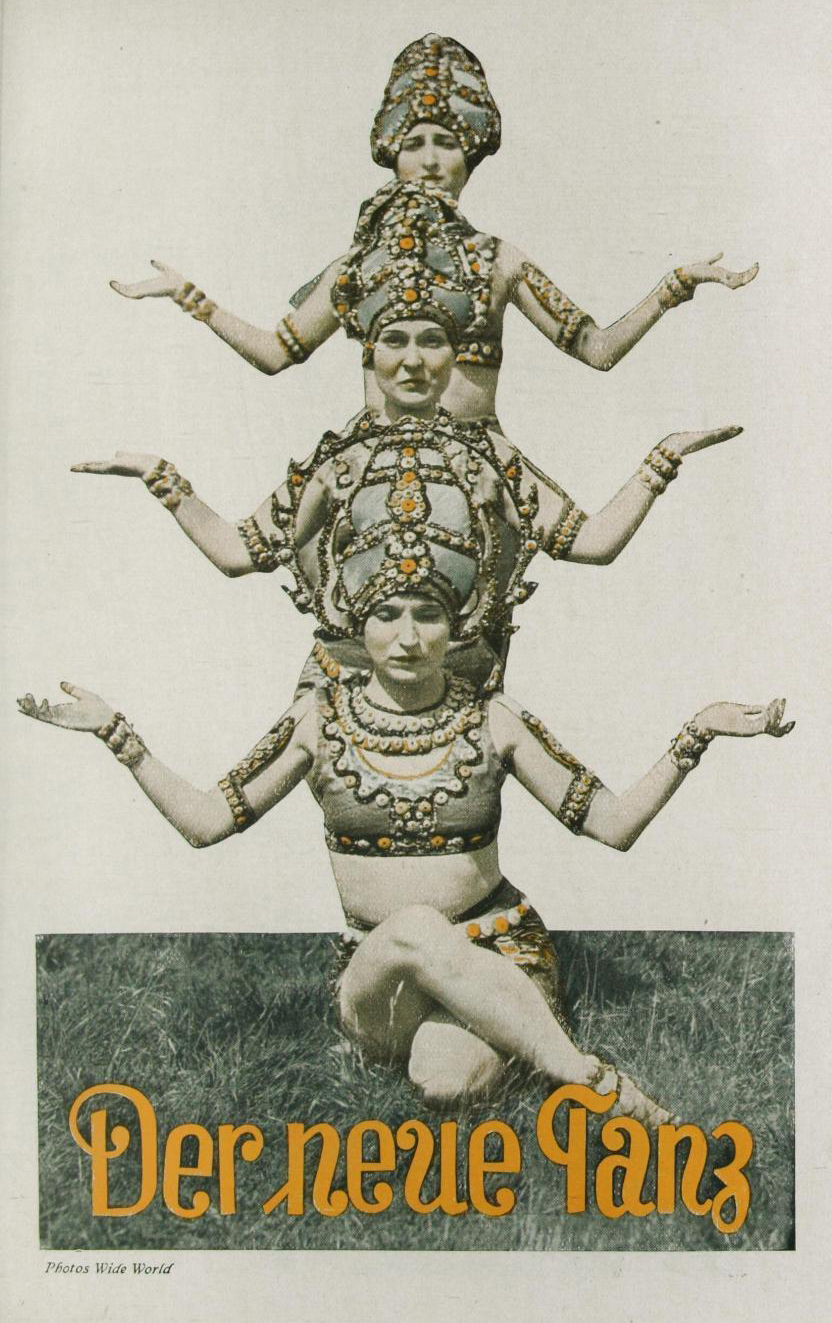
Der neue Tanz: Tanzschule Trümpy

Das Leben Magazin, Sept. 1928, Band 6, Heft 3.
Tanzschule Trümpy. Das Leben Magazin, Sept. 1928, Band 6, Heft 3. | src Flickr
Tanzschule Trümpy. Wide World Photo. Das Leben Magazin, Sept. 1928, Band 6, Heft 3. | src Flickr
Ballett Mme. Komarova in der neuen Revue ‘La Grande Folie’ (Folies Bergère). Wide World Photo. Das Leben Magazin, Sept. 1928, Band 6, Heft 3. | src Flickr

Rose-Marie Bachofen, um 1930

Rose-Marie Bachofen [links], Bern, um 1930. Fotograf: Fred Erismann. From: Rose-Marie Bachofen Fotoalbum ‘Jugend’ (1926 bis 1928) © Münchner Stadtbibliothek, 2020 | src Monacensia in Hildebrandhaus
Full album page

Mary-Wigman-Schule, um 1927

Mary-Wigman-Schule, Dresden, um 1927. From: Rose-Marie Bachofen Fotoalbum 'Jugend' © Münchner Stadtbibliothek, 2020 | src Monacensia in Hildebrandhaus
Mary-Wigman-Schule, Dresden, um 1927. From: Rose-Marie Bachofen Fotoalbum ‘Jugend’ © Münchner Stadtbibliothek, 2020 | src Monacensia in Hildebrandhaus
Mary-Wigman-Schule, Dresden, um 1927. From: Rose-Marie Bachofen Fotoalbum 'Jugend' page 22 © Münchner Stadtbibliothek, 2020 | src Monacensia in Hildebrandhaus
Page 22. Rose-Marie Bachofen Fotoalbum ‘Jugend’ © Münchner Stadtbibliothek, 2020 | src Monacensia in Hildebrandhaus

Dancing with Helen Möller, 1918

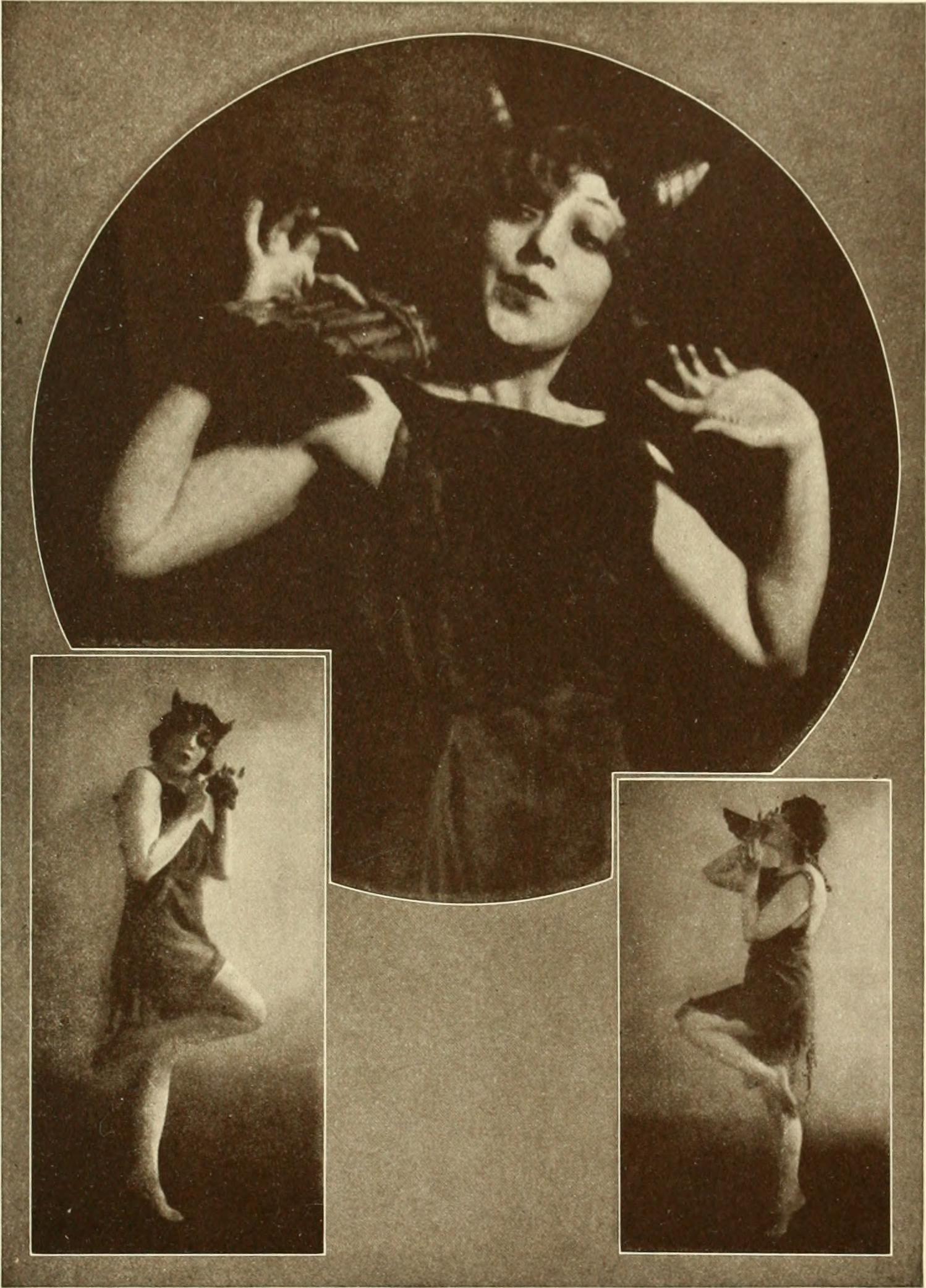
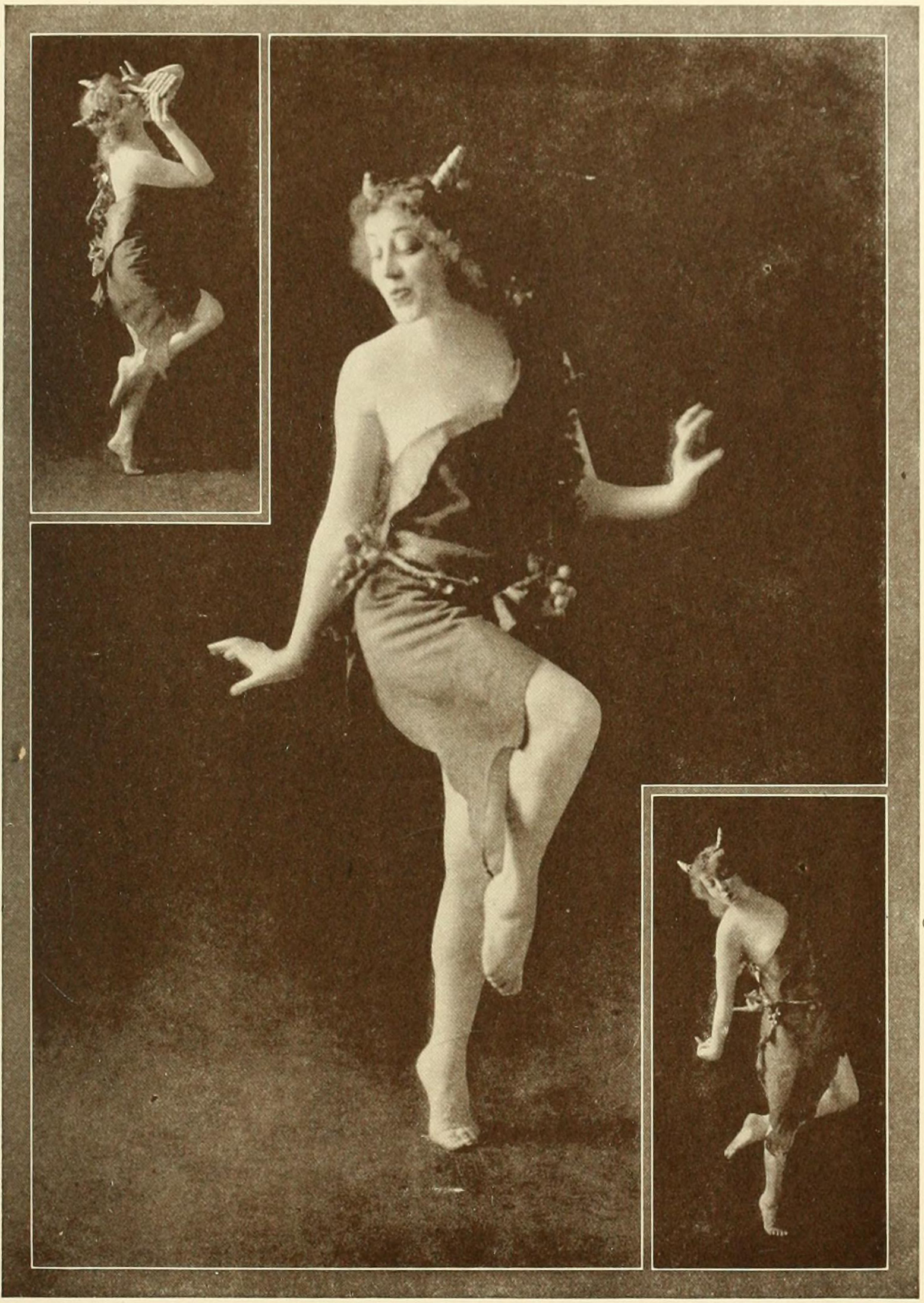
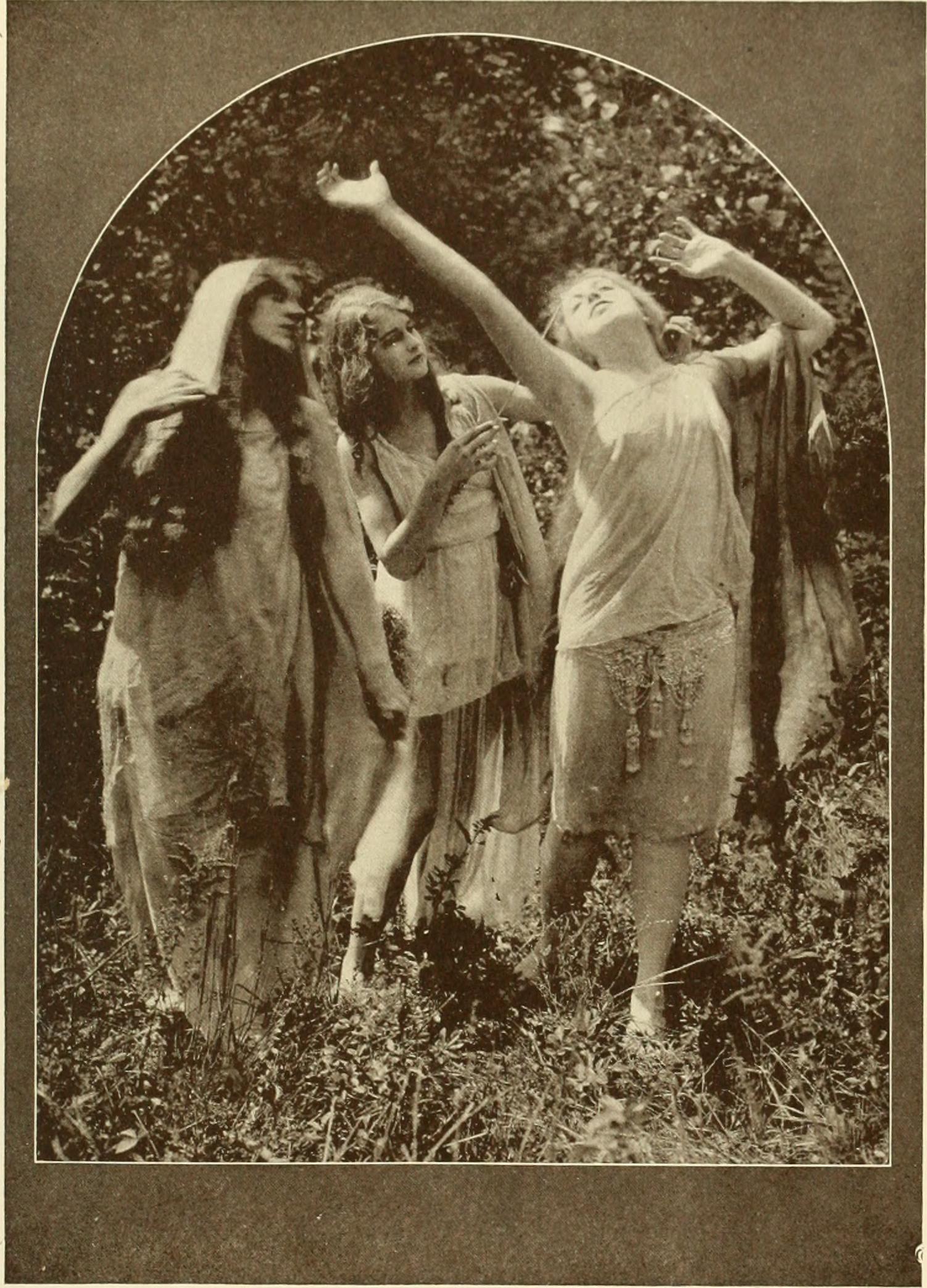
“The idea of Pan inspires the Greek dancer with a charming variety of interpretations of a lyrical, as well as of a sprightly and mischievous, character.” From ‘Dancing with Helen Möller’, 1918. Page 110. University of California Libraries. | src internet archive
“An adaptation of the classic idea of Pan — three manifestations emphasizing the gay and mischievous attributes of that minor deity of the Arcadian woodland.” From ‘Dancing with Helen Möller’, 1918. Page 28. University of California Libraries. | src internet archive
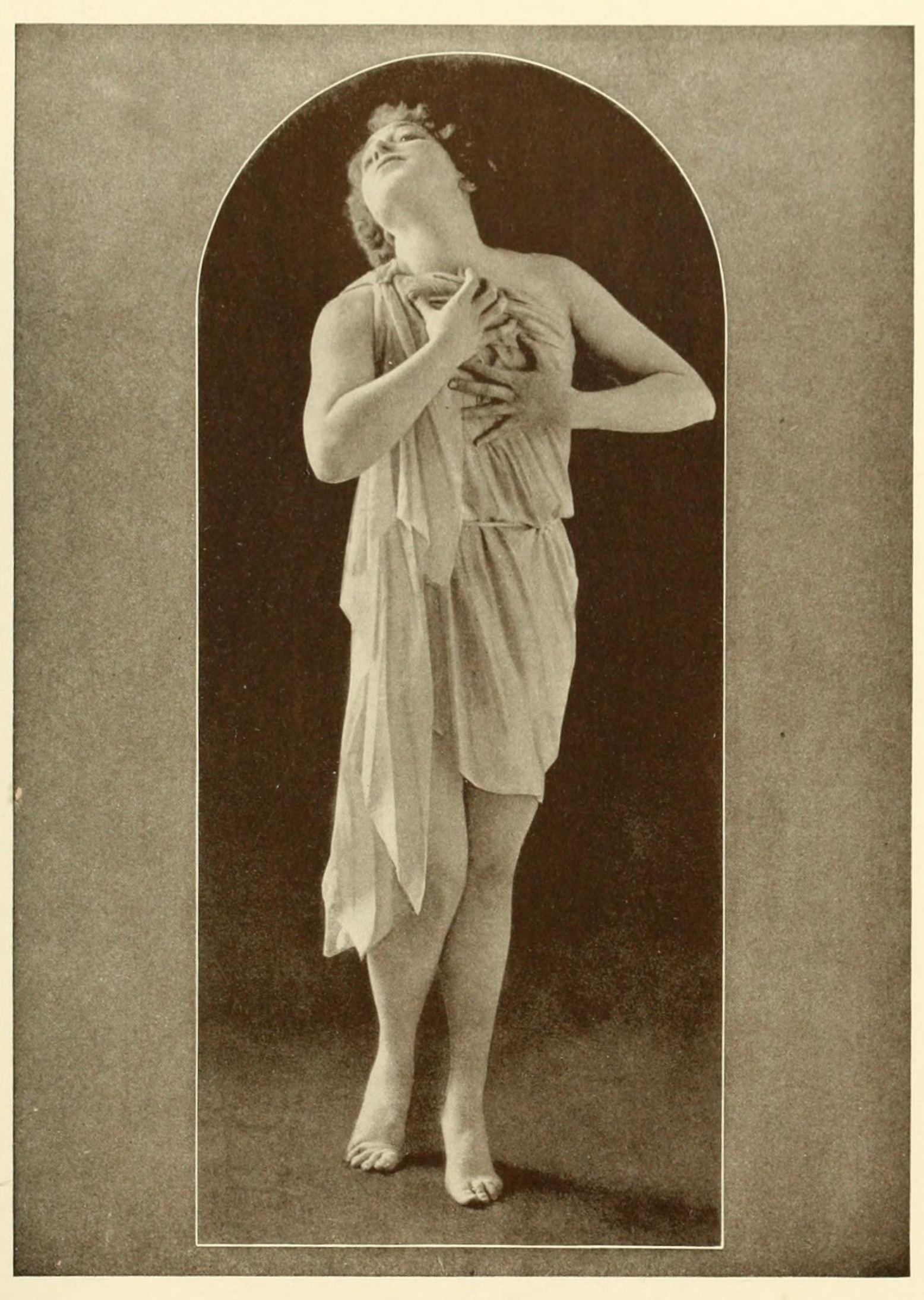
“All true physical expression has its generative centre in the region of the heart, the same as the emotions which actuate it. Movements flowing from any other source are aesthetically futile.” From ‘Dancing with Helen Moller’, 1918. Page 96. University of California Libraries. | src internet archive
“Both of these Bacchante figures exhibit original interpretations in which beauty of line is sustained in connection with appropriate gestures and facial expression.” From ‘Dancing with Helen Moller’, 1918. Page 81. University of California Libraries. | src internet archive
“Bacchante. Showing the moment of lustful anticipation of delight in the intoxicating product of the fruit — as though hardly to be restrained from seizing and devouring at once.” From ‘Dancing with Helen Moller’, 1918. Page 102. University of California Libraries. | src internet archive
“Woodland interpretation. The ocean-born Aphrodite being adorned by Goddesses of the Seasons for her first appearance among her peers on Olympus.”
Helen Moller and Curtis Dunham :: ‘Dancing with Helen Moller; her own statement of her philosophy and practice and teaching formed upon the classic Greek model, and adapted to meet the aesthetic and hygienic needs of to-day’, 1918. Page 112. University of California Libraries. | src internet archive

ACKNOWLEDGMENT: Many of the photographs reproduced in this book were taken by the author herself. For the privilege of reproducing other fine examples of the photographer’s art, she desires to express her grateful acknowledgments to Moody, to Maurice Goldberg, to Charles Albin and to Underwood and Underwood; also to Arnold Genthe for the plate [lost plate] on Page 36; and to Jeremiah Crowley for his admirable arrangement of the entire series of illustrative art plates. [quoted from source]
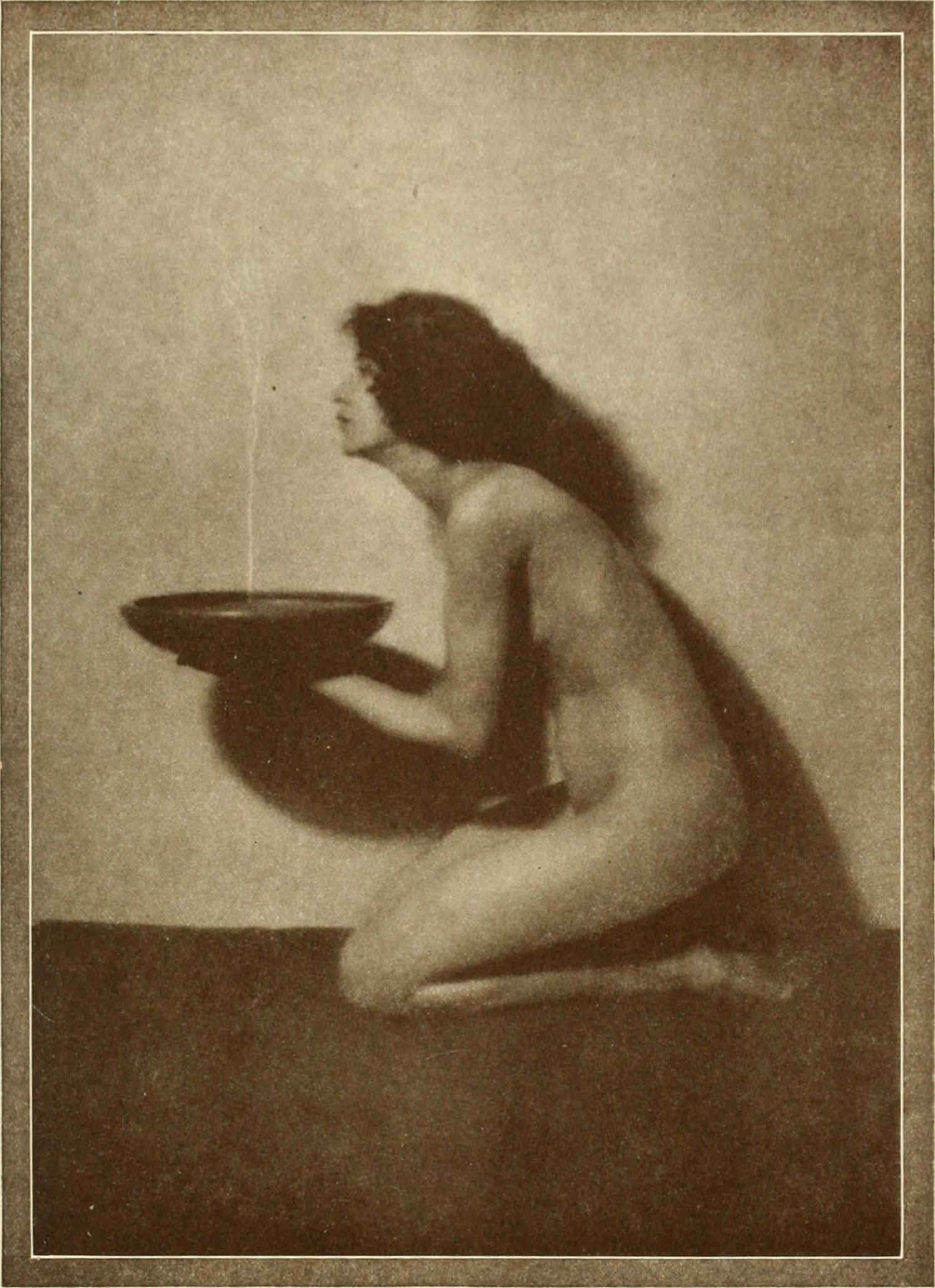
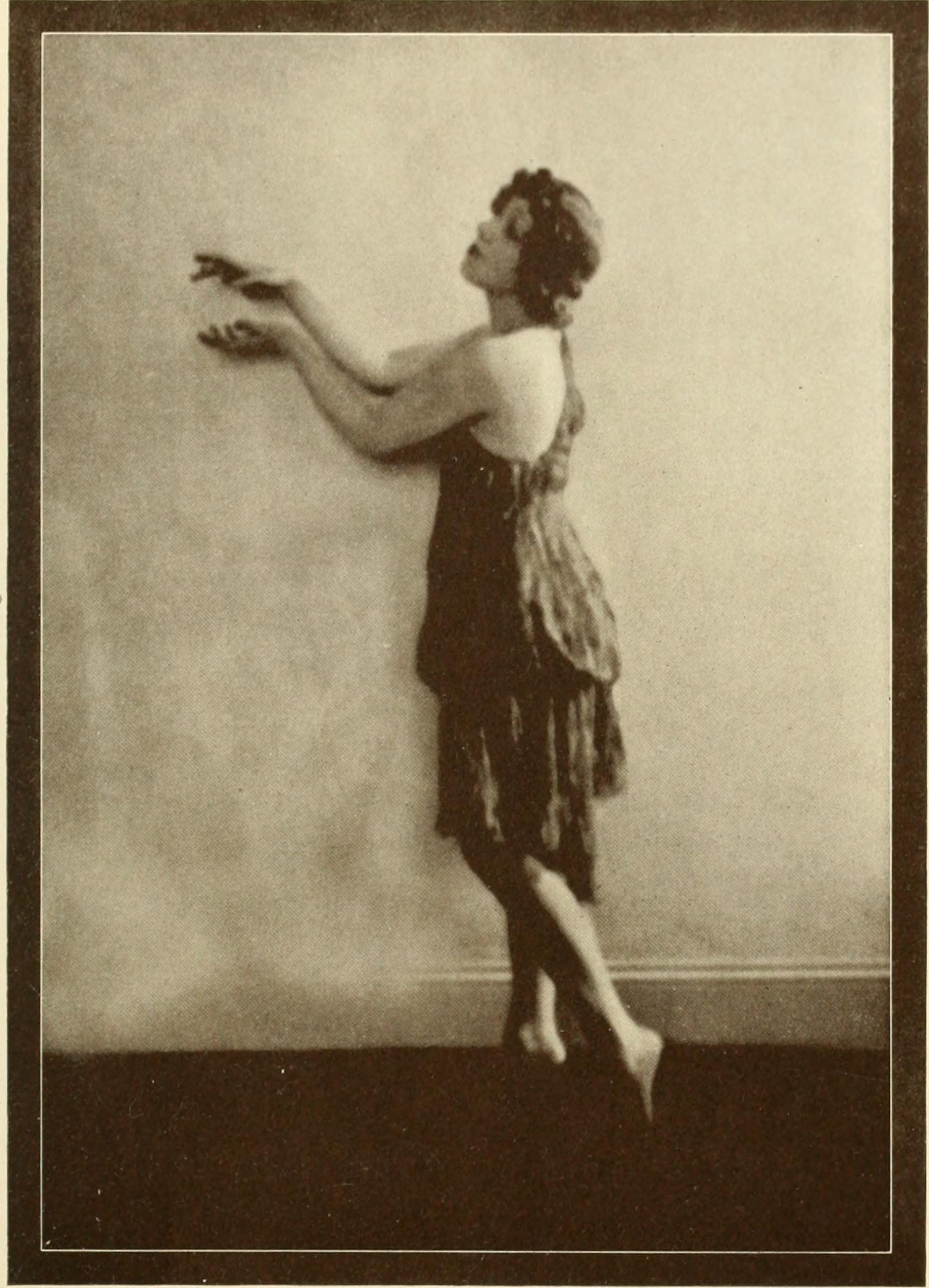
Dancing with Helen Moller, 1918

“Votive incense, as from a novice to the Priestess of the Temple — an attitude of graceful humility combined with pride in serving.” From ‘Dancing with Helen Moller’, 1918. Page 62. University of California Libraries. | src internet archive
“Expressing wistful expectation — the hands in an upward receptive gesture and the countenance as of hope for some yearned-for gift from above.” From ‘Dancing with Helen Moller’, 1918. Page 22. University of California Libraries. | src internet archive
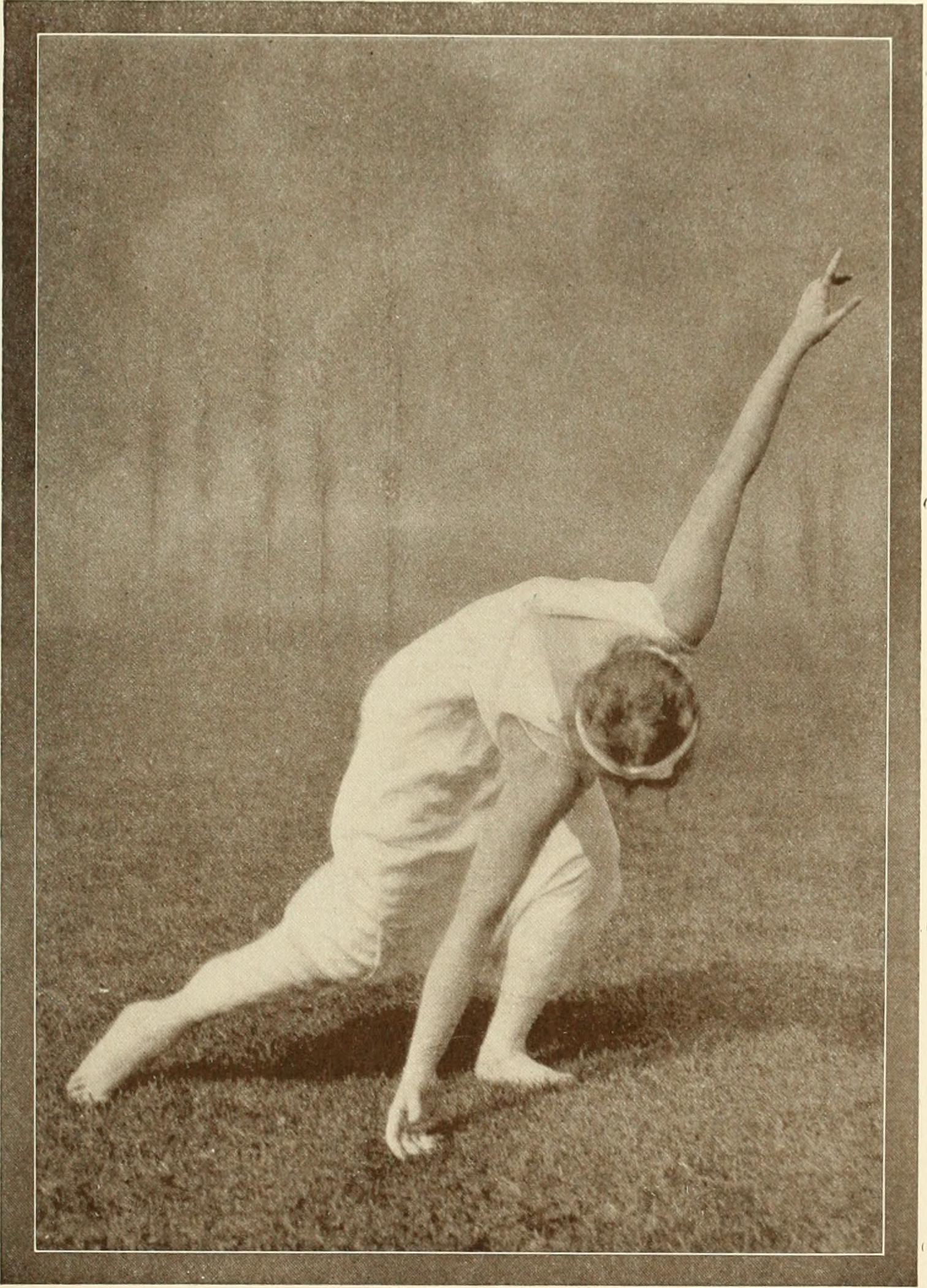
“Atalanta. Depicting the classical moment of the most intense physical and mental concentration upon two opposing motives — to win the race, yet pause to seize the prize.” From ‘Dancing with Helen Moller’, 1918. Page 24. University of California Libraries. | src internet archive
“Example of a very young dancer unconsciously coordinating movements of arms and torso with remarkably true and forceful expression of countenance.” From ‘Dancing with Helen Moller’, 1918. Page 38. University of California Libraries. | src internet archive
“Children are quick to feel the impulse to rise upon the ball of the foot even when that limb is sustaining the body’s entire weight — one of the principal requisites of Greek dancing.” From ‘Dancing with Helen Moller’, 1918. Page 32. University of California Libraries. | src internet archive
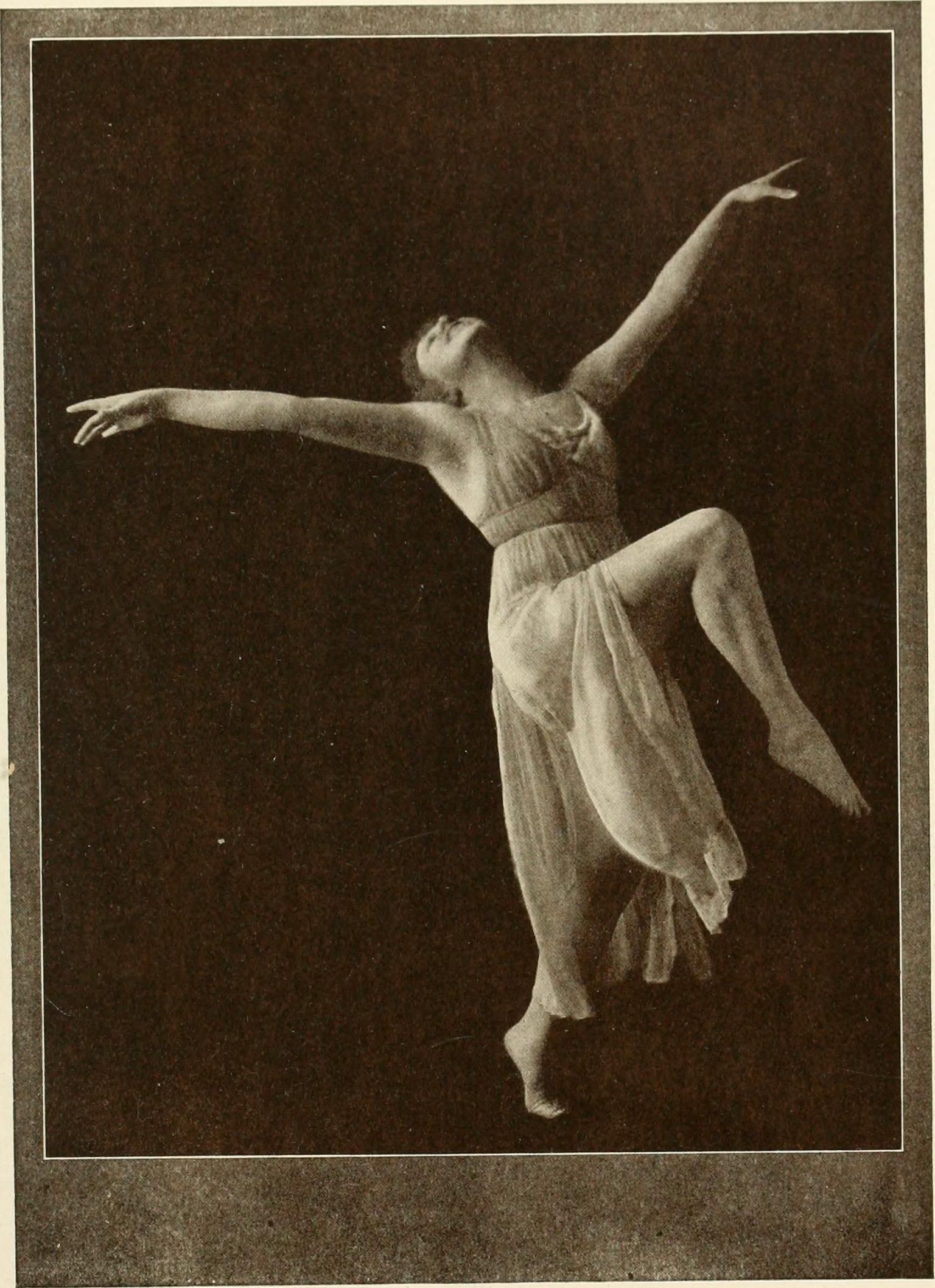
“Representing joyous abandonment to an impulse of Nature’s gently persuasive mood — as of floating forward borne upon a Summer breeze.” From ‘Dancing with Helen Moller’, 1918. Page 90. University of California Libraries. | src internet archive
Arms outstretched, and raised together, in movements which avoid unaesthetic angles, even in the energetic action shown on the left. The open, raised bust in the large figure illustrates the hygienic value of adhering to the heart centre of all true physical expression.”
Helen Moller and Curtis Dunham :: From ‘Dancing with Helen Moller; her own statement of her philosophy and practice and teaching formed upon the classic Greek model, and adapted to meet the aesthetic and hygienic needs of to-day’, 1918. Page 92. University of California Libraries. | src internet archive

ACKNOWLEDGMENT: Many of the photographs reproduced in this book were taken by the author herself. For the privilege of reproducing other fine examples of the photographer’s art, she desires to express her grateful acknowledgments to Moody, to Maurice Goldberg, to Charles Albin and to Underwood and Underwood; also to Arnold Genthe for the plate [lost plate] on Page 36; and to Jeremiah Crowley for his admirable arrangement of the entire series of illustrative art plates. [quoted from source]