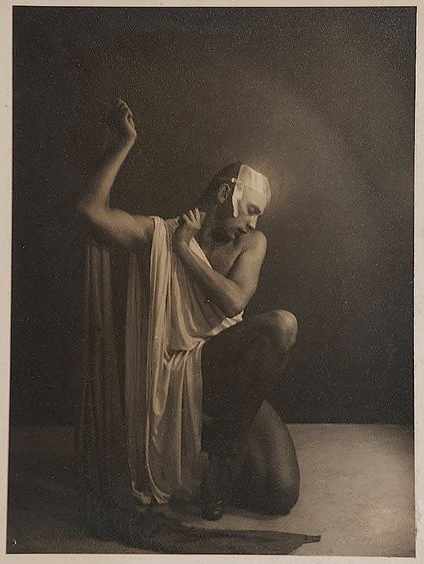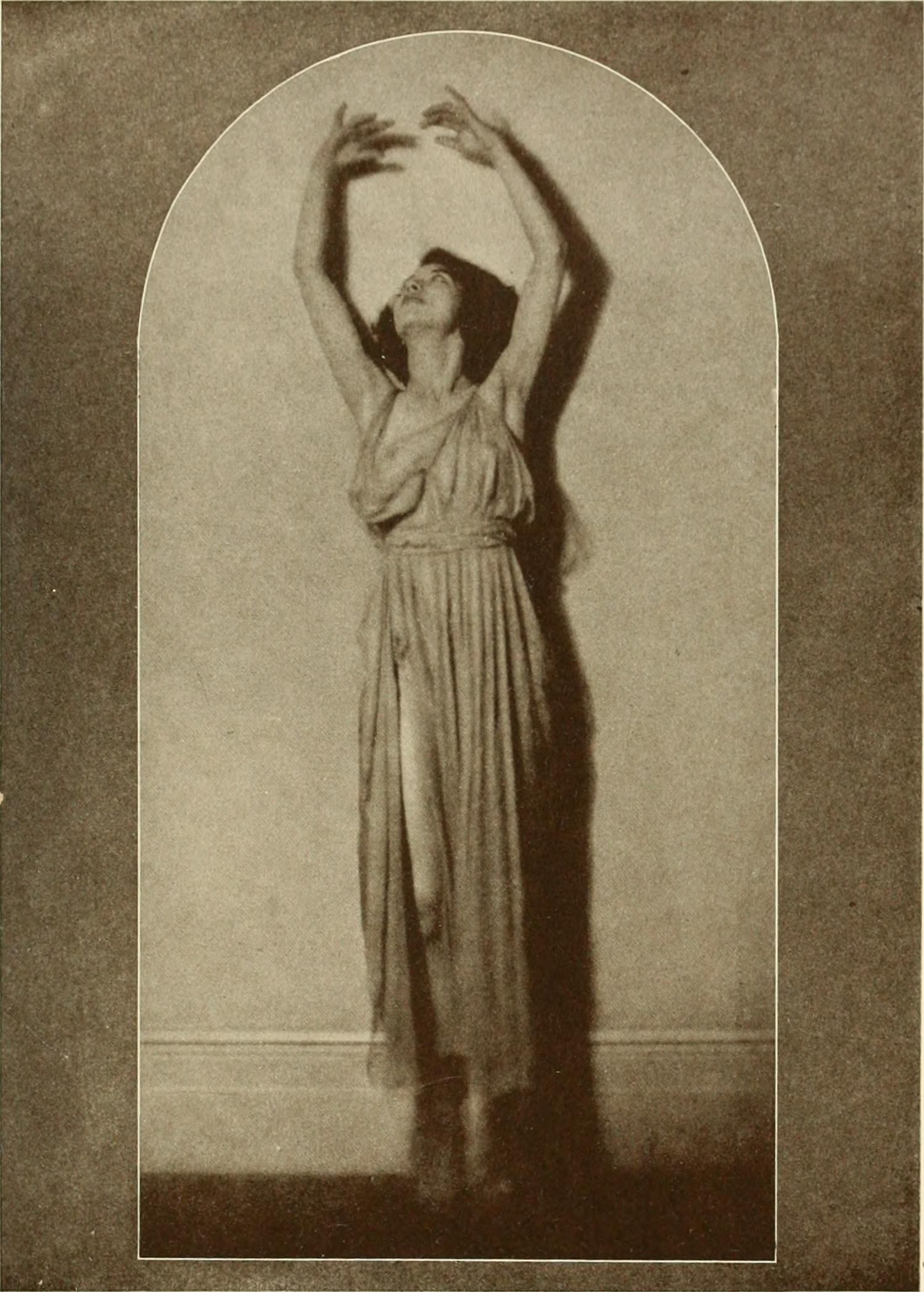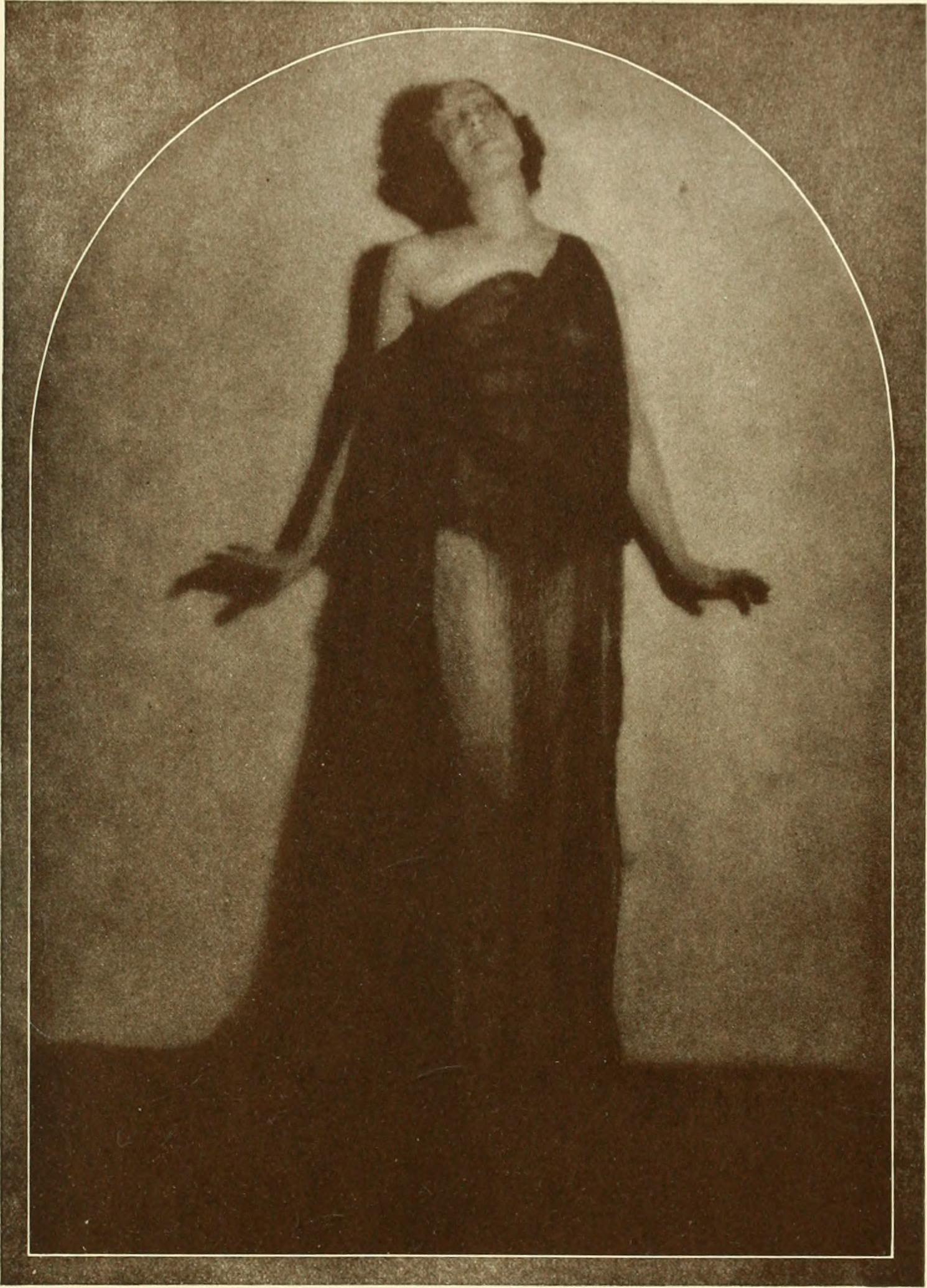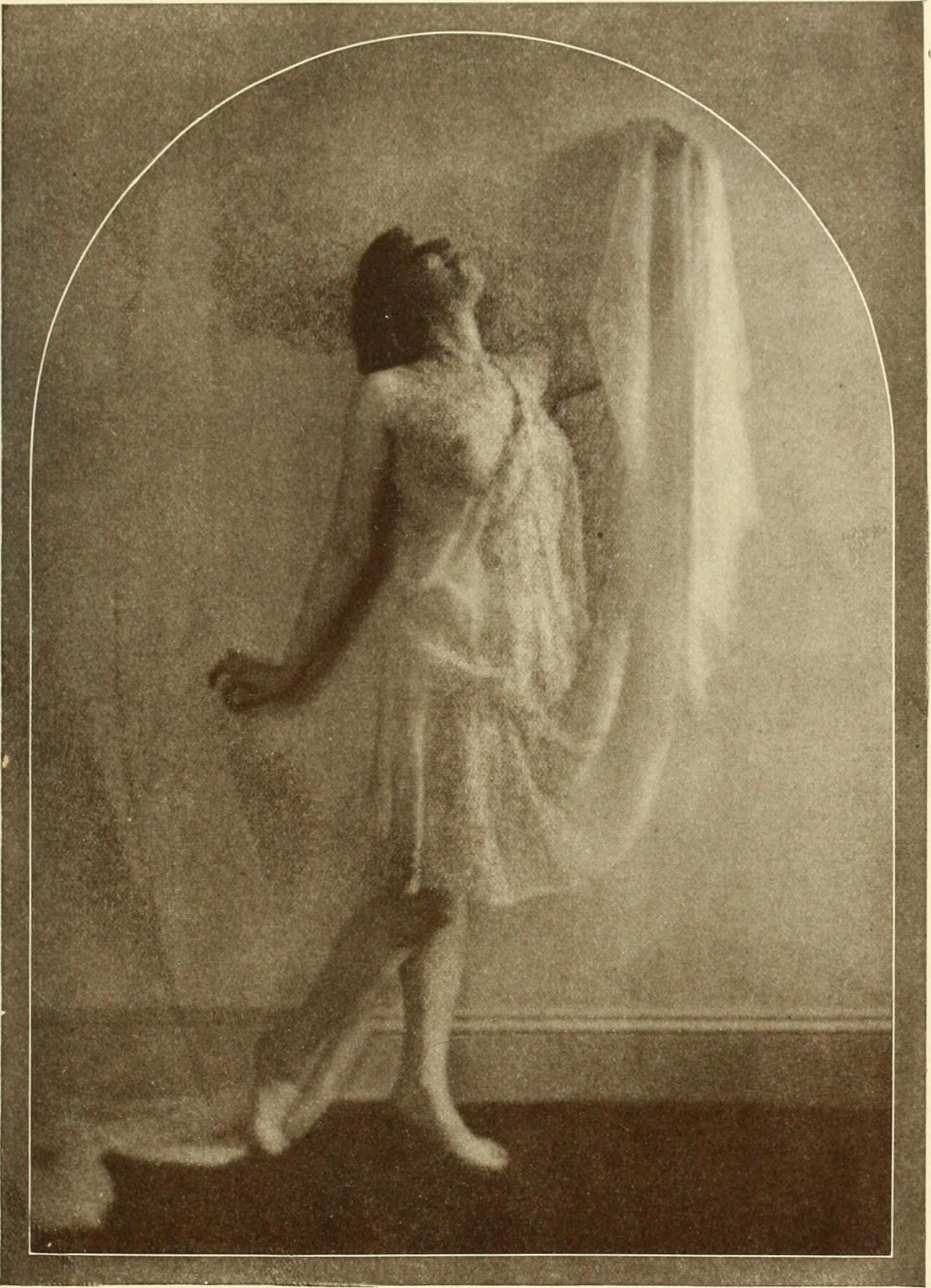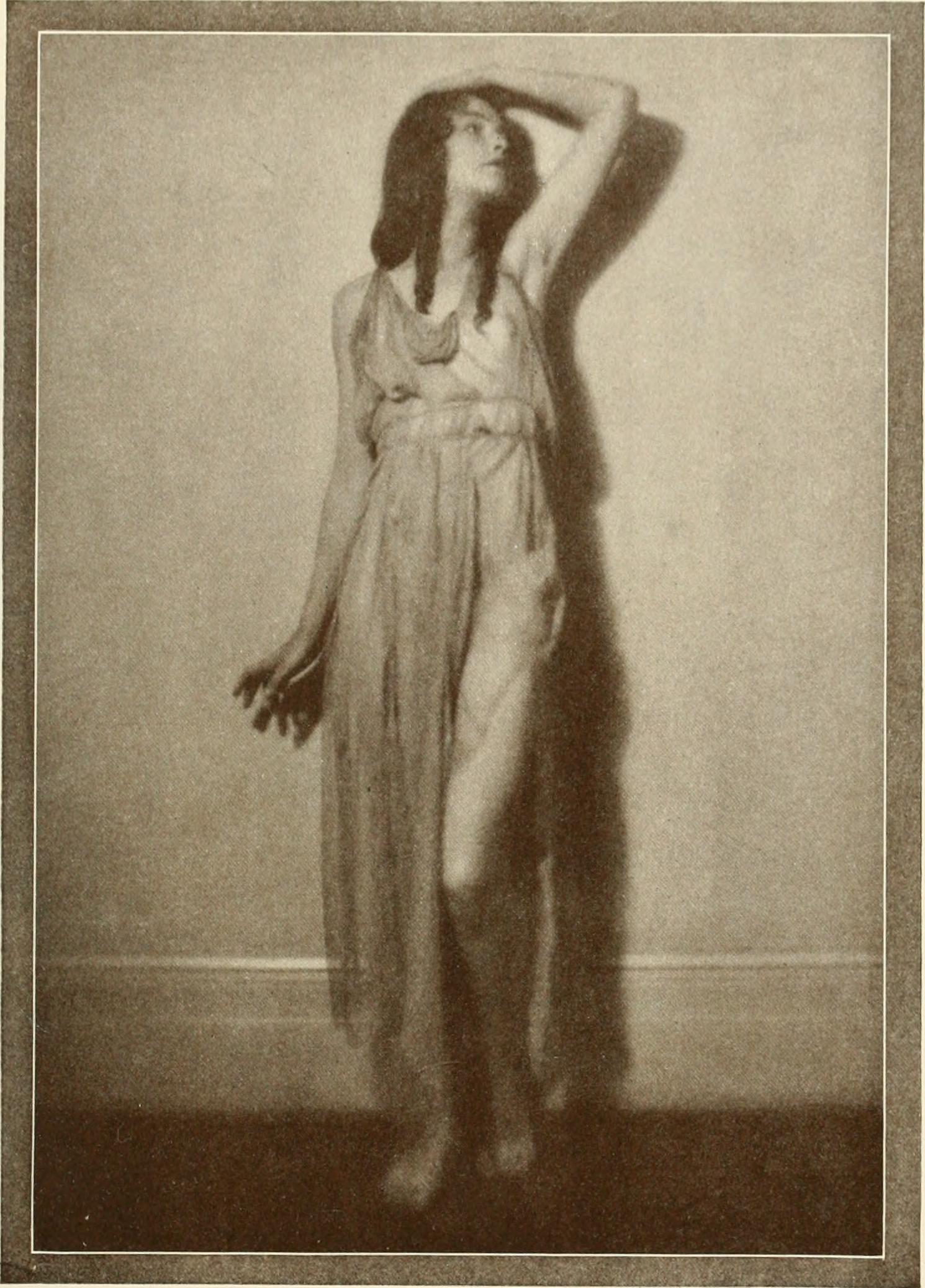
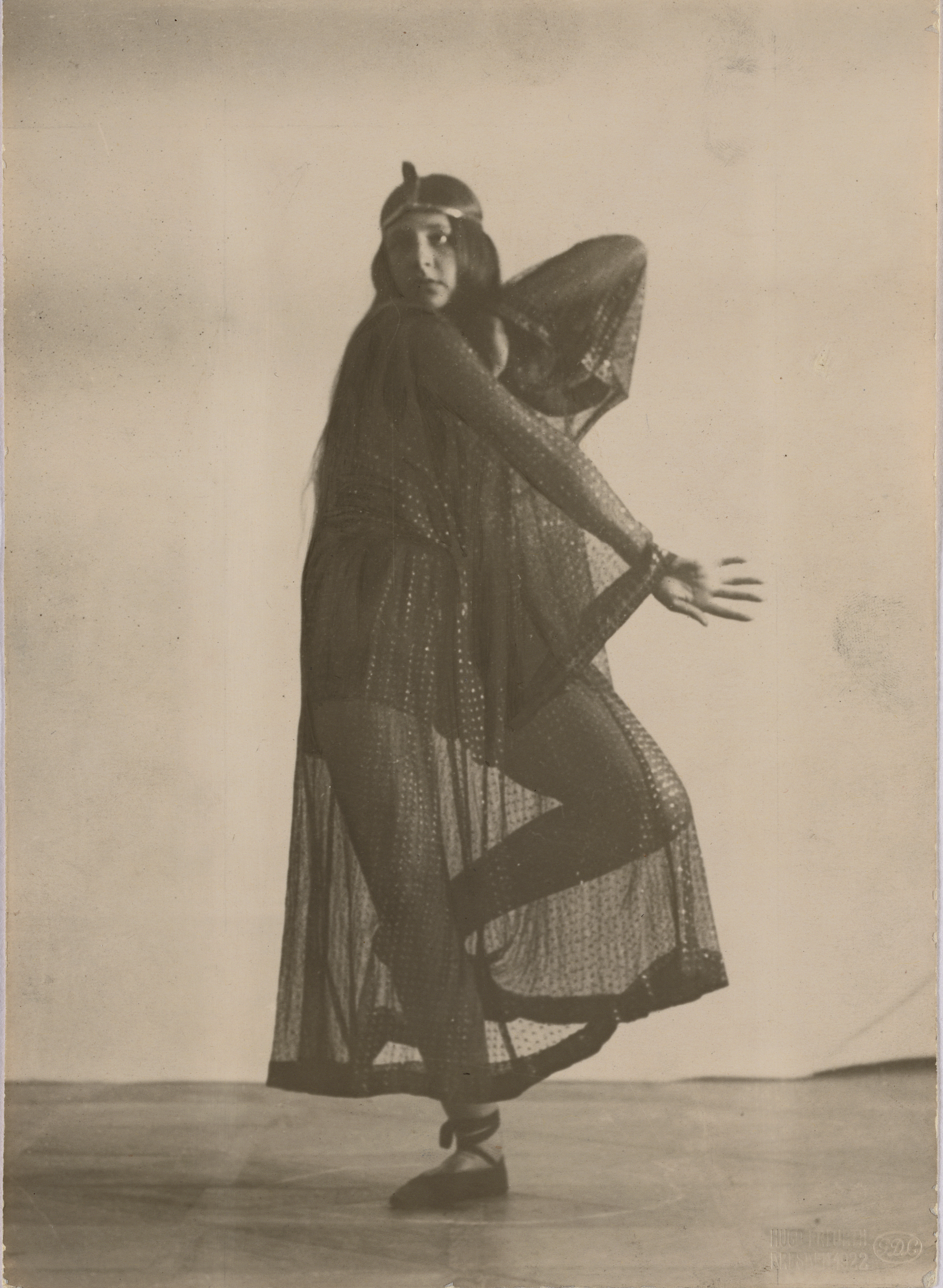
Dancer (1922) by Hugo Erfurth

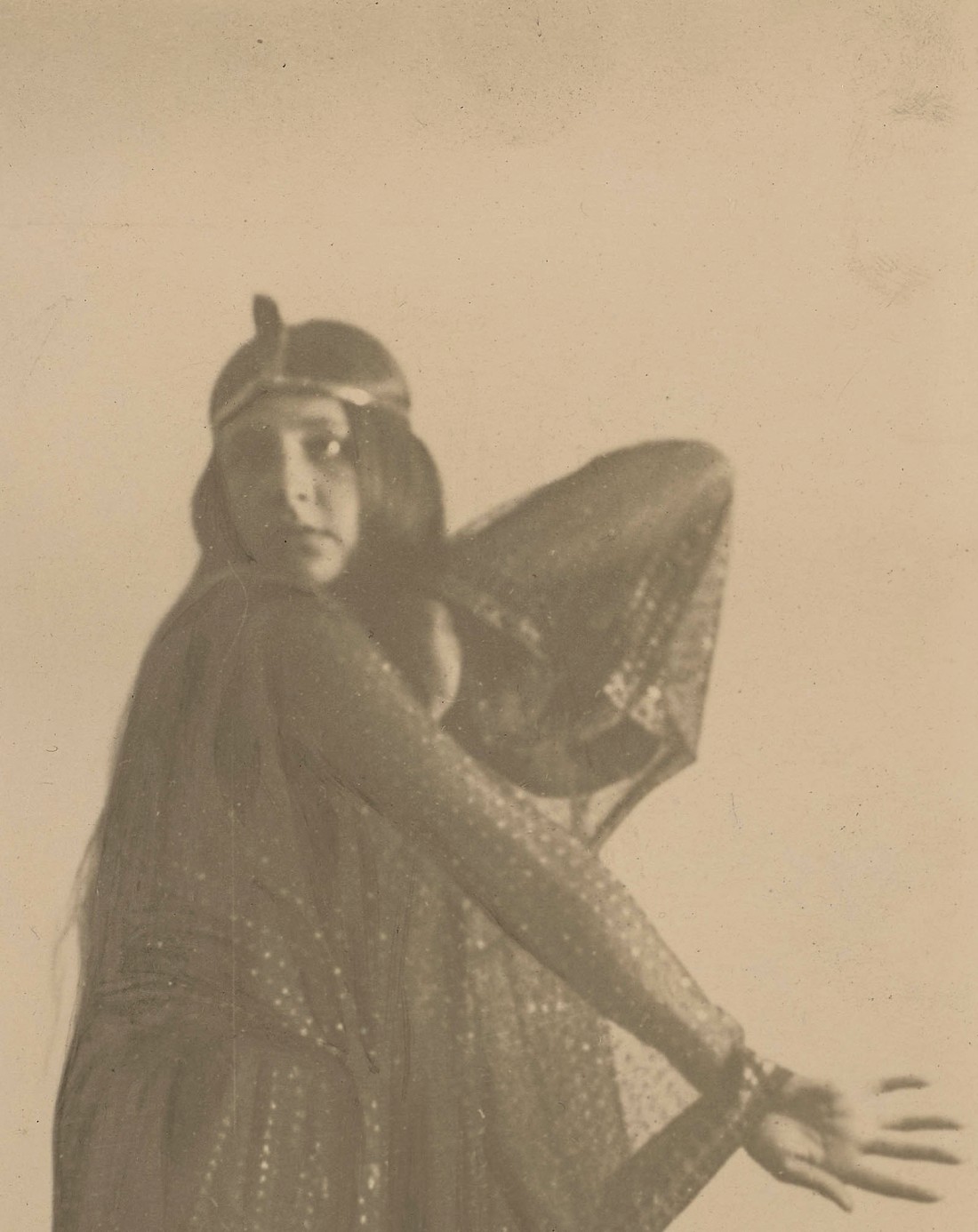
Hugo Erfurth :: Untitled (dancer, maybe Charlotte Bara), 1922. | src Städel Museum
Hugo Erfurth (1874 – 1948) ~ Untitled (dancer, maybe Charlotte Bara / Bachrach), 1922 | src Städel Museum
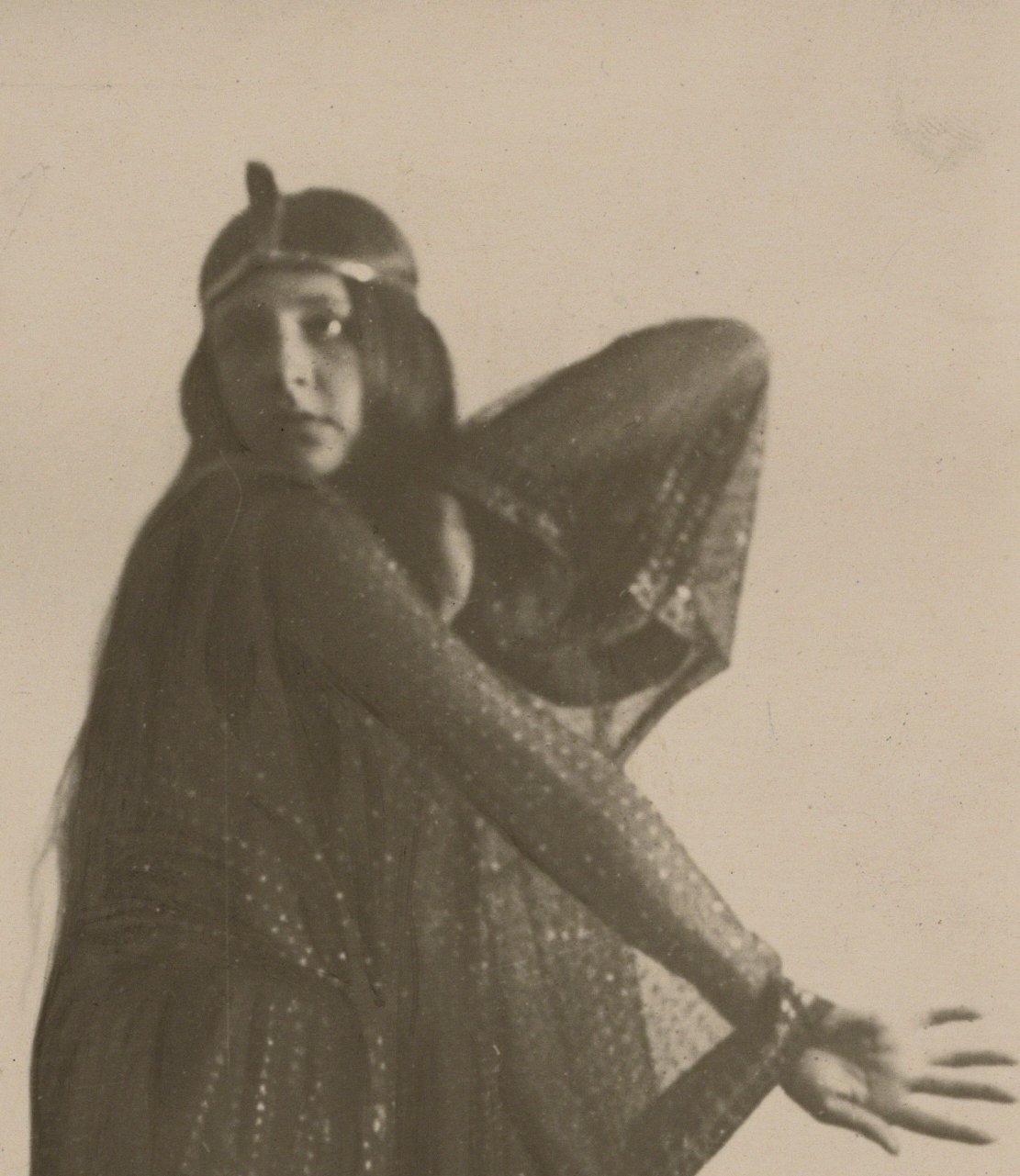
Hugo Erfurth :: Untitled (dancer, maybe Charlotte Bara), 1922. | DETAIL
Hugo Erfurth (1874 – 1948) ~ Untitled (dancer, maybe Charlotte Bara), 1922 [detail]
Hugo Erfurth :: Untitled (dancer, maybe Charlotte Bara), 1922. | src Städel Museum
Hugo Erfurth (1874 – 1948) ~ Untitled (dancer, likely Charlotte Bara), 1922 (full size) | src Städel Museum

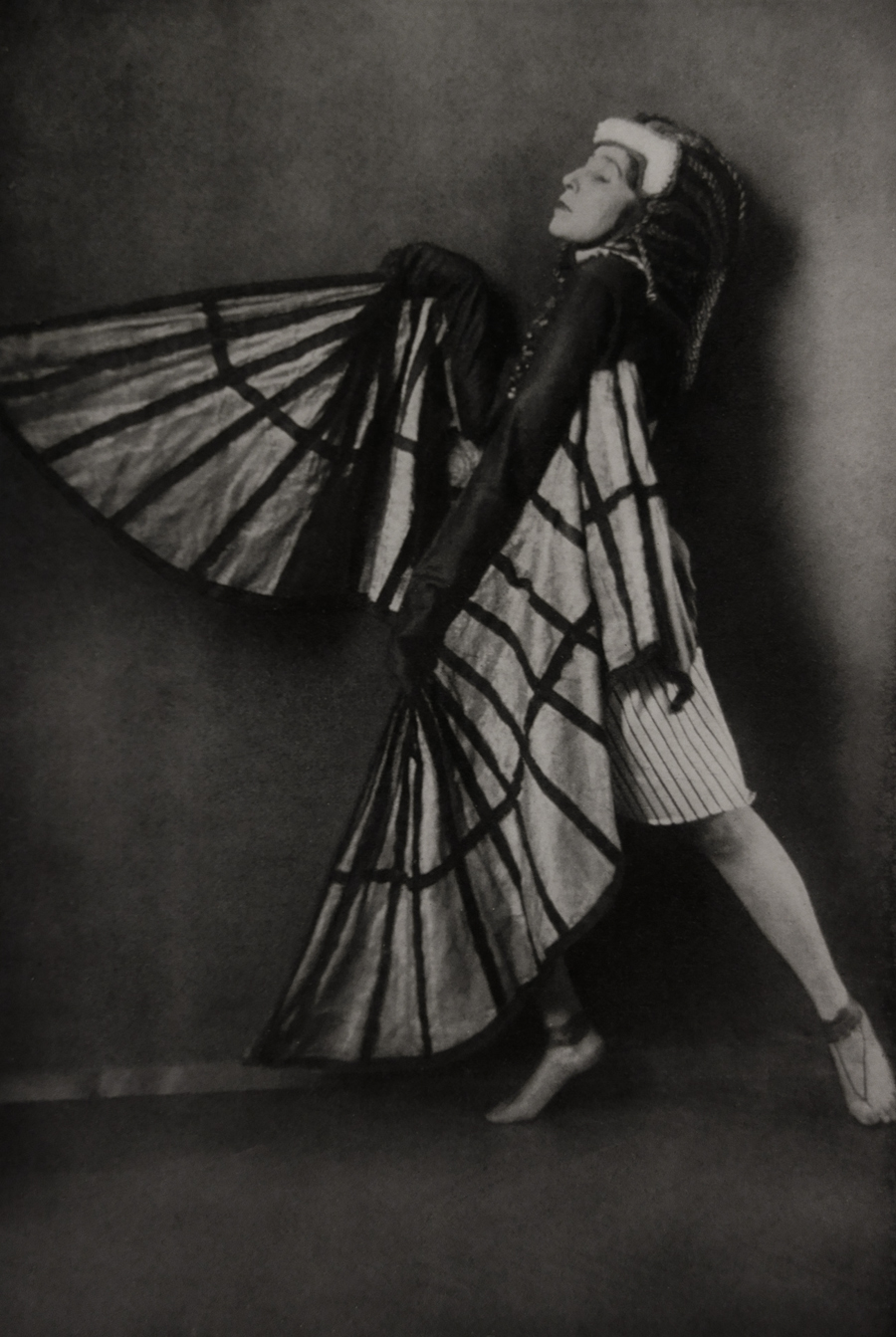
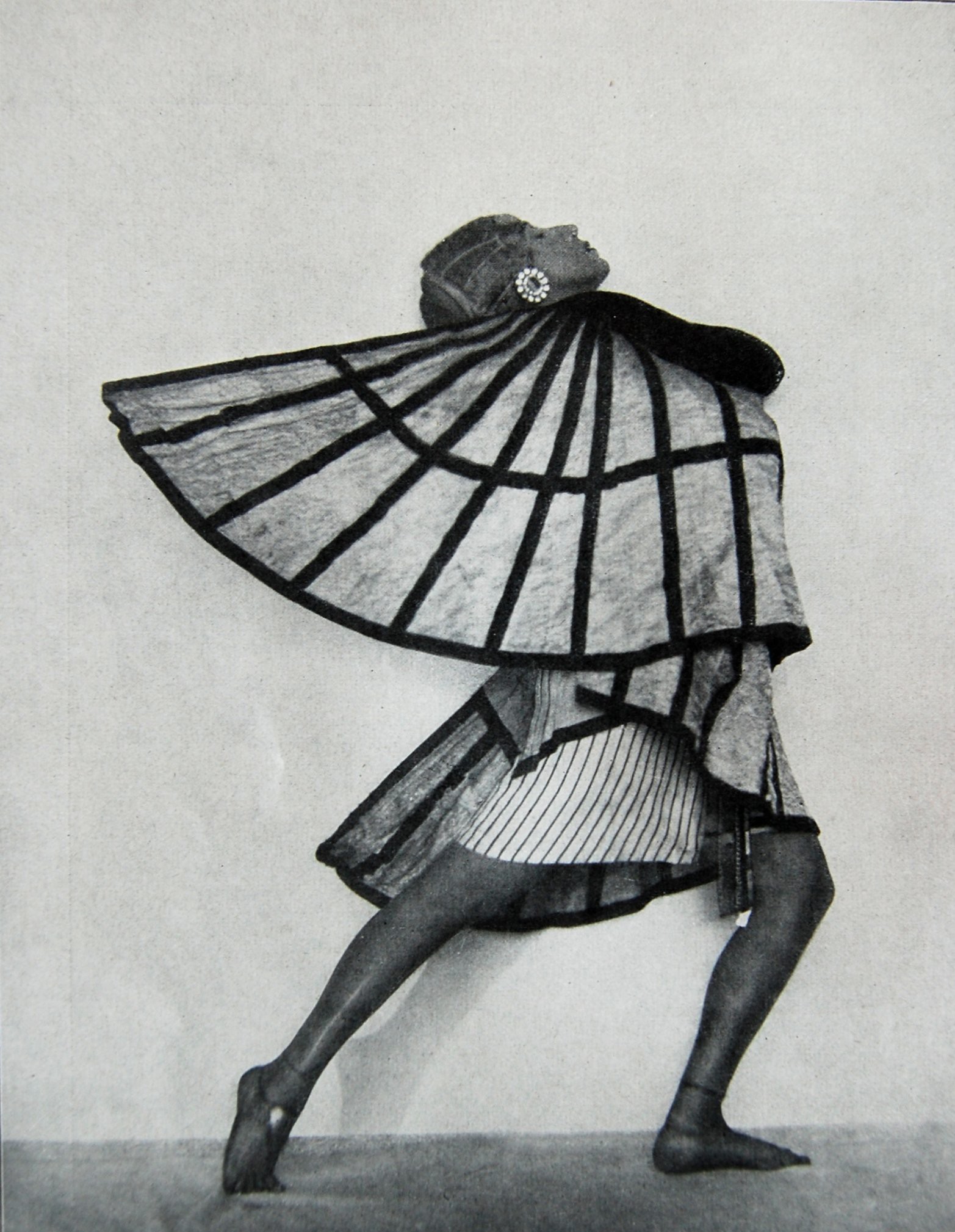
Dance of Salome (1919)

Waldemar Eide :: Salomes dans (Vera Fokina), 1919. Vera Fokina portfolioen. Sølvgelatin. Stavanger kunstmuseum via Norges Fotografforbund

Waldemar Eide is presented in a large exhibition at the Stavanger Art Museum this winter.

Waldemar Eide is presented in a large exhibition at the Stavanger Art Museum this winter. Waldemar Eide was born in Stavanger in 1886 and was one of Norway’s leading portrait photographers in the first half of the 20th century. He was among the first photographers to consider himself a visual artist, and had an active exhibition business in Stanvanger and abroad. He received several awards for his photographs and also regularly wrote about art and photography for trade journals and newspapers.

Eide was a pictorialist and thus placed great emphasis on the painterly qualities, on light and shadow in a picture. This led to his pictures often convey an almost dreamlike sense and this style resonated well with the dancers, actors and musicians of the time.

His studio in Stavanger was a meeting place for visiting artists and personalities who wanted to have their portraits taken, as well as the local population. Composer Sergej Rakhmaninov, historian Macody Lund and opera singer Kaja Eide Norena were among the many he photographed. He is perhaps best known for the pictures of the Russian ballet dancer Vera Fokina, whom he depicted in 1919.

The exhibition is curated by art historian at Stavanger art museum Vibece Salthe and is on display until 19 February 2017. [quoted from Norges Fotografforbund, original text below (*)]
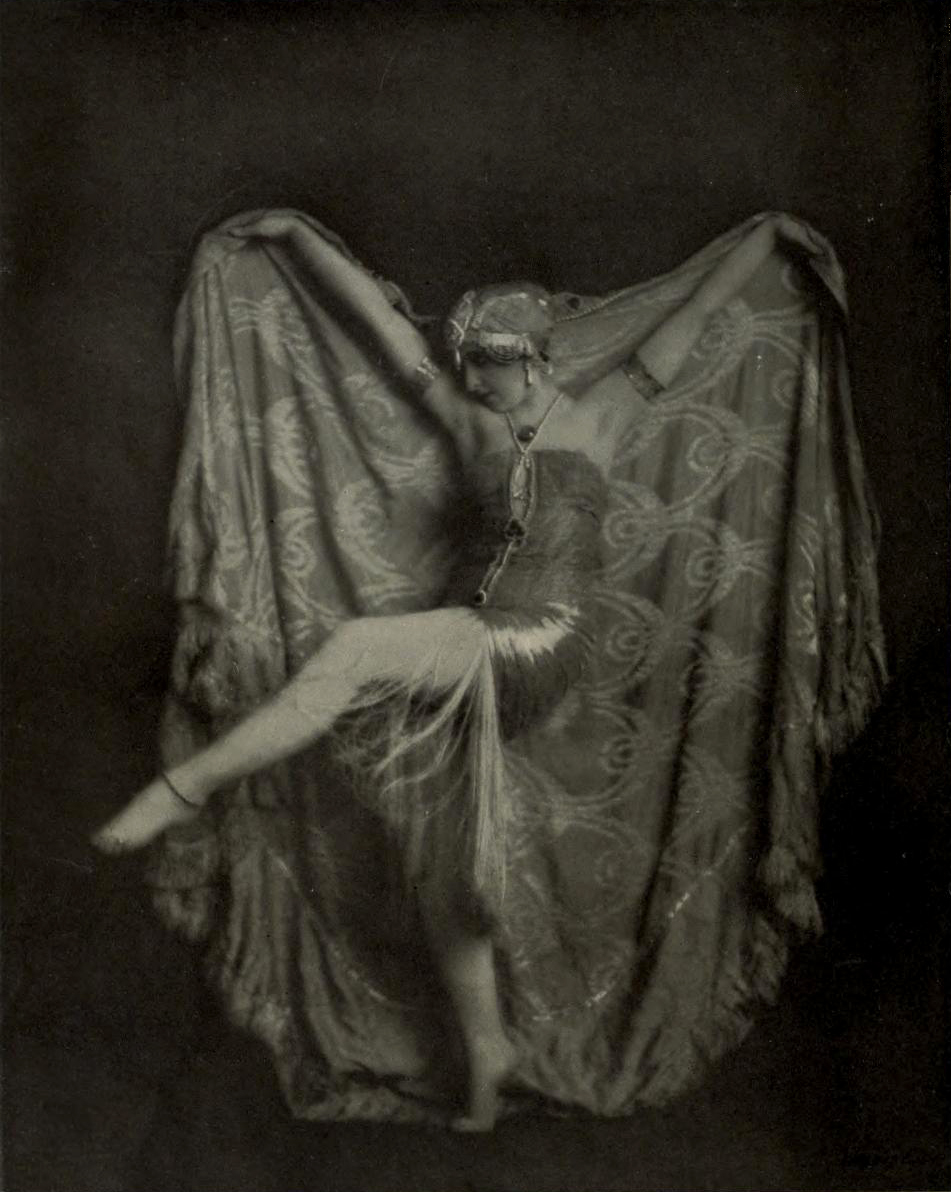
Waldemar Eide:: Dance of Salome (Vera Fokina). Photograms of the Year. The annual review of the world's pictorial photographic work, 1920 issue (plate LXIV). Edited by F. J. Mortimer. | src archive.org
Waldemar Eide :: Salomes dans (Vera Fokina), 1919. Vera Fokina portfolioen. Sølvgelatin. Stavanger kunstmuseum via Norges Fotografforbund
Waldemar Eide:: Dance of Salome (Vera Fokina). Photograms of the Year. The annual review of the world’s pictorial photographic work, 1920 issue (plate LXIV). Edited by F. J. Mortimer. | src archive.org
Waldemar Eide :: Vera Fokina ved den russiske ballett. Dansestudie med kostyme, ca. 1919 | src Norsk Folkemuseum via digitalt museum

[(*) quote in original language] Waldemar Eide presenteres i stor utstilling på Stavanger kunstmuseum denne vinteren.

Waldemar Eide presenteres i stor utstilling på Stavanger kunstmuseum denne vinteren.Waldemar Eide ble født i Stavanger i 1886 og var en av Norges ledende portrettfotografer i første halvdel av 1900-tallet. Han var blant de første fotografene som betraktet seg som billedkunstner, og hadde en aktiv utstillingsvirksomhet i inn- og utland. Han mottok flere priser for sine fotografier og skrev i tillegg jevnlig om kunst og fotografi for fagtidsskrifter og aviser.

Eide var piktorialist og la dermed stor vekt på de maleriske kvalitetene, på lys og skygge i et bilde. Det førte til at bildene hans ofte fikk et nærmest drømmende preg og denne stilen resonnerte godt med tidens dansere, skuespillere og musikere.

Atelieret hans i Stavanger var et møtested for besøkende kunstnere og personligheter som ville la seg portrettere, i tillegg til lokalbefolkningen. Komponisten Sergej Rakhmaninov, historikeren Macody Lund og operasangeren Kaja Eide Norena var blant de mange han fotograferte. Mest kjent er han kanskje for bildene av den russiske ballettdanseren Vera Fokina, som han avbildet i 1919.

Utstillingen er kuratert av kunsthistoriker ved Stavanger kunstmuseum Vibece Salthe og vises til og med 19. februar 2017. | src Norges Fotografforbund

Kyra at the Winter Garden, 1921

James Abbe ~ Kyra (Alanova). Shadowland magazine, October 1921 | src internet archive

Caption reads : Kyra / The exotic dancer in this season lending a touch of Oriental color to the Winter Garden revue

James Abbe ~ Kyra (Alanova). Shadowland magazine, October 1921 | src internet archive

Alanova, also known as Kyra Alanova and Alice Allan (Seattle, 26 July 1902 – Venice, 21 December 1965 ), was an American dancer, choreographer and actress. Born in the USA to a Russian father who emigrated at the beginning of 1900, she was then the stepdaughter of the choreographer and dancer Adolf Bolm, an important collaborator of Sergei Diaghilev Ballets Russes. She followed her stepfather’s footsteps, from 1918 to 1924 she danced with Diaghilev’s company on the stages of London, Paris and Rome, from 1922 she was engaged as an actress in various Broadway and London productions, under the name of Kyra Alanova.

Active on the Paris theater scene in the 1930s, she was portrayed by Kees van Dongen in several paintings (“Portrait of Miss Alanova”, “Jeune fille aux pieds nus”), in a period when the two were probably lovers.

At the end of the 1930s she arrived in Italy for a tour of the most important theaters and met Count Andrea Di Robilant, screenwriter and director, the two married shortly after and Alanova remained for a few years working in Italy, dividing her time between family and work (mainly in Italian films).

At the end of the war, Alanova resumed her activity as a choreographer, founding her own dance company: the Ballet Russe Alanova or Ballets Alanova (of which Enrico Prampolini would be artistic director and with whom Leonor Fini would collaborate as set and costume designer) with which she toured America and Europe until 1946.

text adapted from the Italian Wikipedia entry for Alanova
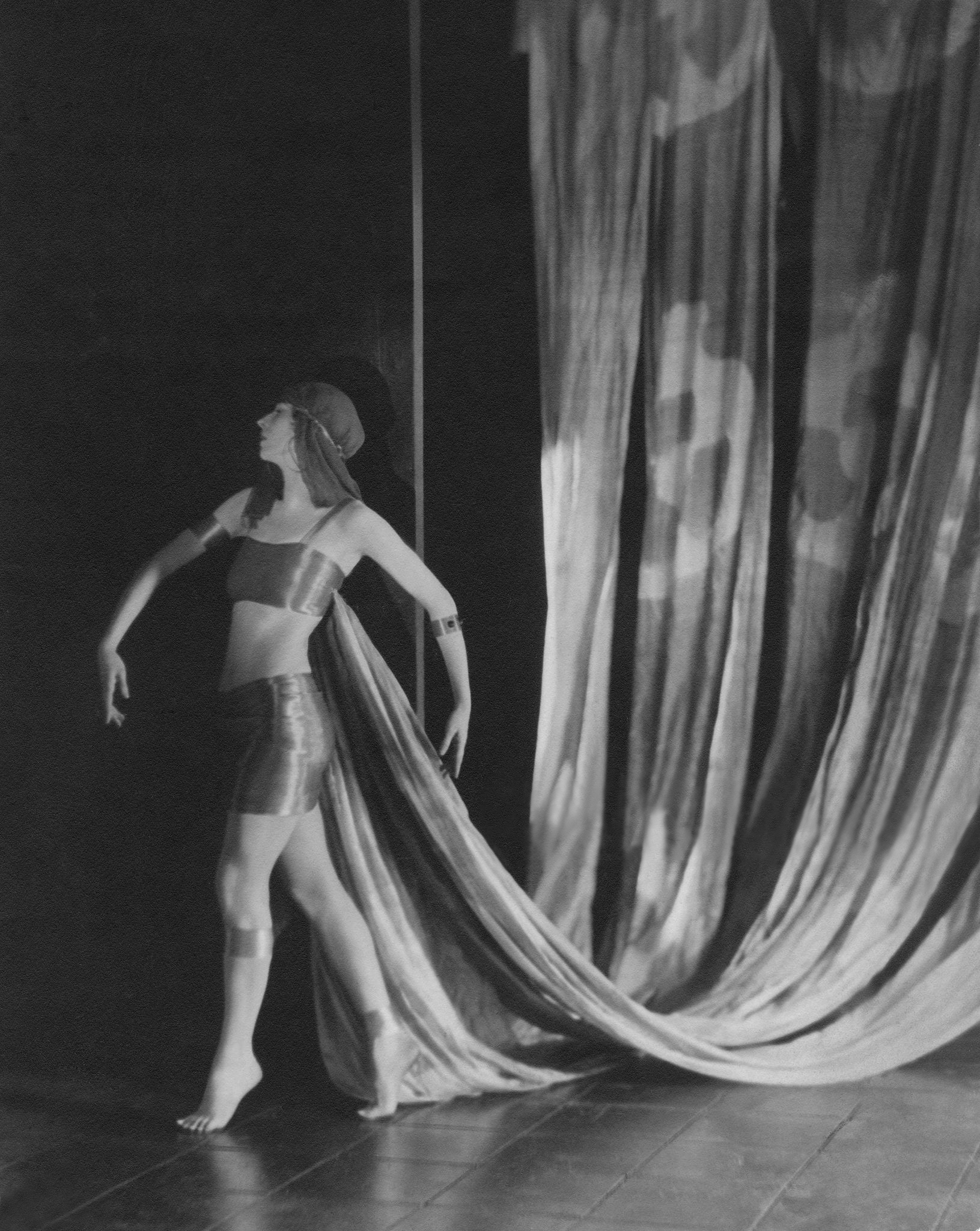
James Abbe :: Kyra Alanova at the Winter Garden, wearing a costume with a satin crop top and matching fitted shorts, with the top attached to long, flowing curtains, walking barefoot across a tiled floor, Vanity Fair, 1921. | src Getty Images

Tamara Karsavina by Blanche

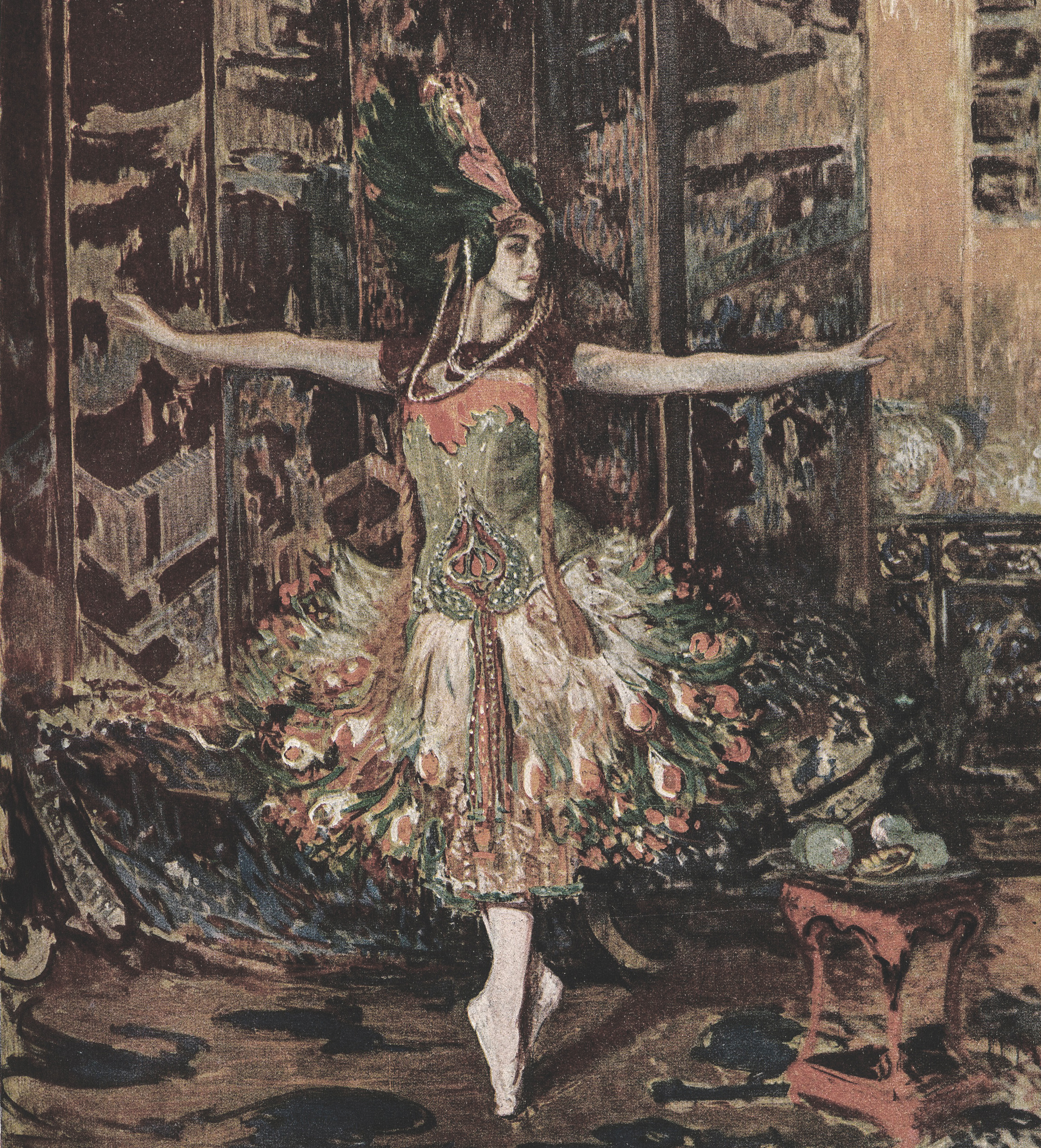
Jacques Emile Blanche :: Titelbild. Bildnis der Tänzerin Karsavina. Jugend Magazin, 1914, Nr. 3. | src Universitätsbibliothek Heidelberg
Jacques Emile Blanche :: Titelbild. Bildnis der Tänzerin Karsavina. Published in Jugend 1914, Nr. 3 (magazine cover). Full image. | src Heidelberg University Library
Jacques Emile Blanche :: Titelbild. Bildnis der Tänzerin Karsavina. Published in Jugend magazine, 1914, Nr. 3 (magazine cover). Full image. | src Heidelberg University Library
Jacques Emile Blanche :: Titelbild. Bildnis der Tänzerin Karsavina. Published in Jugend 1914, Nr. 3 (magazine cover). | src Universitätsbibliothek Heidelberg
Jacques Emile Blanche :: Titelbild. Bildnis der Tänzerin Karsavina. Jugend Magazin, 1914, Nr. 3. | src Universitätsbibliothek Heidelberg

Dancer Nina Payne, 1920s

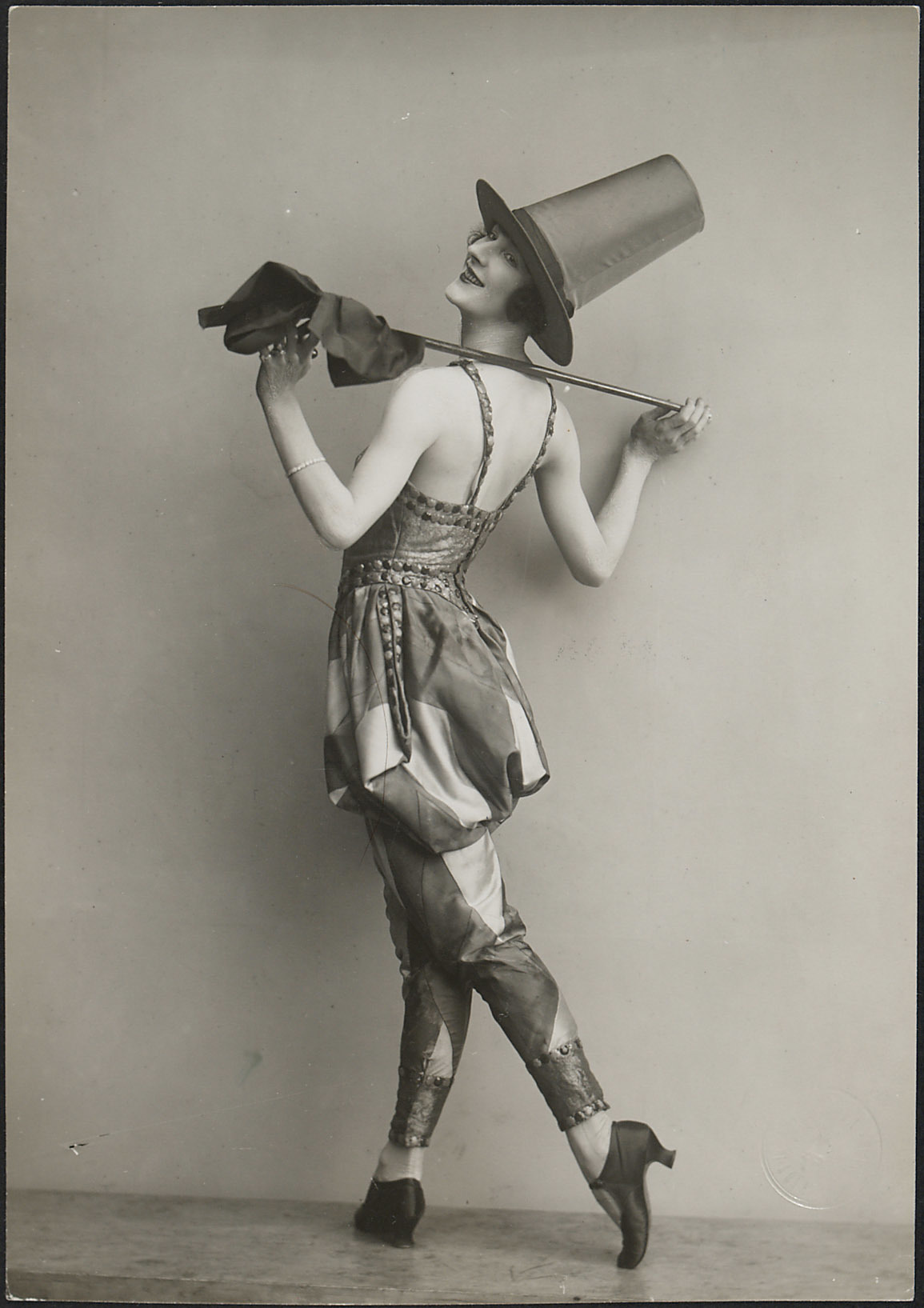
Atelier Willinger :: Bewegungsstudie der Tänzerin Nina Payne, 1920s. | src Theatermuseum, Wien
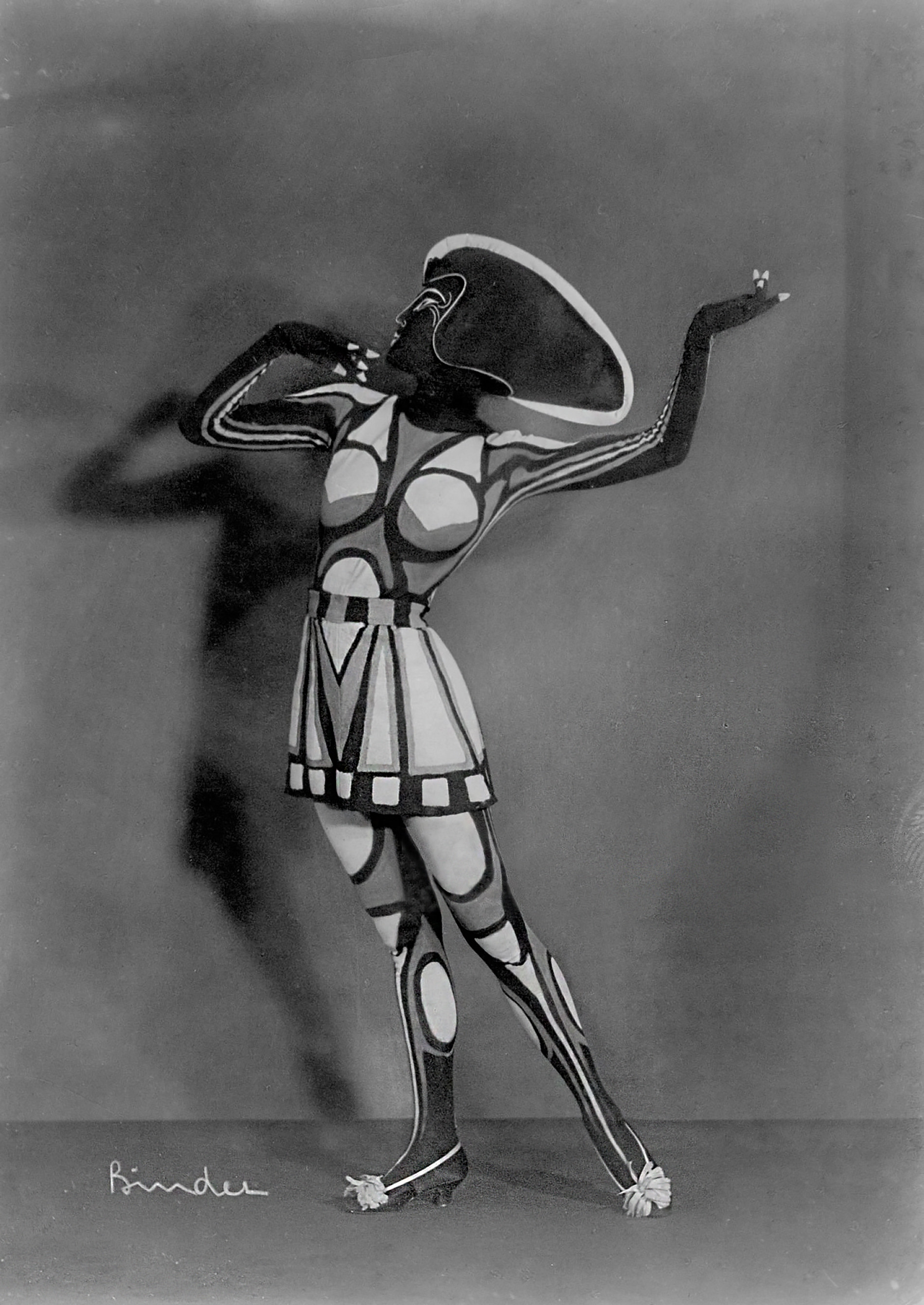
Alexander Binder :: Dancer Nina Payne with a dance mask and costume in the Nelson revue "Confetti"; Nelson Theater Berlin, ca. 1925
Atelier Binder – Alexander Binder :: Dancer Nina Payne with a dance mask and costume in the Nelson revue “Confetti”; Nelson Theater Berlin, ca. 1925 | src Getty Images

Harald Kreutzberg, 1931

Hans Robertson :: Portrait of Harald Kreutzberg, German Avant Garde dancer, ca. 1930. Photograph signed and dated in pencil on mount “Robertson – 31” and dedicated/signed by Kreutzberg in lower right margin. Handwritten: “To my dear Mister King, Germany, 1931(?)”. | src BidSquare

Sent M’Ahesa, 1928

Franz Löwy (Vienna) :: Dancer Sent M’Ahesa (Elsa von Carlberg). From Der Kunstlerische Tanz Unserer Zeit [The Artistic Dance of Our Time], p. 11. Published in 1928. | src Marcus Bunyan
Hanns Holdt :: Sent M’ahesa (Elsa von Carlberg). From Der Kunstlerische Tanz Unserer Zeit [The Artistic Dance of Our Time] by Hermann Aubel and Marianne Aubel. Leipzig, 1928. p. 10. | originally posted on tumblr | src Crossett Library

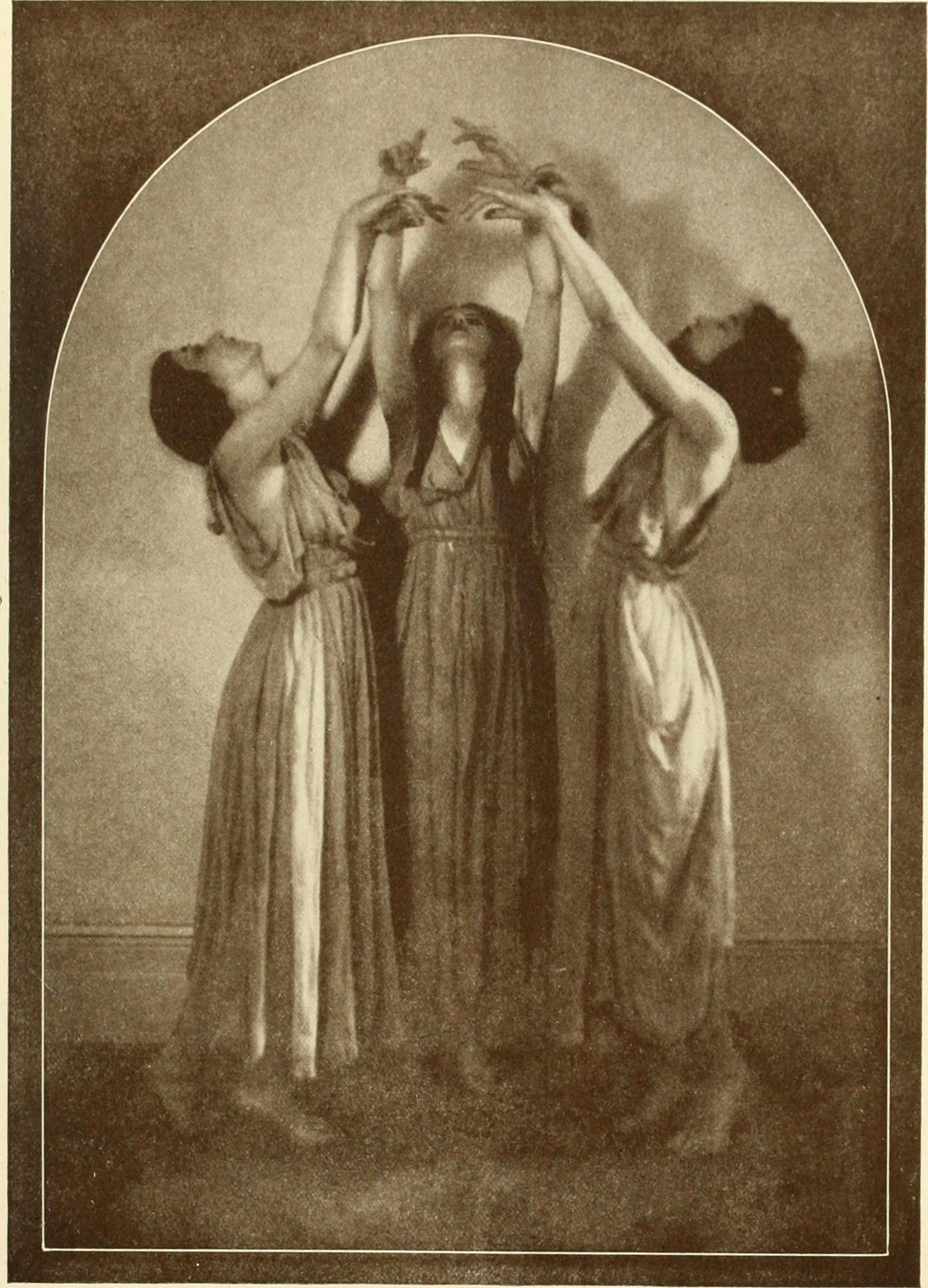
Dancing with Helen Moller, 1918

“Unfolding, as though giving or about to receive — an idea of petals opening to exchange the flower’s perfume for the warmth of the sun’s rays.” From ‘Dancing with Helen Moller’, 1918. Page 26. University of California Libraries. | src internet archive
“A gentle and pleasantly expectant expression of aspiration — the lines of the entire body, arms, neck and head, having an upward tendency.” From ‘Dancing with Helen Moller’, 1918. Page 94. University of California Libraries. | src internet archive
“An expression of pleasurable relaxation pervading the entire body— a complete reaction to influences that are pervasive in their sweetness and charm.” From ‘Dancing with Helen Moller’, 1918. Page 94. University of California Libraries. | src internet archive
“The graceful management of draperies is an important requisite in Greek dancing. When the robe is voluminous, as in this instance, its manipulation demands considerable skill.” From ‘Dancing with Helen Moller’, 1918. Page 44. University of California Libraries. | src internet archive
“Classic perfection of repose, with one limb bearing the body’s weight while the other, with the knee flexed, preserves balance, is one of the Greek dancer’s earliest achievements.” From ‘Dancing with Helen Moller’, 1918. Page 44. University of California Libraries. | src internet archive
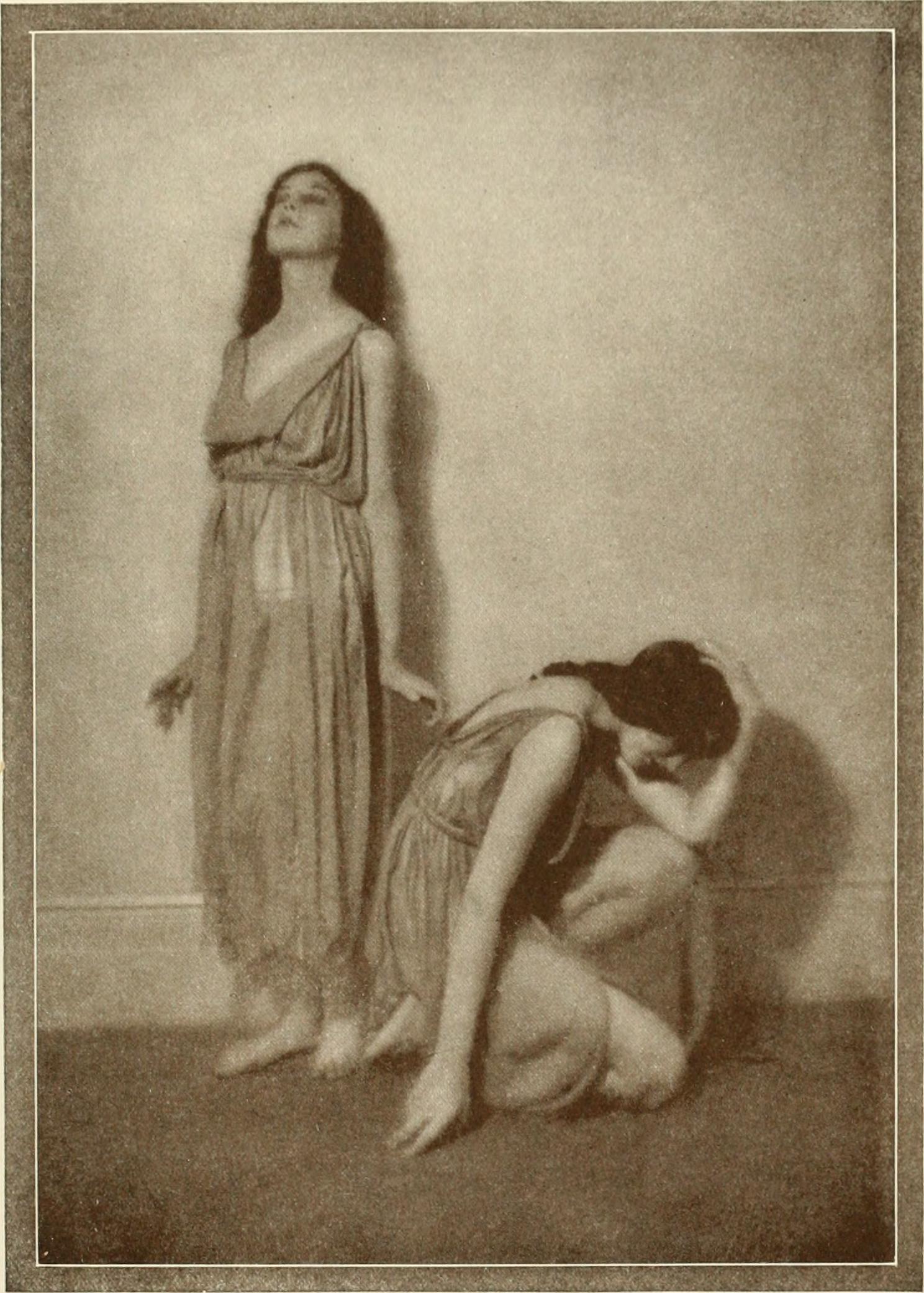
“Different individual reactions to the same sense of calamity -one erect as though petrified, the other crushed by despair; neither imitative, but each creative.”
Helen Moller and Curtis Dunham :: From ‘Dancing with Helen Moller; her own statement of her philosophy and practice and teaching formed upon the classic Greek model, and adapted to meet the aesthetic and hygienic needs of to-day’, 1918. Page 40. University of California Libraries. | src internet archive

ACKNOWLEDGMENT: Many of the photographs reproduced in this book were taken by the author herself. For the privilege of reproducing other fine examples of the photographer’s art, she desires to express her grateful acknowledgments to Moody, to Maurice Goldberg, to Charles Albin and to Underwood and Underwood; also to Arnold Genthe for the plate on Page 36; and to Jeremiah Crowley for his admirable arrangement of the entire series of illustrative art plates. [quoted from source]