Birgit Akesson by Sune Sundahl

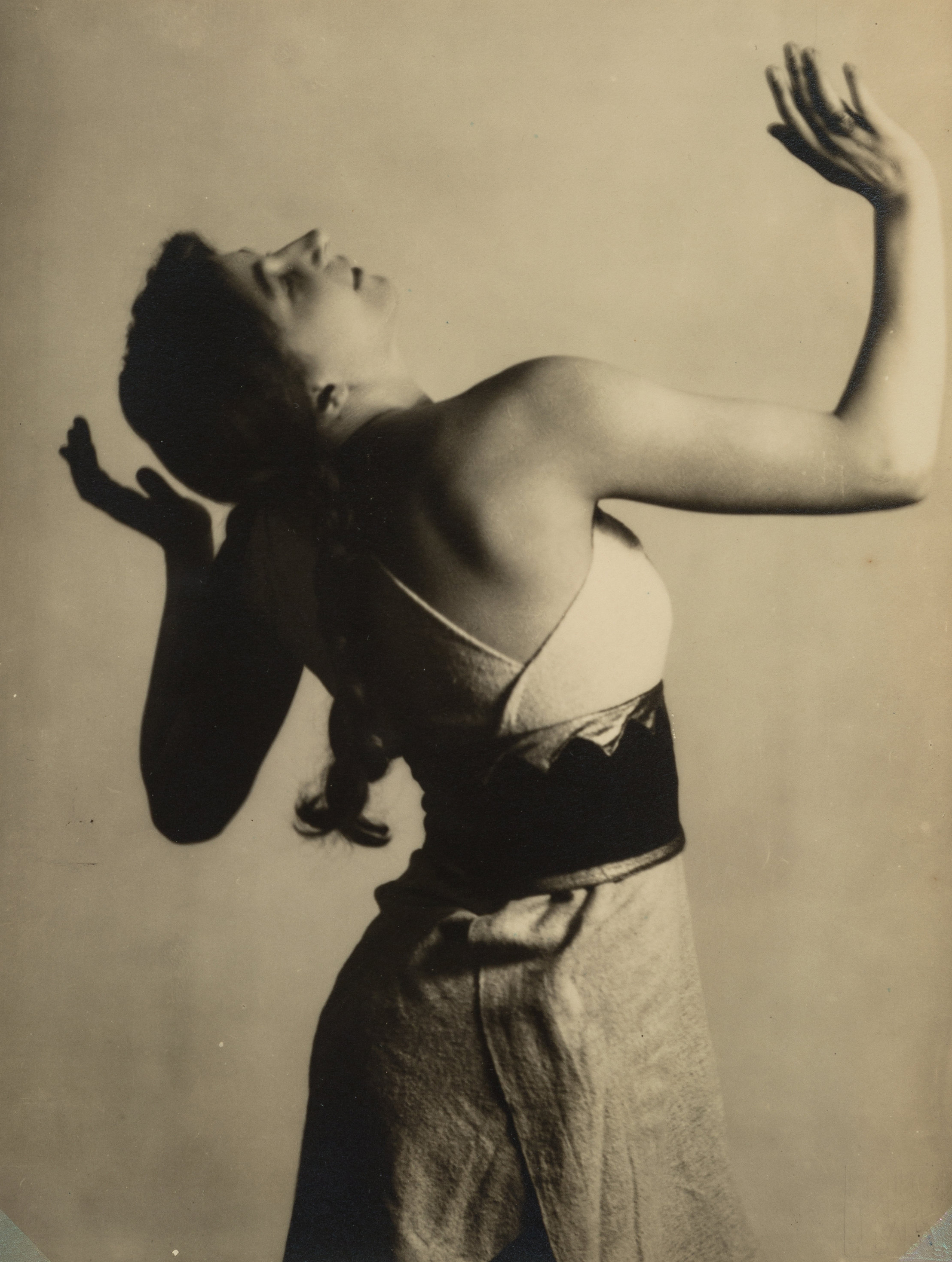
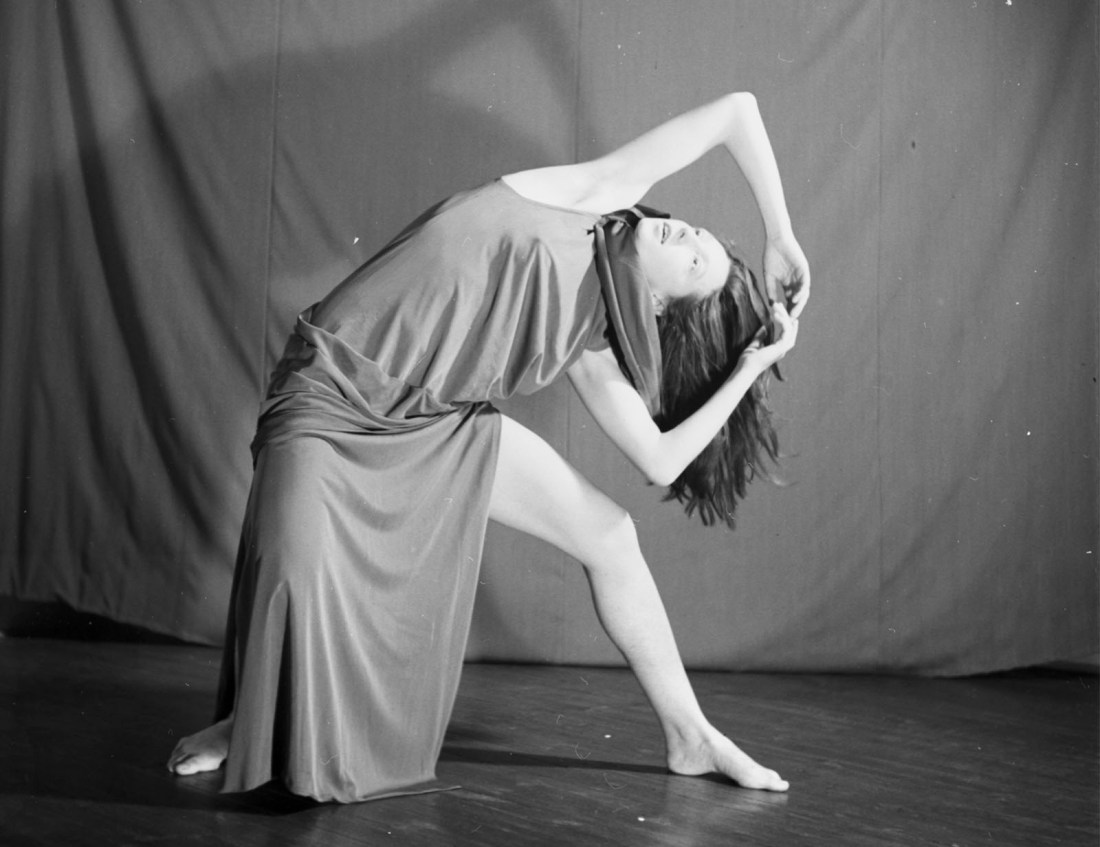
Sune Sundahl ~ Birgit Åkesson dances in a draping dress. Picture taken in studio. Architecture and Design Center Ark Des / ARKM.1988-111-02796
Sune Sundahl ~ Birgit Åkesson dansar i draperande klänning. Bilden tagen i studio. Arkitektur- och designcentrum Ark Des / ARKM.1988-111-02799
Sune Sundahl ~ Birgit Åkesson dances in a long draped dress. Picture taken in studio. Architecture and Design Center Ark Des / ARKM.1988-111-02795
Sune Sundahl ~ Birgit Åkesson dances in a draping dress. Picture taken in studio. Architecture and Design Center Ark Des / ARKM.1988-111-02800-A
Sune Sundahl ~ Birgit Åkesson dansar i draperande klänning. Bilden tagen i studio. Arkitektur- och designcentrum Ark Des / ARKM.1988-111-02800-B
Sune Sundahl ~ Birgit Åkesson dances in a draped dress. Picture taken in studio. Architecture and Design Center Ark Des / ARKM.1988-111-02801

All the images in this post are from the exhibition: «Dansen har mycket gemensamt med arkitektur» (2013). Some of the images are dated 1939-1947 but most of them undated.

«Dance has a lot in common with architecture» (2013)

Movement, rhythm, space and body in dance have much in common with architecture. Spatiality can only be experienced with the body, in movement. There are several good reasons to pay attention to the connections between the room shape and people’s movements in the rooms. Whether dancing or walking around a building, there is both flow and embodiment. Perhaps it was precisely these common denominators that made Birgit Åkesson choose the architectural photographer Sune Sundahl to document her early choreographies?

Photographing movement is a big challenge, a movement in a frozen moment can easily turn into a rigid pose without context or dynamism. In Sundahl’s collection there are, among other things, pictures from Birgit Åkesson’s own performance Blue Evening from 1946. The title was probably taken from the blue-painted Konserthuset in Stockholm, designed by Ivar Tengbom 1924-26. Here, Birgit Åkesson experimented with movements without music, which was unique for the time. She also studied during her lifetime the dances of other cultures, including dances African dances from the south of the Sahara and the Butoh dance from Japan.

The dancer, choreographer and dance researcher Birgit Åkesson (1908-2001) taught the viewer to listen to the sound of movement in the silence. It was about holding a dialogue, where the rhythm carried the form that left invisible traces in the air. Birgit Åkesson started her dance career in the 1920s and 30s when she studied with the German-born choreographer Mary Wigman. It was from her that the Swedish dancer found the expressionist language, the free dance. Birgit Åkesson was one of the leading avant-garde artists in free dance.

Lenita Gärde, Center for Architecture and Design (quoted from ArkDes)

Sune Sundahl ~ Birgit Åkesson dansar i draperande klänning. Bilden tagen i studio. Arkitektur- och designcentrum Ark Des / ARKM.1988-111-02804
Sune Sundahl ~ Birgit Åkesson dansar i draperande klänning. Bilden tagen i studio. Arkitektur- och designcentrum Ark Des / ARKM.1988-111-02805

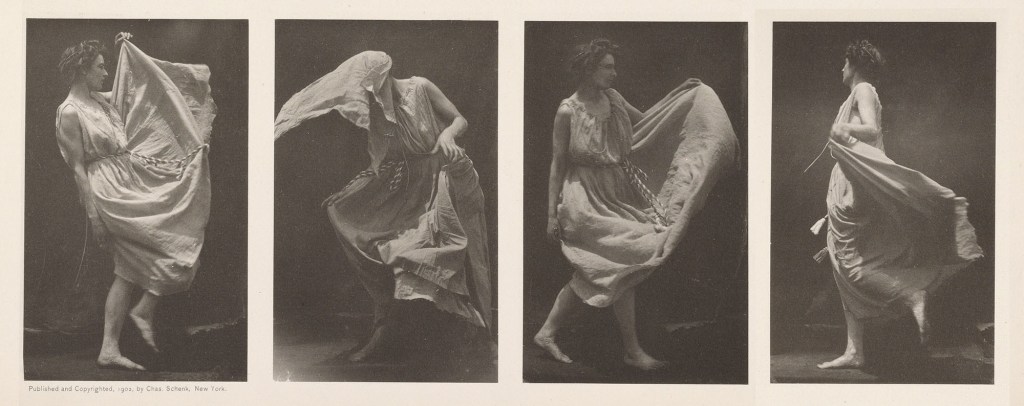
Schenk dancer and draperies

Charles Schenk (American, active New York 1898-1905) ~ Schenk-Draperies, New York, United States; 1902; Collotype. | Getty Museum
Charles Schenk :: Dance studies, plate 12, circa 1910. Gelatin silver print from collotype negative. | src Freeman’s auction

Charles Schenk was active in New York from 1898 to 1905. He produced a series of motion studies of women dancing with drapery as well as a collection of multi-plate prints detailing women’s hands at work. His works are in the collections of the Getty Museum, MoMA and the Rijksmuseum.

Charles Schenk (American, active New York 1898-1905) ~ Schenk-Draperies, New York, United States; 1902; Collotype. Eight images of a woman dancing in a simple dress with a rope belt. Full plate. | Getty Museum
Charles Schenk (American, active New York 1898-1905) ~ Schenk-Draperies, New York, United States; 1902; Collotype.
Charles Schenk (American, active New York 1898-1905) ~ Schenk-Draperies, New York, United States; 1902; Collotype. | Getty Museum

The Female Figure, ca. 1917

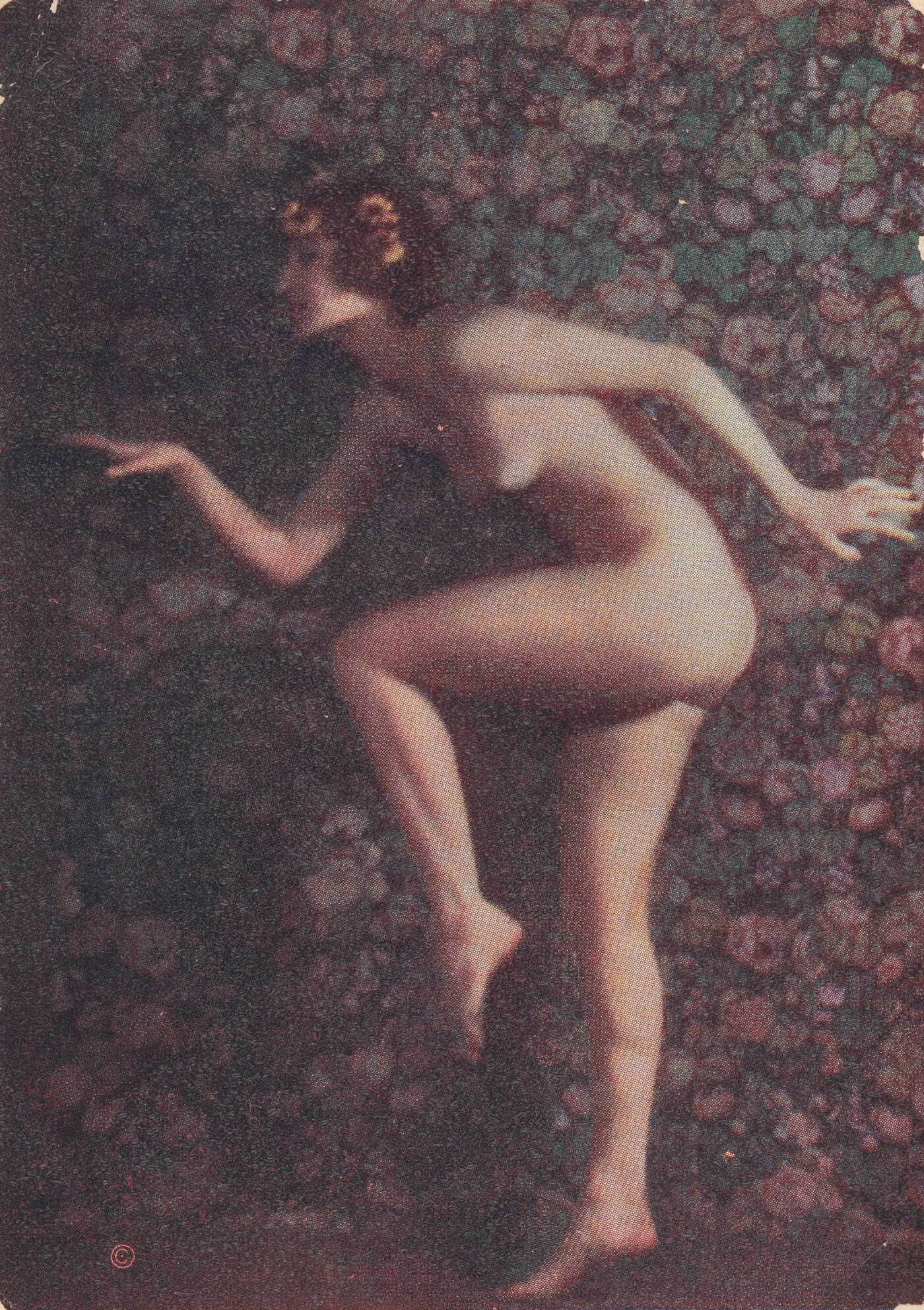
Karl Struss (1886-1981) :: The Female Nude, ca. 1917. Dye imbibition print. Rotogravure. | src Amon Carter Museum of American Art

Inscriptions on verso: [stamp] Original Photograph by Karl Struss \ FROM “THE FEMALE FIGURE.” \ First Series. Plate Nº. [in ink]: 16.

Karl Struss (1886-1981) :: The Female Figure, ca. 1917. Hess-Ives print. Rotogravure. | src Amon Carter Museum of American Art

Inscriptions on verso: [stamp] Original Photograph by Karl Struss \ FROM “THE FEMALE FIGURE.” \ First Series. Plate Nº. [in graphite]: 32.

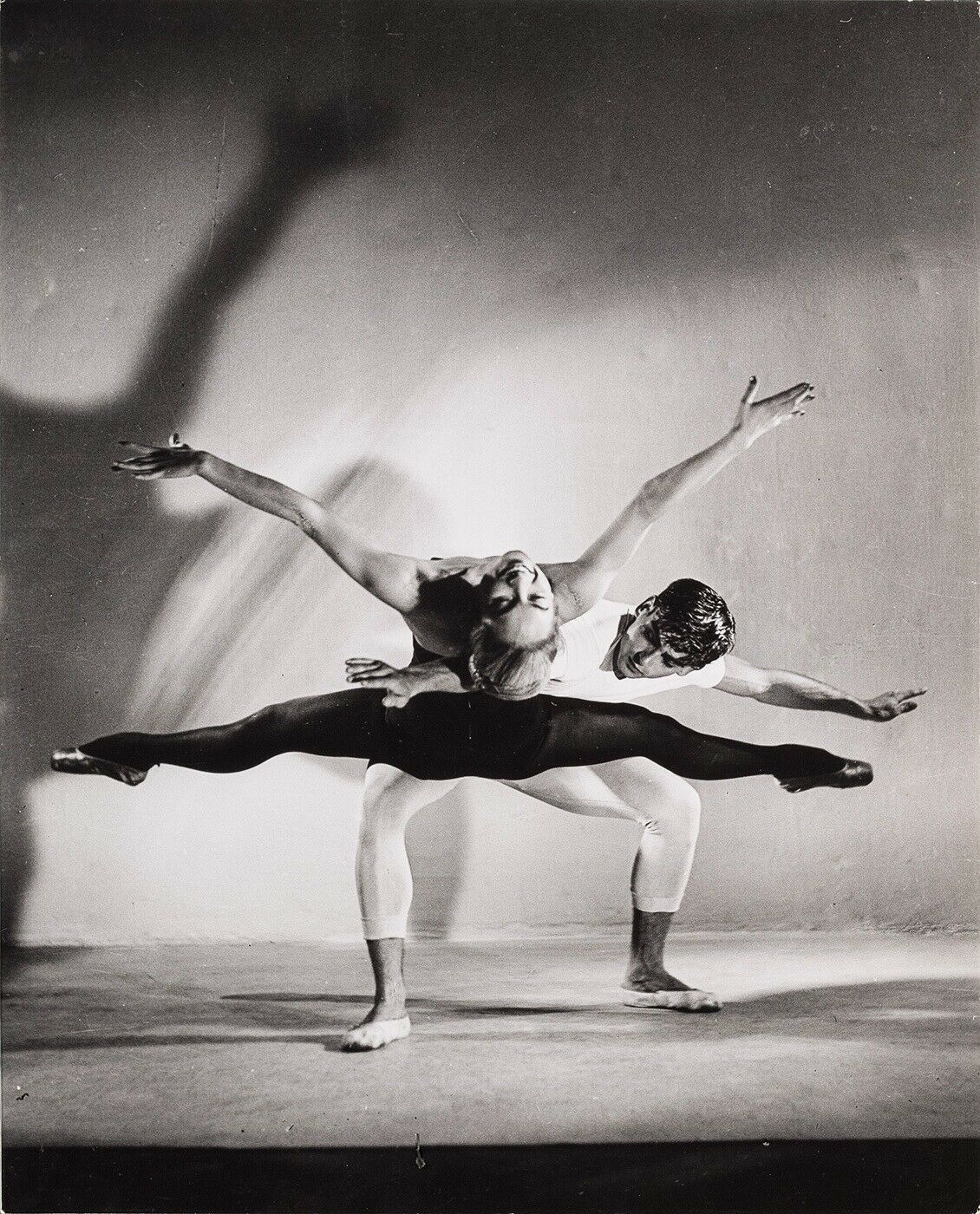
‘Der Idiot’, 1952

Siegfried Enkelmann :: ‘Der Idiot’, 1952. Dancers Wiet Pilar and Harald Horn from the Berlin Ballet performing a scene from „The Idiot“, a ballet based on Dostoyevsky’s novel. Print annotated in pencil (on verso) | src eBay

Aerodanze 3 e 1, 1931

Giannina Censi in "Aerodanze 3: rovesciamento d'apparecchio" di [T. Santacroce. Milano?], [1931 ?]. Mart, Archivio del ’900, Fondo Censi. | src Mart, Museo di arte moderna e contemporanea di Trento e Rovereto on Google Arts
Giannina Censi in “Aerodanze 3: rovesciamento d’apparecchio” di [T. Santacroce. Milano?], [1931?]. Mart, Archivio del ’900, Fondo Censi. | src Mart, Museo di arte moderna e contemporanea di Trento e Rovereto on Google Arts
Giannina Censi. Aerodanze 1 [1931] src Mart - Fondo Giannina Censi
Giannina Censi. Aerodanze 1 [1931] src Mart – Fondo Giannina Censi

Aerodanze 1. Pubblicata in Bonfanti E., Il corpo intelligente. Torino: il segnalibro, 1995, p.25; Vaccarino E., (a cura di) Giannina Censi: danzare il futurismo. Milano: Electa; Museo di arte moderna e contemporanea di Trento e Rovereto, 1998, p.101; Vergine L., (a cura di) L’altra metà dell’avanguardia: 1910-1940: pittrici e scultrici nei movimenti delle avanguardie storiche. Milano: Mazzotta, 1980, p.128

Aerodanze 3. Pubblicata in Poggi Longostrevi G., Cultura fisica della donna ed estetica femminile. Milano: Hoepli, 1933, p.246; Vaccarino E., (a cura di) Giannina Censi: danzare il futurismo. Milano: Electa; Museo di arte moderna e contemporanea di Trento e Rovereto, 1998, p.107

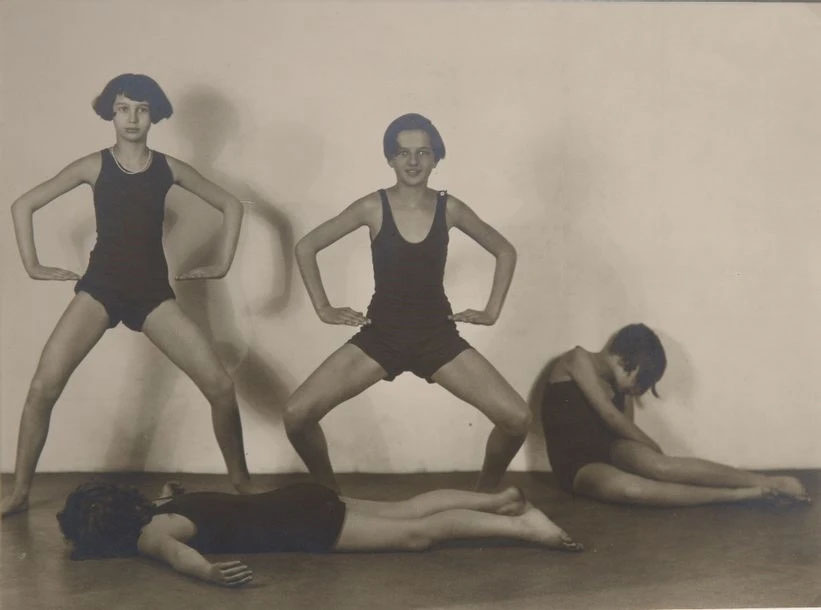
Drtikol · The dance school · ca 1930

František Drtikol ~ L’école de danse, 5e version, ca. 1930. Tirage argentique | src Deburaux · Du Plessis
František Drtikol (1883—1961) ~ L’école de danse, 3e version, ca. 1930 | src mutualart
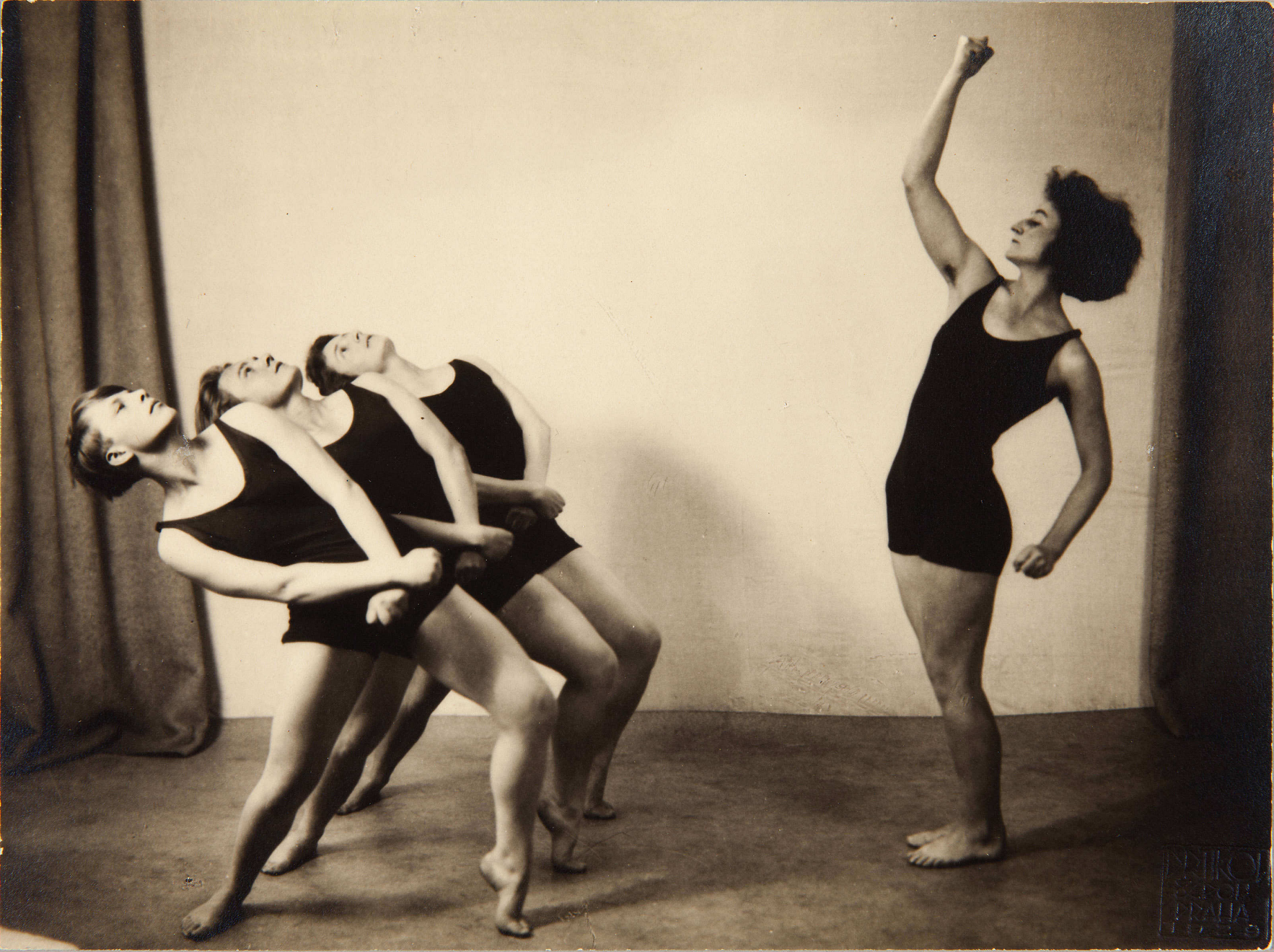
František Drtikol ~ [Dancers in black costume], 1929. Gelatin silver print, blindstamp: ‘Drtikol & Pol Praha 1929’ | src Christie’s