

images that haunt us

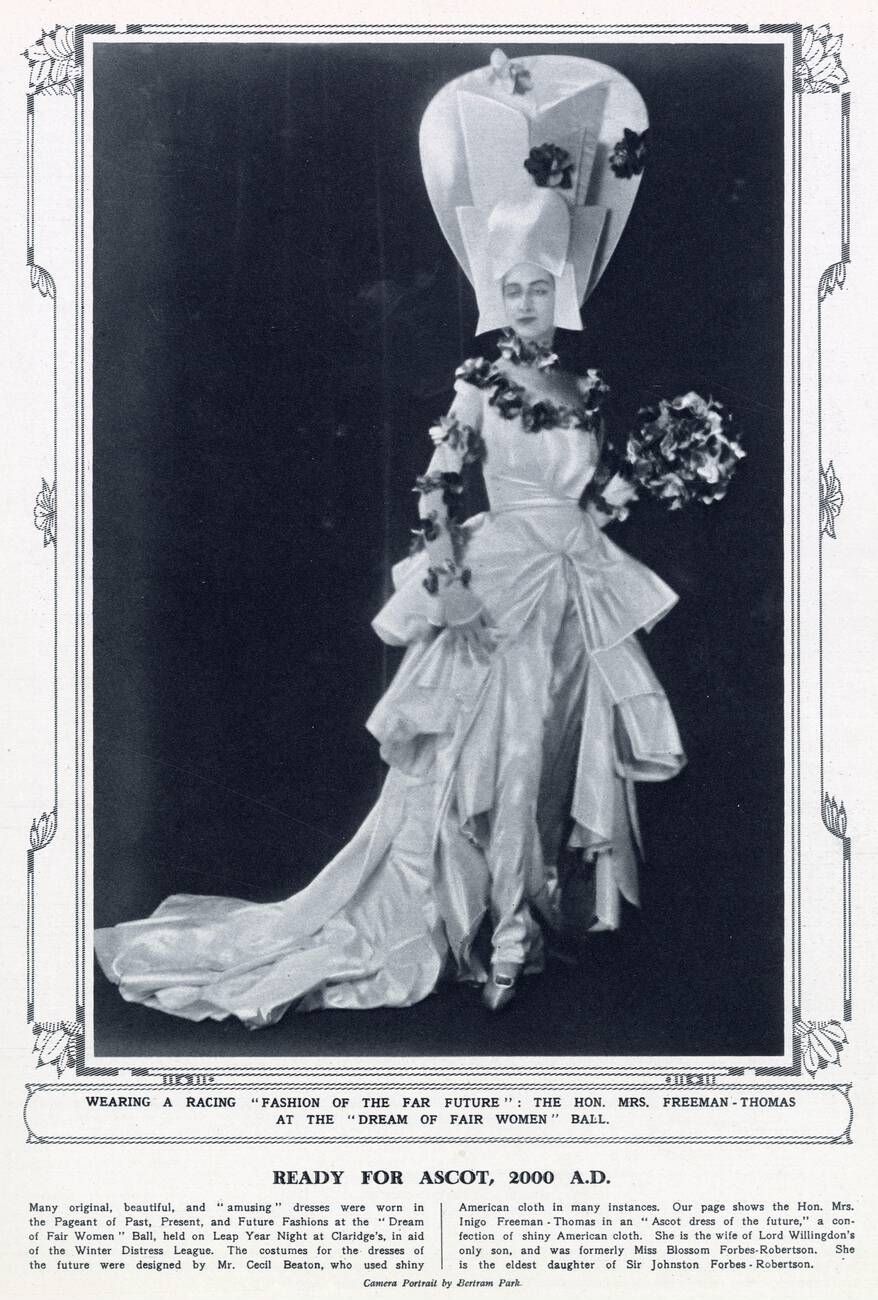
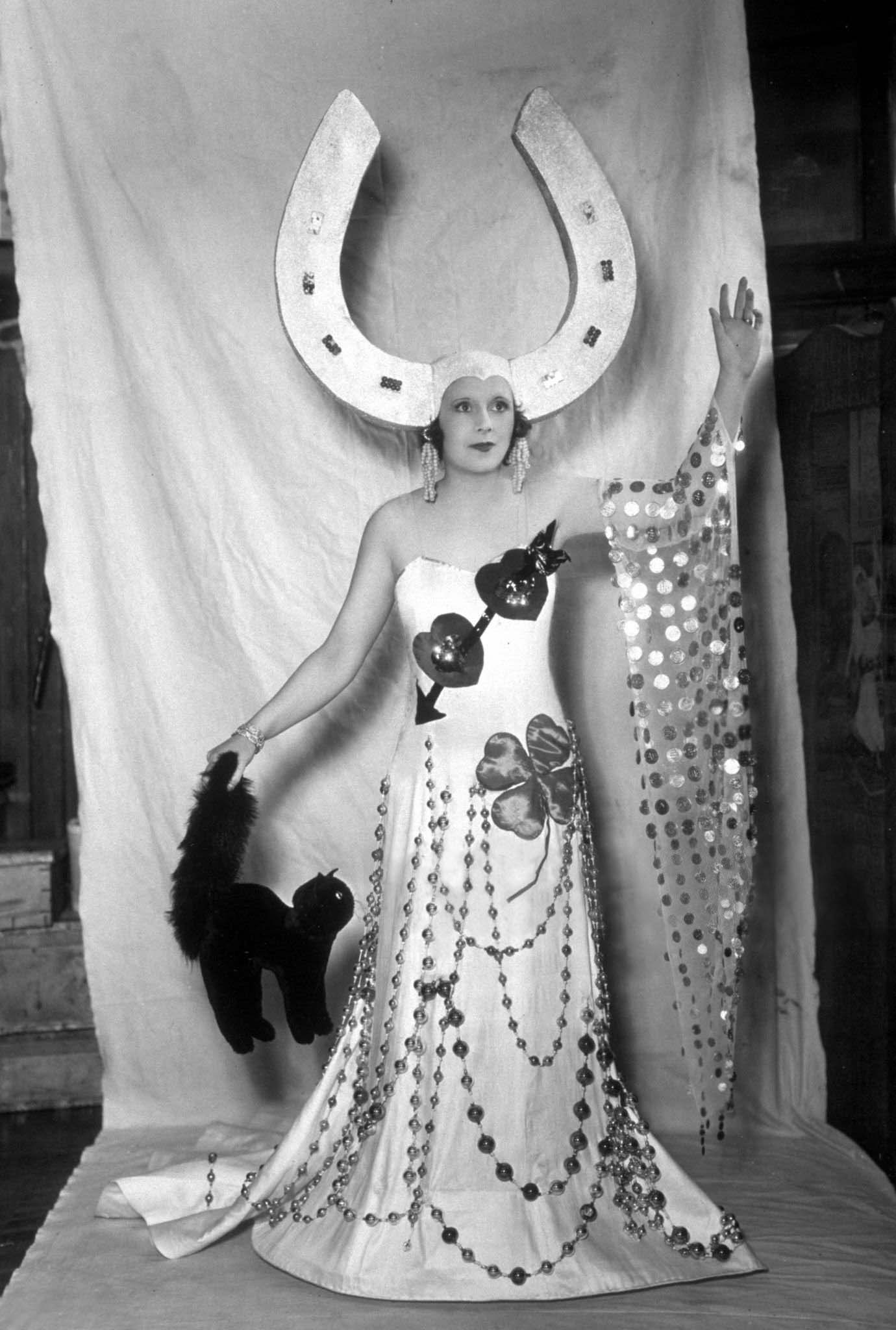
The Pageant of Past, Present and Future Fashions was held on 29th February 1928 (Leap Year Night) at Claridge’s (London) in aid of the Winter Distress League. The costumes for the dresses of the (far) future were designed by Cecil Beaton. The image above shows Ms. Freeman-Thomas in an outfit titled ‘The Ascot Dress of the Future’.


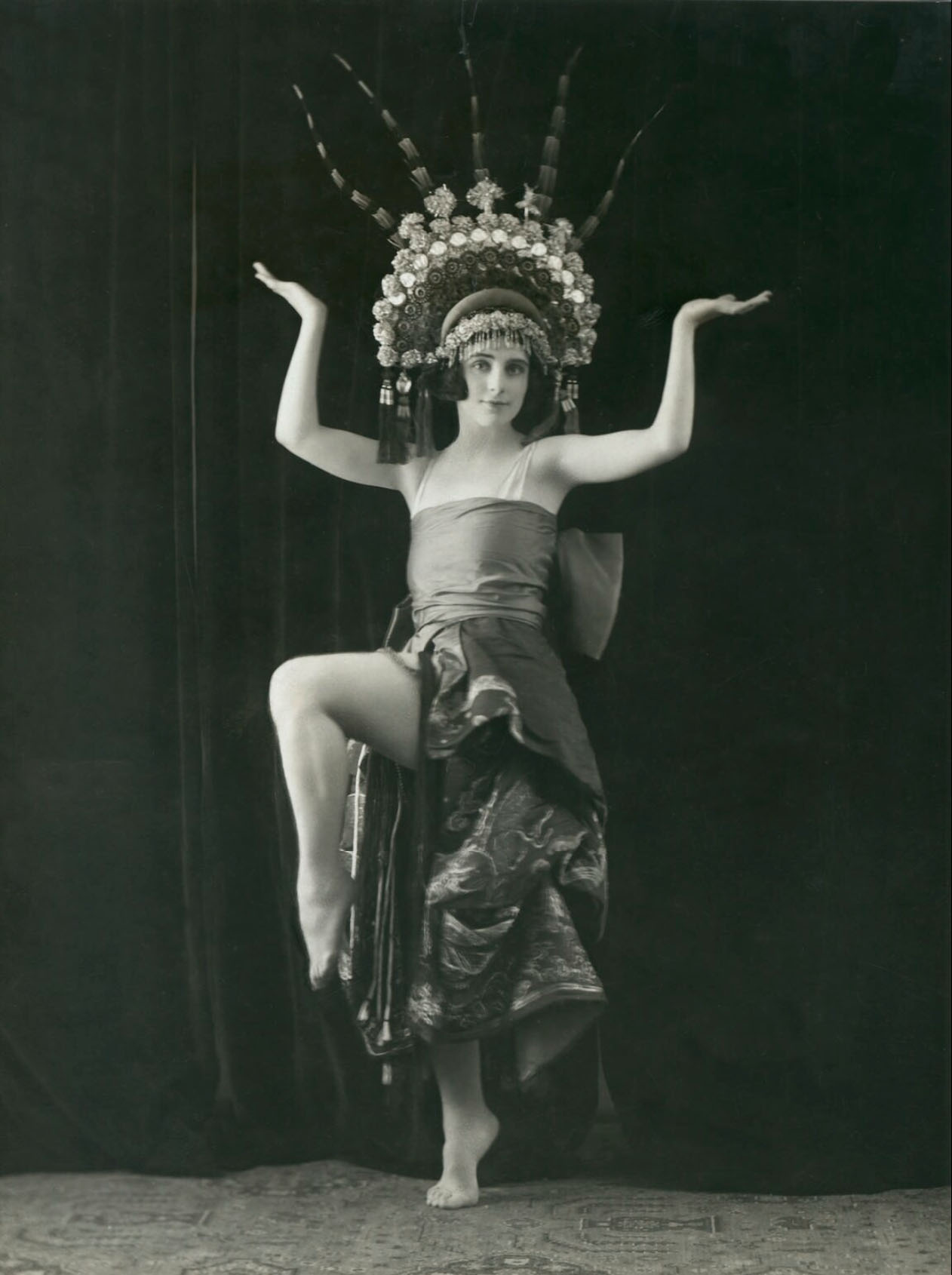
El escritor Luis Antonio de Villena fue el recuperador de la figura de Tórtola en los artículos y prólogos que dedicó desde 1975 al novelista decadente Antonio de Hoyos y Vinent (éste fue uno de los tres hombres con los que se relacionó amorosamente a Tórtola)—los otros fueron el rey Alfonso XIII y el archiduque José de Baviera—. Con Antonio, Carmen solo compartió una densa amistad que les sirvió para ocultar sus verdaderas preferencias amorosas. Estos célebres nombres alimentaban el universo de Carmen que ella misma aderezaba a su antojo. Cuenta De Villena que cuando estrenó la llamada Danza incaica —inventada por ella misma— con un vestido lleno de tubitos color hueso, dijo que era un vestido hecho con huesos de los conquistadores. Nadie lo creía pero quedaba muy bien. Sin duda, la leyenda es parte de la creación del artista y en el periodo simbolista de entresiglos se dio abundantemente.
quoted from Jot down : Tórtola Valencia: entre la danza y el deseo


All images retrieved from Centre de Documentació i Museu de les Arts Escèniques (cdmae) / Arxiu Tórtola Valencia
Carmen Tórtola Valencia (Sevilla, 18 de junio de 1882 – Barcelona, 13 de febrero de 1955)
De padre catalán (Florenç Tórtola Ferrer) y madre andaluza (Georgina Valencia Valenzuela), cuando tenía tres años su familia emigró a Londres. Sus padres murieron en Oaxaca (México) en 1891 y 1894 respectivamente. Se ha especulado mucho sobre su misterioso origen; según algunos era una bastarda de la familia real española, según otros era hija de un noble inglés. En su libro Tórtola Valencia and Her Times (1982), Odelot Sobrac, uno de sus primeros biógrafos, afirma que desarrolló un estilo propio que expresaba la emoción con el movimiento y se inspiró al parecer en Isadora Duncan.
Especialista en danzas orientales, se interesó sobre todo por las danzas africanas, árabes e indias, que reinterpretó a su modo, investigando en todo tipo de bibliotecas; en cierto sentido llevó la antropología a la danza; su versatilidad como bailarina quedó sin embargo probada a lo largo de su vida. Su fama trascendió los límites profesionales a causa de sus innumerables amantes (gobernantes y escritores de renombre), por su belleza andaluza de ojos negros (fue considerada una de las mujeres más bellas de Europa) y por sus extensos conocimientos fruto de sus numerosos viajes y su pasión por la vida. Su primera aparición pública fue en 1908 en el Gaity Theatre de Londres como parte del espectáculo Habana.
Ese mismo año fue invitada a bailar en el Wintergarten y en el Folies Bergère. Allí fue denominada «La Bella Valencia», una nueva favorita del público como La Bella Otero o Raquel Meller. Al año siguiente bailó en Nürenberg y Londres. Fue invitada a unirse al Cirkus Varieté de Copenhague con Alice Réjane. Estuvo en Grecia, Rusia e India. Su debut español fue en 1911 en el Teatro Romea en Madrid. Volvió al mismo teatro en 1912. Fue nombrada en 1912 socia de honor y profesora estética del Gran Teatro de Arte de Múnich. En 1913 hizo una gira por España que incluyó el Ateneo de Madrid. En 1915 actuó con Raquel Meller en Barcelona.
En 1916, Tórtola fue caricaturizada en la revista de humor catalana Papitu como otra Mata Hari. Fue sin embargo su arte más bien apreciado por los intelectuales que por la gran masa del público. Emilia Pardo Bazán dijo de ella que era la personificación del Oriente y la reencarnación de Salomé. Tórtola fue una artista ecléctica y polifacética. En 1915 actuó en los filmes Pasionaria y Pacto de lágrimas, dirigidos por Joan Maria Codina. Viajó a Nueva York para actuar en el Century Theatre.
En 1920 la Galería Laietana de Barcelona exhibió 45 de sus pinturas sobre danza. Al año siguiente marchó de gira por Hispanoamérica. Entre 1921 y 1930 alcanzó allí una gran popularidad.
Fue una gran aficionada al arte precolombino, llegando a constituir una excelente colección de piezas procedentes de las más variadas civilizaciones del continente americano, especialmente de México y Perú.
Su independencia y vida desenvuelta fue sentida como una amenaza para los valores tradicionales de la sociedad española. Fue una pionera de la liberación de la mujer, como Isadora Duncan, Virginia Woolf y Sarah Bernhardt. Era budista y vegetariana, fue morfinómana y abogó por la abolición del corsé que impedía el libre movimiento femenino. Aunque tuvo numerosos amantes masculinos, sobre todo intelectuales, vivió la mayor parte de su vida con una mujer, Ángeles Magret Vilá, a la que adoptó como hija para guardar las apariencias. Quizá por ello defendió a capa y espada su intimidad y se destila de sus orígenes cierto misterio. Abandonó la danza el 23 de noviembre de 1930 en Guayaquil (Ecuador).
En 1931 se declaró republicana catalana y marchó a Barcelona con Ángeles. Dedicó los últimos años de su vida a coleccionar grabados y estampas y se inició en el budismo. Murió el 15 de marzo de 1955 en su casa del barrio de Sarriá en Barcelona. Creó la Danza del incienso, La bayadera, Danza africana, Danza de la serpiente y Danza árabe. Aparece como personaje en la novela Divino de Luis Antonio de Villena, y Ramón López Velarde le dedicó el poema Fábula dística. Prestó su imagen para el perfume “Maja” de la conocida casa de cosméticos Myrurgia.
Su contribución al arte de la danza consistió en una sensibilidad y orientación estética que ponían de manifiesto la sensualidad del cuerpo. La danza moderna, calificada entonces de irreverente por natural, respondía a sus ideales modernistas empapados de filosofías orientales.
El fondo de partituras de Tórtola Valencia se conserva en la Biblioteca de Cataluña. El resto, que incluye 112 piezas de indumentaria y complementos, 246 cuadros y dibujos, casi 1500 fotografías y carpetas de gran formato con carteles, fotografías, recortes e impresos y testigos de su vida artística y social se conserva en el Museo de las Artes Escénicas (MAE) del Instituto del Teatro de Barcelona. El MAE conserva además algunas tarjetas postales, programas de mano y 2 volúmenes de epistolario con el título genérico de “Los poetas a Tórtola Valencia”.
quoted from the wikipedia entry (in Spanish)


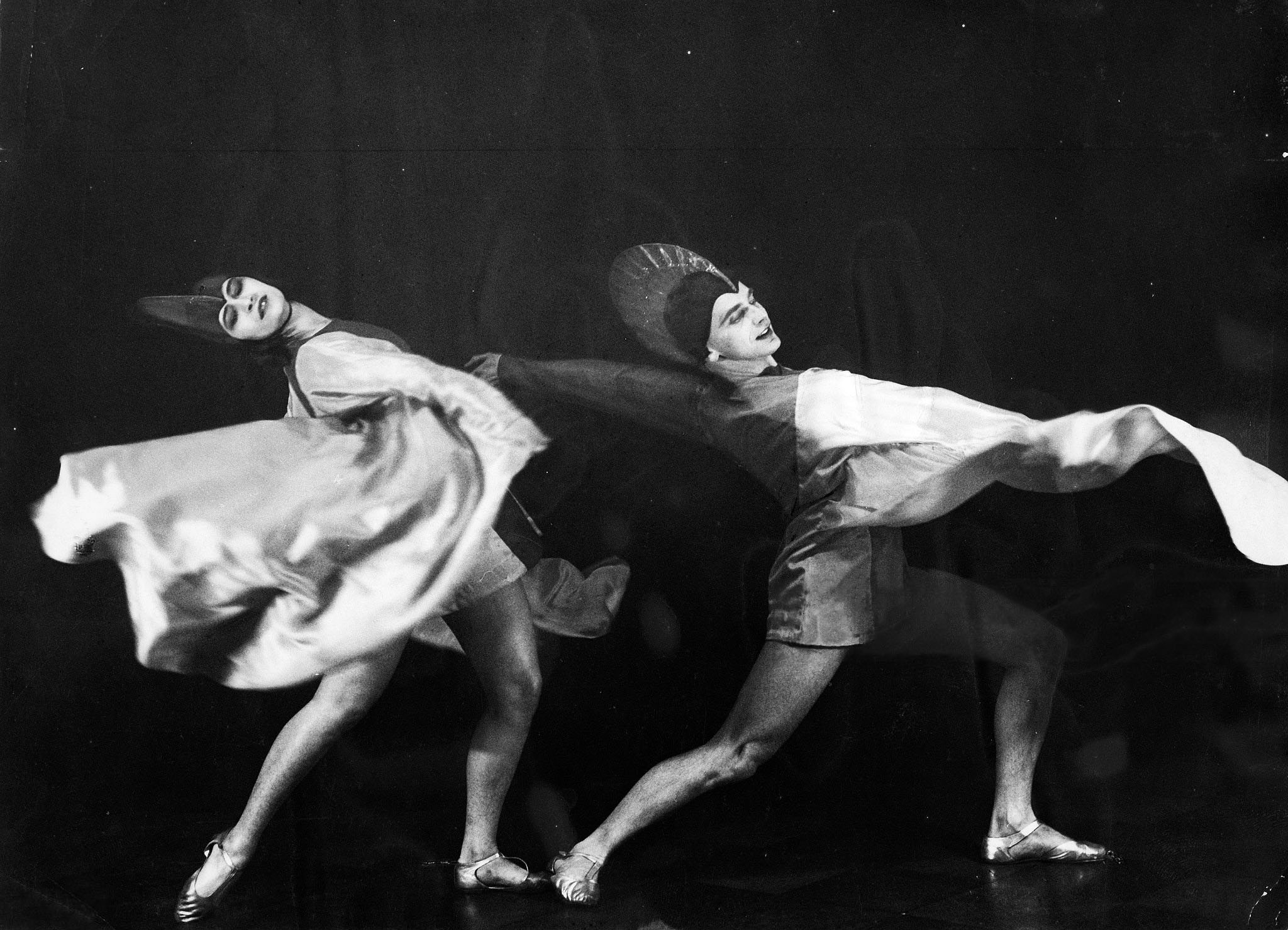
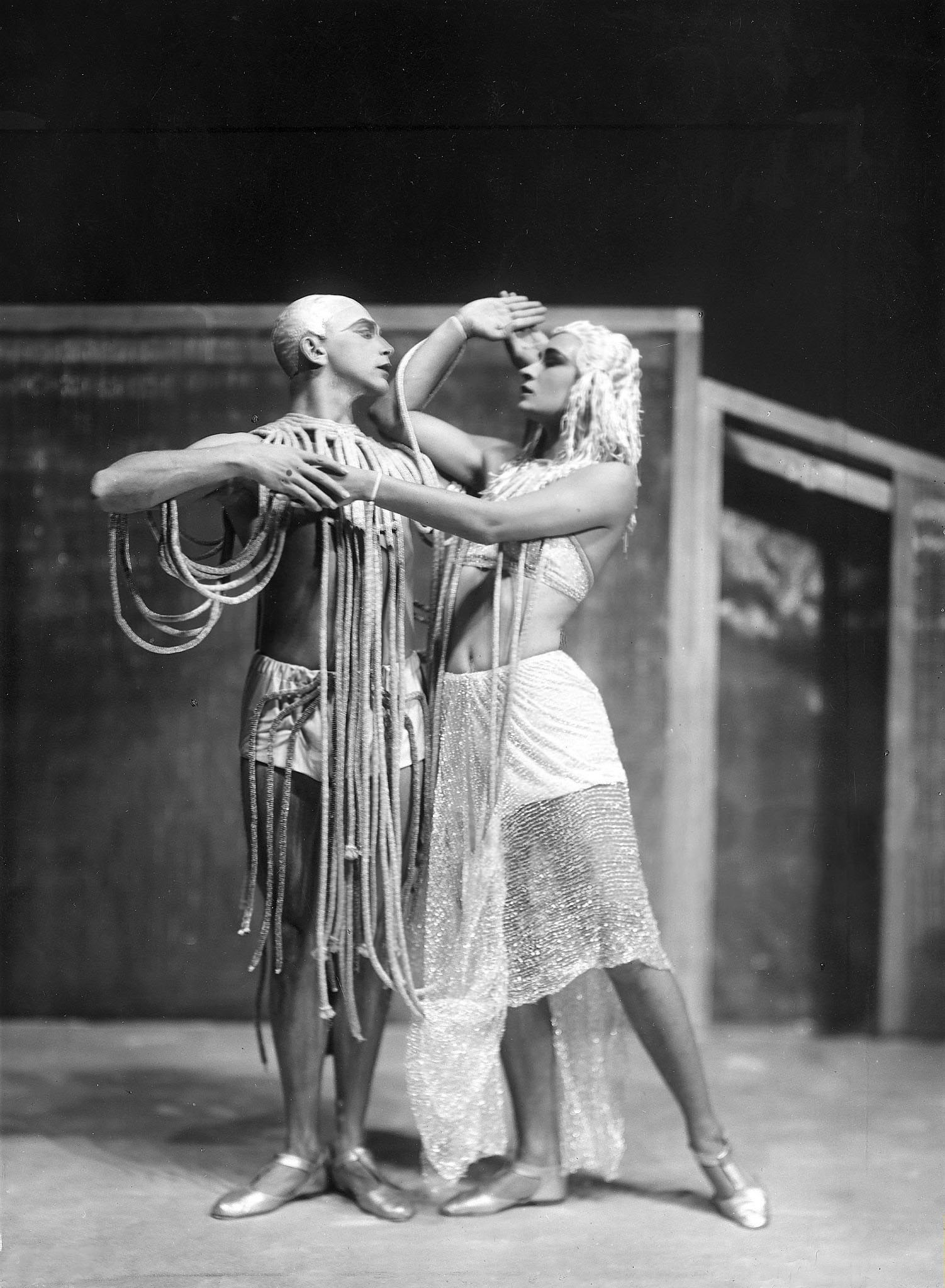
The Norwegian actress Sofie Parelius Krohn began her career as a dancer in 1911 at the Norwegian National Theatre. She trained with her mother, who was a choreographer and ballet teacher, and for a time with Michel Fokine. She took leading roles in Max Reinhardt’s productions in Berlin, including Prima Ballerina and Sumurun. Married to Tancred Ibsen, film director and screenwriter and grandson of Henrik Ibsen, she later became one of Norway’s most distinguished stage actresses, appearing in many works by Shaw, Wilde, Shakespeare and Ibsen.



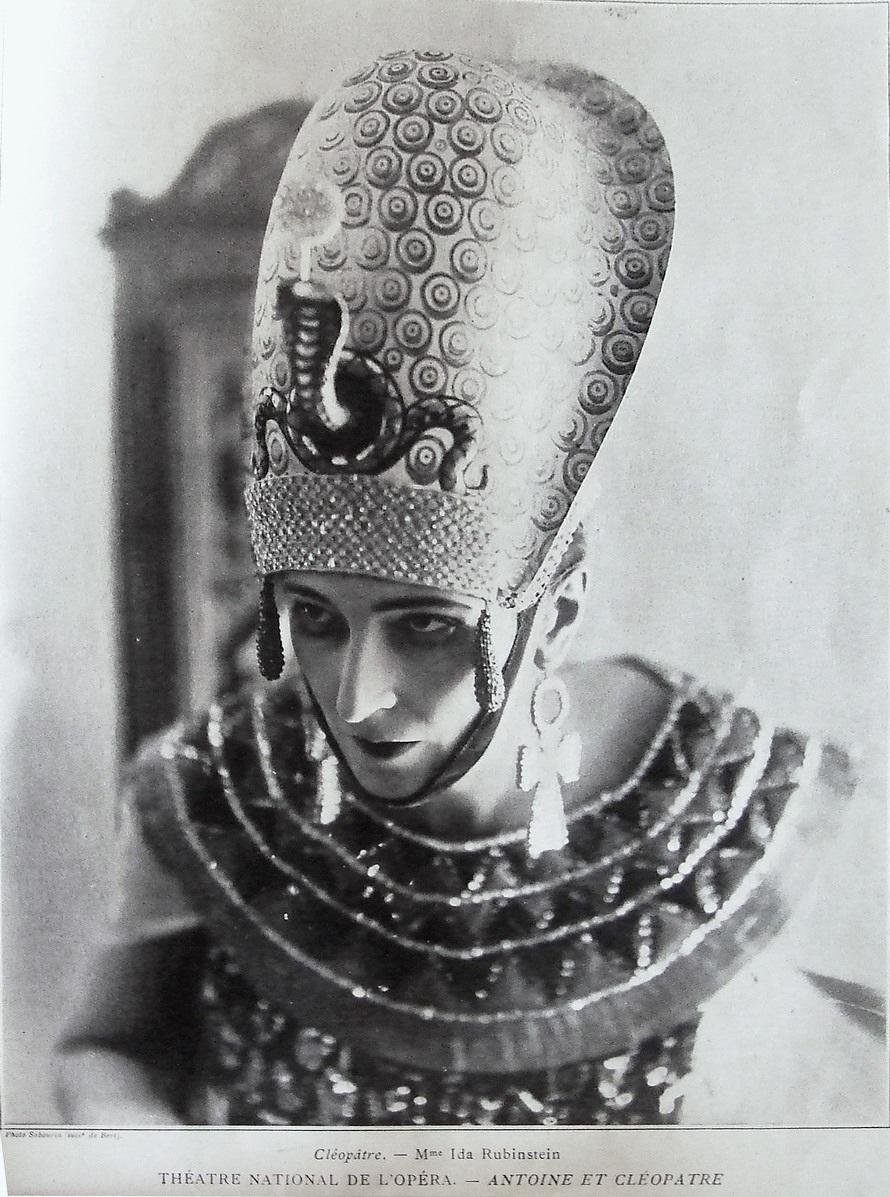
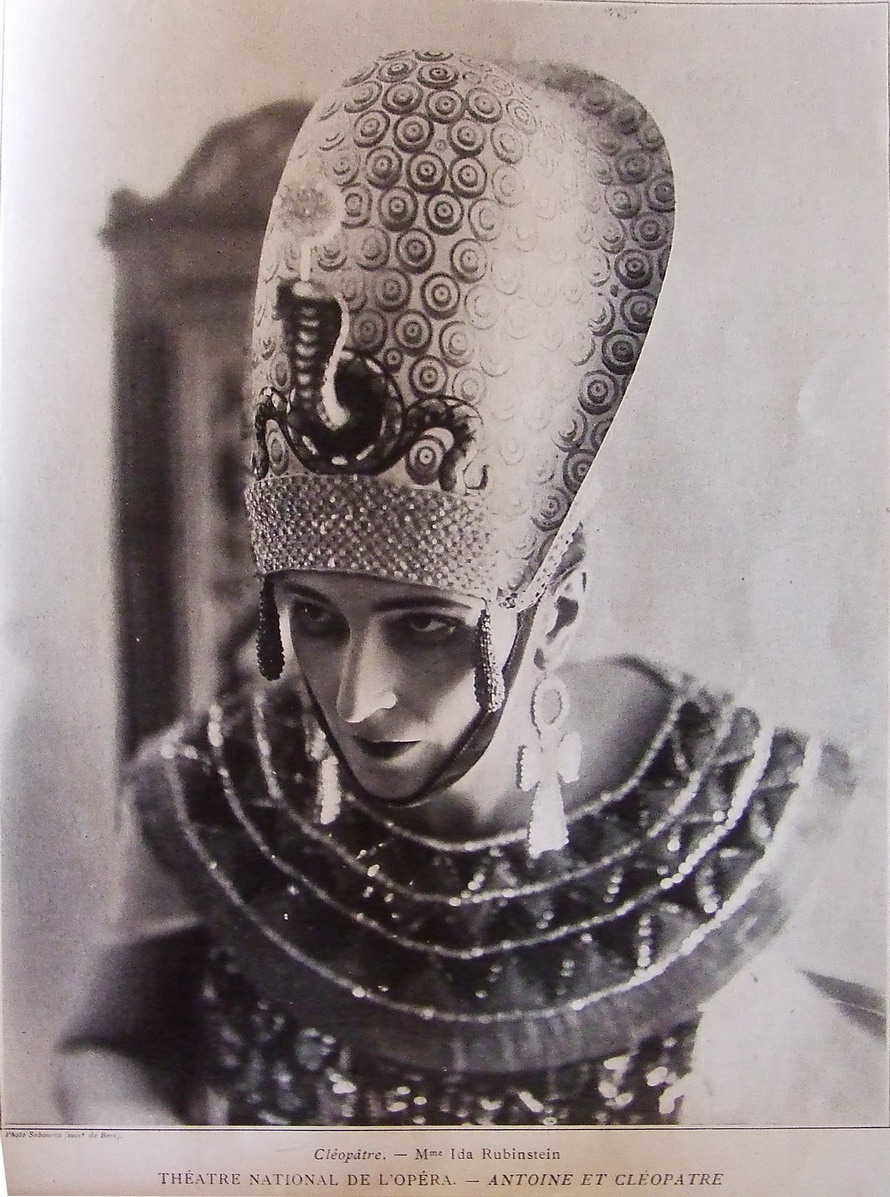
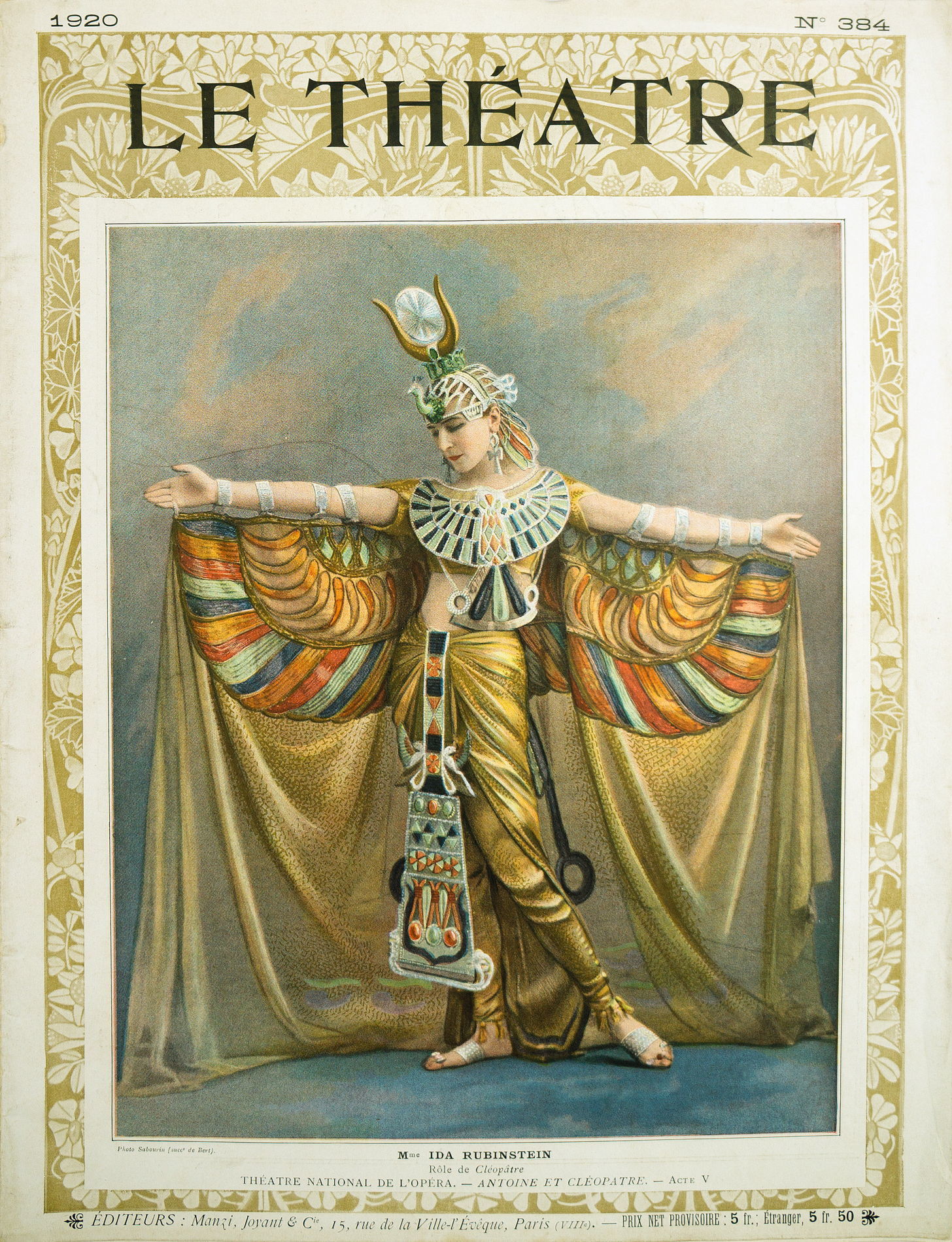
![1920 ─ LE THÉATRE ─ Nº 384 | Kabinett Auktionen
Cléopâtre. ─ Mme Ida Rubinstein. Théatre National de l'Opéra. Antoine et Cléopâtre [Photo Sabourin (succ. de Bert)]](https://live.staticflickr.com/65535/52656016752_0c50d579ee_o.jpg)
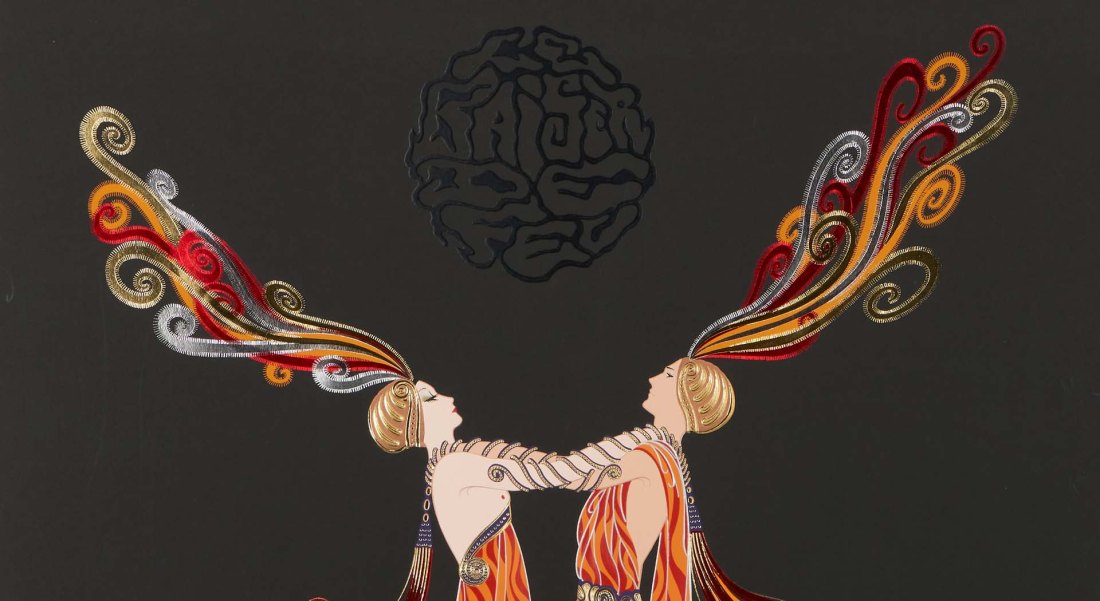
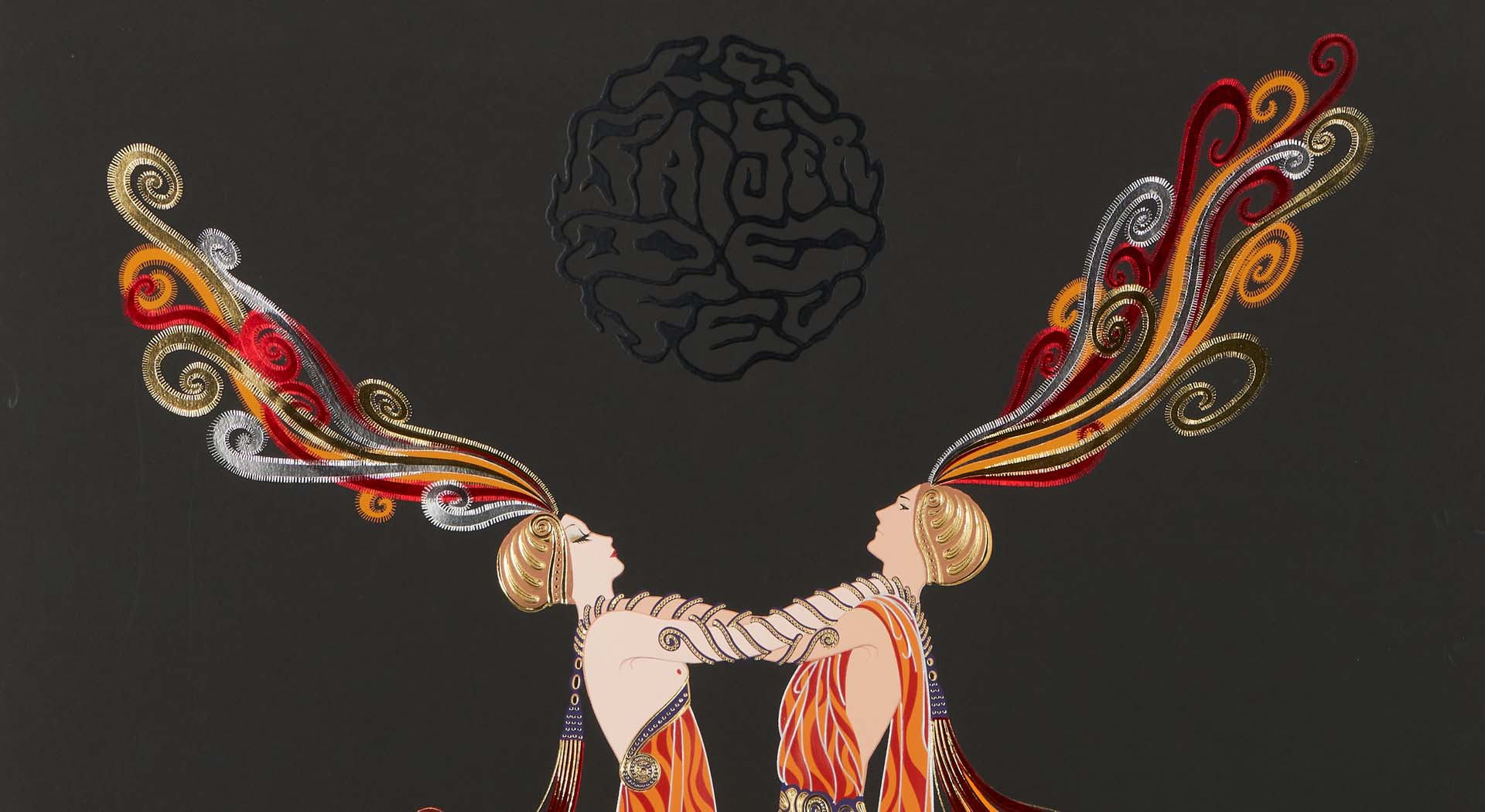
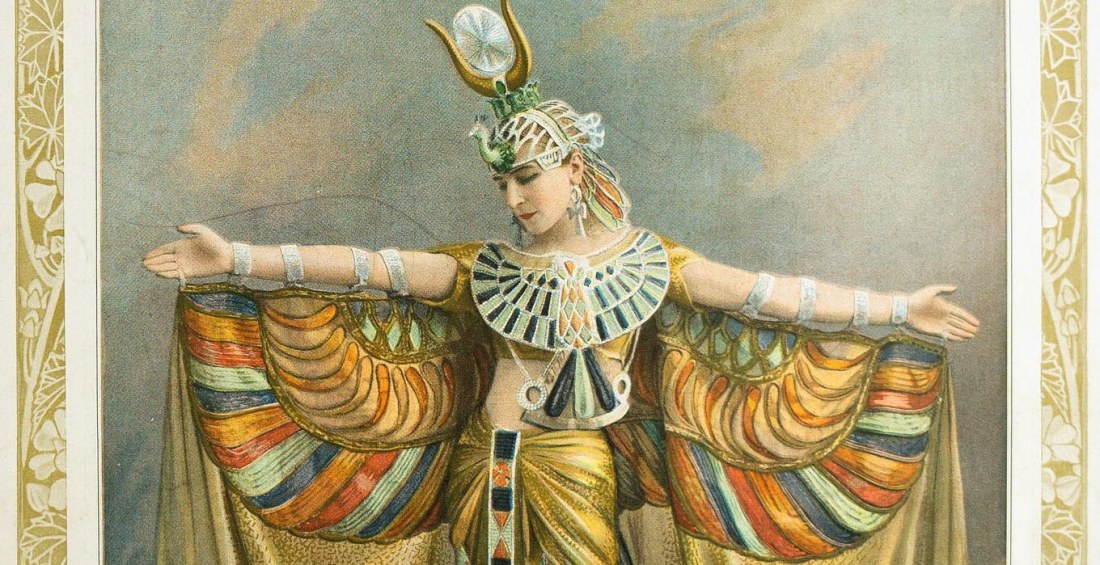
Erté (Romain De Tirtoff, Russian/French, 1892-1990) color serigraph on paper with silver, gold, and red foil embossing titled “Kiss of Fire” from the artist’s Love and Passion Suite, numbered 61/300, published circa 1983. Depicts a partially nude male and a female couple in profile standing on a gold surface and dressed in red, orange, and purple flowing garments and headdresses reminiscent of flames, their arms resting on each other’s shoulders, against a black background with a black circular pattern embossed above. Numbered in white pencil, lower left below image, signed “Erte” in white pencil, lower right below image. | quoted from Case Fine Arts & Antiques


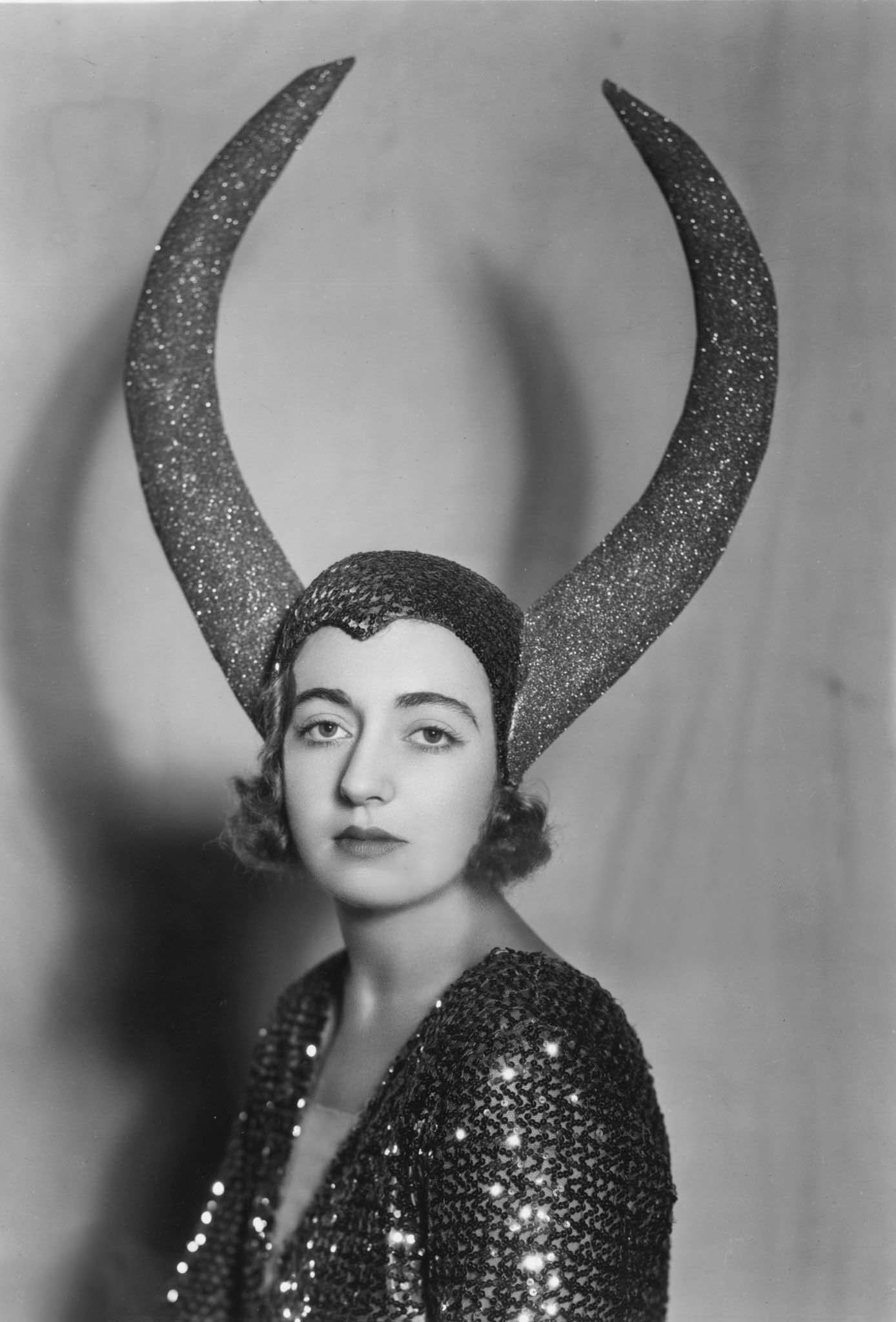


![Tilly Losch [1904-1974] German show dancer from the 1930s. Previously a solo dancer at the State Opera. In 1931 she married American millionaire Edward James. She acts in two films, which, however, do not make her famous. Spaarnestad Photo. Het Leven](https://unregardoblique.com/wp-content/uploads/2022/10/tilly-losch-1904-1974-duitse-showdanseres-uit-de-dertiger-jaren.-voordien-solodanseres-bij-de-staatopera.-in-1931-trouwt-zij-met-de-amerikaanse-miljonair-edward-james.-zij-acteert-in-ee.jpeg)
![Jules Gervais-Courtellemont :: Slapende vrouw in Orientaalse kleding [Sleeping woman in oriental costume], ca. 1910-ca. 1940. Autochrome. | src Rijksmuseum](https://unregardoblique.com/wp-content/uploads/2022/10/slapende-vrouw-in-orientaalse-kleding-jules-gervais-courtellemont-ca.-1910-ca.-1940-rjksmuseum-detail.jpg?w=1100)
![Jules Gervais-Courtellemont :: Slapende vrouw in Orientaalse kleding, ca. 1910 - ca. 1940. Autochrome. | src Rijksmuseum [DETAIL]](https://unregardoblique.com/wp-content/uploads/2022/10/slapende-vrouw-in-orientaalse-kleding-jules-gervais-courtellemont-ca.-1910-ca.-1940-rjksmuseum-detail.jpg)

Jules Gervais-Courtellemont (1863 – 1931)
Photographer and editor, friend of Pierre Loti, by Auguste Rodin, d’Albert Kahn. He devoted most of his life to traveling the world, and more especially the Orient. From his many trips, he gathered a large collection of photographs, mostly autochromes. It’s in the years 1880s, in Algeria, that he acquired the practice of photography, seeing in the medium the most suitable tool to “faithfully reproduce the splendours of the past and the picturesque of the present”. Thereby, he will also launch into the publication of a journal from 1889, “Artistic and picturesque Algeria”. The first discovery of the Orient for Jules Gervais-Courtellemont took place a few years later, in 1893. From Paris to Jerusalem via Constantinople, he crossed the countries with the sole regret that he could only bring back black and white photos. So, from the demonstration of the autochrome process by the Lumière brothers in 1907, he immediately undertook the same journey with his wife, this time bringing back the first colored “Visions d’Orient”. Faced with the success of his photographic testimonials in color, he and his wife set out to travel the world, in order to build a large collection of autochromes. Algeria (1911, 1912), Tunisia (1911), Morocco (1921), Spain (1911, 1914), Italy, India (1913), Japan, Tibet. Convert to Islam, Jules Gervais-Courtellemont brought back unpublished photographs of Mecca in 1896, published in L’Illustration in 1897. Jules Gervais-Courtellemont also photographed the First World War with reconstructed scenes in the post-war trenches, as well as pictures of colonial troops. Most of Jules Gervais-Courtellemont’s photographic work is kept at the Robert-Lynen Cinémathèque in the city of Paris.
Orient Visions : upon his return to France, following his second trip to the Orient in 1907, Jules-Gervais -Courtellemont wanted to transmit to the public his first autochrome images. Under the title of “Visions d’Orient”, he organized his first color “projection-conference” at the Hôtel de l’Université des Annales in 1908. Of 1908 at 1909, his Visions d’Orient were screened every evening, Charras room in Paris. The advertising brochure for this event reflects the public’s enthusiasm for this photographer and his first color images.
quoted from House of Photography of Marrakesh
![Jules Gervais-Courtellemont :: Slapende vrouw in Orientaalse kleding [Sleeping woman in oriental costume], ca. 1910-ca. 1940. Autochrome. Edited image to enhance color. | src Rijksmuseu](https://live.staticflickr.com/65535/52436921512_bf74569374_o.jpg)
Our note: as a very similar Autochrome as the one we publish here is titled: “Tunisienne au bonnet pointu” (resolution is very poor, the lady photographed is the same, also the costume and headgear), we adventure the date of this one maybe around 1911, when JGC traveled to Tunisia.
 un regard oblique