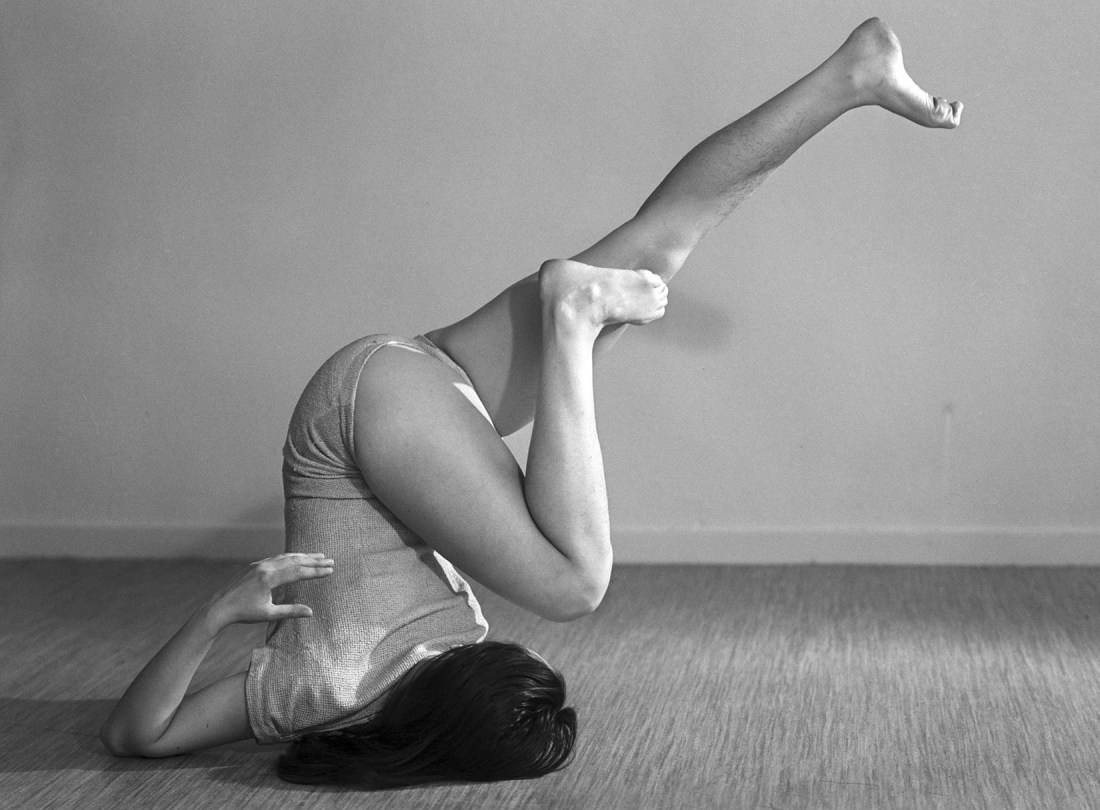
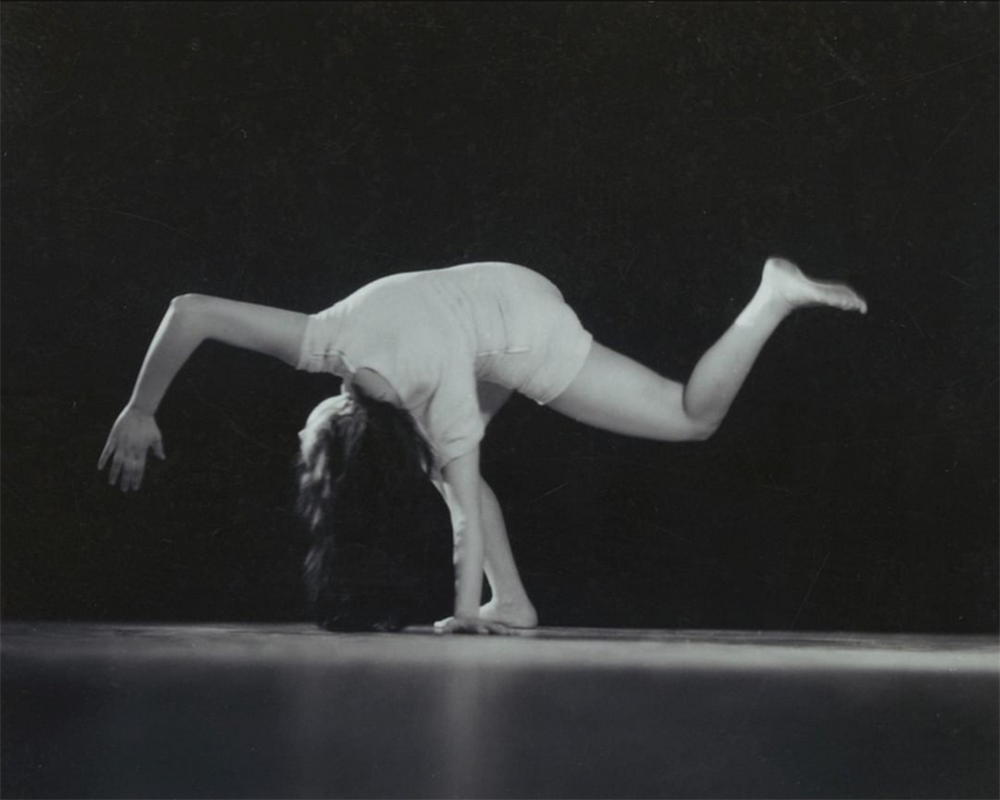
Sune Sundahl ~ Dansbild med Birgit Åkesson, 03.01.1949. Arkitektur- och designcentrum · Ark Des / ARKM.1988-111-05485-5Sune Sundahl ~ Dance picture with Birgit Åkesson, January 3, 1949. Center for Architecture and Design · Ark Des / ARKM.1988-111-05485-3
The images above are part of the exhibition: «Dansen har mycket gemensamt med arkitektur» / «Dance has a lot in common with architecture» (2013)
Arkitektur- och designcentrum / Center for Architecture and Design (Ark Des)
Both images above this line are uncredited in source: Dansmuseet (view post in this blog : Birgit Åkesson training), but we reckon that them could belong to the same photo-session with Sune Sundahl
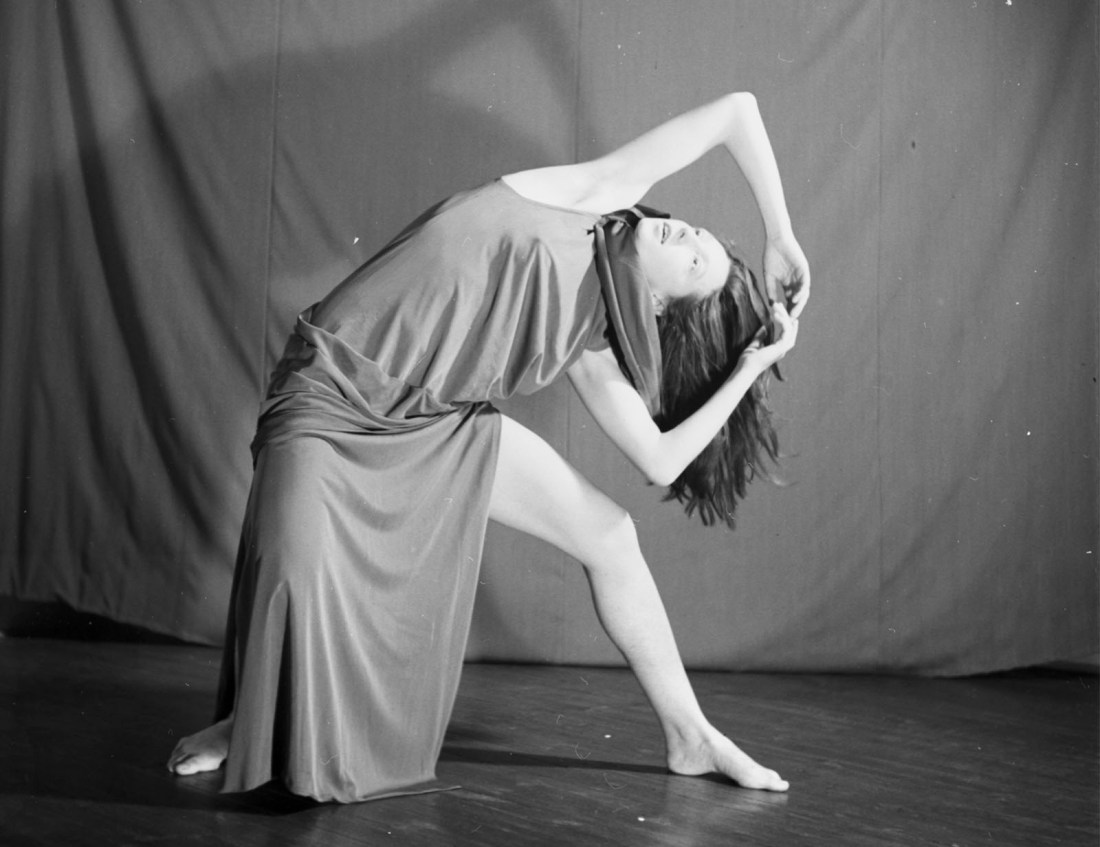
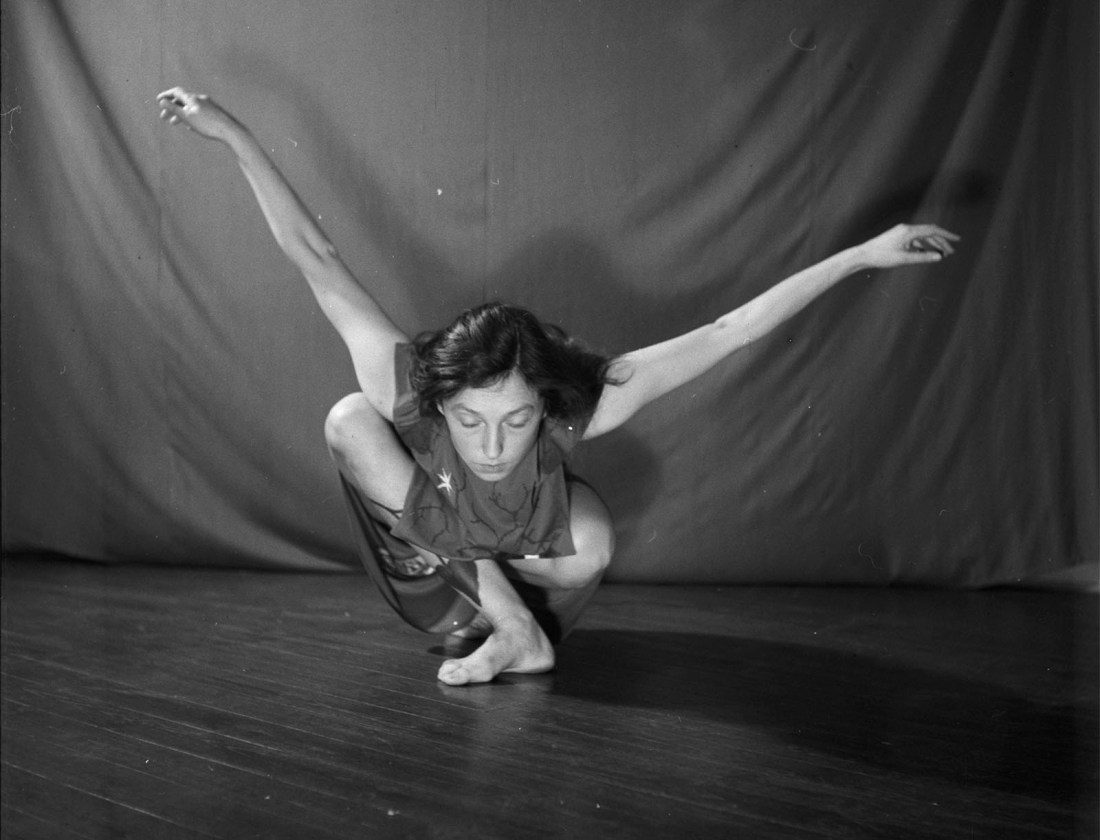
Sune Sundahl ~ Birgit Åkesson dances in a draping dress. Picture taken in studio. Architecture and Design Center Ark Des / ARKM.1988-111-02796Sune Sundahl ~ Birgit Åkesson dansar i draperande klänning. Bilden tagen i studio. Arkitektur- och designcentrum Ark Des / ARKM.1988-111-02799Sune Sundahl ~ Birgit Åkesson dances in a long draped dress. Picture taken in studio. Architecture and Design Center Ark Des / ARKM.1988-111-02795Sune Sundahl ~ Birgit Åkesson dances in a draping dress. Picture taken in studio. Architecture and Design Center Ark Des / ARKM.1988-111-02800-ASune Sundahl ~ Birgit Åkesson dansar i draperande klänning. Bilden tagen i studio. Arkitektur- och designcentrum Ark Des / ARKM.1988-111-02800-BSune Sundahl ~ Birgit Åkesson dances in a draped dress. Picture taken in studio. Architecture and Design Center Ark Des / ARKM.1988-111-02801
All the images in this post are from the exhibition: «Dansen har mycket gemensamt med arkitektur» (2013). Some of the images are dated 1939-1947 but most of them undated.
«Dance has a lot in common with architecture» (2013)
Movement, rhythm, space and body in dance have much in common with architecture. Spatiality can only be experienced with the body, in movement. There are several good reasons to pay attention to the connections between the room shape and people’s movements in the rooms. Whether dancing or walking around a building, there is both flow and embodiment. Perhaps it was precisely these common denominators that made Birgit Åkesson choose the architectural photographer Sune Sundahl to document her early choreographies?
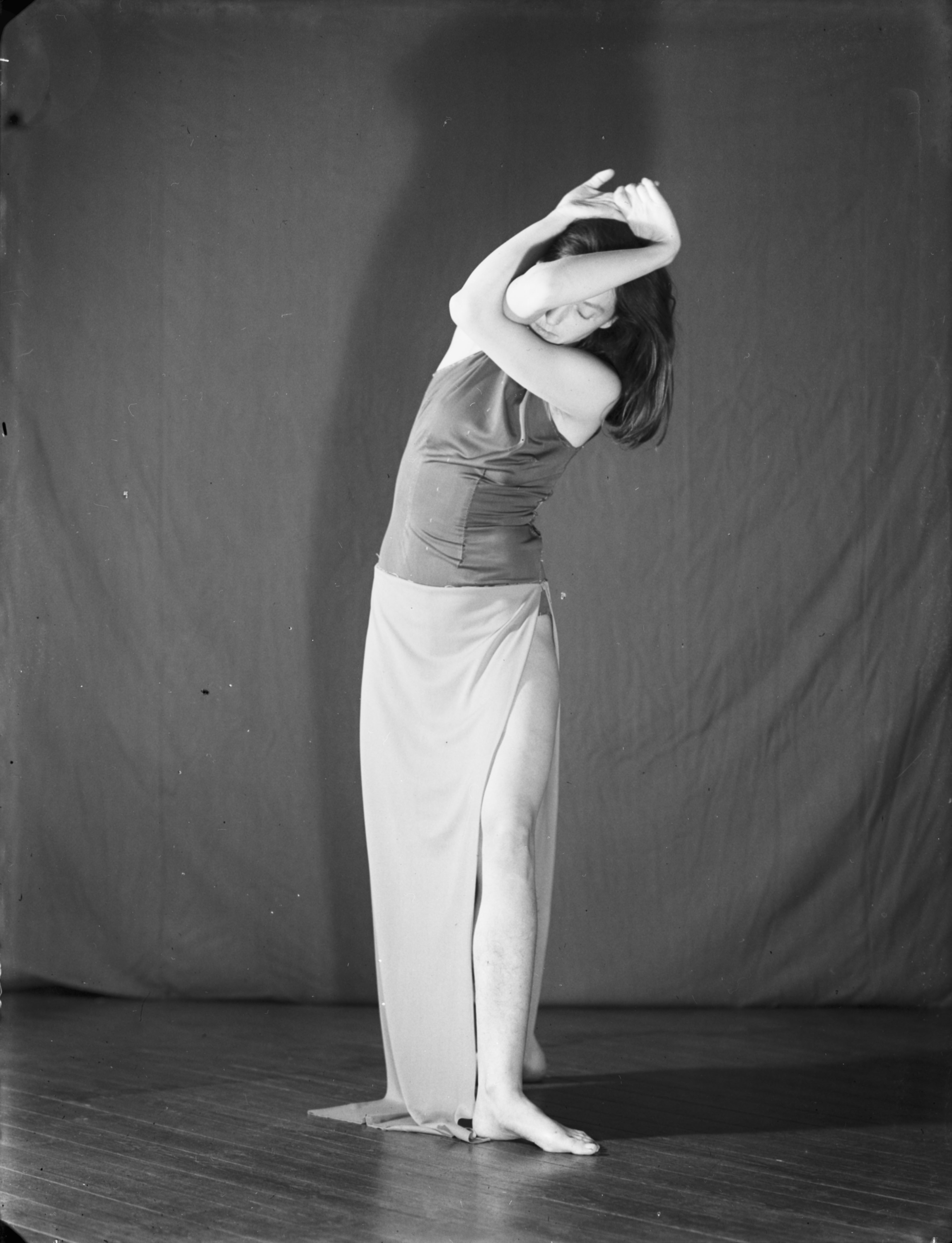
Photographing movement is a big challenge, a movement in a frozen moment can easily turn into a rigid pose without context or dynamism. In Sundahl’s collection there are, among other things, pictures from Birgit Åkesson’s own performance Blue Evening from 1946. The title was probably taken from the blue-painted Konserthuset in Stockholm, designed by Ivar Tengbom 1924-26. Here, Birgit Åkesson experimented with movements without music, which was unique for the time. She also studied during her lifetime the dances of other cultures, including dances African dances from the south of the Sahara and the Butoh dance from Japan.
The dancer, choreographer and dance researcher Birgit Åkesson (1908-2001) taught the viewer to listen to the sound of movement in the silence. It was about holding a dialogue, where the rhythm carried the form that left invisible traces in the air. Birgit Åkesson started her dance career in the 1920s and 30s when she studied with the German-born choreographer Mary Wigman. It was from her that the Swedish dancer found the expressionist language, the free dance. Birgit Åkesson was one of the leading avant-garde artists in free dance.
Lenita Gärde, Center for Architecture and Design (quoted from ArkDes)
Sune Sundahl ~ Birgit Åkesson dansar i draperande klänning. Bilden tagen i studio. Arkitektur- och designcentrum Ark Des / ARKM.1988-111-02804Sune Sundahl ~ Birgit Åkesson dansar i draperande klänning. Bilden tagen i studio. Arkitektur- och designcentrum Ark Des / ARKM.1988-111-02805
Sune Sundahl ~ Dansbild med Birgit Åkesson. Arkitektur- och designcentrum ARKM.1988-111-02954-6Sune Sundahl ~ Dansbild med Birgit Åkesson. Arkitektur- och designcentrum ARKM.1988-111-02954-1Sune Sundahl ~ Dansbild med Birgit Åkesson. Arkitektur- och designcentrum ARKM.1988-111-02954-2Sune Sundahl ~ Dansbild med Birgit Åkesson. Arkitektur- och designcentrum ARKM.1988-111-02954-3Sune Sundahl ~ Dansbild med Birgit Åkesson. Arkitektur- och designcentrum ARKM.1988-111-02954-4Sune Sundahl ~ Dansbild med Birgit Åkesson. Arkitektur- och designcentrum ARKM.1988-111-02954-5Sune Sundahl ~ Dansbild med Birgit Åkesson. Arkitektur- och designcentrum ARKM.1988-111-02954-7Sune Sundahl ~ Dansbild med Birgit Åkesson. Arkitektur- och designcentrum ARKM.1988-111-02857Sune Sundahl ~ Dansbild med Birgit Åkesson. Arkitektur- och designcentrum ARKM.1988-111-02954-8Sune Sundahl ~ Dansbild med Birgit Åkesson. Arkitektur- och designcentrum ARKM.1988-111-02954-9Sune Sundahl ~ Dansbild med Birgit Åkesson. Arkitektur- och designcentrum ARKM.1988-111-02954-10Sune Sundahl ~ Dansbild med Birgit Åkesson. Arkitektur- och designcentrum ARKM.1988-111-02954-11Sune Sundahl ~ Dansbild med Birgit Åkesson. Arkitektur- och designcentrum ARKM.1988-111-02954-12Sune Sundahl ~ Dansbild med Birgit Åkesson. Arkitektur- och designcentrum ARKM.1988-111-02954-13
All the images in this post are from the exhibition: «Dansen har mycket gemensamt med arkitektur» (2013). Some of the images are dated 1939-1947 and most of them undated.
«Dance has a lot in common with architecture» (2013)
Movement, rhythm, space and body in dance have much in common with architecture. Spatiality can only be experienced with the body, in movement. There are several good reasons to pay attention to the connections between the room shape and people’s movements in the rooms. Whether dancing or walking around a building, there is both flow and embodiment. Perhaps it was precisely these common denominators that made Birgit Åkesson choose the architectural photographer Sune Sundahl to document her early choreographies?
Photographing movement is a big challenge, a movement in a frozen moment can easily turn into a rigid pose without context or dynamism. In Sundahl’s collection there are, among other things, pictures from Birgit Åkesson’s own performance Blue Evening from 1946. The title was probably taken from the blue-painted Konserthuset in Stockholm, designed by Ivar Tengbom 1924-26. Here, Birgit Åkesson experimented with movements without music, which was unique for the time. She also studied during her lifetime the dances of other cultures, including dances south of the Sahara in Africa and the Butoh dance from Japan.
The dancer, choreographer and dance researcher Birgit Åkesson (1908-2001) taught the viewer to listen to the sound of movement in the silence. It was about holding a dialogue, where the rhythm carried the form that left invisible traces in the air. Birgit Åkesson started her dance career in the 1920s and 30s when she studied with the German-born choreographer Mary Wigman. It was from her that the Swedish dancer found the expressionist language, the free dance. Birgit Åkesson was one of the leading avant-garde artists in free dance.
Lenita Gärde, Center for Architecture and Design (quoted from ArkDes)
Sune Sundahl ~ Dansbild med Birgit Åkesson. Arkitektur- och designcentrum ARKM.1988-111-02856Sune Sundahl ~ Dansbild med Birgit Åkesson. Arkitektur- och designcentrum ARKM.1988-111-02954-14Sune Sundahl ~ Dansbild med Birgit Åkesson. Arkitektur- och designcentrum ARKM.1988-111-02954-15une Sundahl ~ Dansbild med Birgit Åkesson. Arkitektur- och designcentrum ARKM.1988-111-02859Sune Sundahl ~ Dansbild med Birgit Åkesson. Arkitektur- och designcentrum ARKM.1988-111-02954-17Sune Sundahl ~ Dansbild med Birgit Åkesson. Arkitektur- och designcentrum ARKM.1988-111-02954-18Sune Sundahl ~ Dansbild med Birgit Åkesson. Arkitektur- och designcentrum ARKM.1988-111-02954-19Sune Sundahl ~ Dansbild med Birgit Åkesson. Arkitektur- och designcentrum ARKM.1988-111-02954-20Sune Sundahl ~ Dansbild med Birgit Åkesson. Arkitektur- och designcentrum ARKM.1988-111-02954-21Sune Sundahl ~ Dansbild med Birgit Åkesson. Arkitektur- och designcentrum ARKM.1988-111-02954-22Sune Sundahl ~ Dansbild med Birgit Åkesson. Arkitektur- och designcentrum ARKM.1988-111-02954-23Sune Sundahl ~ Dansbild med Birgit Åkesson. Arkitektur- och designcentrum ARKM.1988-111-02863Sune Sundahl ~ Dansaren Birgit Åkesson med kollegor under matrasten. ARKM.1988-111-02954-24
Sune Sundahl (1921-2007) ~ Dancer Birgit Akesson. Arkitektur- och designcentrum ARKM.1988-111-02858Sune Sundahl (1921-2007) ~ Dancer Birgit Akesson. Arkitektur- och designcentrum ARKM.1988-111-02855Sune Sundahl ~ Dansbild med Birgit Åkesson. Arkitektur- och designcentrum ARKM.1988-111-02798Sune Sundahl ~ Dansbild med Birgit Åkesson. Arkitektur- och designcentrum ARKM.1988-111-02860Sune Sundahl (1921-2007) ~ Dancer Birgit Akesson. Arkitektur- och designcentrum ARKM.1988-111-02794Sune Sundahl (1921-2007) ~ Dancer Birgit Akesson. Arkitektur- och designcentrum ARKM.1988-111-02797Sune Sundahl (1921-2007) ~ Dancer Birgit Akesson. Arkitektur- och designcentrum ARKM.1988-111-02802Sune Sundahl (1921-2007) ~ Dancer Birgit Akesson. Arkitektur- och designcentrum ARKM.1988-111-02803Sune Sundahl (1921-2007) ~ Dancer Birgit Akesson. Arkitektur- och designcentrum ARKM.1988-111-02861Sune Sundahl (1921-2007) ~ Dancer Birgit Akesson. Arkitektur- och designcentrum ARKM.1988-111-02862Sune Sundahl ~ Dansbild med Birgit Åkesson. Arkitektur- och designcentrum ARKM.1988-111-02865
All the images in this post are from the exhibition: «Dansen har mycket gemensamt med arkitektur» (2013). Some of the images are dated 1939-1947 and most of them undated.
«Dance has a lot in common with architecture» (2013)
Movement, rhythm, space and body in dance have much in common with architecture. Spatiality can only be experienced with the body, in movement. There are several good reasons to pay attention to the connections between the room shape and people’s movements in the rooms. Whether dancing or walking around a building, there is both flow and embodiment. Perhaps it was precisely these common denominators that made Birgit Åkesson choose the architectural photographer Sune Sundahl to document her early choreographies?
Photographing movement is a big challenge, a movement in a frozen moment can easily turn into a rigid pose without context or dynamism. In Sundahl’s collection there are, among other things, pictures from Birgit Åkesson’s own performance Blue Evening from 1946. The title was probably taken from the blue-painted Konserthuset in Stockholm, designed by Ivar Tengbom 1924-26. Here, Birgit Åkesson experimented with movements without music, which was unique for the time. She also studied during her lifetime the dances of other cultures, including dances south of the Sahara in Africa and the Butoh dance from Japan.
The dancer, choreographer and dance researcher Birgit Åkesson (1908-2001) taught the viewer to listen to the sound of movement in the silence. It was about holding a dialogue, where the rhythm carried the form that left invisible traces in the air. Birgit Åkesson started her dance career in the 1920s and 30s when she studied with the German-born choreographer Mary Wigman. It was from her that the Swedish dancer found the expressionist language, the free dance. Birgit Åkesson was one of the leading avant-garde artists in free dance.
Lenita Gärde, Center for Architecture and Design (quoted from ArkDes)








 un regard oblique