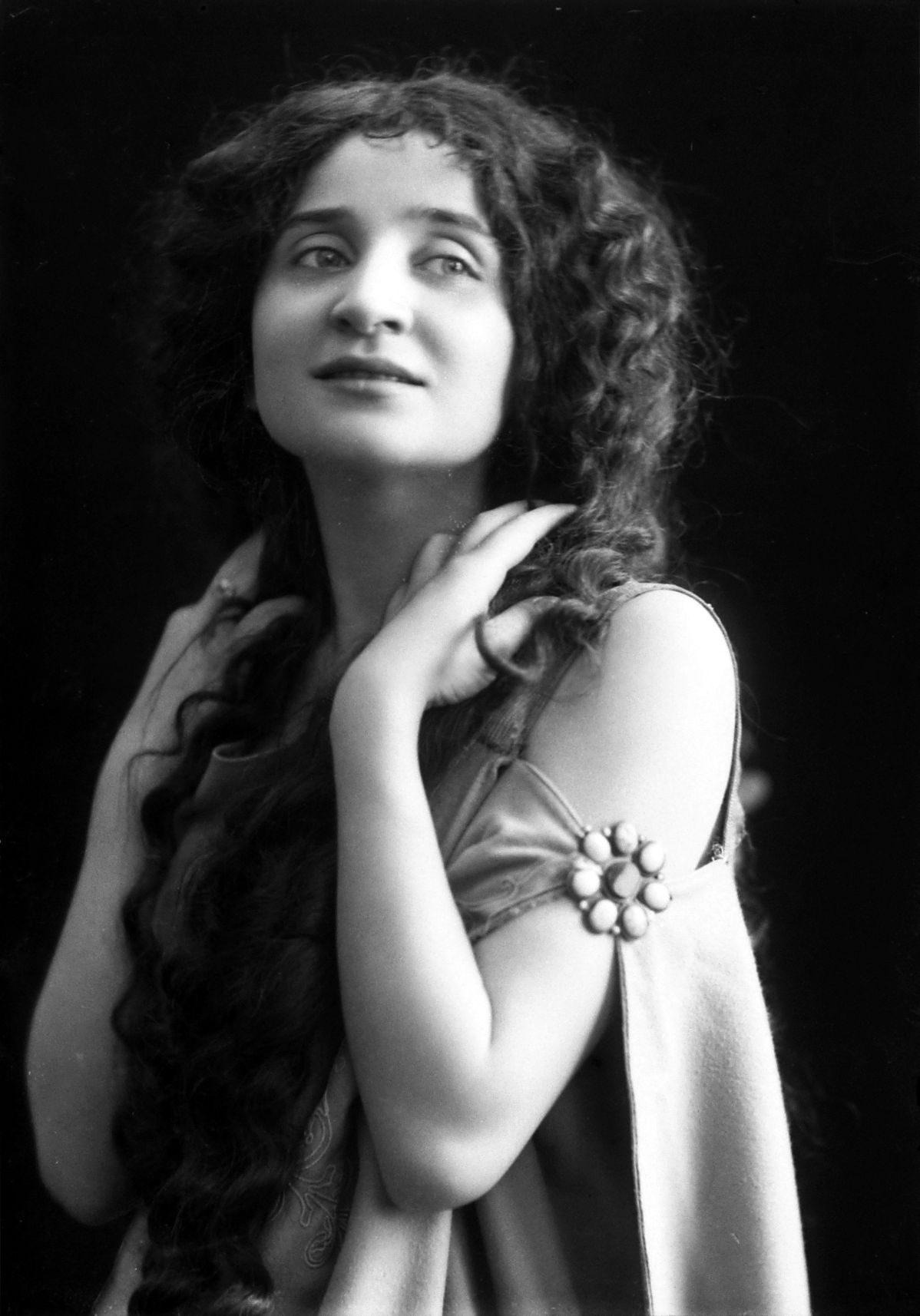
Jean de Strelecki ~ Camera study of stage and film actress Olga Petrova (born Muriel Harding), 1910s | src abebooks
Olga Petrova, born Muriel Harding in England, Petrova moved to the US and rose to success in vaudeville before entering the film industry. She was best known for “The Vampire” (1915), “Bridges Burned” and “Daughter of Destiny” (1917), and “Tempered Steel” (1918). She retired from film in 1918, but continued working as a stage actress .
Jean de Strelecki ~ Camera study of stage and film actress Olga Petrova (born Muriel Harding), 1910s | src abebooks
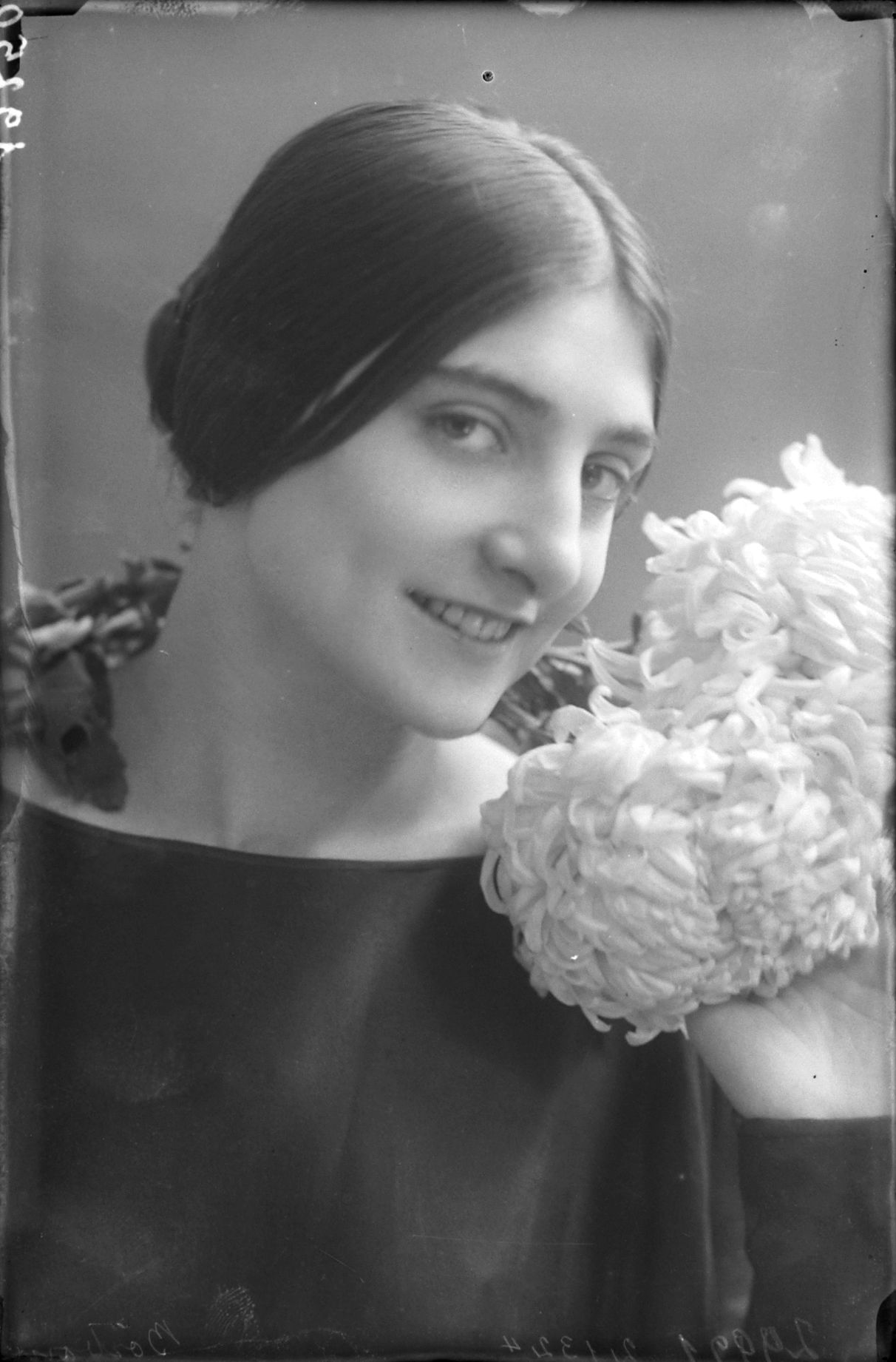
Bruno Miniati ~ Paula Borboni, 1925 From : Bruno Miniati : fotografo, 1889-1974 (Alinari, Firenze, 1992)Bruno Miniati ~ Paula Borboni, 1925 From : Bruno Miniati : fotografo, 1889-1974 (Alinari, Firenze, 1992) | src internet archiveBruno Miniati ~ La Regina Sofia di Grecia, 1939 From : Bruno Miniati : fotografo, 1889-1974 (Alinari, Firenze, 1992)Bruno Miniati ~ La Regina Sofia di Grecia, 1939 From : Bruno Miniati : fotografo, 1889-1974 (Alinari, Firenze, 1992) | src internet archiveBruno Miniati ~ Maria Josè di Savoia, 1939 From : Bruno Miniati : fotografo, 1889-1974 (Alinari, Firenze, 1992)Bruno Miniati ~ Maria Josè di Savoia, 1939 From : Bruno Miniati : fotografo, 1889-1974 (Alinari, Firenze, 1992) | src internet archive
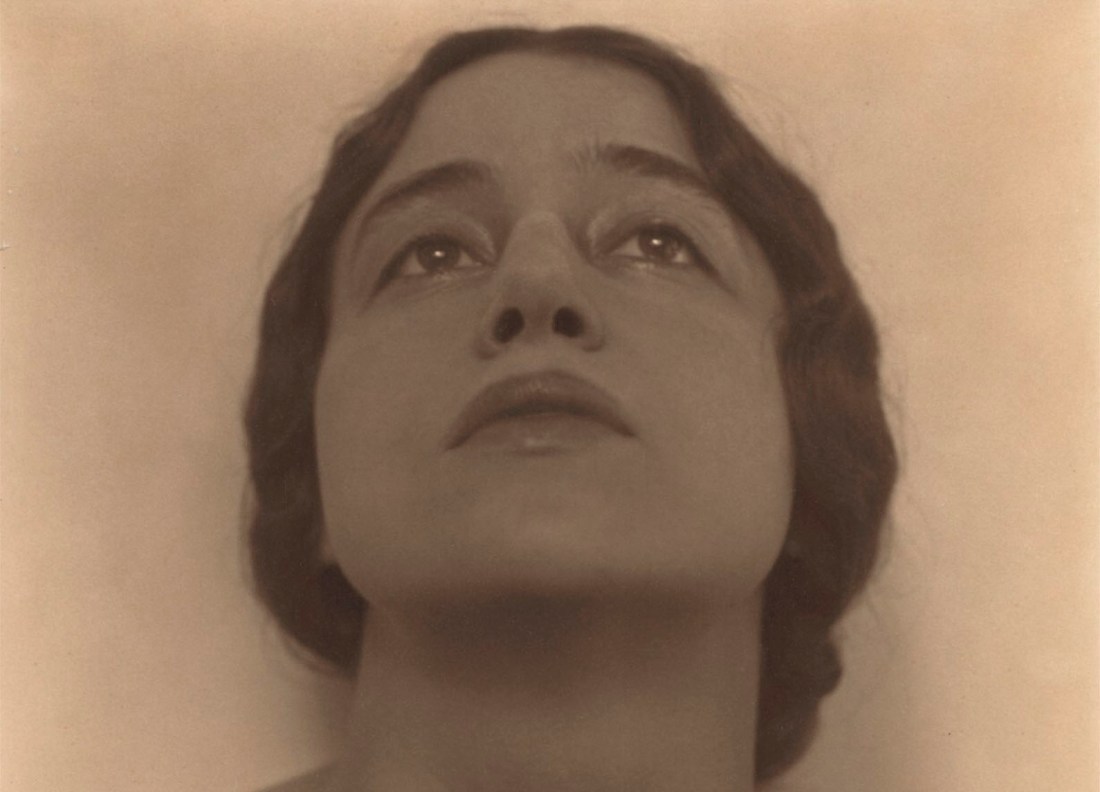
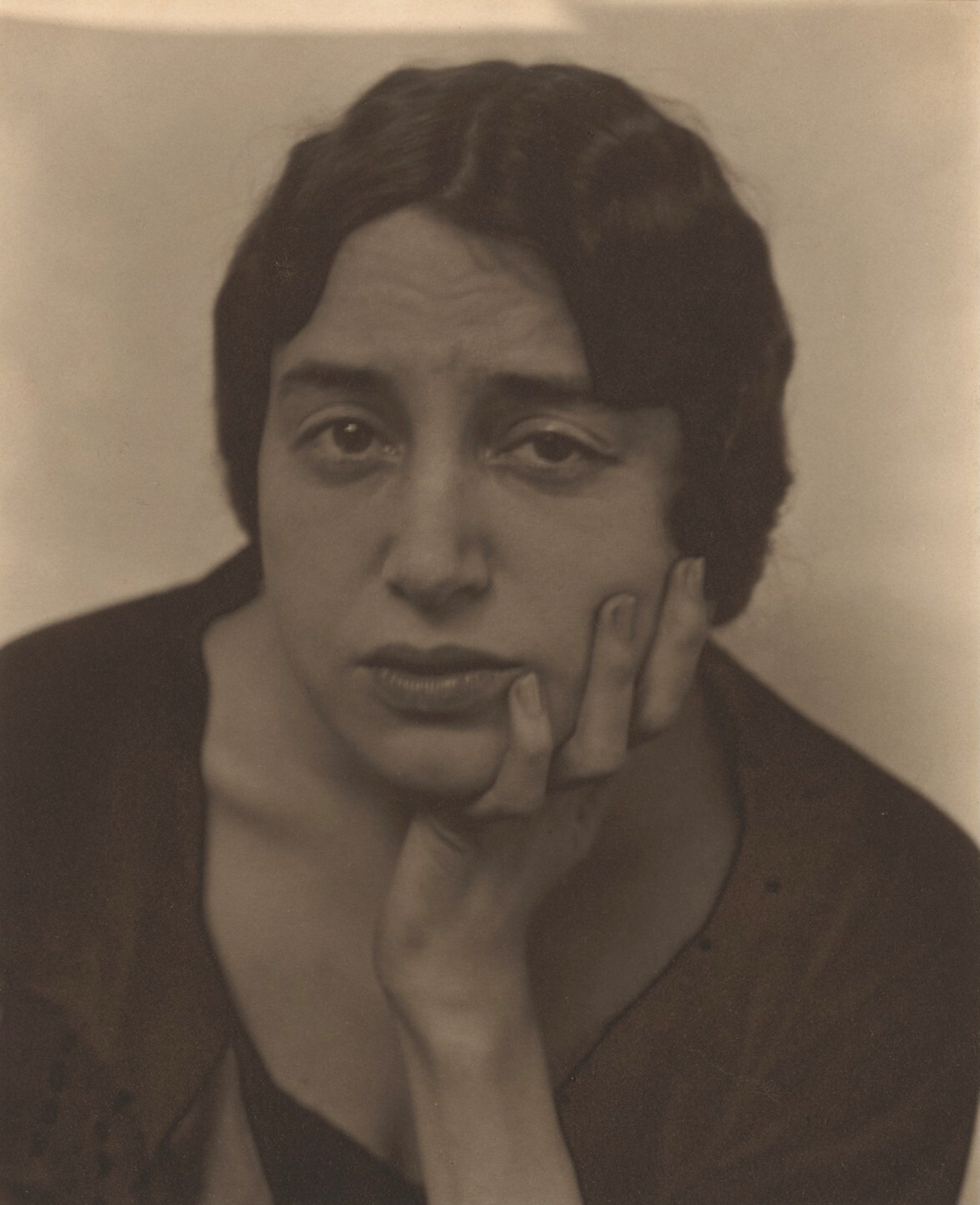
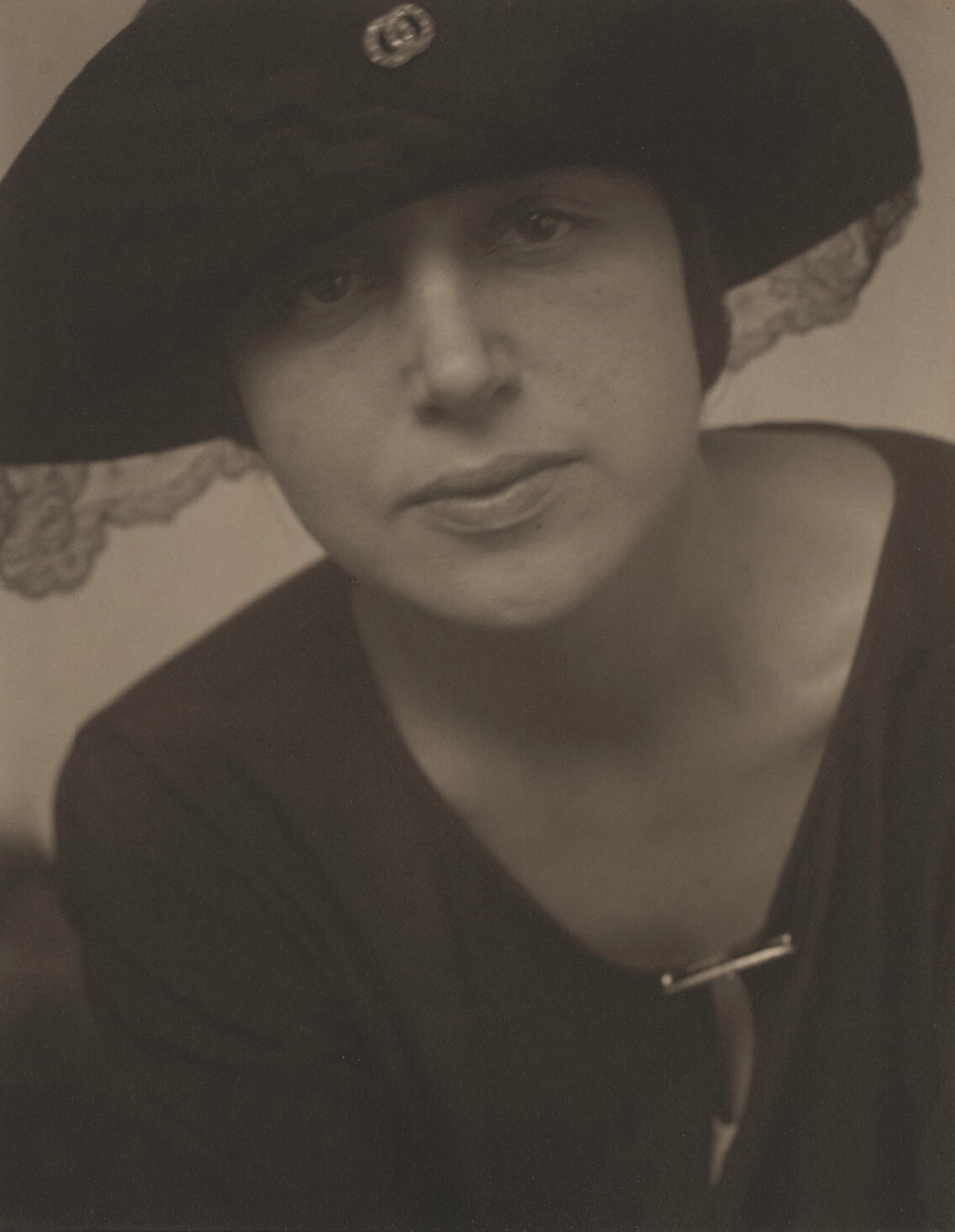
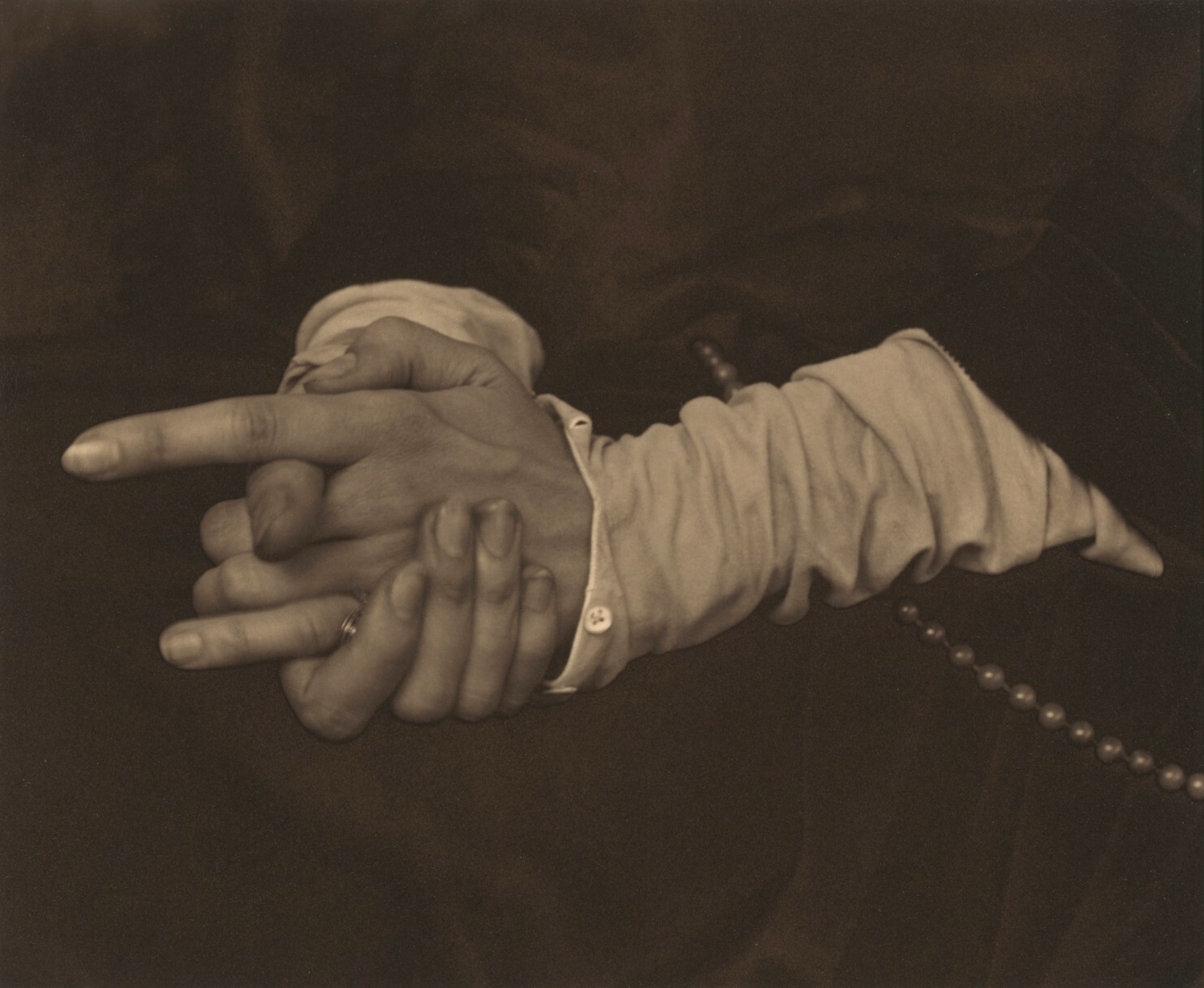
Alfred Stieglitz :: American stage actress Helen Freeman (1886 – 1960), 1921. Palladium print. | src NGA (The Key Set · National Gallery of Art)
Alfred Stieglitz Key Set
In 1949, Georgia O’Keeffe and the Alfred Stieglitz Estate donated 1,311 photographs by Alfred Stieglitz to the National Gallery of Art and placed on deposit an additional collection of 331 portraits of O’Keeffe, which were later given to the Gallery in 1980. This collection, known as the Key Set, is an unparalleled selection of Stieglitz’s photographs, containing at least one print of every mounted photograph in his possession at the time of his death. It remains one of the most important photographic collections in existence. Carefully selected by O’Keeffe to include the finest examples, the Key Set traces the evolution of Stieglitz’s work, from its inception in the 1880s to its rich maturation in the 1930s, and thoroughly documents all aspects of his decisive contribution to the art of photography.
Previously available only in print, the Alfred Stieglitz Key Setonline Edition represents the definitive publication on the artist’s work. Incorporating updated scholarship, including recent conservation findings, as well as overviews of the major periods in his art, robust search functionality, and advanced image viewing and comparison tools, the Online Edition opens up new avenues for researching—and being inspired by—Stieglitz’s work.
Explore highlights of the Key Set, browse by subject or person, or search the Key Set to view all Key Set photographs and filter results by Key Set number, negative date, photographic process, or other criteria. [permalink]
A dancer, actress, and writer, Helen Freeman (Corle) probably met Stieglitz and O’Keeffe in the early 1920s through her friendship with Mitchell Kennerley, owner of the Anderson Galleries.
The photographs and Key Set numbers 711-716 were made on at least two separate occasions between late November 1921 and Fall 1922.
“My Dear Miss. Freeman: The exposures have been developed. And there are proofs.—I have been thinking them over.—Some I feel are acceptable.—At least as a beginning. Early next week, should you find time, I’ll make another series.—And when you come, you’ll see the proofs” (Stieglitz to Helen Freeman, 1 December 1921 [Sotheby’s, auction catalogue, 17 April 1991, lot 123A])
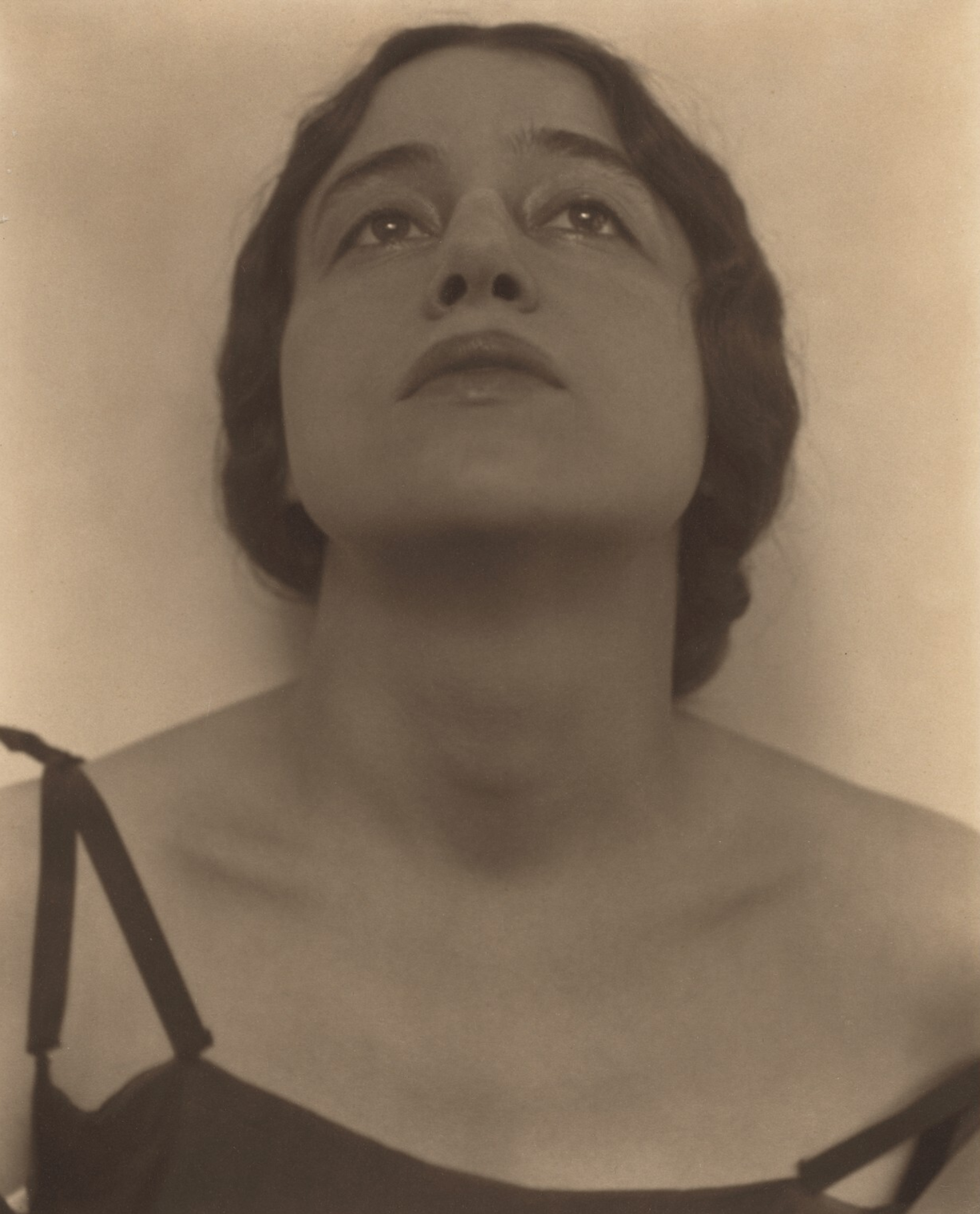
A dancer, actress, and writer, Helen Freeman (Corle) probably met Stieglitz and O’Keeffe in the early 1920s through her friendship with Mitchell Kennerley, owner of the Anderson Galleries.
The photographs and Key Set numbers 711-716 were made on at least two separate occasions between late November 1921 and Fall 1922.
“My Dear Miss. Freeman: The exposures have been developed. And there are proofs.—I have been thinking them over.—Some I feel are acceptable.—At least as a beginning. Early next week, should you find time, I’ll make another series.—And when you come, you’ll see the proofs” (Stieglitz to Helen Freeman, 1 December 1921 [Sotheby’s, auction catalogue, 17 April 1991, lot 123A])
Alfred Stieglitz :: American stage actress Helen Freeman (1886 – 1960), 1921. Palladium print. | src NGA (The Key Set · National Gallery of Art)
Alfred Stieglitz Key Set
In 1949, Georgia O’Keeffe and the Alfred Stieglitz Estate donated 1,311 photographs by Alfred Stieglitz to the National Gallery of Art and placed on deposit an additional collection of 331 portraits of O’Keeffe, which were later given to the Gallery in 1980. This collection, known as the Key Set, is an unparalleled selection of Stieglitz’s photographs, containing at least one print of every mounted photograph in his possession at the time of his death. It remains one of the most important photographic collections in existence. Carefully selected by O’Keeffe to include the finest examples, the Key Set traces the evolution of Stieglitz’s work, from its inception in the 1880s to its rich maturation in the 1930s, and thoroughly documents all aspects of his decisive contribution to the art of photography.
Previously available only in print, the Alfred Stieglitz Key Setonline Edition represents the definitive publication on the artist’s work. Incorporating updated scholarship, including recent conservation findings, as well as overviews of the major periods in his art, robust search functionality, and advanced image viewing and comparison tools, the Online Edition opens up new avenues for researching—and being inspired by—Stieglitz’s work.
Explore highlights of the Key Set, browse by subject or person, or search the Key Set to view all Key Set photographs and filter results by Key Set number, negative date, photographic process, or other criteria. [permalink]
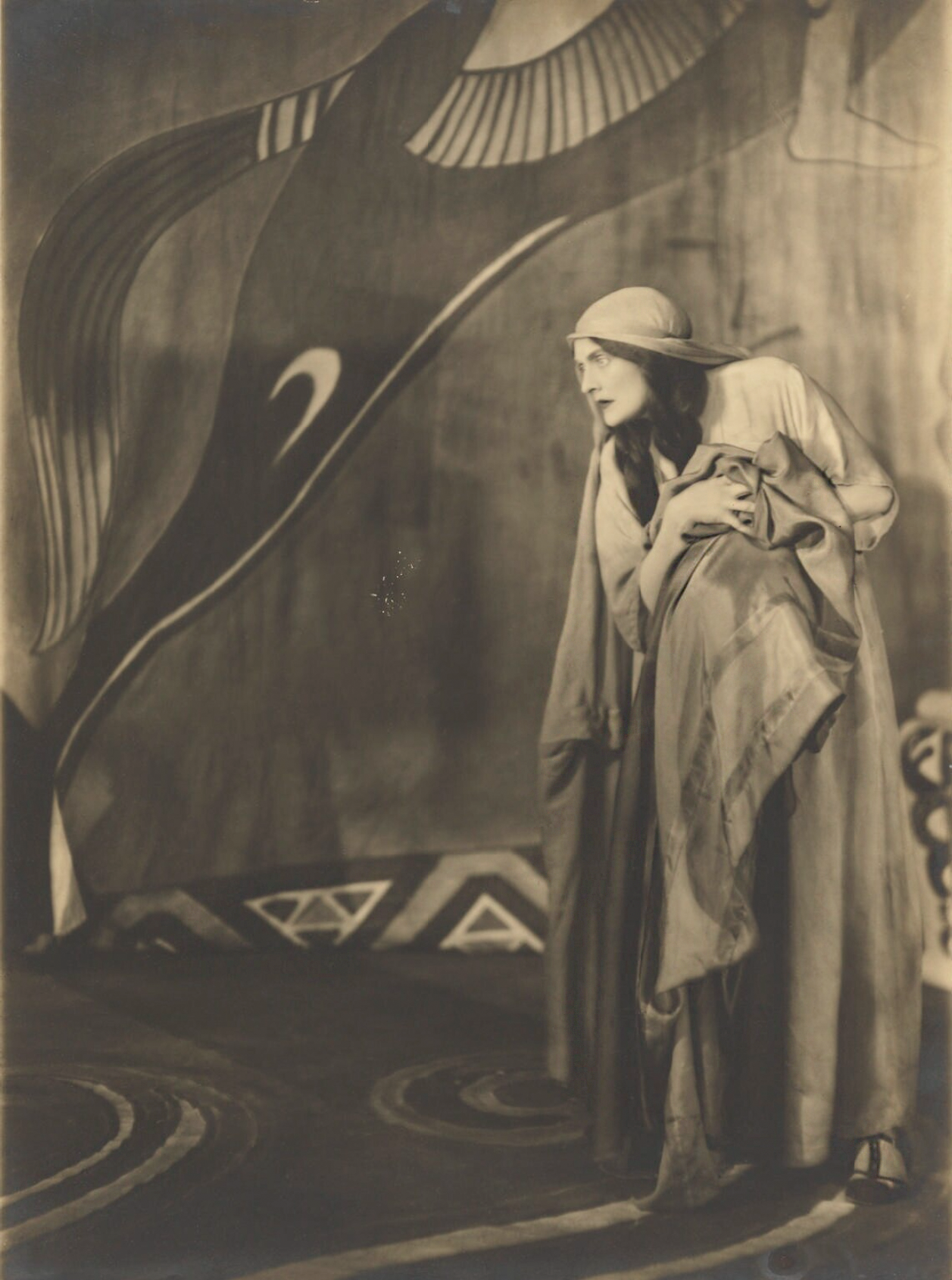
Nini & Carry Hess :: German actress Fritta Brod (1896-1988) in the play ‘The Chalk Circle’ by Klabund (pseudonym of Alfred Henschke), Staatstheater, 1930. (Photo by Nini & Carry Hess) | src Getty ImagesNini & Carry Hess :: Fritta Brod, Schauspielerin, role-picture with a hat, 1919. Published by: ‘Die Dame’ 21/1919. | src Getty Images
Ребикова, Александра Васильевна. Молоко в спектакле «Синяя птица». | Russian actress Alexandra Vasilievna Rebikova as Milk in the play «The Blue Bird» in costume designed by Vladimir Egorov (?) for Konstanin Stanislavski’s production of Maurice Maeterlinck’s «Oiseau Bleu» at the Moscow Art Theatre, 1908. | src academia.ru Мей в спектакле «Сверчок на печи». Actress Alexandra Vasilievna Rebikova as May Fielding in the play «Cricket on the Hearth» at the Moscow Art Theatre. Unknown date, probably before 1908.Мей в спектакле «Сверчок на печи». Actress Alexandra Vasilievna Rebikova as May Fielding in the play «Cricket on the Hearth» at the Moscow Art Theatre. Unknown date, probably before 1908. [Full scan of programme]Portrait of Alexandra Vasilievna Rebikova. | src academia.ru
In 1915, Alexandra Rebikova began to star in the movies of the film company “A. Khanzhonkov and Co.” [Торгового дома «А. Ханжонков и К°] and very soon became one of the leading silent film actresses.
Alexandra Rebikova with Oleg Frelyh (Frelikh) in 1917 in the film «The Clay God» («Глиняный бог», a silent film by Nikolai Larin, 1918)Alexandra Rebikova with Gregory Khmara (Chmara) in the film «Symphony of Sorrow» («Симфония горя», 1918) | src academia.ru
Madame d’Ora :: Portrait of Parisian stage star and winner of the “Most Beautiful Hands” award in 1926, Yvonne Valee (1926). Snipe, agency stamp, date stamp and notations on verso. | src worthpoint







 un regard oblique