Heinrich Vogeler :: Träume II (auch ,Frühling‘ oder ,Erwartung‘) | Dream II (also Spring or Contemplation), 1912. Monogrammed, inscribed and dated lower right in the coat of arms: HV W 1912. Signed and titled on the stretcher on the right: H Vogeler. Frühling. Oil on canvas. | src Grisebach · Ausgewählte Werke, 10. Juni 2021
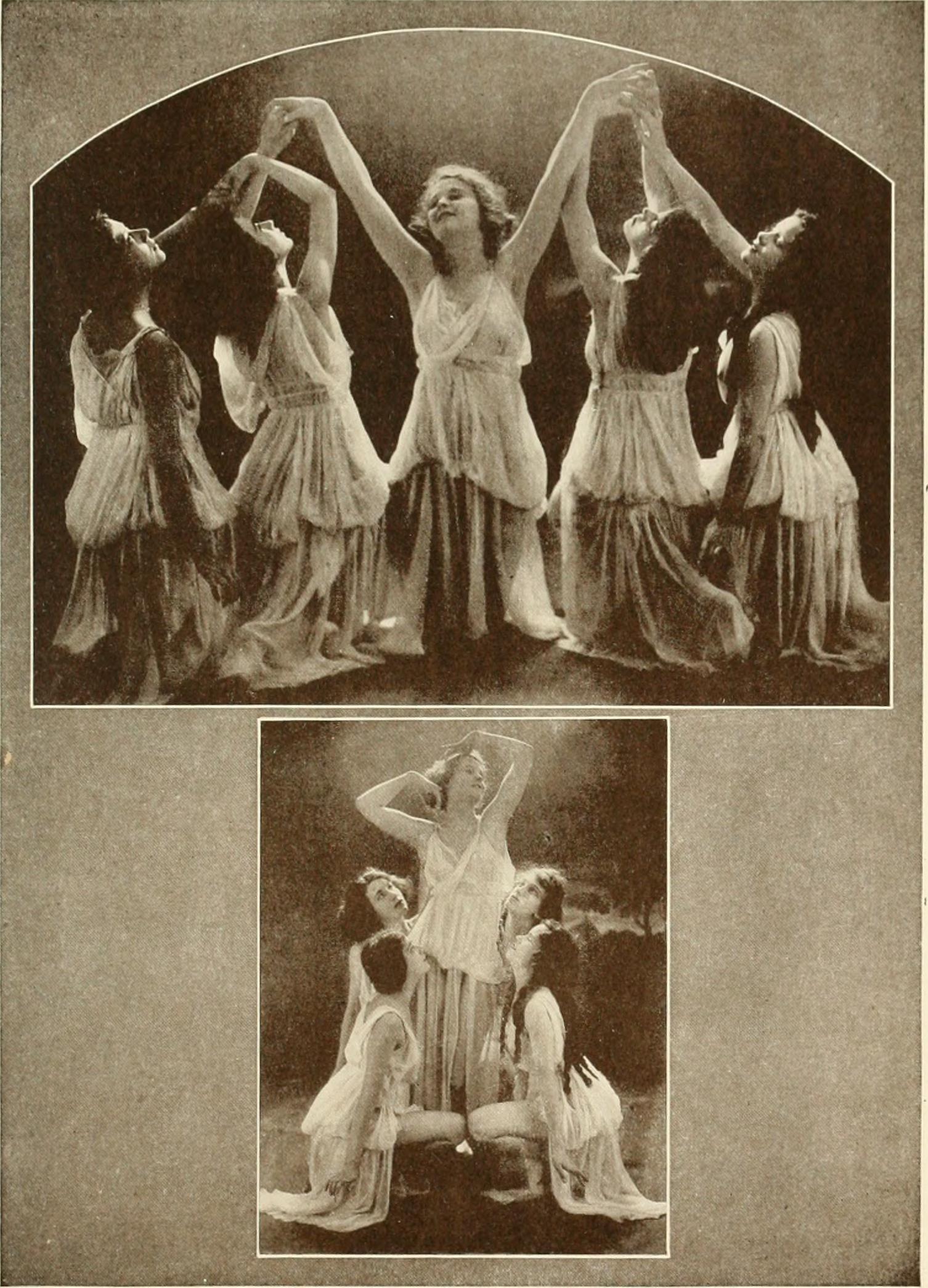
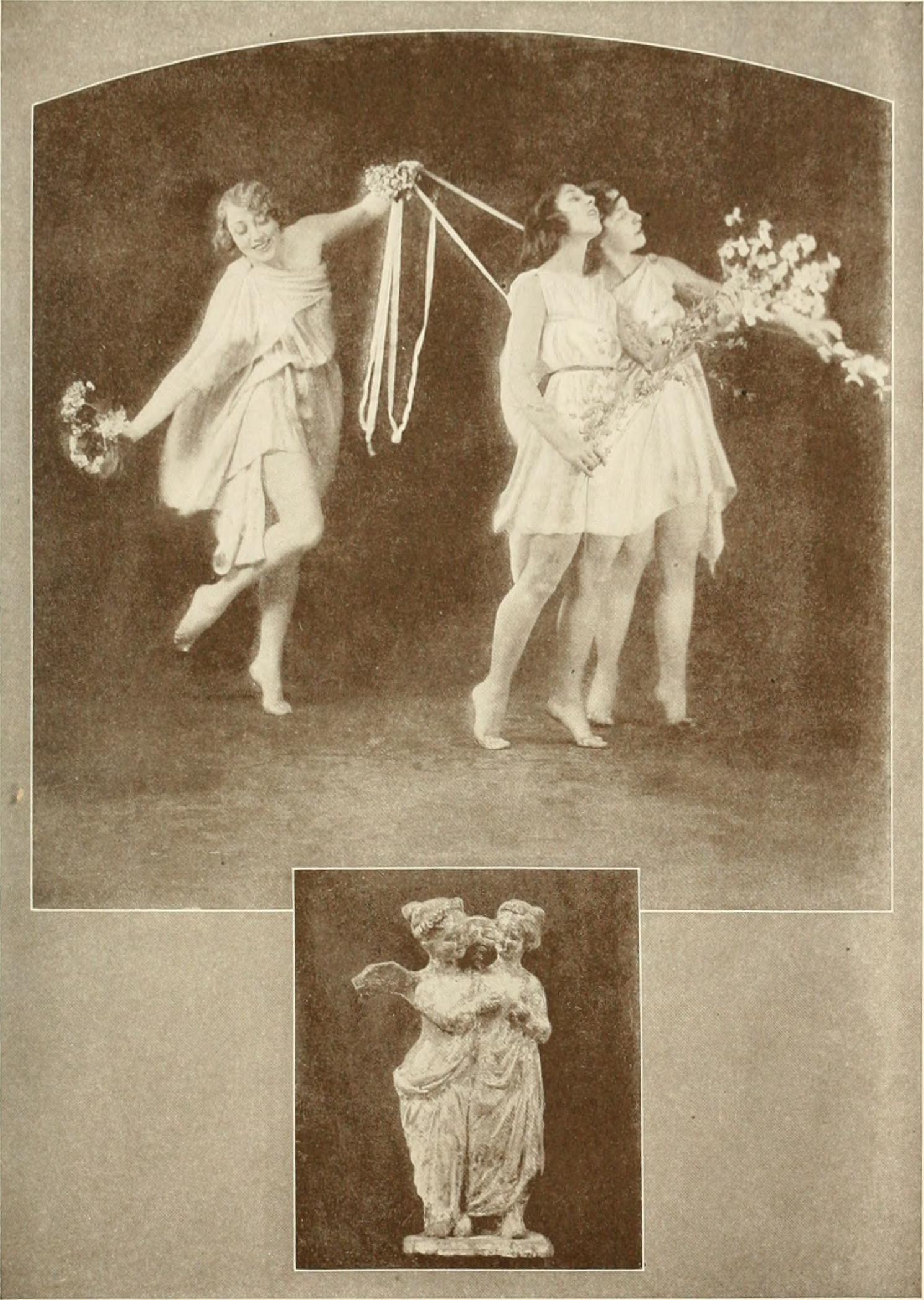
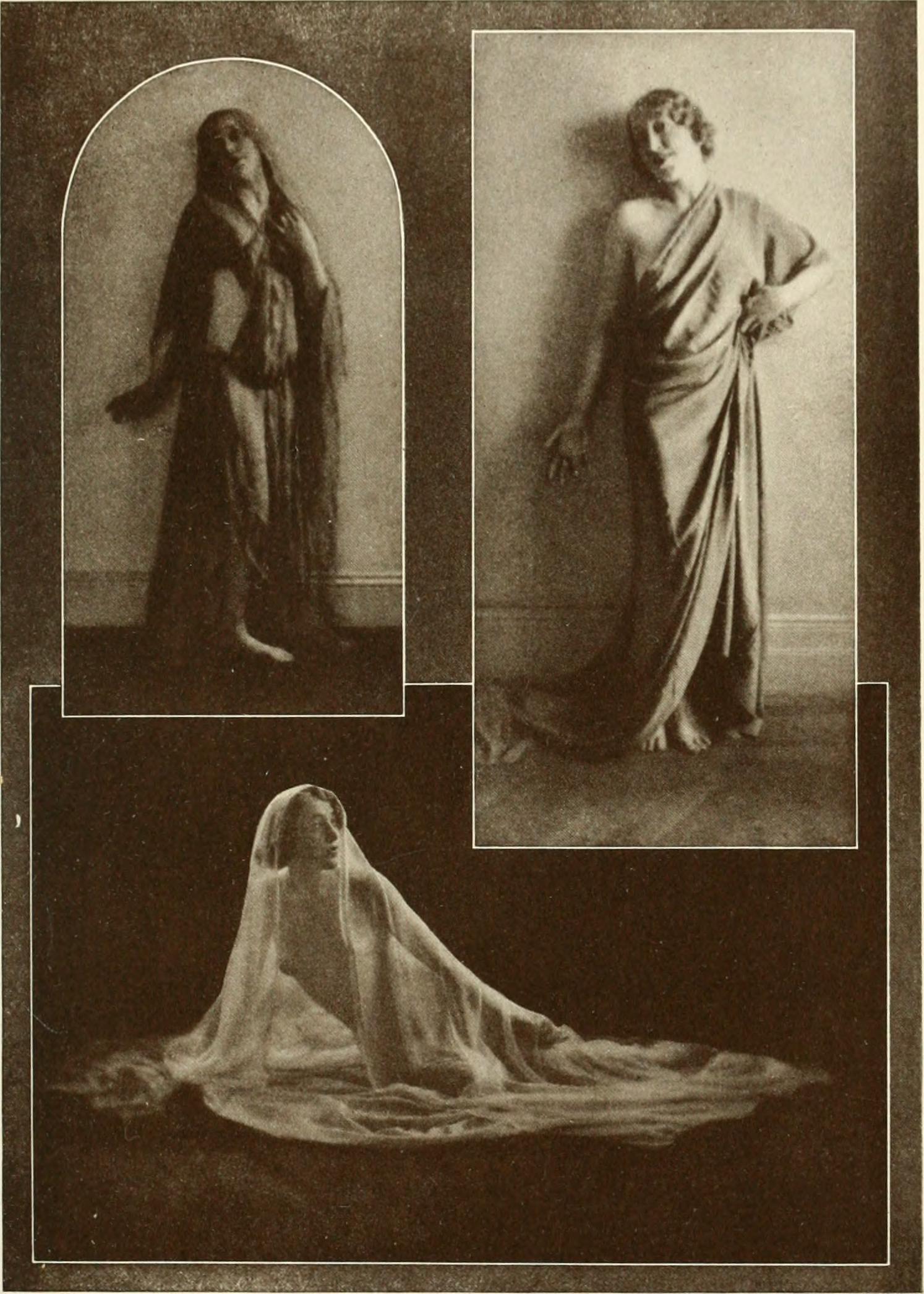
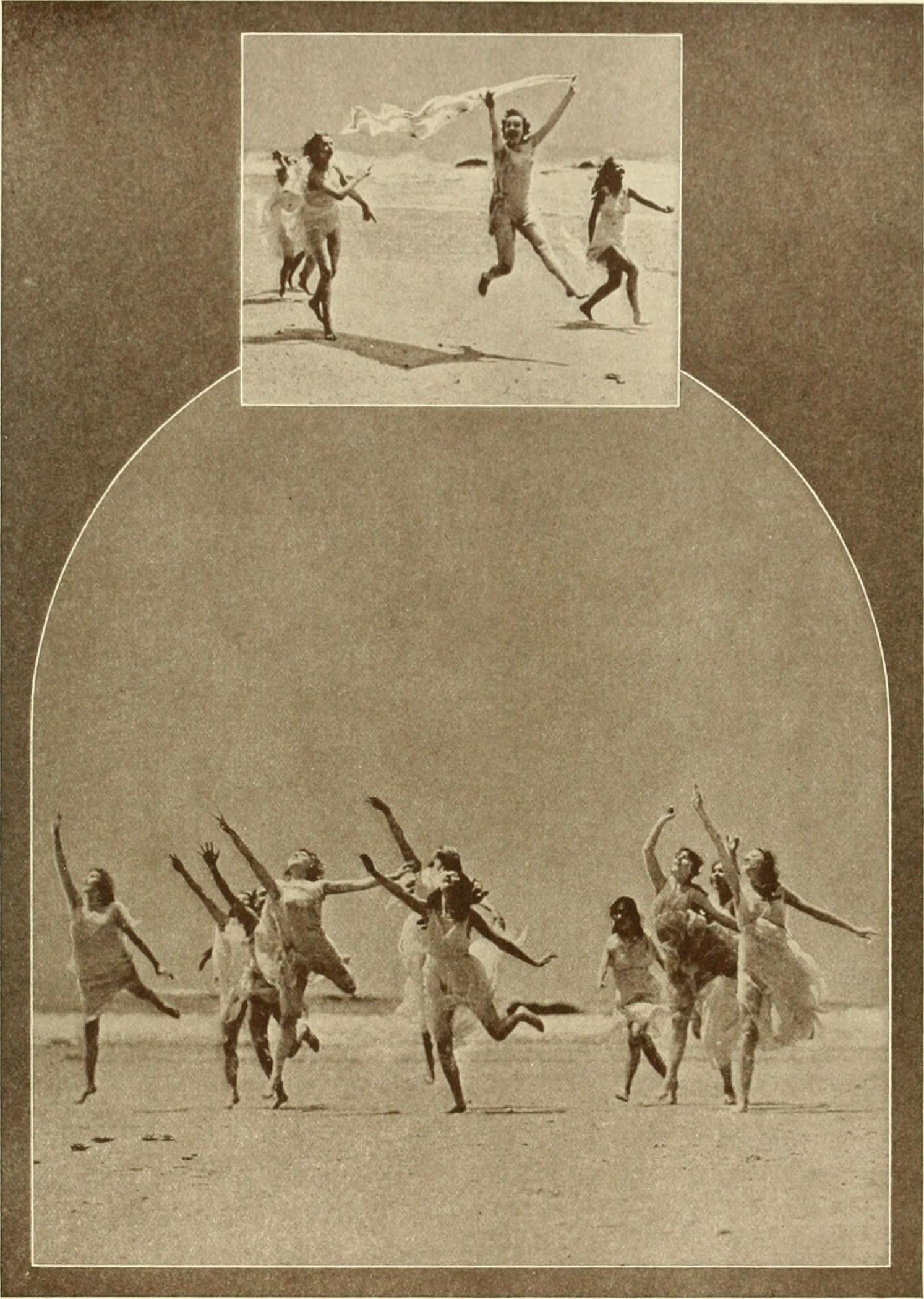
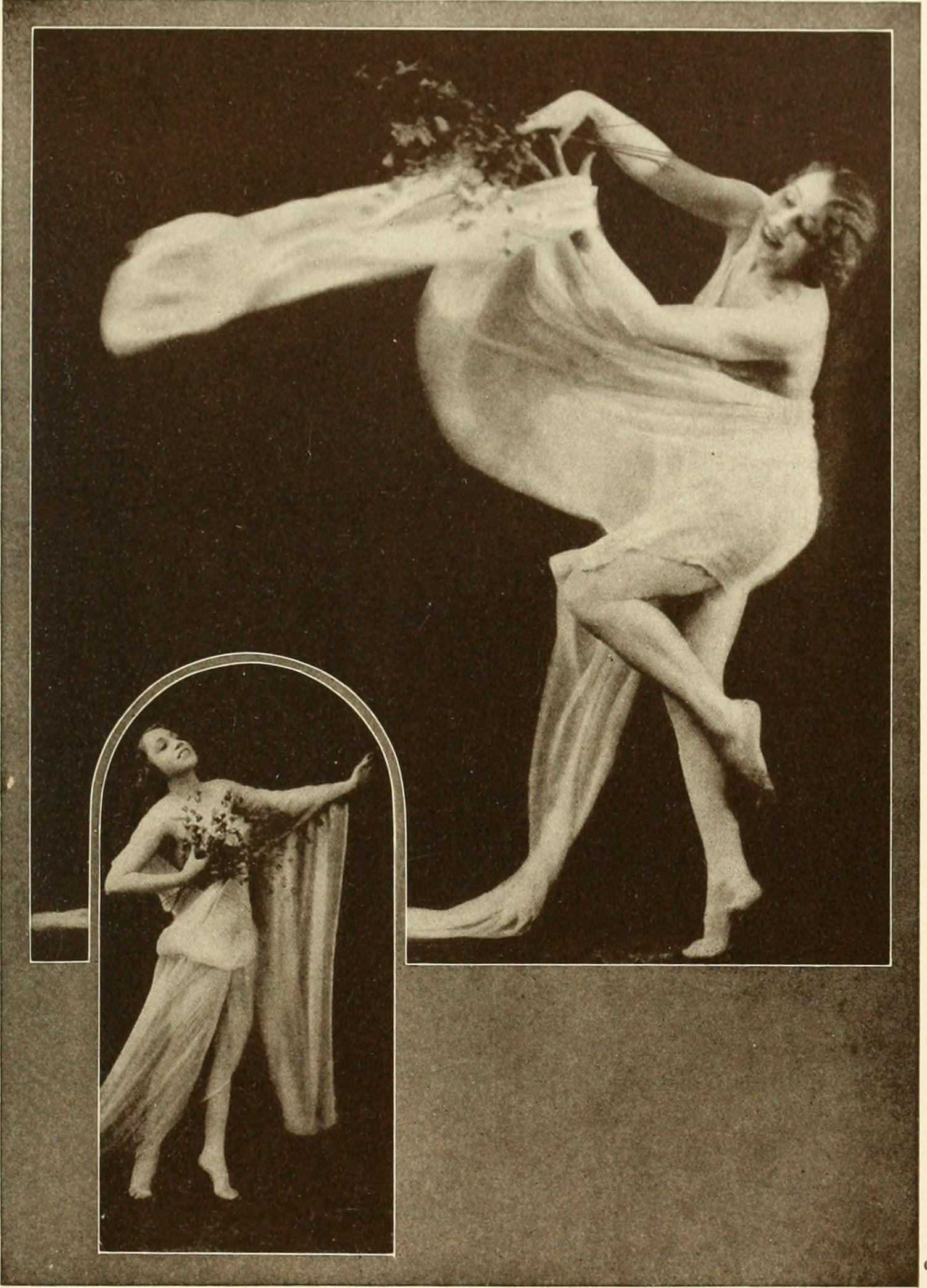
“The race, adapted from the classic Greek games, is useful in dance interpretations combining grace and swiftness of movement. The silhouettes compare fantastic with natural grace of movement.” From ‘Dancing with Helen Moller’, 1918. Page 106. University of California Libraries. | src internet archive“Drigo’s Serenade — showing how modem music of this character inspires the creation of dance movements and figures adapted from the purest Greek models. The beginning of the interpretation is shown in the small plate.” From ‘Dancing with Helen Moller’, 1918. Page 74. University of California Libraries. | src internet archive“A playful Spring movement — flowers and ribbons, and lightness of movement which seems almost to defy the force of gravitation. The small Tanagra figures suggest the same spirit.” From ‘Dancing with Helen Moller’, 1918. Page 42. University of California Libraries. | src internet archive“Here the dancer, erect and recumbent, realizes in living movement the classic sculptor’s sense of the aesthetic value of simple draperies.” From ‘Dancing with Helen Moller’, 1918. Page 48. University of California Libraries. | src internet archive“The ocean beach, upon which the surf rolls rhythmically, or is broken upon half submerged rocks, incites to the most open free and vital dancing expression.” From ‘Dancing with Helen Moller’, 1918. Page 86. University of California Libraries. | src internet archive“Reacting to the breath of Spring — the most compelling of all impulses to dance, and provocative of the most joyous physical expression.” Helen Möller and Curtis Dunham :: From ‘Dancing with Helen Moller; her own statement of her philosophy and practice and teaching formed upon the classic Greek model, and adapted to meet the aesthetic and hygienic needs of to-day’, 1918. Page 88. University of California Libraries. | src internet archive
ACKNOWLEDGMENT: Many of the photographs reproduced in this book were taken by the author herself. For the privilege of reproducing other fine examples of the photographer’s art, she desires to express her grateful acknowledgments to Moody, to Maurice Goldberg, to Charles Albin and to Underwood and Underwood; also to Arnold Genthe for the plate [lost plate] on Page 36; and to Jeremiah Crowley for his admirable arrangement of the entire series of illustrative art plates. [quoted from source]
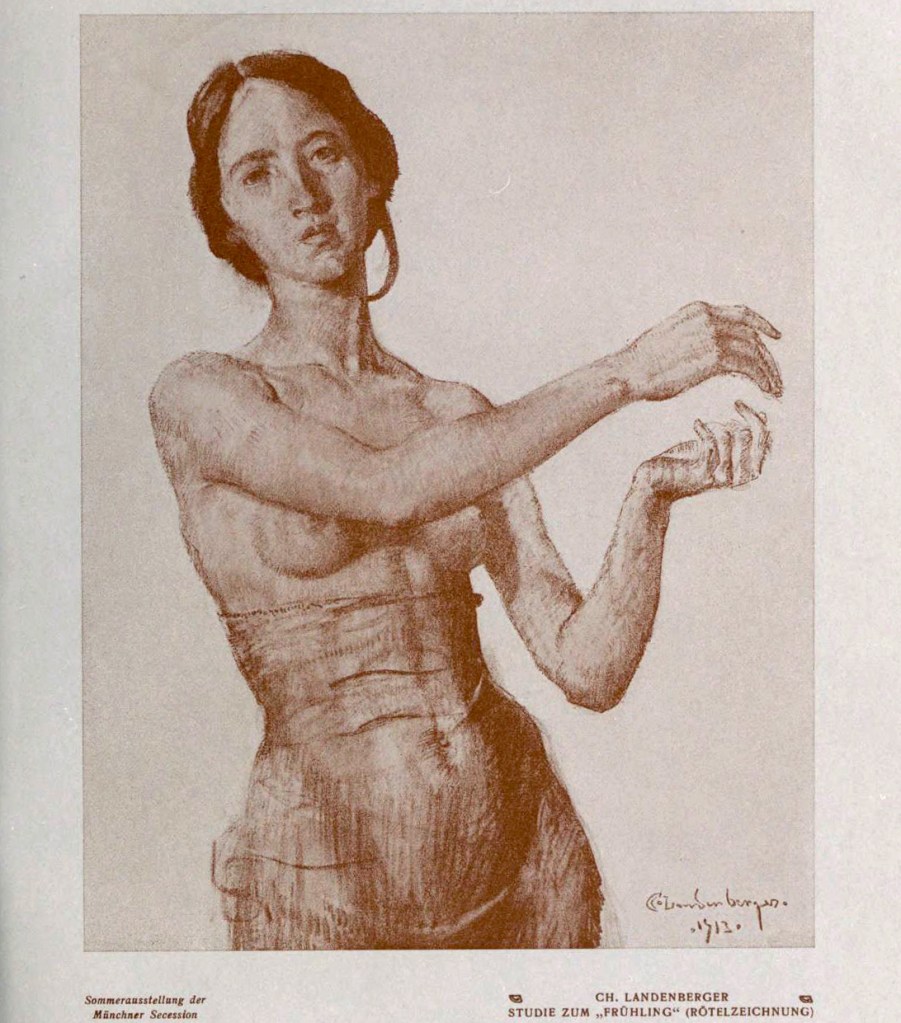
Christian Adam Landenberger :: Studie zum Frühling. Rötelzeichnung [Spring study. Red chalk drawing], 1913. Sommerausstellung der Münchner Secession. From Die Kunst: Monatsheft für freie und angewandte Kunst, 1914. | srcinternet archive
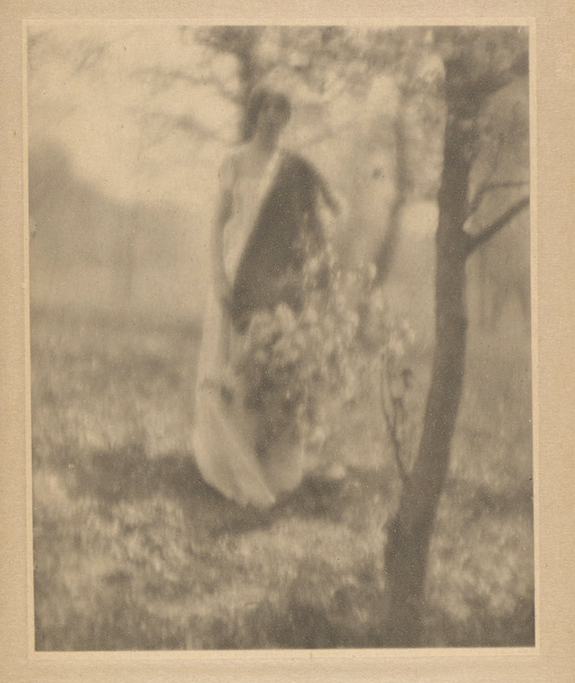
Edward H. Weston (1883 – 1956) ~ Prologue to a Sad Spring [Margrethe Mather], 1920 | src women artists in HistoryEdward Weston ~ Prologue to a Sad Spring [Margrethe with hat, looking over right shoulder, hand on chest, shadow of a tree on a barn wall] 1920. Gelatin silver print | src CCPEdward Weston ~ Prologue to a Sad Spring [Margrethe standing in dark cloak to left; shadow of tree on barn wall to right], 1920. Platinum or palladium print | src CCP
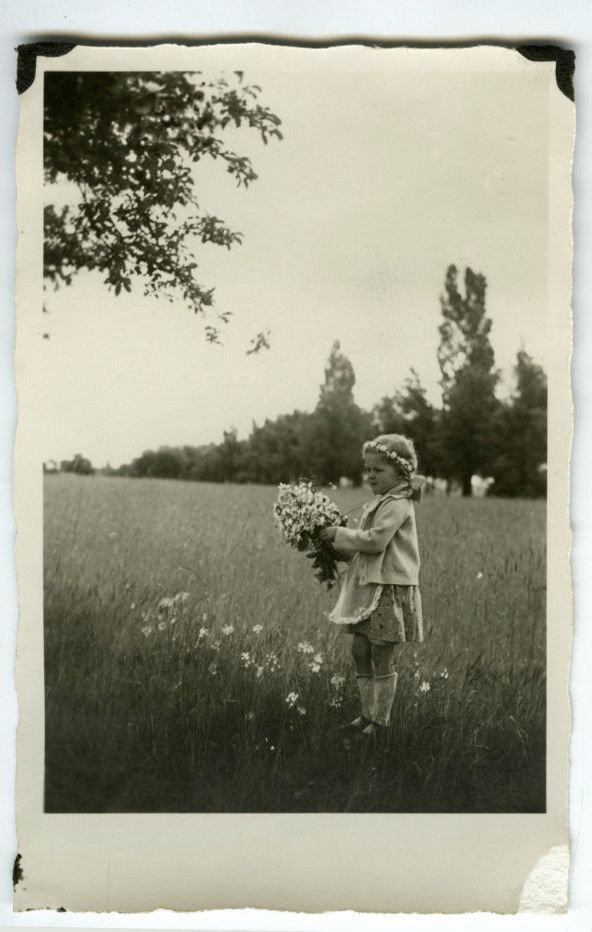
Girl (wearing a flower crown) collecting wild flowers in a field of flowers./ src: punlovsin
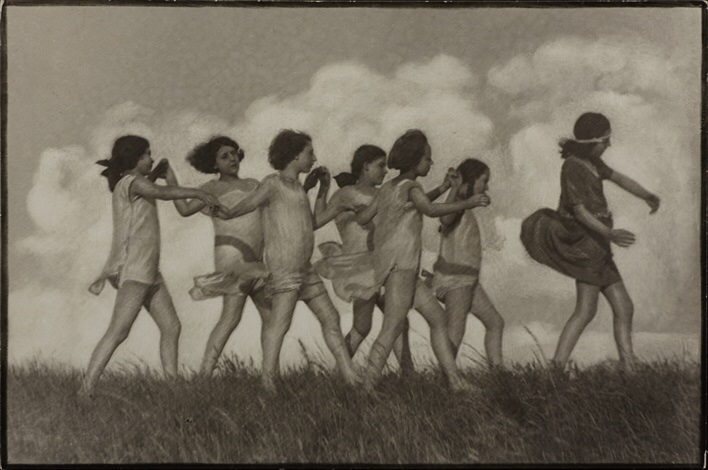
Romualdas Rakauskas :: Unknown title.
From ‘Le tourbillon de la vie’ / The Whirlwind of Life.






 un regard oblique