images that haunt us
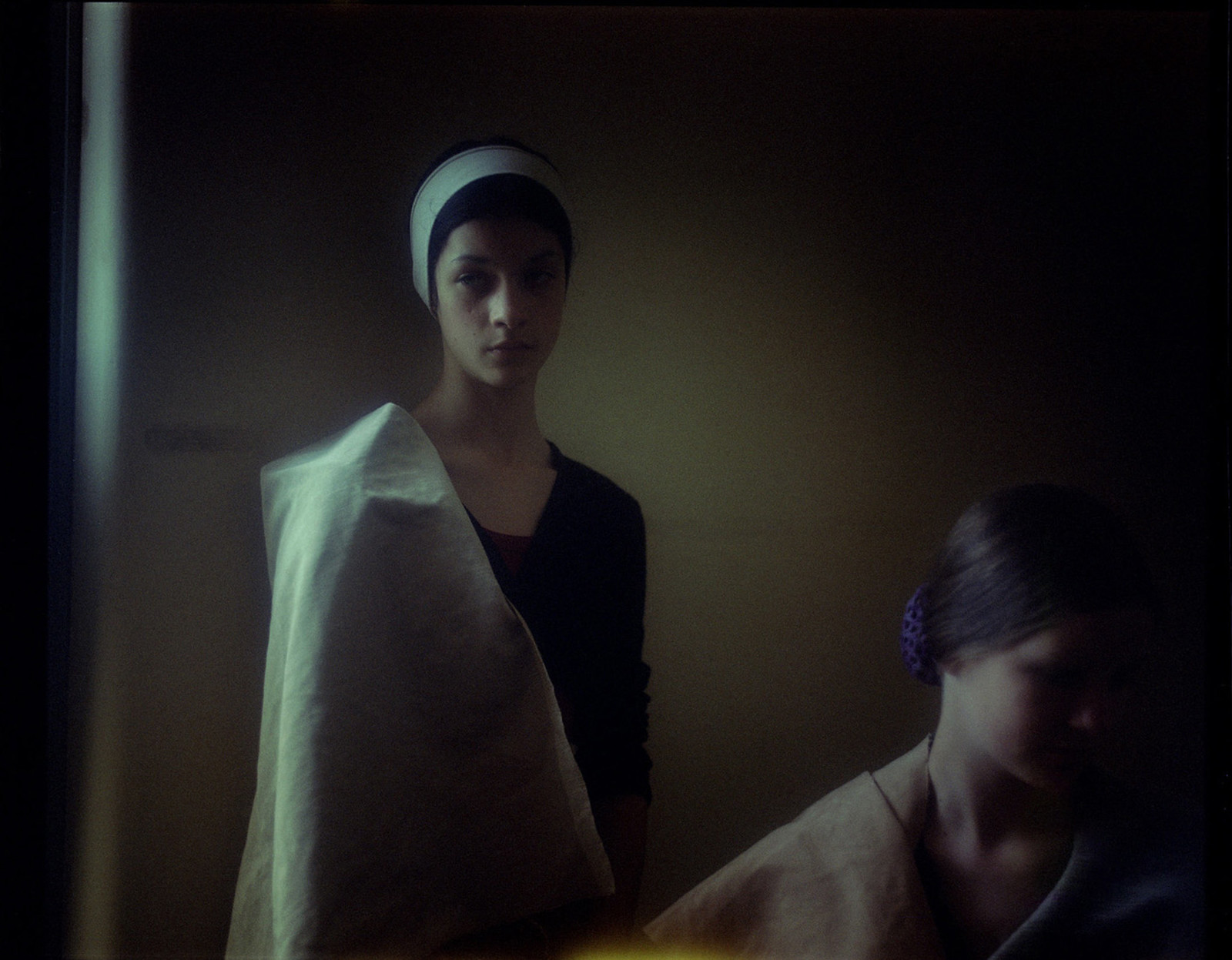
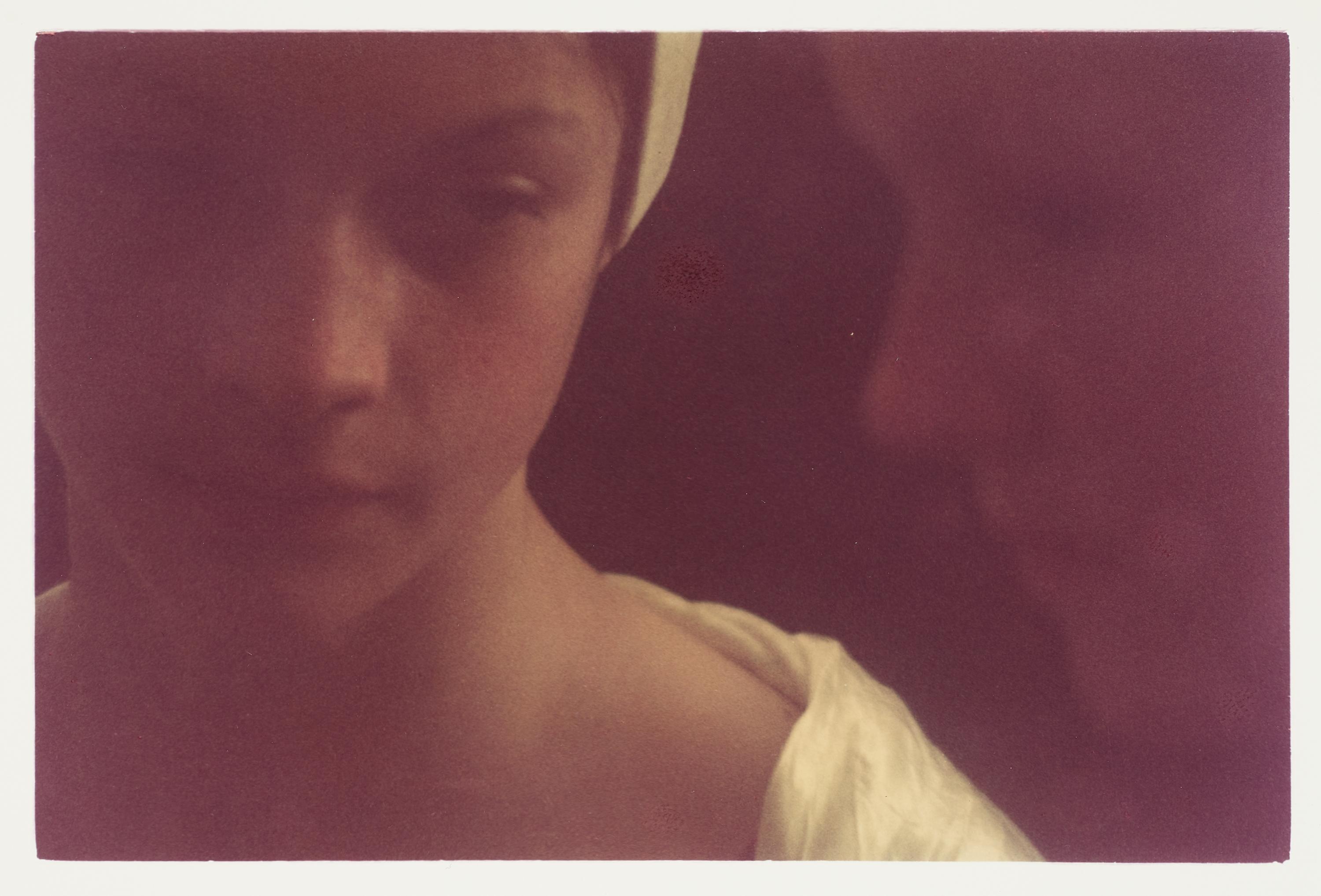
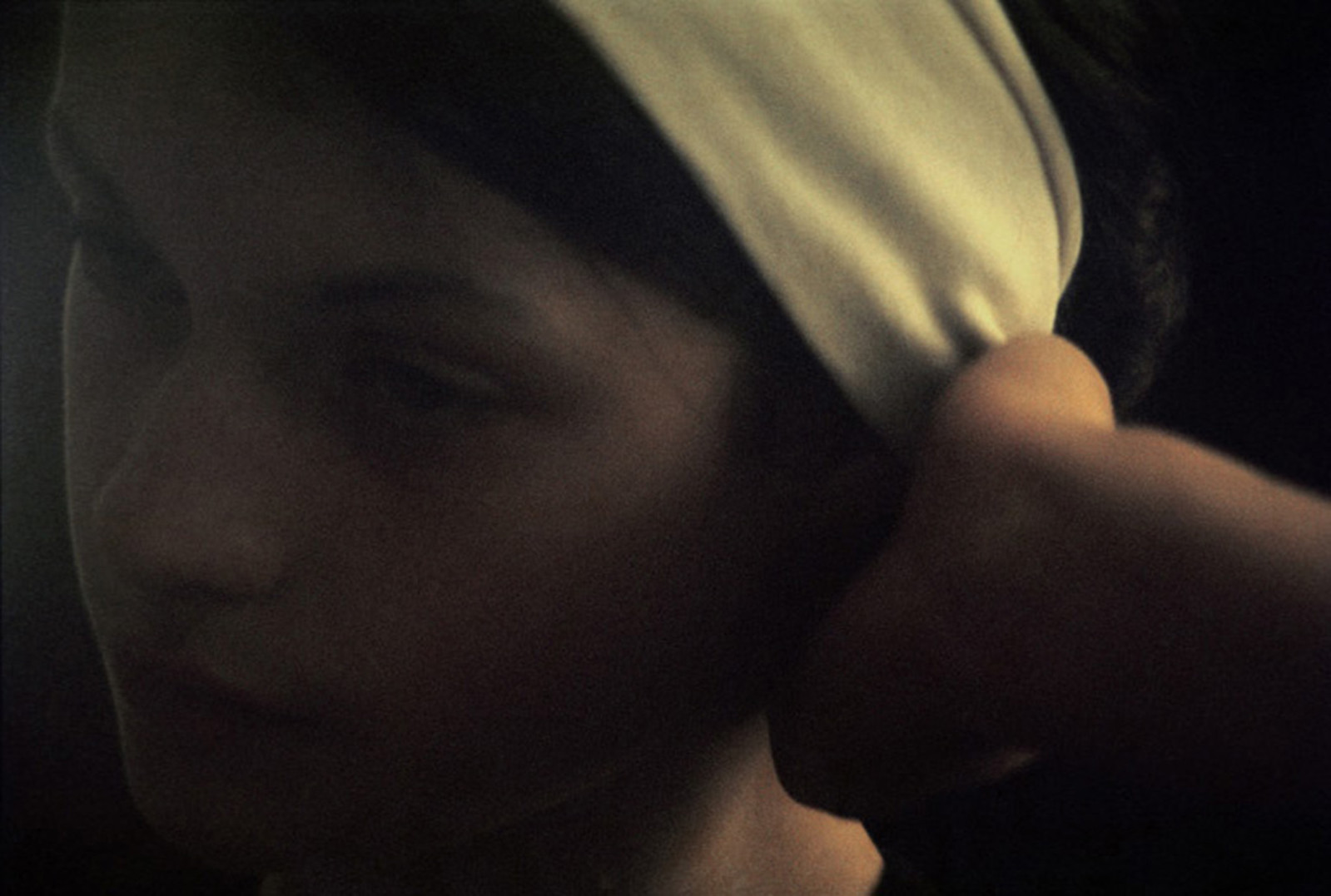
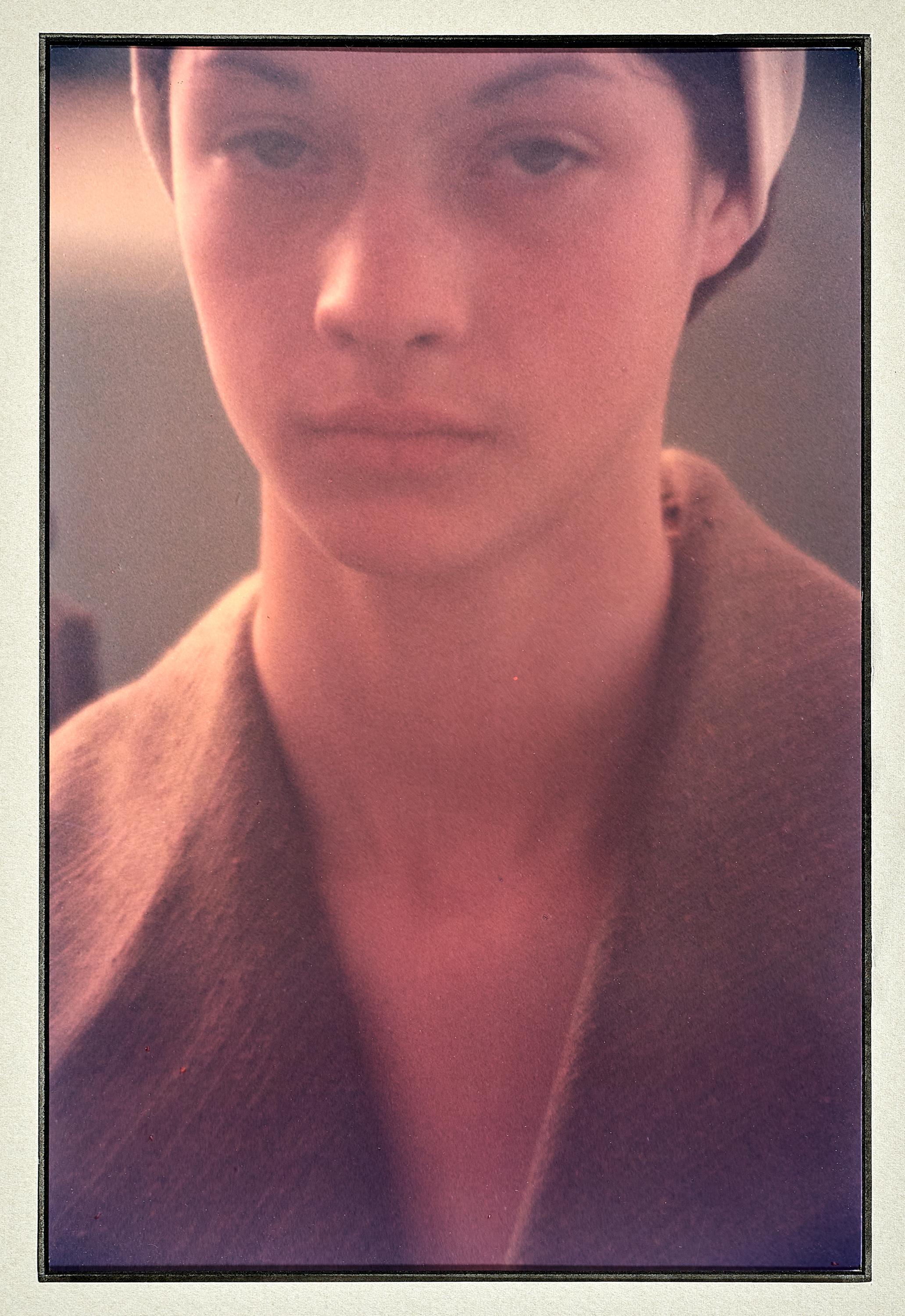
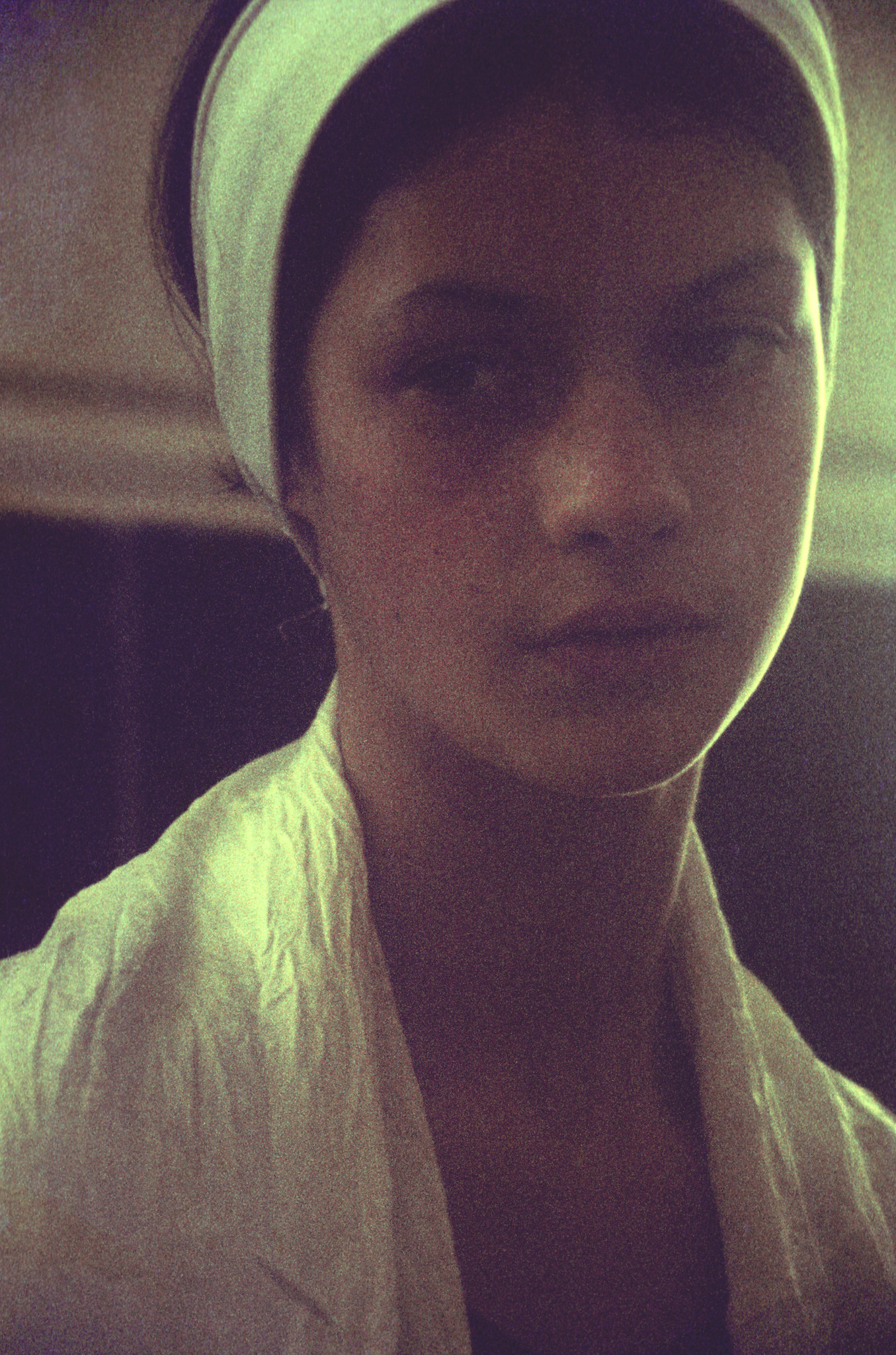

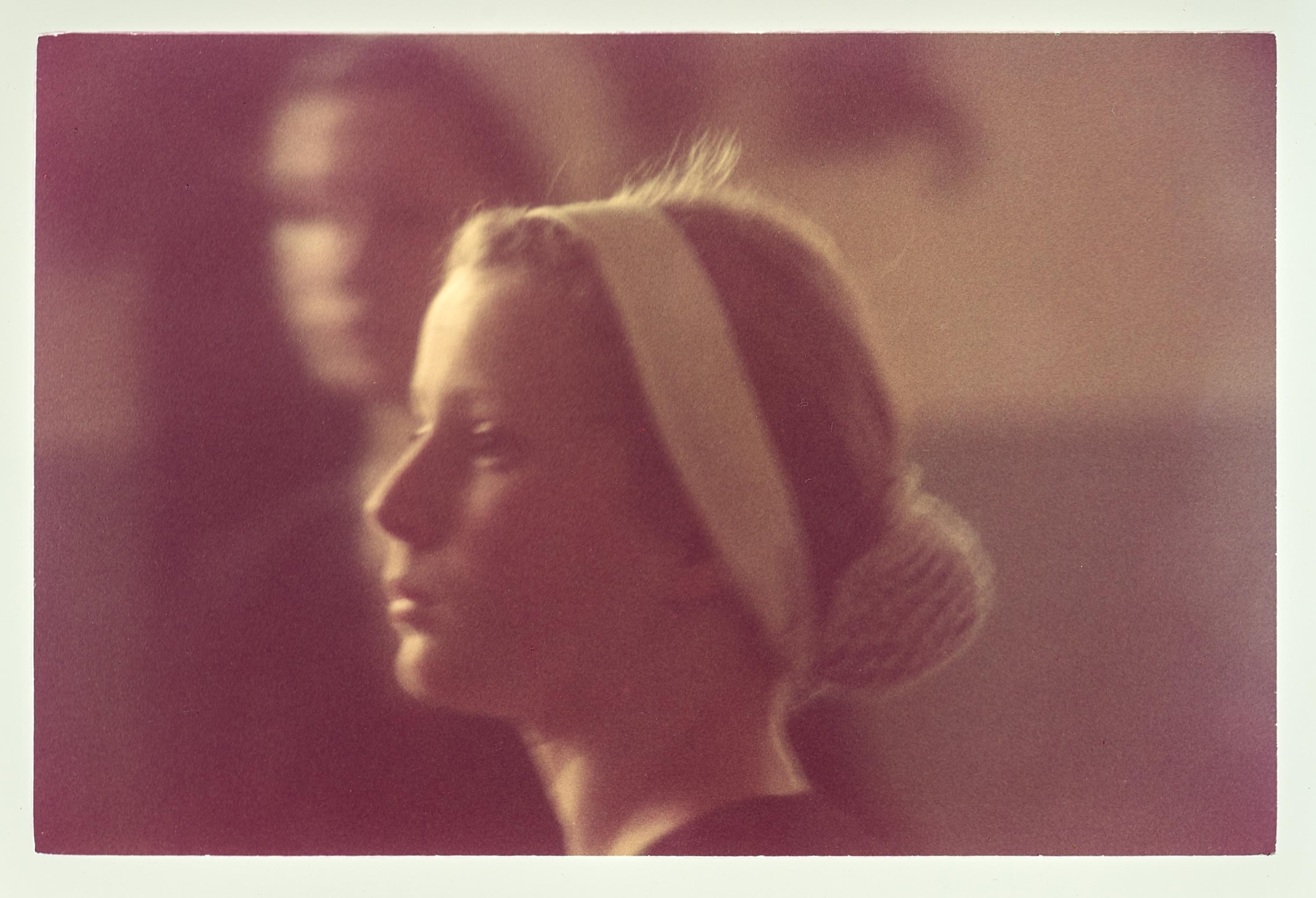
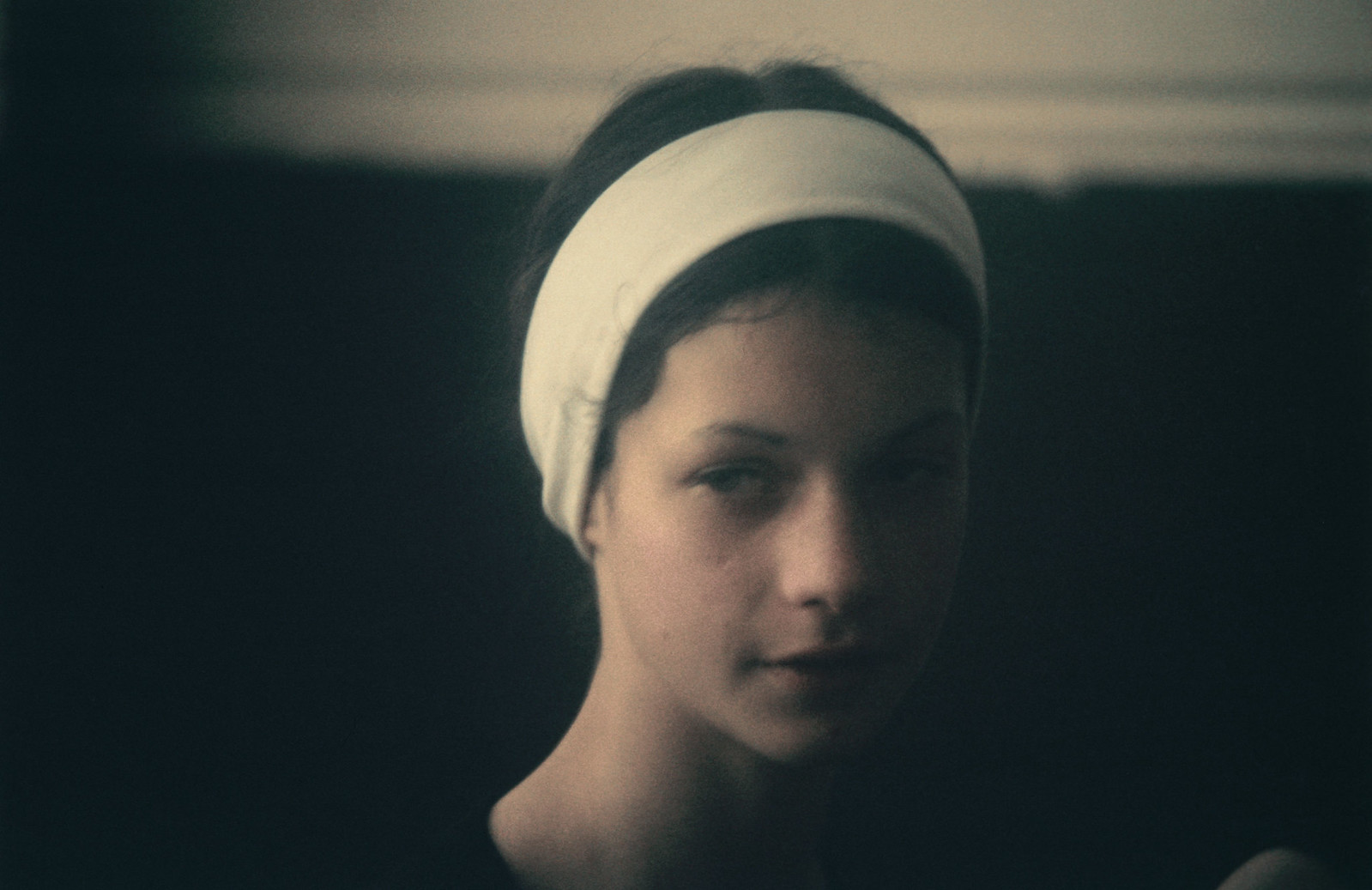
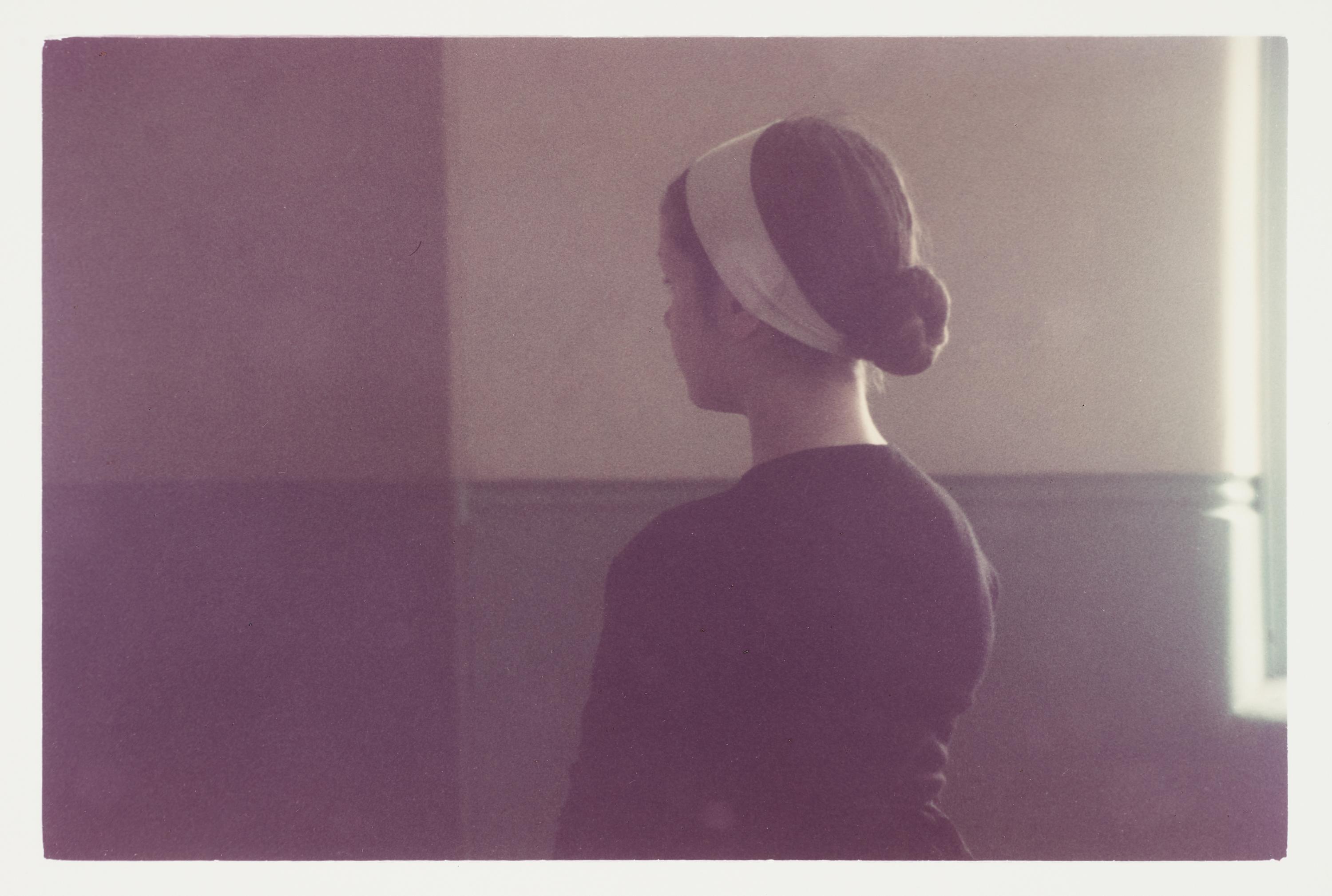
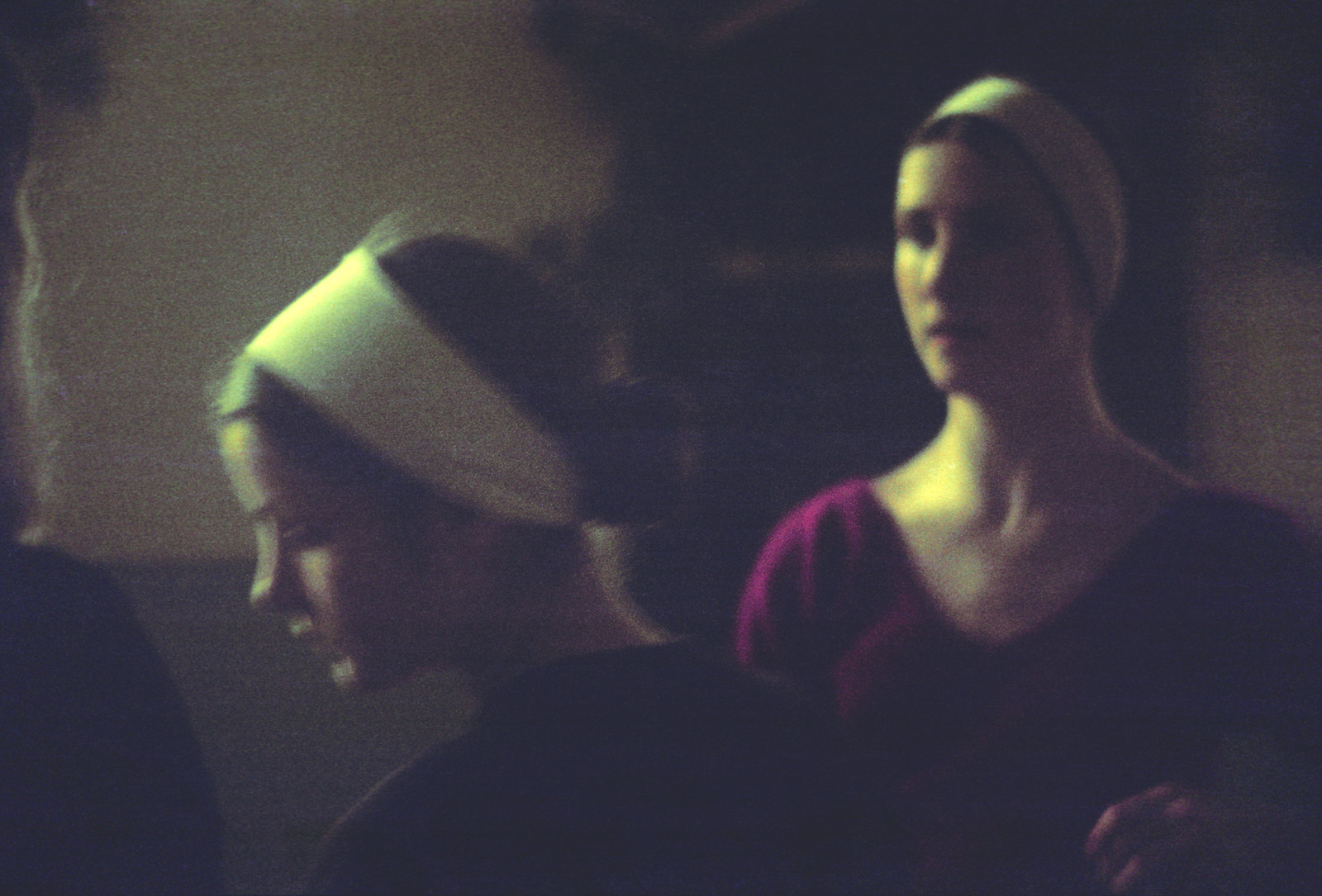
‘Untitled 1974’ was one of Bill Henson’s earliest photographic series. When photographing the ballerinas, he found himself fascinated by faces, ‘lost to the world, absorbed in the dance. So I photographed their faces rather than their bodies. I was drawn to the spirit of some person in a space.’ Bill Henson 2004
Sequences are an important part of Henson’s work, creating a dialogue between the images and enhancing both the meaning and effect. An image that is hard to discern singularly becomes more readable as part of a sequence, while at the same time the whole sequence seems to become more ethereal and requiring of an emotional response. AG of NSW






![Jaromír Funke ~ Untitled (Hydrangea in blossom in pot), ca. 1920-24 [HGG2-summer 2019]](https://live.staticflickr.com/65535/52008384576_3b52162bf7_o.jpg)
A very rare photograph in a rather pictorialist style among the modern, abstract production by Funke.
![Jaromír Funke ~ Untitled (Hydrangea in blossom in pot), ca. 1920-24 [detail]](https://unregardoblique.com/wp-content/uploads/2023/06/jaromir-funke-untitled-ca.-1920-1924-hgg2summer19-det.jpg)
Jaromír Funke (1896–1945) studied medicine, law and philosophy at Charles University in Prague but did not graduate. Instead he concentrated on becoming a professional freelance photographer. By 1922 he was a leader of the young opposition movement in photography and a founder of the Czech Society of Photography (1924) whose mission was to create photography that would fulfil new social functions. In his work Funke managed to combine some of the leading trends in modernist European photography, uniting constructivism and functionalism with surrealism and social commentary, with traditional Czech aesthetics. His interest in modernist ideas led him to make clearly focused studies of simple objects. As the decade progressed, he turned to the production of carefully arranged still lifes emphasizing abstract form and the play of light and shadow. During this time he also produced several important series of photographs, including two inspired by the images of Eugène Atget: Reflexy (Reflections, 1929) and as trvá (Time Persists, 1930-34).
Funke was also influential as a teacher, first at the School of Arts and Crafts, Bratislava (1931-34/35), which followed a Bauhaus-inspired curriculum, and then at the State School of Graphic Arts, Prague (1935-44). While in Bratislava, he became interested in social documentary photography and joined the leftist group Sociofoto, which was concerned with recording the living conditions of the poor. Throughout his career Funke published articles and critical reviews dealing with photography. From 1939-41 he worked with Josef Ehm to edit the magazine Fotografik obzor (Photographic Horizon).
quoted from HGG ~ Howard Greenberg Gallery / Jaromir Funke
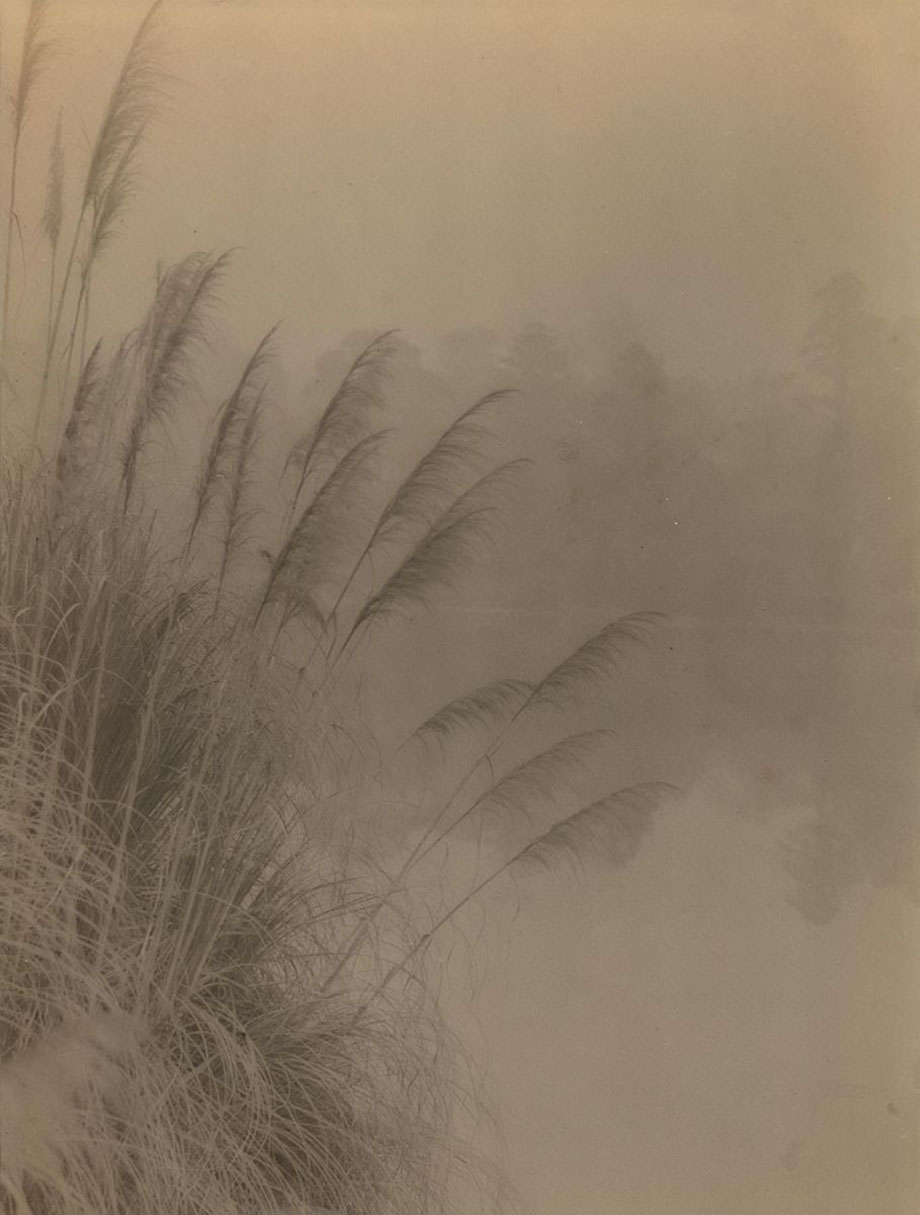
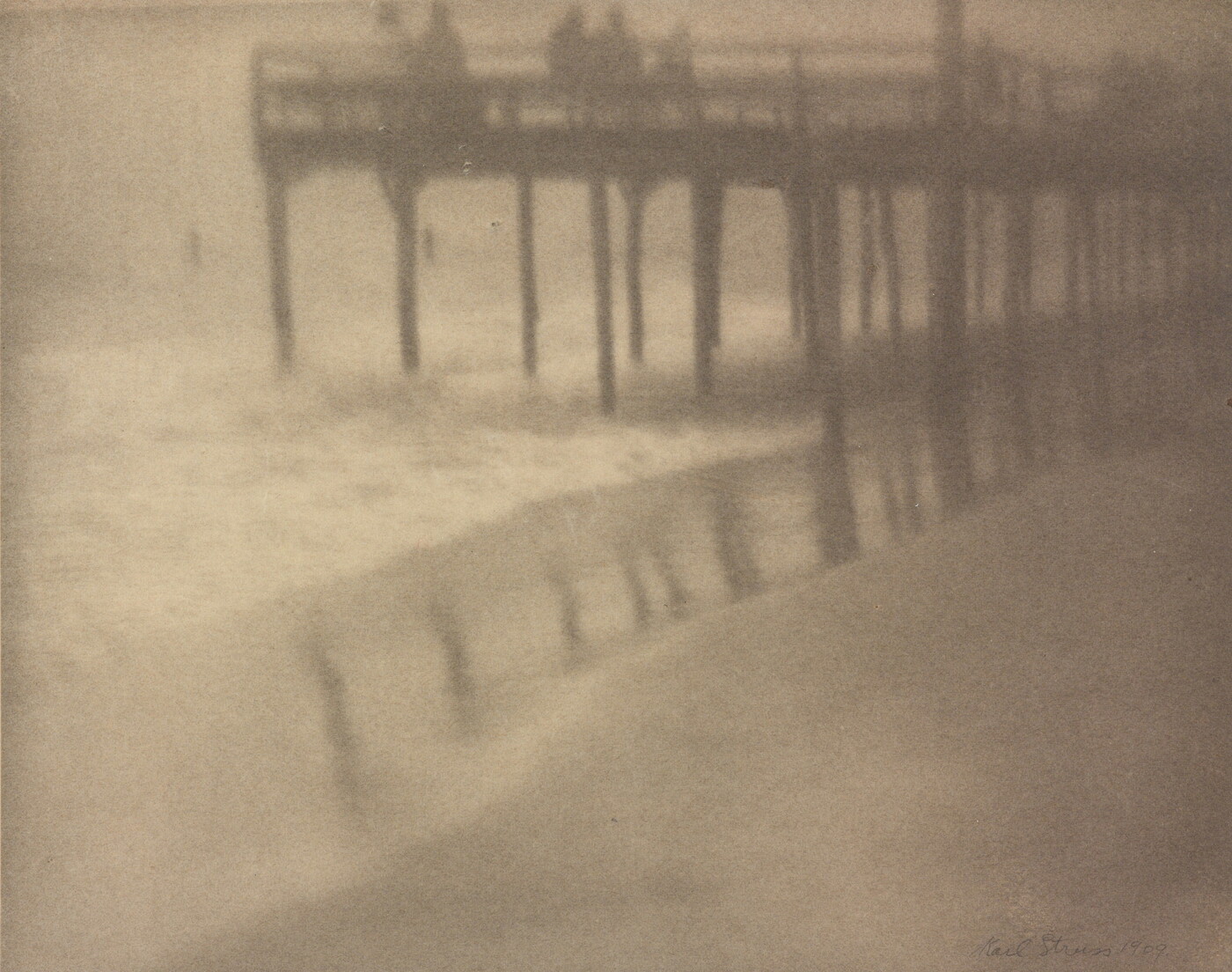
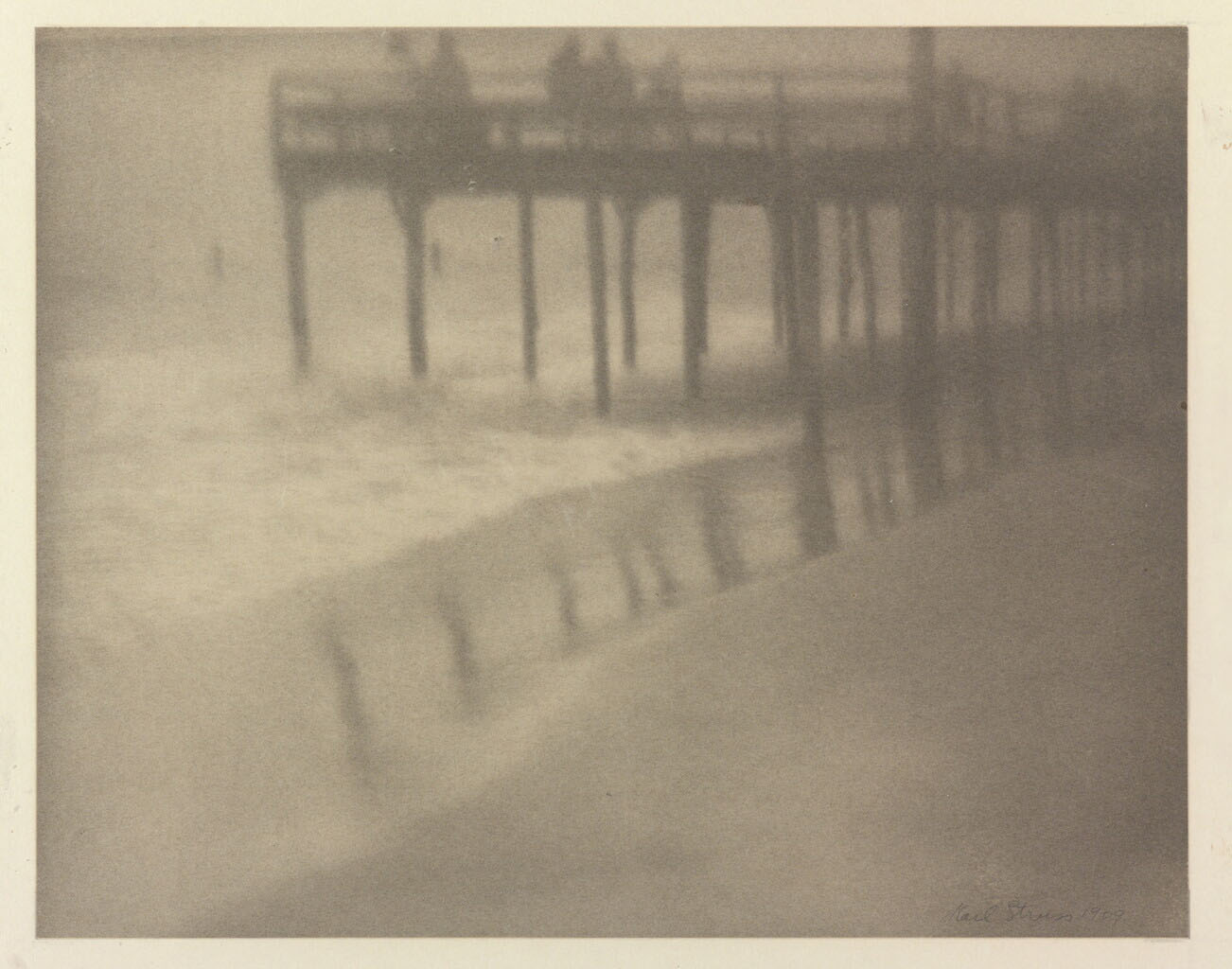
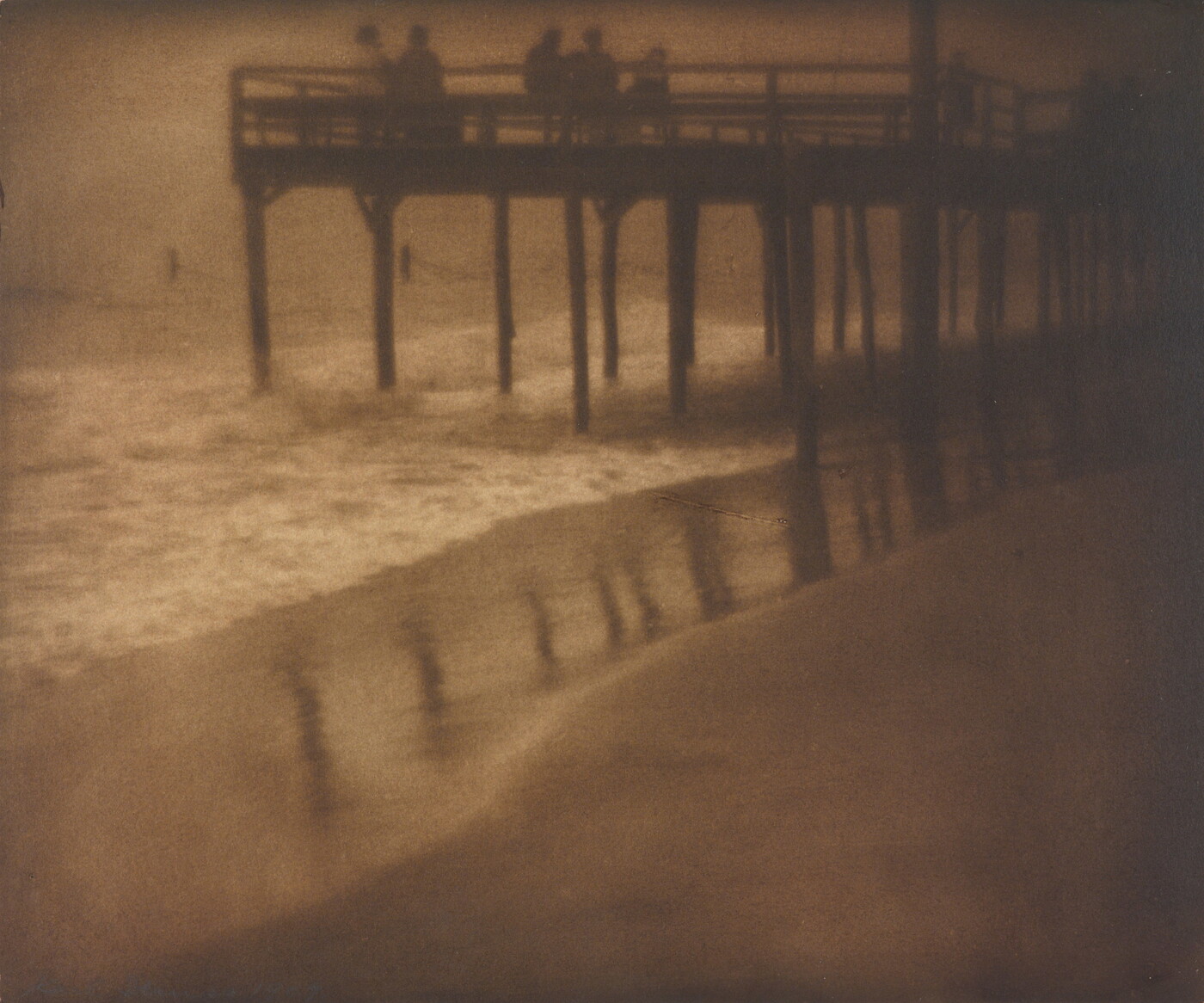
![Karl Struss (1886-1981) :: [Reflections and moonlight, Arverne, Long Island], 1910. Platinum print. | Amon Carter Museum of American Art](https://live.staticflickr.com/65535/52792067823_1d0aa38459_o.jpg)
![Karl Struss (1886-1981); [Reflections and moonlight, Arverne, Long Island]; 1910; Platinum print; Amon Carter Museum of American Art, Fort Worth, Texas; P1983.23.67](https://live.staticflickr.com/65535/52791856574_c055770b8d_o.jpg)

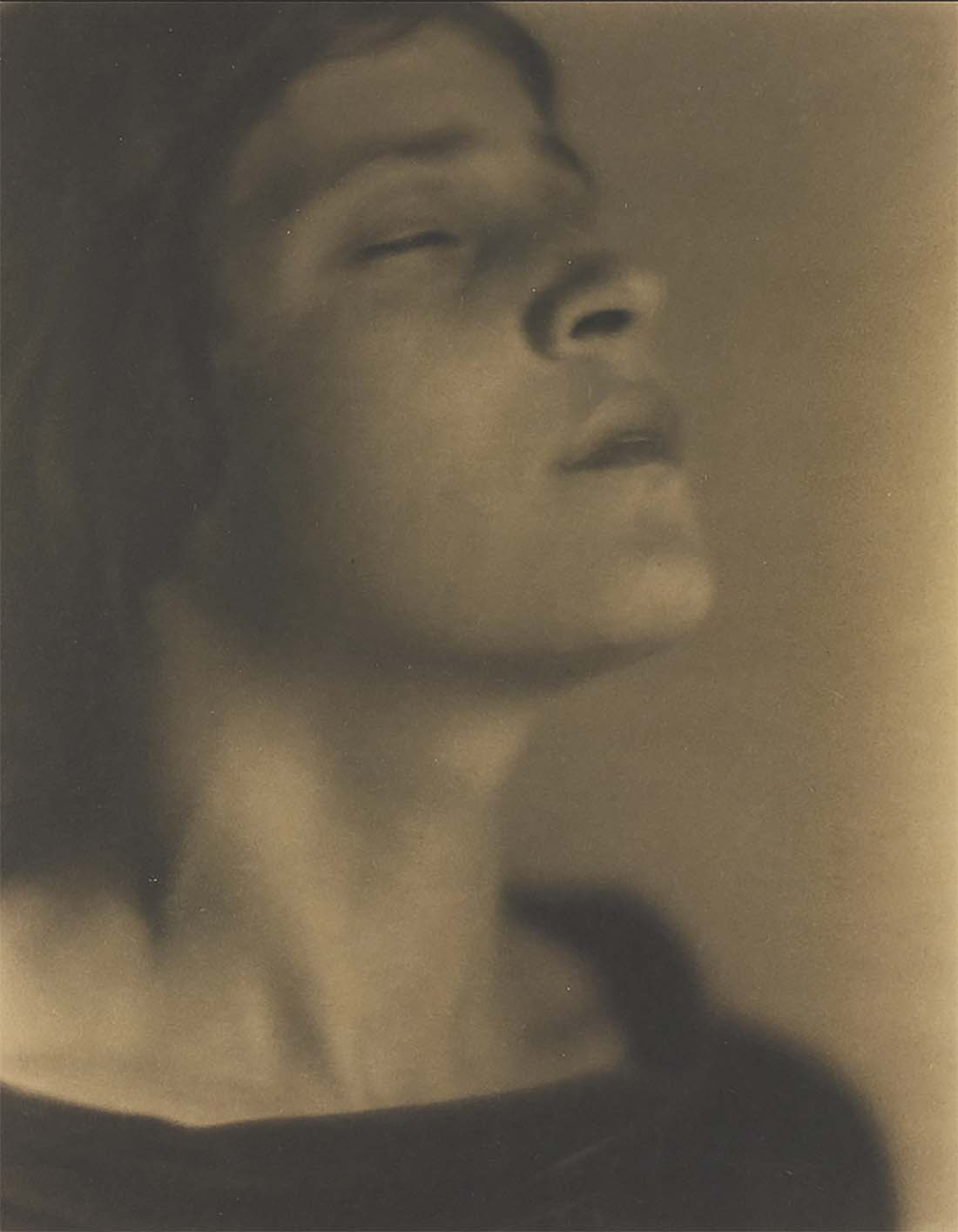
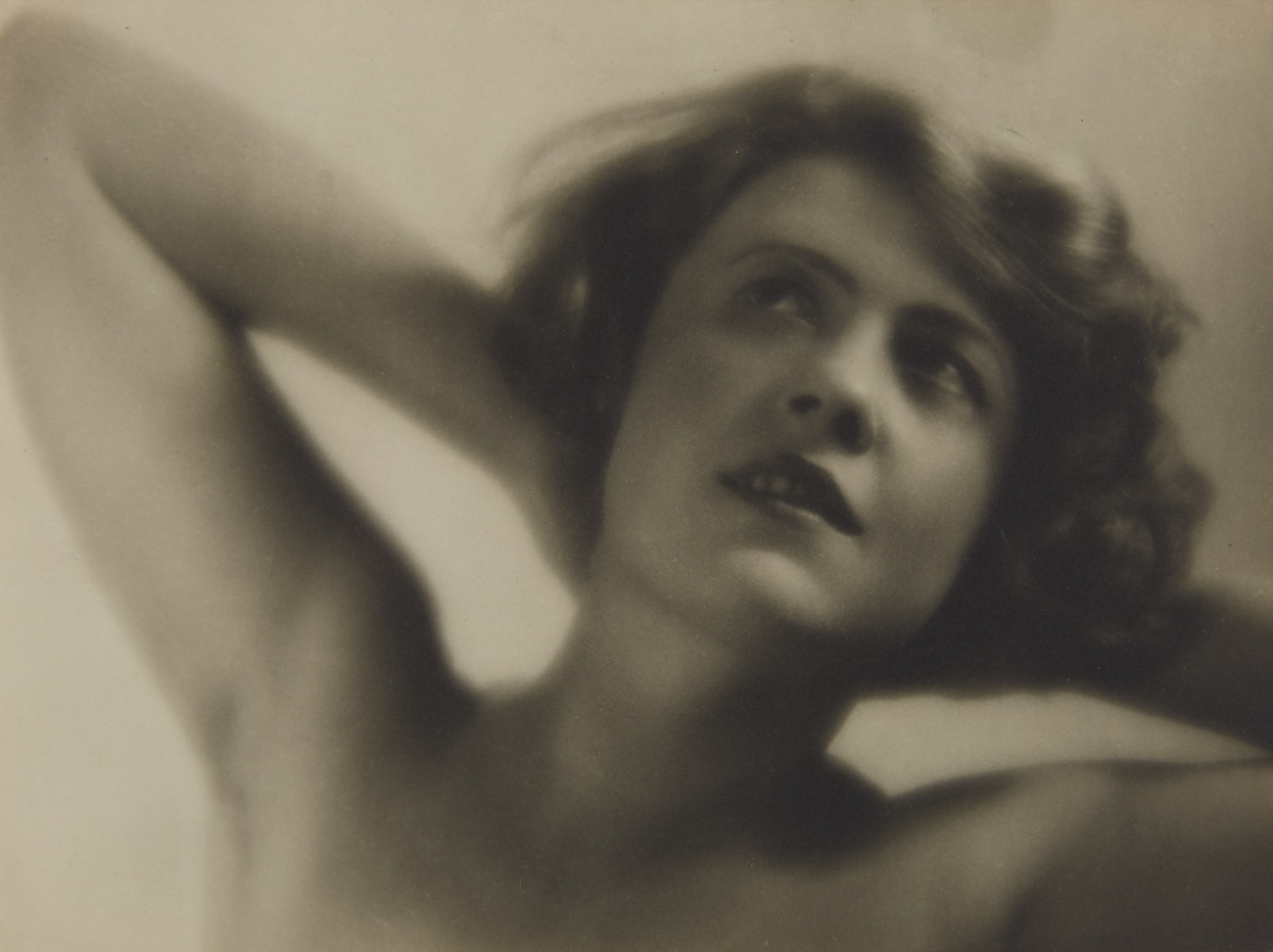
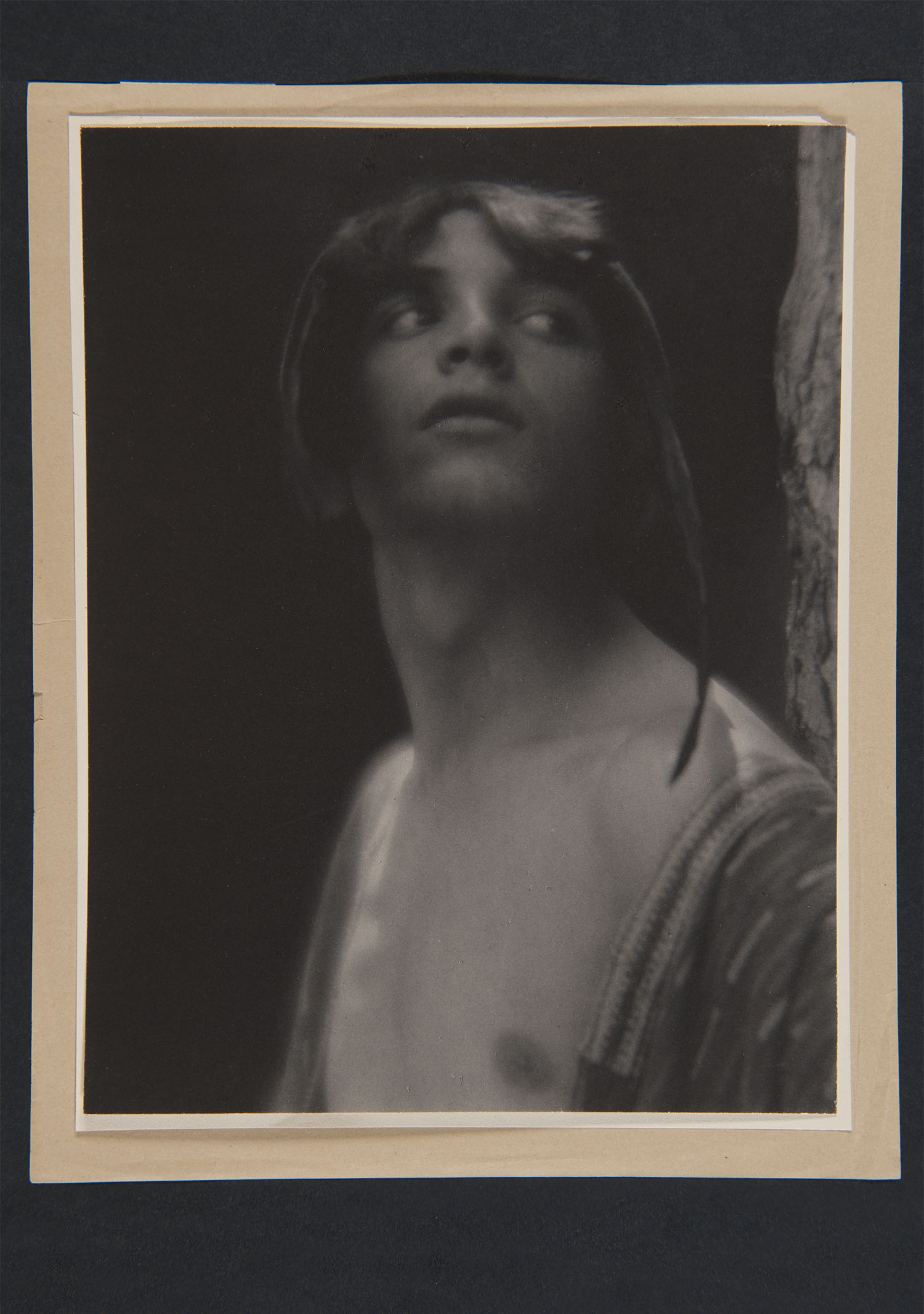
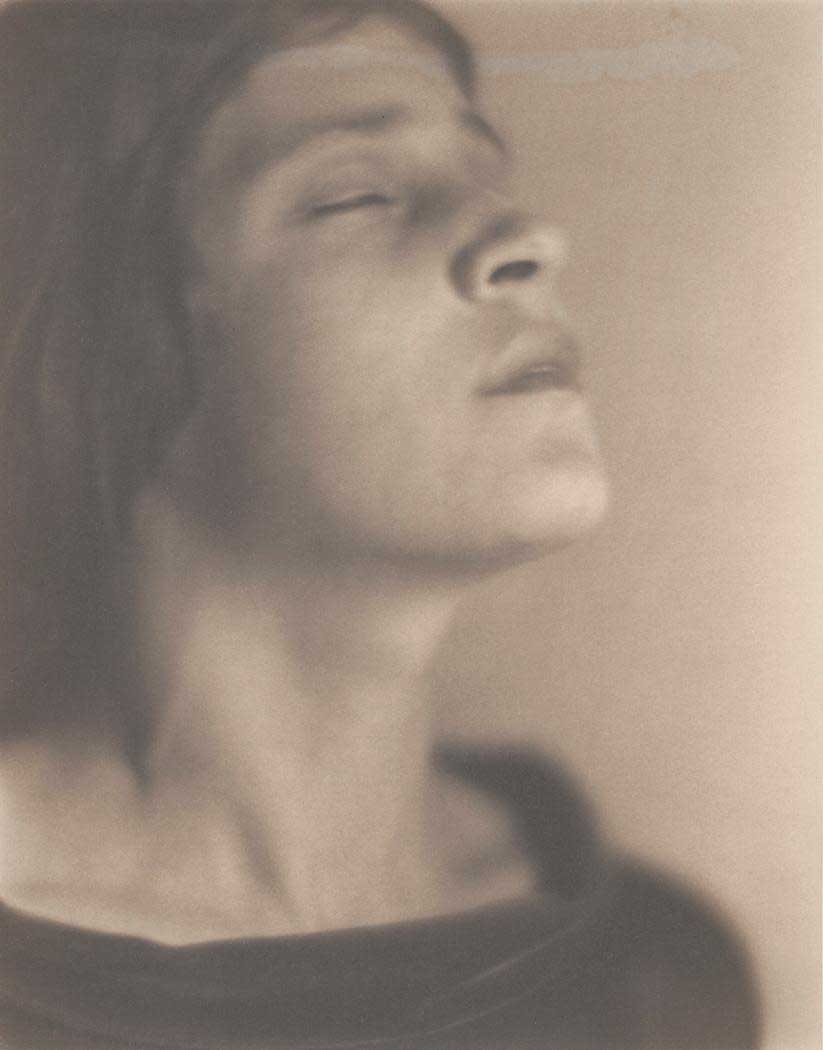
This photograph is among the earliest studies Edward Weston made of Tina Modotti, the woman whose face and figure would inspire some of Weston’s best work throughout the 1920s. The photographer regarded the image as an important one at the time, including it in two early exhibitions: in Amsterdam in 1922, and at the Aztec Land Gallery in Mexico City in 1923. This print is one of only three extant examples of this seminal picture of Modotti.
Head of an Italian Girl is from a series of studies and portraits of Modotti that Weston began in Los Angeles in 1921, soon after their love affair began, and would continue in Mexico. At the time this photograph was taken, each was married to someone else: Weston to the former Flora Chandler, the mother of his four children, and Modotti to the poet and textile designer, Roubaix de l’Abrie Richey. Born in Italy, Modotti was a recent arrival in Los Angeles, where she worked variously as an actress in silent films and as a seamstress and clothing designer. In the early 1920s, Weston made his living as a portrait photographer in Glendale, while pursuing his own creative work. The two fell in love shortly after they met, and Weston began photographing Modotti immediately. In April 1921, Weston wrote of Modotti to his friend, the photographer Johan Hagemeyer:
‘Life has been very full for me—perhaps too full for my good—I not only have done some of the best things yet—but have also had an exquisite affair . . . the pictures I believe to be especially good are of one Tina de Richey—a lovely Italian girl’ (The Archive, January 1986, Number 22, ‘The Letters from Tina Modotti to Edward Weston,’ p. 10)
In the present image, the ecstatic expression on Modotti’s face provides some indication of the intensity of their new relationship.
Amy Conger locates only two prints of this image, both in institutional collections: a palladium print originally owned by Johan Hagemeyer and now at the Center for Creative Photography, Tucson [view image below]; and a platinum print at the Baltimore Museum of Art. [quoted from source]


 un regard oblique