Jeanne Mammen (1890–1976) I

Jeanne Mammen :: Sie repräsentiert (och Selbstbild), um 1928.[watercolor, pencil] Bild: VG Bild-Kunst, Bonn 2017 | src Svenska.yle (selfportrait; self-representation)
Jeanne Mammen :: Sie repräsentiert (och Selbstbild), um 1928. [watercolor, pencil] Bild: VG Bild-Kunst, Bonn 2017 | src Svenska.yle

Watercolorist, painter, printmaker. Raised in Paris. Studied art in Paris, Brussels, and Rome from 1906 until 1911. As a German citizen, was forced to flee France with her family at outbreak of World War I; lost all possessions. Impoverished, settled in Berlin in 1916, where she eventually earned a living making illustrations for fashion magazines and posters for Universum-Film AG (UFA), the film distributor.

After 1924 frequently published drawings and watercolors in major satirical periodicals such as Ulk and Simplicissimus, for which she chronicled the experiences of Berlin’s crop-haired, self-reliant “new women” at work and leisure — experiences that mirrored her own. Often showed them in cramped, distorted spaces, some rendered in lurid tones reminiscent of Henri de Toulouse-Lautrec and others in brilliant, orphic colors of the prewar Parisian avant-garde. Enjoyed growing commercial and critical success; in 1930 had first solo exhibition at Galerie Gurlitt in Berlin. At publisher Wolfgang Gurlitt’s behest, made lithographs illustrating a book of erotic Sapphic poetry, Les Chansons de Bilitis, in 1931–32, which was banned by the Nazis.

Under Nazi dictatorship, remained in Germany but lived in a state of “inner emigration”; refused to exhibit or publish. Turned increasingly to painting in Cubist and Expressionist styles out of solidarity with artists who Nazis defamed as degenerate.

quoted from MoMA

Jeanne Mammen :: Zwei Frauen, tanzend (Two women, dancing), ca. 1928. [Aquarell, Bleistift]. Bild: VG Bild-Kunst, Bonn 2017. | src Svenska.yle
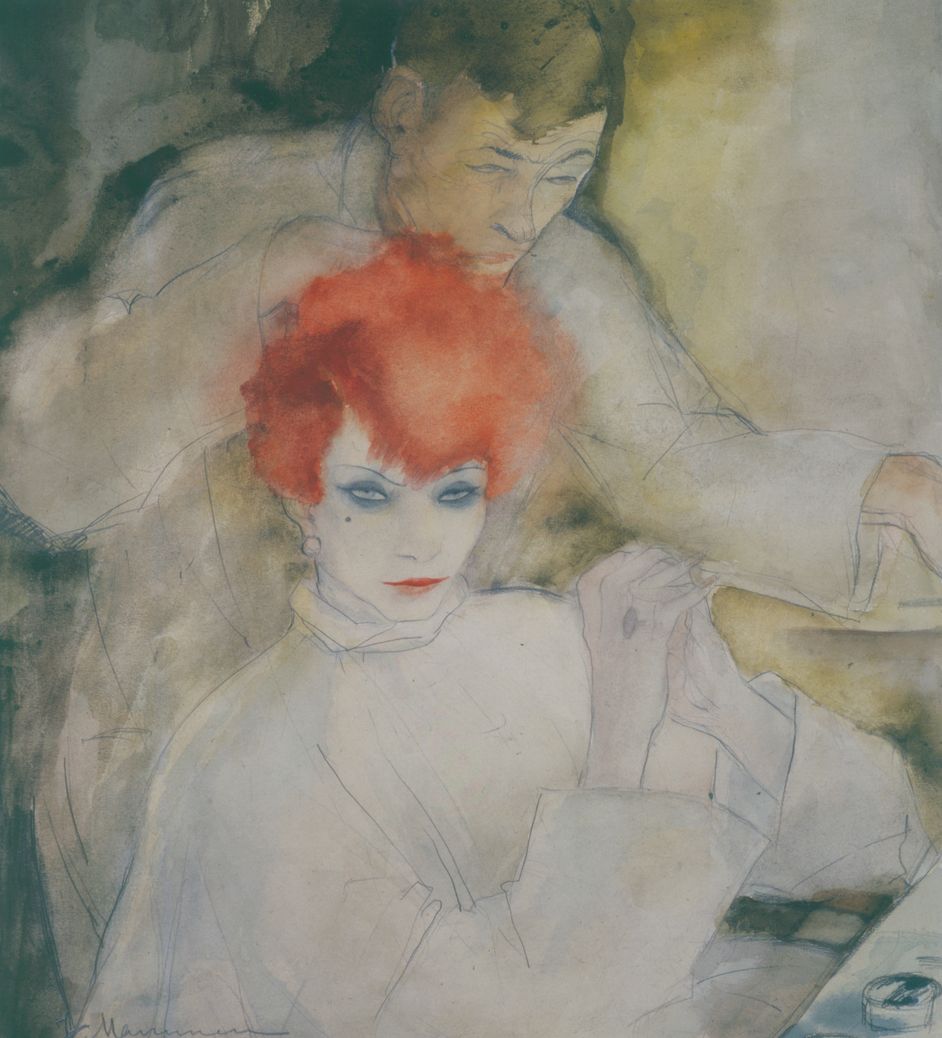
Jeanne Mammen :: Die Rothaarige | The Redhead (Thoughts at the Hairdresser's), um 1928. Drawing, watercolour and pencil on paper. | src Berlinische Galeri
Jeanne Mammen :: Die Rothaarige | The Redhead (Thoughts at the Hairdresser’s), um 1928. Drawing, watercolour and pencil on paper. | src Berlinische Galerie

Jeanne Mammen (1890–1976) made her name in the late 1920s with illustrations for magazines like Simplicissimus, Ulk and Jugend. In an enthusiastic review, Kurt Tucholsky wrote that her figures leaped “from the paper with skin and hair”. Mammen’s favourite motif were women in the city: in a café, at a ball, at the bar or in some sleazy joint. “The Redhead”, printed in Ulk in 1928, sits in the hairdresser’s chair. She is lost in thought as she looks towards the viewer: we are her mirror. The hairdresser is just finishing off the job. The look is perfect: the pale smock, the white skin, the brown shades in the background are an ideal background to set off her red hair, her lips and the blue shadow around her catlike eyes. “The Redhead”is a vamp rather than the sassy athletic young lass more typical of the times. This capricious creature exudes an air of cold detachment. Her beauty is not intended to seduce but is sufficient unto itself. [quoted from Berlinische Galerie]

Jeanne Mammen :: Vor der Leistung | Before the Performance, 1928. Drawing, watercolour and pencil on paper. Private collection, Berlin. | src Arthive
Jeanne Mammen :: Carnival in Berlin N III (Fasching Berlin N III), ca. 1930. Watercolor and pencil on wove paper. | src MoMA
Jeanne Mammen :: Carnival in Berlin N III (Fasching Berlin N III), ca. 1930. Watercolor and pencil on wove paper. © 2016 Jeanne Mammen / Artists Rights Society (ARS), New York / VG Bild-Kunst, Germany | src MoMA
Jeanne Mammen :: Illustration für die Zeitschrift "Simplicissimus" - Illustration for the magazine Simplicissimus, around 1930. [Aquarell, Bleistift]. | src arthive
Jeanne Mammen :: Illustration für die Zeitschrift “Simplicissimus” – Illustration for the magazine Simplicissimus, around 1930. [Aquarell, Bleistift]. | src arthive

Hagemeyer by Hagemeyer

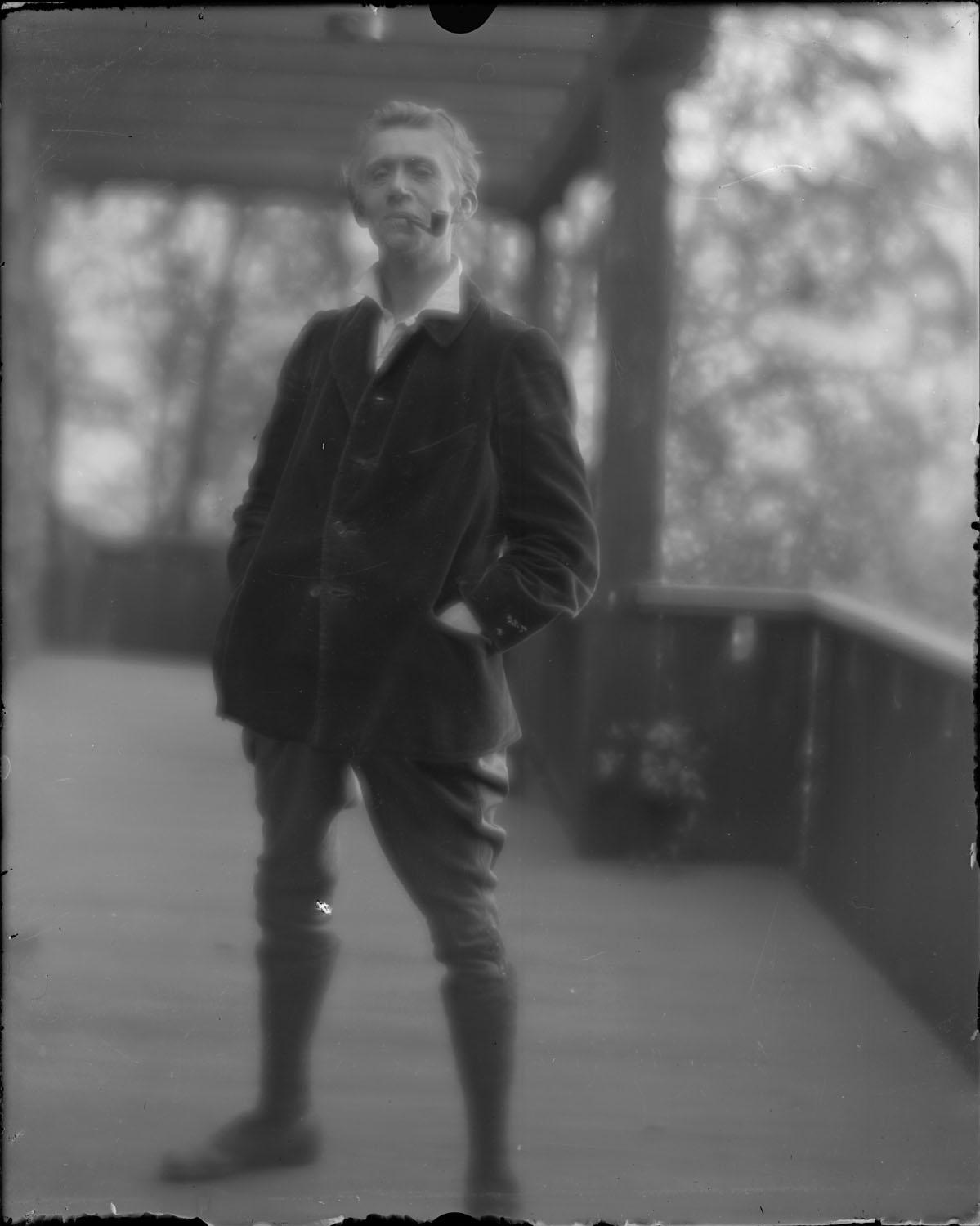
Johan Hagemeyer (1884-1962) :: [Johan Hagemeyer] [glass negative, retouched] undated but the item belongs to Early Works folder (circa 1908-1915). | src OAC · Calisphere
Johan Hagemeyer (1884-1962) :: [Johan Hagemeyer] [negative] selfportrait [reading] | src OAC · Calisphere
Johan Hagemeyer (1884-1962) :: [Johan Hagemeyer reading in forest.] [negative] selfportrait | src OAC
Johan Hagemeyer (1884-1962) :: [Johan Hagemeyer reading] [negative] selfportrait | src OAC
Johan Hagemeyer (1884-1962) :: [Johan Hagemeyer reading in chair.] [negative] Selfportrait | src OAC
Johan Hagemeyer (1884-1962) :: Johan Hagemeyer. Nitrate negative. Selfportrait. | src OAC · Calisphere

Grete Stern’s Selfportraits

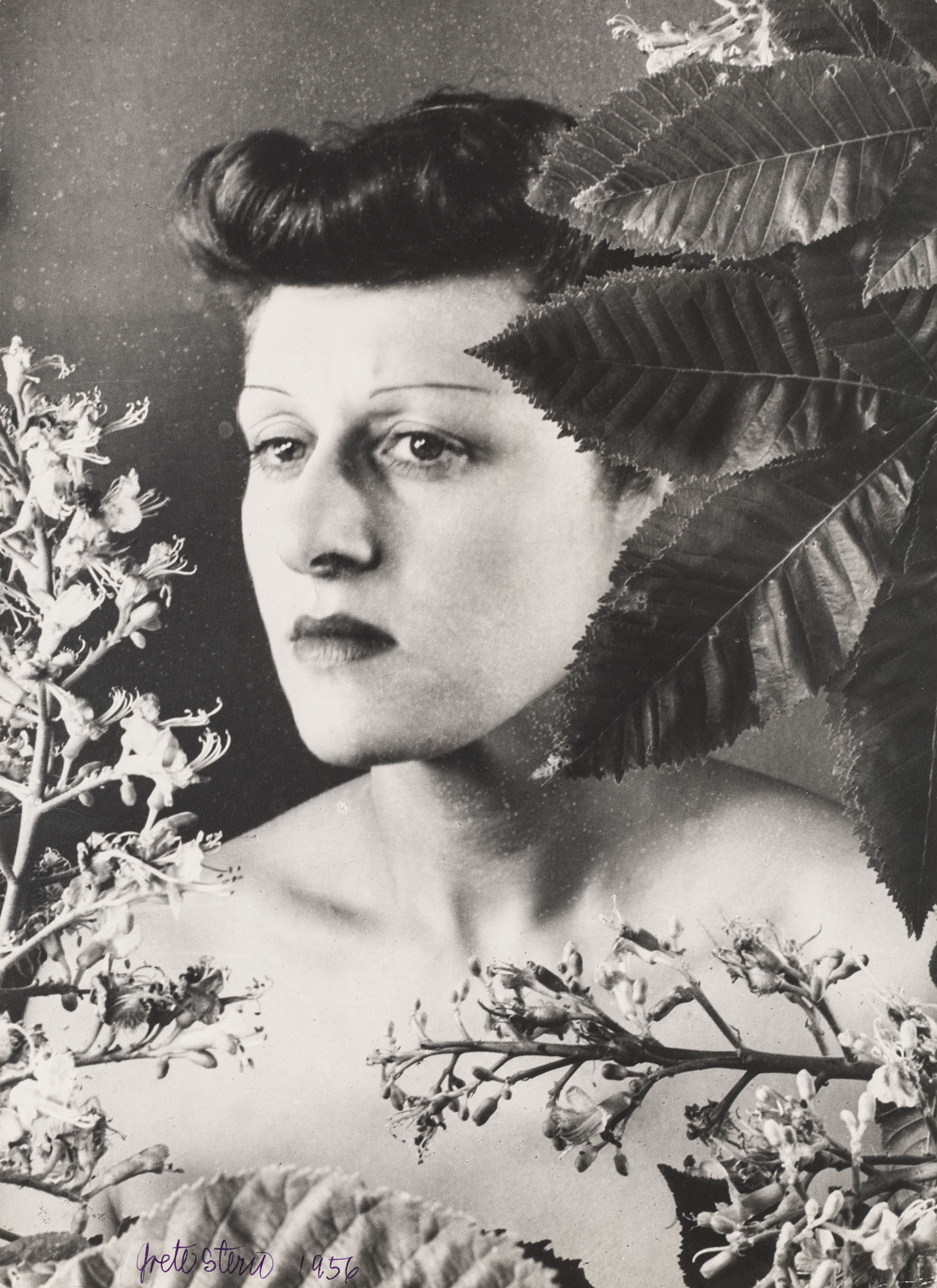
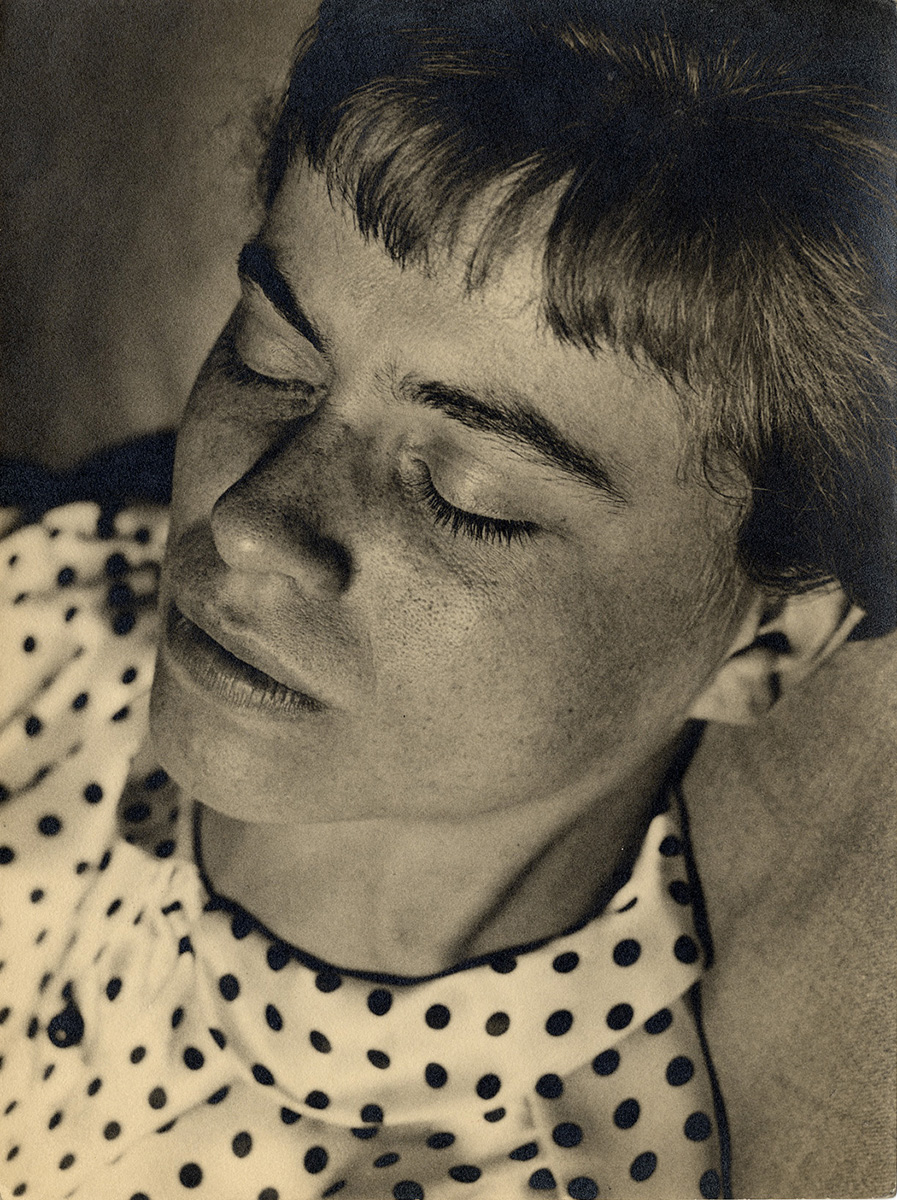
Grete Stern :: Self-Portrait, 1935 (?). Signed: Grete Stern, 1956. Courtesy MoMA. | src The New Yorker
Grete Stern :: Autorretrato, 1943. | src Museo Nacional de Bellas Artes Buenos Aires
Grete Stern :: Autorretrato, 1943. Museo Nacional de Bellas Artes. En Autorretrato, el rostro de Grete Stern aparece reflejado en un espejo ubicado junto con otros objetos sobre una superficie plana. Se reúnen de este modo en la obra dos de las principales líneas de trabajo de Stern: el retrato y las composiciones de naturaleza muerta.
Grete Stern :: Self Portrait, 1943. “From Bauhaus to Buenos Aires: Grete Stern and Horacio Coppola” (2015) | src MoMA

En Autorretrato, el rostro de Grete Stern aparece reflejado en un espejo ubicado junto con otros objetos sobre una superficie plana. Se reúnen de este modo en la obra dos de las principales líneas de trabajo de esta fotógrafa: el retrato y las composiciones de naturaleza muerta.
En cuanto discípula de Walter Peterhans en su taller particular de fotografía (1927-28) y luego en el que dirigiera en la Bauhaus, Dessau (1930) –la escuela alemana cerró en 1933 debido al avance del nacionalsocialismo– el análisis minucioso de las texturas y de las luces refractadas por los distintos materiales constituyó parte fundamental de su formación. Stern aprendió allí a descubrir los valores fotográficos de las cosas, a crear una visión de lo que quería reproducir antes de usar la cámara.
Pero además del aprendizaje fotográfico concreto, estos lugares fueron centrales en su carrera por otras razones. Allí conoció a su socia de juventud, Ellen Auerbach, con quien trabajó en publicidad y fotomontajes mientras permaneció en Europa (en una línea de trabajo vinculada al diseño gráfico que continuaría desarrollando luego en la Argentina) y a Horacio Coppola, con quien formó pareja y realizó su primera exposición conjunta en Buenos Aires, en la redacción de la revista Sur, en 1935. Por la estética y los temas de las fotografías y por el texto programático que la acompañaba, esta muestra representó una gran novedad en el ámbito fotográfico local.
Radicada en la Argentina desde 1936, Stern se vinculó muy pronto con intelectuales, artistas plásticos, escritores y actores, a los que retrató profusamente. En efecto, su primera exposición individual, en 1943 –y también varias que le siguieron– estuvo conformada exclusivamente por retratos. Una iluminación pareja, fondos despojados y frecuentes primeros planos iban al cruce de los modos habituales de hacer retratos en la época. En una línea tributaria de la Nueva Objetividad, este empleo funcional de la luz se sumaba a la nitidez de la imagen que Stern buscaba.
Autorretrato participó de esa primera muestra individual y fue reproducida acompañando la reseña de la exposición aparecida en la revista De Mar a Mar (1) No fue la única publicación cultural de entonces en referirse a sus exhibiciones o en reproducir sus retratos o paisajes urbanos porteños, otro de los ejes de su trabajo de ese tiempo. Seguramente la afinidad política e intelectual de Stern con algunos exiliados de los regímenes totalitarios europeos que estuvieron a la cabeza de varias publicaciones culturales de la década del 40 le valieron esta atención sobre su trabajo.
Con objetos naturales y otros inorgánicos (incluyendo lentes fotográficos como índice de su oficio), esta obra también llamada Composición, autorretrato (2) resulta por todo esto una suerte de doble autorretrato: su rostro y su modo de hacer fotografías aparecen revelados en una misma imagen.
quoted from MNBA

Ella McBride selfportrait

Ella McBride :: Untitled (self-portrait with camera shadow), ca. 1921. | src Captive Light: The Life and Photography of Ella E. McBride at TAM ~ Tacoma Art Museum

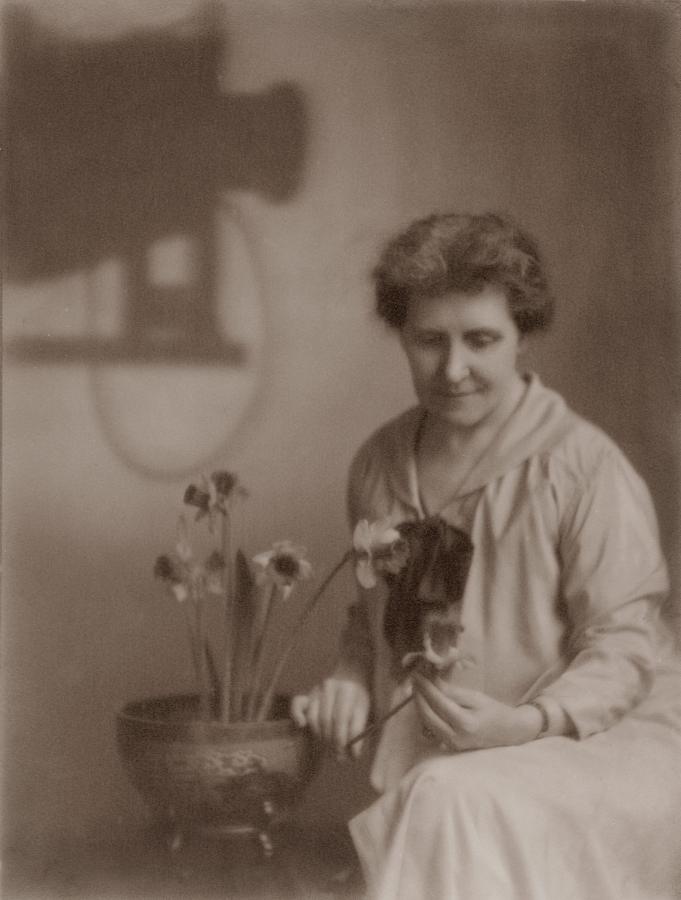
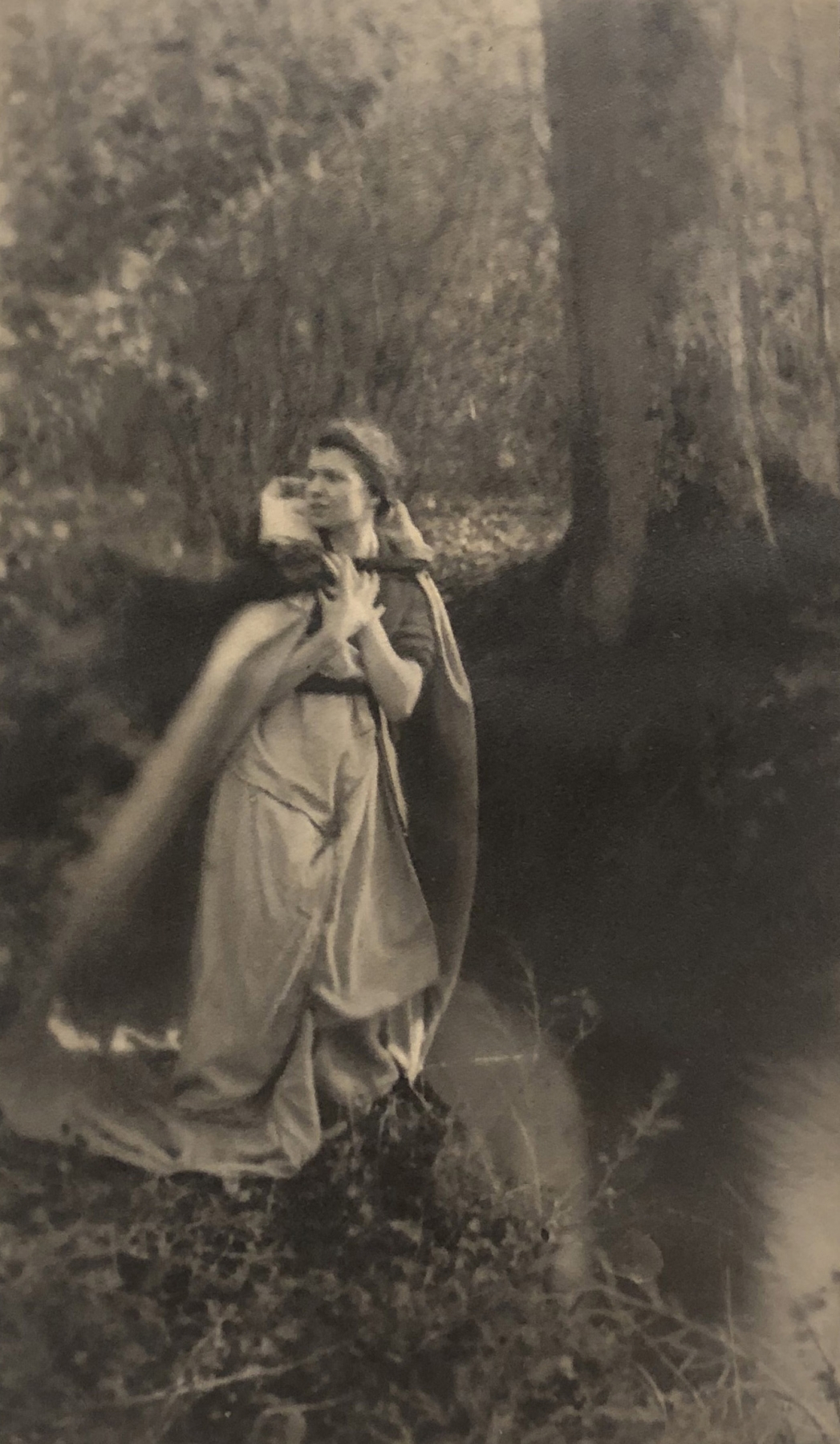
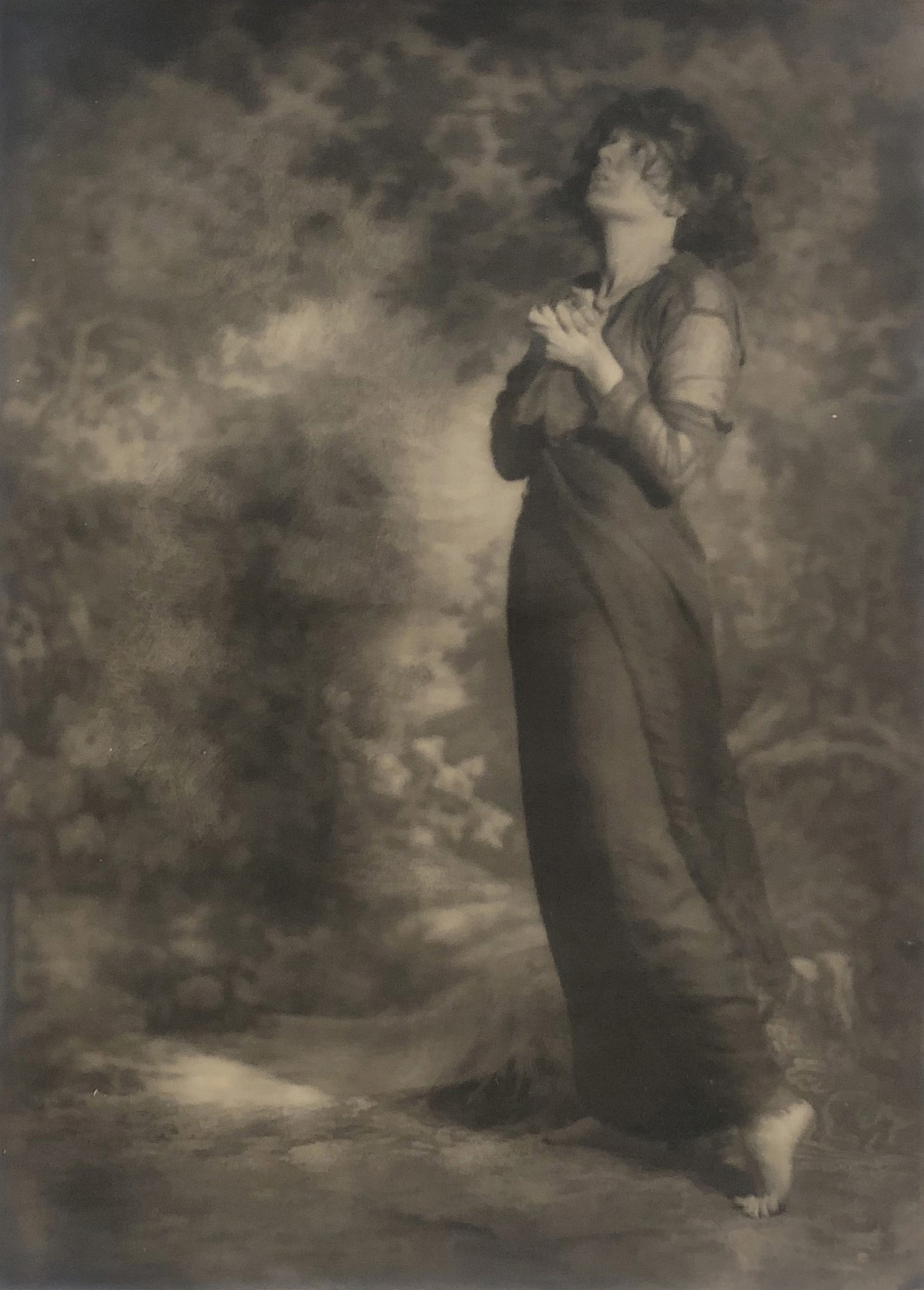
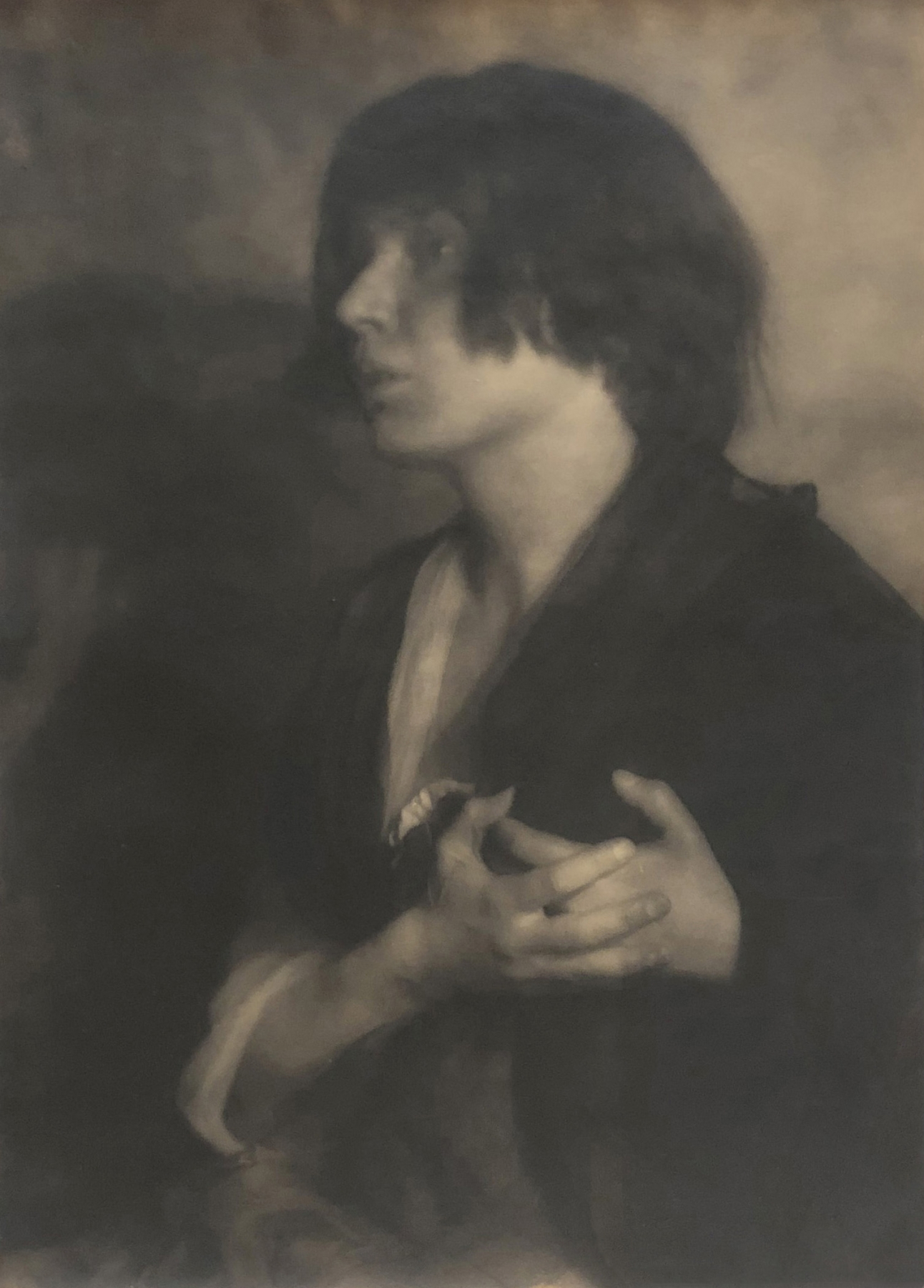
Mesdames Morter at 4 x 14

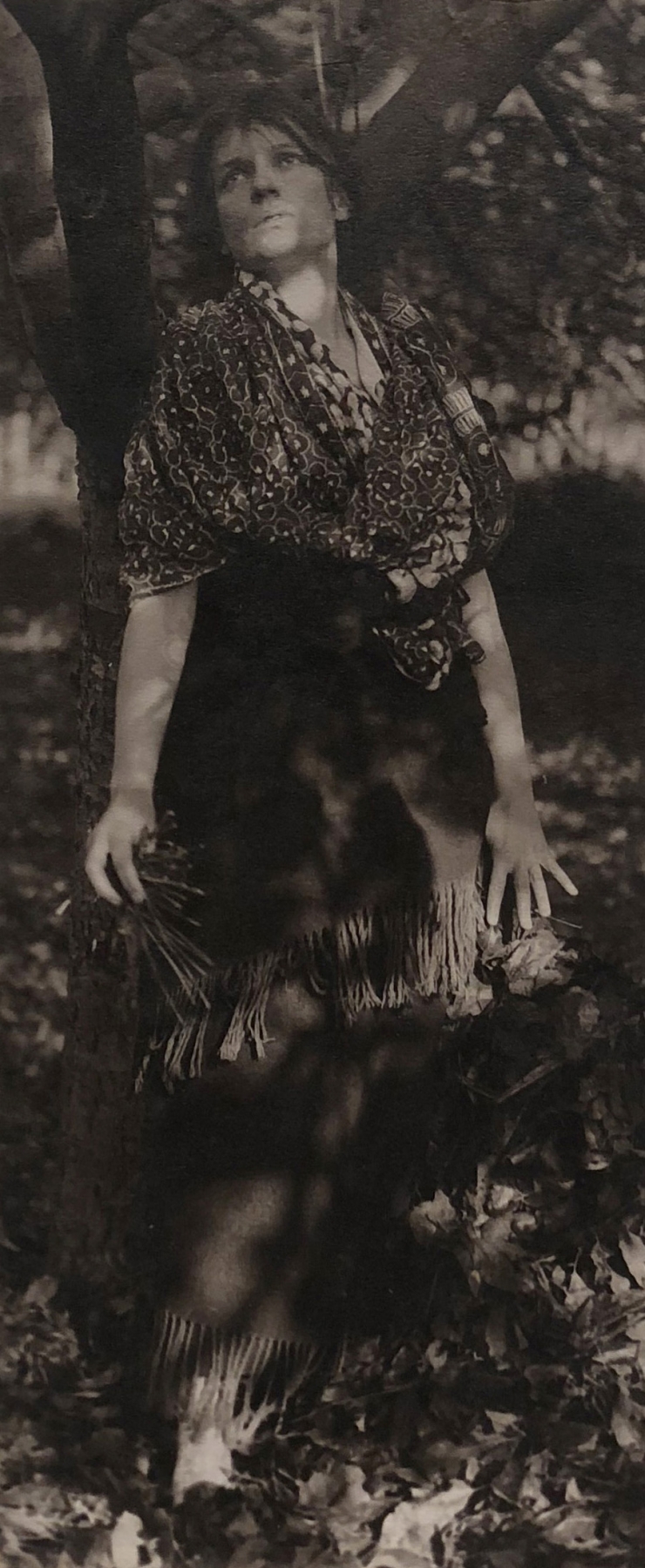
Mesdames Morter (Dorothy Gladys Morter & Reta May Morter) :: Destiny ~ Self-Portrait, ca. 1918. | src 4 x 14 at Keith de Lellis Gallery
Mesdames Morter (Dorothy Morter & Reta Morter) :: Love Praying ~ Self-Portrait, ca. 1923. | src 4 x 14 at Keith de Lellis Gallery
Mesdames Morter (Dorothy Morter & Reta Morter) :: Dearheart ~ Self-Portrait, 1923. | src 4 x 14 at Keith de Lellis Gallery
Mesdames Morter (Dorothy & Reta Morter) :: Autumn Defying Winter ~ Self-Portrait, ca. 1918. | src 4 x 14 at Keith de Lellis Gallery

Marianne Brandt Self Portrait

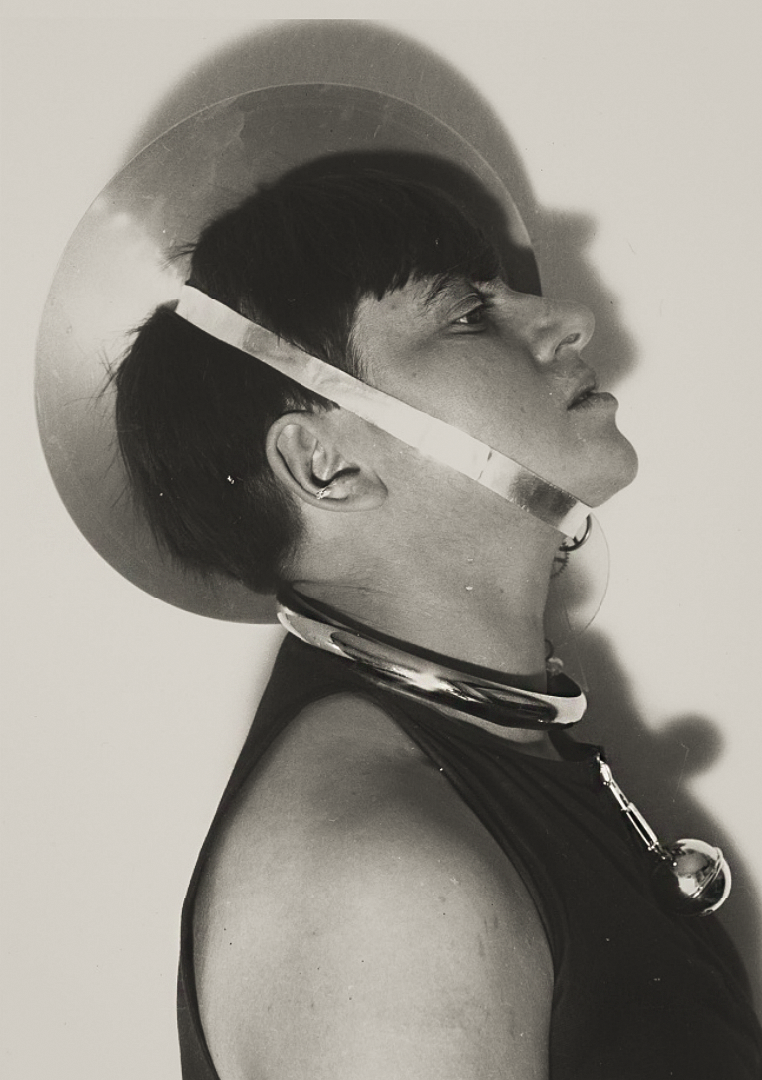
Marianne Brandt :: Self Portrait with Jewelry for the Metallic Festival (Selbstportrait mit Schmuck zum Metallischen Fest), February 1929. Museum Folkwang Essen. From Marking Modern Movement: Dance and Gender in the Visual Imagery of the Weimar Republic by Susan Funkenstein. | src University of Michigan Press

Schule des Sehens

Elfriede Stegemeyer :: Self-portrait, under the title Schule des Sehens (School of Seeing), 1930s (?) | src l’œil de la photographie
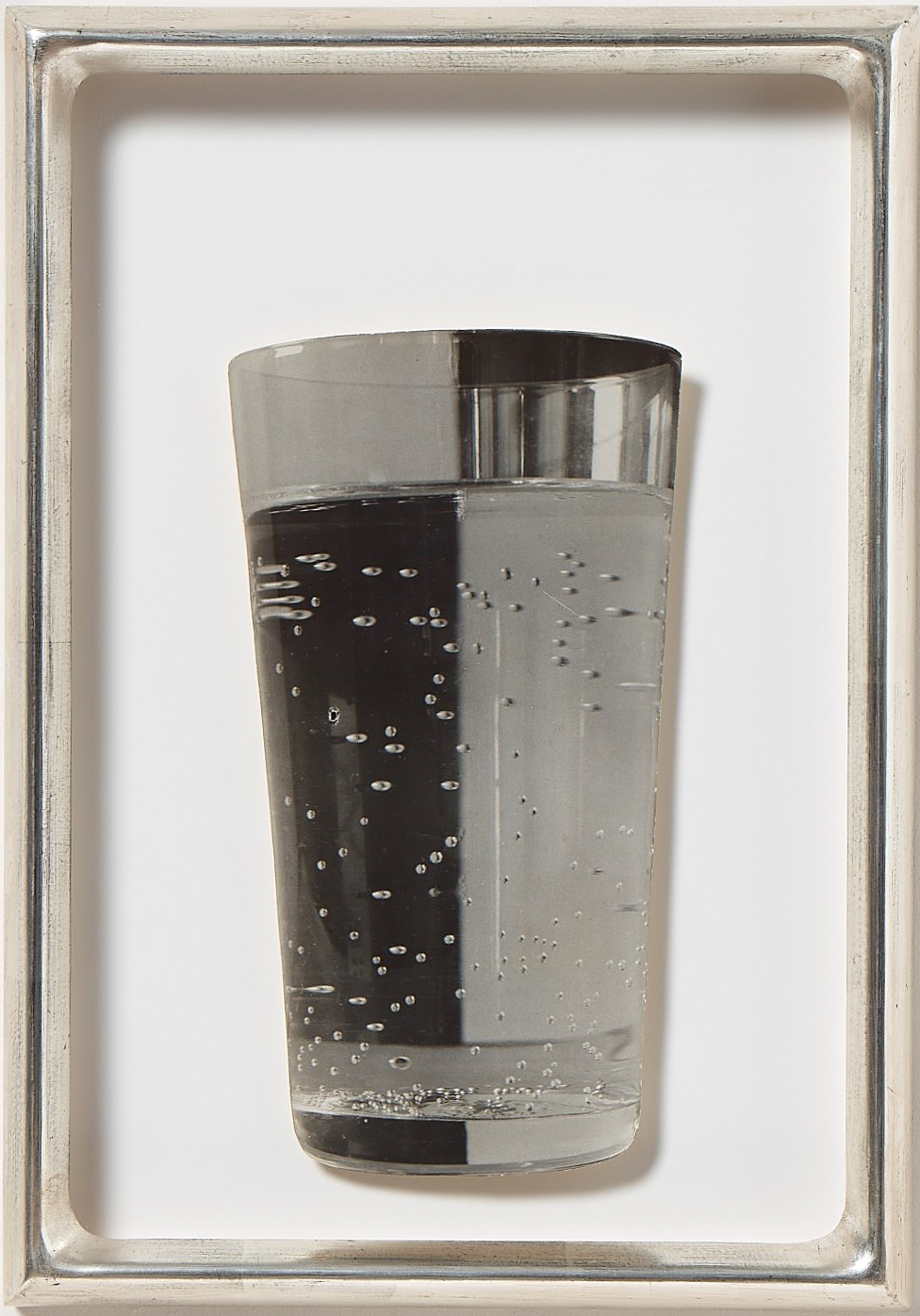
Elfriede Stegemeyer :: Wasserglas mit Löffel, 1934. Courtesy Galerie Julian Sander. | src l’œil de la photographie
Elfriede Stegemeyer :: Untitled (Glass), 1934. | src ocula

Self-Portrait with Model

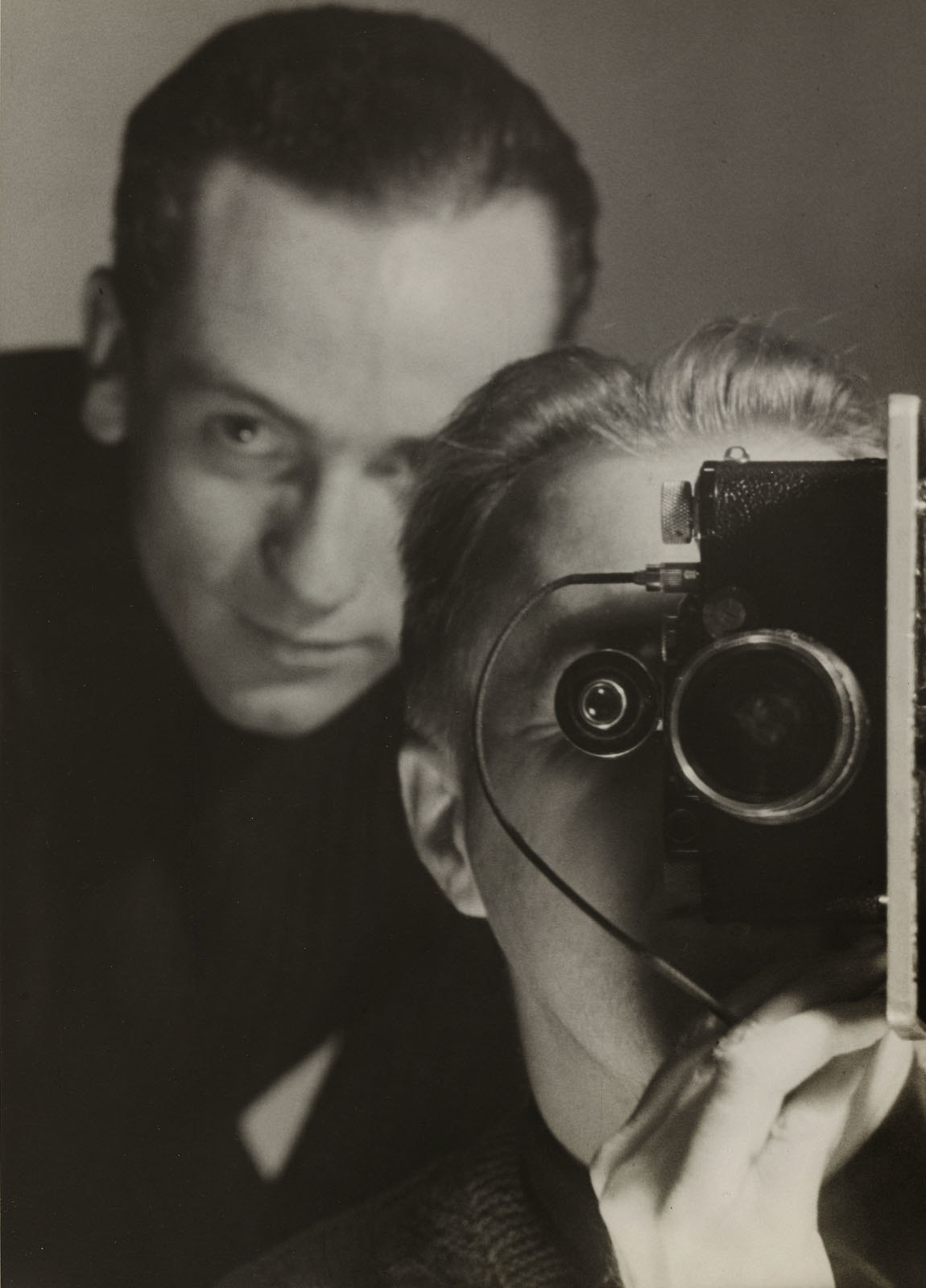
Harold Leroy Harvey (*) :: [Self-Portrait with Camera and Model], ca. 1930. | src The Met

(*) Harold Leroy Harvey exhibited at the San Francisco Salon of 1916 when he was only seventeen. He is believed to have studied with Man Ray in the early 1920s, and the two men did in fact share similar interests in experimental printing techniques. Harvey’s invention of various film developers and toners led eventually to the founding of his own company, the Harvey Chemical Company, in New Jersey. In addition to working as a commercial photographer, he was a painter and an illustrator. | quoted from source