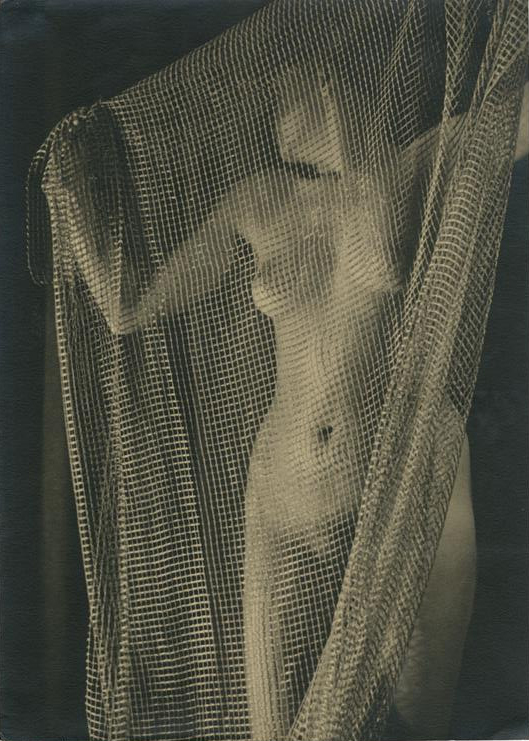
Kaloma, 1914

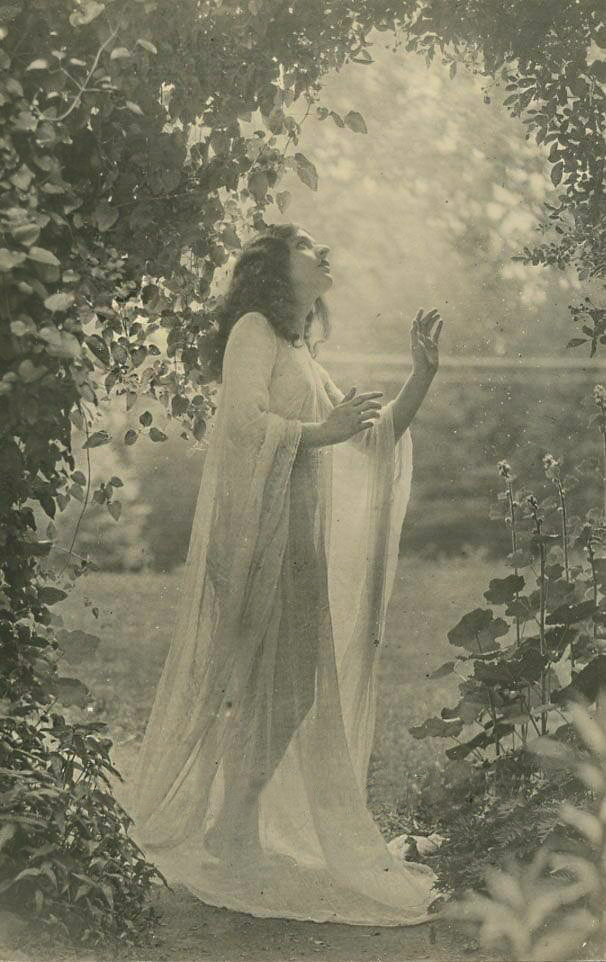
Kaloma, Pastime Novelty Company (PNC, PNCo.), 1914. Gelatin silver print. Unknown photographer. A nude woman, allegedly Josephine Earp, draped in a long, transparent veil. The veil covers her head and is draped to the ground. She is standing with both hands in front of her. | src The J. Paul Getty Museum
Kaloma, 1914. Toned silver print with hand-coloring. Photographer’s blind stamp, including title, copyright and date. | src Heritage Auctions

This portrait gained fame when it was rumored to be Josephine Sarah Marcus, Wyatt Earp’s third wife. A novelty company, The Pastime Novelty Company, in New York City, published the picture as a postcard, and Kaloma became widely popular as a pin-up during World War I.

Photogravure of a semi-nude woman published on the cover of I Married Wyatt Earp | src wikimedia

This photogravure (image above) of a semi-nude woman was published on the cover of I Married Wyatt Earp. Editor Glen Boyer insisted it was a picture of Josephine Earp from 1880 but the picture was actually copyrighted in 1914. The 1914 copyright is the earliest known version of the photograph. Circulated by the ABC Novelty Company in Brooklyn, New York, in 1914. It is labeled “Kaloma” underneath, and at the bottom right is printed, “© 1914-P.N.Co.”, which was the copyright of the Pastime Novelty Company.

Kaloma [semi-nude woman scantily clad in a see-through silk garment], 1914. Copyright: M.L. Pressler (Canada), 1914. The most famous photo of Sadie Earp (**) that does not depict her. | src eBay
(**) Josephine Sarah “Sadie” Earp (née Marcus; 1861 – 1944) third wife of Wyatt Earp.

Untitled [Nymph], 1920s-1930s

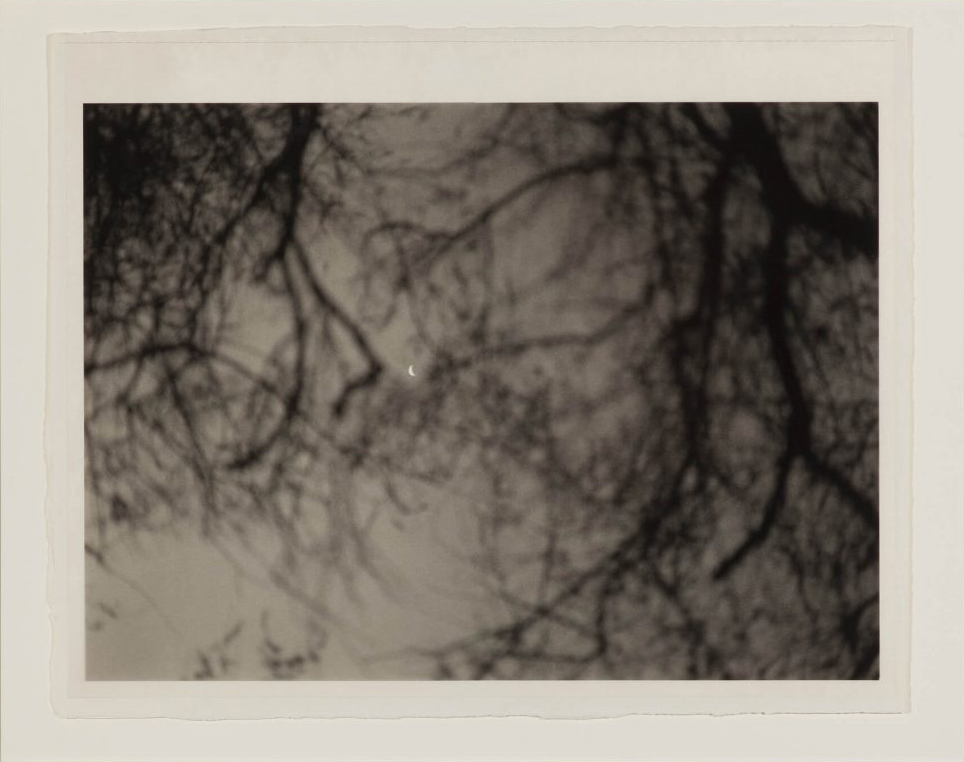
Harry Richardson Cremer :: [Risque Nymph in a sheer shawl], 1920s-1930s.  This photograph is part of a collection of vintage silver gelatin images from the estate of Harry Richardson Cremer. | src eBay

Nude Study, n.d.

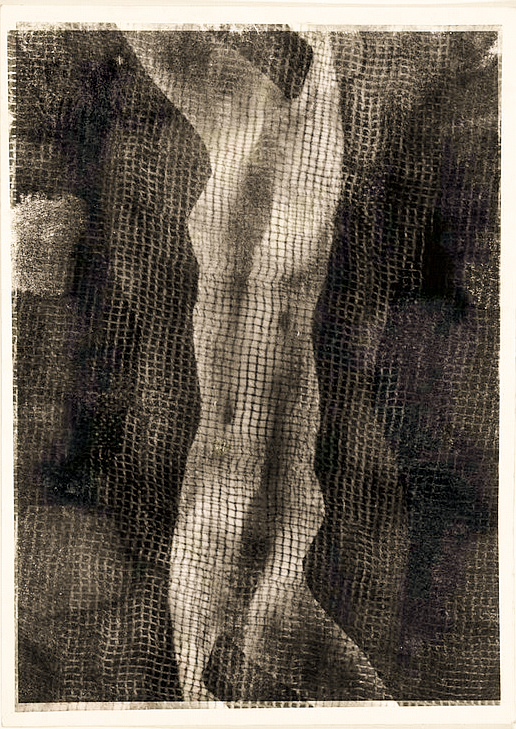
Julius Andres (Giulio Andreota, Julius Anderes) :: Nude Study, no date. | src invaluable

Grace Moore, 1930s

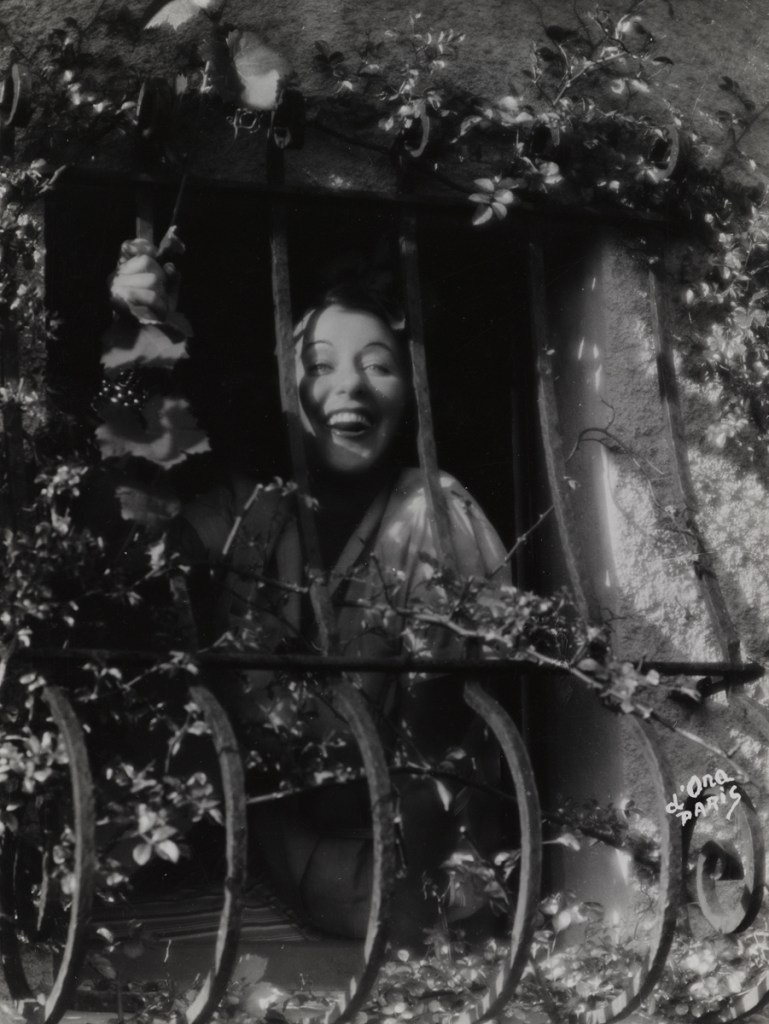
Madame d’Ora :: Schauspielerin und Sängerin Grace Moore hinter einem schmiedeeisernen Gitter (Grace Moore behind a wrought iron grille), Frankreich, 1930er Jahre. | src MK&G ~ Museum für Kunst und Gewerbe (Hamburg)