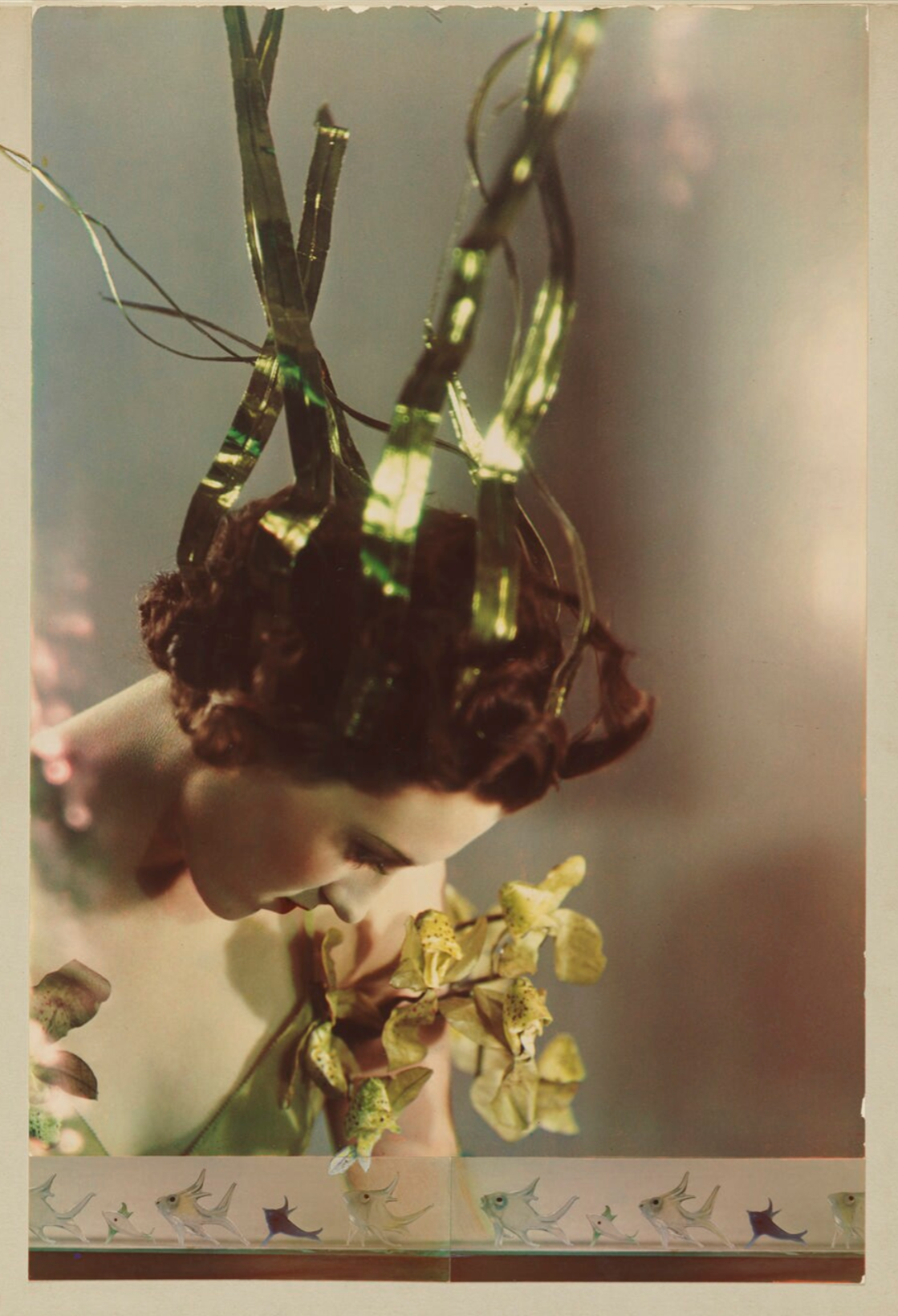
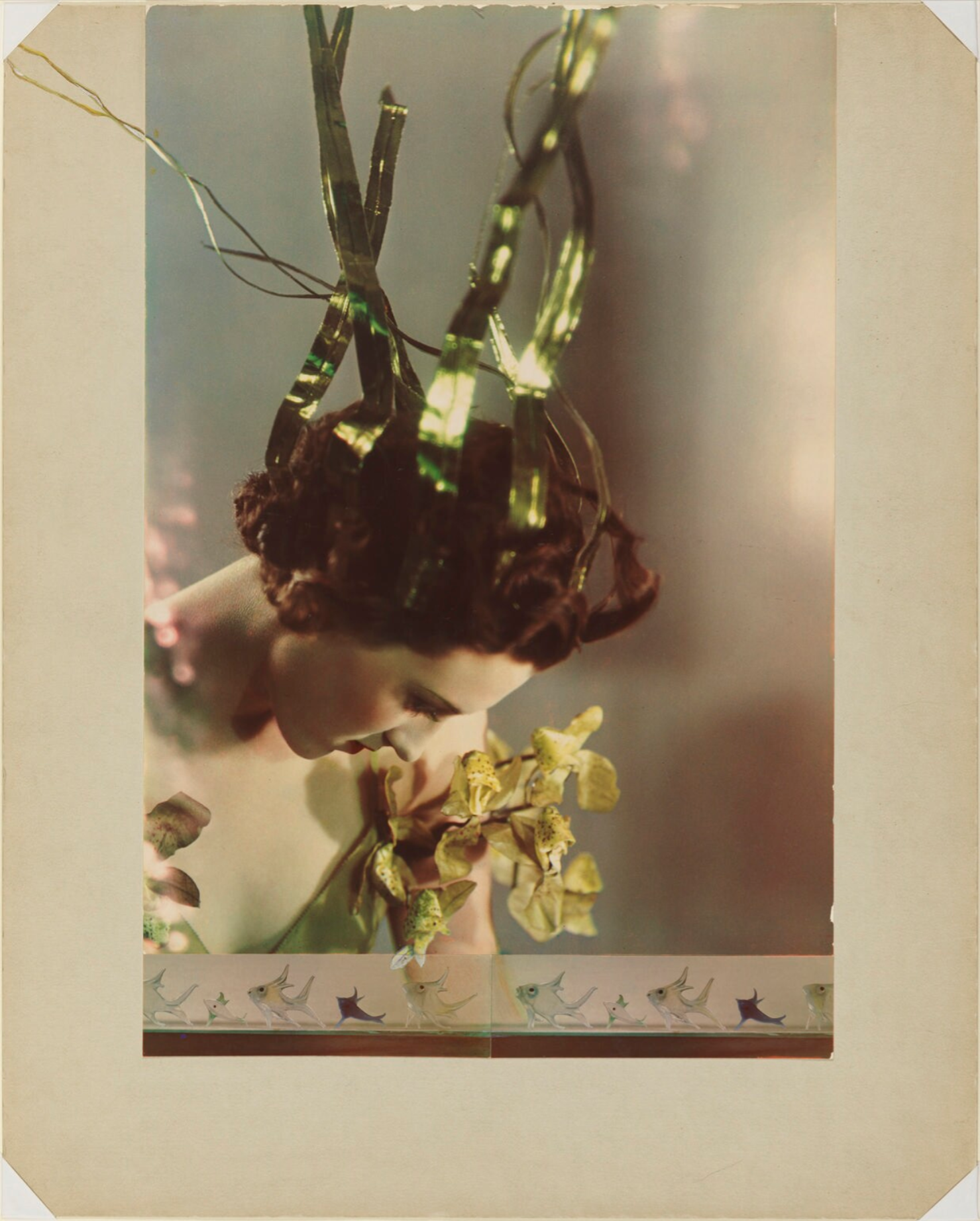
Madame Yevonde :: Lady Bridget Poulett as ‘Arethusa’. Vivex colour print, 1935 | NPG Given by Madame Yevonde (Yevonde Philone Middleton (née Cumbers)), 1971Madame Yevonde :: Lady Bridget Poulett as ‘Arethusa’. Vivex colour print, 1935 | National Portrait Gallery
Arethusa was a wood nymph from Elis, associated with the goddess Artemis. Pursued relentlessly by the river-god Alpheus, Arethusa begged for Artemis’s help in escaping his attentions. The goddess opened up a passage under the sea which enabled Arethusa to emerge as a spring in Syracuse, on the island of Ortygia (Sicily) – hence the seaweed in Yevonde’s sitter’s hair. (quoted from NPG)
Madame Yevonde :: Lady Bridget Poulett as ‘Arethusa’. Vivex colour print, 1935 | National Portrait Gallery
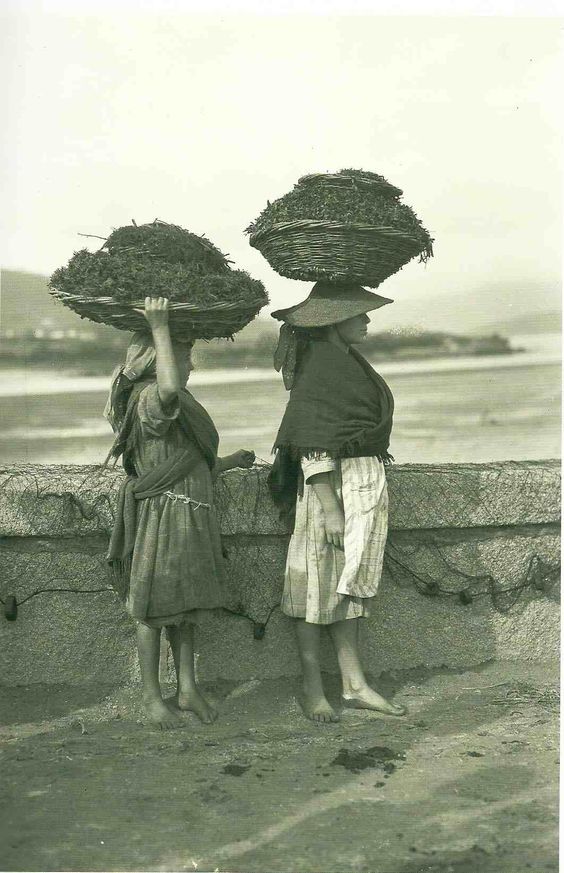
Ruth Matilda Anderson :: Muchachas cargando algas / Girls carrying seaweeds, Noia, A Coruña, Galicia, November 1924 / src: la temeraria
View across to a tree covered island on the centre of which stands a tower. Loch Leven Castle was constructed ca. 1300. Mary, Queen of Scots was imprisoned in the castle in 1567.
Albumen print. / source: The Royal Collection Trust
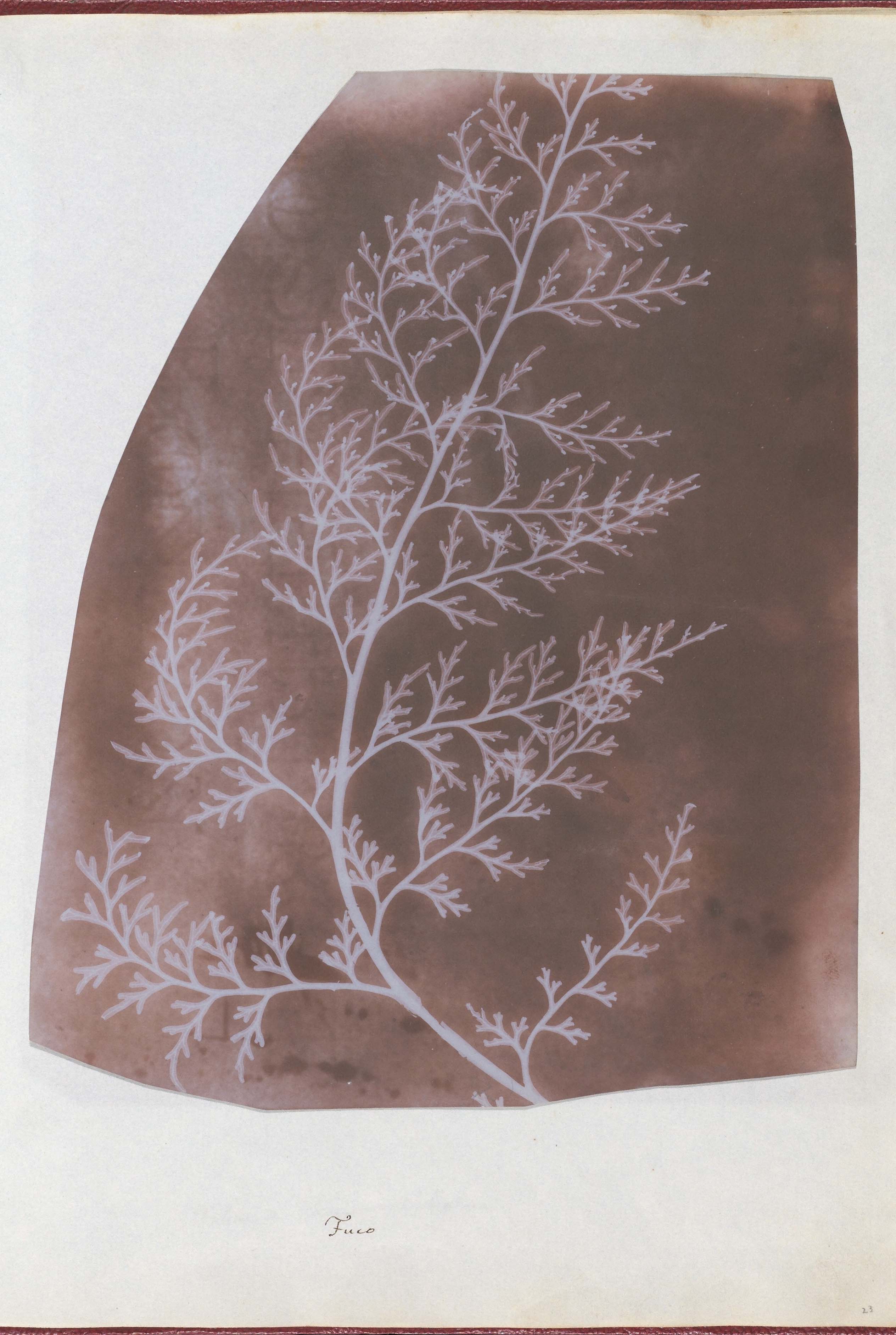
William Henry Fox Talbot :: Wrack (seaweed). Salted paper print, 1839. Photogenic drawing. | src The Met
This evanescent trace of a biological specimen, among the rarest of photographs, was made by William Henry Fox Talbot just months after he first presented his invention, photography—or “photogenic drawing,” as he called it—to the public. Talbot’s earliest images were made without a camera; here a piece of slightly translucent seaweed was laid directly onto a sheet of photosensitized paper, blocking the rays of the sun from the portions it covered and leaving a light impression of its form.
Plants were often the subject of Talbot’s early photographs, for he was a serious amateur botanist and envisioned the accurate recording of specimens as an important application of his invention. The “Album di disegni fotogenici,” in which this print appears, contains thirty-six images sent by Talbot to the Italian botanist Antonio Bertoloni in 1839–40. It was the first important photographic work purchased by the Metropolitan Museum. [quoted from source]





 un regard oblique