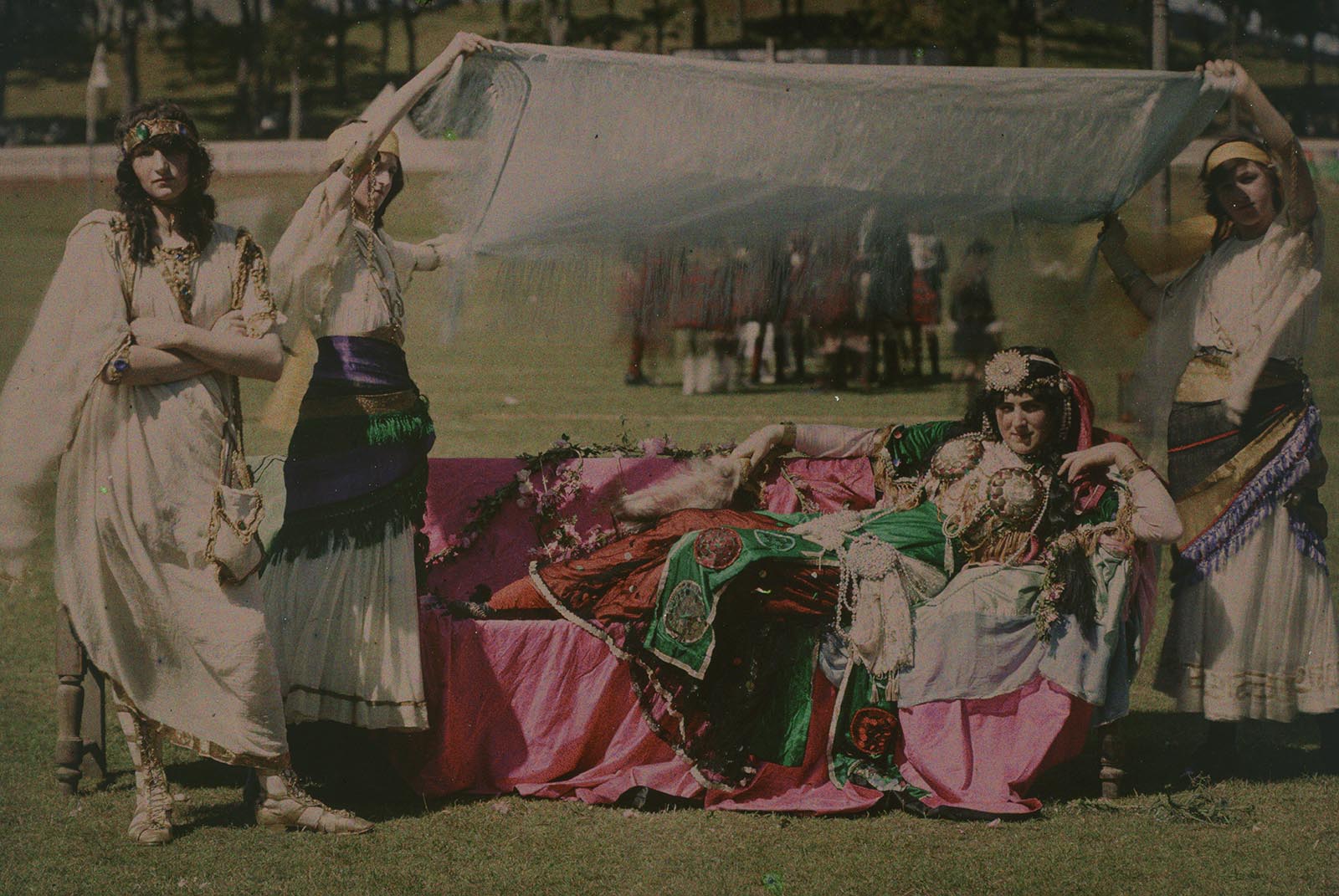
Cleopatra in Auckland, 1914

Robert Walrond :: "Cleopatra" in Domain cricket ground, Auckland, 1914. Autochrome. | Te Papa Tongarewa
Robert Walrond :: “Cleopatra” in Domain cricket ground, Auckland, 1914. Autochrome. | Te Papa Tongarewa

When the autochrome — the Lumière brothers’ new colour photographic process — reached New Zealand in 1907, it was eagerly adopted by those who could afford to use it. Among them was Auckland photographer Robert Walrond, whose ‘Cleopatra’ in Domain cricket ground is among a small number of superb early colour photographs in Te Papa’s collection. The combined effect of the sun and wind on the women’s costumes and in the fluttering appearance of the silk scarf held above the Cleopatra character is stunning. The tableau is interrupted but undiminished by what appears to be a pipe band in uniform in the background. The women were very likely part of what was described by the New Zealand Herald as a ‘fine’ performance of Luigi Mancinelli’s Cleopatra (a musical setting of the play by Pietro Cossa), associated with the Auckland Exhibition of 1913–14 held in the Domain.

The story of Cleopatra — with a particular focus on her love life and tragic death — was an exotic but respectable theme for theatre and dress-up events for women at the time. The Cleopatra myth and look were popularised by international performers such as the frequently-photographed Sarah Bernhardt in France and by numerous stage productions and films from the late nineteenth century onwards. With the advent of photography, part of performing the role became having a portrait made while in costume. The arrival of the autochrome was greeted with excitement and anticipation because rich colours could now be captured and the elaborate style of the costumes enhanced.

Much was made of the impact the autochrome would have on art and the role of photography within it. However, one of the disadvantages of the process was that it involved a unique one-off image on a glass plate: this required projection to be viewed and couldn’t be exhibited. So despite the original excitement for the method, it slipped out of sight once new developments arrived that fixed colour printing on a paper format. Walrond’s set of autochromes held by Te Papa are one of only a few larger bodies of work by New Zealand practitioners of this process.

Lissa Mitchell – This essay originally appeared in New Zealand Art at Te Papa (Te Papa Press, 2018)

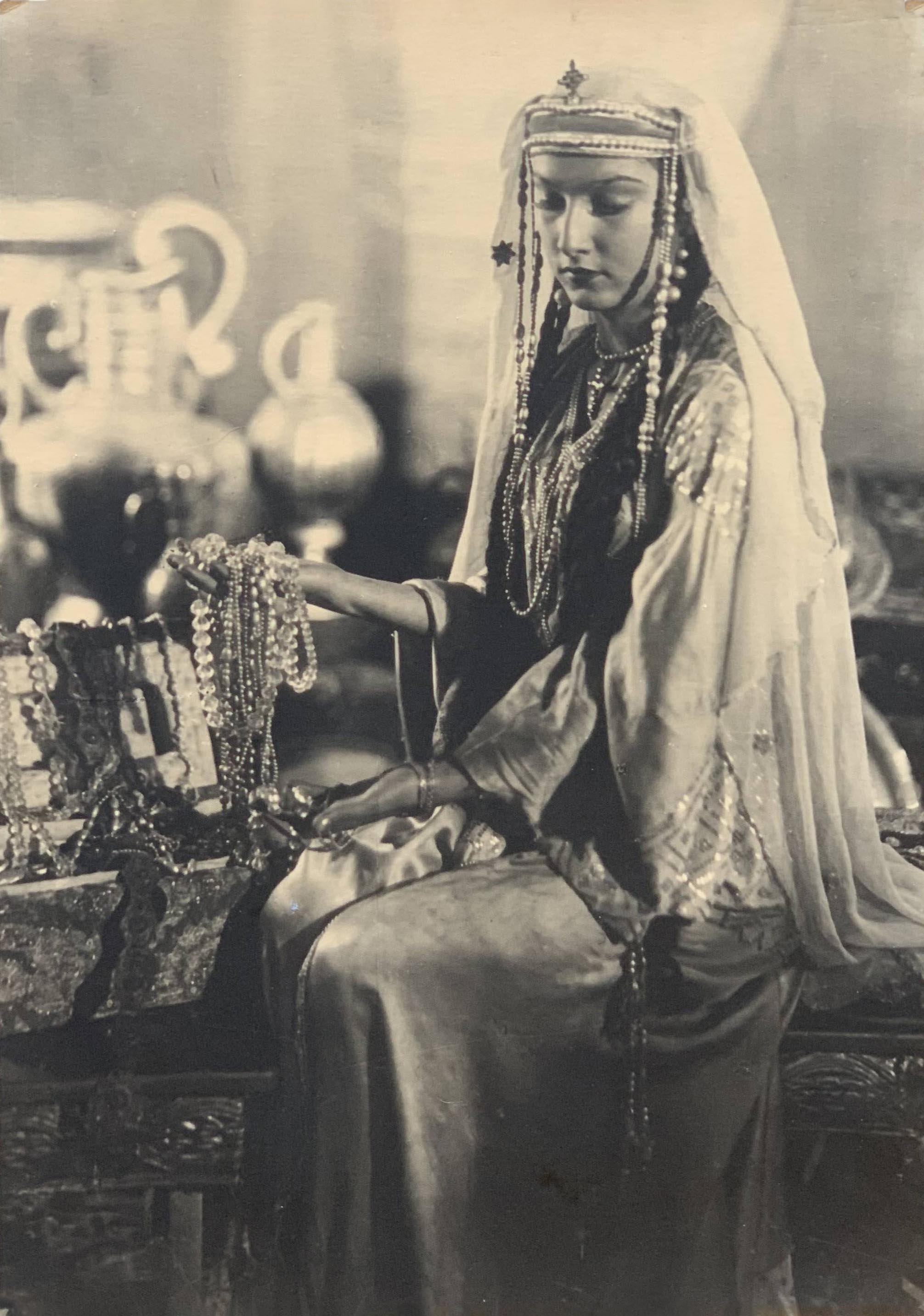
Robert Walrond :: "Cleopatra", 1914. Additive colour process. | Museum of New Zealand - Te Papa Tongarewa
Robert Walrond :: “Cleopatra”, 1914. Autochrome, additive colour process. | Museum of New Zealand – Te Papa Tongarewa

Movie actress by Nappelbaum

Moisei Solomonovich Nappelbaum (1869-1958) :: Movie actress, 1940s. Gelatin silver print. Inscribed on the reverse. А stamp of the Directorates of international photo exhibitions on the reverse. Borodulin Coll. | src Hermitage Fine Art

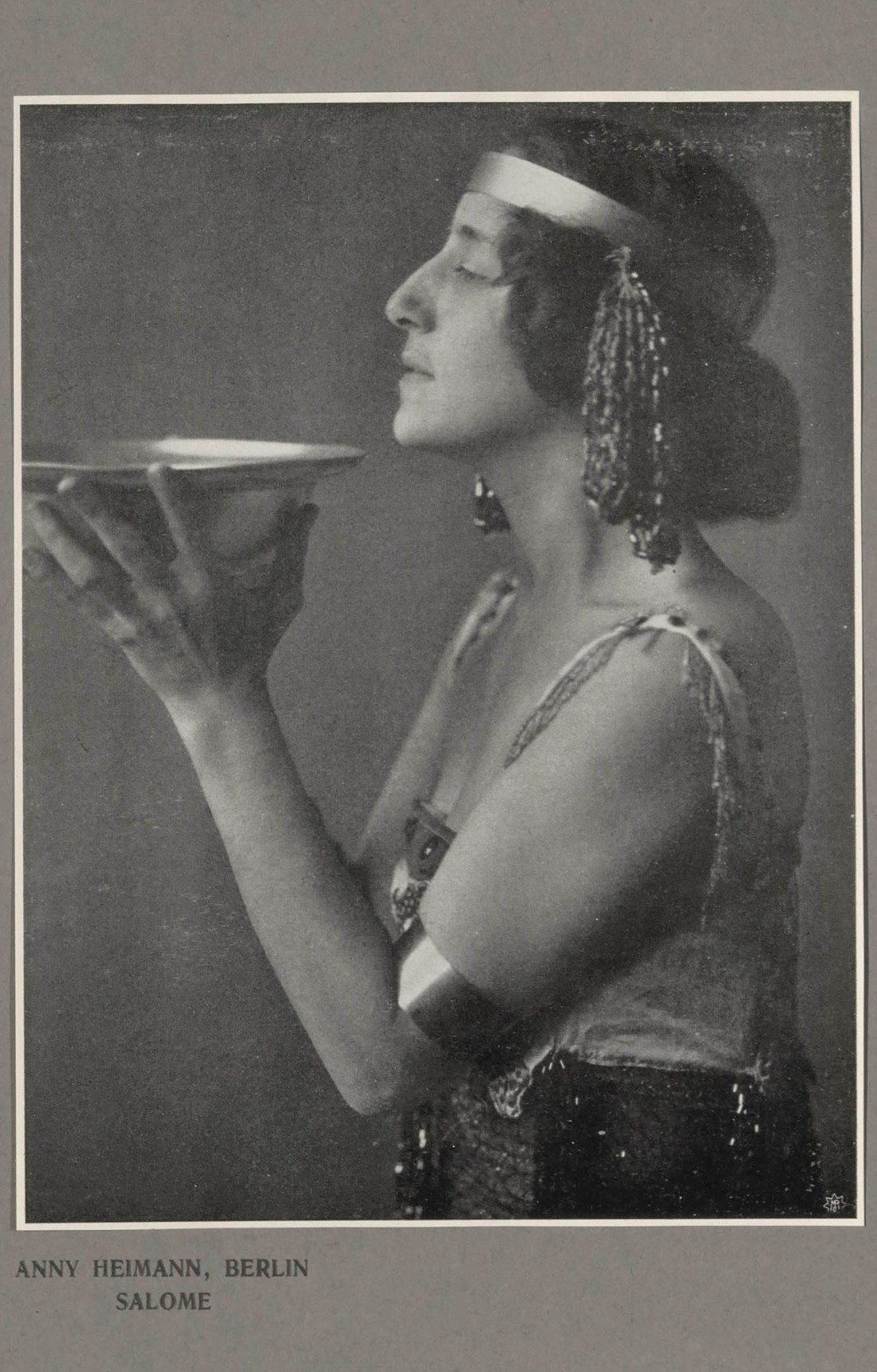
Salome by Anny Heimann

salome, anny heimann, 1900s
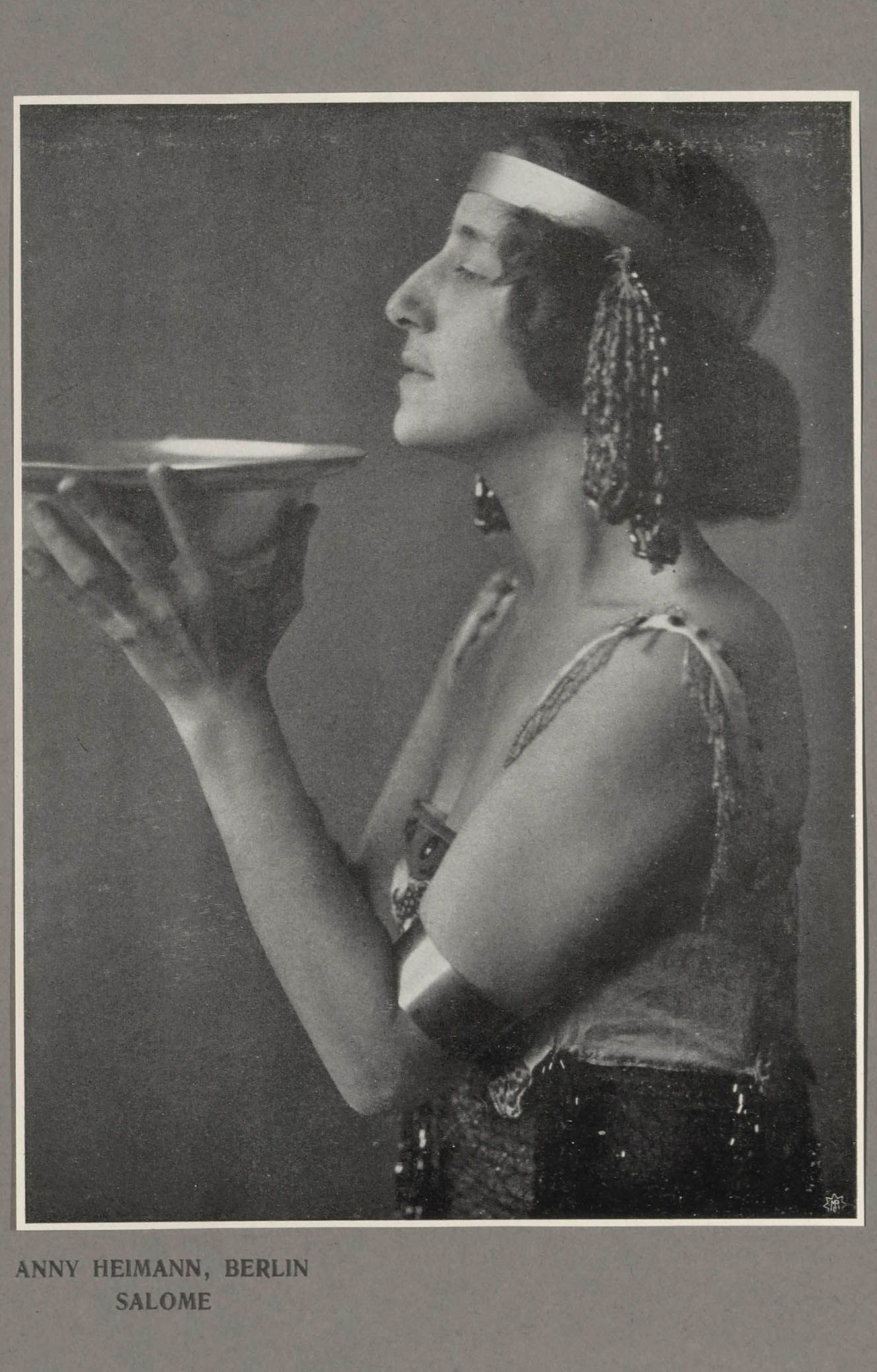
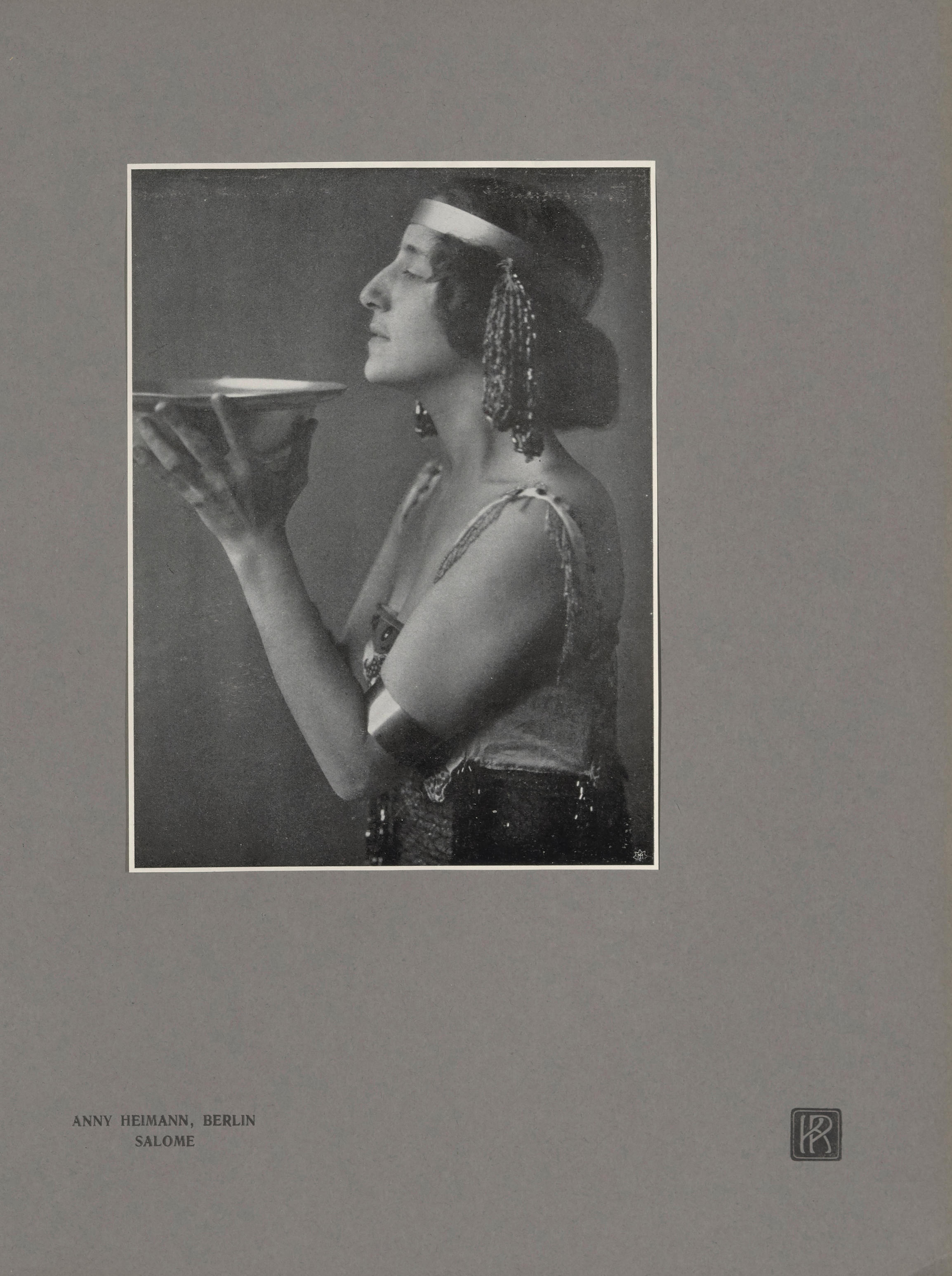
Anny Heimann, Berlin :: Salome. From: „Die Kunst in der Photographie", 1908
Anny Heimann, Berlin :: Salome. From: „Die Kunst in der Photographie”, 1908
Anny Heimann, Berlin :: Salome. From: „Die Kunst in der Photographie", 1908
Anny Heimann, Berlin :: Salome. From: „Die Kunst in der Photographie”, 1908

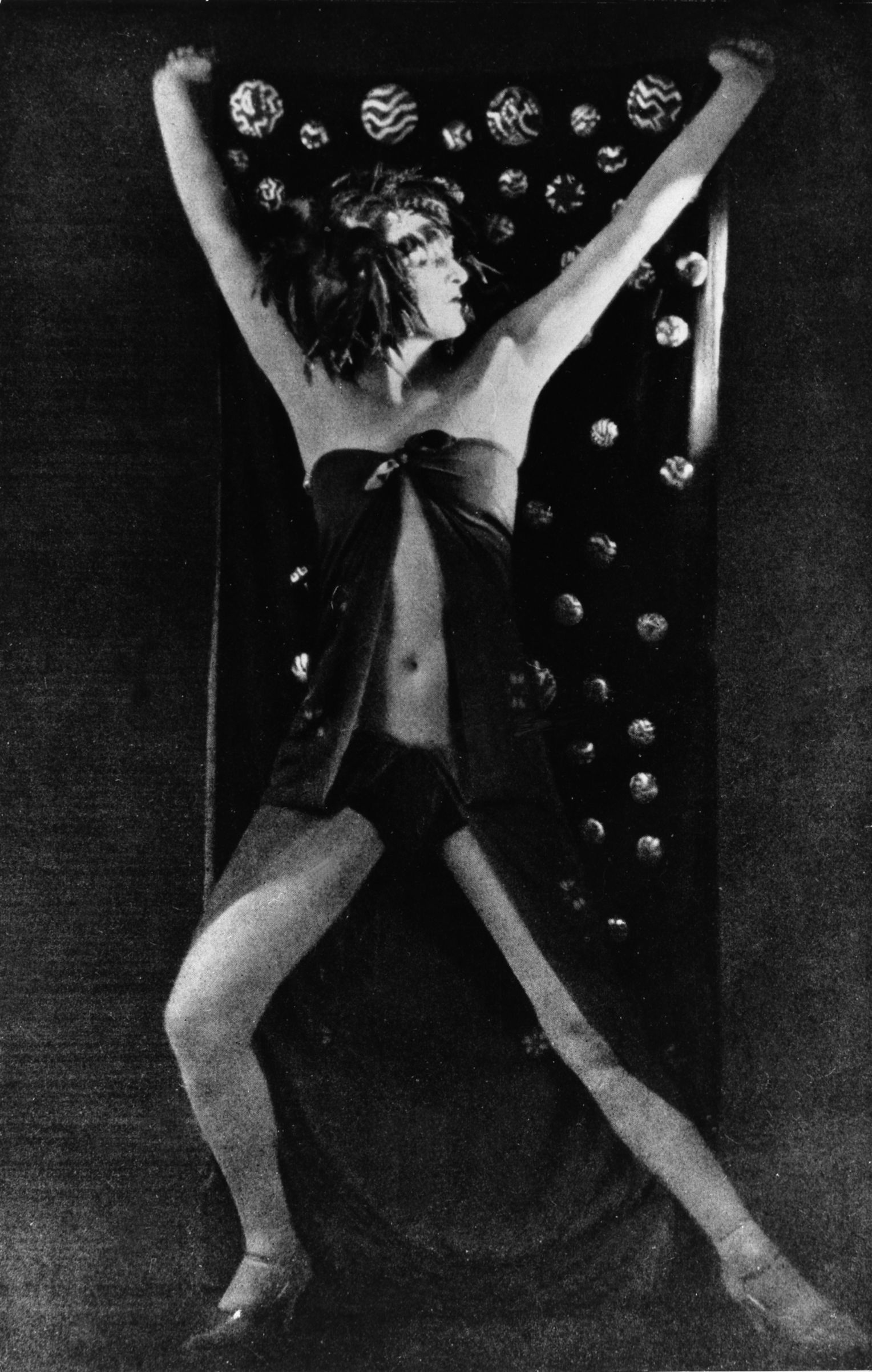
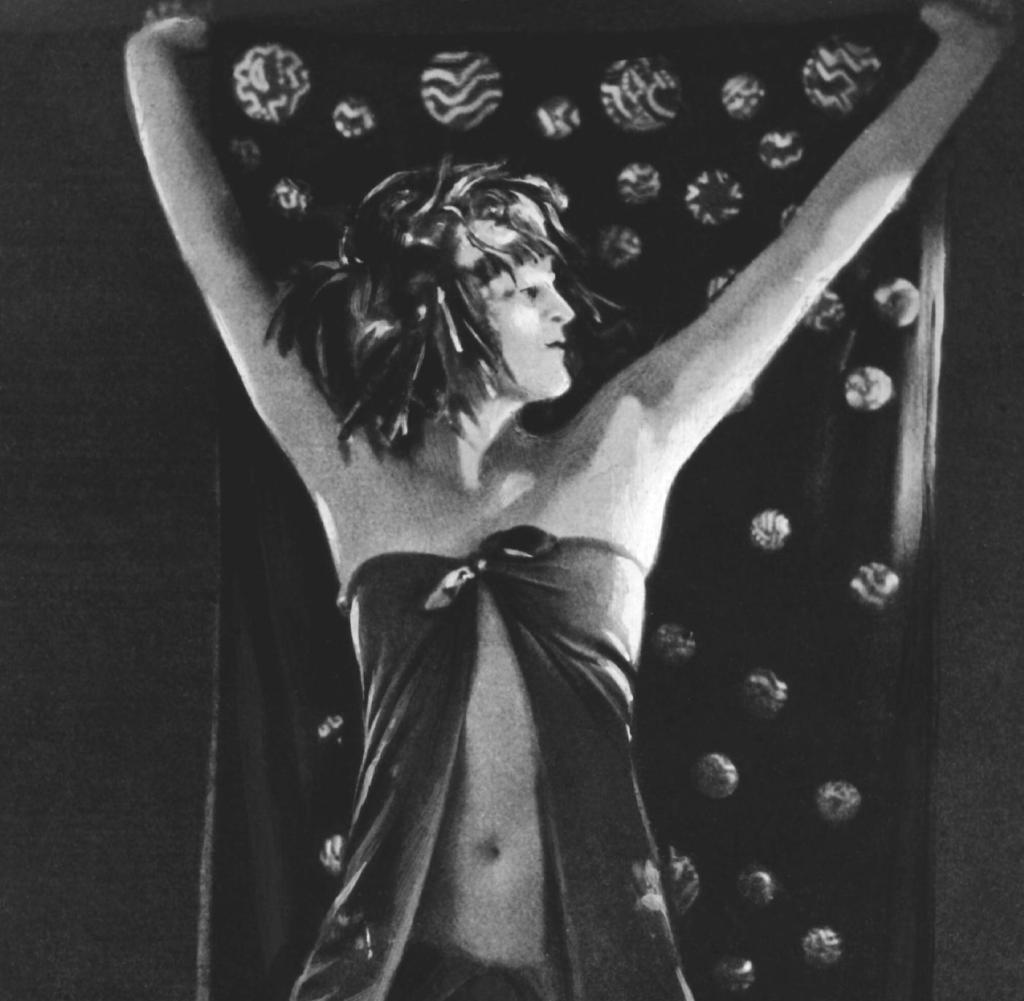
Anita Berber as a poetess

Tänzerin und Schauspielerin Anita Berber, Rollenporträt, undtiert. (Photo © Ullstein Bild | src Getty Images
Tänzerin und Schauspielerin Anita Berber, Rollenporträt, undtiert. | src Welt.de

Anita Berber Dichterin: Die offen bisexuelle Anita Berber tanzte und provozierte nicht nur, sondern betätigte sich auch als Lyrikerin. In ihrem Gedicht “Orchideen” etwa heißt es: “Ich küsste und kostete jede bis zum Schluss / Alle alle starben an meinen roten Lippen / An meinen Händen / An meiner Geschlechtslosigkeit / Die doch alle Geschlechter in sich hat / Ich bin blass wie Mondsilber.”

Anita Berber as a poetess: The openly bisexual Anita Berber not only danced and provoked, but also was as a poet. In her poem “Orchids”, for example, it says: “I kissed and tasted each one to the end / All died on my red lips / On my hands / On my genderlessness / Which has all genders in it / I am pale as moon silver.”

quoted from Der Spiegel: Anita Berber – die Hohepriesterin des Lasters

Skoronel by Hänse Herrmann

Vera Skoronel, Foto: Hänse Herrmann © Universitätsbibliothek Leipzig | src Georg Kolbe Museum

Organized by Georg Kolbe museum, in the framework of “Die absoluten Tänzerinnen”, available on Spotify (Episode 7)
“Vera Skoronel, a true exceptional talent of modern expressive dance. She was confident, charismatic, her enthusiasm infectious. “Not-to-dance – does that even exist?” she once asked, purely rhetorically, of course.” quoted from source

Hänse Herrmann :: Portät von die Tänzerin und Choreographin Vera Skoronel (1906-1932; eigentlich Vera Laemmel, Vera Lämmel) um 1928. Aufnahme: Hänse Herrmann. Originalaufnahme im Archiv von Ullstein Bild. | src Getty Images

Actress Alexandra Rebikova

Ребикова, Александра Васильевна. Молоко в спектакле «Синяя птица». | Russian actress Alexandra Vasilievna Rebikova as Milk in the play «The Blue Bird» in costume designed by Vladimir Egorov (?) for Konstanin Stanislavski’s production of Maurice Maeterlinck’s «Oiseau Bleu» at the Moscow Art Theatre, 1908. | src academia.ru
Мей в спектакле «Сверчок на печи». Actress Alexandra Vasilievna Rebikova as May Fielding in the play «Cricket on the Hearth» at the Moscow Art Theatre. Unknown date, probably before 1908.
Мей в спектакле «Сверчок на печи». Actress Alexandra Vasilievna Rebikova as May Fielding in the play «Cricket on the Hearth» at the Moscow Art Theatre. Unknown date, probably before 1908. [Full scan of programme]
Portrait of Alexandra Vasilievna Rebikova. | src academia.ru

In 1915, Alexandra Rebikova began to star in the movies of the film company “A. Khanzhonkov and Co.” [Торгового дома «А. Ханжонков и К°] and very soon became one of the leading silent film actresses.

Alexandra Rebikova with Oleg Frelyh (Frelikh) in 1917 in the film «The Clay God» («Глиняный бог», a silent film by Nikolai Larin, 1918)
Alexandra Rebikova with Gregory Khmara (Chmara) in the film «Symphony of Sorrow» («Симфония горя», 1918) | src academia.ru

Alexander Rumnev (Tänzer), 1923

Nini & Carry Hess :: Alexander Rumnev (Tänzer), 1923. Galerie Berinson Berlin. | src Museum Giersch der Goethe-Universität

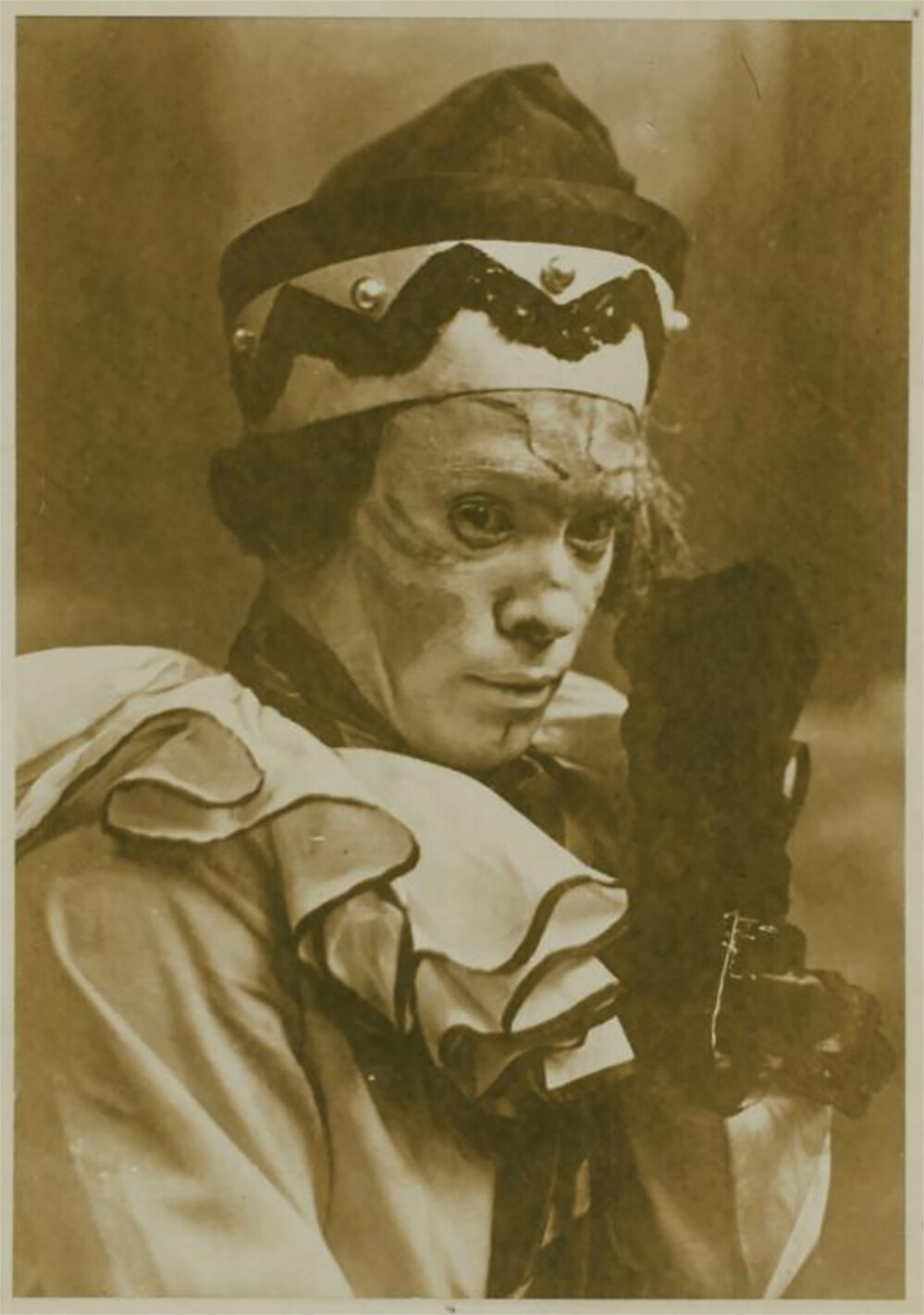
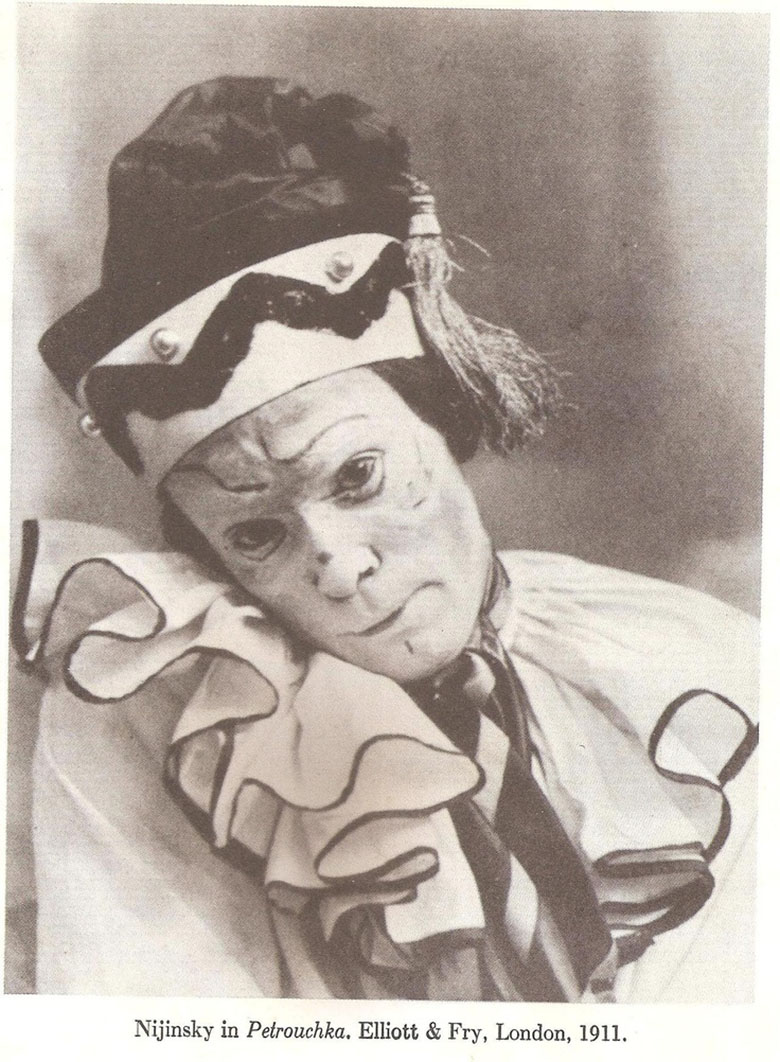
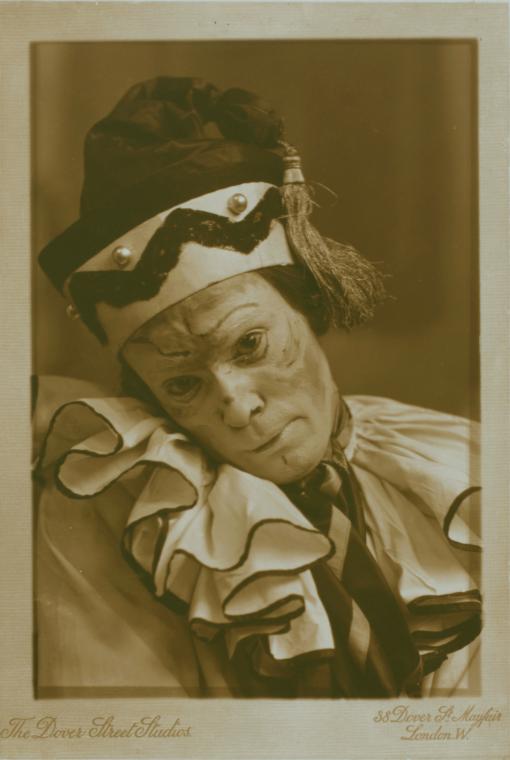
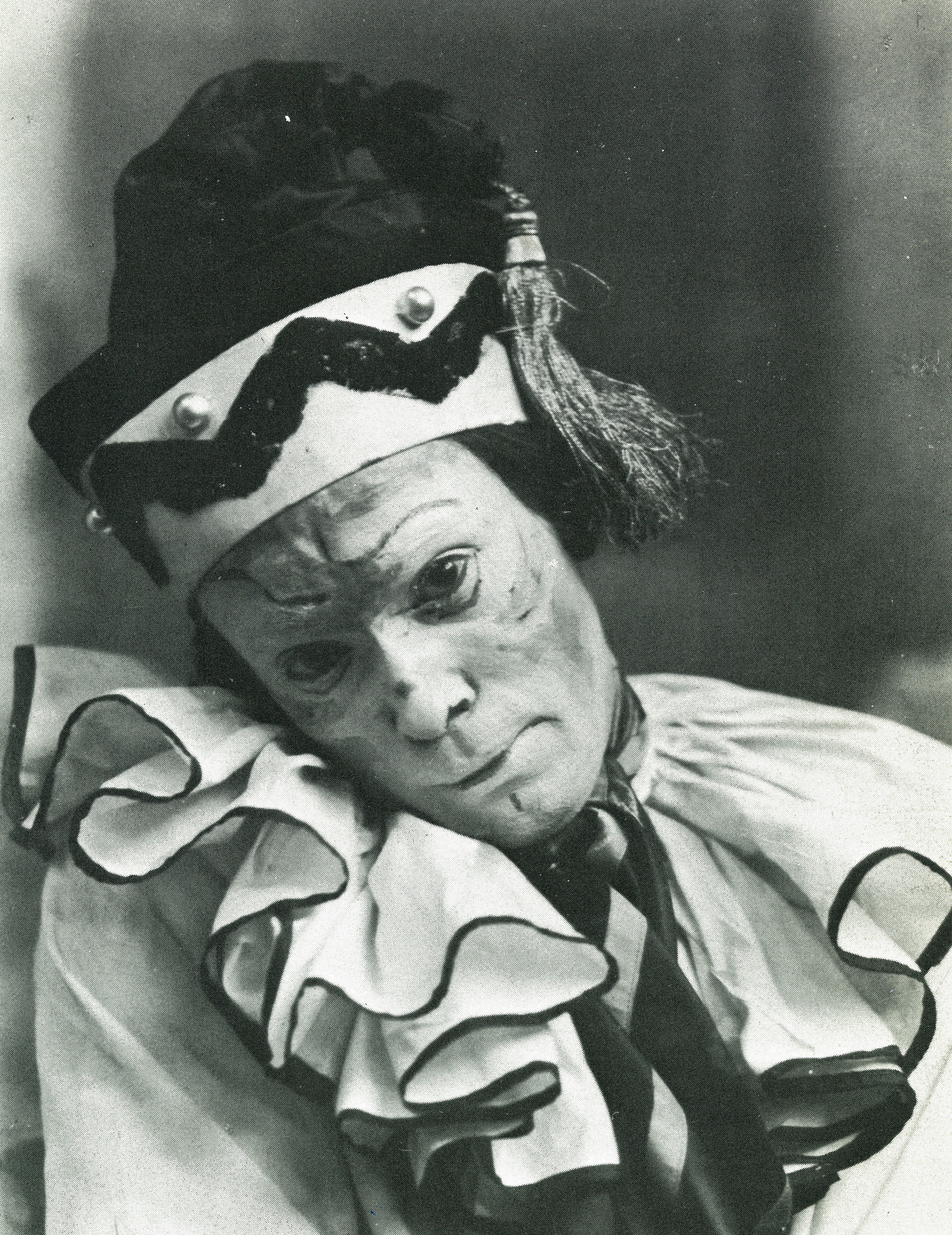
Vaslav Nijinsky as Petrushka, 1911

Photograph of Nijinsky in the title role of the ballet Petrouchka (Petrushka), 1911. [Mishkin N.Y.] | src Library of Congress
Elliott & Fry :: Vaslav Nijinsky as the Rag Doll ‘Petrouchka’ (1911). Petrushka [French: Petrouchka] premiered June 13, 1911 at the Theatre du Chatelet in Paris with costume and scenery design by Alexandre Benois, music by Igor Stravinsky and choreography by Michel Fokine. | src Leo Boudreau, visit his site for more info about Petrouchka and links to the ballet’s videos
Portrait of Vaslav Nijinsky in three-quarter profile, left fist clenched before him in the title role of Petrouchka (a rag doll), 1910-1911.
Petrouchka (Choreographic work: Michel Fokine); uncredited photographer on source | src NYPL
Dover Street Studios (Photographer) :: Nijinsky, London, 1910-1911. | src NYPL
Vaslav Nijinsky in Petrushka (1911) | src San Francisco Symphony : Stravinsky Exhibition

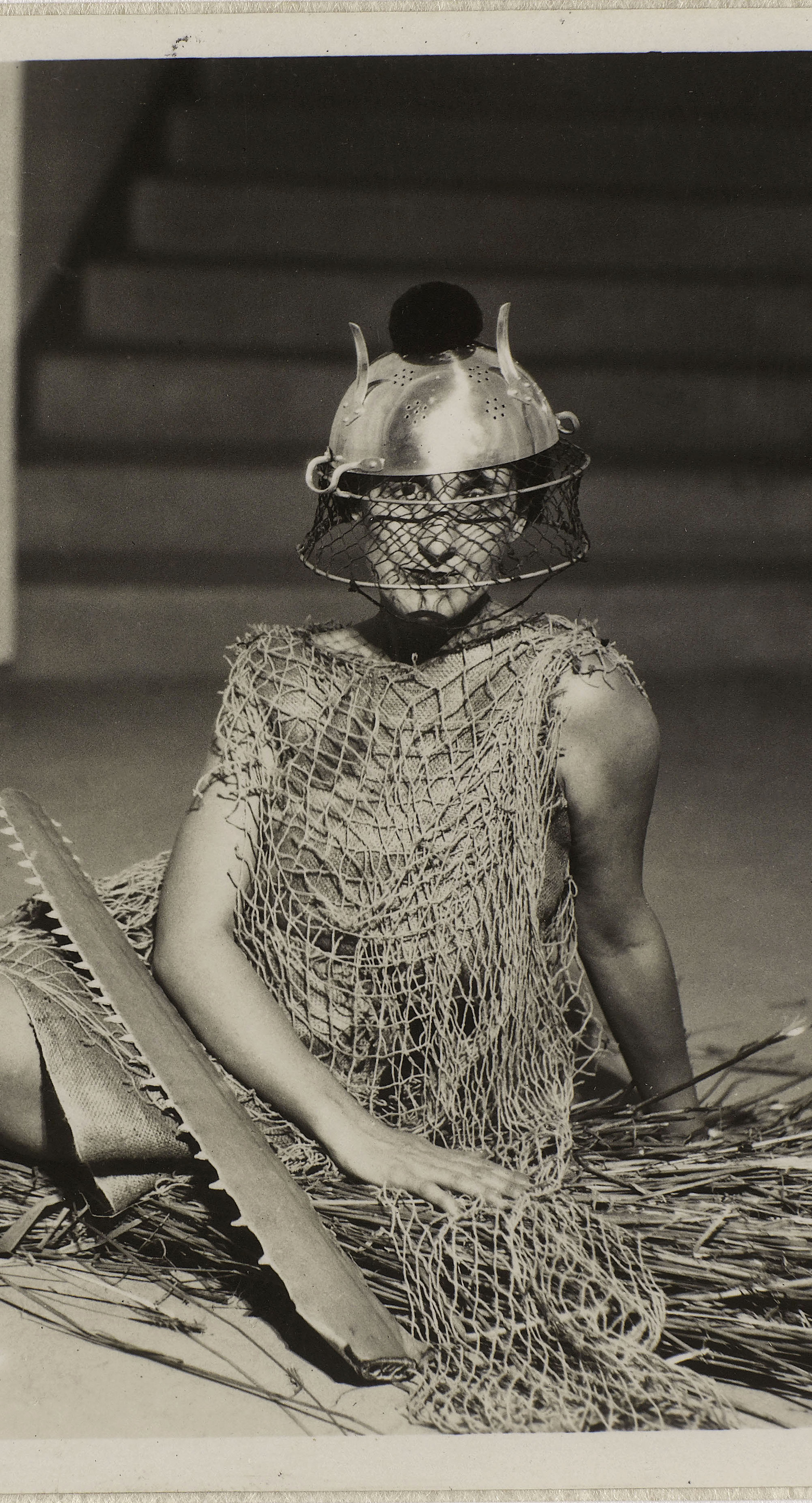
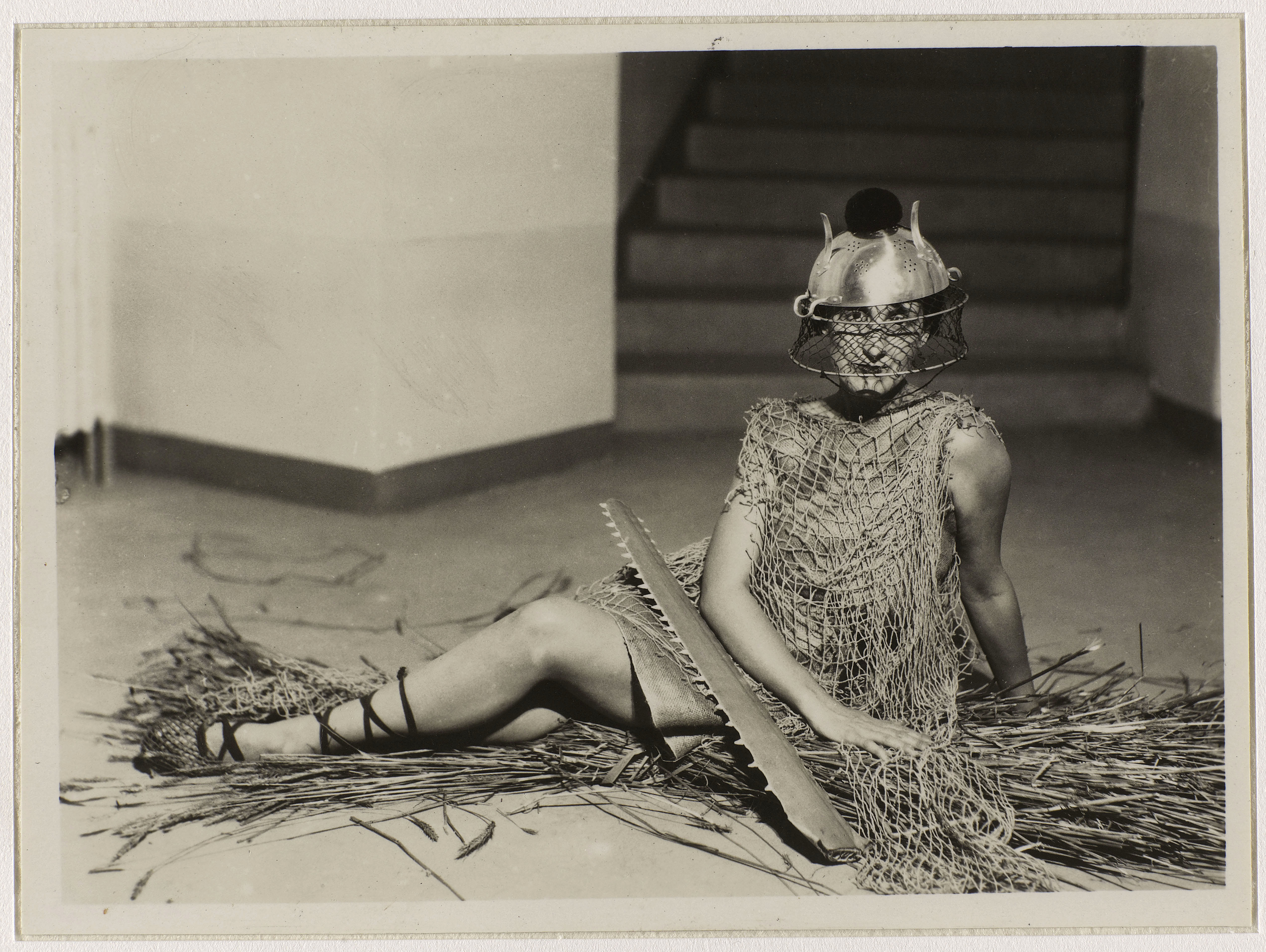
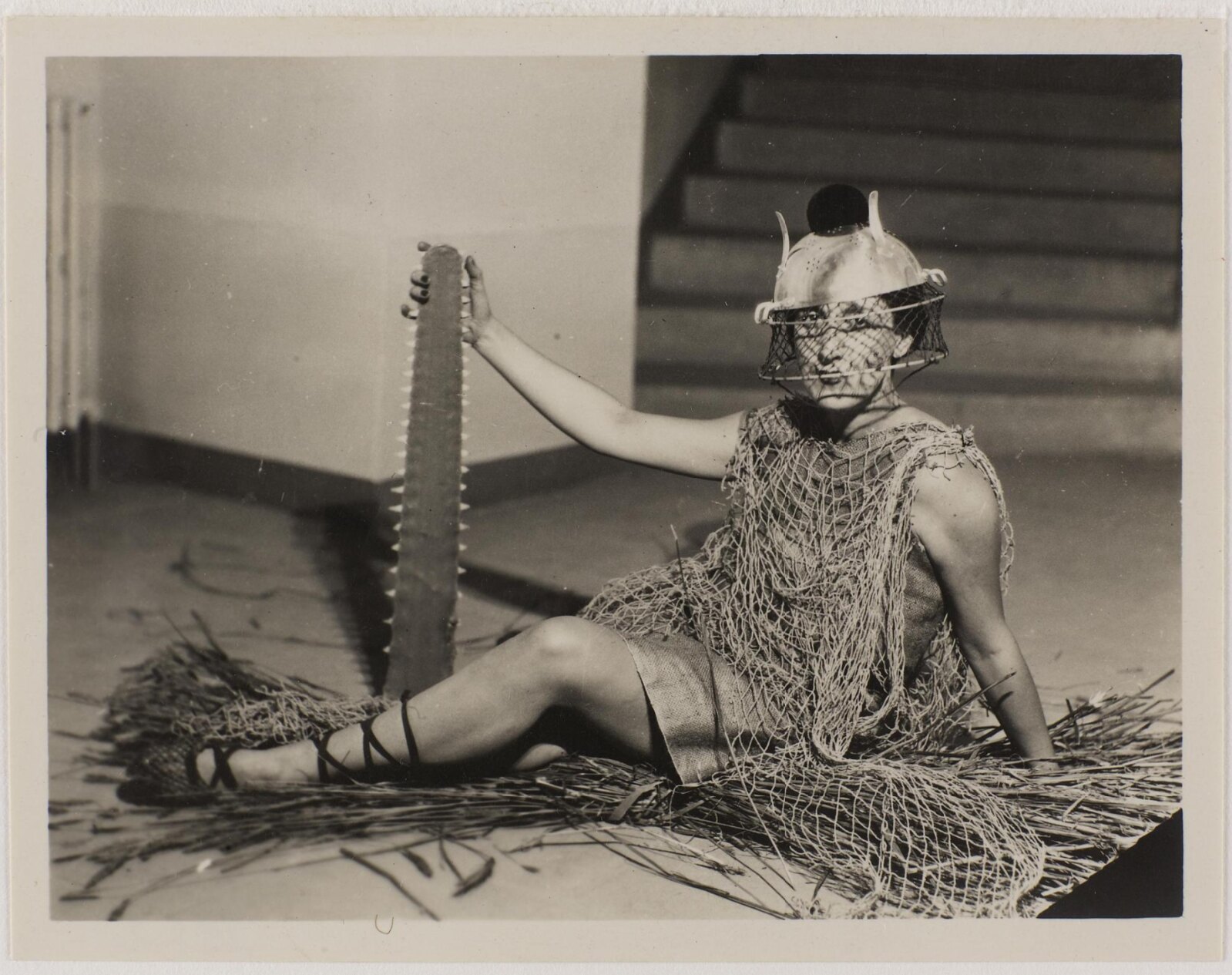
Bal au château des Noailles, 1929

Man Ray (Emmanuel Radnitzky) :: Bal au château des Noailles, vers 1929. Epreuve gélatino-argentique. | src l'œil de la photographie (detail)
Man Ray (Emmanuel Radnitzky) :: Bal au château des Noailles, vers 1929. Epreuve gélatino-argentique. | src l’œil de la photographie
Man Ray (Emmanuel Radnitzky) :: Bal au château des Noailles, vers 1929. Epreuve gélatino-argentique. | src l'œil de la photographie
Man Ray (Emmanuel Radnitzky) :: Bal au château des Noailles, vers 1929. [full image] | src l’œil de la photographie
Man Ray (Emmanuel Radnitzky) :: Bal au château des Noailles, vers 1929. Epreuve gélatino-argentique. | src Centre Pompidou

Le Masque et l’Humain, 1959

Thérèse Le Prat :: La danseuse Françoise Joachim Pérez (ballet d’Amérique latine), 1957. | src Ministère de la Culture
Thérèse Le Prat :: Silvia Monfort (actrice) Lady Godiva dans Lady Godiva de Jean Canolle, 1958. | src Ministère de la Culture
de la série Masques et Destins, 1955 ou Le Masque et l’Humain, 1959
Référence de publication de l’image: L’Avant-Scène, n°177, 1er juillet 1958
Référence de publication de l’image: Le Masque et l’Humain, éd. La Colombe, Paris, 1959, p. 22