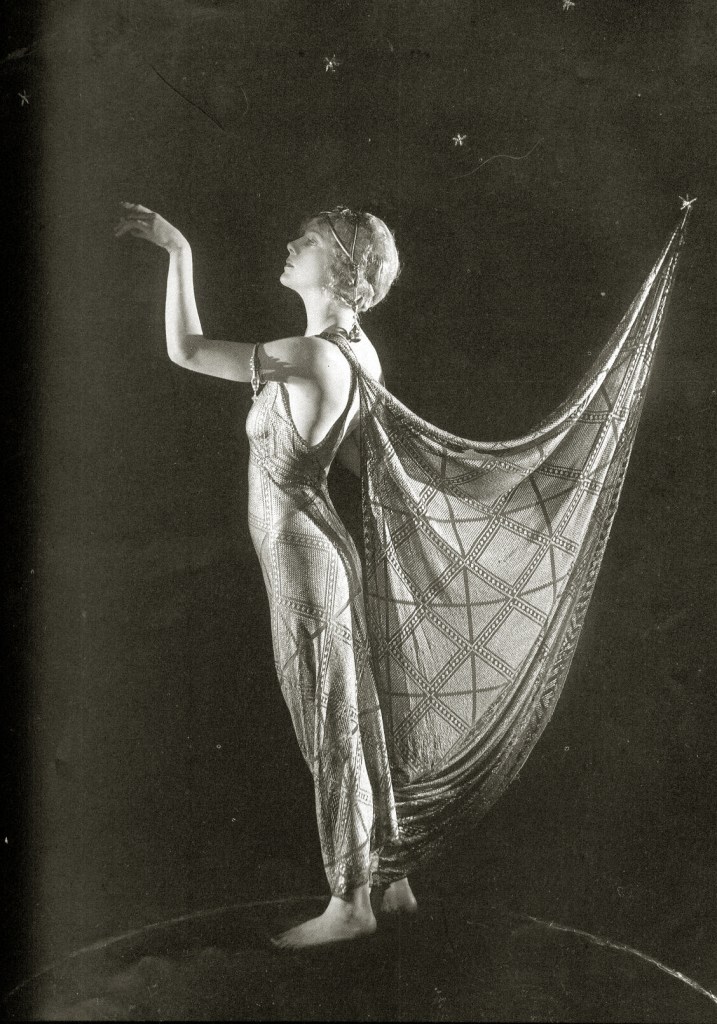
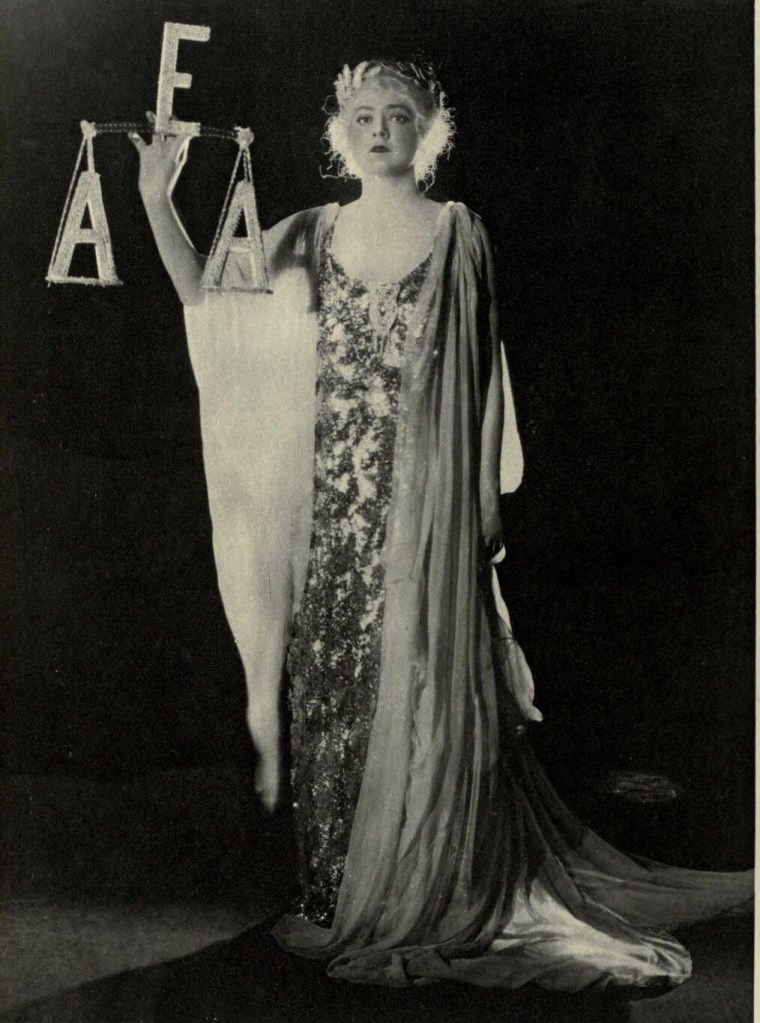
Kyra at the Winter Garden, 1921

James Abbe ~ Kyra (Alanova). Shadowland magazine, October 1921 | src internet archive

Caption reads : Kyra / The exotic dancer in this season lending a touch of Oriental color to the Winter Garden revue

James Abbe ~ Kyra (Alanova). Shadowland magazine, October 1921 | src internet archive

Alanova, also known as Kyra Alanova and Alice Allan (Seattle, 26 July 1902 – Venice, 21 December 1965 ), was an American dancer, choreographer and actress. Born in the USA to a Russian father who emigrated at the beginning of 1900, she was then the stepdaughter of the choreographer and dancer Adolf Bolm, an important collaborator of Sergei Diaghilev Ballets Russes. She followed her stepfather’s footsteps, from 1918 to 1924 she danced with Diaghilev’s company on the stages of London, Paris and Rome, from 1922 she was engaged as an actress in various Broadway and London productions, under the name of Kyra Alanova.

Active on the Paris theater scene in the 1930s, she was portrayed by Kees van Dongen in several paintings (“Portrait of Miss Alanova”, “Jeune fille aux pieds nus”), in a period when the two were probably lovers.

At the end of the 1930s she arrived in Italy for a tour of the most important theaters and met Count Andrea Di Robilant, screenwriter and director, the two married shortly after and Alanova remained for a few years working in Italy, dividing her time between family and work (mainly in Italian films).

At the end of the war, Alanova resumed her activity as a choreographer, founding her own dance company: the Ballet Russe Alanova or Ballets Alanova (of which Enrico Prampolini would be artistic director and with whom Leonor Fini would collaborate as set and costume designer) with which she toured America and Europe until 1946.

text adapted from the Italian Wikipedia entry for Alanova
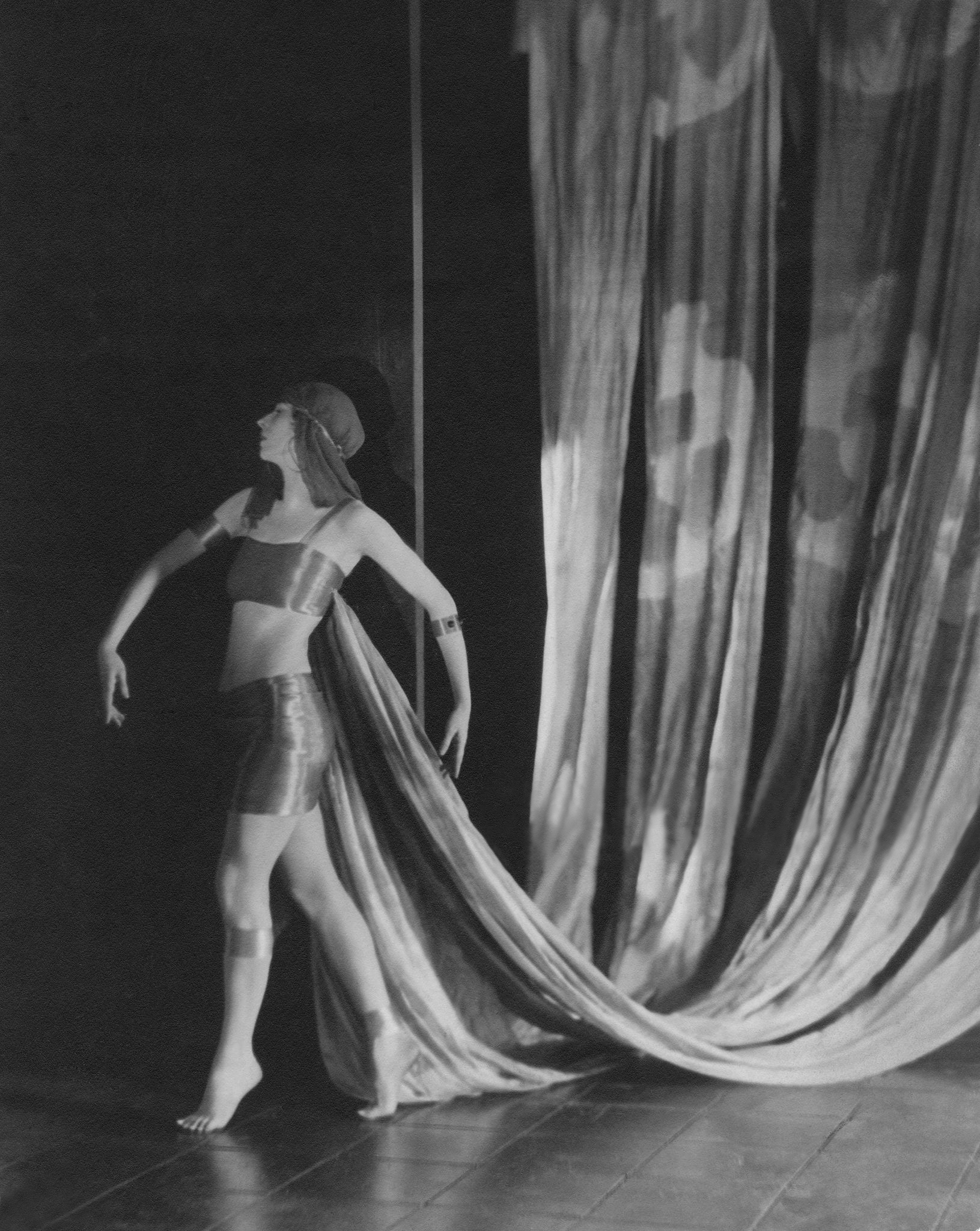
James Abbe :: Kyra Alanova at the Winter Garden, wearing a costume with a satin crop top and matching fitted shorts, with the top attached to long, flowing curtains, walking barefoot across a tiled floor, Vanity Fair, 1921. | src Getty Images

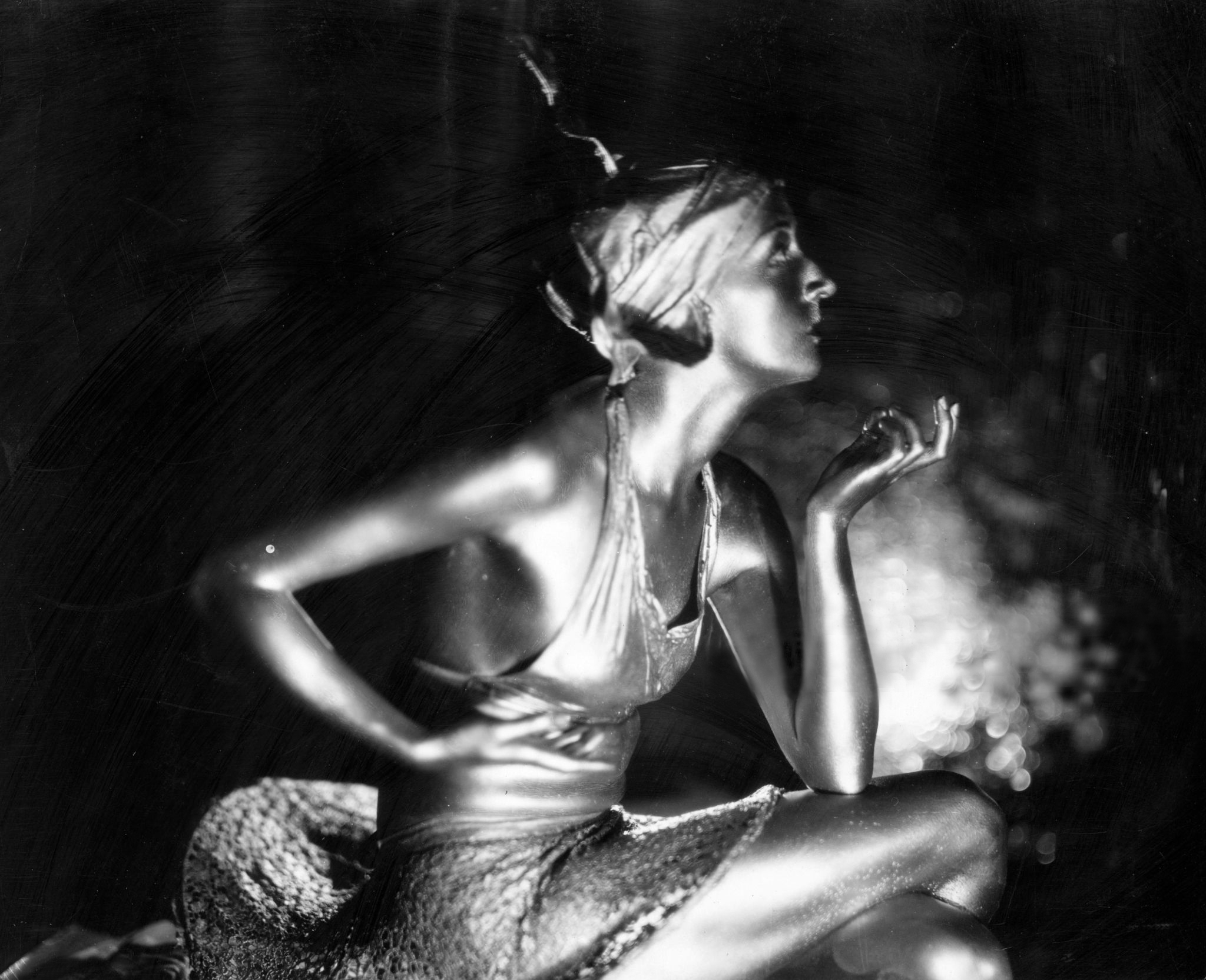
Dancer Rylis Hasoutra, ca. 1924

James Abbe :: Golden dancer. Dancer Rylis Hasoutra covered in metallic make-up, ca. 1924. | src Getty Images

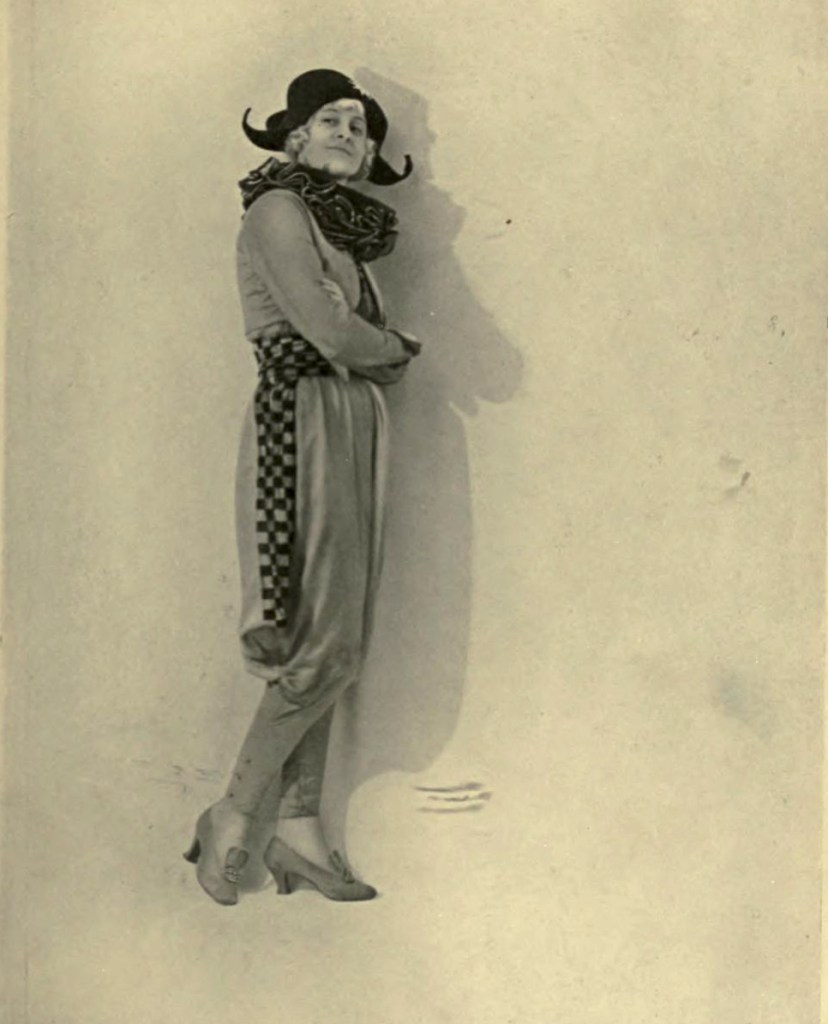
Vera Shabshay in «Aleph»

Vera Shabshay (also Shabshai, Shabashai or Shabshaj) (1905-1988) in the Dance of the Slave. From the ballet “Aleph”, choreographed and produced by Vera Shabshay, Moscow, season 1930-1931. Costume by N.P. Lamanova and N.S. Iznar | src The Museum of Russian Art in Israel on Fb / המוזיאון לאמנות רוסית

From 1926 to 1934, Vera Shabshai (1905 – 1988) created about a hundred miniatures ballets, mainly on Jewish themes, to the music of composers from the Society of Jewish Music. These choreographic numbers, combined into suites on a specific theme, made up the extensive repertoire of “Evenings of Jewish Dance” and “Evenings of Jewish Ballet and Pantomime” organized by Shabshai in the seasons of 1929-1930 and 1930-1931.

The most popular piece of these ballets was the Jewish pantomime-ballet “Aleph”, in which she said she wanted to express through plastic means various moments of Jewish history from antiquity to the present day. It consisted of six pats or cycles: “Jewish Bas-reliefs”, “Mourning dances”, “Jews in Spain”, “Shtetl dances” and the pantomime “ Smena / Change”.

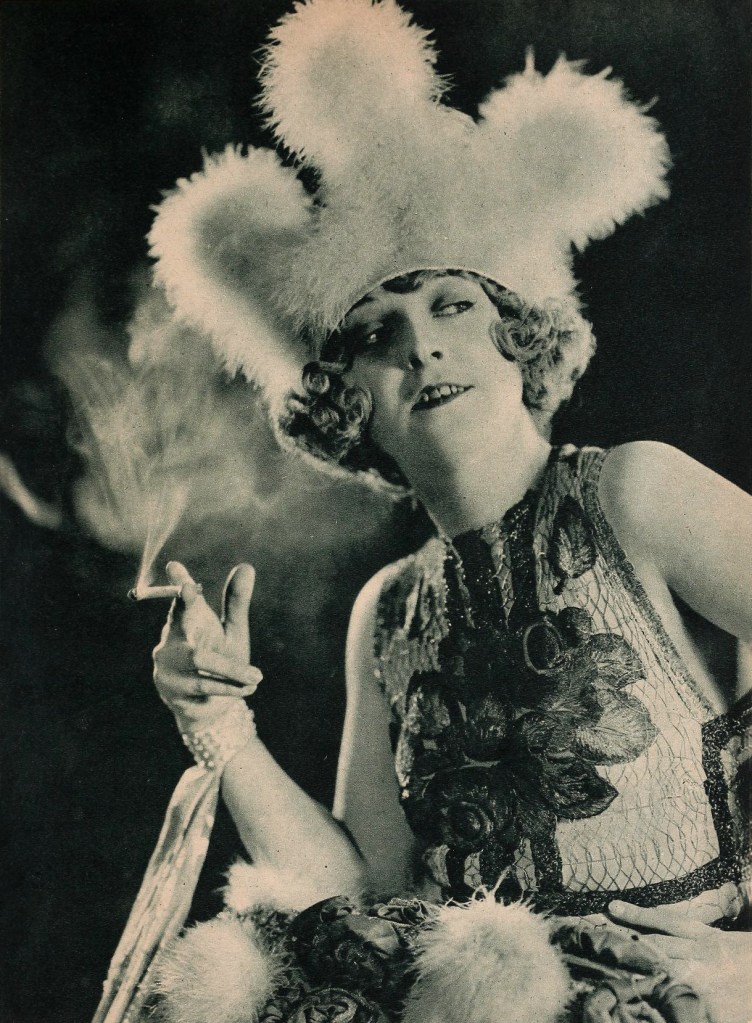
Betty Blythe in «Herodias»

Hoover Art Studios :: Betty Blythe in Marion Morgan’s dance fantasy, Herodias, at Hollywood Community Theater. Published in Picture Play Magazine, March 1921 issue. | src archive.org

Henny Porten in Anna Boleyn

Atelier Rembrandt :: Henny Porten als Anna Boleyn. Publicity still for Anna Boleyn (Ernst Lubitsch, 1920). German postcard: Ross Verlag, Berlin, no. 401/2, 1919-1924. Messter Film, Berlin.| src Flickr