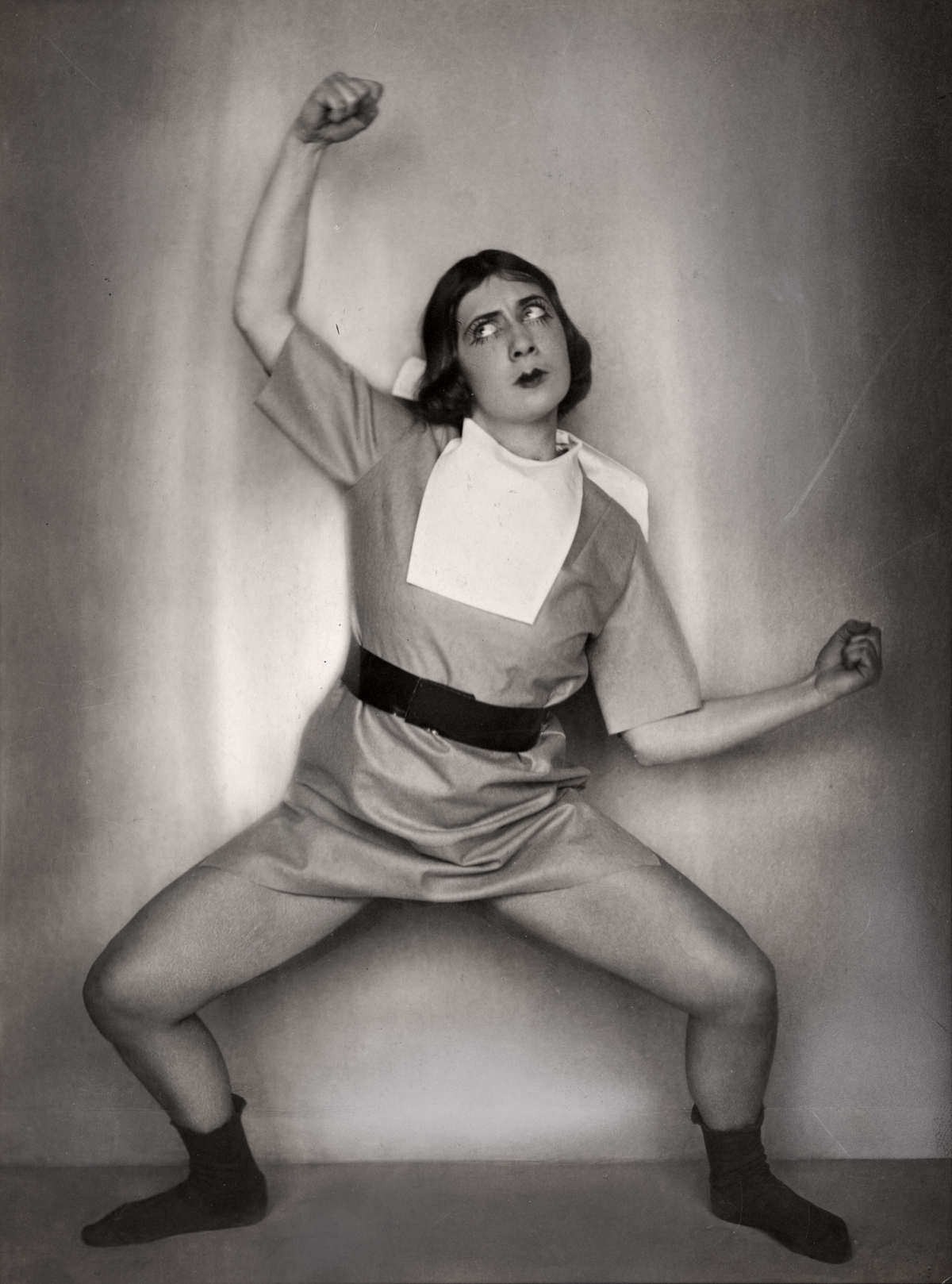
Cilli Wang by Kitty Hoffmann

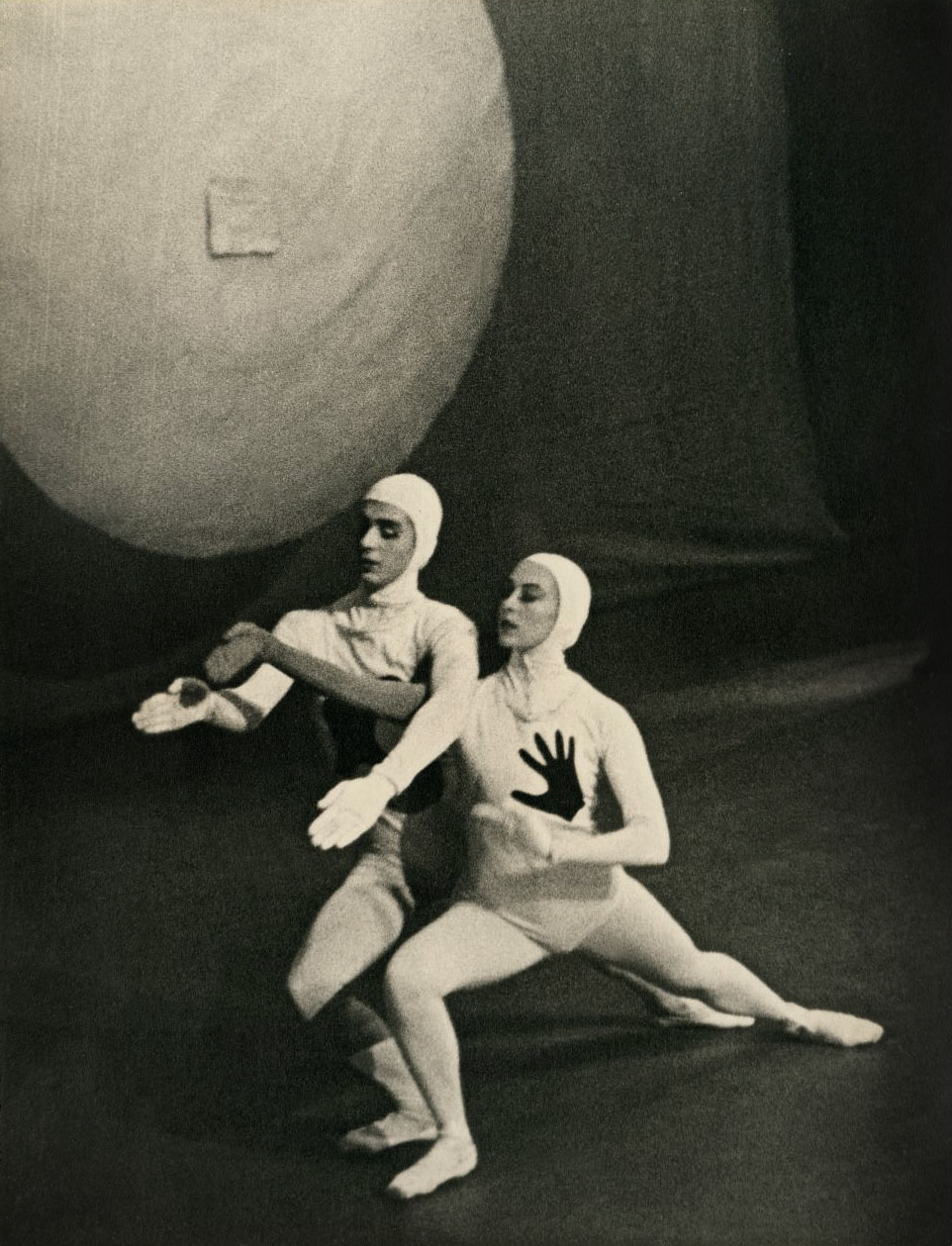
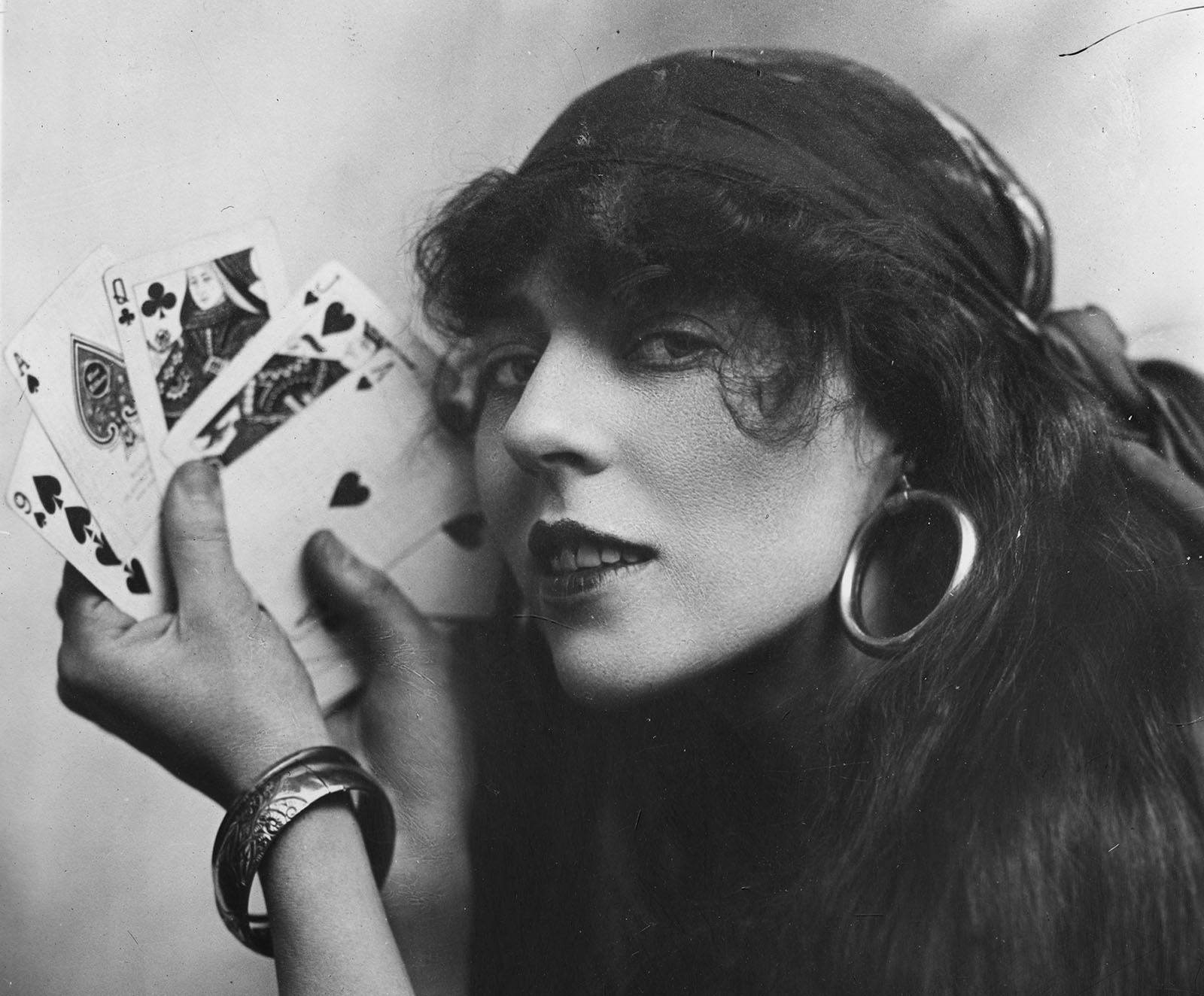
Kitty Hoffmann (1900–1968) ~ De danseres Cilly Wang. Wenen | The dancer Cilli Wang, Wien, 1932 | src Fotocollectie Het Leven

Cilli Wang (1909-2005) was a Viennese dancer and cabaret artist. She attended dance classes at the Vienna Academy of Music and Performing Arts (Max Reinhardt Seminar) with Gertrud Bodenwieser. In 1928 she gave her first performance by dancing to the recitation of the actor Ernst Ceiss.

In the 1930s she evolved into a transformational artist, appearing on cabaret and small art stages, such as Erika Mann’s “Pfeffermühle” in Zurich, the “Catakombe” in Berlin and, not least, in “Lieben Augustin” and “Simpl” in Vienna.

Her trademark were pantomimic dances and performances with parodic, grotesque and illusionistic elements – which she herself called Verwandeleien / transformations (she also designs her own costumes as well as the puppets and props she used).

For her parodic performances, which were a rarity in her time, she was called the Pavlova of Parody. Initially performing in ensembles, her interest was in the connection between spoken word and movement. She created dance movement numbers to Goethe, Wilhelm Busch and Christian Morgenstern, which she recited herself. She parodied Hitler and made fun of folk dances. Her talent for comic numbers led to comparisons with Charlie Chaplin.

text adapted from Theatermuseum Wien & German wikipedia entry

Margo Lion by Atelier Binder

Atelier Binder ~ Margo Lion (1899-1989). Kabarettistin, Chansonniere,Schauspielerin, Stark geschminkt, mit verschränkten Armen, 1927; veröffentlicht in: UHU 9/1930 und UHU 3/1933 | src getty images
Atelier Binder ~ Margo Lion (1899-1989). Cabaret artist, singer, actress, heavily made up, with crossed arms. Published in 1927 in: UHU 9/1930 and UHU 3/1933 | src getty images

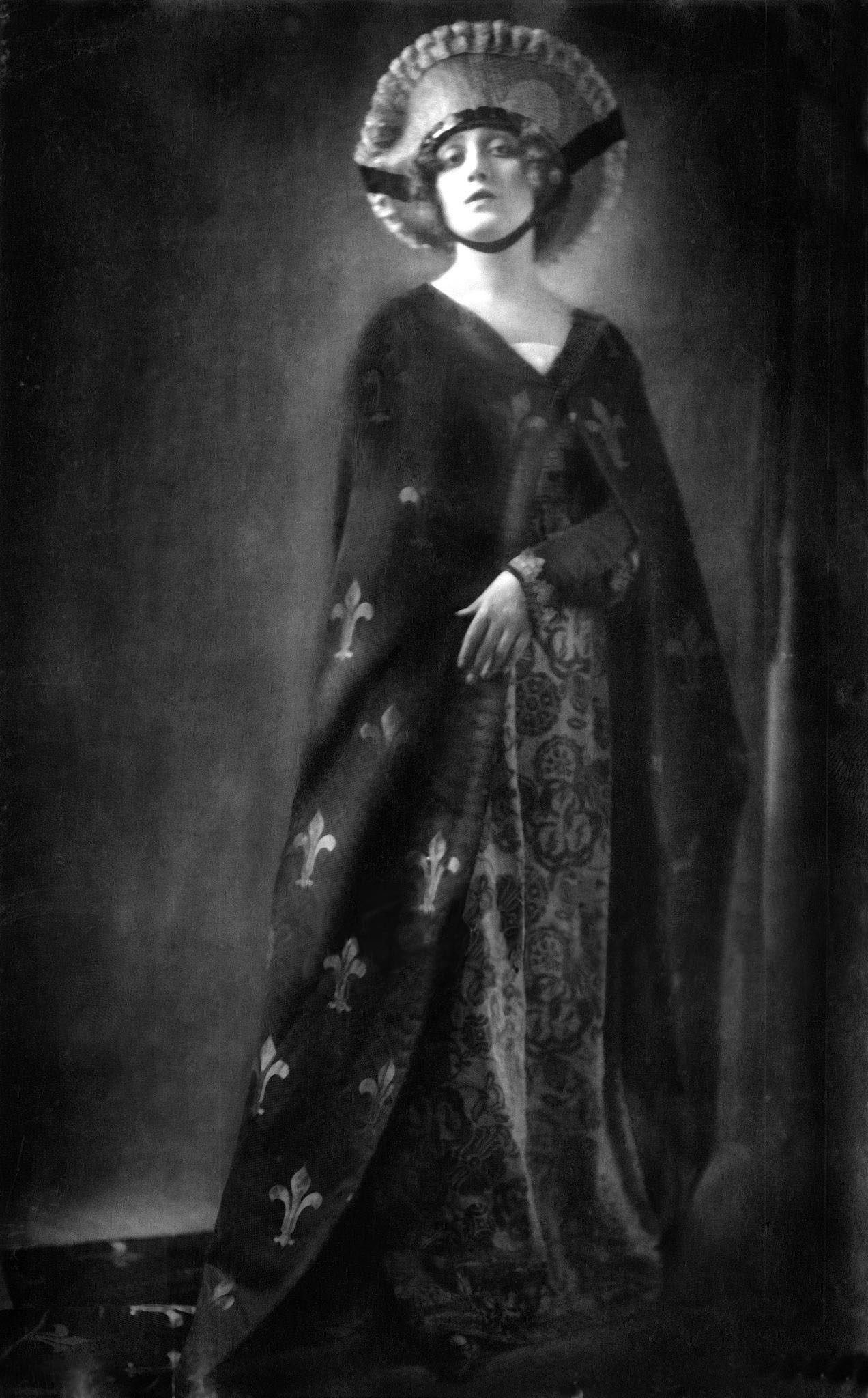
Maria Schreker by Frieda Riess

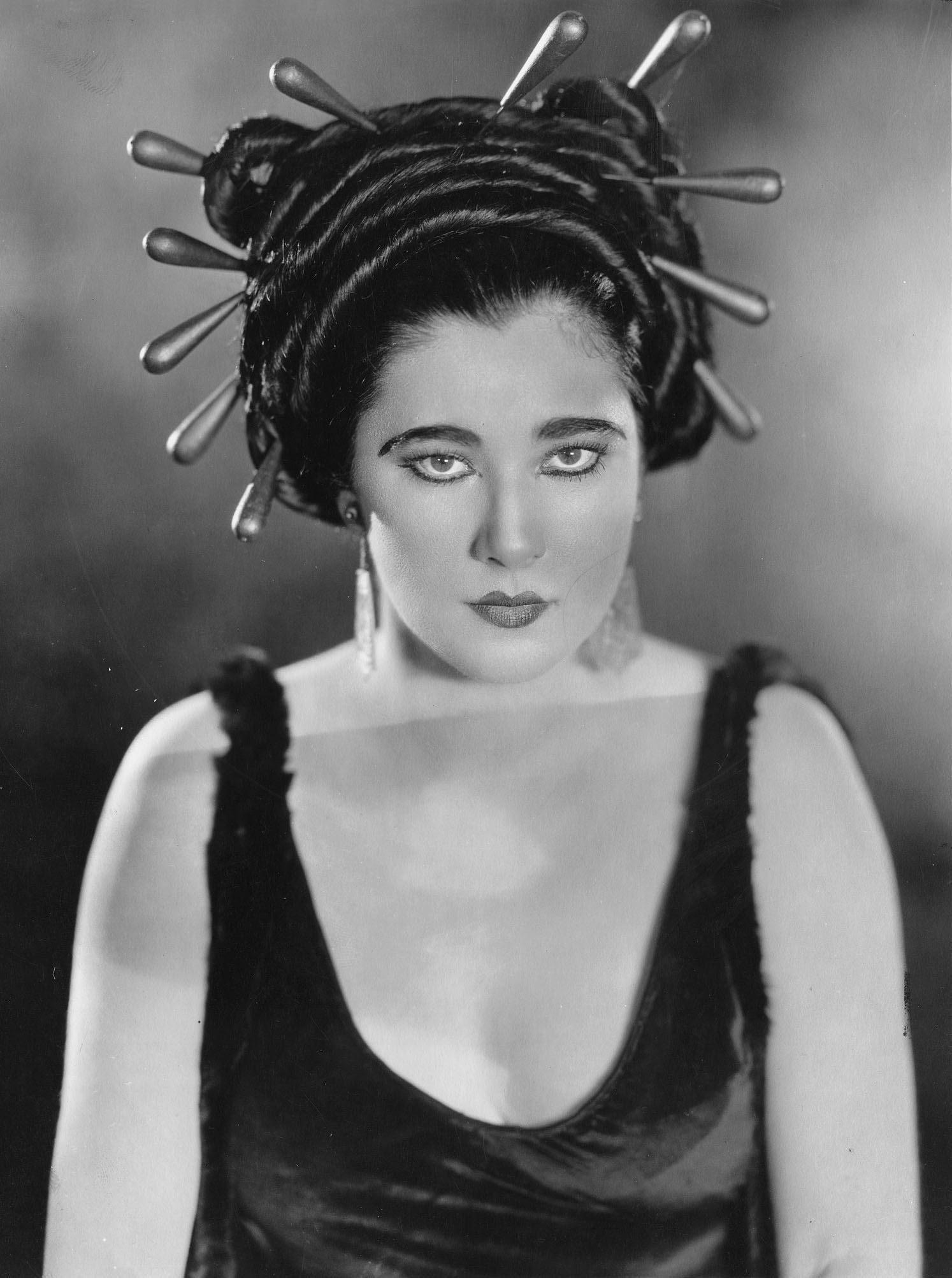
Frieda Riess (1890-1954) ~ Maria Schreker, née Binder, opera Singer, wife of the composer Franz Schreker. Portrait in the main role in the opera ‘Der Schatzgräber’ (The Treasure Hunter), 1923 | src getty images

Josefina Oliver · cross-dressing

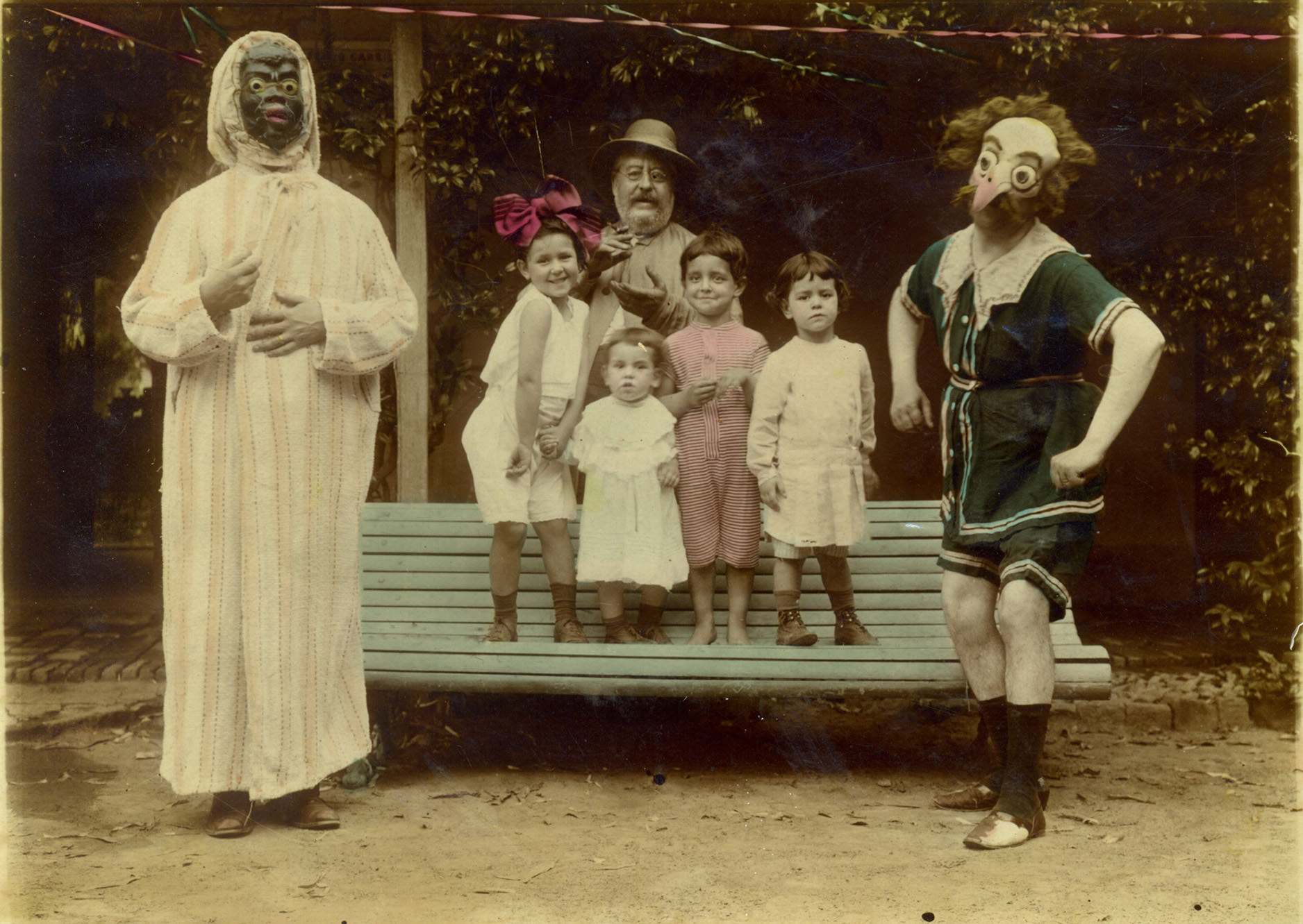
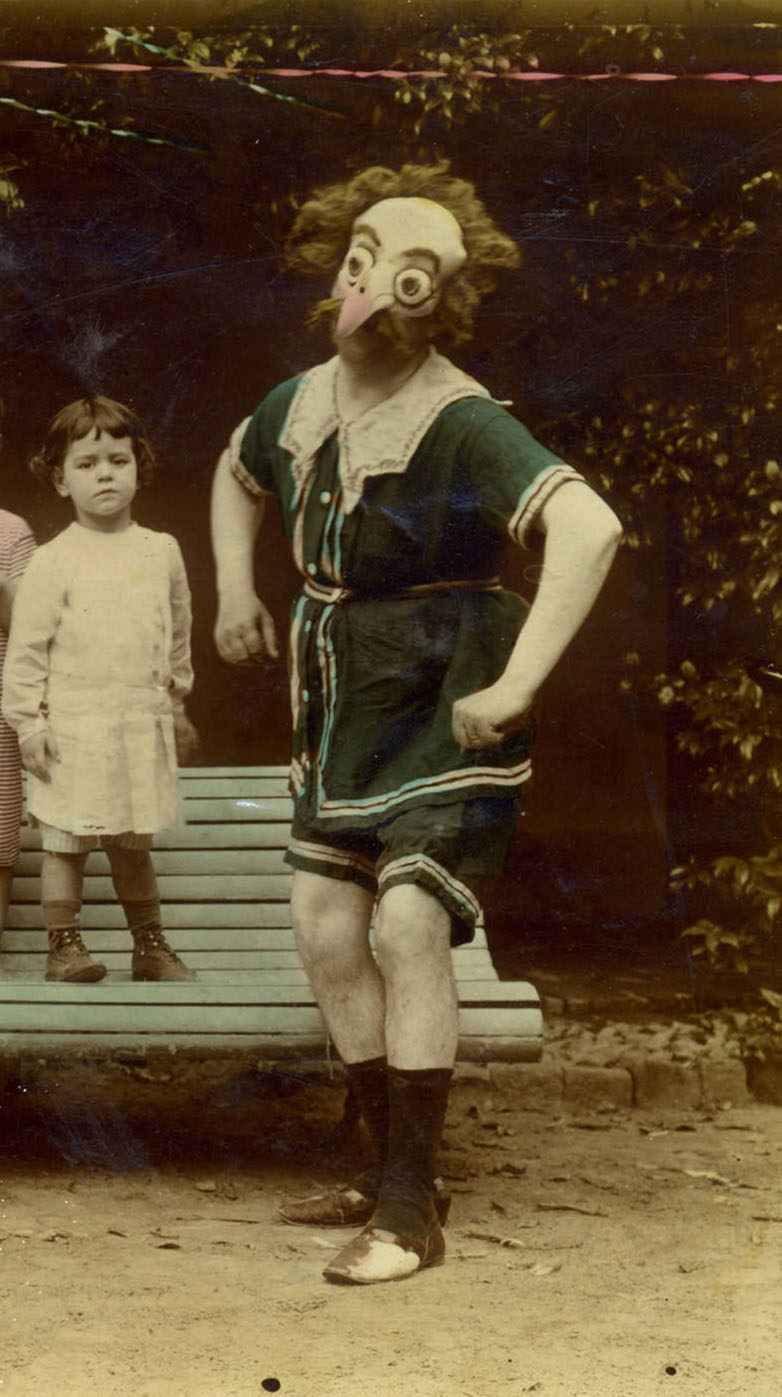
Oliver family. Carnival at chacra Santa Ana. Pepe Salas with Josefina’s bathing suit, San Vicente, Buenos Aires, Argentina, February 1910. Photograph hand colored by Josefina Oliver | src YO Josefina Oliver
Siblings García Oliver, San Vicente, Buenos Aires, Argentina, 1909. Photograph hand colored by Josefina Oliver | src Josefina Oliver
Carnival. Pepe Salas with Josefina’s bathing suit, San Vicente, Buenos Aires, Argentina, February 1910 [Detail]
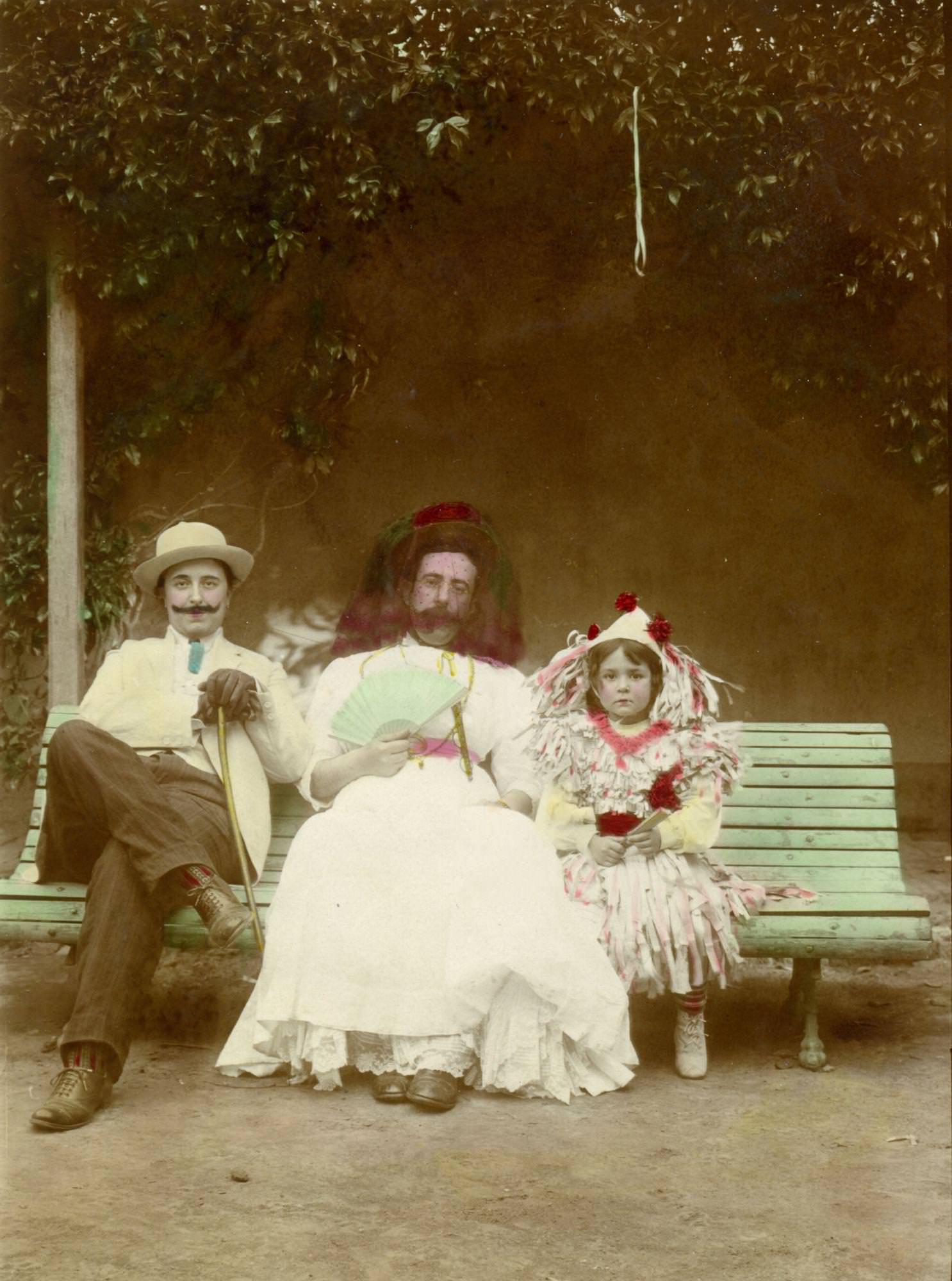
Josefina Oliver and Pepe Salas cross dressed with niece, San Vicente, March 1908. Hand colored photograph by Josefina Oliver | src YO Josefina Oliver

‘(…) Sunday 8th- Very nice day. Carnival’s burial. (…) Pepe went hunting and I dressed up as a man having a succès d’estime. Pepe came a little later and I decked him out with a dress of mine, Porota wore her paper suit and after dressing up granddaddy ridiculously, we devoted ourselves to perpetuate the memory of our joke through photography. As the audience, all the people from the kitchen, Luis, his wife, his children and even the workman celebrating the scene (…)’. Diary 4, p. 257 and 258, March 1908

Postcard sent by Josefina to her sister Catalina, with her cross-dressed self-portrait, saying that it is a friend of Pepe, her husband.
Nephews García Oliver cross-dressed, San Vicente, February 1910. Photograph hand colored by Josefina Oliver | src Josefina Oliver
«Con los trajes trocados la Nena y Pedrito», San Vicente, February 1910
Hand colored photograph by Josefina Oliver | src YO Josefina Oliver

Josefina Oliver (1875-1956) began as a vocational photographer among her friends in 1897. Two years later, she takes the first one of her one hundred self-portraits and photographs her friends and relatives, houses’ interiors and landscapes in the family farm in San Vicente. Josefina, a common porteña, was almost invisible. Author of a luminous ouvre, hidden until 2006, as a consequence of a society that disregarded women’s inner self.

Josefina Oliver reflects this reality in her artistic work so far composed by 20 volumes of a personal diary, more than 2700 photographs, collages and postcards. Plenty of her shots are conceived with scenographies; she always develops them and paints the best copies with bright colors. She makes up twelve albums, four of them are wonderful and only have illuminated photographs. At the same time, a transversal humor appears behind her multiform ouvre.

quoted from Josefina Oliver

Dancing cacti by Grete Kolliner

Grete Kolliner (1892-1933) ~ Manon Chaufour und Otto Werberg als Tanzkakteen, um 1931 (detail)
Grete Kolliner (1892-1933) ~ Manon Chaufour und Otto Werberg als Tanzkakteen, um 1931 | src Dorotheum
Atelier Kolliner ~ Manon Chaufour & Otto Werberg als Tanzkakteen (dancing cacti), um 1931 | src Dorotheum
Proveniennz: Aus dem Nachlass Hedi (Hedy) Pfundmayr

Ophelia by Rosemarie Clausen

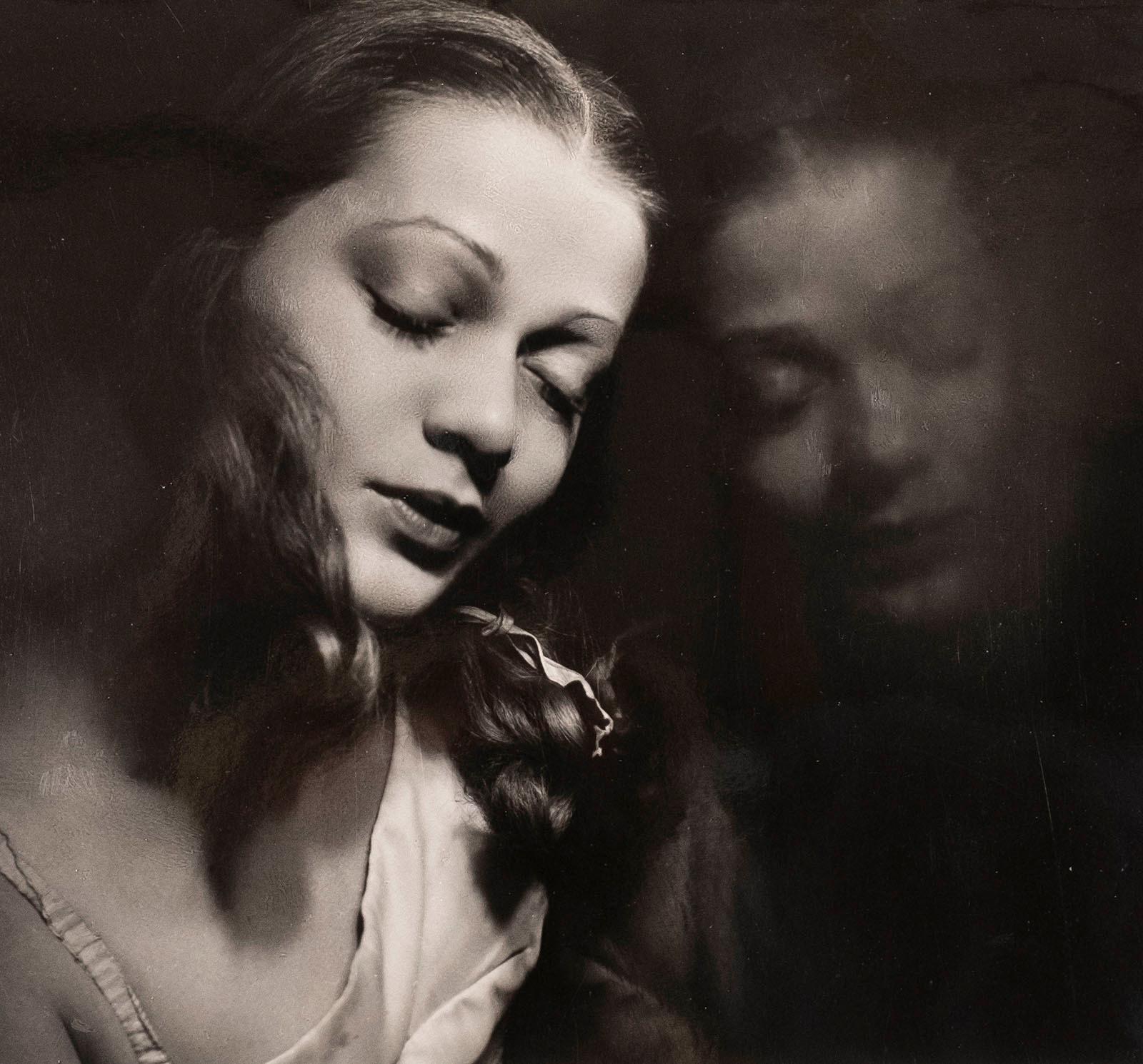
Rosemarie Clausen (1907-1990) ~ Tänzerin Natascha Trofimowa (als Ophelia im Hamlet-Ballett), um 1951 | src Schneider-Henn
(link to pdf)

Verso Studiostempel, auf kartonierte Unterlage geheftet, dort signiert, verso Studiostempel wiederholt, handschriftlich bezeichnet: »…tanzte die ›Ophelia‹ im Hamlet-Ballett Staatsoper Hamburg, Regie Helga Swedlund« (quoted from pdf / page 101)