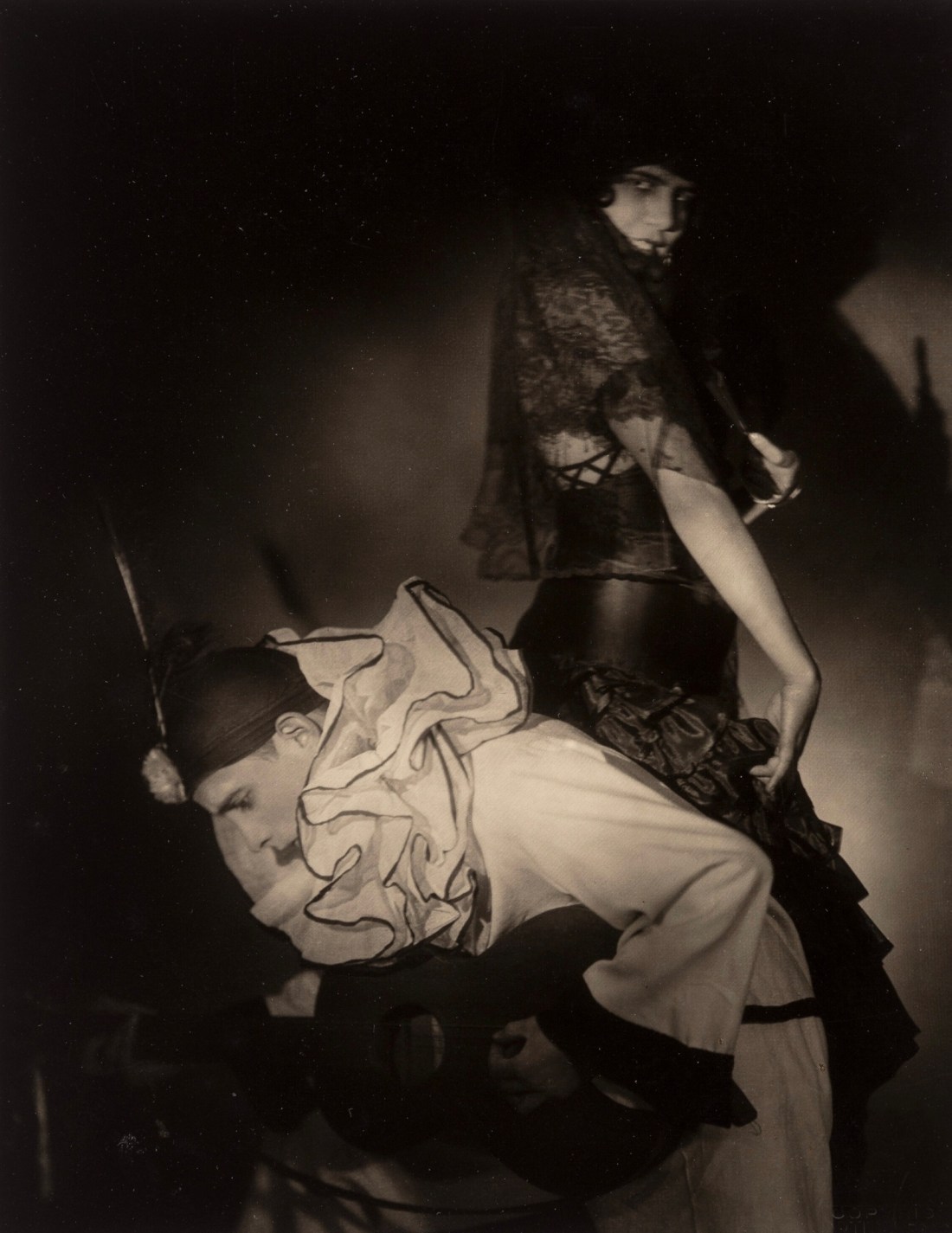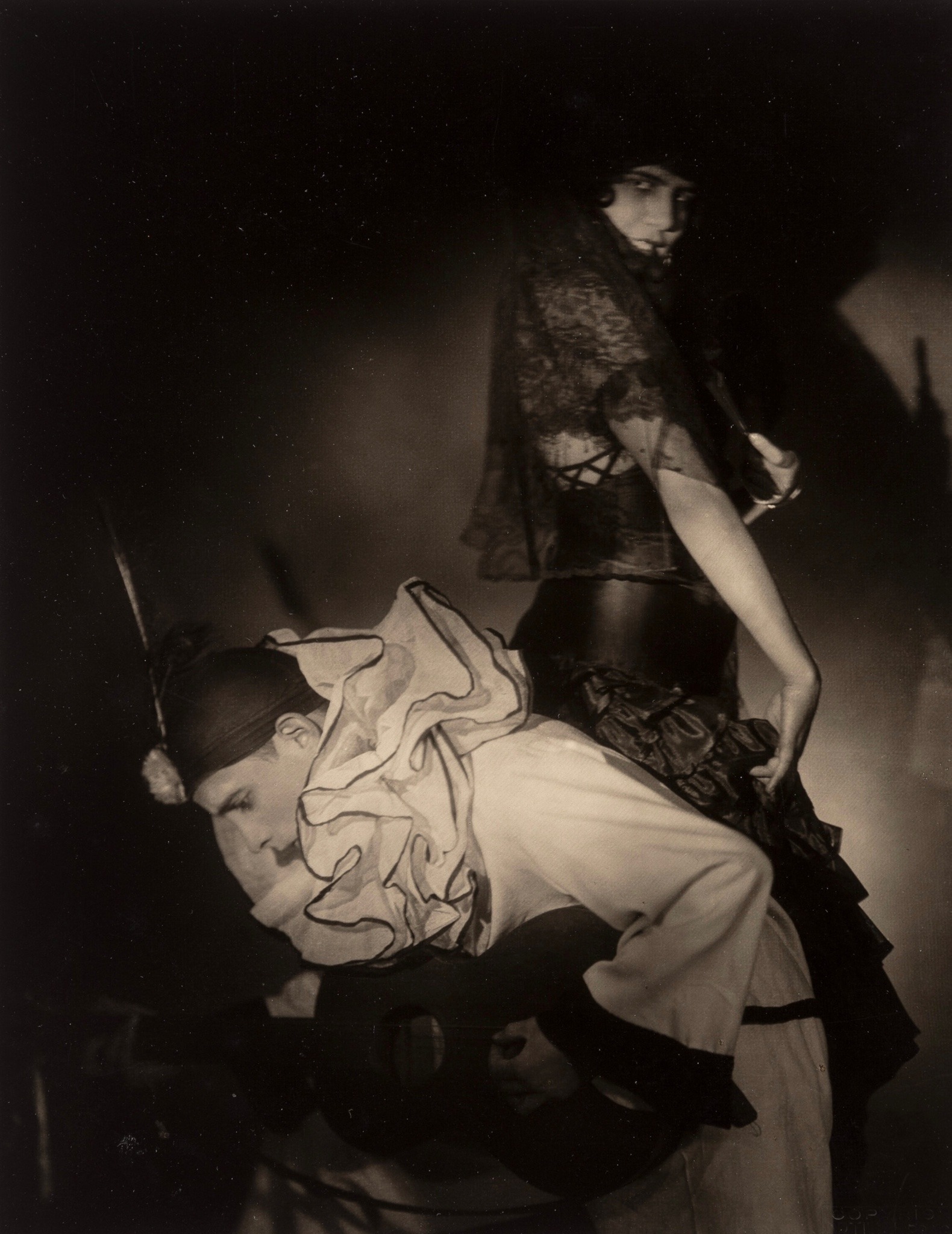
Pierrot with Columbine by Drtikol

František Drtikol (Czech, 1883-1961) :: Pierrot with Columbina, circa 1922.
Frantisek Drtikol (Czech, 1883-1961) :: Pierrot with Columbina, circa 1922. Gelatin silver print. | Heritage auctions
František Drtikol (1883-1961) ~ Pierrot with Columbina, circa 1922. Gelatin silver print. | Heritage auctions

While the identity of the male Pierrot figure remains a mystery, the woman pictured in the present work is likely dancer and actress Erwina Kupferova, the artist’s muse and first wife.

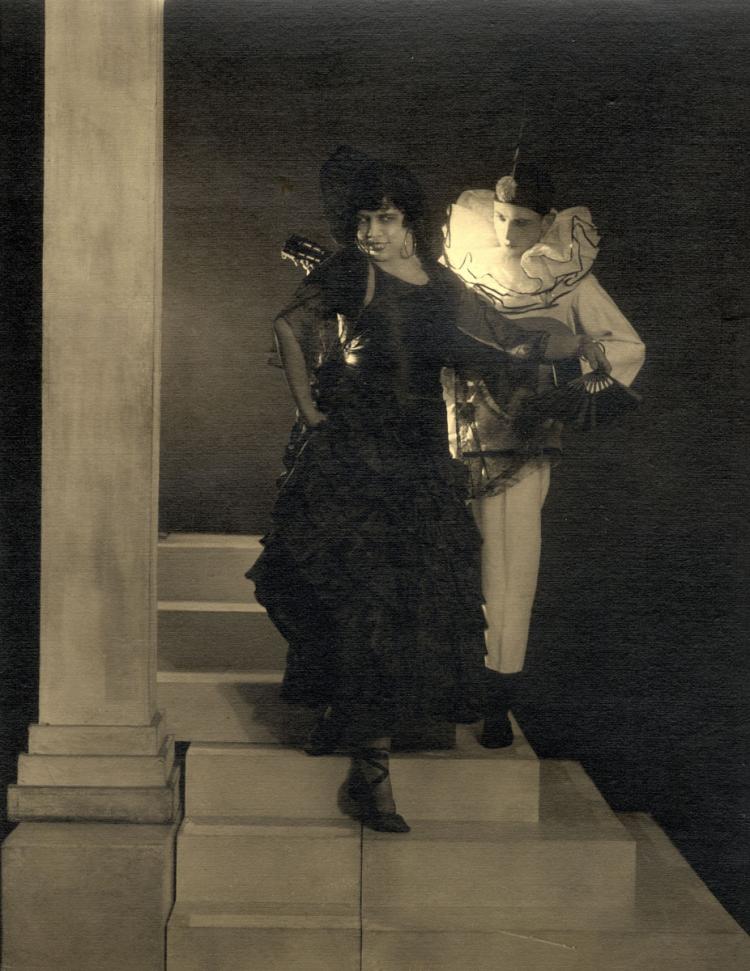
František Drtikol (1883-1961) ~ Theatrical motif (Pierrot and Colombina), around 1920 | src mutualArt
František Drtikol (1883-1961) ~ Pierrot and Columbine, ca. 1925, vintage pigment print. | src invaluable

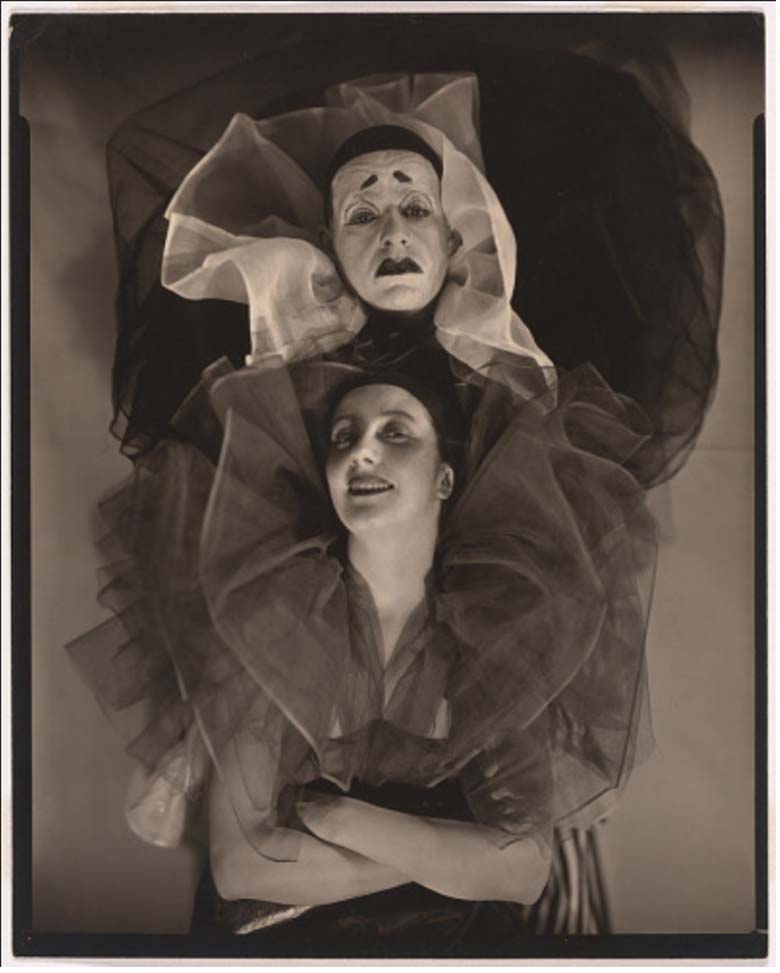
Alfred Lunt and Lynn Fontanne

Edward Jean Steichen :: Alfred Lunt and Lynn Fontanne, 1925. Gelatin silver print. Vanity Fair. | src National Portrait Gallery, Smithsonian Institution

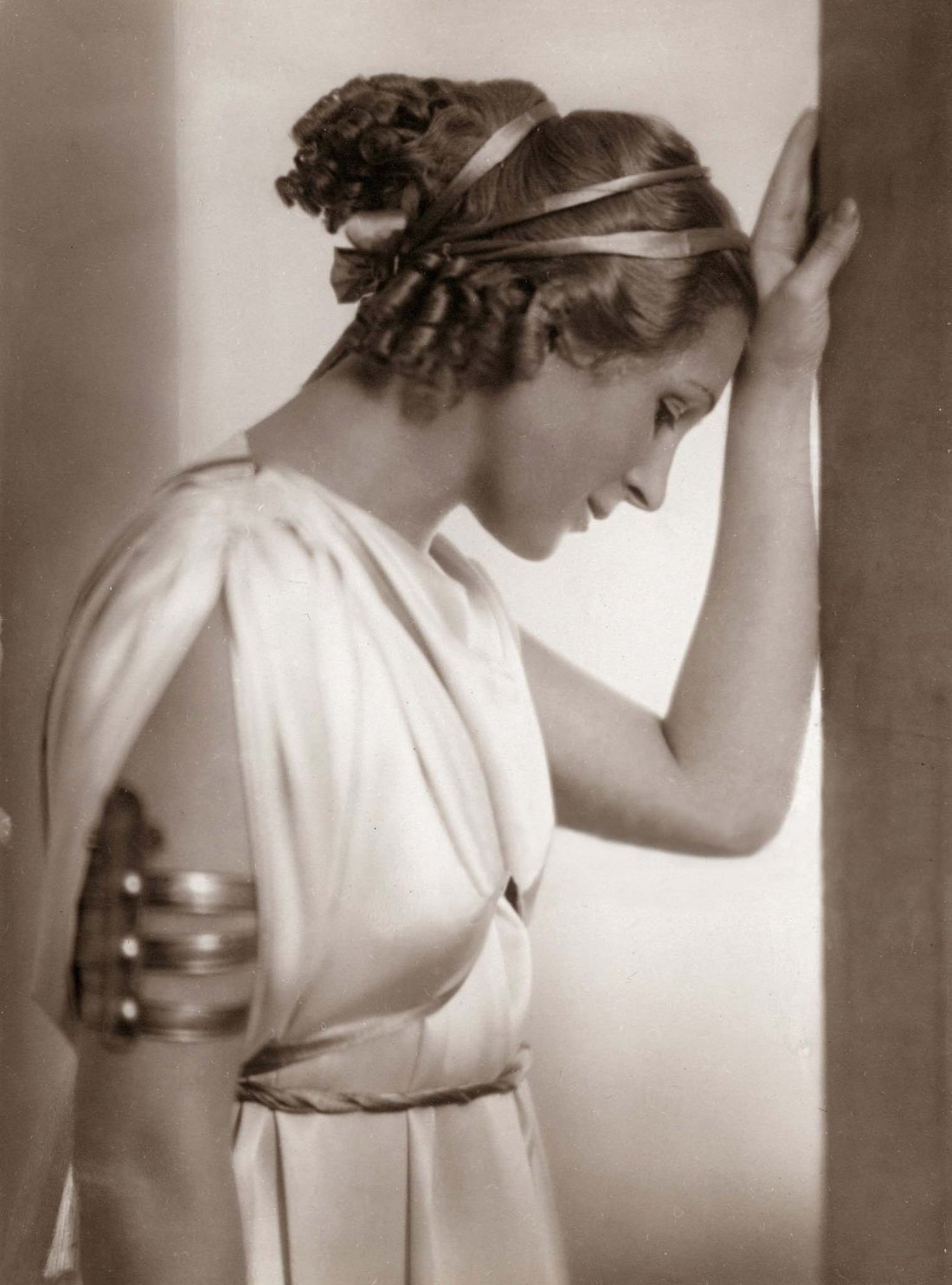
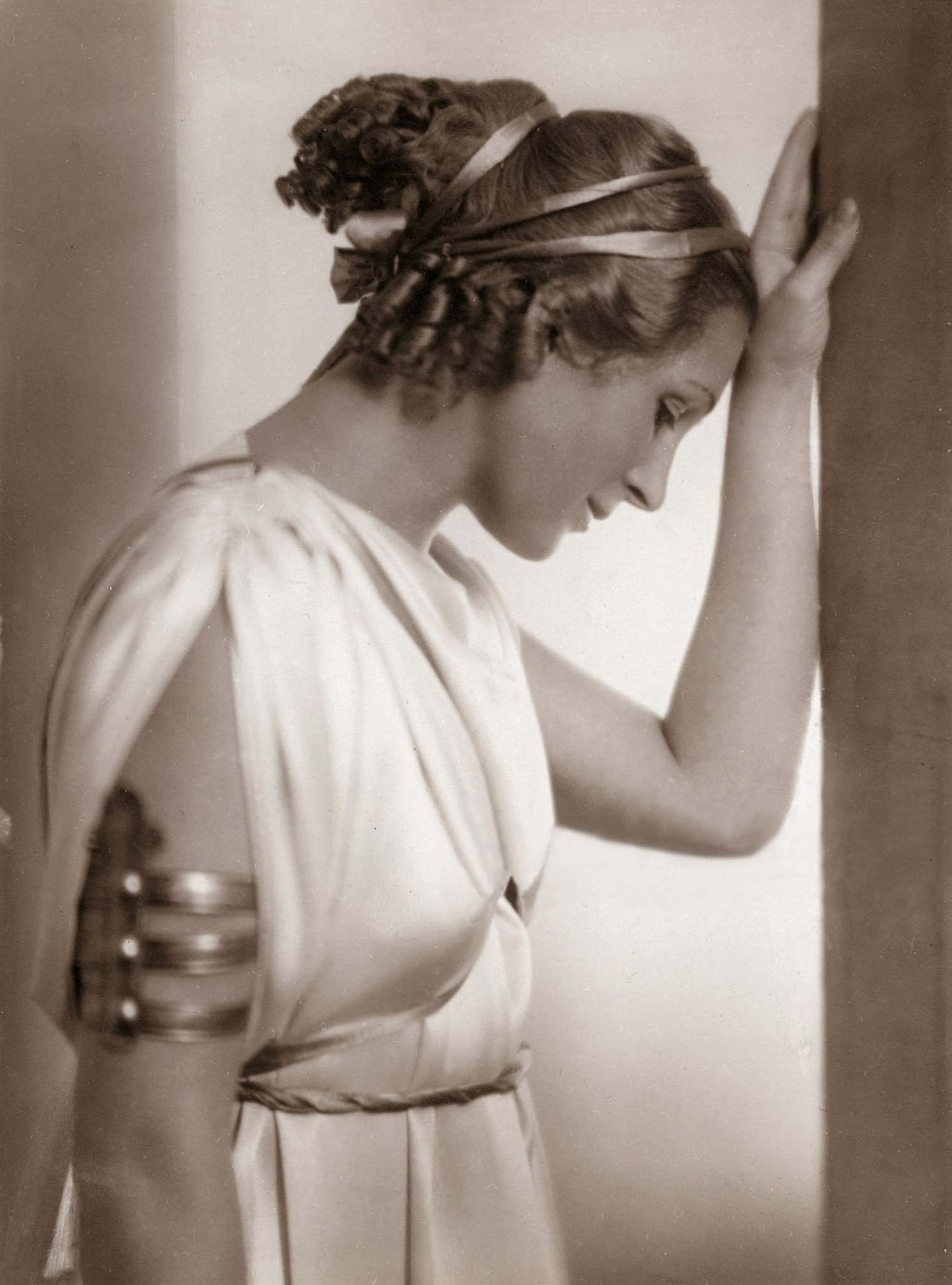
Nora Gregor as Thaisa by Setzer

Franz Xaver Setzer :: Austrian actress Nora Gregor as Thaisa in 'Pericles, Prince of Tyre' by William Shakespeare. Burgtheater, Vienna. First night 16th October 1937. | src Getty Images
Franz Xaver Setzer :: Austrian actress Nora Gregor as Thaisa in 'Pericles, Prince of Tyre' by William Shakespeare. Burgtheater, Vienna. First night 16th October 1937.  | src Getty Images
Franz Xaver Setzer :: Austrian actress Nora Gregor as Thaisa in ‘Pericles, Prince of Tyre’ by William Shakespeare. Burgtheater, Vienna. First night 16th October 1937. | src Getty Images

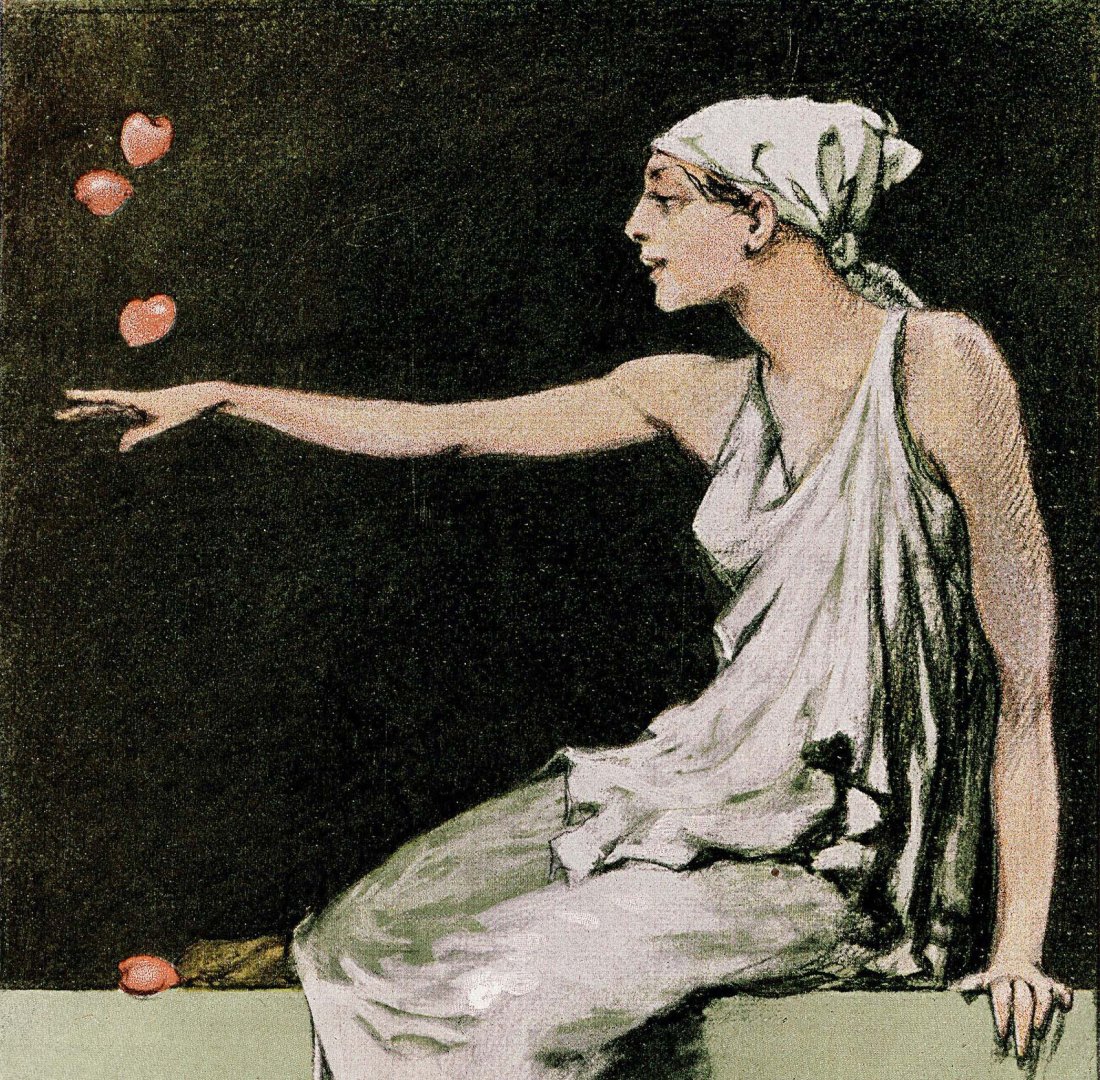
Die Gauklerin ~ The Juggler

Die Gauklerin ~ The Juggler (Hoffmann von Vestenhof). Jugend Magazin, 1898. Nr. 38. | src Universitätsbibliothek Heidelberg
Die Gauklerin ~ The Juggler (Hoffmann von Vestenhof). Published in Jugend magazine, 1898, Nr. 38 | src Heidelberg Univ. Library
Die Gauklerin ~ The Juggler (by Hoffmann von Vestenhof). Published in Jugend magazine, 1898, Nr. 38 [Detail]
Die Gauklerin ~ The Juggler (Hoffmann von Vestenhof). Jugend Magazin, 1898. Nr. 38. | src Universitätsbibliothek Heidelberg

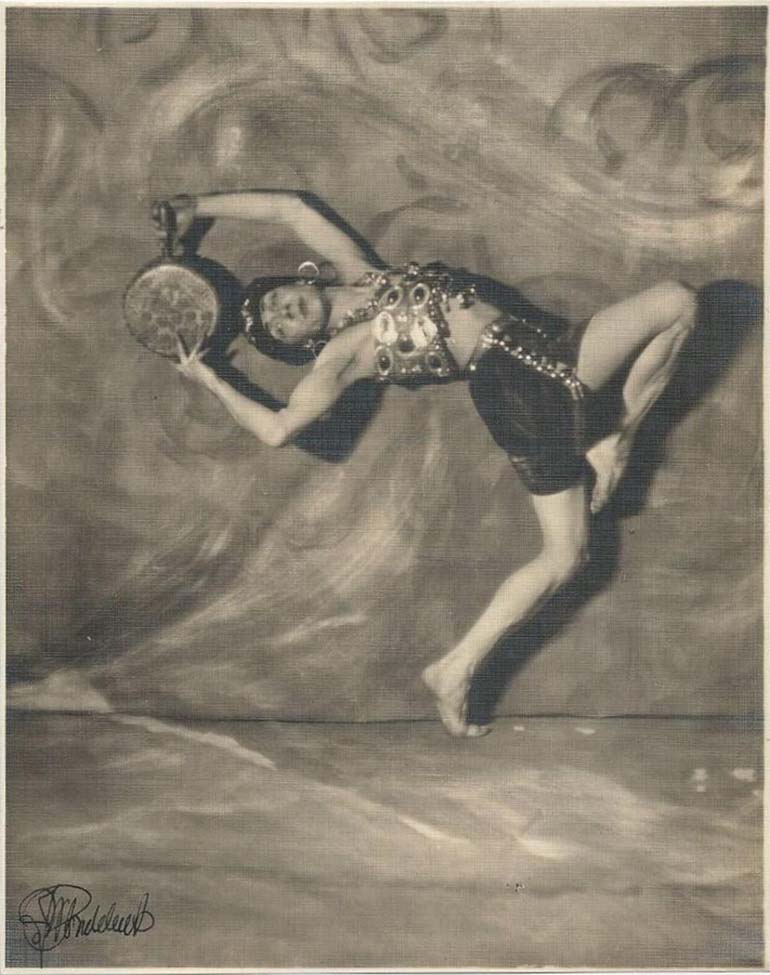
Ballet dancer Serge Oukrainsky

James Wallace Pondelicek :: "Serge Oukrainsky in Algerian Dance (Grieg). The only barefoot toe dancer and greatest Oriental dancer of the Chicago Opera and head of the Pavley-Oukrainsky Ballet" (title devised from caption on photograph's verso). | Worthpoint
James Wallace Pondelicek :: “Serge Oukrainsky in Algerian Dance (Grieg). The only barefoot toe dancer and greatest Oriental dancer of the Chicago Opera and head of the Pavley-Oukrainsky Ballet” (title devised from caption on photograph’s verso). | Worthpoint

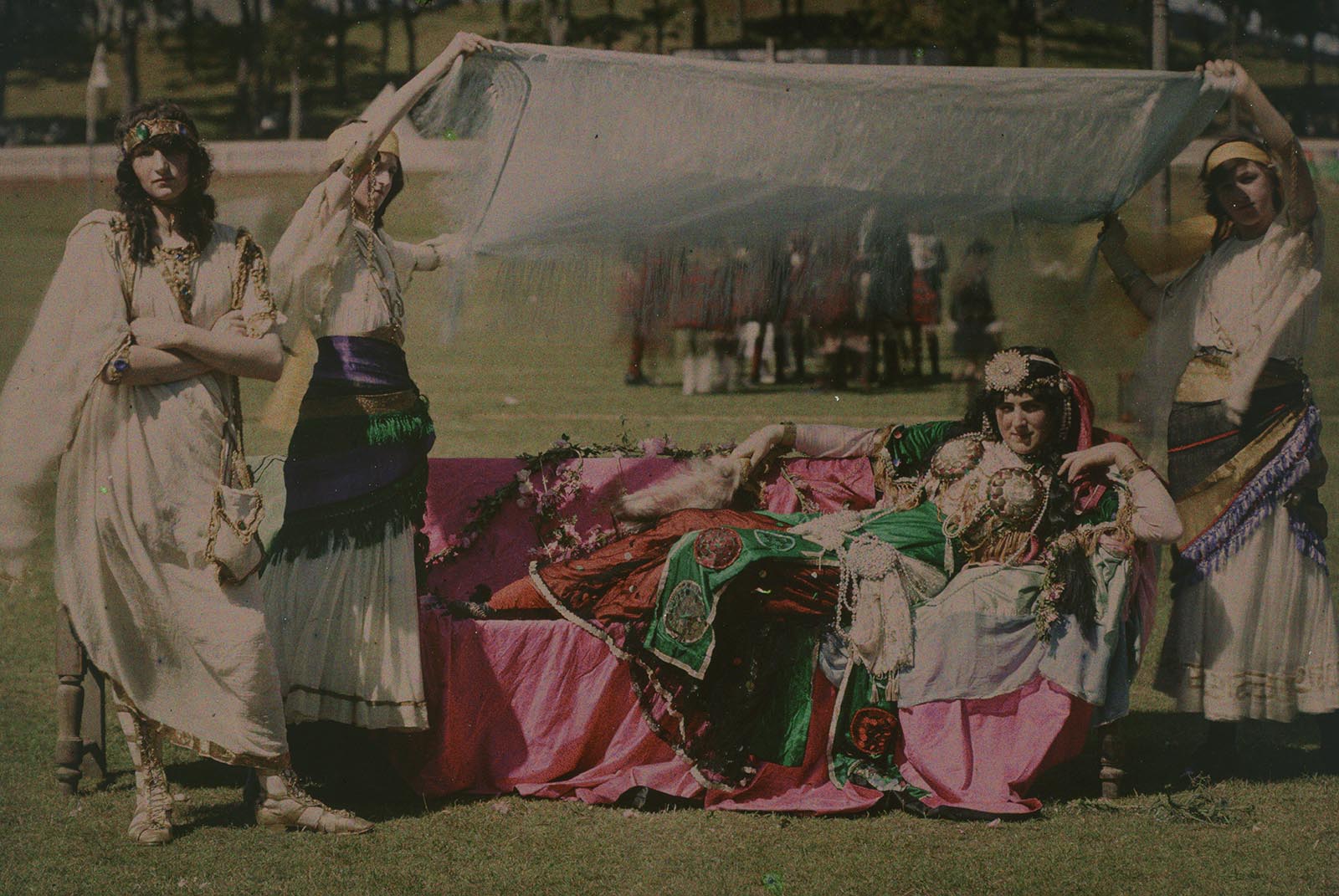
Cleopatra in Auckland, 1914

Robert Walrond :: "Cleopatra" in Domain cricket ground, Auckland, 1914. Autochrome. | Te Papa Tongarewa
Robert Walrond :: “Cleopatra” in Domain cricket ground, Auckland, 1914. Autochrome. | Te Papa Tongarewa

When the autochrome — the Lumière brothers’ new colour photographic process — reached New Zealand in 1907, it was eagerly adopted by those who could afford to use it. Among them was Auckland photographer Robert Walrond, whose ‘Cleopatra’ in Domain cricket ground is among a small number of superb early colour photographs in Te Papa’s collection. The combined effect of the sun and wind on the women’s costumes and in the fluttering appearance of the silk scarf held above the Cleopatra character is stunning. The tableau is interrupted but undiminished by what appears to be a pipe band in uniform in the background. The women were very likely part of what was described by the New Zealand Herald as a ‘fine’ performance of Luigi Mancinelli’s Cleopatra (a musical setting of the play by Pietro Cossa), associated with the Auckland Exhibition of 1913–14 held in the Domain.

The story of Cleopatra — with a particular focus on her love life and tragic death — was an exotic but respectable theme for theatre and dress-up events for women at the time. The Cleopatra myth and look were popularised by international performers such as the frequently-photographed Sarah Bernhardt in France and by numerous stage productions and films from the late nineteenth century onwards. With the advent of photography, part of performing the role became having a portrait made while in costume. The arrival of the autochrome was greeted with excitement and anticipation because rich colours could now be captured and the elaborate style of the costumes enhanced.

Much was made of the impact the autochrome would have on art and the role of photography within it. However, one of the disadvantages of the process was that it involved a unique one-off image on a glass plate: this required projection to be viewed and couldn’t be exhibited. So despite the original excitement for the method, it slipped out of sight once new developments arrived that fixed colour printing on a paper format. Walrond’s set of autochromes held by Te Papa are one of only a few larger bodies of work by New Zealand practitioners of this process.

Lissa Mitchell – This essay originally appeared in New Zealand Art at Te Papa (Te Papa Press, 2018)

Robert Walrond :: "Cleopatra", 1914. Additive colour process. | Museum of New Zealand - Te Papa Tongarewa
Robert Walrond :: “Cleopatra”, 1914. Autochrome, additive colour process. | Museum of New Zealand – Te Papa Tongarewa

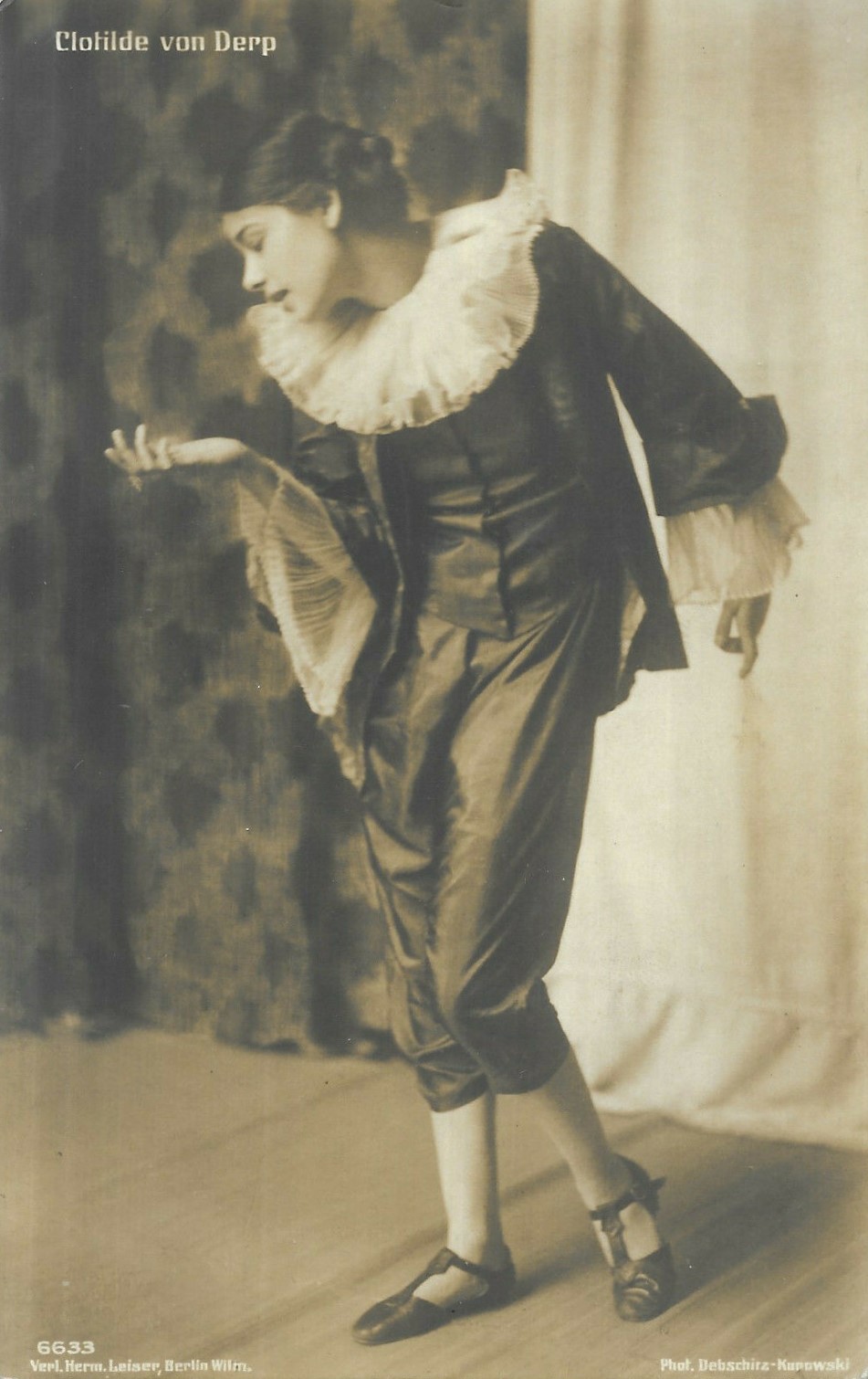
Clotilde von Derp, two cards

Clotilde von Derp in dance pose. Phot. Debschitz-Kurowski; Verlag Hermann Leiser, formerly Louis Blumenthal | src internet archive
Clotilde von Derp. Photo by Hanns Holdt. Vintage card; Orami Serie E. | src Virtual History

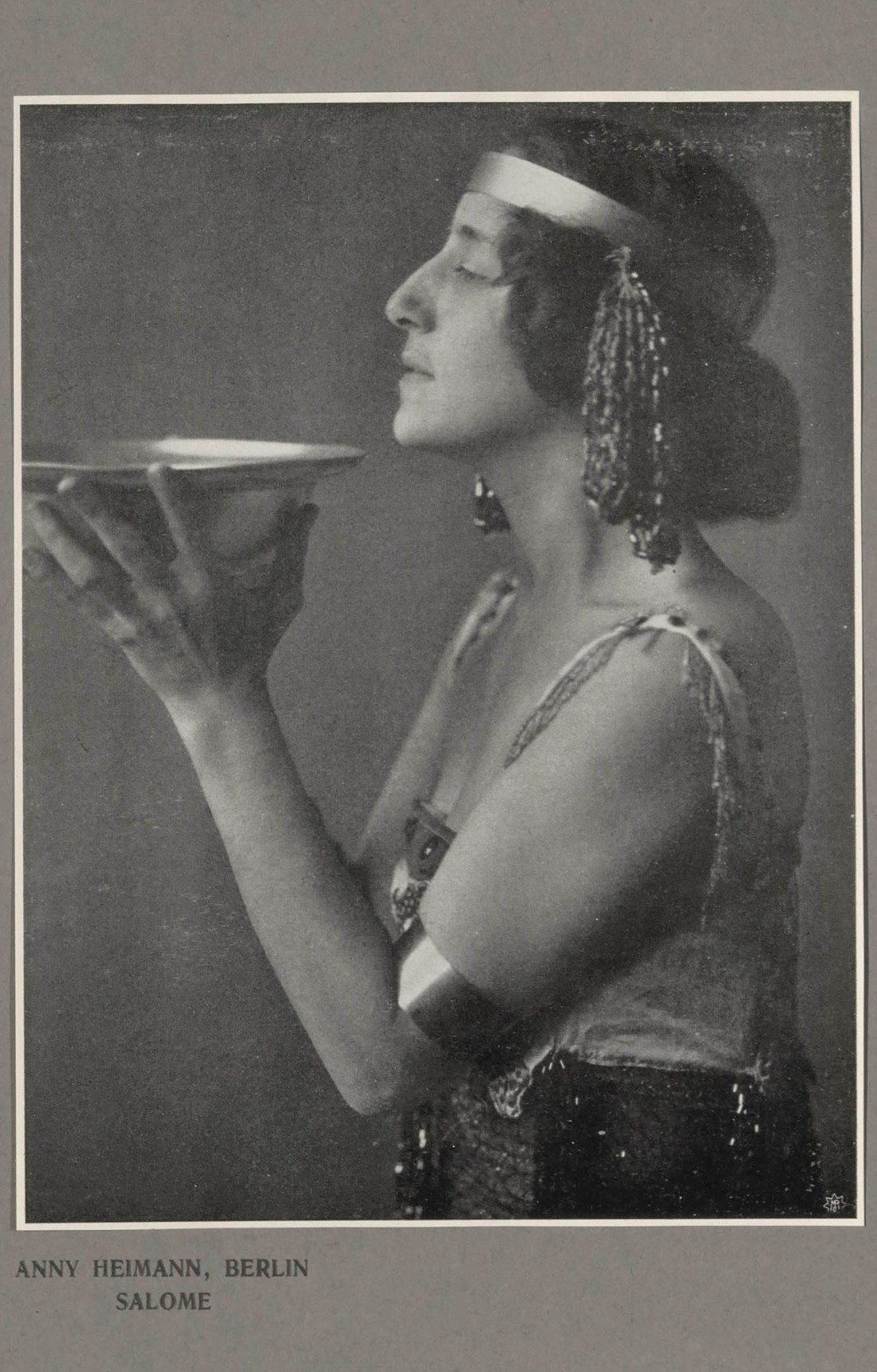
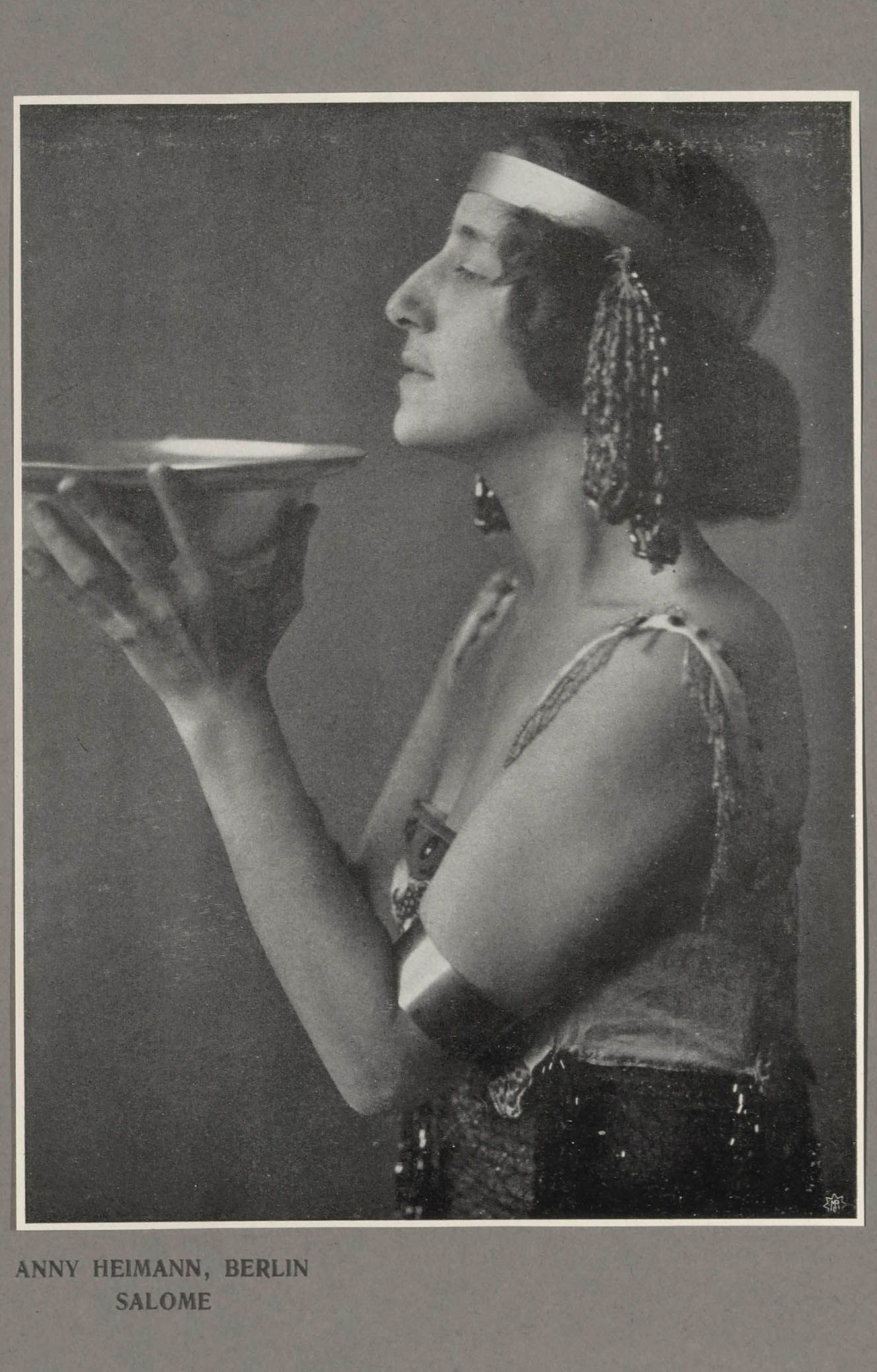
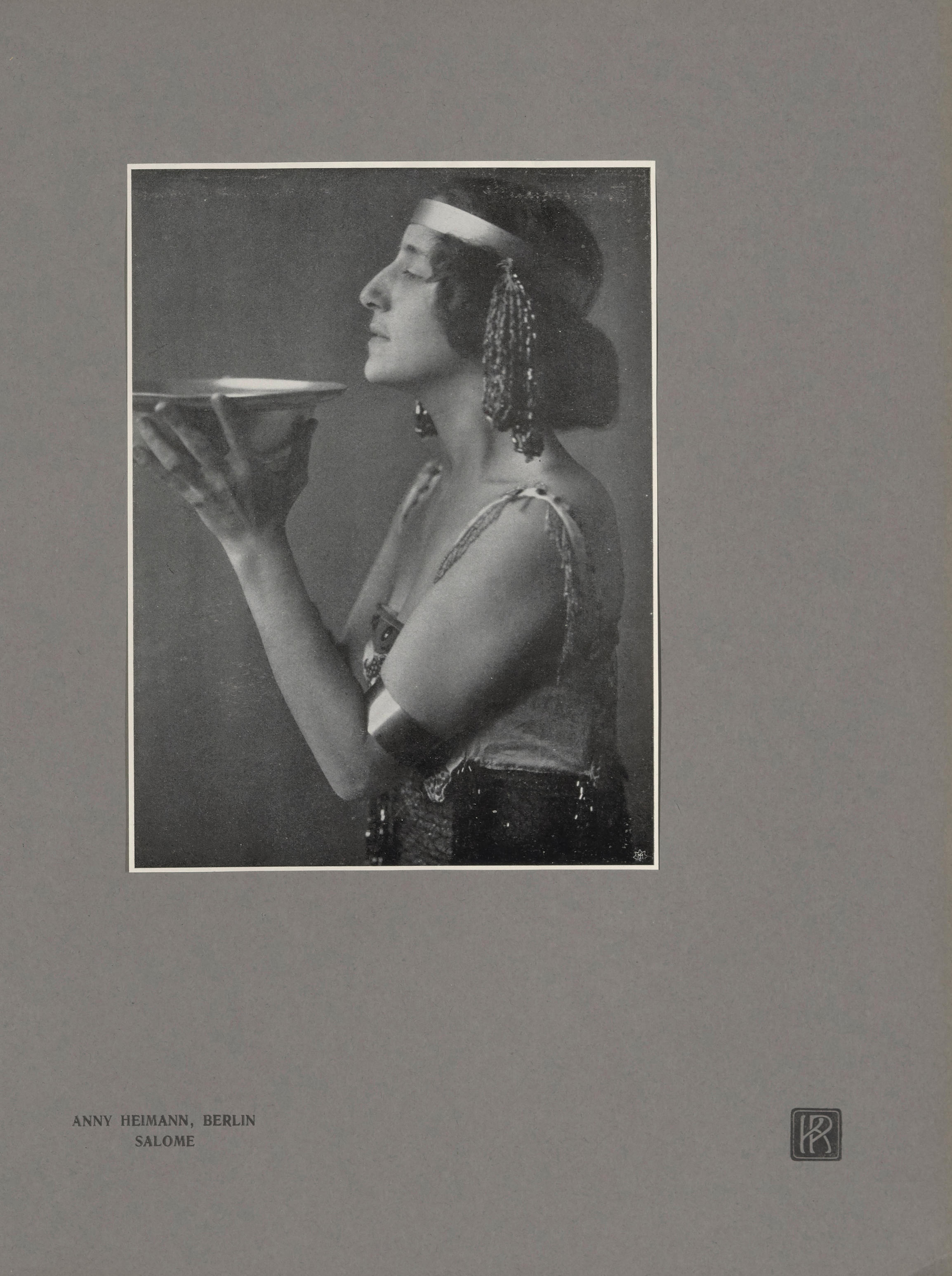
Salome by Anny Heimann

salome, anny heimann, 1900s
Anny Heimann, Berlin :: Salome. From: „Die Kunst in der Photographie", 1908
Anny Heimann, Berlin :: Salome. From: „Die Kunst in der Photographie”, 1908
Anny Heimann, Berlin :: Salome. From: „Die Kunst in der Photographie", 1908
Anny Heimann, Berlin :: Salome. From: „Die Kunst in der Photographie”, 1908