Berg and Hoeg · herstory in a box

Marie Hoeg casually posing in her woolen underwear. Photo: Berg & Hoeg ca. 1895-1903. Glass plate negative
Marie Hoeg casually posing in her woolen underwear (back). Photo: Berg & Hoeg ca. 1895-1903
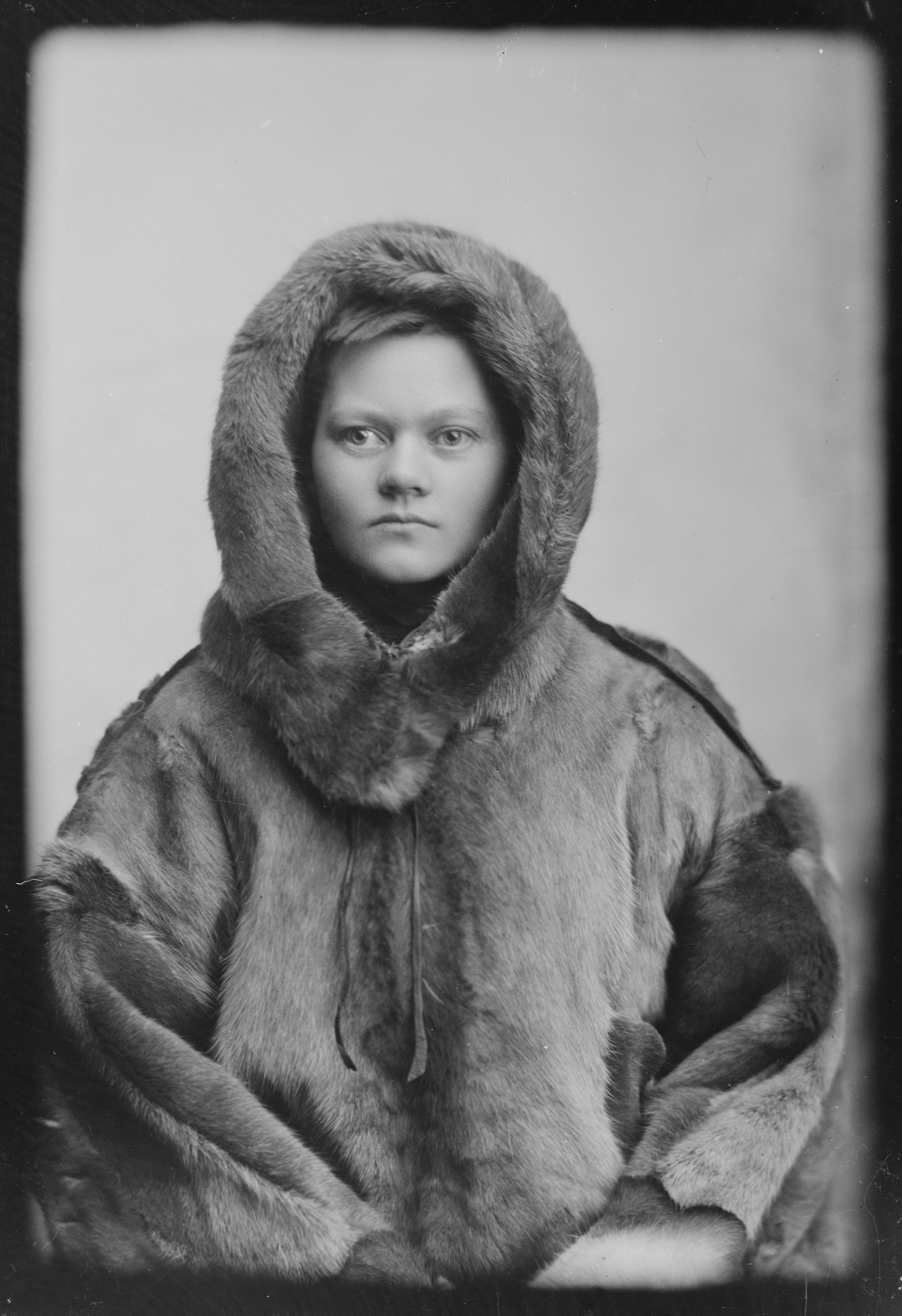
Marie Høeg posing as an Arctic explorer (Portrett av Marie Høeg i selskinnspels med hette). Photo: Berg & Hoeg ca. 1895-1903
Marie Hoeg as a young soldier with a sword (Marie Høeg i undertøy, som soldat med sverd). Photo: Berg & Hoeg ca. 1895-1903
Marie Høeg stuper kråke. Photo: Berg & Hoeg ca. 1895-1903 | src The Preus museum collection on Flickr
Med hendene på ryggen (Som soldat uten sverd)Photo: Berg & Hoeg ca. 1895-1903
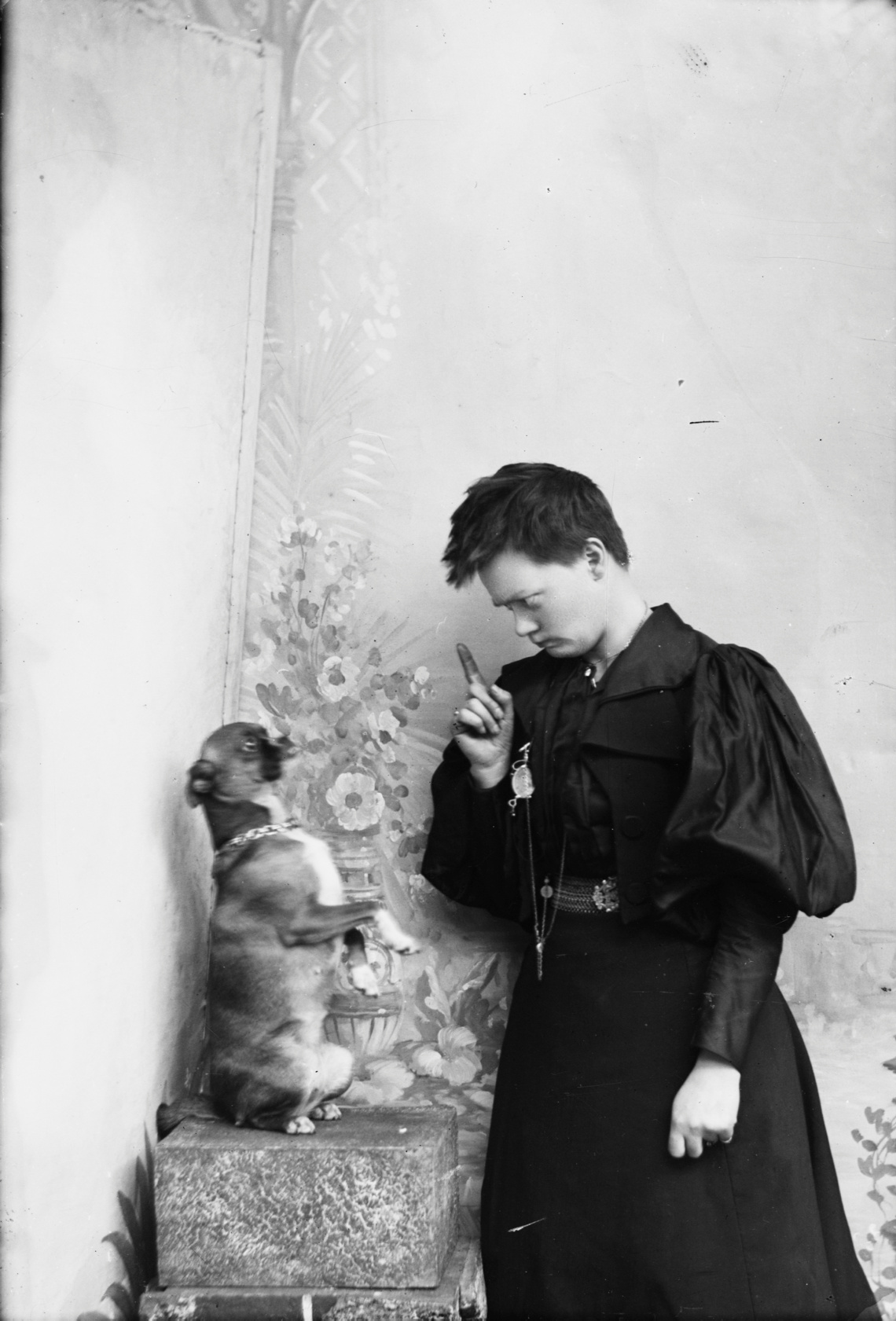
Marie Hoeg scolds the dog Tuss. Photo: Berg & Hoeg ca. 1895-1903. Glass plate negative
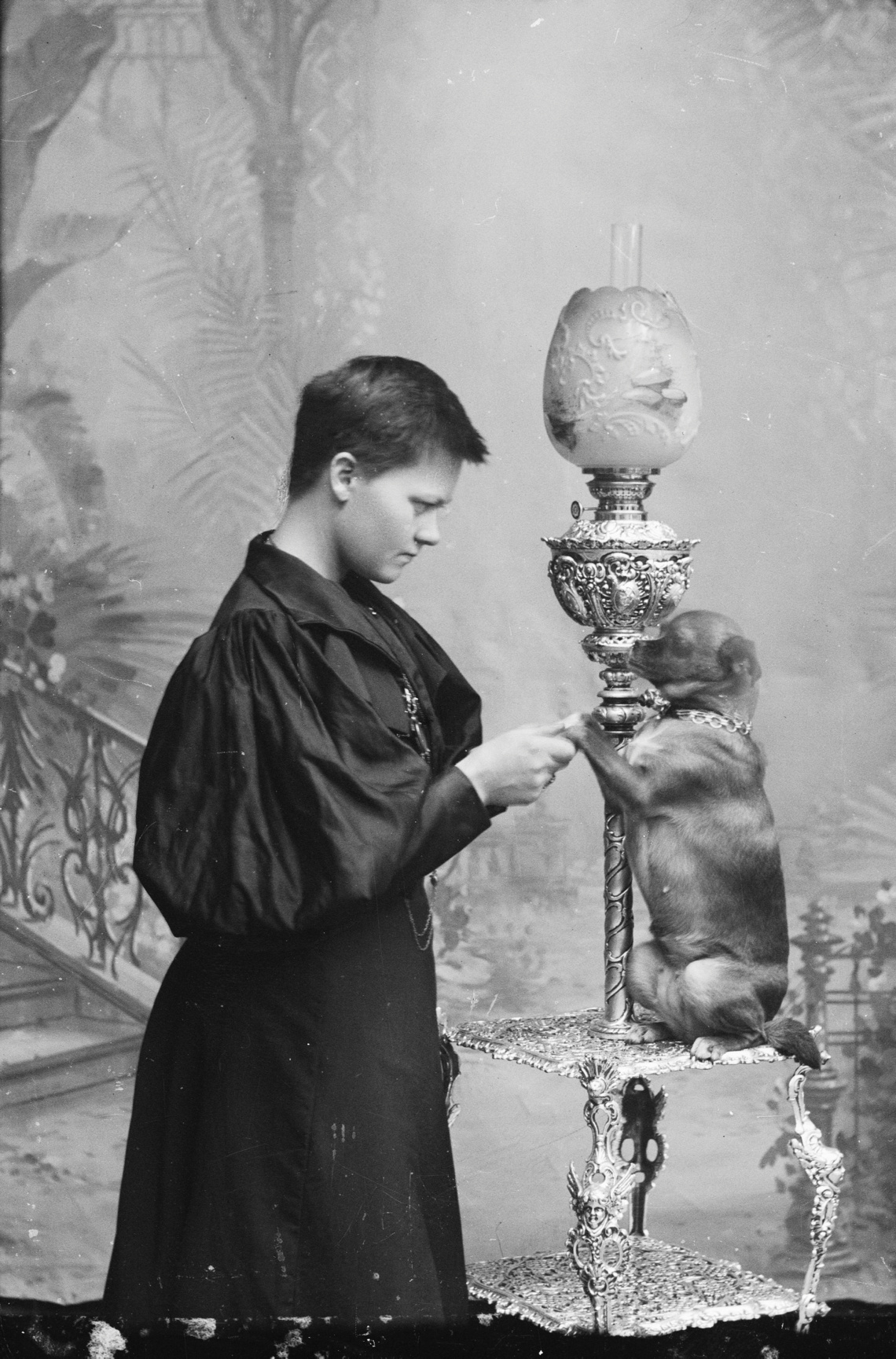
Marie Høeg greeting her dog Tuss (Marie Høeg hilser på hunden Tuss). Photo: Berg & Hoeg ca. 1895-1903. Glass plate negative
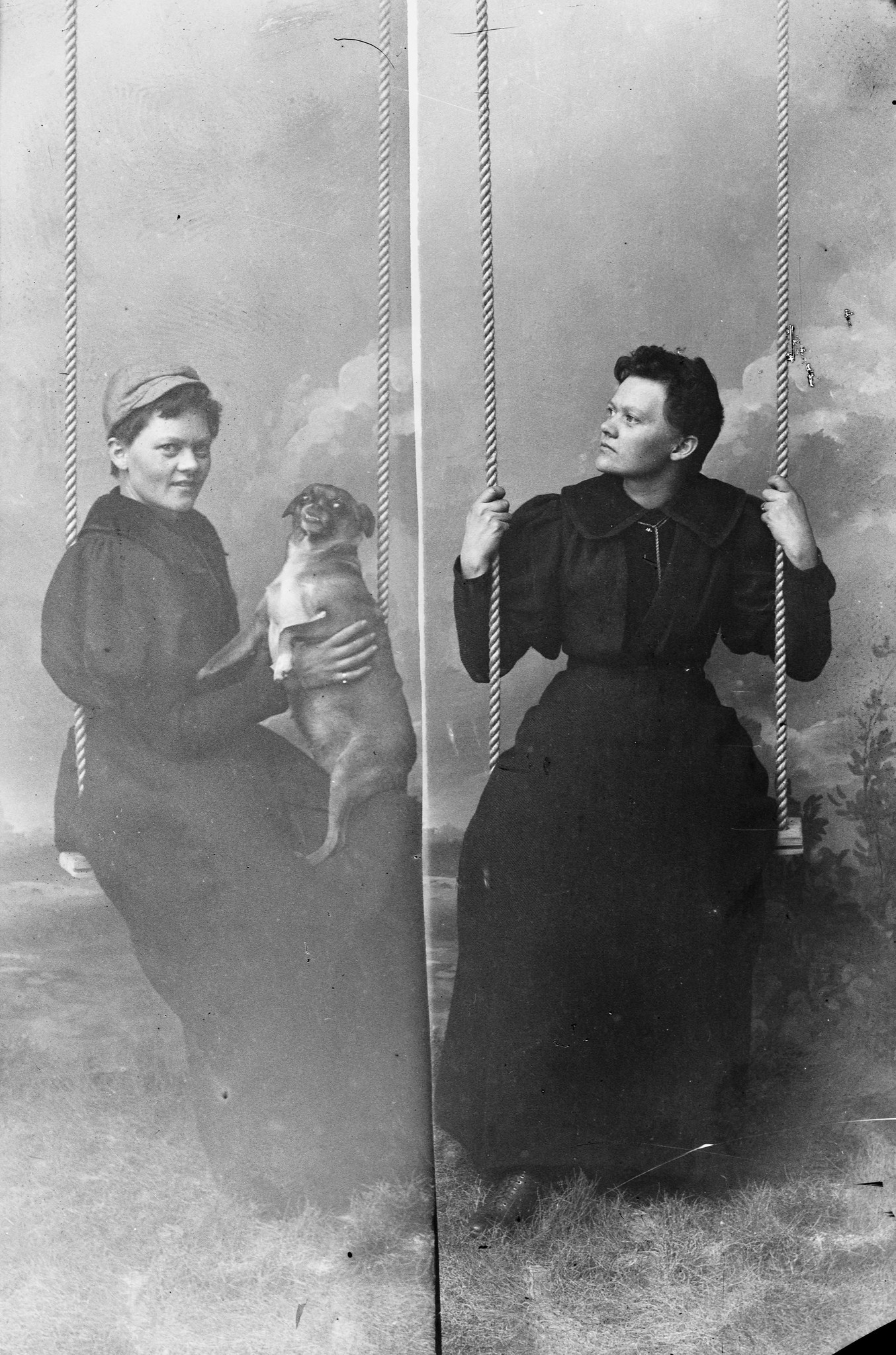
Composite photograph, Marie Høeg sitting on a swing (with Tuss. the dog). Two motives put together on one glass plate

In a box marked “private”, an amazing collection of glass plates were found 30 years ago, amongst the remnants of the two portrait photographers Marie Høeg (1866-1949) and Bolette Berg (1872-1944).

In 1895, they established the Berg & Høeg photography studio in Horten, Norway, where they took portraits and views of Horten and surroundings and lived on the proceeds from sales. At that time, photography was seen as a decent and acceptable profession for women, as it was a profession that demanded a certain amount of aesthetic sense – as part of the female nature.

Horten was a naval base with the main shipyard for the Norwegian navy and had a strong flow of people who needed photographs for celebration and recollection. Perhaps that is how the two photographers understood by the very process of portraiture how important it is to stage oneself and to what a large degree that contributes to how we are perceived.

The Preus museum collection has 440 glass negatives from Berg & Høeg. Among the cartons in the 1980s were discovered some on which had been written “private.” It is not unusual that photographers also have private photographs in their archives. But these were not ordinary keepsake pictures. They indicate that the two photographers, especially Marie Høeg, experimented with various gender roles.

Imagine the fun they must have had, cross-dressing and playing! At the same time, the images are deeply serious, as they reflect upon the expectations and attitudes towards women, and their lack of rights and freedom. We know that Høeg was the extrovert and started groups to fight for women’s rights. Bolette Berg was less in the public view. However, she must have been back of the camera in many of these photographs, which have attracted international notice.

We find several such boundary-breaking photographic projects in Europe and America around 1900. They correspond with women’s battle for full civil rights and the right to define their own identity. So these photographs are a part of an international history – or herstory – that has meaning and recognition value for all women, including now.
All images are digital reproductions of the original glass plates. Some of the plates have cracks and damages, left visible in the reproductions.

All images and text retrieved from The Preus museum on Flickr
Birgit Akesson by Sune Sundahl

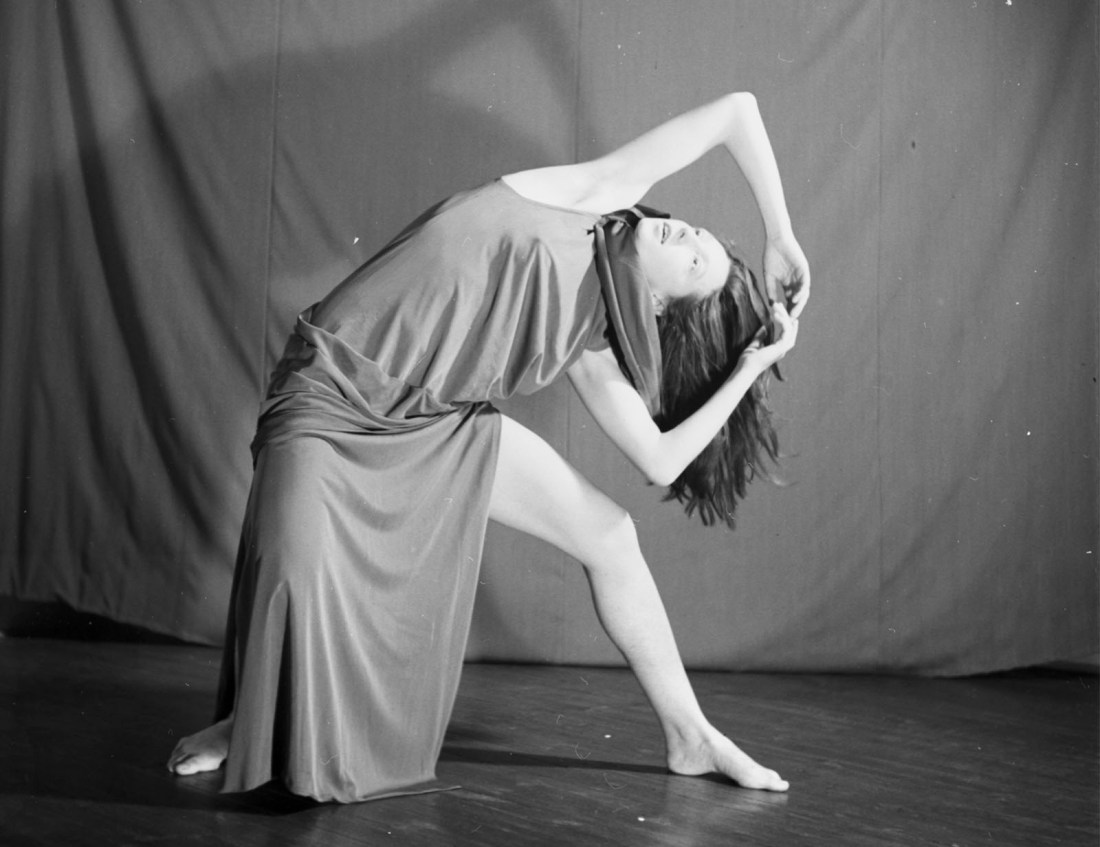
Sune Sundahl ~ Birgit Åkesson dances in a draping dress. Picture taken in studio. Architecture and Design Center Ark Des / ARKM.1988-111-02796
Sune Sundahl ~ Birgit Åkesson dansar i draperande klänning. Bilden tagen i studio. Arkitektur- och designcentrum Ark Des / ARKM.1988-111-02799
Sune Sundahl ~ Birgit Åkesson dances in a long draped dress. Picture taken in studio. Architecture and Design Center Ark Des / ARKM.1988-111-02795
Sune Sundahl ~ Birgit Åkesson dances in a draping dress. Picture taken in studio. Architecture and Design Center Ark Des / ARKM.1988-111-02800-A
Sune Sundahl ~ Birgit Åkesson dansar i draperande klänning. Bilden tagen i studio. Arkitektur- och designcentrum Ark Des / ARKM.1988-111-02800-B
Sune Sundahl ~ Birgit Åkesson dances in a draped dress. Picture taken in studio. Architecture and Design Center Ark Des / ARKM.1988-111-02801

All the images in this post are from the exhibition: «Dansen har mycket gemensamt med arkitektur» (2013). Some of the images are dated 1939-1947 but most of them undated.

«Dance has a lot in common with architecture» (2013)

Movement, rhythm, space and body in dance have much in common with architecture. Spatiality can only be experienced with the body, in movement. There are several good reasons to pay attention to the connections between the room shape and people’s movements in the rooms. Whether dancing or walking around a building, there is both flow and embodiment. Perhaps it was precisely these common denominators that made Birgit Åkesson choose the architectural photographer Sune Sundahl to document her early choreographies?

Photographing movement is a big challenge, a movement in a frozen moment can easily turn into a rigid pose without context or dynamism. In Sundahl’s collection there are, among other things, pictures from Birgit Åkesson’s own performance Blue Evening from 1946. The title was probably taken from the blue-painted Konserthuset in Stockholm, designed by Ivar Tengbom 1924-26. Here, Birgit Åkesson experimented with movements without music, which was unique for the time. She also studied during her lifetime the dances of other cultures, including dances African dances from the south of the Sahara and the Butoh dance from Japan.

The dancer, choreographer and dance researcher Birgit Åkesson (1908-2001) taught the viewer to listen to the sound of movement in the silence. It was about holding a dialogue, where the rhythm carried the form that left invisible traces in the air. Birgit Åkesson started her dance career in the 1920s and 30s when she studied with the German-born choreographer Mary Wigman. It was from her that the Swedish dancer found the expressionist language, the free dance. Birgit Åkesson was one of the leading avant-garde artists in free dance.

Lenita Gärde, Center for Architecture and Design (quoted from ArkDes)

Sune Sundahl ~ Birgit Åkesson dansar i draperande klänning. Bilden tagen i studio. Arkitektur- och designcentrum Ark Des / ARKM.1988-111-02804
Sune Sundahl ~ Birgit Åkesson dansar i draperande klänning. Bilden tagen i studio. Arkitektur- och designcentrum Ark Des / ARKM.1988-111-02805

Rokoko by Ferdinand Flodin

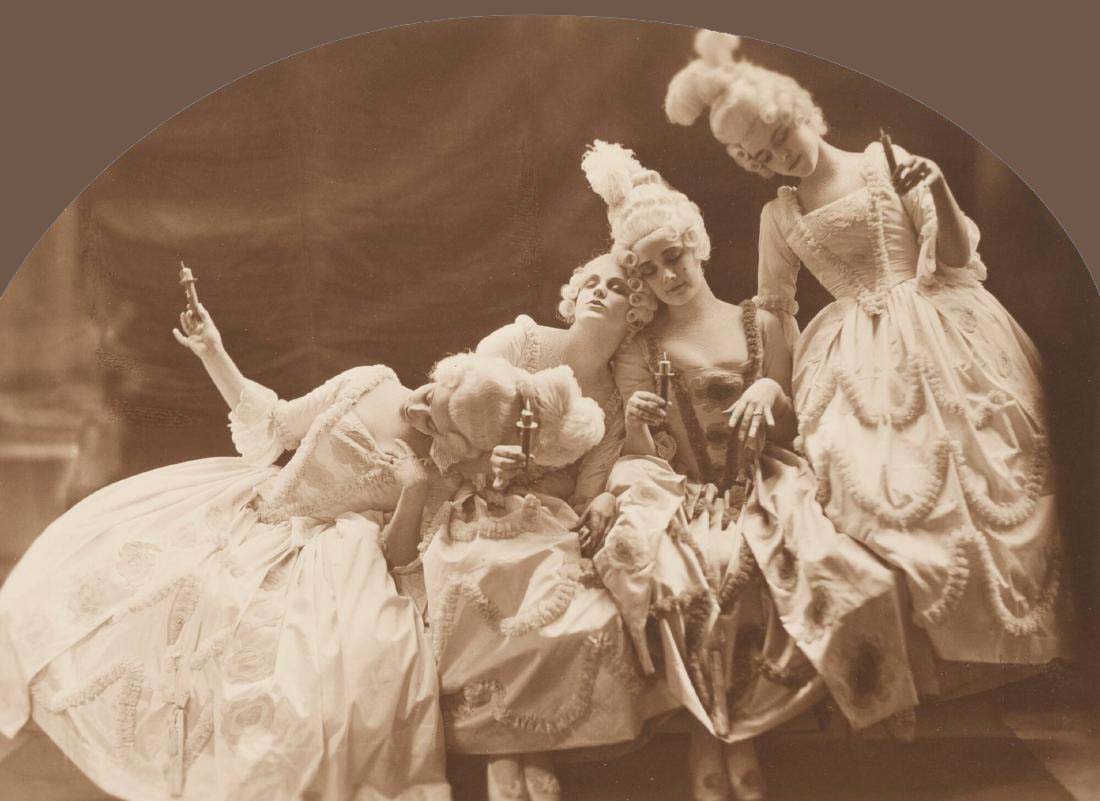
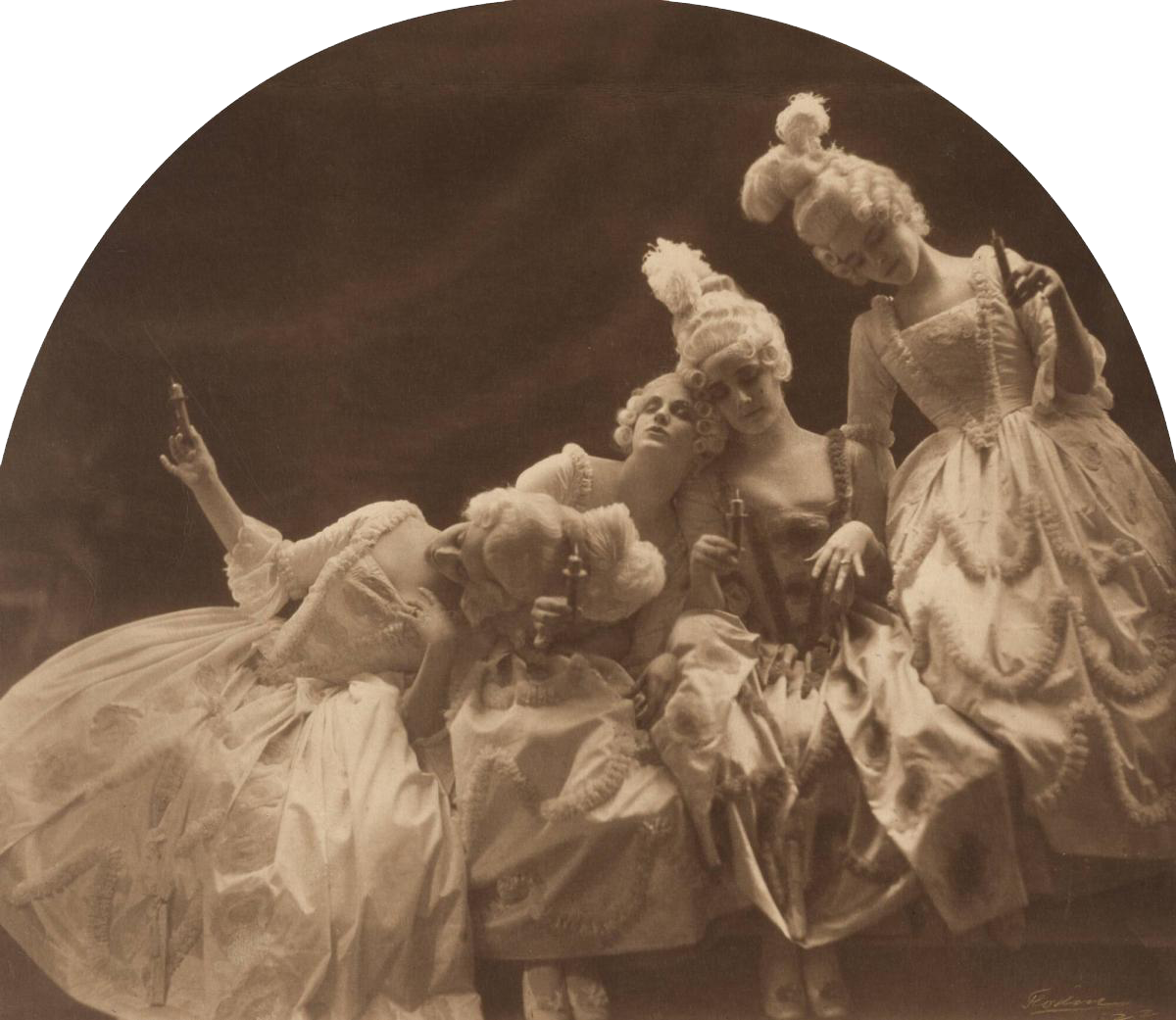
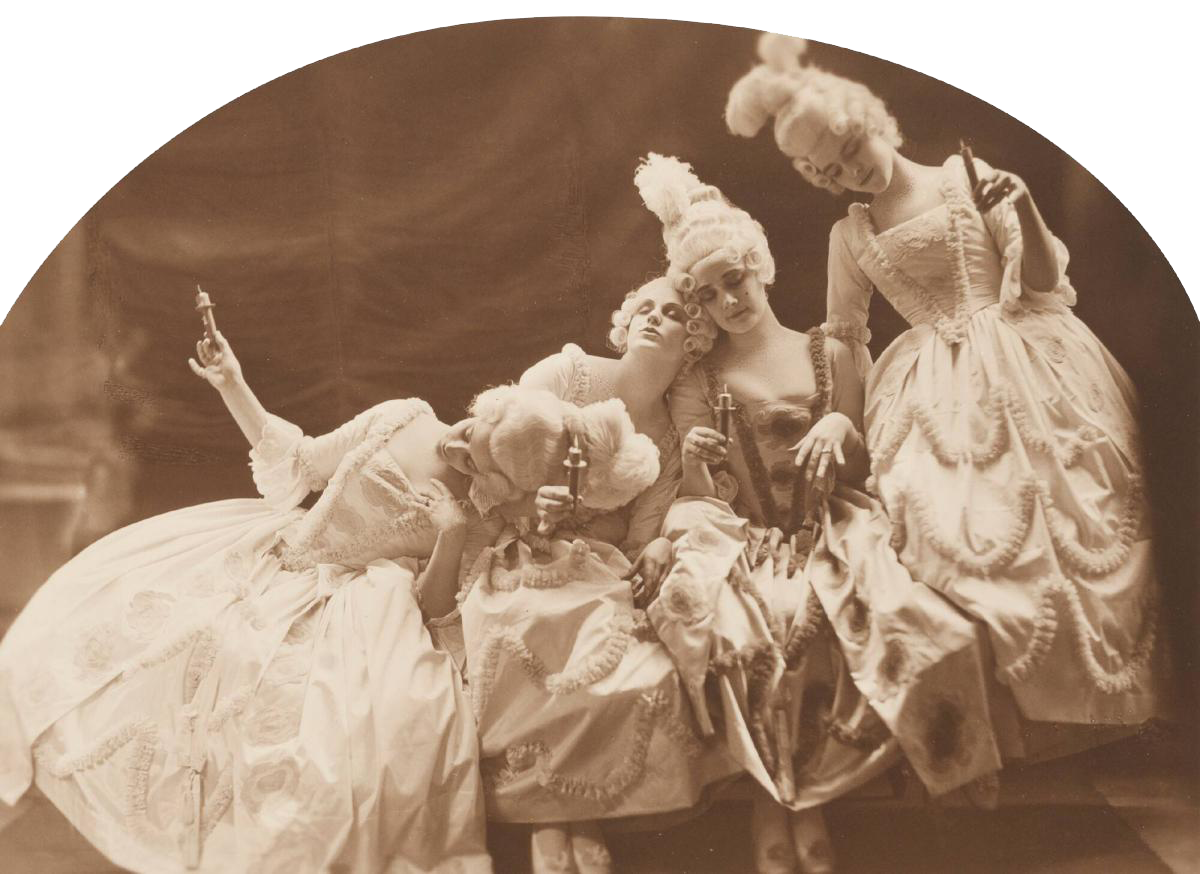
Ferdinand Flodin (1863-1935) :: Titel saknas, u.å. | Untitled, nd | src Moderna Museet
Ferdinand Flodin (1863-1935) :: Titel saknas, u.å. | Untitled, nd | src Moderna Museet ~ Helmer Bäckströms fotografisamling
Ferdinand Flodin (1863-1935) :: Rokoko, 1922. Pigment print mounted on board. | src Moderna Museet ~ Helmer Bäckströms fotografisamling
Ferdinand Flodin (1863-1935) :: Titel saknas, u.å. | Untitled, nd | src Moderna Museet ~ Helmer Bäckströms fotografisamling