
images that haunt us

Affiche Delftsche Slaolie (1894)
This poster was commissioned by the Nederlandsche Oliefabriek, an oil manufacturer in Delft. Two women with wavy hair and billowing draperies occupy most of the composition. One of them is dressing a salad.
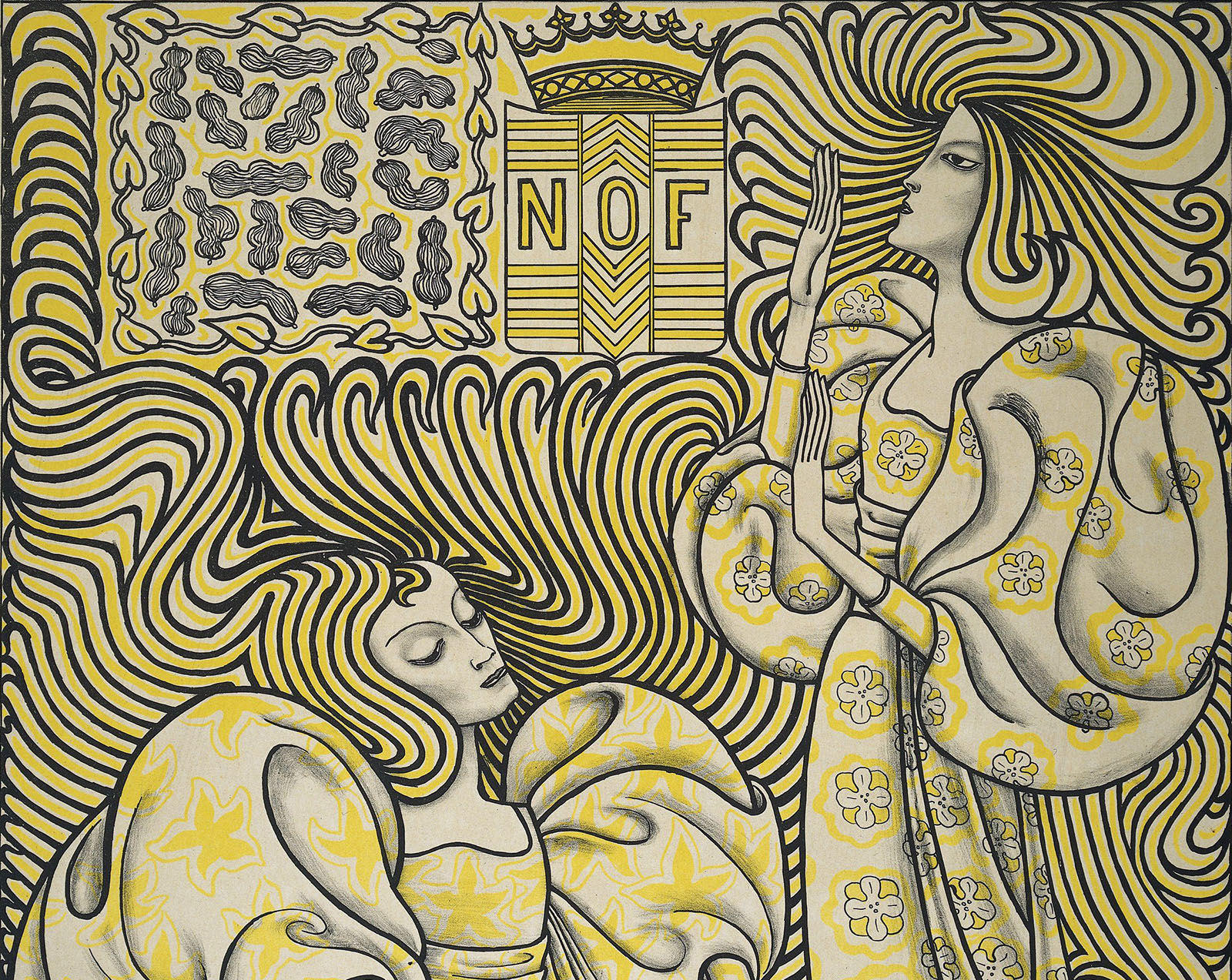
The inscription on top Delftsche Slaolie makes it clear that the advert concerns salad oil, as do the bottles of salad oil on either side of the text. Below it is the crowned coat of arms of the factory (N O F), with a decorative area with peanuts on the left. The majority of the poster is taken up by the two graceful female figures with long hair and billowing draperies. One sits and is dressing a lettuce salad in a large container; the other has her gaze and hands raised. The women with their emphatic contours draw attention away from the actual advertisement, namely for the salad oil. The wavy, rhythmic interplay of lines with which the women’s hair fills the picture surface made such an impression that it became an icon and lent Dutch Art Nouveau its nickname, slaoliestijl, the ‘salad oil style’. | text adapted from Rijksmuseum [x]


Jan Toorop (1858–1928) was born on the island of Java in the Dutch East Indies, Toorop settled in the Netherlands at the age of eleven. After studying art at the Rijksakademie in Amsterdam, he’d spend his time between The Hague, Brussels, England (where his wife was from), and, after 1890, the Dutch seaside town of Katwijk aan Zee. It was during this time that he developed his distinctive style: highly stylized figures, embedded in complex curvilinear designs, with his dynamic line showing influence from his Javanese roots. While perhaps most famous for turning these techniques to his exquisite poster designs, Toorop also produced a substantial body of work far removed from the anodyne demands of the advertising industry, beautiful but haunting works dealing with darker subjects such as loss of faith and death (that you can find in this other post). | text adapted from Public Domain review
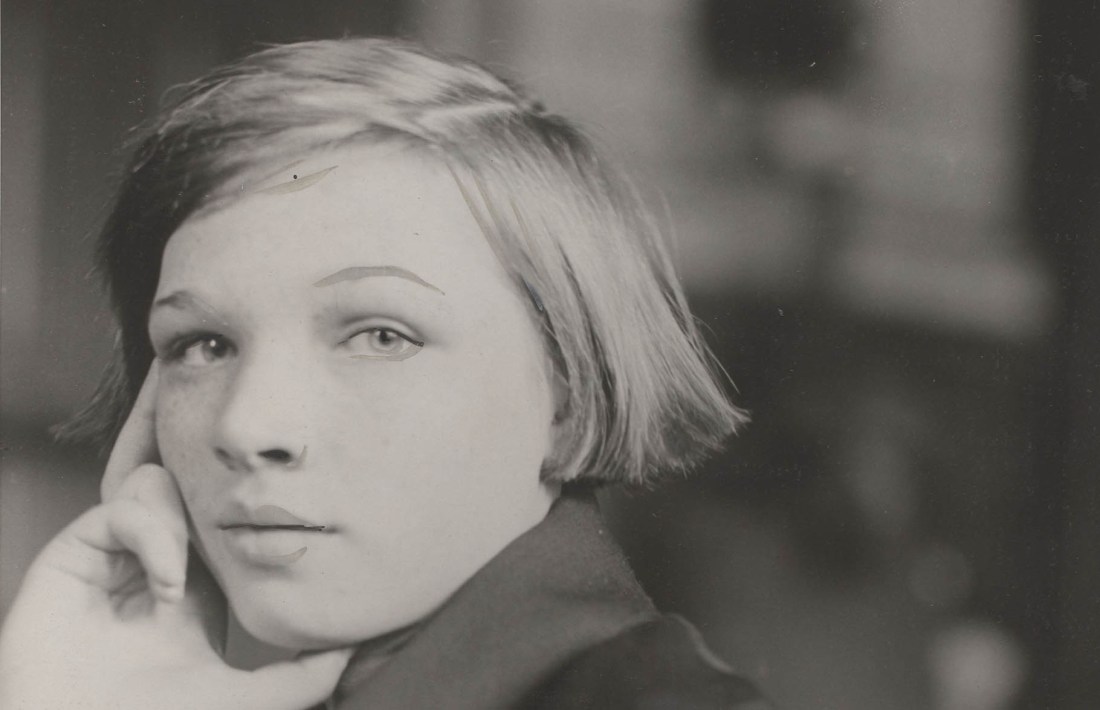
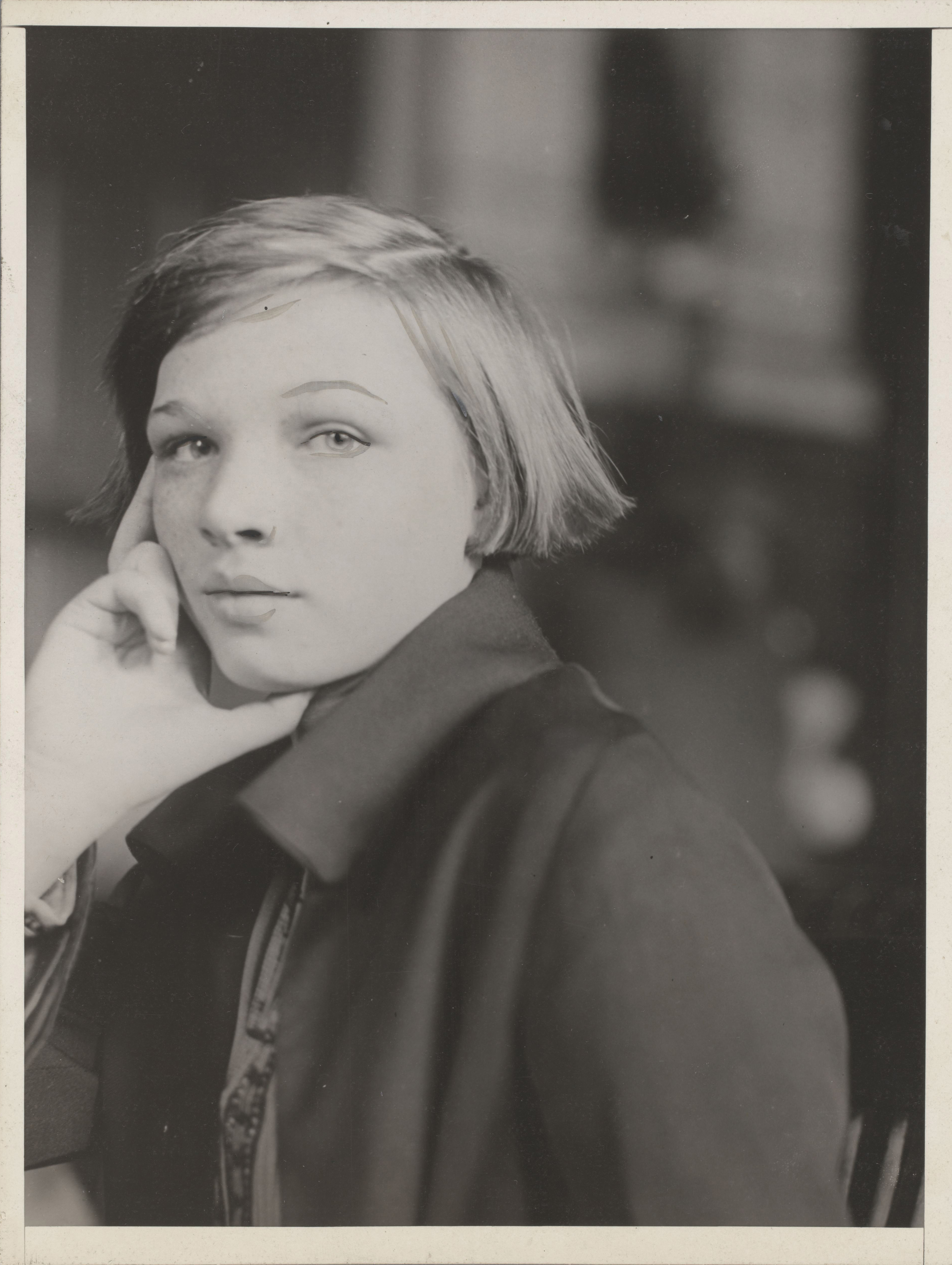

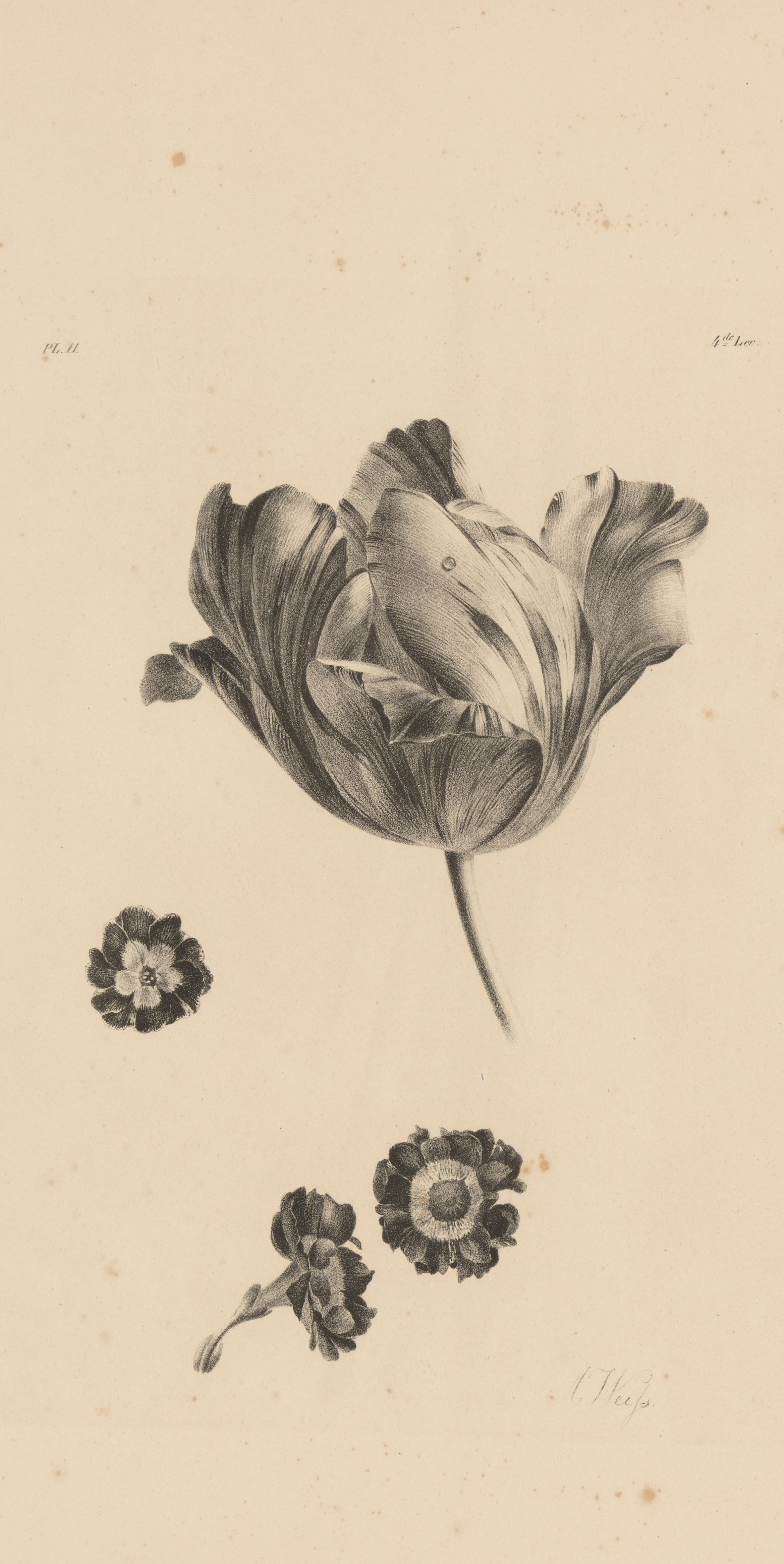
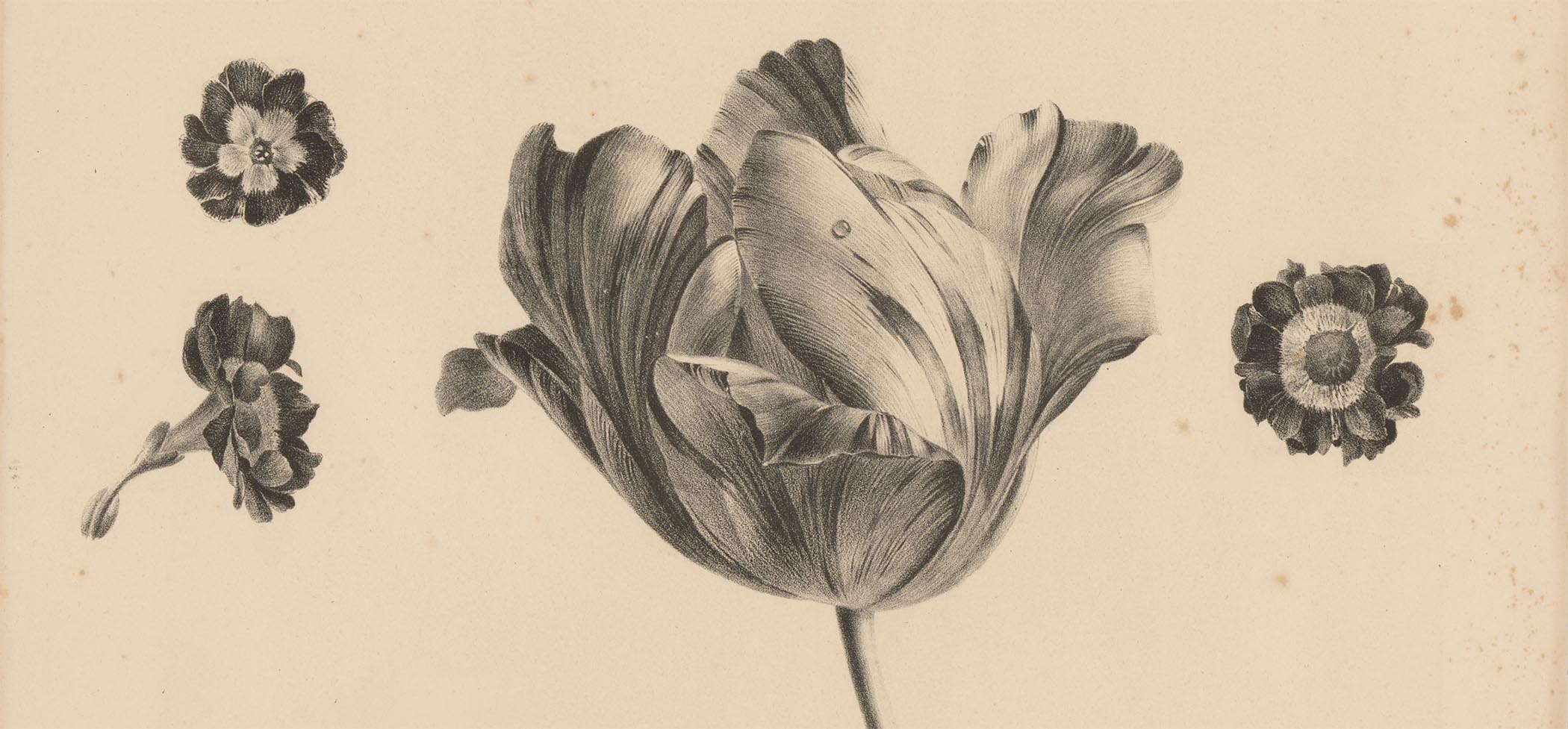
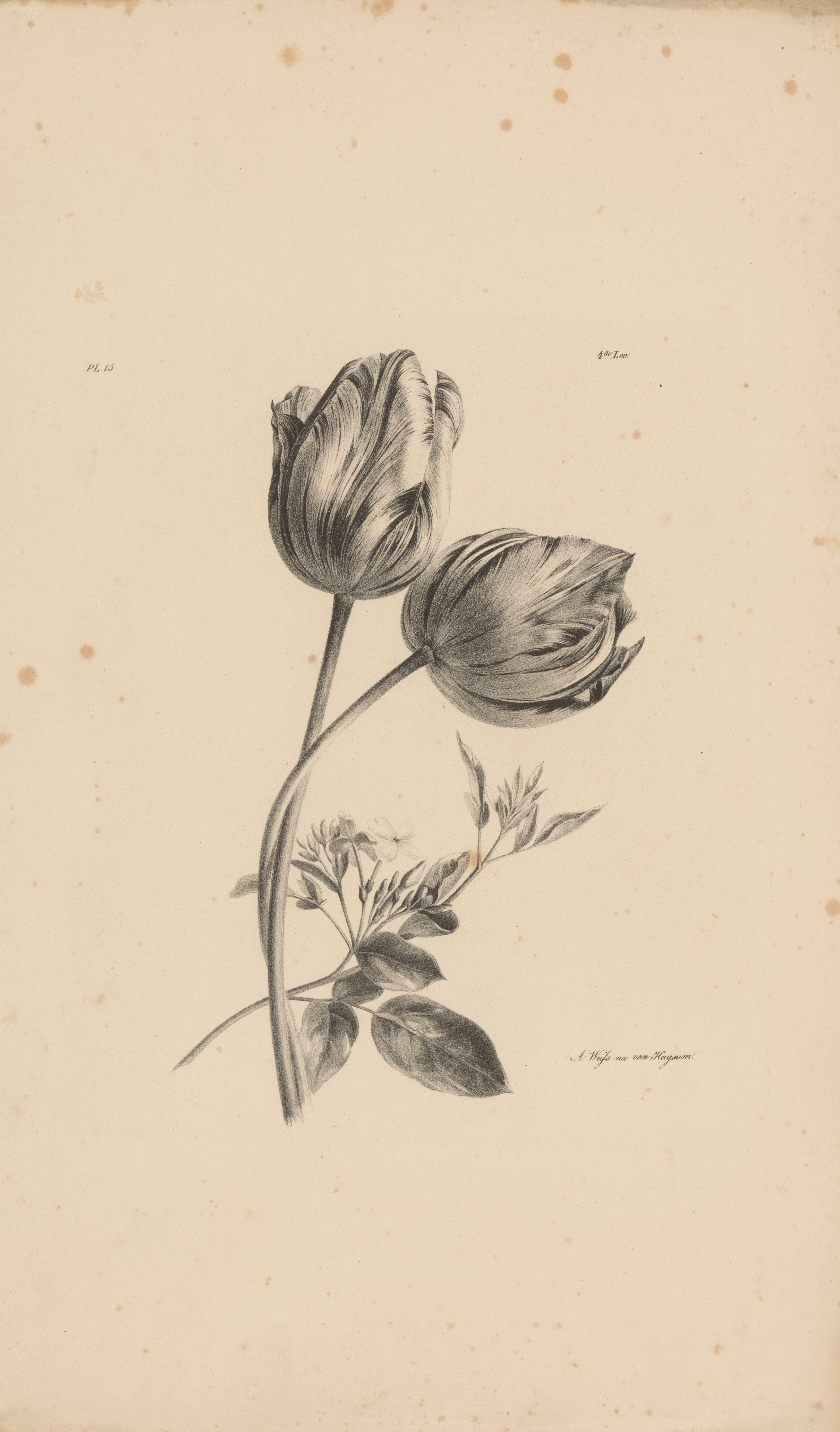





![Jules Gervais-Courtellemont :: Slapende vrouw in Orientaalse kleding [Sleeping woman in oriental costume], ca. 1910-ca. 1940. Autochrome. | src Rijksmuseum](https://unregardoblique.com/wp-content/uploads/2022/10/slapende-vrouw-in-orientaalse-kleding-jules-gervais-courtellemont-ca.-1910-ca.-1940-rjksmuseum-detail.jpg?w=1100)
![Jules Gervais-Courtellemont :: Slapende vrouw in Orientaalse kleding, ca. 1910 - ca. 1940. Autochrome. | src Rijksmuseum [DETAIL]](https://unregardoblique.com/wp-content/uploads/2022/10/slapende-vrouw-in-orientaalse-kleding-jules-gervais-courtellemont-ca.-1910-ca.-1940-rjksmuseum-detail.jpg)

Jules Gervais-Courtellemont (1863 – 1931)
Photographer and editor, friend of Pierre Loti, by Auguste Rodin, d’Albert Kahn. He devoted most of his life to traveling the world, and more especially the Orient. From his many trips, he gathered a large collection of photographs, mostly autochromes. It’s in the years 1880s, in Algeria, that he acquired the practice of photography, seeing in the medium the most suitable tool to “faithfully reproduce the splendours of the past and the picturesque of the present”. Thereby, he will also launch into the publication of a journal from 1889, “Artistic and picturesque Algeria”. The first discovery of the Orient for Jules Gervais-Courtellemont took place a few years later, in 1893. From Paris to Jerusalem via Constantinople, he crossed the countries with the sole regret that he could only bring back black and white photos. So, from the demonstration of the autochrome process by the Lumière brothers in 1907, he immediately undertook the same journey with his wife, this time bringing back the first colored “Visions d’Orient”. Faced with the success of his photographic testimonials in color, he and his wife set out to travel the world, in order to build a large collection of autochromes. Algeria (1911, 1912), Tunisia (1911), Morocco (1921), Spain (1911, 1914), Italy, India (1913), Japan, Tibet. Convert to Islam, Jules Gervais-Courtellemont brought back unpublished photographs of Mecca in 1896, published in L’Illustration in 1897. Jules Gervais-Courtellemont also photographed the First World War with reconstructed scenes in the post-war trenches, as well as pictures of colonial troops. Most of Jules Gervais-Courtellemont’s photographic work is kept at the Robert-Lynen Cinémathèque in the city of Paris.
Orient Visions : upon his return to France, following his second trip to the Orient in 1907, Jules-Gervais -Courtellemont wanted to transmit to the public his first autochrome images. Under the title of “Visions d’Orient”, he organized his first color “projection-conference” at the Hôtel de l’Université des Annales in 1908. Of 1908 at 1909, his Visions d’Orient were screened every evening, Charras room in Paris. The advertising brochure for this event reflects the public’s enthusiasm for this photographer and his first color images.
quoted from House of Photography of Marrakesh
![Jules Gervais-Courtellemont :: Slapende vrouw in Orientaalse kleding [Sleeping woman in oriental costume], ca. 1910-ca. 1940. Autochrome. Edited image to enhance color. | src Rijksmuseu](https://live.staticflickr.com/65535/52436921512_bf74569374_o.jpg)
Our note: as a very similar Autochrome as the one we publish here is titled: “Tunisienne au bonnet pointu” (resolution is very poor, the lady photographed is the same, also the costume and headgear), we adventure the date of this one maybe around 1911, when JGC traveled to Tunisia.
![Wenceslaus Hollar :: Vlinders, torren en een mot [Butterflies, Beetles and a Moth], Antwerp, 1646. Insecten (series title) Muscarum Scarabeorum (series title). Etching. | src Rijksmuseum](https://unregardoblique.com/wp-content/uploads/2022/10/wenceslaus-hollar-insects-rijksmuseum-1.jpg?w=1100)

![Wenceslaus Hollar :: Vlinders, torren en een mot [Butterflies, Beetles and a Moth], Antwerp, 1646. Insecten (series title)
Muscarum Scarabeorum (series title). Etching. | src Rijksmuseum](https://live.staticflickr.com/65535/52423282575_bc2018693b_4k.jpg)


 un regard oblique