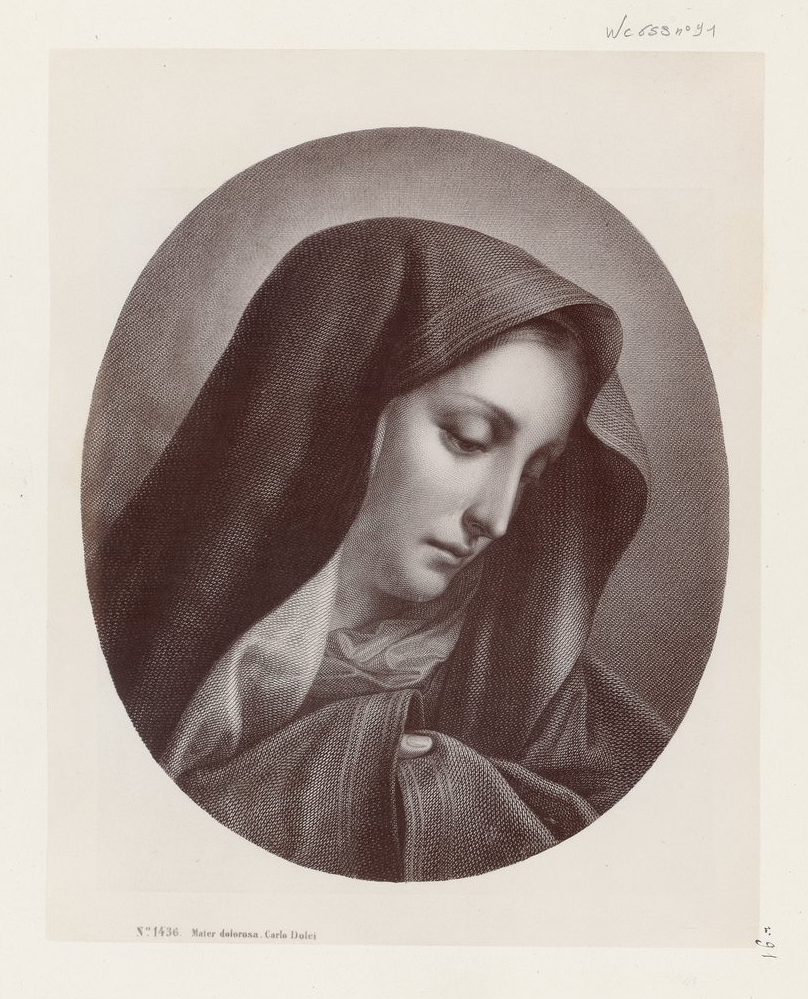
Virgin Mary by Charles Berg

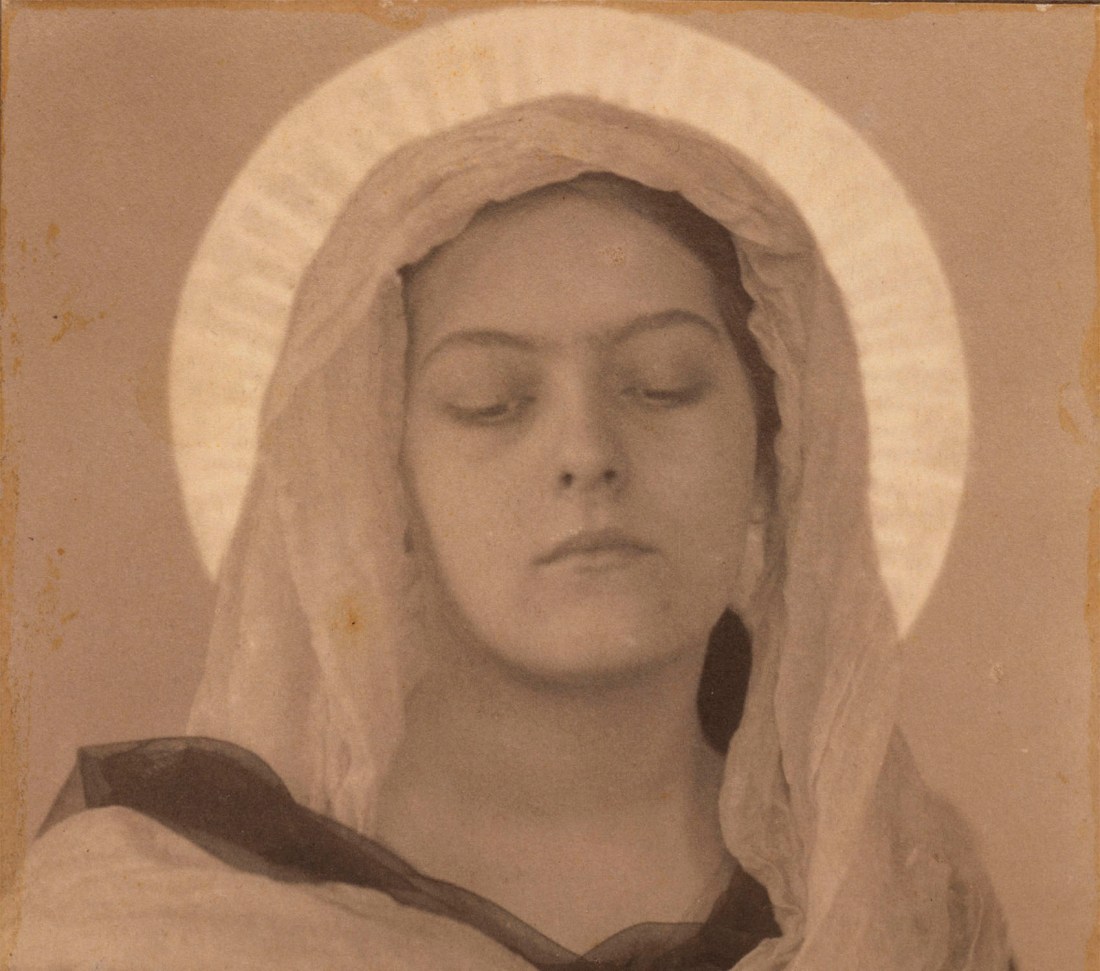
Charles I. Berg :: [Mary] Woman posed as the Virgin Mary, head-and-shoulders with halo, 1900s | src Library of Congress
Charles I. Berg (1856-1926) :: [Mary] Woman posed as the Virgin Mary, head-and-shoulders with halo
[between 1900 and 1910] Platinum print. Signed in pencil on back of mount: “Chas. I. Berg, N.Y.”
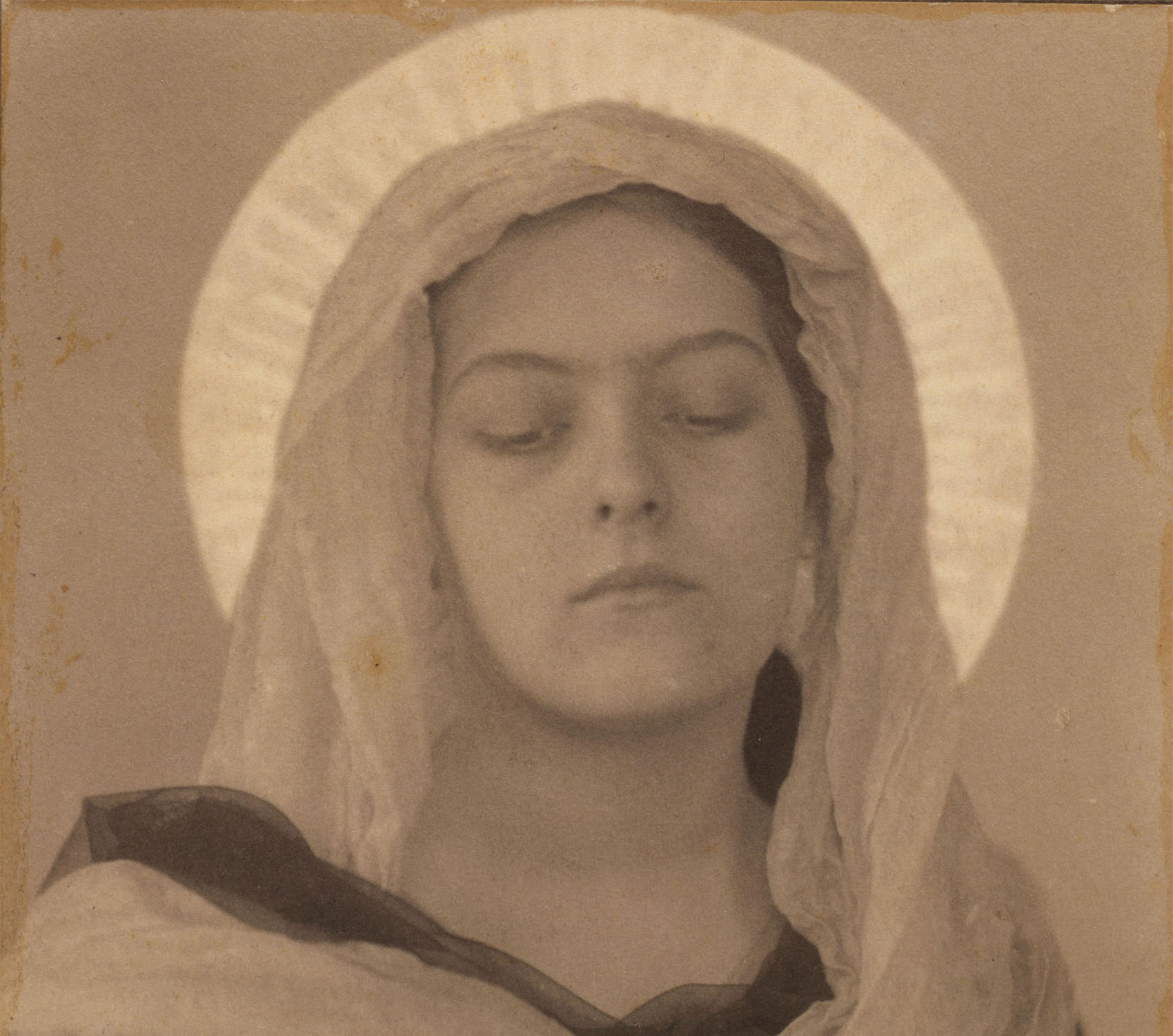
Charles I. Berg :: [Mary] Woman posed as the Virgin Mary, head-and-shoulders with halo, 1900s [DETAIL]

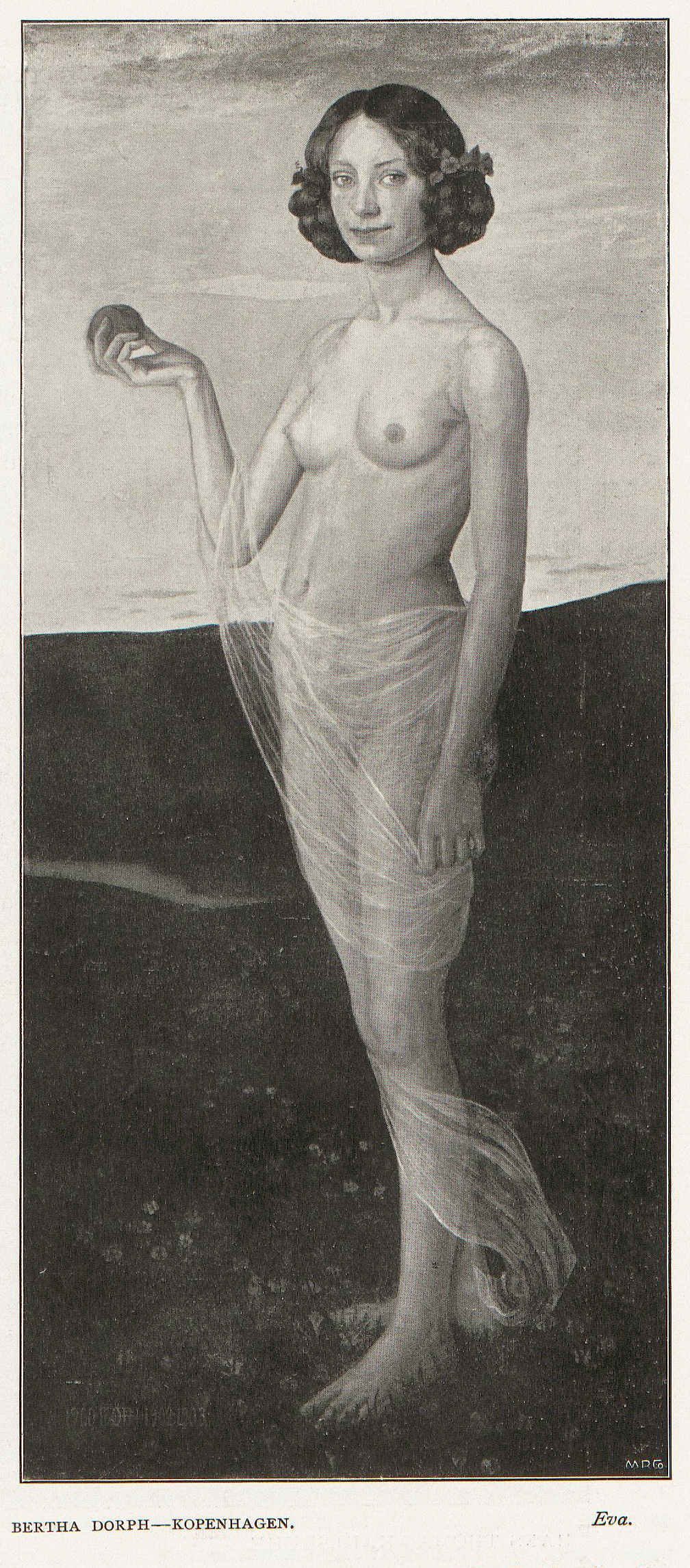
Eva by Bertha Dorph, 1900s

Eva by Bertha Dorph (Kopenhagen), ca. 1902-1903. Die Internationale Kunst-Ausstellung in Düsseldorf. Deutsche Kunst und Dekoration, Band XIV, 1904. | src Universitätsbibliothek Heidelberg

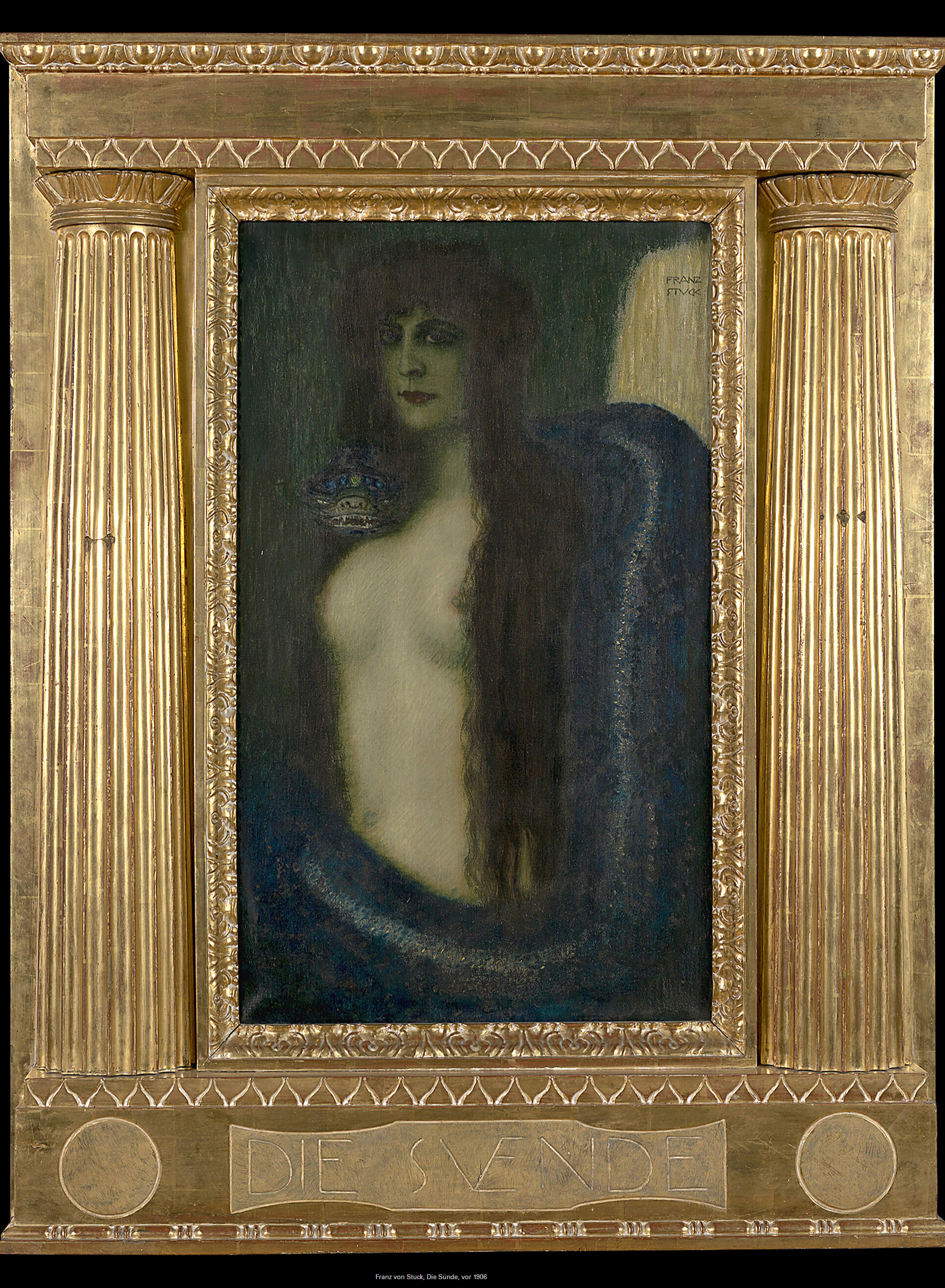
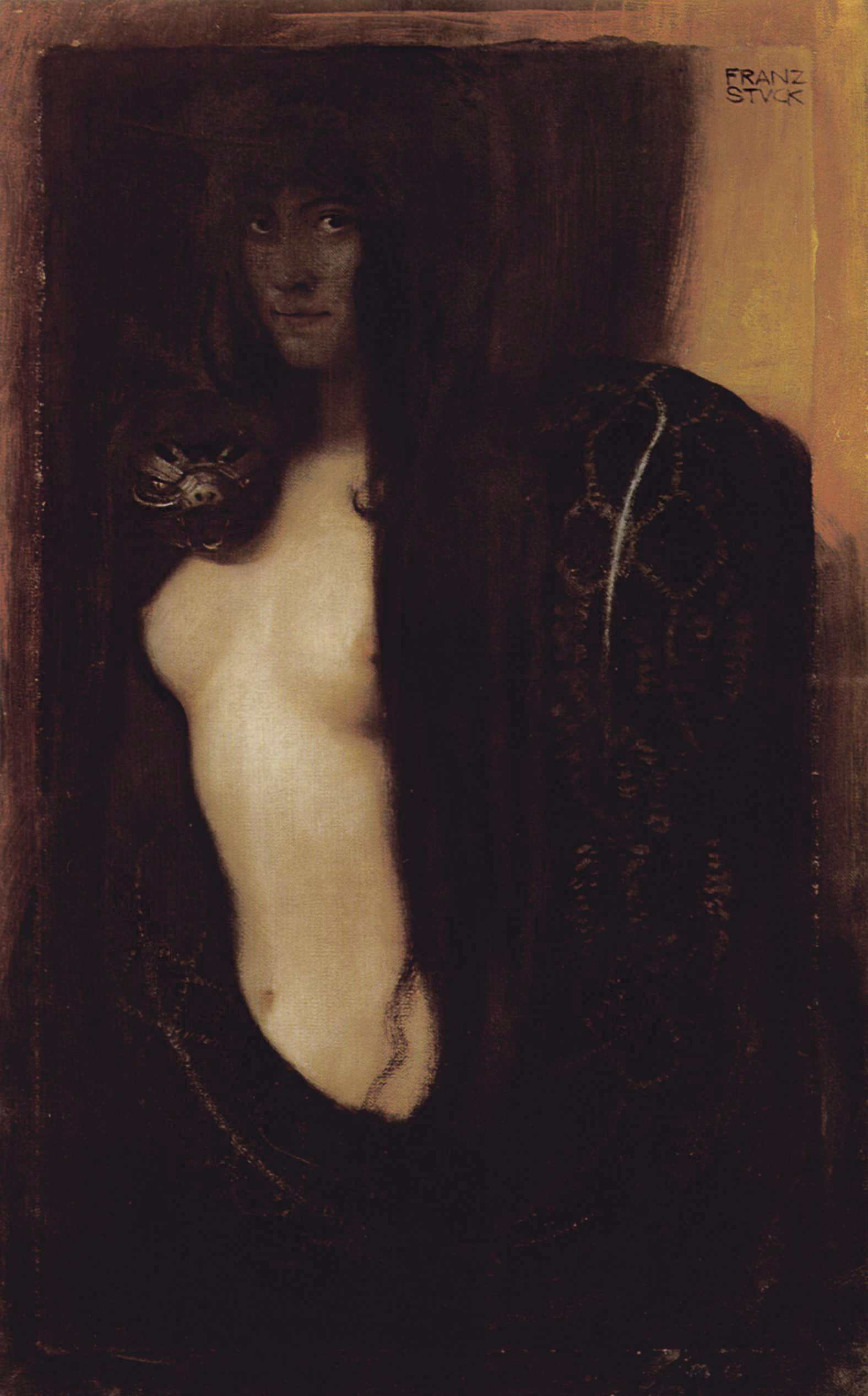
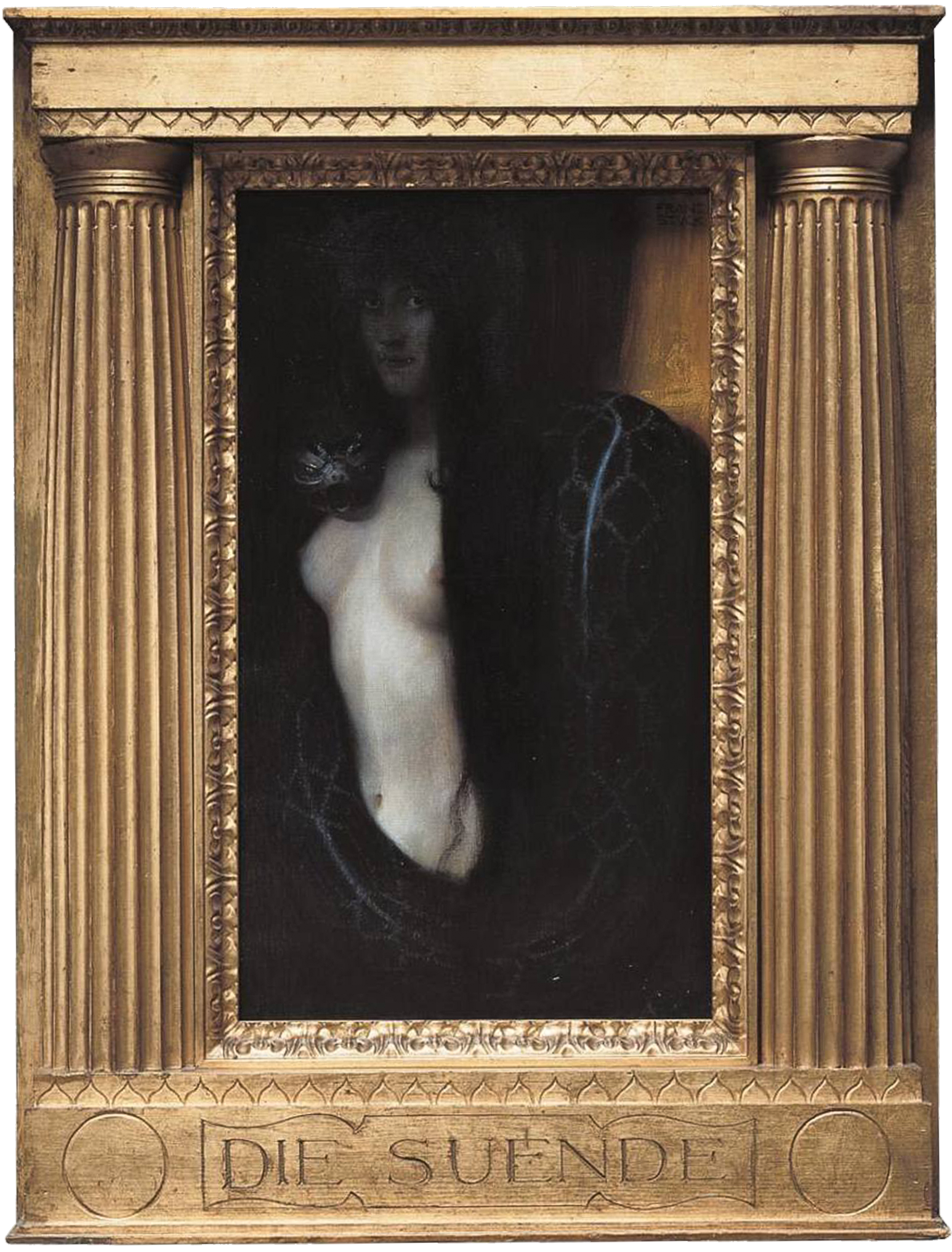
Die Sünde (The Sin), 1893 · 1906

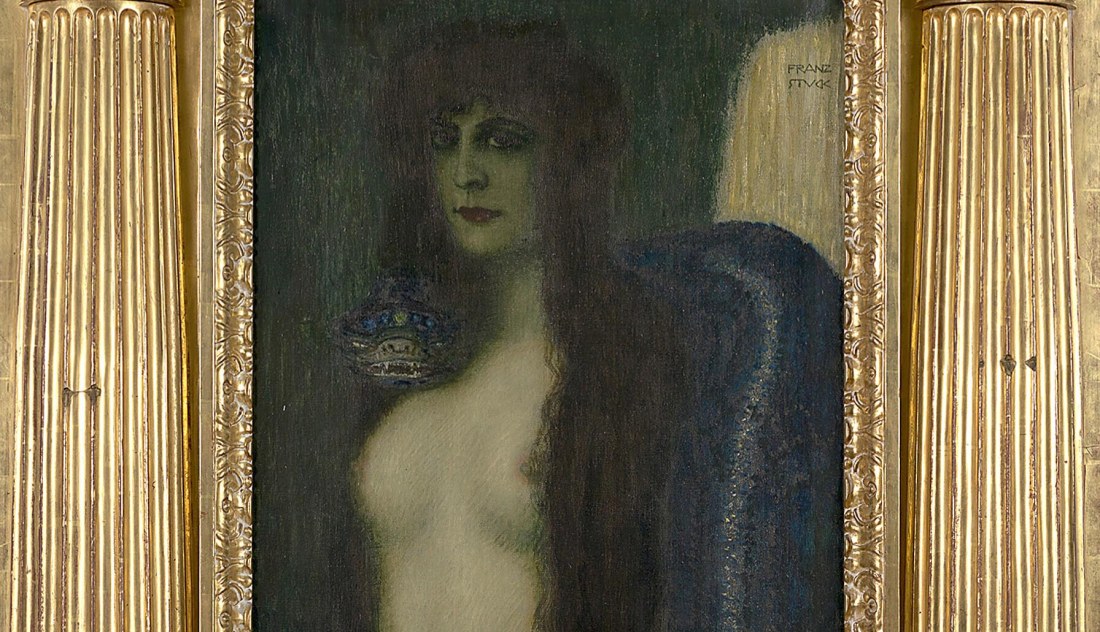
the sin, detail
Franz von Stuck :: Die Sünde, vor 1906, Öl auf Leinwand im Originalrahmen. © Museum Villa Stuck, Schenkung Ziersch
Franz von Stuck :: Die Sünde, 1893. Die vorliegende Version der "Sünde" ist eine von zahlreichen Fassungen des Themas, die zwischen 1891 und 1912 entstanden sind und in der Komposition meist nur geringfügig voneinander abweichen.
Franz von Stuck :: Die Sünde, 1893. Die vorliegende Version der “Sünde” ist eine von zahlreichen Fassungen des Themas, die zwischen 1891 und 1912 entstanden sind und in der Komposition meist nur geringfügig voneinander abweichen. This version of “Sin” is one of numerous versions of the theme that were created between 1891 and 1912. | src Neue Pinakothek
Franz von Stuck :: Die Sünde, 1893.
This version of "Sin" is one of numerous versions of the theme that were created between 1891 and 1912. | src Neue Pinakothek
Franz von Stuck :: Die Sünde, 1893. This version of “Sin” is one of numerous versions of the theme that were created between 1891 and 1912. | src Neue Pinakothek

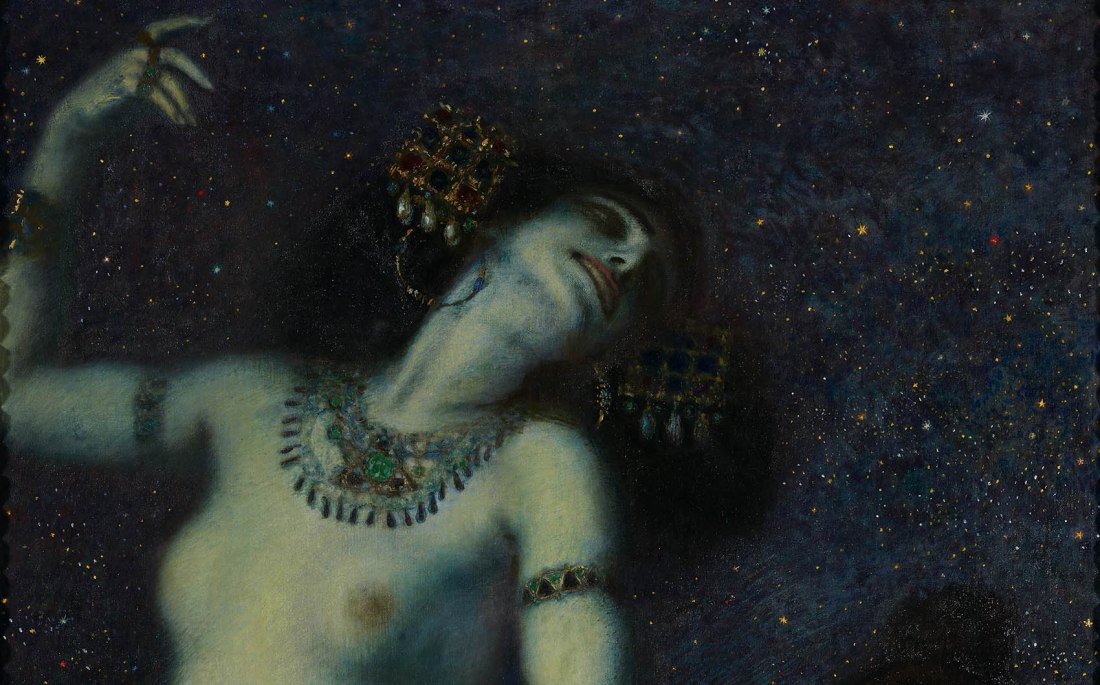
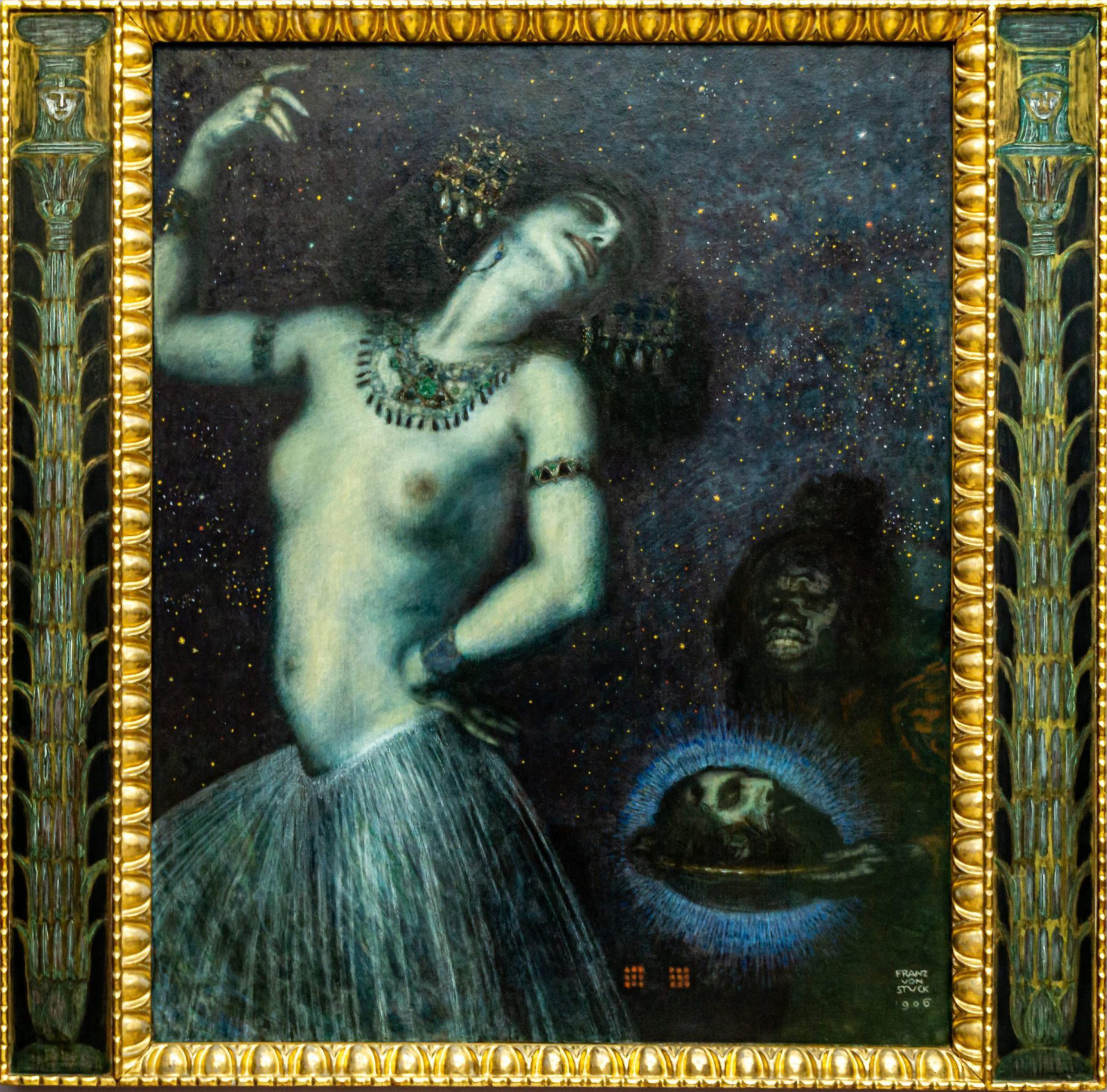
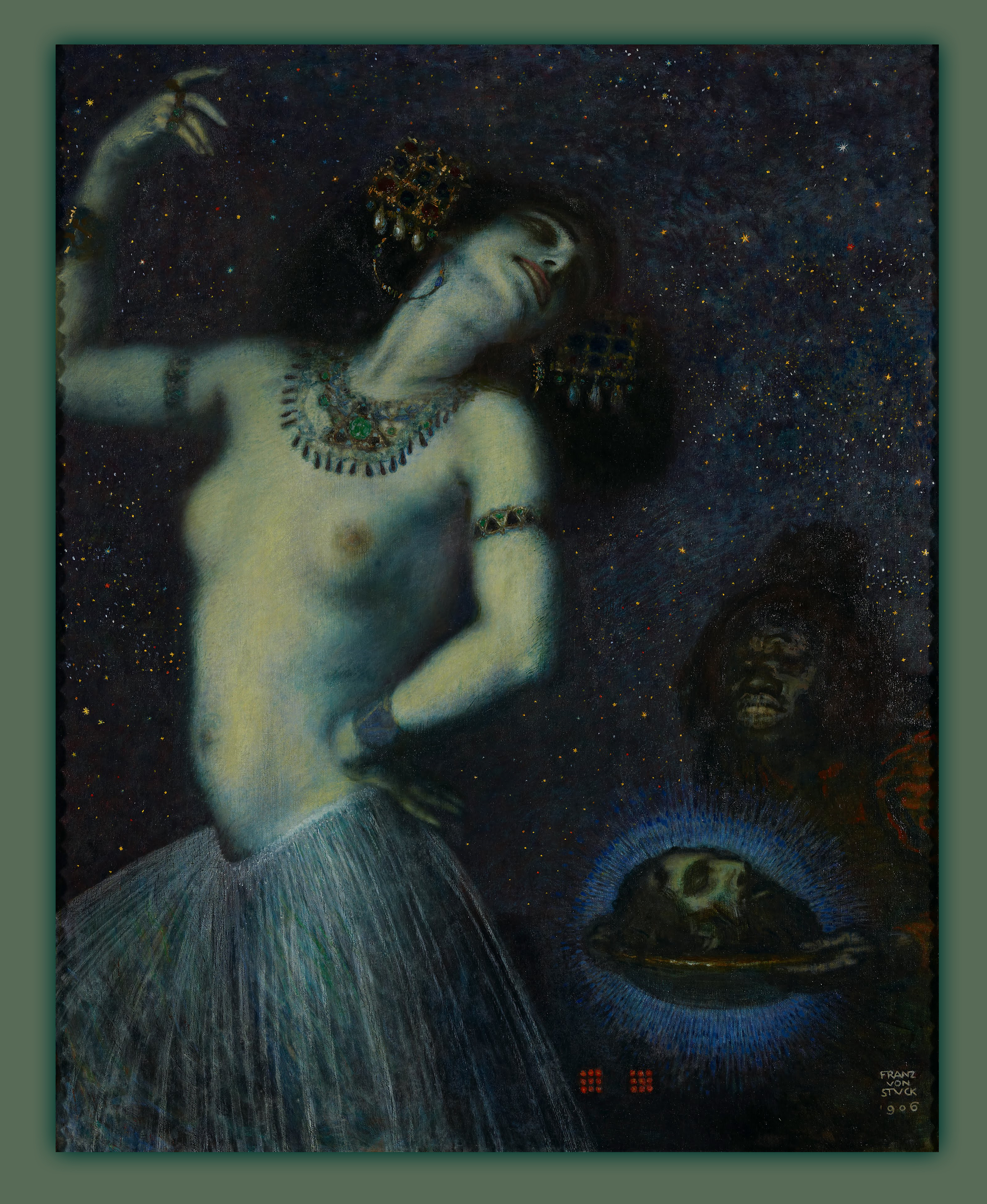
Salome, 1906

Franz von Stuck :: Salomé, 1906. Oil on canvas. Münchner Secession. | src Städtische Galerie im Lenbachhaus und Kunstbau München
Franz von Stuck :: Salome, 1906. Oil on panel. Städtische Galerie im Lenbachhaus, München | src Nicholas Hall Art
Franz von Stuck :: Salome, 1906. oil on canvas. Münchner Secession. | src Städtische Galerie im Lenbachhaus und Kunstbau München
Franz von Stuck :: Salome, 1906. Oil on wood. Münchner Sezession. | src Städtische Galerie im Lenbachhaus und Kunstbau München
Franz von Stuck :: Salome, 1906. Oil on canvas. Private Collection. From: Eva Mendgen: Franz von Stuck 1863–1928. Benedikt Taschen Verlag, Köln 1994
Franz von Stuck :: Salome, 1906. Oil on canvas. Private Collection. From: Eva Mendgen: Franz von Stuck 1863–1928. Benedikt Taschen Verlag, Köln 1994 via wikimedia

Adam und Eva, ca. 1905

Willy von Beckerath :: Adam und Eva. Temperagemälde (Tempera painting). Deustche Kunst und Dekoration. Nº 16, 1905. | src Universitätsbibliothek Heidelberg

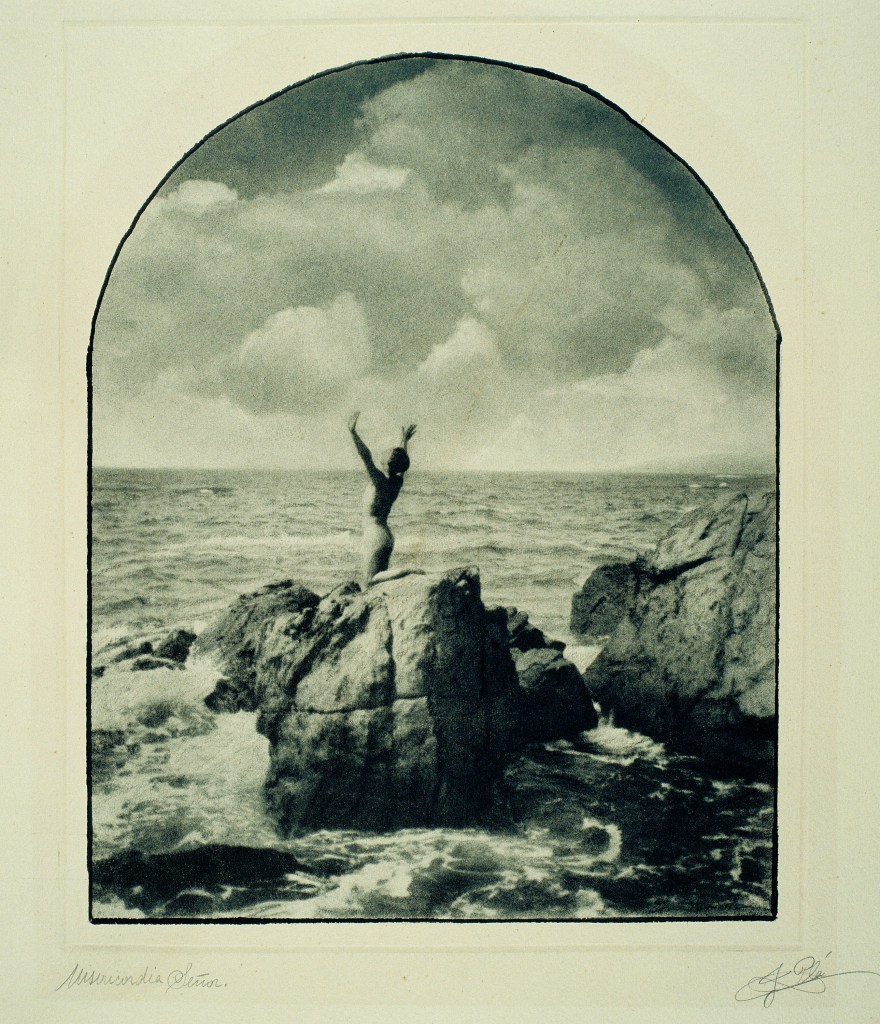
Mercy, Lord (undated)

Joaquim Pla Janini :: Misericordia, Señor, no datat. Bromoli sobre paper. | src and hi-res MNAC ~ Museu Nacional d’Art de Catalunya

Adam et Eve; tableau vivant

Man Ray :: Ciné-Sketch; Adam and Eve (Marcel Duchamp and Bronia Perlmutter), 1924. Gelatin silver print, on carte postale, printed in the 1930s. | src Christie’s & Philadelphia Museum of Art (Philamuseum)

In 1924 Francis Picabia asked Bronia to participate in a production, Ciné Sketch, that he and René Clair were putting on after the Relache ballet on New Year’s Eve. Bronia agreed, and she and Marcel Duchamp appeared nude —Duchamp did have a strategically placed fig leaf— in a living tabloid of Lucas Cranach’s Adam and Eve, which Man Ray photographed.

Ciné Sketch (1924) was a theatrical diversion conceived by Francis Picabia and René Clair, in which Marcel Duchamp and the Jewish-Polish model Bronia Perlmutter mime the figures of Adam and Eve in a tableau vivant of the Temptation after a painting by Cranach. Ciné-Sketch was performed only once, at the conclusion of Relache (by Ballets Suédois) at the Théâtre des Champs-Elysées on New Year’s Eve 1924.