
Album cover for I Am a Bird Now, second album by New York City based band Anohni and the Johnsons (previously Antony and the Johnsons); released on February 2005


images that haunt us
Album cover for I Am a Bird Now, second album by New York City based band Anohni and the Johnsons (previously Antony and the Johnsons); released on February 2005

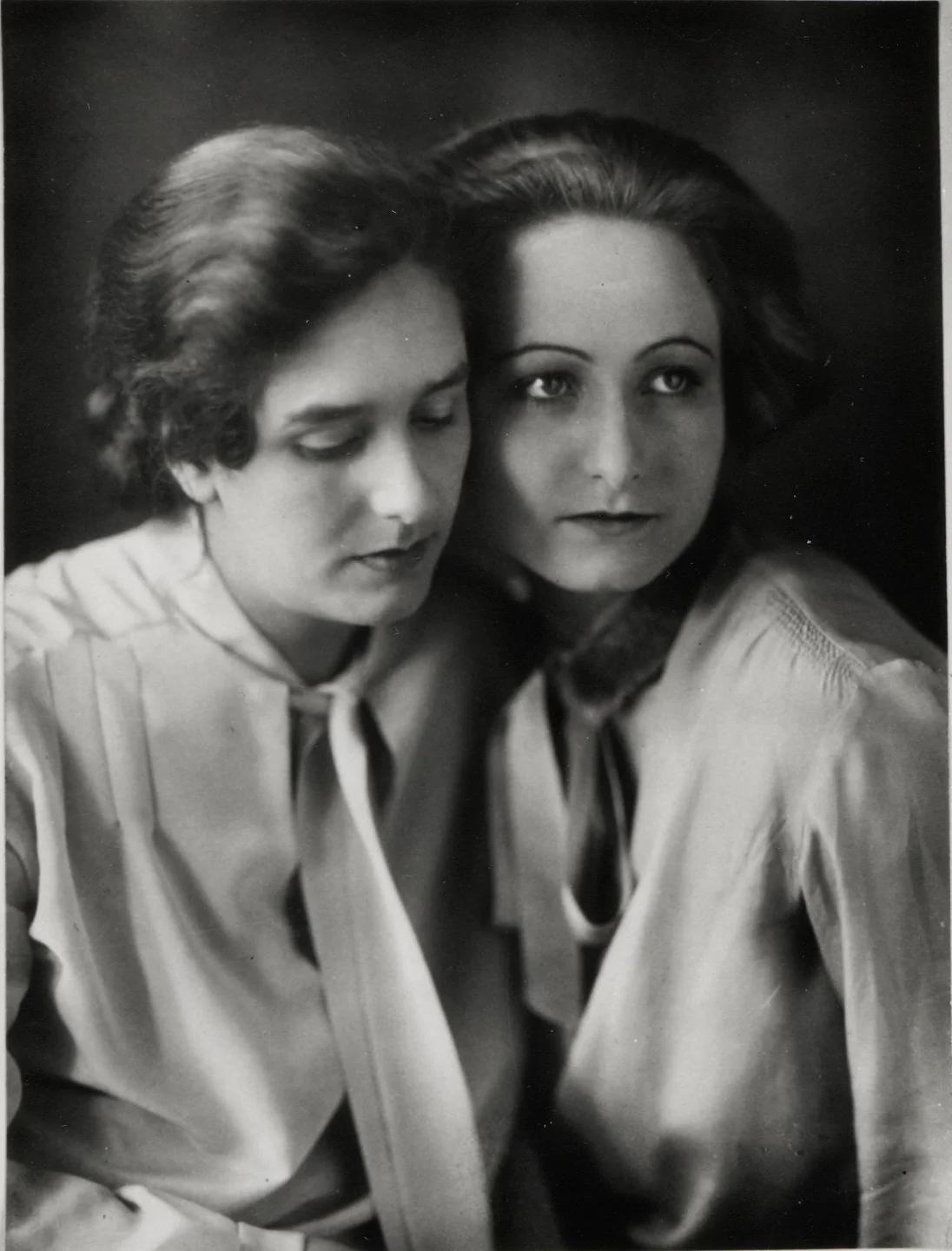
In Munich, Maja Lex was first a student member but soon, together with Gunild Keetmann and the founders Dorothee Günther and Carl Orff, belonged to the leading teaching staff of the Günther-Schule, a forward-looking school with a trebly diversified training concept of integrative musical and movement education. War events disrupted this unique constellation of artistic and educational personalities.
Maja Lex developed a new movement and dance education of a timeless pedagogic and artistic value. She liberated herself from the formalized practice/exercise/training and introduced instead the varied movements of rhythmic-dynamic, spatial and formal variation. Structured improvisation, similar to musical improvisation, was established as a definite component of the teaching lesson.
As a solo dancer and choreographer of Tanzgruppe Günther, Maja Lex was a pioneer of the New German Dance (Neuer Deutscher Tanz) in the 1930s. She created a specific dancing style of a ‘thrilling rhythmic intensity’, a definite feeling for form and a high technical dancing discipline. Music and dance became elements of equal value, not least because of the use of rhythm instruments for the dance and for the orchestra of Günther-Schule, where dancers and musicians changed roles. The director of the orchestra was Gunild Keetmann. Maja Lex’s dances belong to the absolute dance. / quoted from Elementarer Tanz
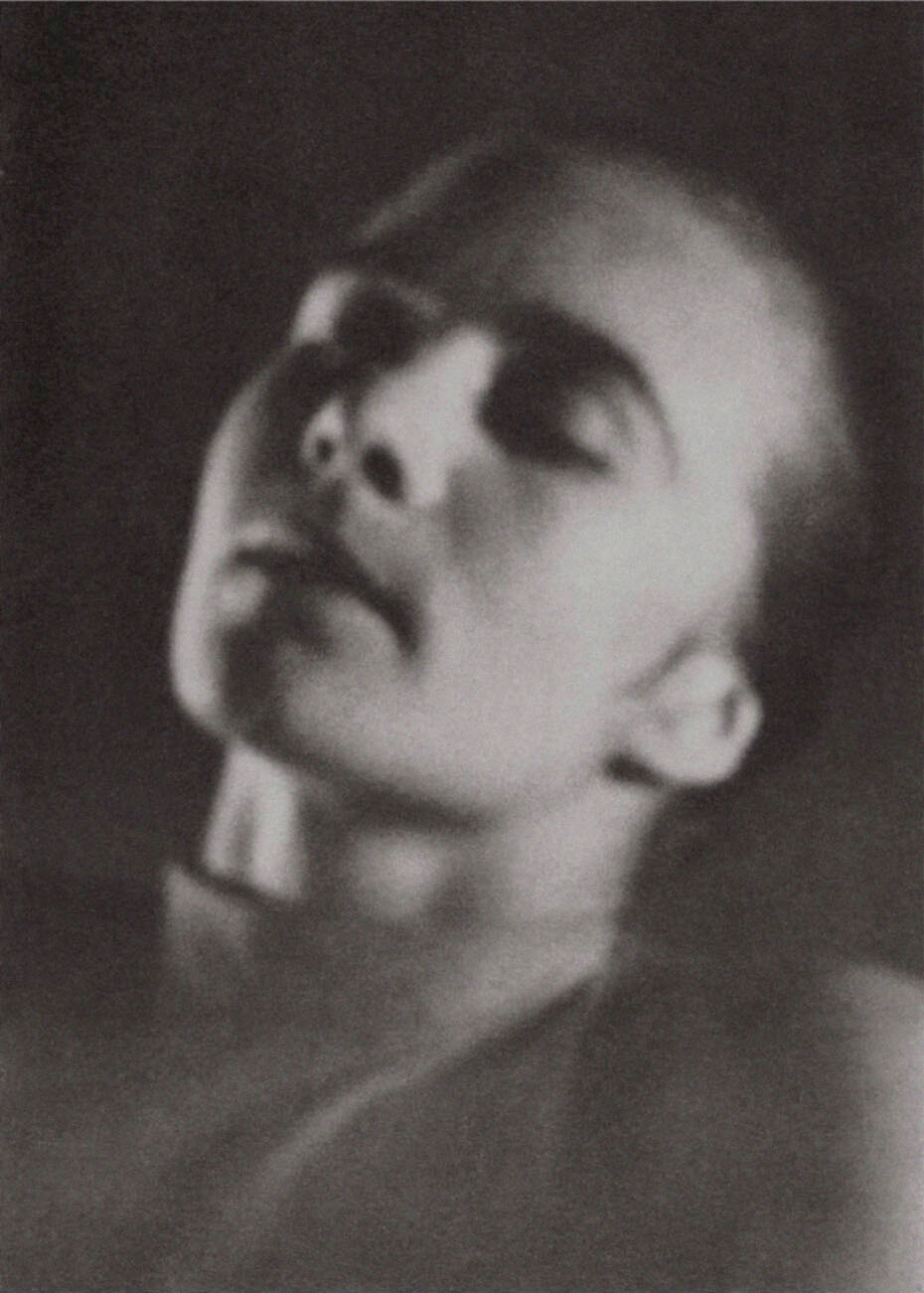
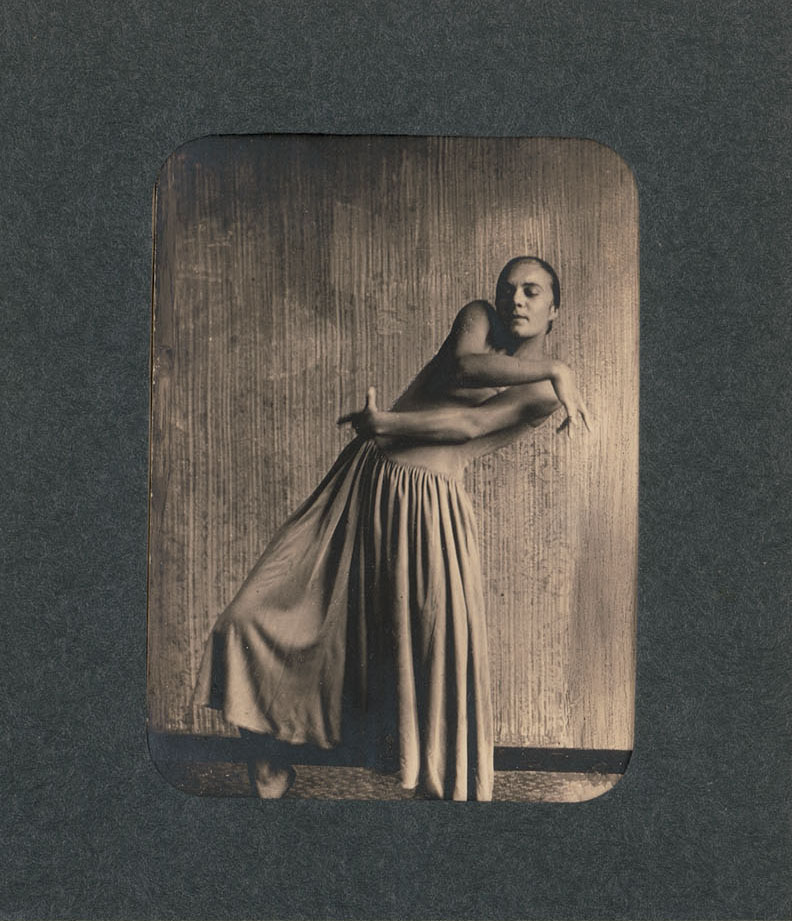
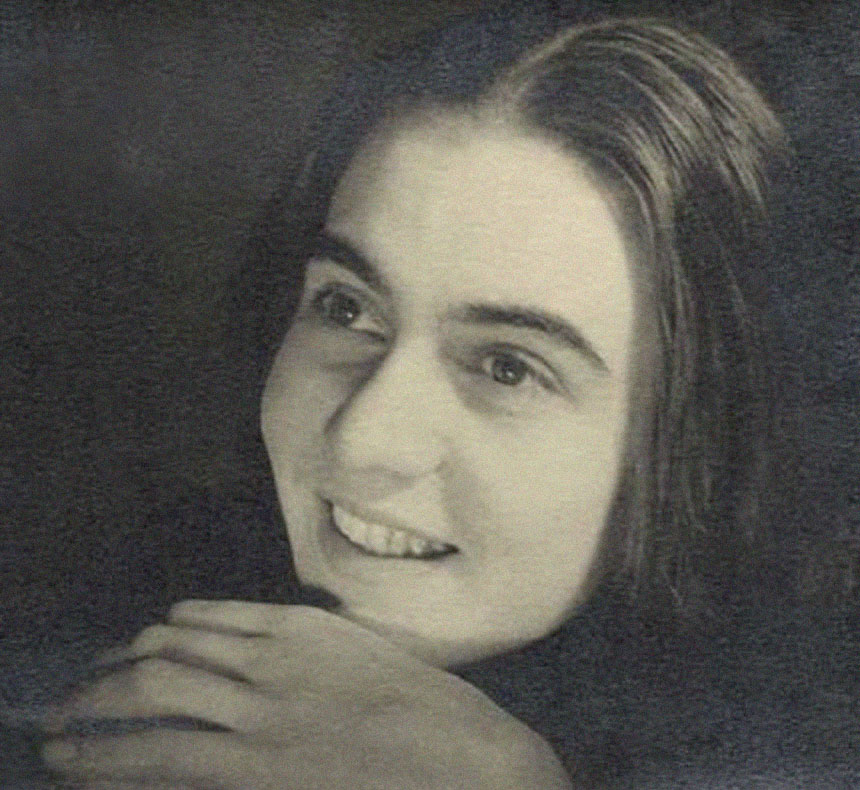
From 1927, Maja Lex performed her own choreographies. As a soloist and choreographer of the Tanzgruppe Günther-München (lead by Dorothee Günther), she made her decisive breakthrough in 1930 with the “Barbarian Suite” in collaboration with the musical director of the group, the composer Gunild Keetman. Numerous guest performances and awards at home and abroad followed until the school was forcibly closed in 1944 and finally destroyed in 1945.
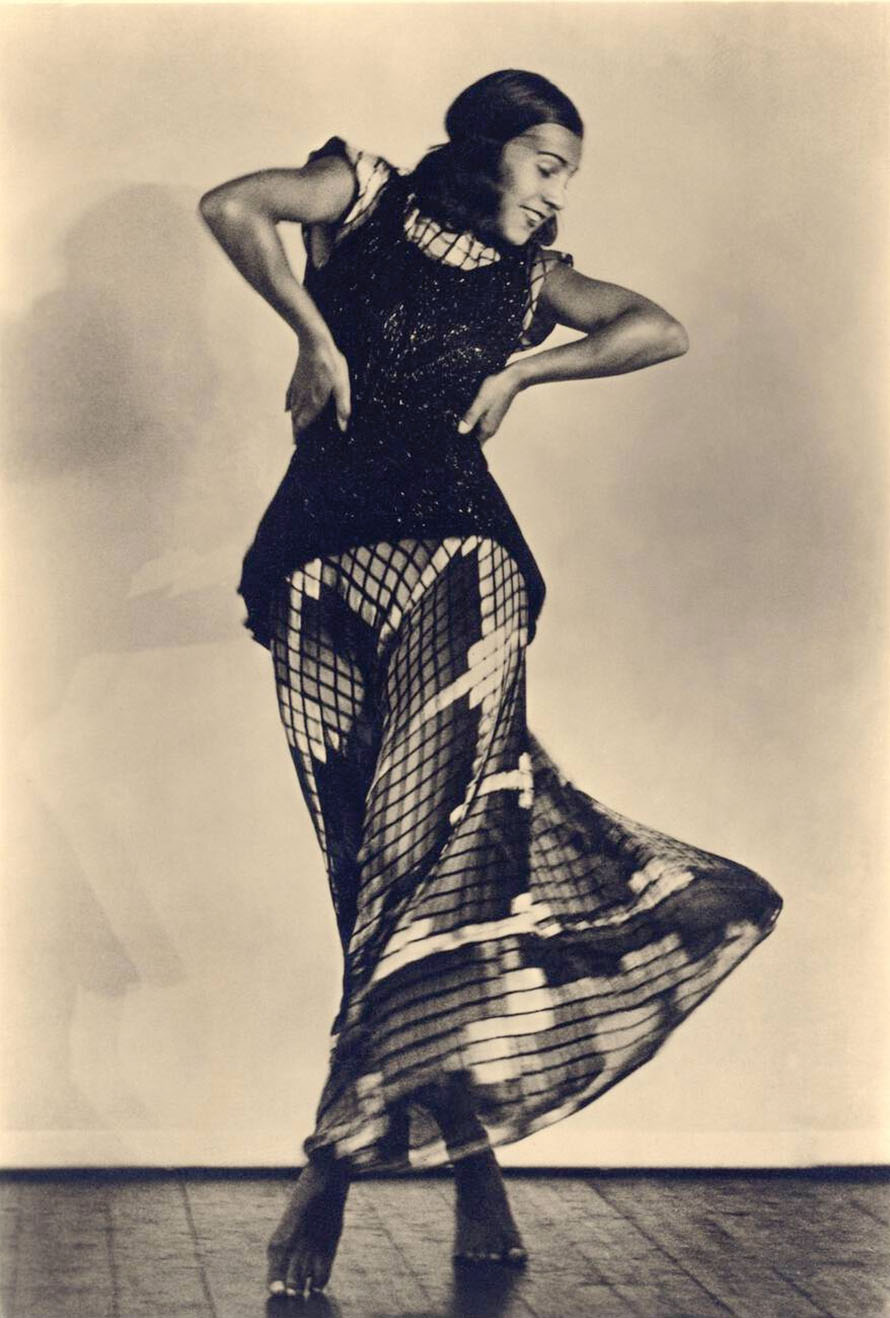
Maja Lex, who had been very ill since the beginning of the 1940s, moved to Rome in 1948 and lived there together with Dorothee Günther in the house of her mutual friend Myriam Blanc. At the beginning of the 1950s Maja Lex resumed her artistic-pedagogical work and taught at the German Sport University Cologne at the invitation of Liselott Diem. From the mid-1950s until 1976, she taught the main training subject “Elementary Dance” as a senior lecturer. The concept of elementary dance was further developed by her and later in collaboration with her successor Graziela Padilla at the German Sports University Cologne. / quoted from queer places




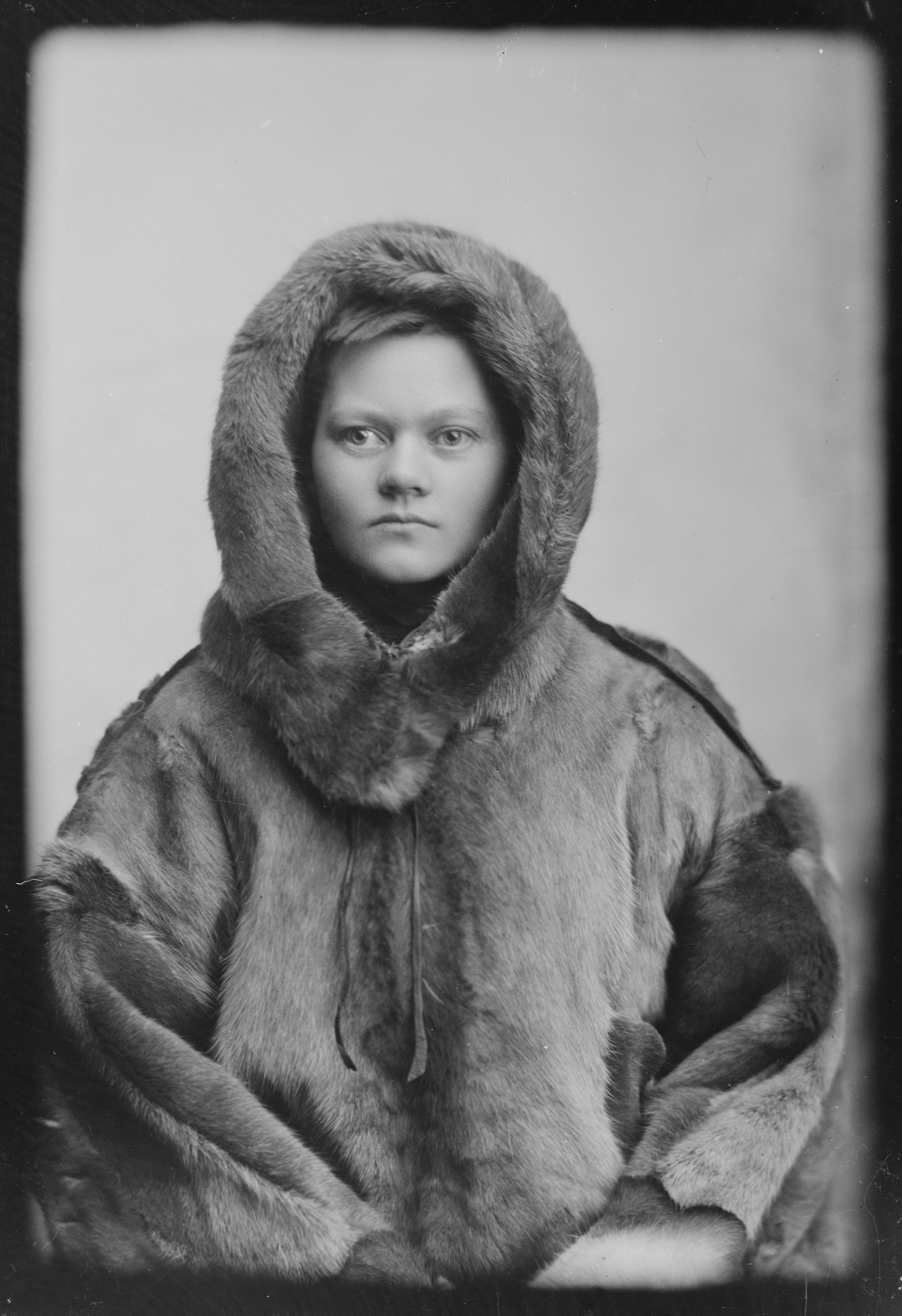


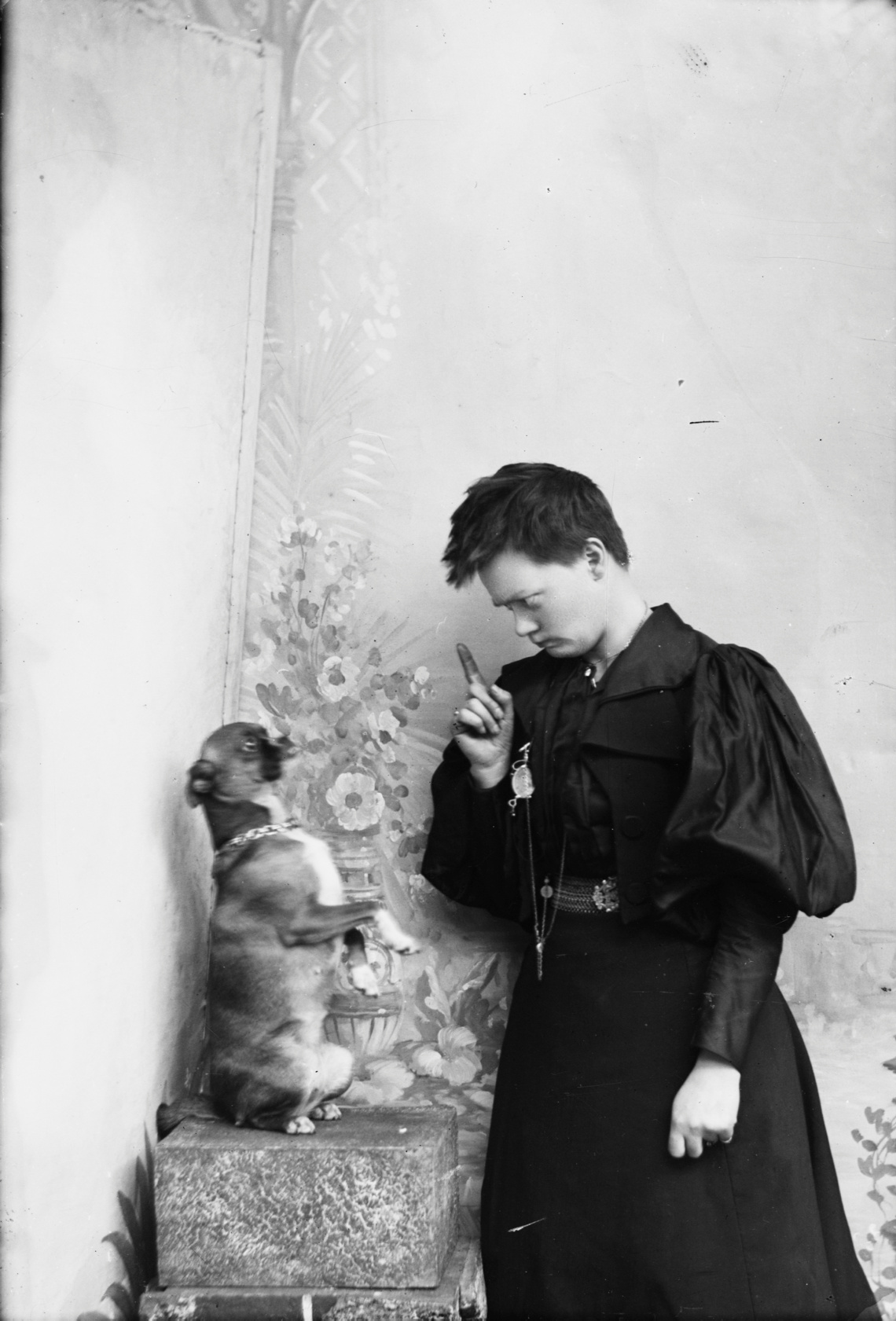
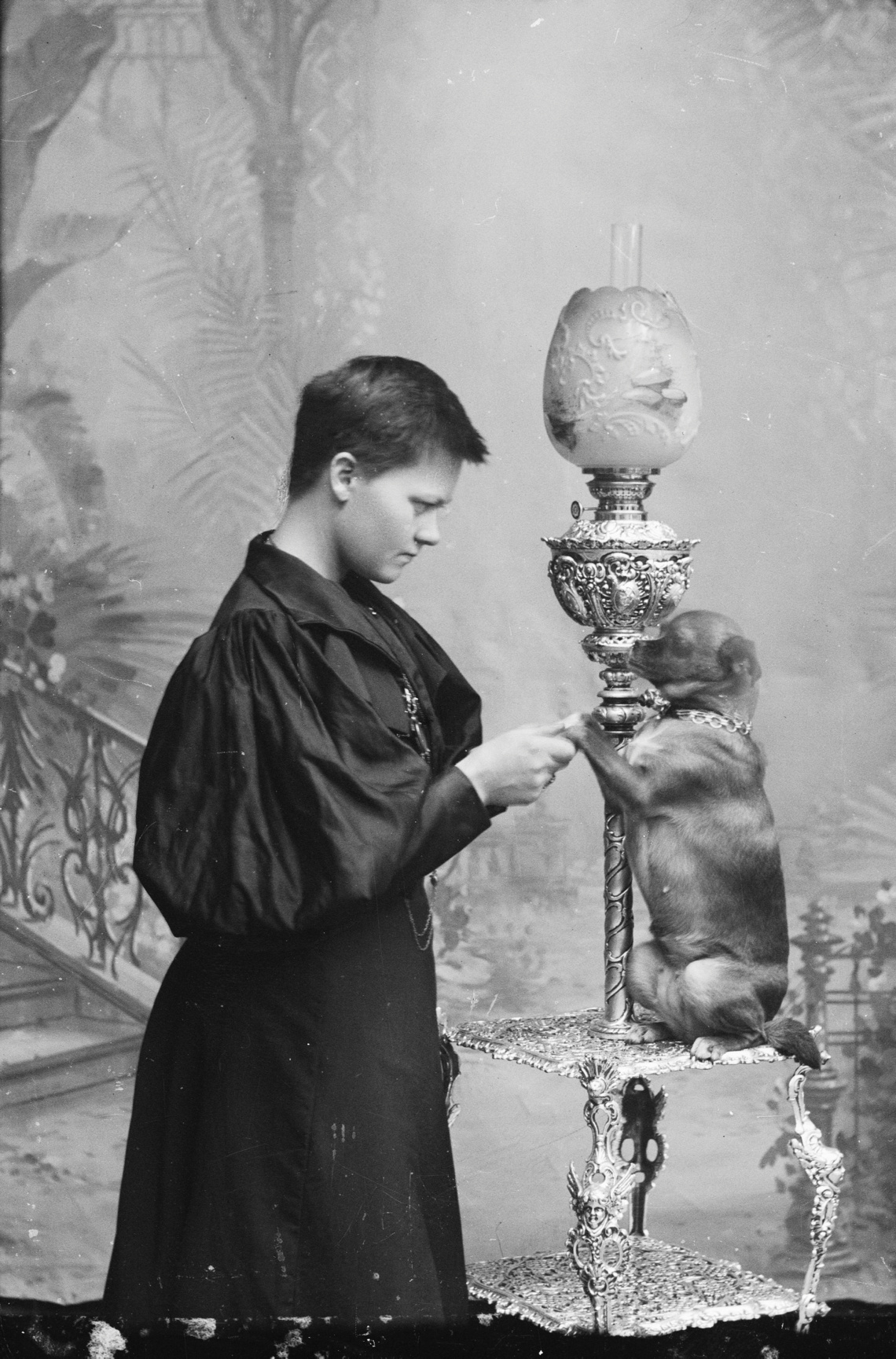
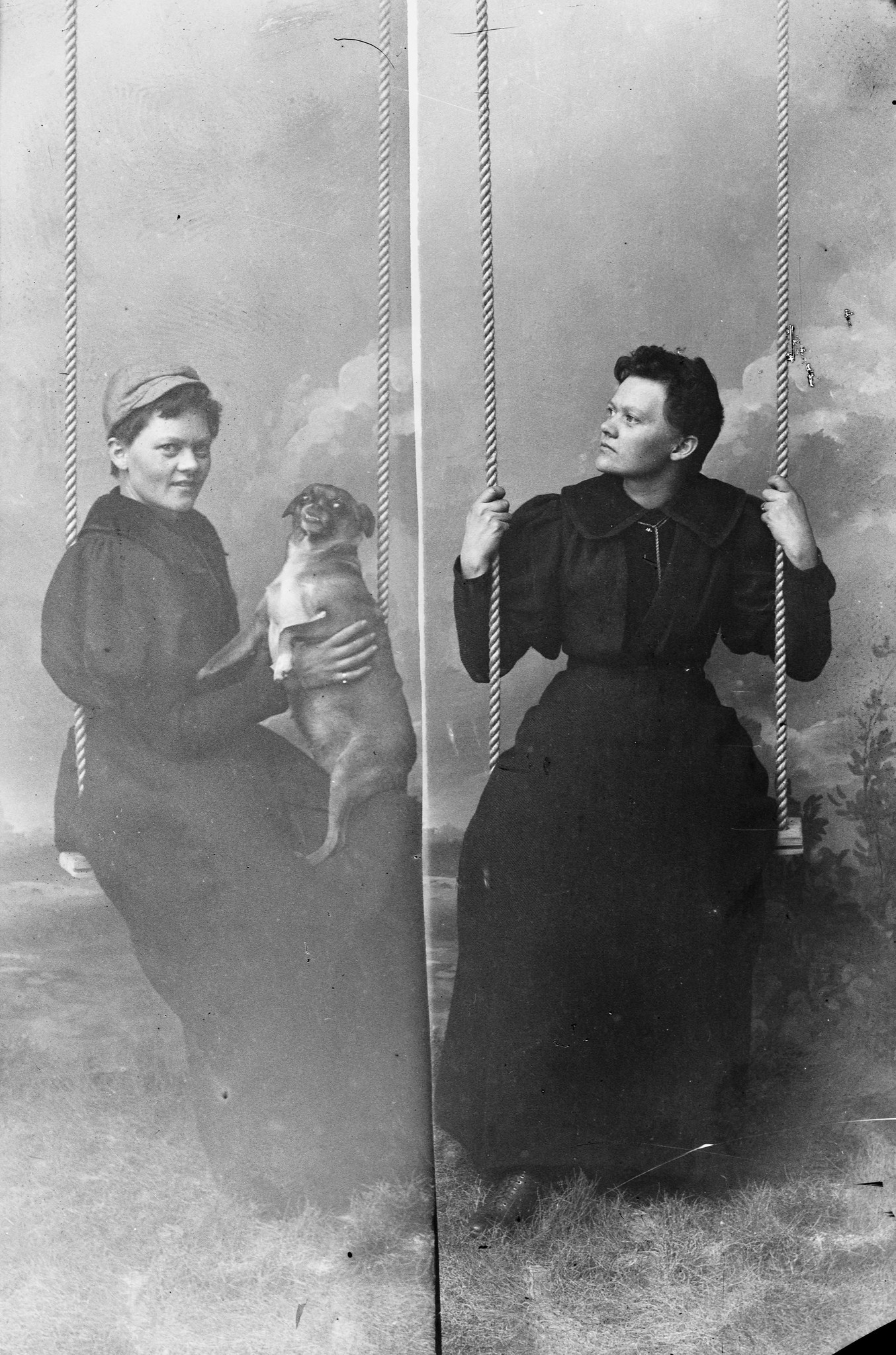
In a box marked “private”, an amazing collection of glass plates were found 30 years ago, amongst the remnants of the two portrait photographers Marie Høeg (1866-1949) and Bolette Berg (1872-1944).
In 1895, they established the Berg & Høeg photography studio in Horten, Norway, where they took portraits and views of Horten and surroundings and lived on the proceeds from sales. At that time, photography was seen as a decent and acceptable profession for women, as it was a profession that demanded a certain amount of aesthetic sense – as part of the female nature.
Horten was a naval base with the main shipyard for the Norwegian navy and had a strong flow of people who needed photographs for celebration and recollection. Perhaps that is how the two photographers understood by the very process of portraiture how important it is to stage oneself and to what a large degree that contributes to how we are perceived.
The Preus museum collection has 440 glass negatives from Berg & Høeg. Among the cartons in the 1980s were discovered some on which had been written “private.” It is not unusual that photographers also have private photographs in their archives. But these were not ordinary keepsake pictures. They indicate that the two photographers, especially Marie Høeg, experimented with various gender roles.
Imagine the fun they must have had, cross-dressing and playing! At the same time, the images are deeply serious, as they reflect upon the expectations and attitudes towards women, and their lack of rights and freedom. We know that Høeg was the extrovert and started groups to fight for women’s rights. Bolette Berg was less in the public view. However, she must have been back of the camera in many of these photographs, which have attracted international notice.
We find several such boundary-breaking photographic projects in Europe and America around 1900. They correspond with women’s battle for full civil rights and the right to define their own identity. So these photographs are a part of an international history – or herstory – that has meaning and recognition value for all women, including now.
All images are digital reproductions of the original glass plates. Some of the plates have cracks and damages, left visible in the reproductions.
All images and text retrieved from The Preus museum on Flickr


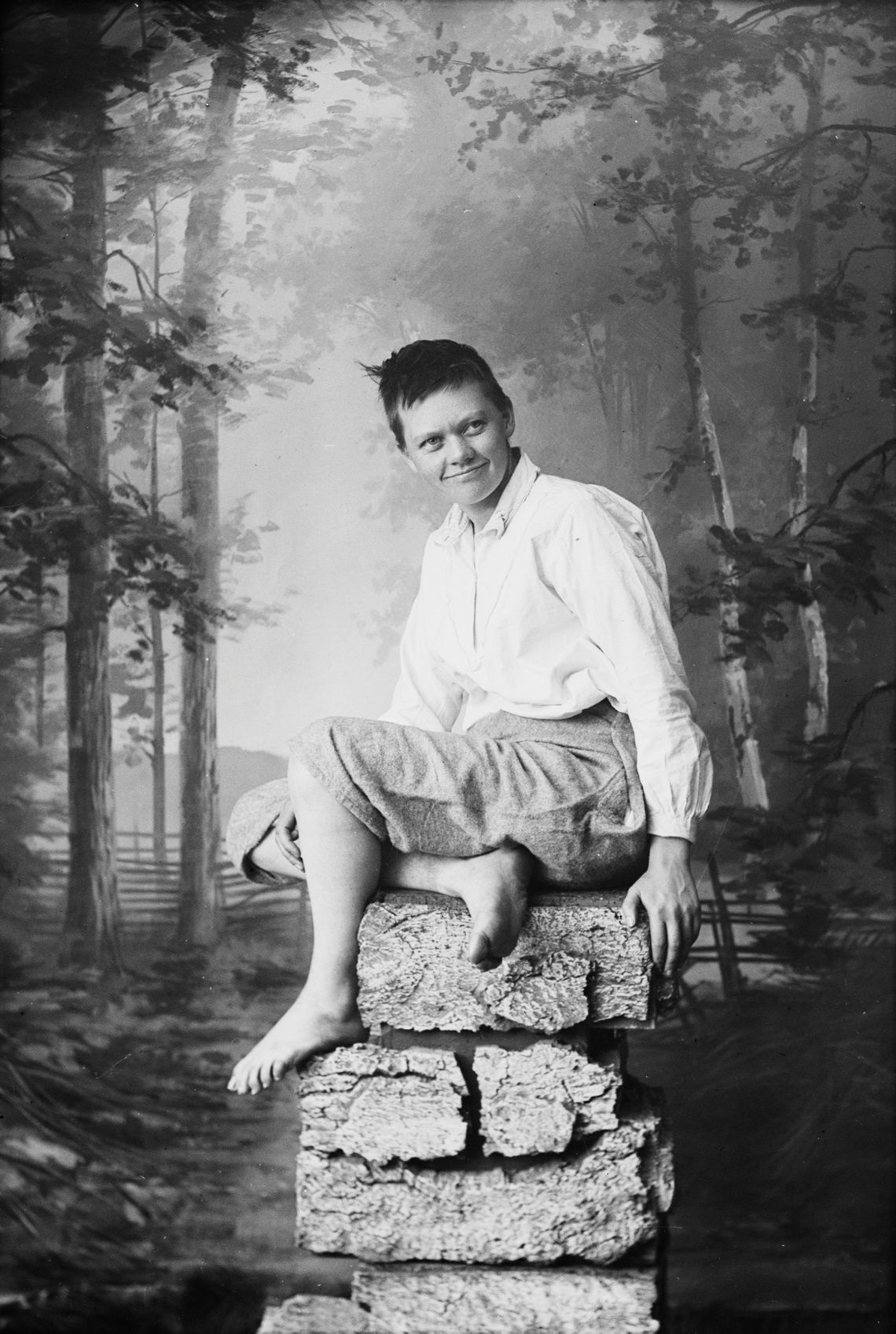
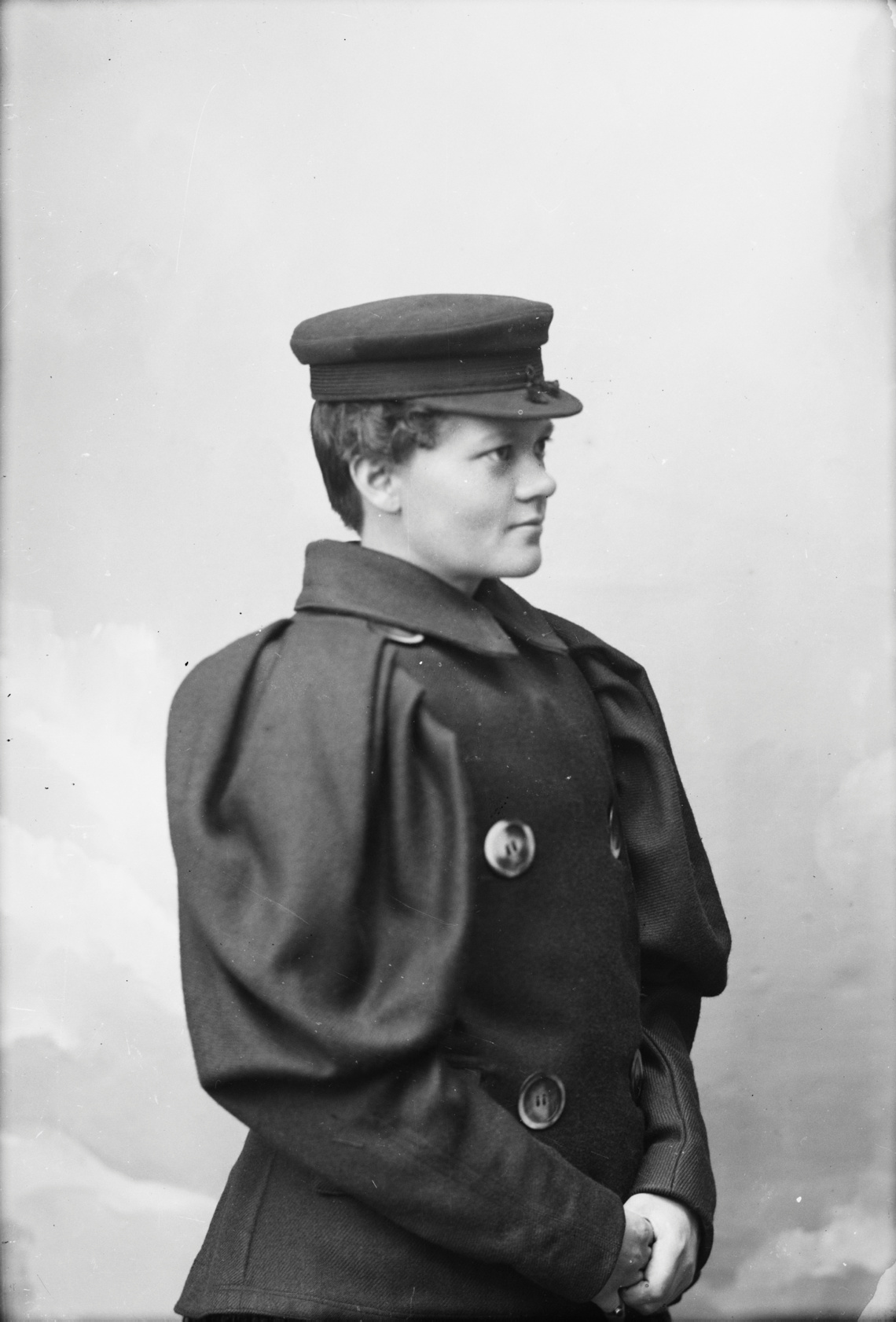
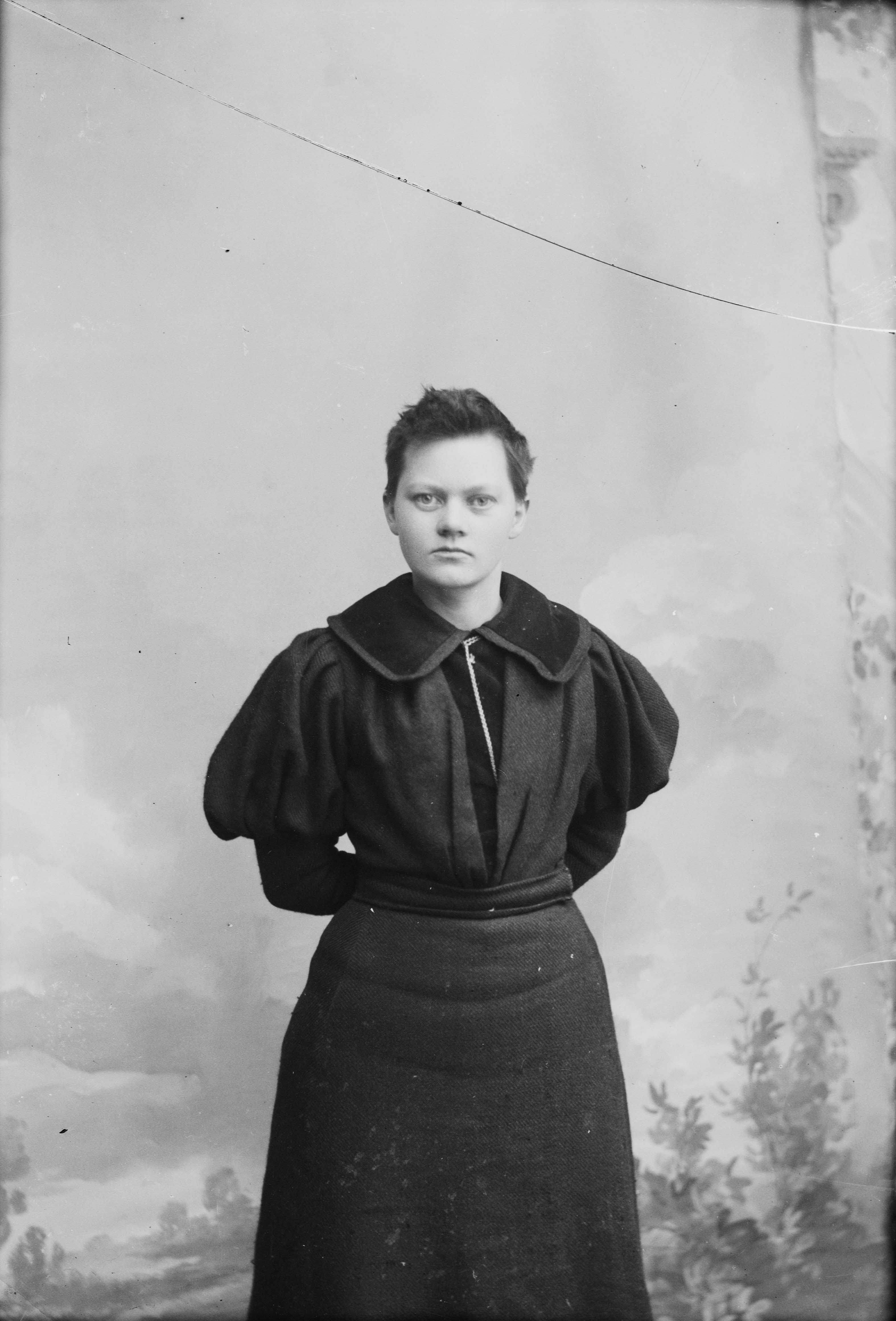
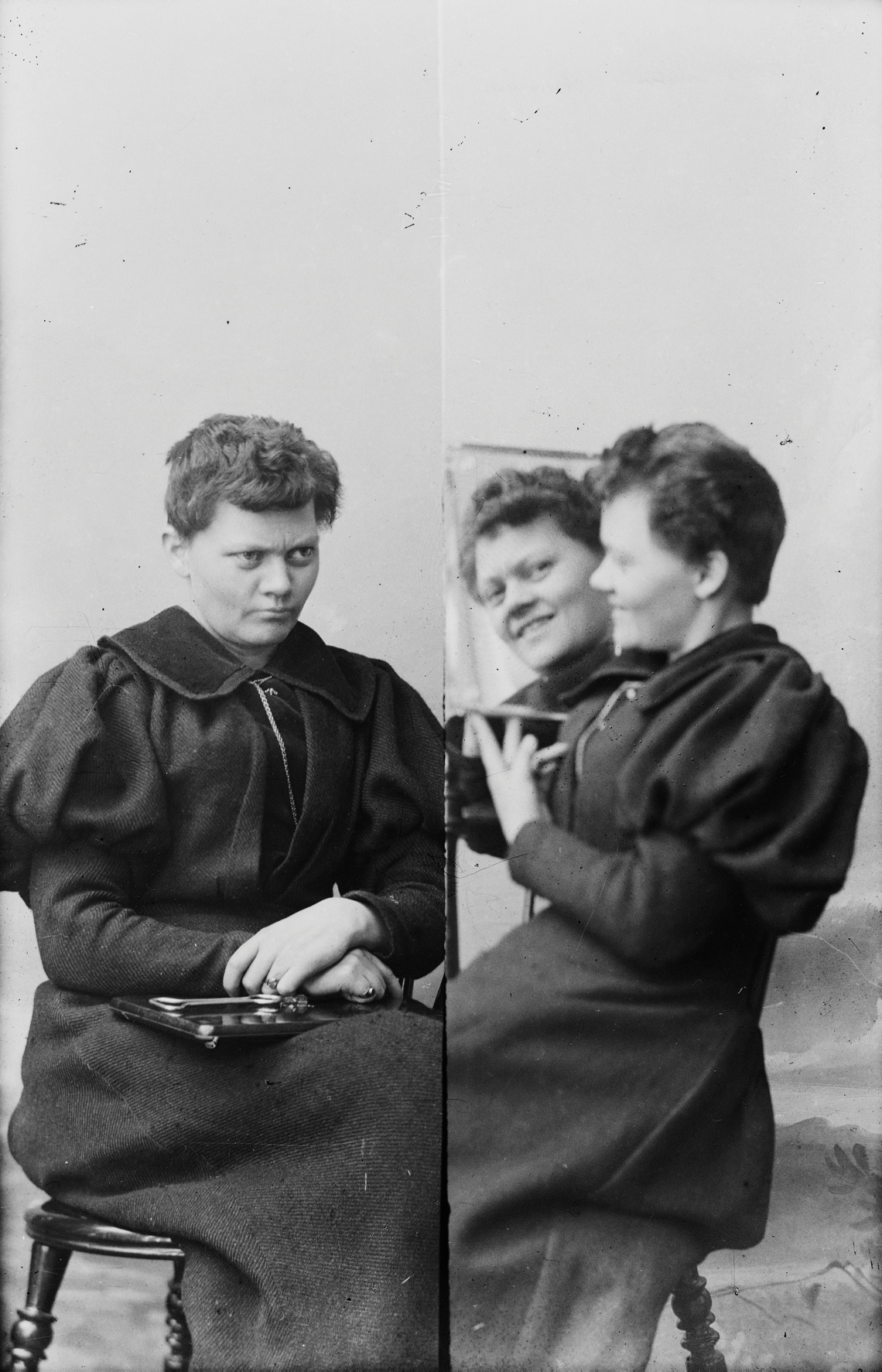


In a box marked “private”, an amazing collection of glassplates were found 30 years ago, amongst the remnants of the two portrait photographers Marie Høeg (1866-1949) and Bolette Berg (1872-1944).
In 1895, they established the Berg & Høeg photography studio in Horten, Norway, where they took portraits and views of Horten and surroundings and lived on the proceeds from sales. At that time, photography was seen as a decent and acceptable profession for women, as it was a profession that demanded a certain amount of aesthetic sense – as part of the female nature.
Horten was a naval base with the main shipyard for the Norwegian navy and had a strong flow of people who needed photographs for celebration and recollection. Perhaps that is how the two photographers understood by the very process of portraiture how important it is to stage oneself and to what a large degree that contributes to how we are perceived.
The Preus museum collection has 440 glass negatives from Berg & Høeg. Among the cartons in the 1980s were discovered some on which had been written “private.” It is not unusual that photographers also have private photographs in their archives. But these were not ordinary keepsake pictures. They indicate that the two photographers, especially Marie Høeg, experimented with various gender roles.
Imagine the fun they must have had, cross-dressing and playing! At the same time, the images are deeply serious, as they reflect upon the expectations and attitudes towards women, and their lack of rights and freedom. We know that Høeg was the extrovert and started groups to fight for women’s rights. Bolette Berg was less in the public view. However, she must have been back of the camera in many of these photographs, which have attracted international notice.
We find several such boundary-breaking photographic projects in Europe and America around 1900. They correspond with women’s battle for full civil rights and the right to define their own identity. So these photographs are a part of an international history – or herstory – that has meaning and recognition value for all women, including now.
All images are digital reproductions of the original glass plates. Some of the plates have cracks and damages, left visible in the reproductions.
All images and text retrieved from The Preus museum on Flickr
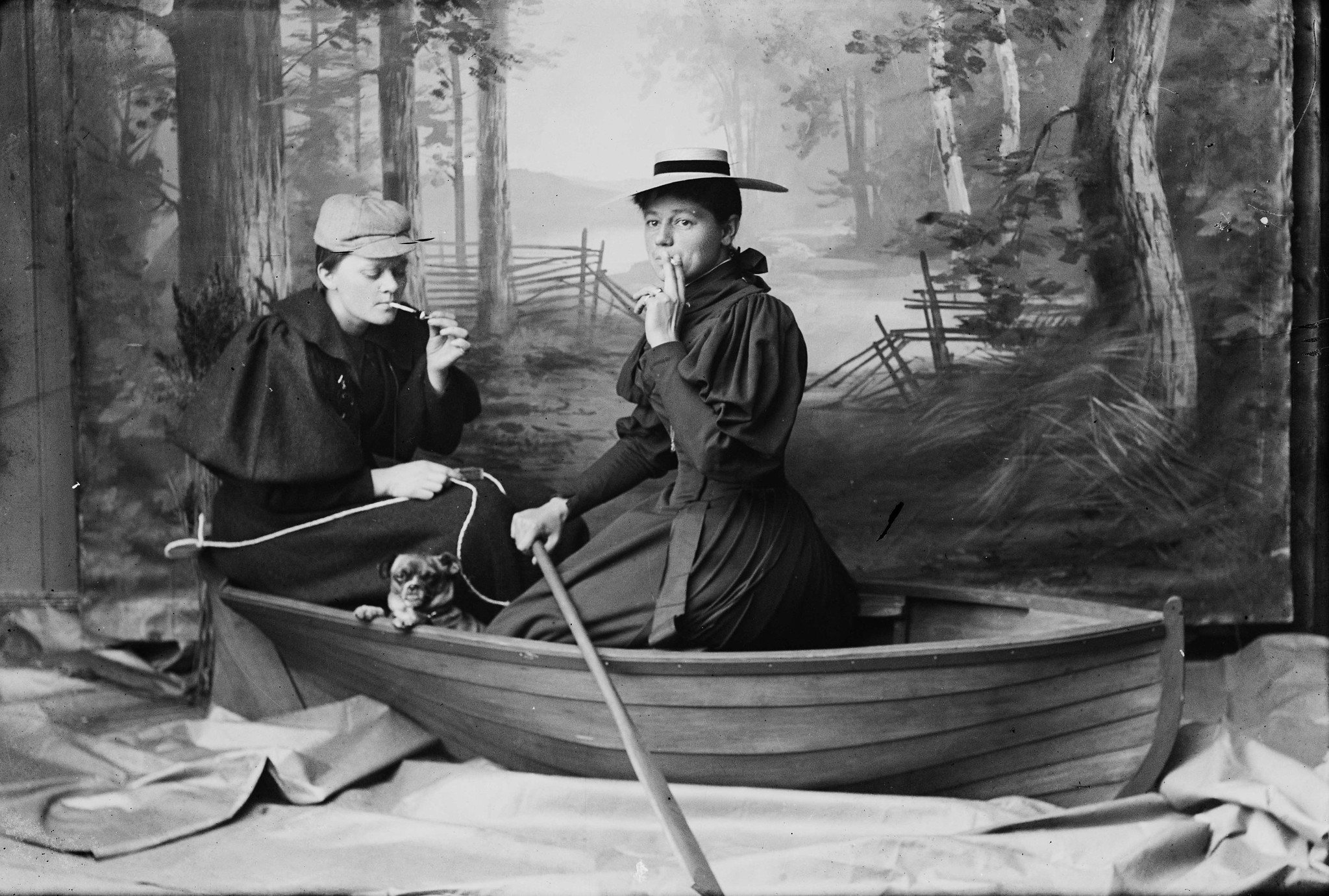
In a box marked “private”, an amazing collection of glass plates were found 30 years ago, amongst the remnants of the two portrait photographers Marie Høeg (1866-1949) and Bolette Berg (1872-1944).

In 1895, they established the Berg & Høeg photography studio in Horten, Norway, where they took portraits and views of Horten and surroundings and lived on the proceeds from sales. At that time, photography was seen as a decent and acceptable profession for women, as it was a profession that demanded a certain amount of aesthetic sense – as part of the female nature.
Horten was a naval base with the main shipyard for the Norwegian navy and had a strong flow of people who needed photographs for celebration and recollection. Perhaps that is how the two photographers understood by the very process of portraiture how important it is to stage oneself and to what a large degree that contributes to how we are perceived.

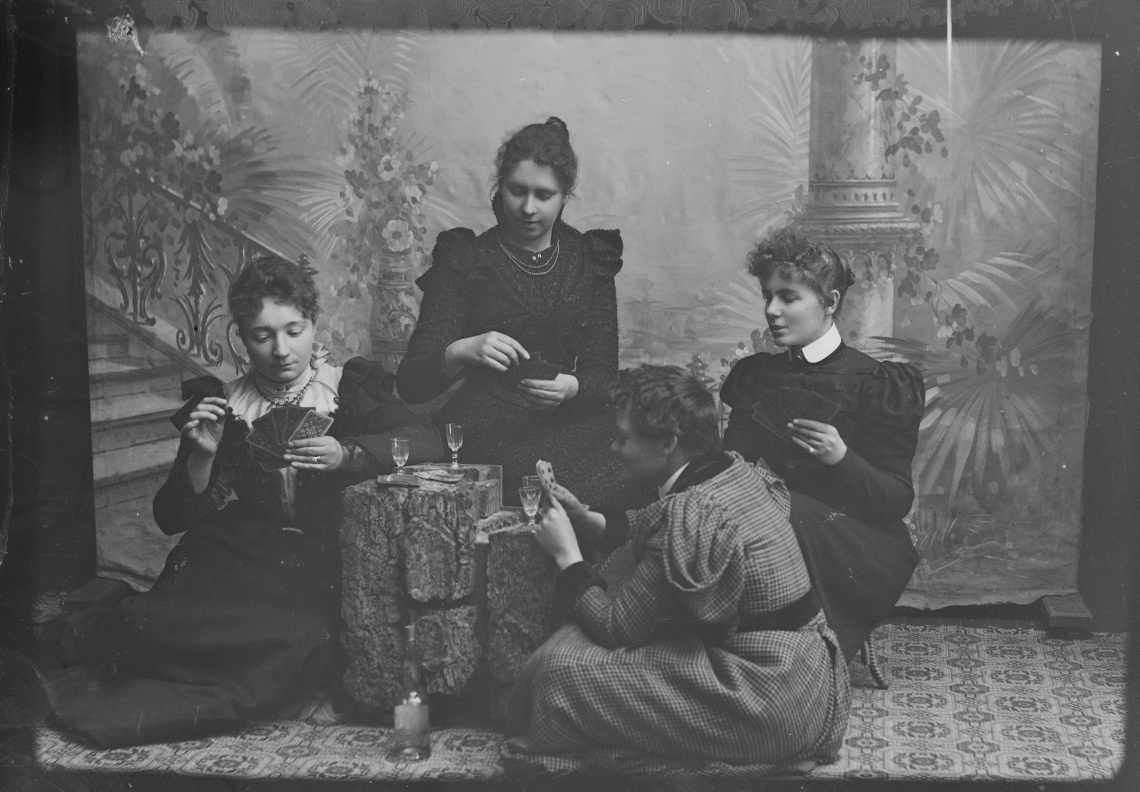
The Preus museum collection has 440 glass negatives from Berg & Høeg. Among the cartons in the 1980s were discovered some on which had been written “private.” It is not unusual that photographers also have private photographs in their archives. But these were not ordinary keepsake pictures. They indicate that the two photographers, especially Marie Høeg, experimented with various gender roles.
Imagine the fun they must have had, cross-dressing and playing! At the same time, the images are deeply serious, as they reflect upon the expectations and attitudes towards women, and their lack of rights and freedom. We know that Høeg was the extrovert and started groups to fight for women’s rights. Bolette Berg was less in the public view. However, she must have been back of the camera in many of these photographs, which have attracted international notice.
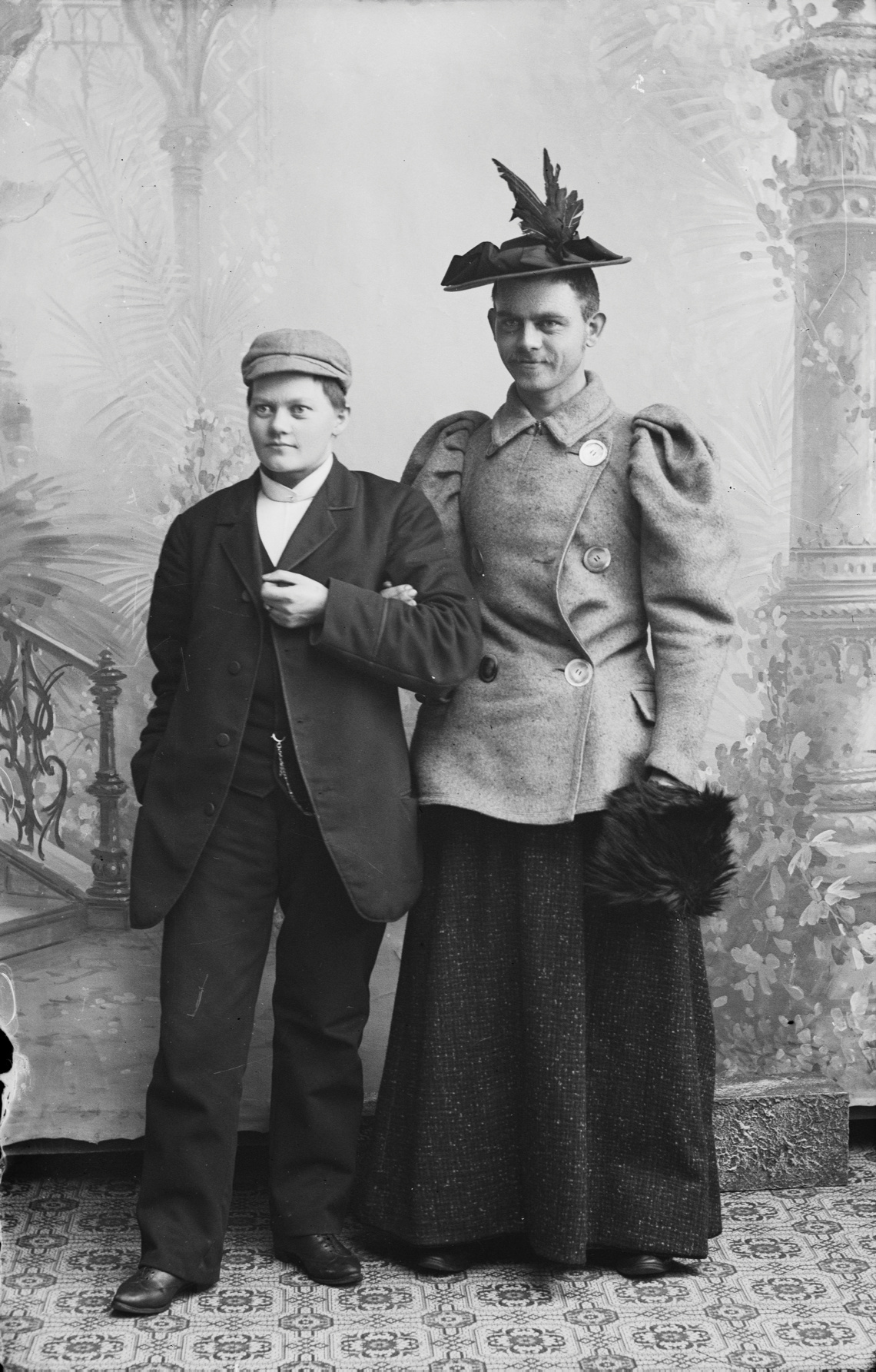


We find several such boundary-breaking photographic projects in Europe and America around 1900. They correspond with women’s battle for full civil rights and the right to define their own identity. So these photographs are a part of an international history – or herstory – that has meaning and recognition value for all women, including now.
All images are digital reproductions of the original glass plates. Some of the plates have cracks and damages, left visible in the reproductions. (quoted from the Album description)
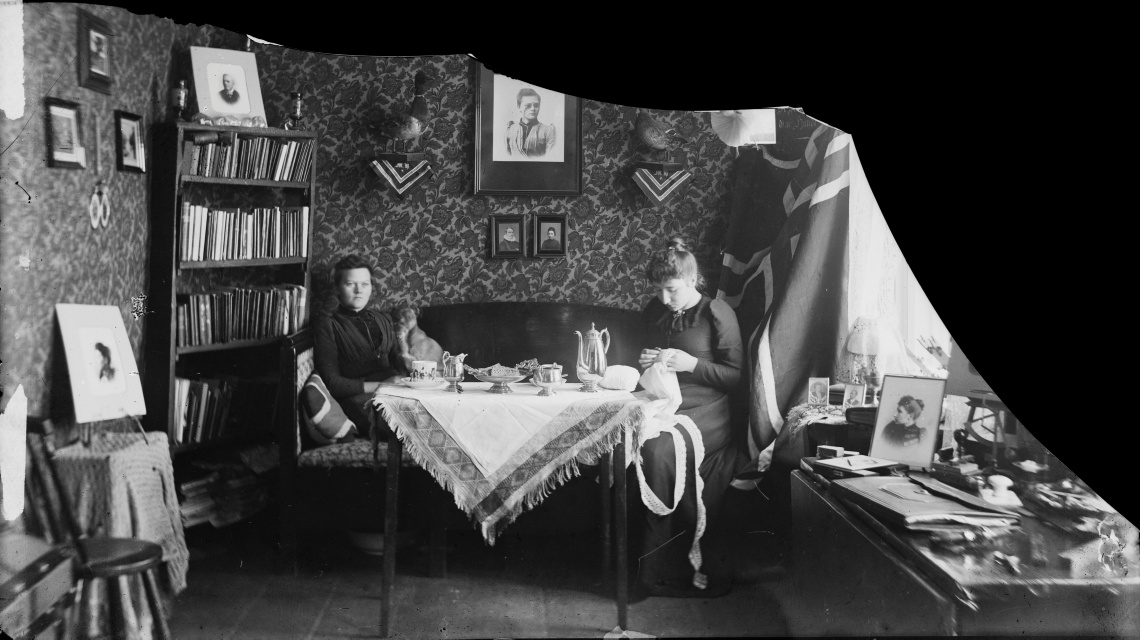
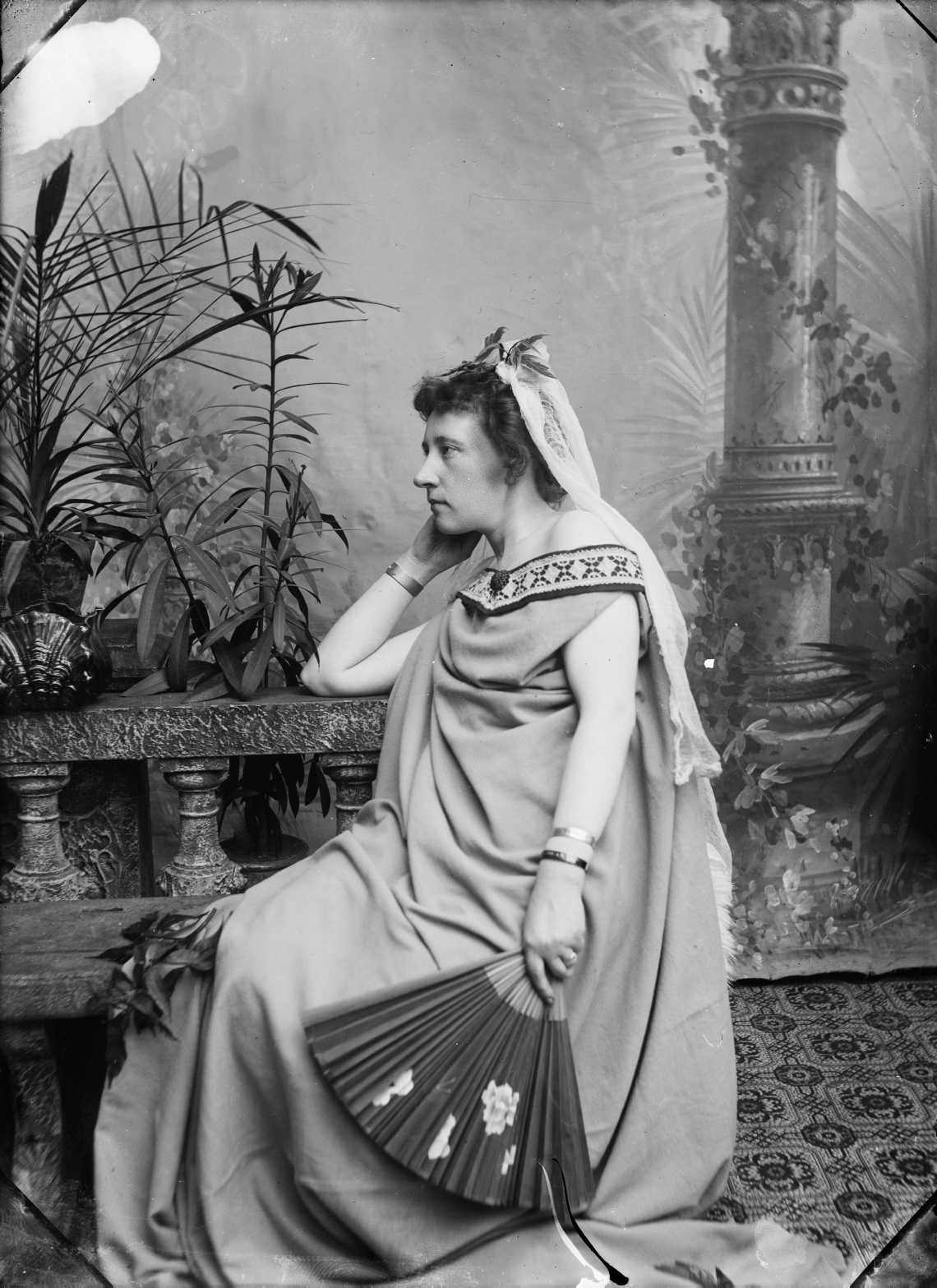
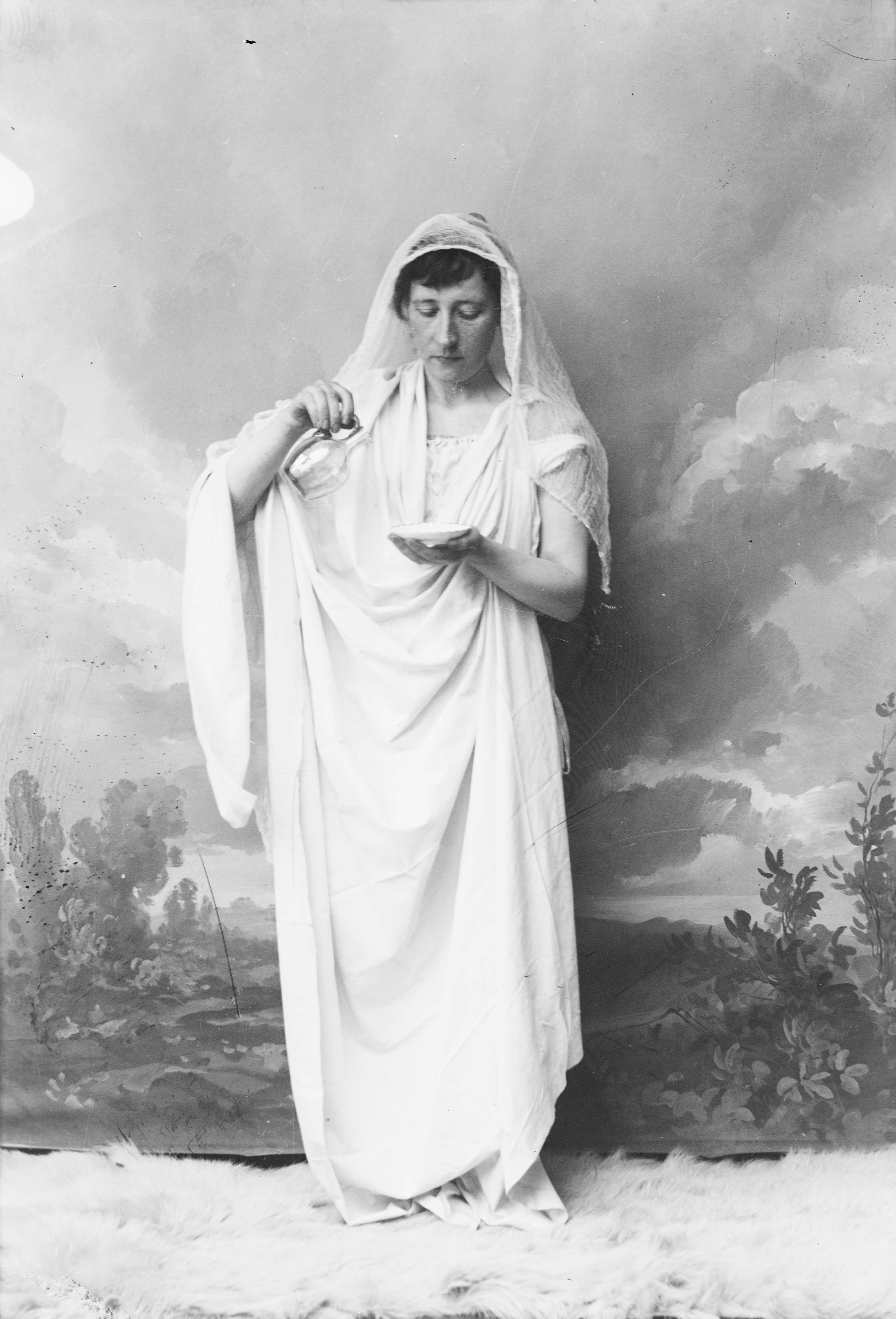
All images from this post were retrieved from The Preus museum collection hosted on Flickr. Link to album (x)


Photographer unknown, Former soldier
Christine Jorgensen at a press reception in London to launch the film
The Christine Jorgensen Story, September 14, 1970
© Wesley / Getty Images via Aperture Foundation
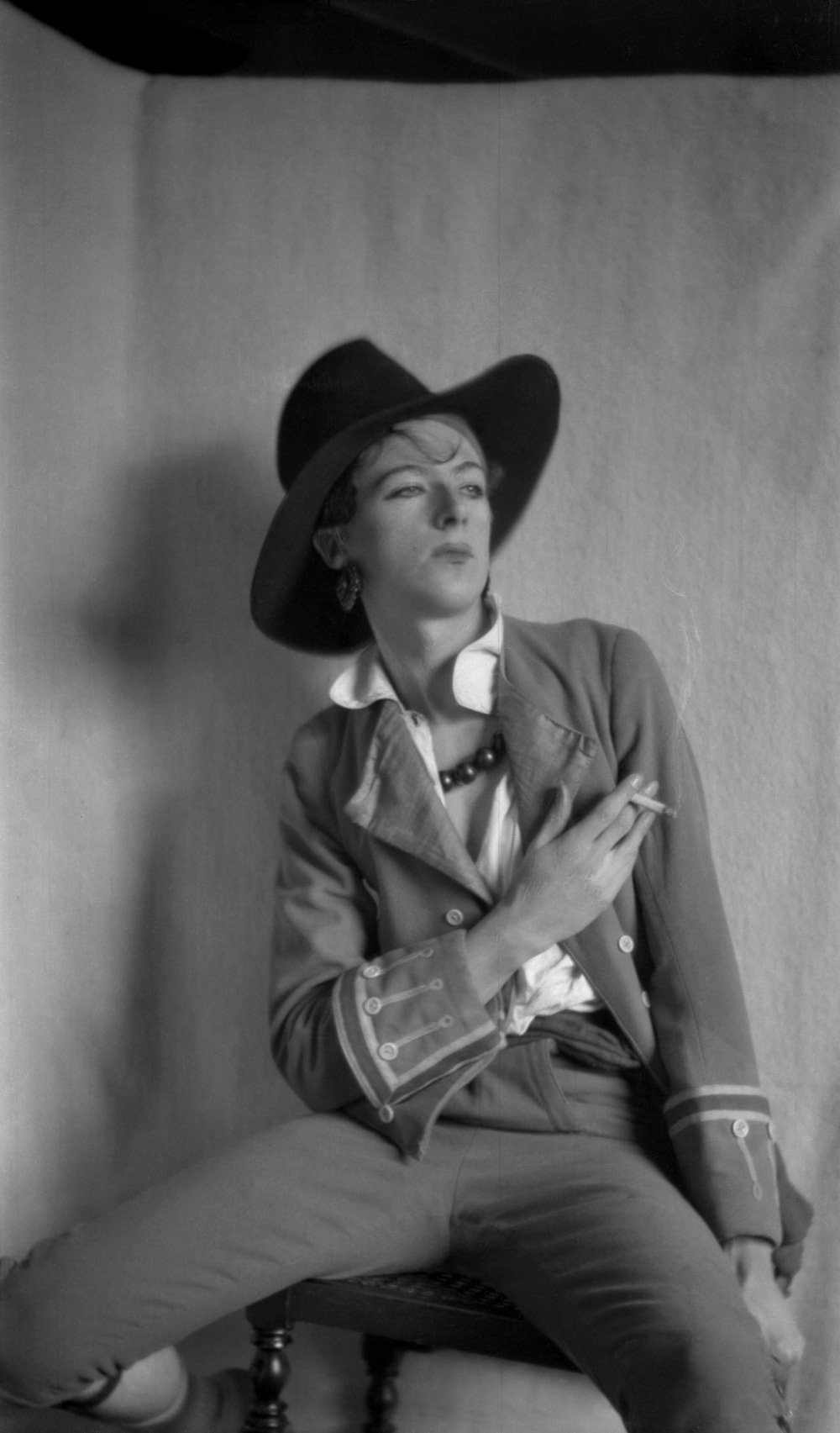

 un regard oblique