From Irene Caste archives

Irene Castle pictured here with one of her pups in a 1915 photo by Underwood & Underwood | Cornell fashion coll. on IG

Ballroom dancer. Silent film star. Fashion designer. Animal rights advocate. Irene Castle wore many hats – and donned countless dazzling costumes – as a celebrity during the early twentieth century.
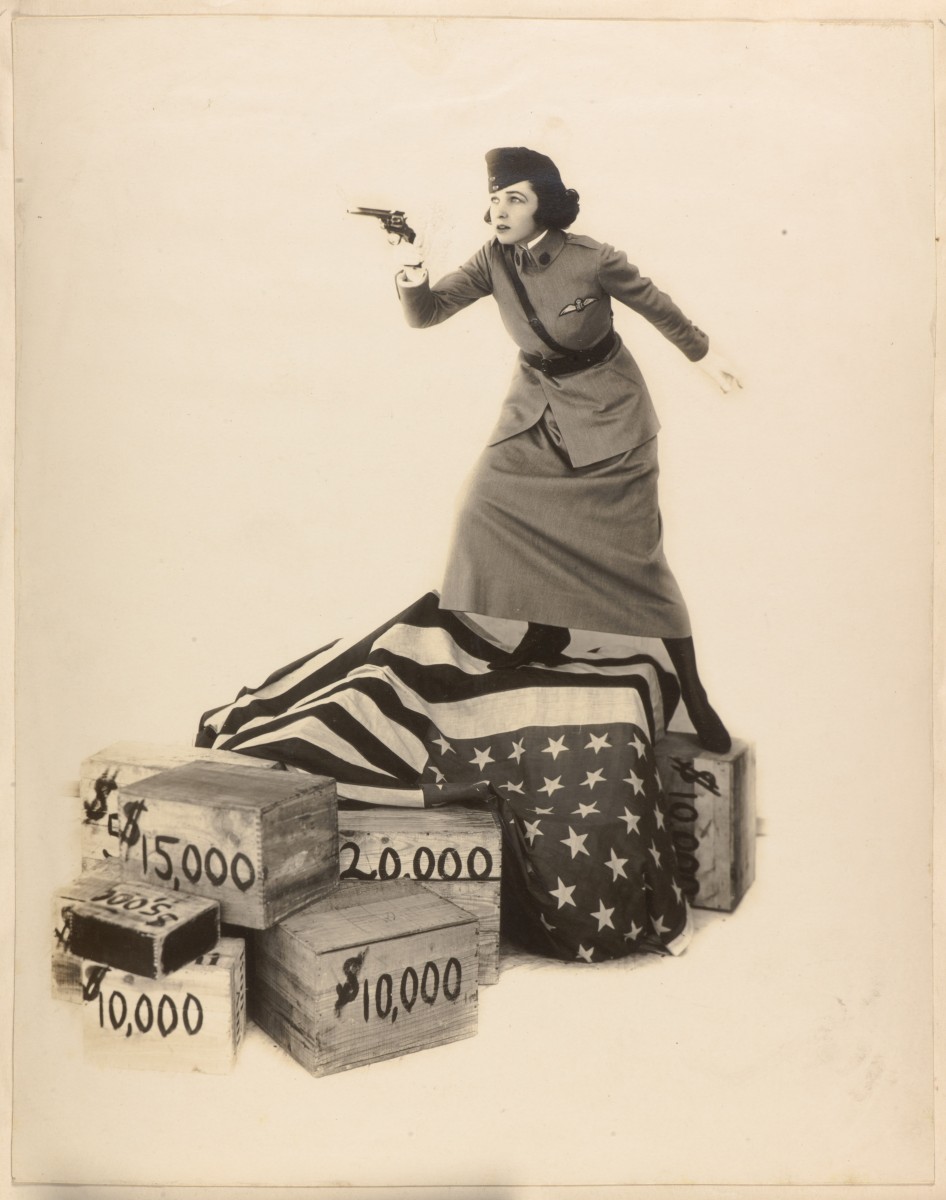
Irene Castle as Patria Channing in the serial Patria (1917). Only episodes 1 to 4, & 10 survive at the MoMA

Irene Castle was known for playing strong and stylish female leads such as the title character in the serial “Patria,” a swashbuckling, gun-toting munitions factory heiress who helps thwart a foreign invasion. Off-screen, Castle was also a pioneering entrepreneur who designed many of her own costumes and skillfully cultivated her image to become a household brand […]

“She was a very astute businesswoman,” Green said. “She knew the value of her name as a brand and so she branded all of her fashion innovations.” In 1917, Castle collaborated with Corticelli Silk Mills to develop “Patria”-themed fabrics, and started her own clothing line, Irene Castle Corticelli Fashions, in 1923. She also applied her moniker to everything from her “Castle Bob” haircut in 1913 that sparked a trend in the ’20s to the “Castle Band” of jewelry around her forehead that later resurfaced in hippie fashions of the ’60s, according to Green. / quoted from Cornell news
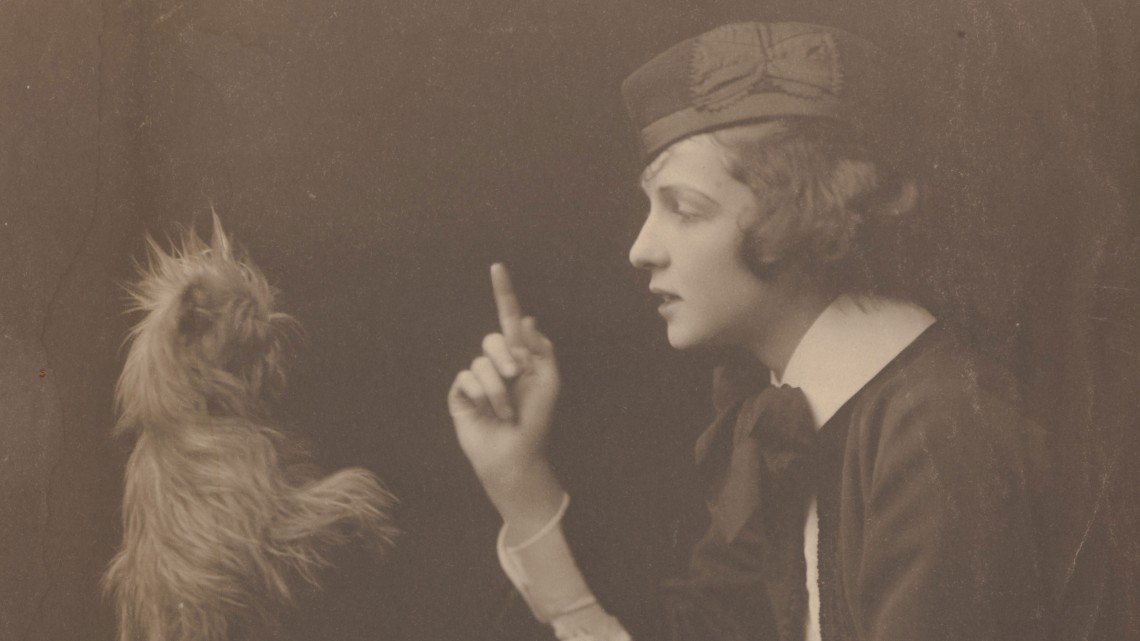
Silent film actress, dancer, and fashion icon Irene Castle, from the Irene Castle Photographs and Papers Coll. | src Cornell news

Blonde Venus, 1932

Marlene Dietrich. French postcard by EDUG, nº 1073. Photo by Paramount. Publicity still for Blonde Venus (Josef von Sternberg, 1932) | src Truus, Bob and Jan

Madam Satan waltz, 1930

Kay Johnson and Reginald Denny photographed by Manatt. Special photography for Cecil B. DeMille’s bizarre musical comedy, Madam Satan. The paper caption on reverse describes the image as Kay Johnson and Reginald Denny performing the Madam Satan waltz, aboard the Zeppelin. The photo attempts to create a more fantasy intense mood for the film since it was actually a very light comedy about an attempt by a wife, donning a disguise, to re-seduce her husband into submission. | src Heritage Auctions | view related post, here

Madam Satan publicity, 1930s

Kay Johnson in press material for “Madam Satan” (MGM, Cecil B. DeMille, 1930). Illustrierter Film-Kurier, nº 1647, 1930s. | src twitter

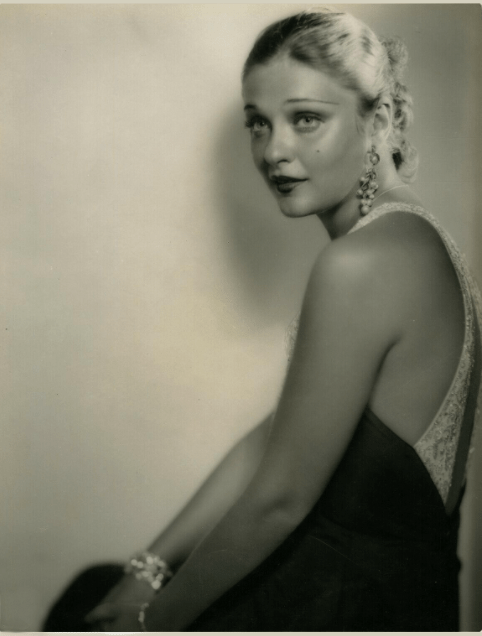
Anna Sten, ca. 1932

Ruth Harriet Louise :: Russian (sic) actress Anna Sten, ca. 1932. Press snipe on verso reads: “Anna Sten, young emotional actress trained in Soviet stage and screen institutions, is being groomed to play opposite Ronald Colman. Producer Samuel Goldwyn is laying elaborate plans to make Miss Sten’s screen debut an event sensational enough to be a worthy successor to her German triumphs in ‘The Brothers Karamozov’ and ‘Tempest’, and the Russian ‘The Yellow Ticket’ and ‘Moscow Laughs and Cries’.” | src WorthPoint

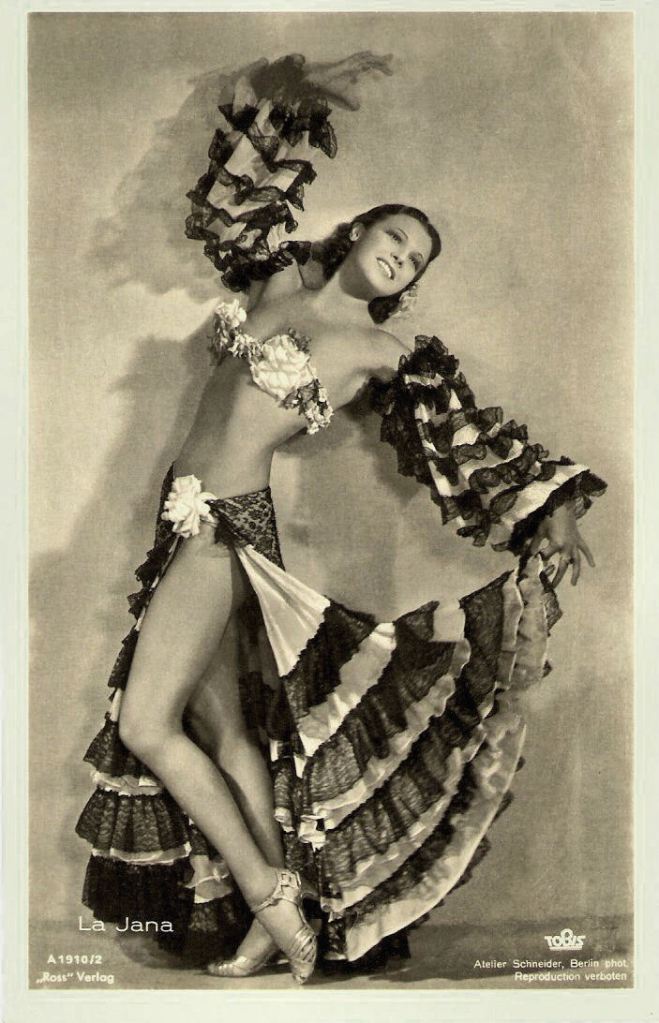
Es leuchten die Sterne, 1938

Atelier Schneider :: La Jana. German postcard by Ross Verlag, nº A 1910/2, 1937-1938. Tobis. Publicity still for Es leuchten die Sterne -The Stars Shine (Hans H. Zerlett, 1938). | src Flickr