Siniestro turismo de guerra del ’38

Viajeros de la Ruta de Guerra n° 1 en recorrido por Cantabria y Asturias [Material gráfico] (ca. 1938) | Travelers of the War Route No. 1 on a tour in Cantabria and Asturias [Graphic material] | src europeana (original src Biblioteca Digital Hispánica)

Viajeros de la Ruta de Guerra n° 1 en recorrido por Cantabria y Asturias [Material gráfico]. Sólo algunas de las fotografías tienen, al verso, mecanografiado el nombre del fotógrafo (Marqués de Santa María del Villar), se deduce por la apariencia que el resto pueden ser del mismo fotógrafo. (ca. 1938). Las rutas de guerra eran itinerarios turísticos oficiales (creados en el verano de 1938 en plena Guerra Civil) dirigidos al público extranjero por la España denominada ‘liberada’. El bando nacional creó rutas turísticas de guerra para traer a visitantes extranjeros a las regiones que habían caído bajo su control con un doble propósito: propagandístico y económico (conseguir divisas).

Travelers of the War Route No. 1 on a tour in Cantabria and Asturias [Graphic material]. Only some of the photographs have, on the verso, the photographer’s name typed (Marqués de Santa María del Villar), it can be deduced from their appearance that the rest may be by the same photographer (ca. 1938). The war routes were official tourist itineraries (created in the summer of 1938 in the midst of the Civil War) aimed at the foreign public to visit the so-called ‘liberated’ Spain. The national side created tourist war routes to bring foreign visitors to the regions that had fallen under their control with a dual purpose: propagandist and economic (earning foreign exchange). [quoted from source]
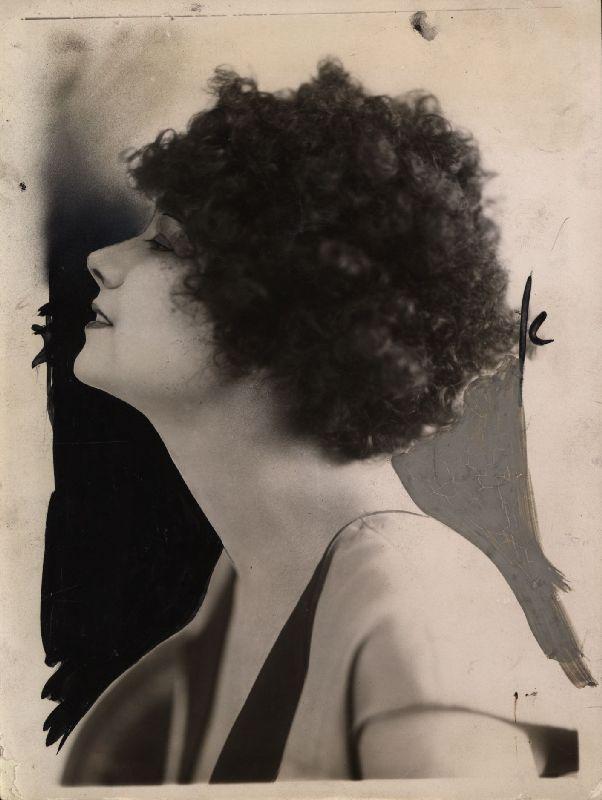
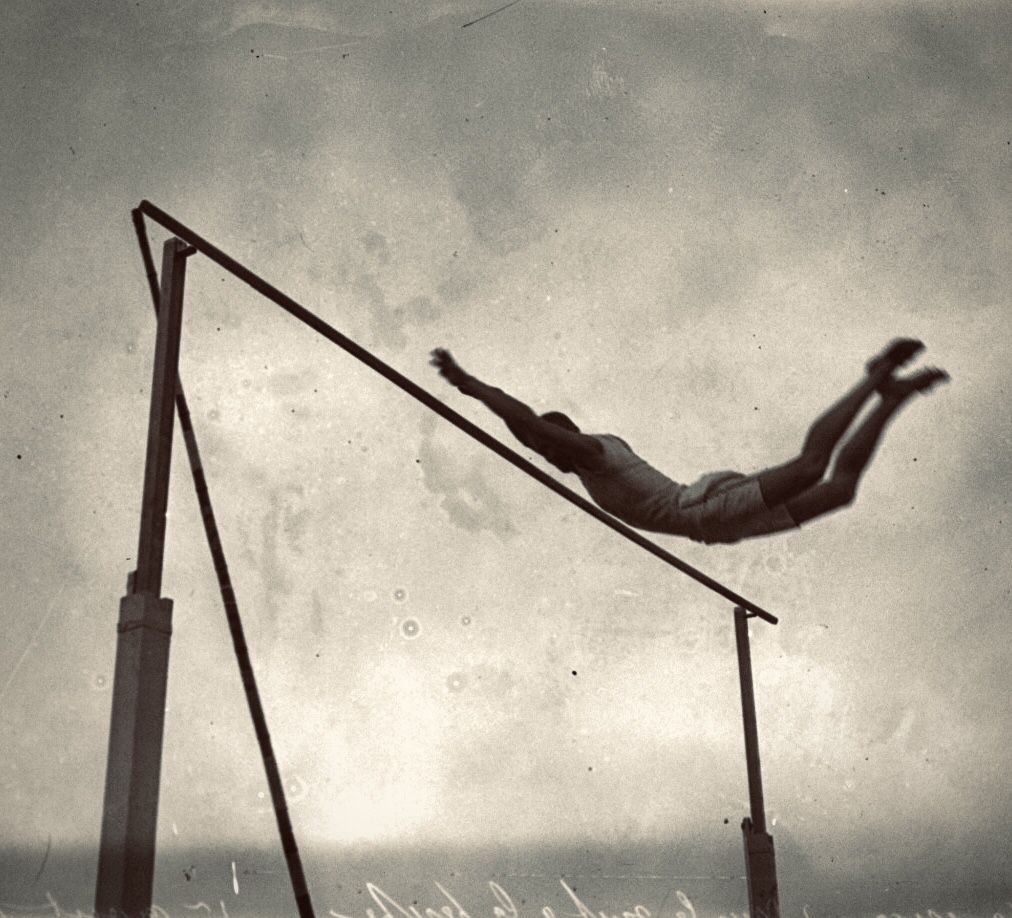
Clotide von Derp, 1922

Gilbert René :: Original Pressefoto (World Wide Photo) Clotilde Sakharoff. Clotide von Derp. Stempel von Gilbert René 350 Rue St. Honoré, Paris, auf der Rückseite. Pressetext: “Mme Sakharoff, wife of the famous dancer Sakharoff, who caused a sensation in European social circles by her remarkable dancing. She is the daughter of Von Tirpitz, the former German submarine & Navy chief.” 2/22/22. | src Abebooks

Désirée Lubovska · ca. 1915

Underwood & Underwood :: Portrait of ‘Russian’ dancer Désirée Lubowska [aka Mme Lubowska or Lubovska], full-length portrait, standing, left profile, in Cleopatra costume, 9 September 1915. (Désirée Lubovska was not actually Russian. It was the stage name of American born dancer Winniefred Foote). | src Library of Congress
White Studio (NY) :: Portrait of ‘Russian’ dancer Désirée Lubowska [aka Mme Lubowska or Lubovska], full-length portrait, standing, right profile, in Cleopatra costume, 1915. | src Les sources d’une île

Desiree Lubovska, also Desiree Lubowska, was the professional name of American dancer Winniefred Foote (1893 – 1974). Foote was born in Minnesota. She changed her name, adopted an accent in her speech, and created a backstory of dancing in Russia; she also said that she studied Egyptian art at the British Museum. She went on a diet and fitness regimen in pursuit of a more angular physique, and her dances reflect this focus. ‘I finally felt I was one of them, a reincarnated spirit of the Nile’; she said in a 1921 interview.

Text adapted from the Wikipedia entry (in English)

Ballet dancer Desiree Loubovska / Lubovska. Egyptian dance of mourning taken from tombs of Egypt. Press photo by White Studios (1916) | src Worthpoint ~ Worthopedia

The text “Egyptian dance of mourning taken from tombs of Egypt” can be read on the verso of the photograph, written in pencil amongst the stamps of press agencies.