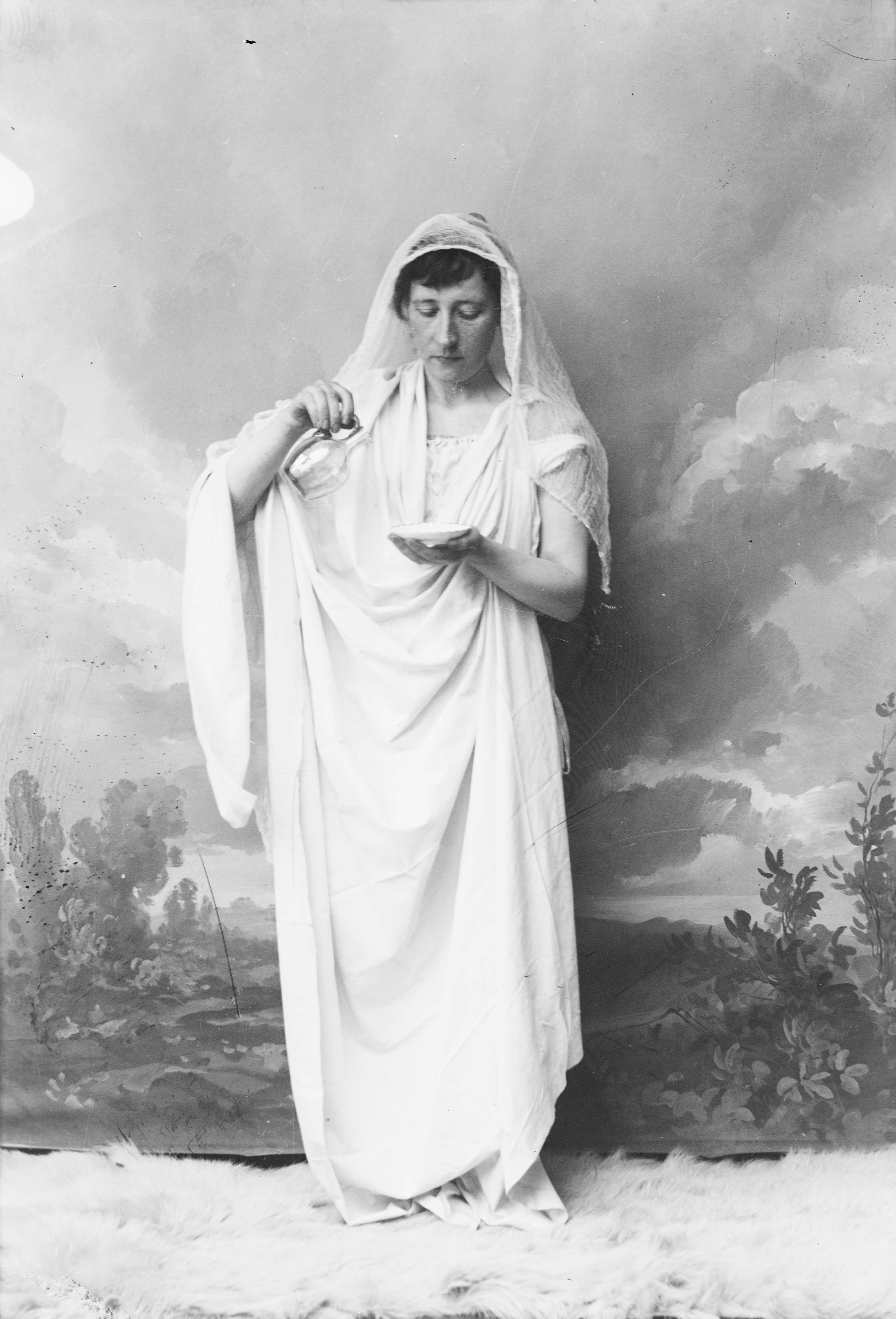
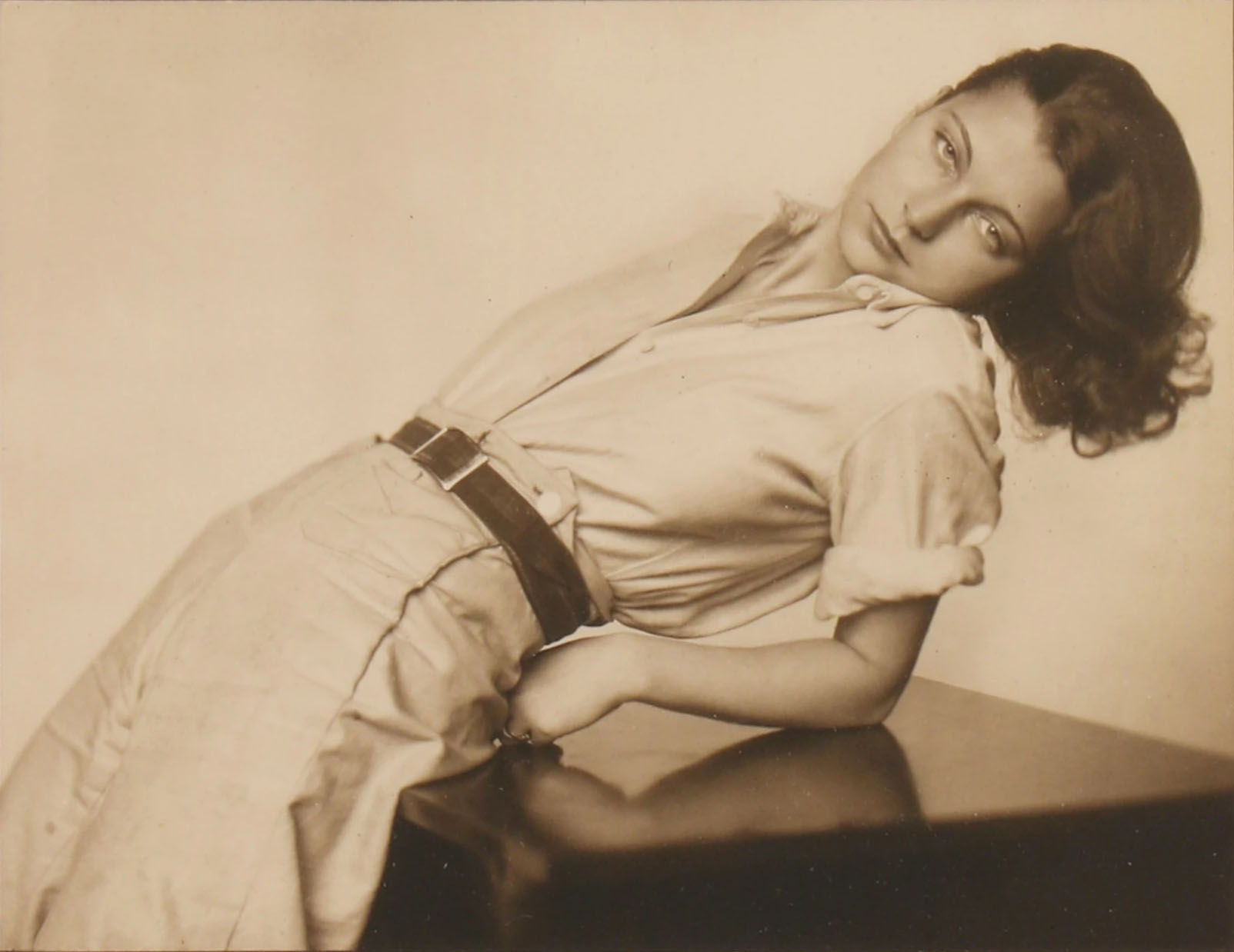
Ella Ilbak civil portraits

Ella Ilbak (1895-1997) [likely 1910s] | src Eesti Kirjandusmuuseum
Ella Ilbak, kirjanik, tantsija, u 1932 | src ETMM · Eesti Teatri- ja Muusikamuuseum
Georg Fayer (Wien) ~ portrait of the dancer and writer Ella Ilbak (1895 – 1997) | src Eesto Kirjanike e-leksikon

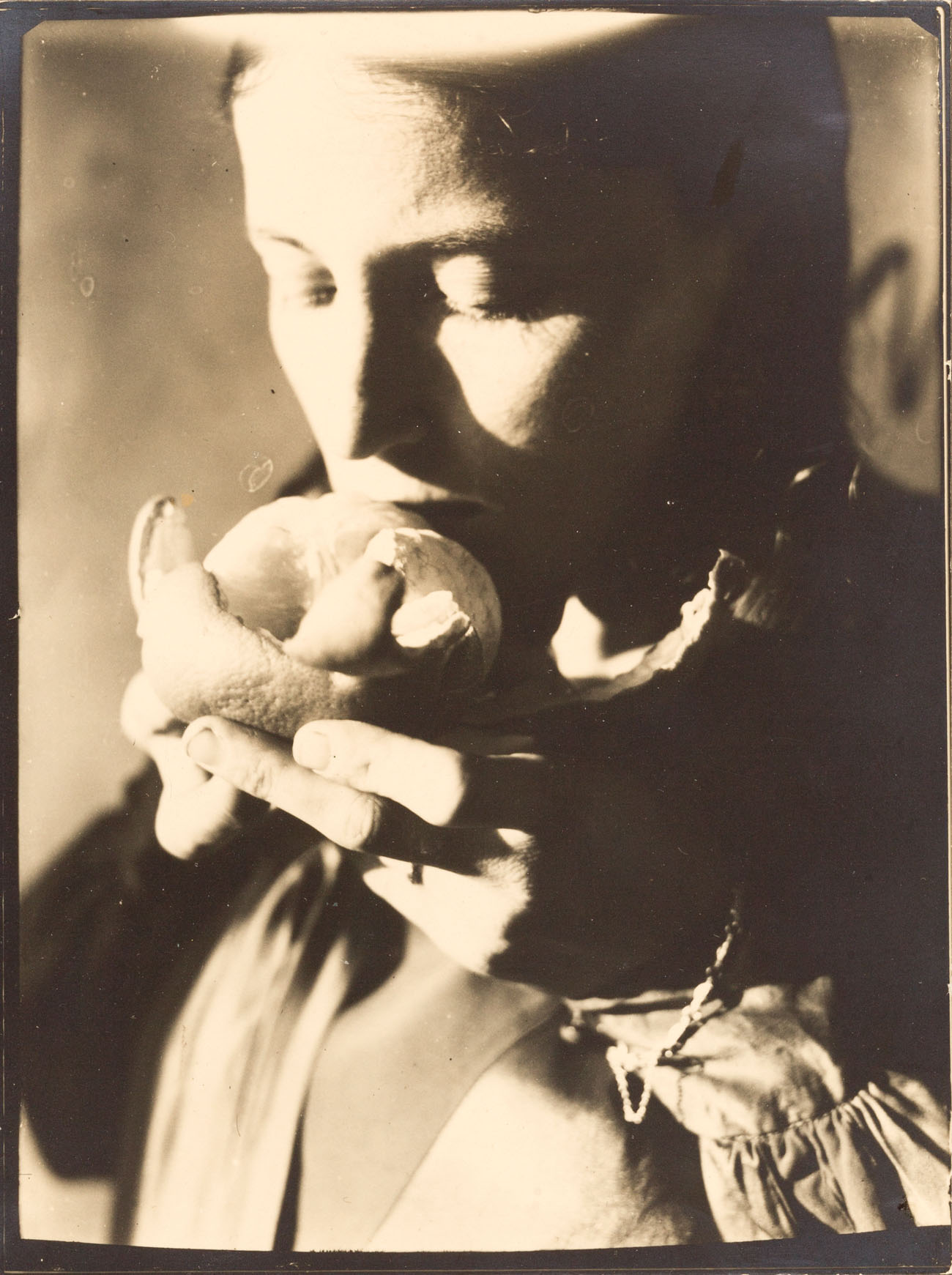
Barbara Hoyer by Artur Nikodem

Artur Nikodem (1870–1940) ~ Barbara (Hoyer) with an orange, Innsbruck, Austria, 1928 | src OstLicht Auktionen

Trained in Munich by Defregger and Kaulbach, the Innsbruck artist enjoyed international success as a landscape painter from 1920 until his career ended with the Nazi takeover. He did not use photography for templates, but as a medium in its own right and experimented in many photographic genres and pictorial languages in his mostly very small-format prints; yet his astonishing photographic oeuvre did not receive attention until the 1980s. This photo features the artist’s second wife Barbara Hoyer (1907–1970), who posed for many of his staged photographs.

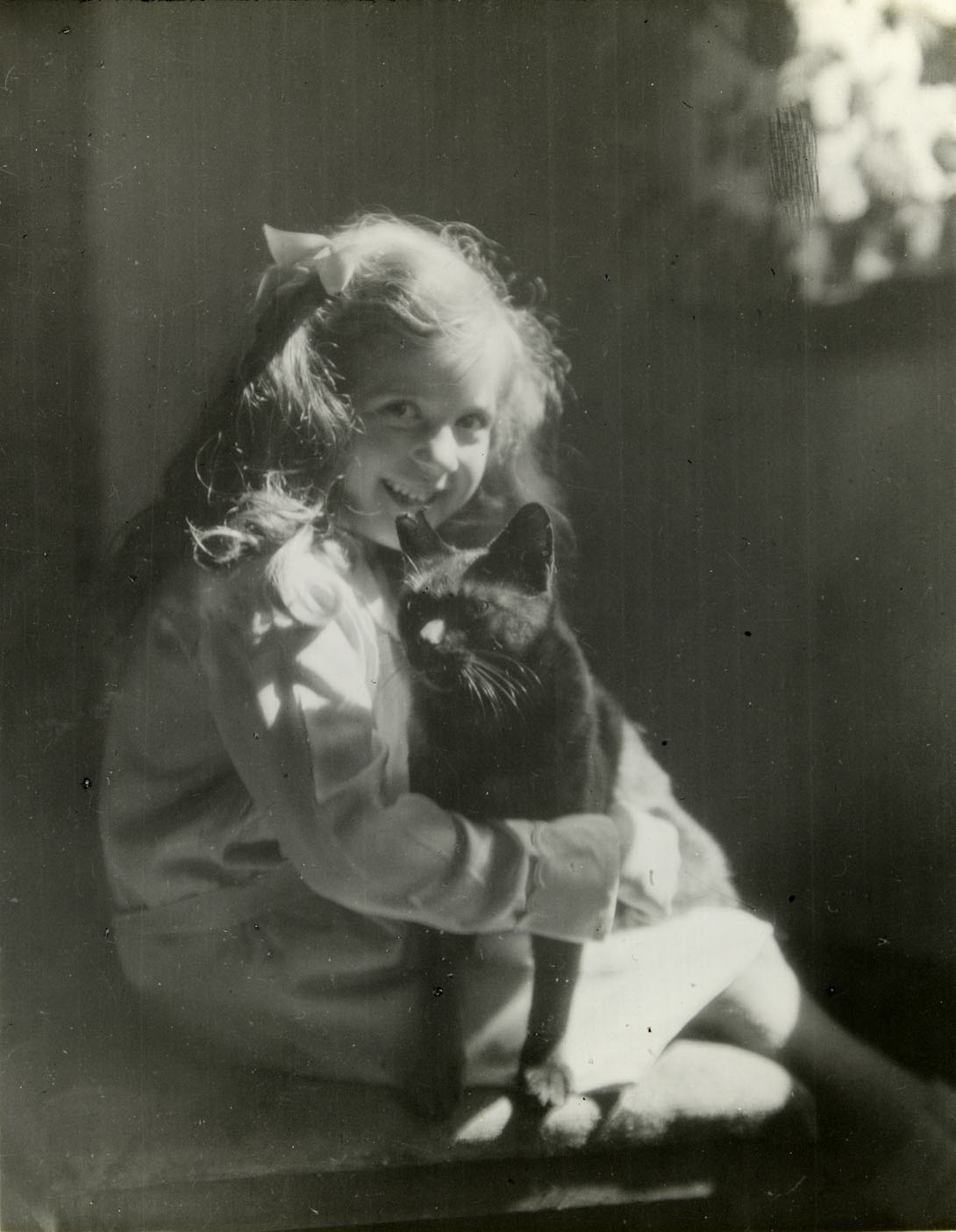
Artur Nikodem (1870–1940) ~ Barbara with an orange, Innsbruck, Austria, 1928 | src OstLicht Auktionen

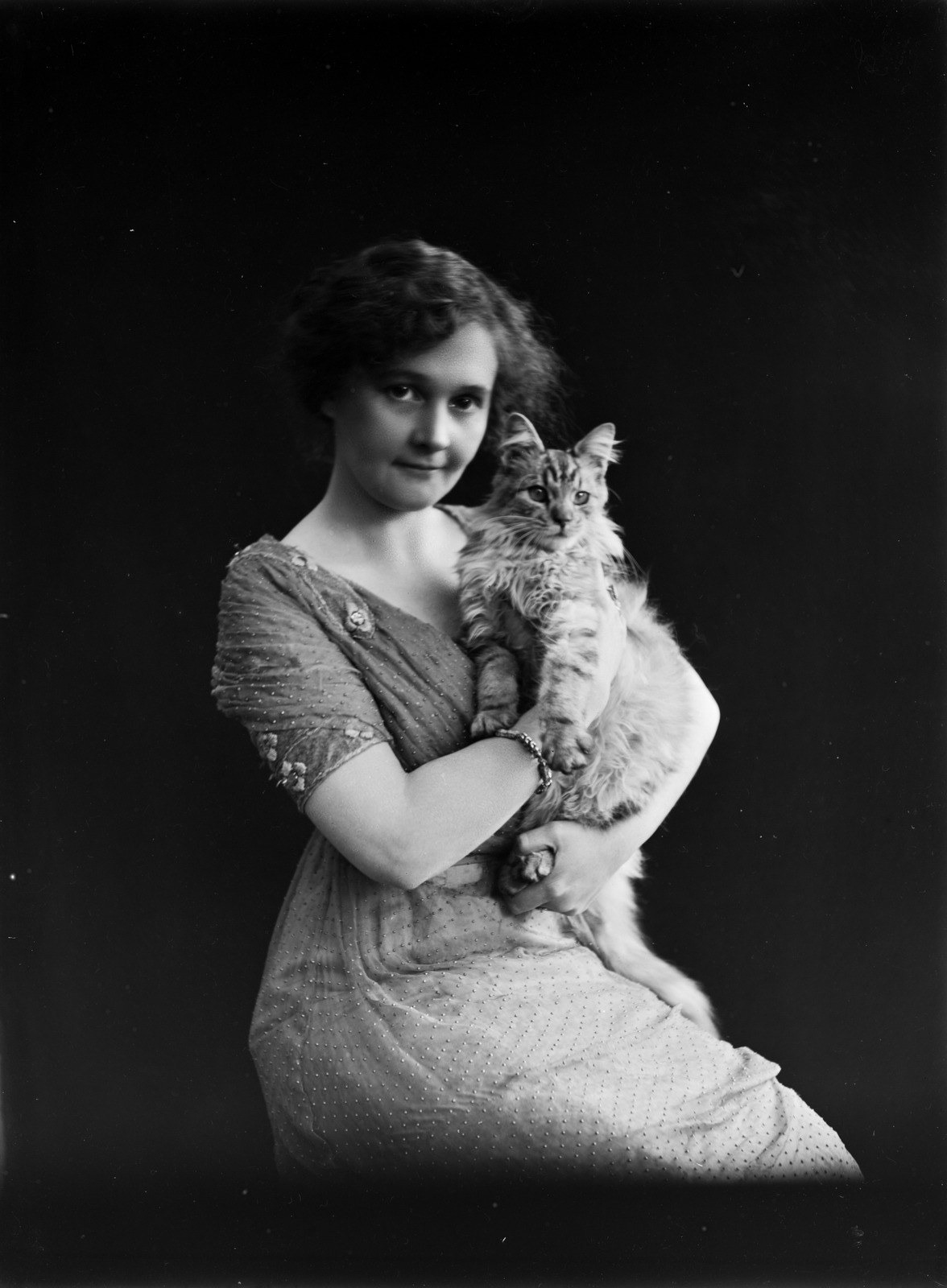
Ruth Hollick and cat people

Ruth Hollick (1883-1977) ~ [Young girl holding cat]; ca. 1910-1930. Glass lantern slide | src SLV · State Library of Victoria
Ruth Hollick (1883-1977) ~ [Lois White, seated, holding a cat]; ca. 1910-1930. Glass lantern slide | src SLV
Ruth Hollick (1883-1977) ~ Miss Sheila Sutherland, with cat [1915]. Glass negative | src SLV
Ruth Hollick (1883-1977) ~ Miss Gelfren (young woman with cat) (n.d.) | src NGA

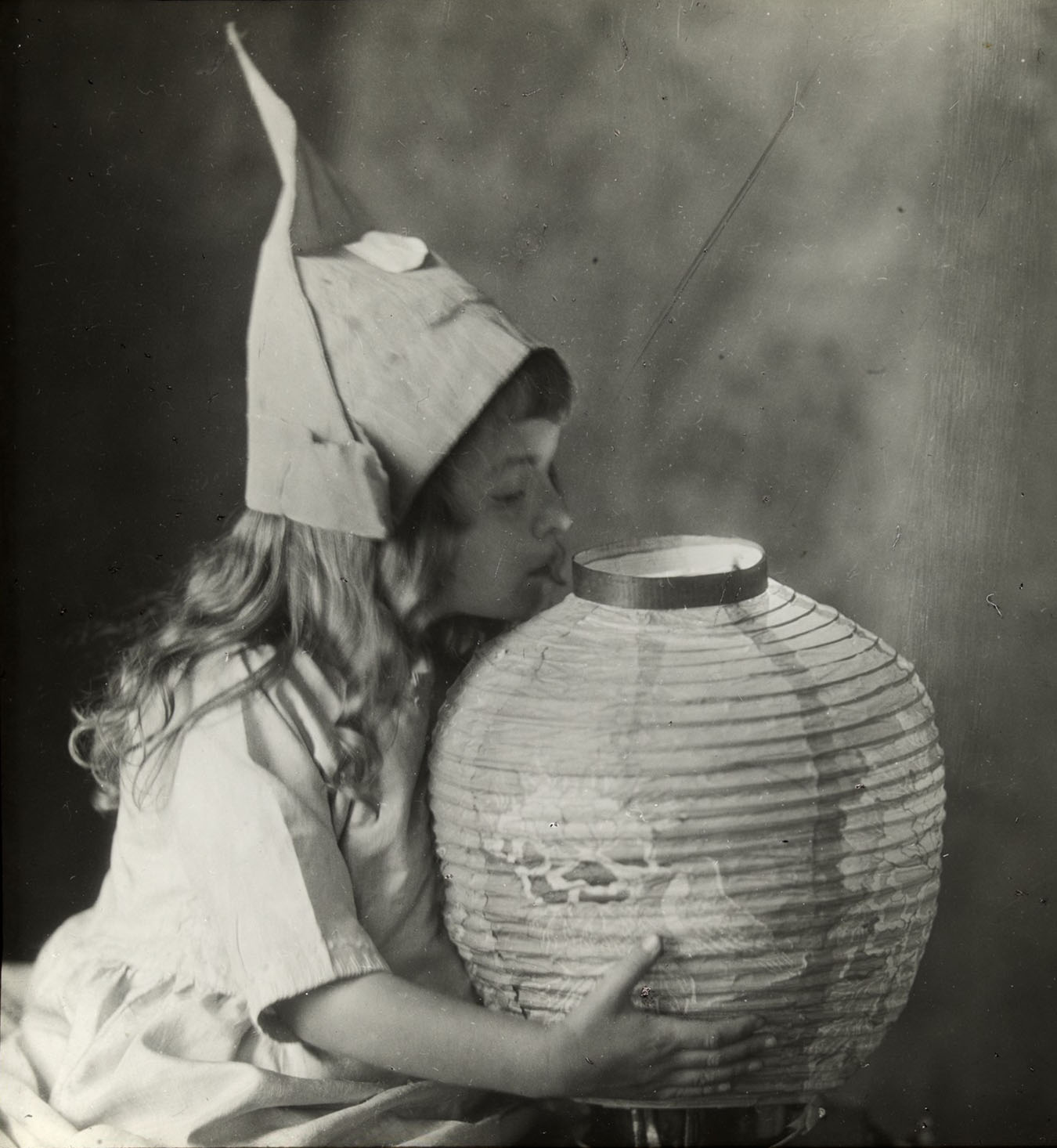
Girl with Chinese paper lamp

Ruth Hollick (1883-1977) ~ [Young girl holding a Chinese paper lantern, wearing a hat] (1910-1930) [detail]
Ruth Hollick (1883-1977) ~ [Young girl holding a Chinese paper lantern, wearing a hat] 1910-1930. Glass lantern slide | src SLV

Private photo box · Berg and Hoeg

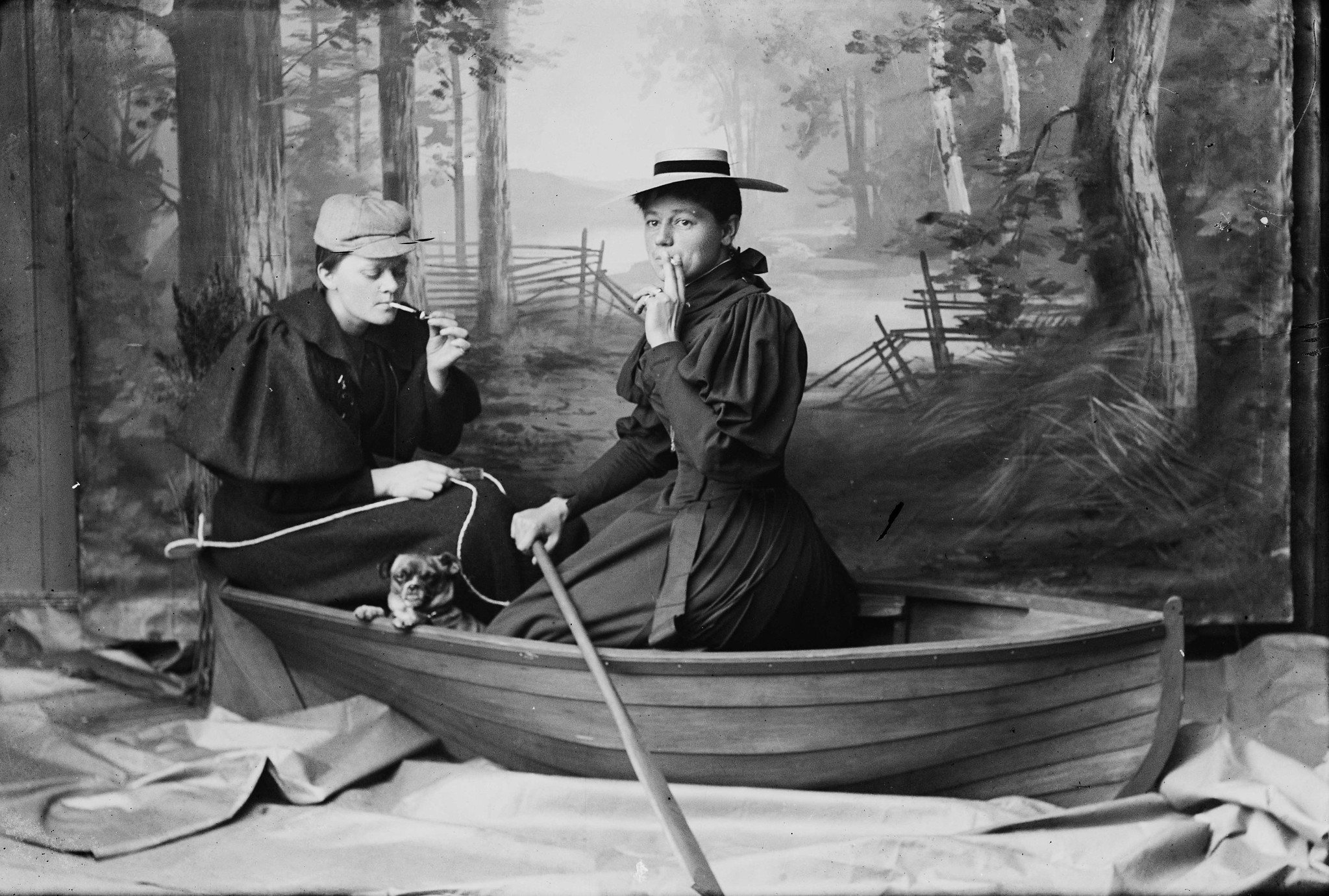
Marie Høeg and Ingeborg Berg in a rowing boat. Photo: Berg & Hoeg ca. 1895-1903
The Preus museum collection on Flickr

In a box marked “private”, an amazing collection of glass plates were found 30 years ago, amongst the remnants of the two portrait photographers Marie Høeg (1866-1949) and Bolette Berg (1872-1944).

Marie Høeg and Bolette Berg in a rowing boat. Photo: Berg & Hoeg, ca. 1895-1903 | src Preus museum

In 1895, they established the Berg & Høeg photography studio in Horten, Norway, where they took portraits and views of Horten and surroundings and lived on the proceeds from sales. At that time, photography was seen as a decent and acceptable profession for women, as it was a profession that demanded a certain amount of aesthetic sense – as part of the female nature.

Horten was a naval base with the main shipyard for the Norwegian navy and had a strong flow of people who needed photographs for celebration and recollection. Perhaps that is how the two photographers understood by the very process of portraiture how important it is to stage oneself and to what a large degree that contributes to how we are perceived.

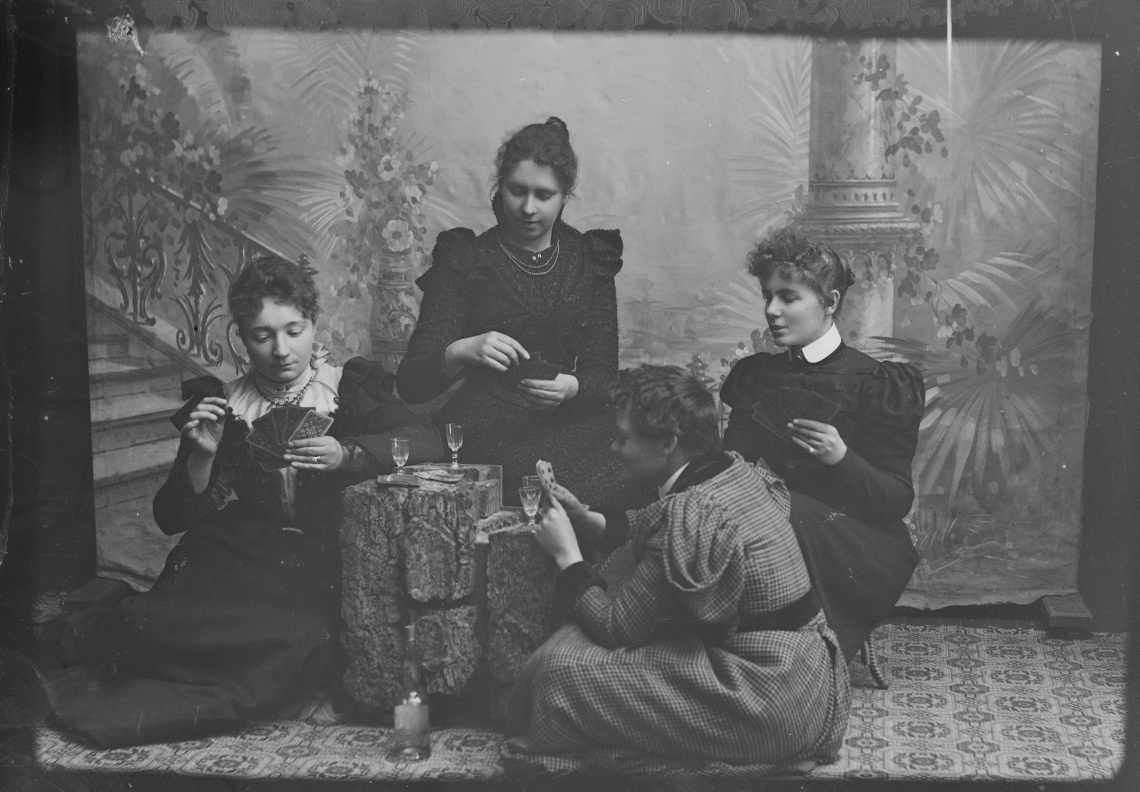
Ingeborg Berg, Julie Antonsen and Trine Ulriksen having a nice time together, sitting on the floor drinking and card-playing, doing the things “nice girls” shouldn’t do. Marie Høeg, sitting at the back with a hat on.
Ingeborg Berg, Julie Antonsen and Trine Ulriksen having a nice time together with Marie Høeg, sitting in front to the right.
Photo: Berg & Hoeg, ca. 1895-1903

The Preus museum collection has 440 glass negatives from Berg & Høeg. Among the cartons in the 1980s were discovered some on which had been written “private.” It is not unusual that photographers also have private photographs in their archives. But these were not ordinary keepsake pictures. They indicate that the two photographers, especially Marie Høeg, experimented with various gender roles.

Imagine the fun they must have had, cross-dressing and playing! At the same time, the images are deeply serious, as they reflect upon the expectations and attitudes towards women, and their lack of rights and freedom. We know that Høeg was the extrovert and started groups to fight for women’s rights. Bolette Berg was less in the public view. However, she must have been back of the camera in many of these photographs, which have attracted international notice.
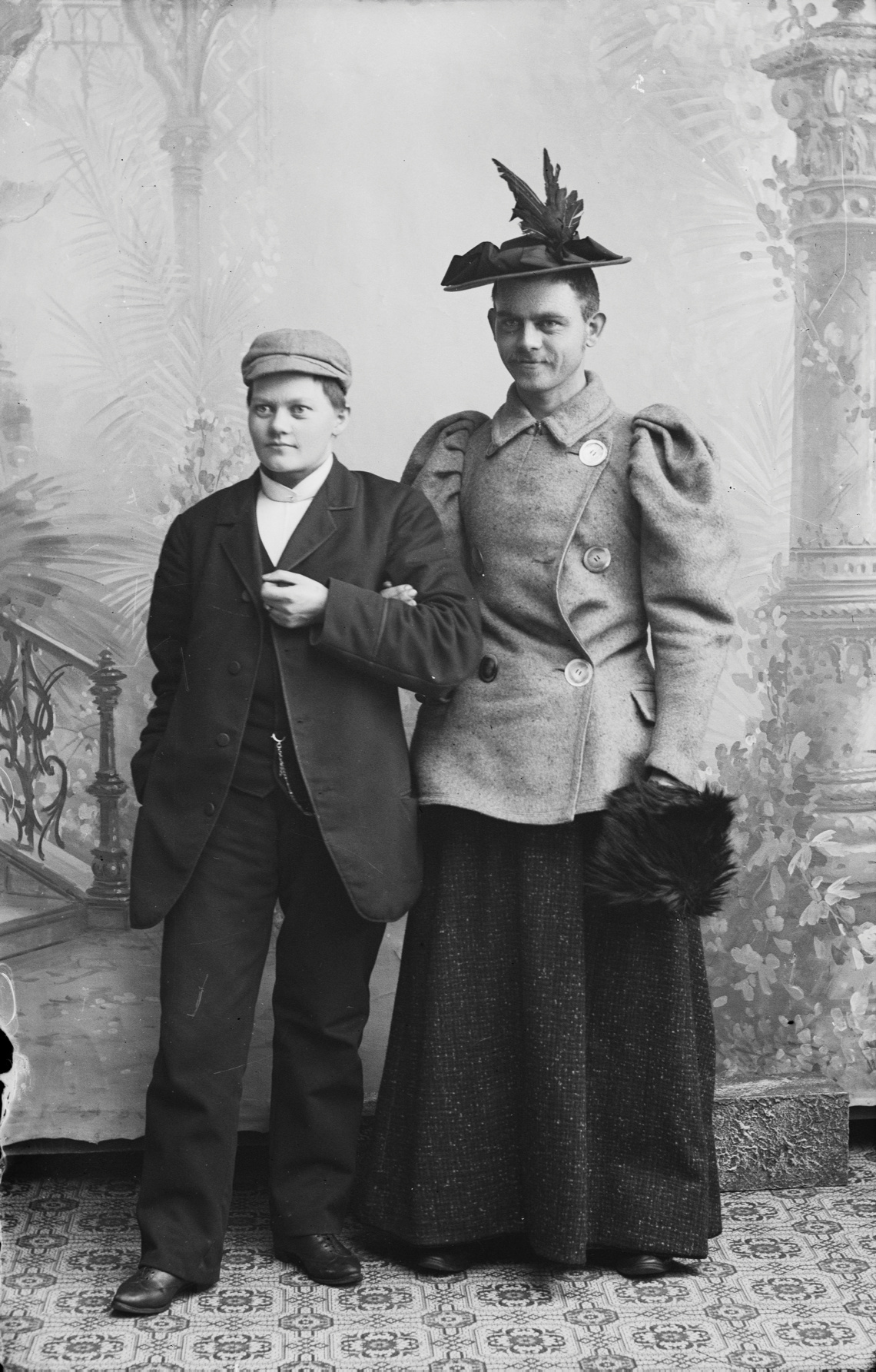
Marie Hoeg posing with her brother Karl in the studio. Photo: Berg & Hoeg, ca. 1895-1903
Marie Høeg utkledt som mann, med pelslue. Helfigur. / Marie dressed as a man. Photo: Berg & Hoeg, ca. 1895-1903
Marie Høeg’s brother Karl posing in women clothes with an umbrella. Photo: Berg & Hoeg, ca. 1895-1903

We find several such boundary-breaking photographic projects in Europe and America around 1900. They correspond with women’s battle for full civil rights and the right to define their own identity. So these photographs are a part of an international history – or herstory – that has meaning and recognition value for all women, including now.
All images are digital reproductions of the original glass plates. Some of the plates have cracks and damages, left visible in the reproductions. (quoted from the Album description)
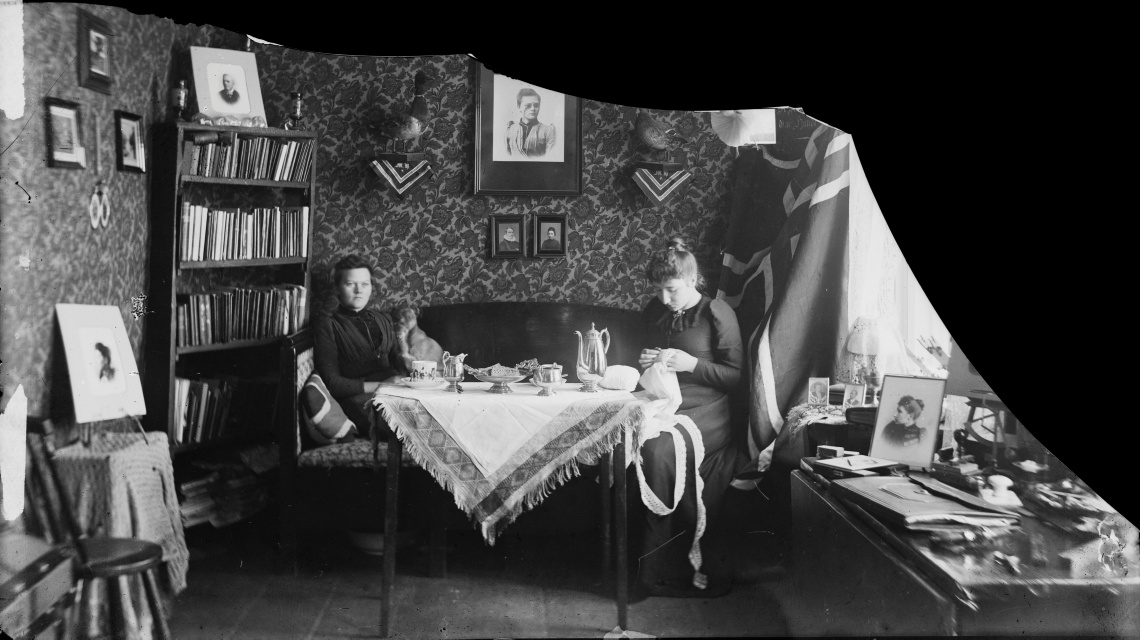
Marie Høeg and Bolette Berg in their home sitting on sofa. Photo: Berg & Hoeg, ca. 1895-1903
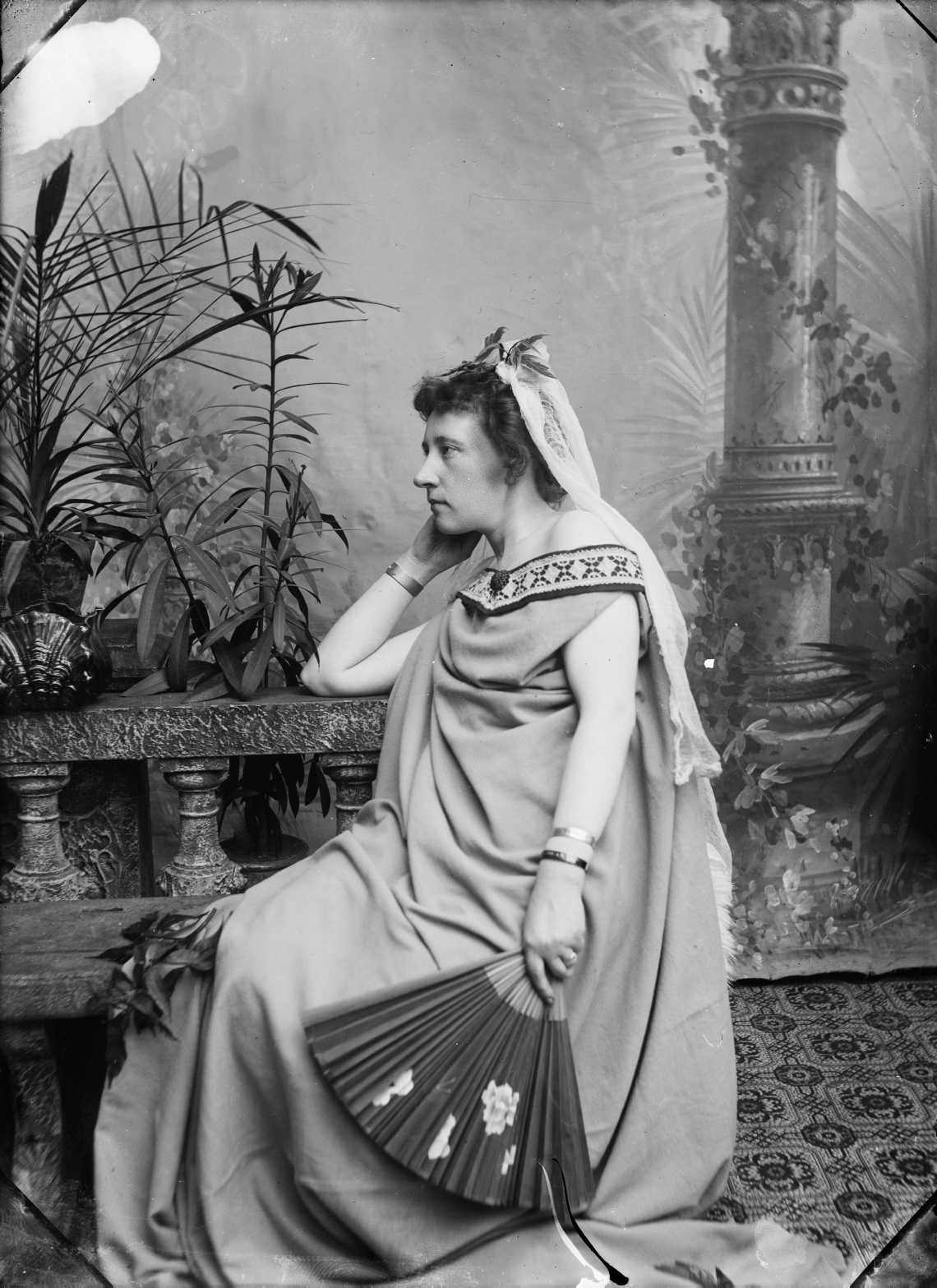
Staged portrait of one of Bolette Berg’s five sisters. Photo: Berg & Hoeg, ca. 1895-1903
“Vestalinne II”. One of Bolette Berg’s five sisters. Photo: Berg & Hoeg, ca. 1895-190

All images from this post were retrieved from The Preus museum collection hosted on Flickr. Link to album (x)
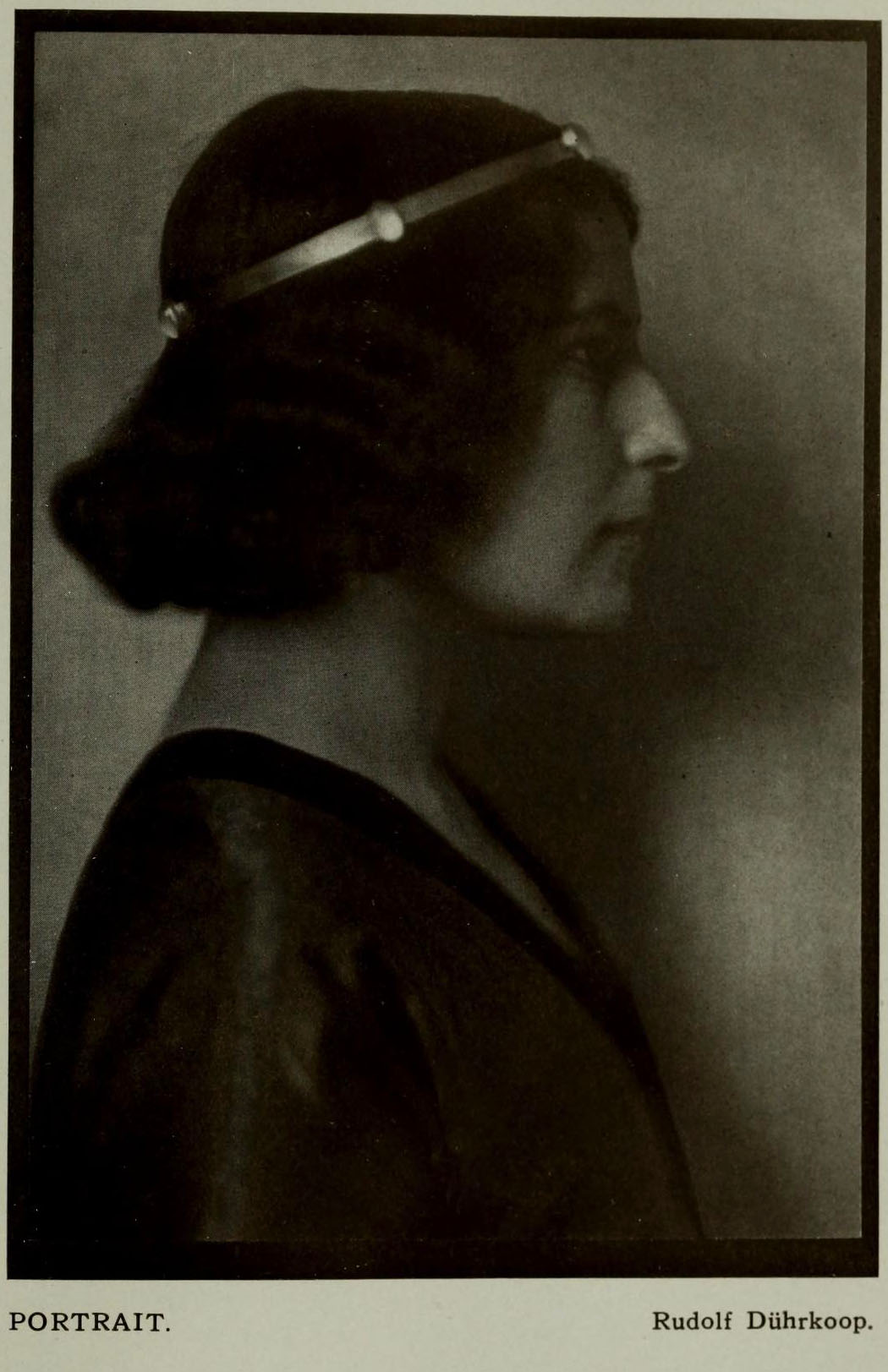
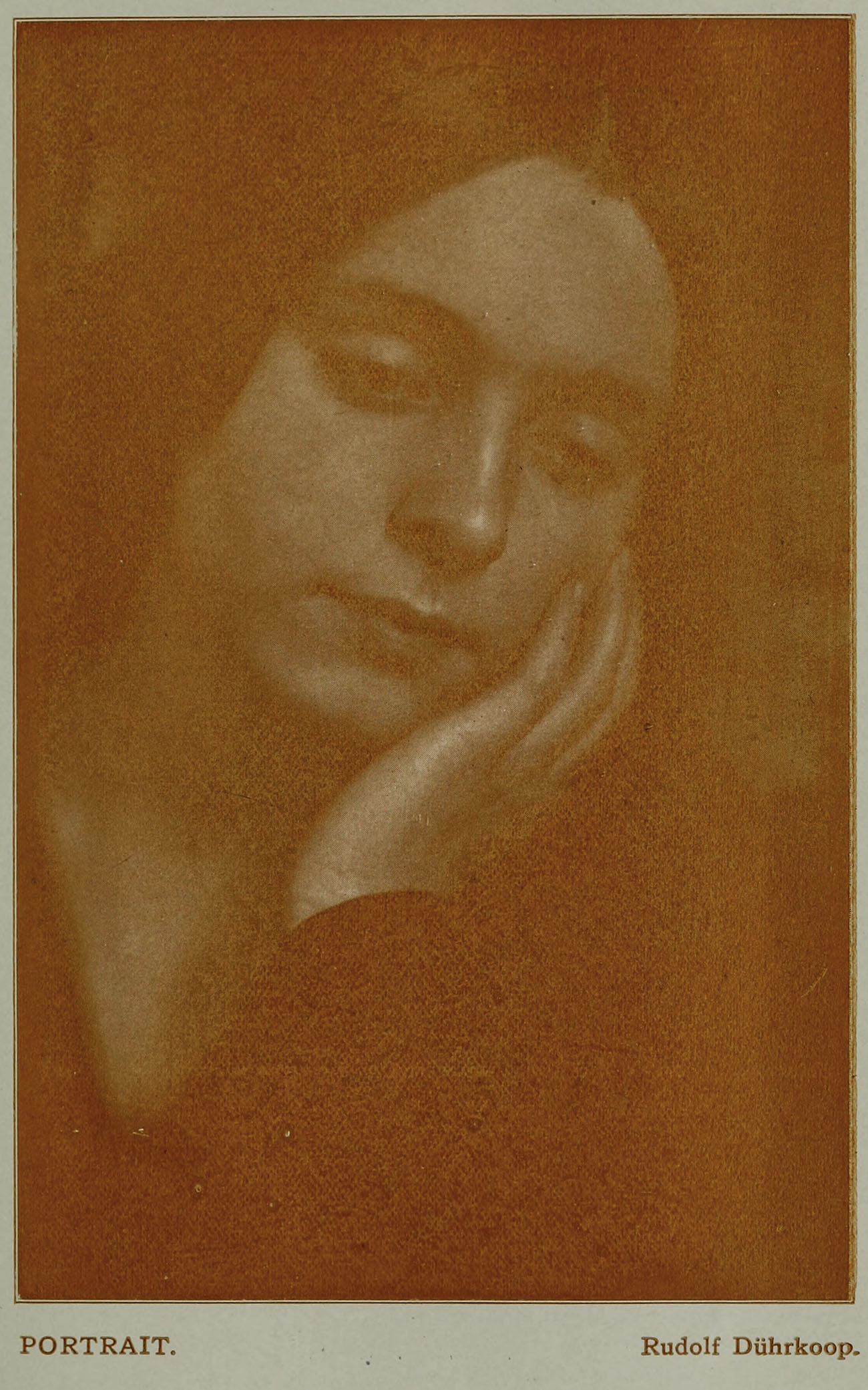
Two portraits by Dührkoop

Portrait by Rudolf Dührkoop. The American annual of photography (1912) Harold B. Lee Library / Brigham Young University
Portrait by Rudolf Dührkoop. From: The American annual of photography (1912) Harold B. Lee Library / Brigham Young University on internet archive

The Sleeping Beauty by Crooke

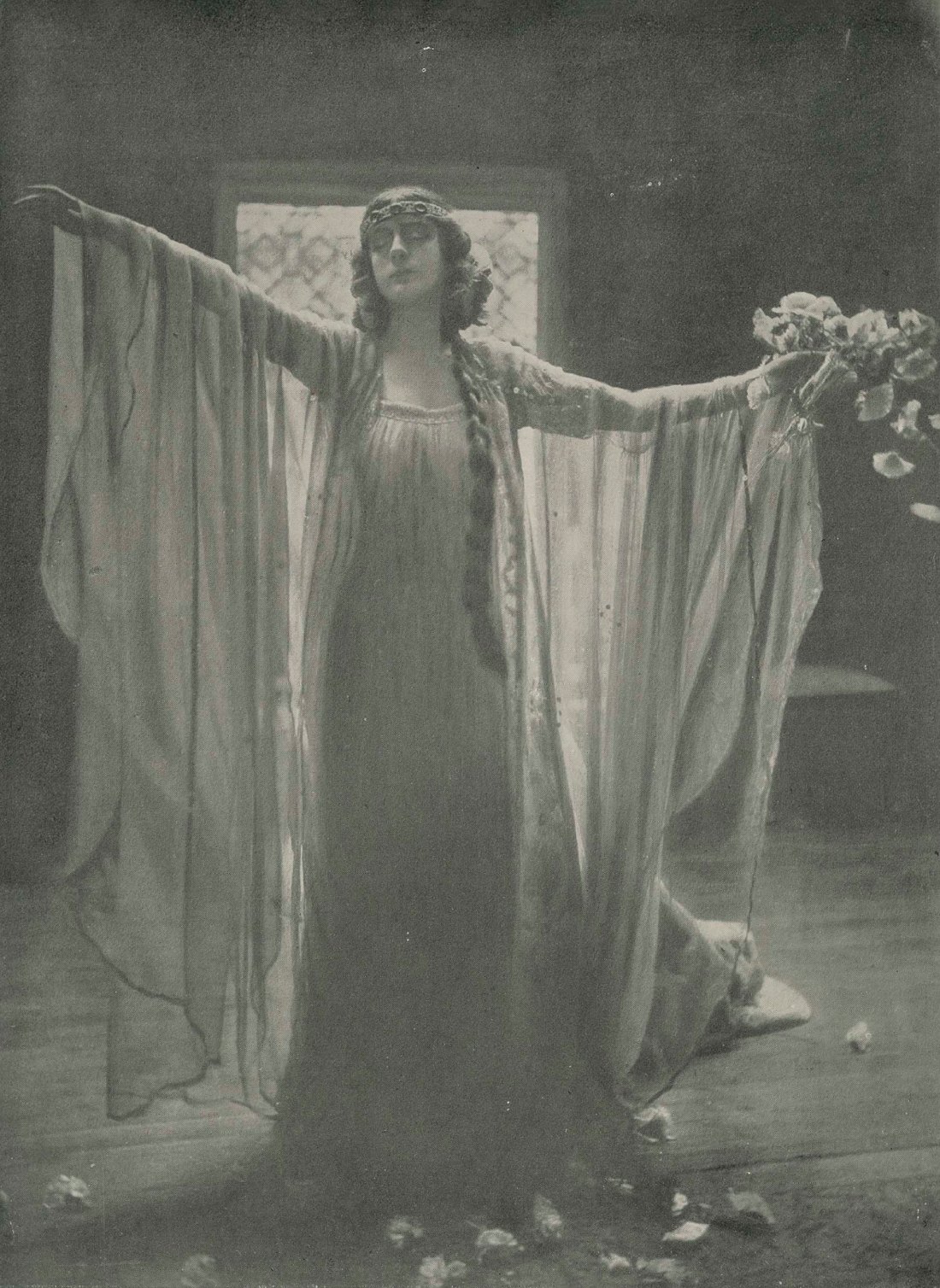
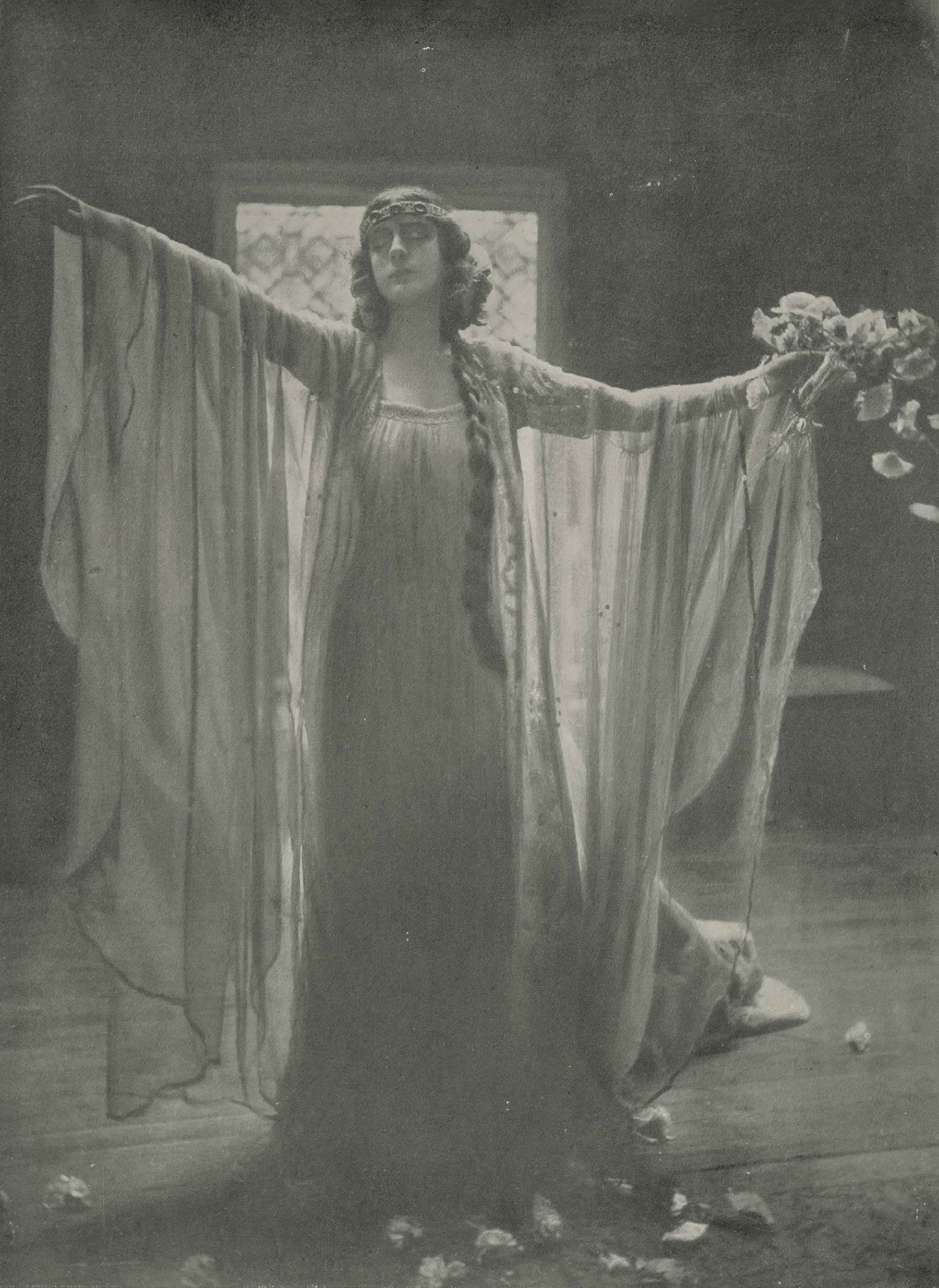
William Crooke :: The Sleeping Beauty. The Amateur Photographer & Photographic News, vol. LII, 1352, p. 210, 1910. (The Royal Photographic Society's Annual Exhibition, London)
William Crooke :: The Sleeping Beauty. The Amateur Photographer & Photographic News, vol. LII, 1352, p. 210, 1910. (The Royal Photographic Society's Annual Exhibition, London) Musée Nicéphore Niépce
William Crooke :: The Sleeping Beauty. The Amateur Photographer & Photographic News, vol. LII, 1352, p. 210, 1910. (The Royal Photographic Society’s Annual Exhibition, London) | src Musée Nicéphore Niépce
William Crooke :: The Sleeping Beauty. The Amateur Photographer & Photographic News, vol. LII, 1352, p. 210, 1910. (The Royal Photographic Society's Annual Exhibition, London) | src Musée Niépce
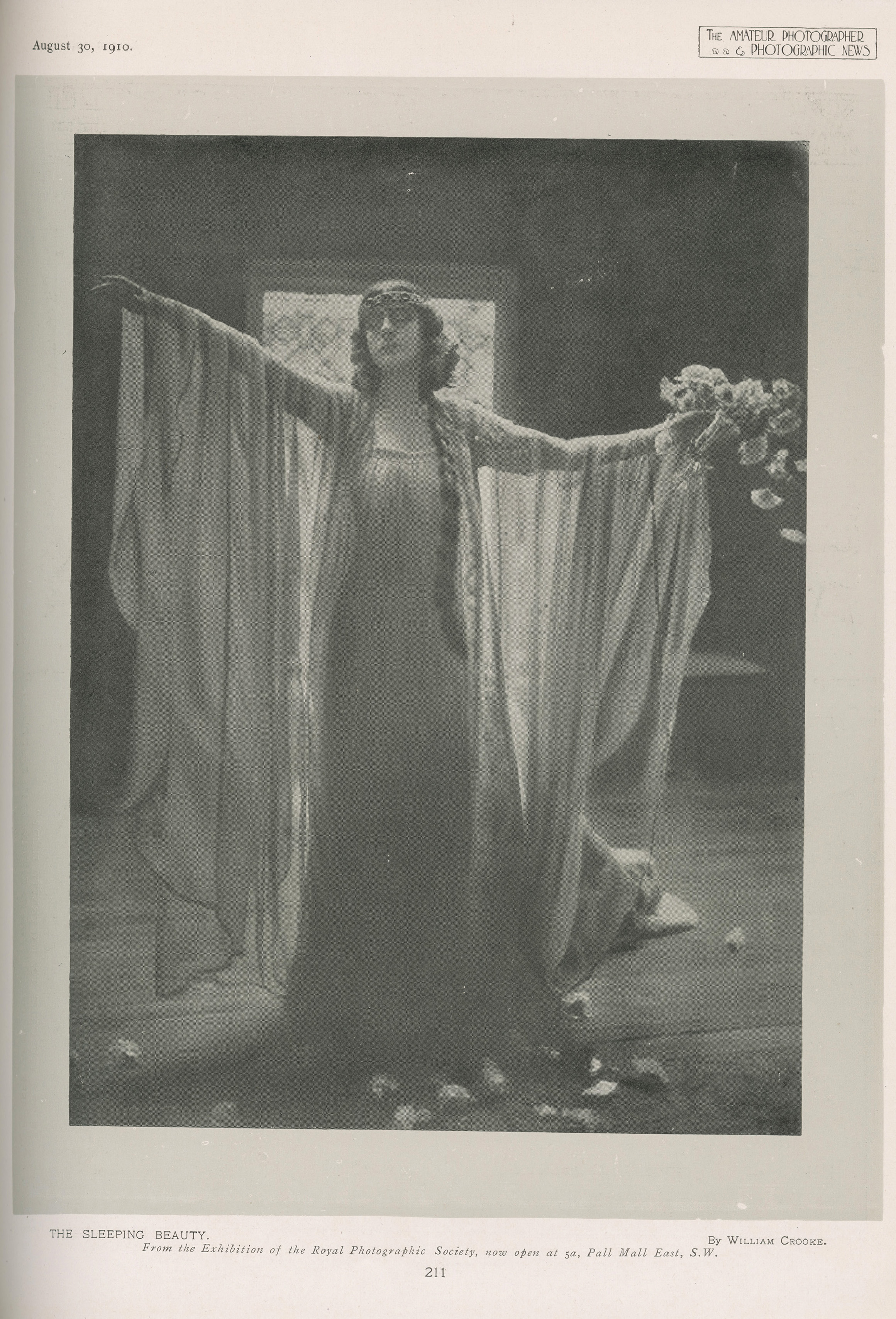
William Crooke :: The Sleeping Beauty. The Amateur Photographer & Photographic News, vol. LII, 1352, p. 211, 1910. (The Royal Photographic Society’s Annual Exhibition, London) | src Musée Niépce

Self-Portrait with Model

Harold Leroy Harvey (*) :: [Self-Portrait with Camera and Model], ca. 1930. | src The Met

(*) Harold Leroy Harvey exhibited at the San Francisco Salon of 1916 when he was only seventeen. He is believed to have studied with Man Ray in the early 1920s, and the two men did in fact share similar interests in experimental printing techniques. Harvey’s invention of various film developers and toners led eventually to the founding of his own company, the Harvey Chemical Company, in New Jersey. In addition to working as a commercial photographer, he was a painter and an illustrator. | quoted from source