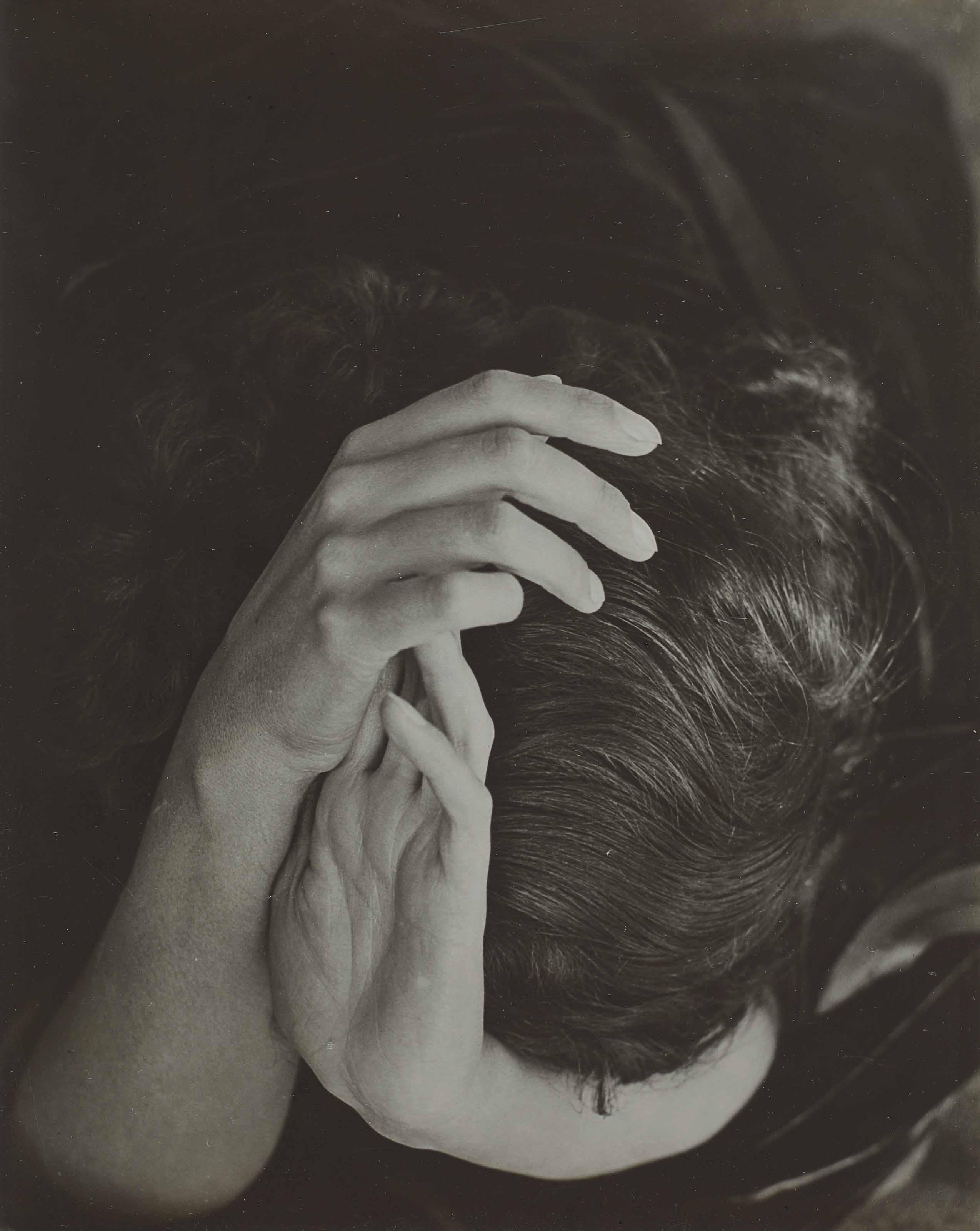
Hettner by Wols circa 1935
images that haunt us


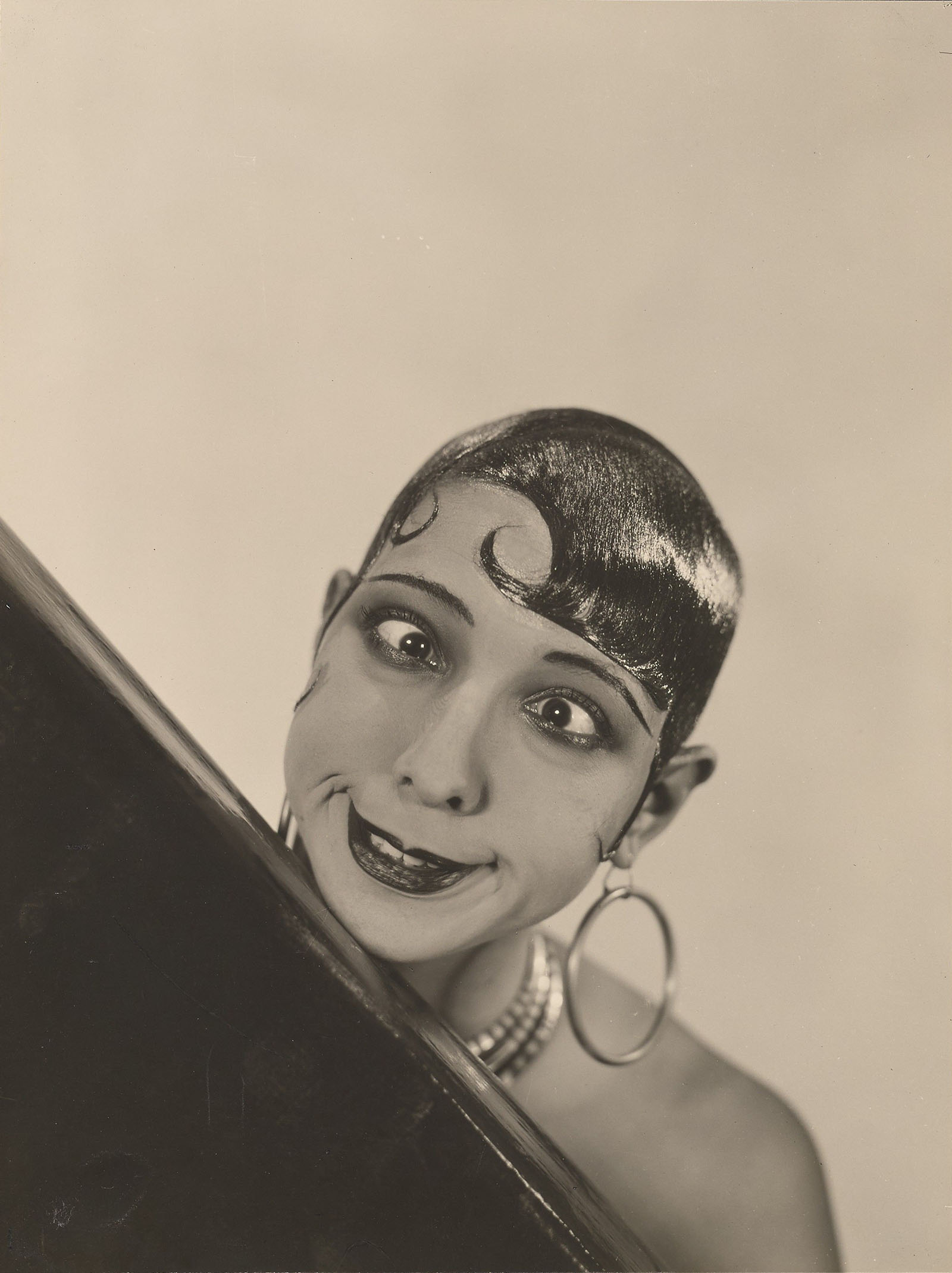
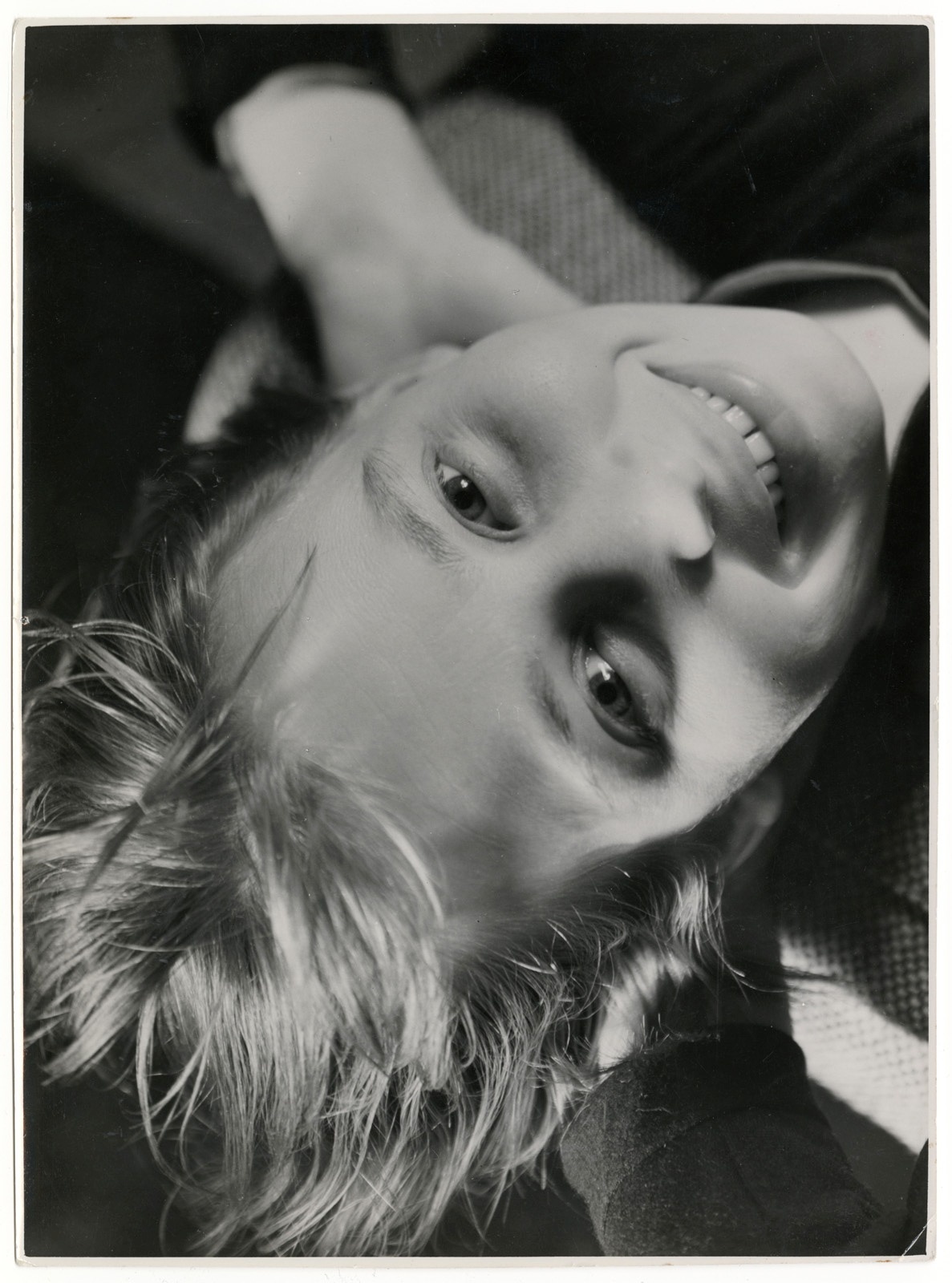

Karl Theodor Gremmler came to photography as an autodidact in 1932. He had actually trained as an advertising salesman. After becoming self-employed as a photographer, he published regularly in magazines such as Die Form, Gebrauchsgraphik, Nordsee Magazin and Atlantis. Gremmler concentrated mainly on industrial and advertising photography. In 1936 he published his first photobook, Tagewerk und Feierabend der schaffenden deutschen Frau. In the following year, Gremmler had a solo exhibition at the Oldenburgisches Landesmuseum and Museum Folkwang in Essen. He was then appointed a member of the Gesellschaft Deutscher Lichtbildner (G.D.L.). In 1939, Hans A. Keune’s publishing house, which specialised in the fishing industry, published the illustrated book Männer am Netz. This worked marked the high point of Gremmler’s career. In 1938, he acquired the studio of commercial photographer Hein Gorny, located on Berlin’s Kurfürstendamm. This studio had once been home to Lotte Jacobi, who was forced to emigrate in 1935 because of her Jewish background. When Gorny’s emigration failed to protect his Jewish wife, Ruth Lessing, he and Gremmler entered into the studio partnership “Fotografie Gremmler-Gorny. Atelier für moderne Fotografie”. In 1940 Gremmler was called up for military service and trained as a tank gunner. During a troop transport to Russia in the following year, he had a fatal accident near Heydebreck in Upper Silesia (Kędzierzyn). Quoted from Städel Museum


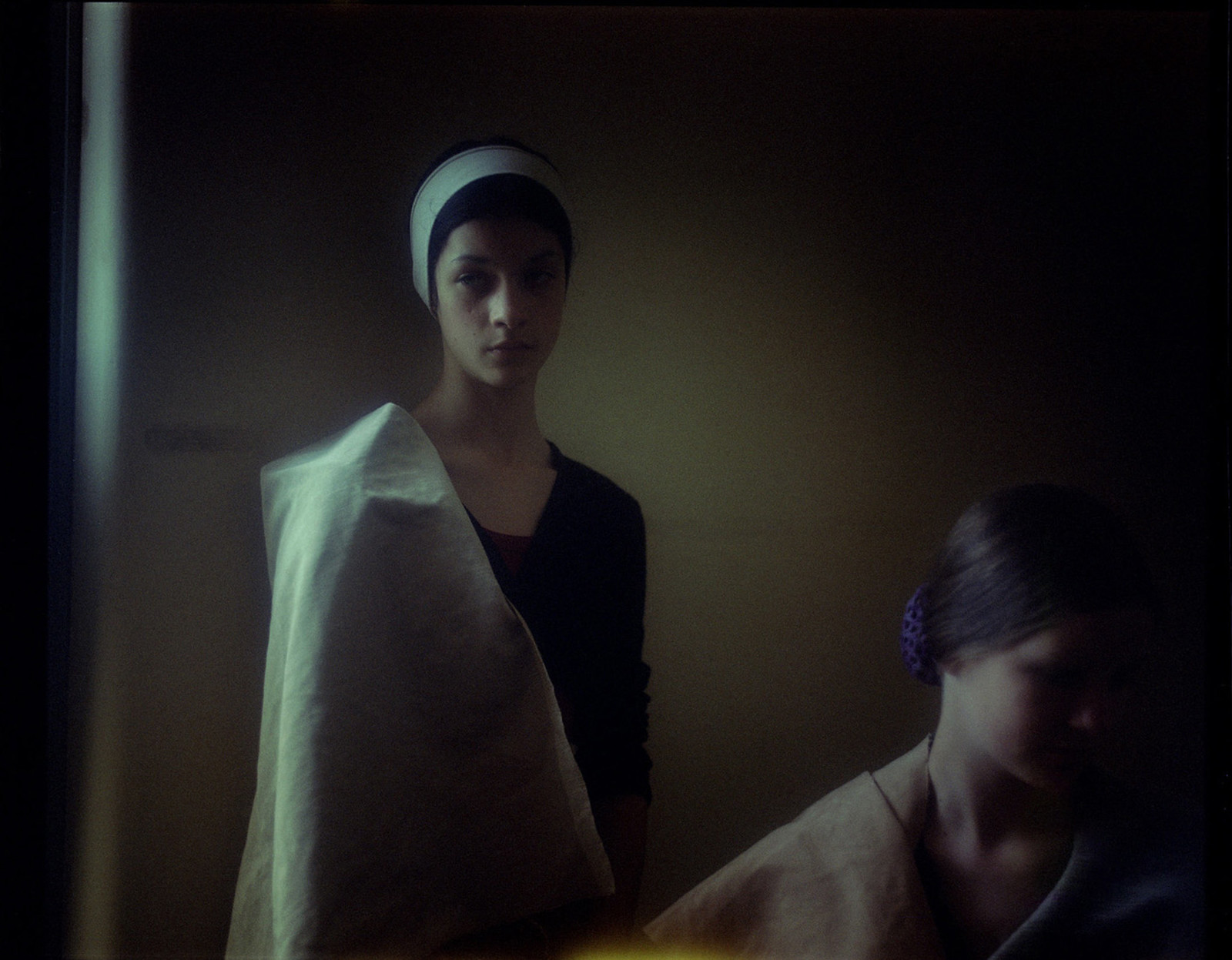
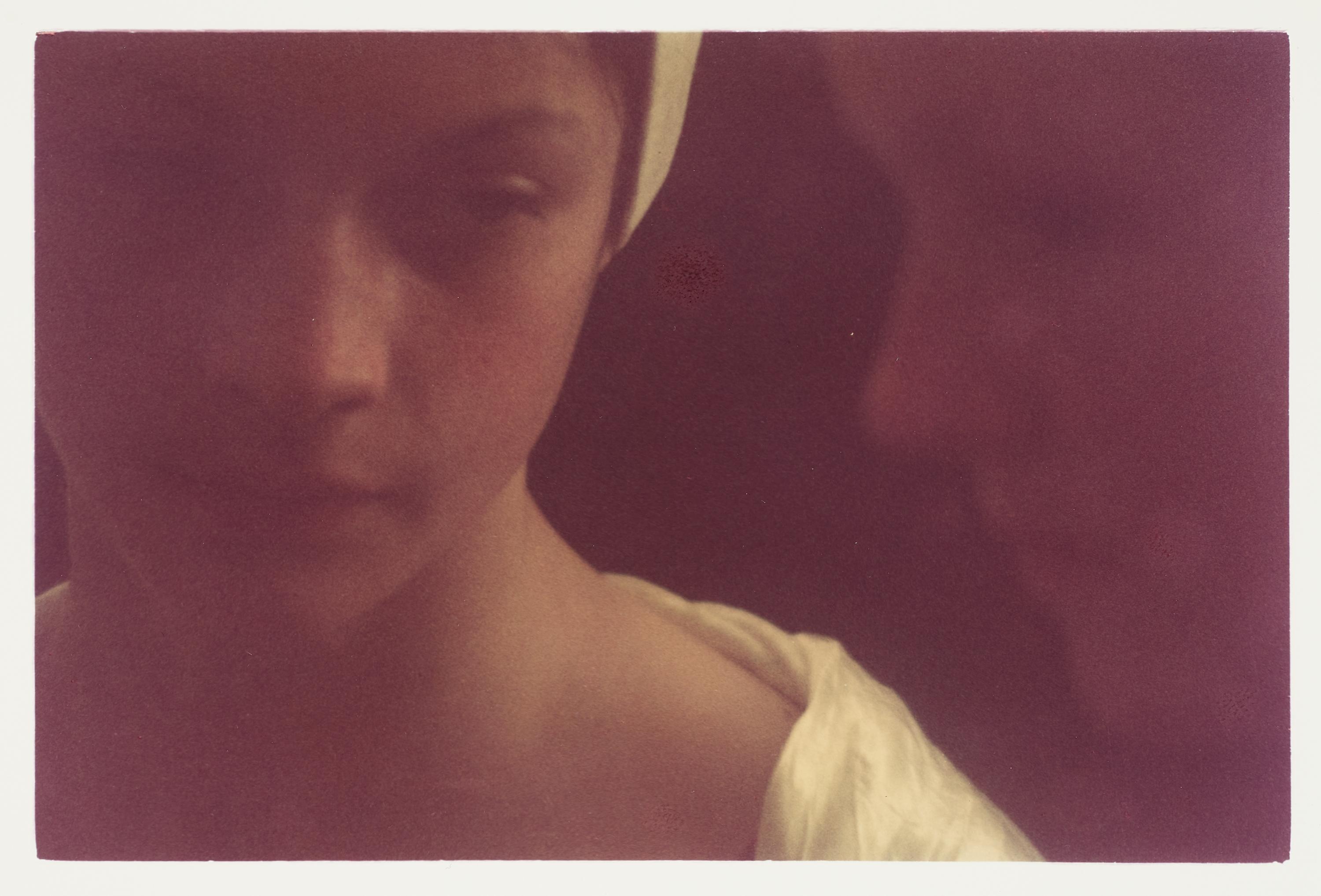
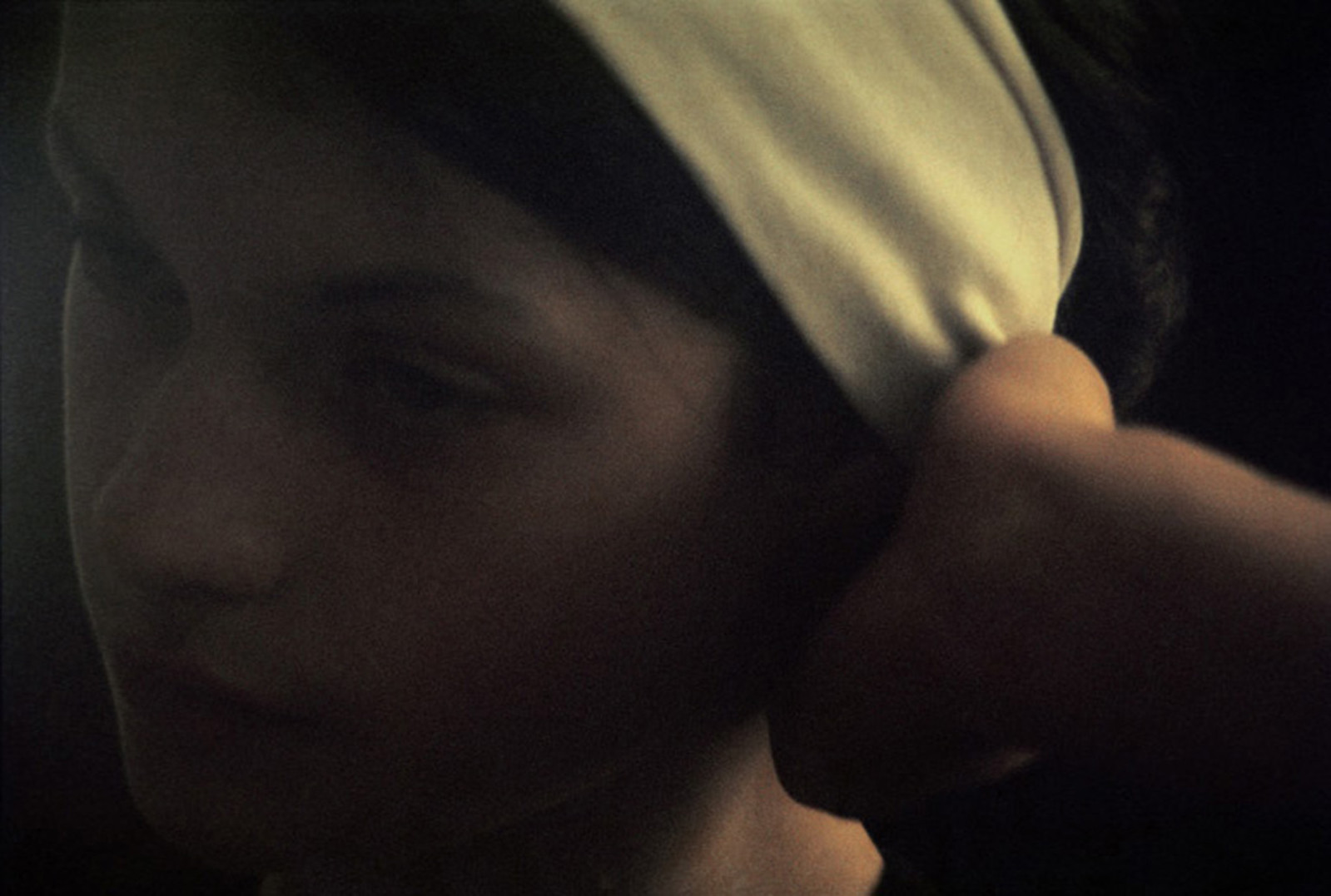
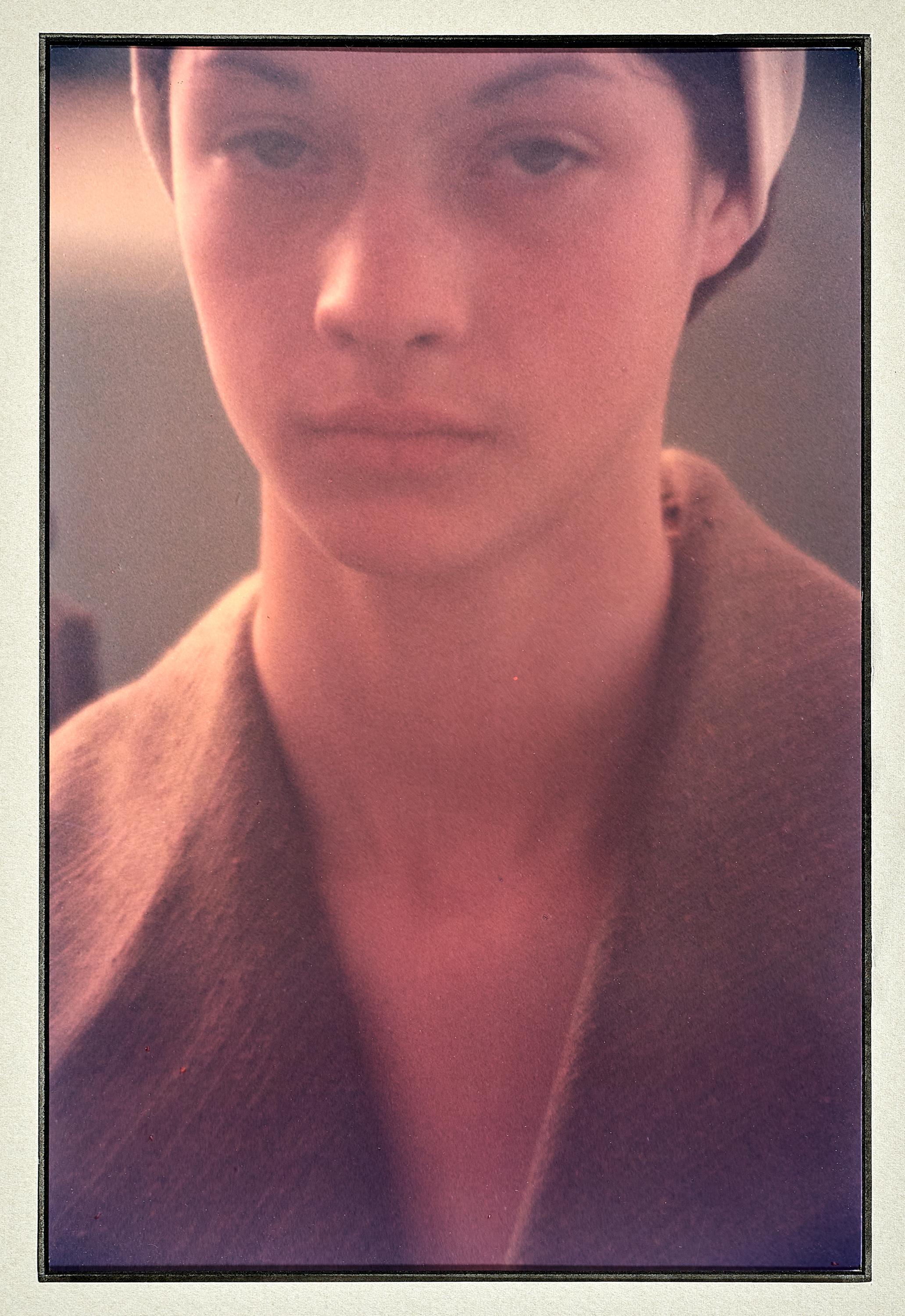
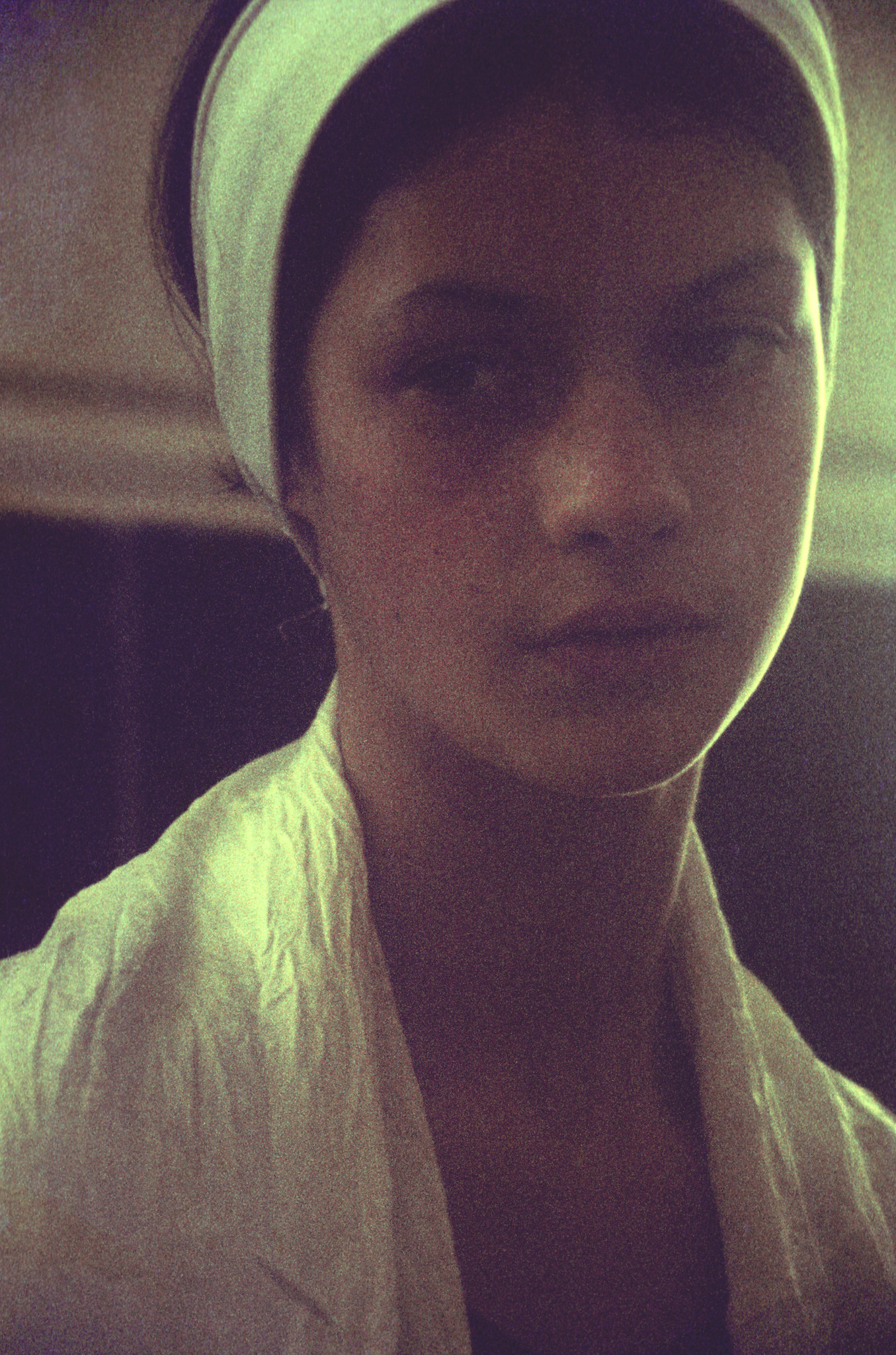

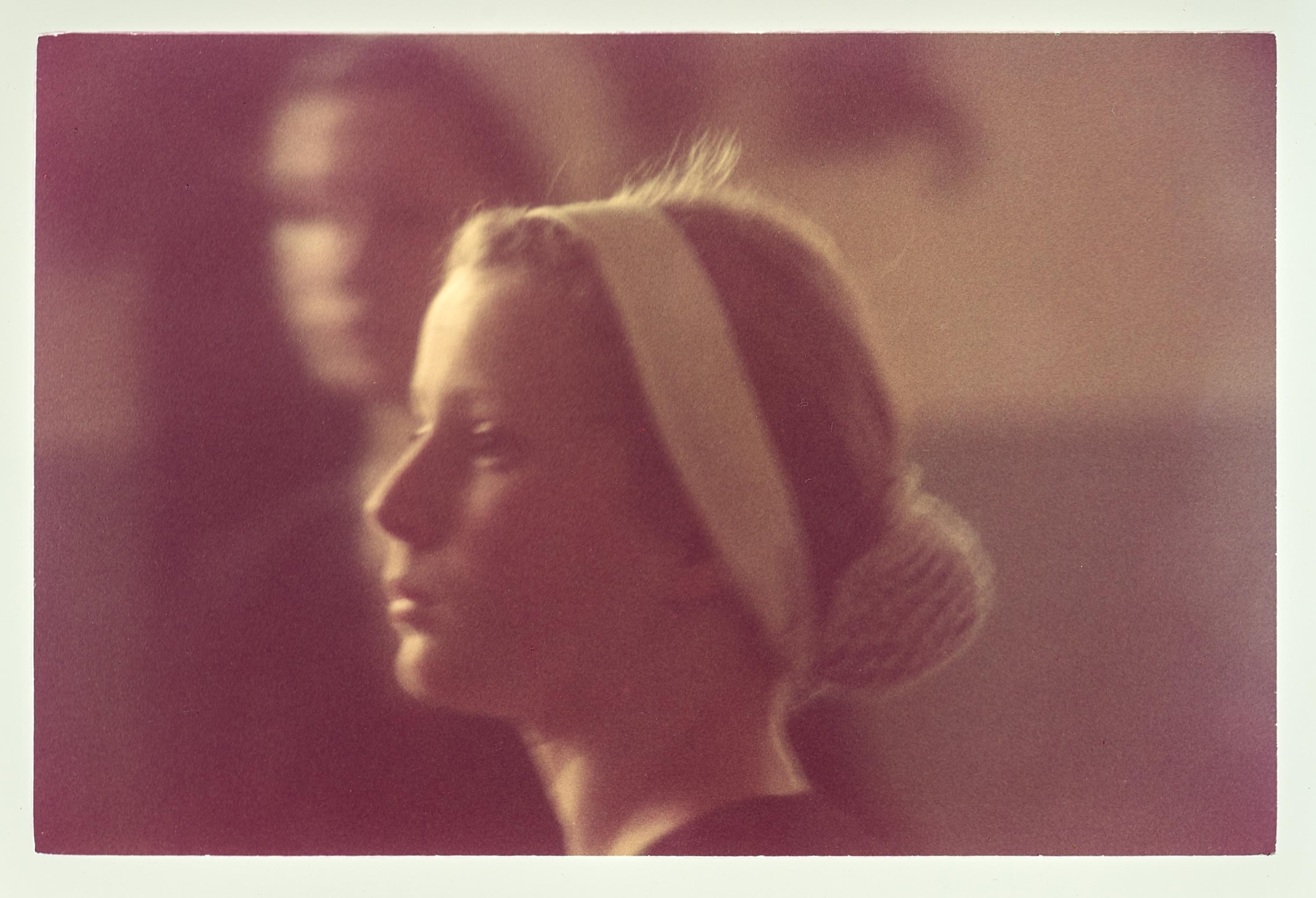
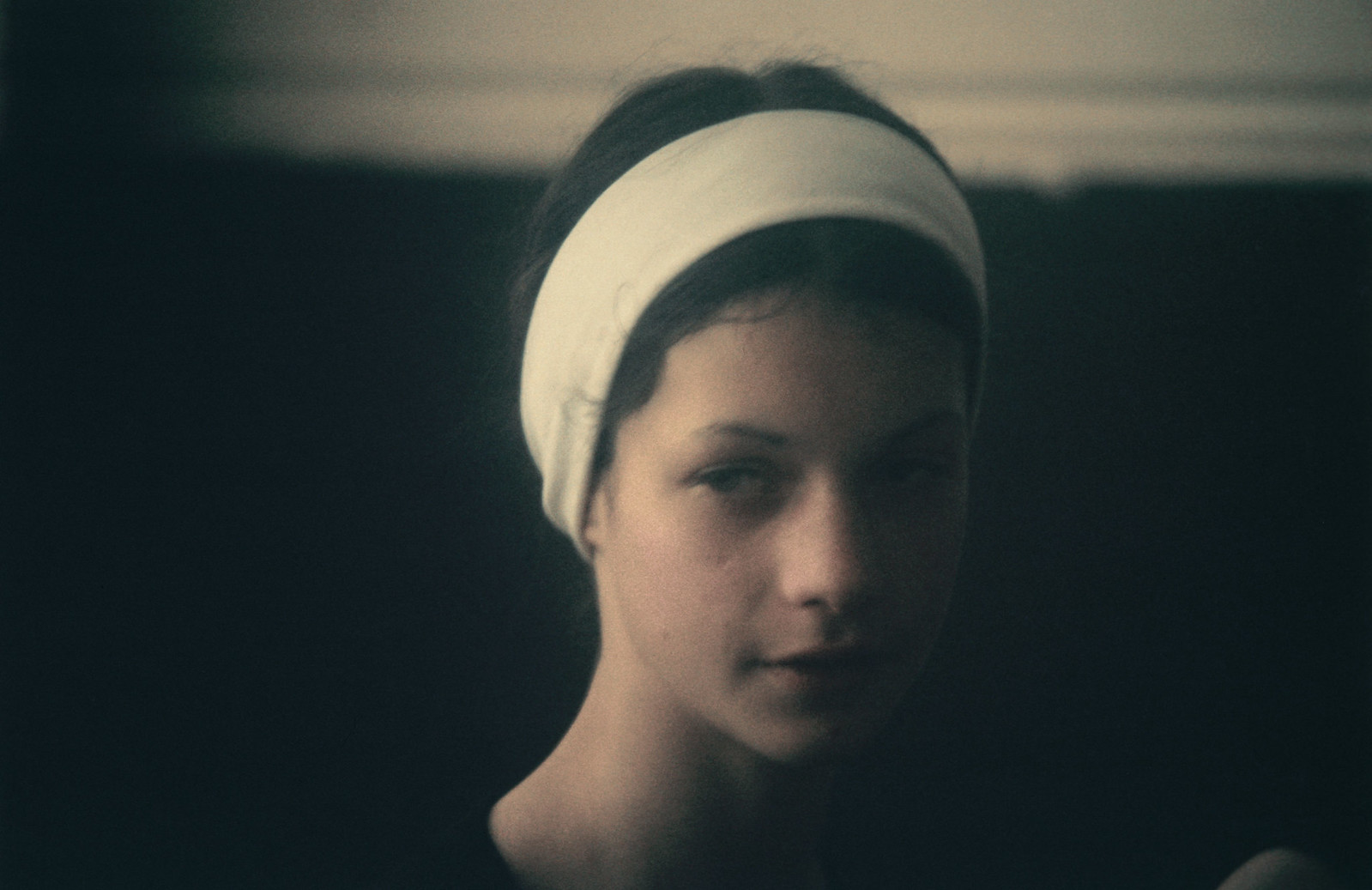
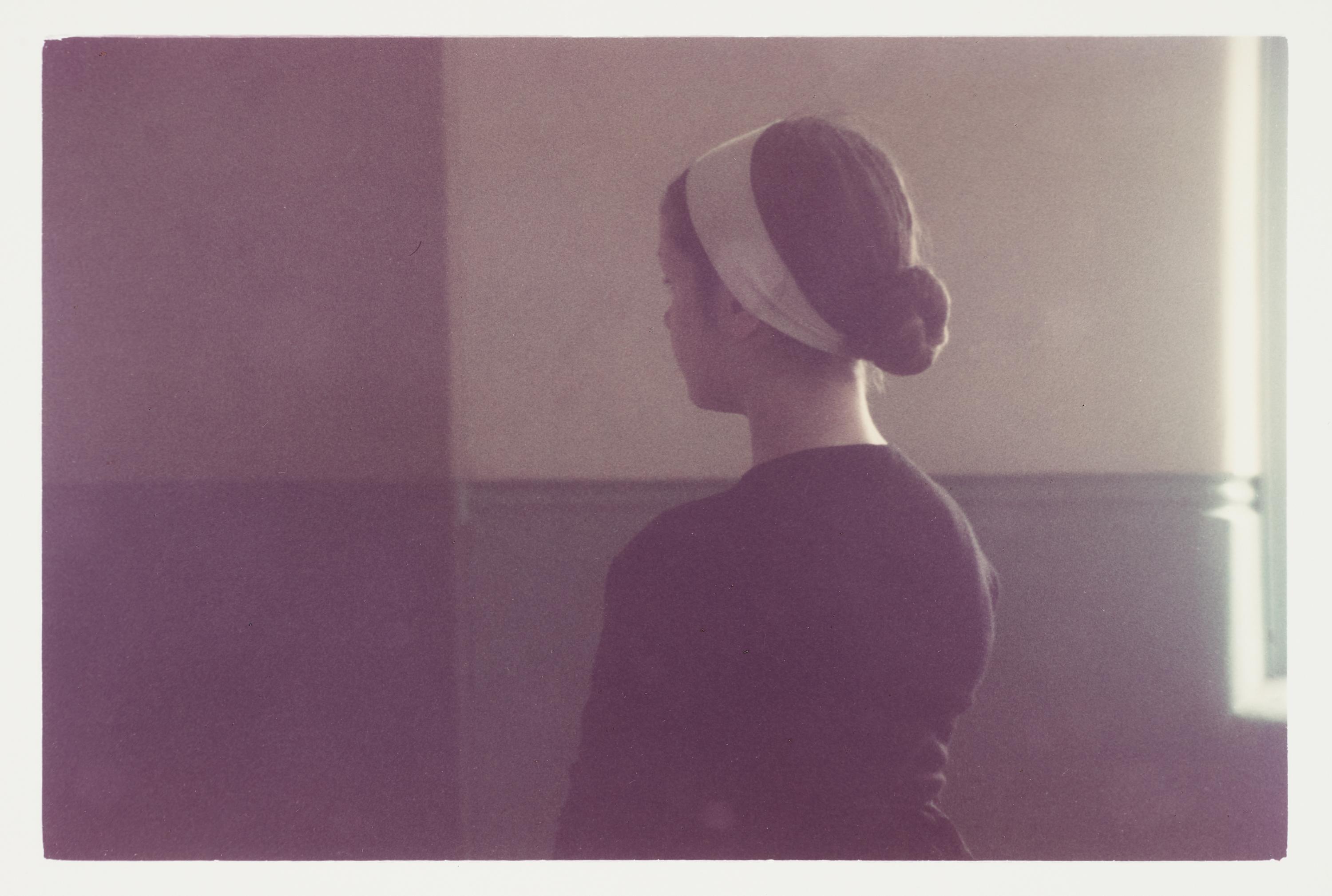
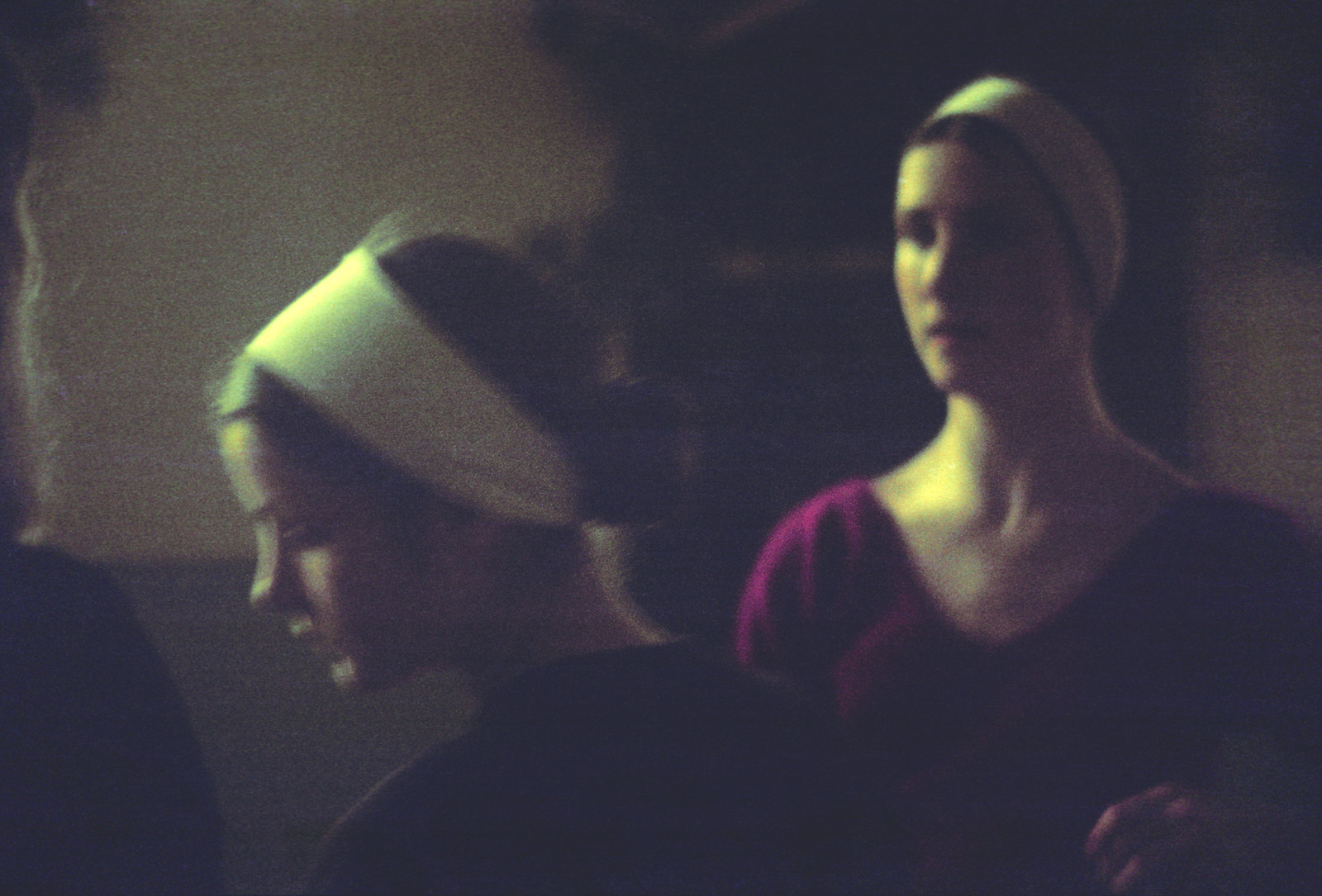
‘Untitled 1974’ was one of Bill Henson’s earliest photographic series. When photographing the ballerinas, he found himself fascinated by faces, ‘lost to the world, absorbed in the dance. So I photographed their faces rather than their bodies. I was drawn to the spirit of some person in a space.’ Bill Henson 2004
Sequences are an important part of Henson’s work, creating a dialogue between the images and enhancing both the meaning and effect. An image that is hard to discern singularly becomes more readable as part of a sequence, while at the same time the whole sequence seems to become more ethereal and requiring of an emotional response. AG of NSW





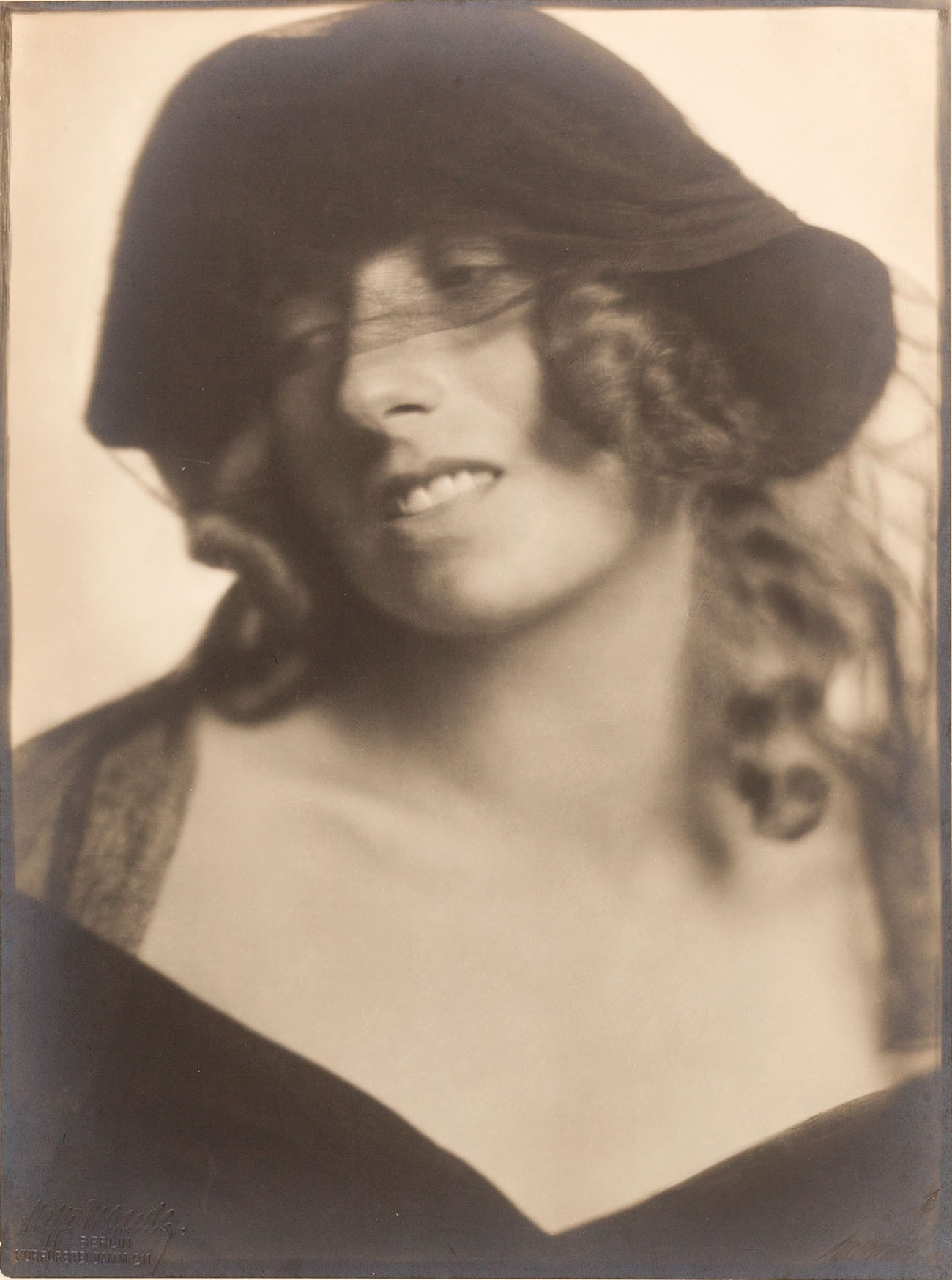
Rare portrait of the famous Viennese photographer, at whose studio Brandl worked. Fleischmann was what is now called a good networker and cultivated customer contacts like friendships with costume parties in her studio. The portrait most likely shows her dressed for such an occasion.

Seltenes Porträt der berühmten Wiener Fotografin, in deren Atelier Brandl arbeitete. Fleischmann war, wie man heute sagt, eine gute “Netzwerkerin”, die ihre Kundenkontakte und Freundschaften auch mit der Veranstaltung von Kostümfesten in ihrem Atelier pflegte. Es ist anzunehmen, dass sie dieses Porträt in einer Garderobe für einen solchen Anlass zeigt.

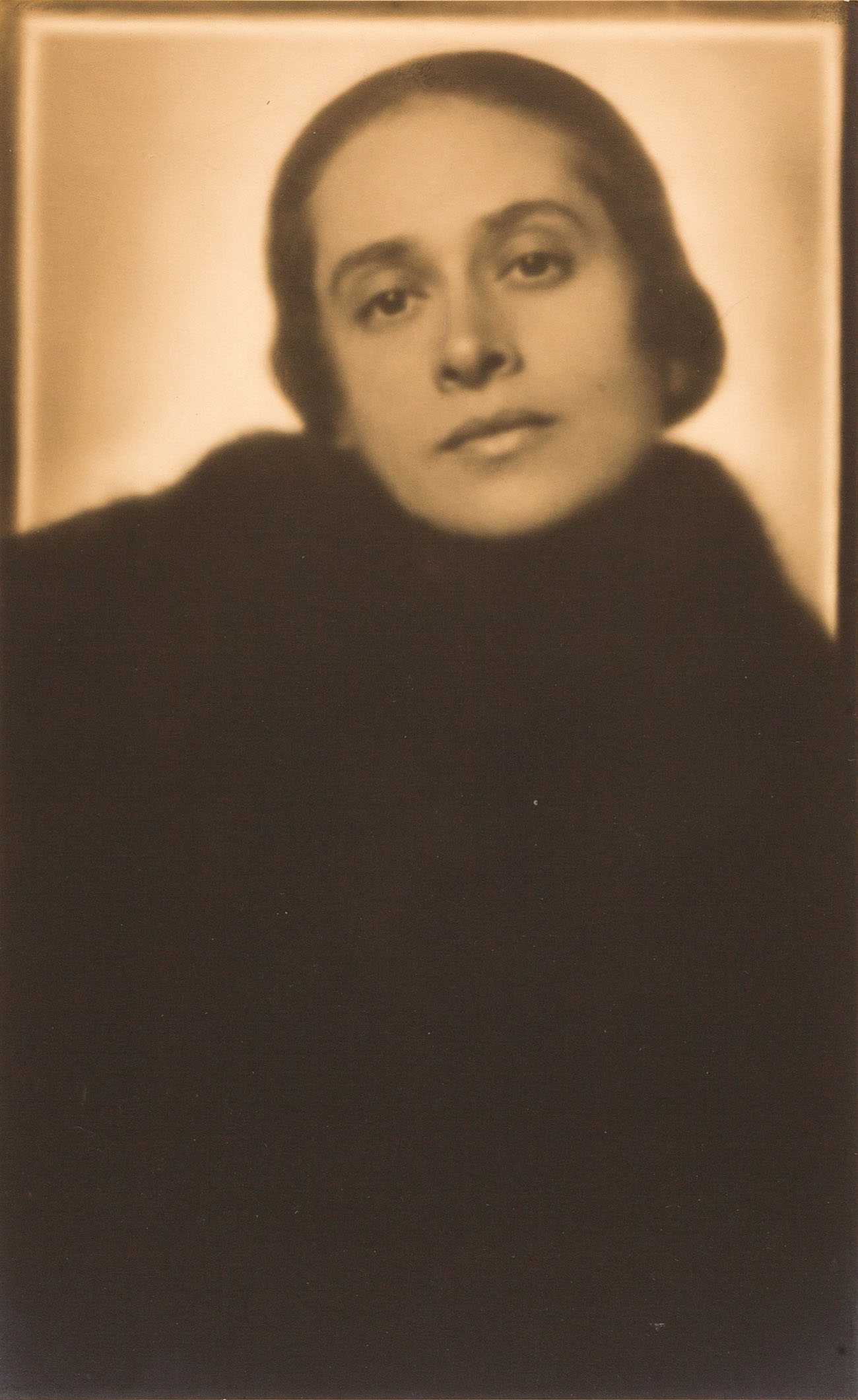
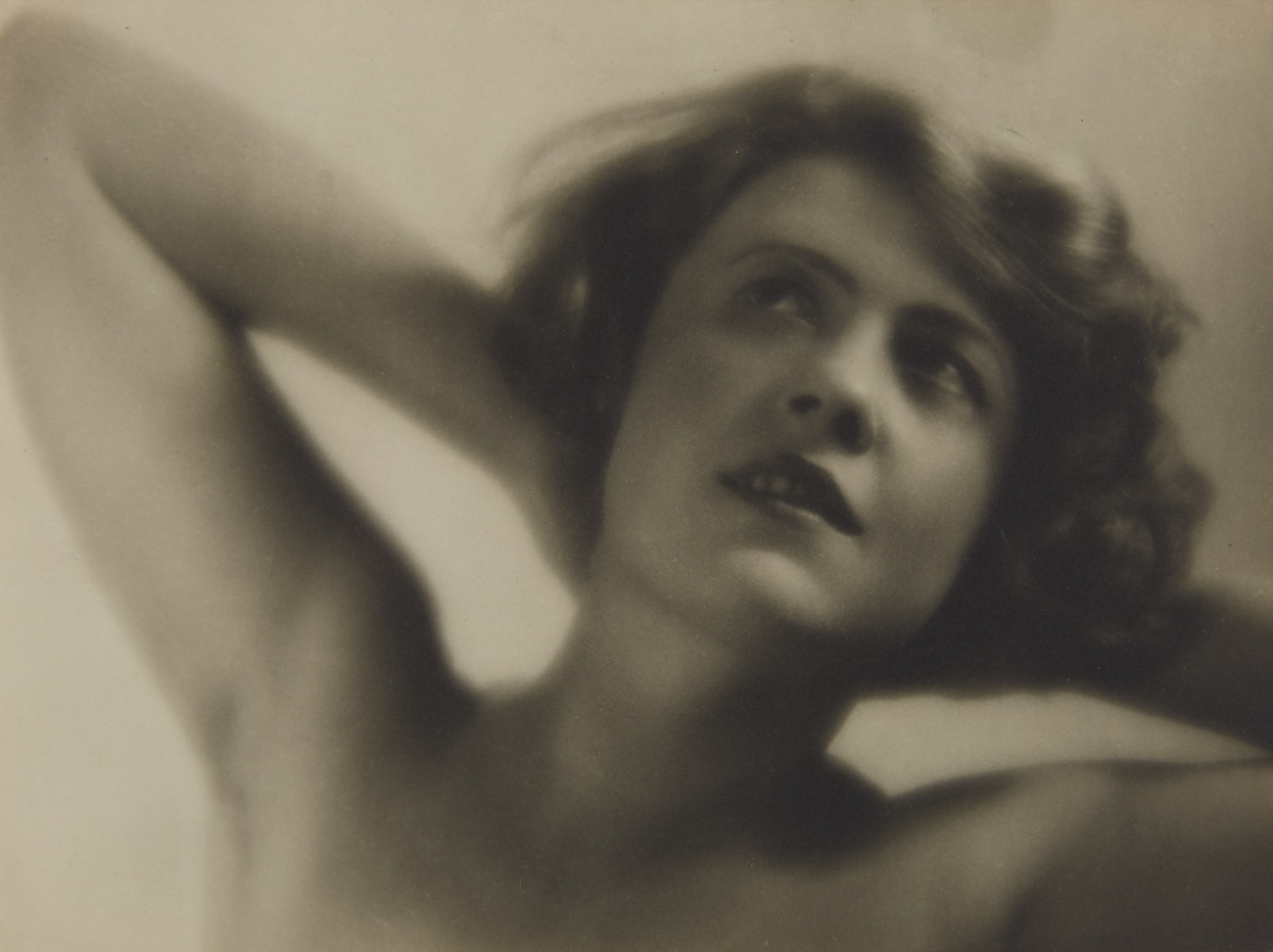
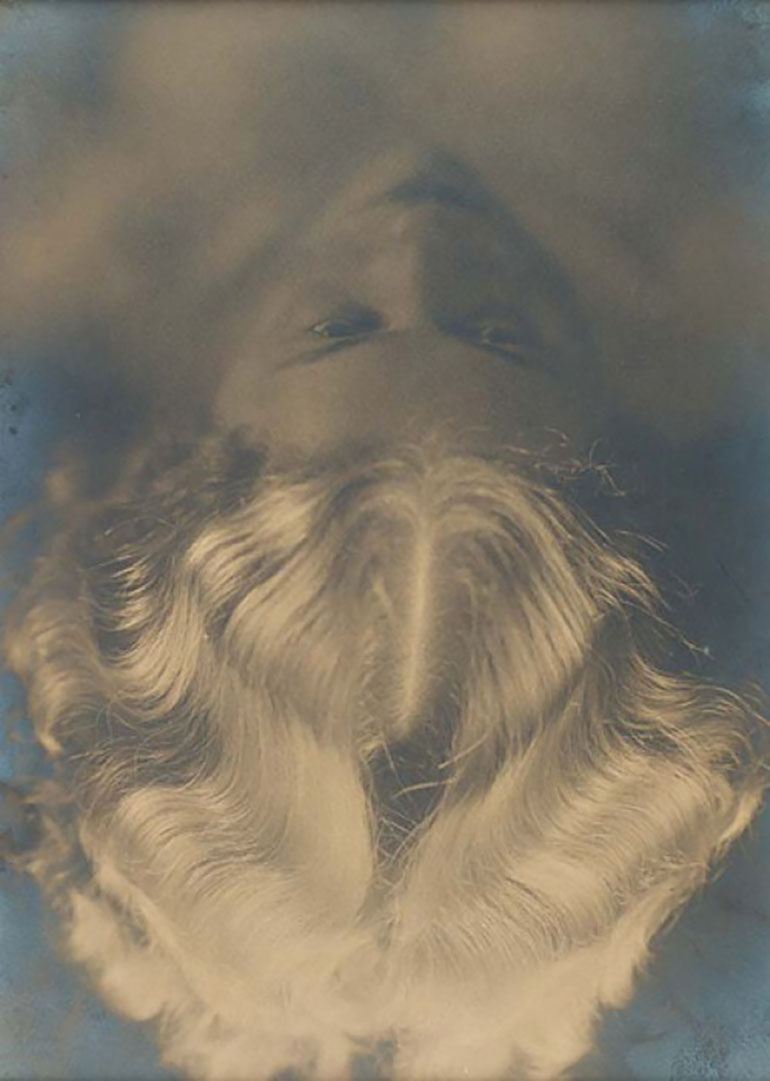
 un regard oblique