Warburg by Warburg, ca. 1910

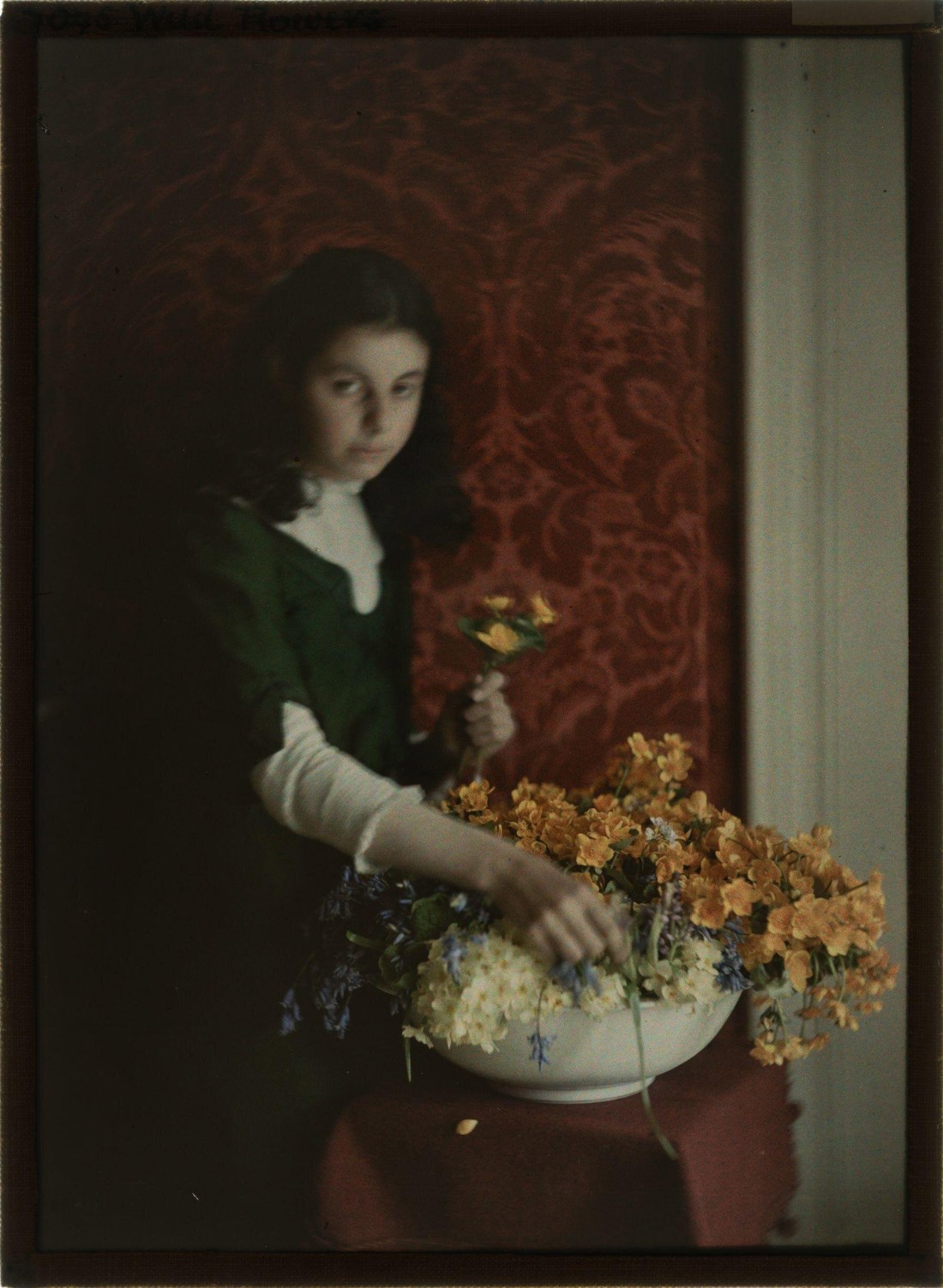
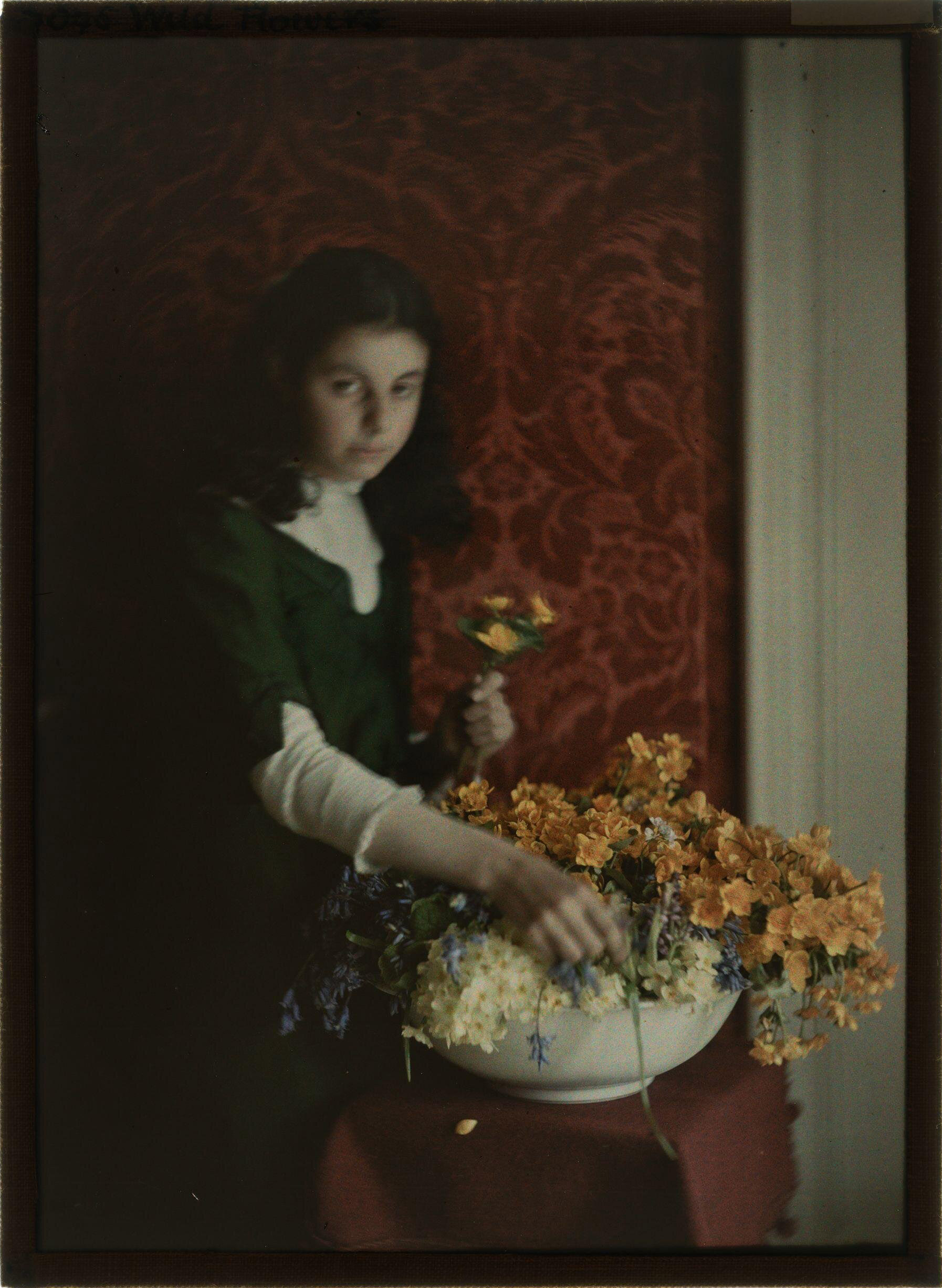
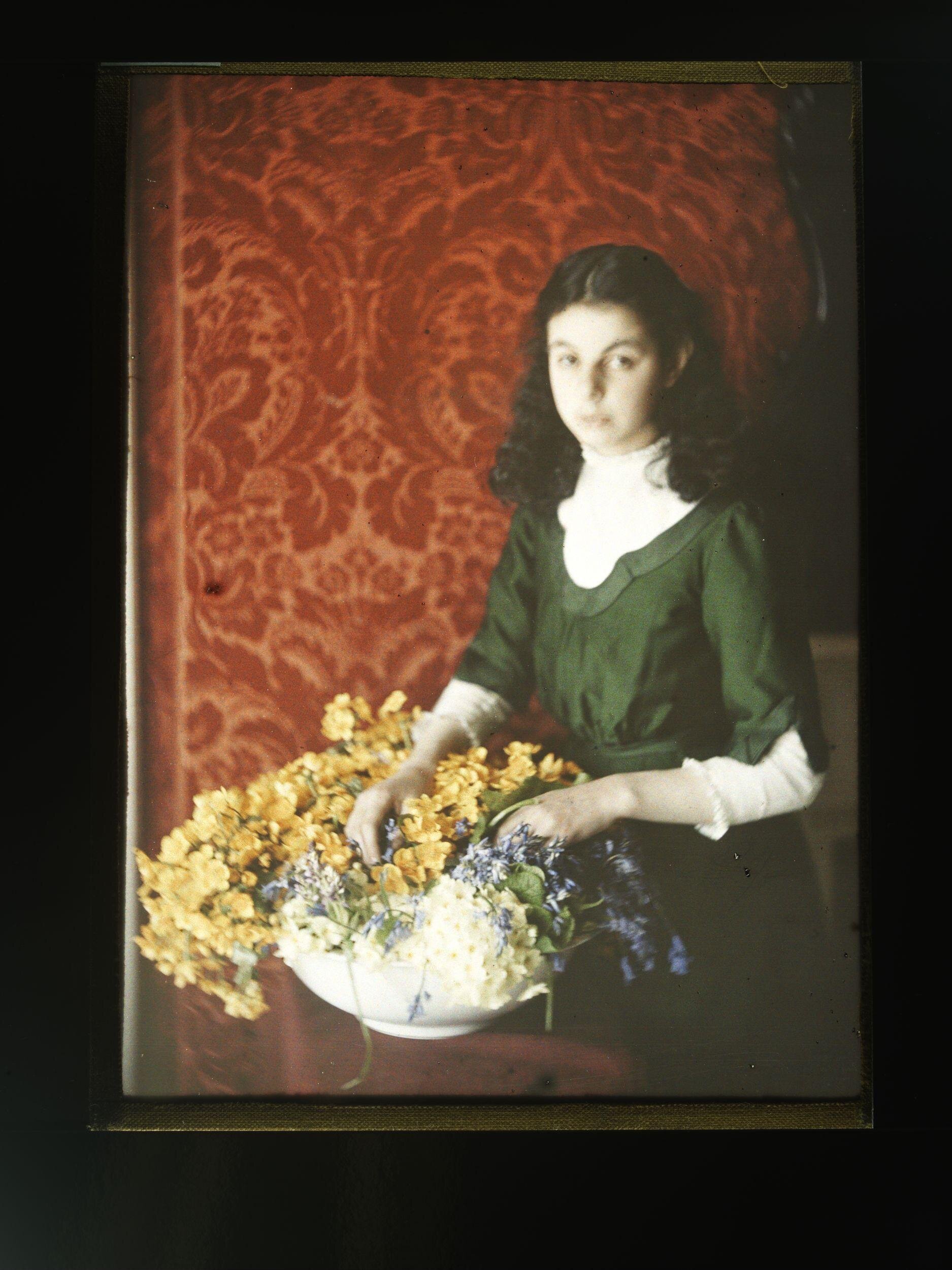
John Cimon Warburg :: Wild Flowers, ca. 1910. Autochrome. Photograph of Joan, the photographer's daughter, shown three-quarter length, standing in front of red wall paper. | src V&A Museum
John Cimon Warburg :: Wild Flowers, ca. 1910. Autochrome. Photograph of Joan, the photographer’s daughter, shown three-quarter length, standing in front of red wall paper. | src V&A Museum
John Cimon Warburg :: Marsh Marigolds, ca. 1910. Autochrome. | src V&A Museum
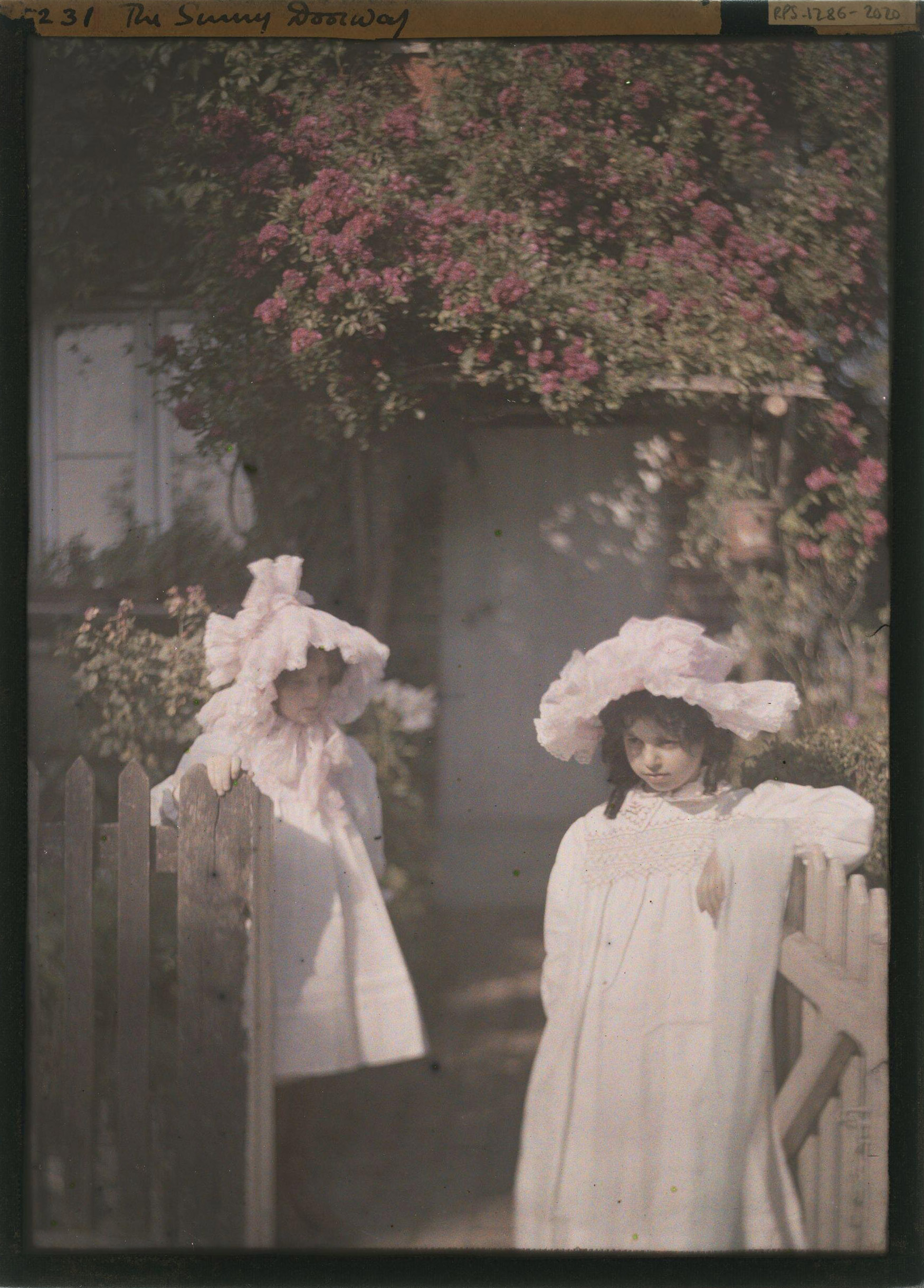
John Cimon Warburg :: ‘The Sunny Doorway’, ca. 1909, autochrome. | src V&A Museum
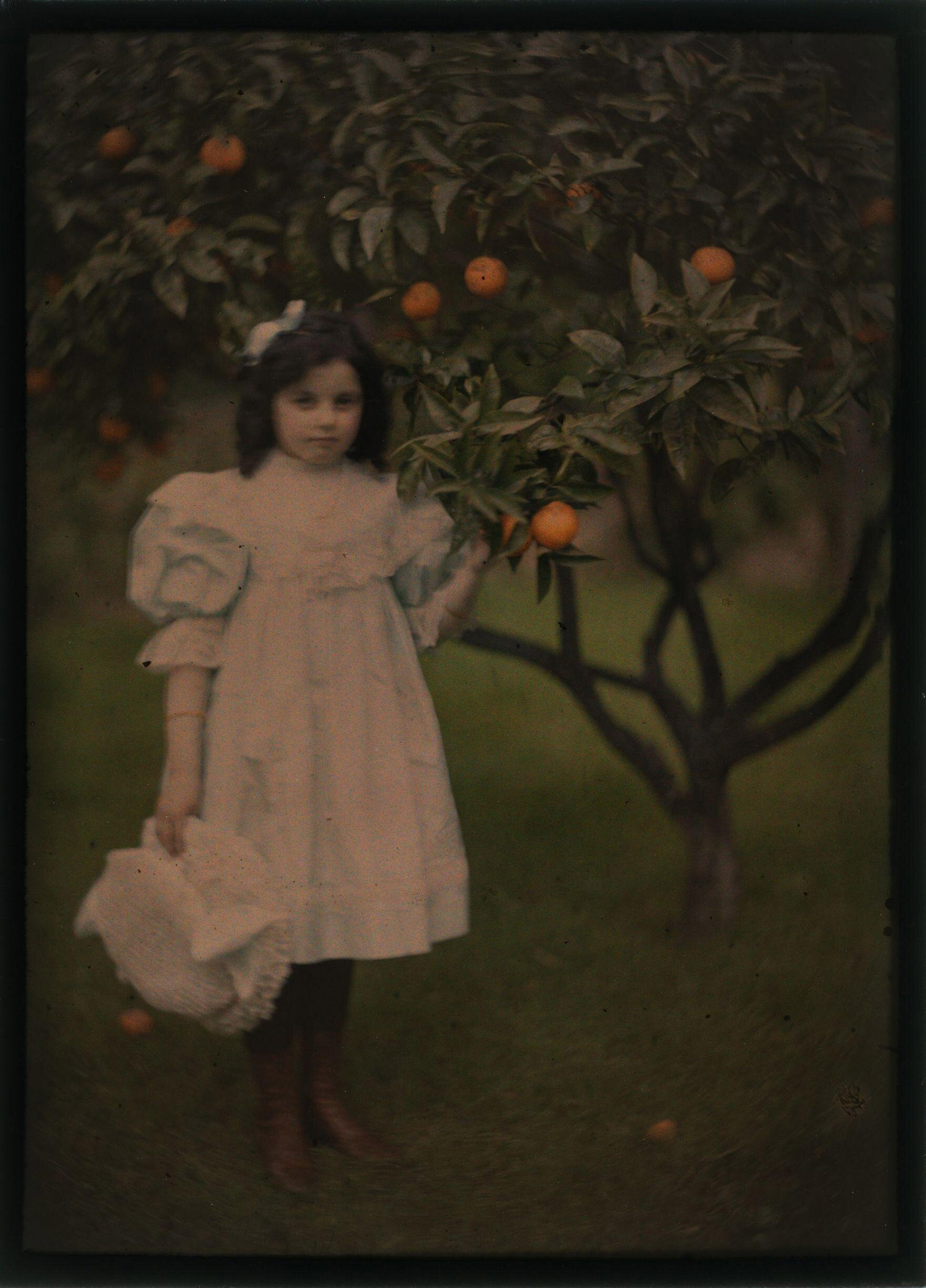
John Cimon Warburg :: 'Peggy by the Orange Tree', Autochrome, 1909. Photograph of a full length portrait of Warburg's daughter Peggy standing beside an orange tree. She wears a white dress and holds a white hat in her hand. She holds onto the orange tree with her other hand. | src V&A Museum
John Cimon Warburg :: ‘Peggy by the Orange Tree’, Autochrome, 1909. Photograph of a full length portrait of Warburg’s daughter Peggy standing beside an orange tree. She wears a white dress and holds a white hat in her hand. She holds onto the orange tree with her other hand. | src V&A Museum
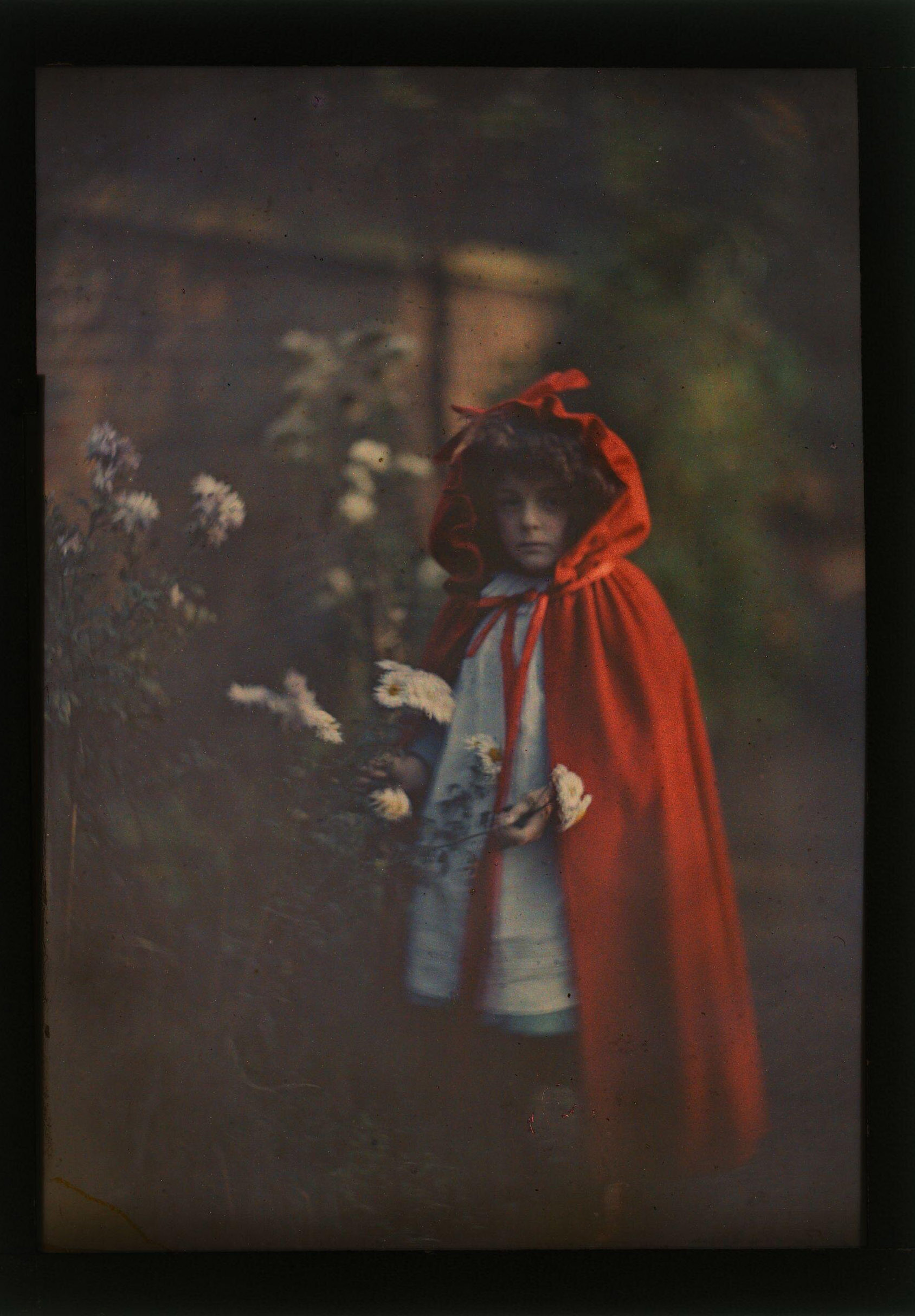
John Cimon Warburg :: ‘Joan in Red Riding Hood Cape with Basket’, autochrome, 6 November 1907. | src V&A Museum
Photograph of a near full length potrait of Warburg’s daughter Joan dressed in a Red Riding Hood cape. She stands beside a bush of white daisies. Warburg has annotated the plate with details regarding how the photograph was made.

»Kupplerin« by Otto Dix

Otto Dix :: Kupplerin, 1923. Color lithograph on machine-made paper. Signed lower right.
Otto Dix :: »Kupplerin«, 1923. Farbige Lithographie auf Maschinenbütten. Signiert unten rechts. Herausgegeben von Karl Nierendorf. | src Karl and Faber Kunstauktionen

Im Jahr 1921 zieht Otto Dix für vier Jahre nach Düsseldorf, wo er sich in druckgraphischen Techniken weiterbildet. Er liebt die Großstadt, die Typen und Randgruppen, die er vor allem während der Nacht auf den Straßen und in den Lokalen trifft: Matrosen oder Artisten, Kriegsversehrte und Kriegsgewinnler, ebenso wie Prostituierte und ihre Kunden. Die „goldenen“ Zwanziger zwischen allumfassender Traumatisierung, Vergnügungssucht und frühem Konsumismus, zwischen schillernder Oberfläche und abgestorbenem Innersten reizt ihn zu grotesk-enthüllenden Bildsujets. In seinen Werken – wie auch in der vorliegenden Lithographie „Kupplerin“ – führt Dix dem Betrachter schonungslos den körperlichen Zerfall, die Defizite und Eigenarten seiner Modelle vor Augen. Sein neuartiger Realismus, für den die Zeitgenossen den Begriff „Verismus“ prägen, macht Dix – zusammen mit Max Beckmann und George Grosz – nicht nur zum Hauptvertreter dieser Kunstströmung in Deutschland, sondern auch zu einem der bedeutendsten Realisten in der Geschichte der Kunst überhaupt.

In 1921, Otto Dix moved to Düsseldorf for four years, where he continued his education in printmaking techniques. He loves the big city, the characters and marginal groups he meets on the streets and in bars, especially at night: sailors or artists, war invalids and war profiteers, as well as prostitutes and their customers. The “golden” twenties between comprehensive traumatization, pleasure-seeking and early consumerism, between shimmering surfaces and dead innermost parts provoked him to grotesquely revealing pictorial subjects. In his works – as well as in the present lithograph “Kupplerin” – Dix ruthlessly shows the viewer the physical decay, the deficits and the peculiarities of his models. His new type of realism, for which his contemporaries coined the term “Verism”, made Dix – together with Max Beckmann and George Grosz – not only the main representative of this art movement in Germany, but also one of the most important realists in the history of art in general. (Roughly translated by us from source)

Patrick Morales-Lee’s portraits

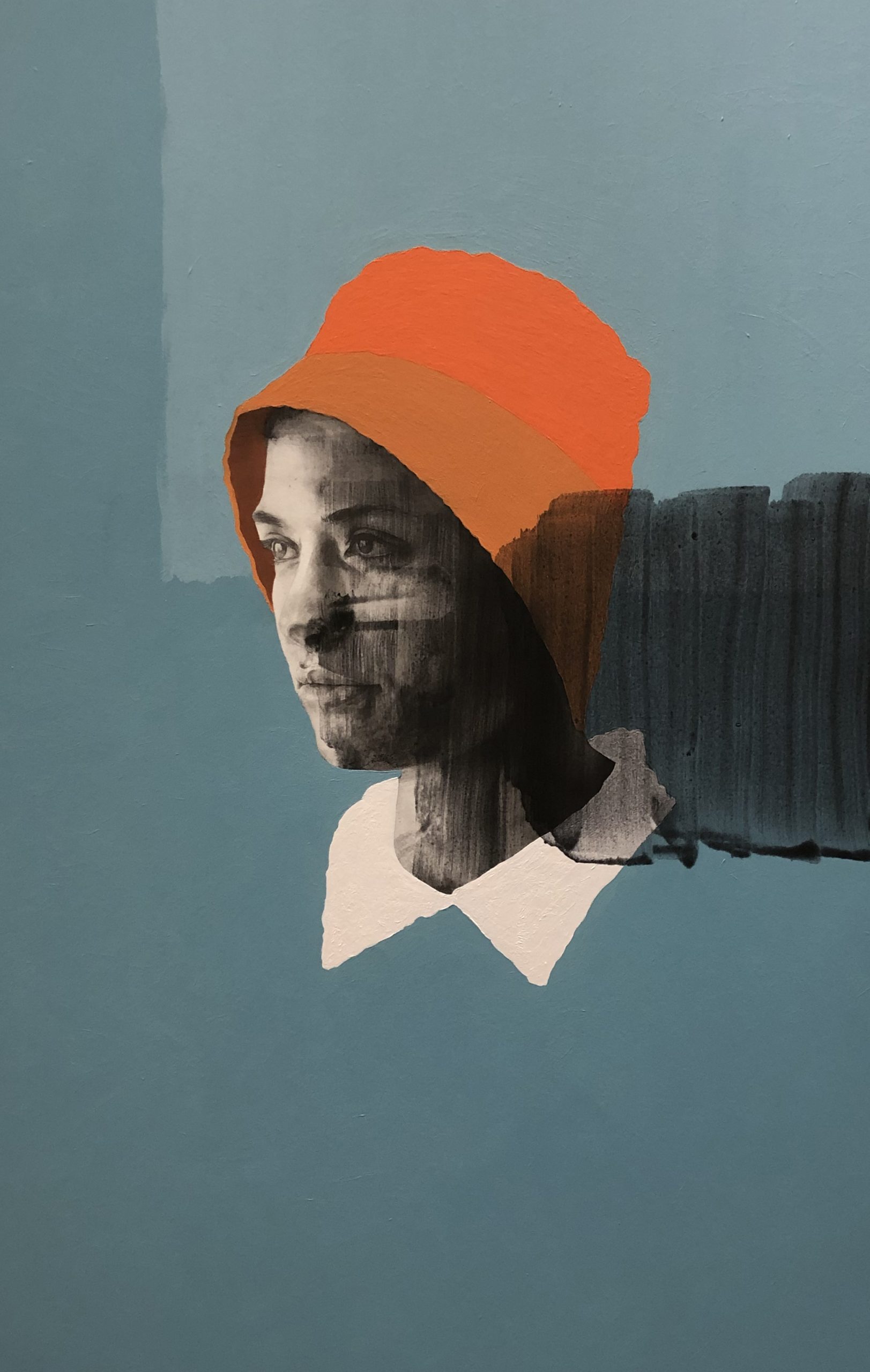
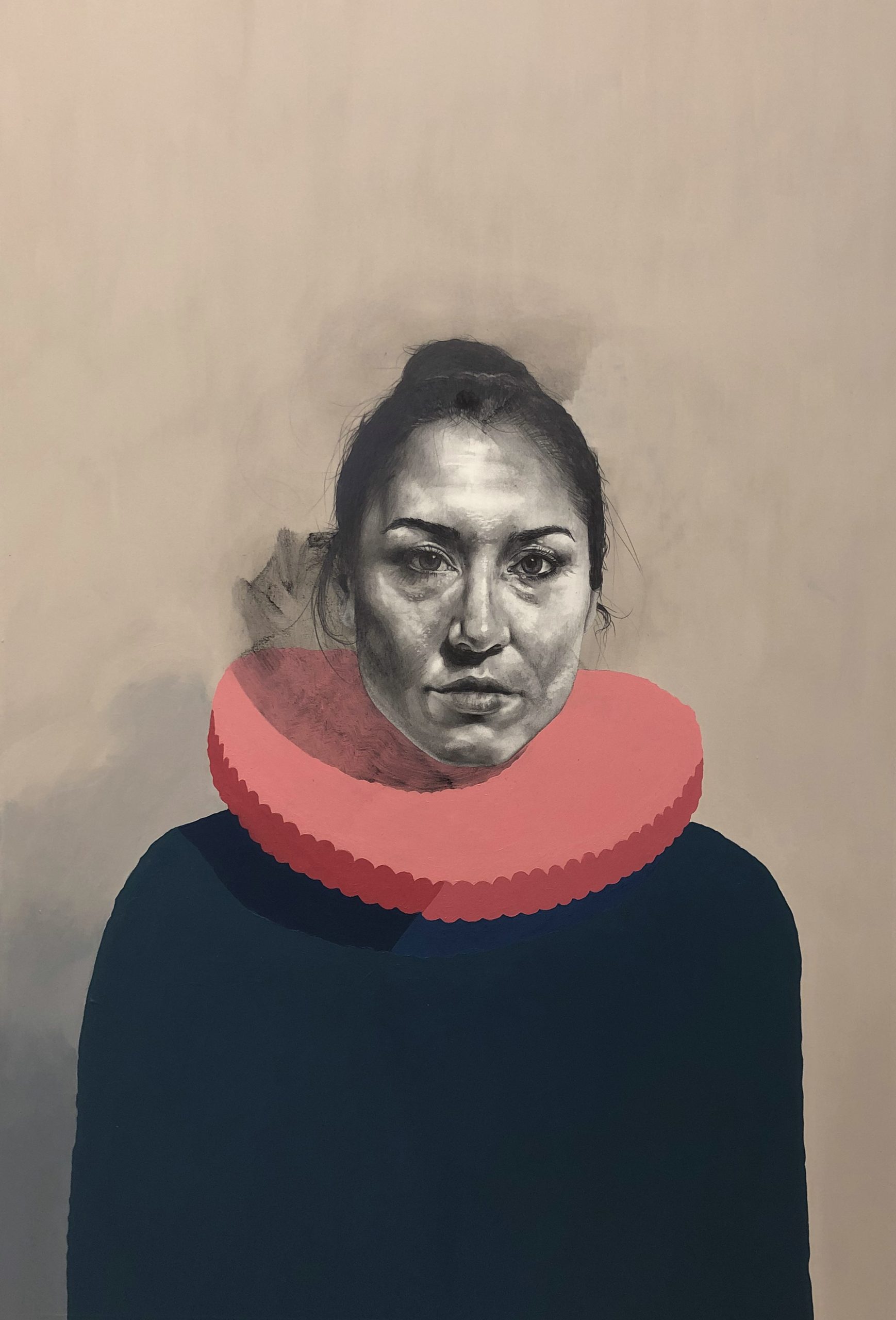
Patrick Morales-Lee :: Veneration nº 3. Orange, from the exhibition «Folllowing» at Galerie Heimat
portrait
photocomposite
mixed media
Patrick Morales-Lee :: Veneration nº 3. Orange, from the exhibition «Folllowing» at Galerie Heimat
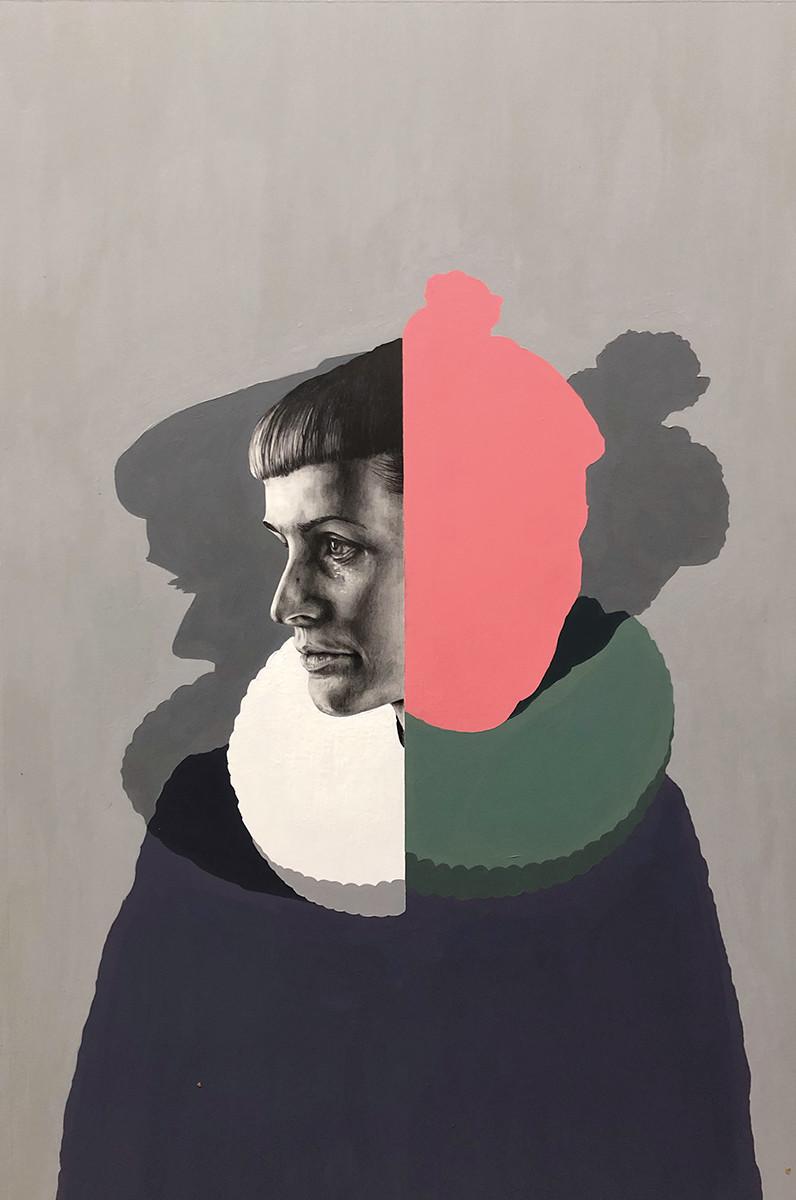
Patrick Morales-Lee :: Blanquet, from the exhibition «Folllowing» at Galerie Heimat
Patrick Morales-Lee :: unknown title, from the exhibition «Folllowing» at Galerie Heimat | src l'œil de la photographie
Patrick Morales-Lee :: unknown title, from the exhibition «Folllowing» at Galerie Heimat | src l’œil de la photographie
Patrick Morales-Lee :: Crowning, from the exhibition «Folllowing» at Galerie Heimat | src l'œil de la photographie
Patrick Morales-Lee :: Crowning, from the exhibition «Folllowing» at Galerie Heimat | src l’œil de la photographie
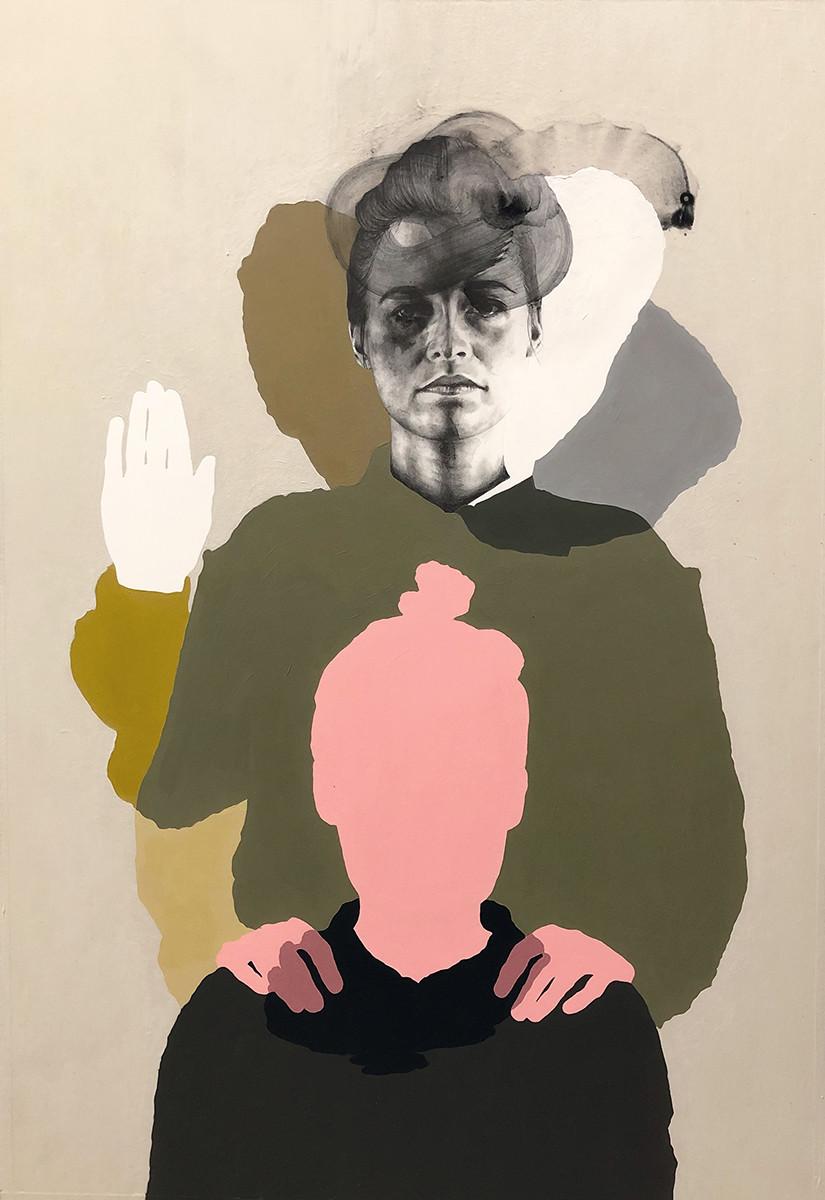
Patrick Morales-Lee :: Cloak, from the exhibition «Folllowing» at Galerie Heimat
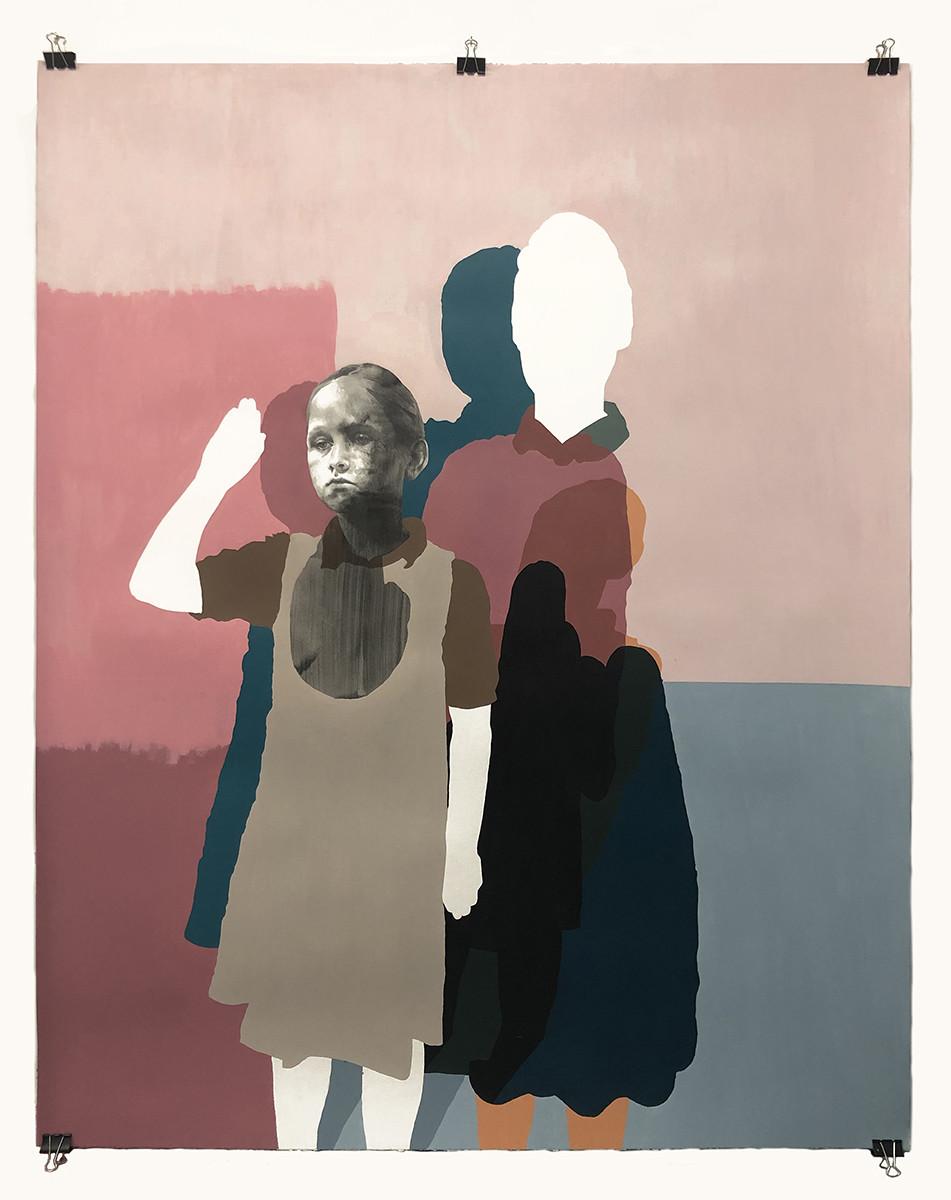
Patrick Morales-Lee :: Covenant, from the exhibition «Folllowing» at Galerie Heimat | src l'œil de la photographie
Patrick Morales-Lee :: Covenant, from the exhibition «Folllowing» at Galerie Heimat | src l’œil de la photographie

Lion, Dietrich and Karlweis, 1928

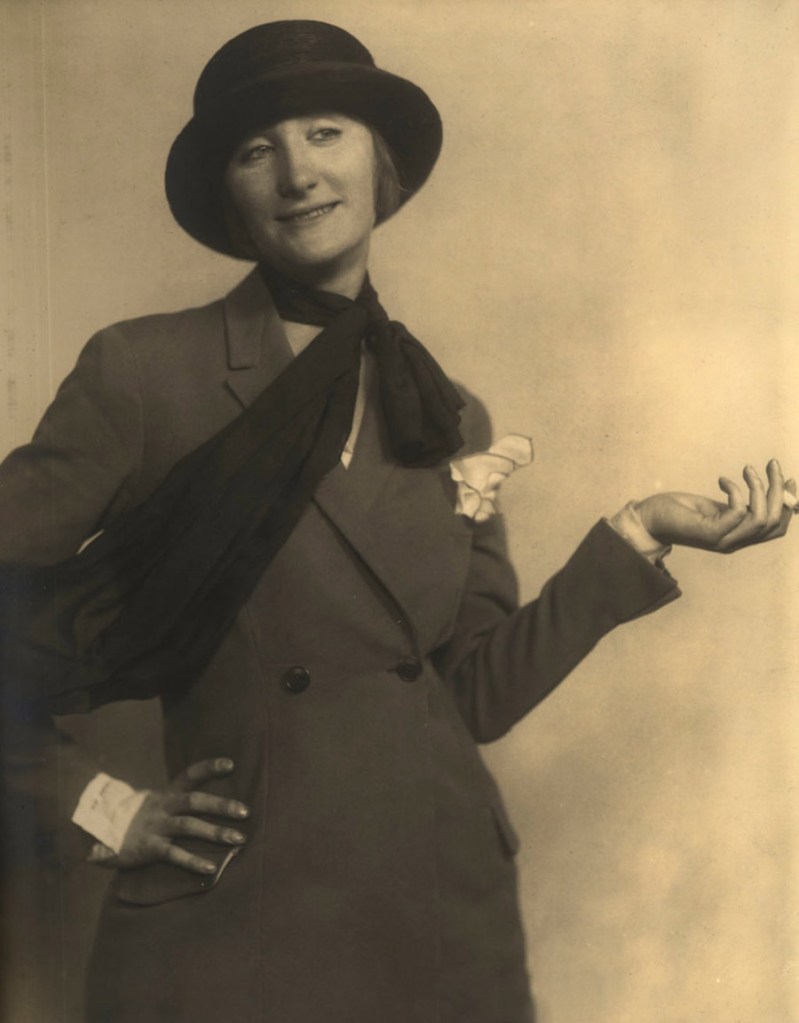
Zander & Labisch :: Foto von Margo Lion mit Marlene Dietrich und Oskar Karlweis in "Wenn die beste Freundin…" [If your best friend...] aus der Revue "Es liegt in der Luft" [It is in the Air] , Berlin, 1928. From Marcellus Schiffer und Margo Lion Archiv at Akademie der Künst, Berlin
Zander & Labisch :: Foto von Margo Lion mit Marlene Dietrich und Oskar Karlweis in “Wenn die beste Freundin…” [If your best friend…] aus der Revue “Es liegt in der Luft” [It is in the Air] , Berlin, 1928. From Marcellus Schiffer und Margo Lion Archiv at Akademie der Künst, Berlin

Margo Lion’s portraits

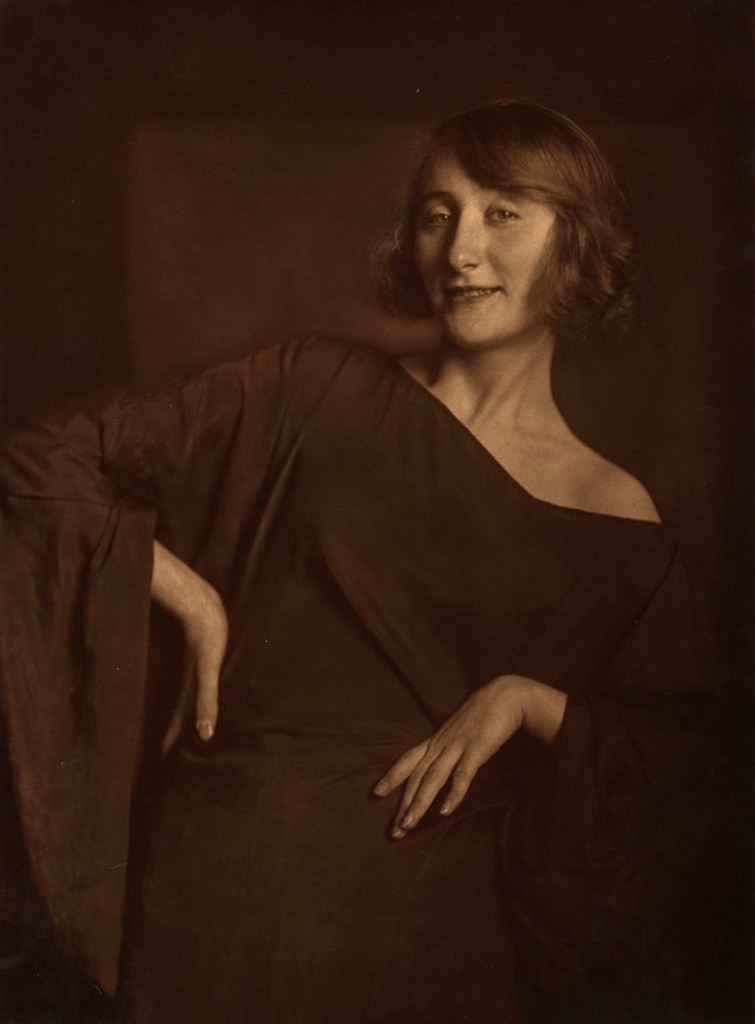
Privatfoto von Margo Lion, from a Fotoalbum (1920-1932). From Marcellus Schiffer und Margo Lion Archiv at Akademie der Künst, Berlin
headshot
smoking cigarette
Privatfoto von Margo Lion, from a Fotoalbum (1920-1932). From Marcellus Schiffer und Margo Lion Archiv at Akademie der Künste
Privatfoto von Margo Lion, from a Fotoalbum (1920-1932). From Marcellus Schiffer und Margo Lion Archiv at Akademie der Künst, Berlin
3/4 length portrait
Privatfoto von Margo Lion, from a Fotoalbum (1920-1932). From Marcellus Schiffer und Margo Lion Archiv at Akademie der Künste
Rolf Mahrenholz ~ Margo Lion in den “Hetärengesprächen”(Dialogue of the Courtesans). Der Querschnitt B.7, H.8, August 1927 | src arthistoricum
Privatfoto von Margo Lion, from a Fotoalbum (1920-1932). From Marcellus Schiffer und Margo Lion Archiv at Akademie der Künst, Berlin
bildnis
3/4 length portrait
Privatfoto von Margo Lion, from a Fotoalbum (1920-1932). From Marcellus Schiffer und Margo Lion Archiv at Akademie der Künste
Atelier Willinger :: Porträtfoto von Margo Lion, signiert (Seitenprofil). | src Akademie fur Künst
portrait
profile
profil
Atelier Willinger :: Porträtfoto von Margo Lion, signiert (Seitenprofil). | src Akademie der Künste, Berlin
Privatfoto von Margo Lion, from a Fotoalbum (1920-1932). From Marcellus Schiffer und Margo Lion Archiv at Akademie der Künst, Berlin
portrait
Privatfoto von Margo Lion, from a Fotoalbum (1920-1932). From Marcellus Schiffer und Margo Lion Archiv at Akademie der Künste
Porträt und Atelierfoto von Margo Lion. Postkarte, signiert. | src Marcellus Schiffer und Margo Lion Archiv at Akademie der Künst
Porträt und Atelierfoto von Margo Lion. Postkarte, signiert. | src Marcellus Schiffer und Margo Lion Archiv at Akademie der Künste

Margo Lion, between 1920-1932

Privatfoto von Margo Lion, from a Fotoalbum (1920-1932). From Marcellus Schiffer und Margo Lion Archiv at Akademie der Künst, Berlin
3/4 length portrait
smoking
Privatfoto von Margo Lion, from a Fotoalbum (1920-1932). From Marcellus Schiffer und Margo Lion Archiv at Akademie der Künste, Berlin
Privatfoto von Margo Lion, from a Fotoalbum (1920-1932). From Marcellus Schiffer und Margo Lion Archiv at Akademie der Künst, Berlin
3/4 length portrait
Privatfoto von Margo Lion, from a Fotoalbum (1920-1932). From Marcellus Schiffer und Margo Lion Archiv at Akademie der Künste, Berlin
Privatfoto von Margo Lion, from a Fotoalbum (1920-1932). From Marcellus Schiffer und Margo Lion Archiv at Akademie der Künst, Berlin
bildnis
profil
Privatfoto von Margo Lion, from a Fotoalbum (1920-1932). From Marcellus Schiffer und Margo Lion Archiv at Akademie der Künste, Berlin
Privatfoto von Margo Lion, from a Fotoalbum (1920-1932). From Marcellus Schiffer und Margo Lion Archiv at Akademie der Künst, Berlin 
raising flass
toast
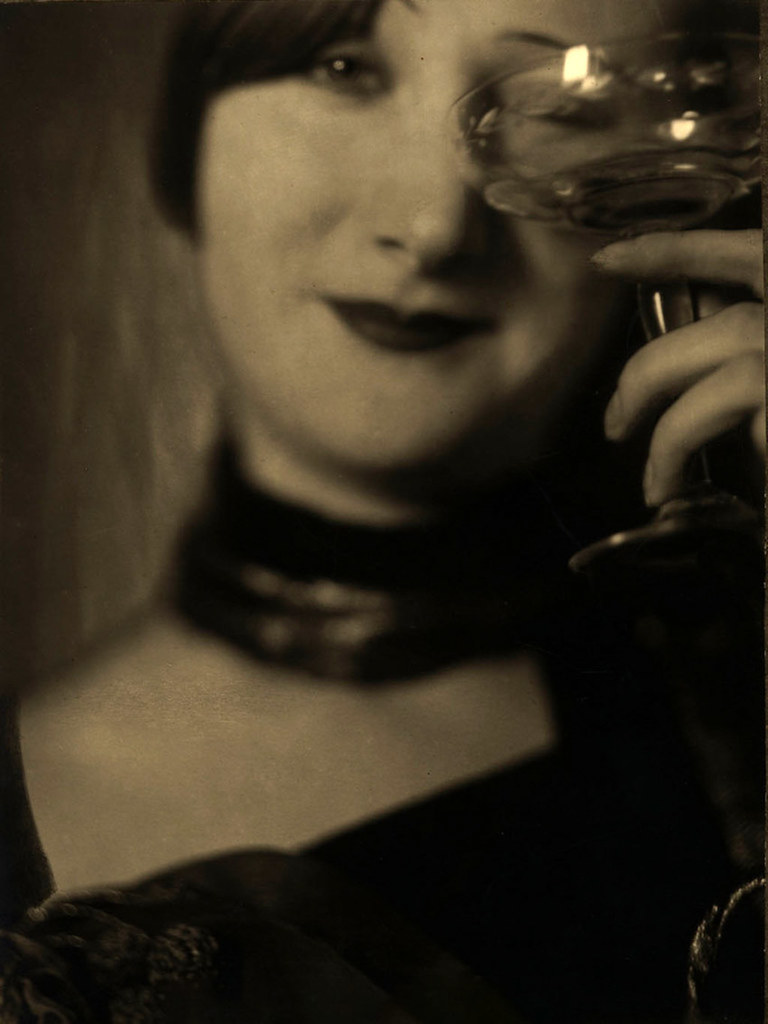
Privatfoto von Margo Lion, from a Fotoalbum (1920-1932). From Marcellus Schiffer und Margo Lion Archiv at Akademie der Künste, Berlin
Privatfoto von Margo Lion, from a Fotoalbum (1920-1932). From Marcellus Schiffer und Margo Lion Archiv at Akademie der Künst, Berlin
jewellery
Privatfoto von Margo Lion, from a Fotoalbum (1920-1932). From Marcellus Schiffer und Margo Lion Archiv at Akademie der Künst, Berlin
jewelry
Privatfoto von Margo Lion, from a Fotoalbum (1920-1932). From Marcellus Schiffer und Margo Lion Archiv at Akademie der Künste, Berlin
Privatfoto von Margo Lion, from a Fotoalbum (1920-1932). From Marcellus Schiffer und Margo Lion Archiv at Akademie der Künst, Berlin
dr zeller
jewellery
Privatfoto von Margo Lion, from a Fotoalbum (1920-1932). From Marcellus Schiffer und Margo Lion Archiv at Akademie der Künste, Berlin
Privatfoto von Margo Lion, from a Fotoalbum (1920-1932). From Marcellus Schiffer und Margo Lion Archiv at Akademie der Künst, Berlin
sitting
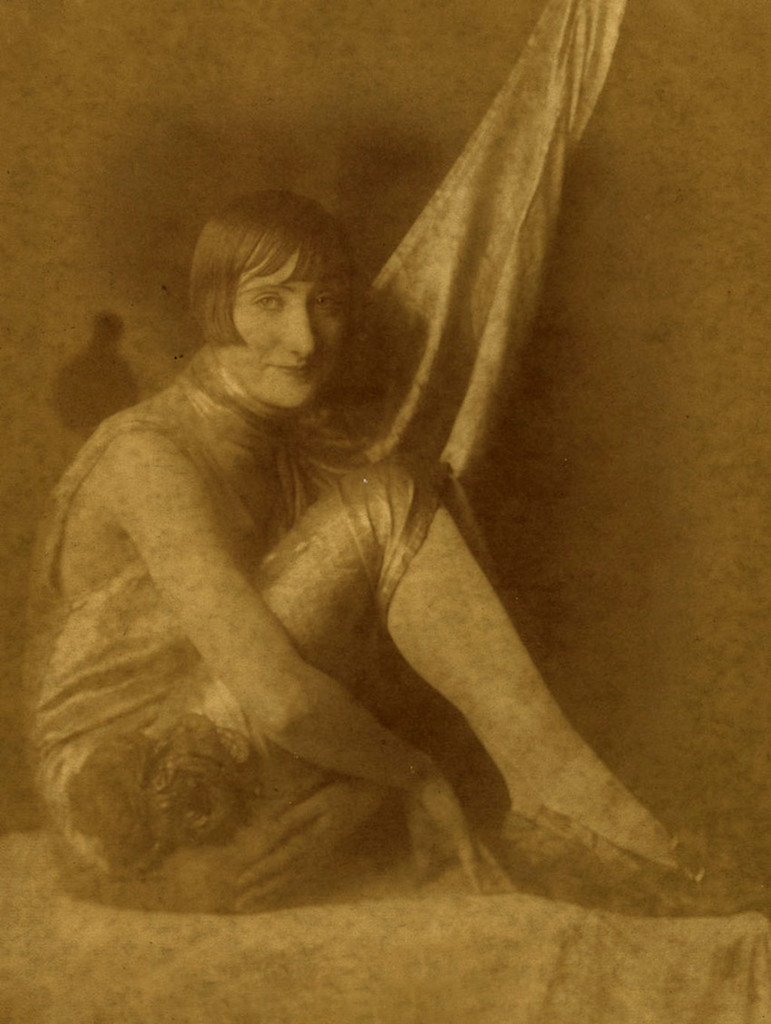
Privatfoto von Margo Lion, from a Fotoalbum (1920-1932). From Marcellus Schiffer und Margo Lion Archiv at Akademie der Künste, Berlin

Jeanne Mammen (1890–1976) II

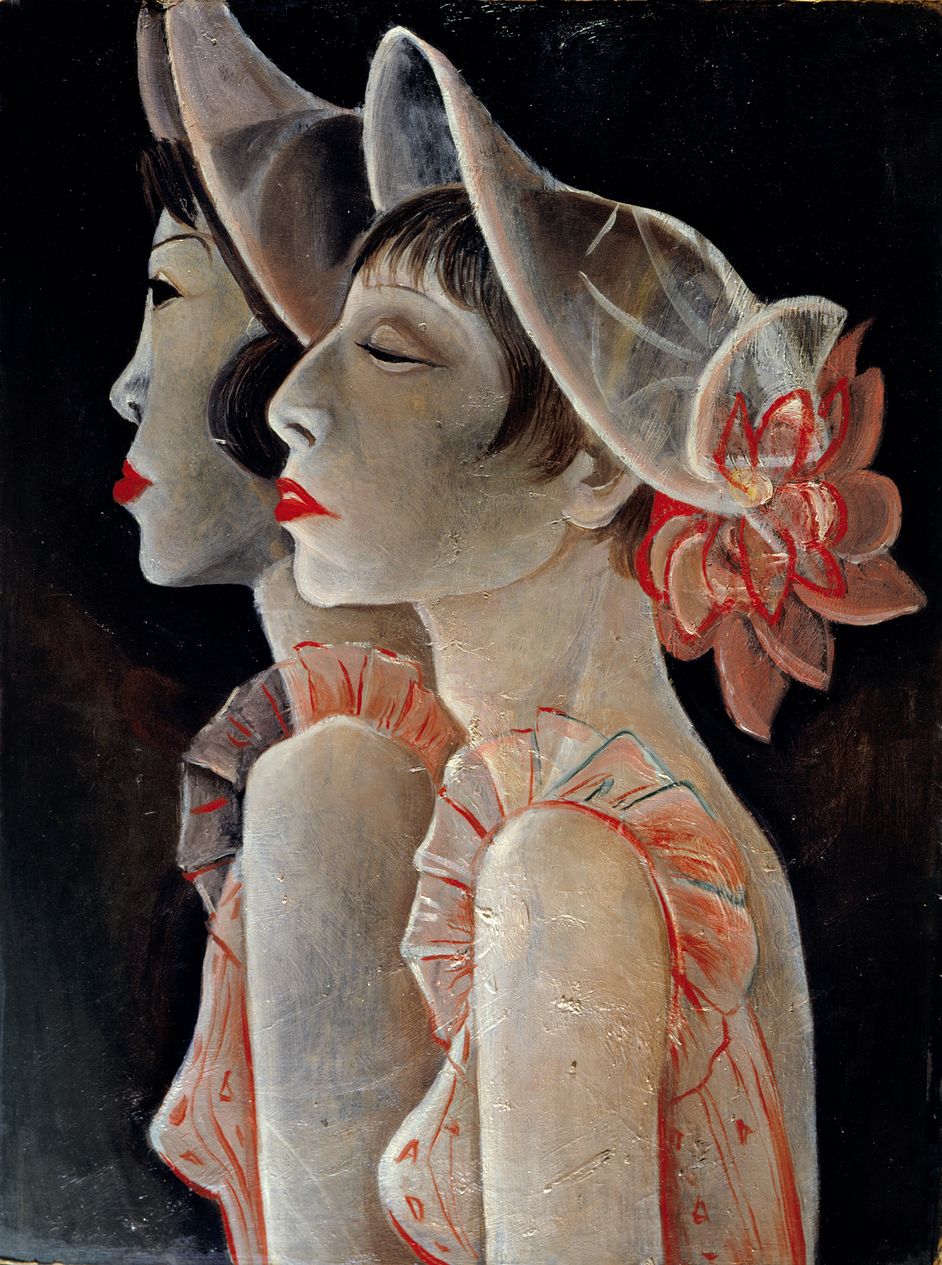
Jeanne Mammen :: Kabarett-Mädchen | Chorus girls – Revuegirls, 1928-29. Oil on cardboard. | src Berlinische Galerie

In the pleasure-hungry Berlin of the 1920s, theatres vied for attention with spectacular variety shows. Chorus girls in scanty costumes provided an erotic touch. As links in the chain of swinging legs, they were usually depicted as a type, not as individuals. But the two women in “Chorus Girls” by Jeanne Mammen (1890–1976) could hardly be more different. The artist centres on their weary faces, sallow skin and garish lipstick. The real attraction – the dancers’ long-limbed bodies – are only visible down to the breast. They pause for breath, no trace of glamour here.

Mammen, a free-lance artist and a prototype of the emancipated “New Woman”, often highlighted female clichés of the day. The chorus girl in front has the facial features of the artist. The figure behind resembles her sister Mimi. [quoted from Berlinische Galerie]

Jeanne Mammen :: Josephine Baker, ca. 1926. [Revue Neger]. Barbican Centre | src Flickr

Weimar Clubs and cabarets – German cities, 1920s

After the collapse of its Empire and the defeat of the First World War, Germany became a democracy, the Weimar republic. In the early 1920s, people yearned for excitement, there was a sense of liberation and the economy started to recover. Night clubs appeared which fused cabaret, literature, art, music, theatre and satire in multi-sensory experiences. American jazz and dance crazes including the foxtrot, tango, one-step and Charleston became popular and exotic dances by Anita Berber, Valeska Gert and famously Josephine Baker were performed.

Fantasy spaces were created such as the dance-casino called Scala where the ceiling was sculpted into jagged structures that hung down like crystalline stalactites. The pulsating energy of such clubs and bars was captured by artists including Otto Dix, Jeanne Mammen and Elfriede Lohse-Wächtler.

[Barbican Centre] From Into the Night: Cabarets & Clubs in Modern Art (October 2019 to January 2020)
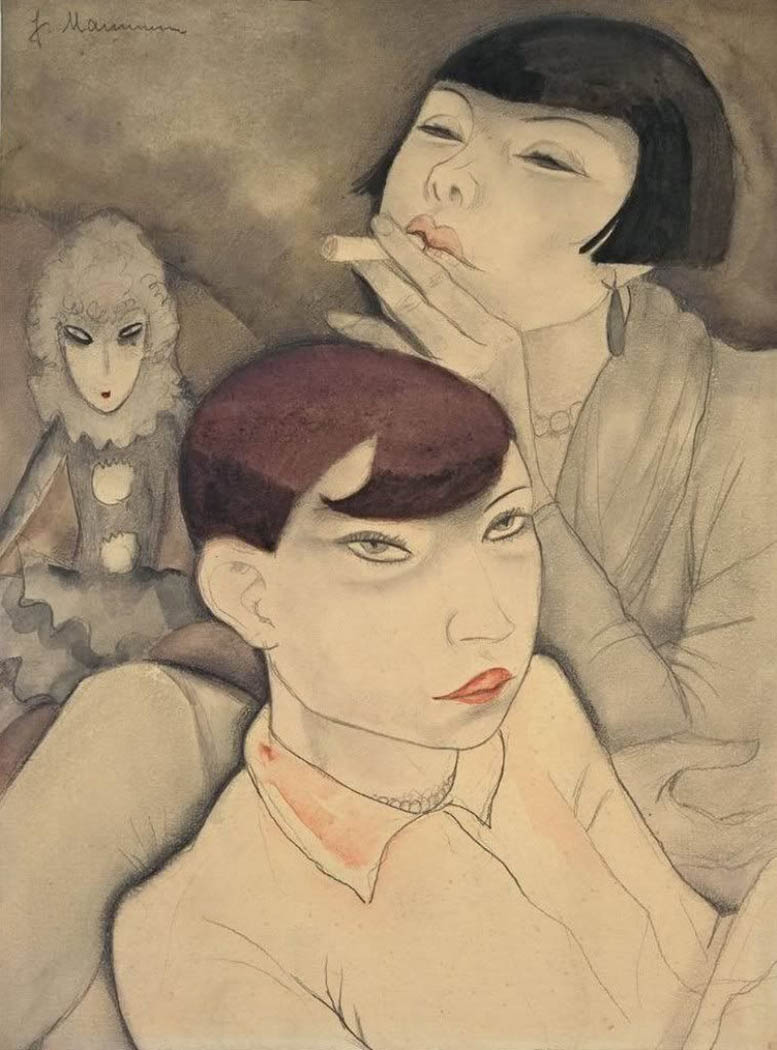
Jeanne Mammen :: Langweilige Puppen | Boring Dolls, 1929. Watercolour and pencil on slightly nacreous wove paper, mounted on cardboard by the artist. | src Die George Economou Kollektion
Jeanne Mammen :: Brüderstrasse [Freies Zimmer | Free Room], 1930. The George Economou Collection © DACS, 2018. | src Apollo magazine

Visions of a dark world in the art of Weimar Germany [Apollo magazine]

Review on the exhibition Magic Realism: Art in Weimar Germany 1919-33 (Tate Modern, 2018-19)

[…] towards the end of the exhibition, a small cluster of drawings introduces the work of Jeanne Mammen. Mammen’s drawings – gauzy depictions of women in watercolour, pen and ink – illustrated fashion magazines and poetry publications throughout the 1920s, until the Nazis shut down the journals she worked for and she went into inner exile, refusing to show her work. Here, they fill an important gap in describing women’s experiences of city life. Mammen observed women on the streets of Berlin and in nightclubs, and often depicted them in conversation, smoking, or playing cards. In Brüderstrasse (Free Room) (1930), the women are intimate and aloof; in Boring Dolls (1929), they’re defiant, out for their own pleasure.

[…] The exhibition doesn’t quite tease out the paradoxes between trauma and humour, leaving both to loiter in the murkiness of Dix’s circus tent. What we’re given is a vision of a world that hinges on reality yet twists from view. It’s a distortion of the truth, full of landscapes littered with war debris and nightclub corners filled with smoke. It’s the same world, but darker than before.

quoted from the review by Harriet Backer for Apollo magazine
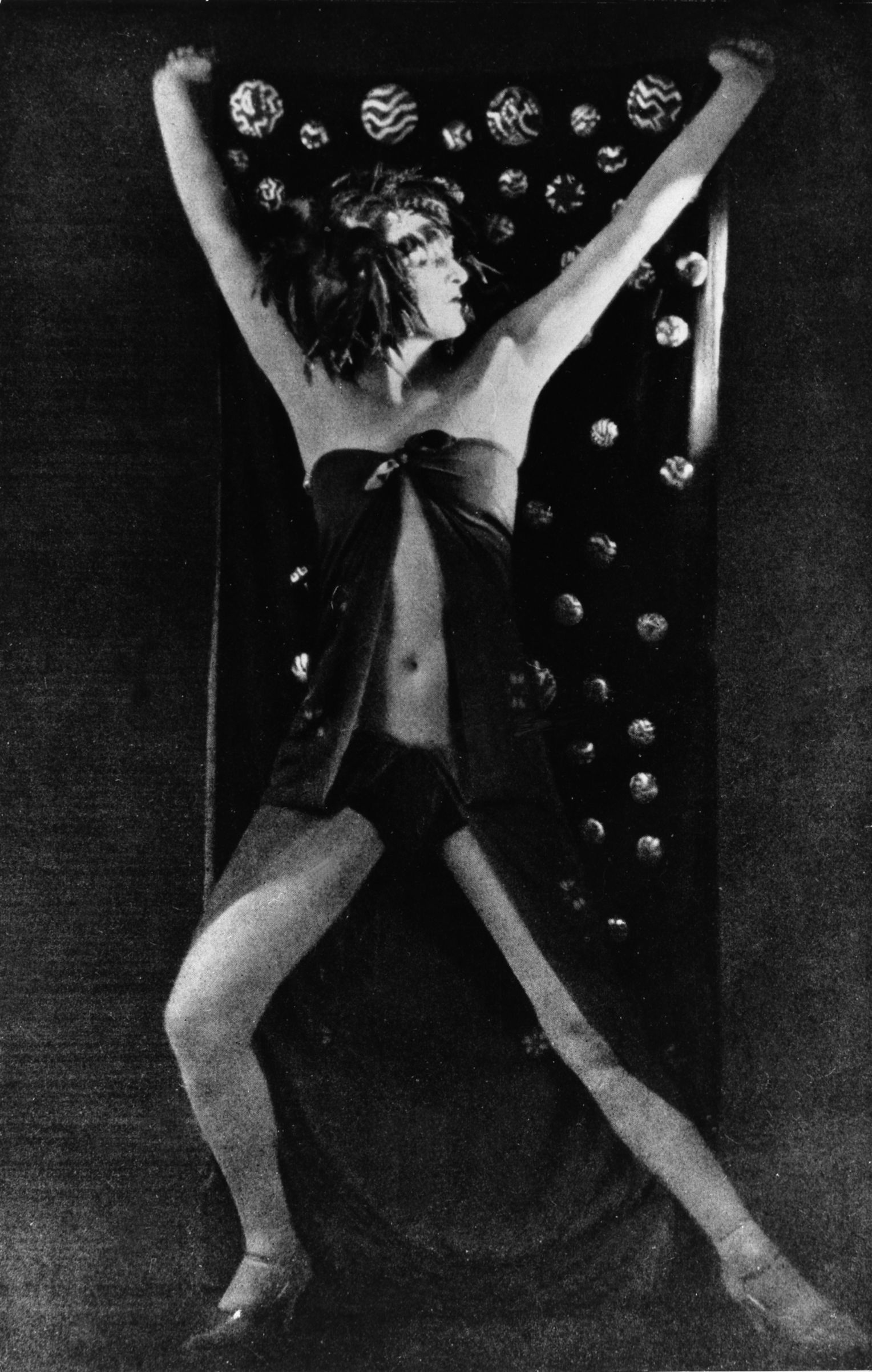
Anita Berber as a poetess

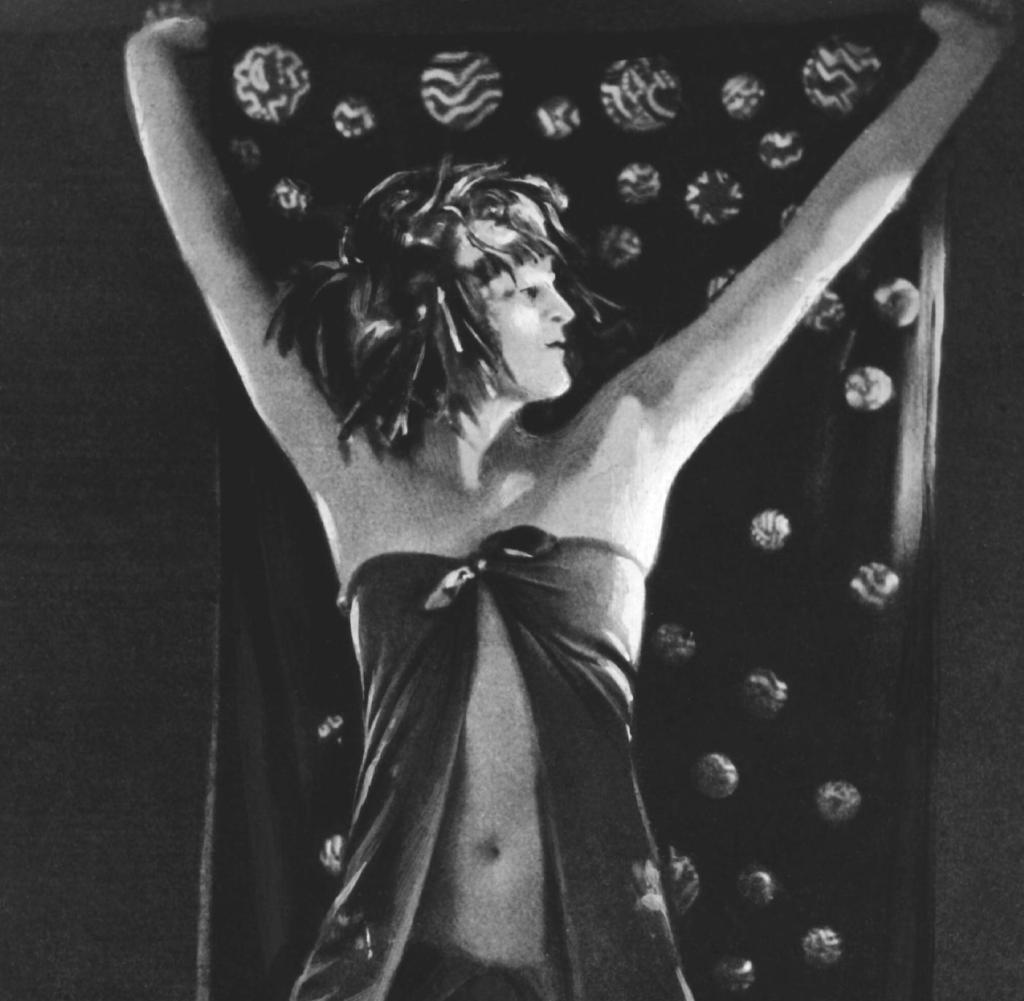
Tänzerin und Schauspielerin Anita Berber, Rollenporträt, undtiert. (Photo © Ullstein Bild | src Getty Images
Tänzerin und Schauspielerin Anita Berber, Rollenporträt, undtiert. | src Welt.de

Anita Berber Dichterin: Die offen bisexuelle Anita Berber tanzte und provozierte nicht nur, sondern betätigte sich auch als Lyrikerin. In ihrem Gedicht “Orchideen” etwa heißt es: “Ich küsste und kostete jede bis zum Schluss / Alle alle starben an meinen roten Lippen / An meinen Händen / An meiner Geschlechtslosigkeit / Die doch alle Geschlechter in sich hat / Ich bin blass wie Mondsilber.”

Anita Berber as a poetess: The openly bisexual Anita Berber not only danced and provoked, but also was as a poet. In her poem “Orchids”, for example, it says: “I kissed and tasted each one to the end / All died on my red lips / On my hands / On my genderlessness / Which has all genders in it / I am pale as moon silver.”

quoted from Der Spiegel: Anita Berber – die Hohepriesterin des Lasters