images that haunt us

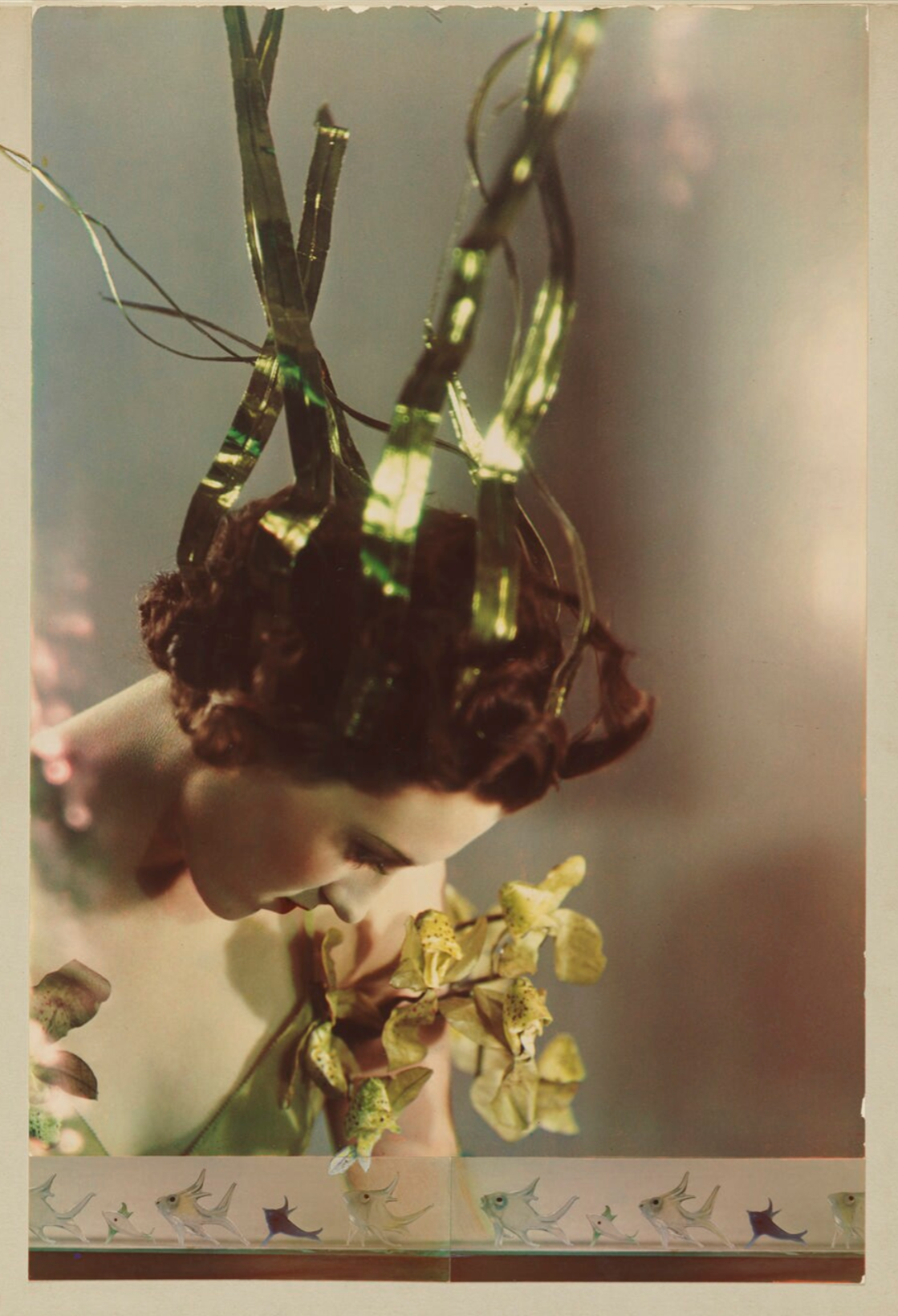
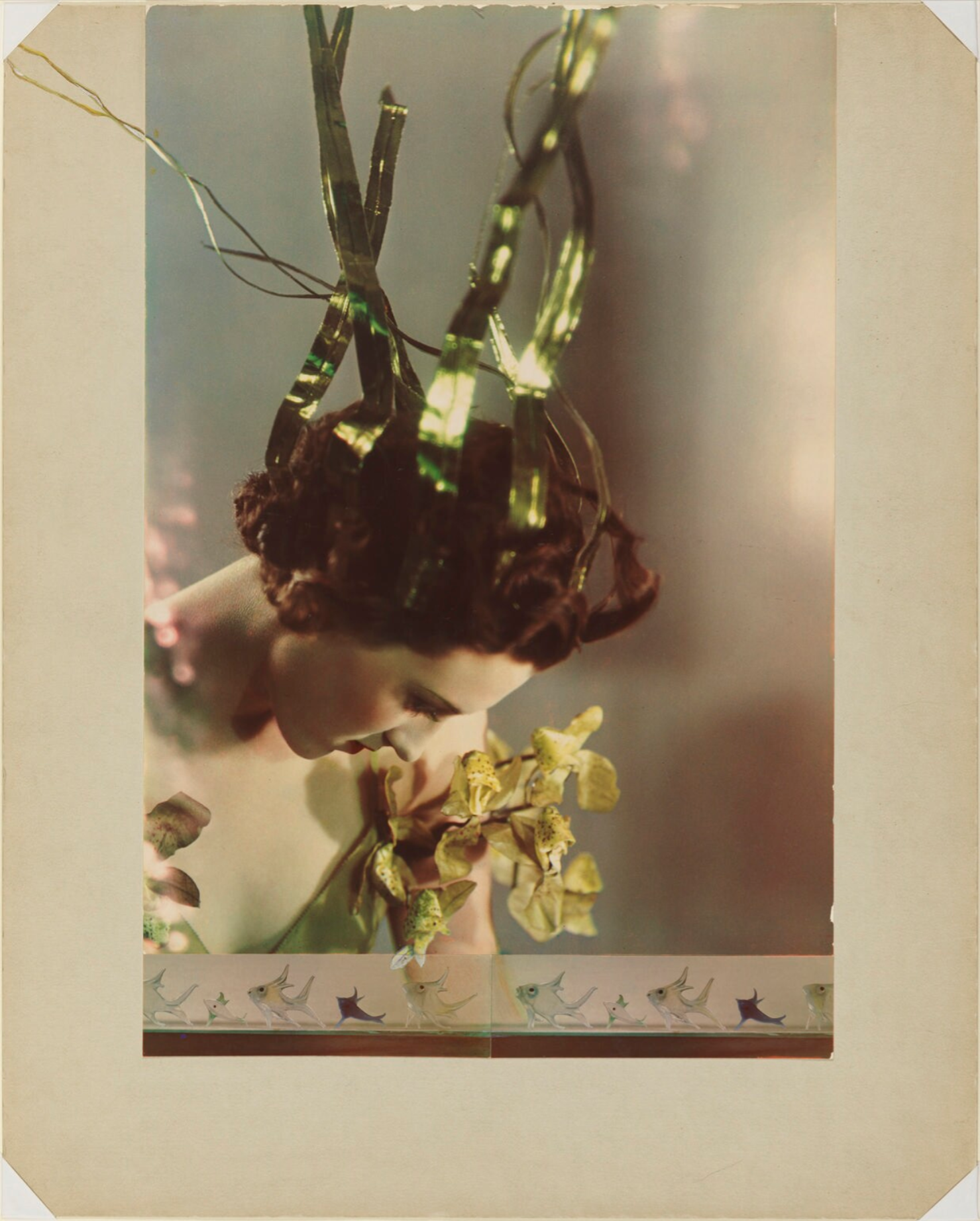
Arethusa was a wood nymph from Elis, associated with the goddess Artemis. Pursued relentlessly by the river-god Alpheus, Arethusa begged for Artemis’s help in escaping his attentions. The goddess opened up a passage under the sea which enabled Arethusa to emerge as a spring in Syracuse, on the island of Ortygia (Sicily) – hence the seaweed in Yevonde’s sitter’s hair. (quoted from NPG)
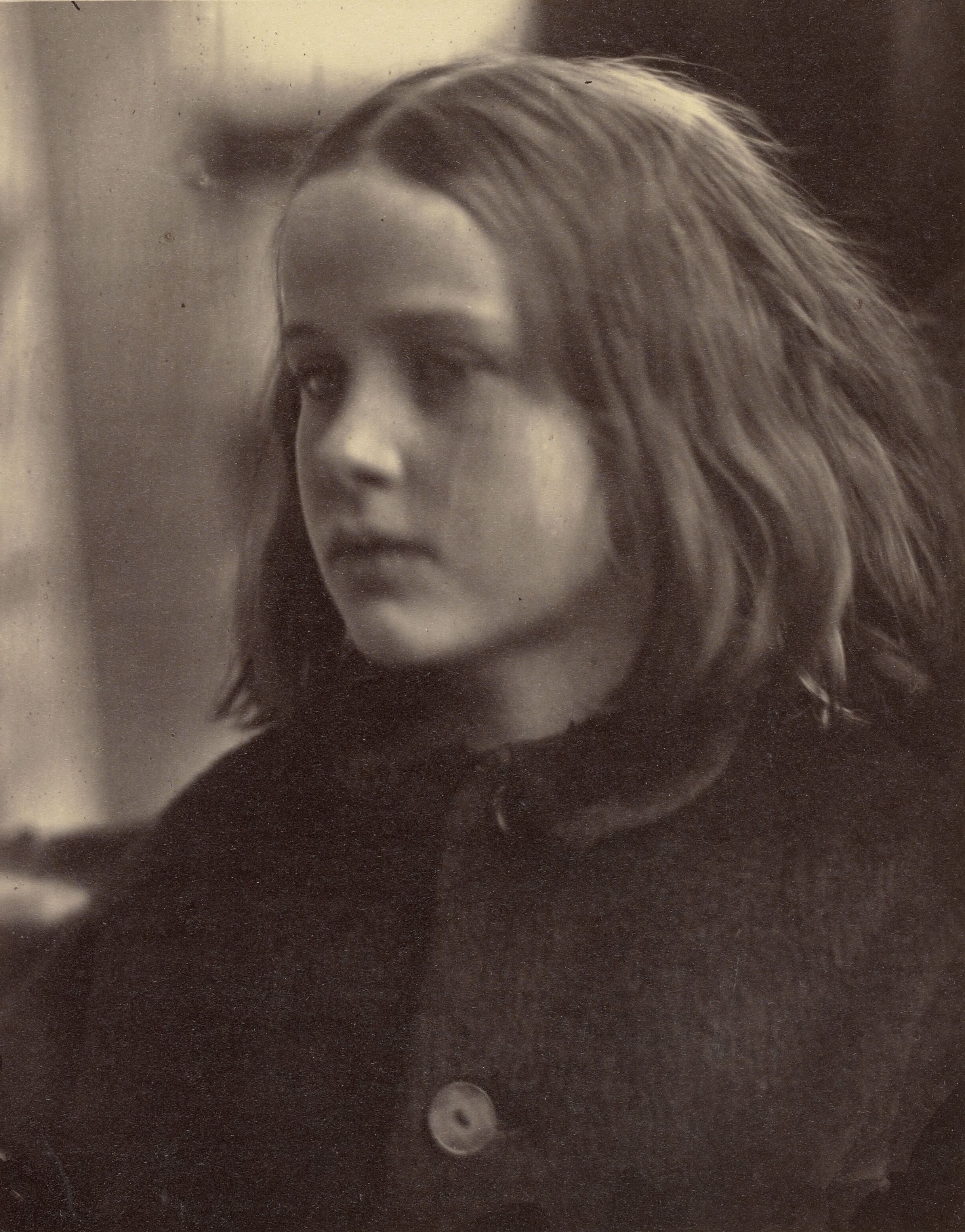
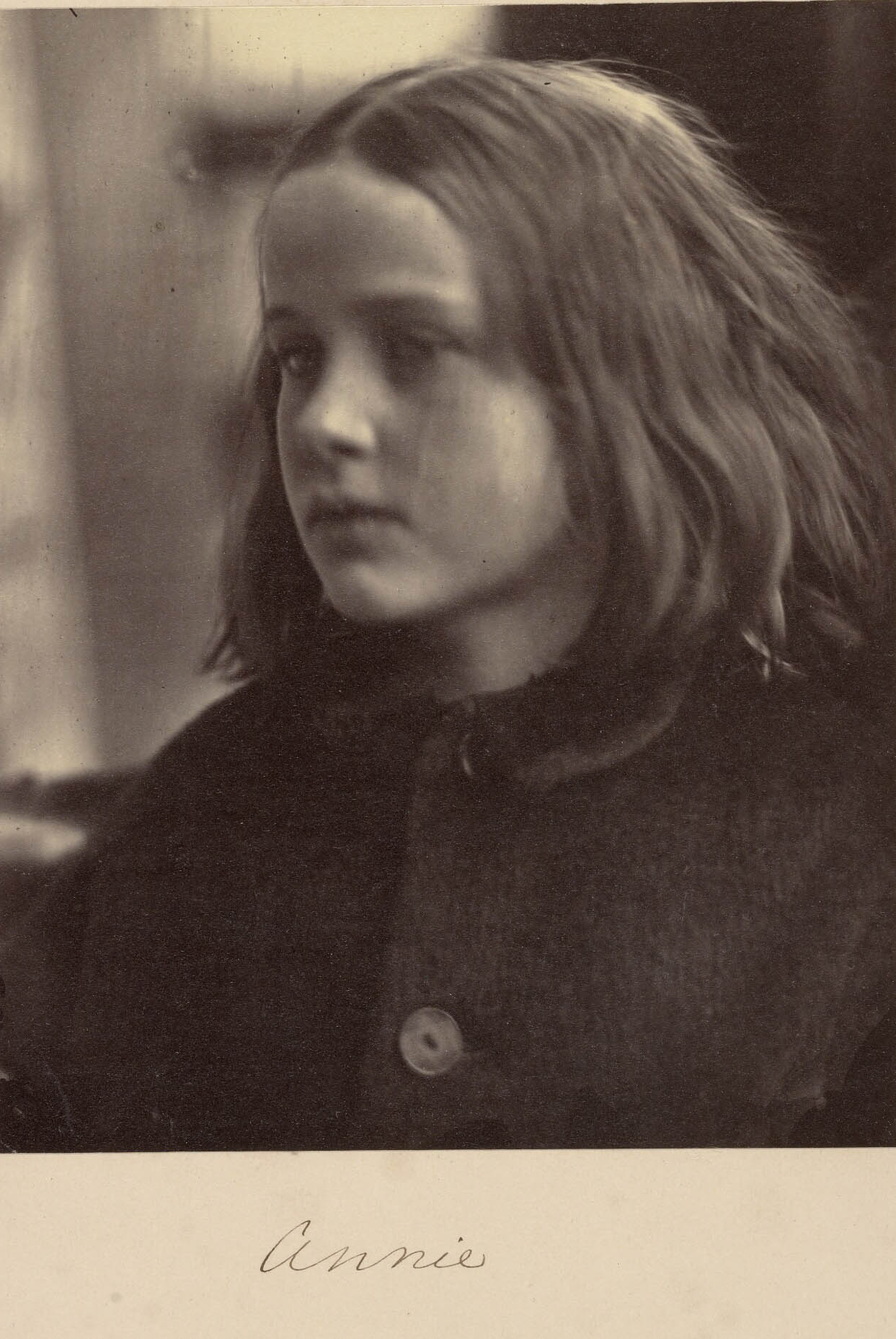

In December 1863 Julia Margaret Cameron received the gift of a wooden box camera from her only daughter, Julia, and her son-in-law Charles Norman. She was forty-eight years old, a woman whose prodigious energies had been centered on raising her six children. Now, with her daughter married and her husband and three eldest sons away on her family coffee estates in Ceylon, she found herself at a transitional moment in her life. Taking up photography at this time, she began, in her own words “to arrest all beauty that came before me.”
Cameron’s retrospective written account of her career in photography, Annals of My Glass House (penned in 1874 and published posthumously in 1889), stresses the solitary nature of her early experiments: “I began with no knowledge of the art. I did not know where to place my dark box, how to focus my sitter, and my first picture I effaced to my consternation by rubbing my hand over the filmy side of the glass.” Despite this proclamation, Cameron may have already learned the basics of camera operation and chemistry from Oscar Gustave Rejlander, with whom she shared many mutual friends, most importantly Alfred Tennyson, her neighbor on the Isle of Wight. Another likely early tutor was her brother-in-law Lord Somers, an accomplished amateur photographer who made portraits of Cameron’s family circle.
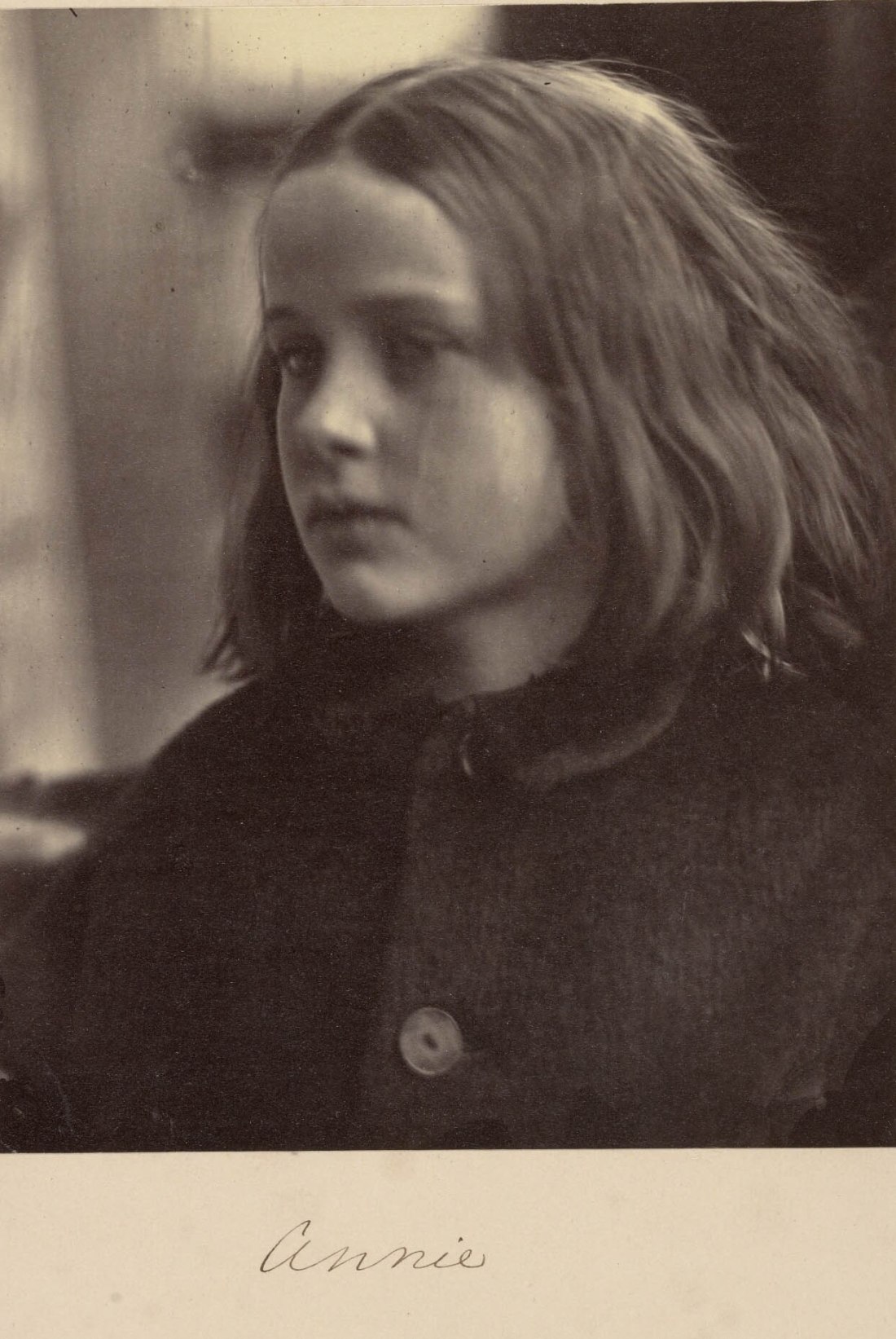
After some three weeks of experimentation in the January cold of her studio at her home in Freshwater, Cameron created this portrait of Annie Philpot (1857-1936), the daughter of a local resident. She later recalled the circumstances surrounding its creation in Annals of My Glass House: “I was in transport of delight. I ran all over the house to search for gifts for the child. I felt as if she entirely had made the picture. I printed, toned, fixed and framed it, and presented it to her father that same day.” Cameron carefully trimmed this particular print for presentation in an album given to Lord Overstone in 1865. It is a picture of great simplicity and grace, conspicuously divided in terms of light and dark. The out-of-focus background and deep shadows around the model’s eyes were acceptable to Cameron, indicating that from the outset her criteria for “success” were notably out of step with convention. She proudly inscribed the picture’s mount “My very first success in photography.”
Adapted from Julian Cox. Julia Margaret Cameron, In Focus: Photographs from the J. Paul Getty Museum (Los Angeles: J. Paul Getty Museum, 1996), 10. © 1996 The J. Paul Getty Museum
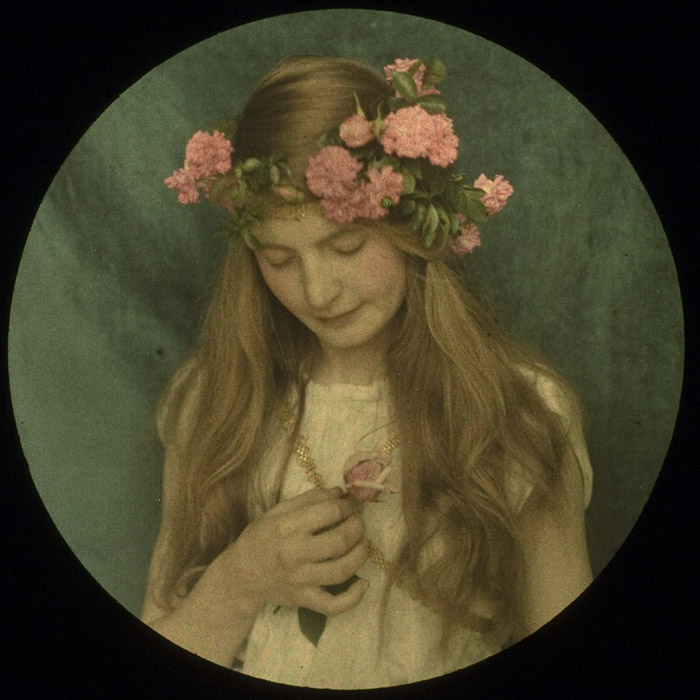
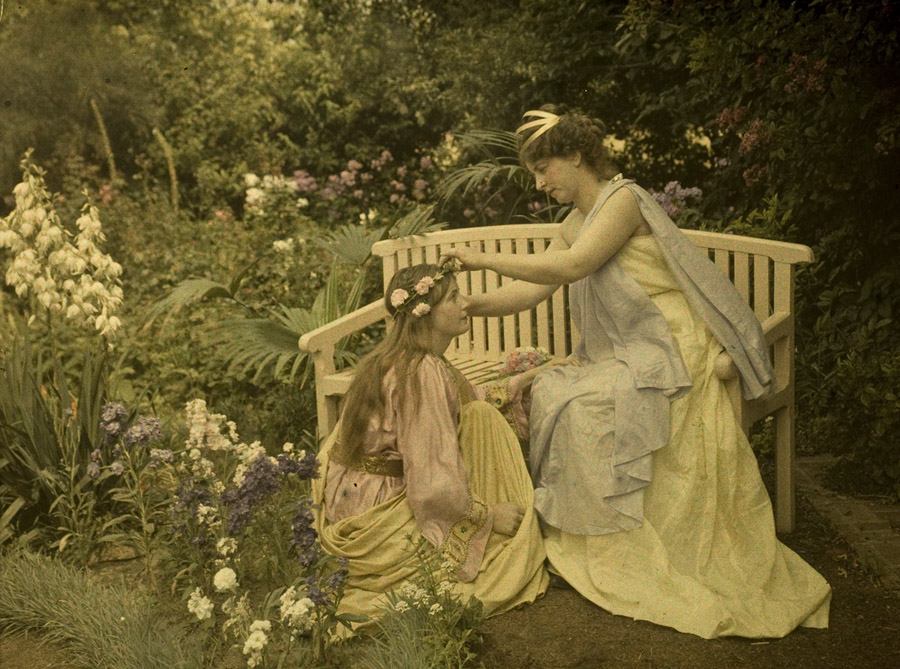
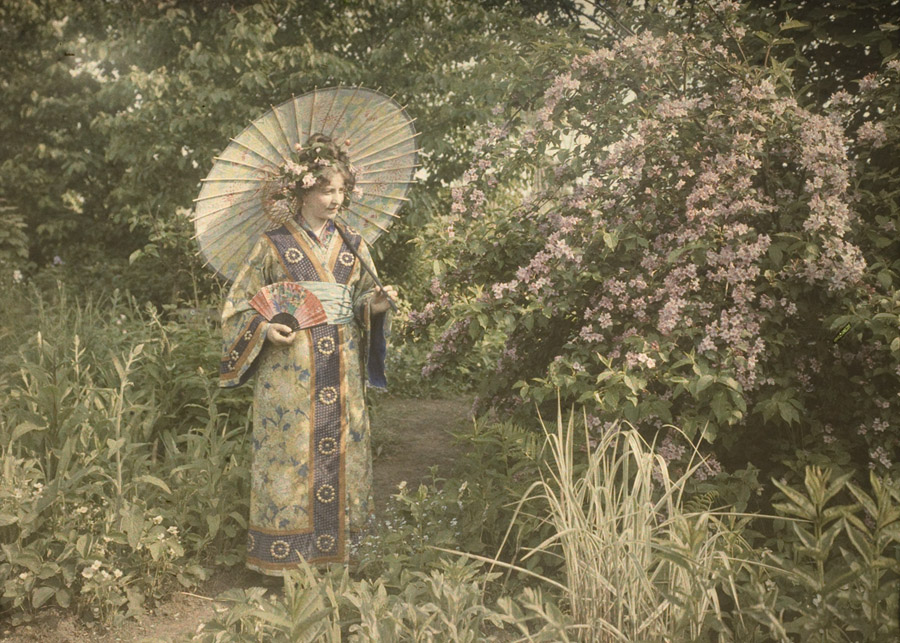
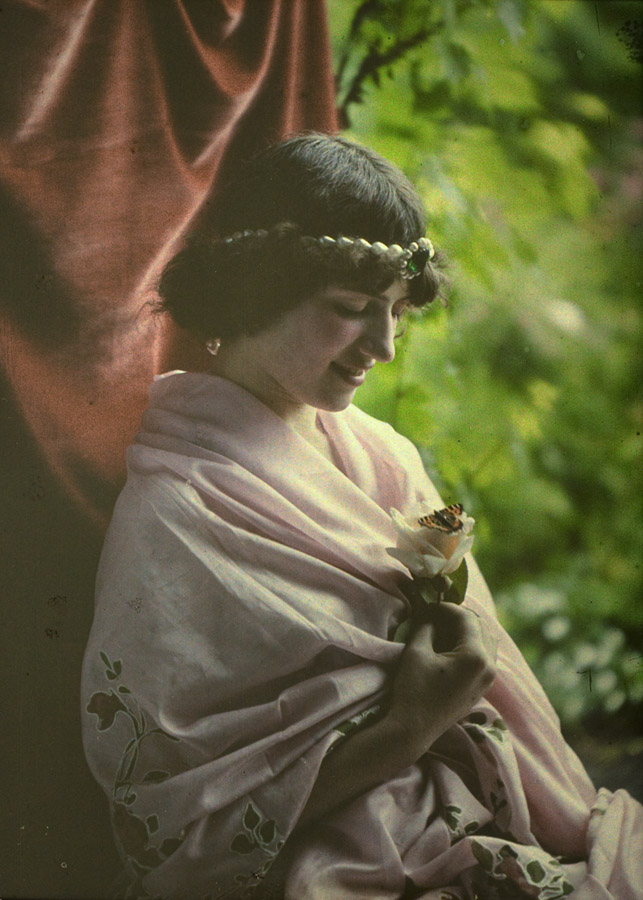
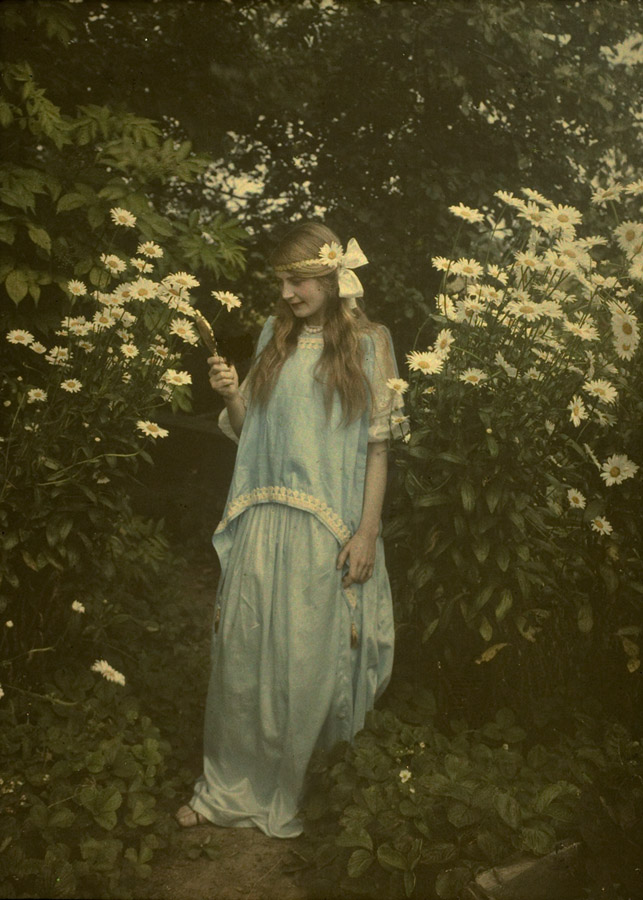
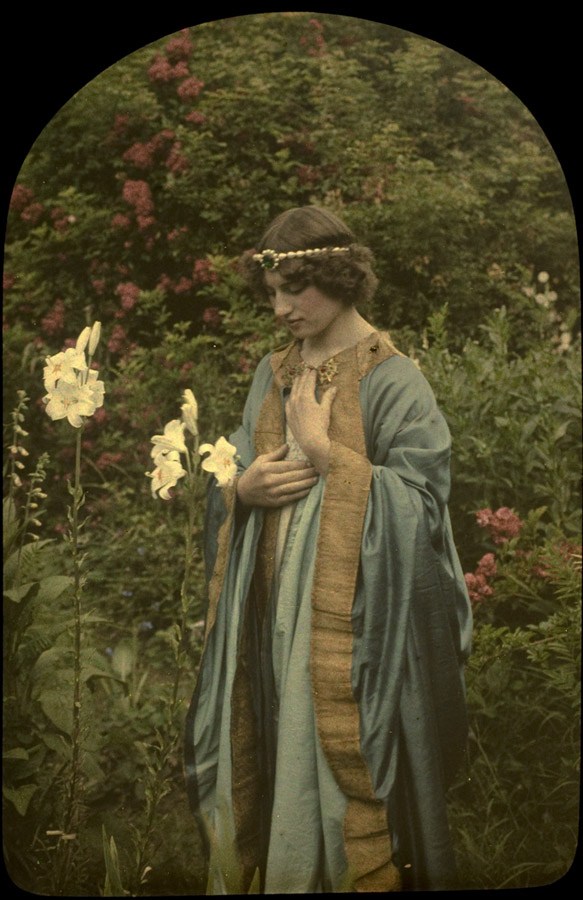
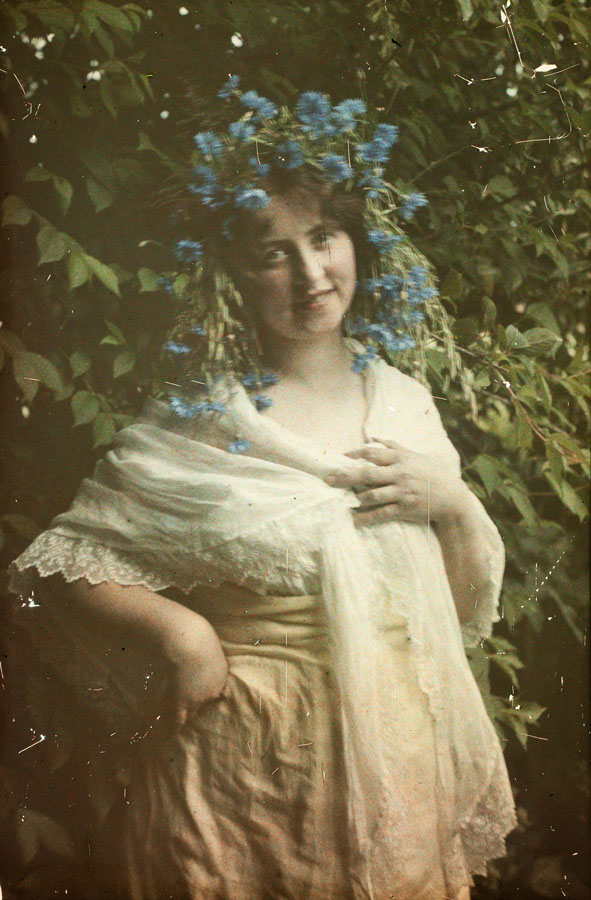
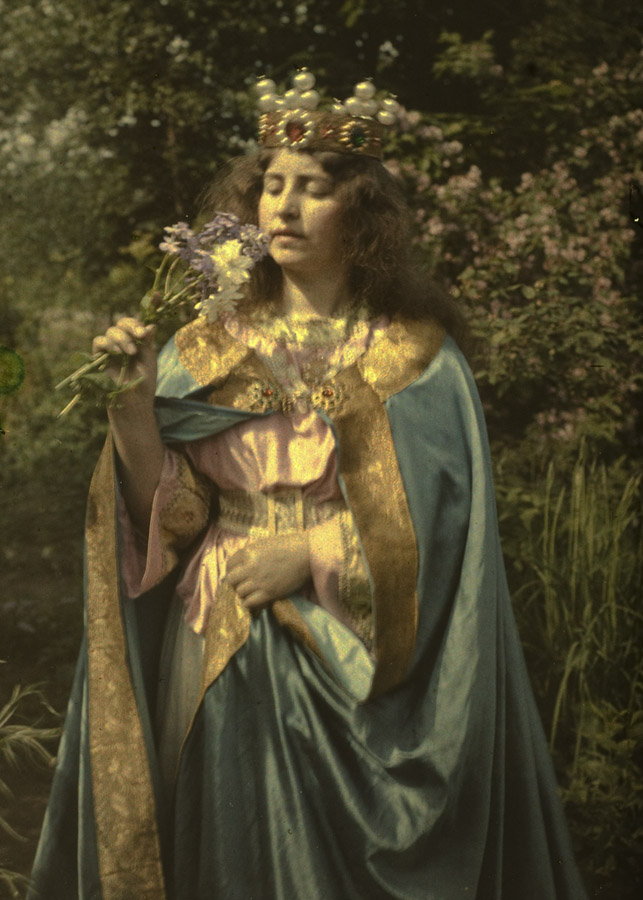
Alfonse van Besten (1865-1926) was a painter, and took full advantage of the possibilities of the new colour process: the Autochrome. One can see that many of his Autochromes were taken with a “painterly eye” e.g. Musing (Mrs.van Besten) or Symphony in white.
During the first World War (1914-1918) he was a refugee in The Netherlands. Together with his friend A. van Son, another Belgian autochromist and refugee, they gave countless lectures at several Dutch photography societies. They were praised for their excellent Autochrome work, e.g. on the 16th of April 1915 the photographic society “Meer Licht” from Nymegen (NL) paid an homage to Van Besten for his outstanding autochrome plates. See Homage to Van Besten at Nymegen.
He was member of The photographic association IRIS-Antwerp and the Association Belge de Photographie. [quoted from source]

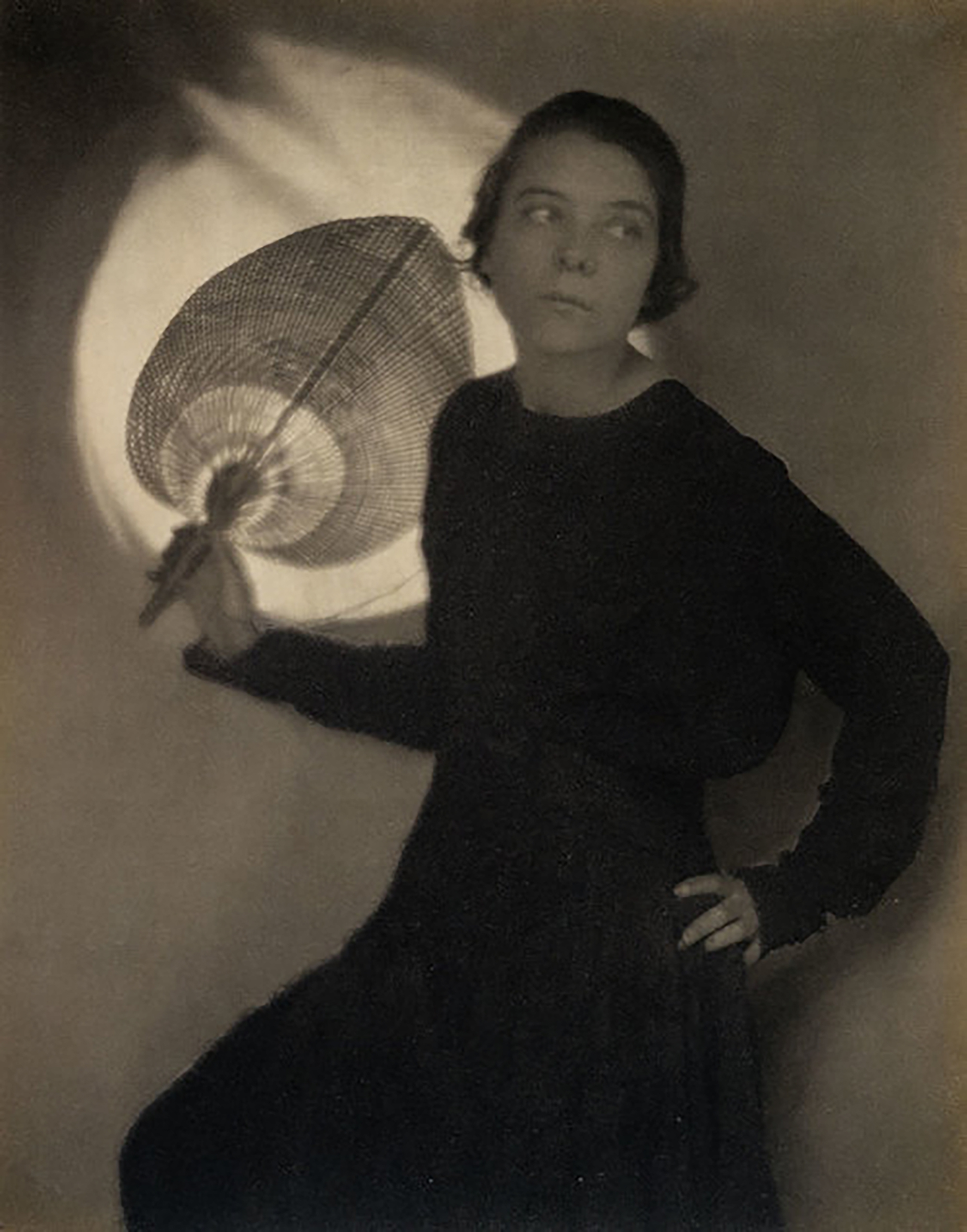
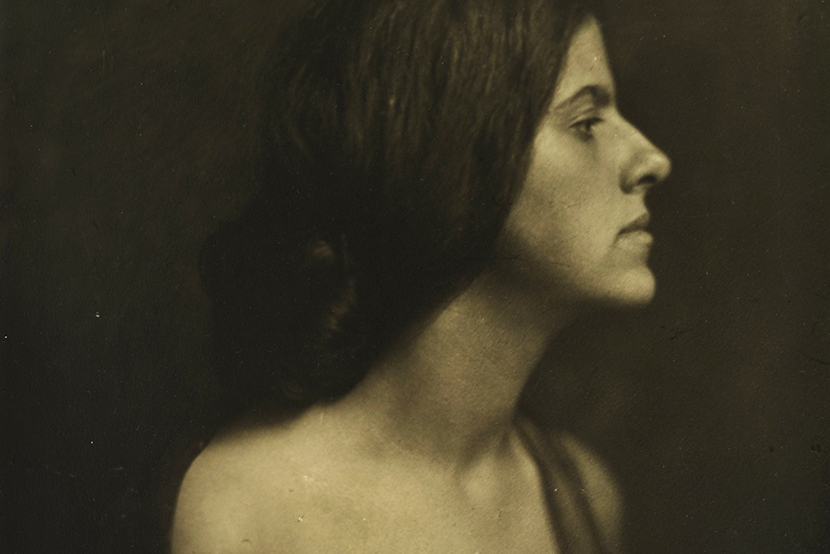
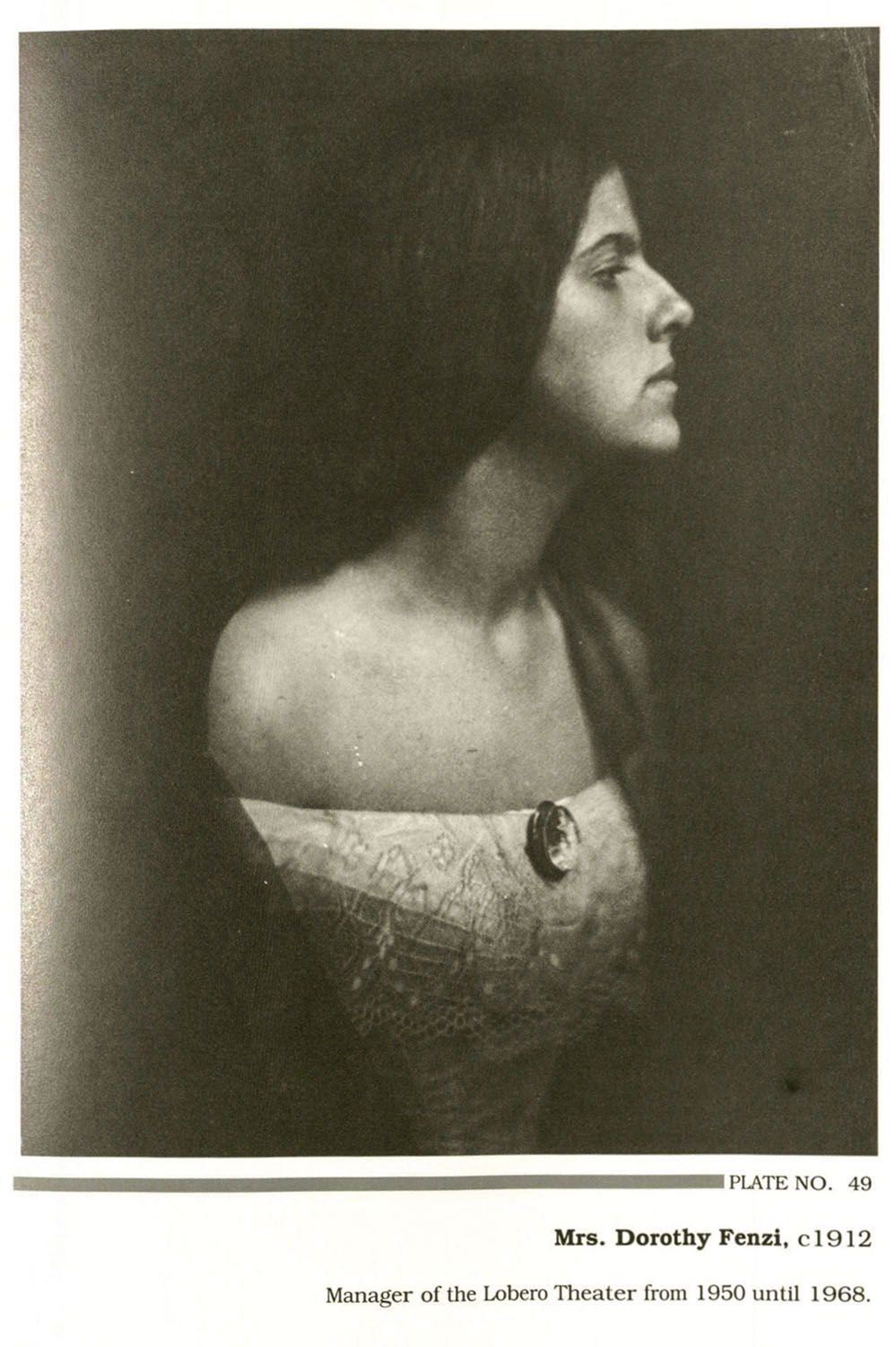
 un regard oblique