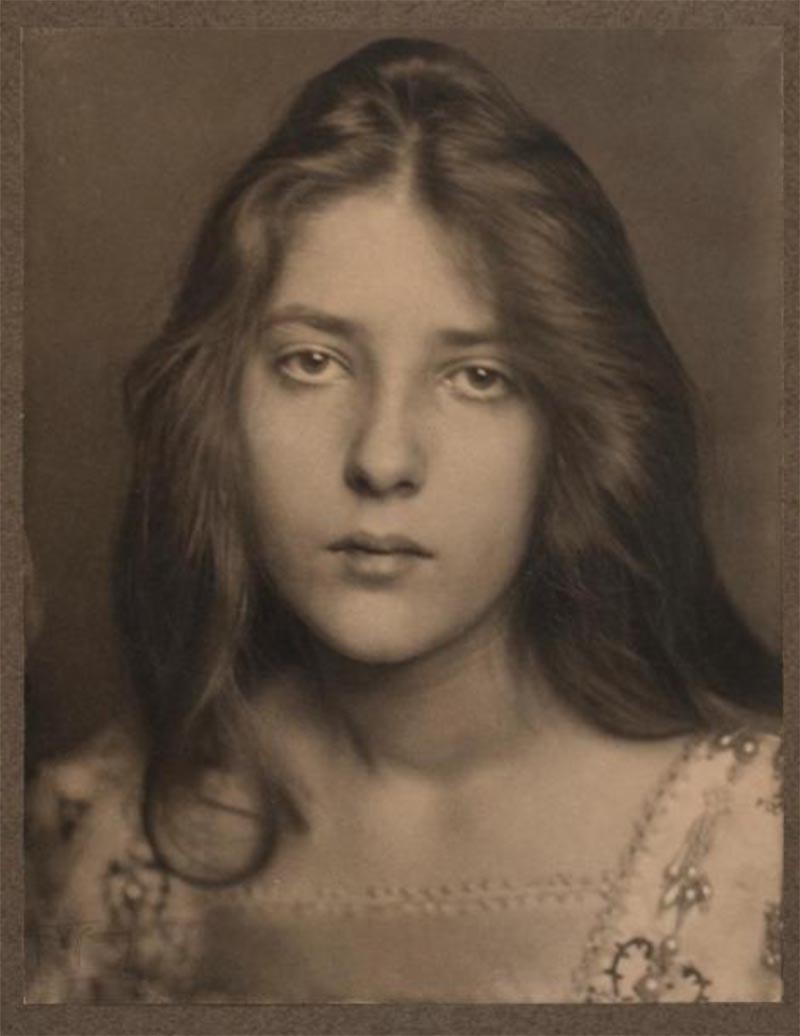
![Edward Henry Weston (1886 - 1958) :: [Woman in Asian Costume], 1917 | The J. Paul Getty Museum Collection](https://unregardoblique.com/wp-content/uploads/2022/09/edward-weston-woman-in-asian-costume-1917-the-j.-paul-getty-museum-collection.jpg)
Pictorial portrait by Weston

images that haunt us



![Jan Zeegers :: Marie Zeegers [daughter of the photographer], 1912. Autochrome. | Nederlands Fotomuseum Rotterdam](https://unregardoblique.com/wp-content/uploads/2022/09/jan-zeegers-marie-zeegers-dochter-van-de-fotograaf-1912-c2a9-nerderlands-fotomuseum-rotterdam.jpg)
“This might be the first Dutch girl to have her picture taken in colour. The photographer, Jan Zeegers, was an Amsterdam textile merchant by trade, but this picture shows a definite eye for composition and colour – note the girl’s dress, the bow in her hair, and the cherries on the plate.” quoted from booklet of the exhibition guide: Gallery of Honour of Dutch Photography (June 2021)
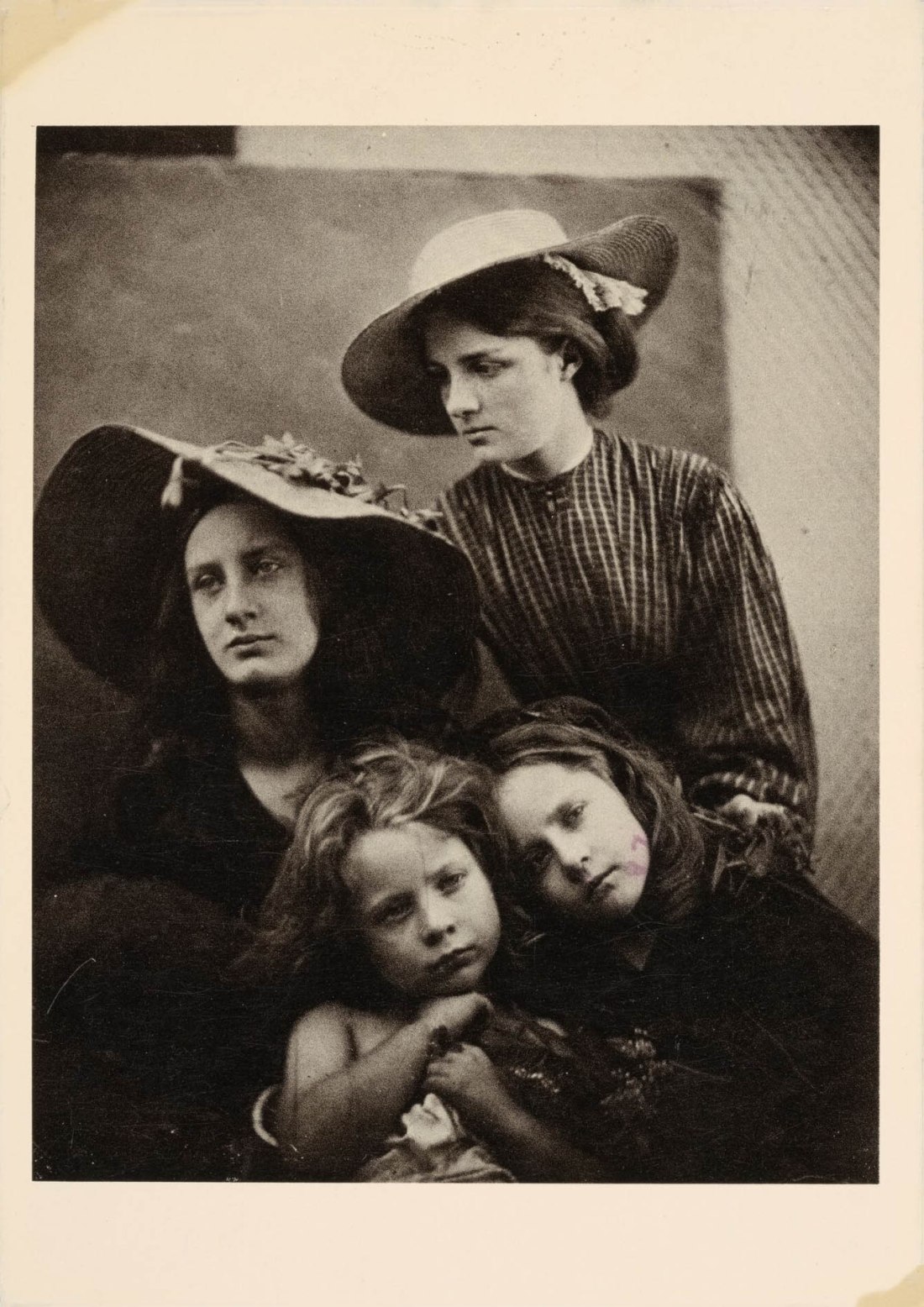
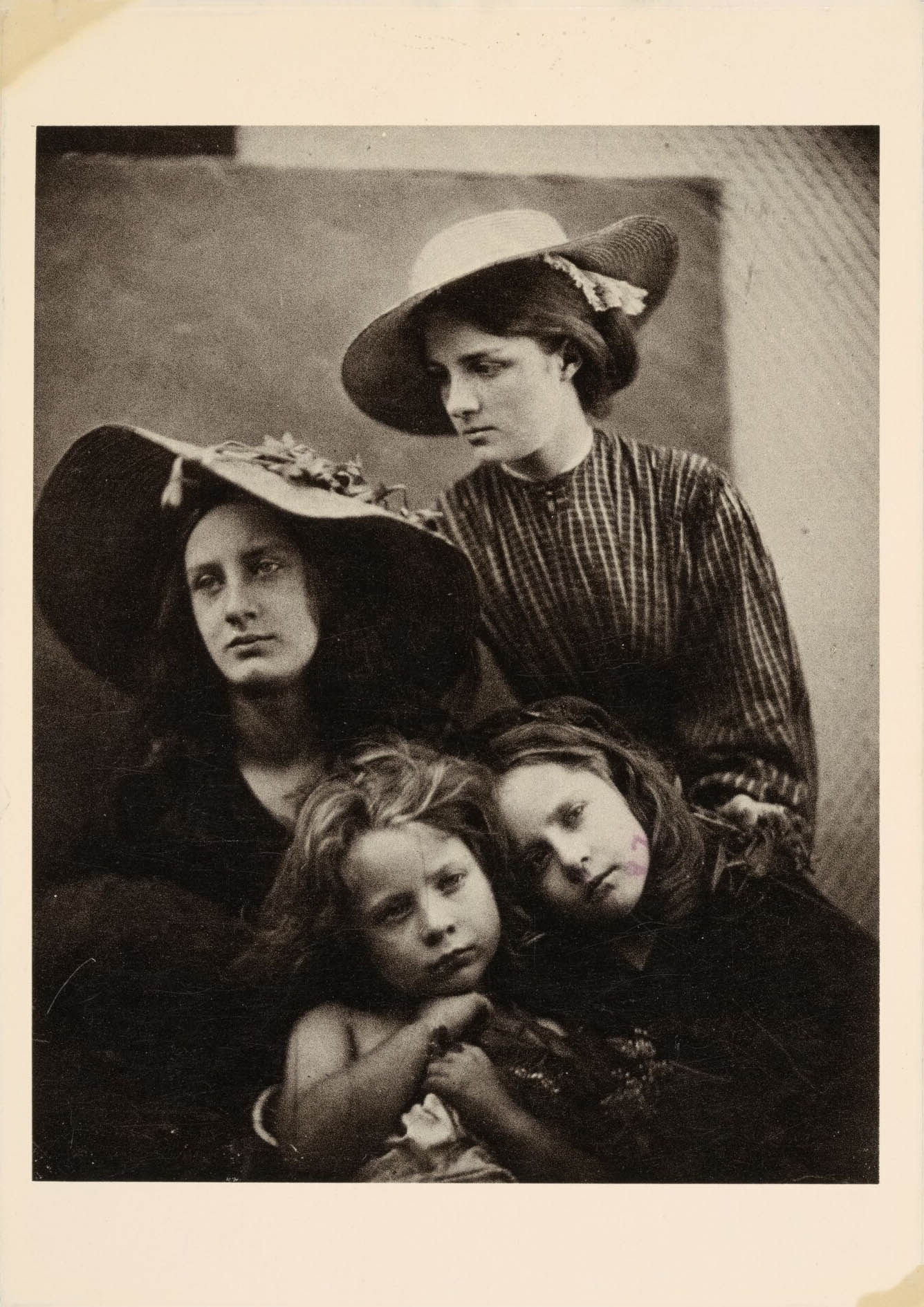
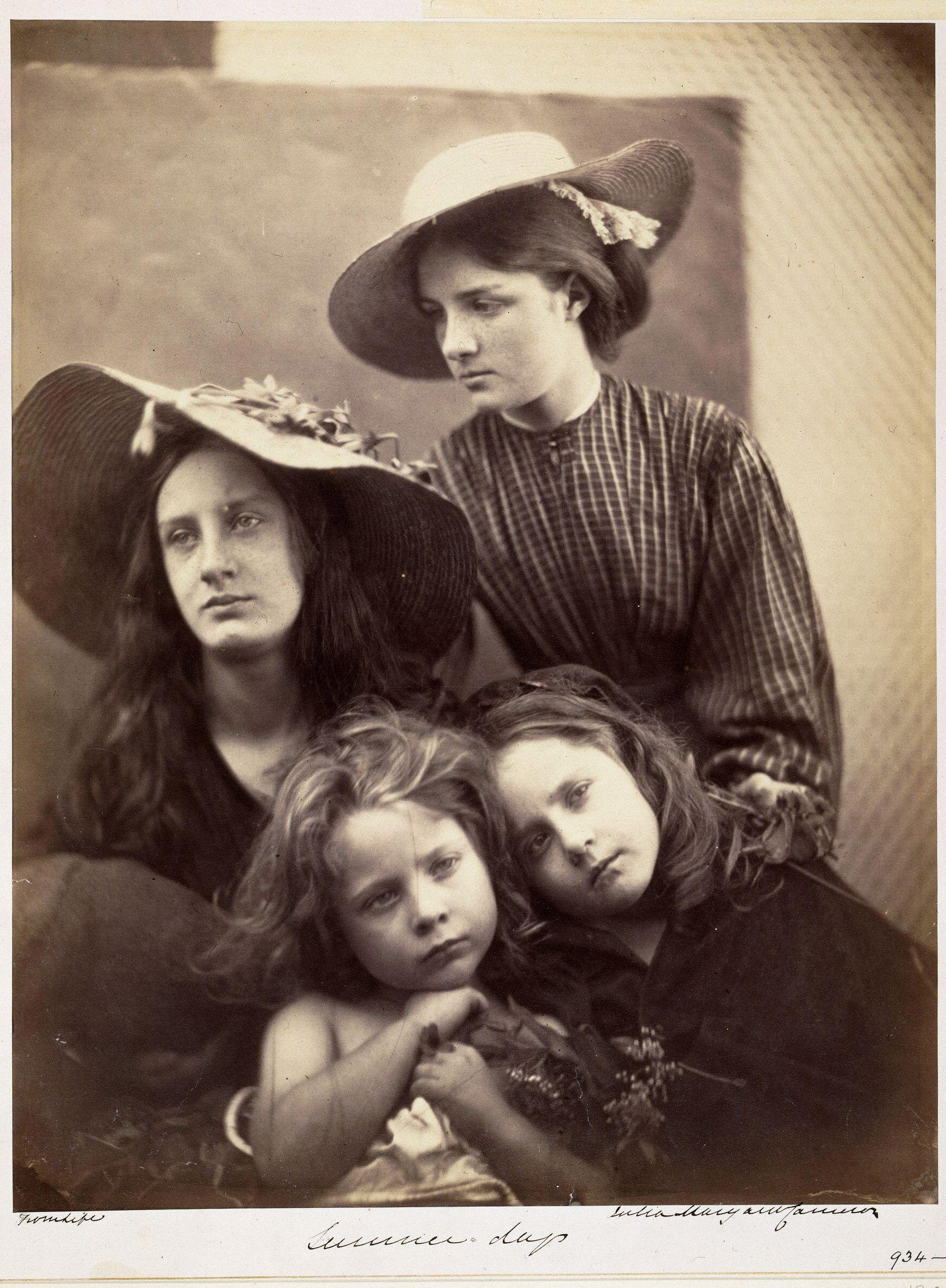
In late 1865, Julia Margaret Cameron began using a larger camera. It held a 15 x 12 inch glass negative, rather than the 12 x 10 inch negative of her first camera. Early the next year she wrote to Henry Cole with great enthusiasm – but little modesty – about the new turn she had taken in her work.
Cameron initiated a series of large-scale, closeup heads that fulfilled her photographic vision. She saw them as a rejection of ‘mere conventional topographic photography – map-making and skeleton rendering of feature and form’ in favour of a less precise but more emotionally penetrating form of portraiture. Cameron also continued to make narrative and allegorical tableaux, which were larger and bolder than her previous efforts.
Cameron’s ability to capture large groups improved with experience as well as with the use of her new, larger lens. Her friend and photographic advisor, the scientist Sir John Herschel, wrote that this picture was ‘very beautiful, and the grouping perfect.’ quoted from V&A



 un regard oblique