La Marchesa Casati on canvas

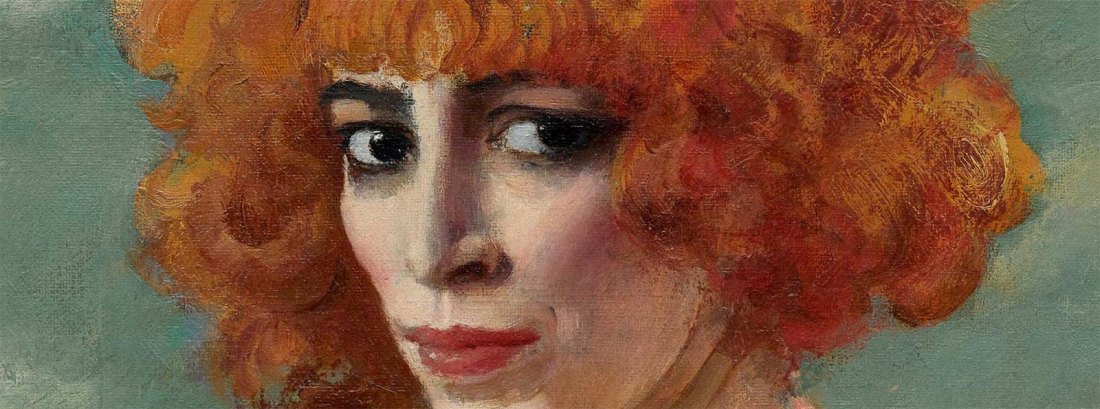
Augustus Edwin John (1878 - 1961) :: La Marchesa Casati, 1919. Oil on canvas. | src AGO Collections -e-museum
Augustus Edwin John (1878 – 1961) :: La Marchesa Casati, 1919. Oil on canvas. | src AGO Collections -e-museum

Casati’s lover Augustus John painted her in this 1919 portrait, which was judged “hot stuff” by TE Lawrence and inspired a poem by Jack Kerouac.

She was said to walk around Venice at night with her pet cheetahs, naked but for a fur cloak: Luisa Casati was both an eccentric and a pioneer.

Born in Milan in 1881 and orphaned at the age of 15, Luisa Casati was to become a figure shrouded in legends as elaborate as the clothes she wore. Almost pathologically shy, she had a menagerie of pets, which included a boa constrictor she wore around her neck, white peacocks trained to perch on her windowsills and a flock of tame albino blackbirds dyed different colours to match the themes of her parties. She commissioned the costume designer of the Ballets Russes Léon Bakst to create ever more outrageous outfits, notably one made of tiny electric lightbulbs that short-circuited and gave her an electric shock so powerful it forced her into a backward somersault. And she was fascinated by the occult, always carrying a crystal ball and collecting wax replicas of herself, including one that was life-sized with a wig made from her own hair: when hosting dinner, she would sit the figure next to her and in the dim candlelight her guests struggled to make out which was the real Luisa.

Before Casati met Léon Bakst, taking her wardrobe beyond fashion, she had used couturiers like Poiret and Fortuny for her outfits.

Casati was physically striking, enhancing her features in an unusual way, as a 2003 profile in The New Yorker described. “The Marchesa was exceptionally tall and cadaverous, with a head shaped like a dagger and a little, feral face that was swamped by incandescent eyes. She brightened their pupils with belladonna and blackened their contours with kohl or India ink, gluing a two-inch fringe of false lashes and strips of black velvet to the lids,” wrote Judith Thurman in a feature accompanied by sketches by Karl Lagerfeld, a fan of Casati. “She powdered her skin a fungal white and dyed her hair to resemble a corona of flames… Her contemporaries couldn’t decide if she was a vampire, a bird of paradise, an androgyne, a goddess, an enigma, or a common lunatic.”

Artistic license

Yet Casati was not simply a flamboyant eccentric, as Mackrell reveals in her book. Her parties – and the costumes she wore for them – were choreographed performances rather than just society events, and she aimed to be ‘a living work of art’. Casati “straddled the period of belle époque decadence and early modernism, in terms of the art that she appreciated, in terms of the way that she wanted to present herself,” Mackrell tells BBC Culture. Ezra Pound immortalised her peacocks in his epic poem The Cantos and the photographer Man Ray described her as “a Surrealist version of the Medusa” after she wouldn’t stop moving in a sitting for him – Casati so loved his blurry portrait, in which she had three pairs of eyes, that she sent it to all of her friends, including her lover Gabriele d’Annuzio.

The outfit that electrocuted Casati was itself a piece of art: the bulbs were at the tips of hundreds of arrows that pierced a suit of silver armour, and by embracing modern technology it was intended to show her credentials as a Futurist (a group of artists welcoming the new age of the machine). Another outfit, worn in 1924 to the Beaumont Ball in Paris (an event with a guest list so selective that Coco Chanel was excluded for being too ‘trade’), was a homage to Picasso and the Cubists. Made entirely from wires and lights, it was too wide for the entrance to Beaumont’s ballroom: the artist Christian Bérard, who witnessed Casati attempting to squeeze through the doorway, reported that she collapsed like a “smashed zeppelin”.

While her attempts at creating art with her outfits had mixed success, Casati could inspire painters and sculptors both as muse and subject. The leader of the Futurists, Filippo Tommaso Marinetti, credited Casati with keeping his avant-garde movement alive during WWI, and had an earlier portrait of himself re-dedicated to her, adding a tribute to “the great Futurist Marchesa Casati with the languid satisfied eyes of a panther that has just devoured the bars of its cage”. Casati sat for Giovanni Boldini, who had painted Giuseppe Verdi, Sarah Bernhardt and James Whistler: when the portrait was unveiled at the 1909 Paris salon, Le Figaro praised the intensity of her “‘witch’s sabbat’ mien”. Her portrait was painted by Augustus John and Jacob Epstein sculpted her in bronze.

All of this was inextricably tied to the Casati of the gossip pages. “As ludicrous as some of her behaviour was, and as senselessly extravagant, what I love about her is there was no vulgarity about it – there was a purity to her desire to be a work of art and nothing else,” says Mackrell. “Although she loved the publicity, it was a sort of oxygen for her project – she needed an audience – she saw it the way an actor or a theatre director needs an audience, not to seek celebrity.” The rumours enhanced her status as an art patron. “If you painted her picture, or she bought one of your works, that gave you a real cachet.”

Gossip girl

Yet perhaps that isn’t the point: Casati welcomed those who would spin her excess and decadence into embroidered truth. It was said she took walks through Venice at night with her pet cheetahs, naked but for a fur cloak; that several of her servants had died after their bodies were covered in toxic gold paint. One rumour, that she commissioned wax dummies in which she kept the cremated remains of former lovers, was oddly similar to a story about her teenage heroine Cristina Trivulzio.

The Italian princess, notorious for the odd rites with which she was said to mourn dead lovers, bore similarities to Casati: an introverted child who had inherited a fortune and couldn’t fit into society. Casati attempted to contact Trivulzio’s spirit in séances, and named her own daughter Cristina. Perhaps the similarities went further than she realized: as Mackrell writes in The Unfinished Palazzo (about the Venetian palazzo in which Casati hosted some of her most spectacular soirees, later owned by Peggy Guggenheim), “Trivulzio was actually an impressive woman, a feminist of the mid-19th Century, a free thinker, writer and political activist” – yet all she became known for “were the necrophiliac rumours surrounding her sexual life”.

Casati might have deliberately fuelled outlandish tales about her life through what she did and what she wore – which included a gown of egret plumes that moulted as she moved, a headdress of white peacock feathers accessorised by the blood of a freshly slaughtered chicken, and, at the Grand Canyon, leopard-skin trousers, a sombrero and a lace veil. Yet it was a flouting of convention as much as an attempt to shock. “Everything about her was surprising – she seemed to live her life by a different set of emotional and social and visual rules from anybody else,” says Mackrell, who writes in the book how Marinetti celebrated Casati as “a warrior against mediocrity”.

“I was interested by what it is that allowed women to become exceptional or individual or free at that time… [to] live life more on their own terms rather than dictated by the men they married or the fathers they chose to remain at home with,” she says. “She was allowed to become this remarkable creature by virtue of this extraordinary wealth that she had, but also because of the fact that society was beginning to shift at the end of the 19th Century, early 20th Century – there were cracks opening up that allowed a woman like her to use her money to do something extraordinary as well – perhaps in earlier times she would have simply been crushed.”

Frock shock

While she has parallels today – Mackrell says that one obvious comparison is Lady Gaga, who also overcame shyness by using “extraordinary transformations in appearance, dress, make-up in a way to create a persona in which she could comfortably live in the world” – Casati was able to be so shocking because of the period in which she lived. “The background was still one where social and behavioural norms were so set that it was possible to be daring in a much purer way, perhaps.”

Historical events – and her profligate spending – would lead to Casati’s bankruptcy. “In the 30s the Wall Street crash, which burst the 20s bubble… completely wrecked her.” Casati owed tens of millions of pounds, and was forced to sell off all her assets. She moved to a one-bedroom flat in London, with just a few visitors (including the photographer Cecil Beaton), conducting séances and, by one account, rummaging through bins for scraps of velvet while dressed in a mangy fur hat and a scarf made of newspaper.

Casati died of a stroke in 1957, at the age of 76, and was buried with her embalmed Pekinese dog and a pair of false eyelashes. She continued to influence beyond her death: Vivien Leigh and Ingrid Bergman both played characters based on her, and she served as inspiration for fashion designers including John Galliano, Alexander McQueen and Dries Van Noten. Jack Kerouac wrote a poem about her, with the lines ‘Marchesa Casati/Is a living doll/Pinned on my Frisco/Skid row wall’. Hers was a unique appeal that survives today. “There is that sense of dancing towards the abyss,” says Mackrell. “People think those things can save them, people hang onto them when their own lives are in chaos or freefall.” -·- [quoted from BBC]

Giovanni Boldini :: Marchesa Luisa Casati with a greyhound, 1908. Oil on canvas. | src Meisterdrucke

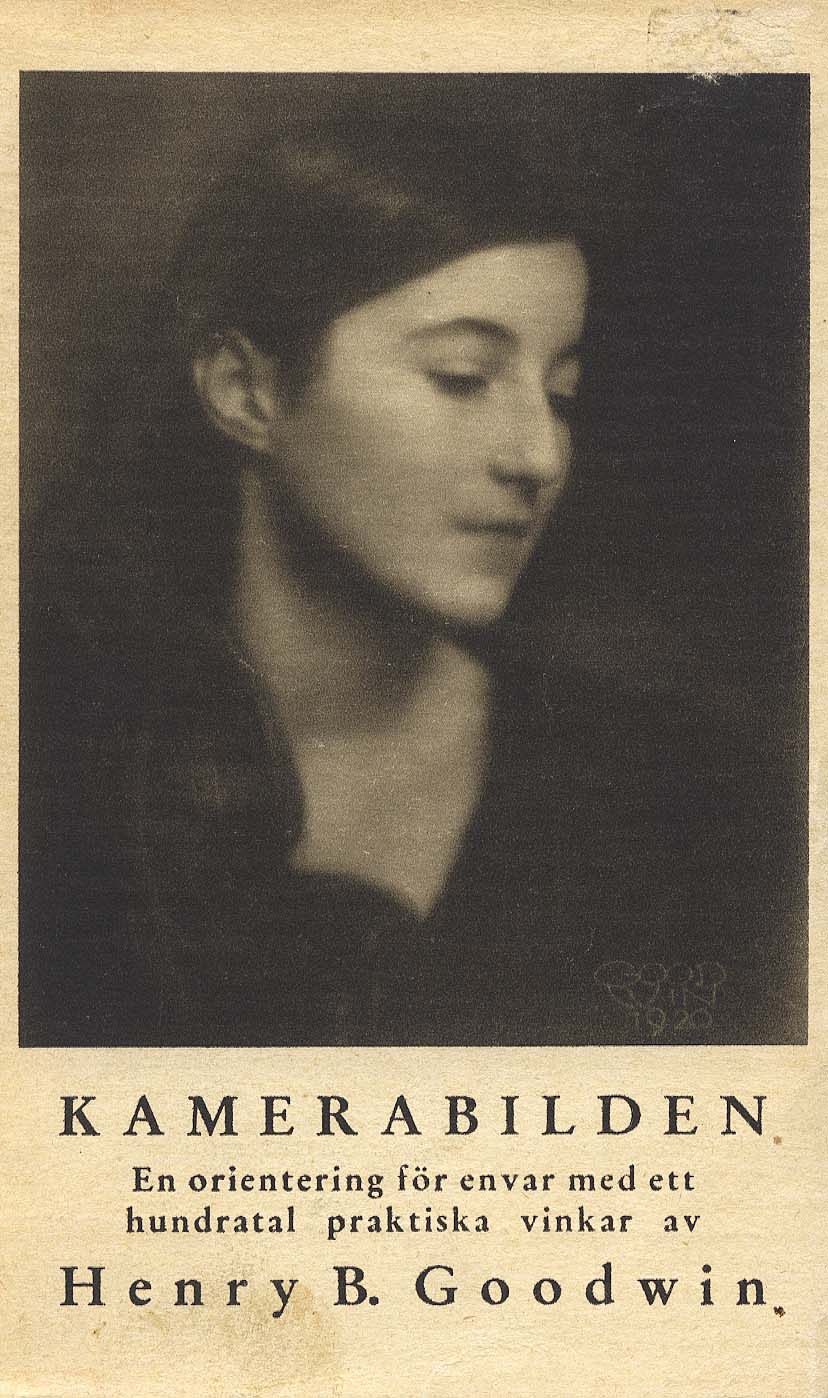
Kamerabilden book cover (1929)

Book cover for Henry B. Goodwin 'Kamerabilden', (Stockholm: Albert Bonniers förlag, 1929) LL/42536 | Luminous Lint
Book cover for Henry B. Goodwin ‘Kamerabilden’, (Stockholm: Albert Bonniers förlag, 1929) LL/42536 | Luminous Lint

Modotti by Weston, 1921

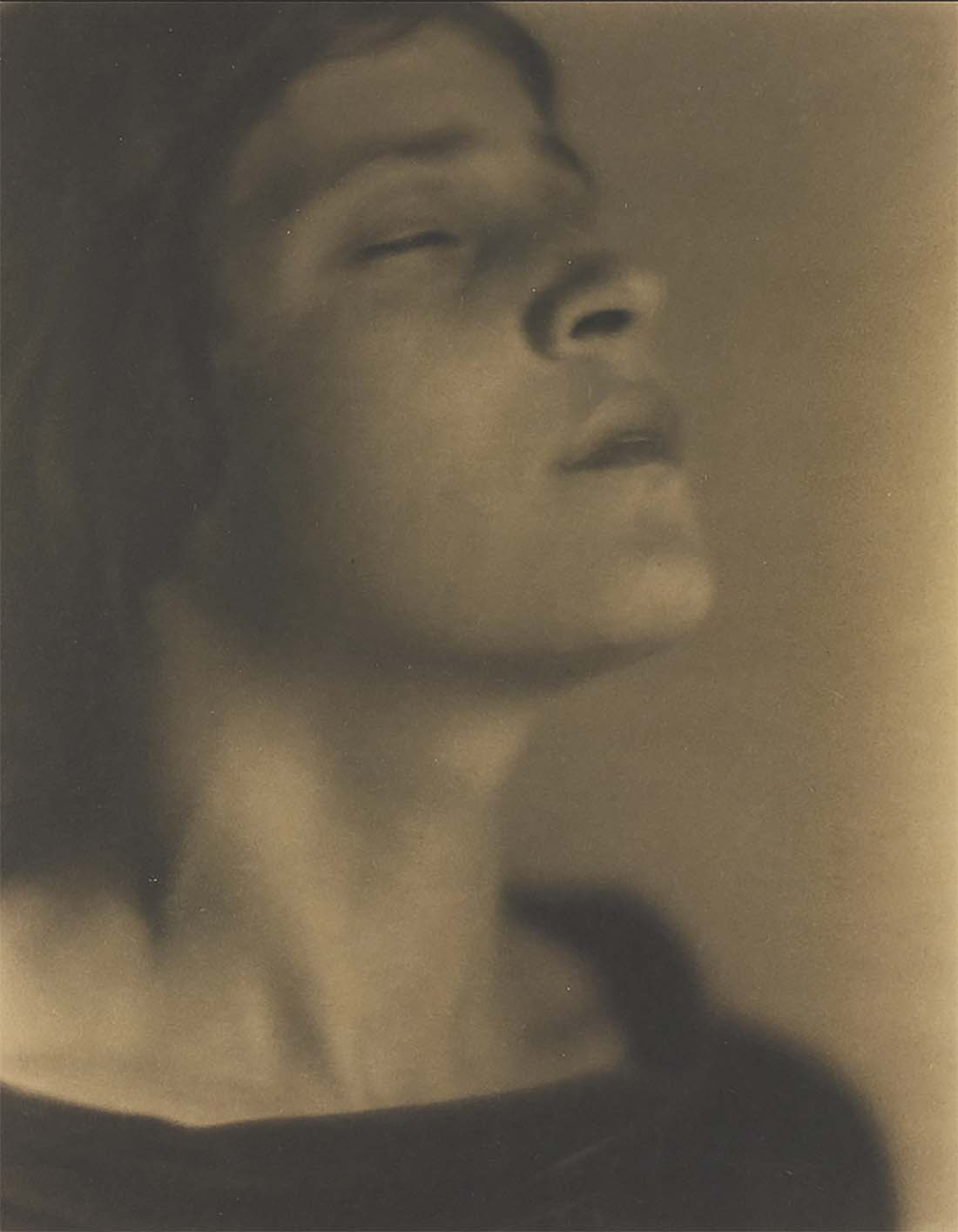
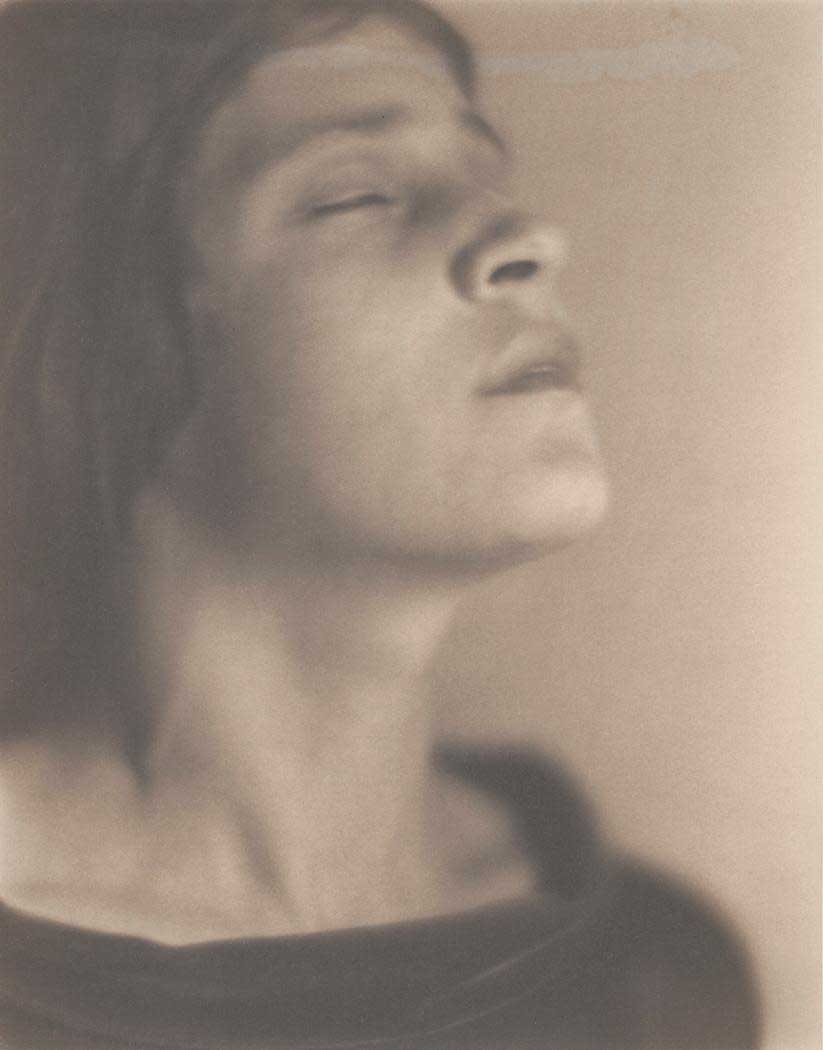
Edward Henry Weston :: Head of an Italian Girl (Tina Modotti), 1921. Platinum or palladium print. | src Sotheby’s

This photograph is among the earliest studies Edward Weston made of Tina Modotti, the woman whose face and figure would inspire some of Weston’s best work throughout the 1920s.  The photographer regarded the image as an important one at the time, including it in two early exhibitions: in Amsterdam in 1922, and at the Aztec Land Gallery in Mexico City in 1923.  This print is one of only three extant examples of this seminal picture of Modotti.   

Head of an Italian Girl is from a series of studies and portraits of Modotti that Weston began in Los Angeles in 1921, soon after their love affair began, and would continue in Mexico.  At the time this photograph was taken, each was married to someone else: Weston to the former Flora Chandler, the mother of his four children, and Modotti to the poet and textile designer, Roubaix de l’Abrie Richey.  Born in Italy, Modotti was a recent arrival in Los Angeles, where she worked variously as an actress in silent films and as a seamstress and clothing designer.  In the early 1920s, Weston made his living as a portrait photographer in Glendale, while pursuing his own creative work. The two fell in love shortly after they met, and Weston began photographing Modotti immediately.  In April 1921, Weston wrote of Modotti to his friend, the photographer Johan Hagemeyer:

‘Life has been very full for me—perhaps too full for my good—I not only have done some of the best things yet—but have also had an exquisite affair . . . the pictures I believe to be especially good are of one Tina de Richey—a lovely Italian girl’ (The Archive, January 1986, Number 22, ‘The Letters from Tina Modotti to Edward Weston,’ p. 10)

In the present image, the ecstatic expression on Modotti’s face provides some indication of the intensity of their new relationship. 

Amy Conger locates only two prints of this image, both in institutional collections: a palladium print originally owned by Johan Hagemeyer and now at the Center for Creative Photography, Tucson [view image below]; and a platinum print at the Baltimore Museum of Art. [quoted from source]

Edward Weston :: Head of an Italian Girl (Tina Modotti), 1921. Platinum or palladium print. | src Johan Hagemeyer Collection at CCP

Lucia Joyce in Marche militaire

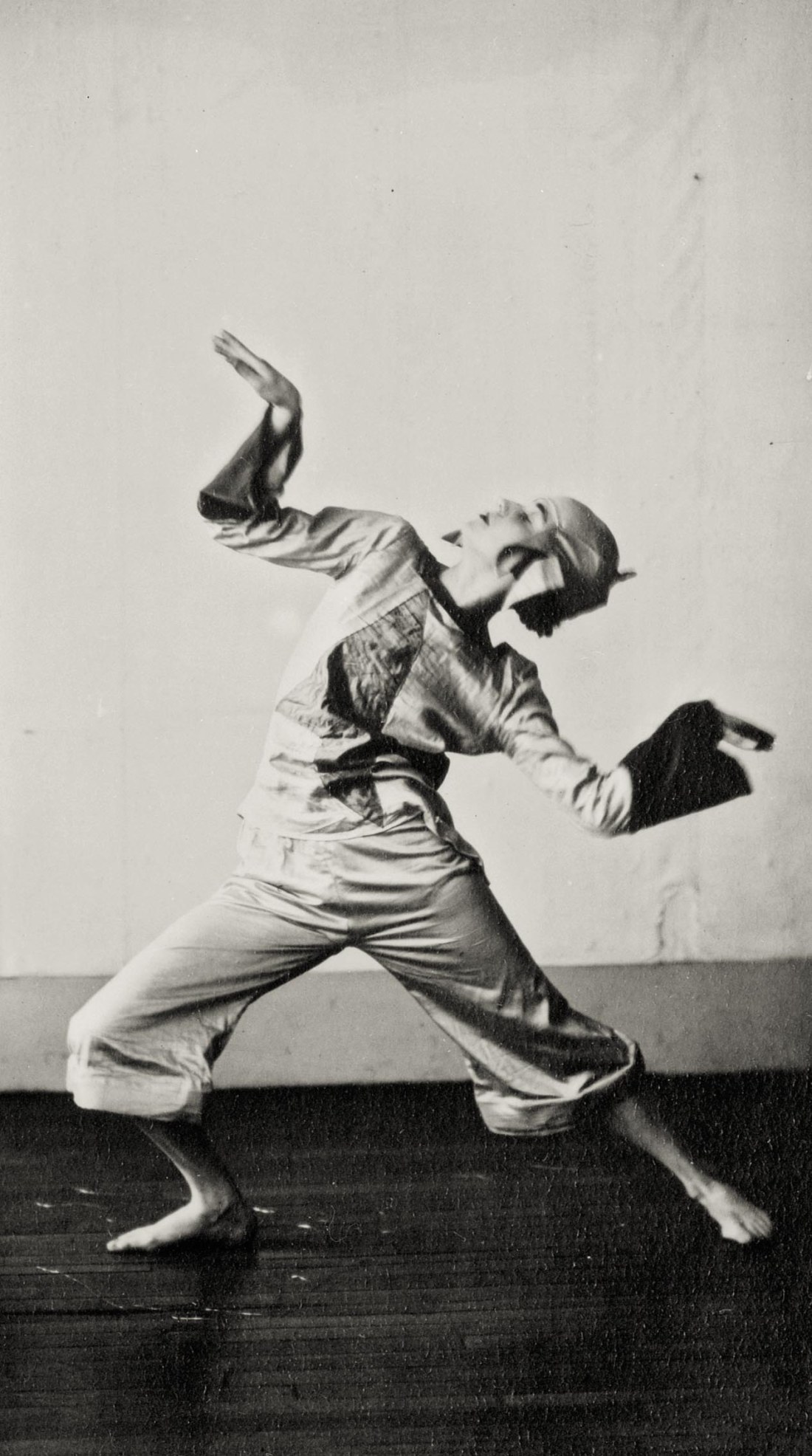
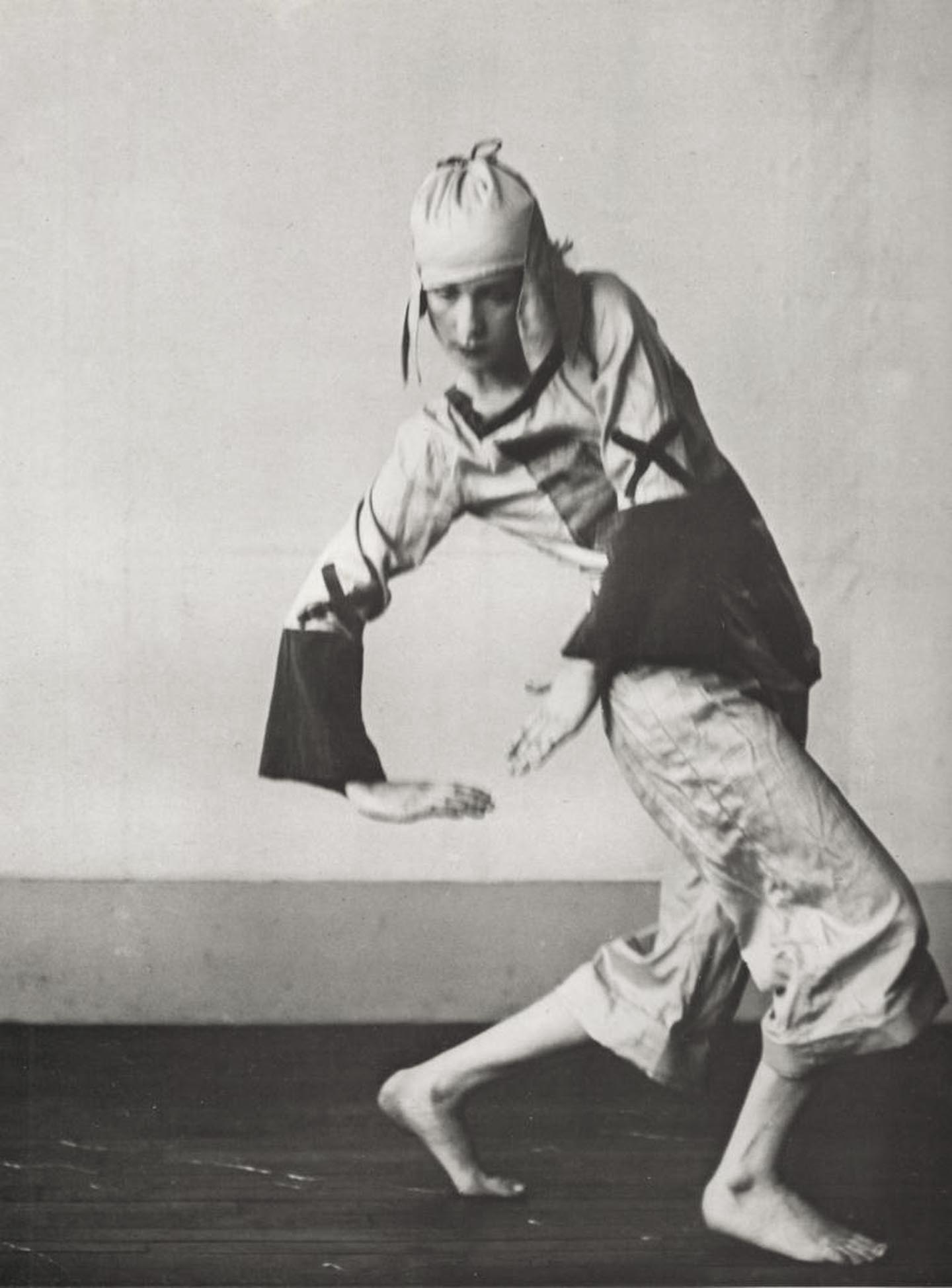
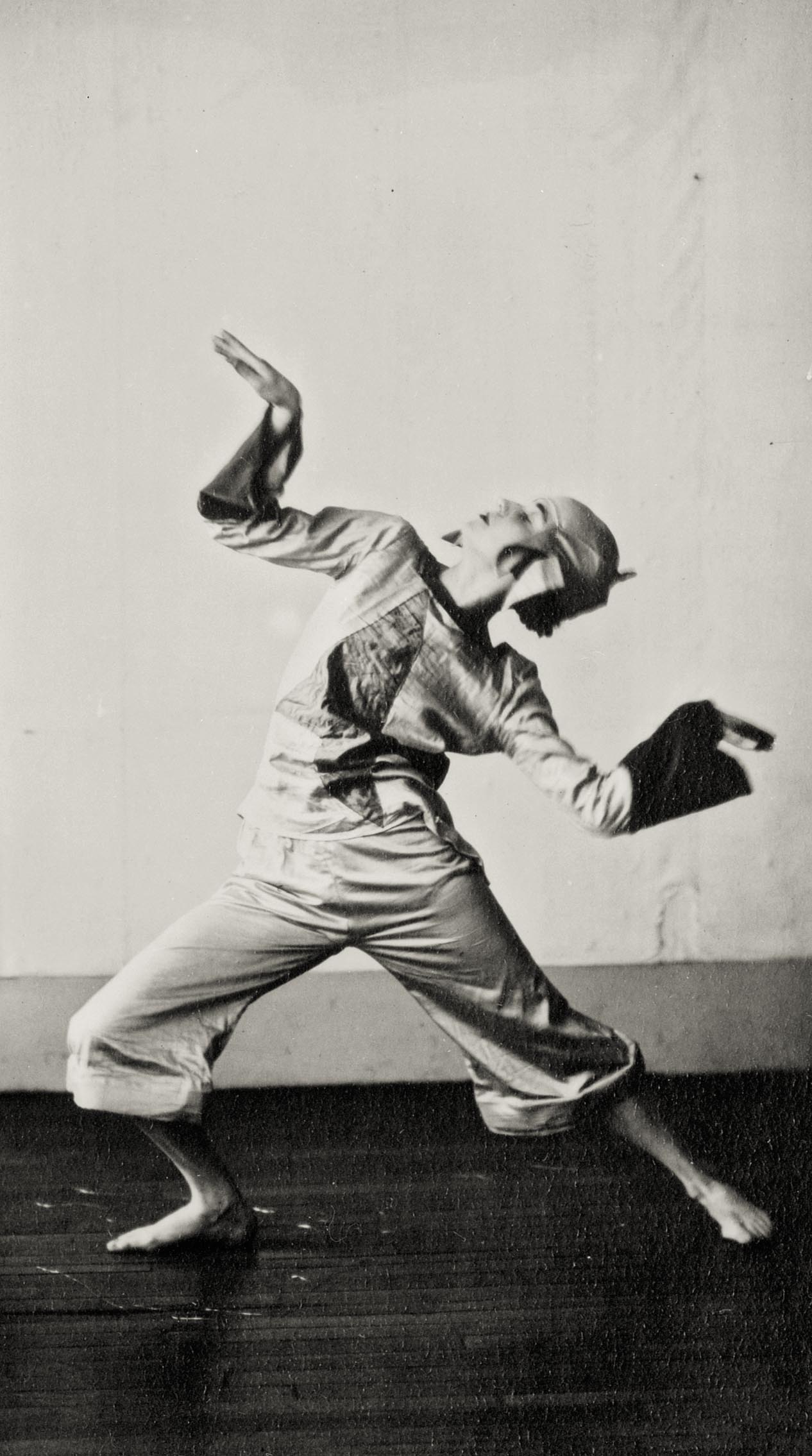
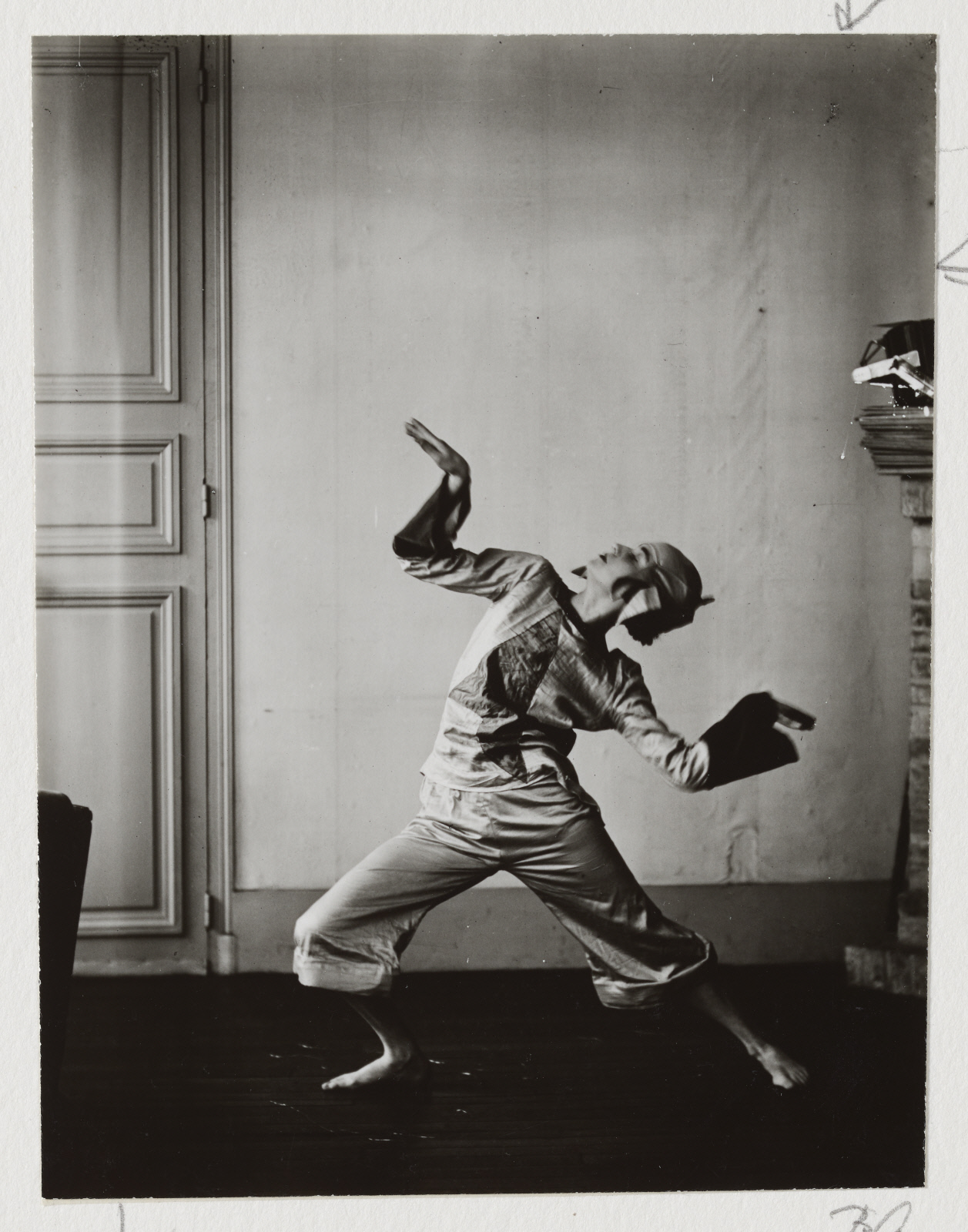
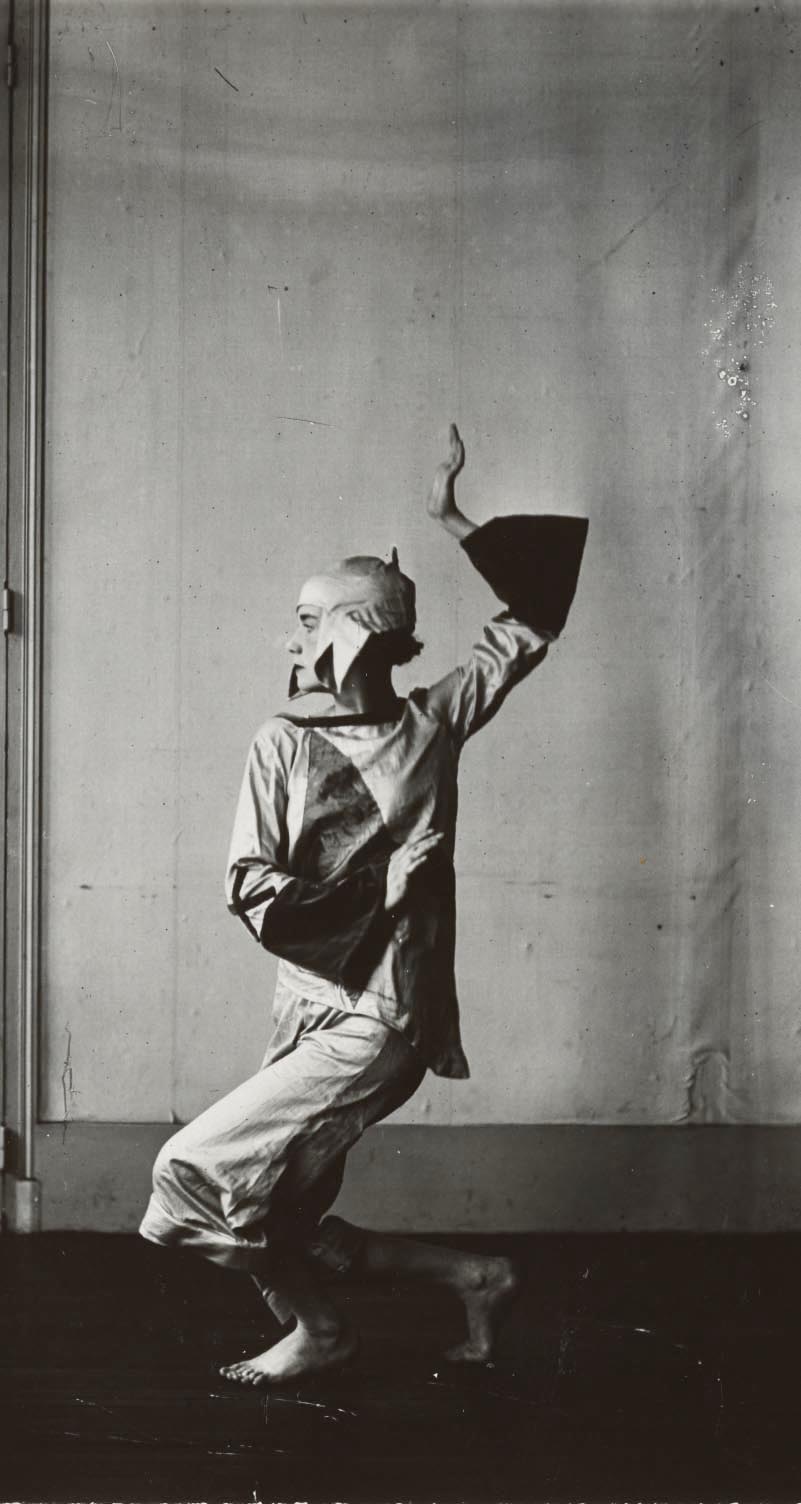
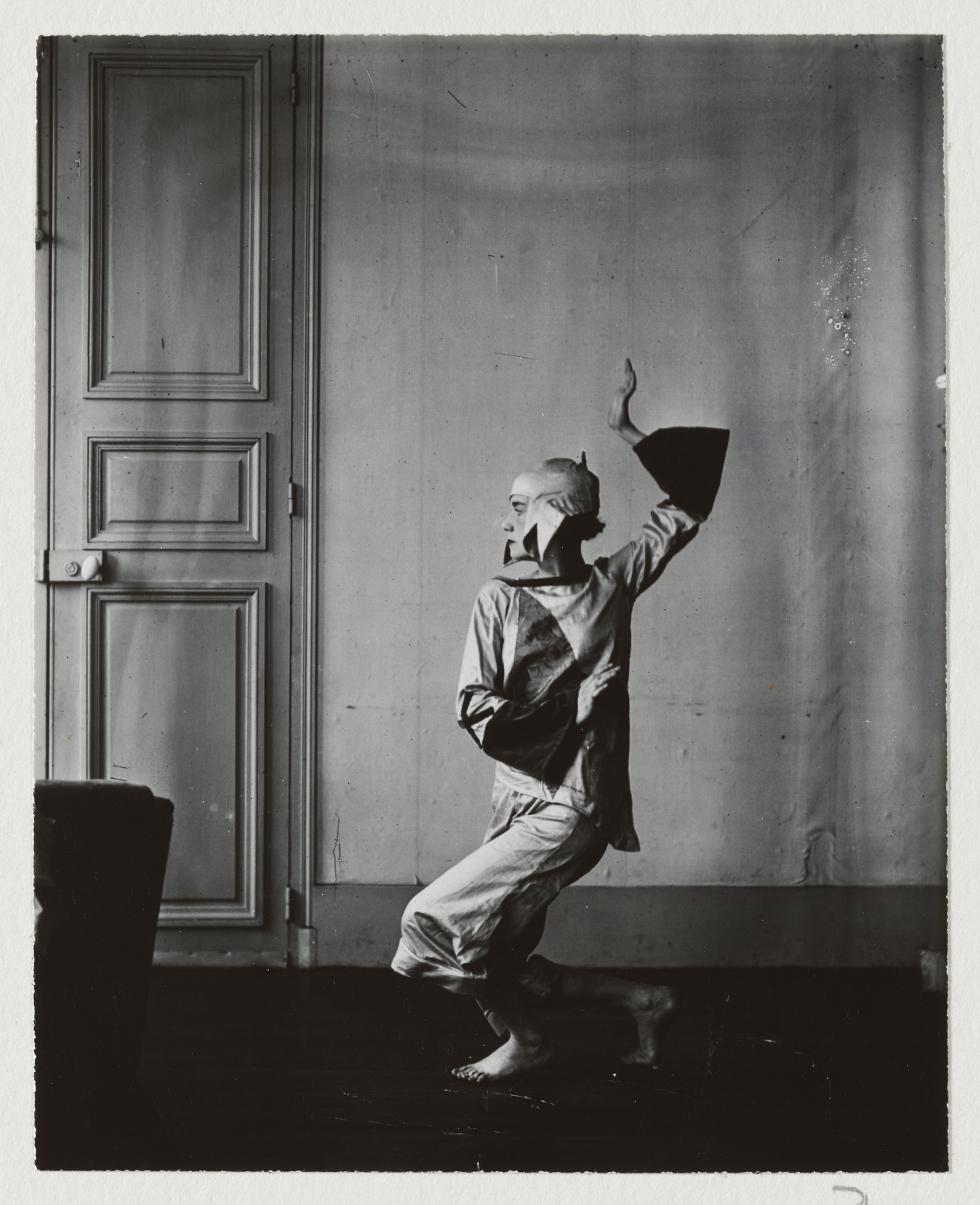
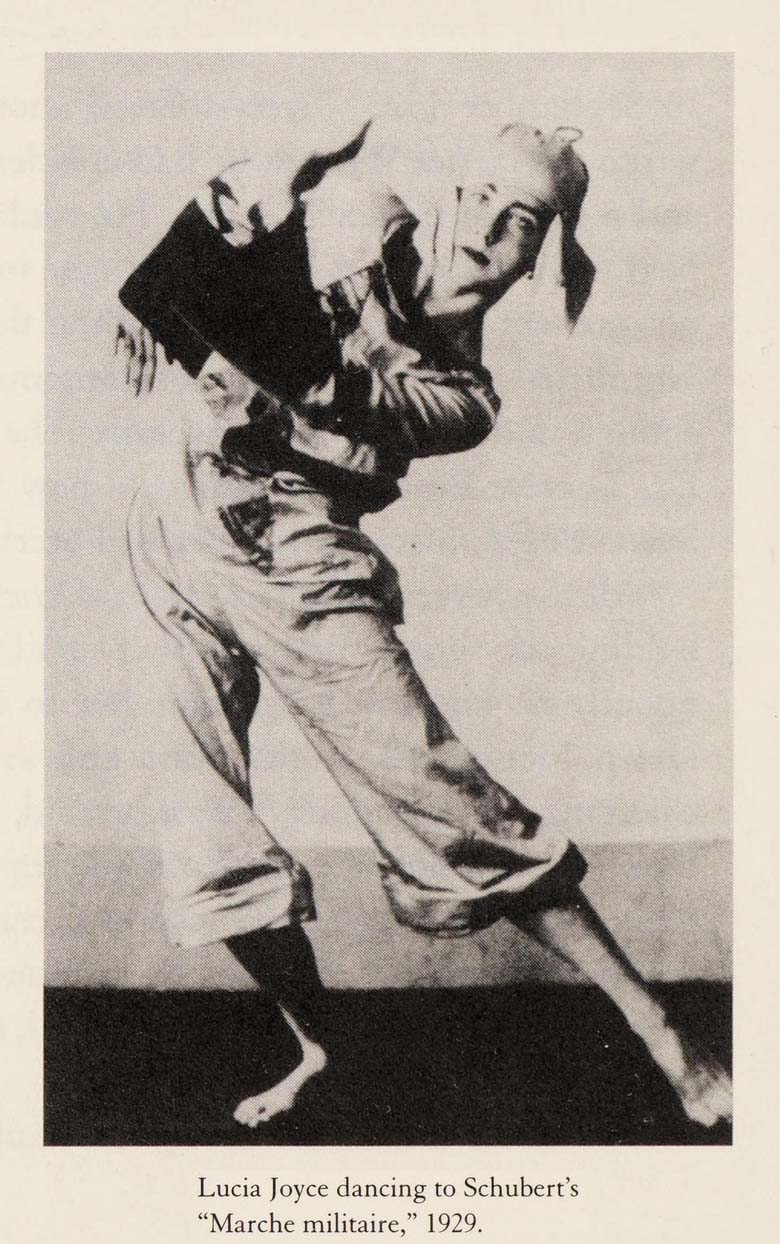
Bérénice Abbott :: Lucia Joyce dancing to Schubert's "Marche militaire", 1929. | src Raidió Teilifís Éireann, Ireland's National Public Service Media and IA: Lucia Joyce : to dance in the wake by Carol Loeb Schloss
Bérénice Abbott :: Lucia Joyce dancing to Schubert’s “Marche militaire”, 1929 | src Raidió Teilifís Éireann, Ireland’s National Public Service Media
Berenice Abbott :: Portrait of Lucia Joyce, 1926–1927, printed 1982. Gelatin silver print. | src The Clark
Bérénice Abbott :: Lucia Joyce (in the same costume as above, probably dancing to Schubert’s “Marche militaire”), ca. 1927. | src AnOther Mag
Berenice Abbott :: Portrait of Lucia Joyce, 1926–1927, printed 1982. Gelatin silver print. | src The Clark
Berenice Abbott :: Portrait of Lucia Joyce (in the costume used for dancing to Schubert’s “Marche militaire”), 1926–1927, printed 1982. Gelatin silver print. | src The Clark
Berenice Abbott :: Portrait of Lucia Joyce, 1926–1927, printed 1982. Gelatin silver print. | src The Clark
Berenice Abbott :: Lucia Joyce dancing to Schubert's "Marche militaire", 1929. | src Lucia Joyce : to dance in the wake by Carol Loeb Schloss at IA
Berenice Abbott :: Lucia Joyce dancing to Schubert’s “Marche militaire”, 1929. | src Lucia Joyce : to dance in the wake by Carol Loeb Schloss at IA

Dancer Áine Stapleton talks about her film Horrible Creature, a ‘creative investigation’ of the life of Lucia Joyce
I’ve been creatively investigating the biography of Lucia Joyce (daughter of the writer James Joyce) since 2014, through both choreography and film.
Lucia once commented to a family friend in Paris that she wanted to ‘do something’. She wanted to make a difference and to creatively have an impact on the world around her. Dancing was her way of having an impact. She trained hard for many years and worked with various avant-garde teachers including Raymond Duncan. She created her own costumes, choreographed for opera, entered high profile dance competitions in Paris, and even started her own dance physical training business after apprenticing with modern dance pioneer Margaret Morris.
Until this time she had lived almost entirely under the control of her family, and had to share a bedroom with her parents well into her teens. I imagine that dancing must have been a revolutionary feeling for her, and would have offered her an opportunity to process her chaotic and sometimes toxic upbringing. It was during these dancing years that she was finally allowed to spend some time away from her family, but this freedom did not last long. Her father’s artistic needs and his sexist disregard for her career choice interrupted her training at a vital stage. She was forced to stop dancing, and the circumstances surrounding this time remain unclear. I do not believe that she herself made the decision to quit dancing. Lucia was incarcerated by her brother in 1934, and then remained in asylums for 47 years. She died in 1982 and is buried in Northampton England, close to her last psychiatric hospital.
I’ve read Lucia’s writings repeatedly over the last four years, and my opinion of her hasn’t changed. She was a kind, funny, intelligent, creative and loving person. After her father James’ death in 1941, she had one visit from her brother and no contact from her mother, yet she only writes good things about her family. She was consistently thankful to those people who made contact with her during her many years stuck in psychiatric care. She appreciated small offerings from friends, such as an additional few pounds to buy cigarettes, a radio to keep her company, a new pair of shoes or a winter coat, all of which seemed to offer her some comfort in her later years.
I have no interest in romanticising Lucia’s relationship with her father. I also don’t believe that she was schizophrenic. I think that whatever mental strain Lucia experienced was brought on by those closest to her. Her supposed fits of rage or out of the ordinary behaviour only brought to light her suffering. We know that many women have been mistreated and silenced throughout history. Why do we still play along with a romanticised version of abuse? And why is James and Lucia’s relationship, or ‘erotic bond’ as Samuel Beckett described it, regarded as an almost tragic love story?
Horrible Creature (2020) examines Lucia’s story in her own words, and also focuses on the environment which shaped her during this time. The work attempts to tap into that invisible energy that can provide each of us with a real sense of aliveness and connectedness to the world around us, even in moments of great suffering.
Quoted from Raidió Teilifís Éireann, Ireland’s National Public Service Media

Tilly Losch · 1930s

Tilly Losch [1904-1974] German show dancer from the 1930s. Previously a solo dancer at the State Opera. In 1931 she married American millionaire Edward James. She acts in two films, which, however, do not make her famous. Spaarnestad Photo. Het Leven
“Tilly Losch [1904-1974] German show dancer from the 1930s. Previously a solo dancer at the State Opera. In 1931 she married American millionaire Edward James. She acts in two films, which, however, do not make her famous.” Spaarnestad Photo. Fotocollectie Het Leven

Juliet by Paul Cupido (2022)

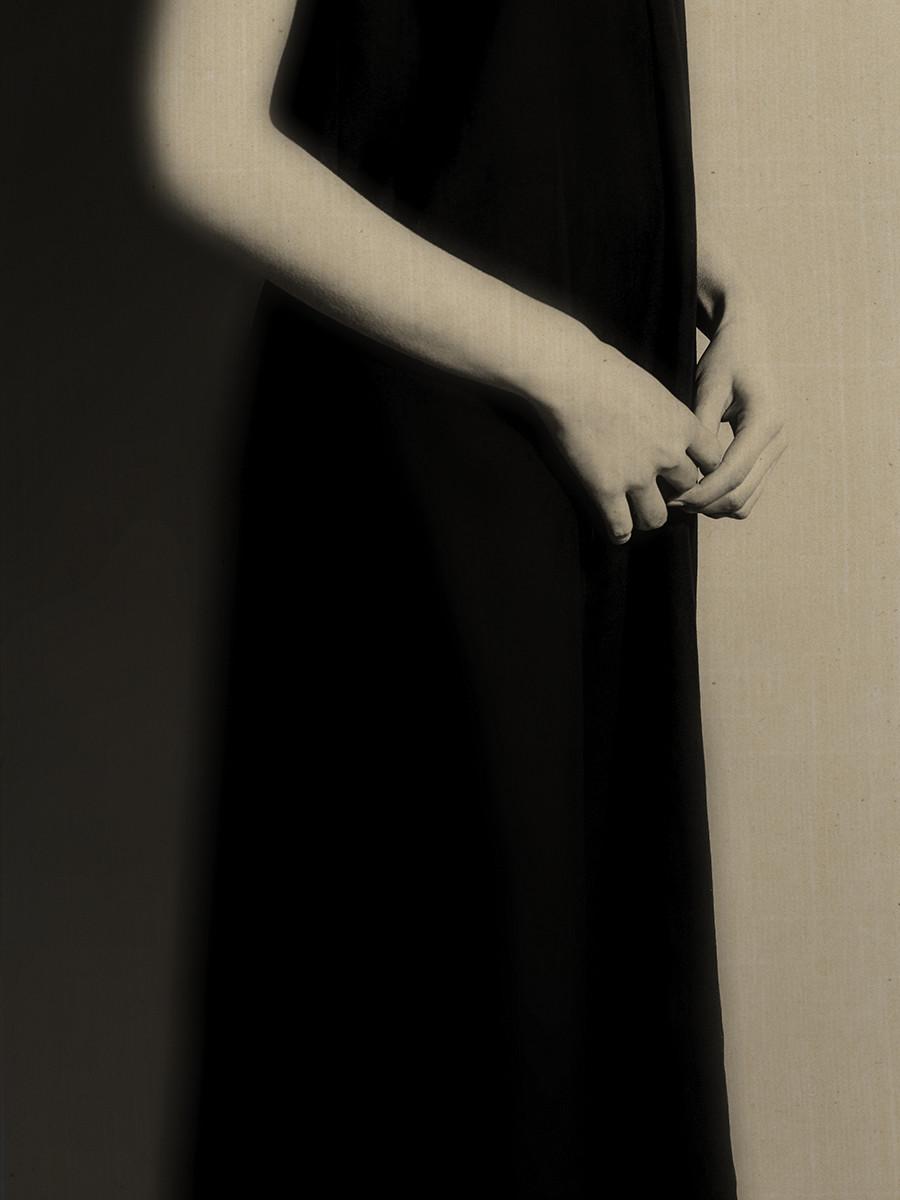
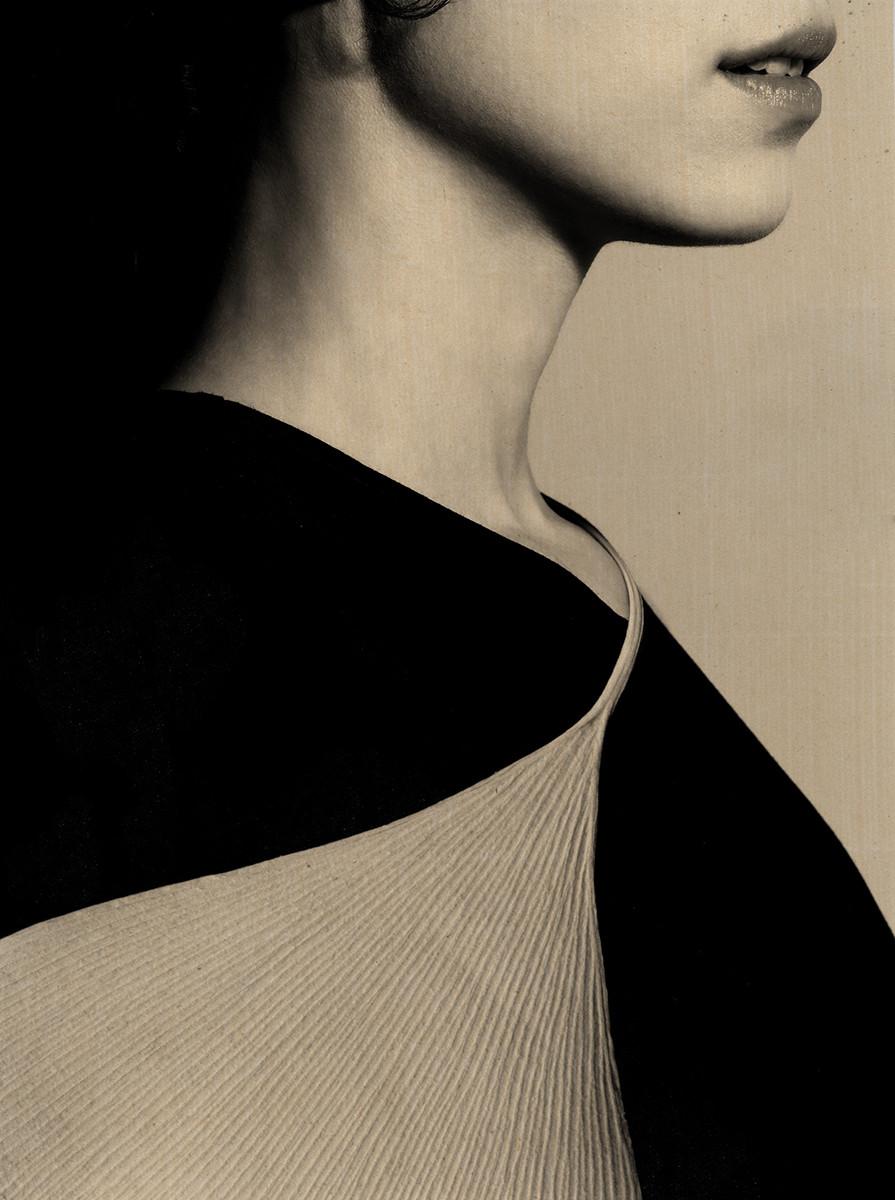
Paul Cupido :: Metamorphosis, 2019. From : Remembering You / Se souvenir de toi. Amsterdam Bildhalle
src l'œil de la photographie
Paul Cupido :: Metamorphosis, 2019. From : Remembering You / Se souvenir de toi. Amsterdam Bildhalle
src l’œil de la photographie
Paul Cupido :: Juliet 8, 2022. From : Remembering You / Se souvenir de toi. Amsterdam Bildhalle
src l'œil de la photographie
Paul Cupido :: Juliet 8, 2022. From : Remembering You / Se souvenir de toi. Amsterdam Bildhalle
src l’œil de la photographie
Paul Cupido :: Juliet 6, 2022. From : Remembering You / Se souvenir de toi. Amsterdam Bildhalle
src l'œil de la photographie
Paul Cupido :: Juliet 6, 2022. From : Remembering You / Se souvenir de toi. Amsterdam Bildhalle
src l’œil de la photographie

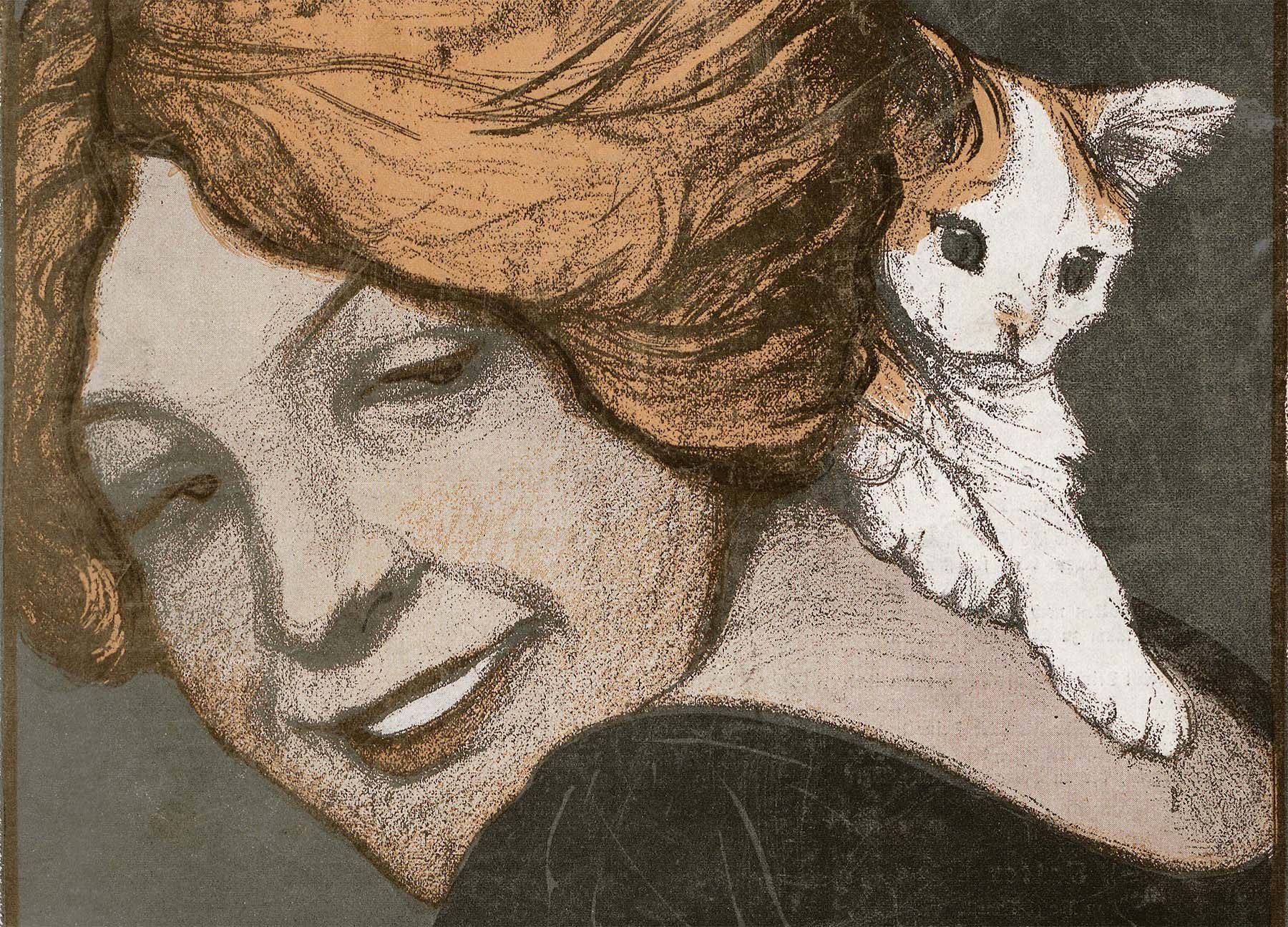
Lady with kitten, Jugend, 1898

Adolf Münzer (München). Jugend: Münchner illustrierte Wochenschrift für Kunst und Leben, Mai 1898, III Jahrgang, Nr 20.
Adolf Münzer (München). Jugend: Münchner illustrierte Wochenschrift für Kunst und Leben, 1898, Nr 20. (detail)

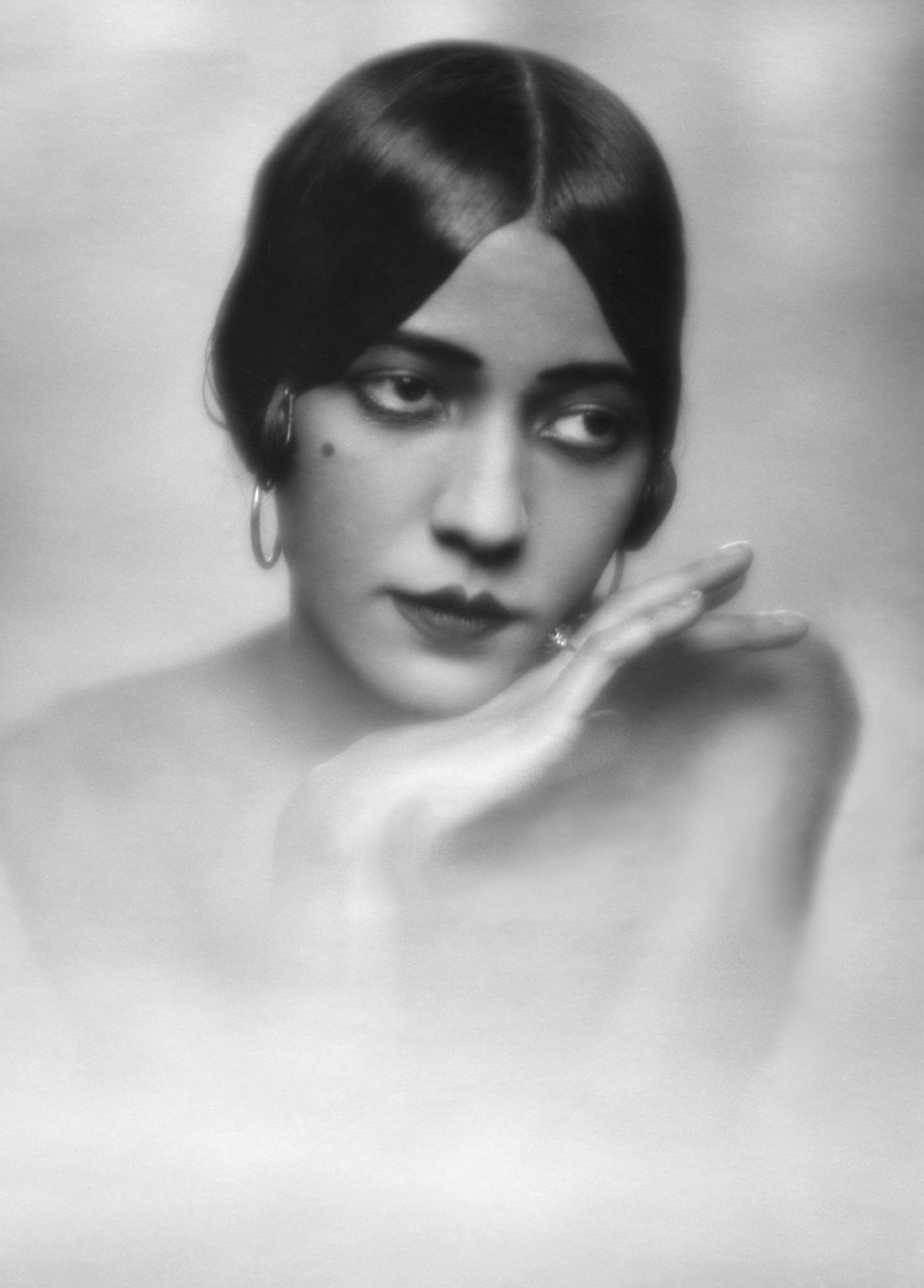
Ruth Walker by von Bucovich, 1928

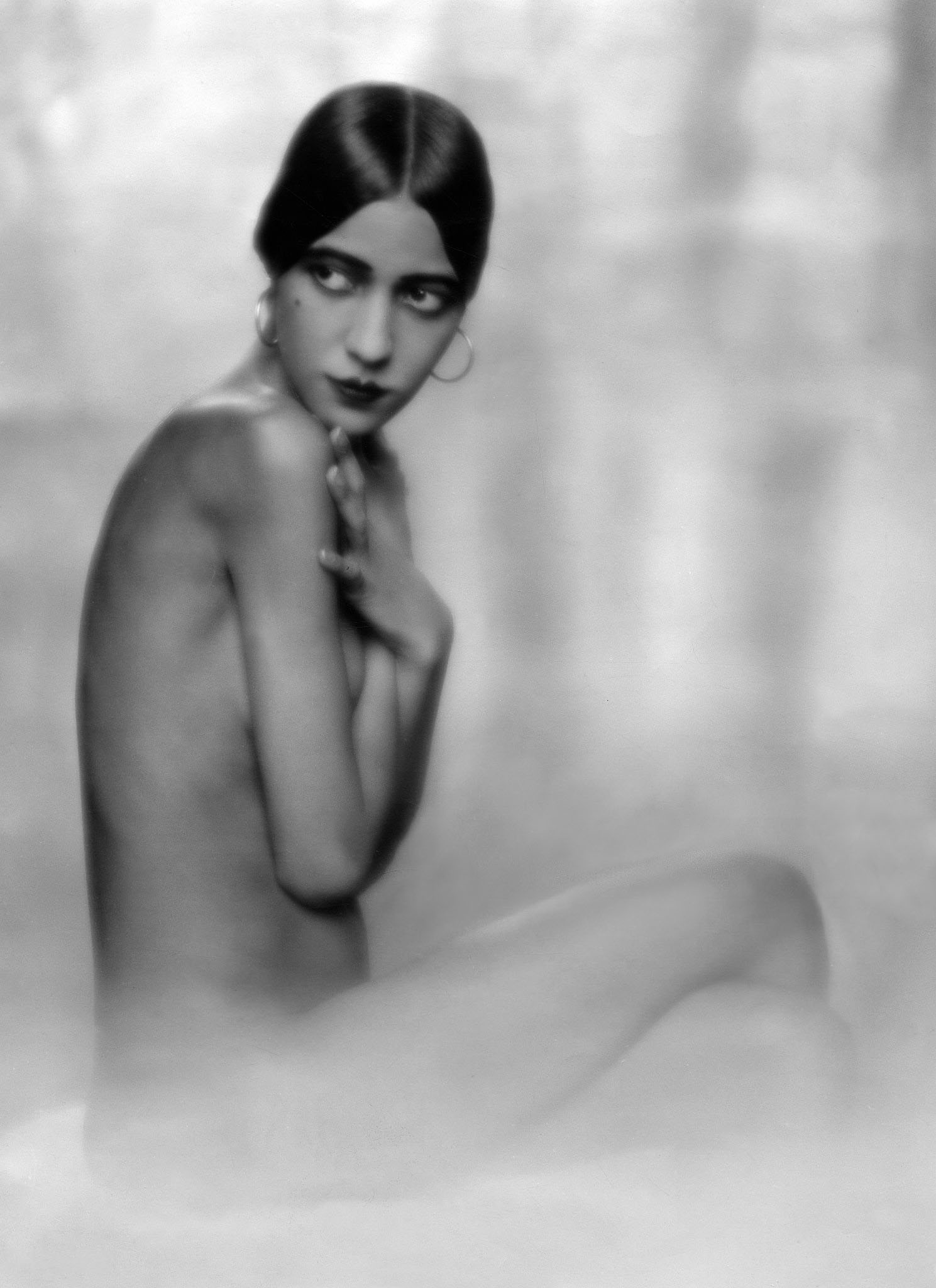
Mario von Bucovich (Atelier Karl Schenker) :: Portrait of American dancer Ruth Walker, ca. 1928. | src Getty Images
Mario von Bucovich (Atelier Karl Schenker) :: Portrait of American dancer Ruth Walker - nude shoot, about 1928. Published in 'Uhu' 07/1928 | src Getty Images
Mario von Bucovich (Atelier Karl Schenker) :: Portrait of American dancer Ruth Walker – nude shoot, about 1928. Published in ‘Uhu’ 07/1928 | src Getty Images
Mario von Bucovich :: Die schöne Kreolin. Die Tänzerin Ruth Walker. Uhu Magazin, 07/1928, April 1928.
Mario von Bucovich (Atelier Karl Schenker) :: Portrait of American dancer Ruth Walker, ca. 1928. | src Getty Images