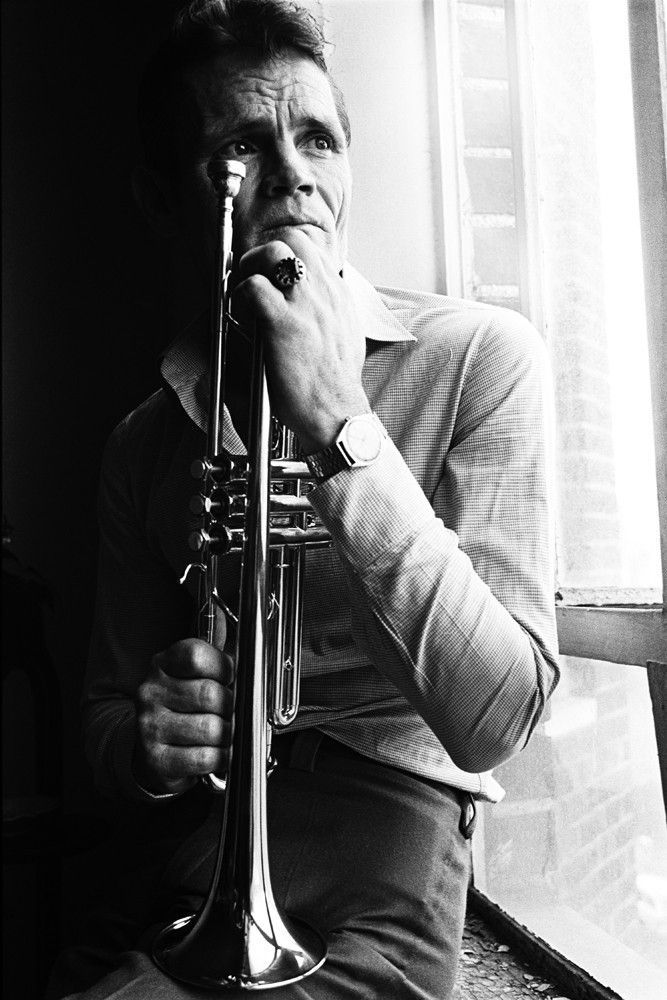
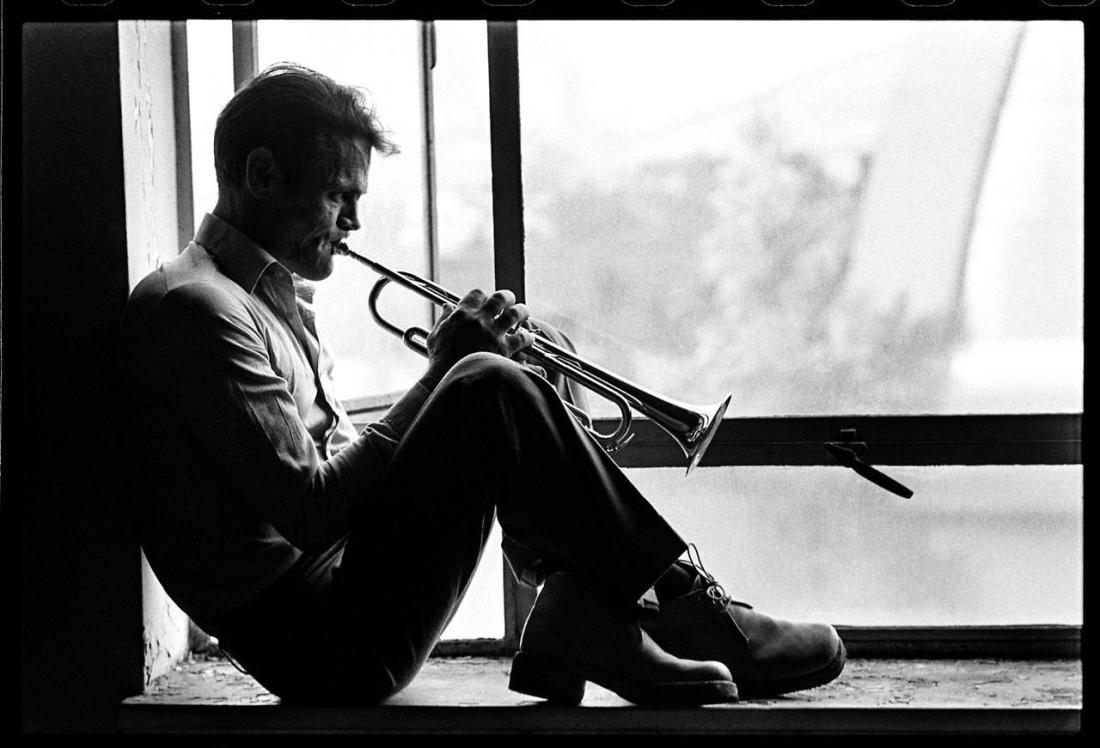
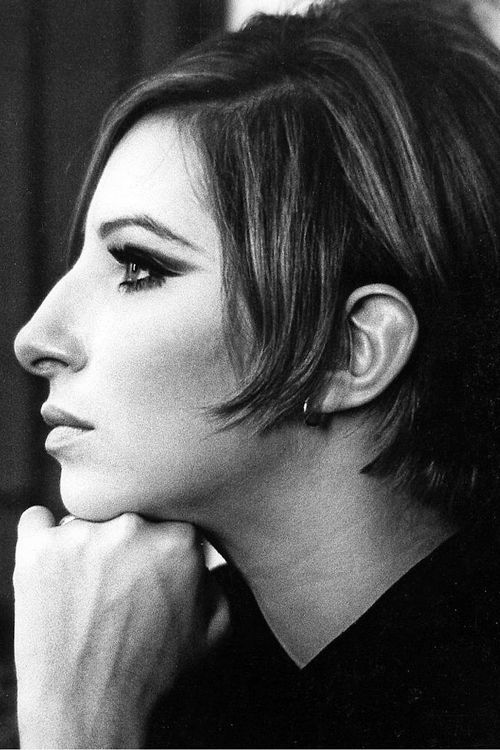
Sonia Szóstak :: from Portraits portfolio
/ source: sonia-szostak
images that haunt us

Monica Vitti, born Maria Luisa Ceciarelli, Rome 1931, appeared in one
English-language film: Modesty Blaise (1966). Allegedly shot by
Pierluigi Praturlon / source: 24femmespersecond
more
[+] Monica Vitti’s posts
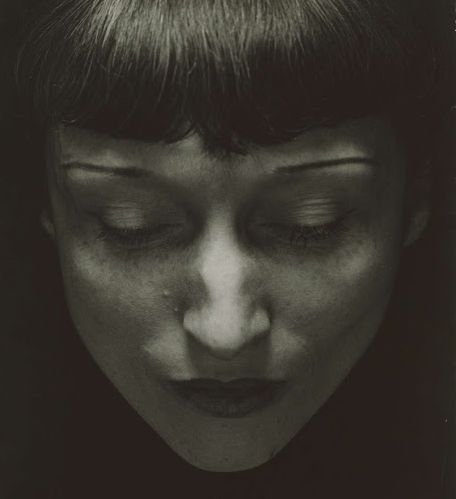
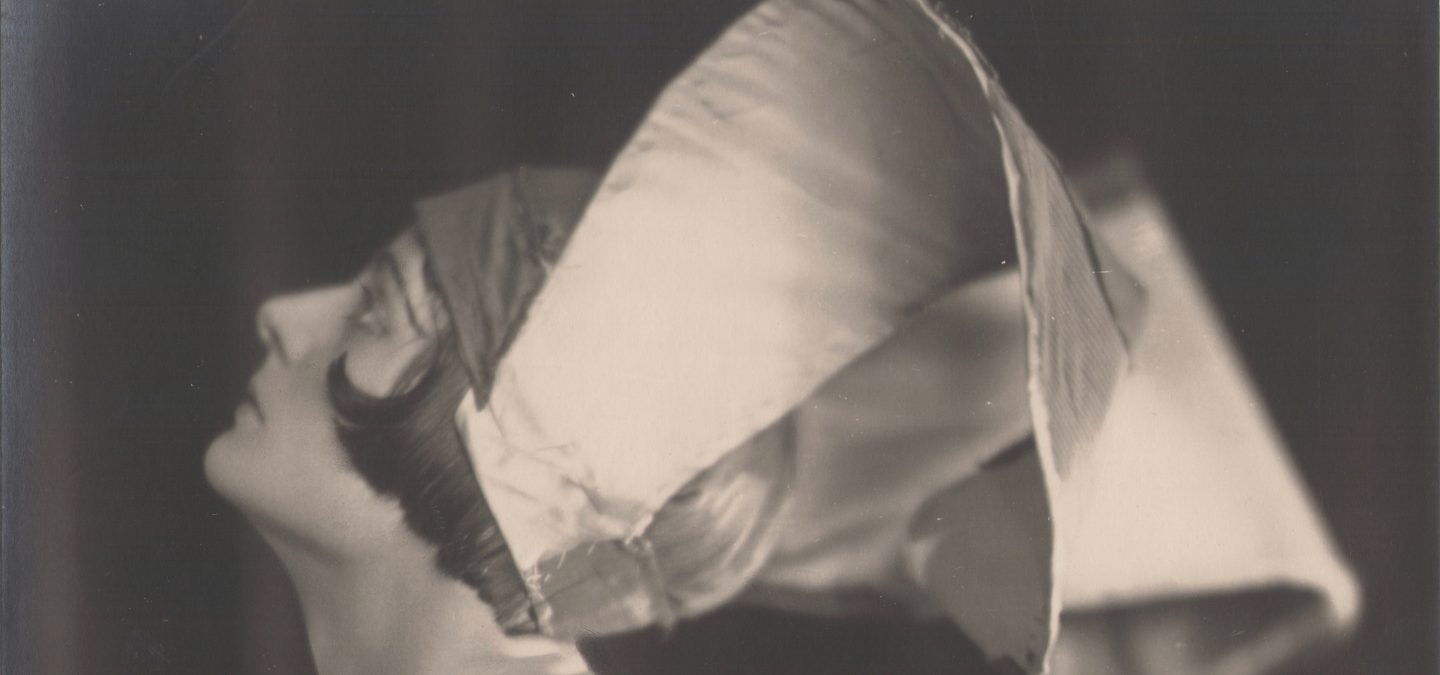
Erwin Blumenfeld :: Portrait of a Woman, ca. 1933 / original source: Erwin Blumenfeld / via
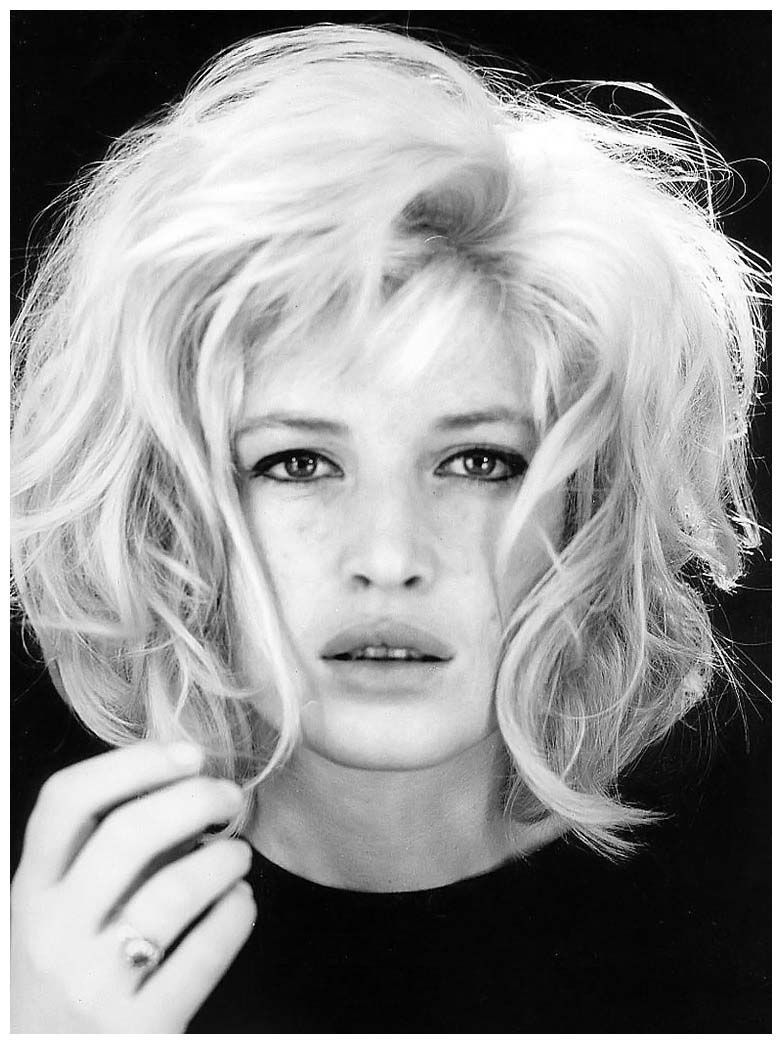
Pierluigi Praturlon ::
Monica Vitti, Studio Pierluigi, Rome, 1962
/ sources: artnet and hunter-art-magazine
more
[+] by this photographer
more
[+] Monica Vitti’s posts


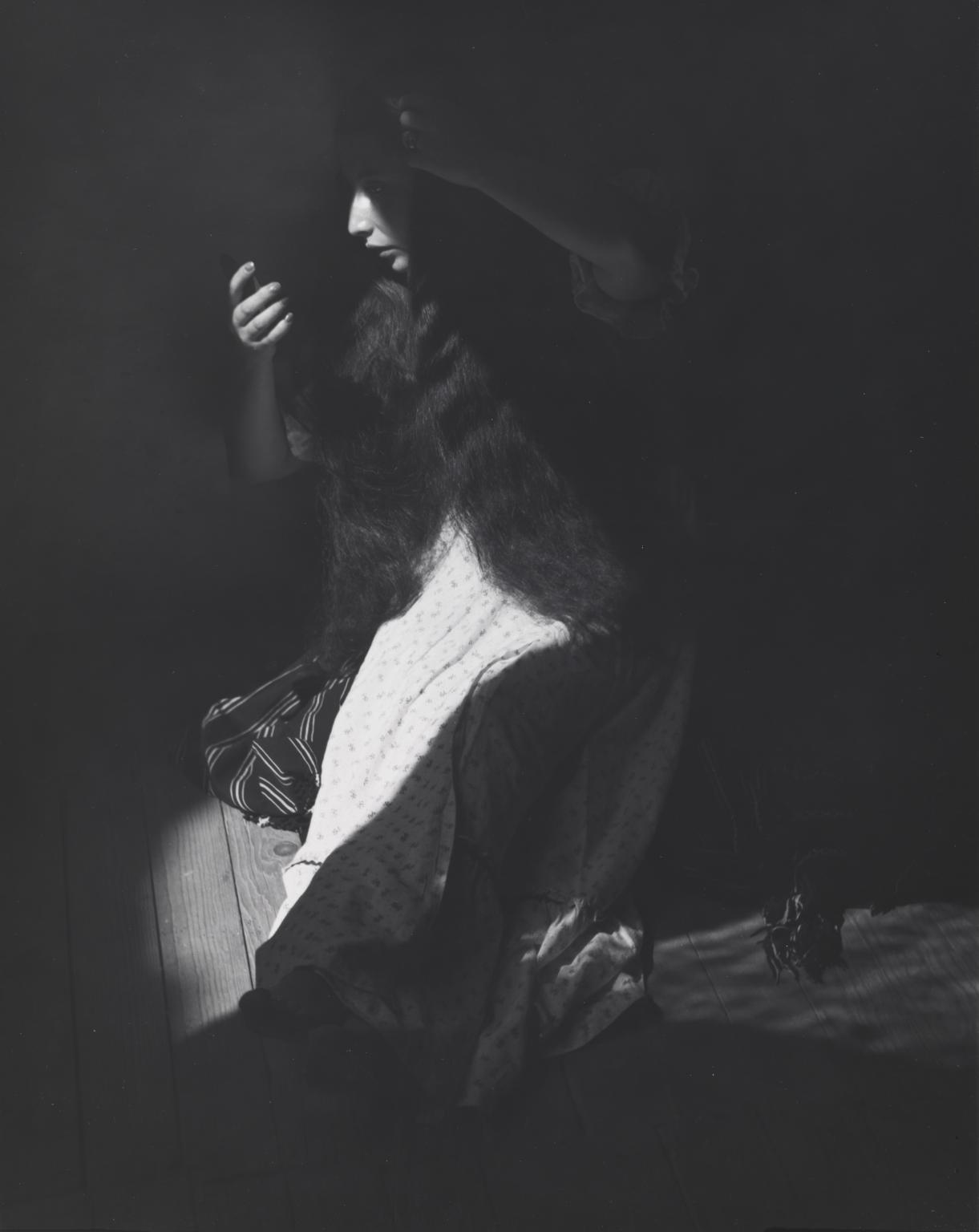
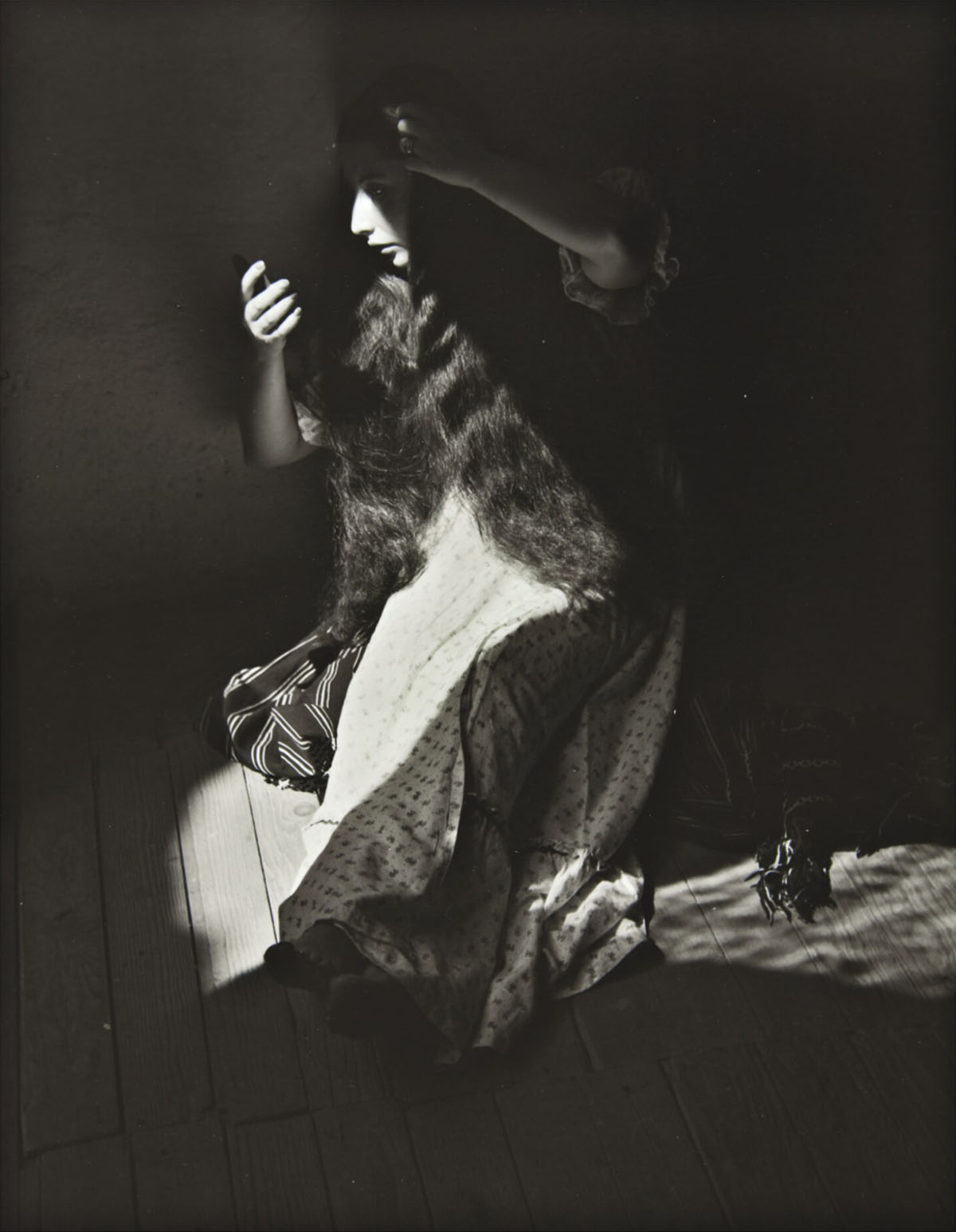
In Portrait of the Eternal, Álvarez Bravo fashioned a modern vanitas image of contemplative mystery, which at first appears in line with Surrealist ideas of the female muse. But this was no ordinary choice of model and collaborator: it was Isabel Villaseñor. Already well known as a talented artist and poet, Villaseñor’s distinctive profile, curtain of luxuriant hair, and mestiza (mixed race) heritage resonated with Mexicanidad and an ongoing process of national re-creation during the post-revolutionary period. (text: MMoCA)

En Retrato de lo eterno, Álvarez Bravo construyó la imagen de una vanitas moderna de misterio contemplativo que a primera vista parece alinearse con ideas surrealistas sobre la musa femenina. Pero la elección de su modelo y colaboradora para esta imagen no fue una opción caprichosa. Se trataba de Isabel Villaseñor, ya para entonces bastante conocida como artista y una poeta talentosa. Su perfil inconfundible, el velo de su cabellera suntuosa y su herencia mestiza resonaban con el concepto de mexicanidad y con los procesos en curso de re-creación nacional durante el periodo posrevolucionario. (text: MMoCA · Madison Museum of Contemporary Art)

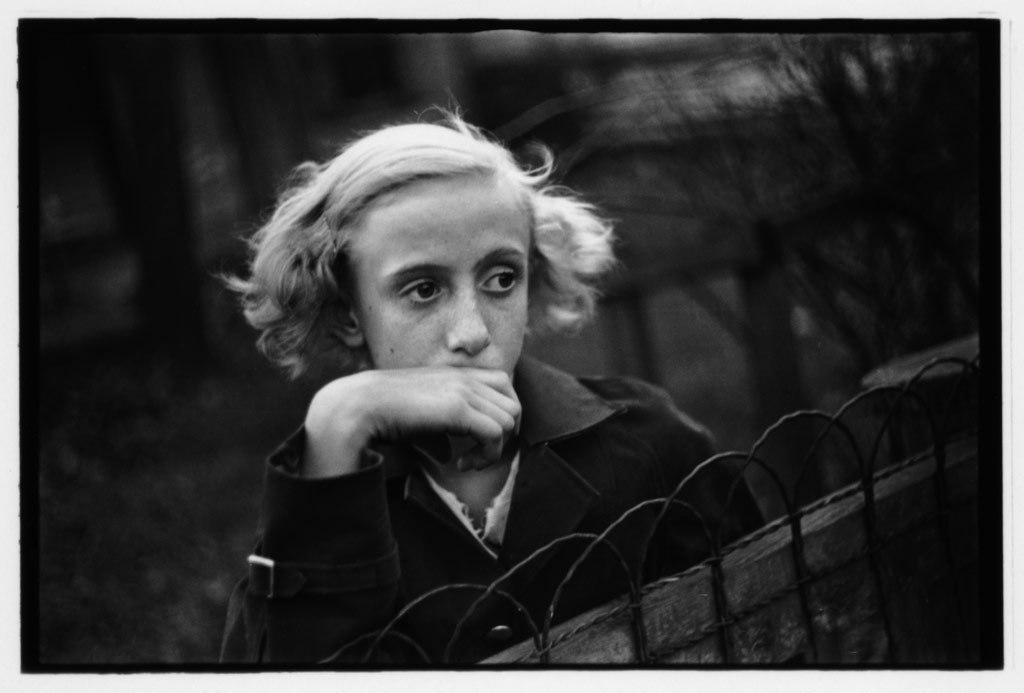
Walker Evans
:: Girl Leaning on Wire Fence in Yard, Vicinity Bethlehem, Pennsylvania, 1935 | Film negative | source: Bad Hair at The Met
more [+] by this photographer

The American dancer Loie Fuller (1862-1928) conquered Paris on her opening night at the Folies-Bergère on November 5, 1892. Manipulating with bamboo sticks an immense skirt made of over a hundred yards of translucent, iridescent silk, the dancer evoked organic forms –butterflies, flowers, and flames–in perpetual metamorphosis through a play of colored lights. Loie Fuller’s innovative lighting effects, some of which she patented, transformed her dances into enthralling syntheses of movement, color, and music, in which the dancer herself all but vanished. Artists and writers of the 1890s praised her art as an aesthetic breakthrough, and the Symbolist poet Stéphane Mallarmé, who saw her perform in 1893, wrote in his essay on her that her dance was “the theatrical form of poetry par excellence.” Immensely popular, she had her own theater at the 1900 Exposition Universelle in Paris, promoted other women dancers including Isadora Duncan, directed experimental movies, and stopped performing only in 1925.
Loie Fuller’s whirling, undulating silhouette, which embodied the fluid lines of Art Nouveau, inspired many images, from the portraits of Toulouse-Lautrec and the posters of Jules Chéret and Alphonse Mucha to the sculptures of Pierre Roche and Théodore Rivière, as well as the photographs of Harry C. Ellis and Eugène Druet.
The pictures shown here depict movements from such dances as “Dance of the Lily” and “Dance of Flame.” These images do not pretend to evoke the otherworldly effect of the performance, which took place on a darkened stage in front of a complex set of mirrors and whose magic was entirely dependent on lighting. Here, the strange shapes, reminiscent of chalices and butterflies, take form, incongruously, in the middle of an urban park, through the efforts of a short, stout figure. Arrested in crude natural light, they still retain, however, their spellbinding energy. Part of a group of thirteen photographs complemented by six others in the Musée d’Orsay, Paris, these images belonged to the sculptor Théodore Rivière (1857-1912), and were previously thought to have been made by him. They have now been reattributed to Samuel Joshua Beckett, a photographer working in London. / quoted from the Met