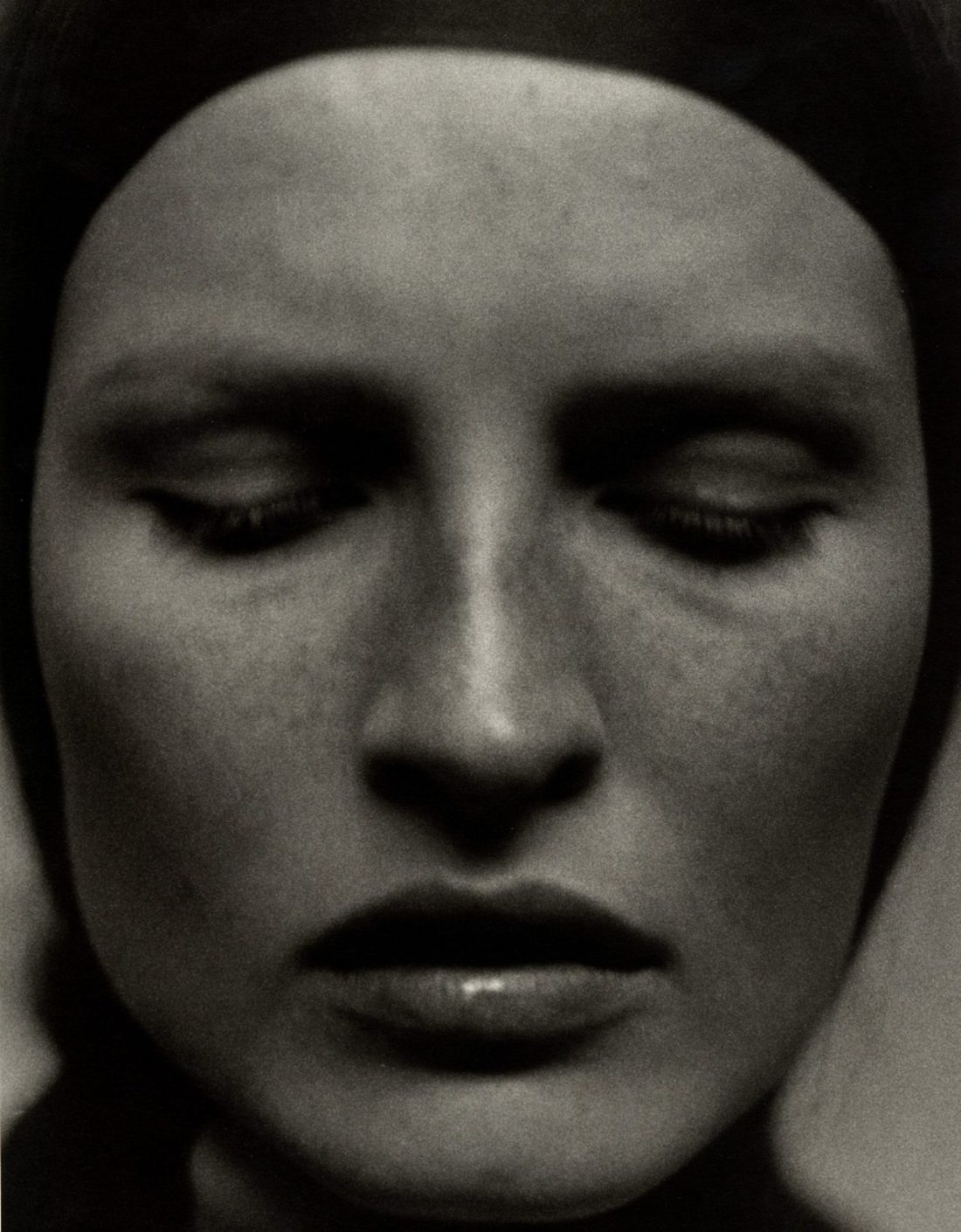
Erwin Blumenfeld :: Francine Du Plessix Gray with Bird, 1947
/ via
kvetchlandia
more [+] by this photographer
images that haunt us
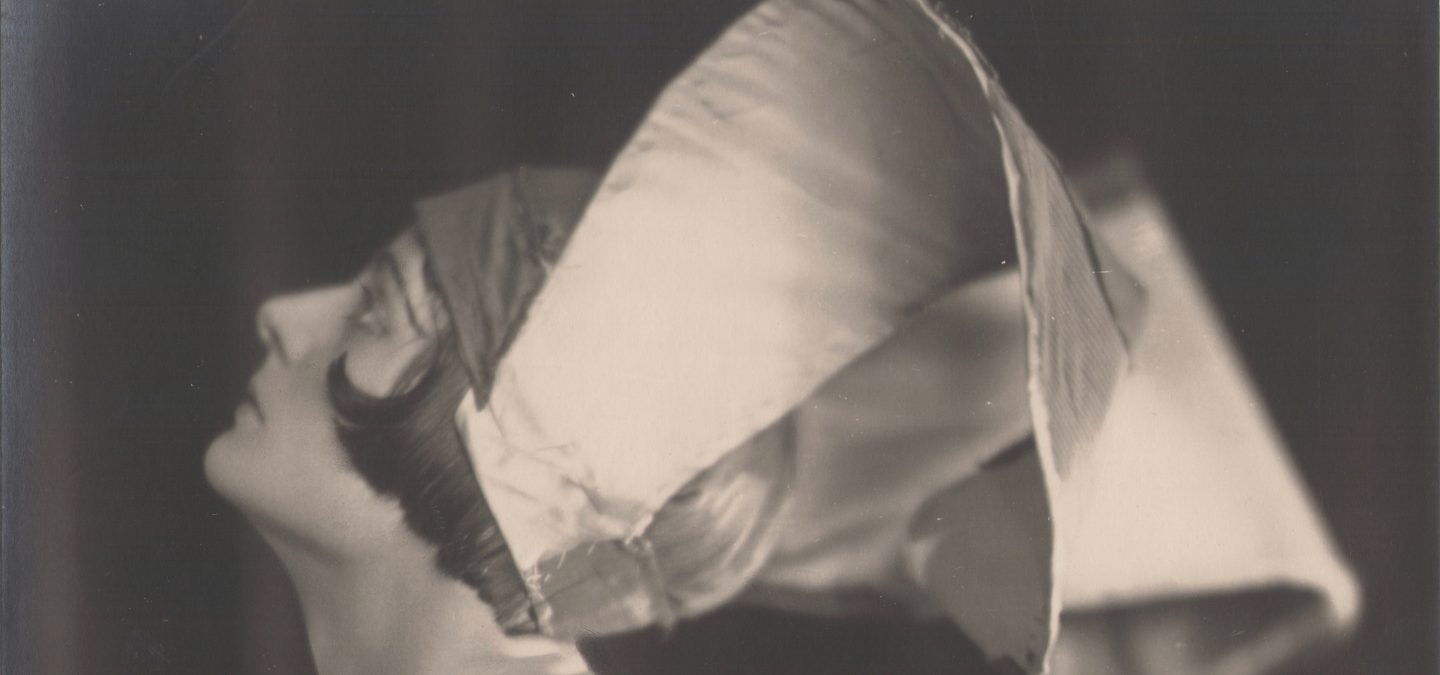
Erwin Blumenfeld :: Francine Du Plessix Gray with Bird, 1947
/ via
kvetchlandia
more [+] by this photographer
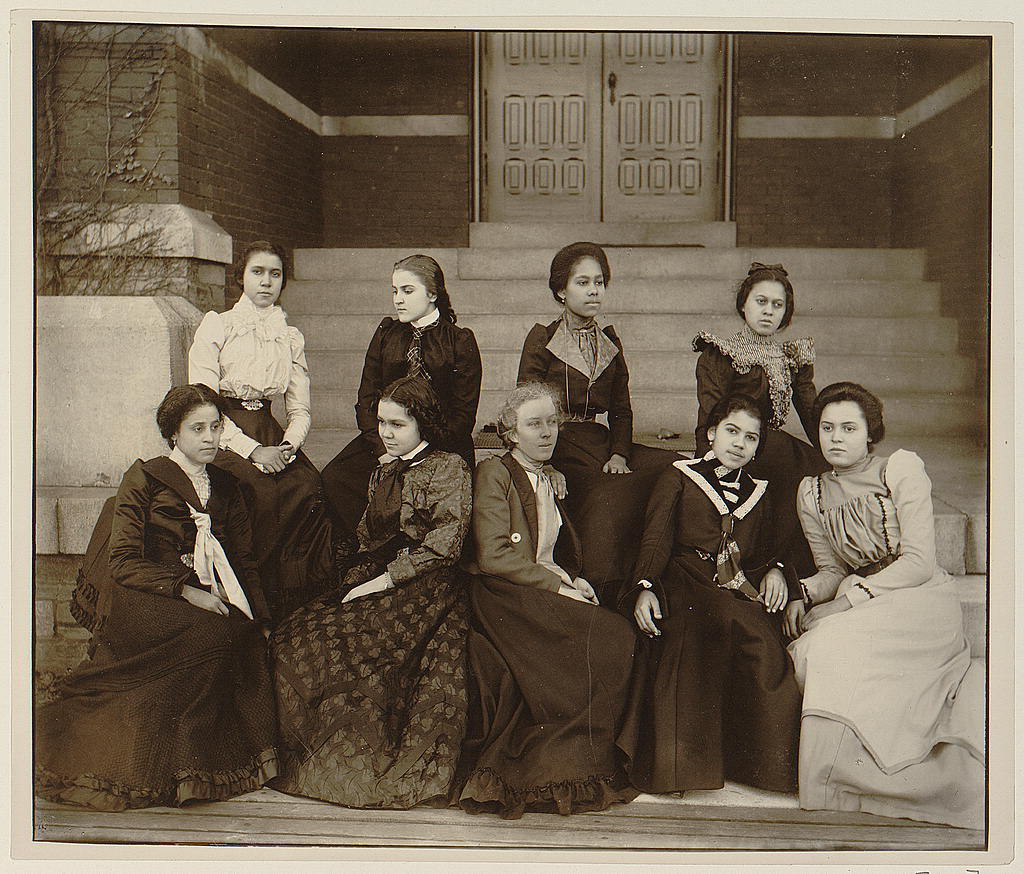
Thomas E.
Askew :: Nine African American women (sic), full-length portrait, seated on steps of a building at Atlanta University, Georgia,
1899-1900.
Untitled photo in album (disbound): Negro life in Georgia, U.S.A., compiled and prepared by W.E.B. Du Bois, v. 4, no. 341.
/ src: Library of Congress
Milton H. Greene
:: Marlene Dietrich, NY, 1952 / via miss-flapper and
sparklejamesysparkle


Ernest Joseph Bellocq was a native New Orleans French Creole photographer, whose Storyville portraits captured the vibrant scene in Storyville, the city’s red-light district, circa 1912. The glass plate negatives were not discovered until after his death in 1949, which is why so many of the images are cracked, scratched, and damaged. It is said that some of the damages were deliberately inflicted by Bellocq while the emulsion was still wet, in order to protect the identity of the sex workers.

A lifelong resident of New Orleans, Ernest J. Bellocq was a commercial photographer who undertook a personal quest to photograph the prostitutes of Storyville. In these frank and intimate photographs, women are not portrayed as prey to the camera’s gaze, but rather seem to participate willingly and confidently in the photographic act. Rumored to be eccentric and reserved, Bellocq told only a handful of acquaintances about these portraits, which primarily date from 1912 (the negatives were later discovered and printed by photographer Lee Friedlander). This photograph of Bellocq’s desk, therefore, provides an unusual glimpse into his mysterious personality and life. The cluttered arrangement of images of women, juxtaposed with floral wallpaper and languidly posing marble figurines, coheres into a dotingly composed shrine to femininity, hinting at the artist’s admiration for women. | text: AIC

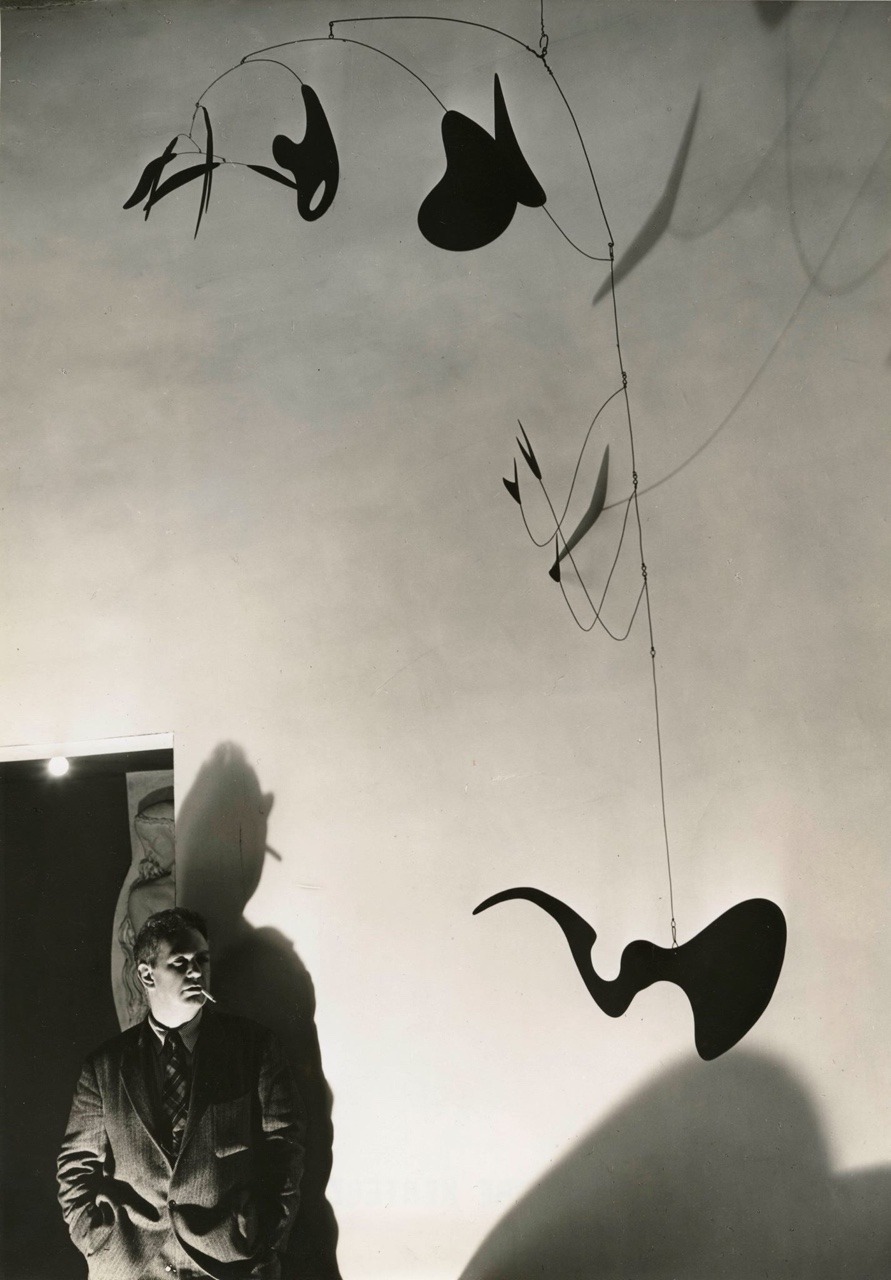
André Kertész :: Calder with Eucalyptus, 1940. (Image © Ministère de la Culture / Médiathèque de Patrimoine, Dist. RMN-Grand Palais)
“He didn’t see an eucalyptus tree and those long beautiful leaves and think, ‘I want to interpret that in a sculpture.’ He made a sculpture, and he looked at it, and he saw that it looked kind of like eucalyptus leaves” – Sandy Rower
Although often evocative, Calder’s titles are not guides for interpretation. The artist named his abstract sculptures after they were created simply as a means to identify or differentiate. “I give names to the things I’m working on just like license plates,” Calder once said. © 2017 Calder Foundation, New York / Artists Rights Society [ARS], New York)
more [+] by this photographer

All but Death, Can be Adjusted [Emily Dickinson]
Roberto de Mitri / via tunguska-rdm
more [+] by this photographer
LensCulture /// ArtLimited /// ND Magazine

Pierre- Louis Pierson ::
Scherzo di Follia (Game of Madness),
1861-67, printed ca. 1930.
[Countess of Castiglione /
Countess Virginia Oldoini Verasis di Castiglione
] / source: Metropolitan Museum
“Virginia Oldoini, Countess Verasis de Castiglione (1837-1899), created a sensation when she appeared on the social scene in Paris in 1855, having been sent by the Italian statesman Cavour to secretly win Napoleon III over to the cause of Italian unity by “any means she chose.” Within months, the statuesque beauty was the mistress of Napoleon III and a much-talked-about ornament of the lavish balls so prevalent during the period. After the fall of the Second Empire in 1870, she led an increasingly secluded existence, which gave rise to fantastic speculation about her affairs. As the years went by, her mental stability declined and she ventured out only at night, shrouded in veils.
The countess’s raging narcissism found in photography the perfect ally; Pierre-Louis Pierson produced over seven hundred different images of her. In a reversal of roles, the sitter would direct every aspect of the picture, from the angle of the shot to the lighting, using the photographer as a mere tool in her pursuit of self-promotion and self-expression.” quoted from source
related post by Len Prince (reenactment), here
more [+] by this photographer