https://embedr.flickr.com/assets/client-code.js
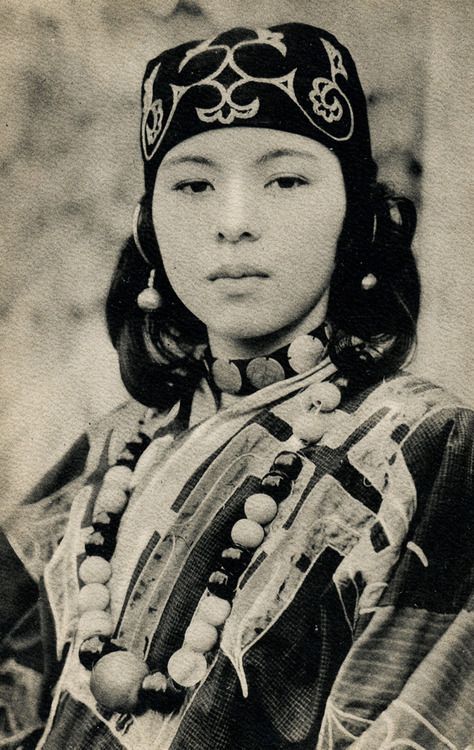
Geiko Tomeko, sometime around the 1930′s / source: Blue Ruin
(Source: https://www.flickr.com/)
images that haunt us
https://embedr.flickr.com/assets/client-code.js
Geiko Tomeko, sometime around the 1930′s / source: Blue Ruin
 https://embedr.flickr.com/assets/client-code.js
Geiko Tomigiku reading a Newspaper, 1921. The supremely stylish Tomigiku, dated 28/12/1921 on the reverse./ source: Blue Ruin
 https://embedr.flickr.com/assets/client-code.js
Maiko Momotaro – Sakkou Hairstyle, 1920′s
“Originally believed to be worn by married women of the merchant class during the late Edo period (1603-1868), starting in the Meiji era (1868-1912) the sakkou was the hairstyle worn by apprentice geisha in the weeks leading up to their debut as full-fledged geisha.“
(Voyages en Photographie) / src: Blue Ruin
 https://embedr.flickr.com/assets/client-code.js
Osaka Maiko Yachiyo II, 1915
Myōseki (inherited names) are often used when naming a new Maiko (Apprentice Geisha) as a mark of respect for a former Geiko (Geisha) and as a means of carrying the cachet of celebrity down through generations.
The geimei (professional name) of a meigi (famous geisha) who has retired from the profession is given to a promising young maiko, but with the suffix ‘the second’ added to it. This can carry on ad infinitum i.e. ‘the third, the fourth, etc.’ with successive generations. This hereditary naming system applies to almost all artisan professions in Japan, including Tayuu (Courtesans) and Kabuki Artists. source: Blue Ruin
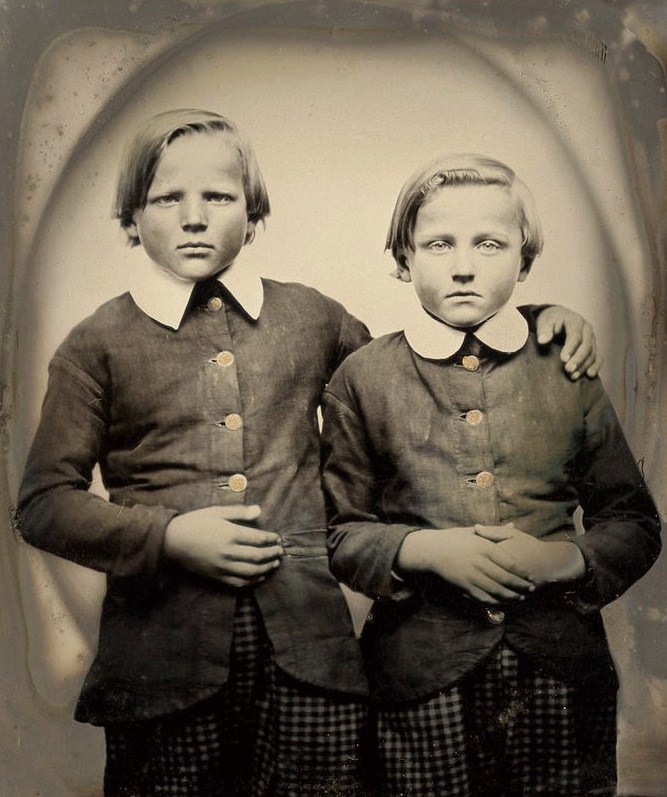
Two Brothers in chequered Pants – Sixth Plate Ambrotype taken in the United States – mid 1800′s / via
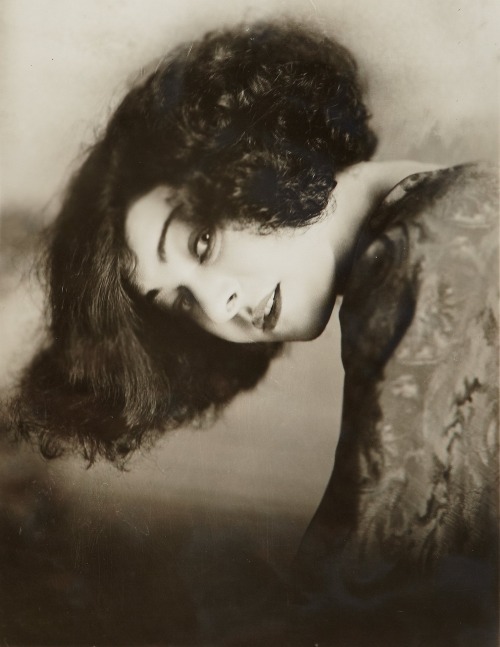
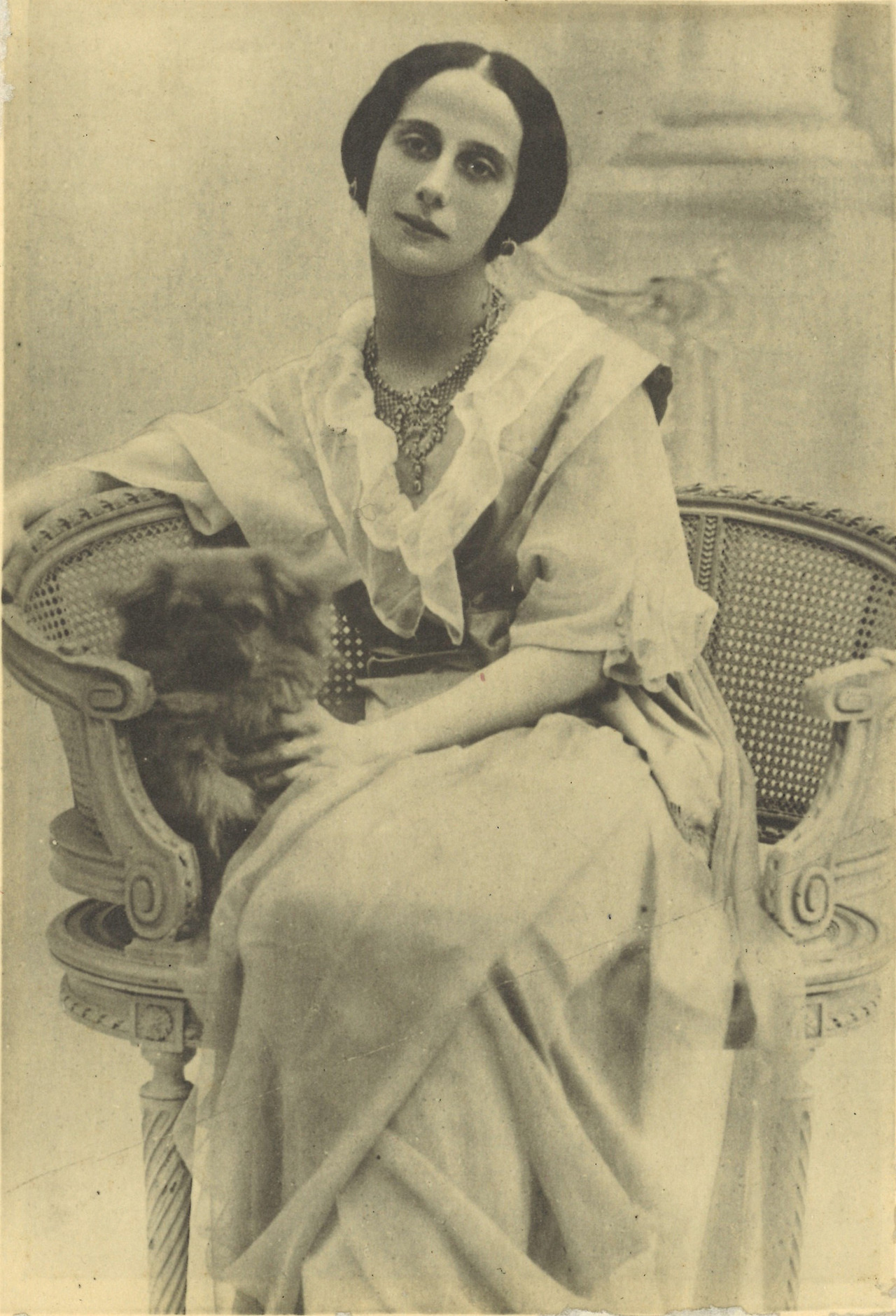
Photograph of Anna Pavlova with a pet dog, undated. Photographer
unknown. / source: Royal Ballet
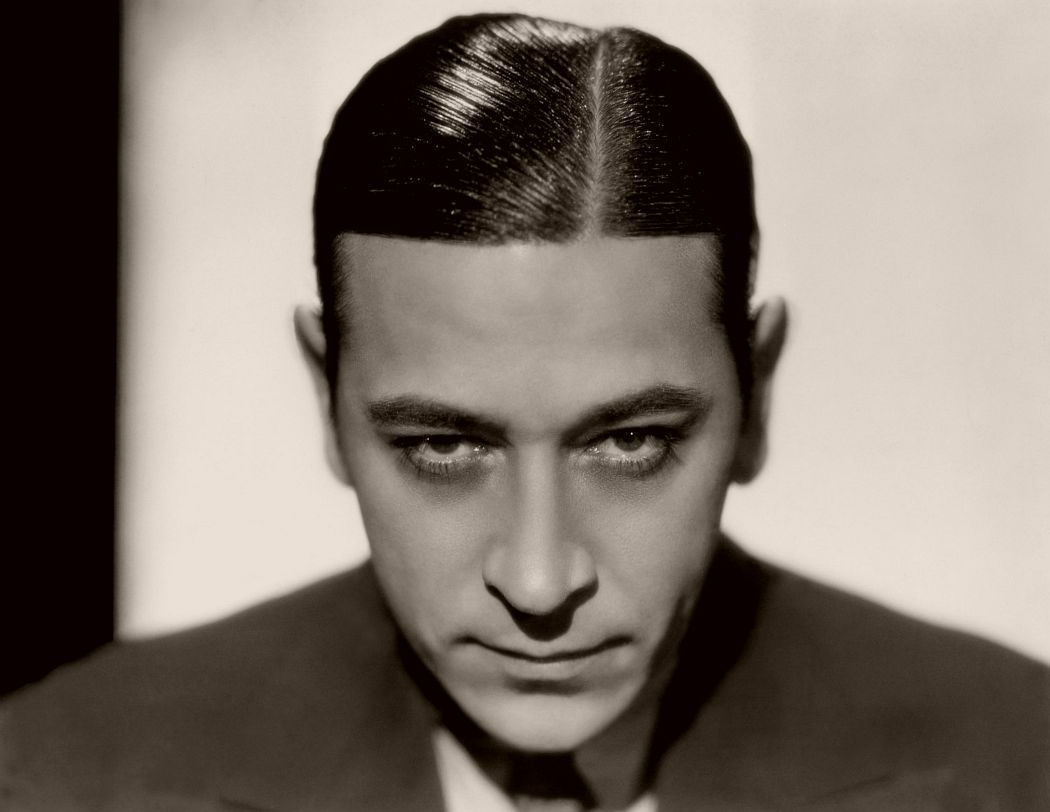
Portrait of American actor George Raft (1895-1980) / src: Monovisions