
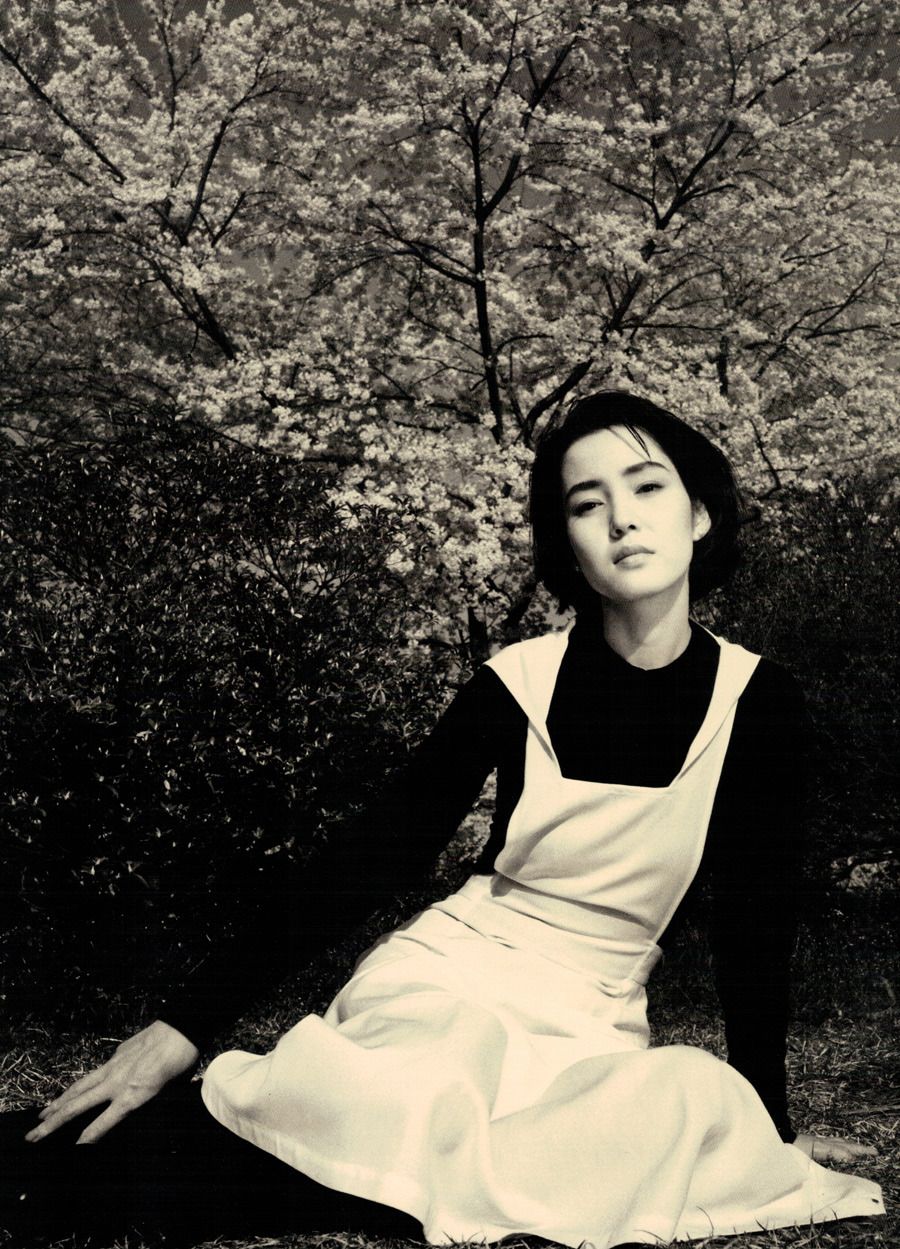
src setantabooks on IG and Ader
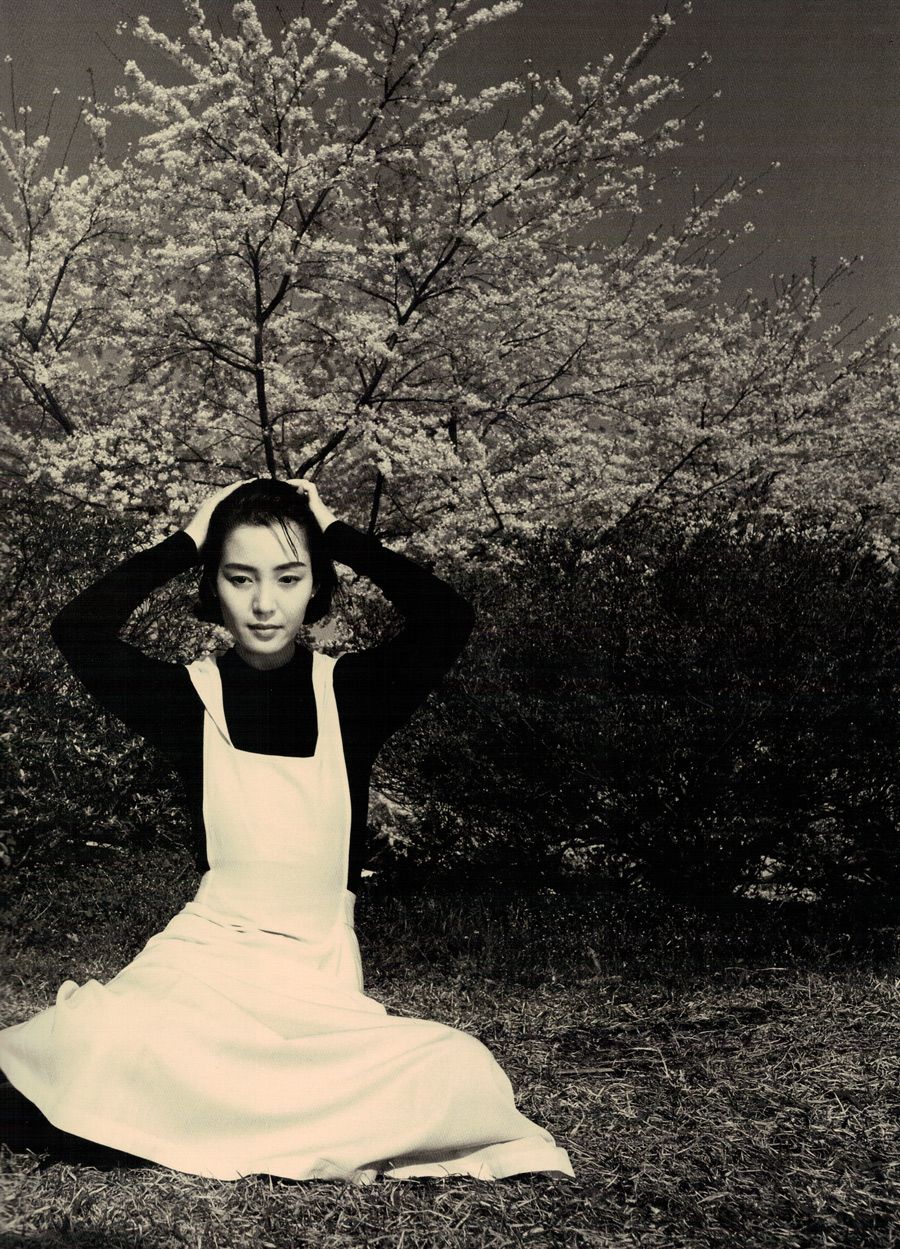


images that haunt us


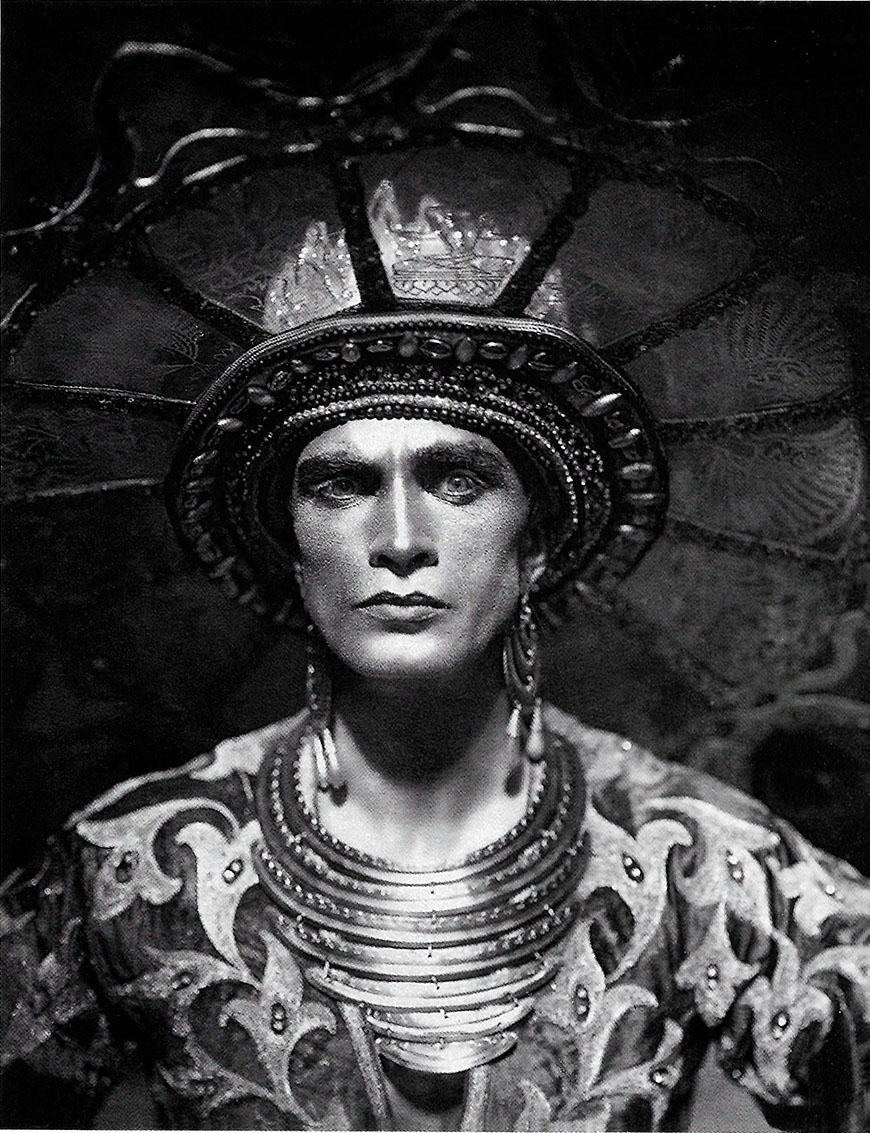


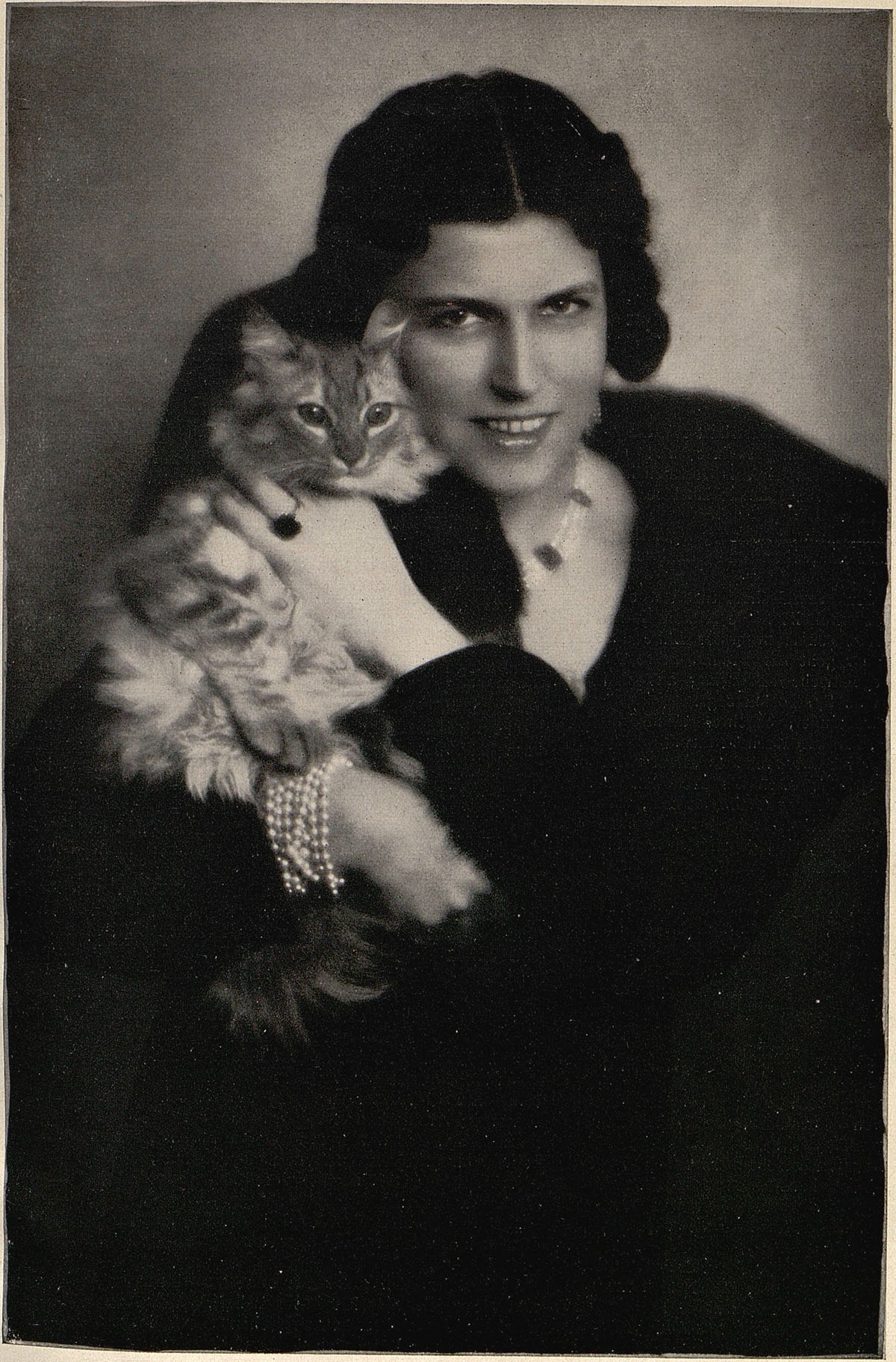


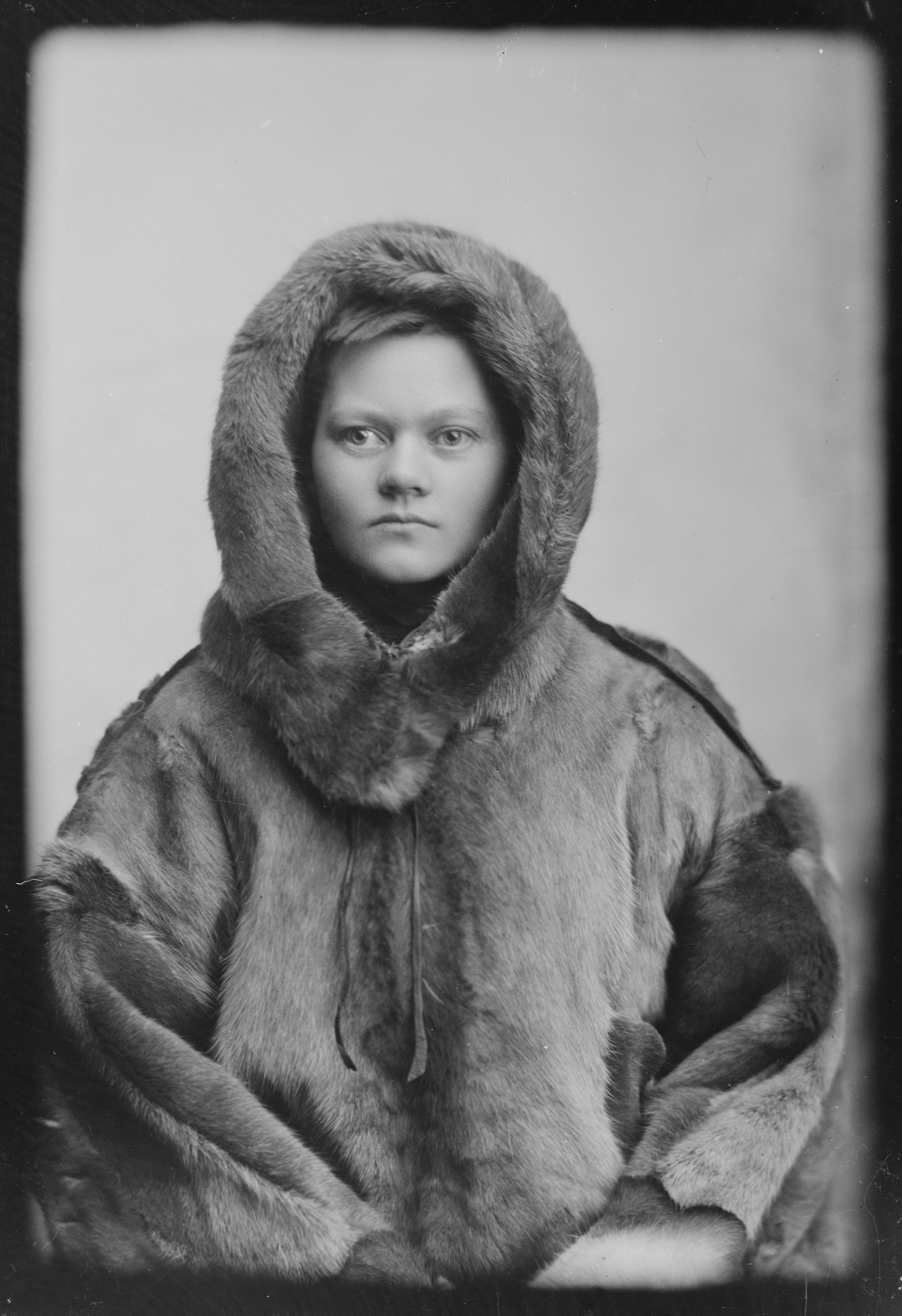


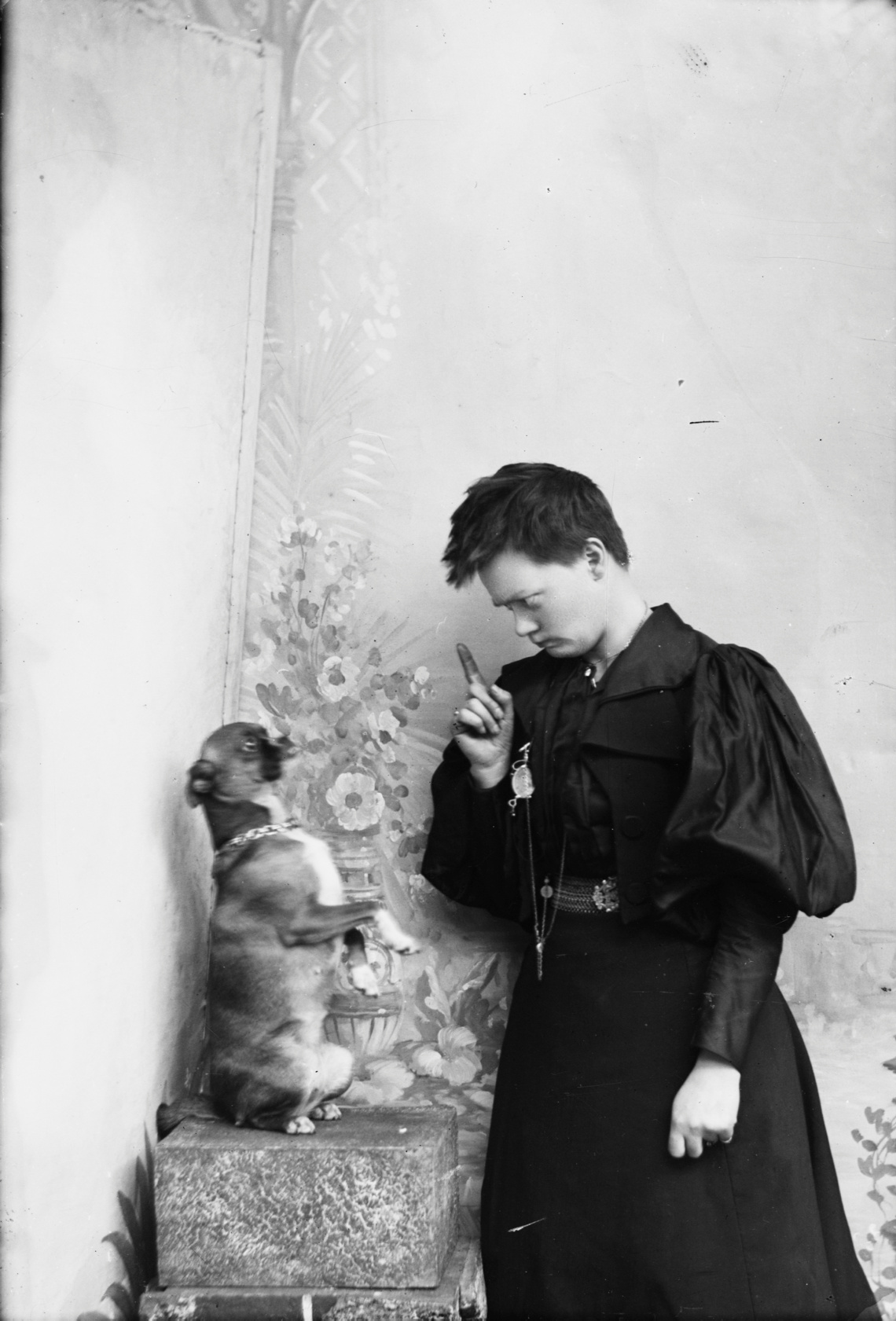
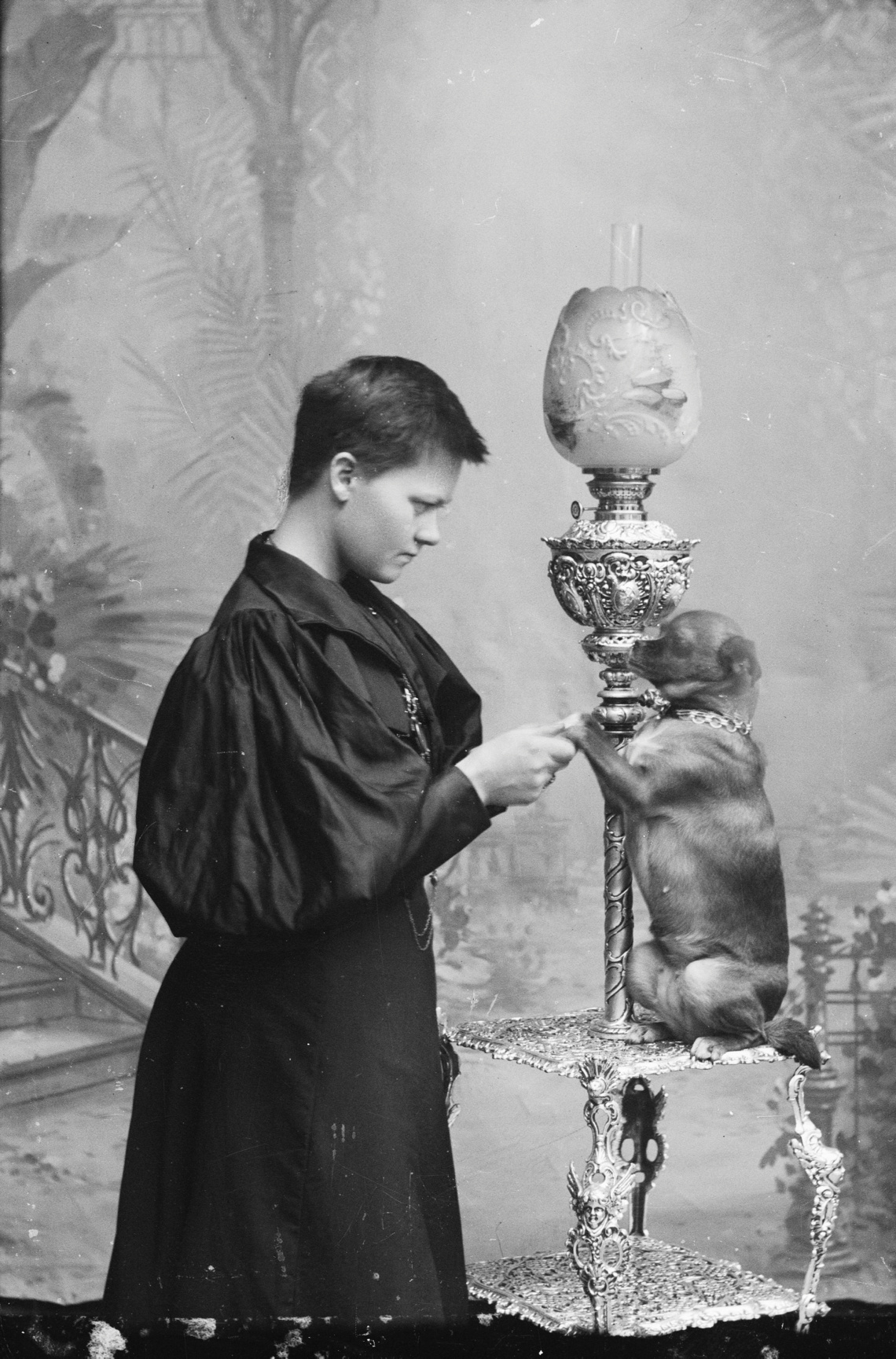
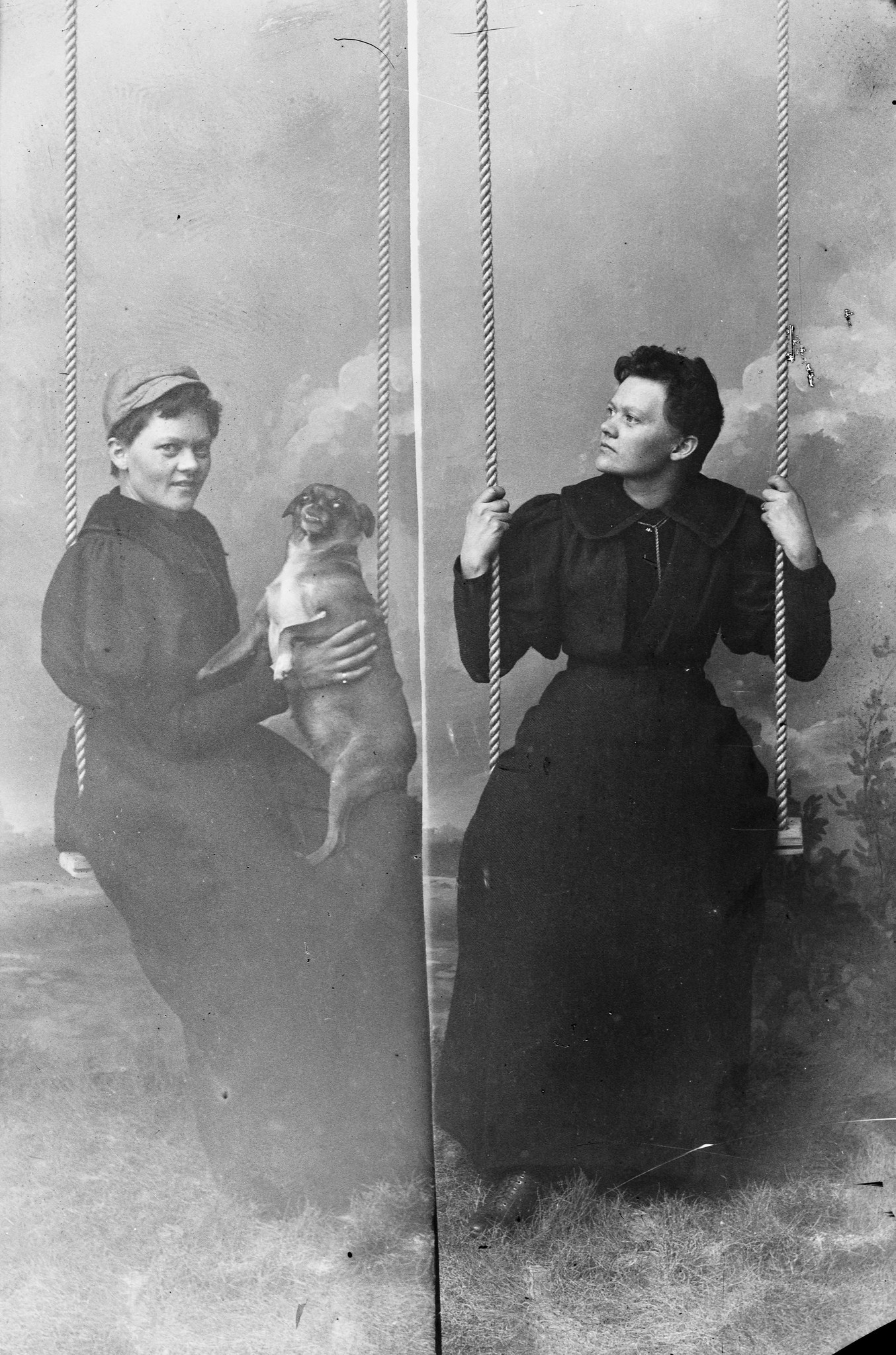
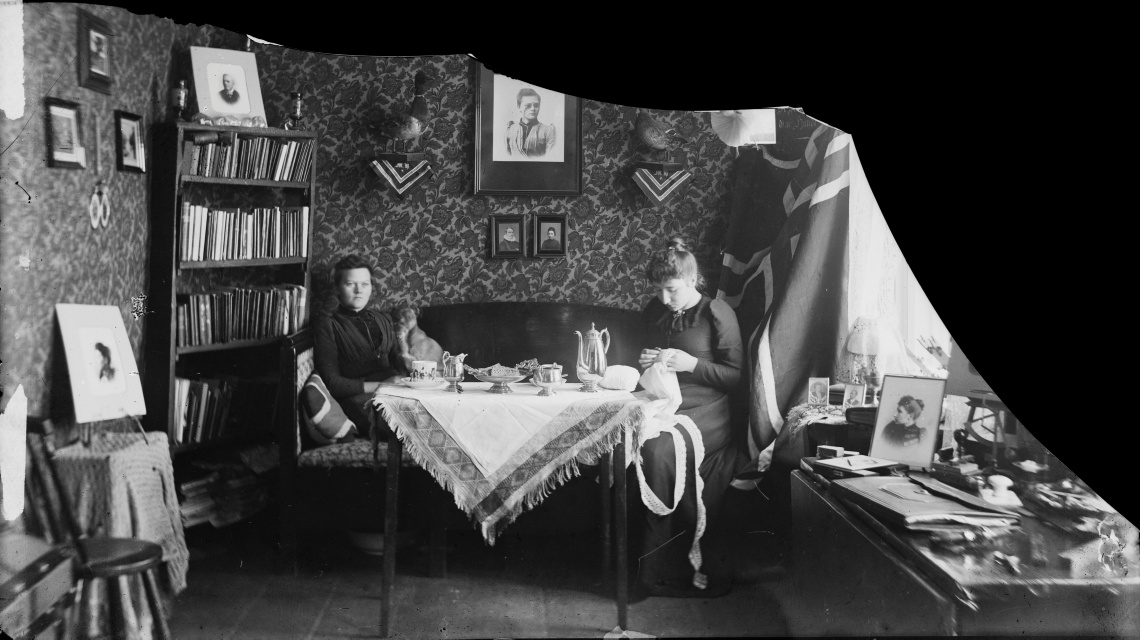
In a box marked “private”, an amazing collection of glass plates were found 30 years ago, amongst the remnants of the two portrait photographers Marie Høeg (1866-1949) and Bolette Berg (1872-1944).
In 1895, they established the Berg & Høeg photography studio in Horten, Norway, where they took portraits and views of Horten and surroundings and lived on the proceeds from sales. At that time, photography was seen as a decent and acceptable profession for women, as it was a profession that demanded a certain amount of aesthetic sense – as part of the female nature.
Horten was a naval base with the main shipyard for the Norwegian navy and had a strong flow of people who needed photographs for celebration and recollection. Perhaps that is how the two photographers understood by the very process of portraiture how important it is to stage oneself and to what a large degree that contributes to how we are perceived.
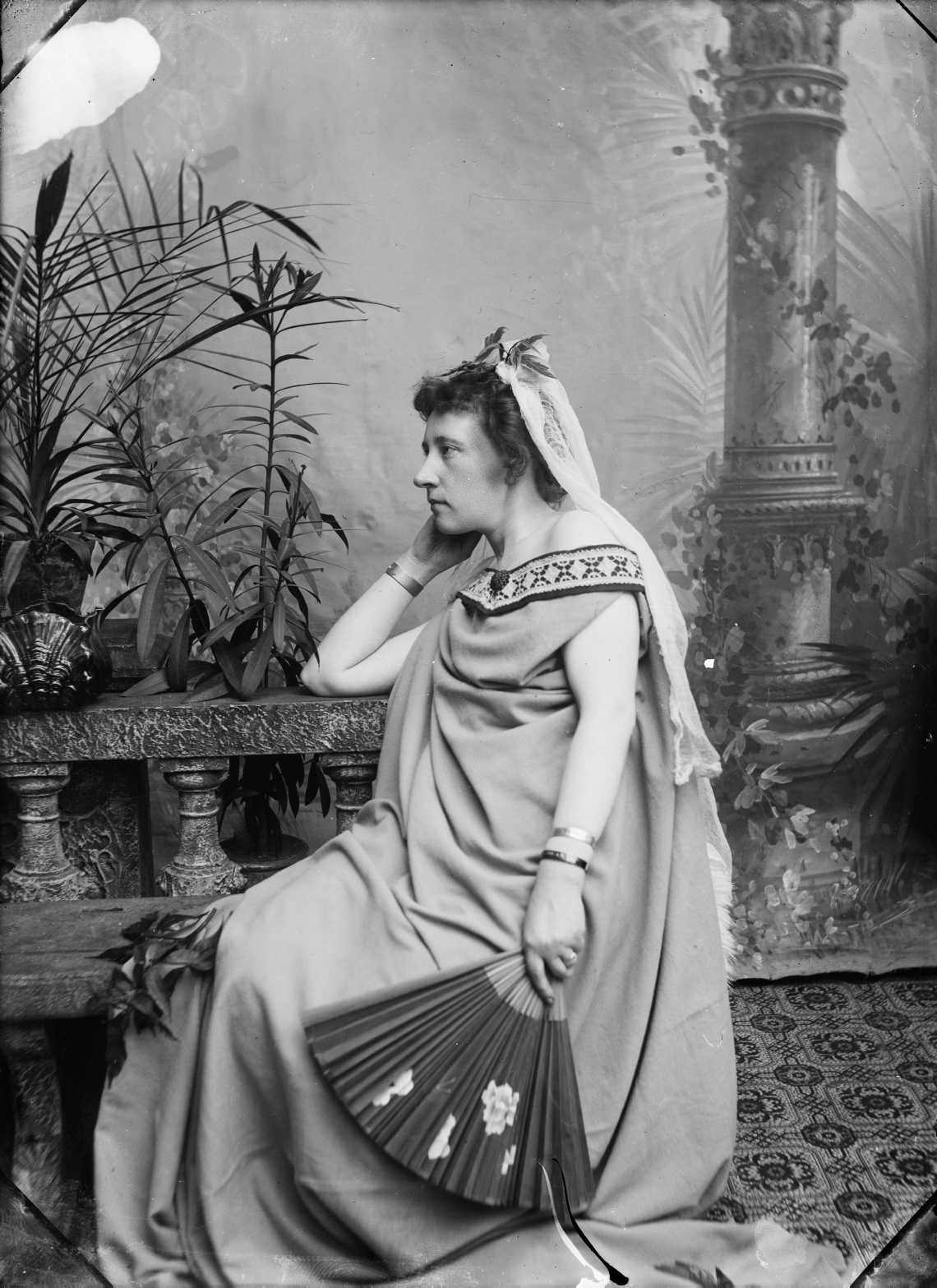
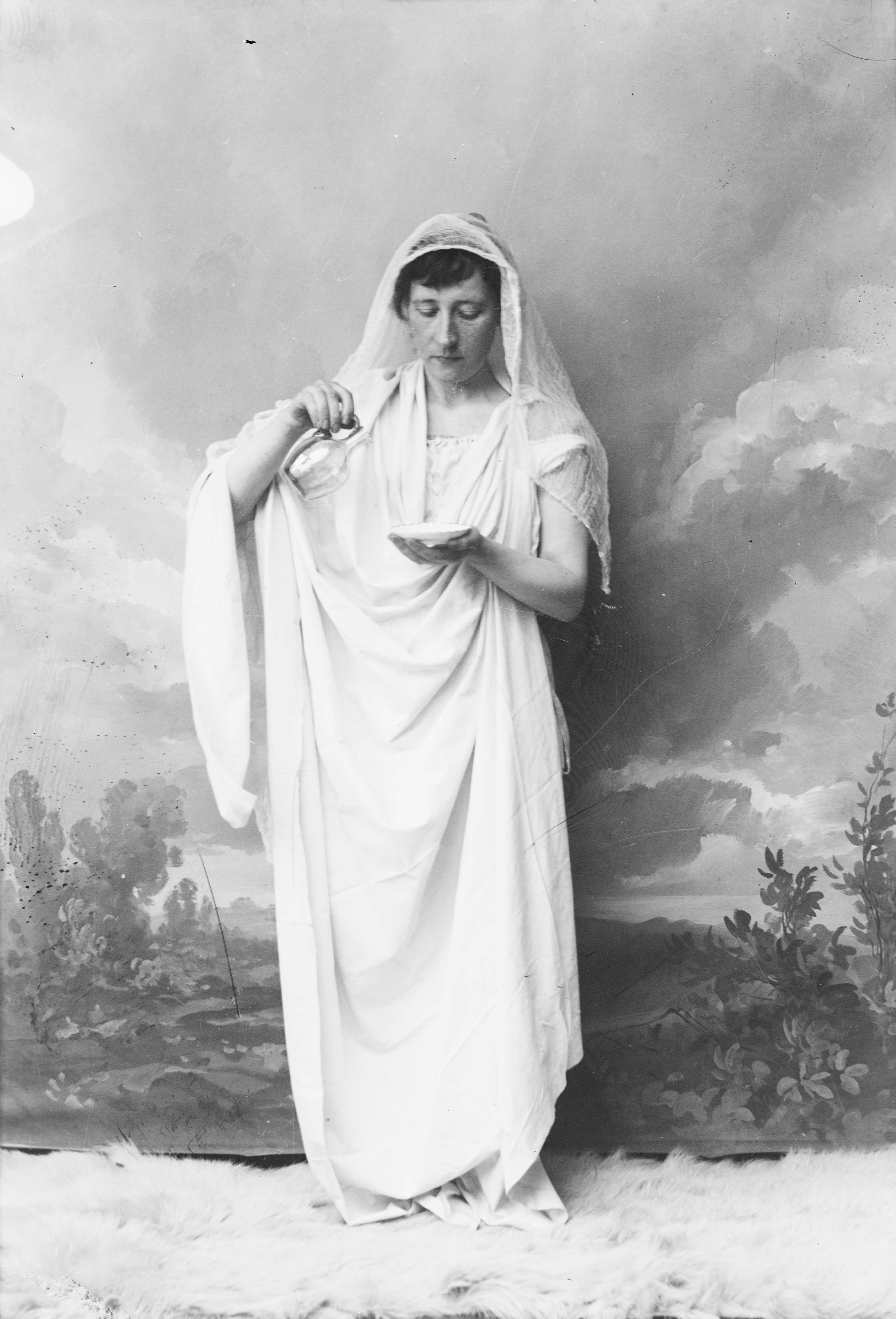
The Preus museum collection has 440 glass negatives from Berg & Høeg. Among the cartons in the 1980s were discovered some on which had been written “private.” It is not unusual that photographers also have private photographs in their archives. But these were not ordinary keepsake pictures. They indicate that the two photographers, especially Marie Høeg, experimented with various gender roles.
Imagine the fun they must have had, cross-dressing and playing! At the same time, the images are deeply serious, as they reflect upon the expectations and attitudes towards women, and their lack of rights and freedom. We know that Høeg was the extrovert and started groups to fight for women’s rights. Bolette Berg was less in the public view. However, she must have been back of the camera in many of these photographs, which have attracted international notice.
We find several such boundary-breaking photographic projects in Europe and America around 1900. They correspond with women’s battle for full civil rights and the right to define their own identity. So these photographs are a part of an international history – or herstory – that has meaning and recognition value for all women, including now.
All images are digital reproductions of the original glass plates. Some of the plates have cracks and damages, left visible in the reproductions.
All images and text retrieved from The Preus museum on Flickr
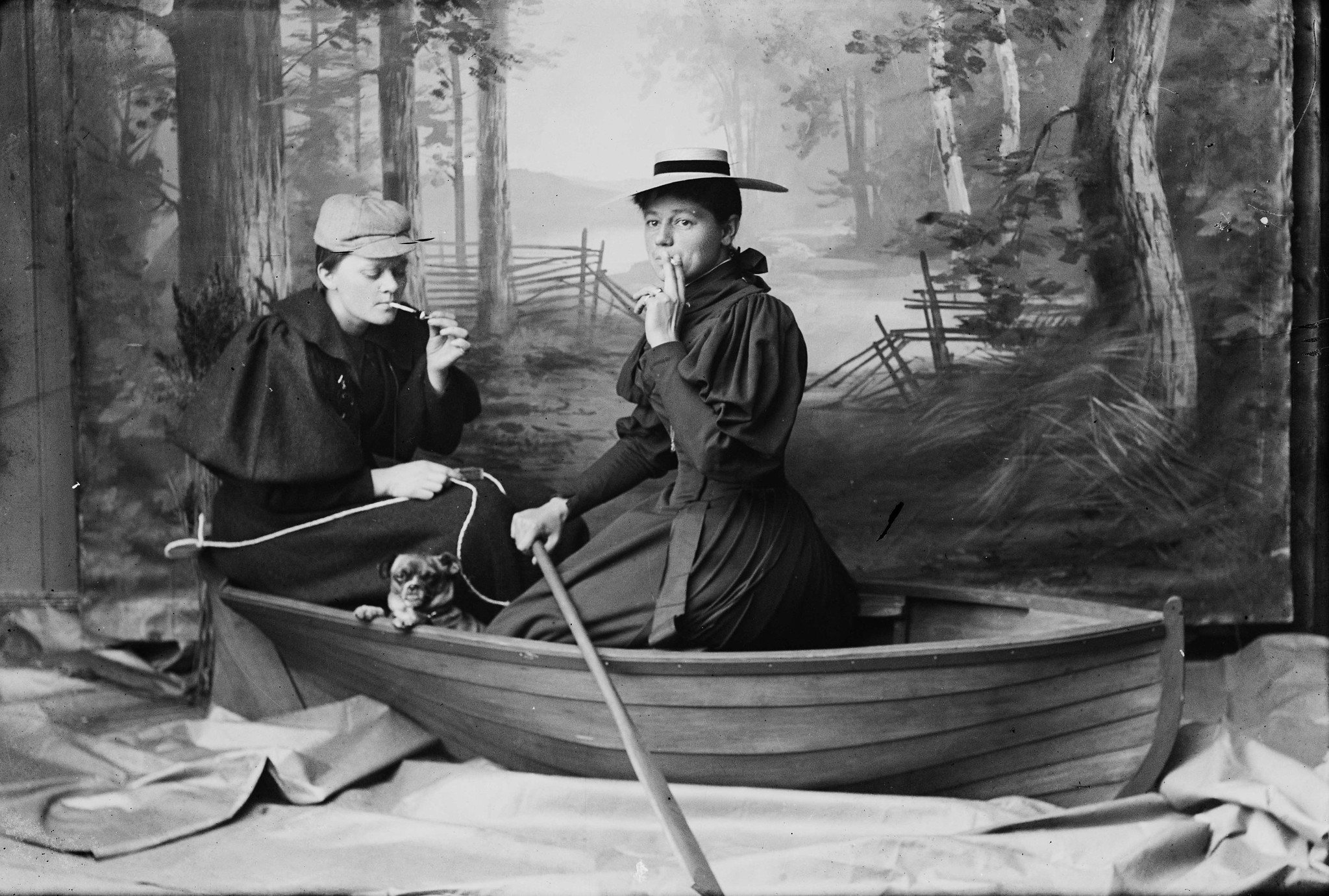
In a box marked “private”, an amazing collection of glass plates were found 30 years ago, amongst the remnants of the two portrait photographers Marie Høeg (1866-1949) and Bolette Berg (1872-1944).

In 1895, they established the Berg & Høeg photography studio in Horten, Norway, where they took portraits and views of Horten and surroundings and lived on the proceeds from sales. At that time, photography was seen as a decent and acceptable profession for women, as it was a profession that demanded a certain amount of aesthetic sense – as part of the female nature.
Horten was a naval base with the main shipyard for the Norwegian navy and had a strong flow of people who needed photographs for celebration and recollection. Perhaps that is how the two photographers understood by the very process of portraiture how important it is to stage oneself and to what a large degree that contributes to how we are perceived.

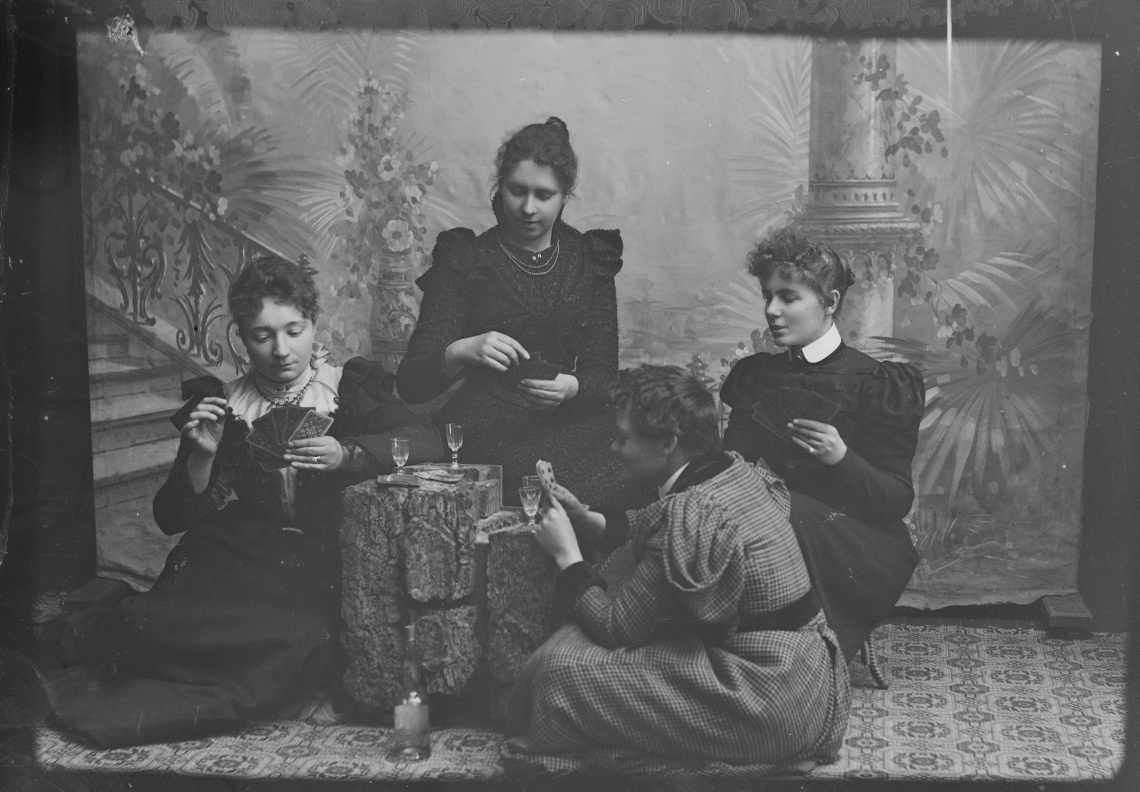
The Preus museum collection has 440 glass negatives from Berg & Høeg. Among the cartons in the 1980s were discovered some on which had been written “private.” It is not unusual that photographers also have private photographs in their archives. But these were not ordinary keepsake pictures. They indicate that the two photographers, especially Marie Høeg, experimented with various gender roles.
Imagine the fun they must have had, cross-dressing and playing! At the same time, the images are deeply serious, as they reflect upon the expectations and attitudes towards women, and their lack of rights and freedom. We know that Høeg was the extrovert and started groups to fight for women’s rights. Bolette Berg was less in the public view. However, she must have been back of the camera in many of these photographs, which have attracted international notice.
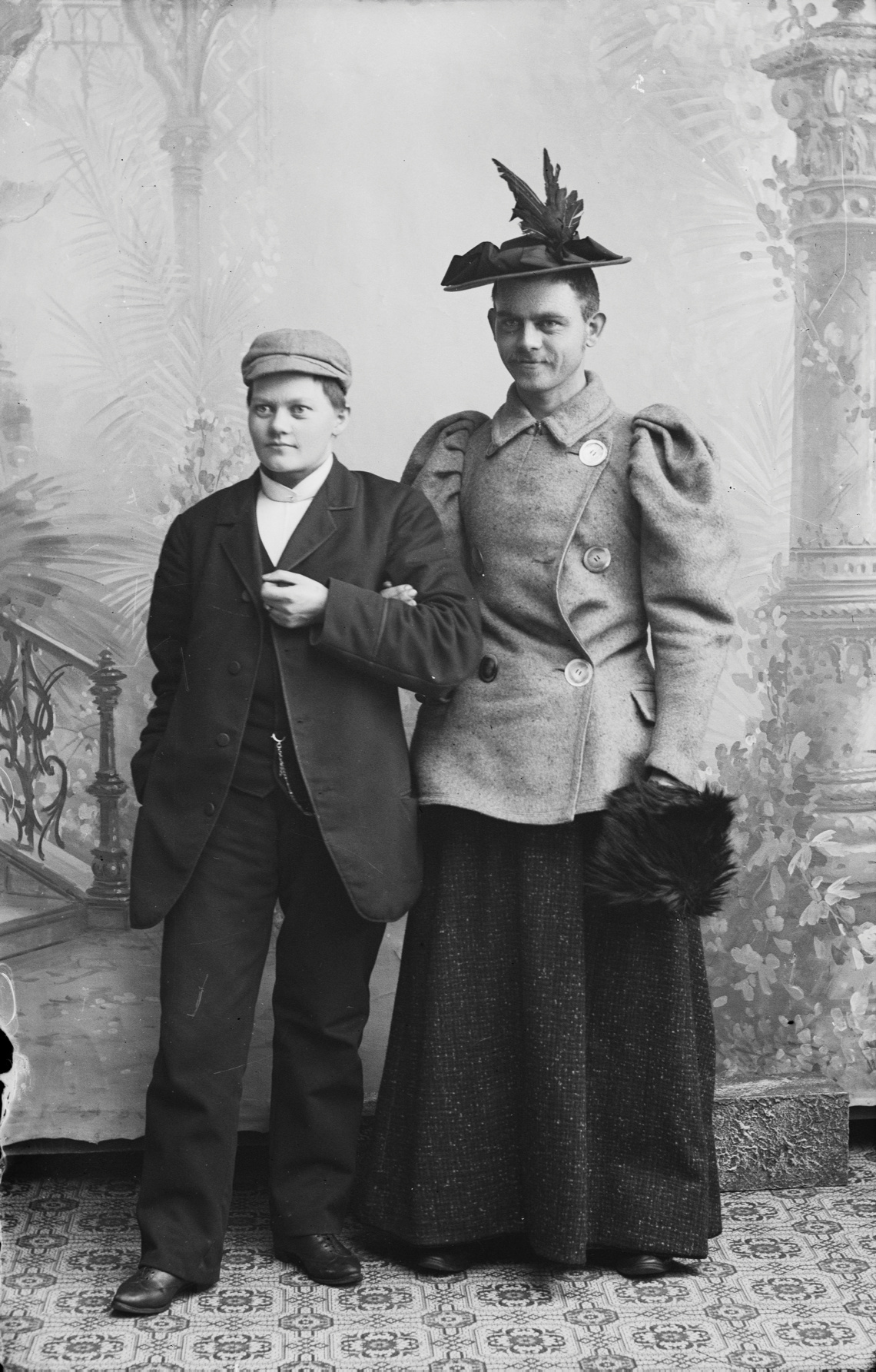


We find several such boundary-breaking photographic projects in Europe and America around 1900. They correspond with women’s battle for full civil rights and the right to define their own identity. So these photographs are a part of an international history – or herstory – that has meaning and recognition value for all women, including now.
All images are digital reproductions of the original glass plates. Some of the plates have cracks and damages, left visible in the reproductions. (quoted from the Album description)
All images from this post were retrieved from The Preus museum collection hosted on Flickr. Link to album (x)


 un regard oblique