images that haunt us
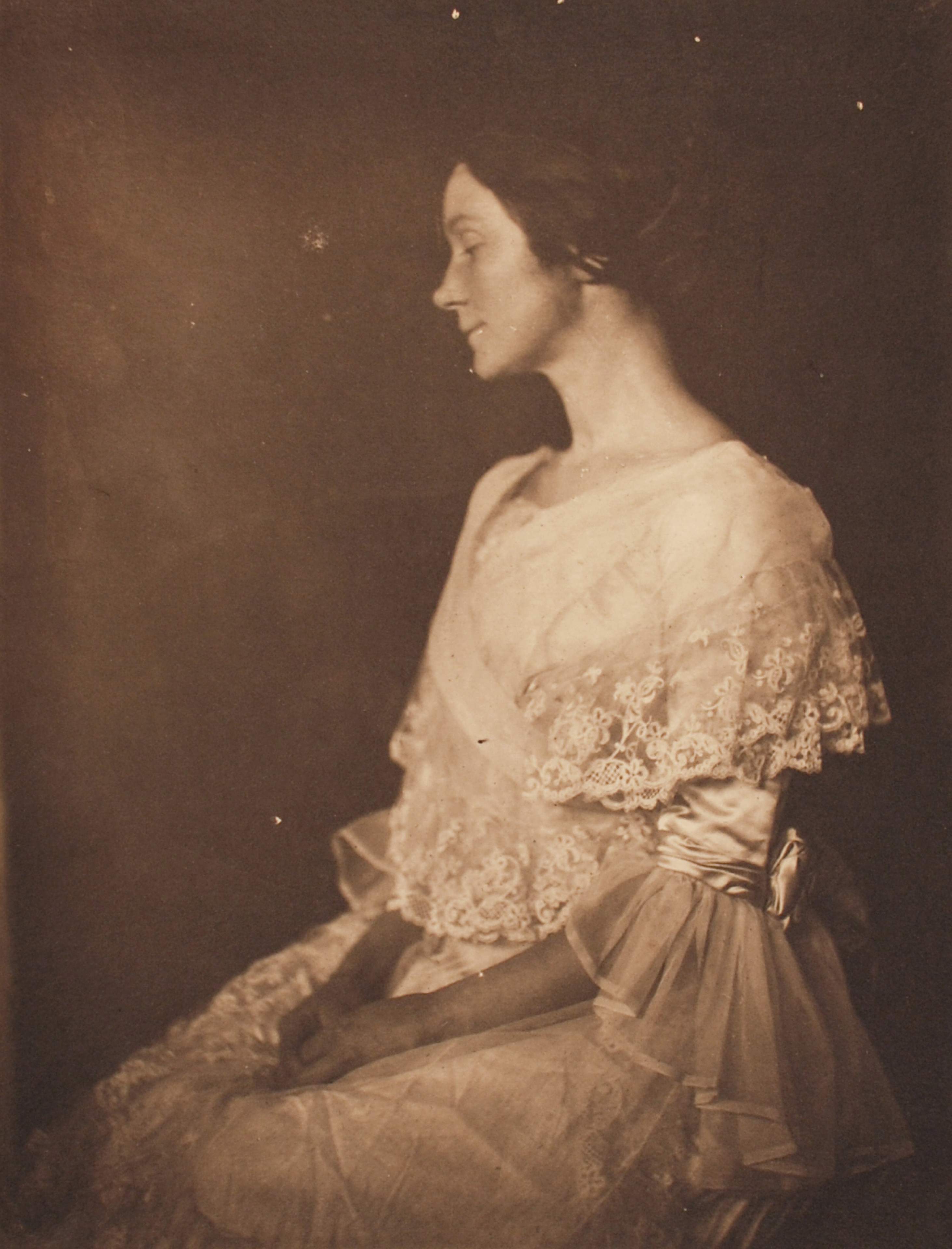
![Amelia C. Van Buren :: [Profile portrait of woman draped with a veil]; 1917 (?). Platinum print mounted on black mat. Color film copy transparency of the original. LC-USZC4-9380 | src L. of Congress](https://live.staticflickr.com/65535/52220286681_24bbea24c8_o.jpg)
![Amelia C. Van Buren :: [Profile portrait of woman draped with a veil]; 1917 (?). Platinum print on Rembrandt mount. Color film copy slide of the original. LC-USZC4-9108 | src L. of Congress](https://live.staticflickr.com/65535/52220324171_dd16900091_o.jpg)
![Amelia C. Van Buren :: [Profile portrait of woman draped with a veil]; 1917 (?). Platinum print mounted on black mat. Color film copy slide of the original. LC-USZC2-5993 | src L. of Congress](https://live.staticflickr.com/65535/52220301623_4ca69f5e13_o.jpg)
The Library of Congress owns two impressions of this photograph: 1-a (top and bottom) and 1-b (middle). Forms part of: Artistic photographs collected by Frances Benjamin Johnston in the Frances Benjamin Johnston Collection. Gift of Frances Benjamin Johnston; 1948.
Published in: Ambassadors of progress / edited by Bronwyn A.E. Griffith … France : Musée d’Art Américain Giverny … 2001, p. 177.
Exhibited: Ambassadors of progress, 2001-2003
all information is from the Library of Congress
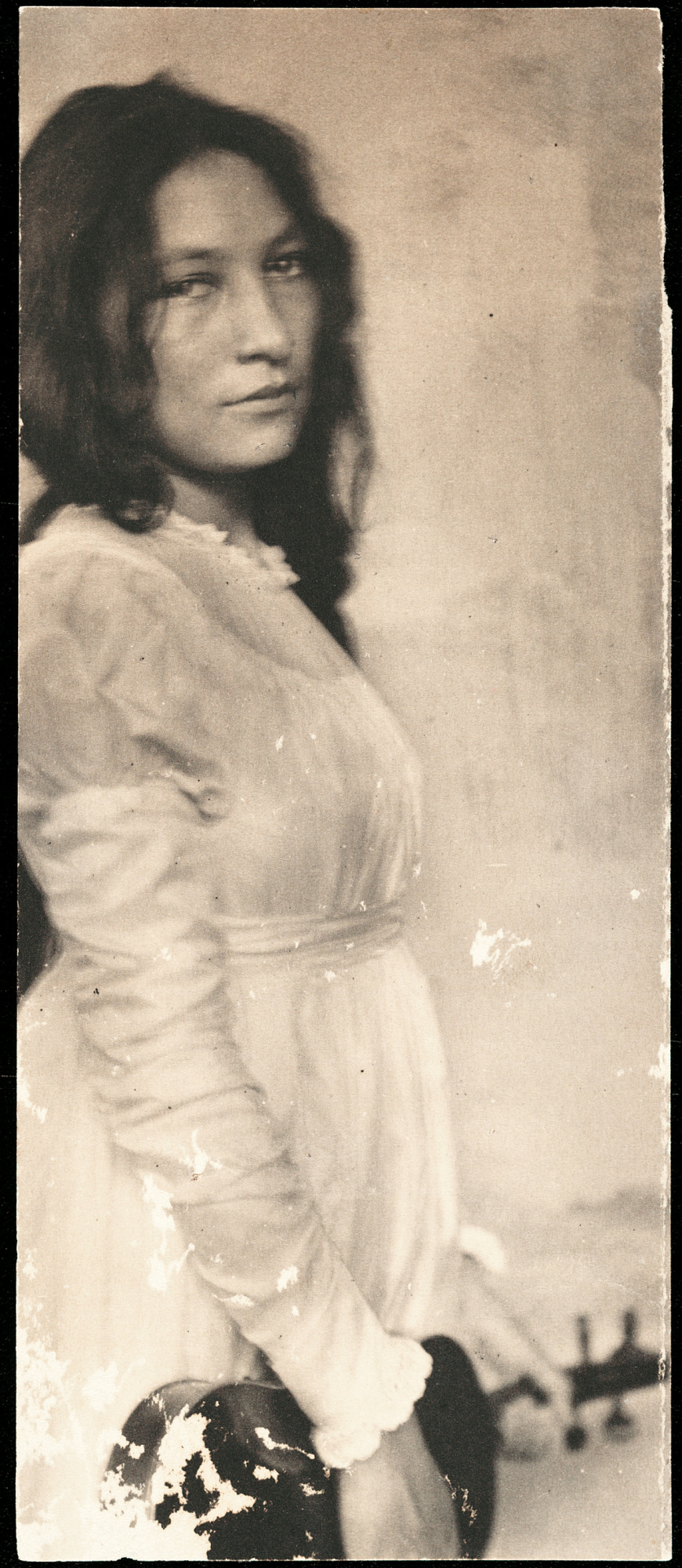
In addition to photographing the Sioux performers sent by Buffalo Bill Cody to her studio, Käsebier was able to arrange a portrait session with Zitkala-Sa, “Red Bird,” also known as Gertrude Simmons (1876-1938), a Yankton Sioux woman of Native American and white ancestry. She was born on the Pine Ridge Reservation in South Dakota, like many of the Sioux traveling with the Wild West show. She was well educated at reservation schools, the Carlisle Indian School, Earlham College in Indiana, and the Boston Conservatory of Music. Zitkala Sa became an accomplished author, musician, composer, and dedicated worker for the reform of United States Indian policies.
Käsebier photographed Zitkala-Sa in tribal dress and western clothing, clearly identifying the two worlds in which this woman lived and worked. In many of the images, Zitkala Sa holds her violin or a book, further indicating her interests. Käsebier experimented with backdrops, including a Victorian floral print, and photographic printing. She used the painterly gum-bichromate process for several of these images, adding increased texture and softer tones to the photographs. (quoted from NMAH)

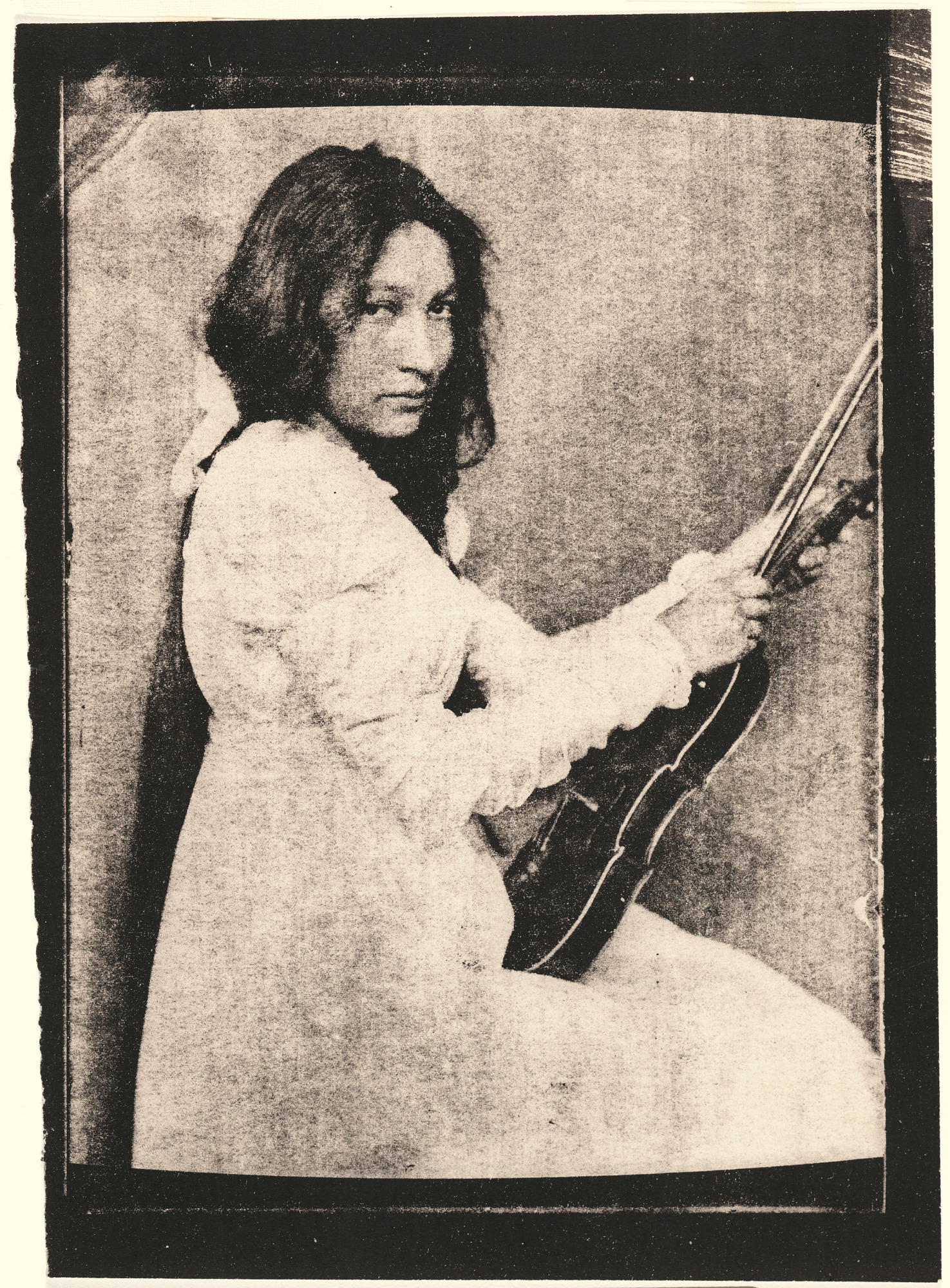
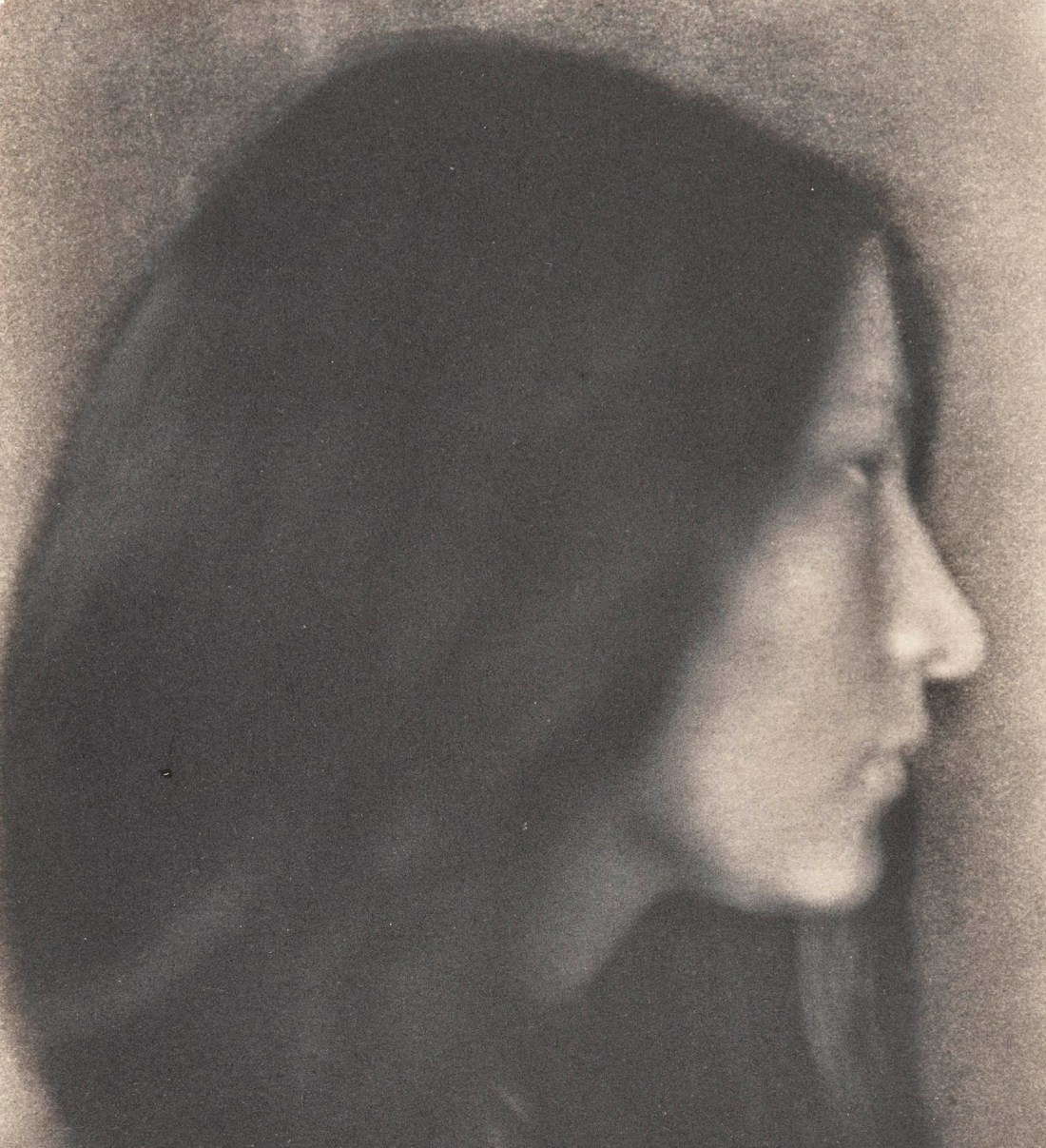
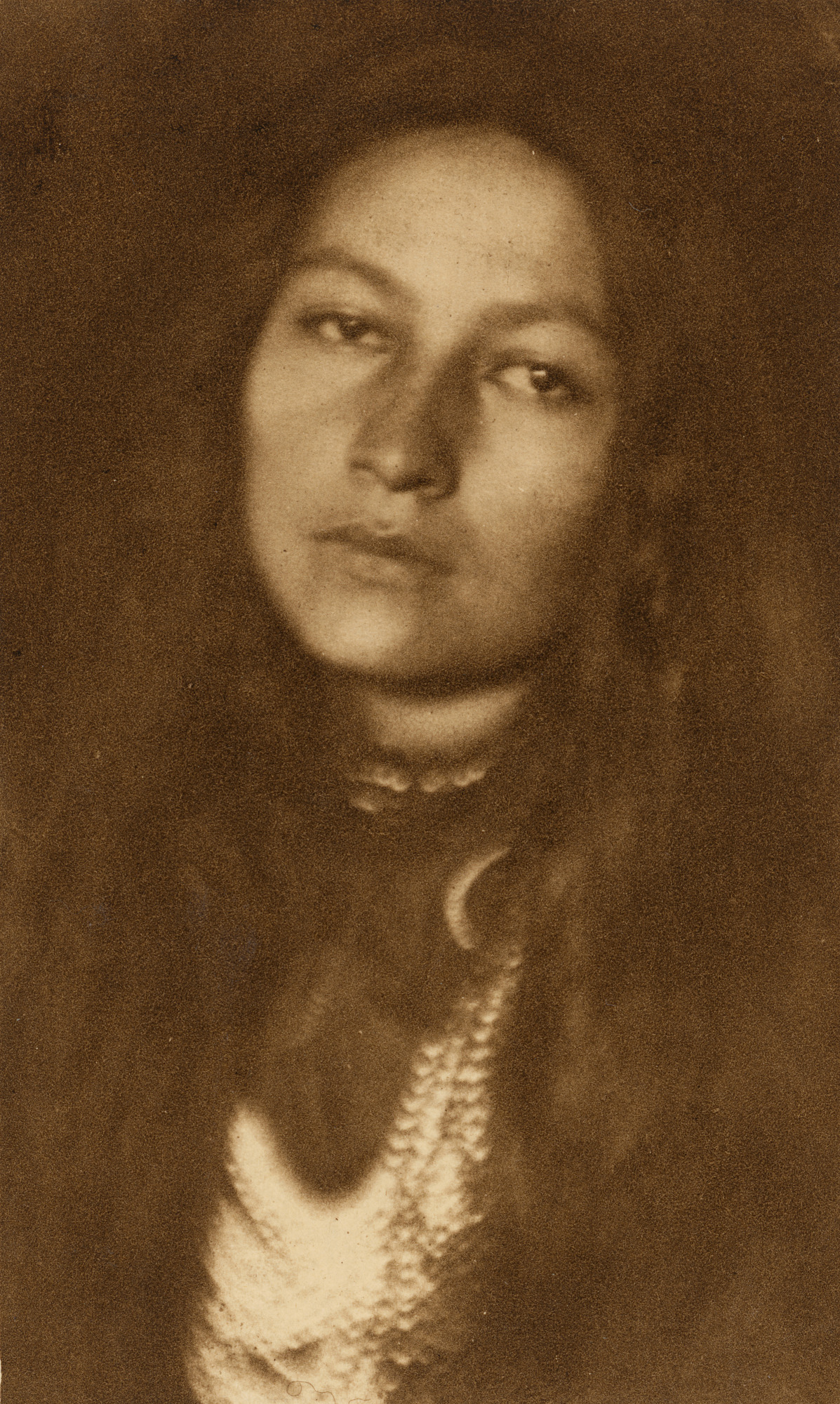
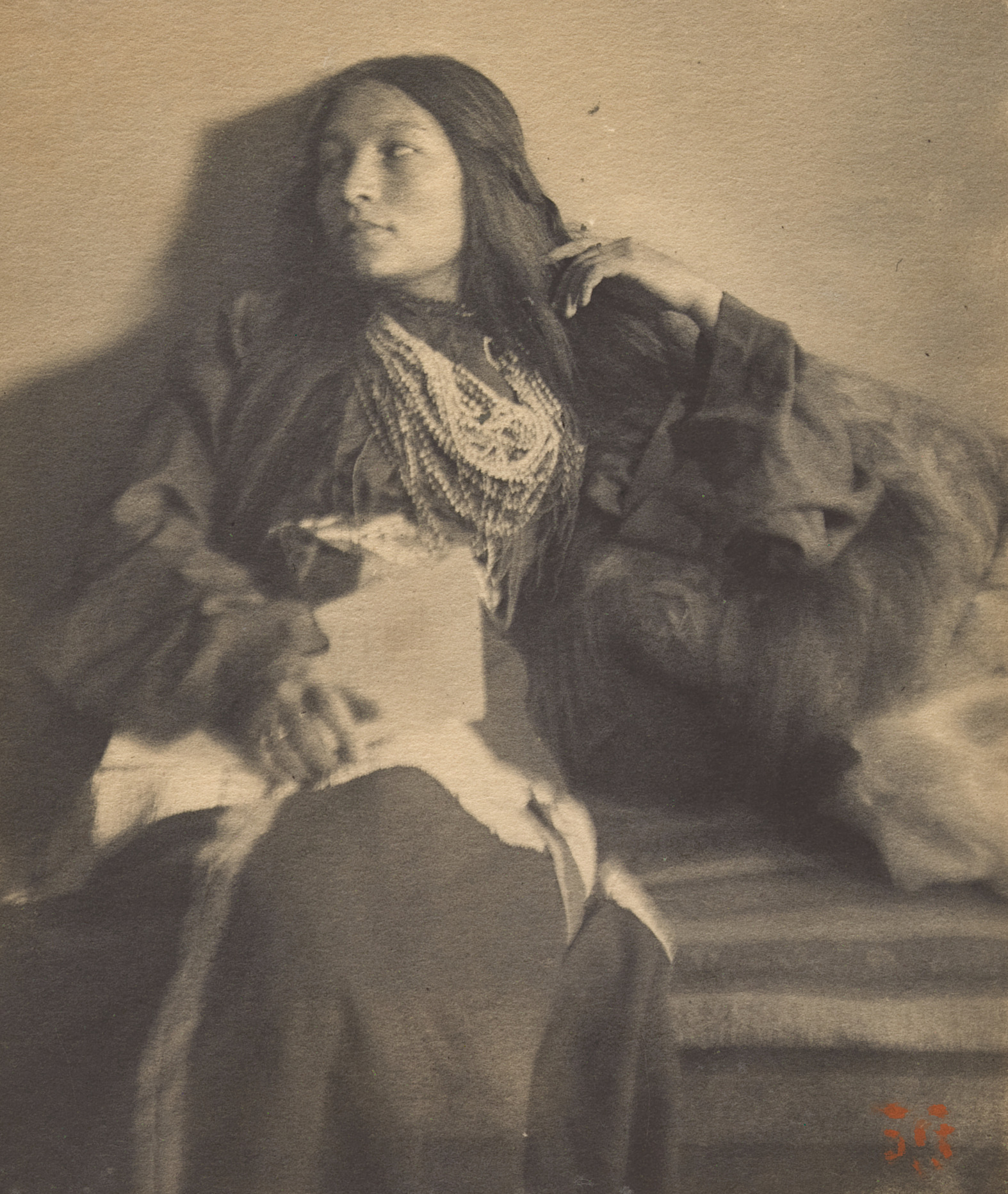
Zitkála-Šá was a pioneer in a generation of Indian rights activists who had graduated from mission and government schools, where children were forbidden from speaking their indigenous native languages. Working together, these intellectual activists representing various tribal backgrounds used their formal educations and flawless English to fight U.S. federal Indian policy and demand social justice. At ease in mainstream and urban (i.e., white) society, they formed professional organizations. For example, the Society of American Indians, founded in 1907, was the first national all-Indian organization to advocate for Indian rights. As one of its leaders, Zitkála-Šá tirelessly fought for Native American citizenship rights, and she was described as “a Jeanne D’Arc to lead her people into citizenship.” Zitkála-Šá later founded one of the most important Native rights organizations, the National Council of American Indians. [quoted from source : NPG]

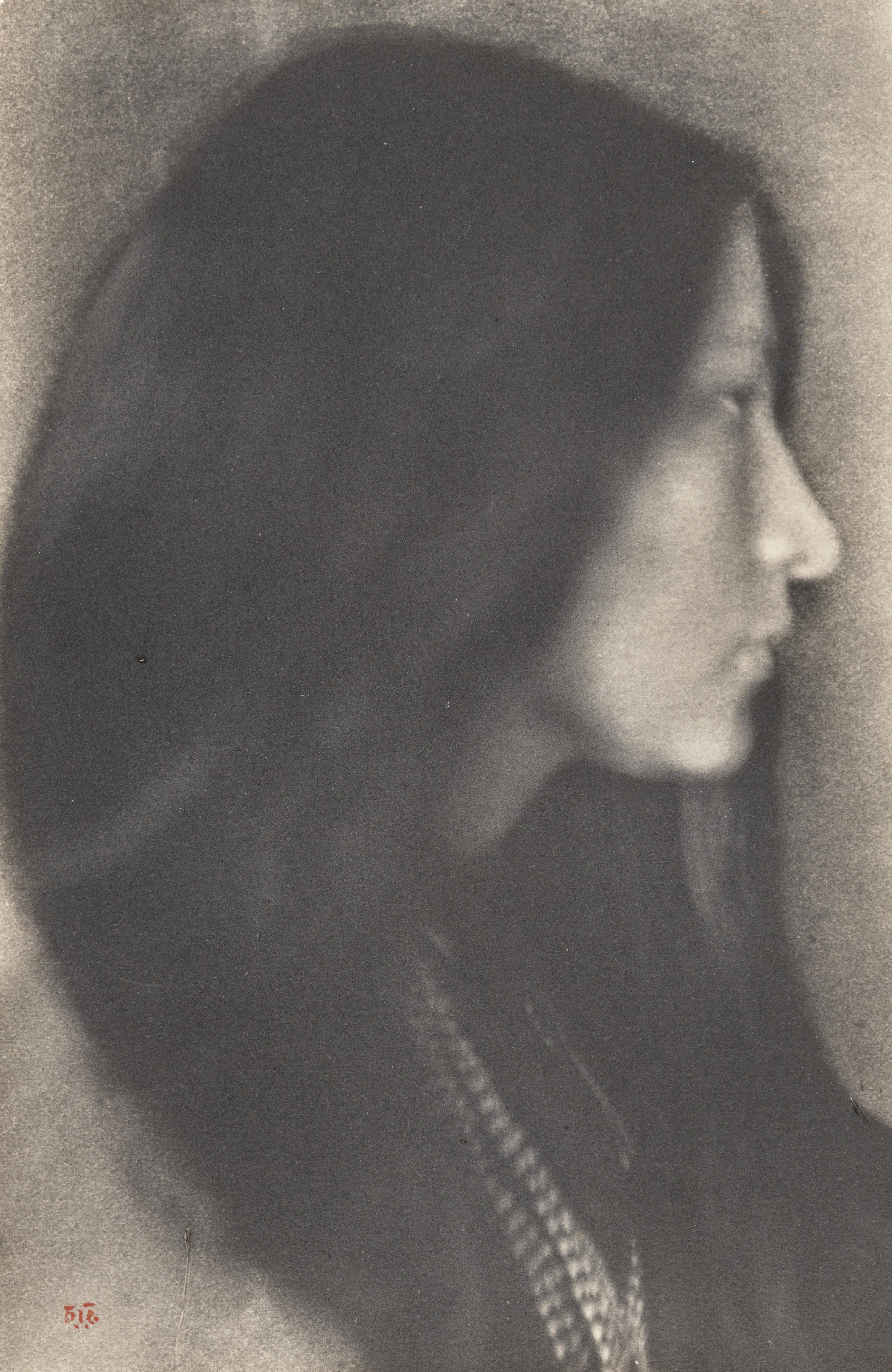
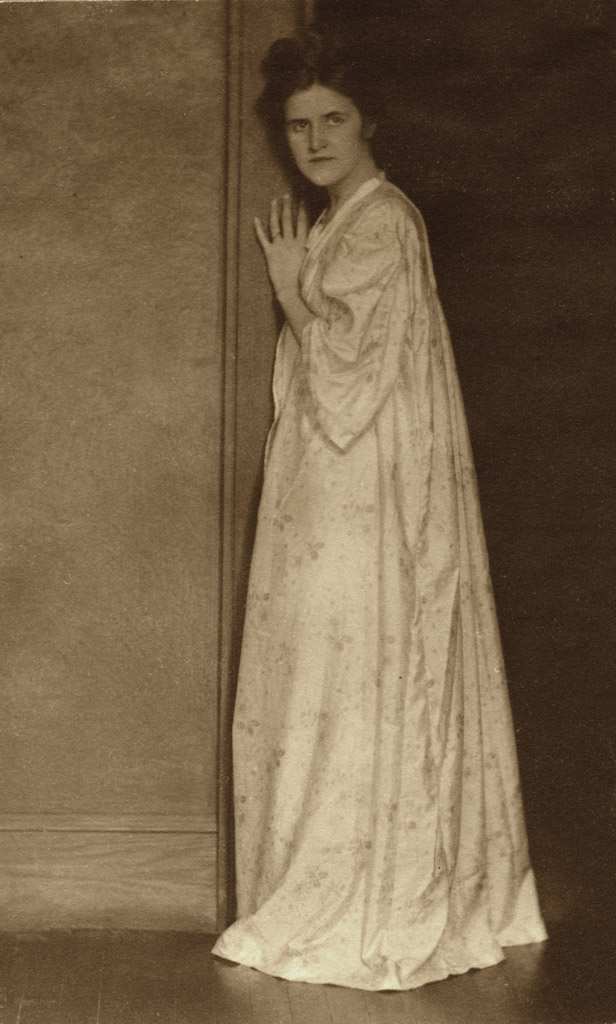

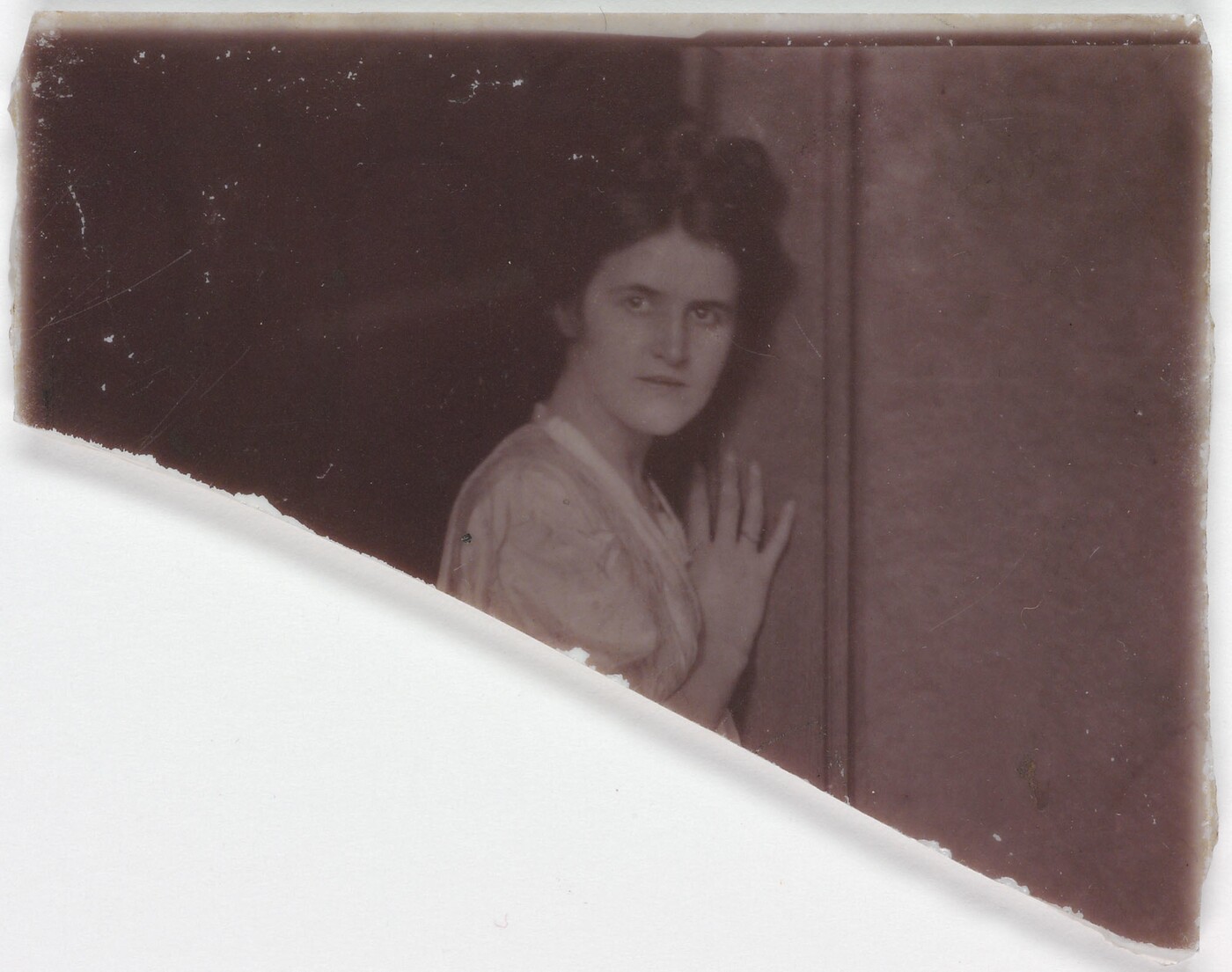


Clara E. Sipprell was one of America’s most important pictorial photographers of the early 20th century. Born in Canada, she moved to Buffalo, New York after her oldest brother Francis opened a photography studio. She worked part-time as an apprentice, but eventually dropped out of school to work full-time at his studio, where she learned all different types of photographic techniques. She partnered with him in 1905, and after working together for ten years and having many successful shows, she opened a studio in New York City and eventually traveled all over the world.
Clara E. Sipprell’s use of a soft-focus lens and her reliance upon entirely natural light gave her photographs an atmospheric effect and moody romanticism. She was a successful portraitist, photographing such notable people as Eleanor Roosevelt, Robert Frost, and Albert Einstein. However, she did not confine herself to that genre. Her landscapes, cityscapes, and still-life subjects were exhibited in national and international salons, galleries, and museums. There are over 1,000 photographs by Sipprell in the Amon Carter Museum collection, a gift from The Dorothea Leonhardt Fund of the Communities Foundation of Texas, Inc. The (then) Burchfield Art Center presented a solo exhibition of her work in 1991.
quoted from Burchfield Penney Art Center



 un regard oblique