Bloeiende bloemen (Mol, 1932)

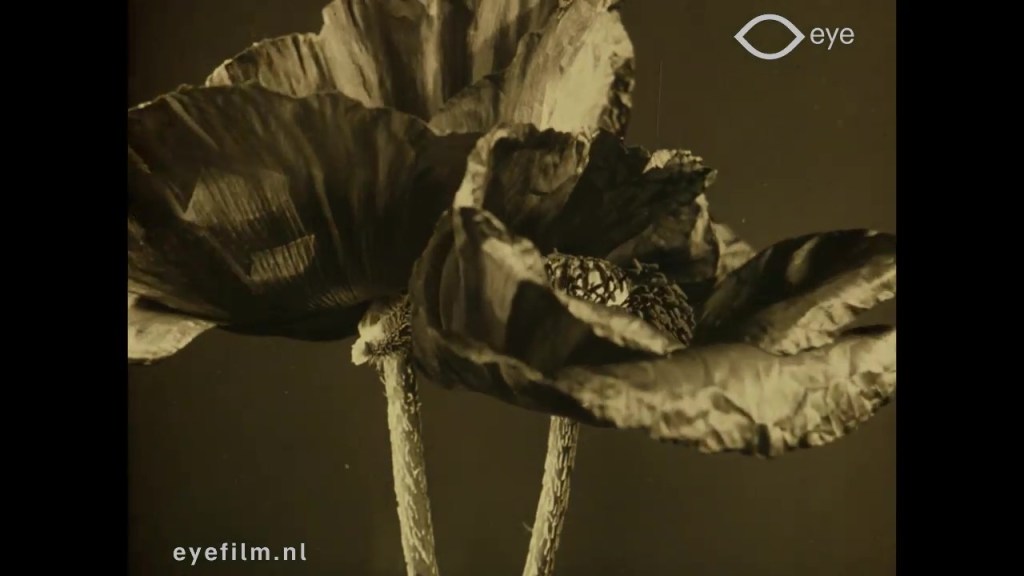
Gif from a time-lapse animation of flowers and plants : Filmwerken Bloeiende bloemen en plantenbewegingen [NL, 1932]
Time lapse animation of flowers and plants. Fragment from Filmwerken Bloeiende bloemen en plantenbewegingen [NL, J.C. Mol, Multifilm (Haarlem), 1932]
Capture from a time-lapse animation of flowers and plants : Filmwerken Bloeiende bloemen en plantenbewegingen [Mol, 1932]
Gif from a time-lapse animation of flowers and plants : Filmwerken Bloeiende bloemen en plantenbewegingen [Mol, 1932]
Time lapse animation of flowers and plants. Fragment from Filmwerken Bloeiende bloemen en plantenbewegingen [NL, J.C. Mol, Multifilm (Haarlem), 1932]

All fragments are extracted from an educational Dutch film : Bloeiende bloemen en plantenbewegingen (1932) Director: J.C. Mol | Production Country: Netherlands | Year: 1932 | Production Company: Multifilm (Haarlem) | Film from the collection of EYE (Amsterdam)

Accelerated frame-by-frame shots (time-lapse, or “Zeitraffer”) of budding flowers and moving plants and mushrooms. This is part of the episodic film “WONDERS OF NATURE”, which is also shown in separate parts.

website of Eye Filmmuseum (Amsterdam) : also, link to catalog

see also the youtube channel of the museum @eyefilmNL : https://www.youtube.com/@eyefilmNL

Here is the link to the whole movie : https://www.youtube.com/watch?v=LuN08inNVgE&t=1365s

In case you are interested, here we add the links to related films:

Uit het rijk der kristallen [From the realm of crystals (J.C. Mol; 1927)] : in website, on their youtube channel (the advantage of the youtube version is that it is divided in chapters by chemical product. There are different versions of Uit het rijk der kristallen: the original silent film was given a soundtrack in the 1930s and is longer.

Uit het rijk der kristallen is one of the scientific films made ​​by Mol. Several versions of this film exist. In the film, the crystallization processes of various chemicals are shown and there is a colour version of the film which was made ​​using Dufay colour.

Take a glimpse, here is a clip:

https://youtube.com/clip/UgkxcuOvxC6cMz3sx6TcqY1ahbC4GtwIN4wb
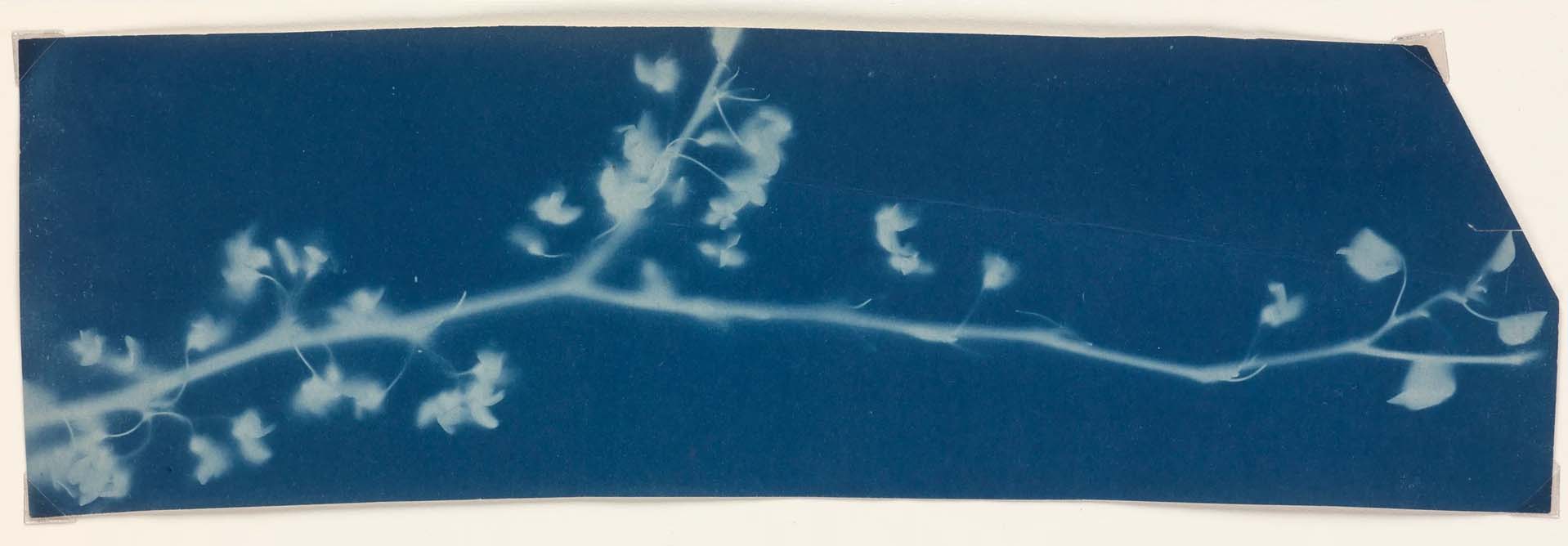
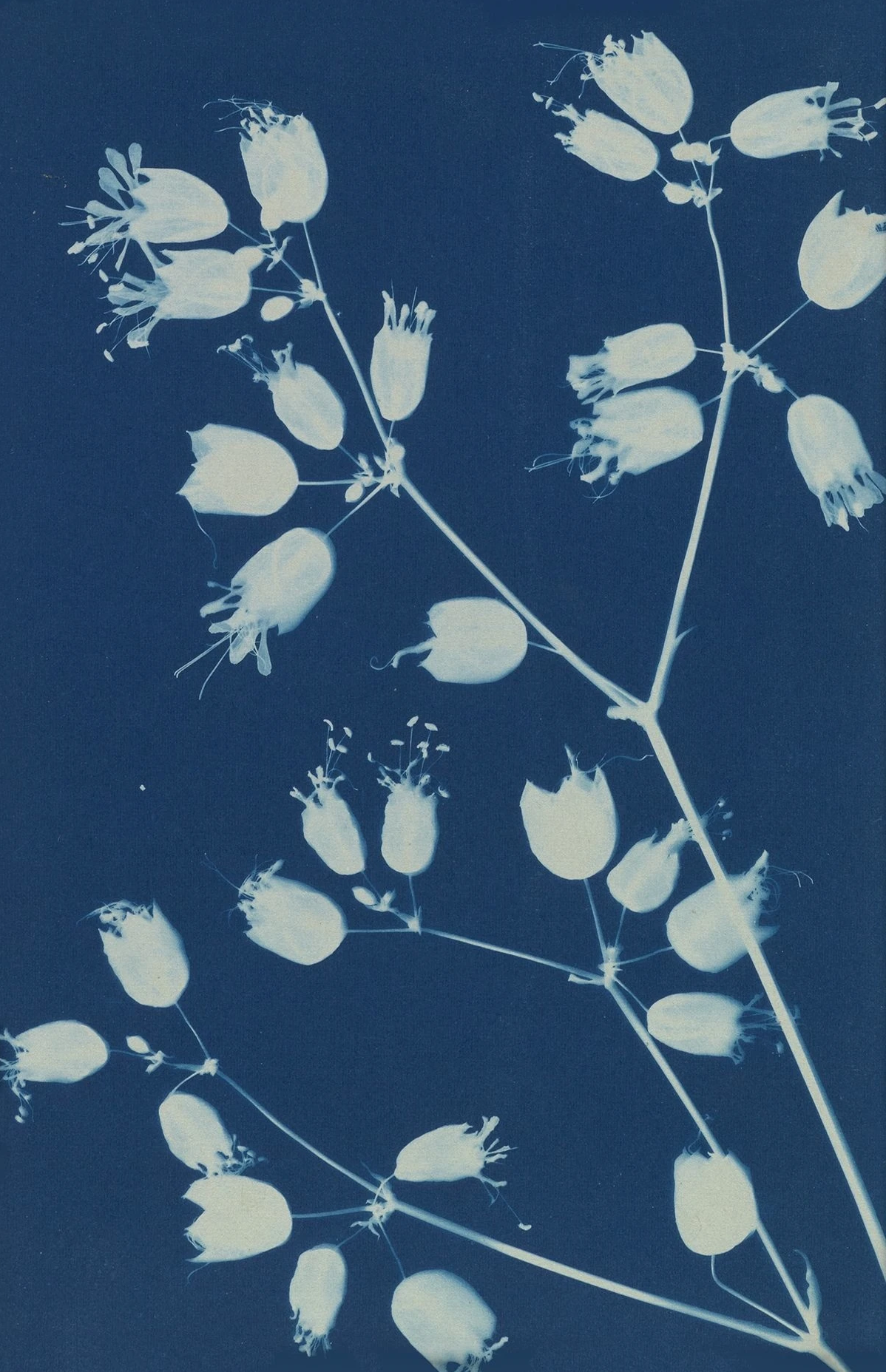
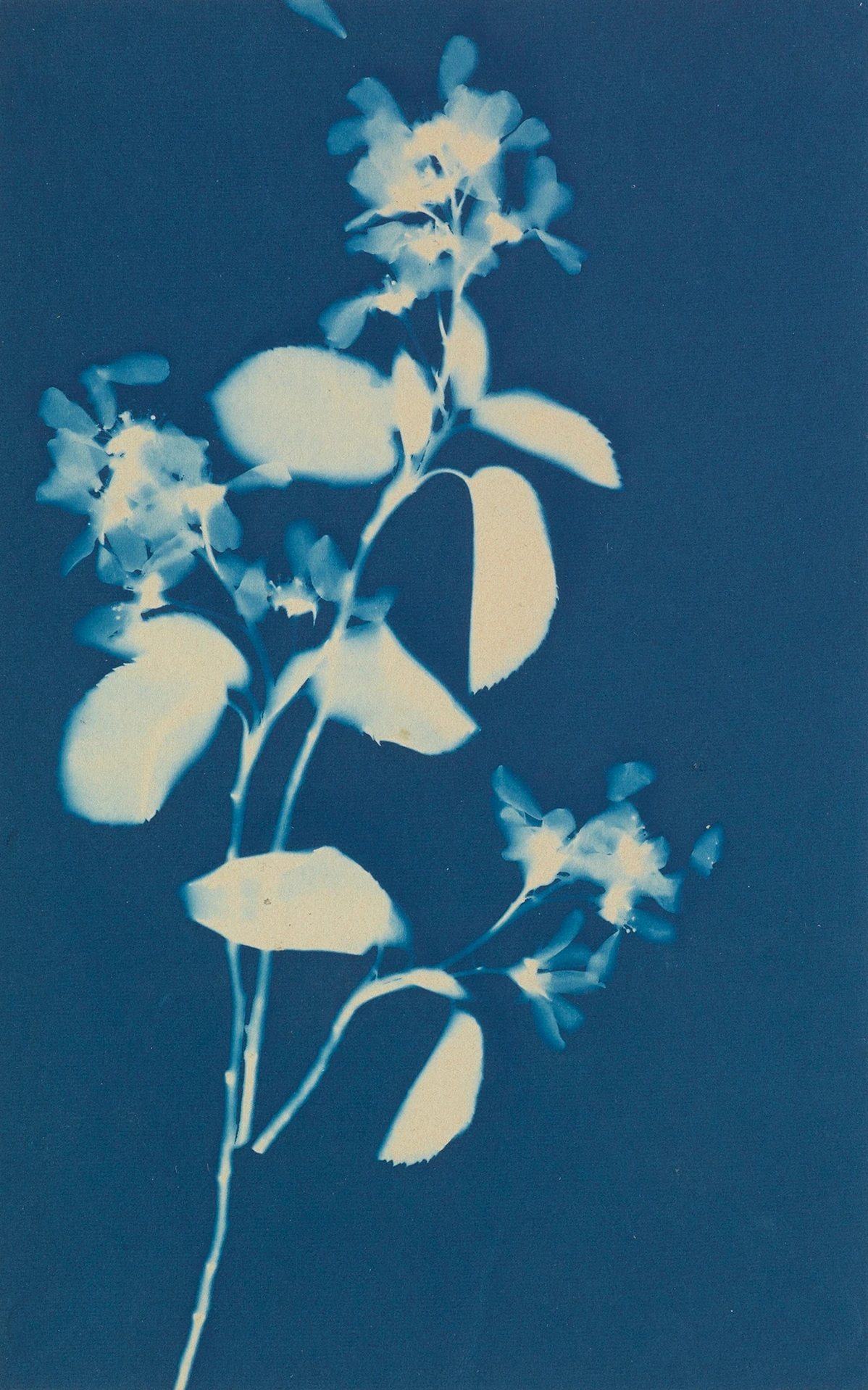
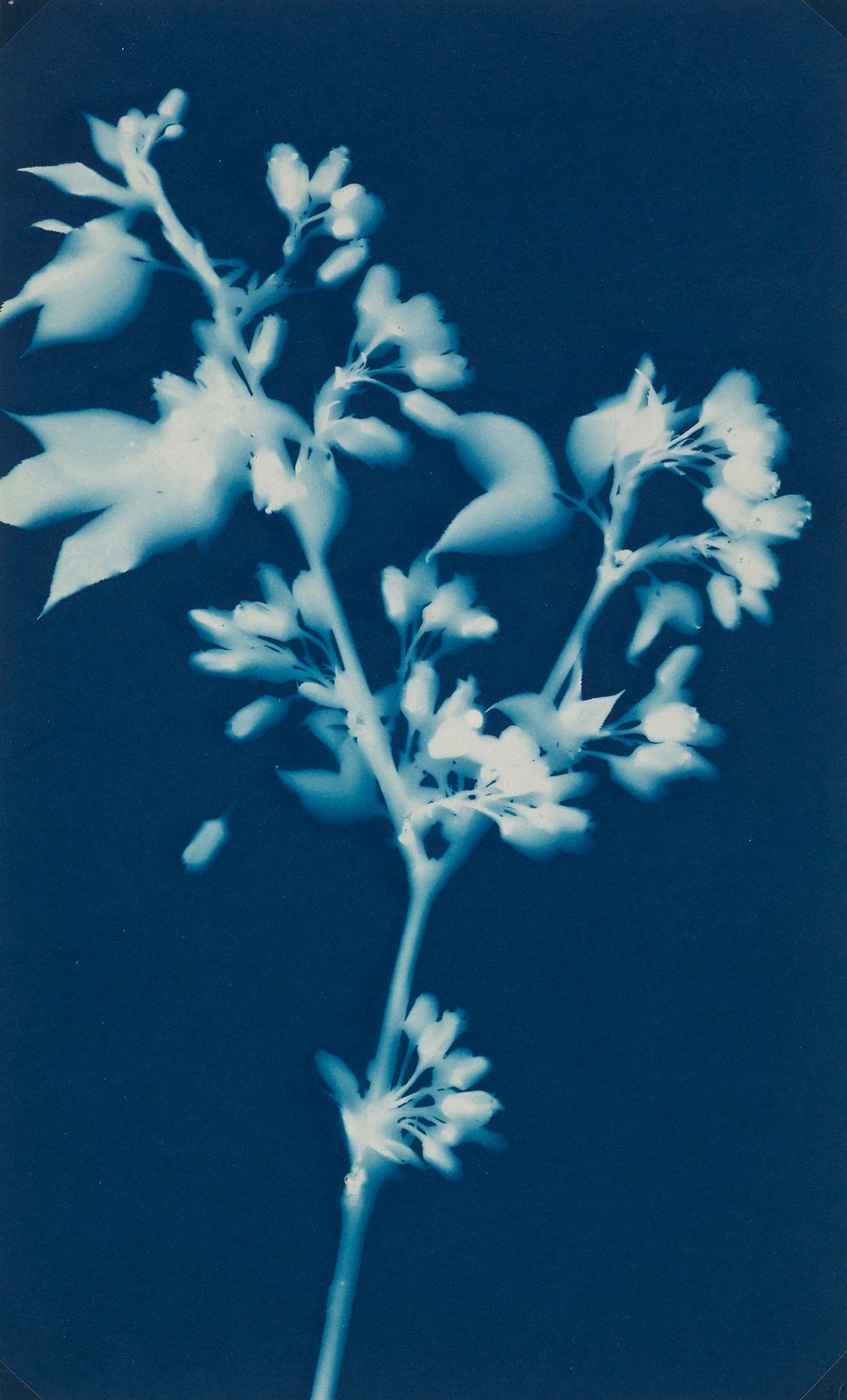
Bertha Jaques’ photograms

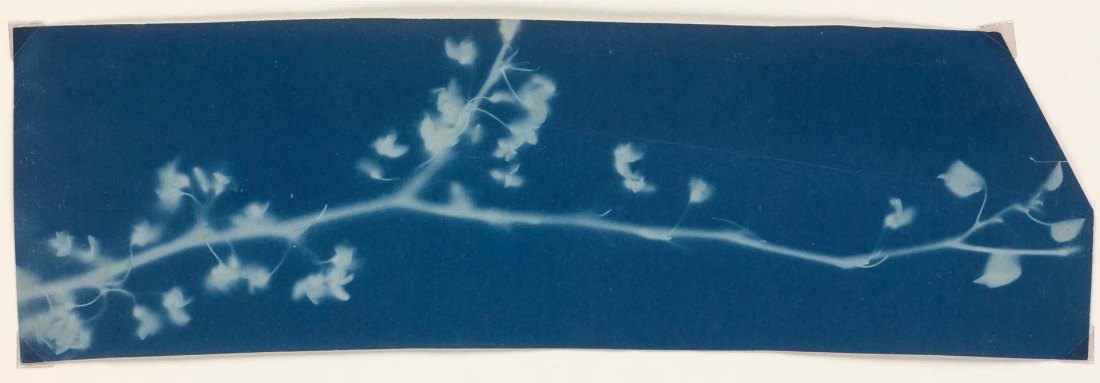
Bertha Jaques :: Photogram of a botanical specimen, 1900-1906. Cyanotype. | src MutualArt
Bertha Evelyn Jaques :: Photogram of a botanical specimen, 1900-1906. Cyanotype. | src MutualArt
Bertha Jaques :: Photogram of a botanical specimen, 1900-1906. Cyanotype. | src MutualArt and Elizabeth Houston Gallery
Bertha Jaques :: Photogram of a botanical specimen, 1900-1906. Cyanotype. | src MutualArt
Bertha Evelyn Jaques :: Photogram of a botanical specimen, 1900-1906. Cyanotype. | src MutualArt
Bertha Jaques :: Photogram of a botanical specimen, 1900-1906. Cyanotype. | src MutualArt and Elizabeth Houston Gallery

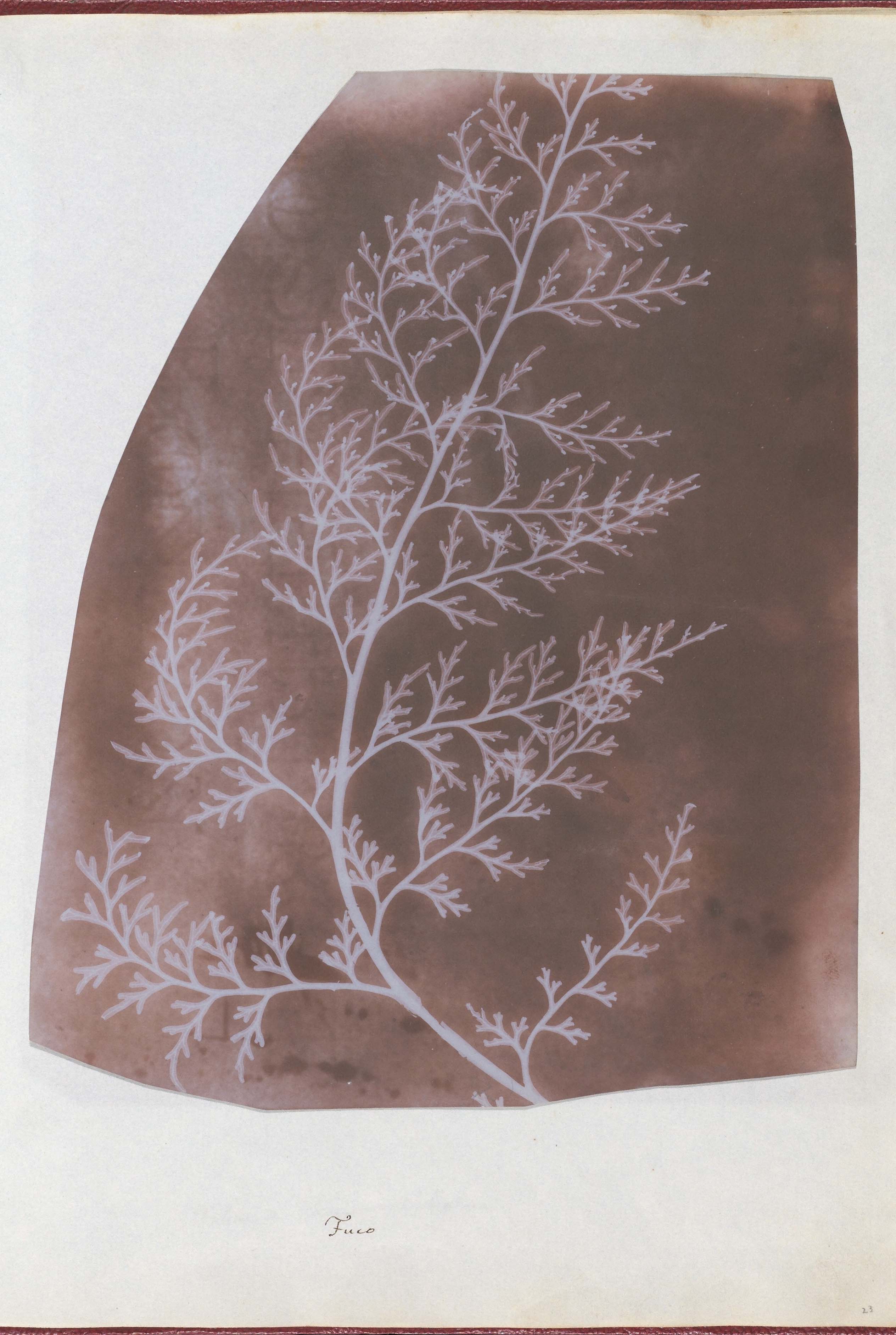
Wrack (seaweed), 1839

William Henry Fox Talbot :: Wrack (seaweed). Salted paper print, 1839. Photogenic drawing. | src The Met

This evanescent trace of a biological specimen, among the rarest of photographs, was made by William Henry Fox Talbot just months after he first presented his invention, photography—or “photogenic drawing,” as he called it—to the public.  Talbot’s earliest images were made without a camera; here a piece of slightly translucent seaweed was laid directly onto a sheet of photosensitized paper, blocking the rays of the sun from the portions it covered and leaving a light impression of its form.

Plants were often the subject of Talbot’s early photographs, for he was a serious amateur botanist and envisioned the accurate recording of specimens as an important application of his invention. The “Album di disegni fotogenici,” in which this print appears, contains thirty-six images sent by Talbot to the Italian botanist Antonio Bertoloni in 1839–40. It was the first important photographic work purchased by the Metropolitan Museum. [quoted from source]