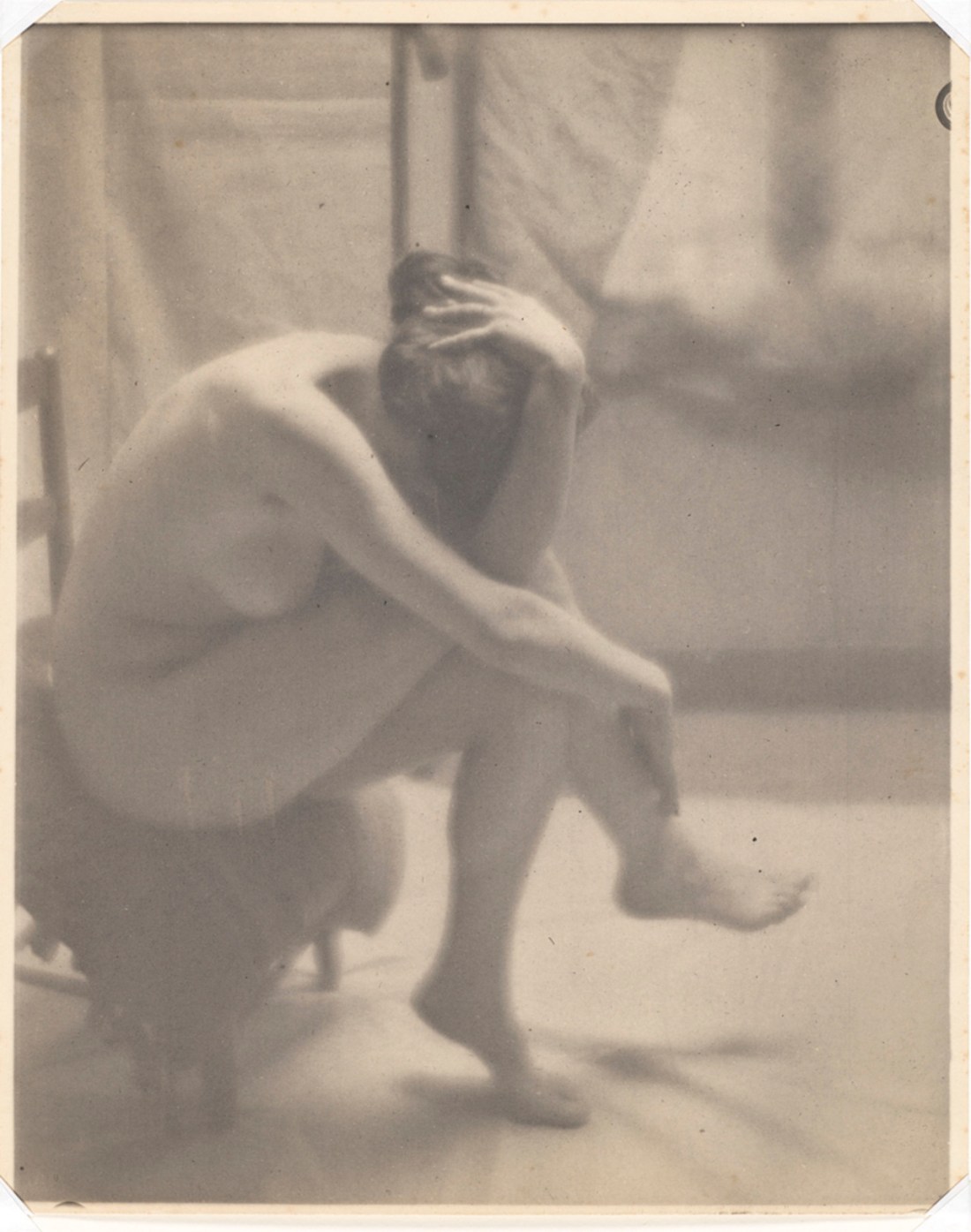
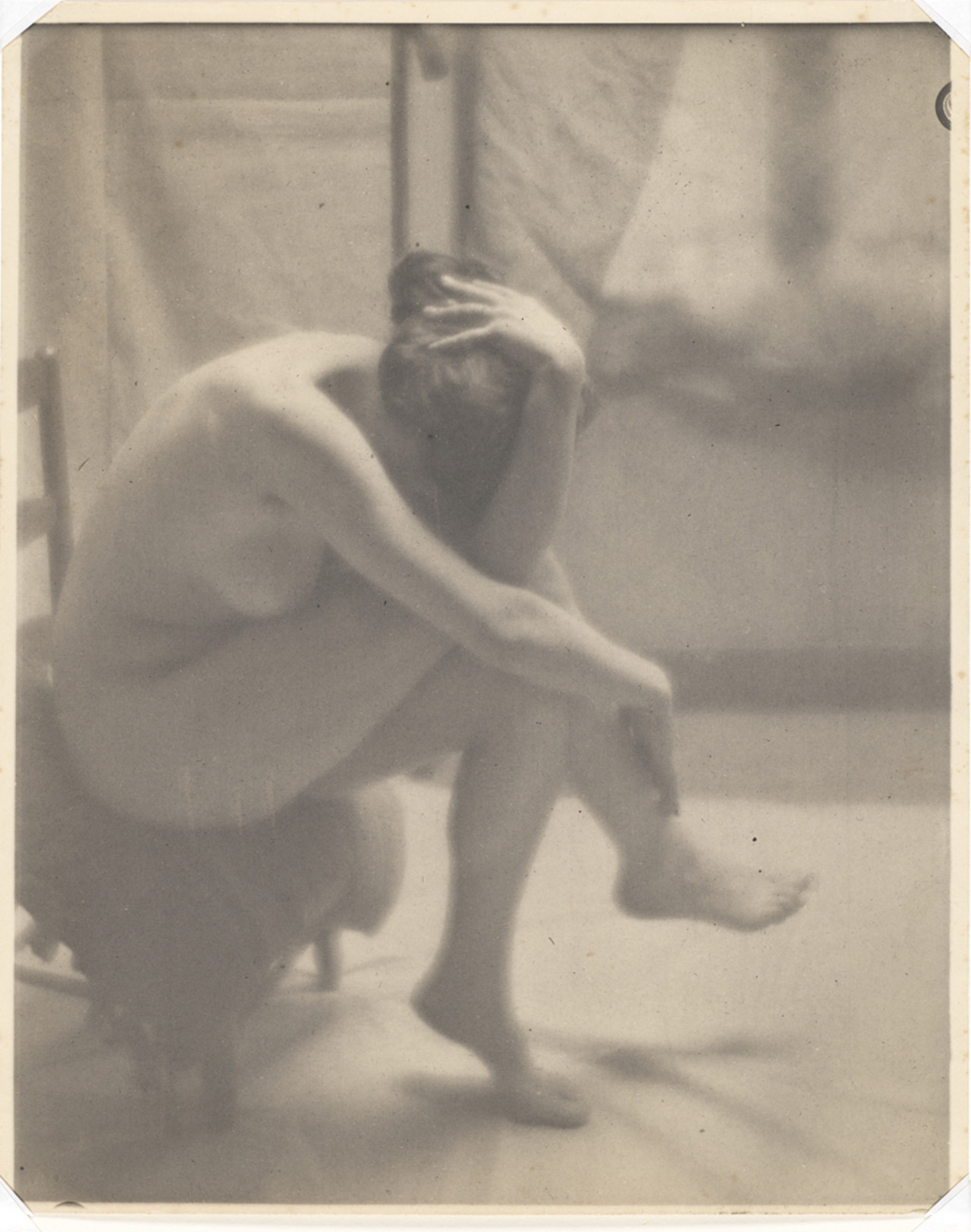
Paul Burty Haviland (French, 1880-1950) :: Seated Nude, ca. 1908-1916. Platinum print. | src RISD Museum
With its diffuse lighting and soft tones, Paul Haviland’s Seated Nude demonstrates his stylistic allegiance to the Photo-Secession group of American photographers. Haviland was a French émigré and heir to a successful porcelain manufacturing firm, but after meeting Alfred Stieglitz in 1908, he devoted the next decade to establishing the legitimacy of photography as a form of high art. He published both photographs and essays in Camera Work, the preeminent American journal of avant-garde art, and helped found its successor, 291. This image is similar to photos of female nudes published by Haviland’s colleagues, with the model assuming an unusual and contorted pose in a hazy, empty interior space, her face turned away or concealed in shadow.
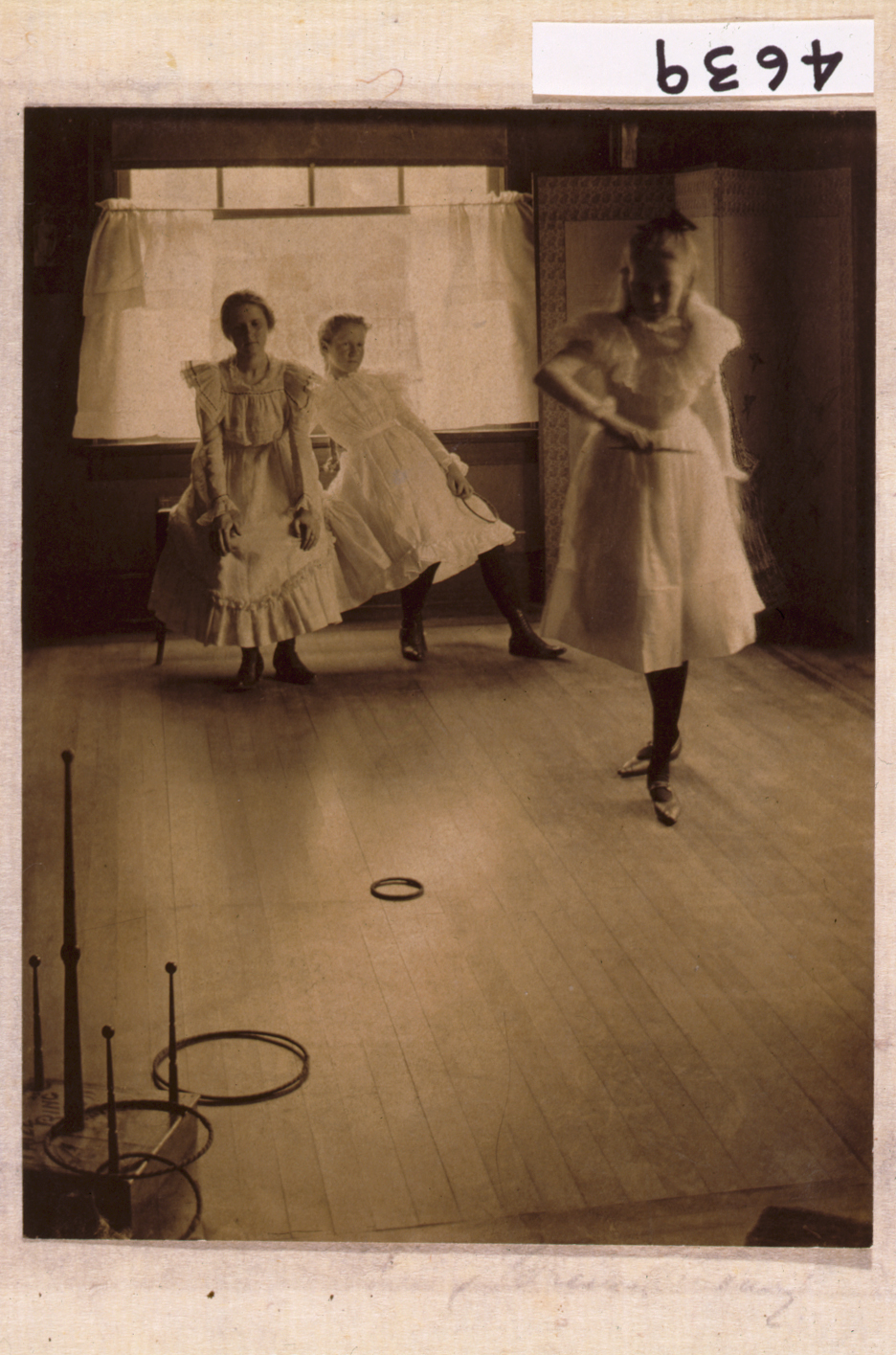
Clarence Hudson White :: The Ring Toss, Newark, Ohio, 1899. Photograph shows three little girls playing ring toss game. [digital file from color film copy transparency] | src Library of CongressClarence Hudson White :: The Ring Toss, Newark, Ohio, 1899. Photograph shows three girls playing ring toss game. [digital file from original photograph] | src Library of CongressClarence Hudson White :: The Ring Toss, Newark, Ohio, 1899. Photograph shows three girls playing ring toss game. [digital file from original photograph – full size original scan] | src Library of Congress
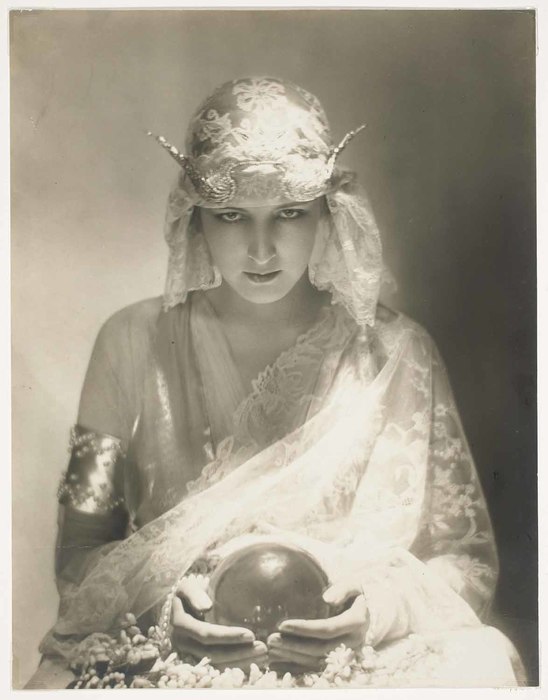
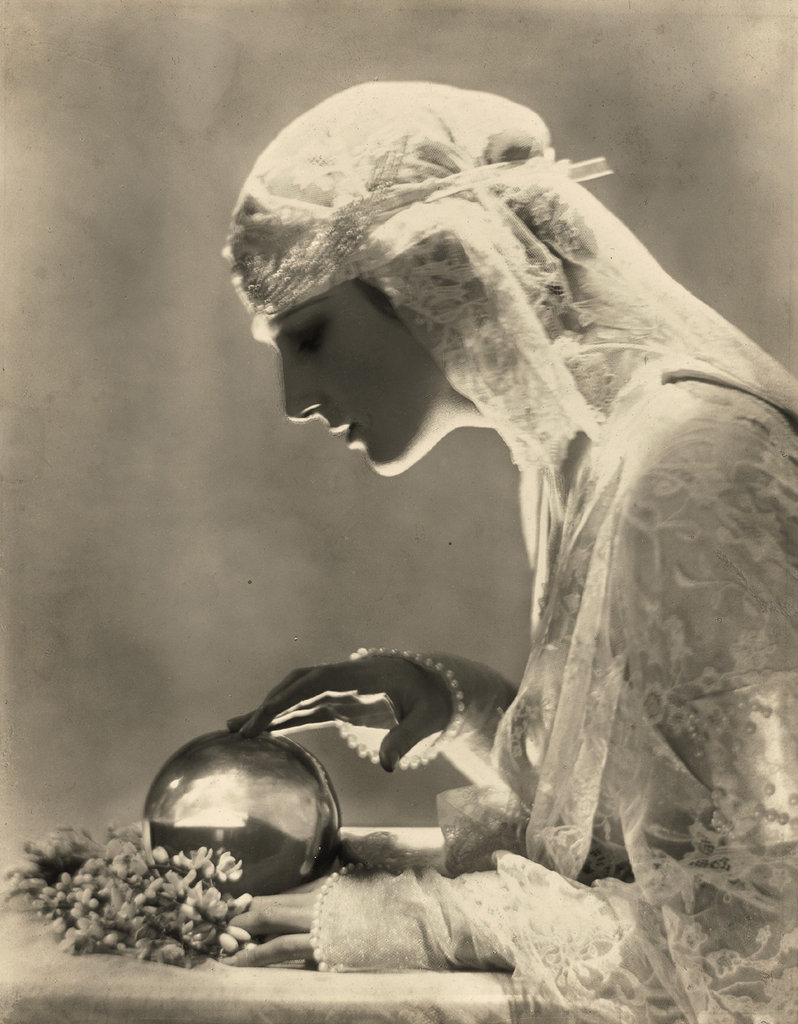
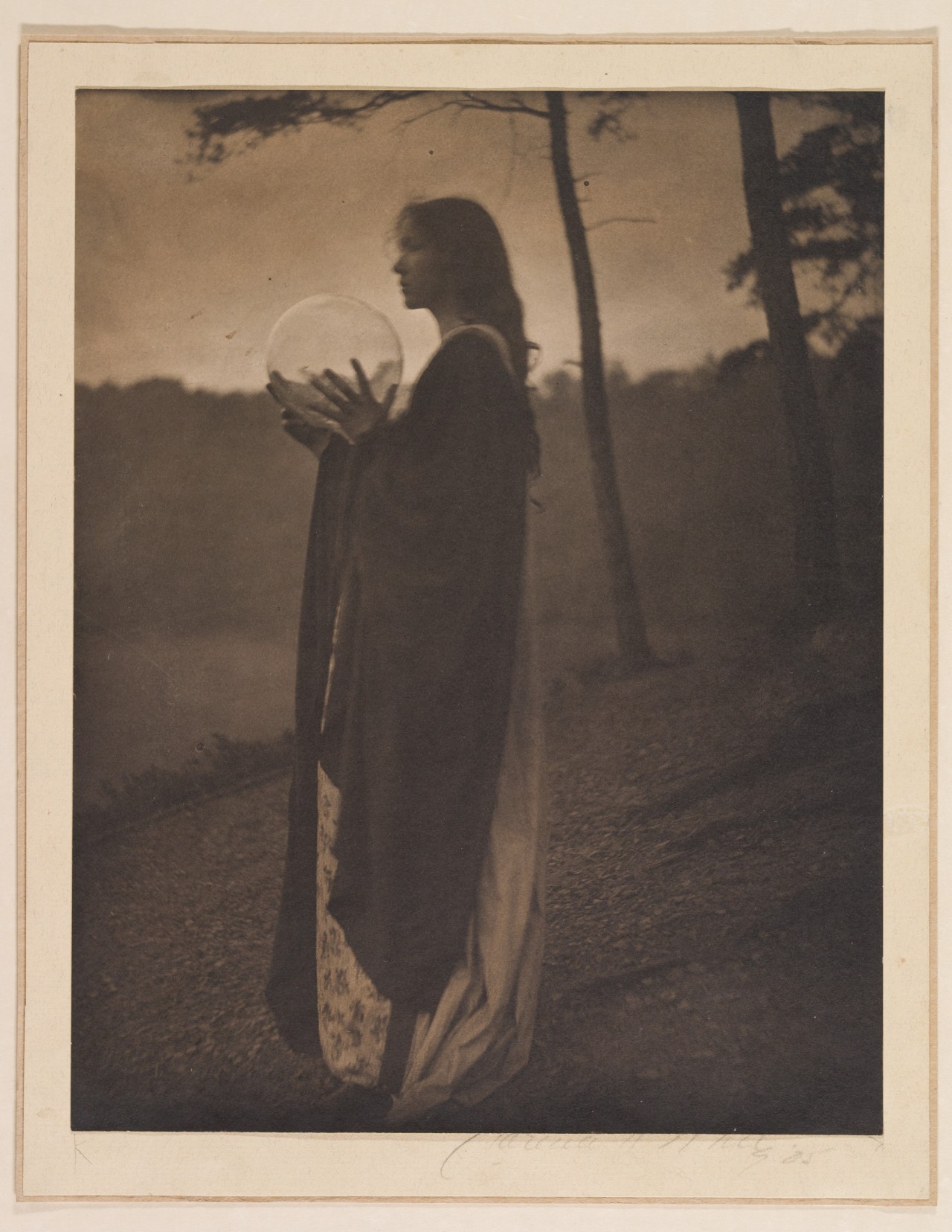
Baron Adolph de Meyer ~ “Pearls and Tulle Spin Bridal Witcheries”, published in Vogue, April 15, 1919, p. 44. [Baron Adolph de Meyer, photographer and designer; Dolores (Kathleen Mary Rose), model] | src Vogue & ICPAdolf de Meyer ~ Dolores (Kathleen Rose; in profile; with a crystal ball) wearing a wedding dress, ca. 1919 | src Sotheby’s (2011)
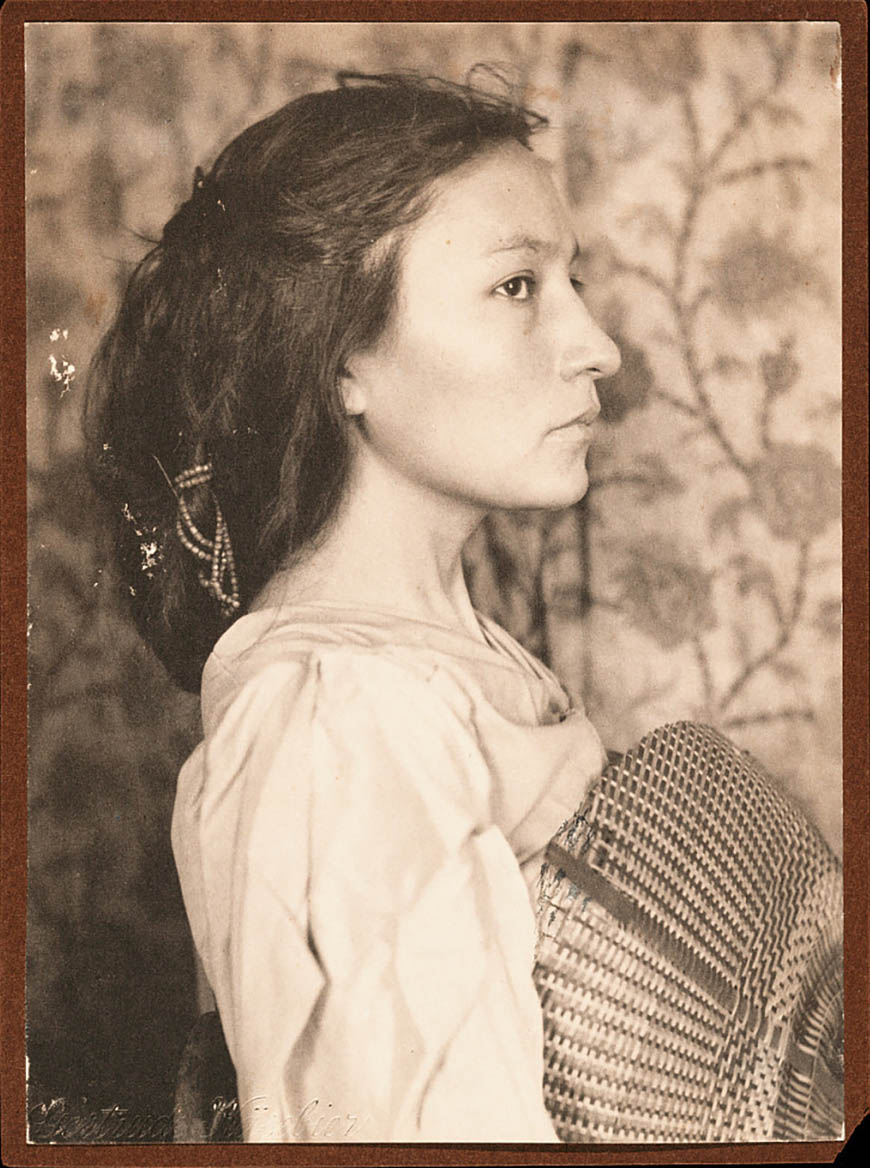
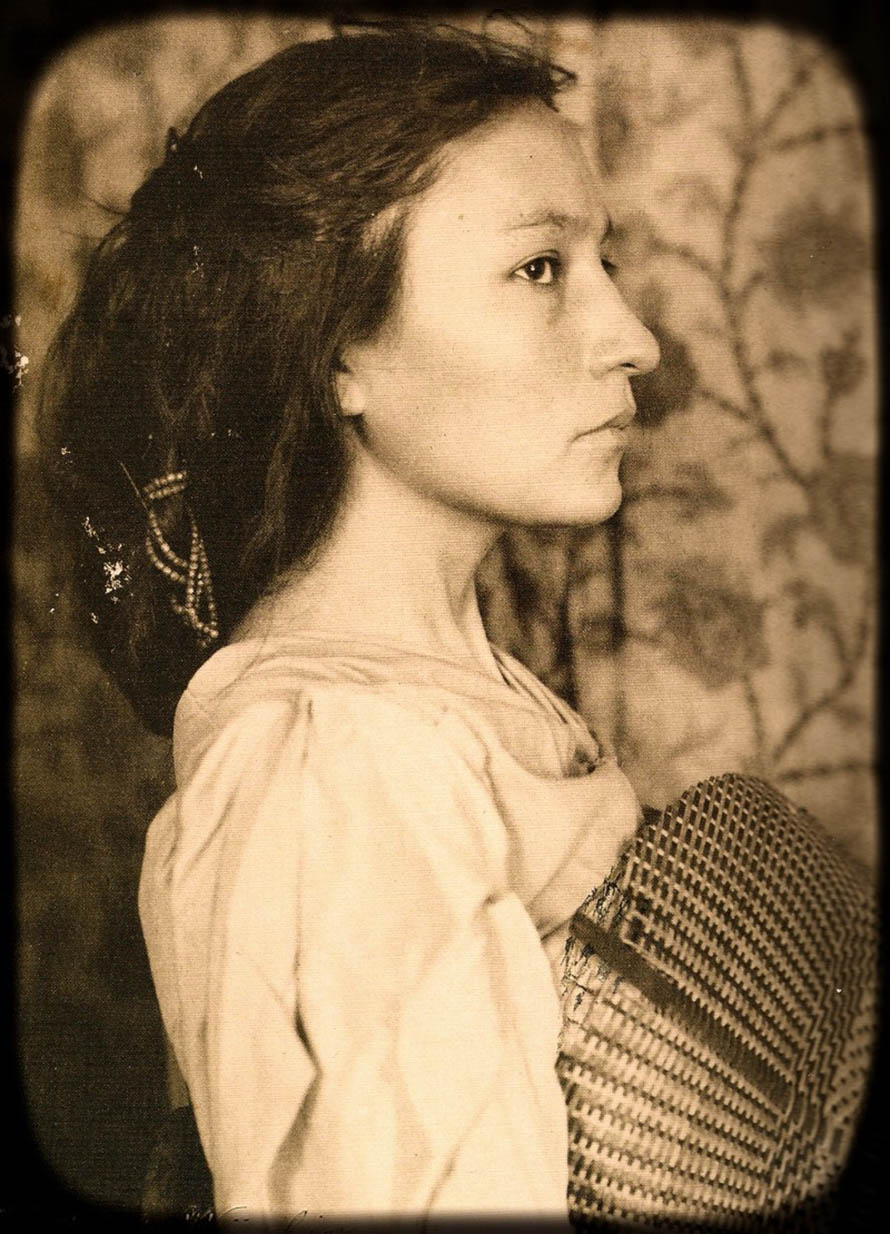
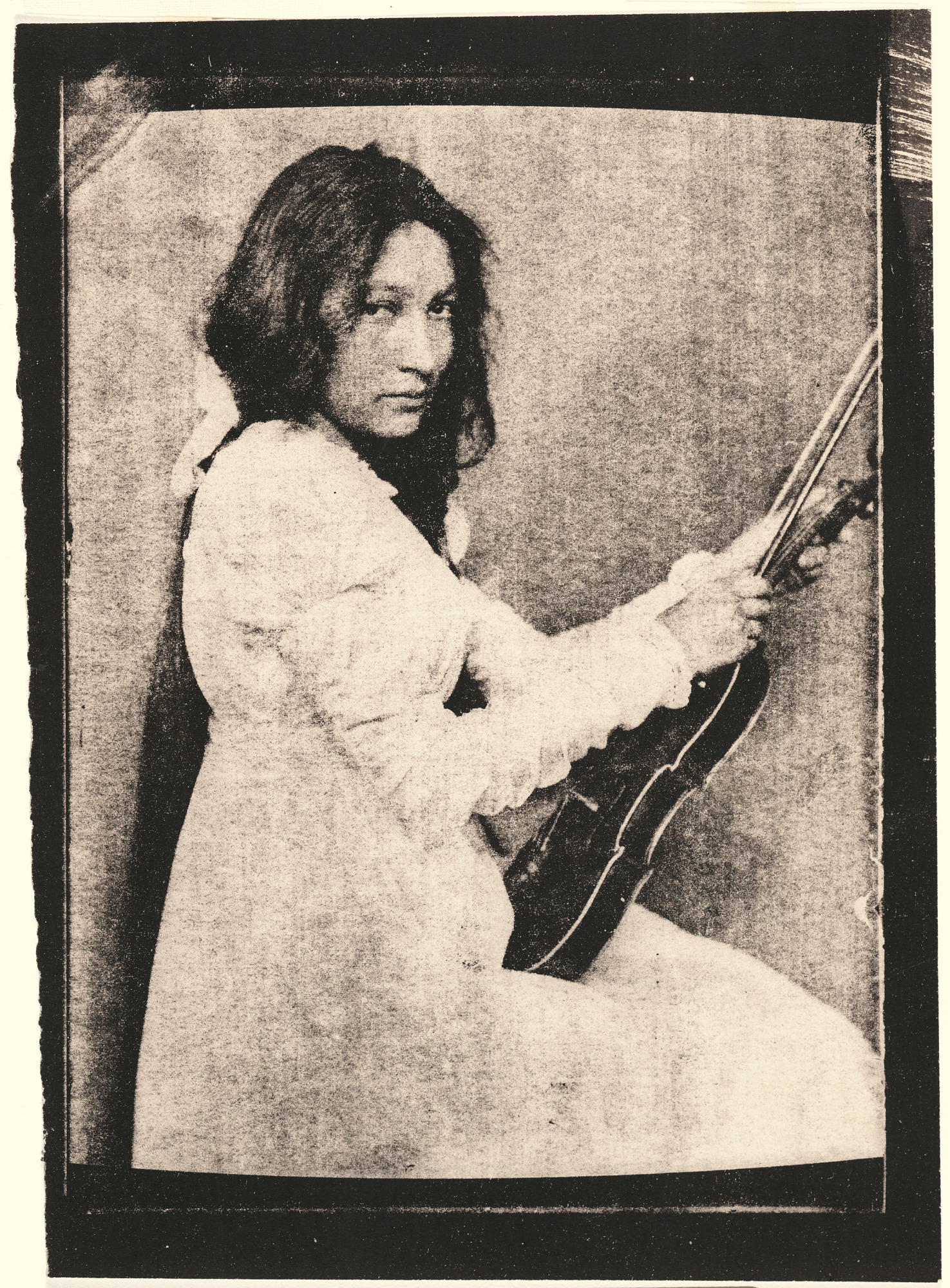
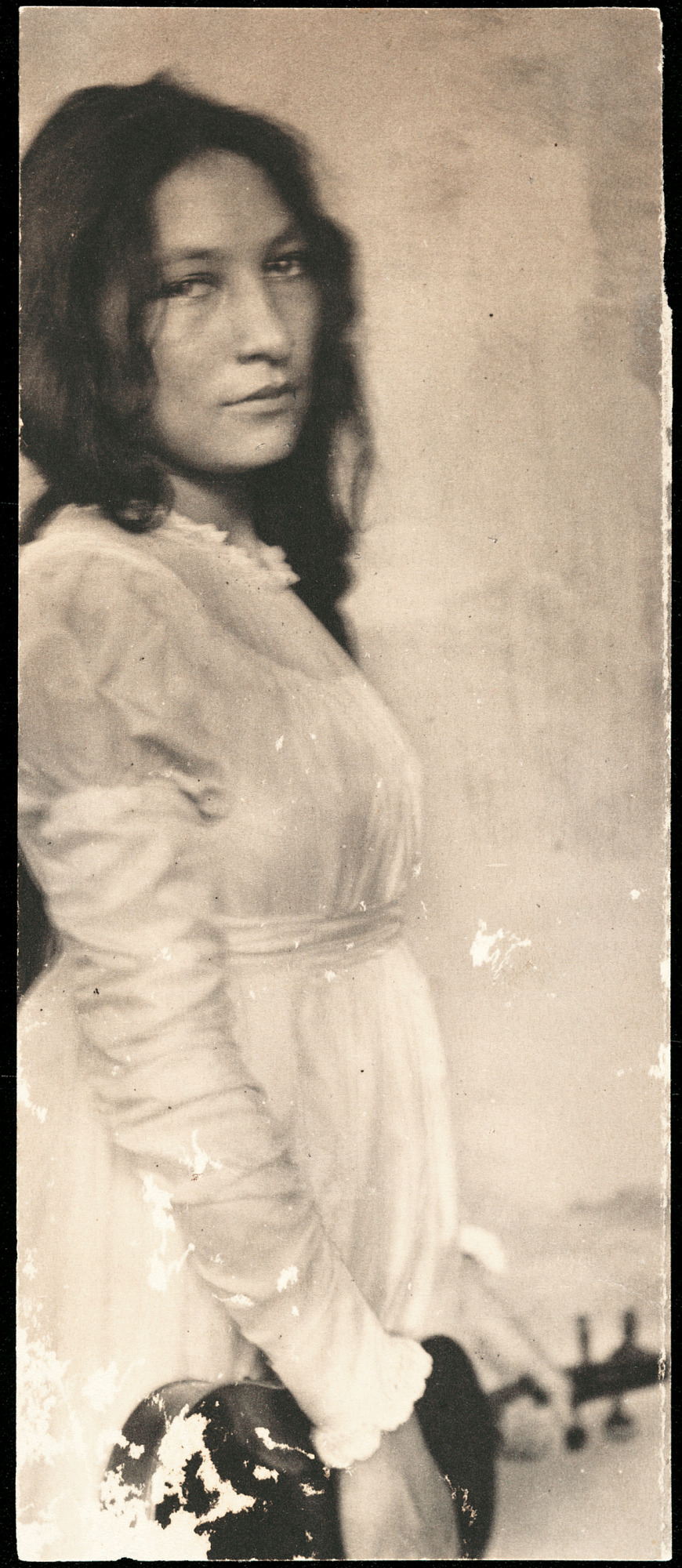
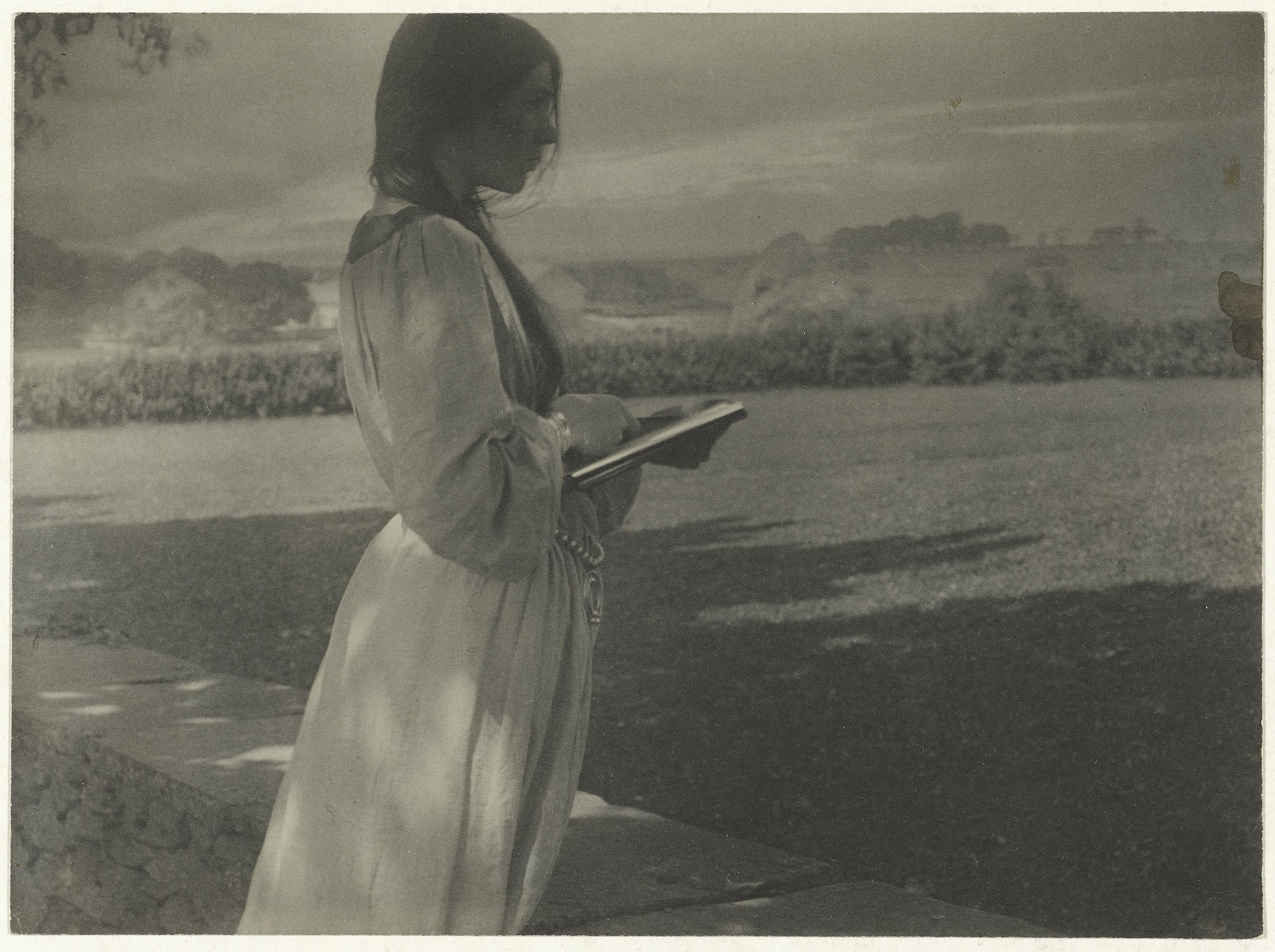
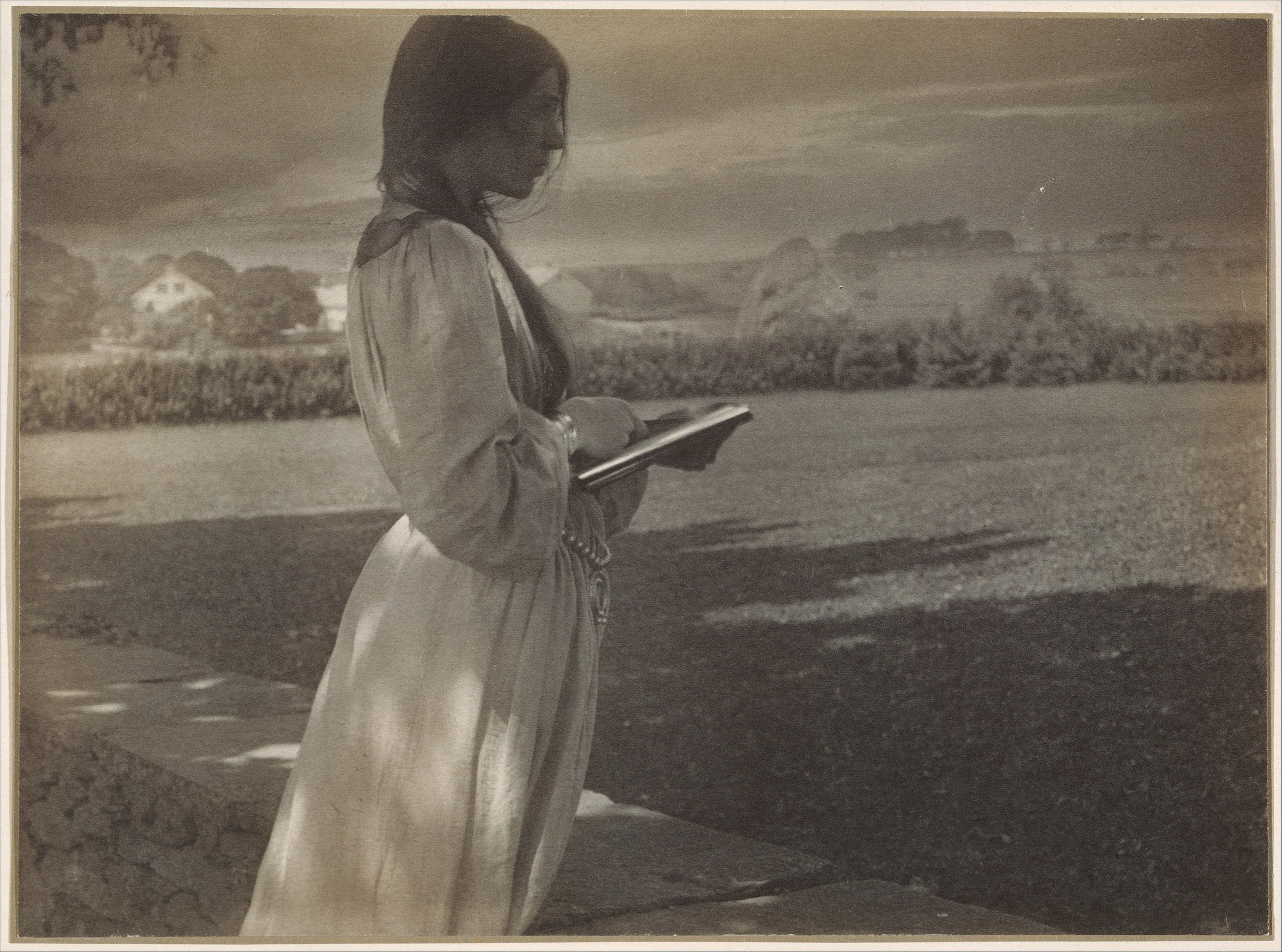
Gertrude Käsebier :: Zitkala-Sa, Sioux Indian and activist, ca. 1898. Platinum print. | src National Museum of American HistoryGertrude Stanton Käsebier :: Zitkala Sa, Sioux Indian and activist, 1898, platinum print
In addition to photographing the Sioux performers sent by Buffalo Bill Cody to her studio, Käsebier was able to arrange a portrait session with Zitkala Sa, “Red Bird,” also known as Gertrude Simmons (1876-1938), a Yankton Sioux woman of Native American and white ancestry. She was born on the Pine Ridge Reservation in South Dakota, like many of the Sioux traveling with the Wild West show. She was well educated at reservation schools, the Carlisle Indian School, Earlham College in Indiana, and the Boston Conservatory of Music. Zitkala Sa became an accomplished author, musician, composer, and dedicated worker for the reform of United States Indian policies.
Käsebier photographed Zitkala Sa in tribal dress and western clothing, clearly identifying the two worlds in which this woman lived and worked. In many of the images, Zitkala Sa holds her violin or a book, further indicating her interests. Käsebier experimented with backdrops, including a Victorian floral print, and photographic printing. She used the painterly gum-bichromate process for several of these images, adding increased texture and softer tones to the photographs. (quoted from NMAH)
Gertrude Käsebier :: Zitkala-Sa, Sioux Indian and activist, ca. 1898. Platinum print. | src National Museum of American HistoryGertrude Käsebier :: Zitkala-Sa, Sioux Indian and activist, ca. 1898. Platinum print. | src NMAHGertrude Käsebier :: Zitkala Sa, Sioux Indian and activist, ca. 1898 | src NMAHGertrude Käsebier :: Zitkala-Sa (with violin), Sioux Indian and activist, ca. 1898. Platinum print. | src NMAHGertrude Käsebier :: Zitkala-Sa, Sioux Indian and activist, ca. 1898. Gum bichromate print. | src NMAHGertrude Käsebier :: Zitkala-Sa, Sioux Indian and activist, ca. 1898. Platinum print. | src NMAH
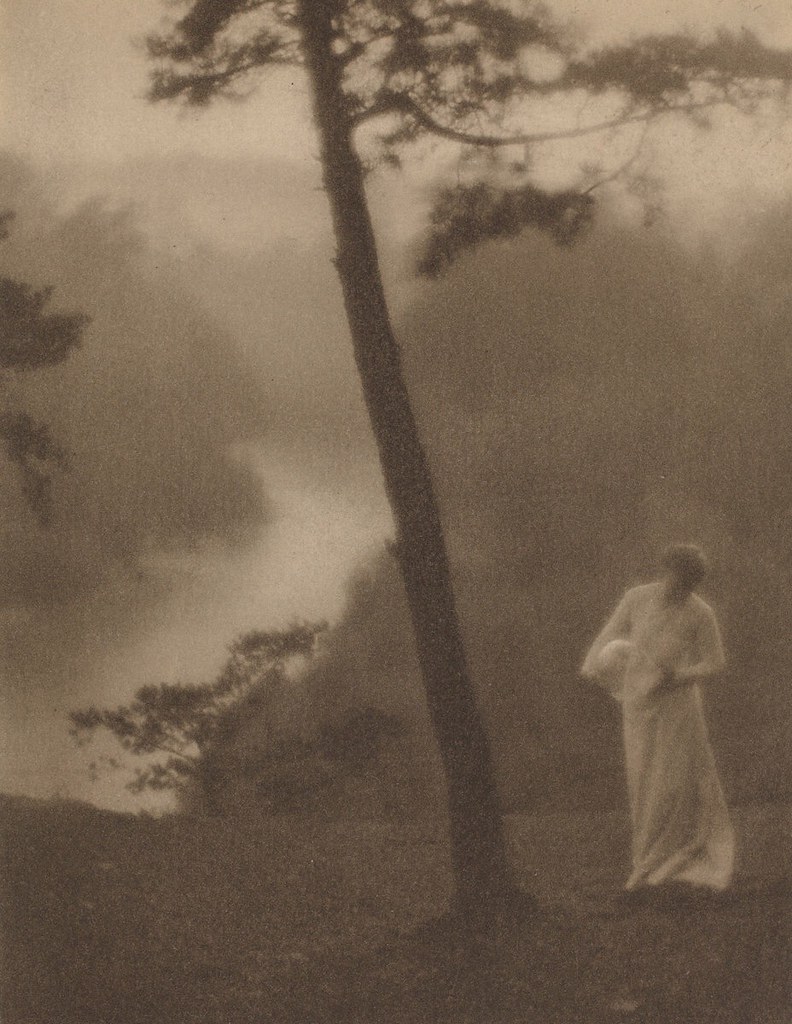
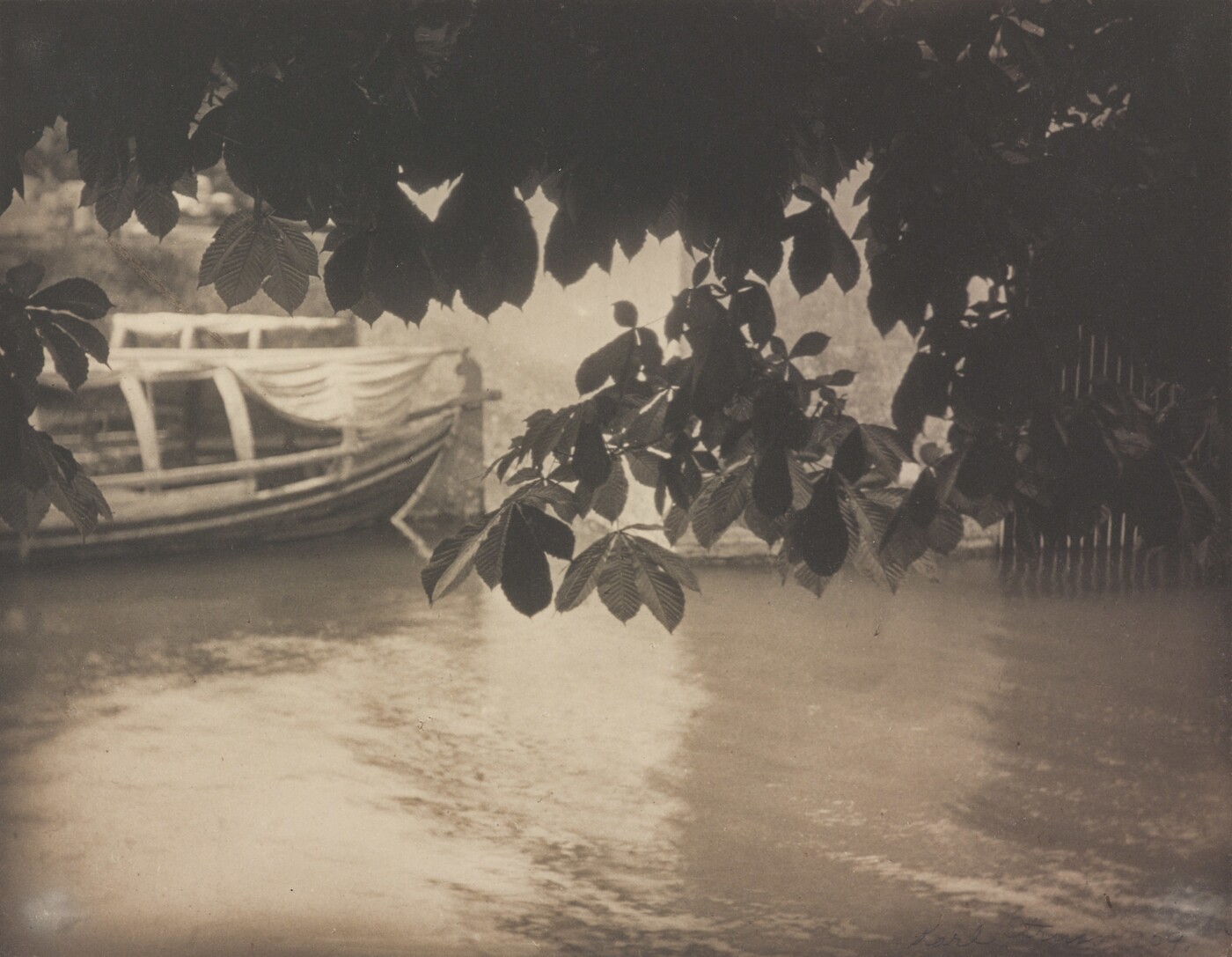
Karl Struss (1886-1981) :: On Lake Como, 1909. Platinum print. | src Amon Carter Museum of American Art, Fort Worth, TXKarl Fischer Struss (1886-1981) :: On Lake Como, 1909.







 un regard oblique