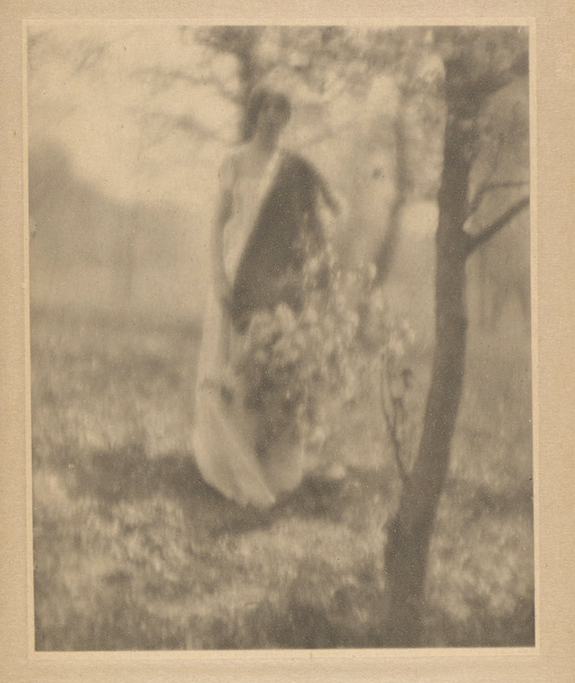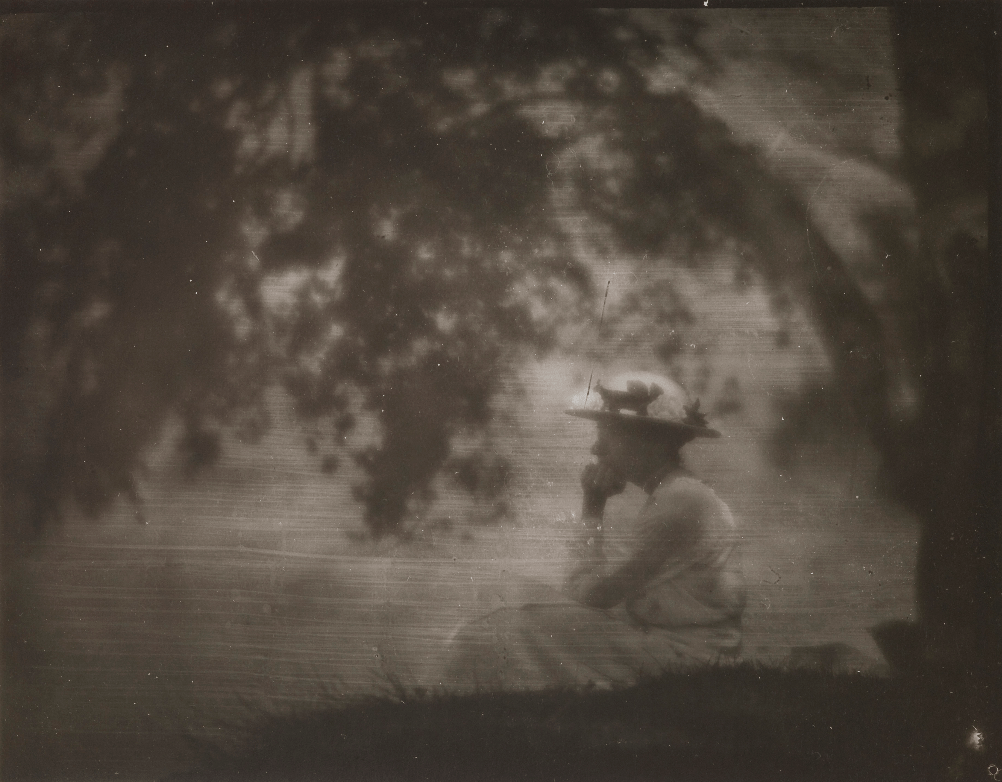
Portrait of Seeley’s Sister, 1910

George Henry Seeley :: Portrait of Seeley’s Sister, 1910. | src SLAM ~ Saint Louis Art Museum
«George H. Seeley’s sister sits in a romantic, dream-like setting on the bank of a river or pond. (…) Horizontal lines drawn across the negative add texture to the water.» quoted from source.

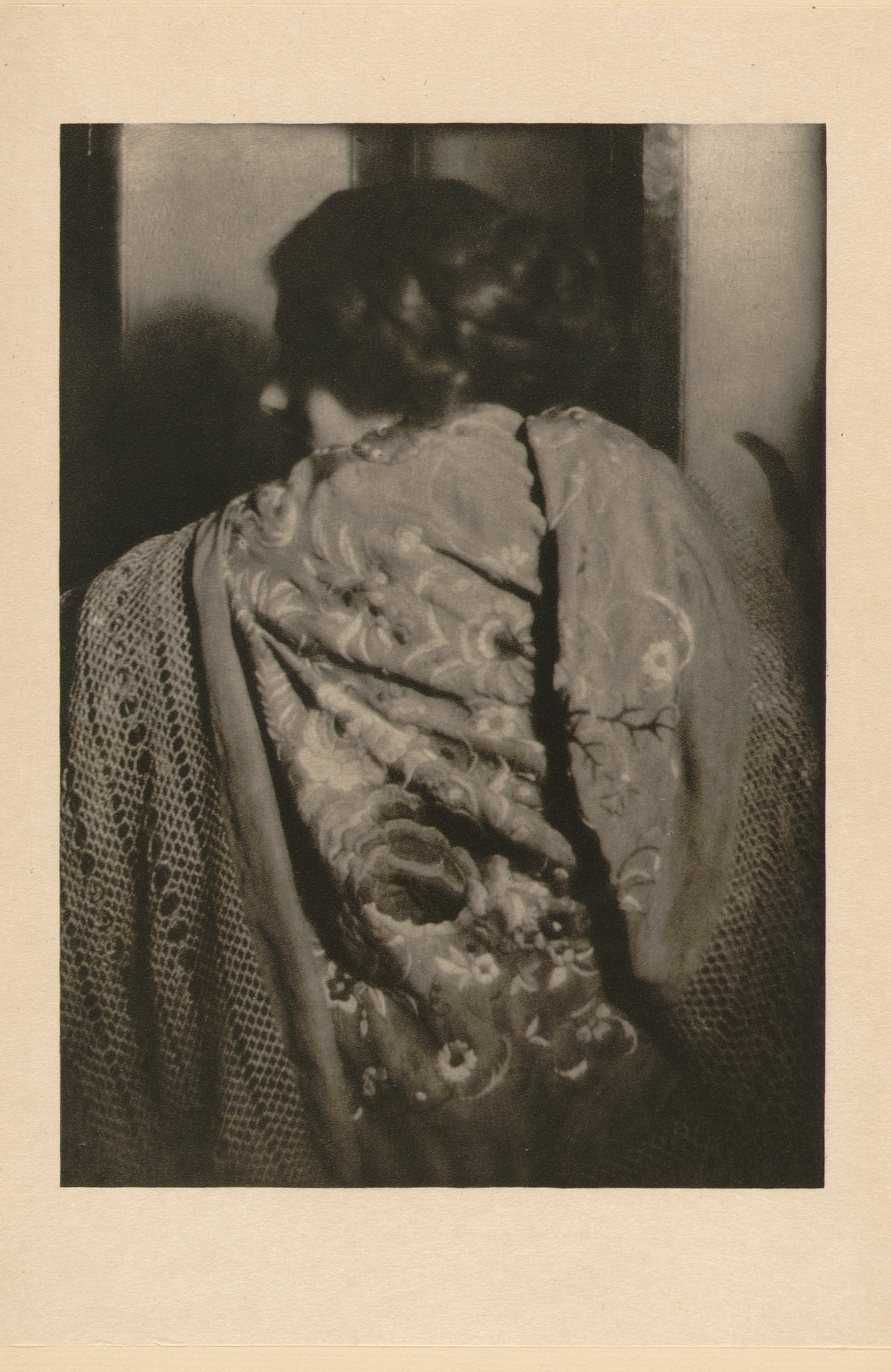
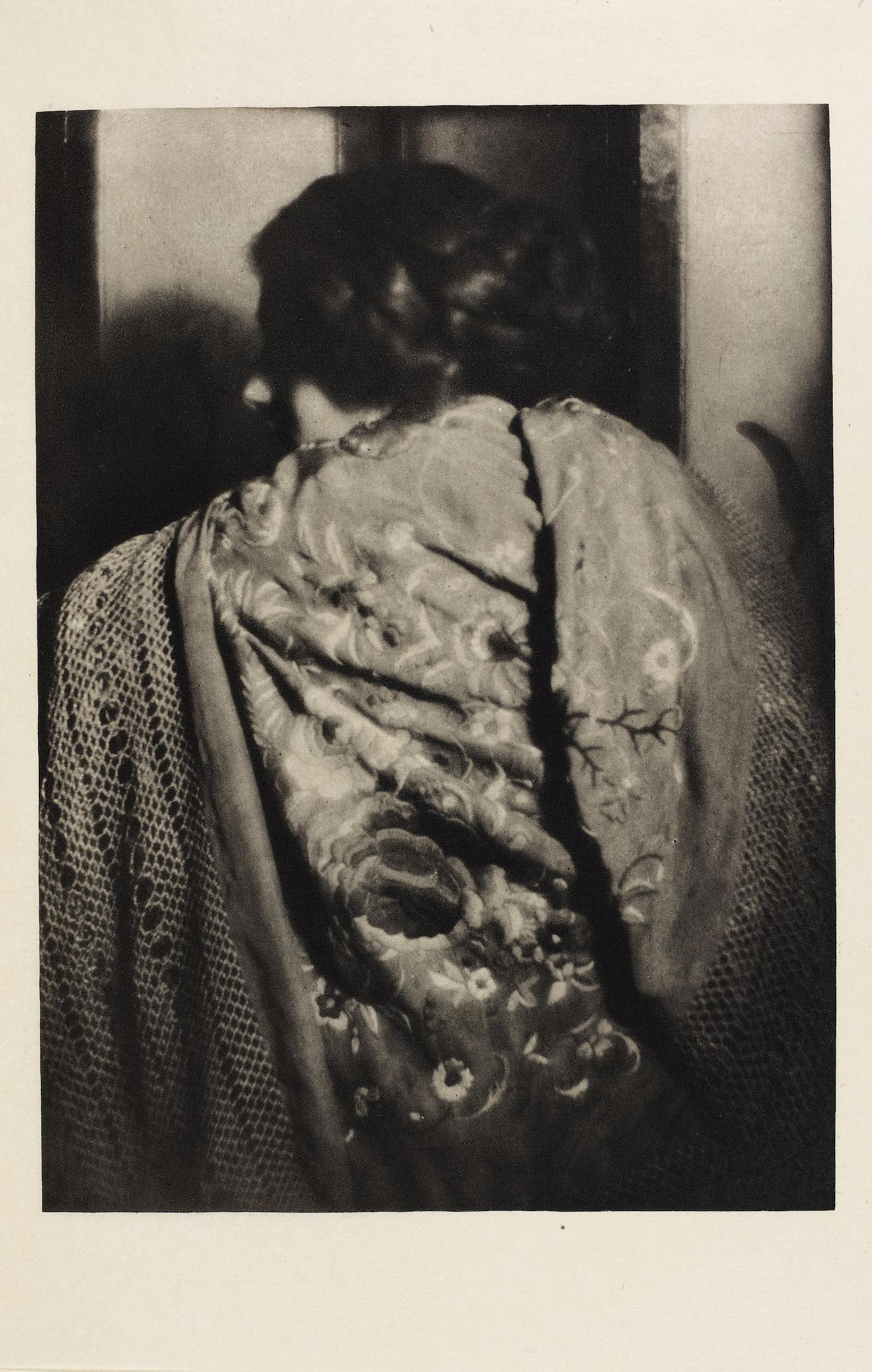
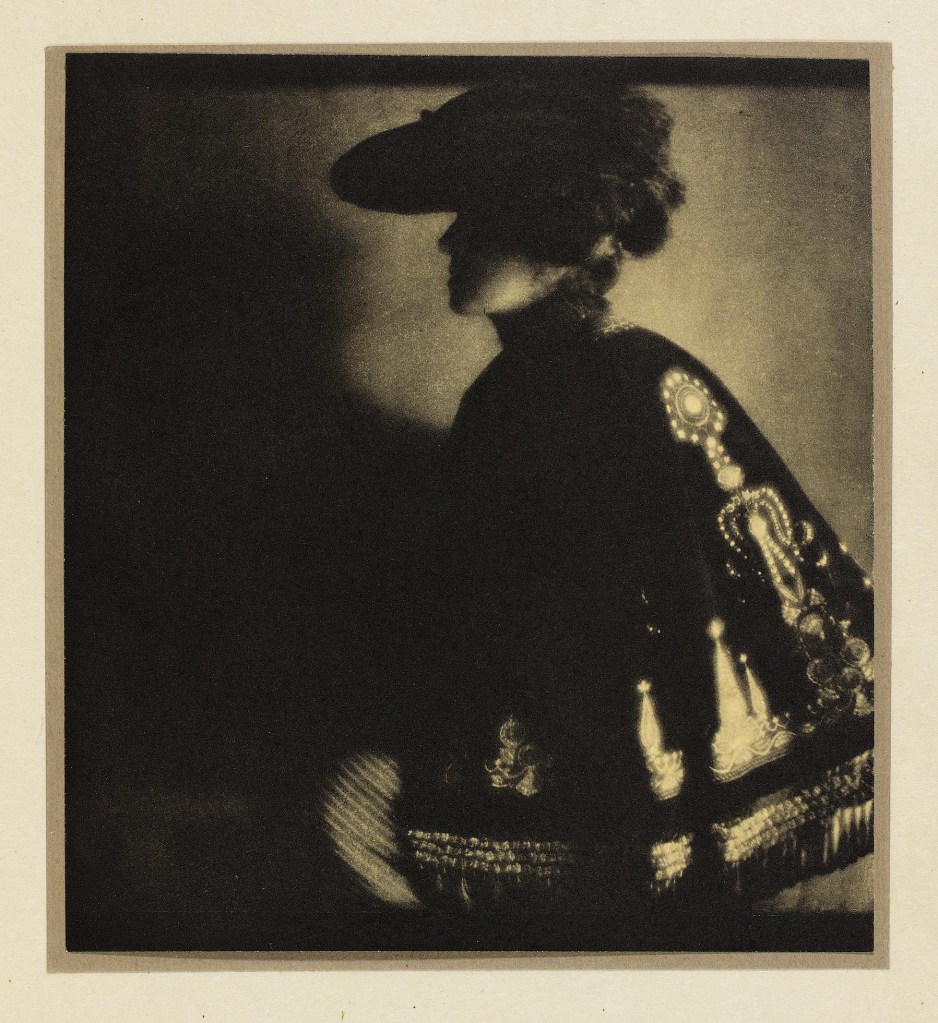
The Spanish Shawl, 1912

Paul Burty Haviland :: The Spanish Shawl. Published in Camera Work nº 39, 1912. | src Brown University
Paul B. Haviland :: The Spanish Shawl. Published in Camera Work: A Photographic Quarterly, Heft 39, 1912

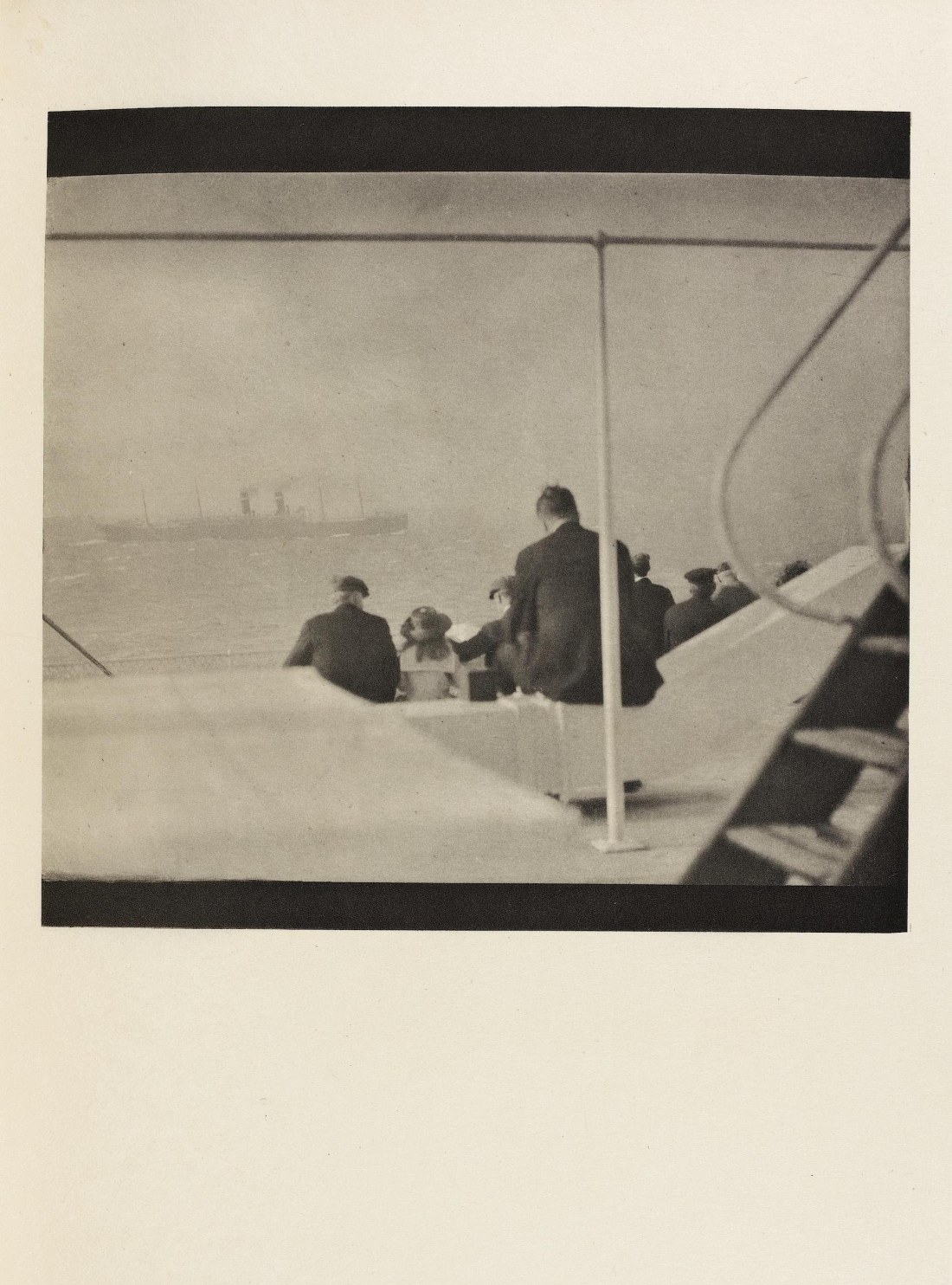
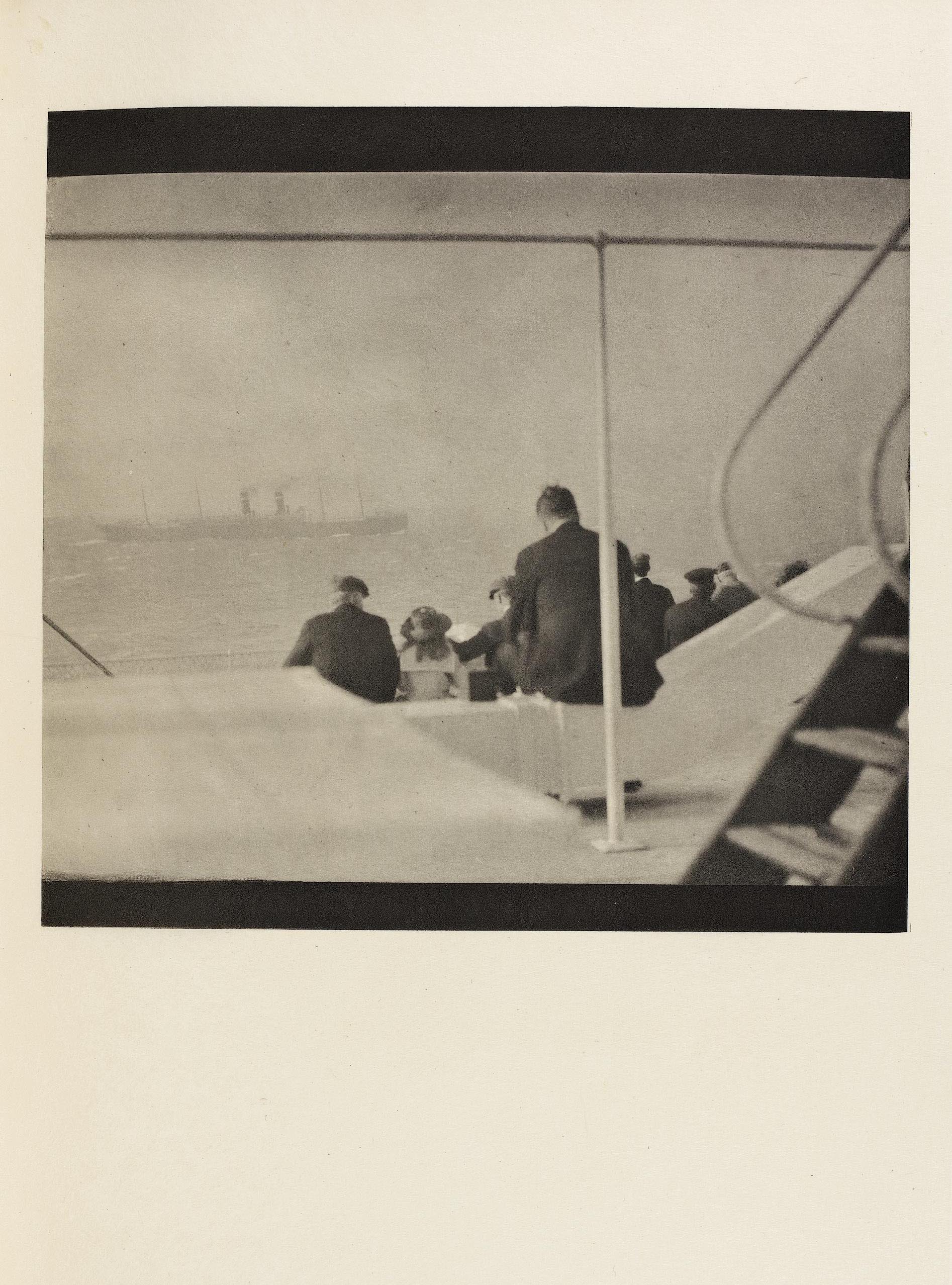
Passing Steamer, 1912

Paul Burty Haviland :: Passing Steamer. Published in Camera Work nº 39, 1912. | src Brown University
Paul B. Haviland :: Passing Steamer. Published in Camera Work, Heft 39, 1912
Paul B. Haviland :: Passing Steamer. Published in Camera Work: A Photographic Quearterly, Heft 39, 1912.

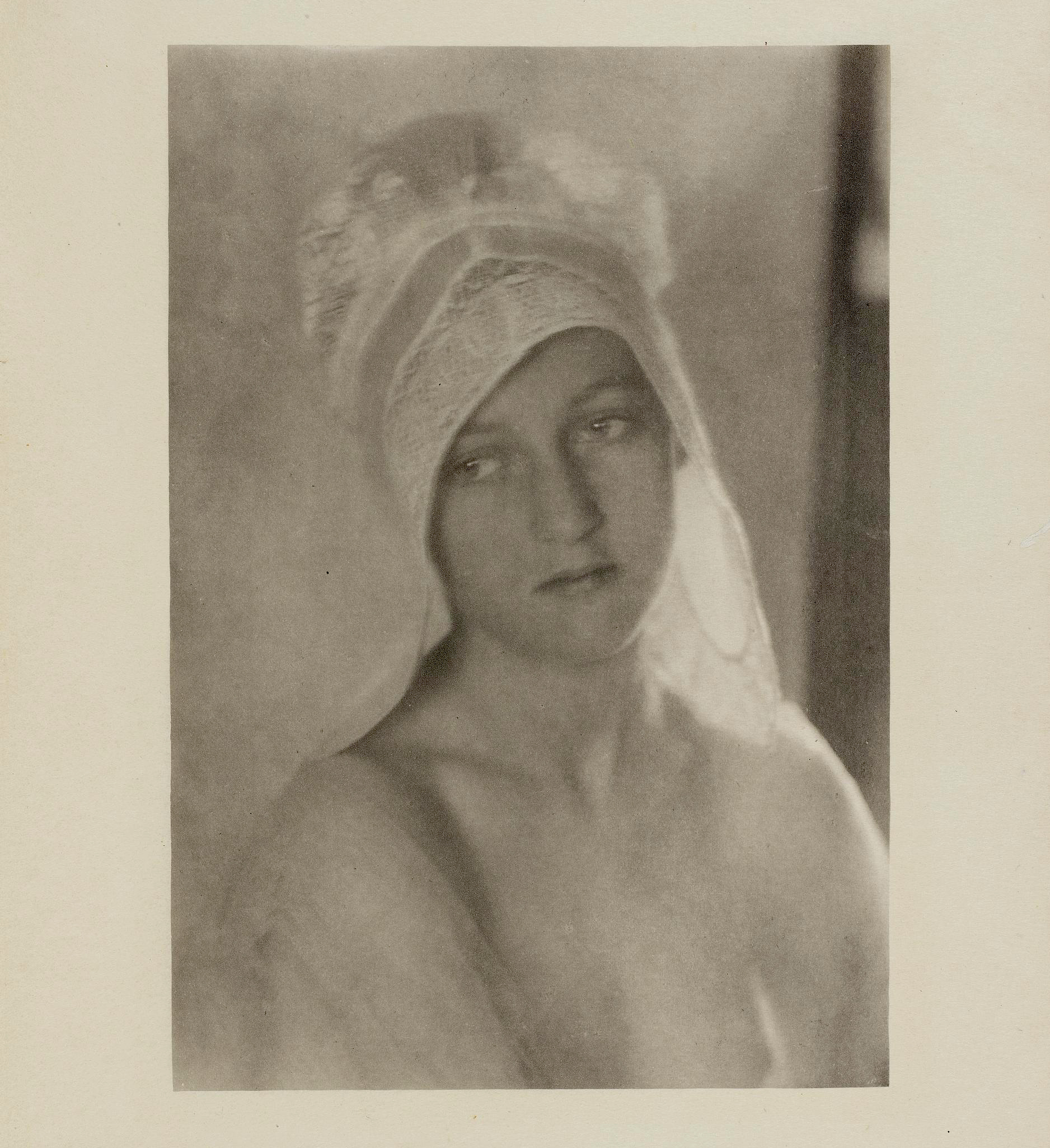
Head of a Young Girl, 1905

Eva Watson-Schütze :: Head of a Young Girl (photogravure from original negative). Published in Camera Work, issue 9, 1905. | src Universitåts-Bibliothek Heidelberg, also George Eastman museum

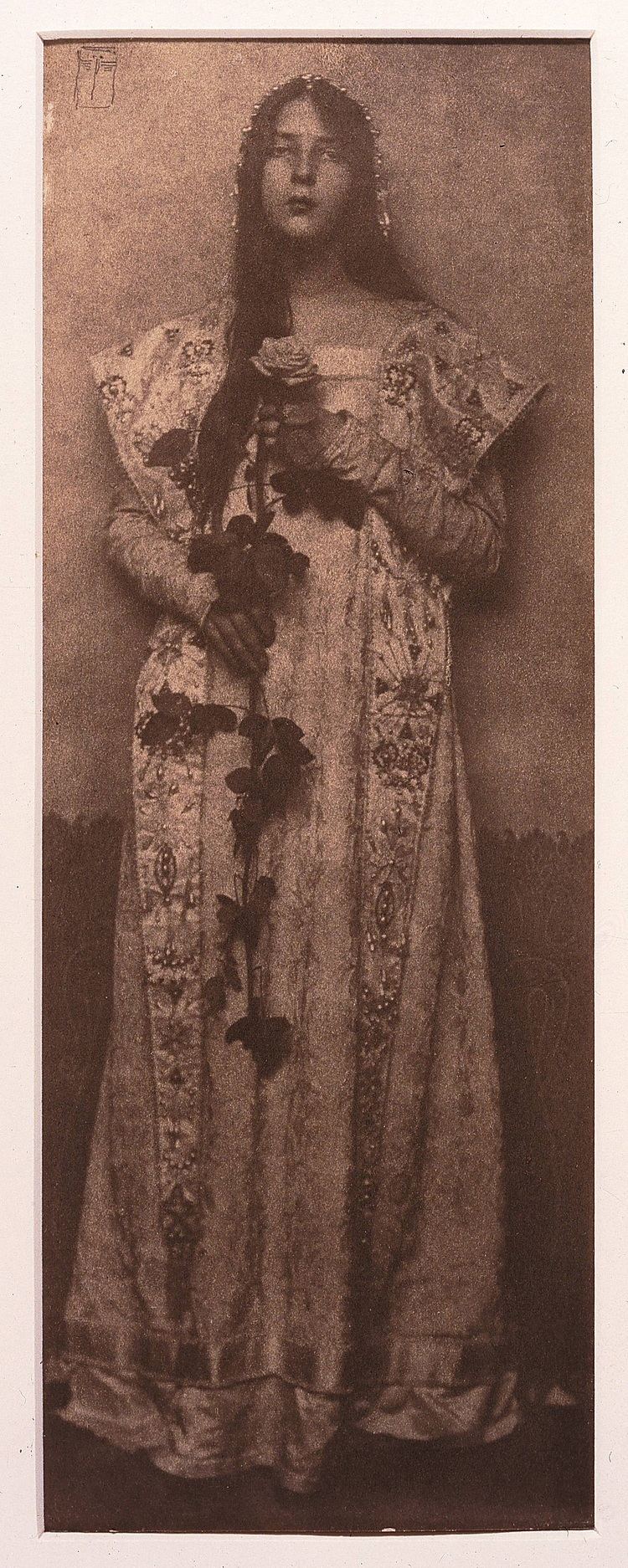
The Rose, 1905

Eva Watson-Schütze :: The Rose, 1905; Gum bichromate print. National Museum of Women in the Arts

The Rose demonstrates Eva Watson-Schütze’s talent for creating dramatic photographs with pictorial qualities.

Here she posed the young woman against a plain studio backdrop, emphasizing the irregular outline of her dress. Positioned in the center of the composition, the sitter faces the camera directly. Watson-Schütz heightened the feeling of flatness by emphasizing the outline of the model’s body against the background.

Watson-Schütze chose an unusual format for this photograph: a narrow rectangle, which the figure nearly fills. Virtually every element in this composition emphasizes its verticality. For instance, the embroidered panels on the woman’s dress narrow to a point as they descend toward the hem.

The woman holds a fully opened rose, the stem of which is so long it reaches from her throat to her knees. The stem forms a narrow dark line that echoes model’s slender proportions and the center part of her hair. Watson-Schütze placed her monogram in the upper left corner, a device favored by many photographers of the time. [quoted from National Museum of Women in the Arts]
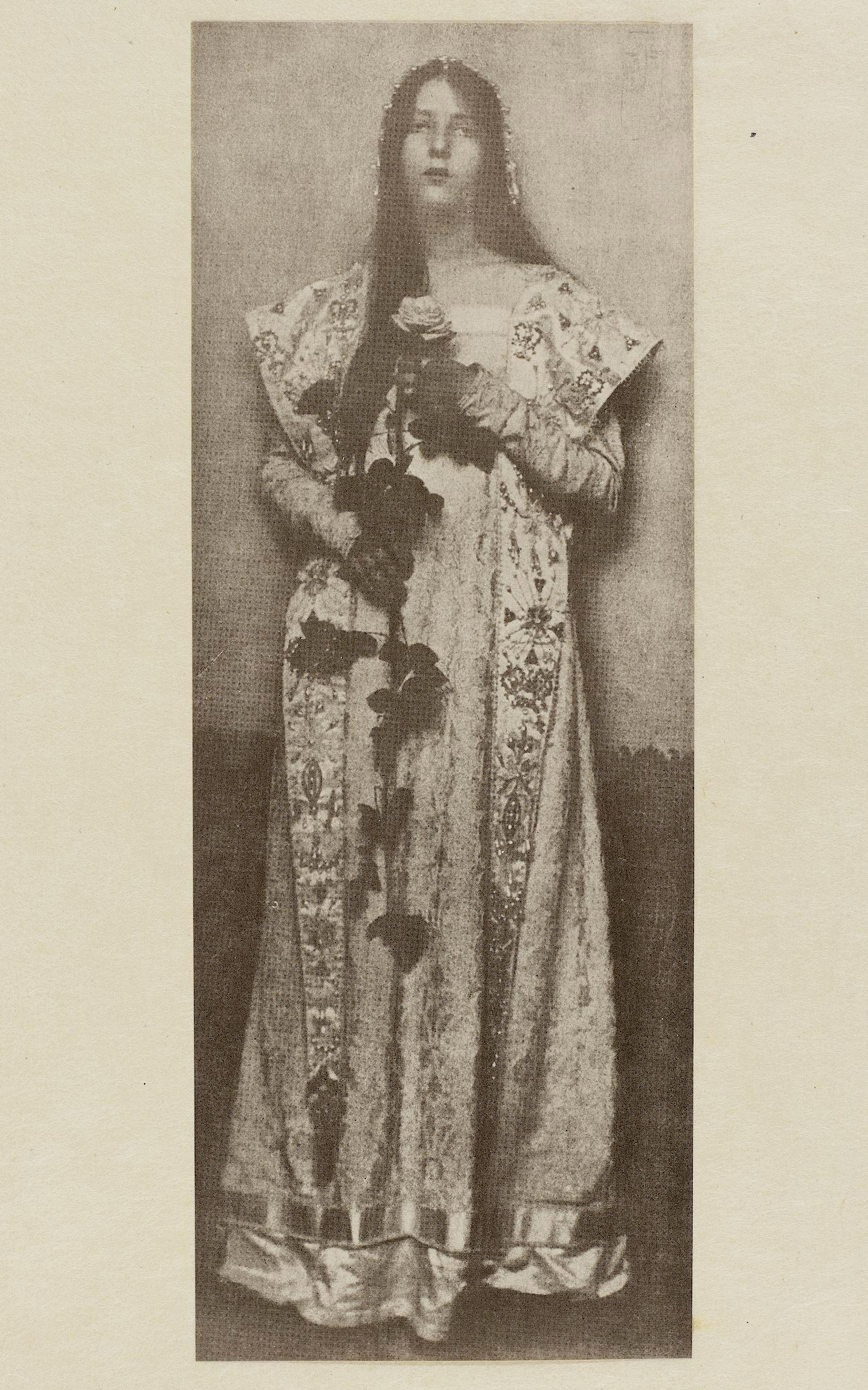
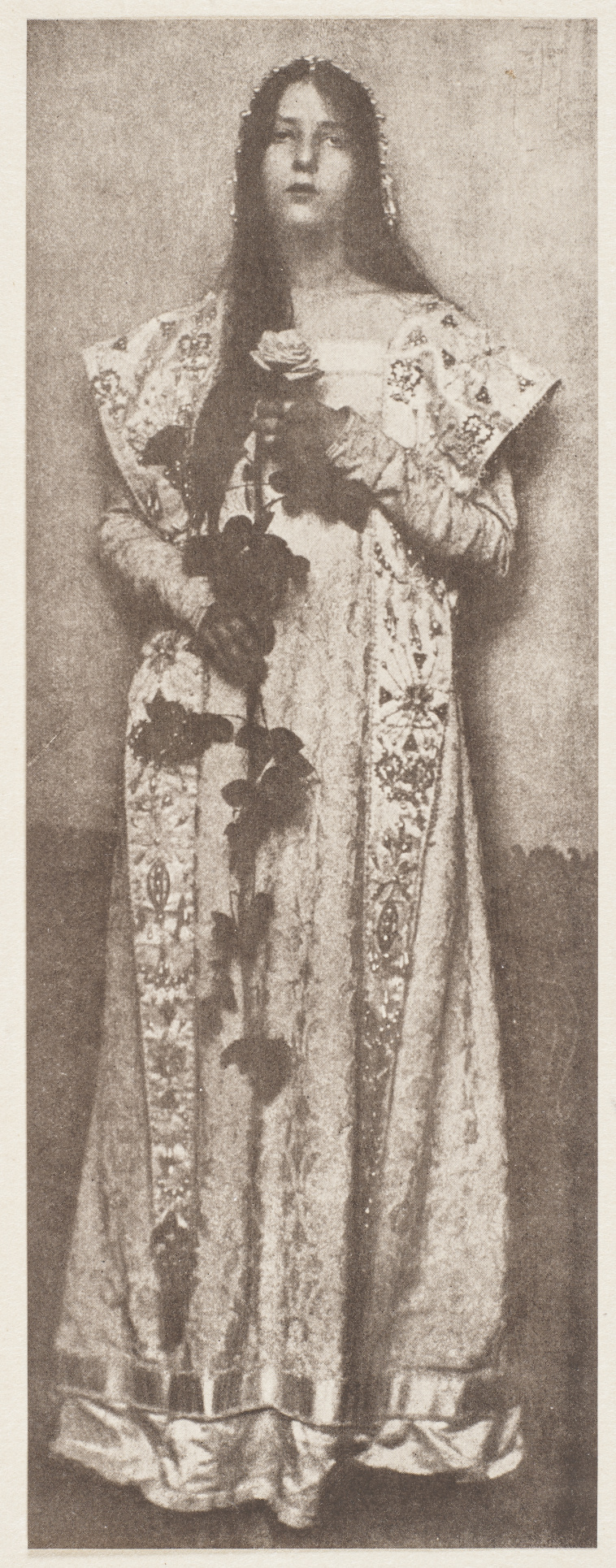
Eva Watson-Schütze :: The Rose, halftone reproduction from original gum print. Published in Camera Work, issue 9, 1905. | src Universitåts-Bibliothek Heidelberg
Eva Watson-Schütze :: The Rose, 1905. Gravure. Musée d'Orsay, RMN
Eva Watson-Schütze :: The Rose, 1905. Gravure. Musée d’Orsay, RMN

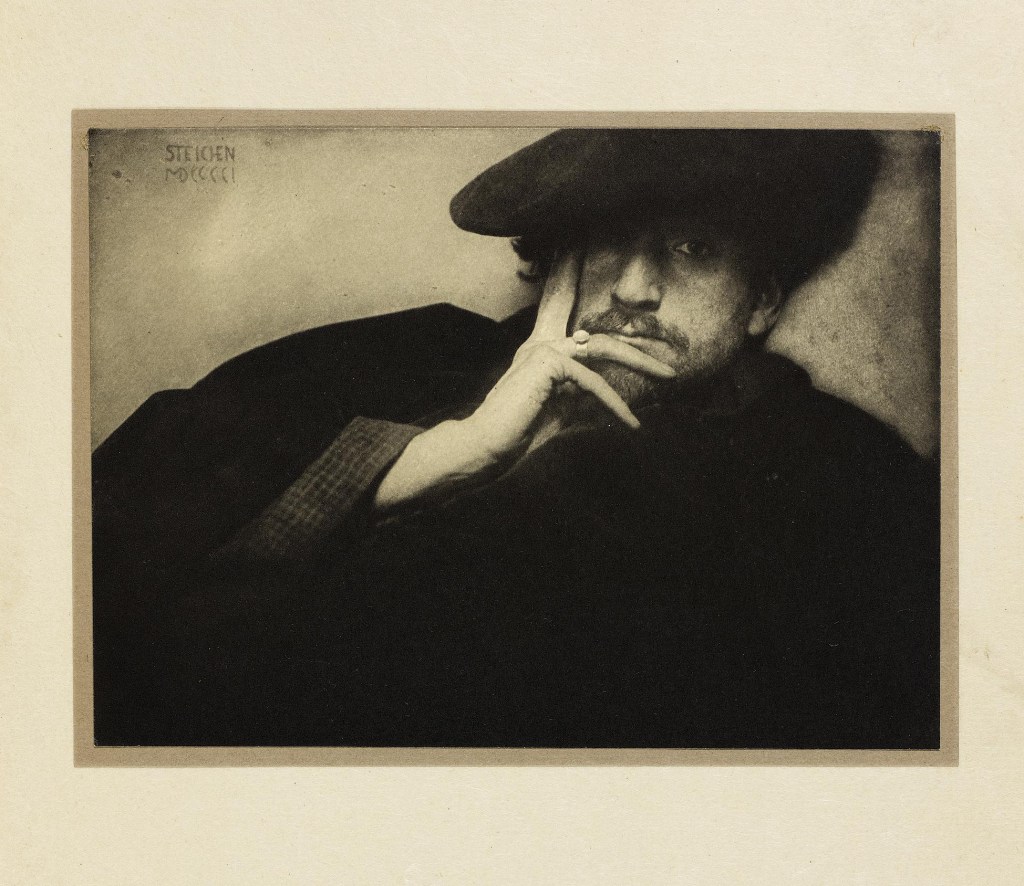
Steichen’s Solitude, 1901

Eduard Jean Steichen :: Solitude, photogravure (1901). Published in Camera Work Special Supplement (Steichen Supplement), 1906. | src and hi-res Heidelberg University and Universität Zürich

Poster Lady, 1906

Eduard Jean Steichen :: Poster Lady, photogravure. Published in Camera Work Special Supplement (Steichen Supplement), 1906. | src and hi-res Heidelberg University and Universität Zürich

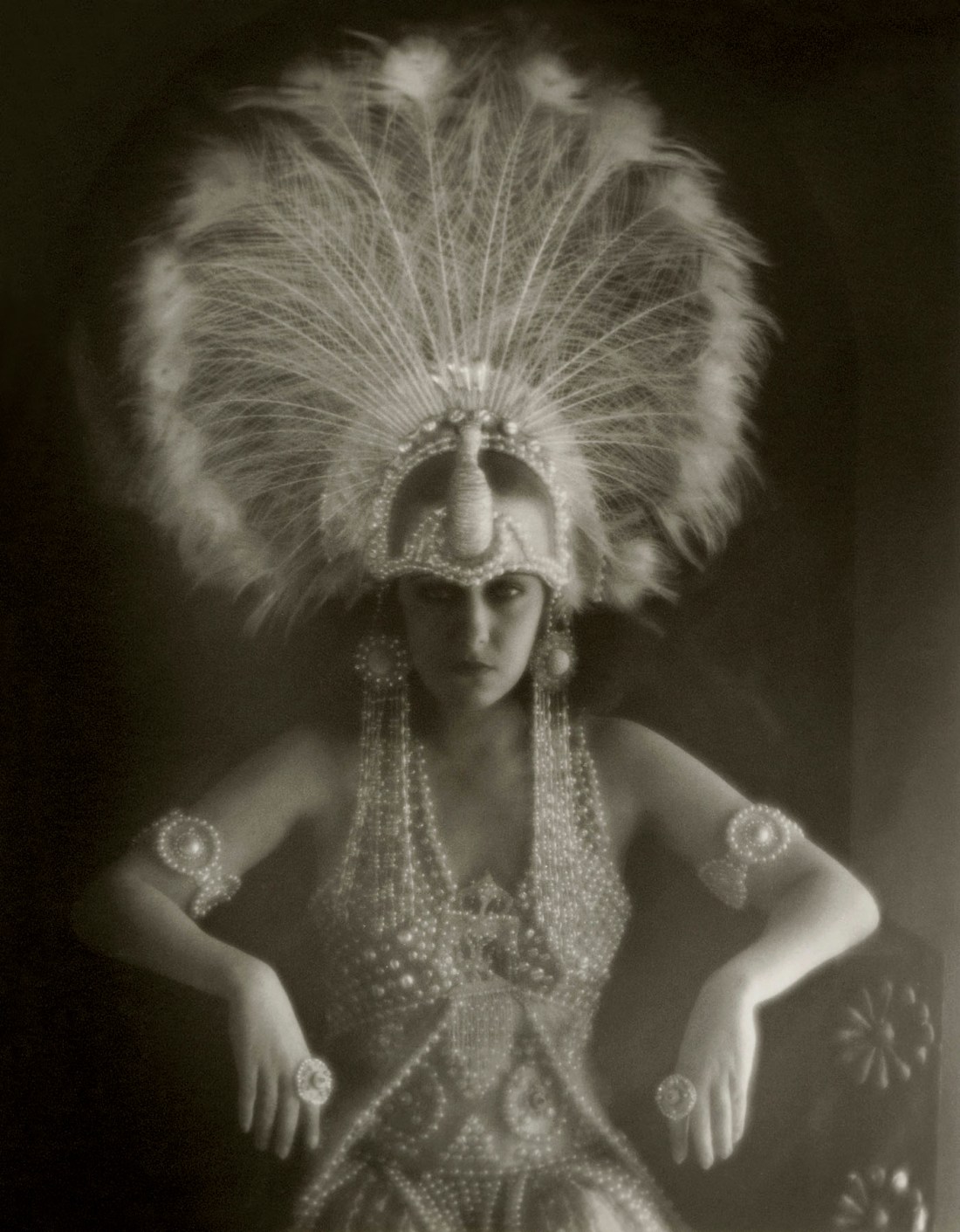
Gloria Swanson, 1919

Karl Struss :: Gloria Swanson in Male and Female, 1919. Directed by Cecil B. DeMille.
Gelatin silver print © The John Kobal Foundation
src ArtBlart (Marcus Bunyan)
Karl Struss :: Gloria Swanson in Male and Female, 1919. Directed by Cecil B. DeMille.
Gelatin silver print © The John Kobal Foundation
src ArtBlart (Marcus Bunyan)