
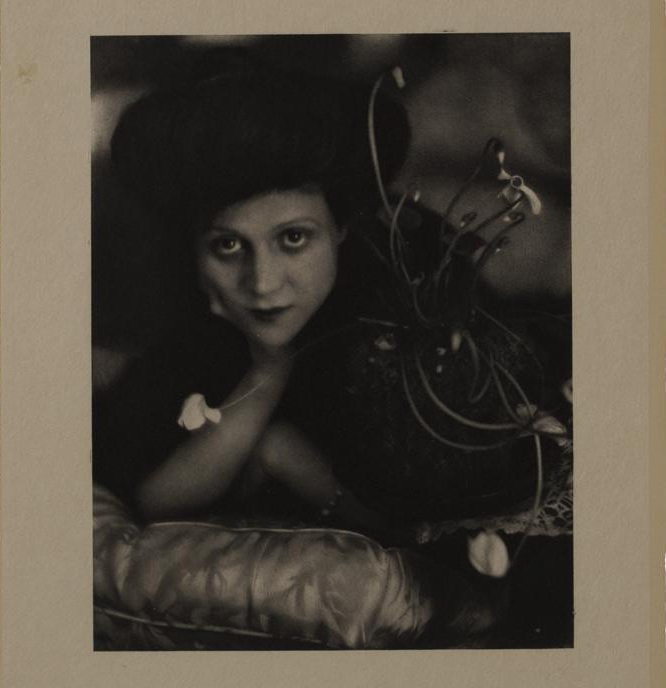
images that haunt us
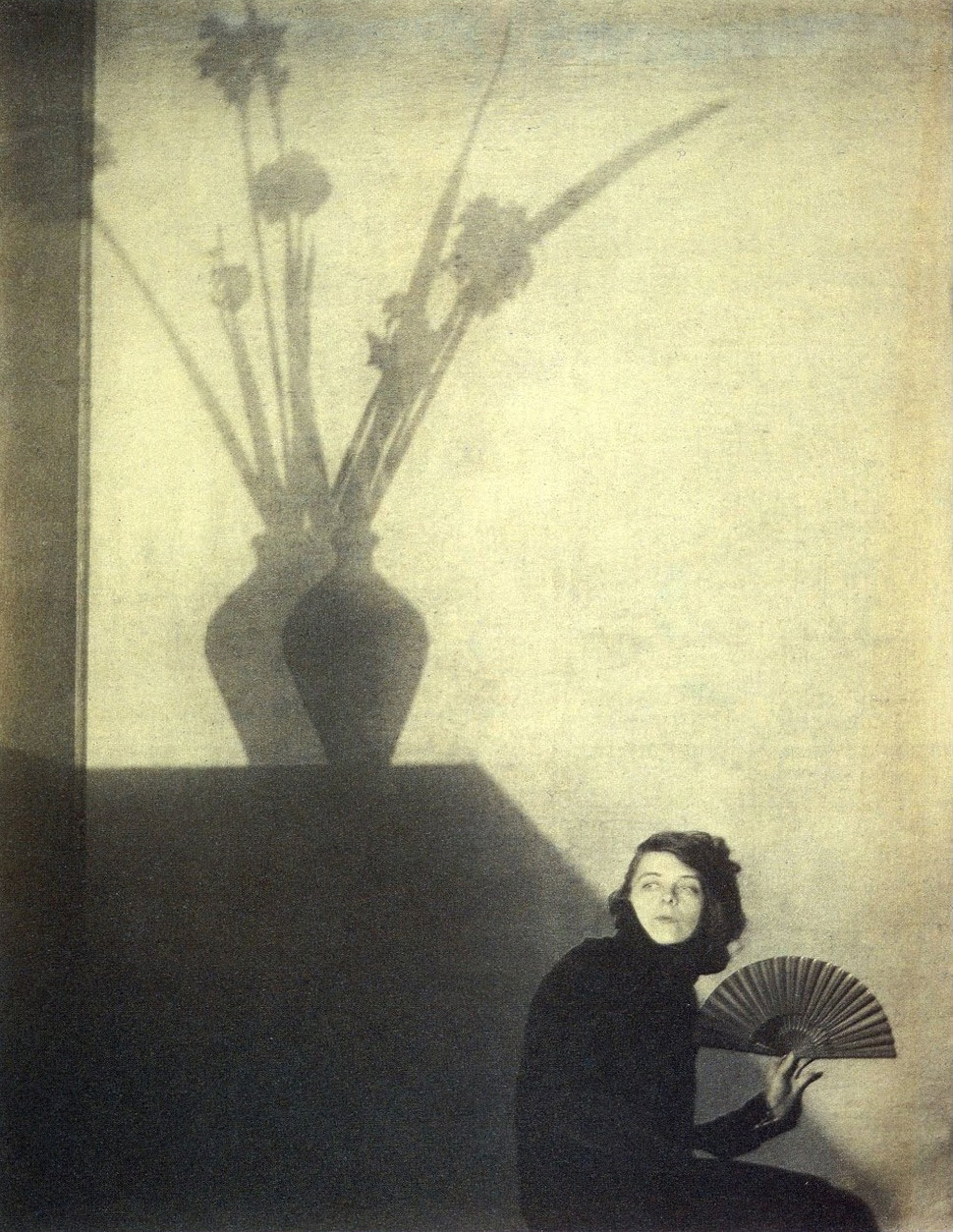


In 1920 Edward Weston began a series of pictures of Betty Katz (later Brandner, 1865-1982), who was introduced to Weston by his colleague Margrethe Mather (1886-1952). Weston and Brandner engaged in a brief affair in October 1920, when he made this and several other images of her in her attic and out on a balcony. With its soft focus, these particular portraits are Pictorialist in style compared to the more experimental images Weston made of Katz (Brandner) that are Modernist in their self-conscious handling of space and form.
Text adapted from Brett Abbott. Edward Weston, In Focus: Photographs from the J. Paul Getty Museum (Los Angeles: J. Paul Getty Museum, 2005), 20. (quoted from Getty Museum)
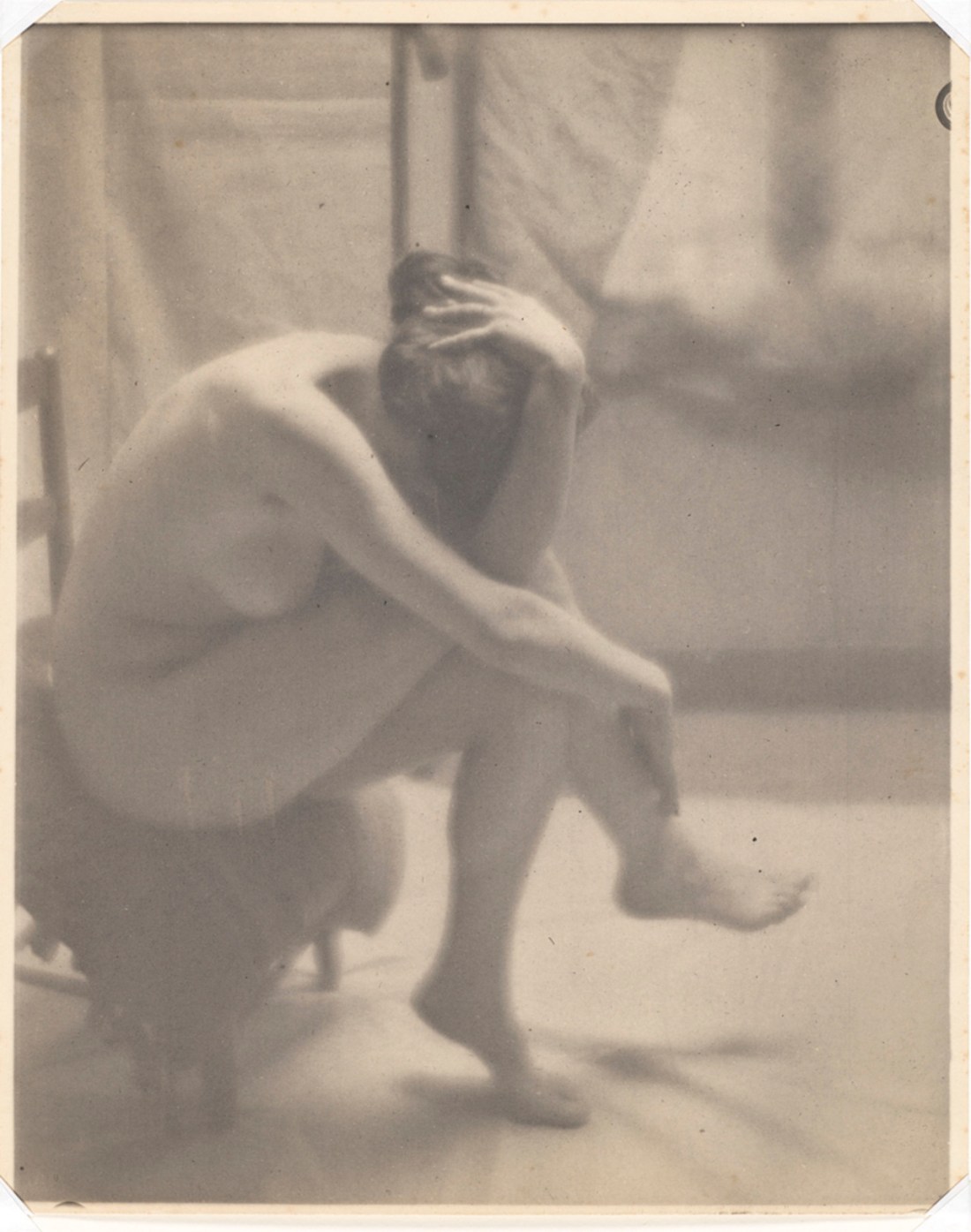
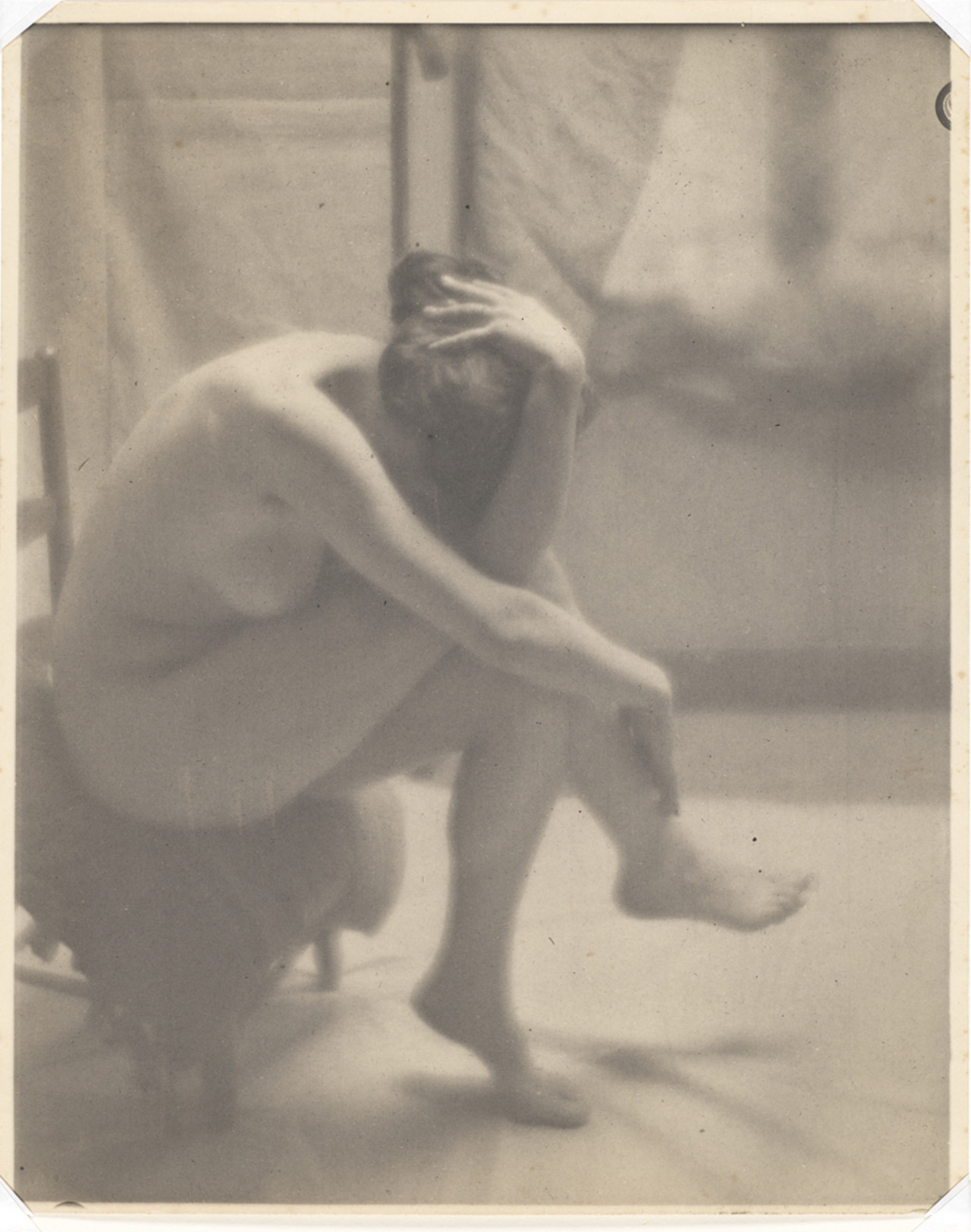
With its diffuse lighting and soft tones, Paul Haviland’s Seated Nude demonstrates his stylistic allegiance to the Photo-Secession group of American photographers.
Haviland was a French émigré and heir to a successful porcelain manufacturing firm, but after meeting Alfred Stieglitz in 1908, he devoted the next decade to establishing the legitimacy of photography as a form of high art. He published both photographs and essays in Camera Work, the preeminent American journal of avant-garde art, and helped found its successor, 291. This image is similar to photos of female nudes published by Haviland’s colleagues, with the model assuming an unusual and contorted pose in a hazy, empty interior space, her face turned away or concealed in shadow.
Quoted from Changing Poses: The Artists’ Model
 un regard oblique