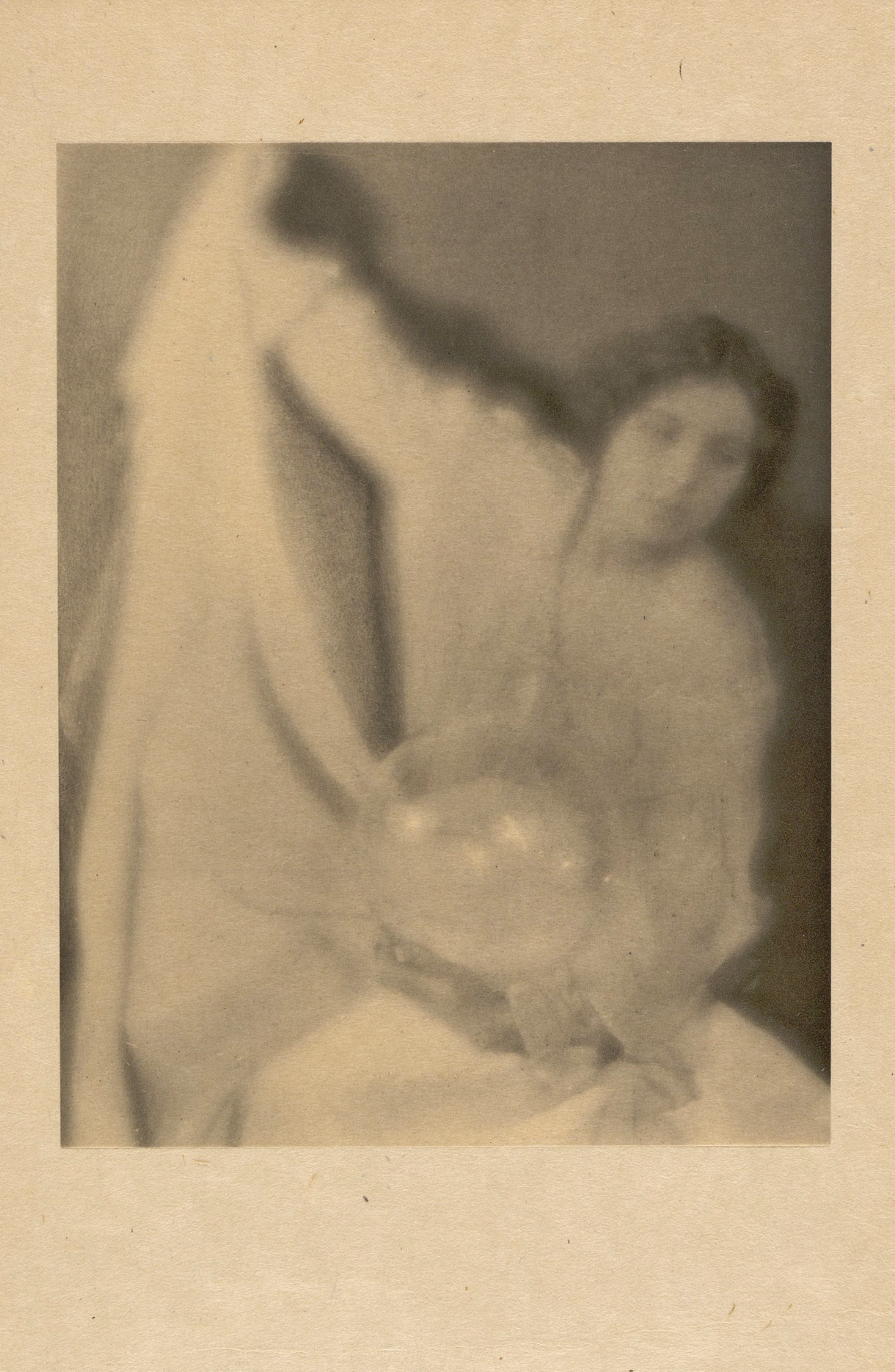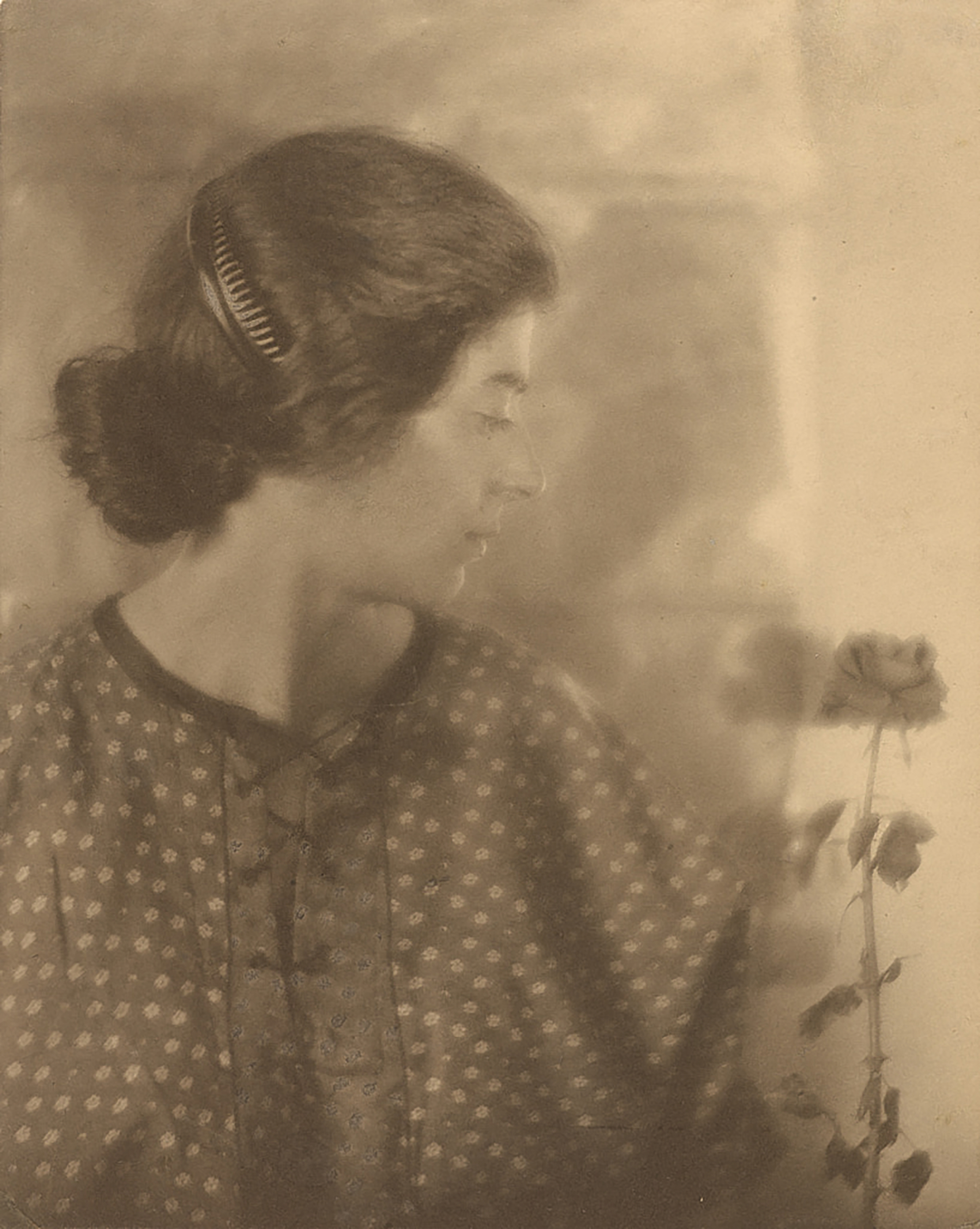
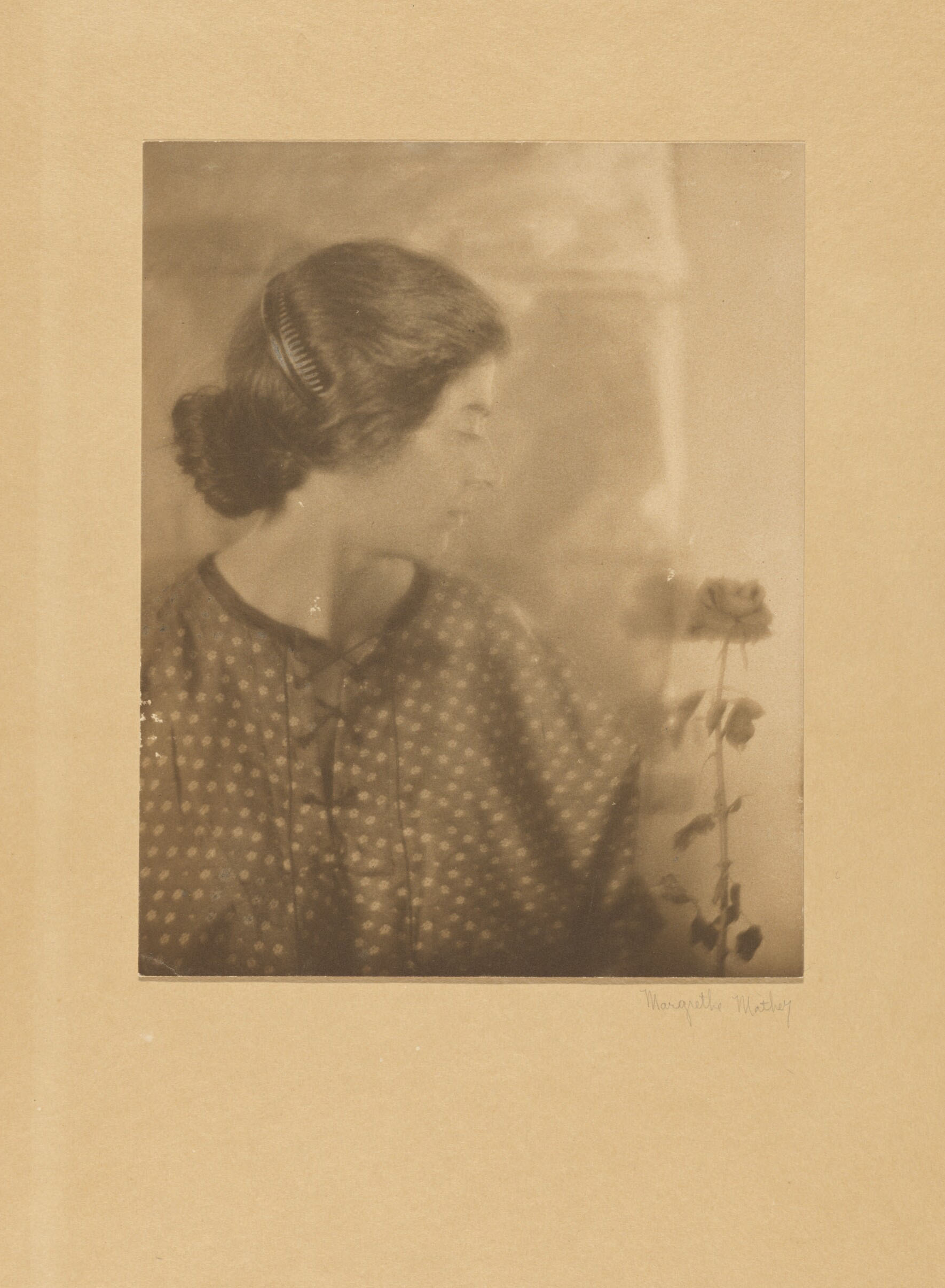
Betty Katz by Mather ca. 1916

Margrethe Mather (1885 - 1952) :: Betty Katz, Los Angeles, about 1916. Side profile of a woman wearing a hair comb and floral pattern shirt. There is a single rose beside her. Palladium print. | src The J. Paul Getty Museum
Margrethe Mather (1885 – 1952) ~ Betty Katz, Los Angeles, about 1916. Side profile of a woman wearing a hair comb and floral pattern shirt. There is a single rose beside her. Palladium print | src The J. Paul Getty Museum
Margrethe Mather (American, 1885 – 1952) ~ Betty Katz, Los Angeles, about 1916. Palladium print | src Getty museum

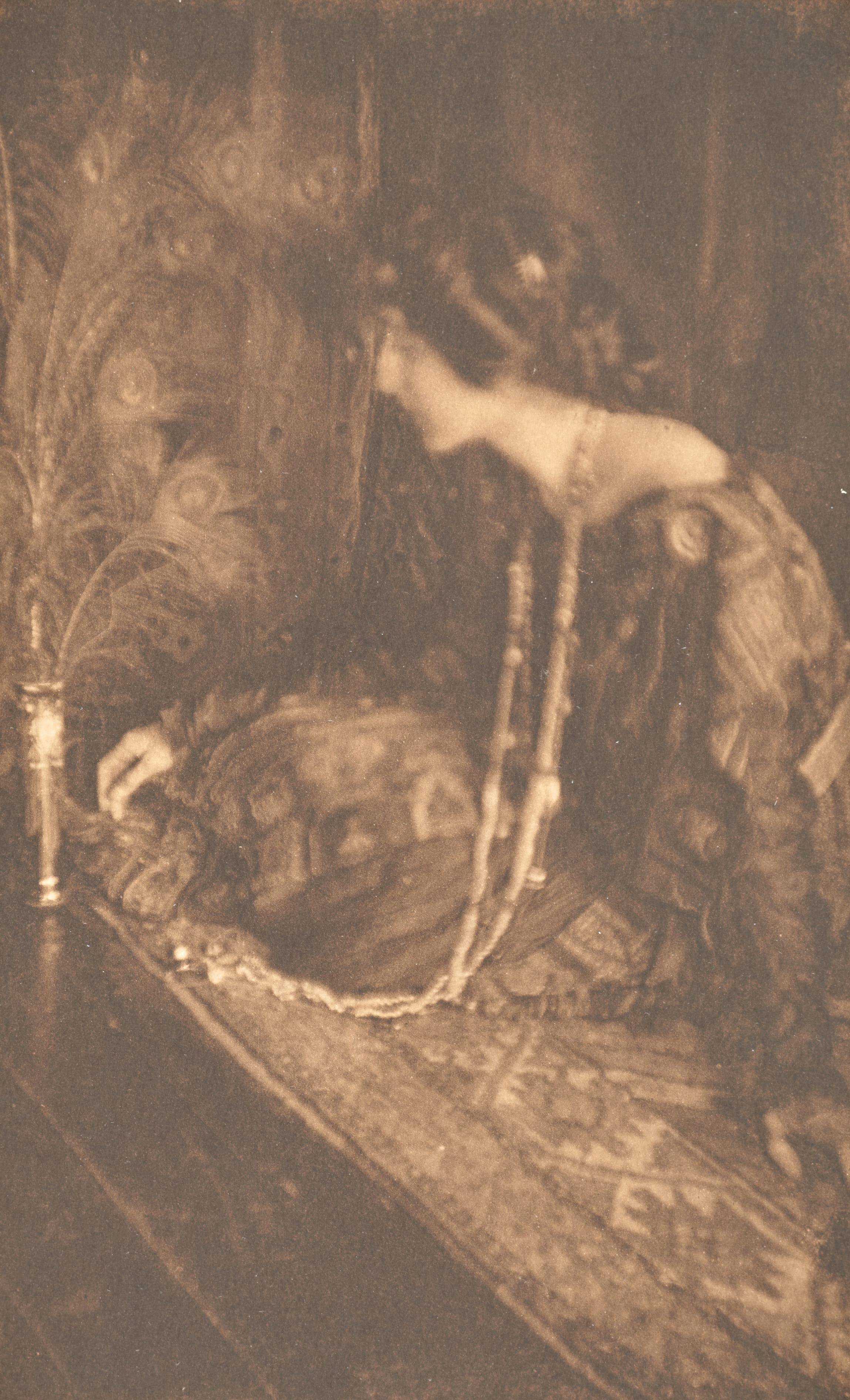
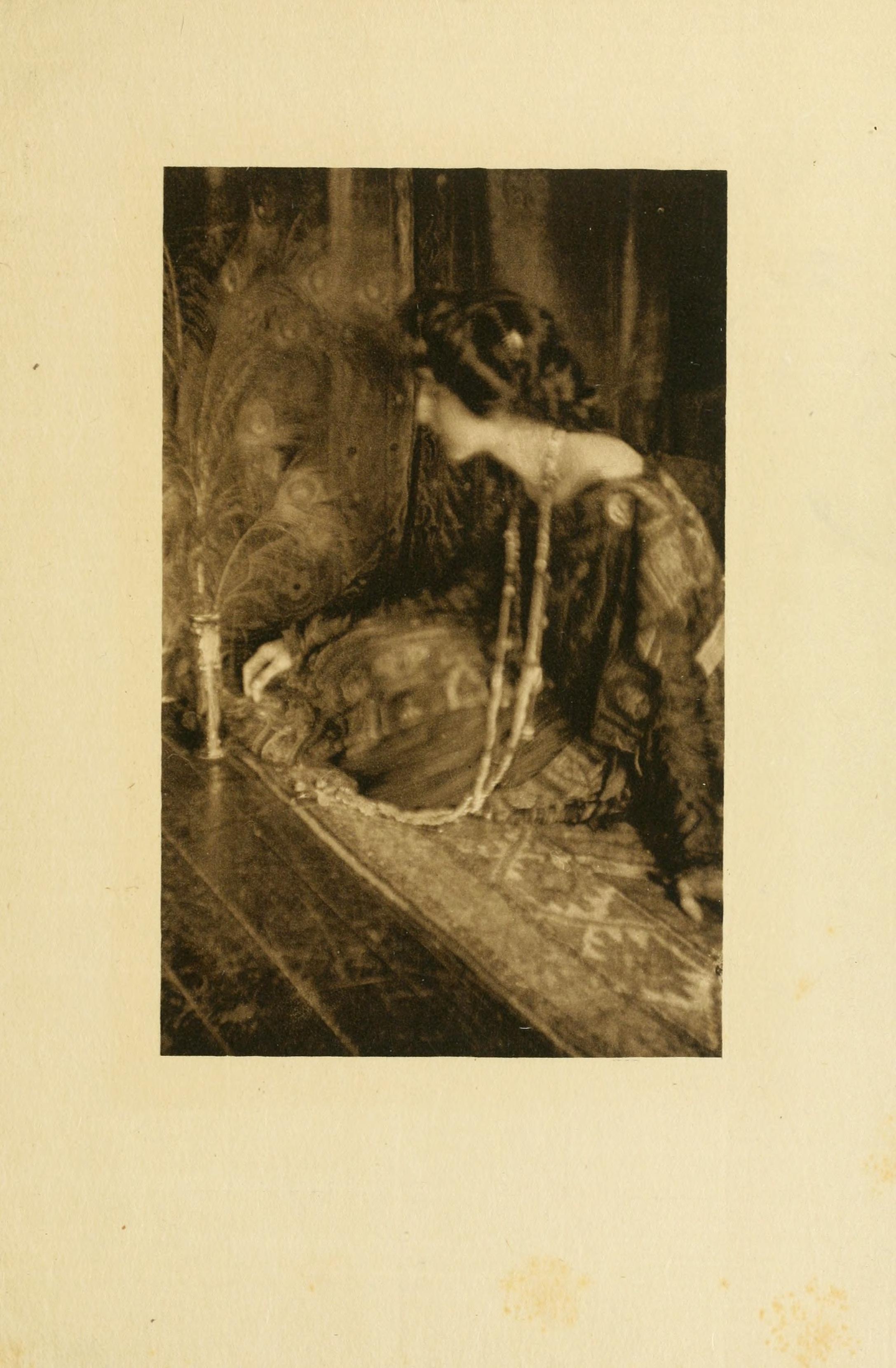
Lenore by Keiley, ca. 1904

Joseph T. Keiley (American, 1869–1914) :: Lenore. 1907 (Photogravure). From Camera Work. | src Philadelphia Museum of Art
Joseph T. Keiley :: Lenore. From “A collection of American pictorial photographs as arranged by the Photo-Secession and exhibited under the auspices of the Camera Club of Pittsburg, at the Art Galleries of the Carnegie Institute, Pittsburg, February MDCCCCIV”. | src internet archive
Joseph T. Keiley (American, 1869–1914) :: Lenore. 1907 (Photogravure). From Camera Work. | src Philadelphia Museum of Art

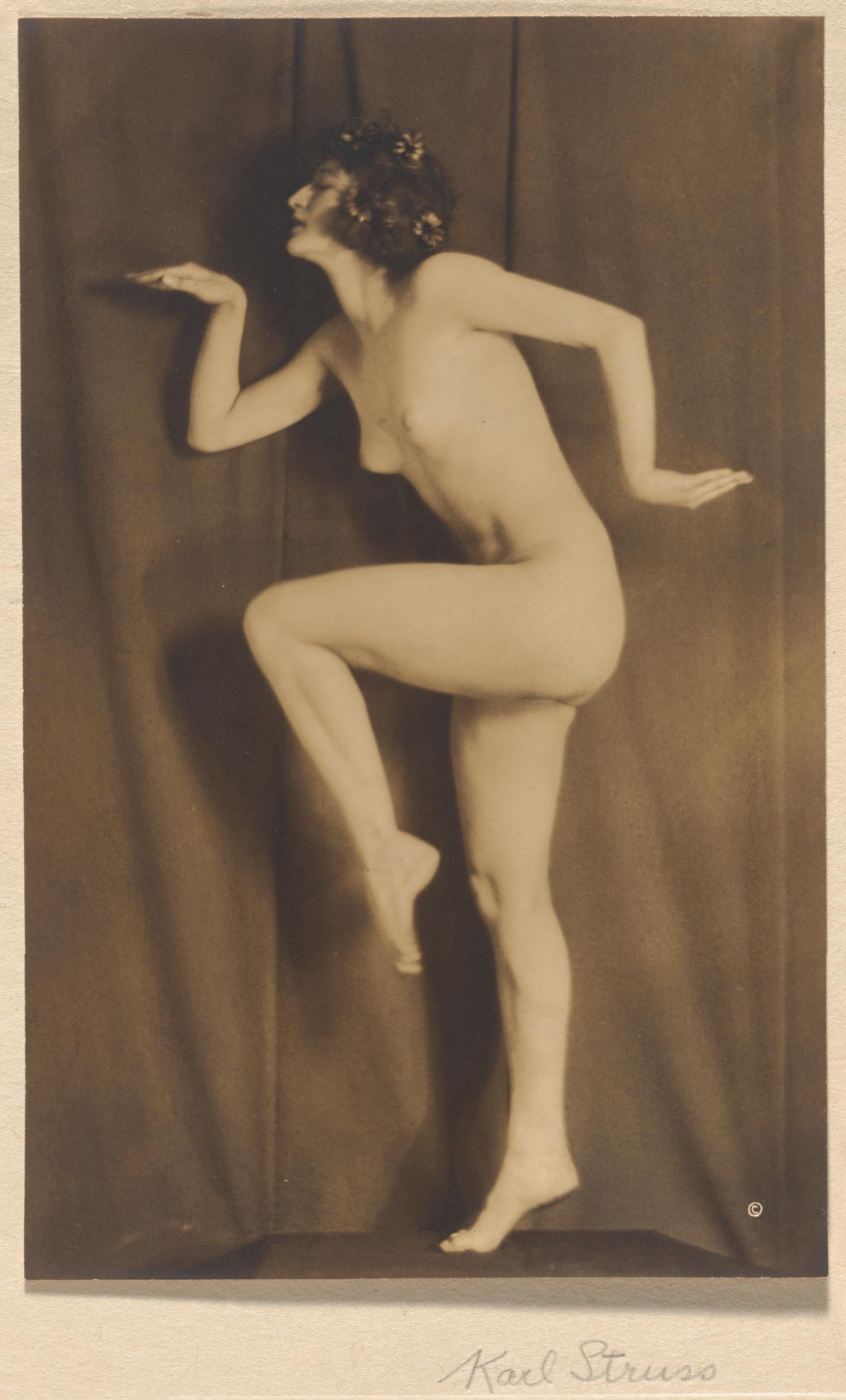
Nudes by Karl Struss, 1917

Karl Fischer Struss :: Nude Walking Like an Egyptian, 1917. | src Cleveland Museum of Art
Karl Fischer Struss :: Nude Walking Like an Egyptian, 1917. Gelatin silver print. | src Cleveland Museum of Art

Inscriptions: Written in pencil on mount: “45” Stamped in black ink on verso: “From the Estate / of Karl Struss” “KS” (embellished ink stamp) Stamped in black ink on verso: “Original Photography by Karl Struss / FROM “THE FEMALE FIGURE”/First series 19 Plate No. 45 / Published & Copyrighted by F. Kotausek / New York City 1945 (written in black marker)” Written in pencil on verso of mount: “# 45”
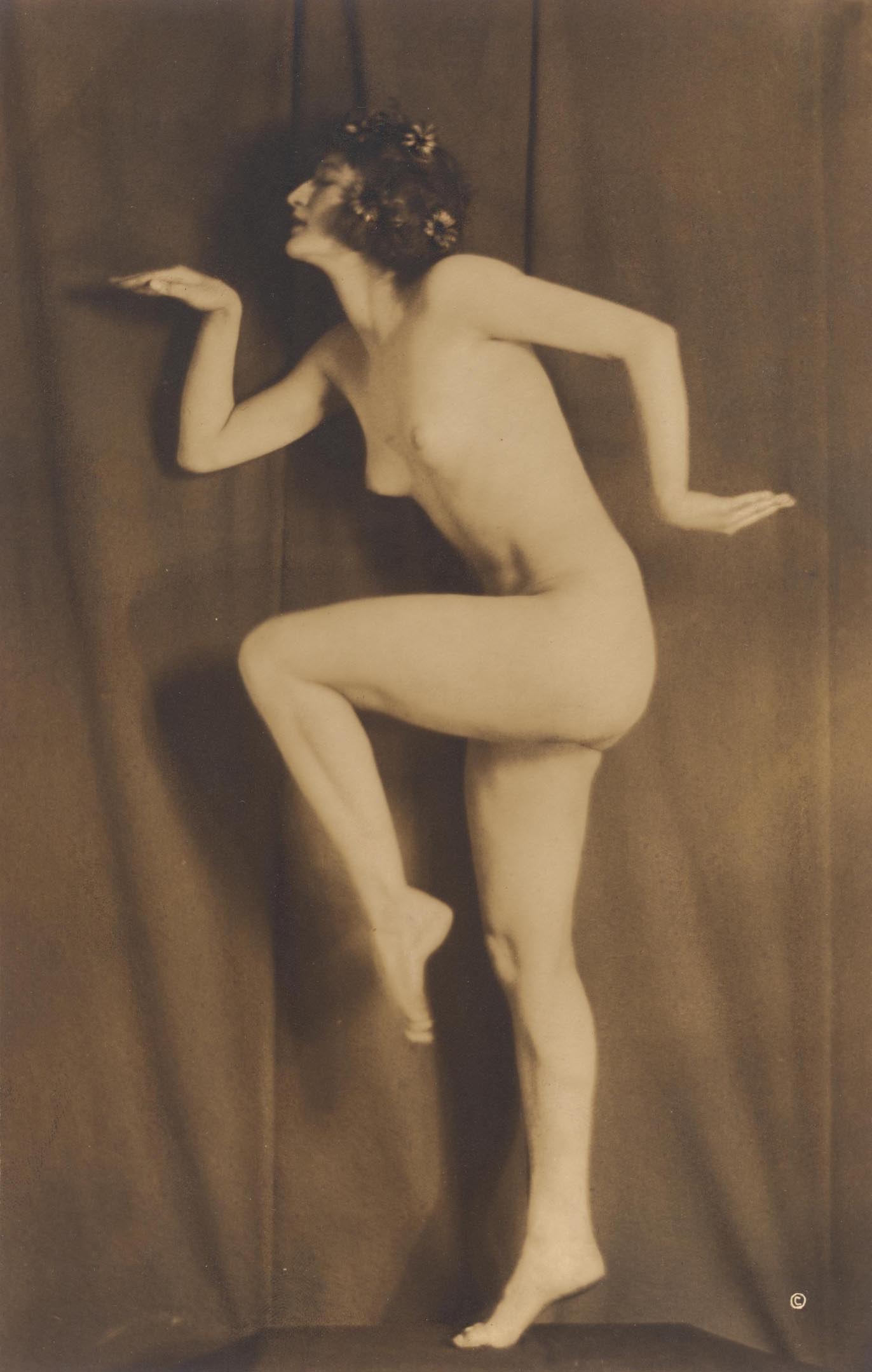
Karl Fischer Struss :: Nude Walking Like an Egyptian, 1917. | src Cleveland Museum of Art
Karl Fischer Struss :: Nude Walking Like an Egyptian, 1917. Gelatin silver print. | src Cleveland Museum of Art

Ancient Egyptians depicted the human figure following conventions that, to contemporary eyes, appear to view the same body from different perspectives. This and other Egyptian styles and motifs inspired artists, architects, designers, and even dancers in the 19th and early 20th century, as evidenced in Struss’s photograph. This figural study belongs to The Female Figure, a portfolio of nude studies that Struss published for artists to use. He employed three painters to consult on the poses, which were executed by models and dancers. [quoted from Cleveland Museum of Art]

Karl F. Struss (1886-1981) :: Nude Kicking, 1917. Gelatin silver print. | src Cleveland Museum of Art

Karl F. Struss American, 1886-1981. Born and raised in New York City. Karl Fischer Struss was an important early pictorialist and a cofounder of the Pictorial Photographers of America. He was also a member of the Photo-Secession, publishing his works in Camera Work (April 1912), and a photographer for publications such as Vogue, Vanity Fair, and Harper’s Bazaar. A student of Clarence H. White, Struss was influenced by both White and Alvin Langdon Coburn. He developed his own style, however, an elegant synthesis of random qualities with formal composition. Struss experimented with various technical processes. He developed multiple platinum printing to enhance the depth of shadows and in 1909 designed the Struss Pictorial lens, which entered commercial production in 1915. Shortly after the First World War, Struss moved to Hollywood, where he became a successful cinematographer. He worked first for Cecil B. De Mille and later freelanced for both independent and major studios until his retirement in 1970. Among his film credits are Ben Hur (1926), Dr. Jekyll and Mr. Hyde (1932), and the Chaplin classics The Great Dictator (1940) and Limelight (1952). In 1928 Struss received an Academy Award for his work on De Mille’s film Sunrise. T.W.F. [quoted from Cleveland Museum of Art]
The Spanish Shawl, 1912

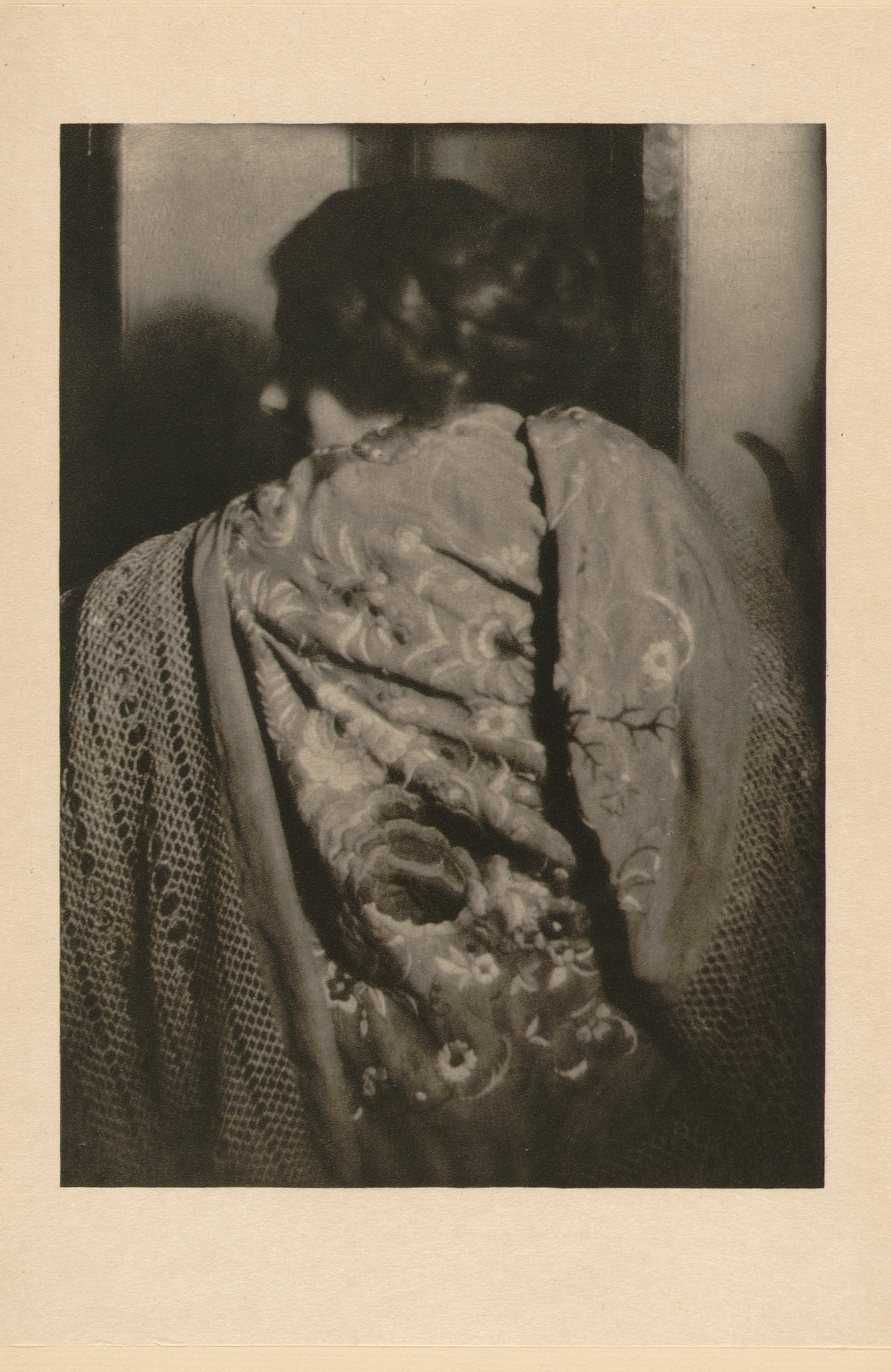
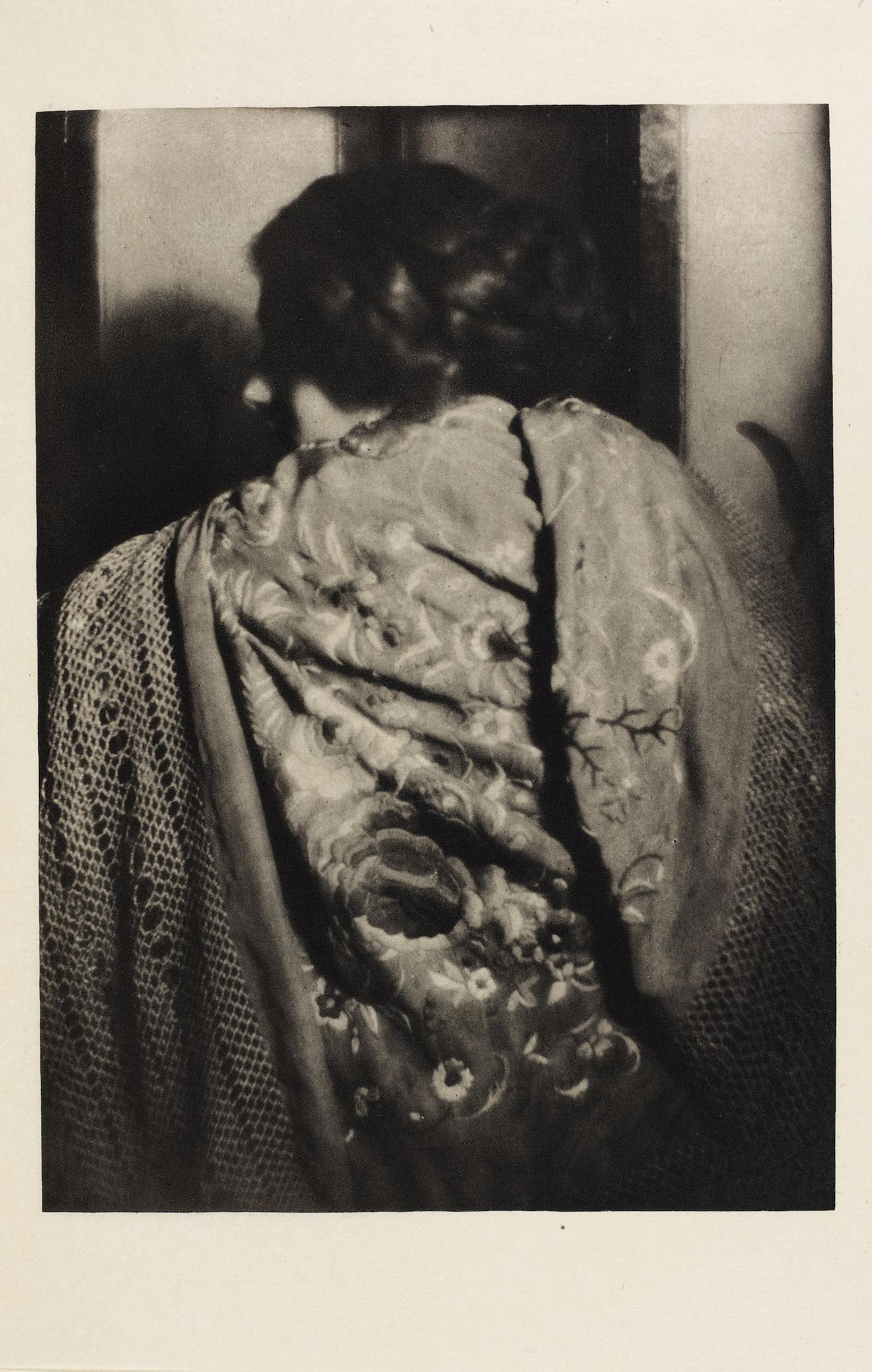
Paul Burty Haviland :: The Spanish Shawl. Published in Camera Work nº 39, 1912. | src Brown University
Paul B. Haviland :: The Spanish Shawl. Published in Camera Work: A Photographic Quarterly, Heft 39, 1912

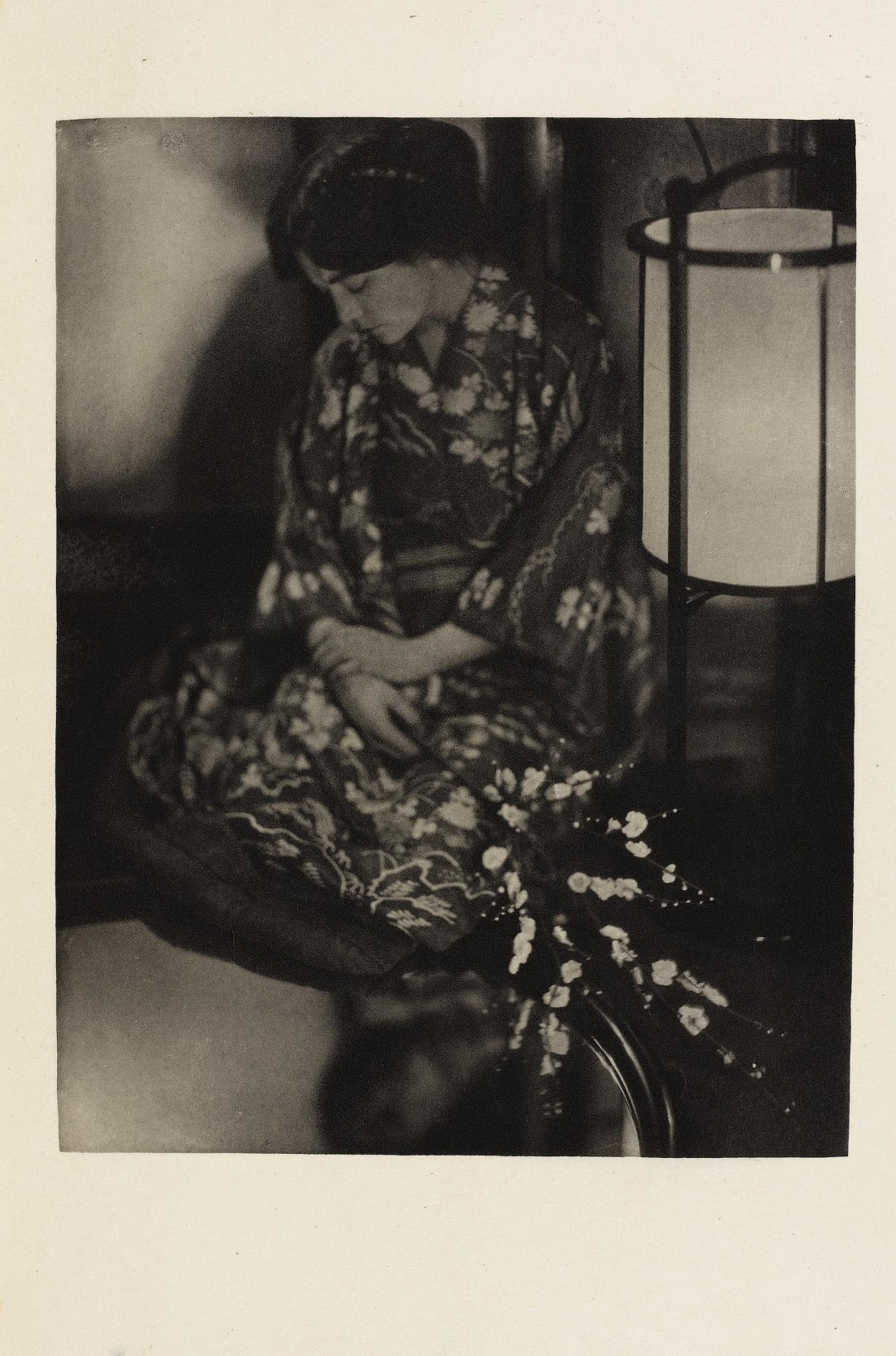
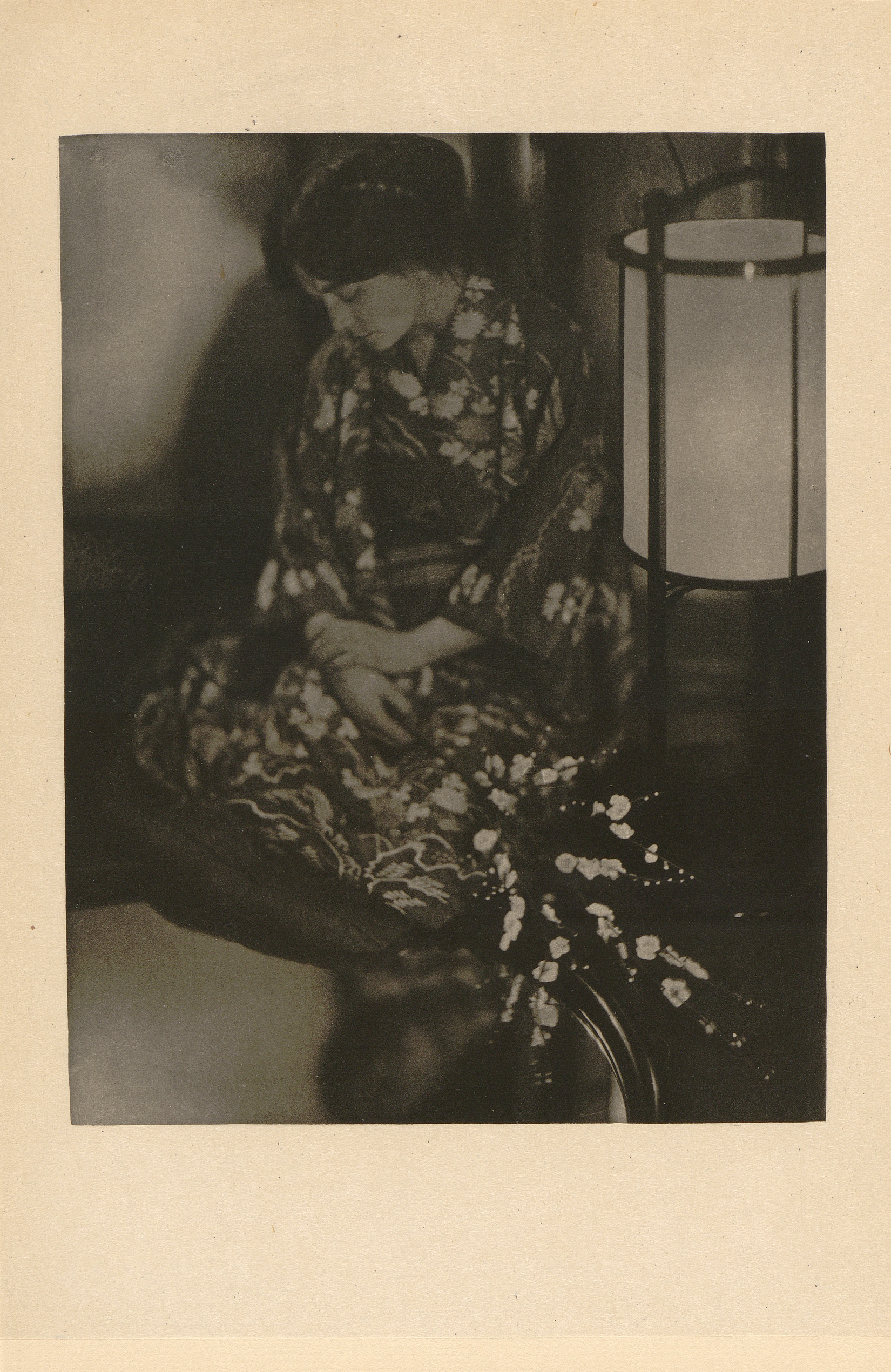
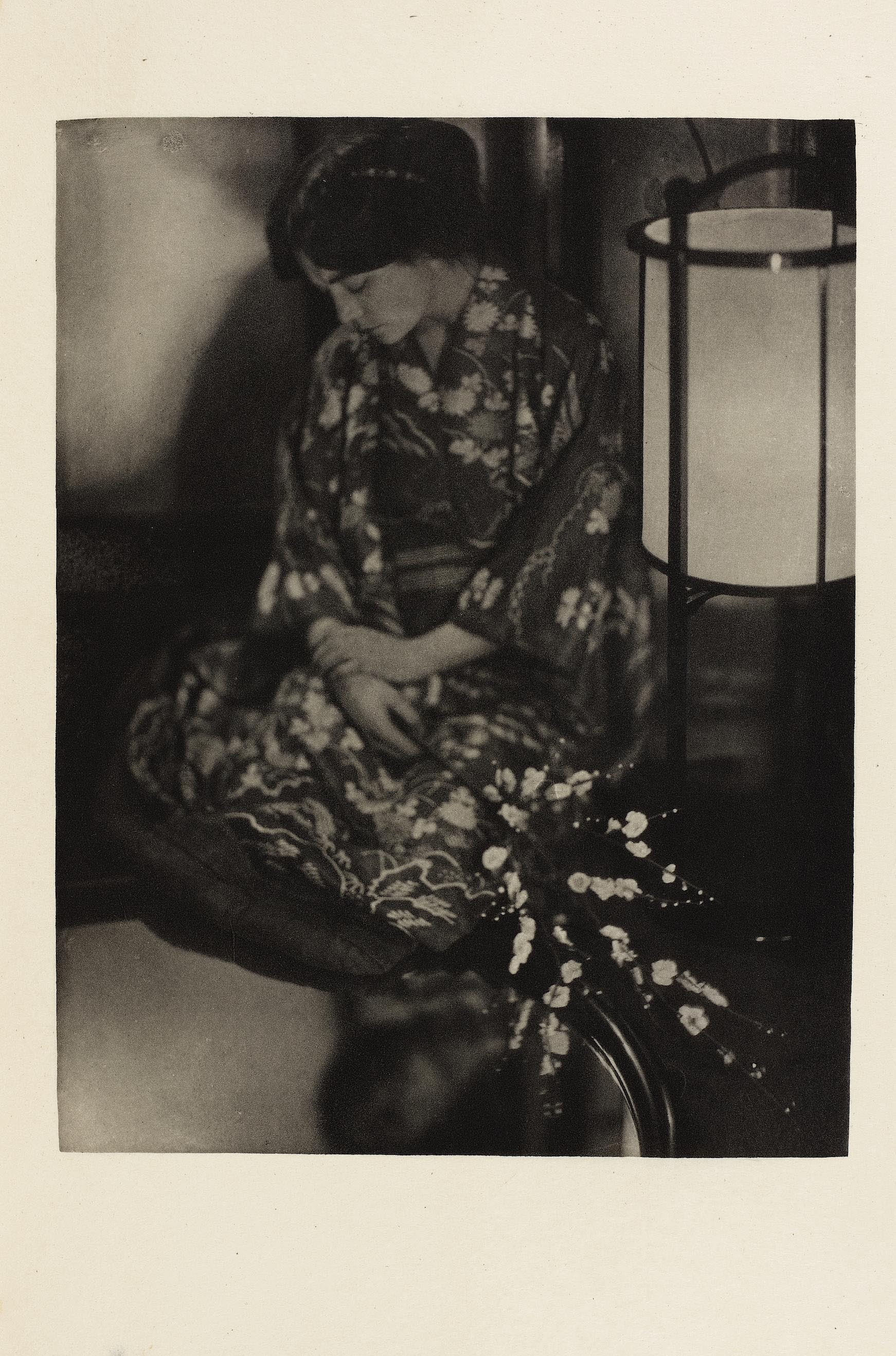
The Japanese Lantern, 1912

Paul B. Haviland :: The Japanese Lantern. Published in Camera Work: A Photographic Quarterly, nº 39, 1912. | Brown University
Paul B. Haviland :: The Japanese Lantern. Published in Camera Work: A Photographic Quarterly, Heft 39, 1912
Paul B. Haviland (1880-1950) :: The Japanese Lantern. Published in Camera Work, Heft 39, 1912 | Universitätsbibliothek Heidelberg

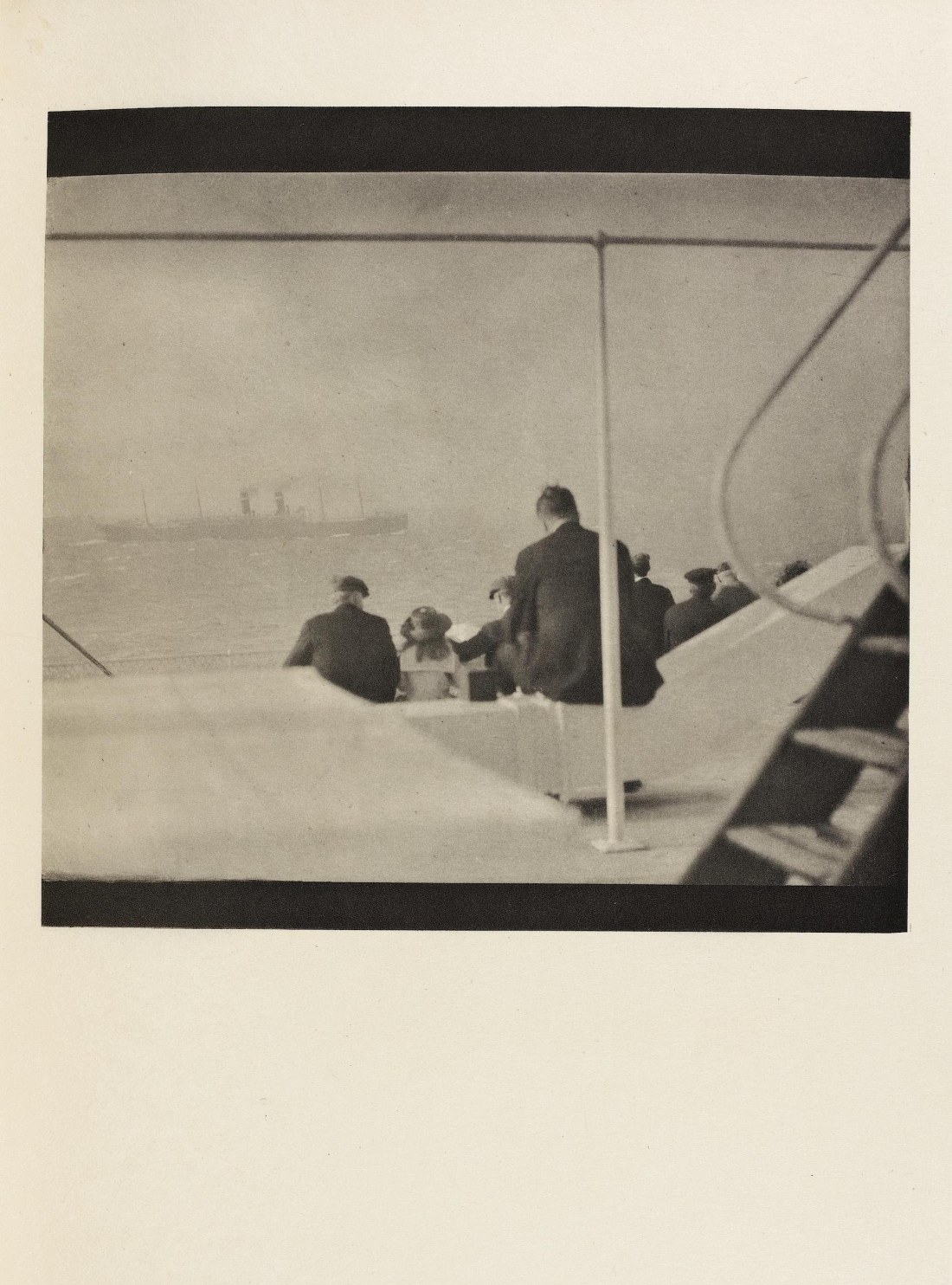
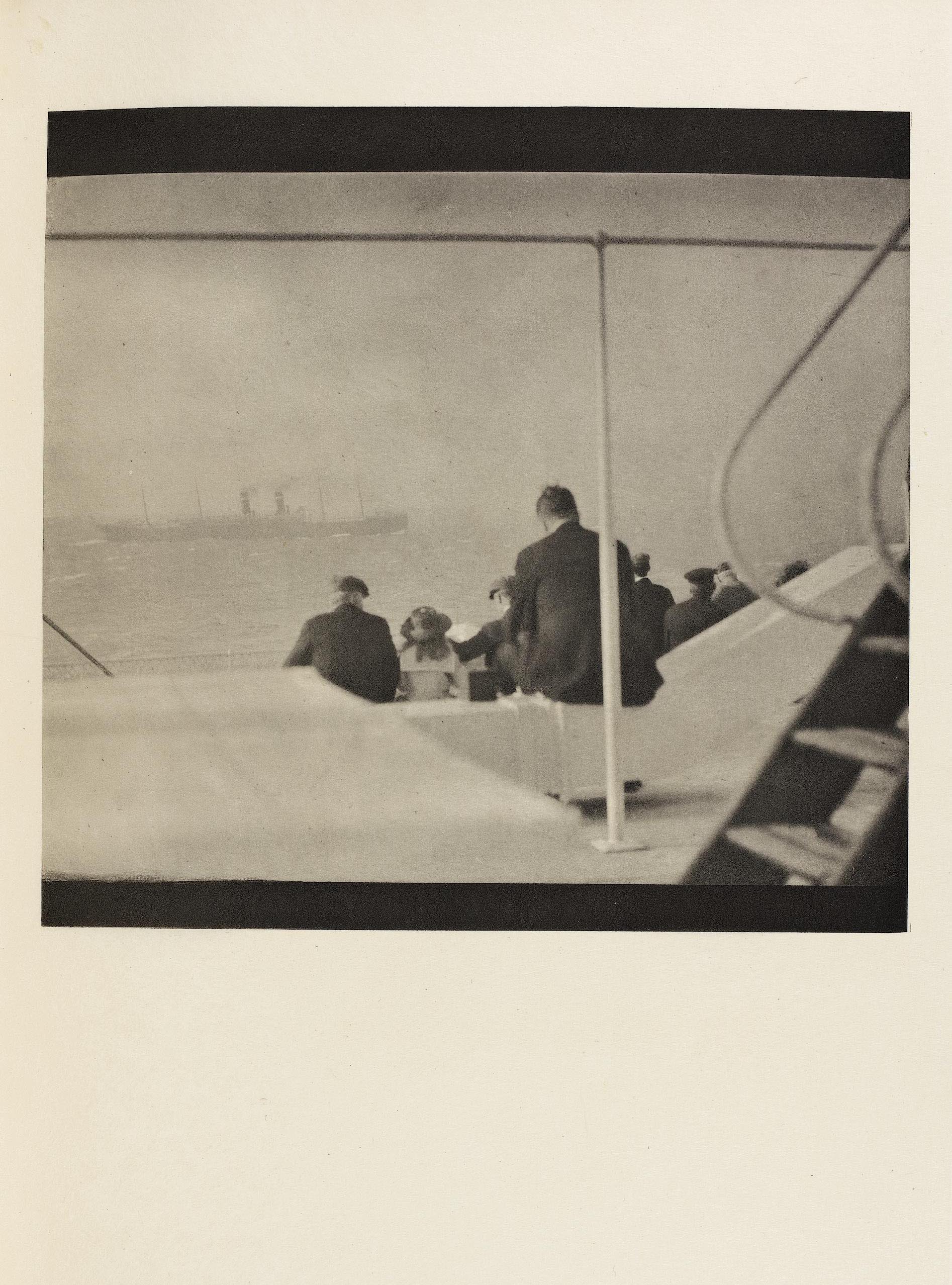
Passing Steamer, 1912

Paul Burty Haviland :: Passing Steamer. Published in Camera Work nº 39, 1912. | src Brown University
Paul B. Haviland :: Passing Steamer. Published in Camera Work, Heft 39, 1912
Paul B. Haviland :: Passing Steamer. Published in Camera Work: A Photographic Quearterly, Heft 39, 1912.