
Marcelo Gutman ::
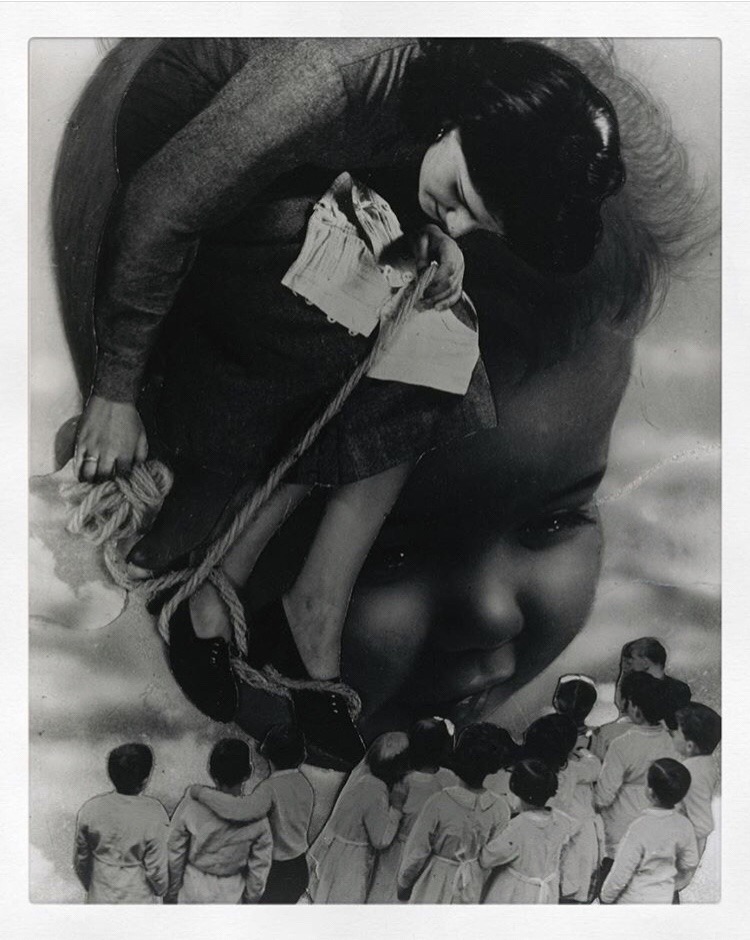
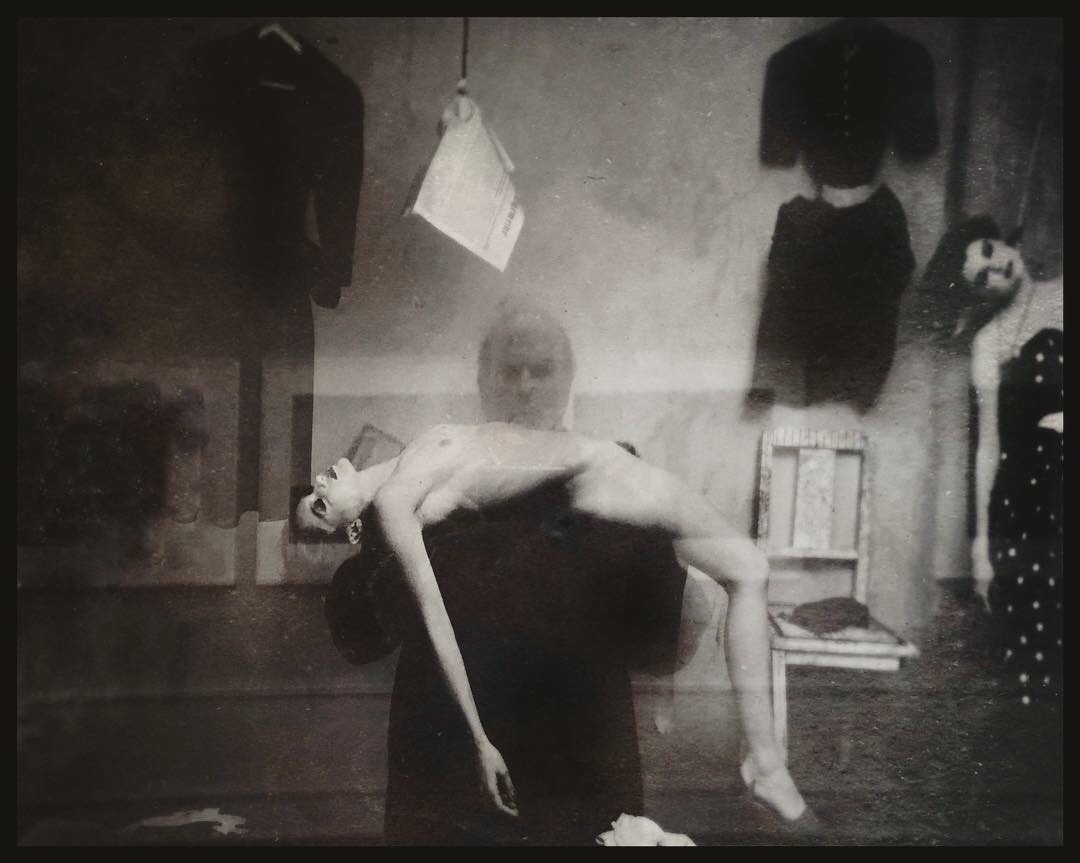
Todas las mujeres que hay en vos / All the women who are in you. Photocollage (handmade), 2012 / source: catalogo de arte
related post: photograph by John Gutmann (Memory, 1939), here
images that haunt us
Marcelo Gutman ::
Todas las mujeres que hay en vos / All the women who are in you. Photocollage (handmade), 2012 / source: catalogo de arte
related post: photograph by John Gutmann (Memory, 1939), here


Istvan Kerny (1897-1963) :: Untitled photomontage, Hungary, ca.1930. / src: yannlemouel

Robert Disraeli :: Industrialization, ca. 1935 / src: The Guardian
Robert Disraeli, who is best known as a documentary photographer, created a small group of contrived images inspired by Surrealism. Here, industry is introduced as a meat grinder (appropriately, an “Enterprise” brand device) that spits out a stream of automobiles at the cost of the human body. All that remains to be consumed is a hand, fingers spread in a gesture of frightened but futile resistance. The stark shadow of the hand cast on the wall behind recalls cinematic murder scenes. [quoted from source]
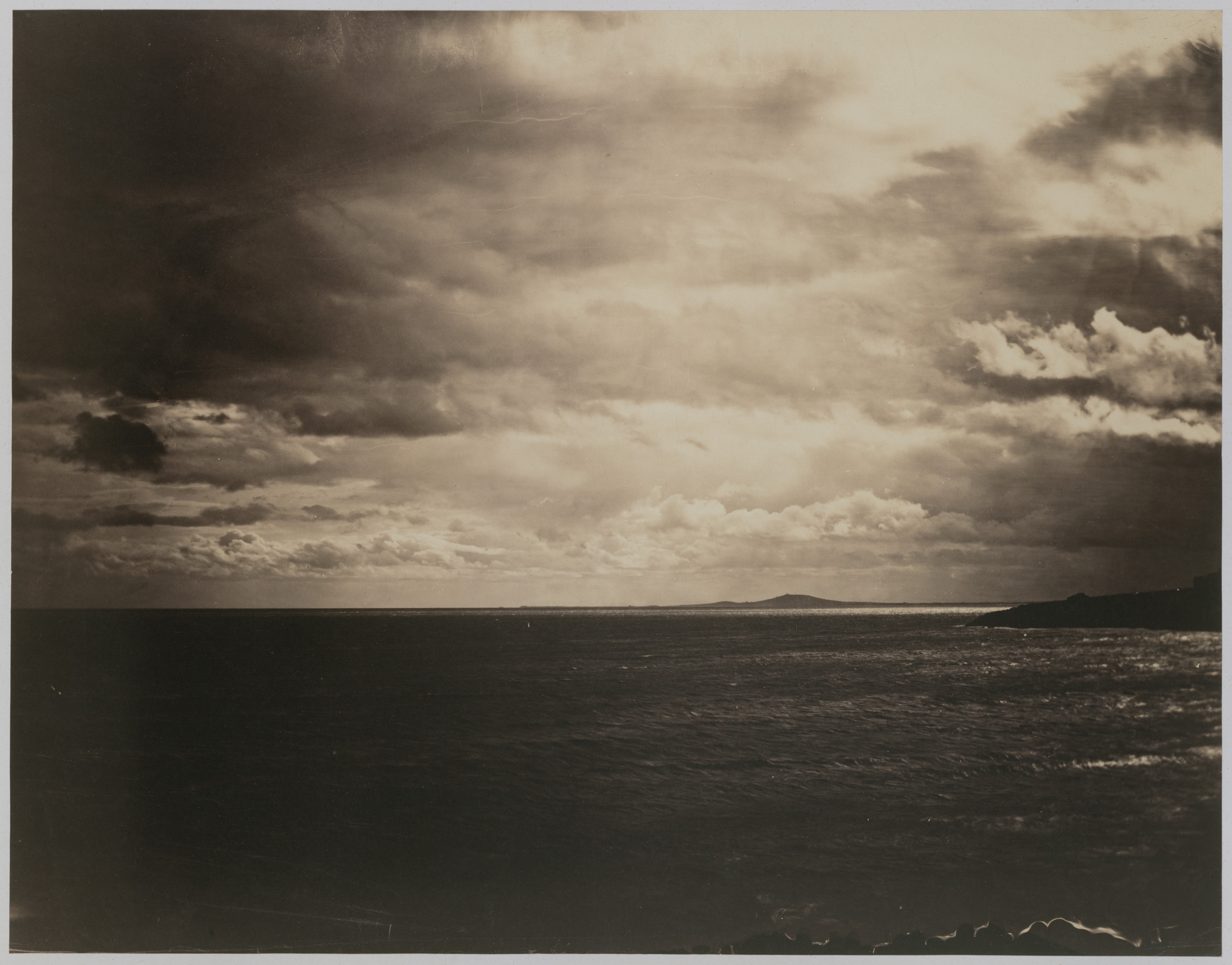
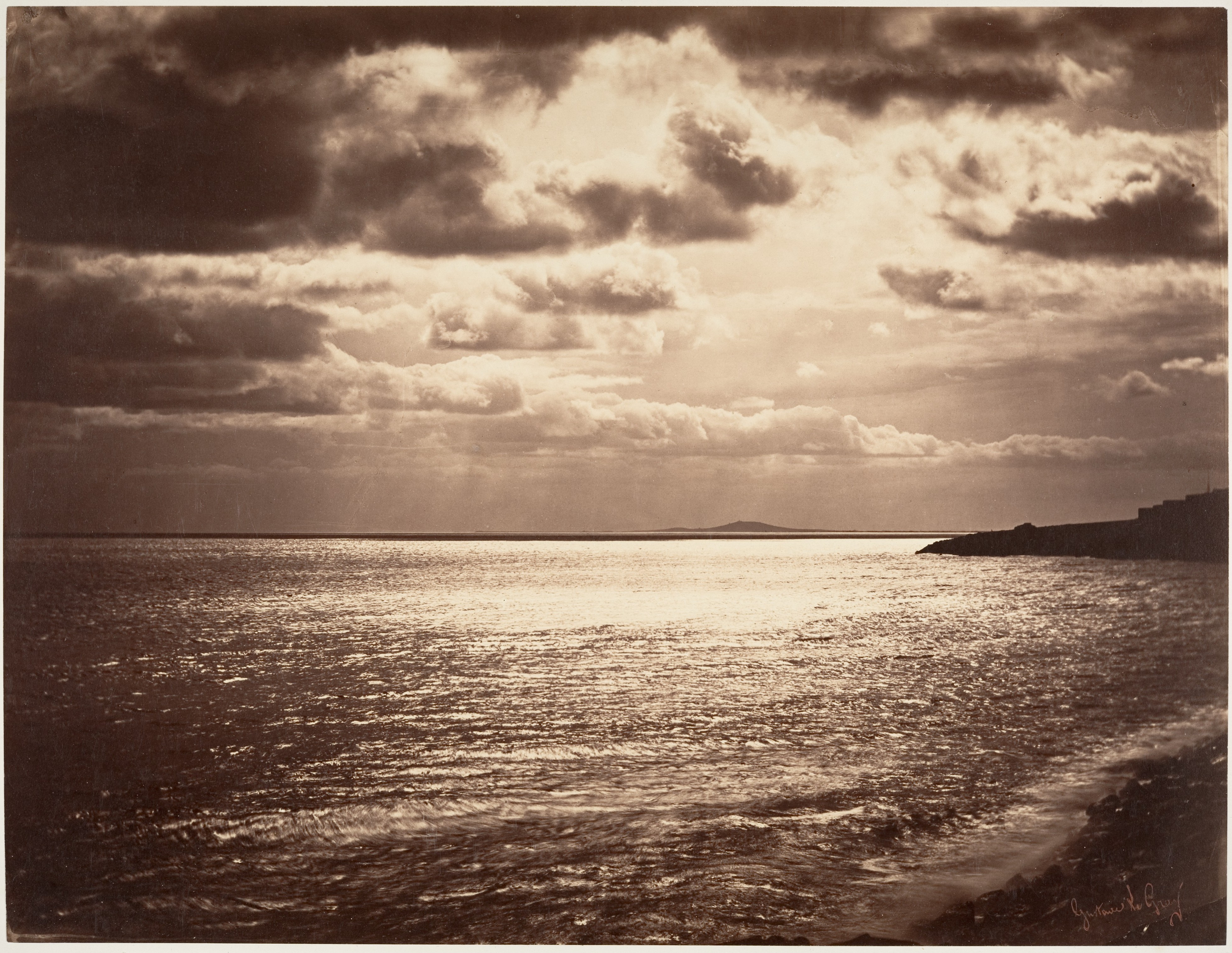
The dramatic effects of sunlight, clouds, and water in Gustave Le Gray’s Mediterranean and Channel coast seascapes stunned his contemporaries and immediately brought him international recognition. At a time when photographic emulsions were not equally sensitive to all colors of the spectrum, most photographers found it impossible to achieve proper exposure of both landscape and sky in a single picture; often the mottled sky of a negative was painted over, yielding a blank white field instead of light and atmosphere.
In many of his most theatrical seascapes, Le Gray printed two negatives on a single sheet of paper–one exposed for the sea, the other for the sky, sometimes made on separate occasions or at different locations. Although the relationship of sunlight to reflection in this example was carefully considered and the two negatives skillfully printed, one can still see the joining of the two negatives at the horizon. Le Gray’s marine pictures caused a sensation not only because their simultaneous depiction of sea and heavens represented a technical tour de force, but because the resulting poetic effect was without precedent in photography. / quoted from The Met


 un regard oblique