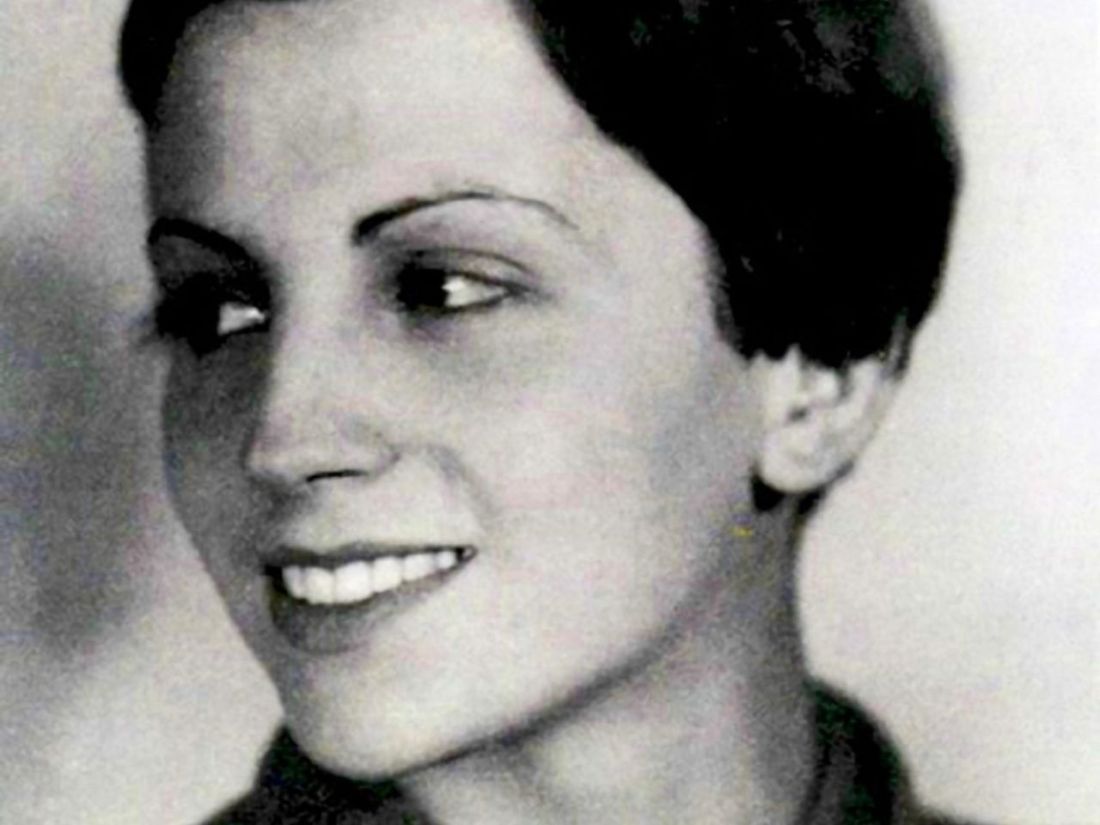
Gerda Taro, the first photojournalist to die at the front (via here) .She was covering the Spanish Civil War / via furtho
images that haunt us
Gerda Taro, the first photojournalist to die at the front (via here) .She was covering the Spanish Civil War / via furtho
Robert Capa was on the front lines of the Spanish Civil War—the war broke out 81 years ago in 1936. #ICPCollections http://bit.ly/2tnVjHY
Robert Capa was on the front lines of the Spanish Civil War—the war broke out 81 years ago in 1936. #ICPCollections http://bit.ly/2tnVjHY
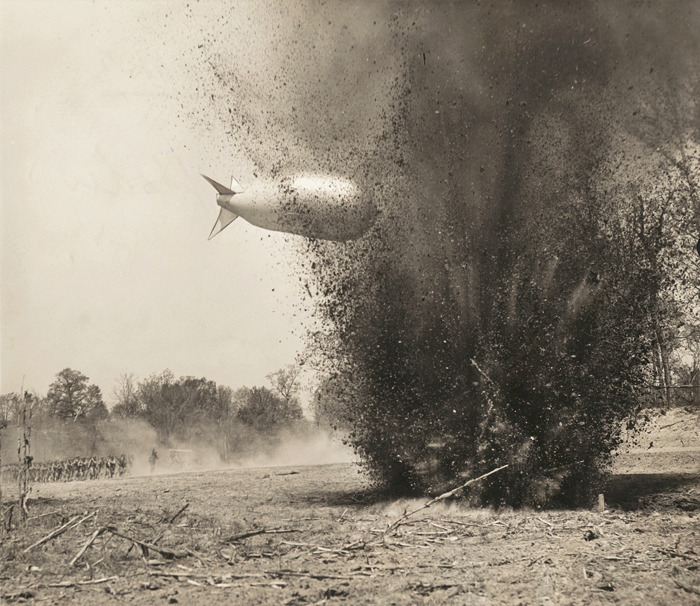
Anonymous photographer :: Explosion of a mine, 1943. Vintage gelatin silver print. / source: Lumière des Roses


James Karales :: from ‘The Selma to Montgomery Civil Rights March’, 1965 / src: Duke University
more [+] by this photographer
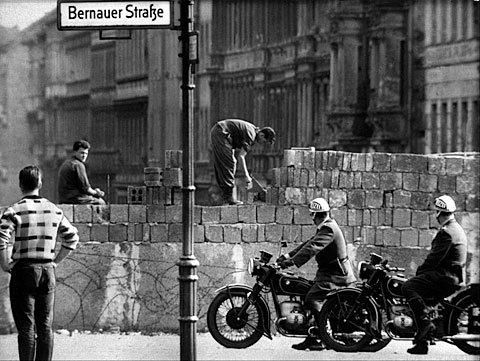
Works begin in the Wall under the watchful eyes of West Berlin police, 13 August, 1961 (Keystone) / src: swissinfo
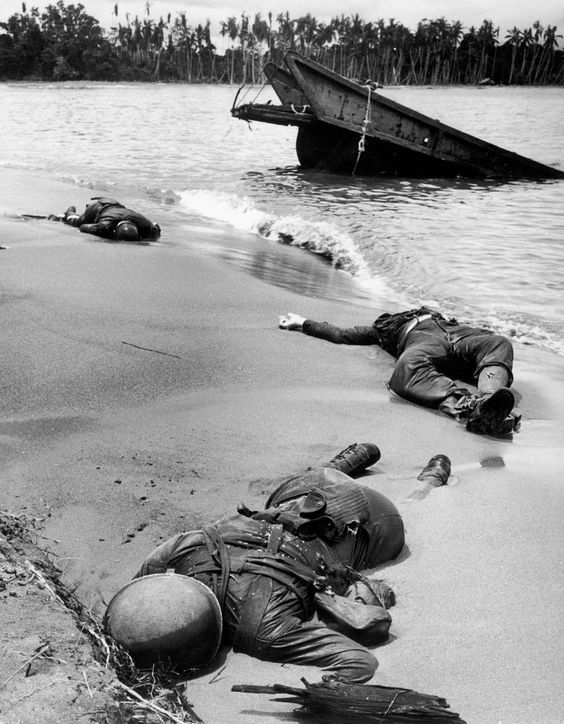
“Japs, hiding in a barge with rifles and grenades, took the lives of
these three American fighters who were mopping up on the last day of the
Buna Gona battle in New Guinea, last January. Beach and barge action
was the bloodiest and most fierce of any Buna action, and these boys are
among those who lost their lives but helped win the battle.” Published
Sept 13, 1943 for release on September 17, 1943. [LIFE Magazine] src: here
The photo, taken by George Stock in January 1943, was controversial
because it depicted the bodies of American GIs. It took nine months to
get the War Department to approve publishing the image. The decision
finally went all the way to President Roosevelt, who authorized its
publication because he was concerned that the American public was
growing complacent about the war and its terrible cost on human life. It
was the first image in World War II to depict American troops who had
died in combat without the bodies being draped, in coffins, or otherwise
covered.
The photo by George Strock for LIFE magazine is now acknowledged as a war classic. /
image source: nzgeo
 un regard oblique