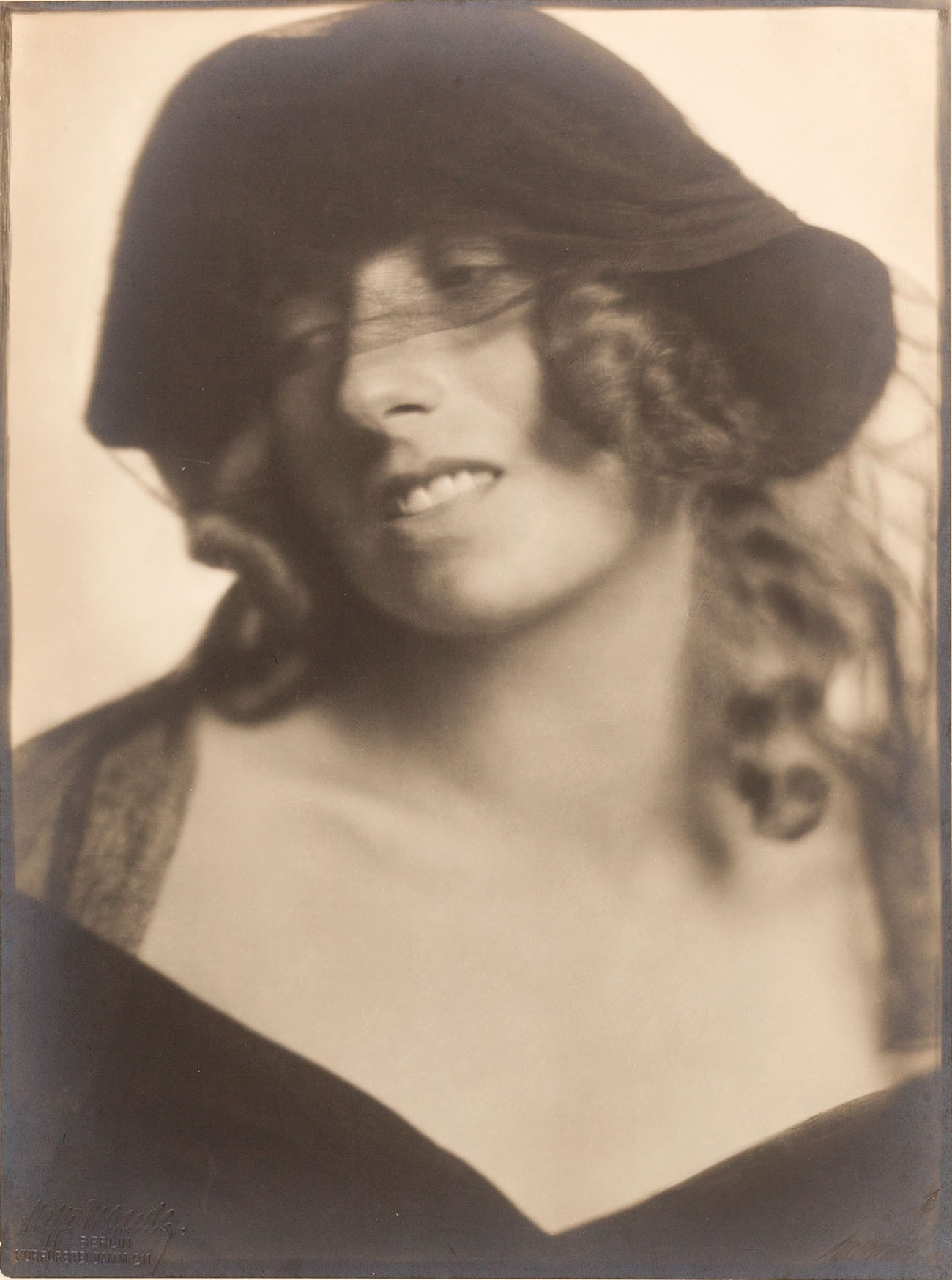
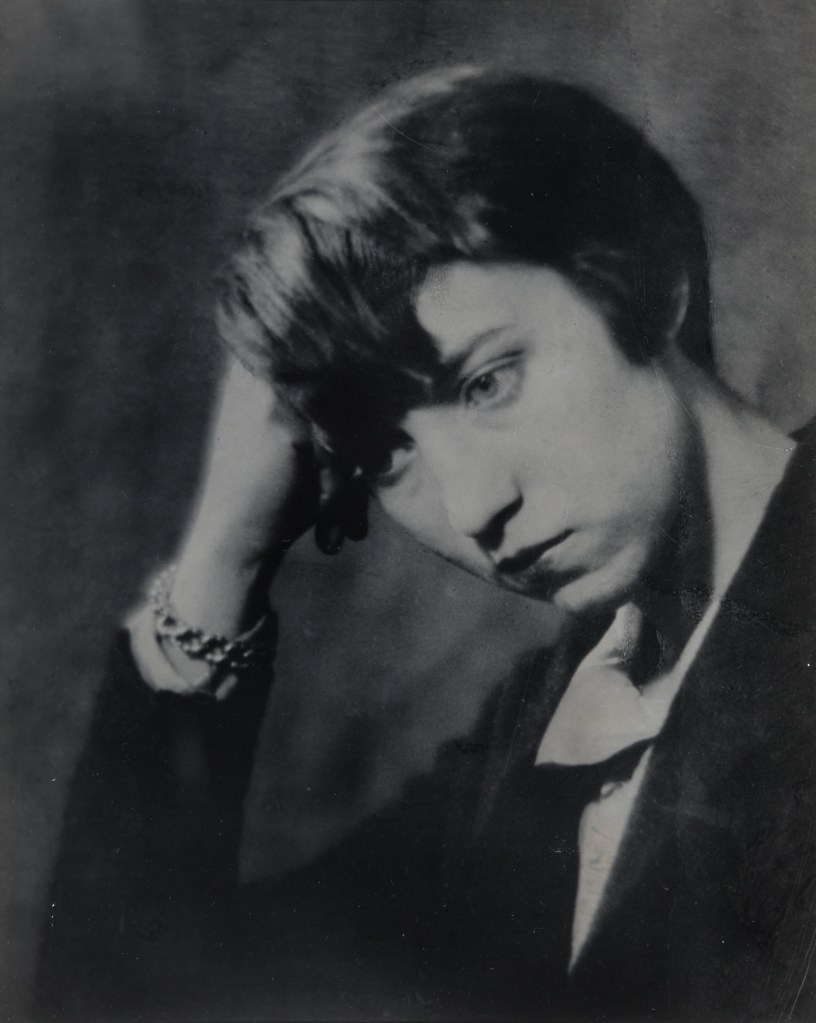
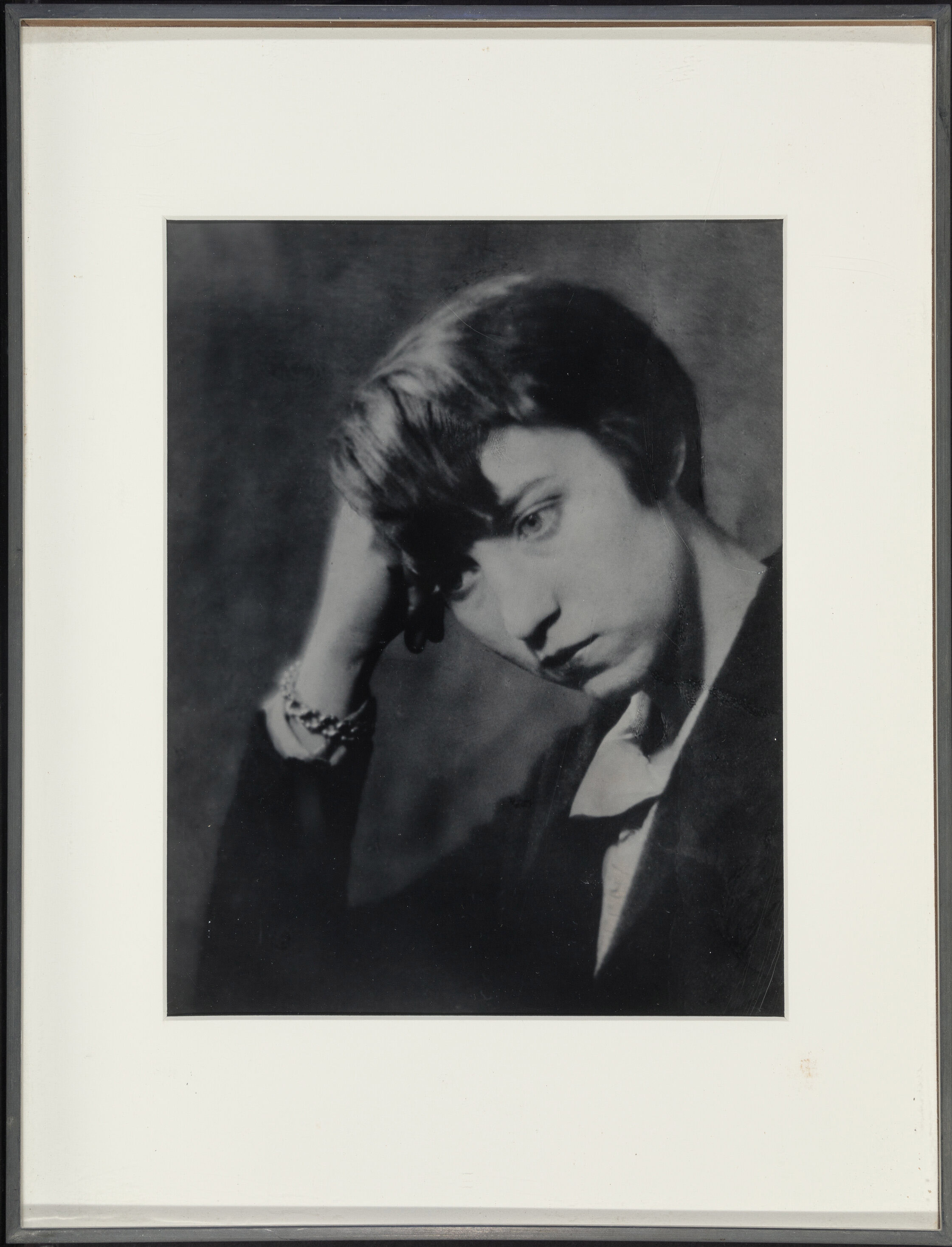
Rare portrait of the famous Viennese photographer, at whose studio Brandl worked. Fleischmann was what is now called a good networker and cultivated customer contacts like friendships with costume parties in her studio. The portrait most likely shows her dressed for such an occasion.
Seltenes Porträt der berühmten Wiener Fotografin, in deren Atelier Brandl arbeitete. Fleischmann war, wie man heute sagt, eine gute “Netzwerkerin”, die ihre Kundenkontakte und Freundschaften auch mit der Veranstaltung von Kostümfesten in ihrem Atelier pflegte. Es ist anzunehmen, dass sie dieses Porträt in einer Garderobe für einen solchen Anlass zeigt.
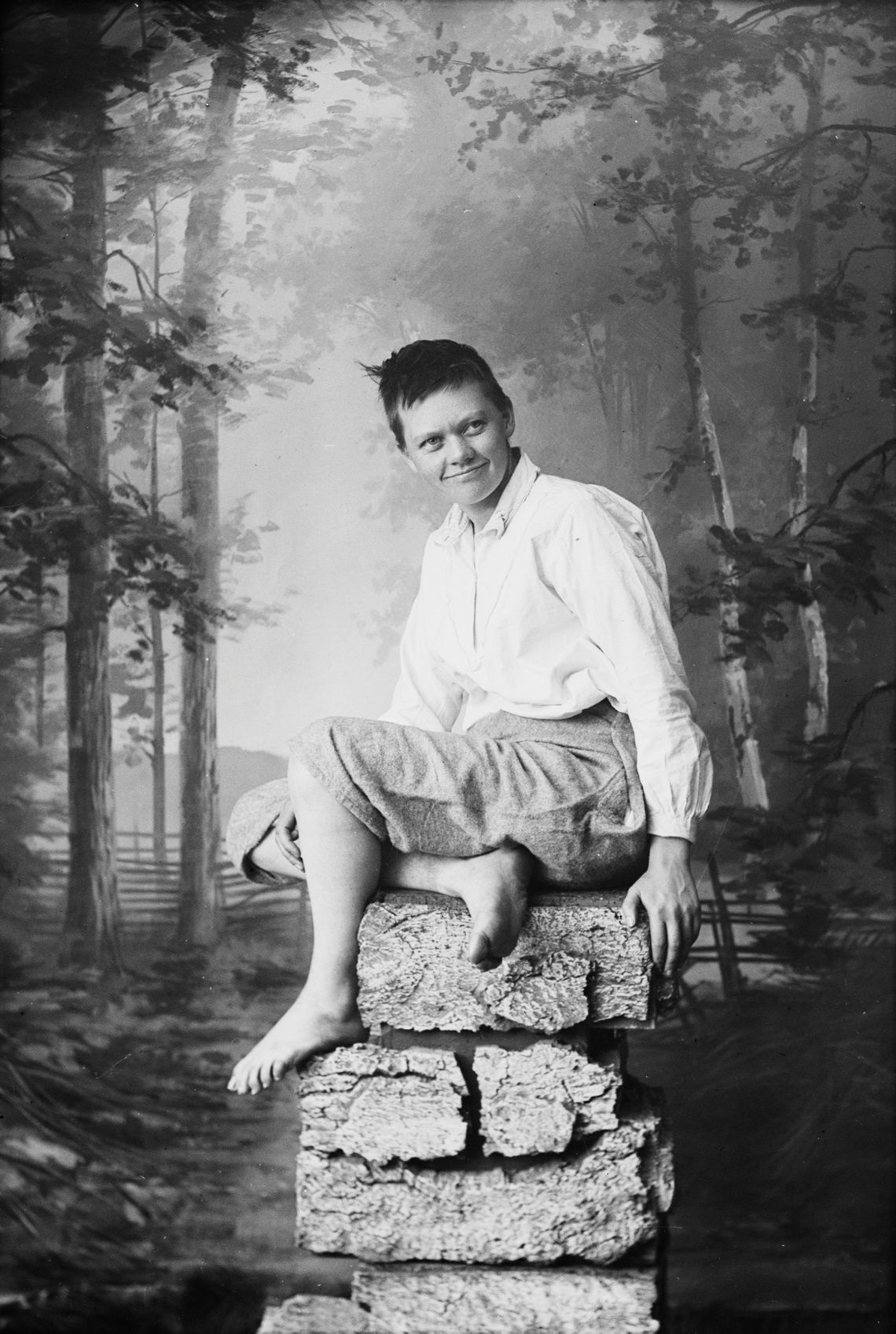
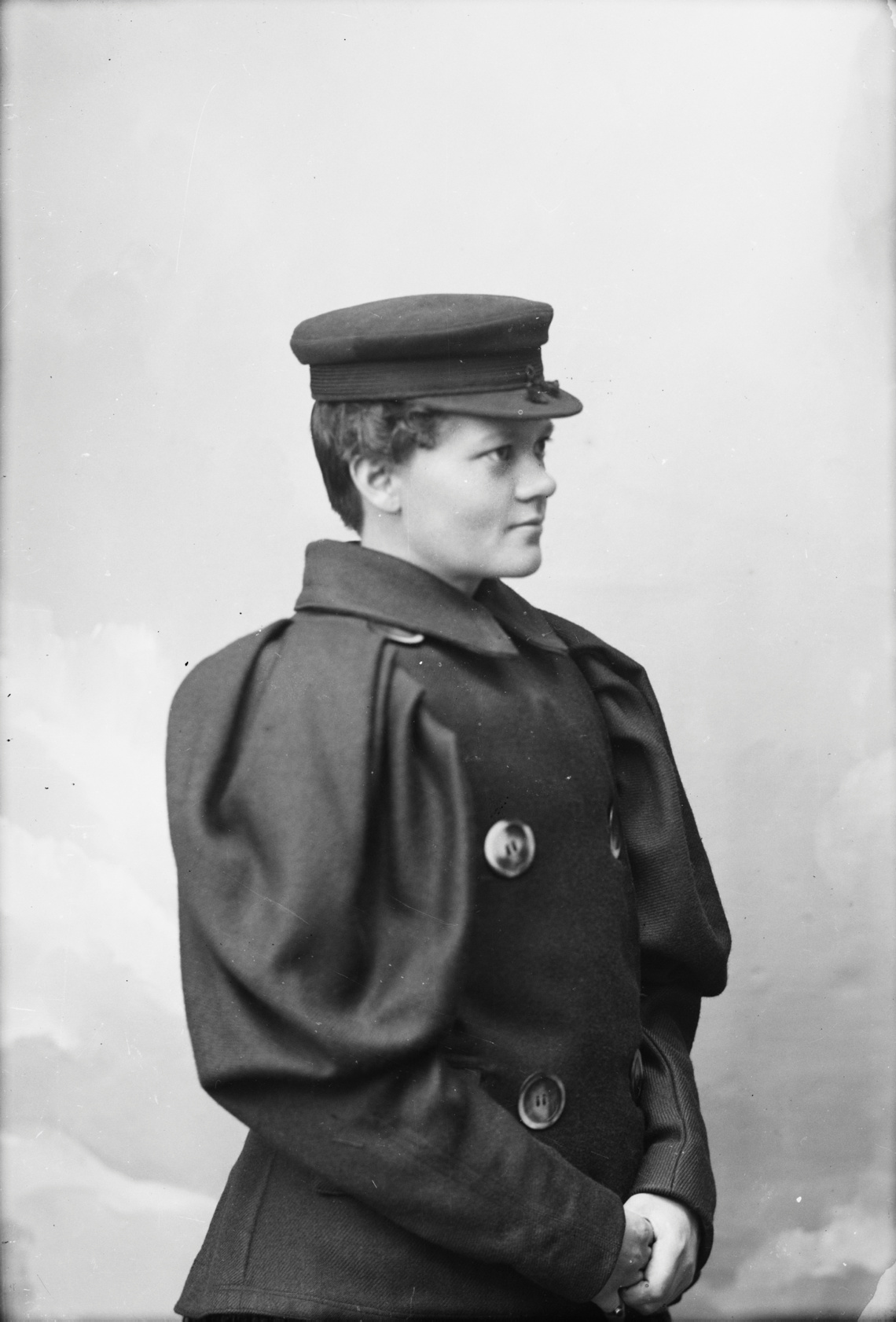
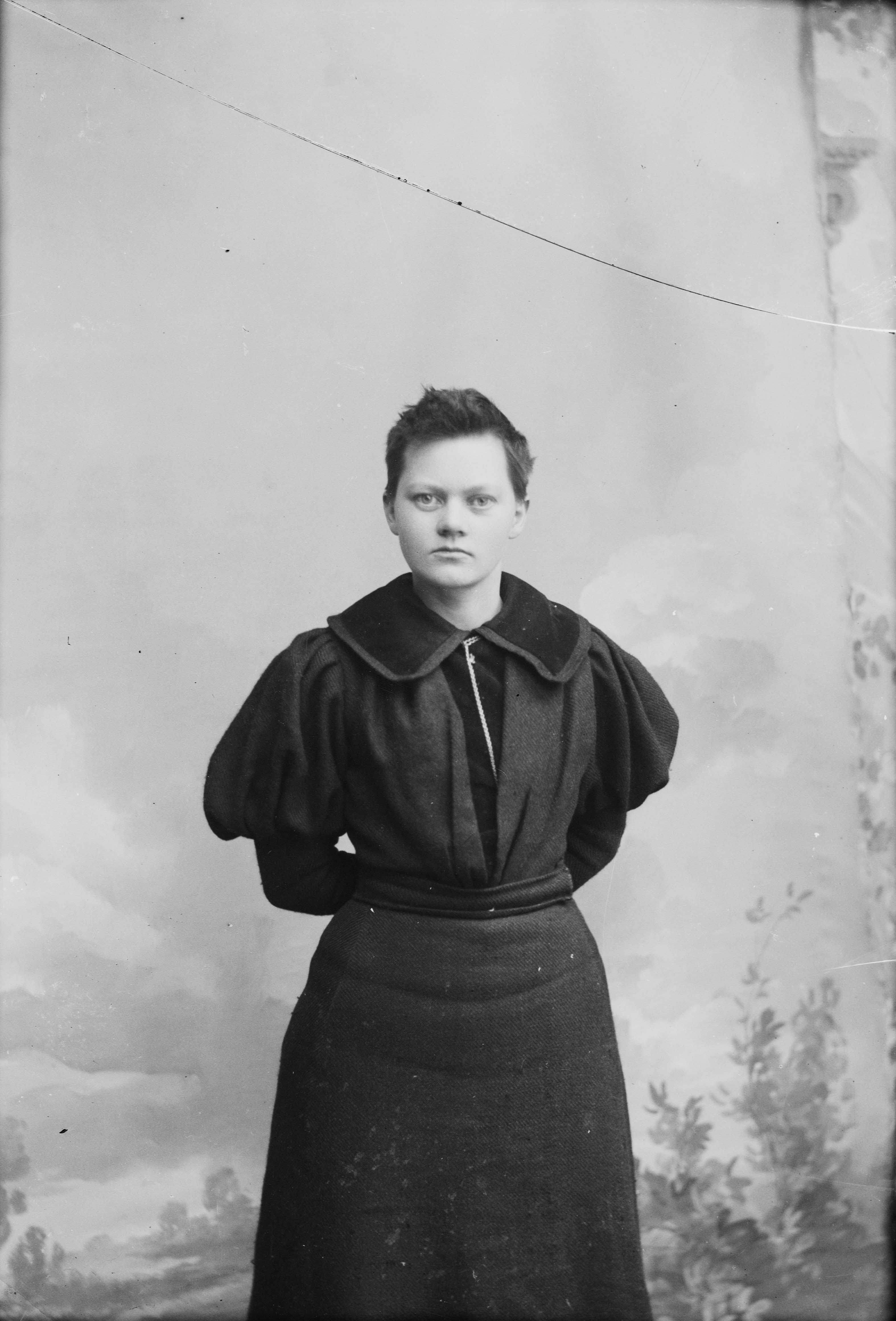
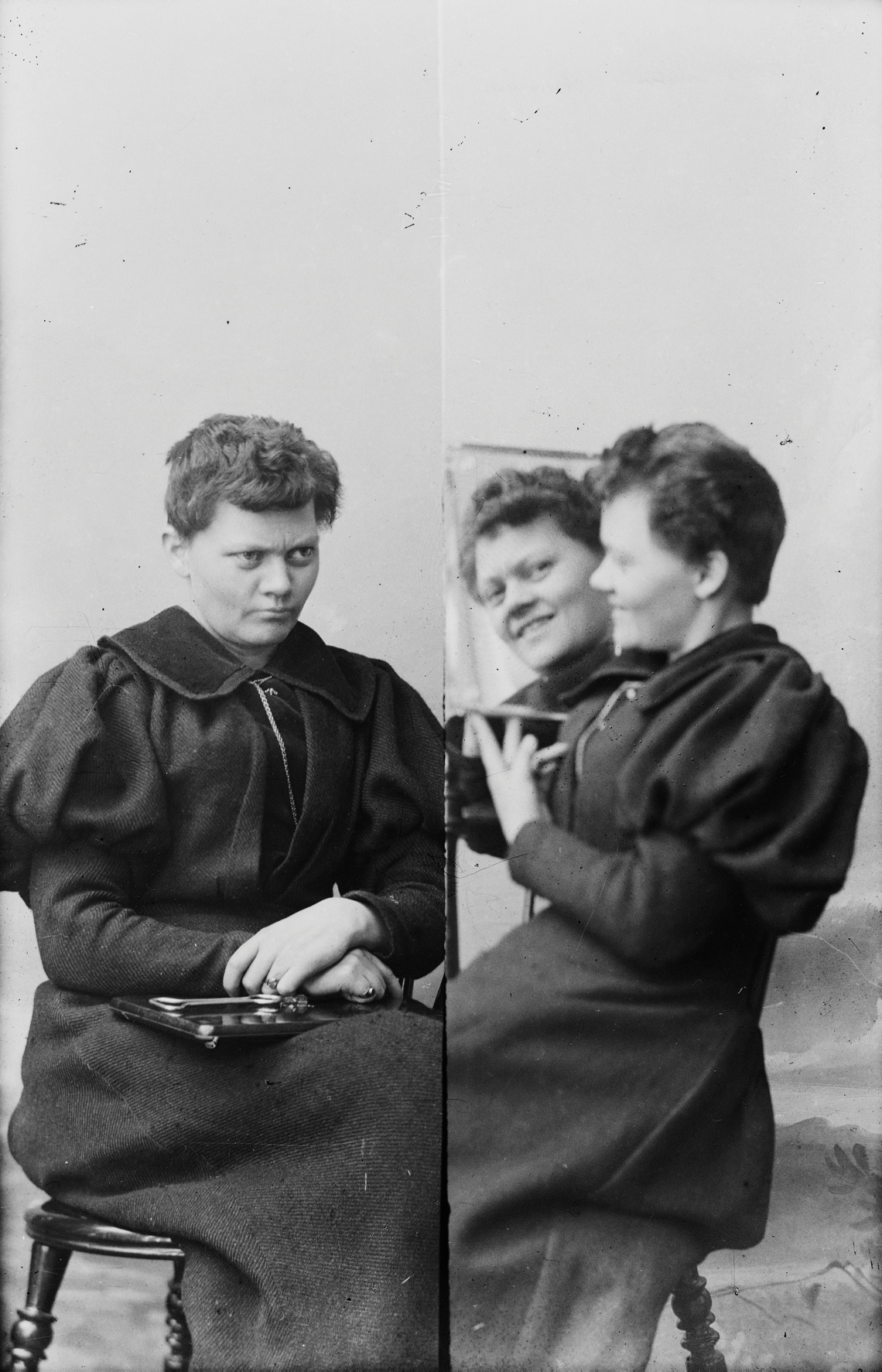
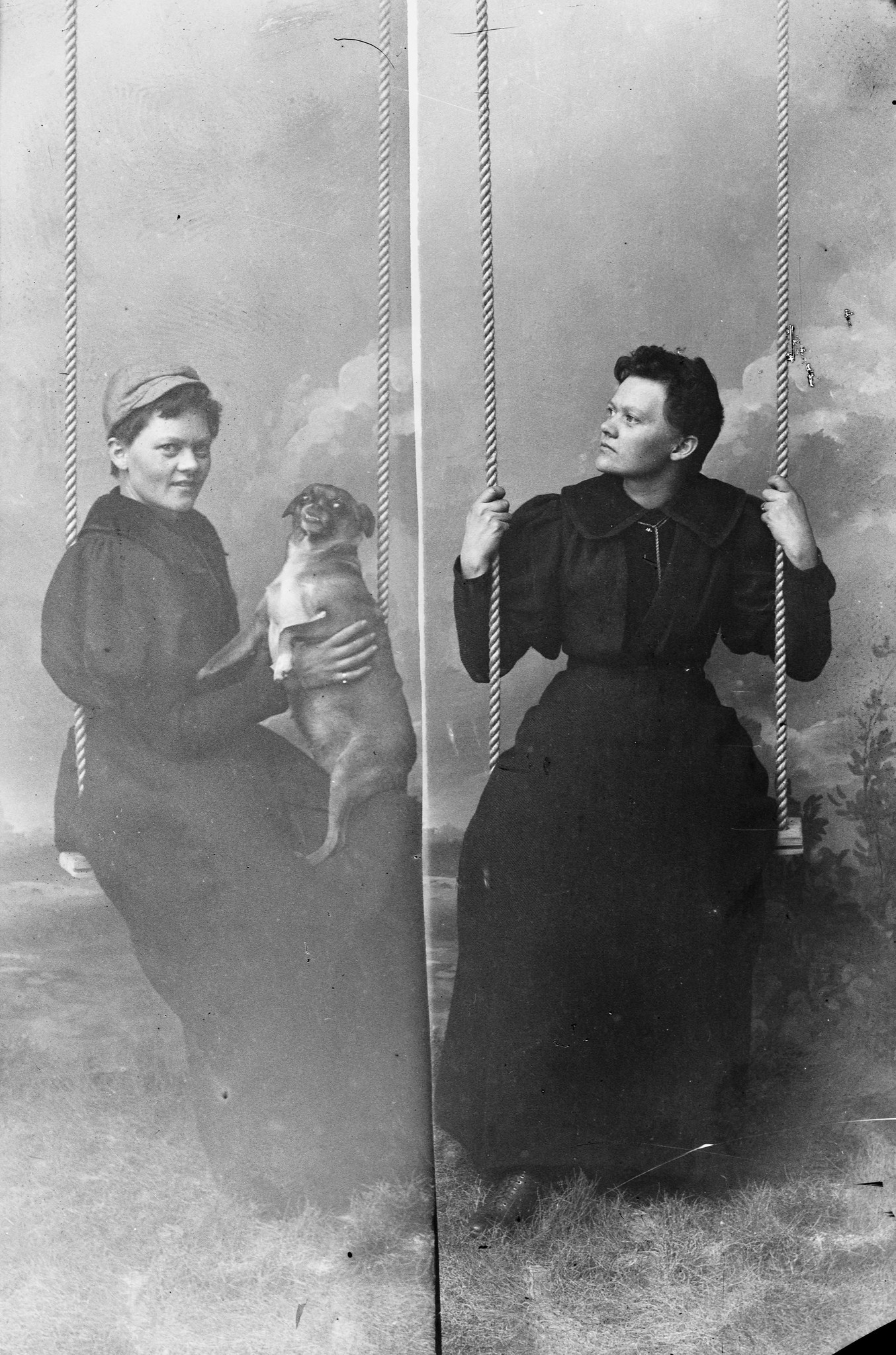
Marie Høeg (in underwear) as a young boy with cigarette. Photo: Berg & Hoeg, ca. 1895-1903 | src The Preus museum collectionMarie Høeg sits crossed-legged in her underwear, with her initials embroidered on the collar. Short hair, direct gaze to the camera, and a cigarette dangling. (ca. 1895-1903)Marie Høeg as a young boy with a cigarette. Photo: Berg & Hoeg, ca. 1895-1903Marie Høeg. Photo: Berg & Hoeg, ca. 1895-1903 | src The Preus museum collection on FlickrMarie Høeg i sjømannslue og kåpe. Photo: Berg & Hoeg, ca. 1895-1903. The Preus museum collectionMarie Høeg. Photo: Berg & Hoeg, ca. 1895-1903. Glass plate negativeKind of triptych of Marie Høeg. Two motives put together on one glass plate. Photo: Berg & Hoeg, ca. 1895-1903Composite photograph, Marie Høeg sitting on a swing. Two motives put together on one glass plate. Photo: Berg & HoegMarie Høeg. Photo: Berg & Hoeg, ca. 1895-1903Marie Høeg ‘after the burglary‘ sitting at a table counting money (gun on table). Photo: Berg & Hoeg, ca. 1895-1903
In a box marked “private”, an amazing collection of glassplates were found 30 years ago, amongst the remnants of the two portrait photographers Marie Høeg (1866-1949) and Bolette Berg (1872-1944).
In 1895, they established the Berg & Høeg photography studio in Horten, Norway, where they took portraits and views of Horten and surroundings and lived on the proceeds from sales. At that time, photography was seen as a decent and acceptable profession for women, as it was a profession that demanded a certain amount of aesthetic sense – as part of the female nature.
Horten was a naval base with the main shipyard for the Norwegian navy and had a strong flow of people who needed photographs for celebration and recollection. Perhaps that is how the two photographers understood by the very process of portraiture how important it is to stage oneself and to what a large degree that contributes to how we are perceived.
The Preus museum collection has 440 glass negatives from Berg & Høeg. Among the cartons in the 1980s were discovered some on which had been written “private.” It is not unusual that photographers also have private photographs in their archives. But these were not ordinary keepsake pictures. They indicate that the two photographers, especially Marie Høeg, experimented with various gender roles.
Imagine the fun they must have had, cross-dressing and playing! At the same time, the images are deeply serious, as they reflect upon the expectations and attitudes towards women, and their lack of rights and freedom. We know that Høeg was the extrovert and started groups to fight for women’s rights. Bolette Berg was less in the public view. However, she must have been back of the camera in many of these photographs, which have attracted international notice.
We find several such boundary-breaking photographic projects in Europe and America around 1900. They correspond with women’s battle for full civil rights and the right to define their own identity. So these photographs are a part of an international history – or herstory – that has meaning and recognition value for all women, including now. All images are digital reproductions of the original glass plates. Some of the plates have cracks and damages, left visible in the reproductions.
All images and text retrieved from The Preus museum on Flickr
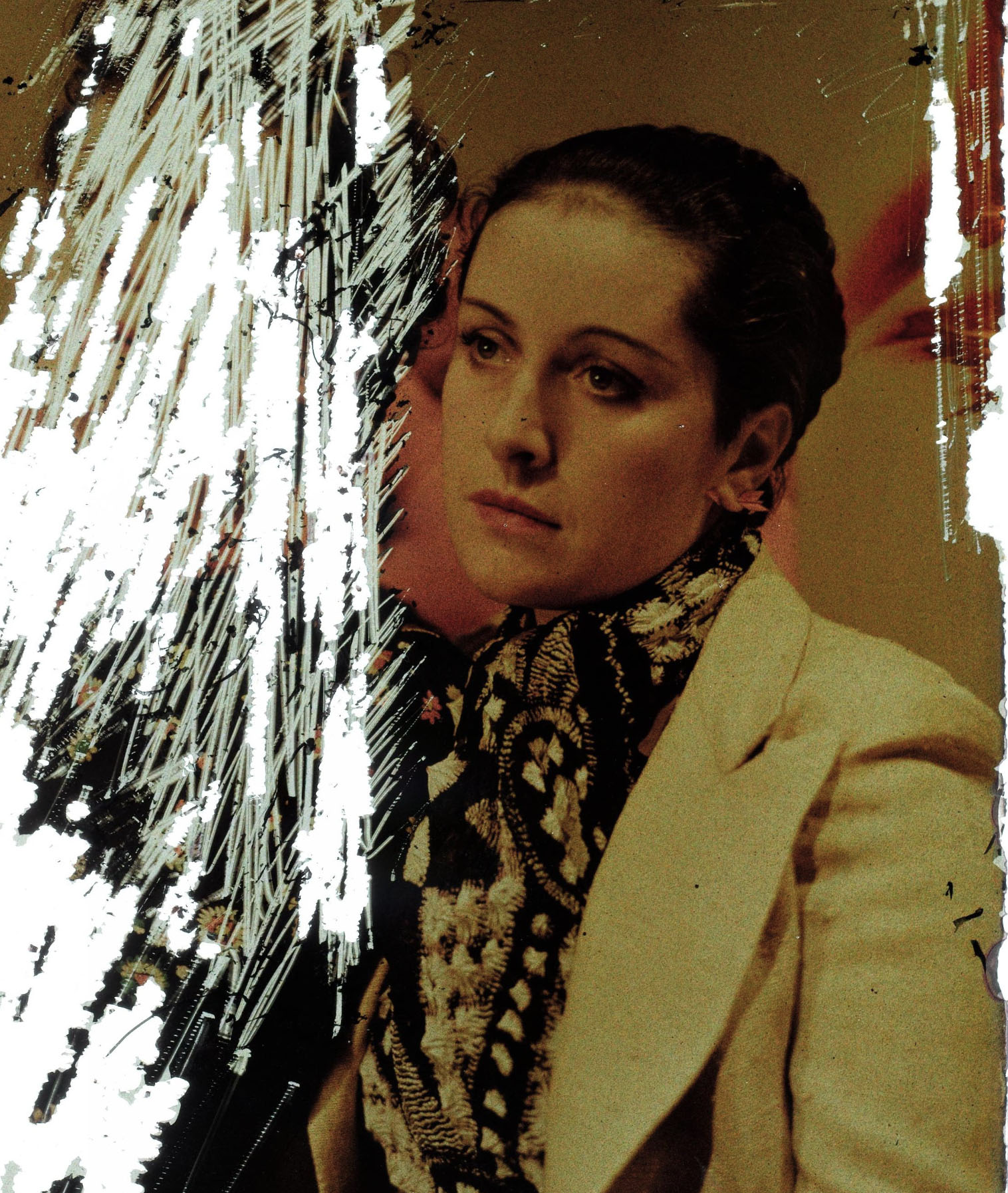
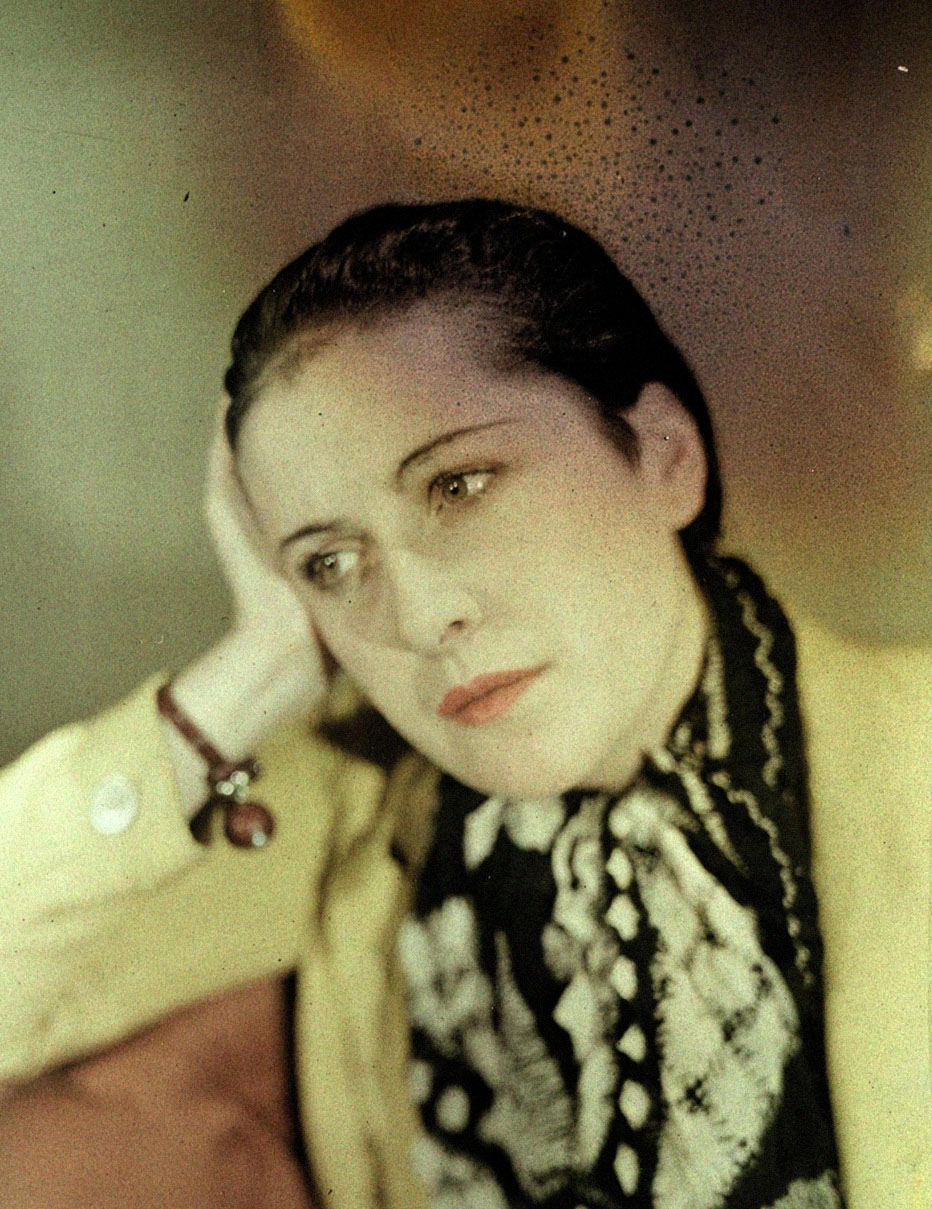
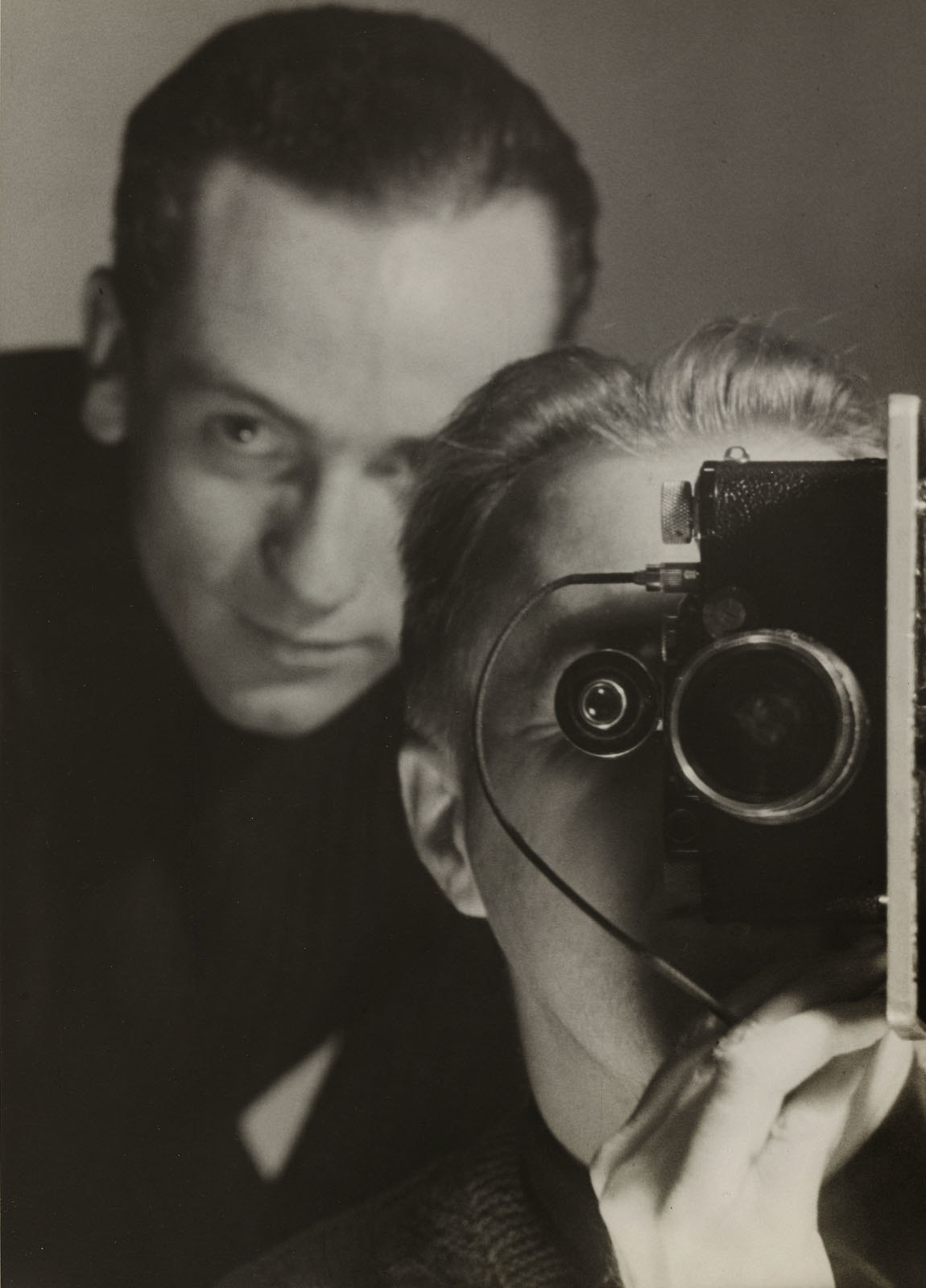
Dora Maar (1907-1997) ~ Autoportrait, vers 1935 (Autochrome) (detail) | src Centre PompidouDora Maar (1907-1997) ~ Autoportrait, vers 1935 (Autochrome) (detail) | src Centre PompidouDora Maar (1907-1997) ~ Autoportrait, vers 1935 (Autochrome) | src Centre Pompidou
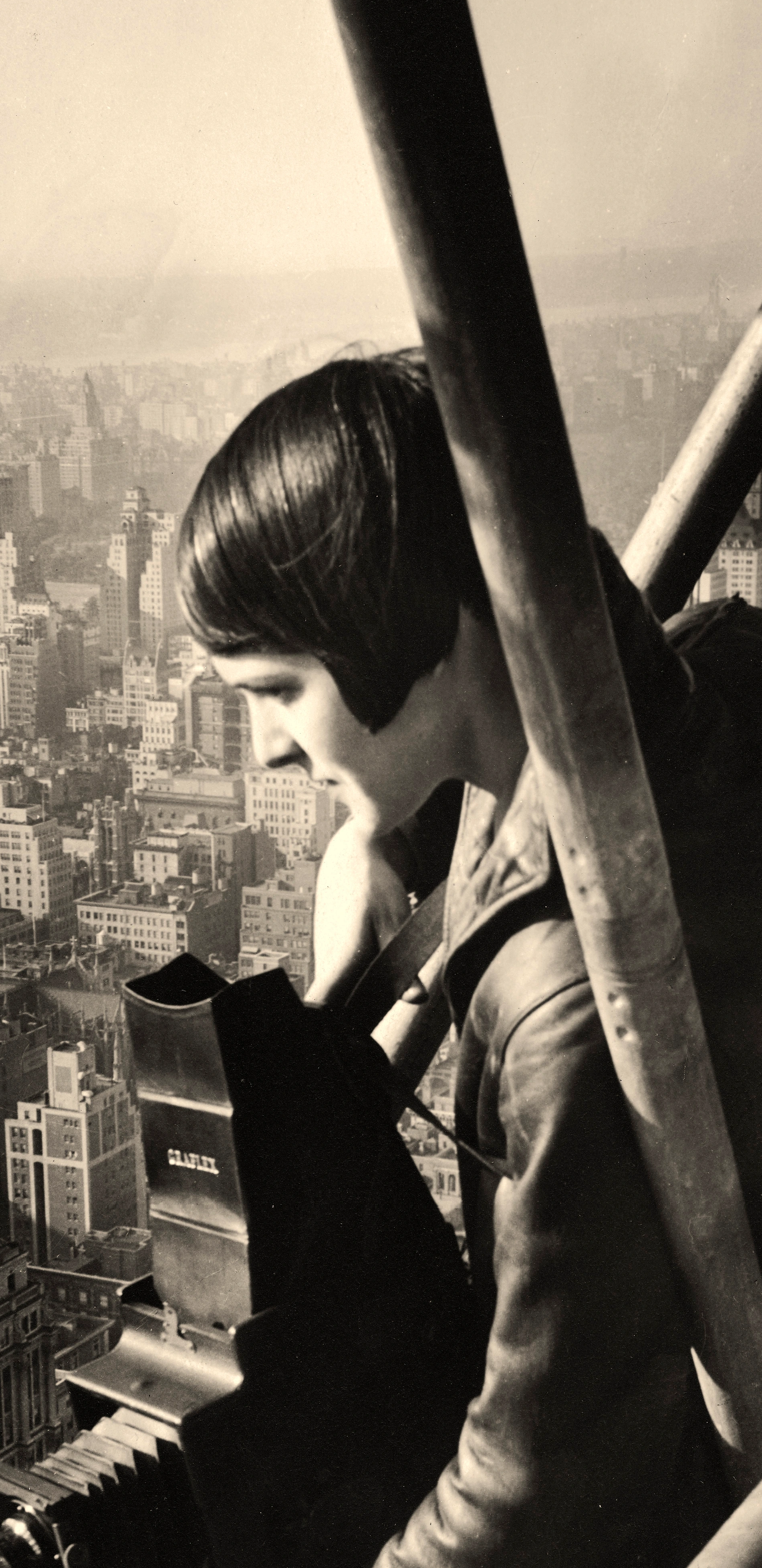
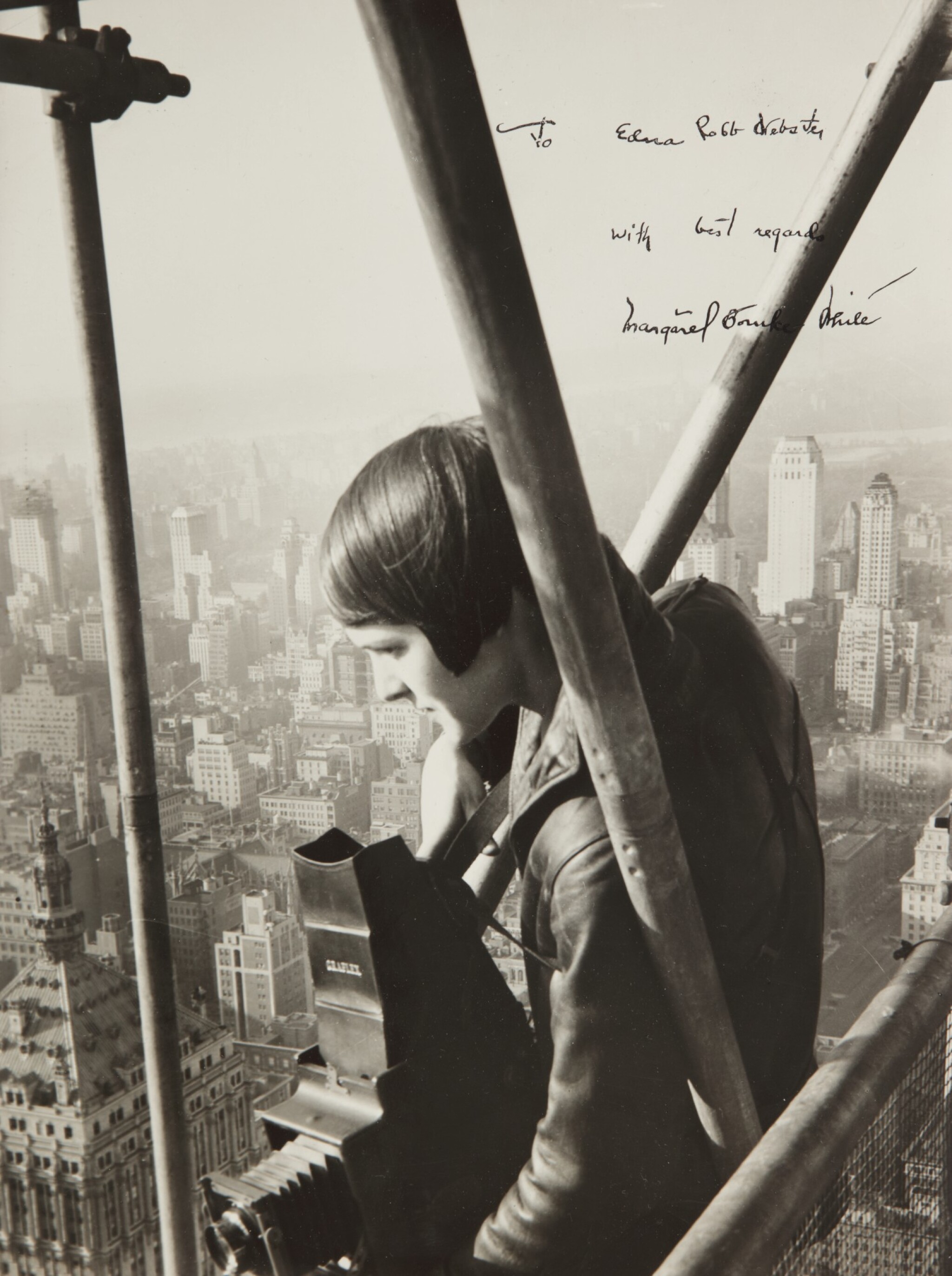
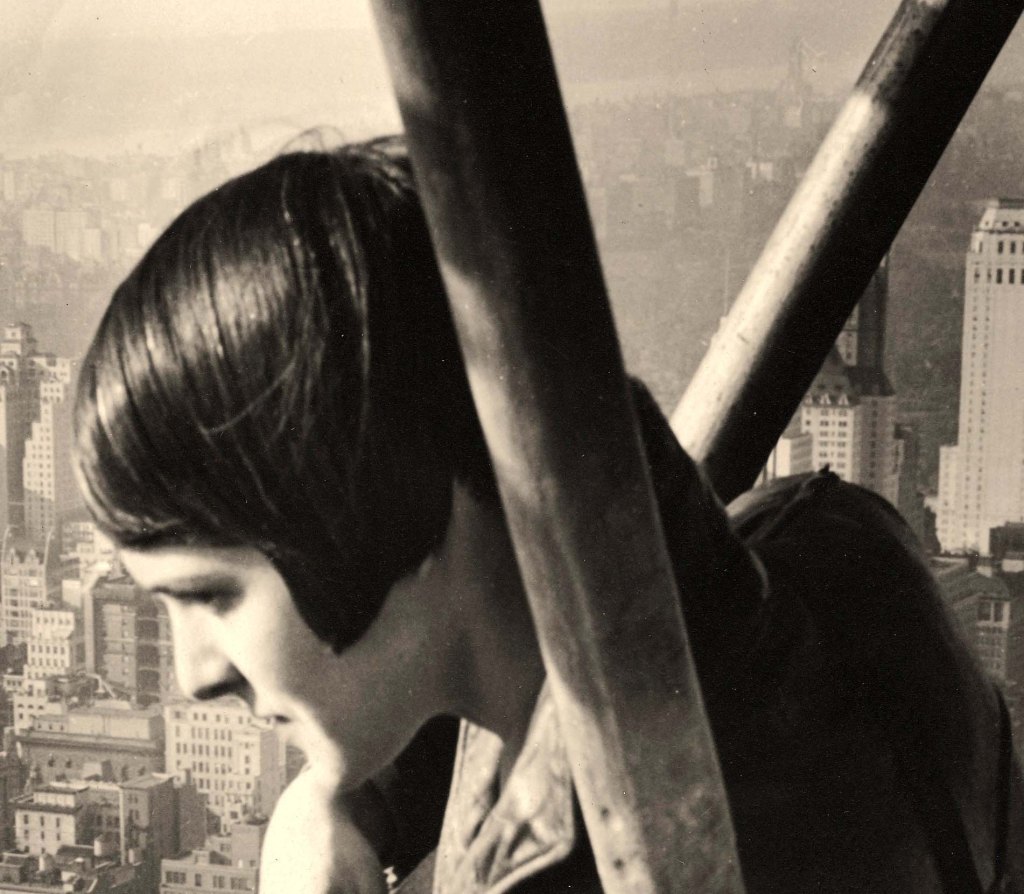
Oscar Graubner (1897-1977) :: Margaret Bourke-White with camera at the Chrysler Building (close up), circa 1930 ‘The New Woman Behind the Camera’ review on Fortune MagOscar Graubner (1897-1977) :: Margaret Bourke-White atop the Chrysler Building (close up), circa 1930 Ferrotyped gelatin silver print, signed and inscribed ‘To Edna Robb Webster with best regards’ in ink on the image | src Sotheby’sOscar Graubner (1897-1977) :: Margaret Bourke-White with camera at the Chrysler Building (close up), circa 1930 [detail]
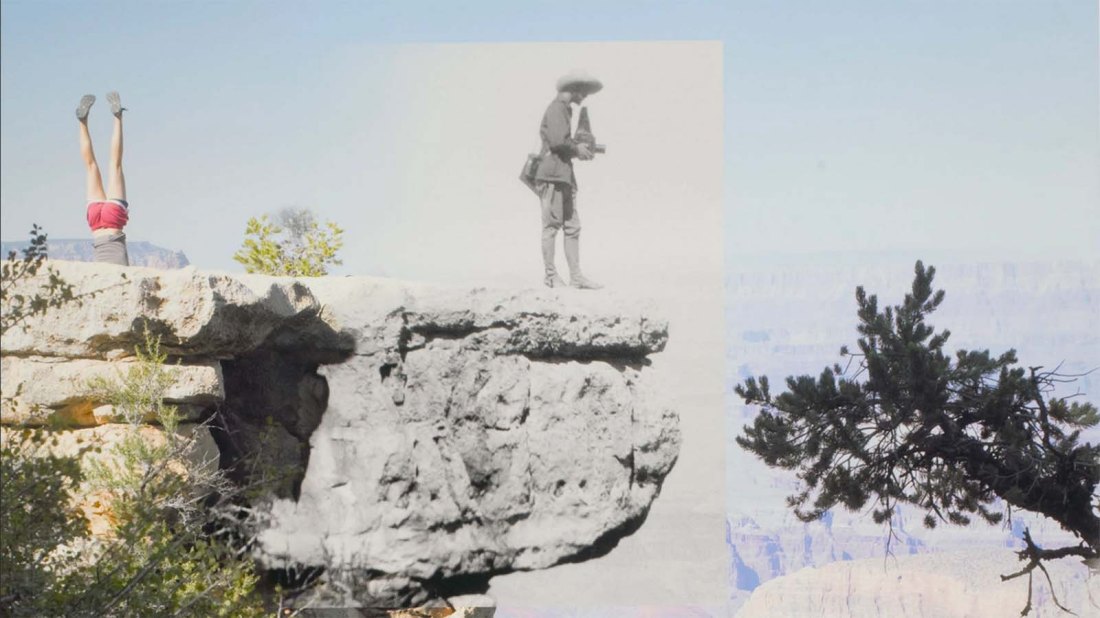
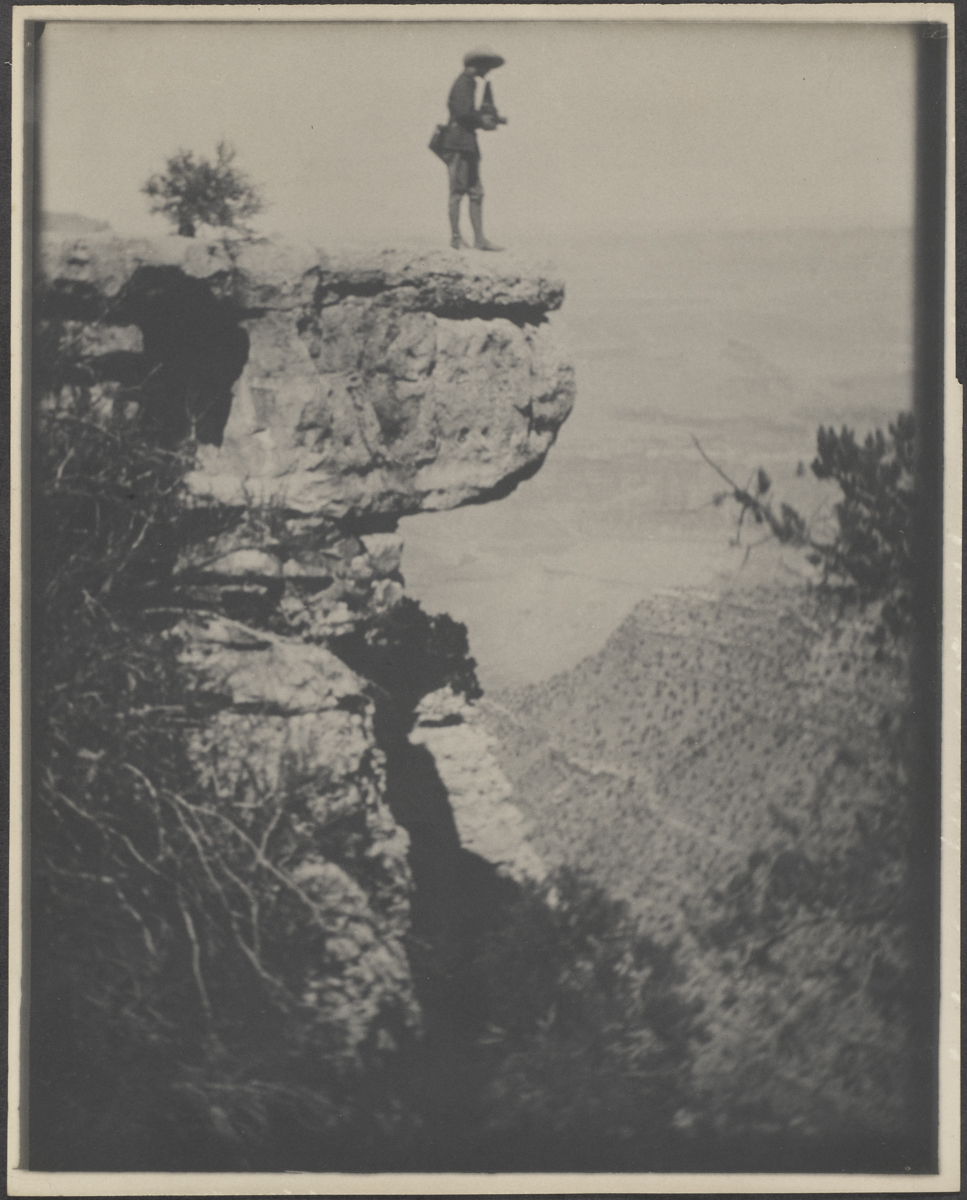
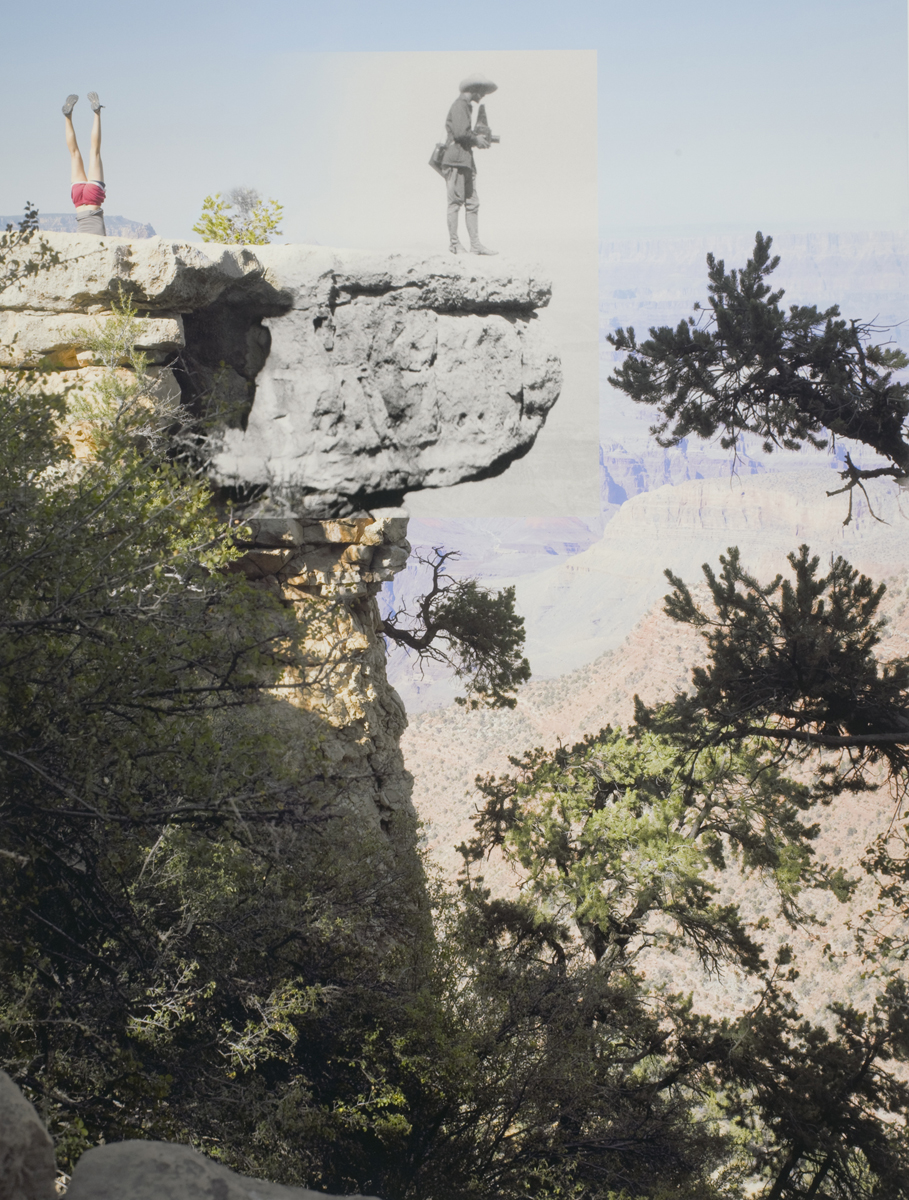
Fannie E. Coburn (1848–1928) :: Alvin Langdon Coburn at the Grand Canyon, 1911. Platinum print, printed by Alvin Langdon Coburn. | src George Eastman MuseumMark C. Klett and Byron Wolfe :: Woman on head and photographer with camera; unknown dancer and Alvin Langdon Coburn at Grand View Point, 2009. Inkjet print, printed 2011. From the series Reconstructing the View Grand Canyon Photographs. | src George Eastman Museum
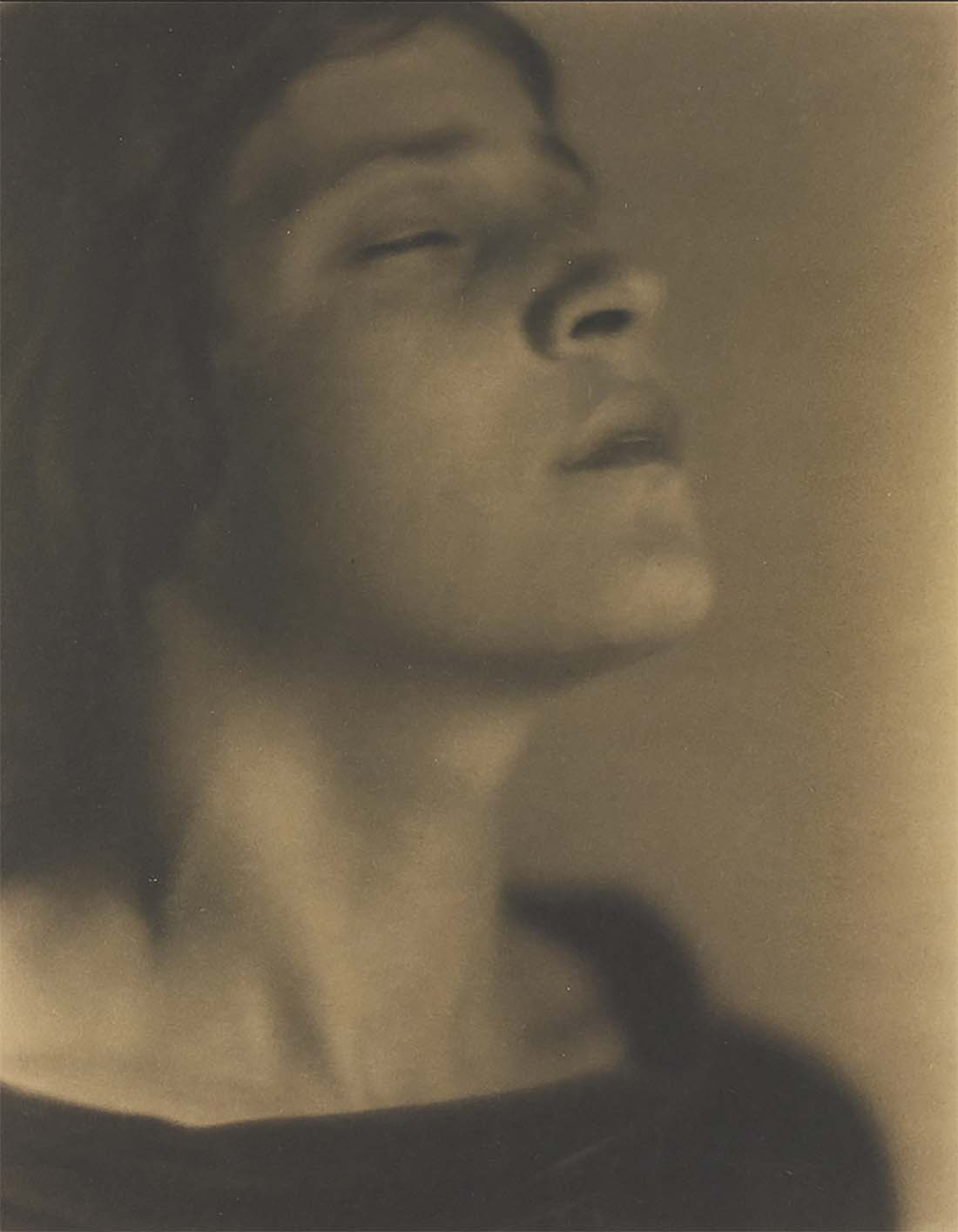
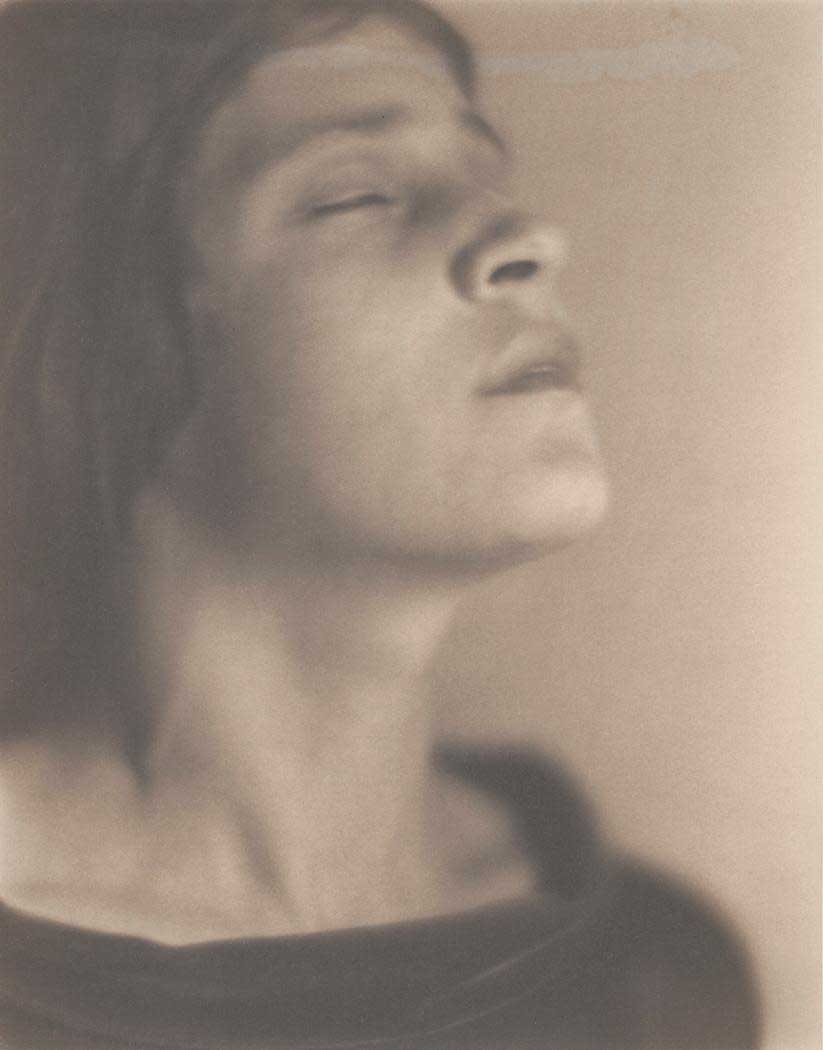
Edward Henry Weston :: Head of an Italian Girl (Tina Modotti), 1921. Platinum or palladium print. | src Sotheby’s
This photograph is among the earliest studies Edward Weston made of Tina Modotti, the woman whose face and figure would inspire some of Weston’s best work throughout the 1920s. The photographer regarded the image as an important one at the time, including it in two early exhibitions: in Amsterdam in 1922, and at the Aztec Land Gallery in Mexico City in 1923. This print is one of only three extant examples of this seminal picture of Modotti.
Head of an Italian Girl is from a series of studies and portraits of Modotti that Weston began in Los Angeles in 1921, soon after their love affair began, and would continue in Mexico. At the time this photograph was taken, each was married to someone else: Weston to the former Flora Chandler, the mother of his four children, and Modotti to the poet and textile designer, Roubaix de l’Abrie Richey. Born in Italy, Modotti was a recent arrival in Los Angeles, where she worked variously as an actress in silent films and as a seamstress and clothing designer. In the early 1920s, Weston made his living as a portrait photographer in Glendale, while pursuing his own creative work. The two fell in love shortly after they met, and Weston began photographing Modotti immediately. In April 1921, Weston wrote of Modotti to his friend, the photographer Johan Hagemeyer:
‘Life has been very full for me—perhaps too full for my good—I not only have done some of the best things yet—but have also had an exquisite affair . . . the pictures I believe to be especially good are of one Tina de Richey—a lovely Italian girl’ (The Archive, January 1986, Number 22, ‘The Letters from Tina Modotti to Edward Weston,’ p. 10)
In the present image, the ecstatic expression on Modotti’s face provides some indication of the intensity of their new relationship.
Amy Conger locates only two prints of this image, both in institutional collections: a palladium print originally owned by Johan Hagemeyer and now at the Center for Creative Photography, Tucson [view image below]; and a platinum print at the Baltimore Museum of Art. [quoted from source]
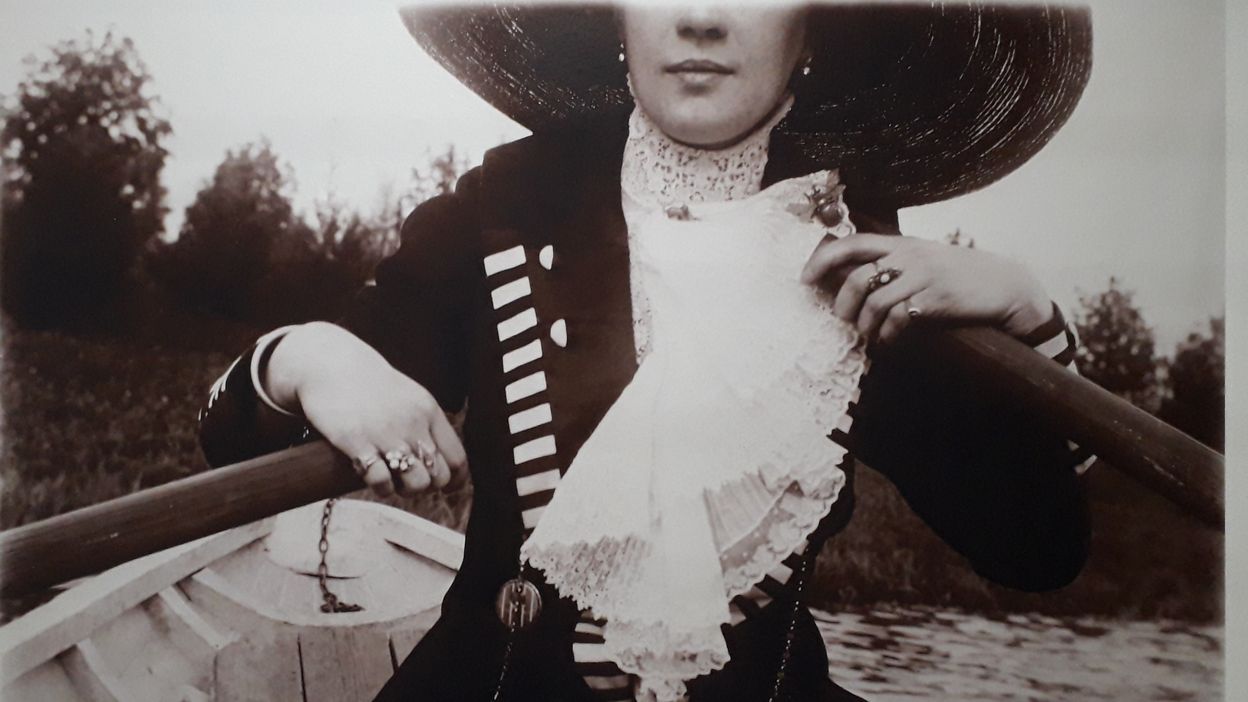
Anonyme, ca. 1910. Coll. Michel F. David, fondateur des éditions Sur la Banquise En dilettante. Histoire et petites histoires de la photographie amateur au Musée de la photo de CharleroiEn dilettante. Histoire et petites histoires de la photographie amateur, au Musée de la Photographie à Charleroi | src Lien site RTBF







 un regard oblique