Kanako Higuchi by Shinoyama

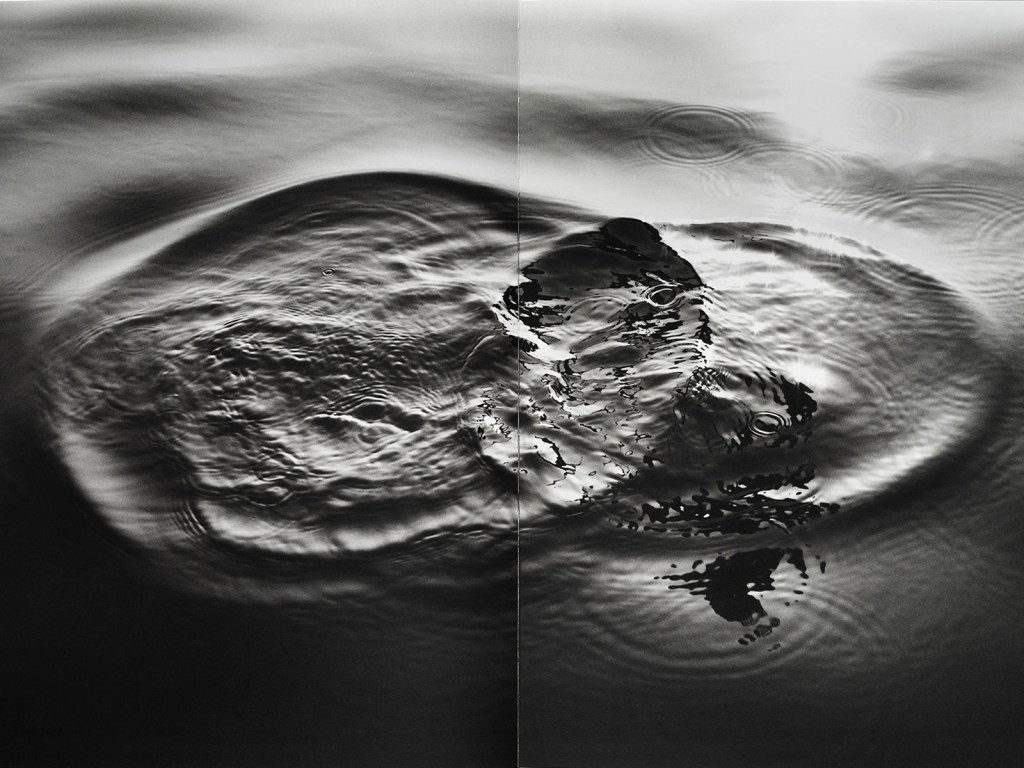
Kanako Higuchi. From ‘Accidents 1 / Water fruit’ by Kishin Shinoyama published by Asahi Press (1991)
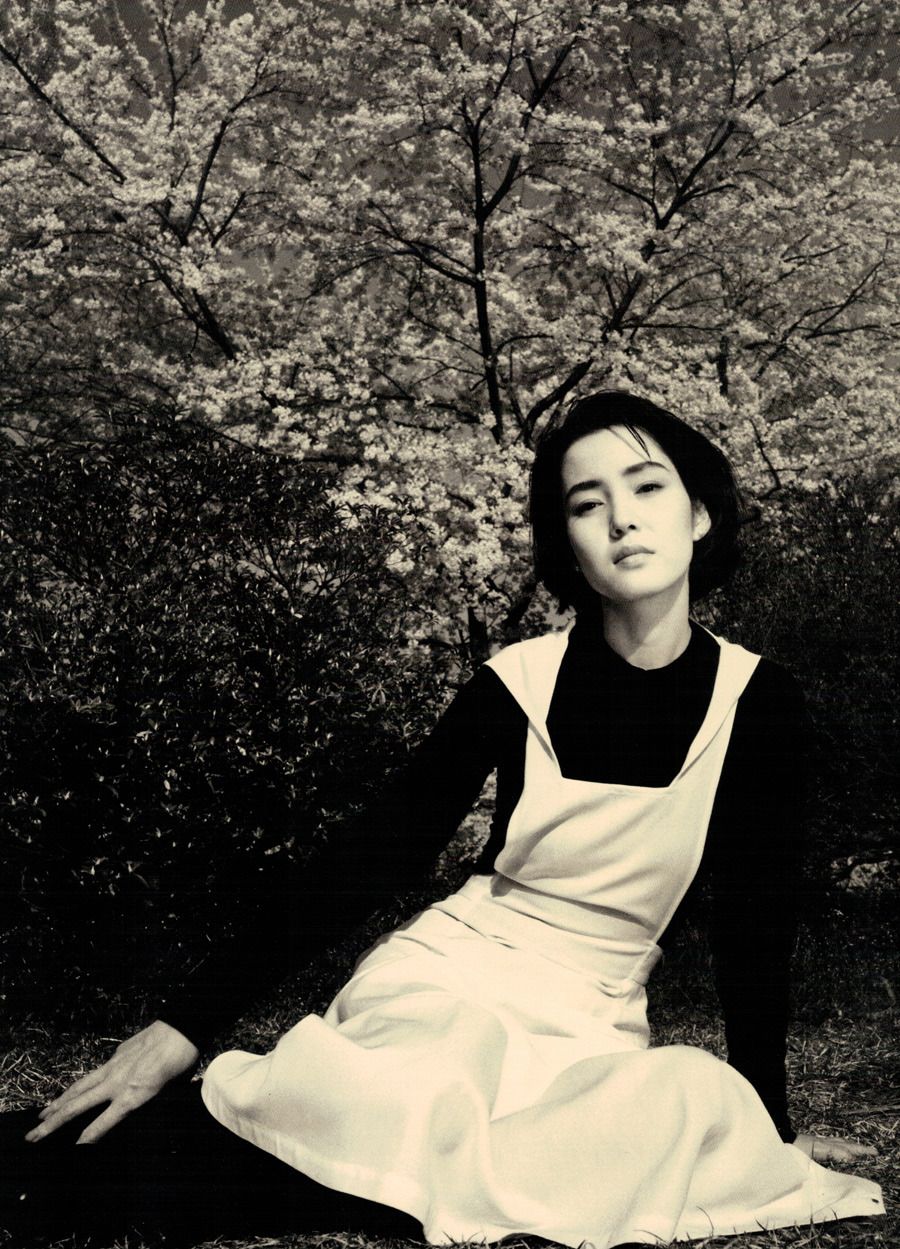
Japanese actress Kanako Higuchi. From ‘Accidents 1 / Water fruit’ by Kishin Shinoyama published by Asahi Press (1991)
src setantabooks on IG and Ader
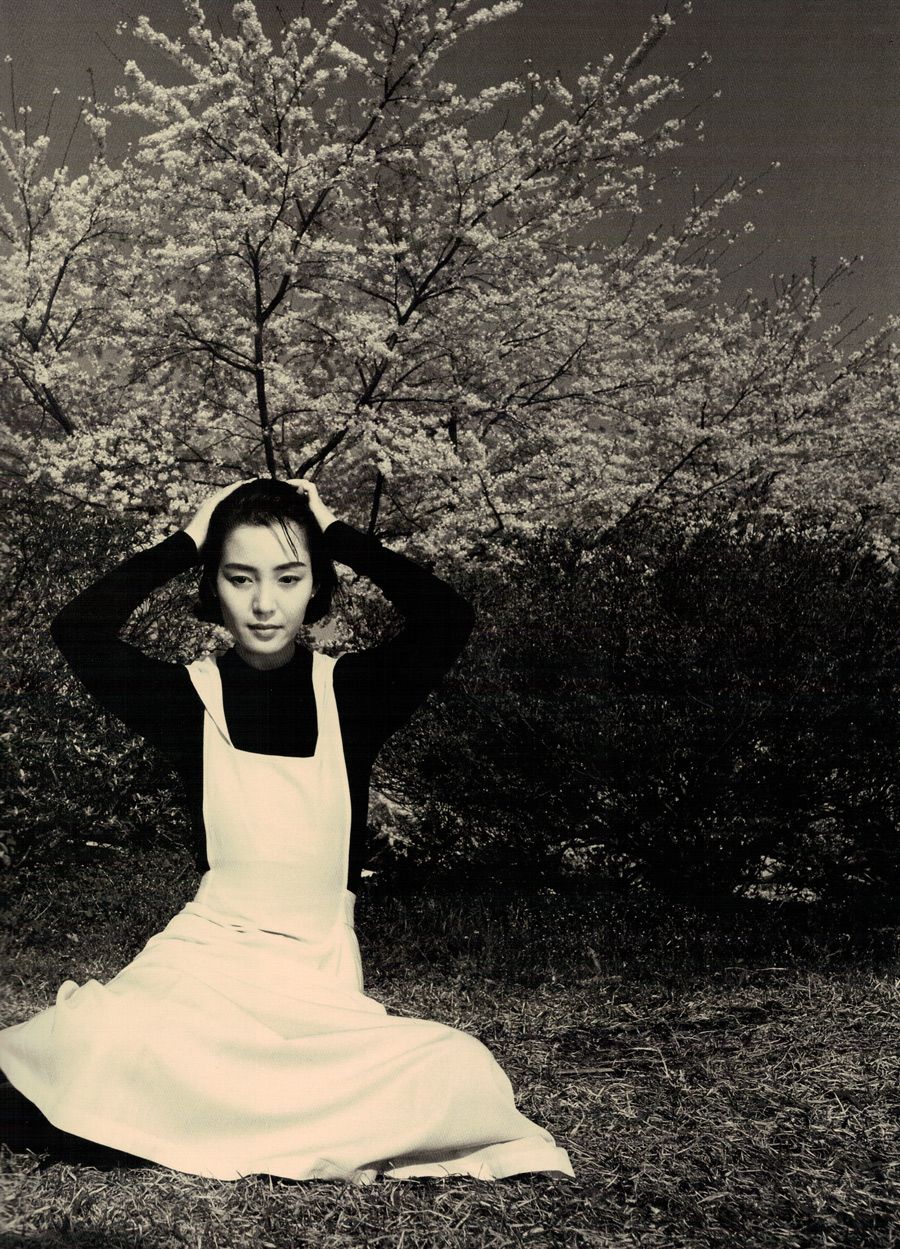
Kanako Higuchi. From ‘Accidents 1 / Water fruit’ by Kishin Shinoyama published by Asahi Press (1991)

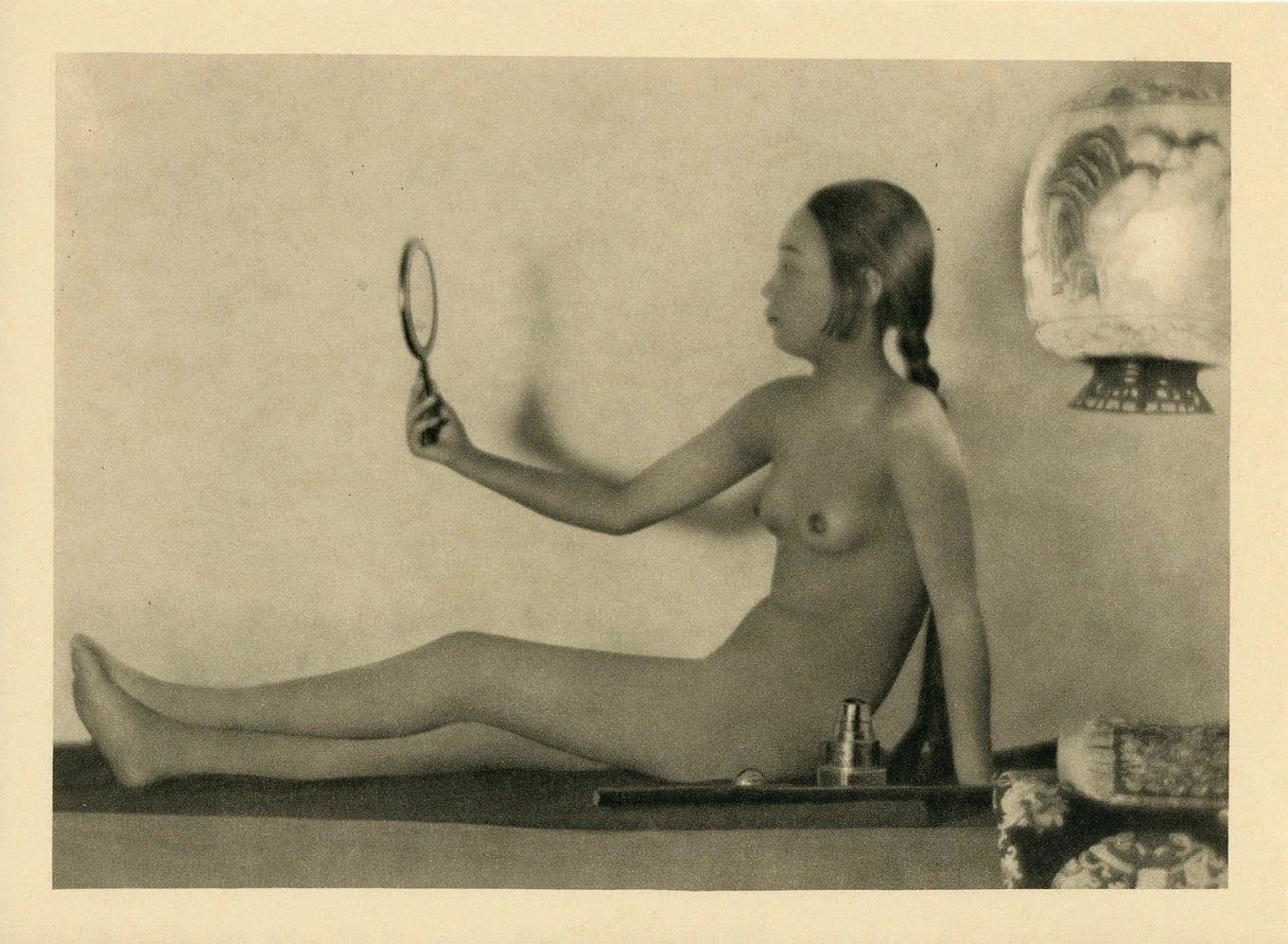
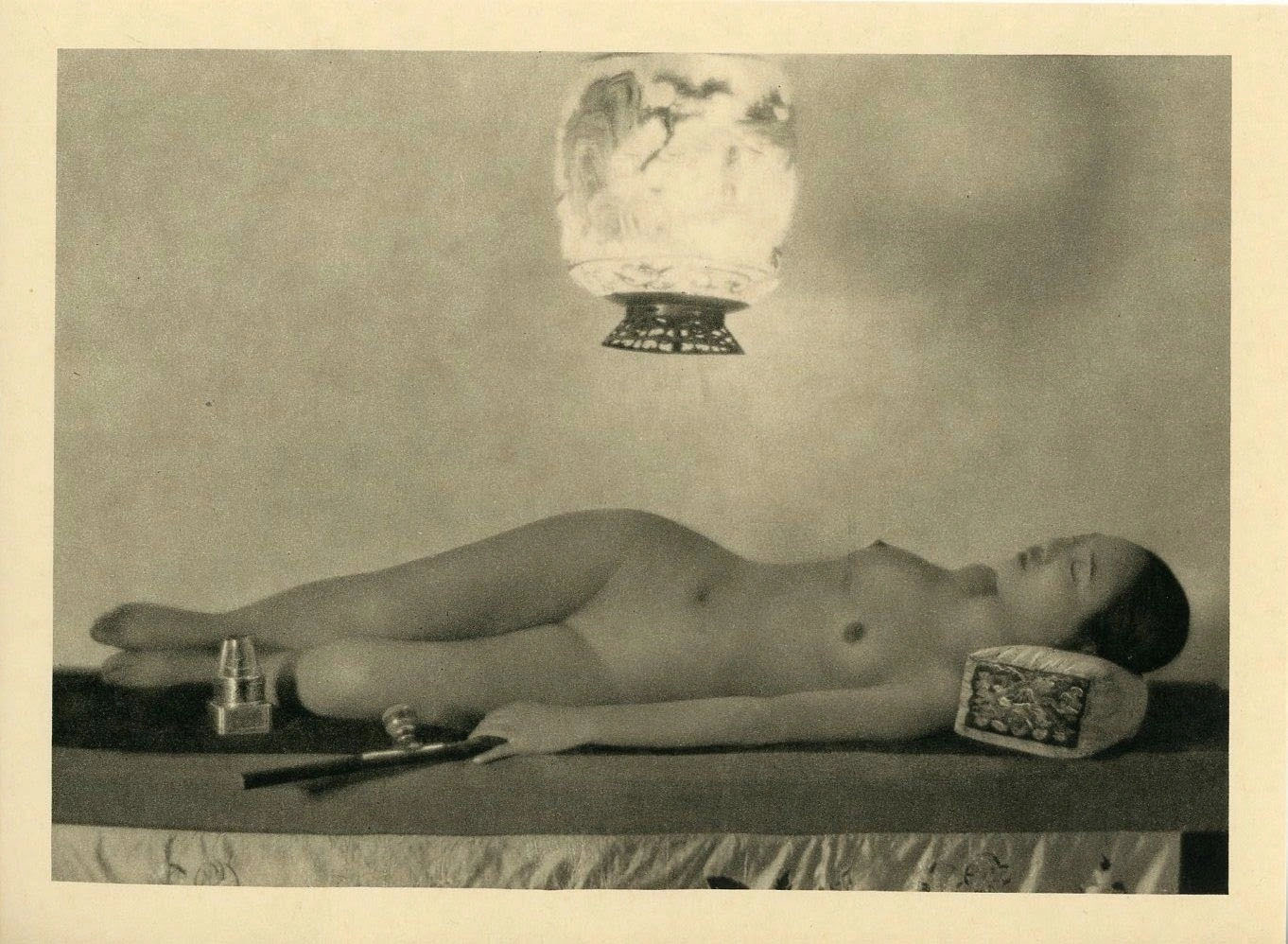
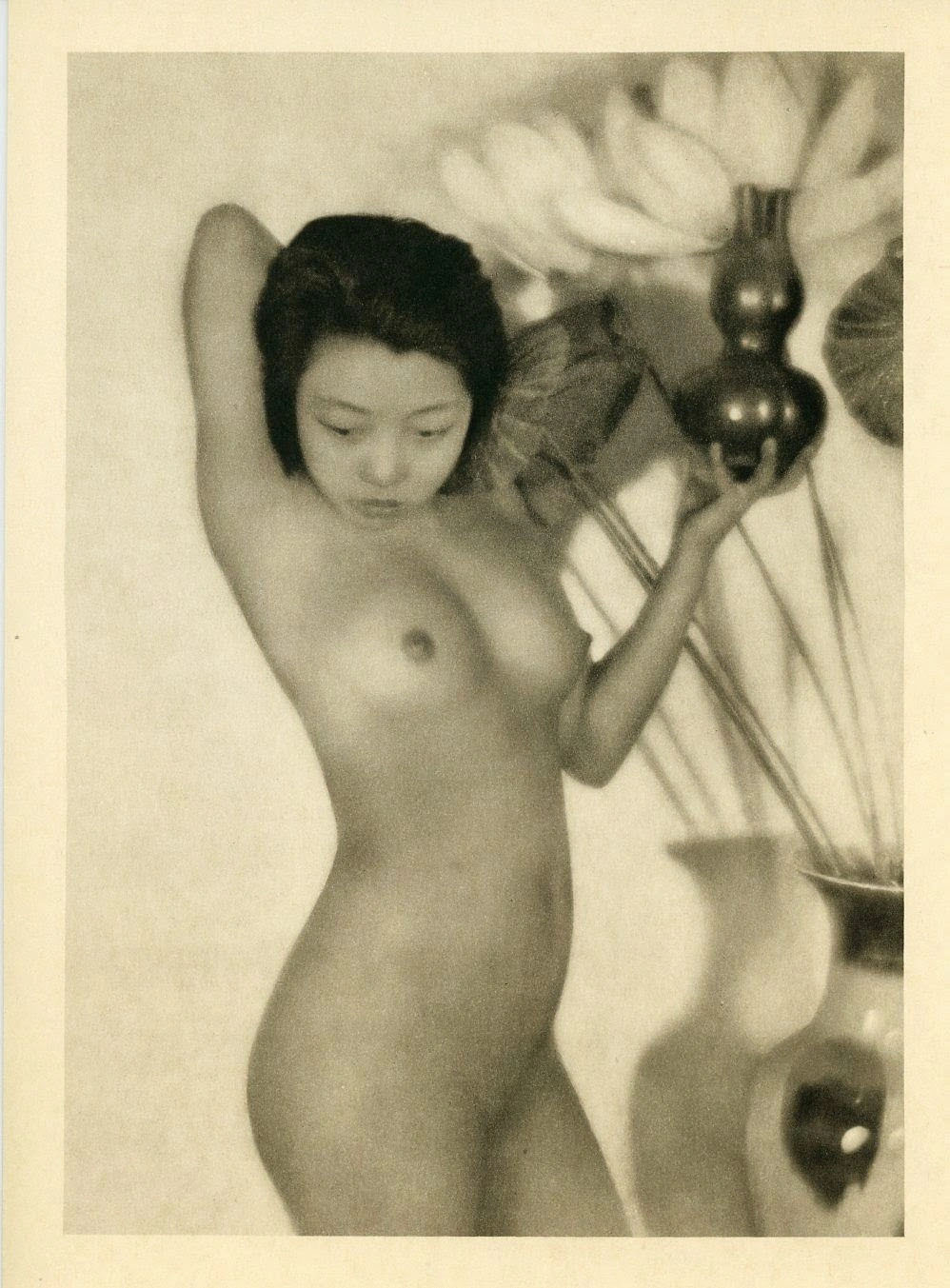
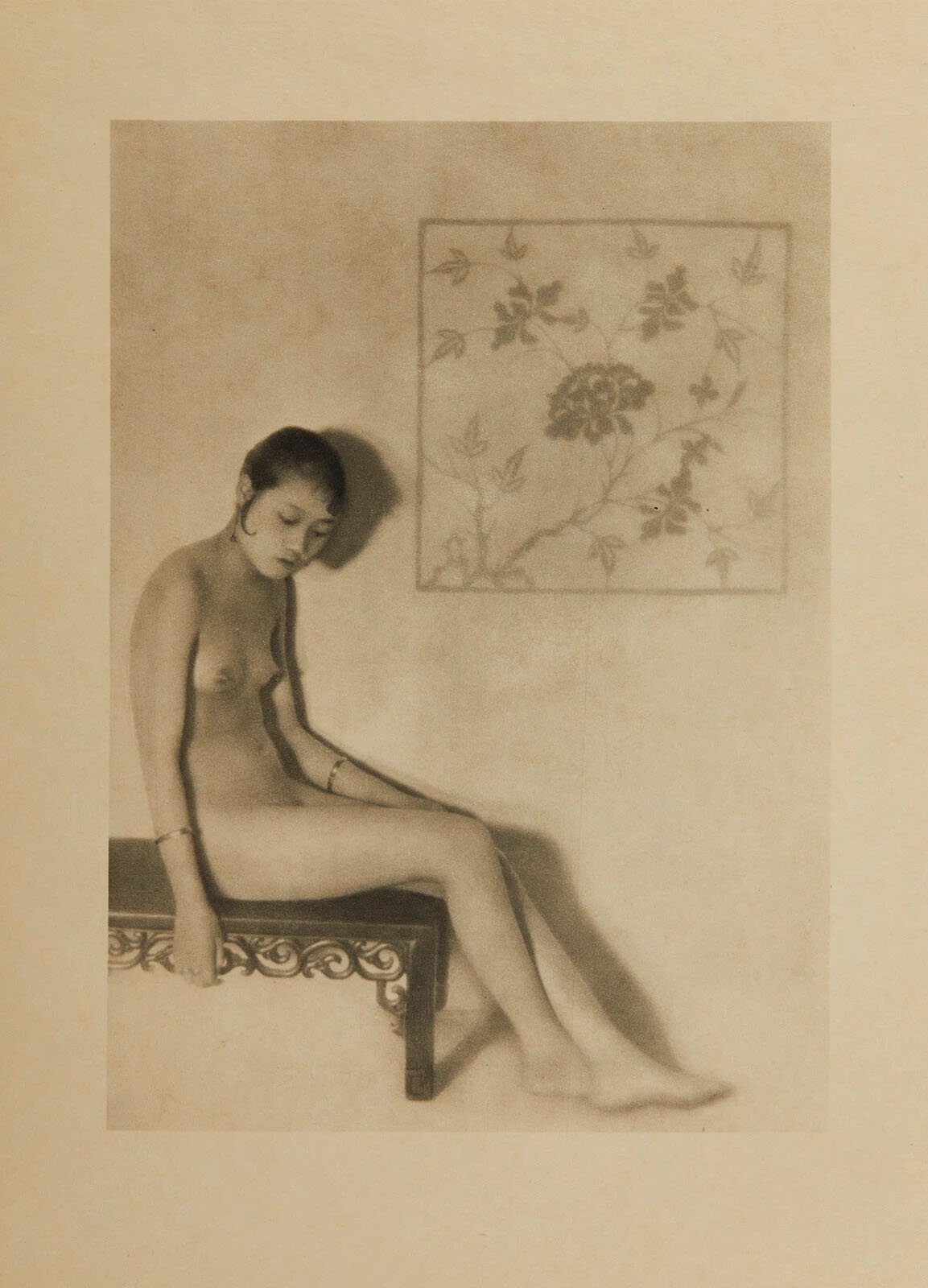
Edle Nacktheit in China · 1928

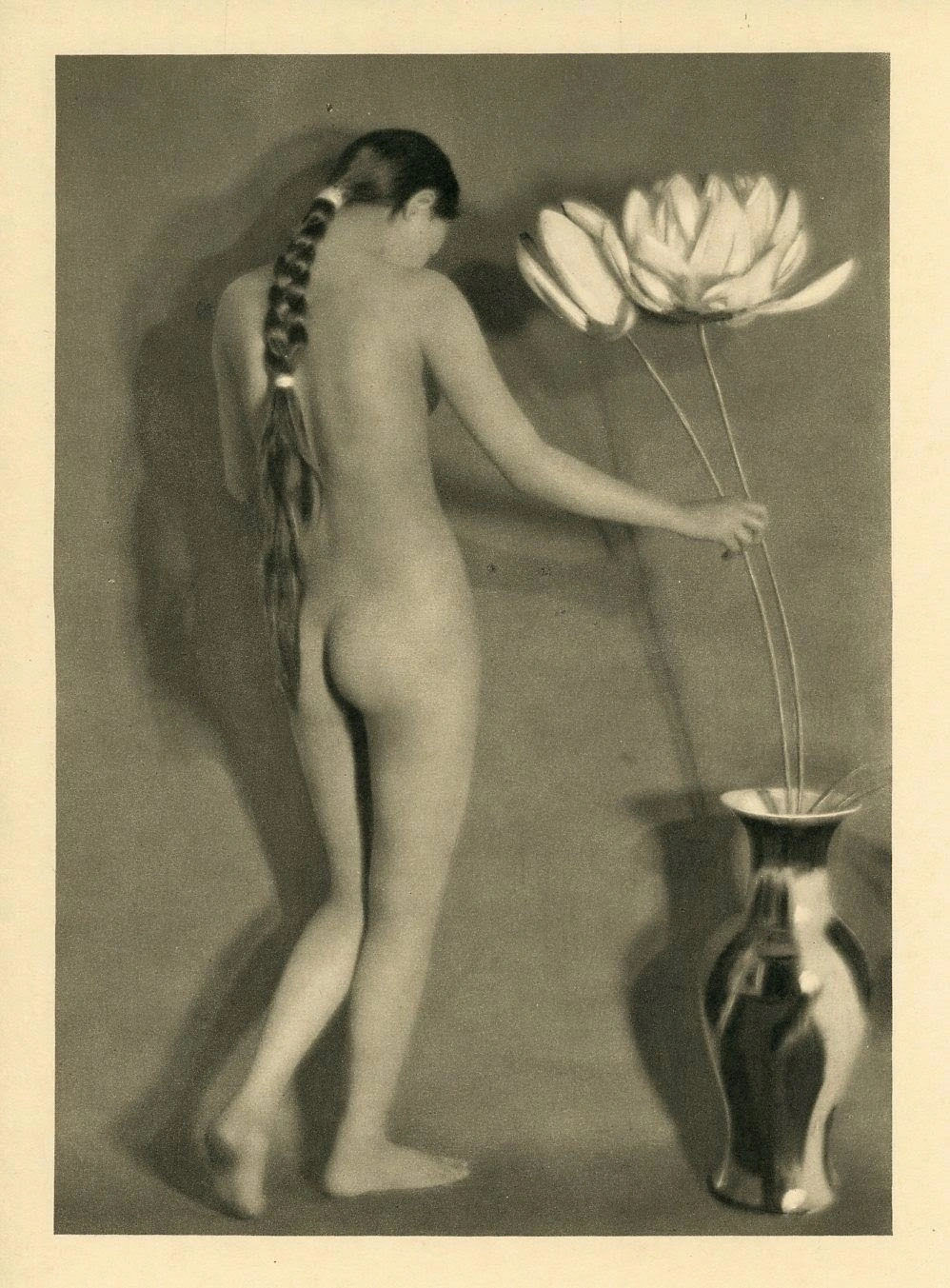
Heinz von Perckhammer ~ From “Edle Nacktheit in China /The culture of the Nude in China”. Eigenbrödler Verlag [Berlin, 1928]
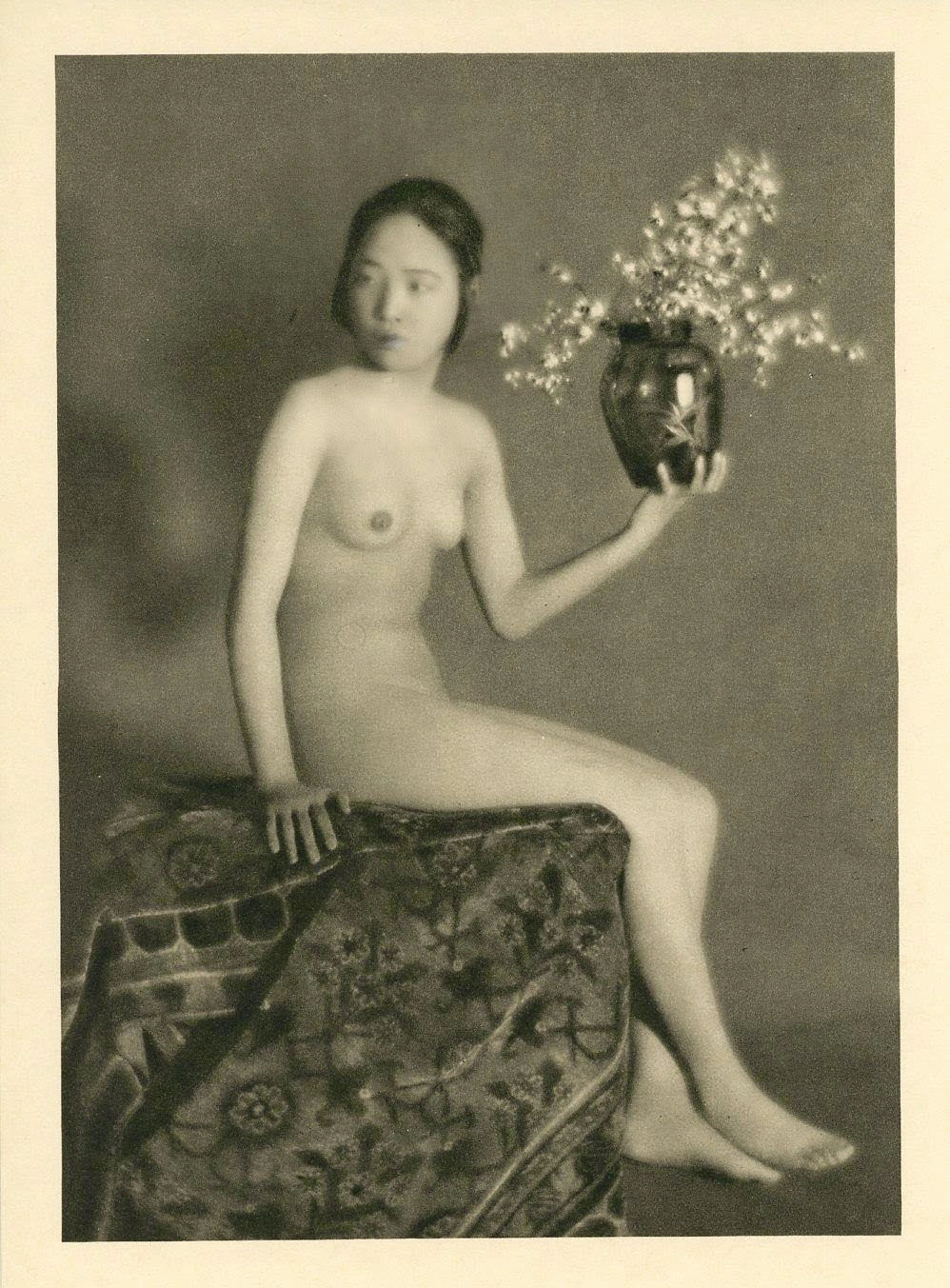
Heinz von Perckhammer ~ From “The culture of the Nude in China”. Eigenbrödler Verlag [Berlin, 1928]
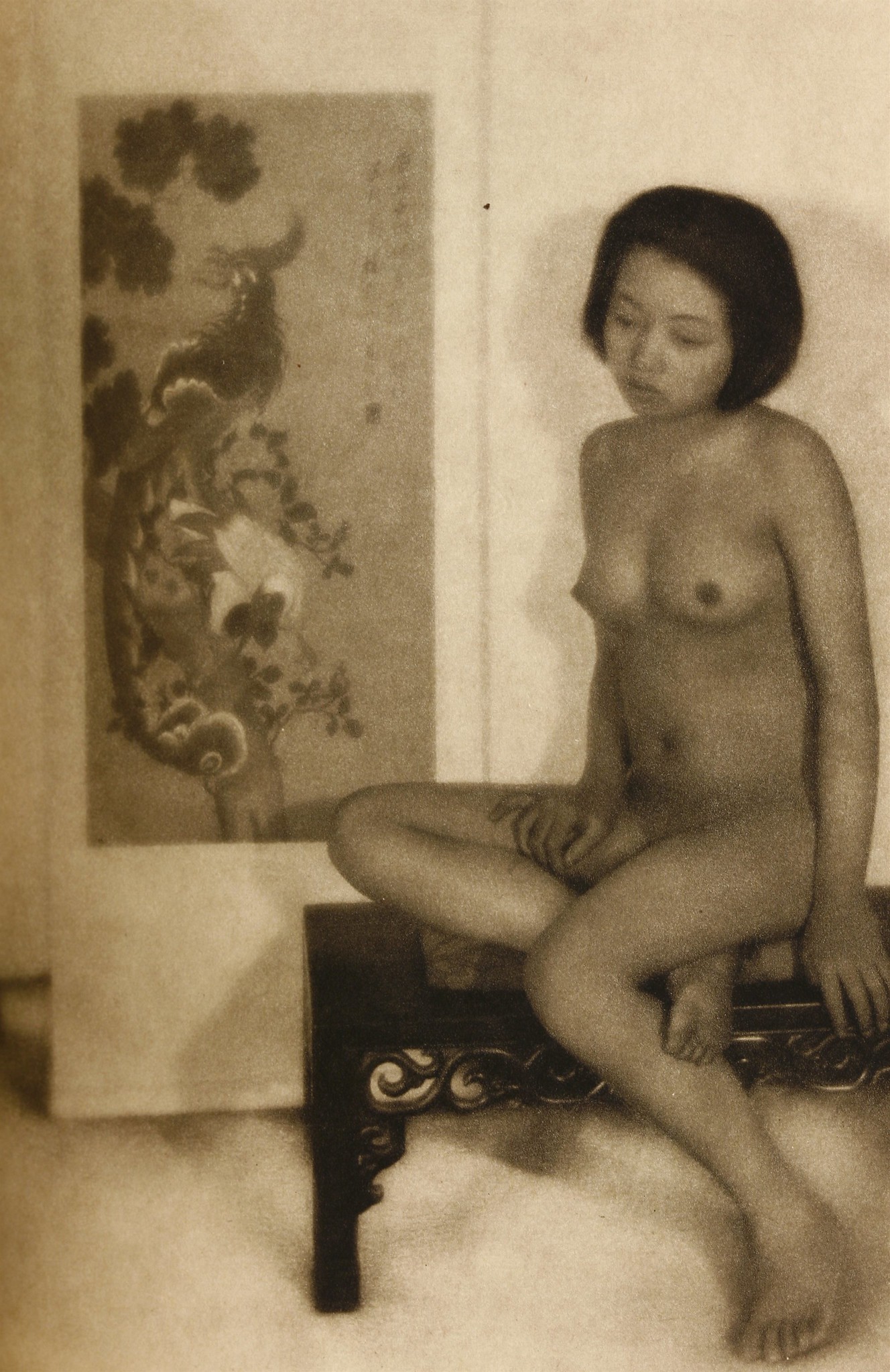
Heinz von Perckhammer ~ From “Edle Nacktheit in China”. Eigenbrödler Verlag [Berlin, 1928] 1st edition | src sworders
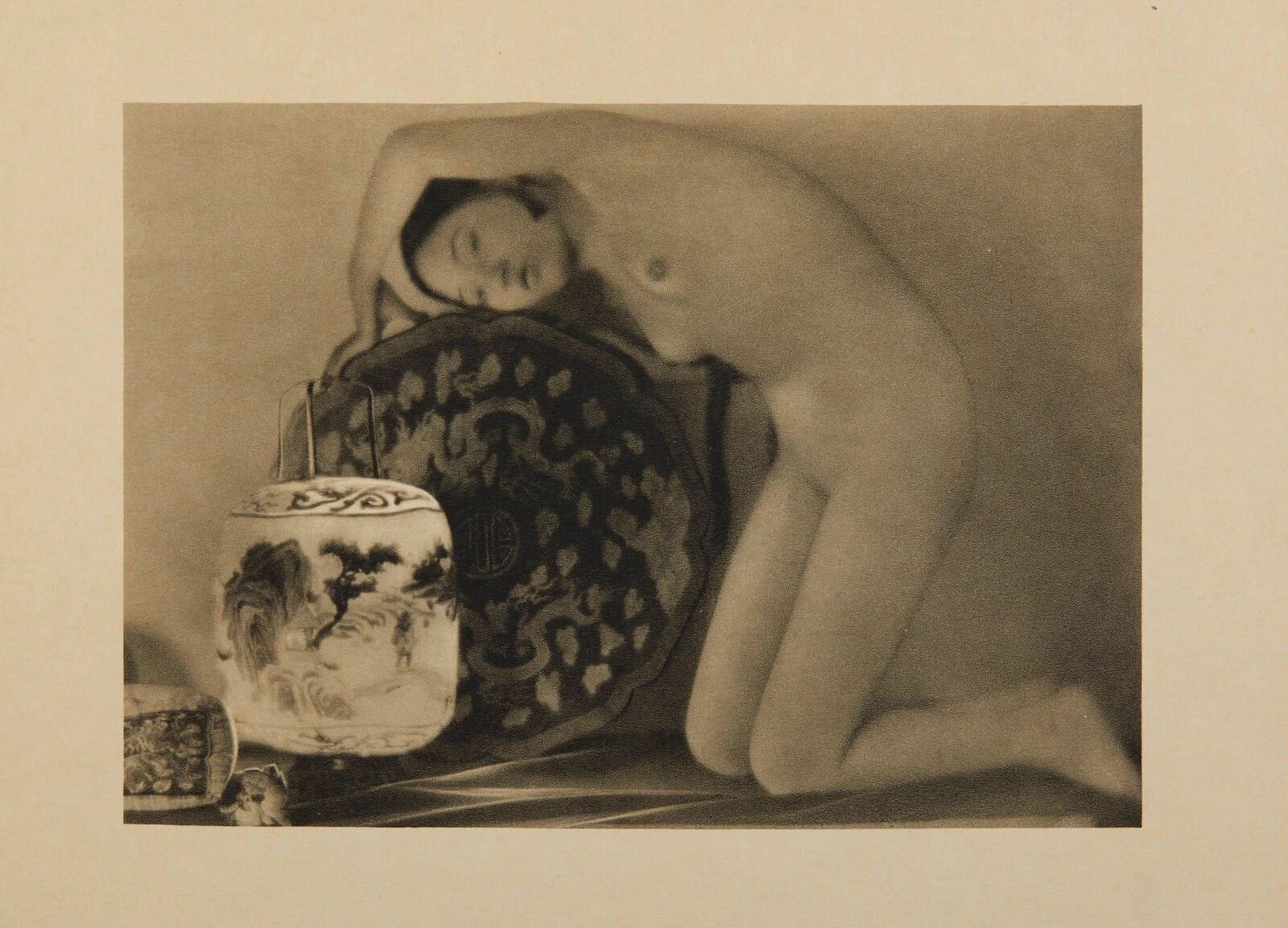
Heinz von Perckhammer ~ Heliogravür. Edle Nacktheit in China. Berlin. Eigenbrödler Verlag [1928] | src mutualArt
Heinz von Perckhammer ~ From “Edle Nacktheit in China /The culture of the Nude in China”. Eigenbrodler Verlag [Berlin, 1928]
Heinz von Perckhammer ~ From “Edle Nacktheit in China”. Berlin, Eigenbrödler-Verlag, (1928)
Heinz von Perckhammer ~ From “The culture of the Nude in China”. Eigenbrödler Verlag [Berlin, 1928]
Heinz von Perckhammer ~ Heliogravure from “Edle Nacktheit in China”. Eigenbrödler Verlag [Berlin, 1928] | src mutualArt
Heinz von Perckhammer ~ From “The culture of the Nude in China”. Berlin, Eigenbrödler-Verlag, (1928)
Heinz von Perckhammer ~ From “Edle Nacktheit in China”. Berlin, Eigenbrödler-Verlag, (1928) | src Abebooks
Heinz von Perckhammer ~ Akt. Edle Nacktheit in China. Berlin. Eigenbrödler Verlag [1928] | src Abebooks

Heinz von Perckhammer was born in Merano, Austria-Hungary (now Italy) in 1895. During the First World War he served aboard the SMS Kaiserin Elisabeth during the Siege of Tsingtao and between 1917 and 1919 was held as a prisoner of war. It was during this time when he was held captive that his interest in photography began. He apparently remained in China for much of the 1920s, and took these soft-focused and stylized photographs of women from Macao brothels.

In the introduction to Edle Nacktheit in China he writes: ‘Pictures of nude women, setting aside the ugly caricatures of the “Spring pictures” of erotic scenes, simply do not exist in China. Therefore I believe, I have created something entirely new and of value.’ Edle Nacktheit in China was later banned by the Nazis as Degenerate art (Entartete Kunst) and appeared on the Liste des schädlichen und unerwünschten Schrifttums [List of harmful and undesirable writing].
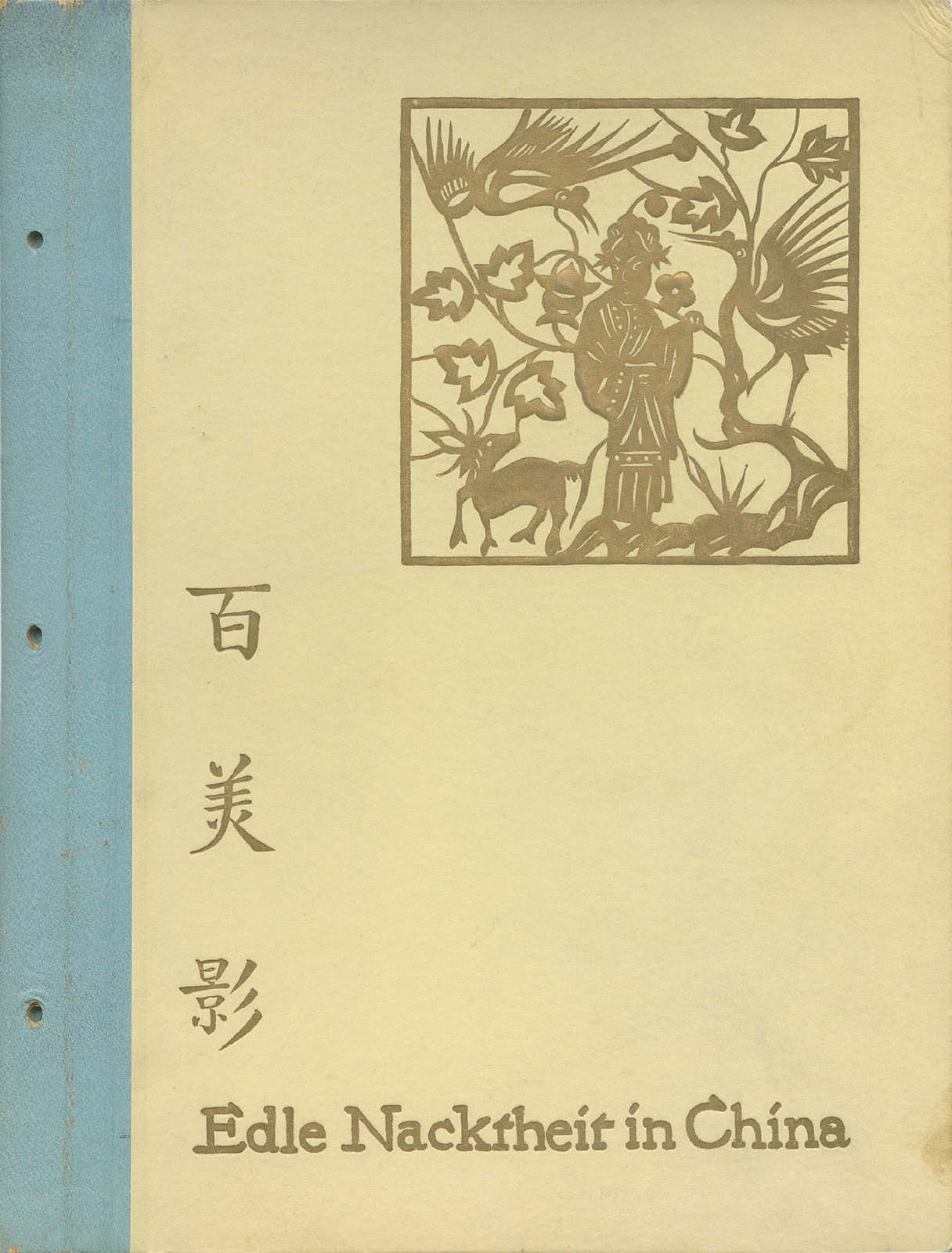
Heinz von Perckhammer ~ front cover from Edle Nacktheit in China. Berlin. Eigenbrödler Verlag [1928] | src Abebooks

Masahisa Fukase · Sasuke

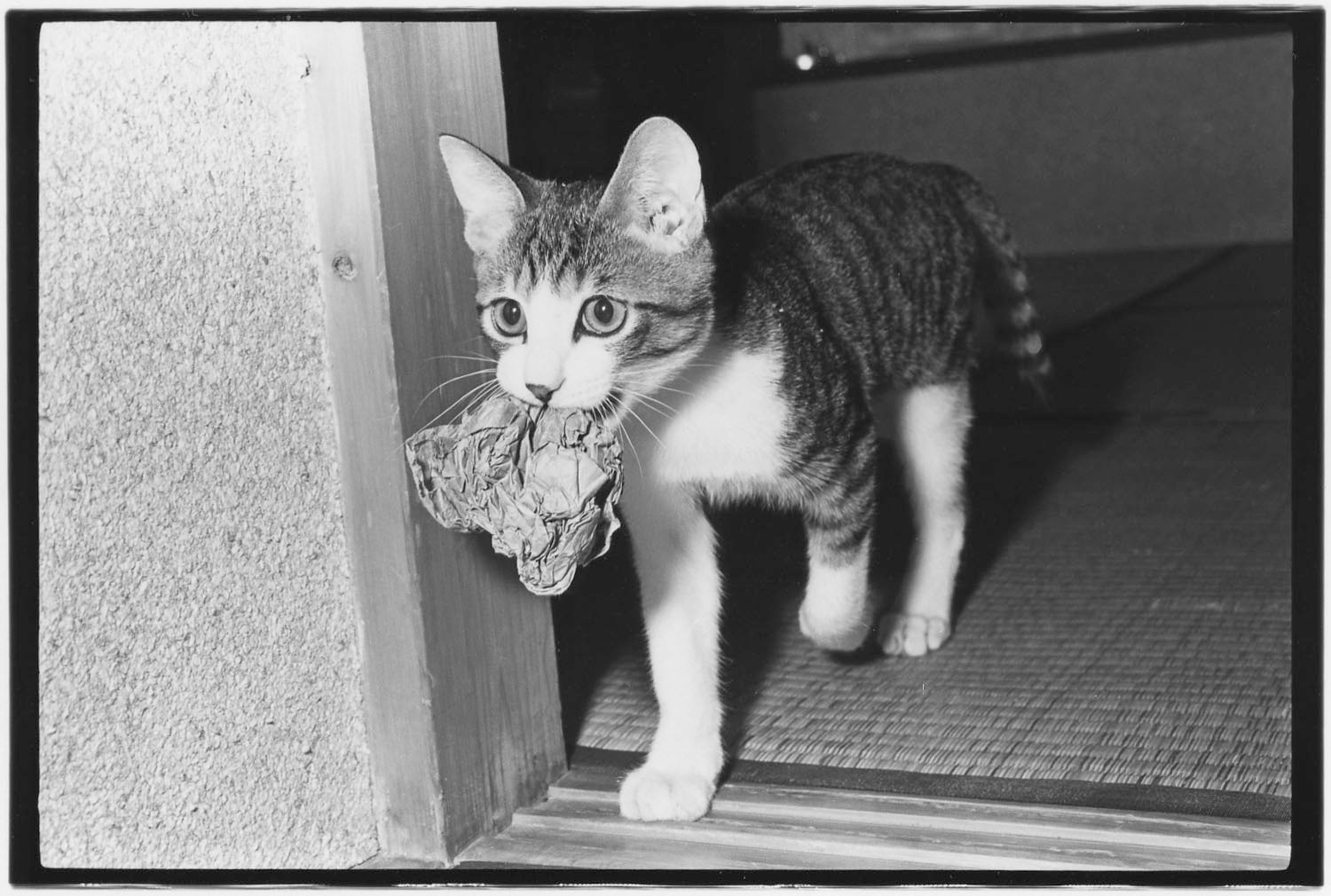
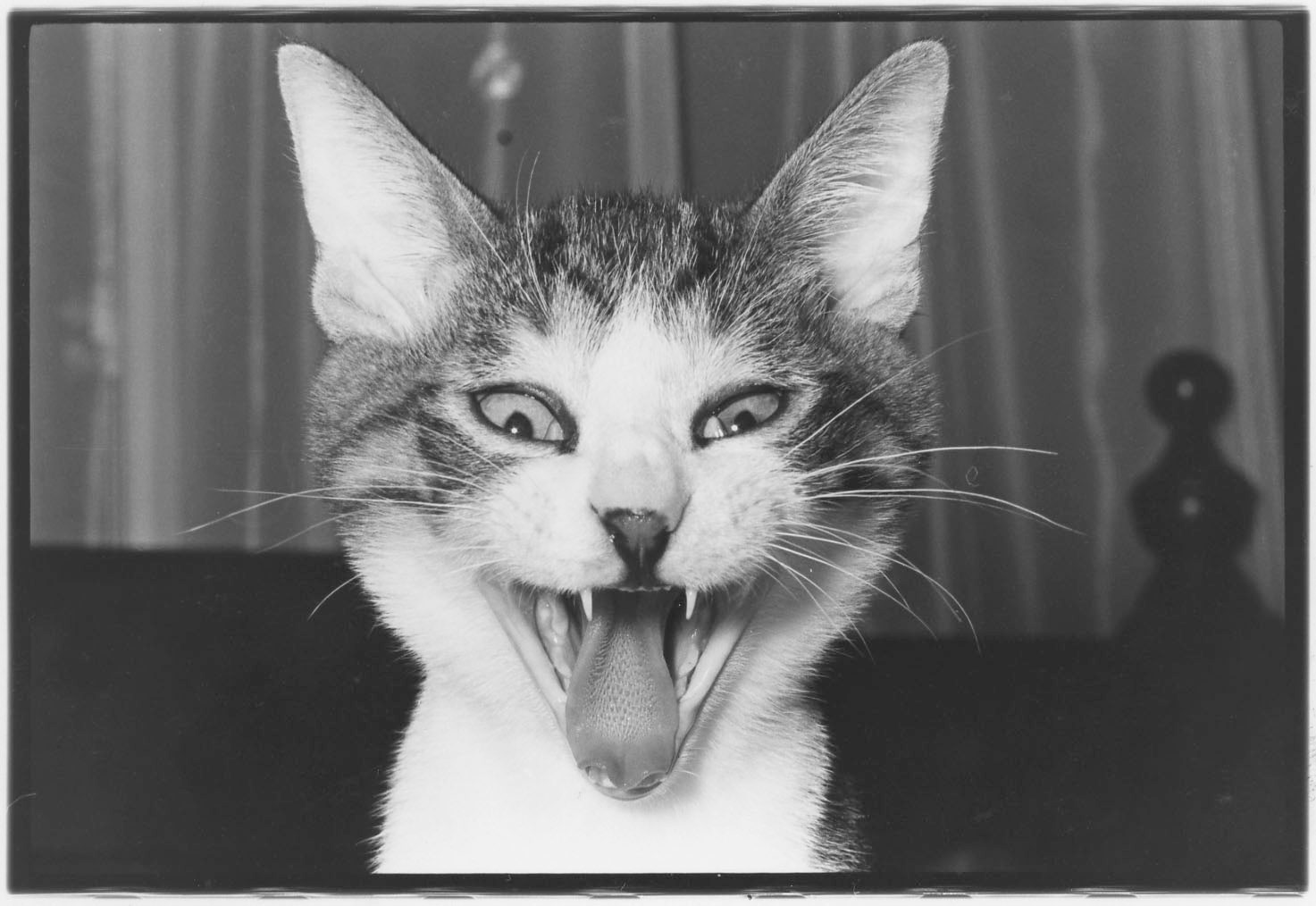
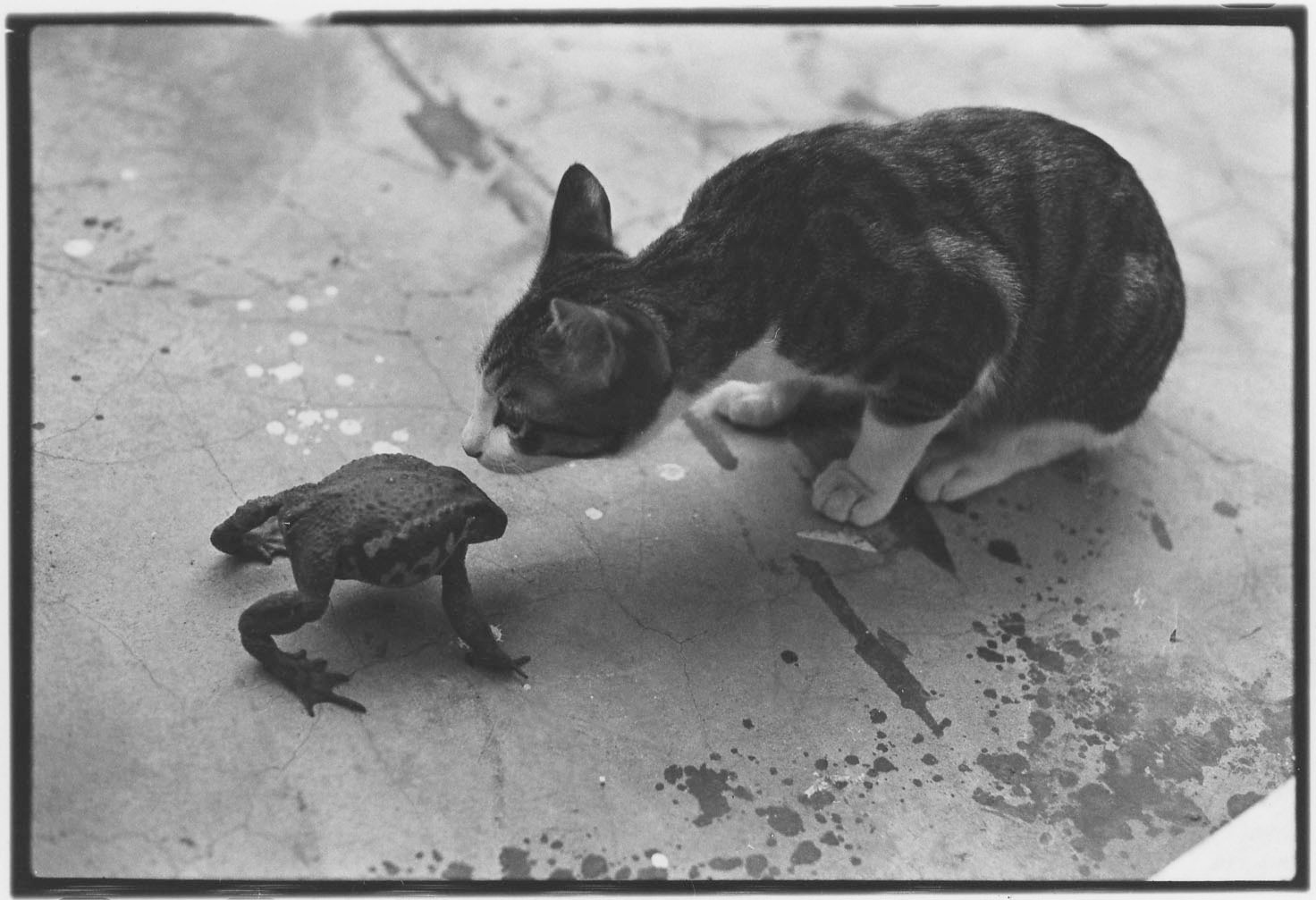
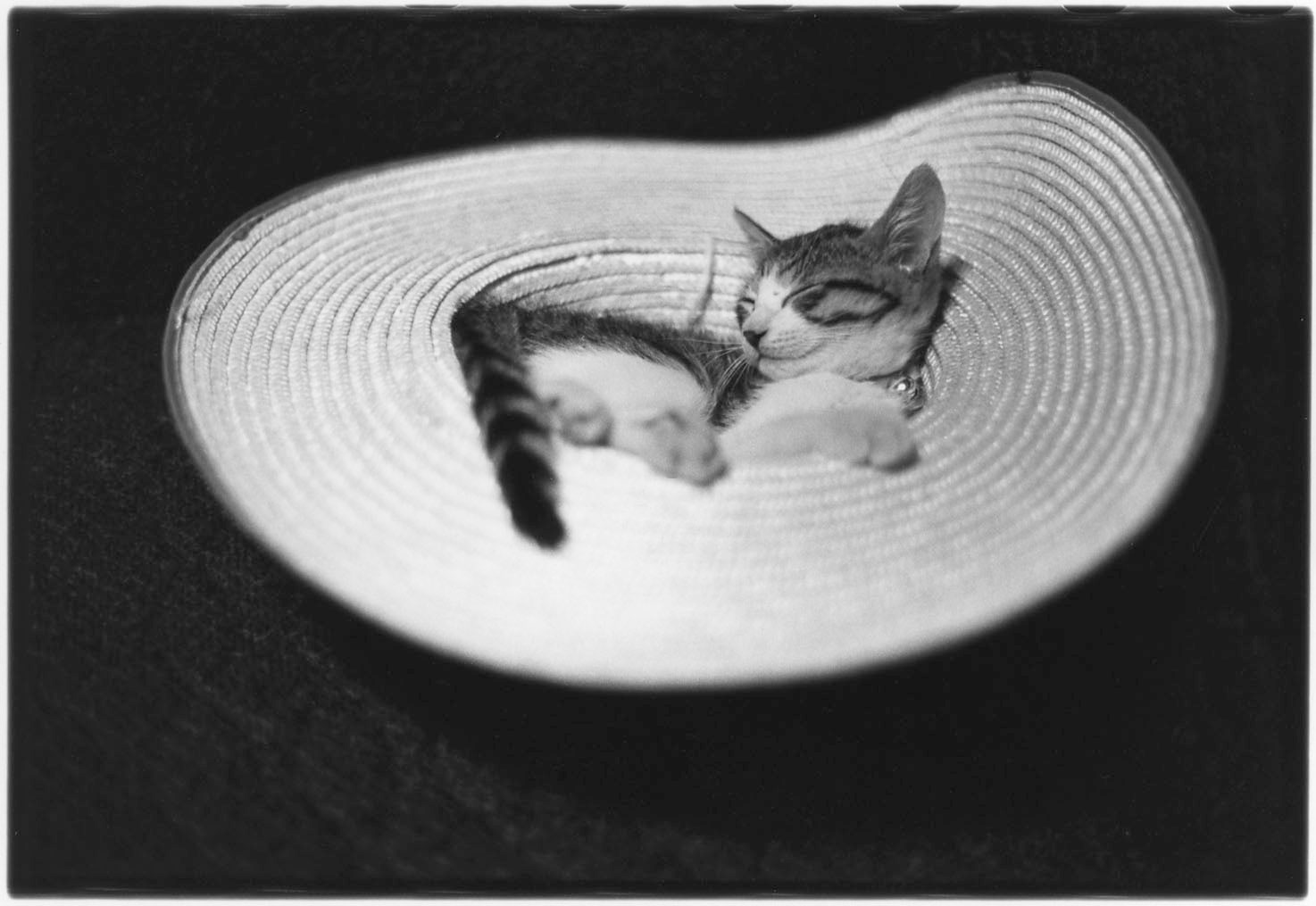
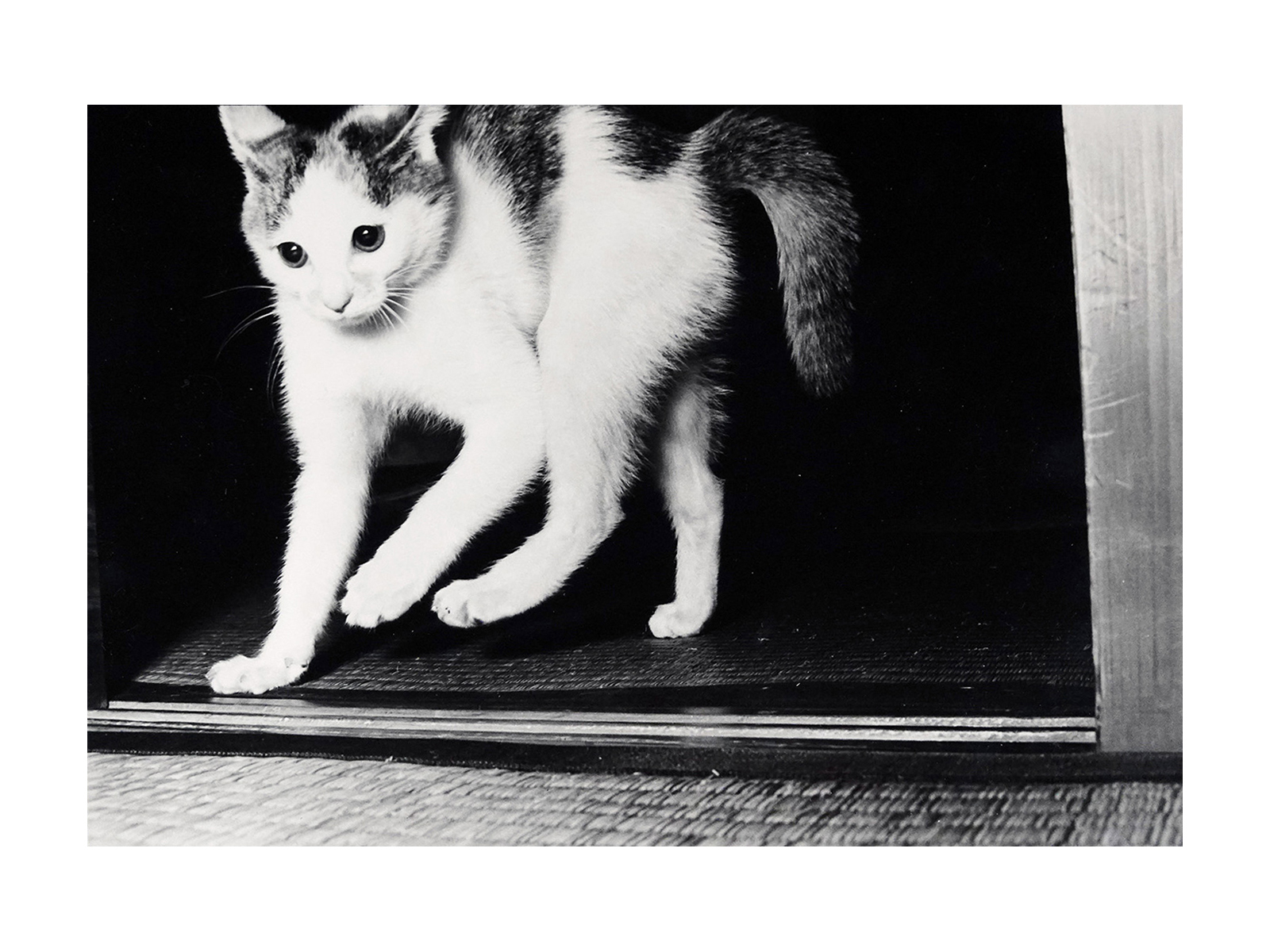
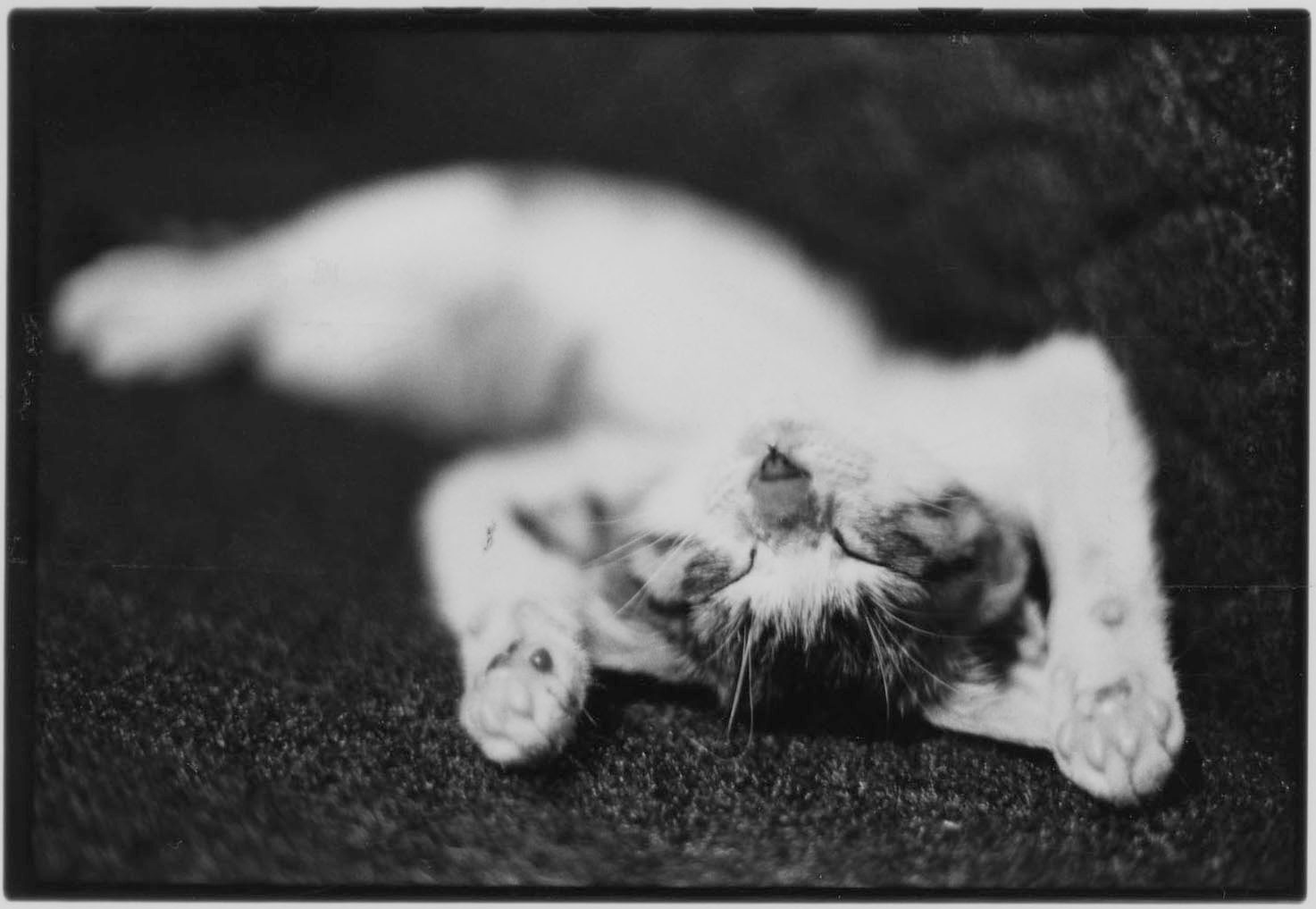
Masahisa Fukase ~ From Sasuke, ca. 1977. Atelier EXB (2021) | src Juxtapoz magazine
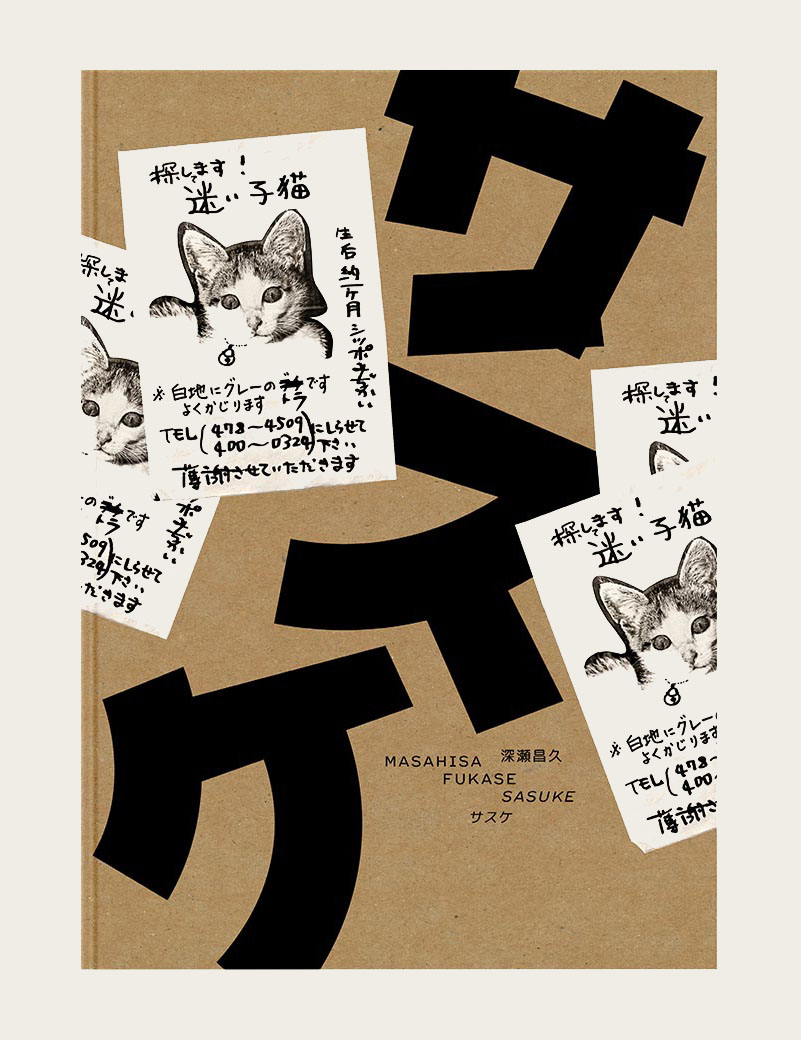
Book cover from Sasuke. Atelier EXB (2021) | src Juxtapoz magazine

In 1977, Fukase turned his lenses on his new companion Sasuke. Growing up with felines, he decides with the arrival of this new cat in his life that it would become a photographic subject in his own right, fascinated by this creature full of life named after a legendary ninja. Sasuke disappears after ten days and the photographer sticks hundreds of small posters in his neighborhood.

A person brings back his cat, yet it is not Sasuke but never mind he welcomes this new cat with as much affection. One year later, he takes a second cat named Momoe, entering the frame as well and he will never get tired of photographing their games. They become for the Japanese photographer a boundless experimental field leading to an extraordinary body of work in its technical and visual inventiveness.

As often in his work, this series shows a form of projection of the photographer into his subject. The cat, a faithful companion who never leaves him, takes the place of his wife, eternal heartache, later represented by the iconic fleeing crows.

A new book, Sasuke, is dedicated to Masahisa Fukase’s emblematic series on his two cats: Sasuke and Momoe, combining unpublished and iconic images. | Juxtapoz magazine

Sasuke by Masahisa Fukase

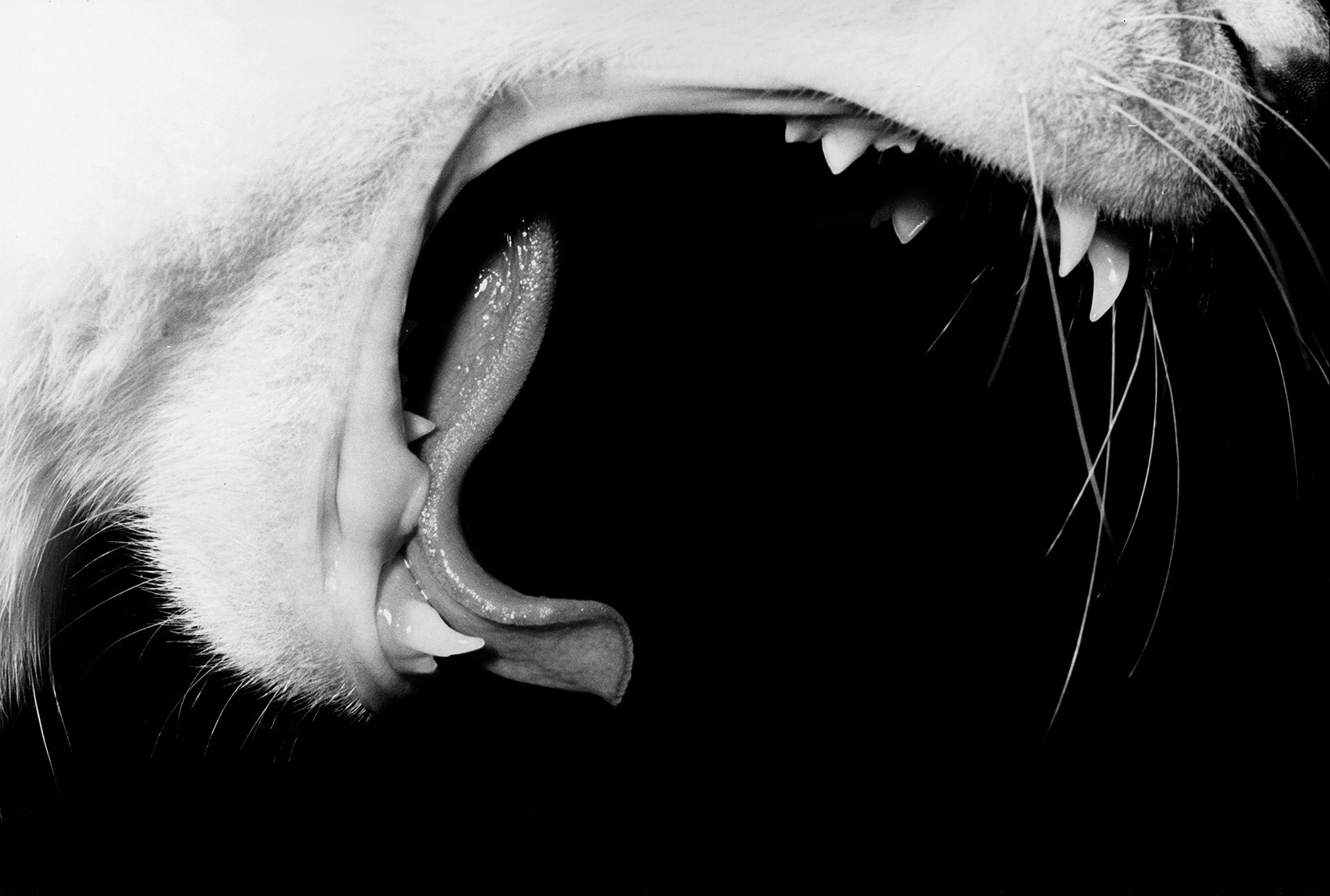
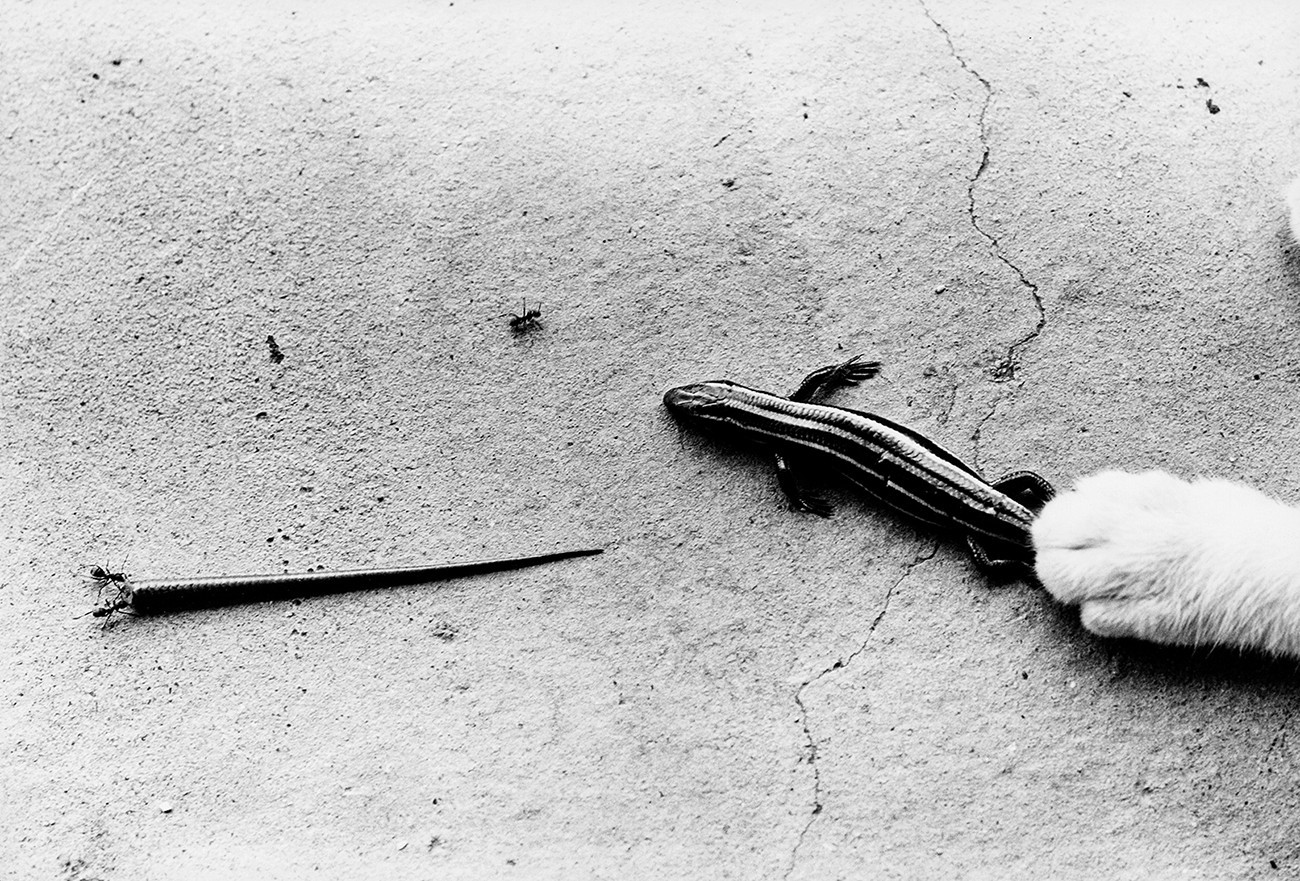
Masahisa Fukase ~ From Sasuke, ca. 1977. Atelier EXB | src ODLP ~ l’œil de la photographie

This publication is dedicated to Masahisa Fukase’s emblematic series on his two cats: Sasuke and Momoe, combining unpublished and iconic images. In 1977, Fukase turned his lenses on his new companion Sasuke. Growing up with felines, he decides with the arrival of this new cat in his life that it would become a photographic subject in his own right, fascinated by this creature full of life named after a legendary ninja. Sasuke disappears after ten days and the photographer sticks hundreds of small posters (as featured on the cover of the book) in his neighborhood. A person brings back his cat, yet it is not Sasuke but never mind he welcomes this new cat with as much affection. One year later, he takes a second cat named Momoe, entering the frame as well and he will never get tired of photographing their games. They become for the Japanese photographer a boundless experimental field leading to an extraordinary body of work in its technical and visual inventiveness.

As often in his work, this series shows a form of projection of the photographer into his subject. The cat, a faithful companion who never leaves him, takes the place of his wife, eternal heartache, later represented by the iconic fleeing crows.

His cats have been the subject of several books in his lifetime and Tomo Kosuga has dug into the photographer’s archives to conceive this ultimate book as the achievement of a series of publications devoted to his cats. / text: Atelier EXB

Masahisa Fukase ~ From Sasuke, ca. 1977. Atelier EXB | src ODLP ~ l’œil de la photographie
Masahisa Fukase ~ Front cover from Sasuke. Texts by Masahisa Fukase and Tomo Kosuga | src Atelier EXB

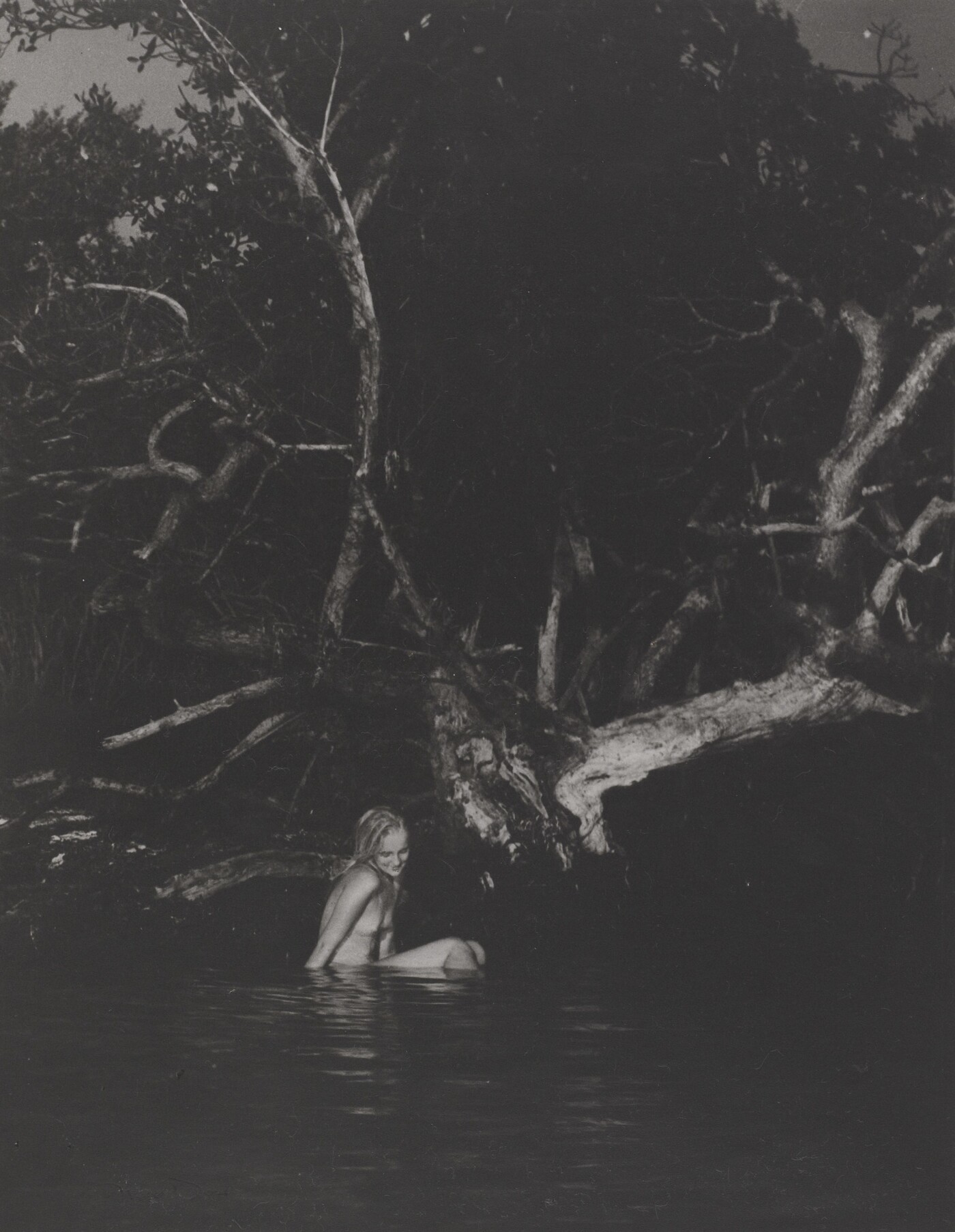
In a Blue Moon, 1939 (Nell Dorr)

“It’s only once in a blue moon that days like these can happen but, when they do, they add a new dimension to the years that follow.” – Opening text of In a blue moon by Nell Dorr.

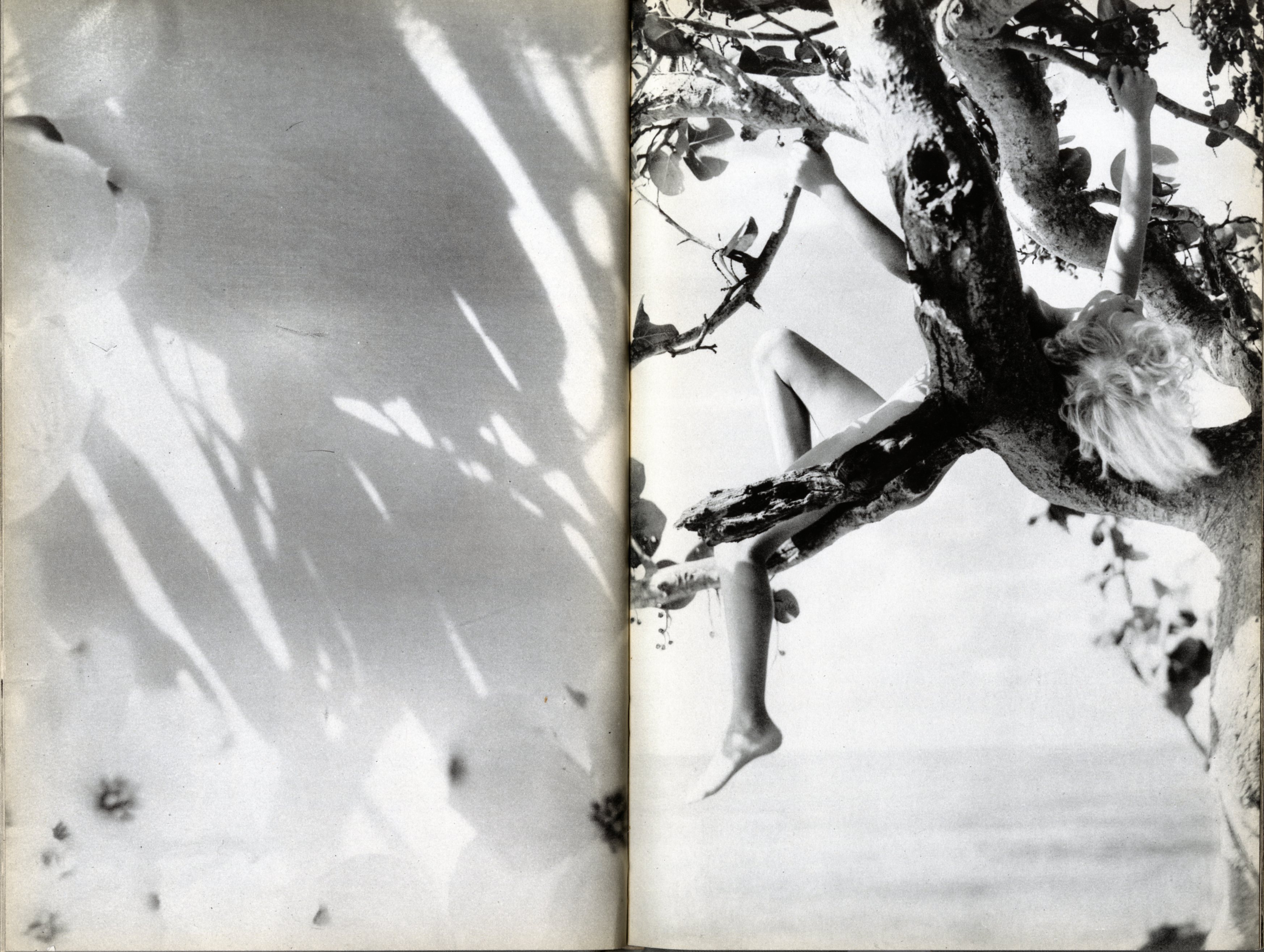
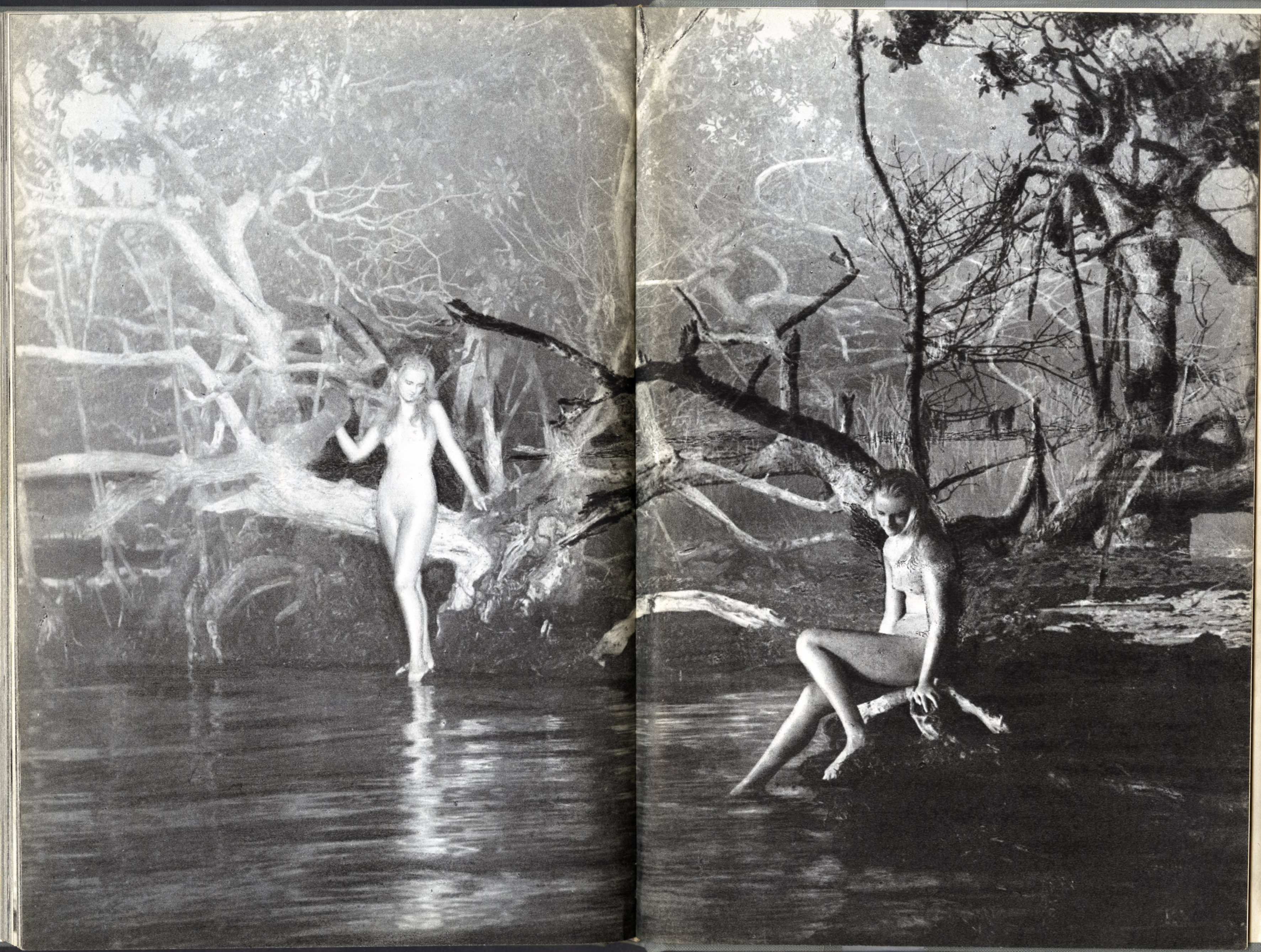
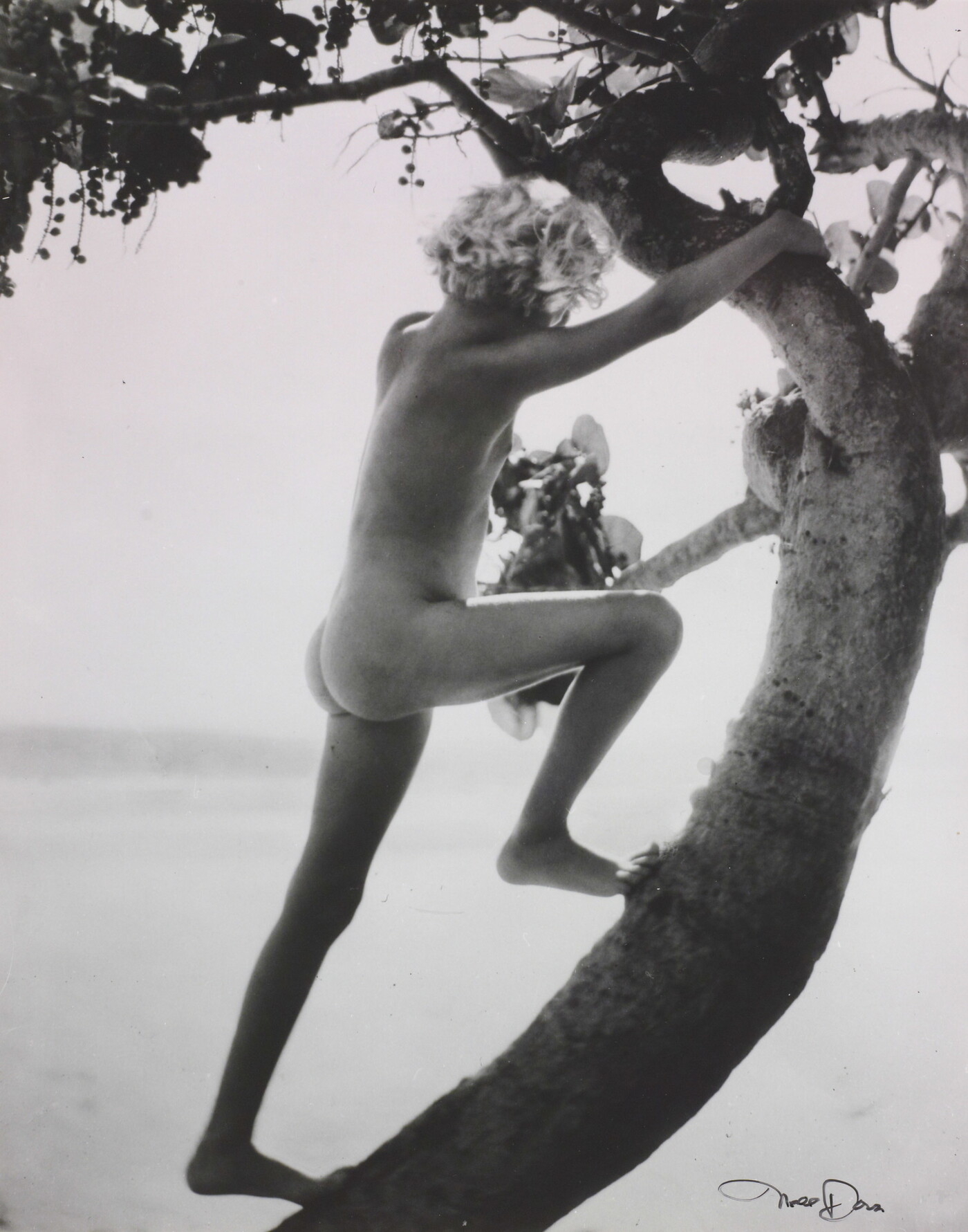
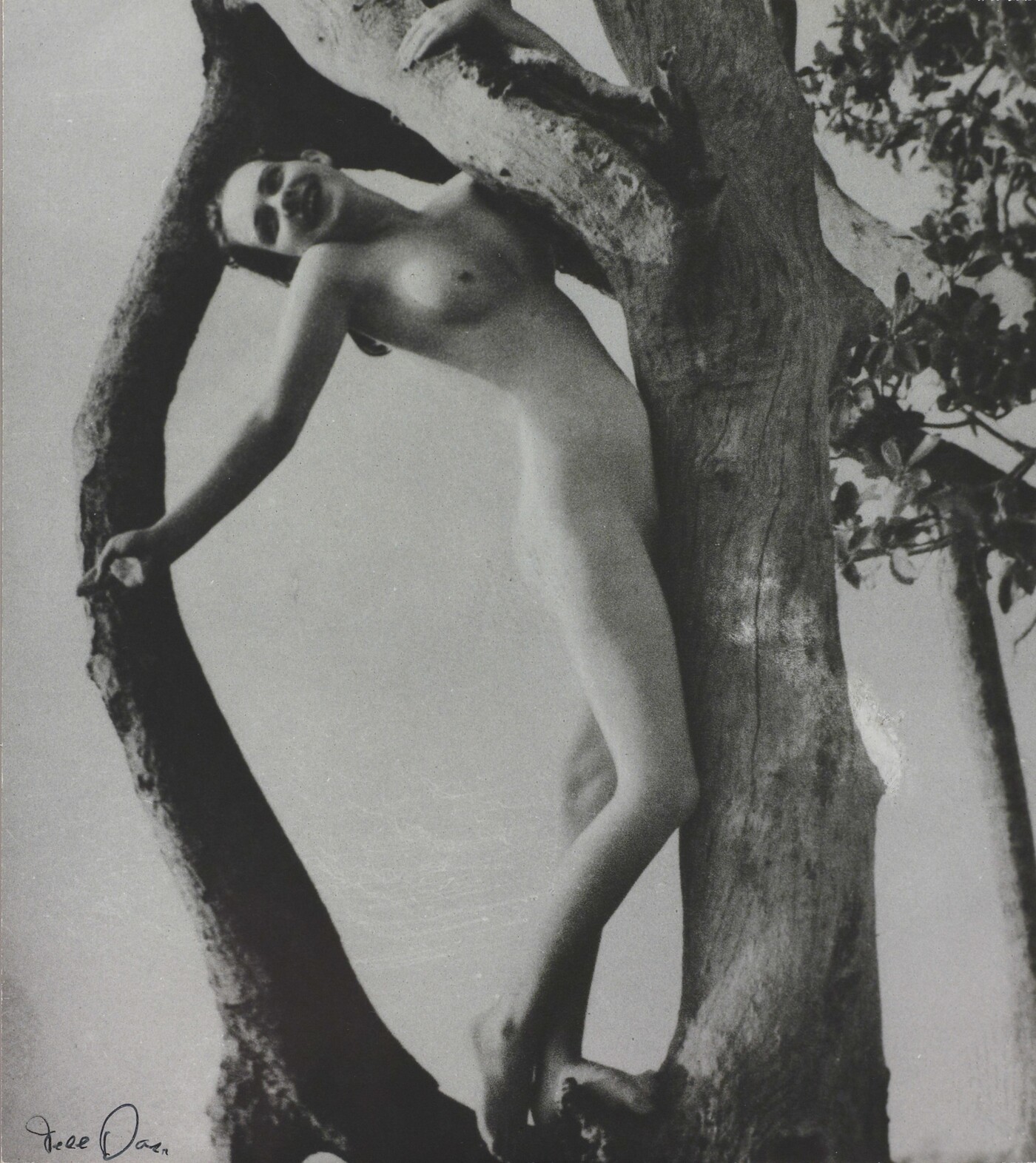
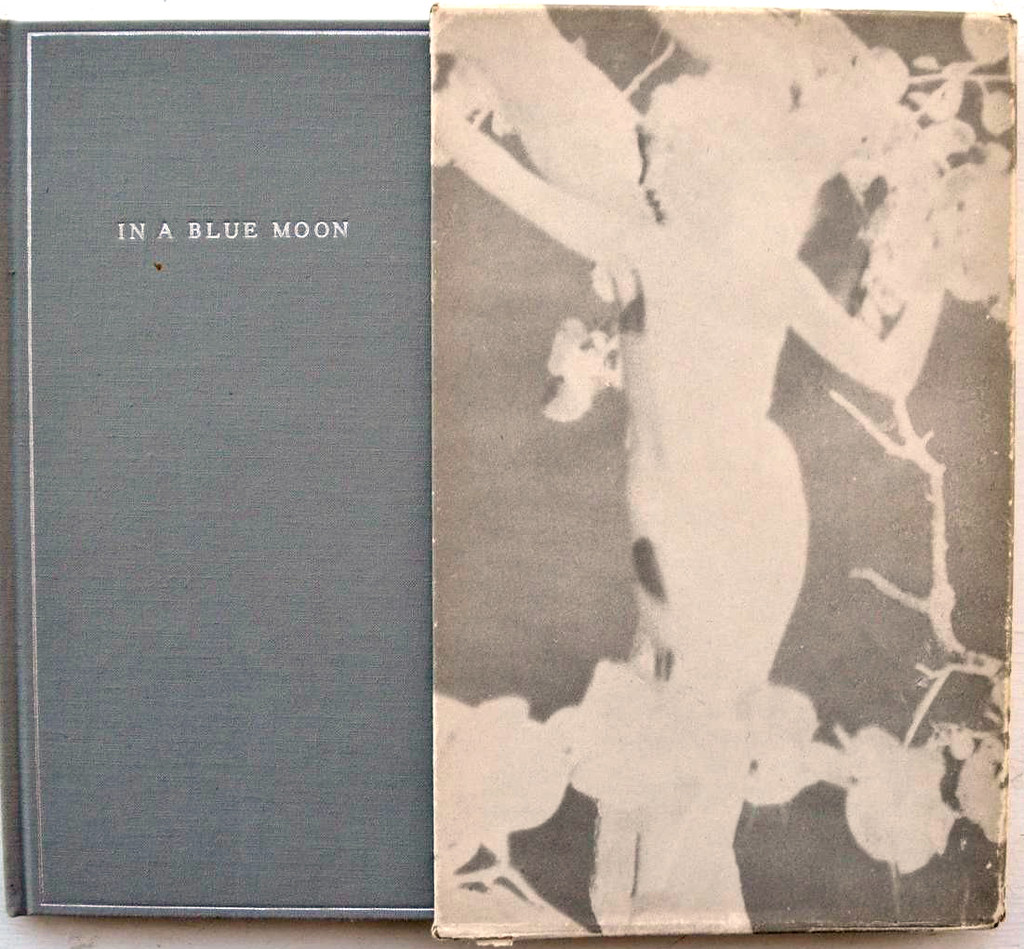
Nell Dorr - Nell Koons :: from "In a Blue Moon", published by G. P. Putnam’s Sons in 1939.  In a Blue Moon, a small hardcover made up of many of the same images from Mangroves (*) but printed in photogravure.
Nell Dorr ~ Nell Koons :: from “In a Blue Moon”, published by G. P. Putnam’s Sons in 1939.

In a Blue Moon, a small hardcover made up of many of the same images from Mangroves (*) but printed in photogravure. Lettering by George A. DuBerg.
(*) Mangroves, a softbound portfolio of her photographs was self-published in a limited edition, under her first married name, Nell Koons. It comprises two of her poems and fifteen tipped-in halftones of flowers and nude girls and women, often perched in trees.

Nell Dorr - Nell Koons :: from "In a Blue Moon", published by G. P. Putnam’s Sons in 1939.
Nell Dorr ~ Nell Koons :: from “In a Blue Moon”, published by G. P. Putnam’s Sons in 1939.
Nell Dorr - Nell Koons :: from "In a Blue Moon", published by G. P. Putnam’s Sons in 1939.
Nell Dorr ~ Nell Koons :: from “In a Blue Moon”, published by G. P. Putnam’s Sons in 1939.
Nell Dorr - Nell Koons :: from "In a Blue Moon", published by G. P. Putnam’s Sons in 1939.
Nell Dorr ~ Nell Koons :: from “In a Blue Moon”, published by G. P. Putnam’s Sons in 1939.
Nell Dorr - Nell Koons :: from "In a Blue Moon", published by G. P. Putnam’s Sons in 1939.
Nell Dorr ~ Nell Koons :: from “In a Blue Moon”, published by G. P. Putnam’s Sons in 1939.
Nell Dorr - Nell Koons :: from "In a Blue Moon", published by G. P. Putnam’s Sons in 1939.
Nell Dorr ~ Nell Koons :: from “In a Blue Moon”, published by G. P. Putnam’s Sons in 1939.
Nell Dorr :: Florida Keys, 1928. # 9 From In a Blue Moon, published 1939. Amon Carter Museum
Nell Dorr ~ Nell Koons :: Florida Keys, 1928. # 9 From In a Blue Moon, published 1939. Amon Carter Museum
Nell Dorr - Nell Koons :: from "In a Blue Moon", published by G. P. Putnam’s Sons in 1939.
Nell Dorr ~ Nell Koons :: from “In a Blue Moon”, published by G. P. Putnam’s Sons in 1939.
Nell Dorr - Nell Koons :: from "In a Blue Moon", published by G. P. Putnam’s Sons in 1939.
Nell Dorr ~ Nell Koons :: from “In a Blue Moon”, published by G. P. Putnam’s Sons in 1939.
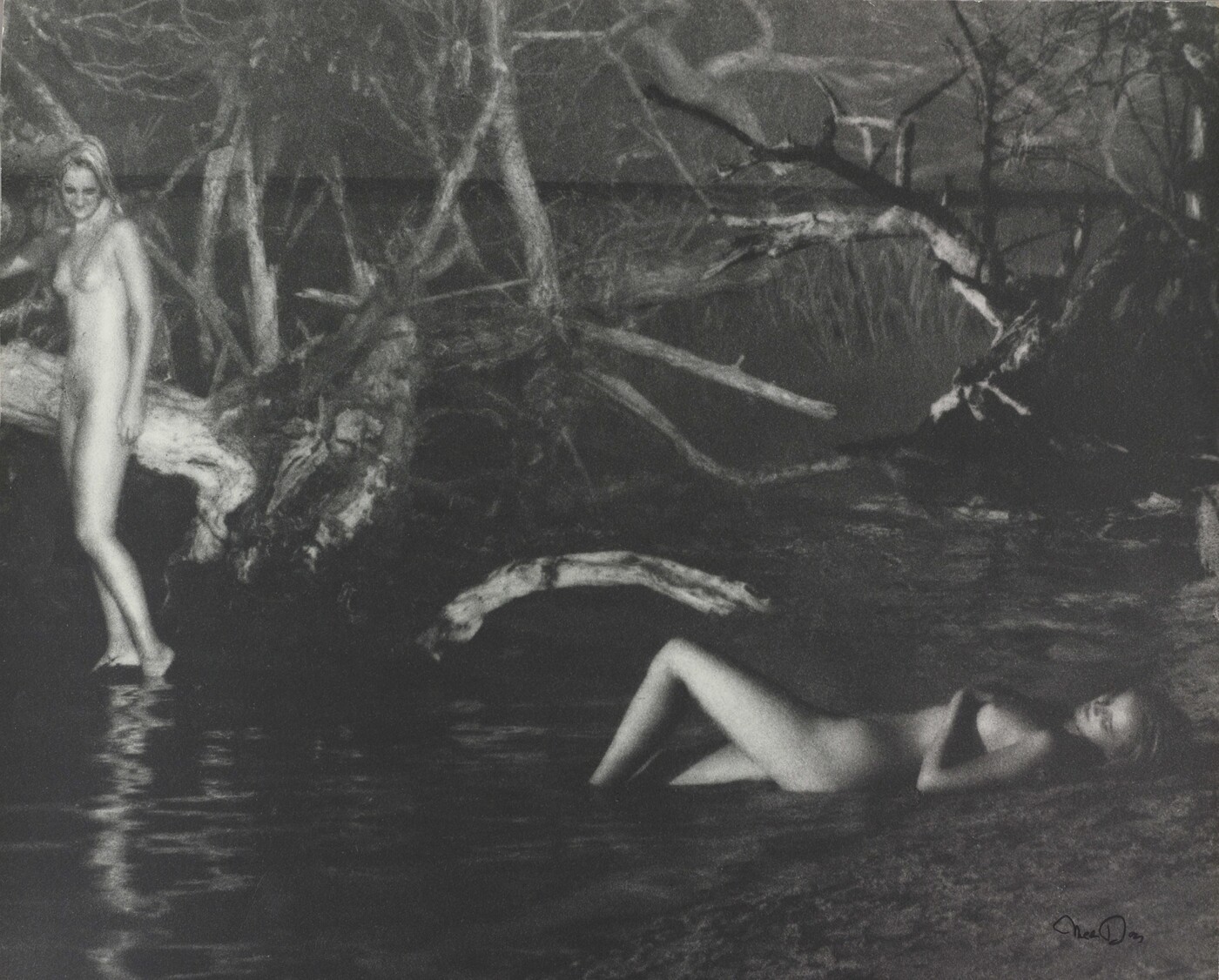
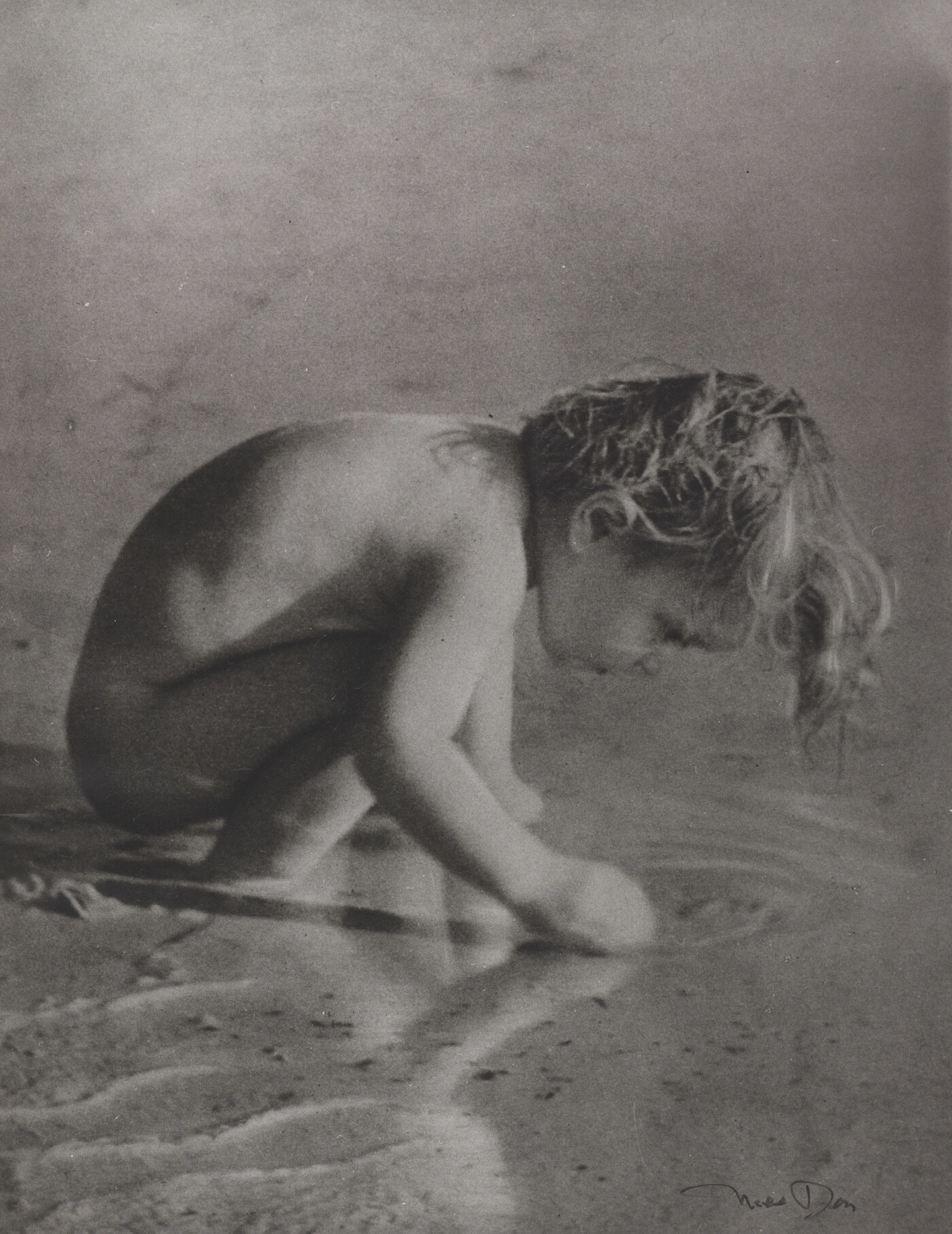
Nell Dorr :: The Secret Pool, 1928. # 18 also # 58, From In a Blue Moon, published 1939. Amon Carter Museum
Nell Dorr ~ Nell Koons :: The Secret Pool, 1928. # 18 also # 58, From In a Blue Moon, published 1939. Amon Carter Museum

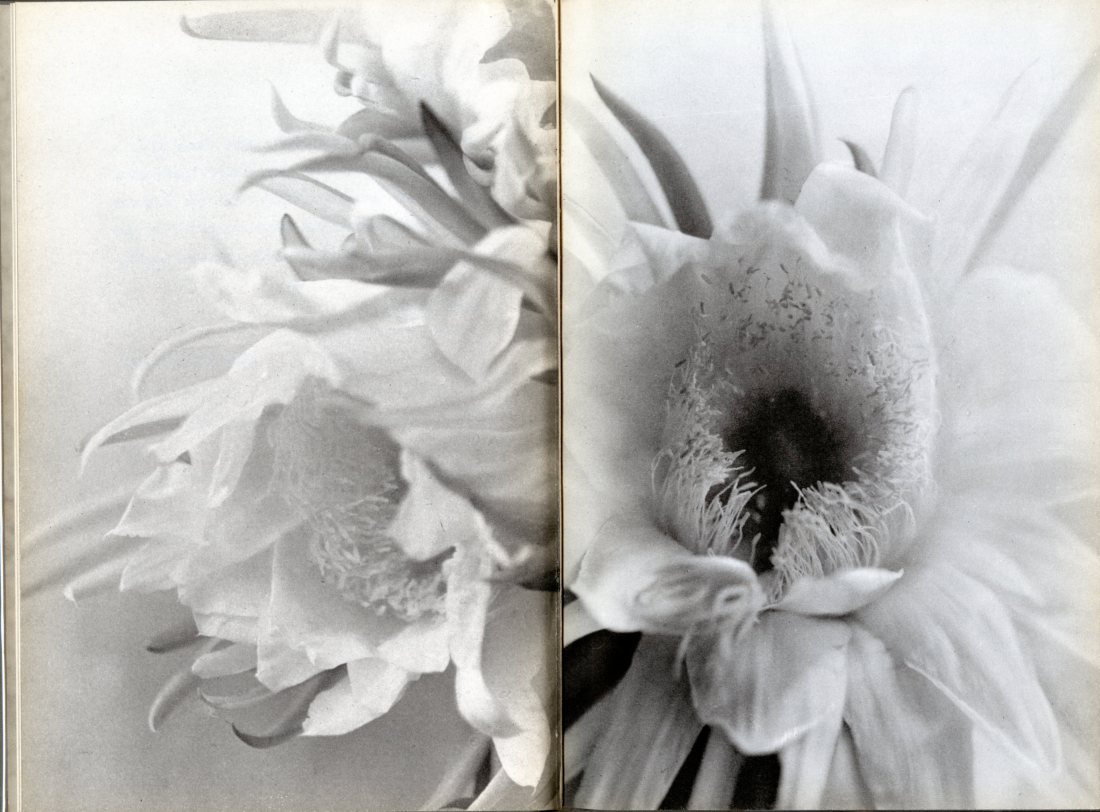
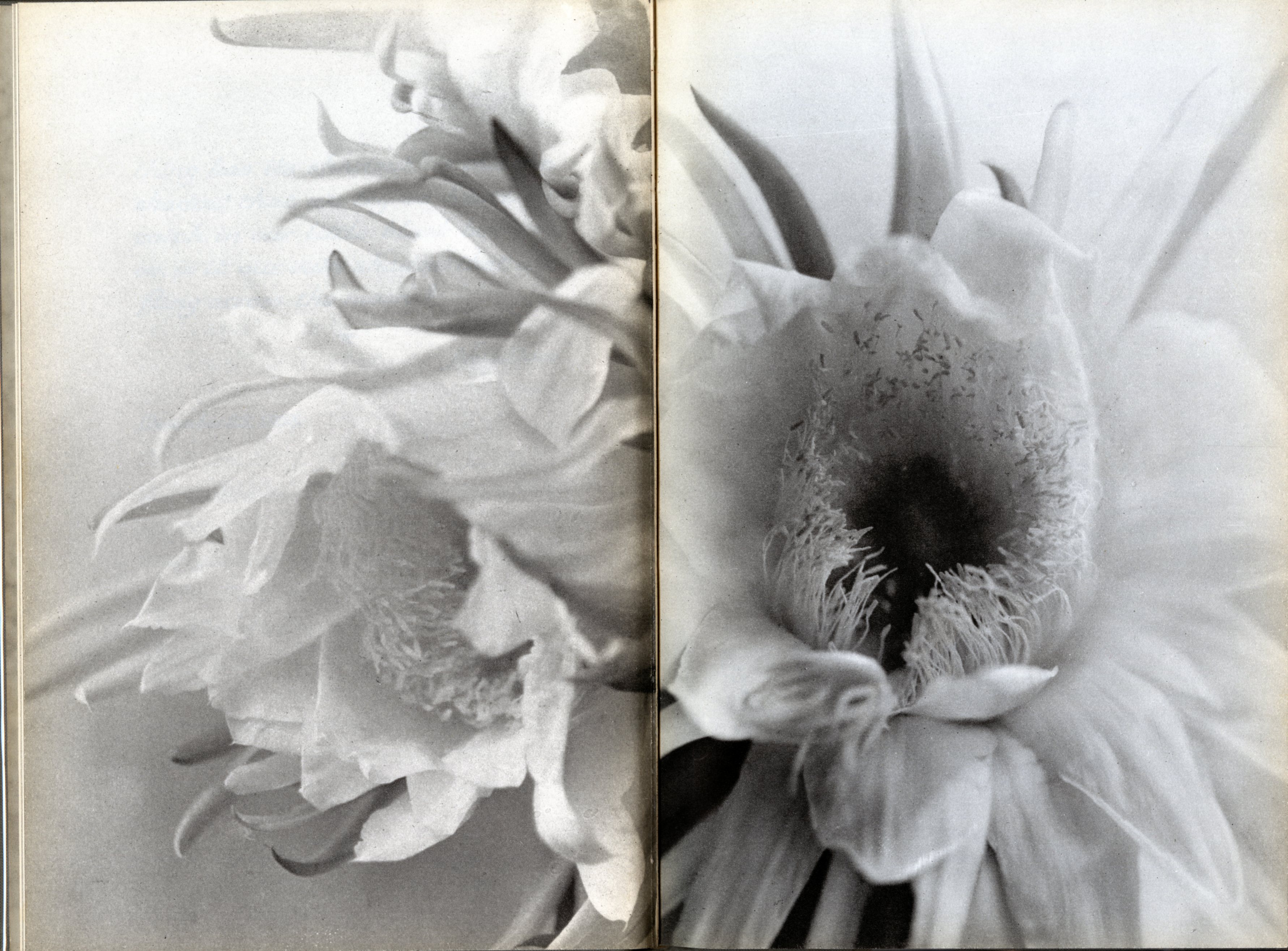
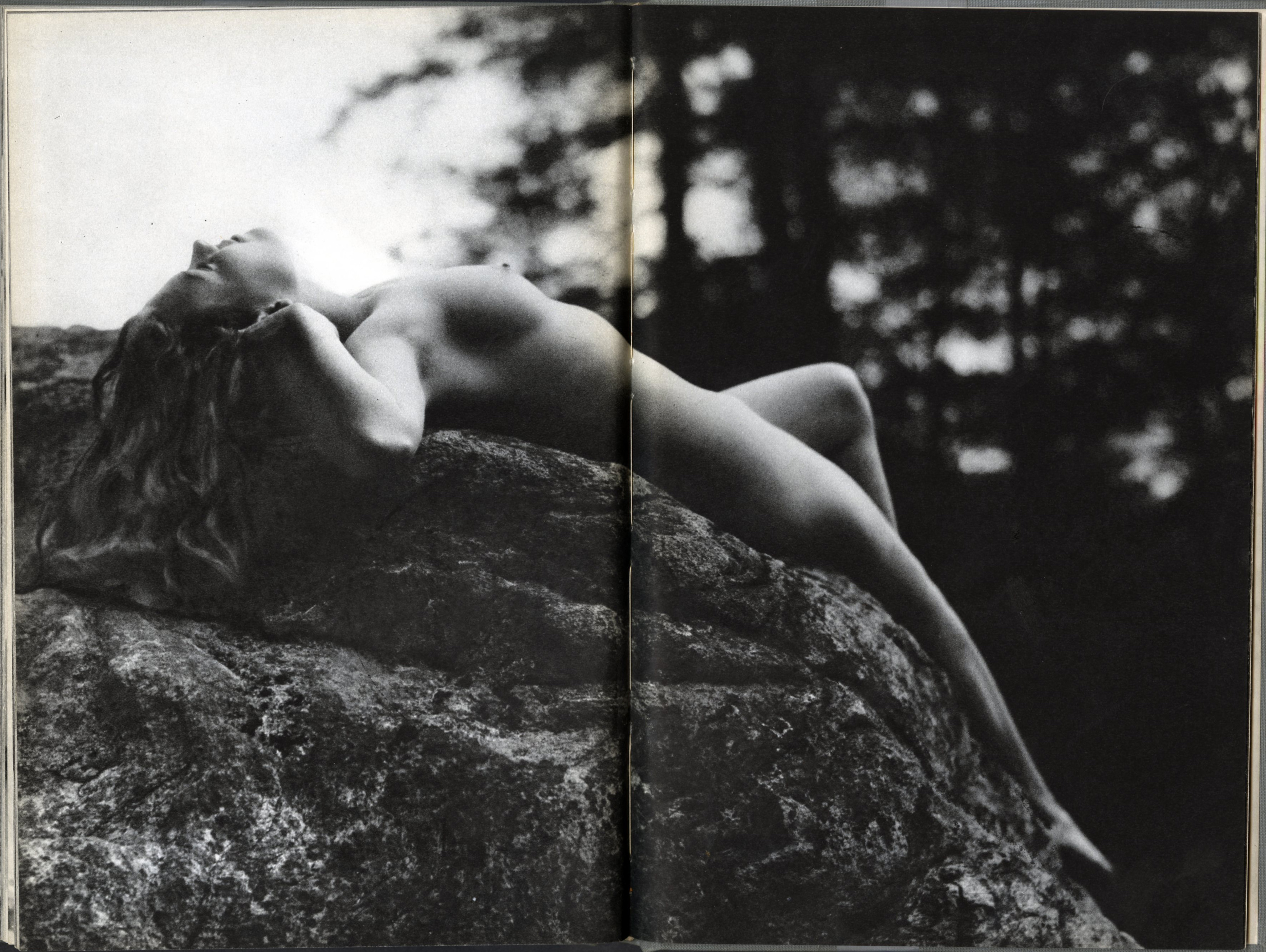
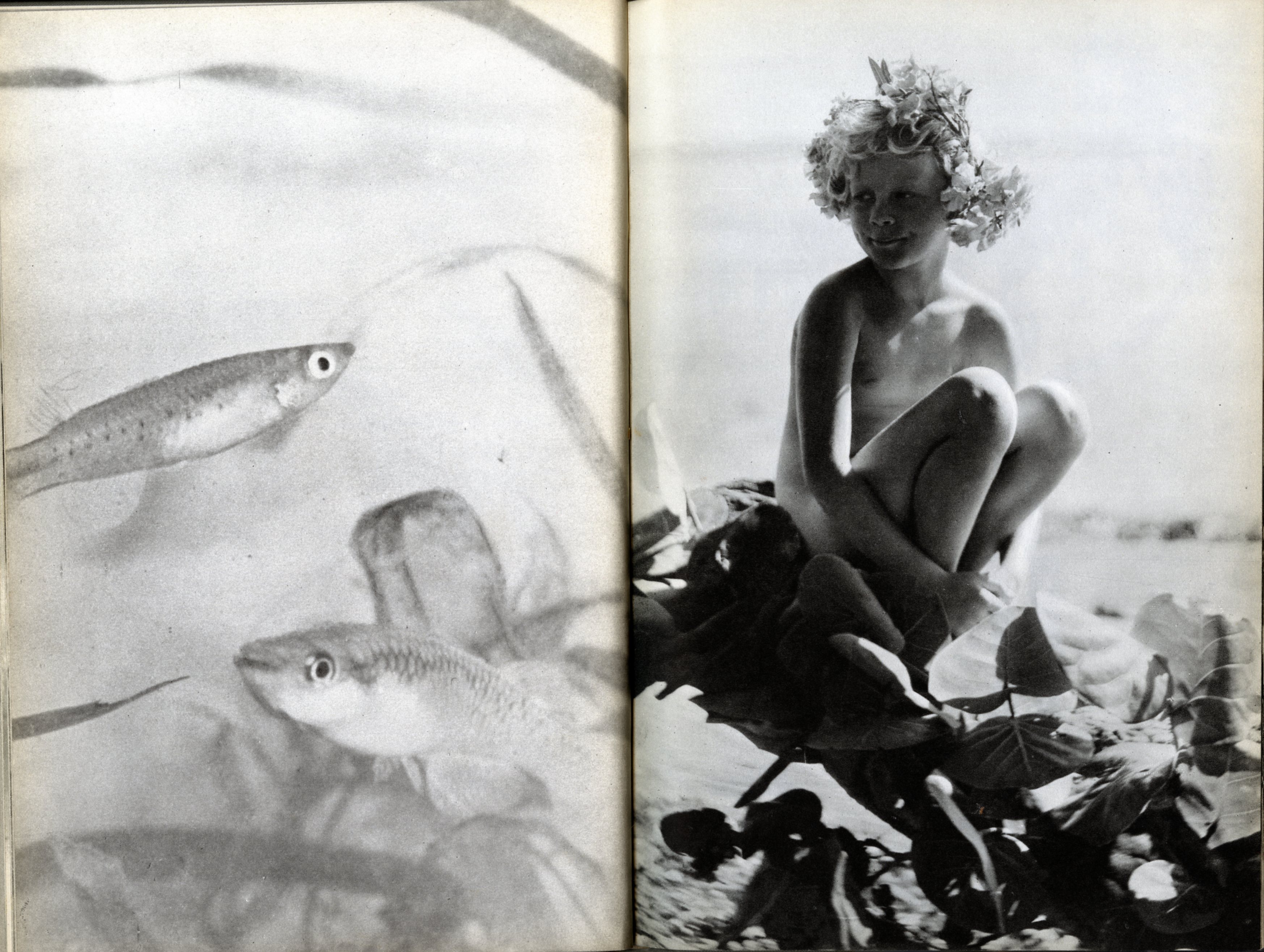
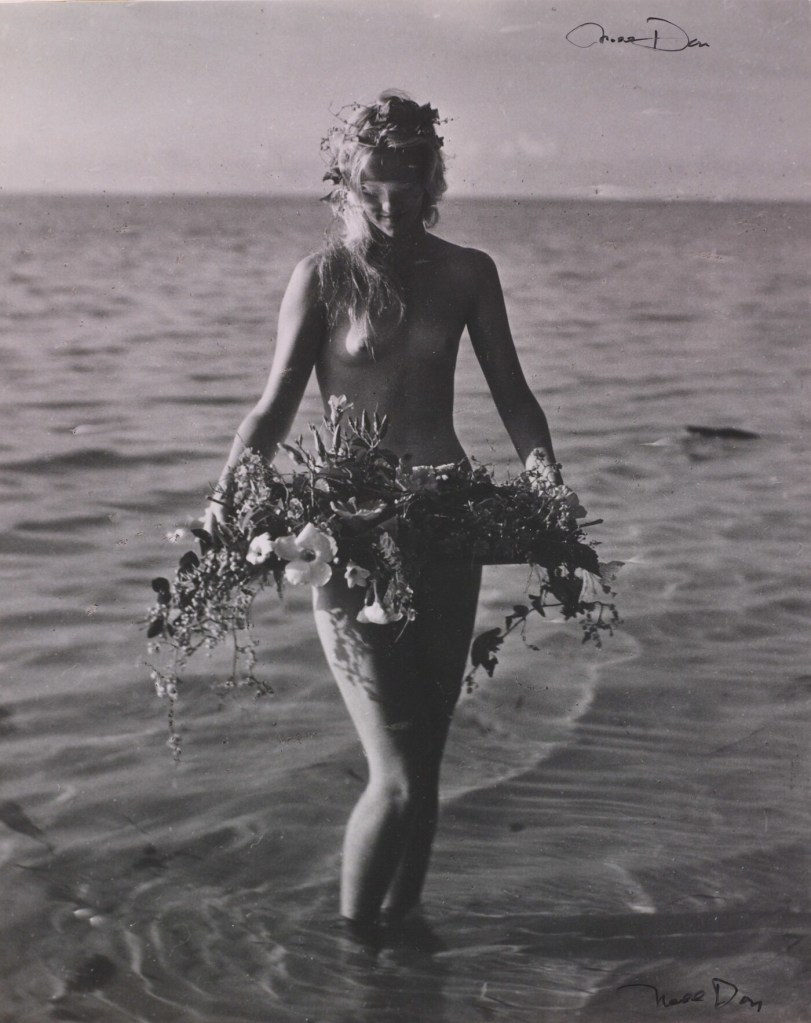
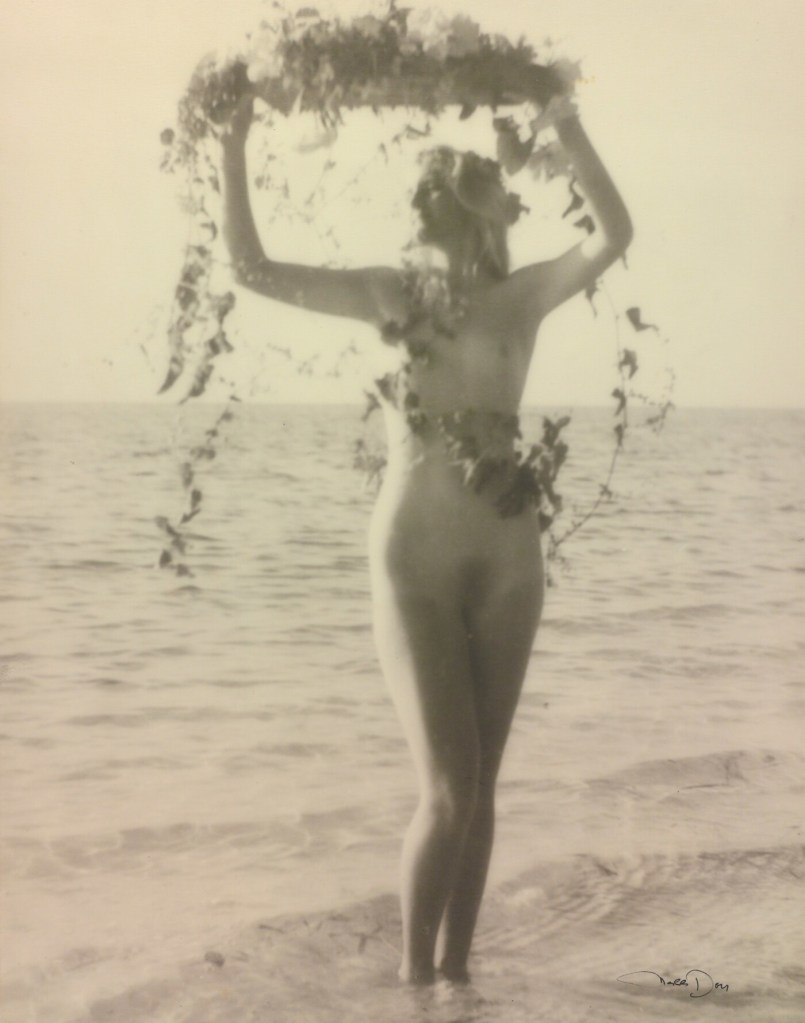
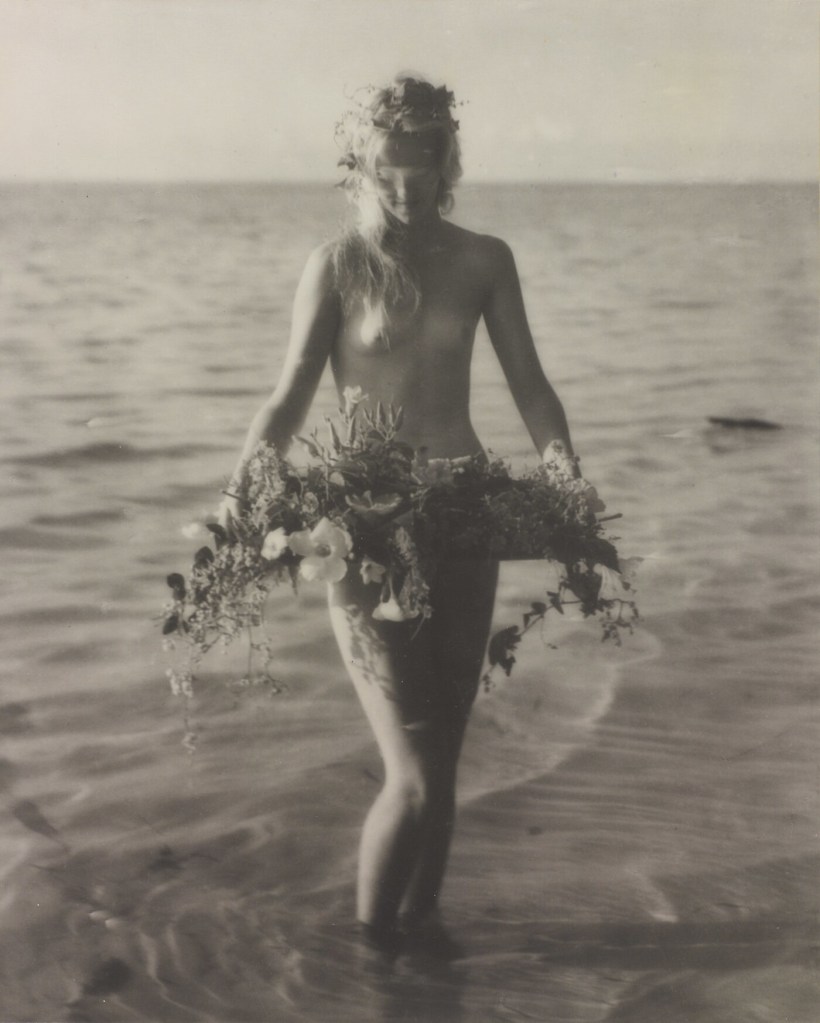
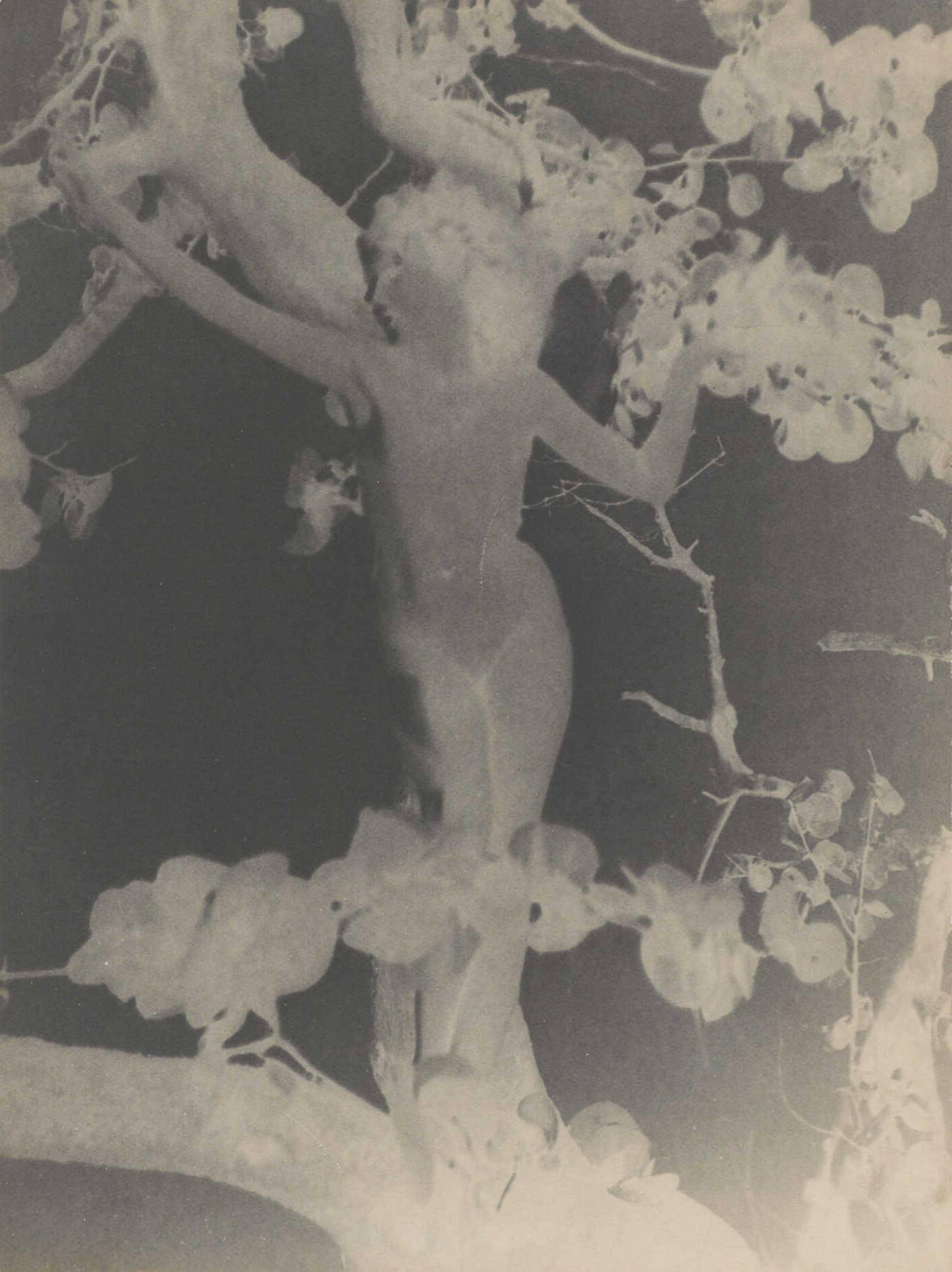
In a blue moon combines dream-like images of nude women with close-up and abstracted images of flowers. The narrative of this photo-novella is the transition into adulthood.  The effect of this book is that something that has so much potential to be lame – pictures of girls, pictures of flowers, girls and flowers and girls with flowers in their hair – actually comes across as being quite profound and unashamedly beautiful.  Nell Dorr photographed with a Rollei camera only ever using available natural light.  The simplicity of her approach did not necessarily mean simplicity in the results that she achieved. Her imagery is filled with amazing abstract constructions and her portraits have an almost primal quality.  Her photographs are the autobiographical work of a strong and sensitive woman who created an internal place where beauty and truth could still flourish. [quoted from an article by Matthew Carson (Head Librarian & Archivist at the International Center of Photography) on Monsters & Madonnas]

Nell Dorr - Nell Koons :: from "In a Blue Moon", published by G. P. Putnam’s Sons in 1939.
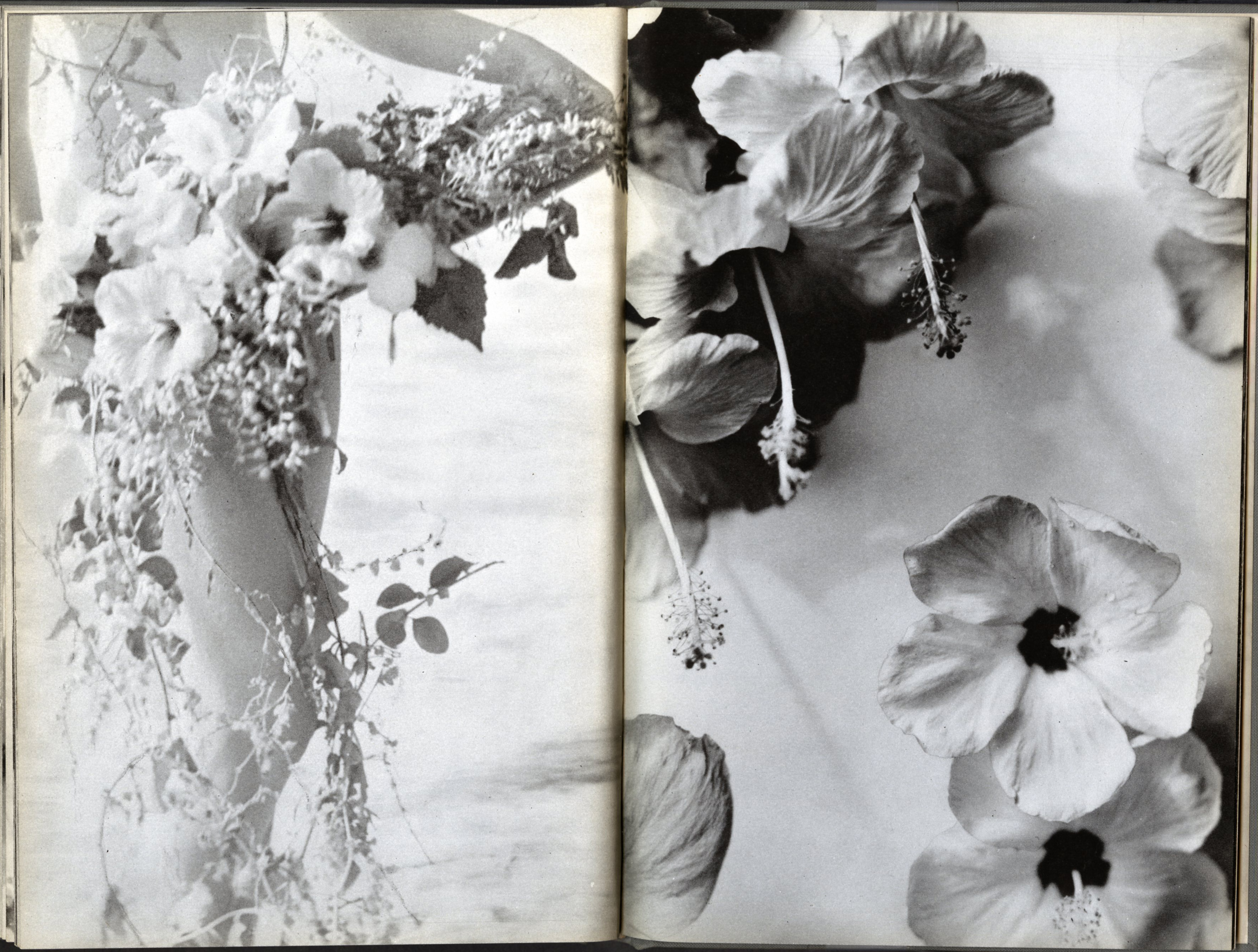
Nell Dorr (1893-1988) :: Flower Laden, 1928. Gelatin silver print. # 7 From The Blue Moon. Amon Carter Museum of American Art
Nell Dorr - Nell Koons :: from "In a Blue Moon", published by G. P. Putnam’s Sons in 1939.
Nell Dorr (1893-1988) :: Vine Leaves; 1928. Gelatin silver print. # 8 From The Blue Moon. Amon Carter Museum of American Art
Nell Dorr - Nell Koons :: from "In a Blue Moon", published by G. P. Putnam’s Sons in 1939.
Nell Dorr :: Flower Laden, 1928-29. Gelatin silver print. # 7 From The Blue Moon. Amon Carter Museum of American Art
Nell Dorr :: The Sea Grape Tree, 1927-29. # 36 From In a Blue Moon, published 1939. Amon Carter Museum
Nell Dorr :: The Sea Grape Tree, 1923, printed after 1923. # 28 From In a Blue Moon, published 1939. Amon Carter Museum
Nell Dorr :: The Coco Loba Tree, ca. 1923-1929. # 44 From In a Blue Moon, published 1939. Amon Carter Museum
Nell Dorr ::  Harp of the Wind, 1929. # 38 From In a Blue Moon, published 1939. Amon Carter Museum
Nell Dorr :: Harp of the Wind, 1929. # 38 From In a Blue Moon, published 1939. Amon Carter Museum
Nell Dorr ::  Wonder, 1928. # 75 From In a Blue Moon, published 1939. Amon Carter Museum
Nell Dorr :: Wonder, 1928. # 75 From In a Blue Moon, published 1939. Amon Carter Museum
Nell Dorr :: [Negative image of ‘Matin’], 1929. Amon Carter Museum
In a Blue Moon published by G. P. Putnam’s Sons in 1939. [1st edition]; Nell Dorr; lettering by George A. DuBerg.

content sources:

ICP · International Center of Photography

Monsters & Madonnas (ICP blog)

Amon Carter museum of American art

Harvard University & Yale University Library

Edle Nacktheit in China (1928)

Heinz von Perckhammer :: “Edle Nacktheit in China”, Macao, ca. 1920; photogravure on Japan paper | src Collezione Molinario
Heinz von Perckhammer :: The Culture of the Nude in China. Berlin; Eigenbrodler Verlag, [1928] | src heritage auctions
Heinz von Perckhammer ~ From “Edle Nacktheit in China”. Eigenbrödler Verlag [Berlin, 1928] 1st edition (cover) | src sworders
Heinz von Perckhammer ~ From “Edle Nacktheit in China /The culture of the Nude in China”. Eigenbrodler Verlag [Berlin, 1928]
Heinz von Perckhammer :: “The culture of the Nude in China”, Macao, ca. 1920; original photogravure on Japan paper | src Collezione Molinario

Heinz von Perckhammer was born in Merano, Austria-Hungary (now Italy) in 1895. During the First World War he served aboard the SMS Kaiserin Elisabeth during the Siege of Tsingtao and between 1917 and 1919 was held as a prisoner of war. It was during this time when he was held captive that his interest in photography began. He apparently remained in China for much of the 1920s, and took these soft-focused and stylized photographs of women from Macao brothels.

In the introduction to Edle Nacktheit in China he writes: ‘Pictures of nude women, setting aside the ugly caricatures of the “Spring pictures” of erotic scenes, simply do not exist in China. Therefore I believe, I have created something entirely new and of value.’ Edle Nacktheit in China was later banned by the Nazis as degenerate art (Entartete Kunst) and appeared on the Liste des schädlichen und unerwünschten Schrifttums [List of harmful and undesirable writing].
Heinz von Perckhammer ~ Nude from “Edle Nacktheit in China”. Eigenbrödler Verlag [Berlin, 1928] Heliogravür | src Koller Auktionen
Heinz von Perckhammer ~ Young nude girl. Rotogravure. From “Edle Nacktheit in China”, Berlin, 1928 | src Drouot
Heinz von Perckhammer ~ From “Edle Nacktheit in China”. Eigenbrödler Verlag [Berlin, 1928] 1st edition | src sworders
Edle Nacktheit in China (1928); book with 32 original photographs by Heinz v. Perckhammer | src Abebooks

Silhouette from back, ca. 1965

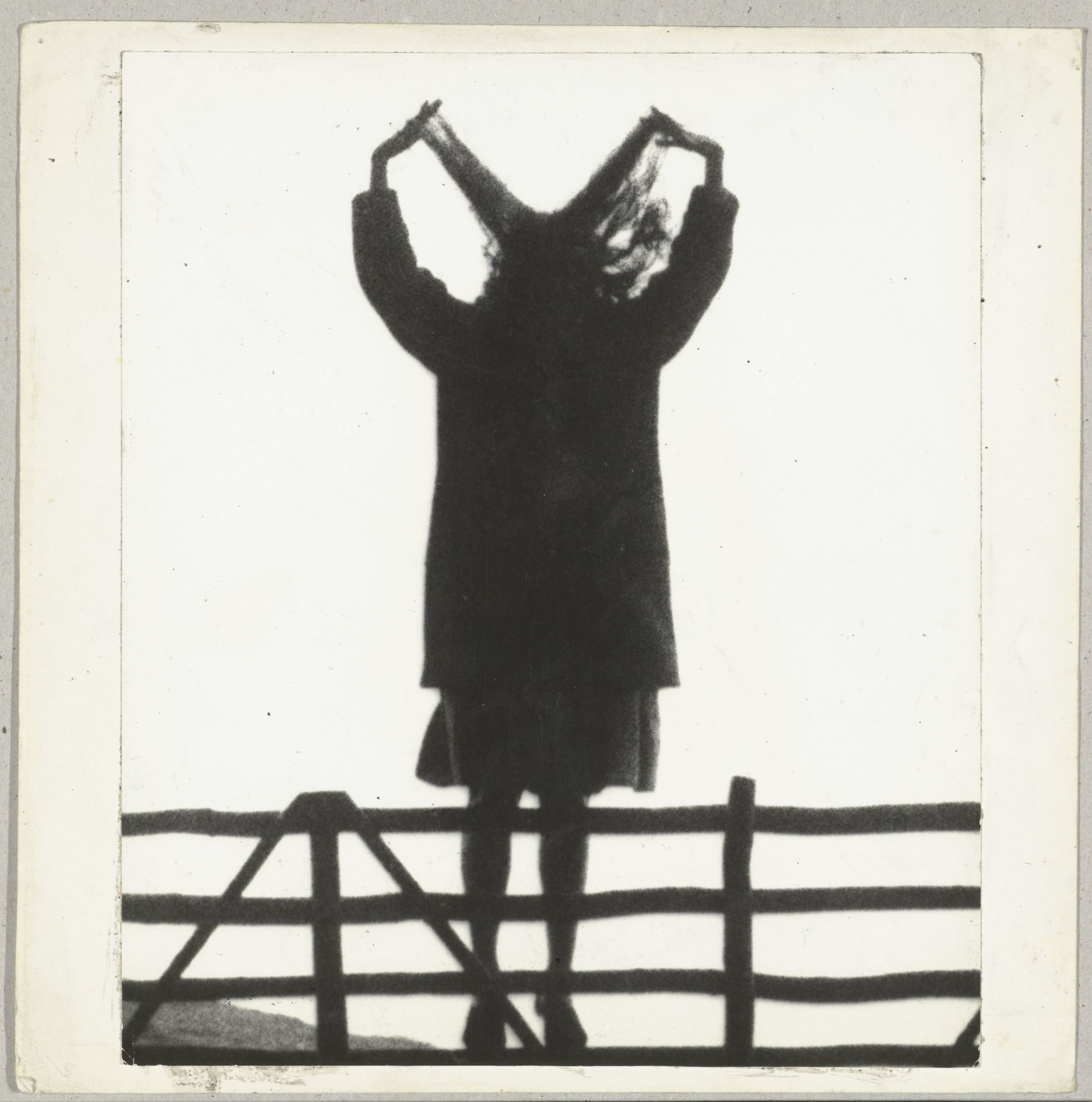
Sanne Sannes :: Silhouette of a Woman Wearing a Coat, Standing Behind a Wooden Fence, ca. 1964-1967. (description: Silhouette of a woman, dressed in a jacket, standing behind a wooden fence, lifting her long hair with both hands.) Part of the photobook: Dummy of Dagboek van een erotomaan (Dummy or Diary of an Erotomaniac) | src Rijksmuseum
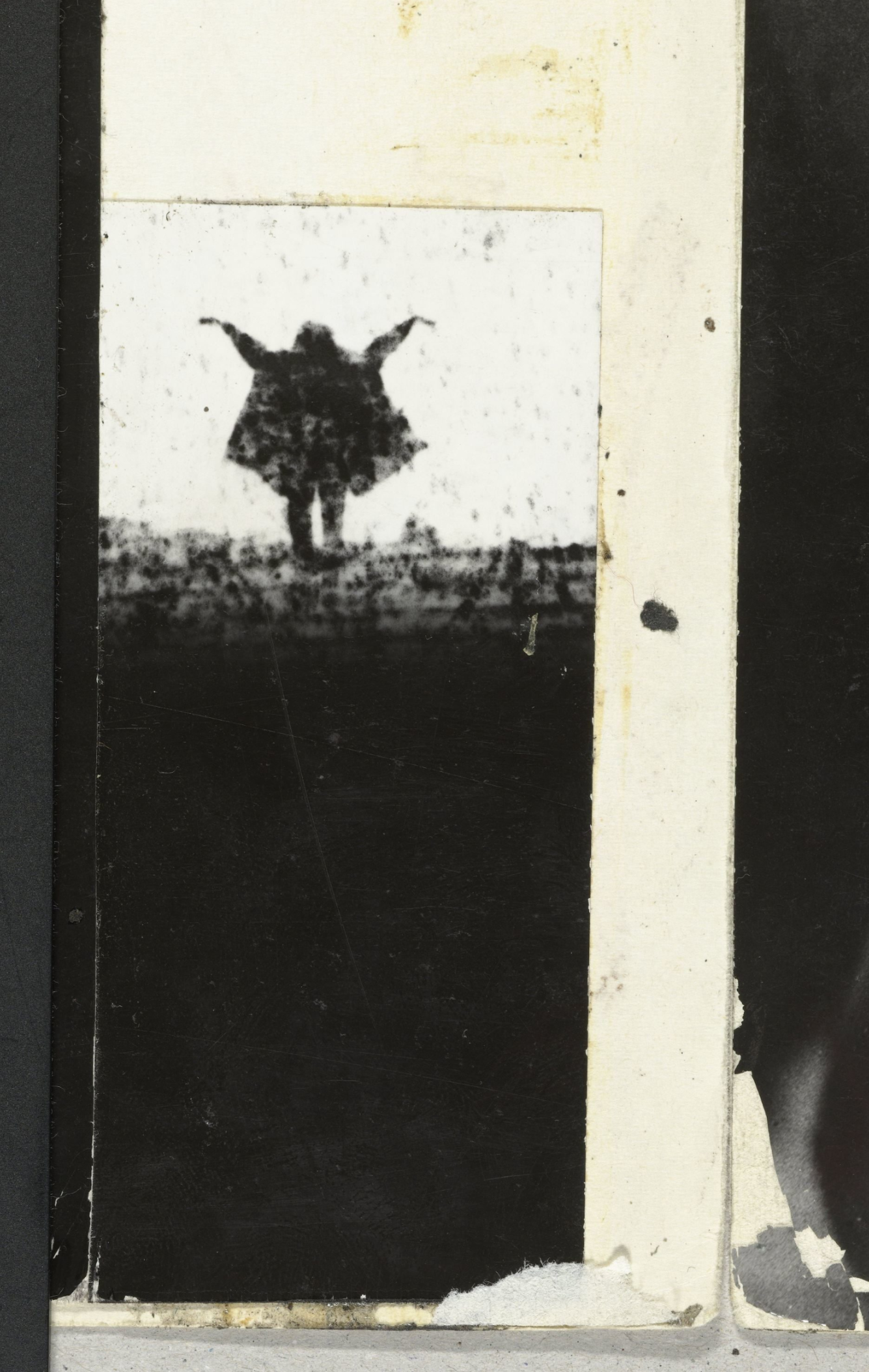
Sanne Sannes :: Blurry image of a standing figure in a wide coat with arms raised, ca. 1964-1967. Part of the photobook: Dummy of Dagboek van een erotomaan (Dummy or Diary of an Erotomaniac) | src Rijksmuseum