For Colored Girls · 1976-77

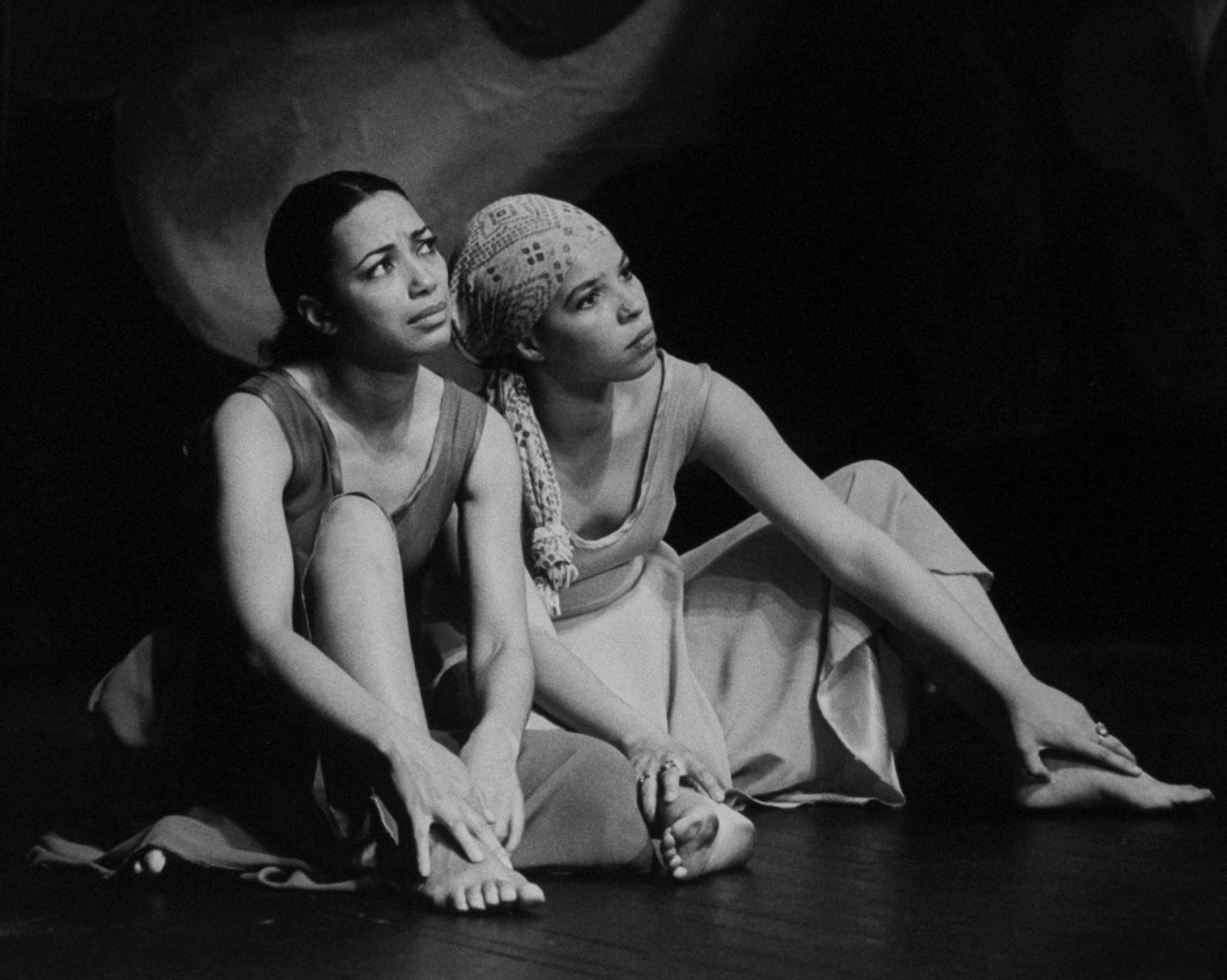
Martha Swope ~ Ntozake Shange (right) in a scene from the Broadway production of her choreopoem: ‘For Colored Girls Who Have Considered Suicide When the Rainbow is Enuf’, 1977 | src NYPL

‘For Colored Girls Who Have Considered Suicide When the Rainbow is Enuf’ is a 1976 work by Ntozake Shange. It consists of a series of poetic monologues to be accompanied by dance movements and music, a form which Shange coined the word choreopoem to describe. It tells the stories of seven women who have suffered oppression in a racist and sexist society.
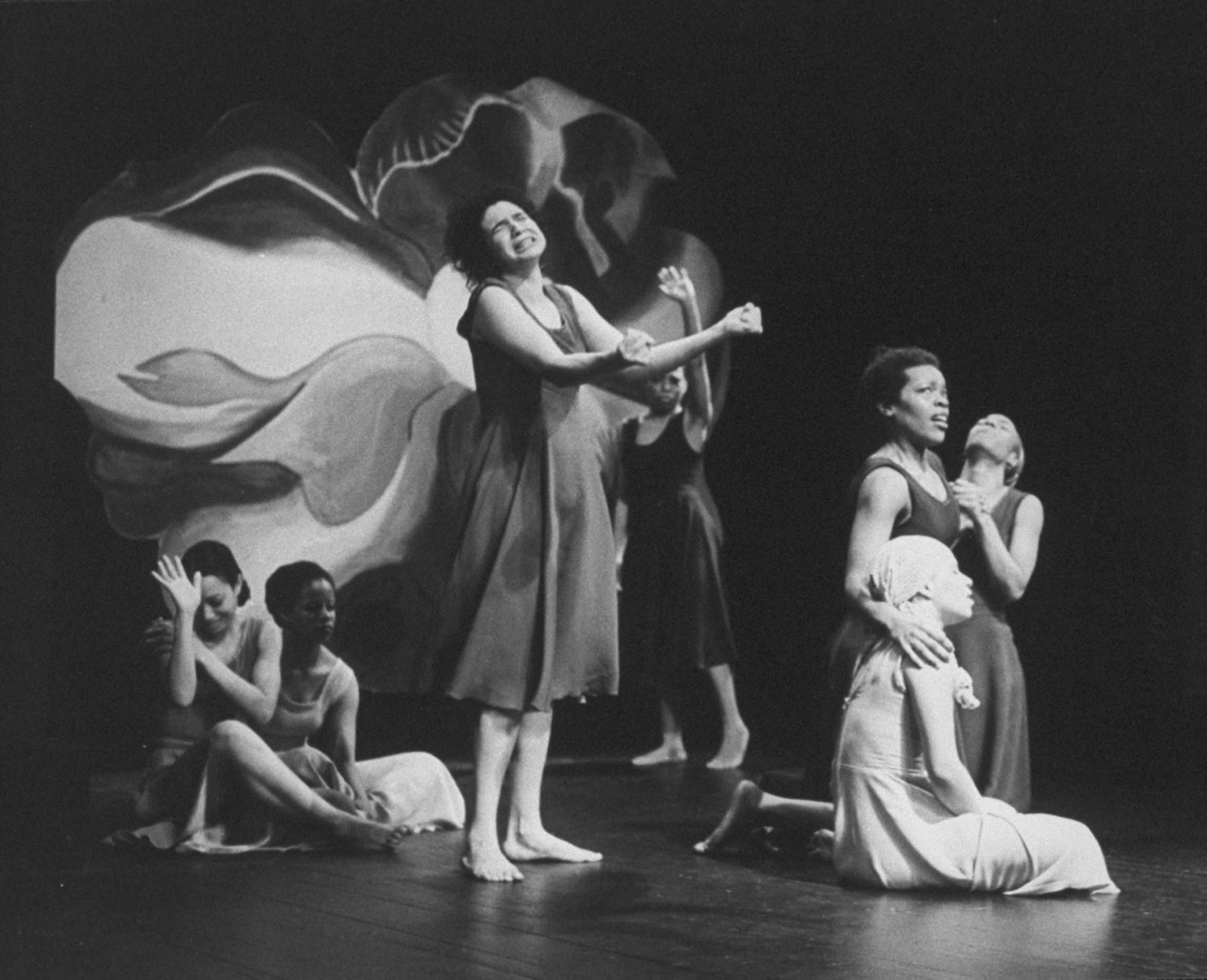
Martha Swope ~ A scene from the Broadway production of the choreopoem by Ntozake Shange: ‘For Colored Girls Who Have Considered Suicide When the Rainbow is Enuf’, 1977 | src NYPL

As a choreopoem, the piece is a series of 20 separate poems choreographed to music that weaves interconnected stories of love, empowerment, struggle and loss into a complex representation of sisterhood. The cast consists of seven nameless African-American women only identified by the colors they are assigned. They are the lady in red, lady in orange, lady in yellow, lady in green, lady in blue, lady in brown, and lady in purple. Subjects from rape, abandonment, abortion and domestic violence are tackled.
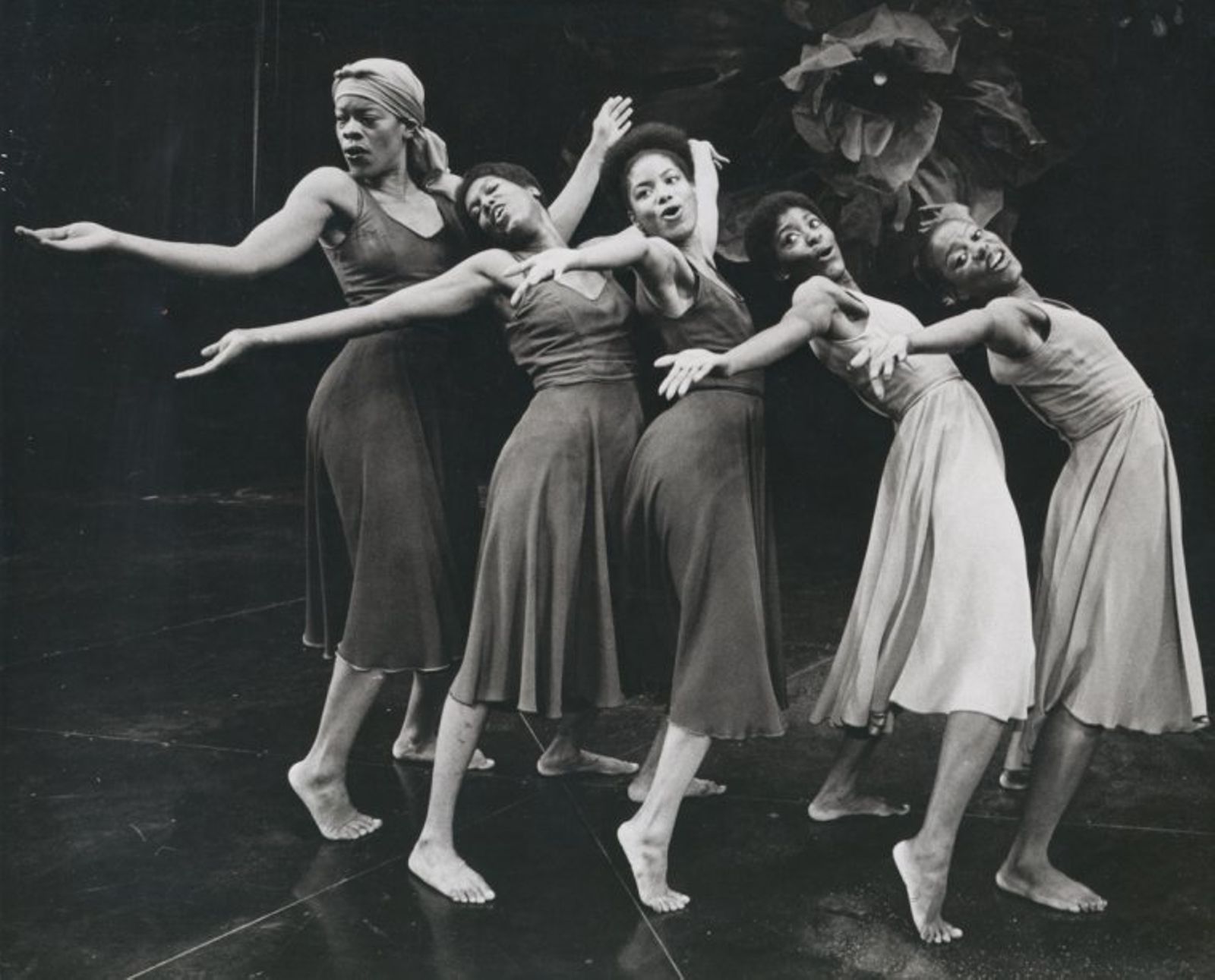
Martha Swope ~ A scene from the Broadway production of the choreopoem by Ntozake Shange: ‘For Colored Girls Who Have Considered Suicide When the Rainbow is Enuf’, 1976 | src NYPL

Shange originally wrote the monologues as separate poems in 1974. Her writing style is idiosyncratic and she often uses vernacular language, unique structure, and unorthodox punctuation to emphasize syncopation. Shange wanted to write ‘For colored girls…‘ in a way that mimicked how real women speak so she could draw her readers’ focus to the experience of reading and listening.

Martha Swope ~ A scene from the Broadway production of the choreopoem by Ntozake Shange: ‘For Colored Girls Who Have Considered Suicide When the Rainbow is Enuf’, 1976 | src NYPL
Martha Swope ~ Actresses (Front L-R) Laurie Carlos, Paula Moss, Aku Kadogo, Trazana Beverly; (Top L-R) Rise Collins, Janet League, Seret Scott in scene from the play ‘For Colored Girls Who Have Condsidered Suicide When the Rainbow is Enuf’ by Ntozake Shange (1976) | src NYPL
The cast of the Broadway show ‘For Colored Girls Who Have Considered Suicide When the Rainbow Is Enuf’ by Ntozake Shange, in the Meatpacking District of New York City, 1977 (Photo by Jill Freedman) | src getty images
A scene from the Broadway production of the choreopoem ‘For Colored Girls Who Have Considered Suicide When the Rainbow is Enuf’, 1976 | src NY Times: Ntozake Shange’s Tales of Black Womanhood

In December 1974, Shange performed the first incarnation of her choreopoem with four other artists at a women’s bar outside Berkeley, California. After moving to New York City, she continued work on for colored girls…, which went on to open at the Booth Theatre in 1976, becoming the second play by a black woman to reach Broadway. quoted from wikipedia entry

Martha Swope ~ A scene from the Broadway production of the choreopoem by Ntozake Shange: ‘For Colored Girls Who Have Considered Suicide When the Rainbow is Enuf’, 1976-77 | src NYPL

For Colored Girls chronicles the experiences of seven black women through monologue and dance, confronting topics of sexism, rape, and domestic violence. The play has long been considered a benchmark for black female writers and inspired a book, film, and Tony Award-nominated Broadway play.

Martha Swope ~ A scene from the Broadway production of the choreopoem by Ntozake Shange: ‘For Colored Girls Who Have Considered Suicide When the Rainbow is Enuf’, 1976-77 | src NYPL

Written for seven characters, For Colored Girls is a group of 20 poems on the power of Black women to survive in the face of despair and pain. The show ran for seven months Off-Broadway in New York City before beginning a two-year run on Broadway. It was subsequently produced throughout the United States, broadcast on television, and in 2010 adapted into a feature film titled For Colored Girls. [text: Britannica]

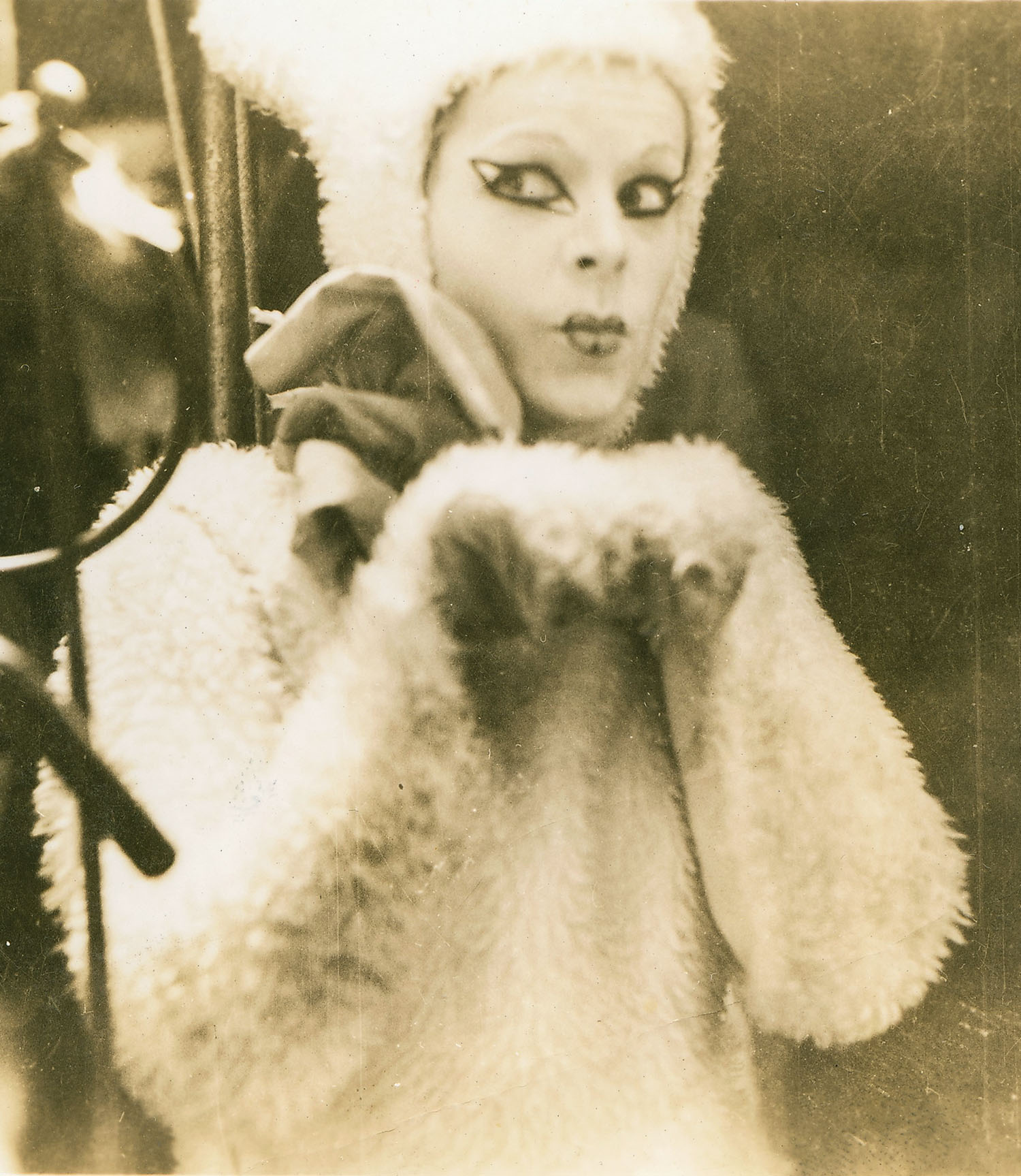
A scene from the Broadway production of the choreopoem ‘For Colored Girls Who Have Considered Suicide When the Rainbow is Enuf’, 1976 | src NY Times: Ntozake Shange’s Tales of Black Womanhood

The White Cat · Ballets Russes

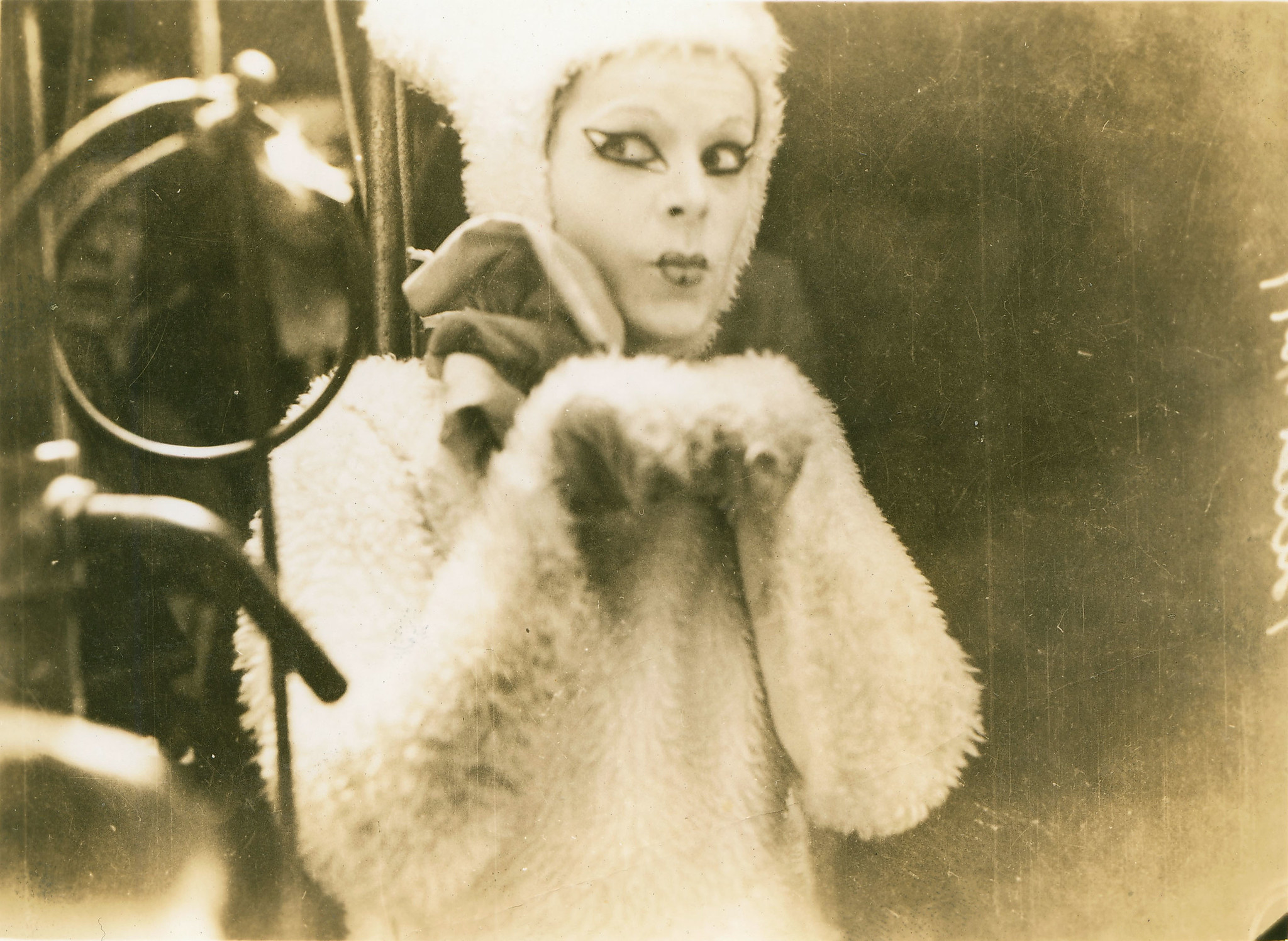
‘The White Cat’ in ‘Le Mariage d’Aurore’ (Aurora’s Wedding), Covent Garden Russian Ballet, 1938 (detail from original photograph) © Australian Performing Arts Collection, Arts Centre Melbourne

In 1936 Australian audiences witnessed firsthand the spectacle of the Ballets Russes, with the arrival of the Monte Carlo Russian Ballet. This company, lead by Colonel Wassily de Basil, was one of a number of Ballets Russes companies that were formed in the wake of the dissolution of Serge Diaghilev’s Ballet Russes following his death in 1929. This first tour concluded in 1937 and was followed by two more tours by de Basil’s Ballets Russes companies, the Covent Garden Russian Ballet in 1938-1939 and Original Ballet Russe in 1939-1940.

‘The White Cat’ in ‘Le Mariage d’Aurore’ (Aurora’s Wedding), Covent Garden Russian Ballet, 1938 © Australian Performing Arts Collection, Arts Centre Melbourne
‘The White Cat’ in ‘Le Mariage d’Aurore’, Covent Garden Russian Ballet, 1938 © Australian Performing Arts Collection
Image kindly provided by Arts Centre Melbourne | Wurundjeri Country

Dancers (1914) by Ruth Hollick

Ruth Hollick ~ [Miss Sugden]; 1914. (Four girls dancing, wearing Grecian costume) | src SLV · State Library of Victoria
Ruth Hollick ~ [Miss Sugden]; 1914. (Four girls weeping, wearing Grecian costumes) Glass negative | src SLV
Ruth Hollick ~ [Miss Sugden]; 1914. (Three girls, wearing Grecian costume, with pan pipes) | src SLV · State Library of Victoria

Orpheus and Eurydice

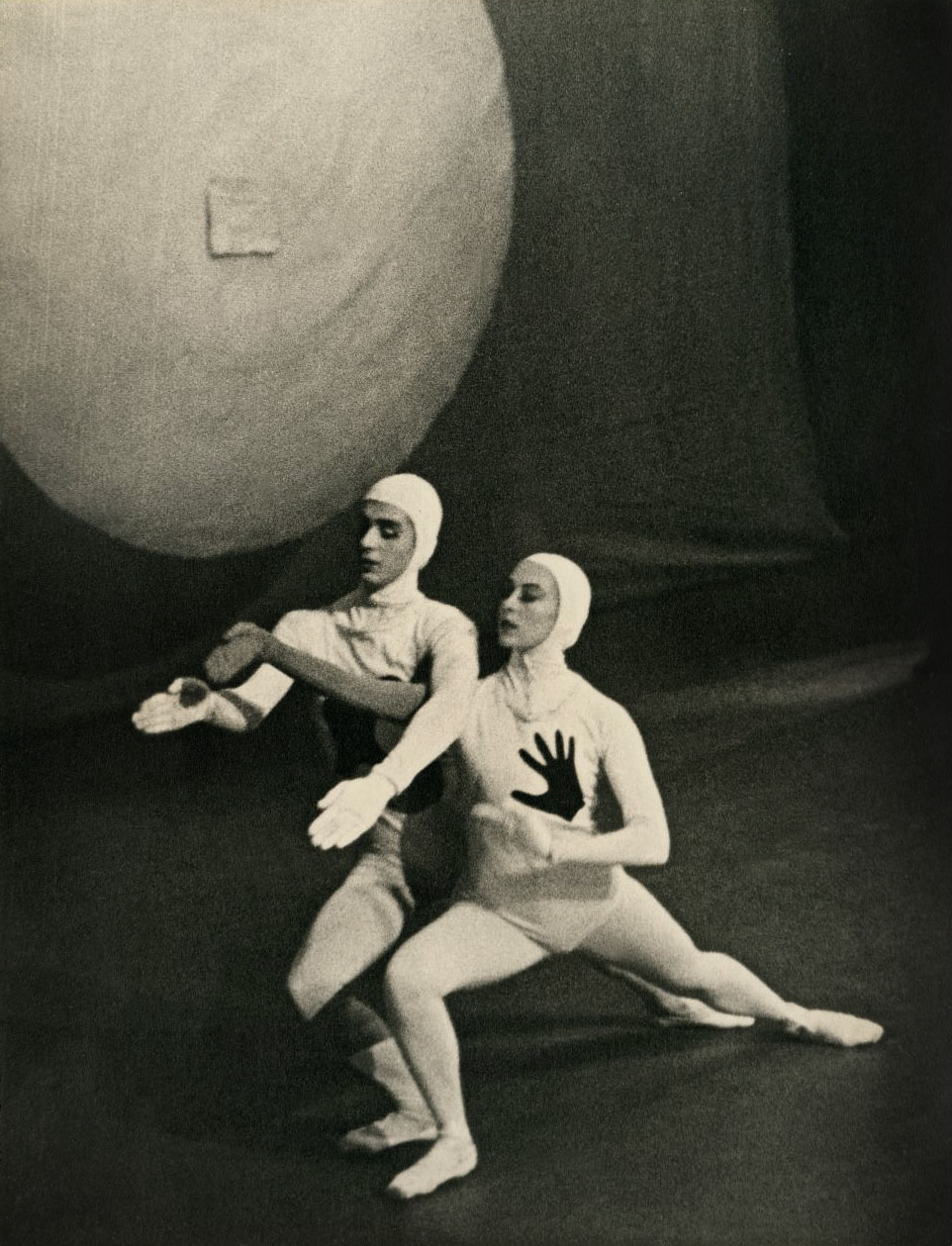
George Platt Lynes (1907-1955) ~ Balanchine’s Orpheus and Eurydice, ca. 1936 | src Focus on Dance ~ Keith de Lellis Gallery
George Platt Lynes (1907-1955) ~ Orpheus and Eurydice, ca. 1936 | src Focus on Dance ~ Keith de Lellis Gallery
George Platt Lynes (1907-1955) ~ Lew Christiensen, William Dollar & Daphne Vane performing Orpheus and Eurydice, 1936
src Focus on Dance ~ Keith de Lellis Gallery, also at The Met
George Platt Lynes (1907-1955) ~ Nicholas Magallanes and Francisco Moncion in ‘Orpheus’, ca. 1948 | src Focus on Dance ~ Keith de Lellis Gallery

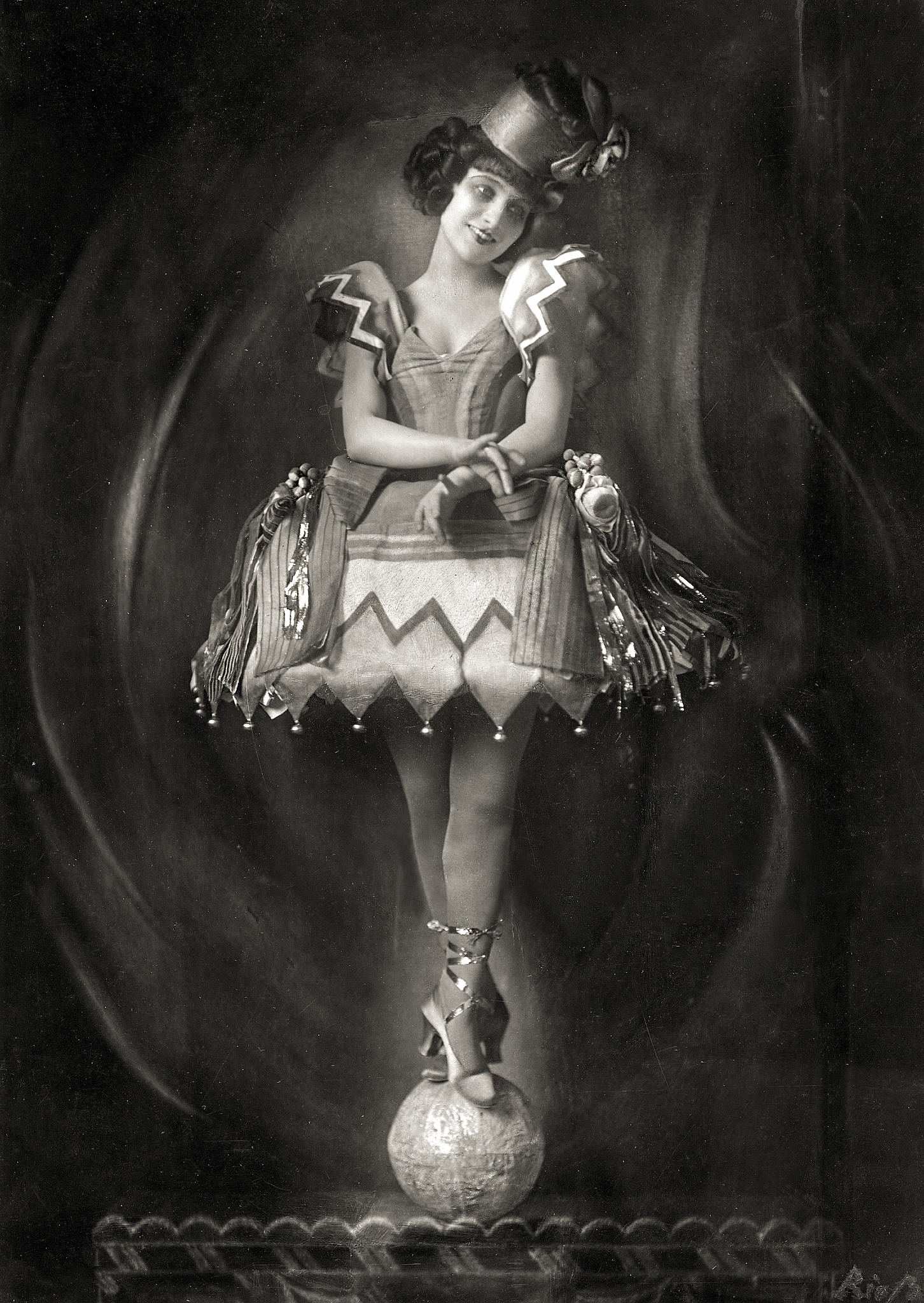
Lore Sello as ‘Game clock’, 1923

Frieda G. Riess :: Portrait of the dancer Lore Sello in the role of a ‘Game clock’ in the cabaret ‘Die Gondel’, 1923. | src Getty Images

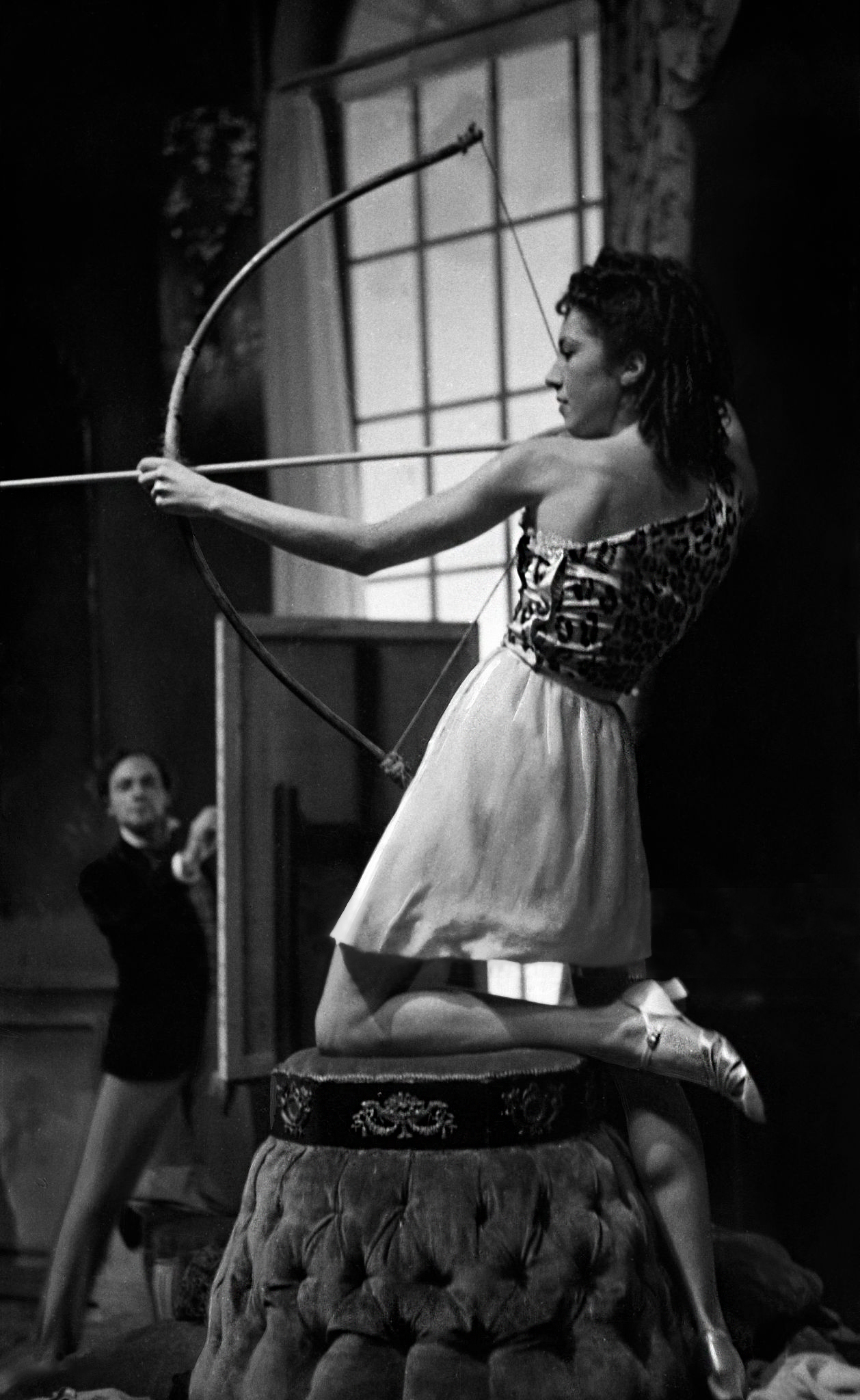
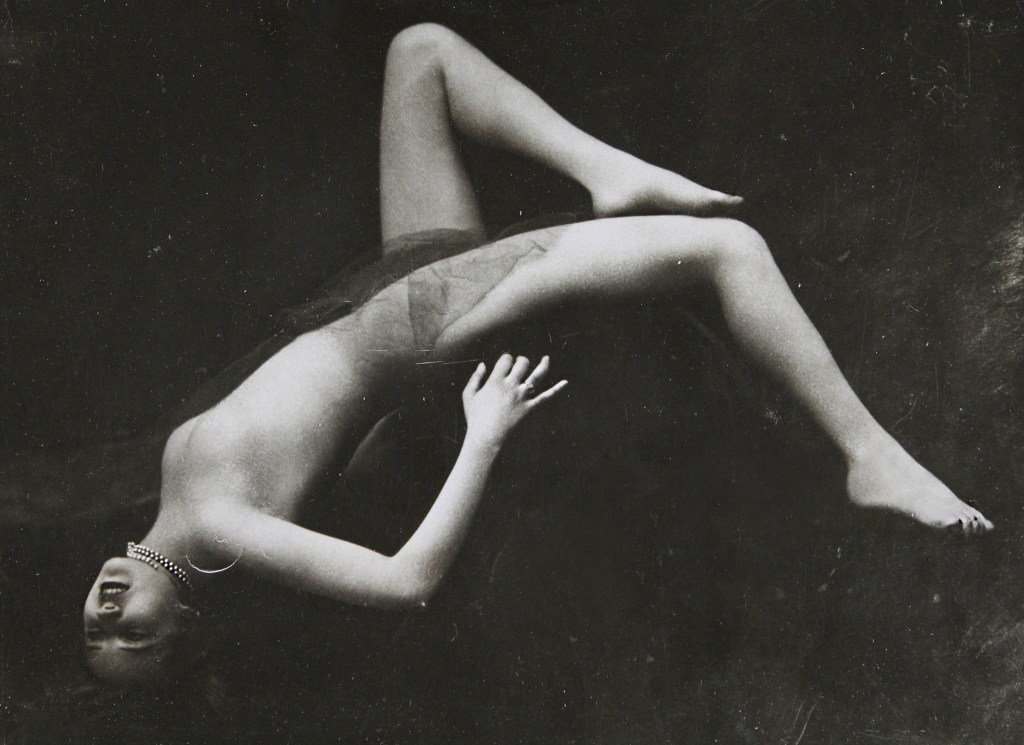
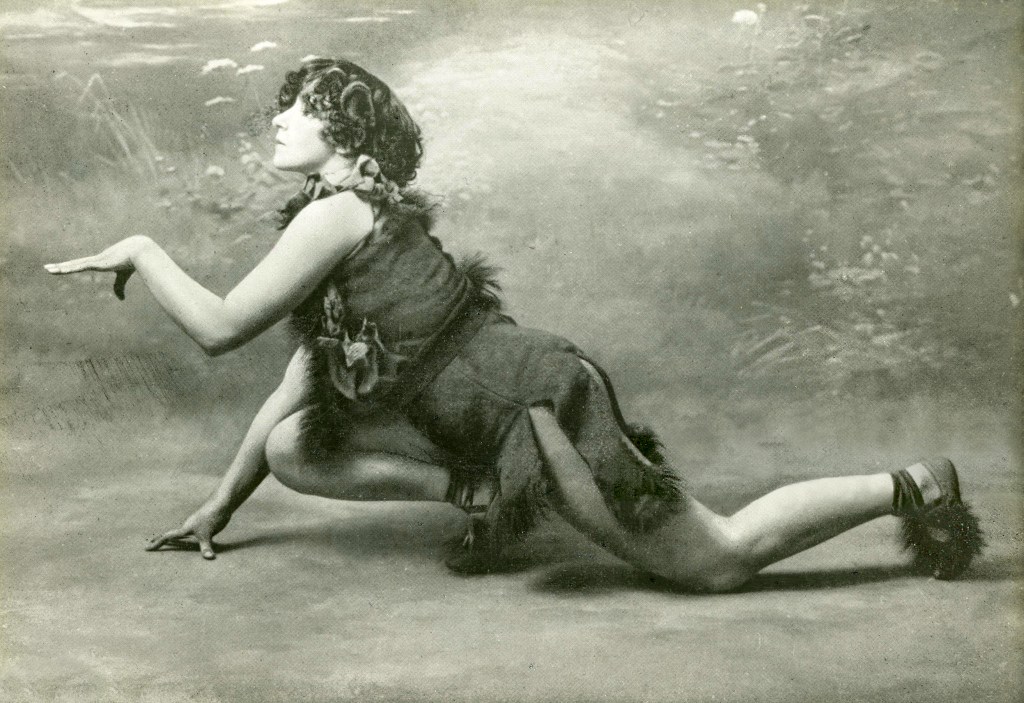
Colette as Le Petit Faune, 1906

Colette (Sidonie Gabrielle Colette, aka Colette Willy) mimant le Petit Faune dans “Le Desir, la Chimere et l’Amour”, au théâtre des Mathurins, en 1906, à Paris, France. “Her performance caused a scandal. Very revealing costume and provocative lines.” (quoted from source) | src and hi-res Getty Images