
Alfred Cheney Johnston :: Dolores, Kathleen Rose, aka “Rose Dolores”, as The White Peacock
in peacock plume dress with feathers spread out, in Ziegfeld Midnight Frolic, 1917-1923 / src: wikimedia
images that haunt us

The Dodge Twins in ‘A Night in Venice’ at the Shubert Theatre, 1929
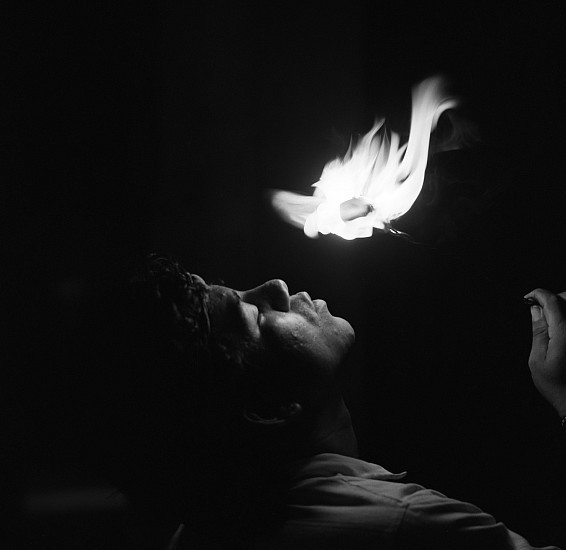
Debbie Fleming Caffery :: Roberto, 1994. Gelatin silver print. / src: Gitterman Gallery
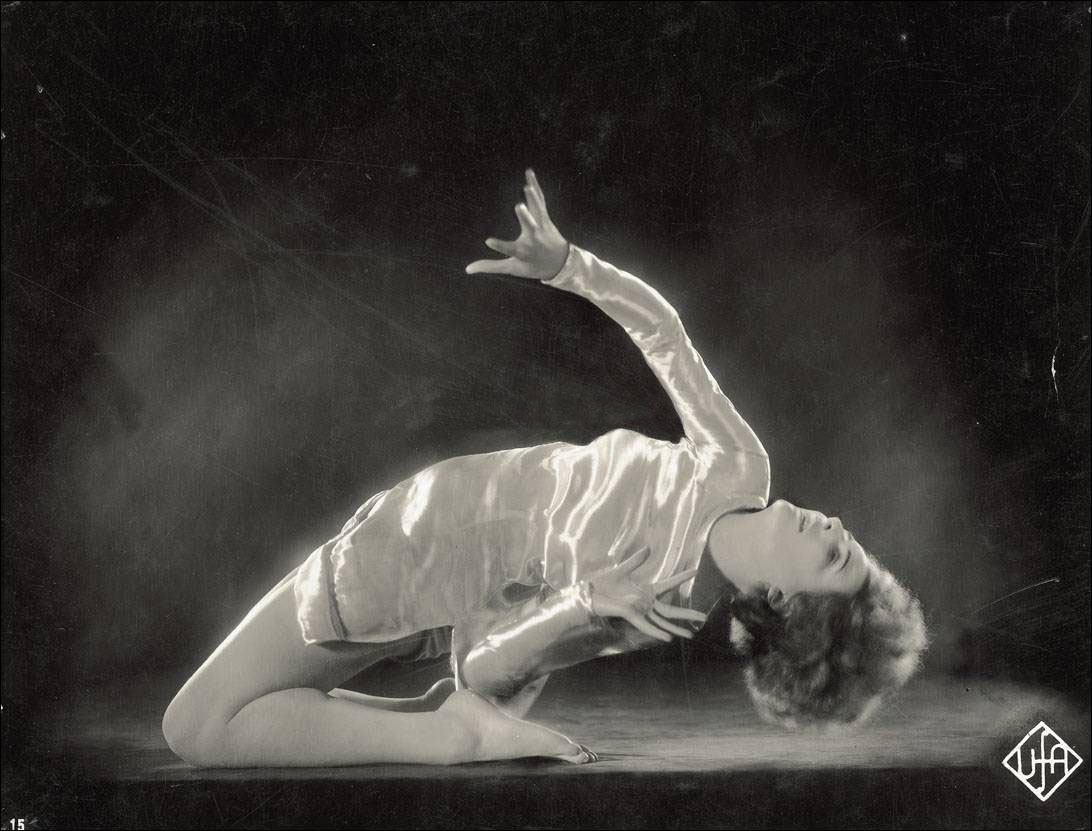
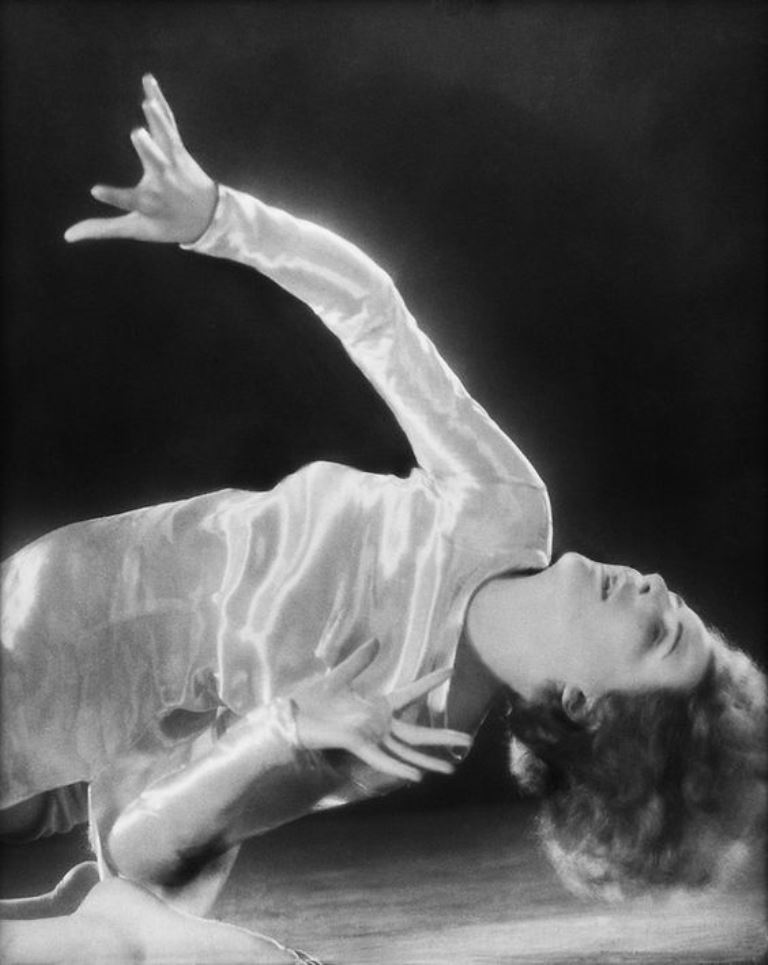
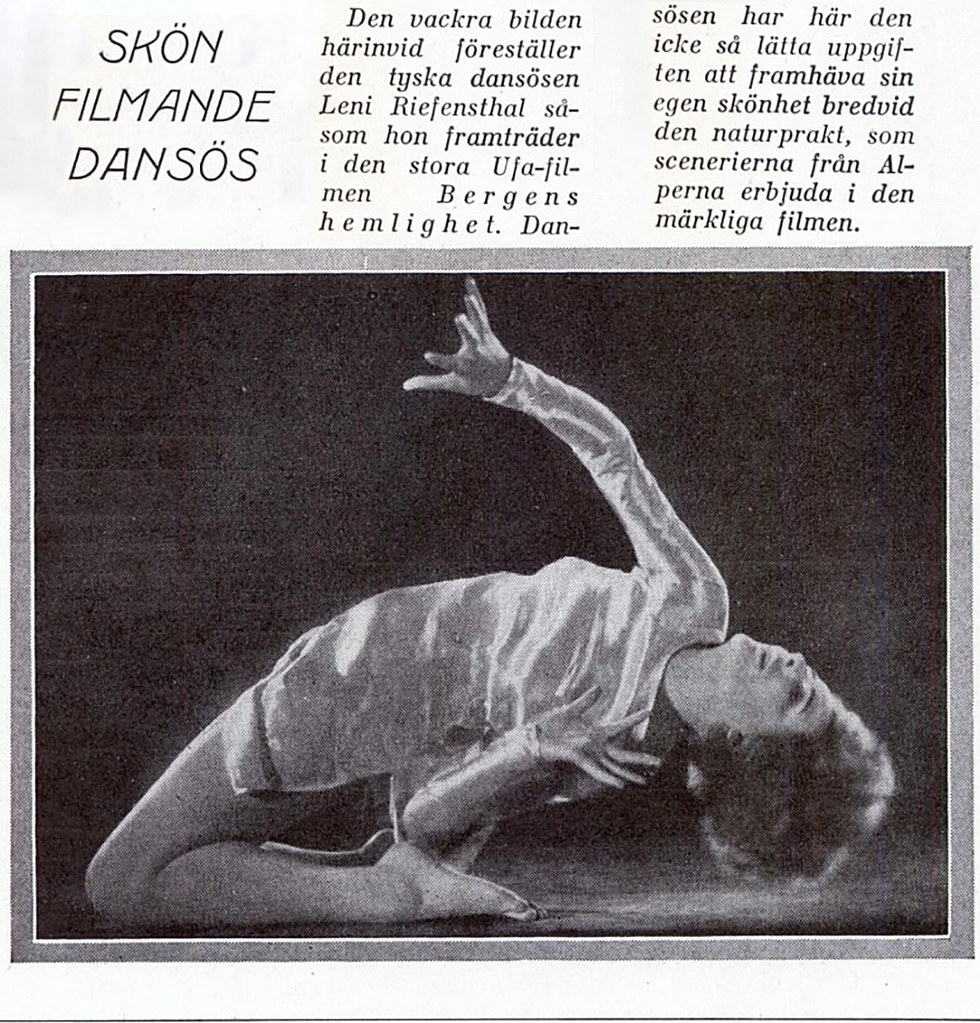
SKÖN FILMANDE DANSÖS
Den vackra bilden härinvid föreställer den tyska dansösen Leni Riefensthal såsom hon framträder i den stora Vfa-filmen Bergens hemlighet. Dansösen har här den icke så lätta uppgiften att framhäva sin egen skönhet bredvid den naturprakt, som scenerierna frän Alperna erbjuda i den märkliga filmen.
BEAUTIFUL DANCE FILM
The beautiful picture next depicts the German dancer Leni Riefensthal as she appears in the great VfA film Der Heilige Berg (The Holy Mountain). The dancer has the not so easy task of emphasizing her own beauty next to the natural splendor that the scenery from the Alps offer in the strange film. | src Scenen (1927) at Projekt Runeberg

David Gwinnutt :: Leigh Bowery, circa 1983. Modern bromide print from original negative. / src: National Portrait Gallery, London
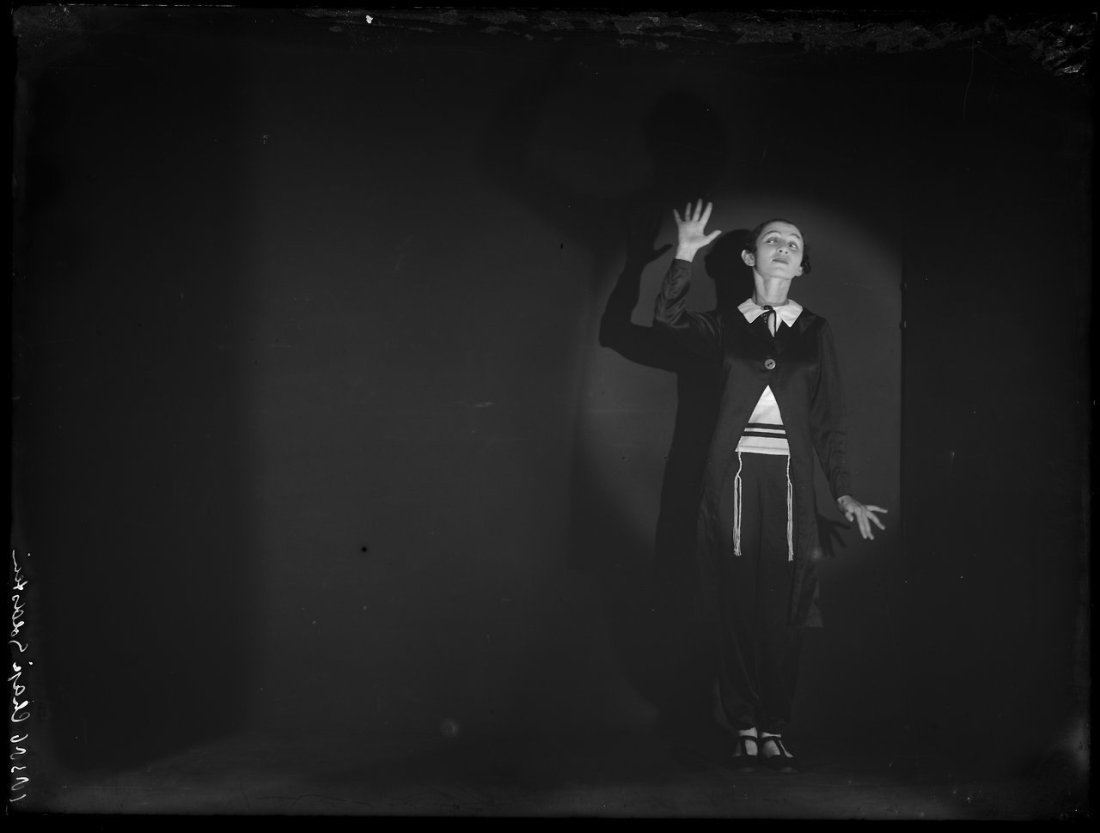


Chaja Goldstein was born in a Polish ghetto, in the town of Rypin in 1908. […] When she was ten years old, Chaja moved to Berlin with her Orthodox parents, brother Eli and baby sister Sally, fleeing the pogroms in Eastern Europe.
She made her debut in Berlin in 1931 as Hanna Goldstein with dances such as Der reiche und der arme Jude and the Hebräische Lied. The Berliner Tageblatt praised her performances. Shortly afterwards she also performed in the Kaftan, a small Jewish theater on Kurfürstendamm, where she sang Yiddish songs. Over the next few years Goldstein grew into a famous dancer and singer, connecting the Yiddish folk culture of her childhood with modern Western culture. She soon led a lavish life in Berlin’s artistic avant-garde circles. She lived with the Hungarian painter György Kepes (1906-2001) and had a love affair with the Dutch artist Wijnand Grays (1906-1995).
In 1933, Chaja Goldstein fled to the Netherlands as a result of the rise of the Nazi party. In April 1933 she appeared for the first time under the name ‘Chaja Goldstein’ on the stage of the Amsterdam Conservatory and the Rotterdam Studio 32, with her Yiddish dances and songs. [quoted from Huygens Instituut]
Woman jumping rope on a tiny platform hundreds of feet above ground, Chicago, 1955
Jumper salutes from a tiny platform hundreds of feet above ground, Chicago, 1955
 un regard oblique