
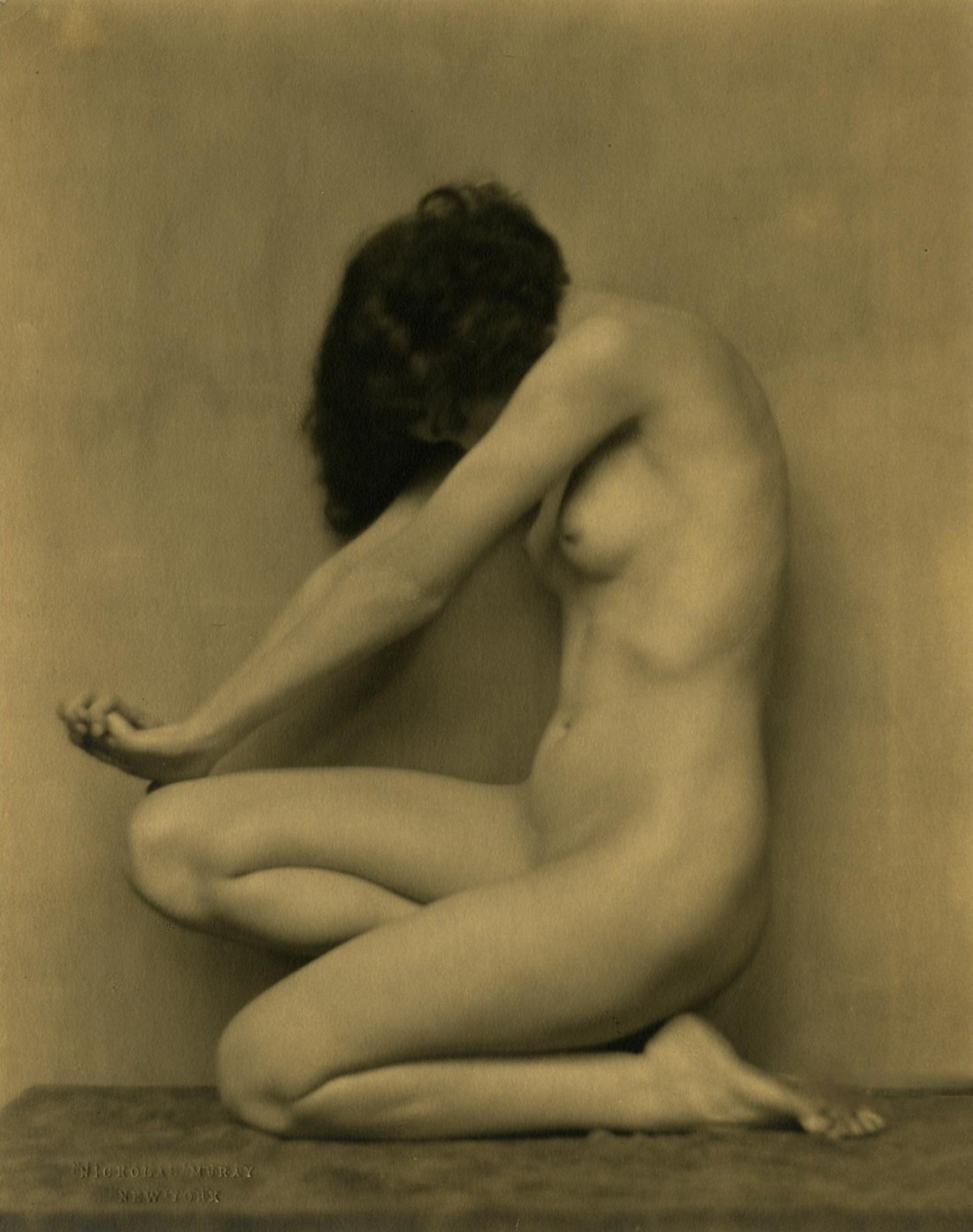
Doris Humphrey, ca. 1922
images that haunt us
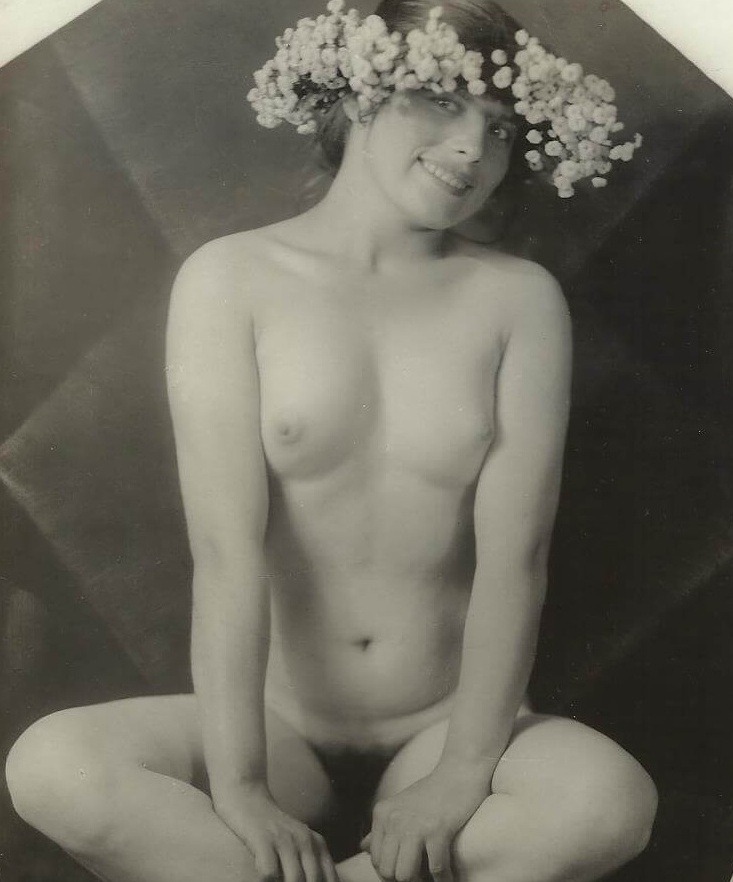


In 1920 Edward Weston began a series of pictures of Betty Katz (later Brandner, 1865-1982), who was introduced to Weston by his colleague Margrethe Mather (1886-1952). Weston and Brandner engaged in a brief affair in October 1920, when he made this and several other images of her in her attic and out on a balcony. With its soft focus, these particular portraits are Pictorialist in style compared to the more experimental images Weston made of Katz (Brandner) that are Modernist in their self-conscious handling of space and form.
Text adapted from Brett Abbott. Edward Weston, In Focus: Photographs from the J. Paul Getty Museum (Los Angeles: J. Paul Getty Museum, 2005), 20. (quoted from Getty Museum)

In 1924 Francis Picabia asked Bronia to participate in a production, Ciné Sketch, that he and René Clair were putting on after the Relache ballet on New Year’s Eve. Bronia agreed, and she and Marcel Duchamp appeared nude —Duchamp did have a strategically placed fig leaf— in a living tabloid of Lucas Cranach’s Adam and Eve, which Man Ray photographed.
Ciné Sketch (1924) was a theatrical diversion conceived by Francis Picabia and René Clair, in which Marcel Duchamp and the Jewish-Polish model Bronia Perlmutter mime the figures of Adam and Eve in a tableau vivant of the Temptation after a painting by Cranach. Ciné-Sketch was performed only once, at the conclusion of Relache (by Ballets Suédois) at the Théâtre des Champs-Elysées on New Year’s Eve 1924.


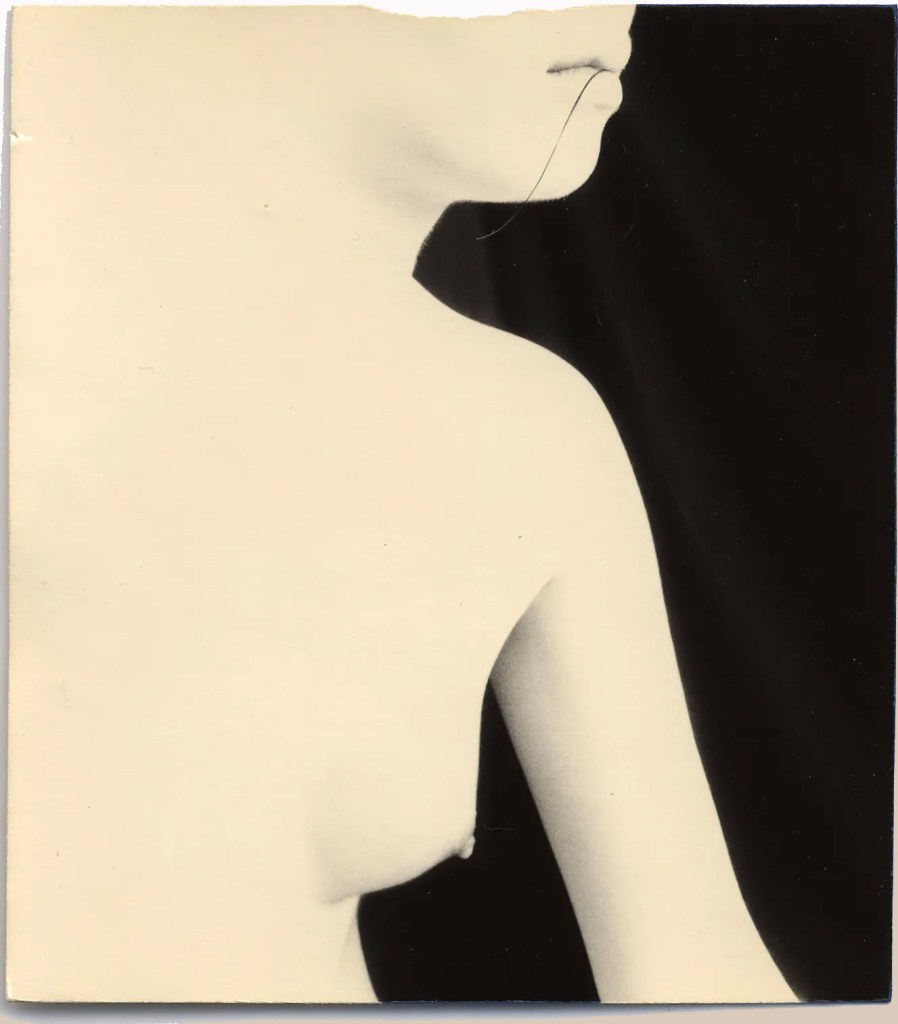


![Masao Yamamoto :: Nakazora # 1144 | src Jackson Fine Art | more [+] by this photographer](https://live.staticflickr.com/65535/52225108194_5574ff2d02_o.png)
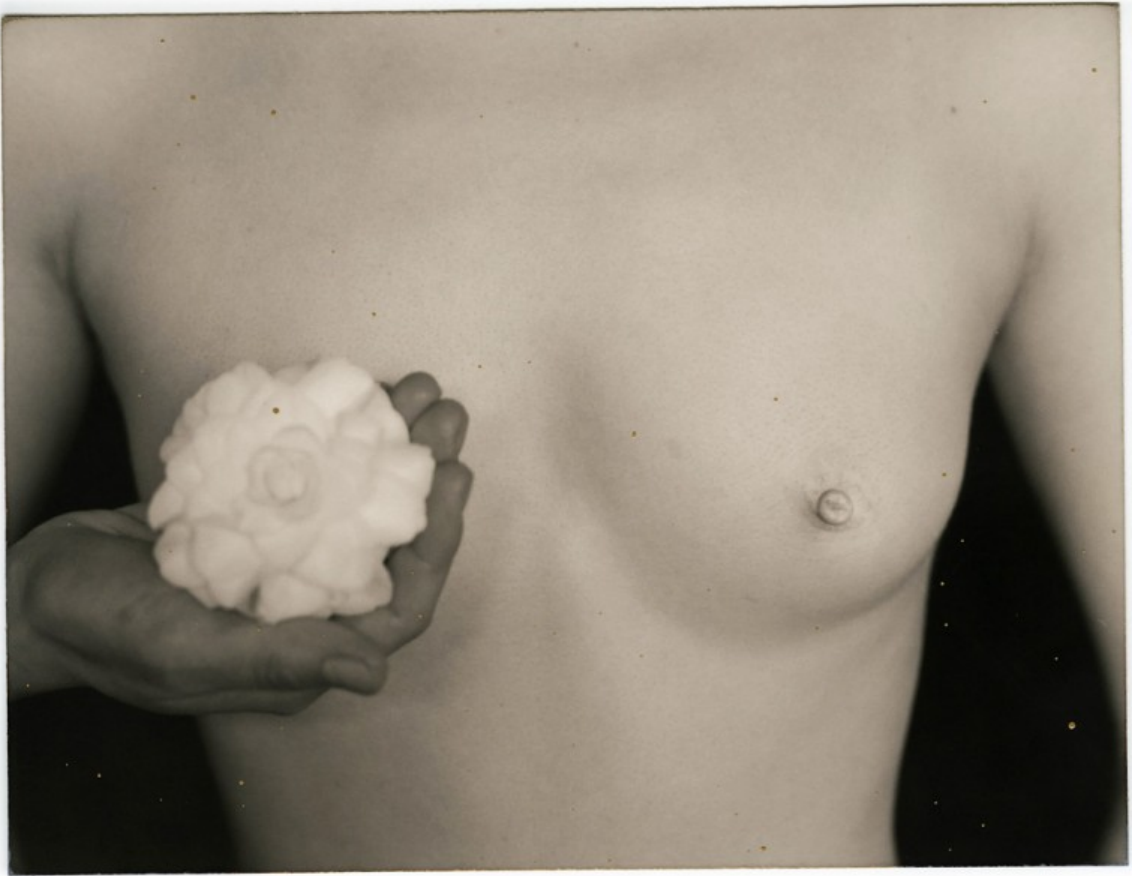
![Masao Yamamoto :: Nakazora # 1144 | src The Red List | more [+] by this photographer](https://unregardoblique.com/wp-content/uploads/2018/04/tumblr_p7wbno9qfz1rp66ruo1_1280.png)
 un regard oblique