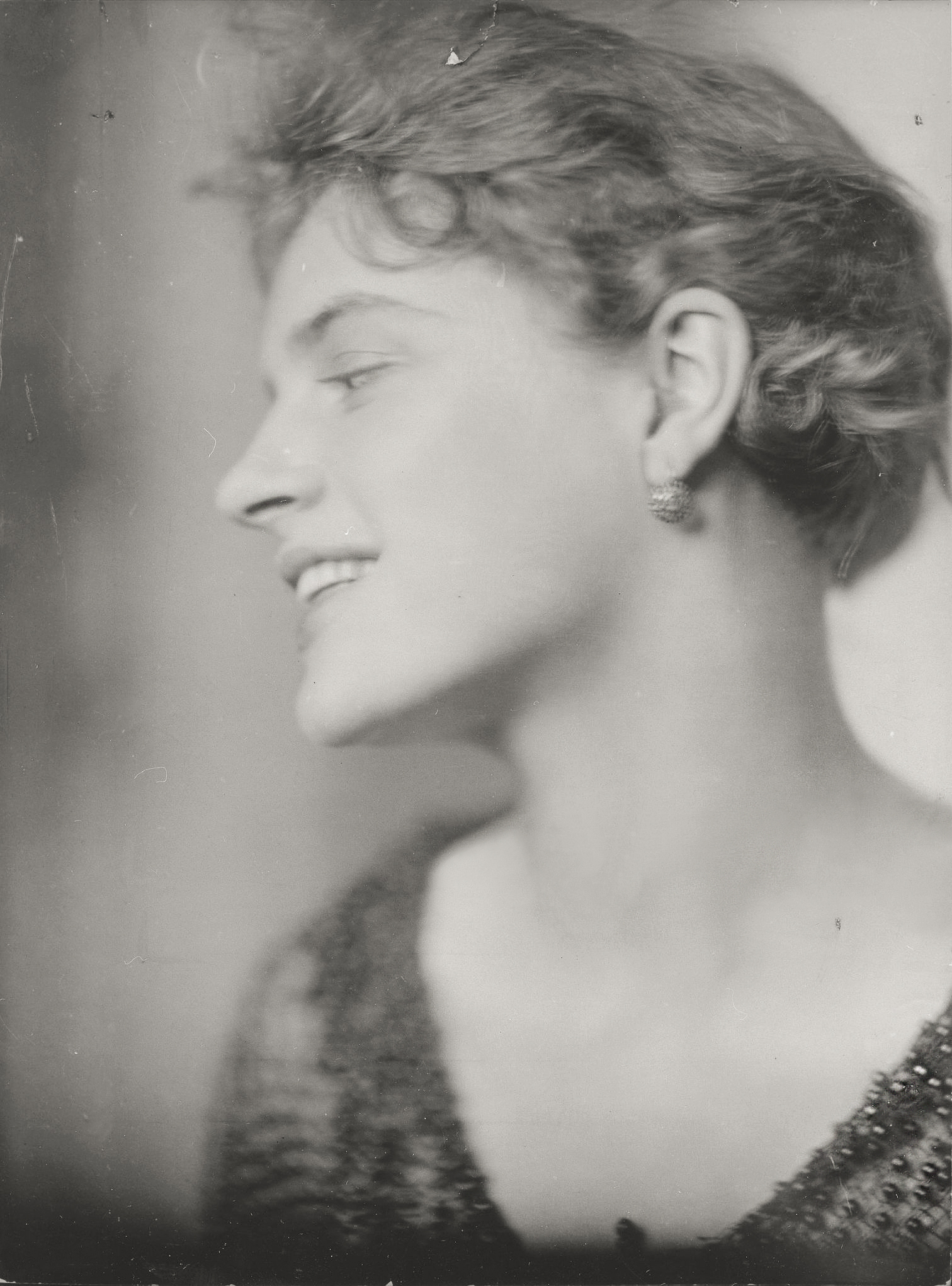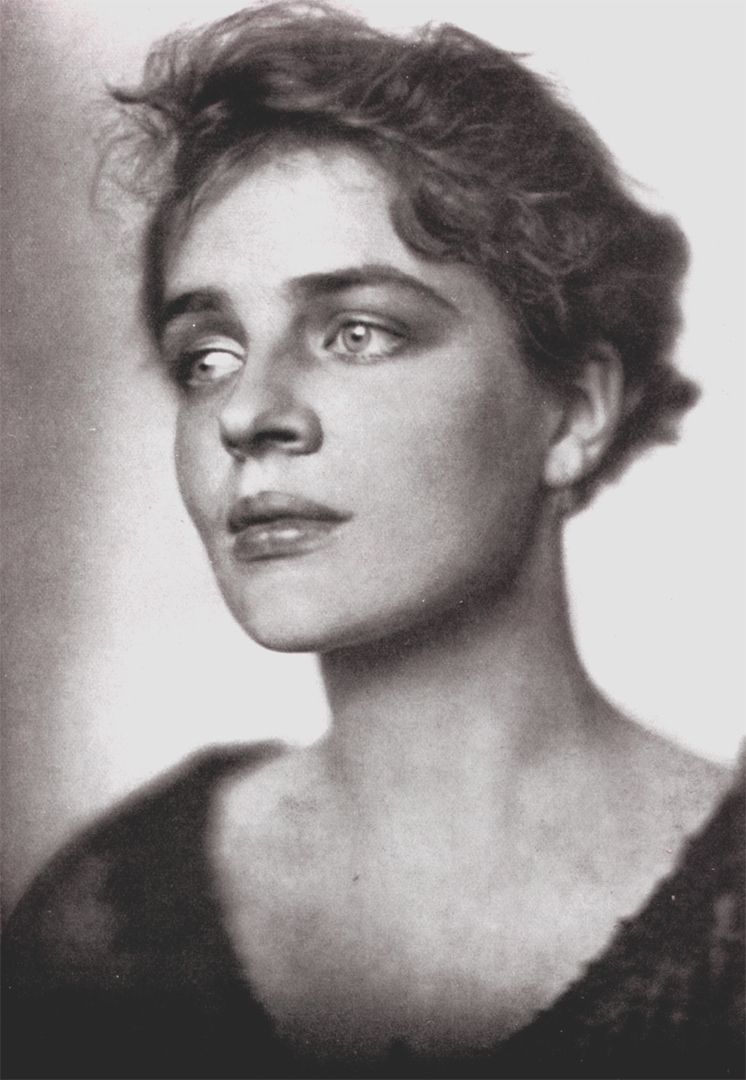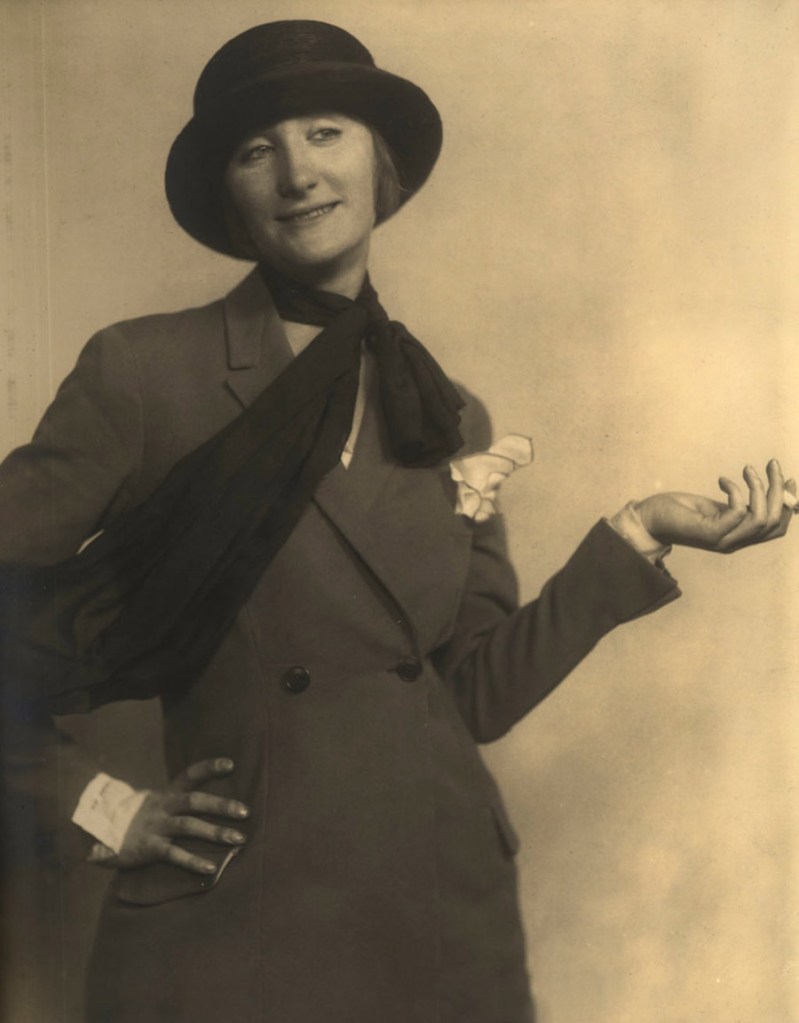
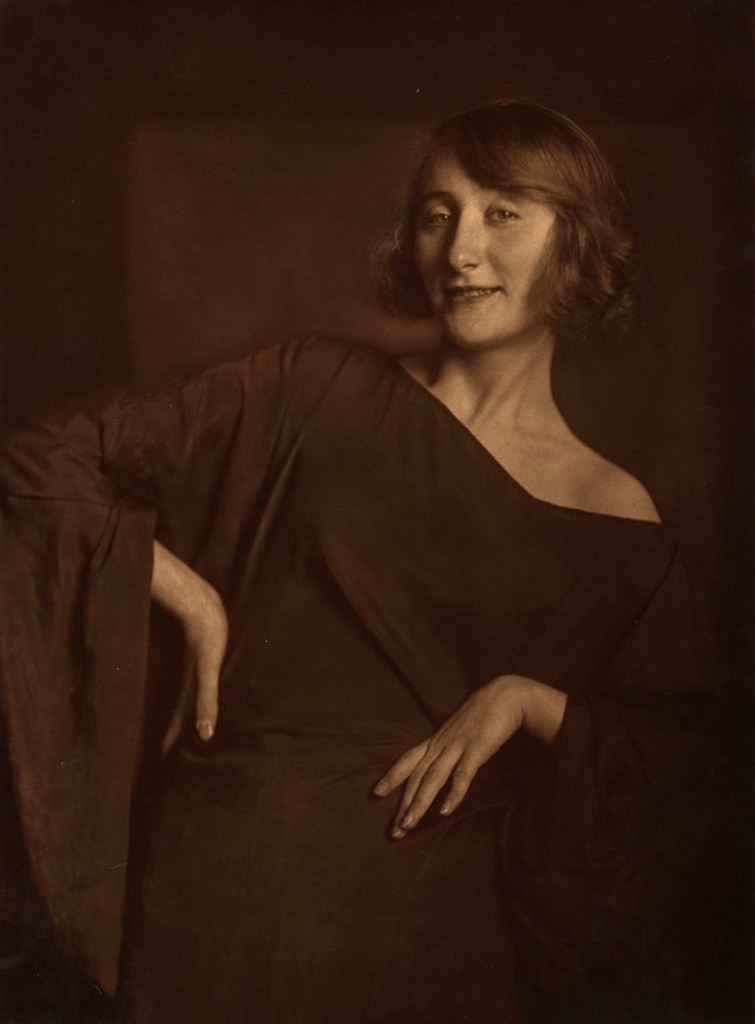
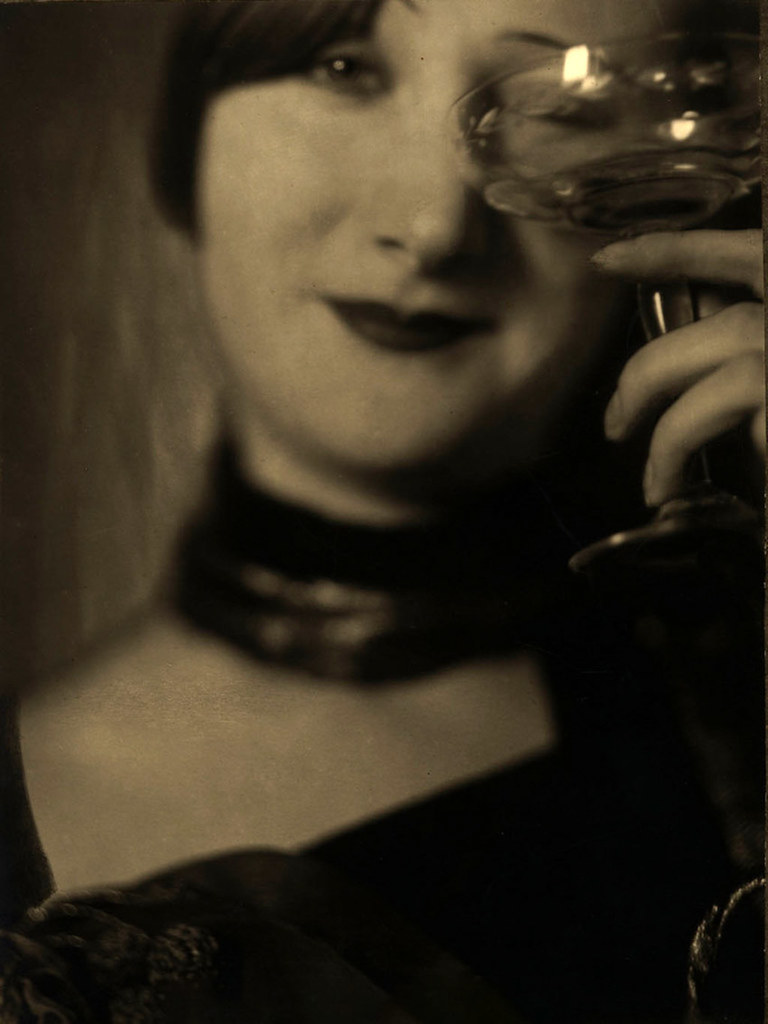
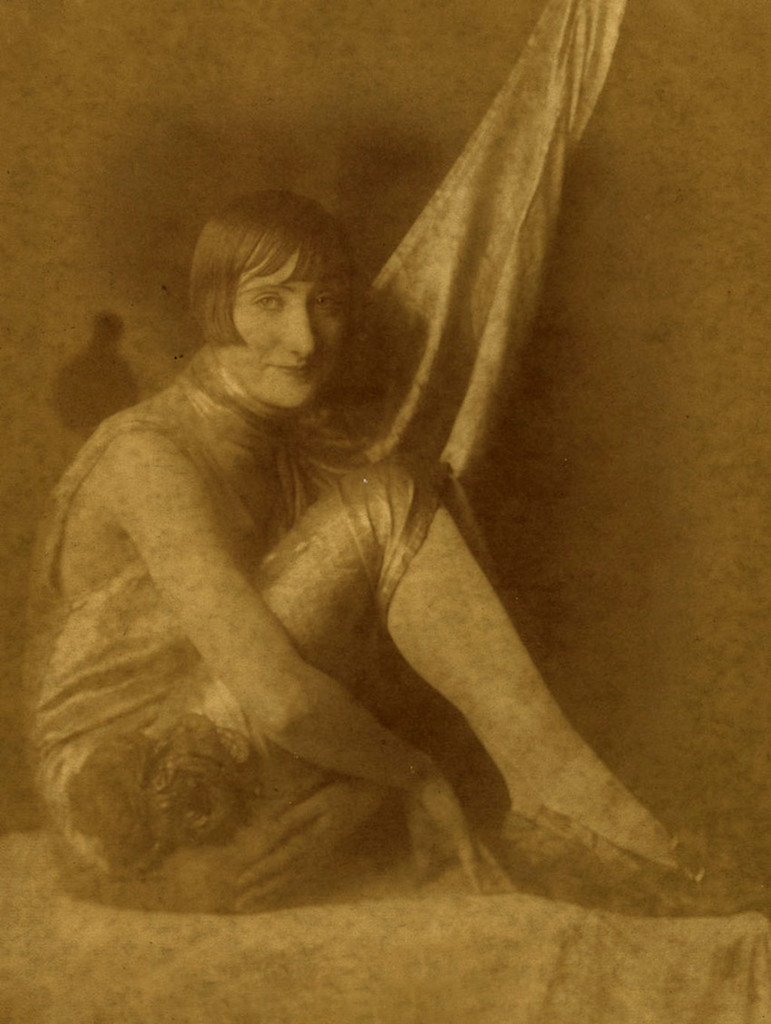
Margo Lion, between 1920-1932

Privatfoto von Margo Lion, from a Fotoalbum (1920-1932). From Marcellus Schiffer und Margo Lion Archiv at Akademie der Künst, Berlin
3/4 length portrait
smoking
Privatfoto von Margo Lion, from a Fotoalbum (1920-1932). From Marcellus Schiffer und Margo Lion Archiv at Akademie der Künste, Berlin
Privatfoto von Margo Lion, from a Fotoalbum (1920-1932). From Marcellus Schiffer und Margo Lion Archiv at Akademie der Künst, Berlin
3/4 length portrait
Privatfoto von Margo Lion, from a Fotoalbum (1920-1932). From Marcellus Schiffer und Margo Lion Archiv at Akademie der Künste, Berlin
Privatfoto von Margo Lion, from a Fotoalbum (1920-1932). From Marcellus Schiffer und Margo Lion Archiv at Akademie der Künst, Berlin
bildnis
profil
Privatfoto von Margo Lion, from a Fotoalbum (1920-1932). From Marcellus Schiffer und Margo Lion Archiv at Akademie der Künste, Berlin
Privatfoto von Margo Lion, from a Fotoalbum (1920-1932). From Marcellus Schiffer und Margo Lion Archiv at Akademie der Künst, Berlin 
raising flass
toast
Privatfoto von Margo Lion, from a Fotoalbum (1920-1932). From Marcellus Schiffer und Margo Lion Archiv at Akademie der Künste, Berlin
Privatfoto von Margo Lion, from a Fotoalbum (1920-1932). From Marcellus Schiffer und Margo Lion Archiv at Akademie der Künst, Berlin
jewellery
Privatfoto von Margo Lion, from a Fotoalbum (1920-1932). From Marcellus Schiffer und Margo Lion Archiv at Akademie der Künst, Berlin
jewelry
Privatfoto von Margo Lion, from a Fotoalbum (1920-1932). From Marcellus Schiffer und Margo Lion Archiv at Akademie der Künste, Berlin
Privatfoto von Margo Lion, from a Fotoalbum (1920-1932). From Marcellus Schiffer und Margo Lion Archiv at Akademie der Künst, Berlin
dr zeller
jewellery
Privatfoto von Margo Lion, from a Fotoalbum (1920-1932). From Marcellus Schiffer und Margo Lion Archiv at Akademie der Künste, Berlin
Privatfoto von Margo Lion, from a Fotoalbum (1920-1932). From Marcellus Schiffer und Margo Lion Archiv at Akademie der Künst, Berlin
sitting
Privatfoto von Margo Lion, from a Fotoalbum (1920-1932). From Marcellus Schiffer und Margo Lion Archiv at Akademie der Künste, Berlin

Jeanne Mammen (1890–1976) II

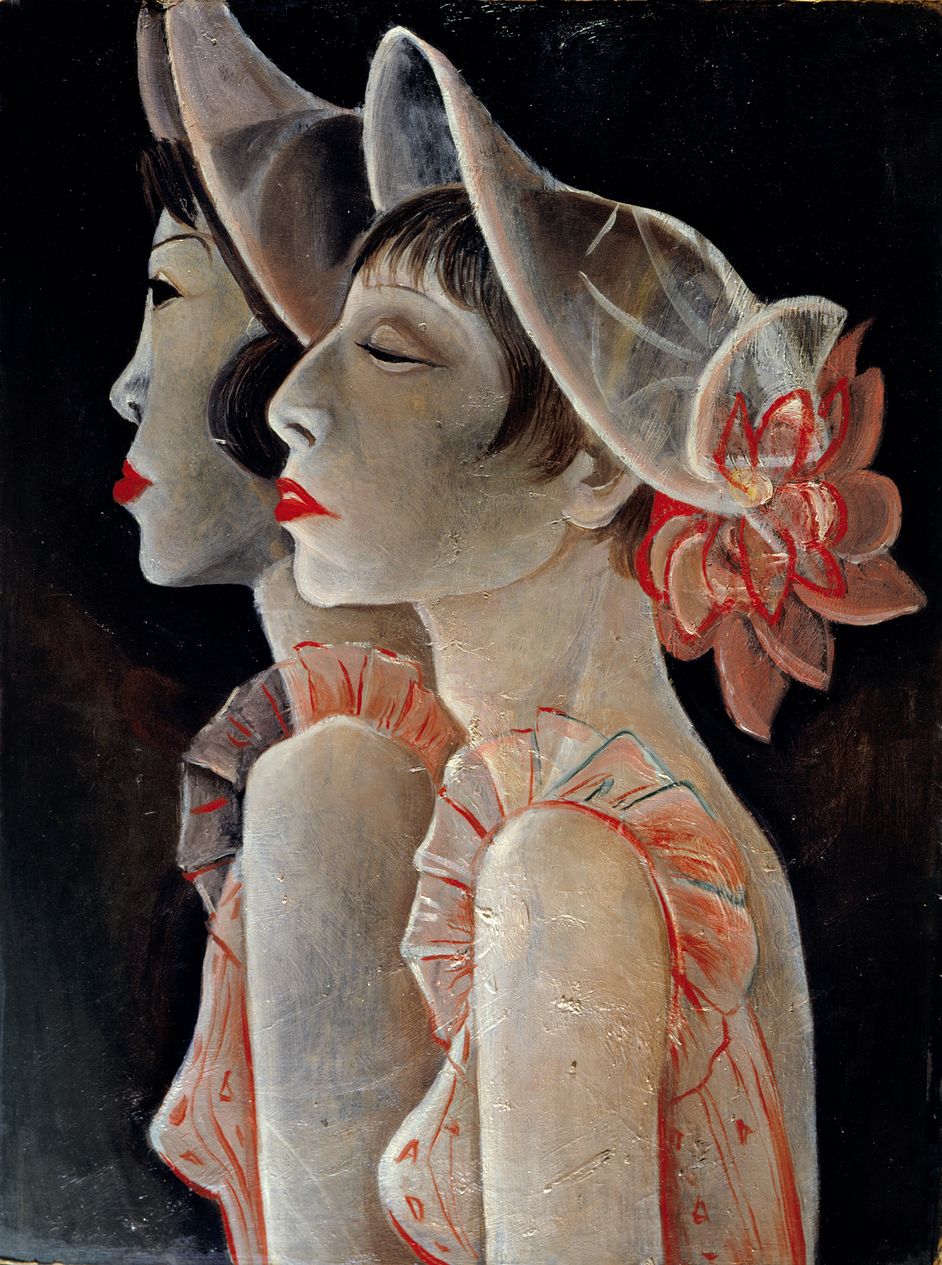
Jeanne Mammen :: Kabarett-Mädchen | Chorus girls – Revuegirls, 1928-29. Oil on cardboard. | src Berlinische Galerie

In the pleasure-hungry Berlin of the 1920s, theatres vied for attention with spectacular variety shows. Chorus girls in scanty costumes provided an erotic touch. As links in the chain of swinging legs, they were usually depicted as a type, not as individuals. But the two women in “Chorus Girls” by Jeanne Mammen (1890–1976) could hardly be more different. The artist centres on their weary faces, sallow skin and garish lipstick. The real attraction – the dancers’ long-limbed bodies – are only visible down to the breast. They pause for breath, no trace of glamour here.

Mammen, a free-lance artist and a prototype of the emancipated “New Woman”, often highlighted female clichés of the day. The chorus girl in front has the facial features of the artist. The figure behind resembles her sister Mimi. [quoted from Berlinische Galerie]

Jeanne Mammen :: Josephine Baker, ca. 1926. [Revue Neger]. Barbican Centre | src Flickr

Weimar Clubs and cabarets – German cities, 1920s

After the collapse of its Empire and the defeat of the First World War, Germany became a democracy, the Weimar republic. In the early 1920s, people yearned for excitement, there was a sense of liberation and the economy started to recover. Night clubs appeared which fused cabaret, literature, art, music, theatre and satire in multi-sensory experiences. American jazz and dance crazes including the foxtrot, tango, one-step and Charleston became popular and exotic dances by Anita Berber, Valeska Gert and famously Josephine Baker were performed.

Fantasy spaces were created such as the dance-casino called Scala where the ceiling was sculpted into jagged structures that hung down like crystalline stalactites. The pulsating energy of such clubs and bars was captured by artists including Otto Dix, Jeanne Mammen and Elfriede Lohse-Wächtler.

[Barbican Centre] From Into the Night: Cabarets & Clubs in Modern Art (October 2019 to January 2020)
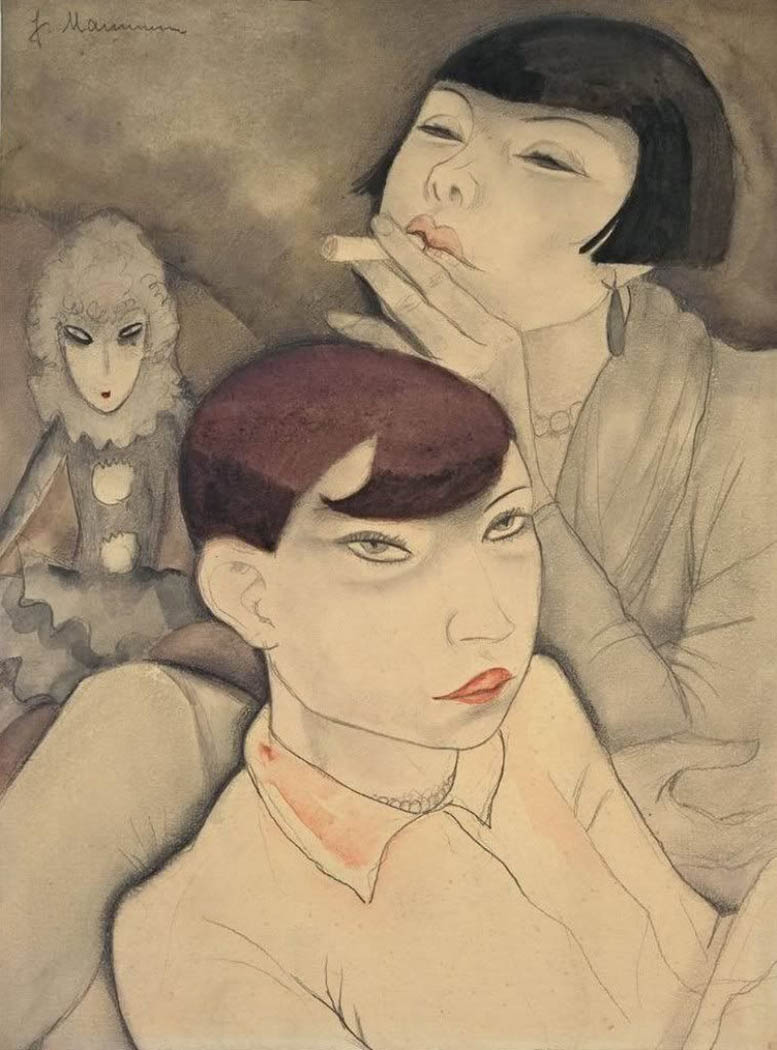
Jeanne Mammen :: Langweilige Puppen | Boring Dolls, 1929. Watercolour and pencil on slightly nacreous wove paper, mounted on cardboard by the artist. | src Die George Economou Kollektion
Jeanne Mammen :: Brüderstrasse [Freies Zimmer | Free Room], 1930. The George Economou Collection © DACS, 2018. | src Apollo magazine

Visions of a dark world in the art of Weimar Germany [Apollo magazine]

Review on the exhibition Magic Realism: Art in Weimar Germany 1919-33 (Tate Modern, 2018-19)

[…] towards the end of the exhibition, a small cluster of drawings introduces the work of Jeanne Mammen. Mammen’s drawings – gauzy depictions of women in watercolour, pen and ink – illustrated fashion magazines and poetry publications throughout the 1920s, until the Nazis shut down the journals she worked for and she went into inner exile, refusing to show her work. Here, they fill an important gap in describing women’s experiences of city life. Mammen observed women on the streets of Berlin and in nightclubs, and often depicted them in conversation, smoking, or playing cards. In Brüderstrasse (Free Room) (1930), the women are intimate and aloof; in Boring Dolls (1929), they’re defiant, out for their own pleasure.

[…] The exhibition doesn’t quite tease out the paradoxes between trauma and humour, leaving both to loiter in the murkiness of Dix’s circus tent. What we’re given is a vision of a world that hinges on reality yet twists from view. It’s a distortion of the truth, full of landscapes littered with war debris and nightclub corners filled with smoke. It’s the same world, but darker than before.

quoted from the review by Harriet Backer for Apollo magazine

Jeanne Mammen (1890–1976) I

Jeanne Mammen :: Sie repräsentiert (och Selbstbild), um 1928.[watercolor, pencil] Bild: VG Bild-Kunst, Bonn 2017 | src Svenska.yle (selfportrait; self-representation)
Jeanne Mammen :: Sie repräsentiert (och Selbstbild), um 1928. [watercolor, pencil] Bild: VG Bild-Kunst, Bonn 2017 | src Svenska.yle

Watercolorist, painter, printmaker. Raised in Paris. Studied art in Paris, Brussels, and Rome from 1906 until 1911. As a German citizen, was forced to flee France with her family at outbreak of World War I; lost all possessions. Impoverished, settled in Berlin in 1916, where she eventually earned a living making illustrations for fashion magazines and posters for Universum-Film AG (UFA), the film distributor.

After 1924 frequently published drawings and watercolors in major satirical periodicals such as Ulk and Simplicissimus, for which she chronicled the experiences of Berlin’s crop-haired, self-reliant “new women” at work and leisure — experiences that mirrored her own. Often showed them in cramped, distorted spaces, some rendered in lurid tones reminiscent of Henri de Toulouse-Lautrec and others in brilliant, orphic colors of the prewar Parisian avant-garde. Enjoyed growing commercial and critical success; in 1930 had first solo exhibition at Galerie Gurlitt in Berlin. At publisher Wolfgang Gurlitt’s behest, made lithographs illustrating a book of erotic Sapphic poetry, Les Chansons de Bilitis, in 1931–32, which was banned by the Nazis.

Under Nazi dictatorship, remained in Germany but lived in a state of “inner emigration”; refused to exhibit or publish. Turned increasingly to painting in Cubist and Expressionist styles out of solidarity with artists who Nazis defamed as degenerate.

quoted from MoMA

Jeanne Mammen :: Zwei Frauen, tanzend (Two women, dancing), ca. 1928. [Aquarell, Bleistift]. Bild: VG Bild-Kunst, Bonn 2017. | src Svenska.yle
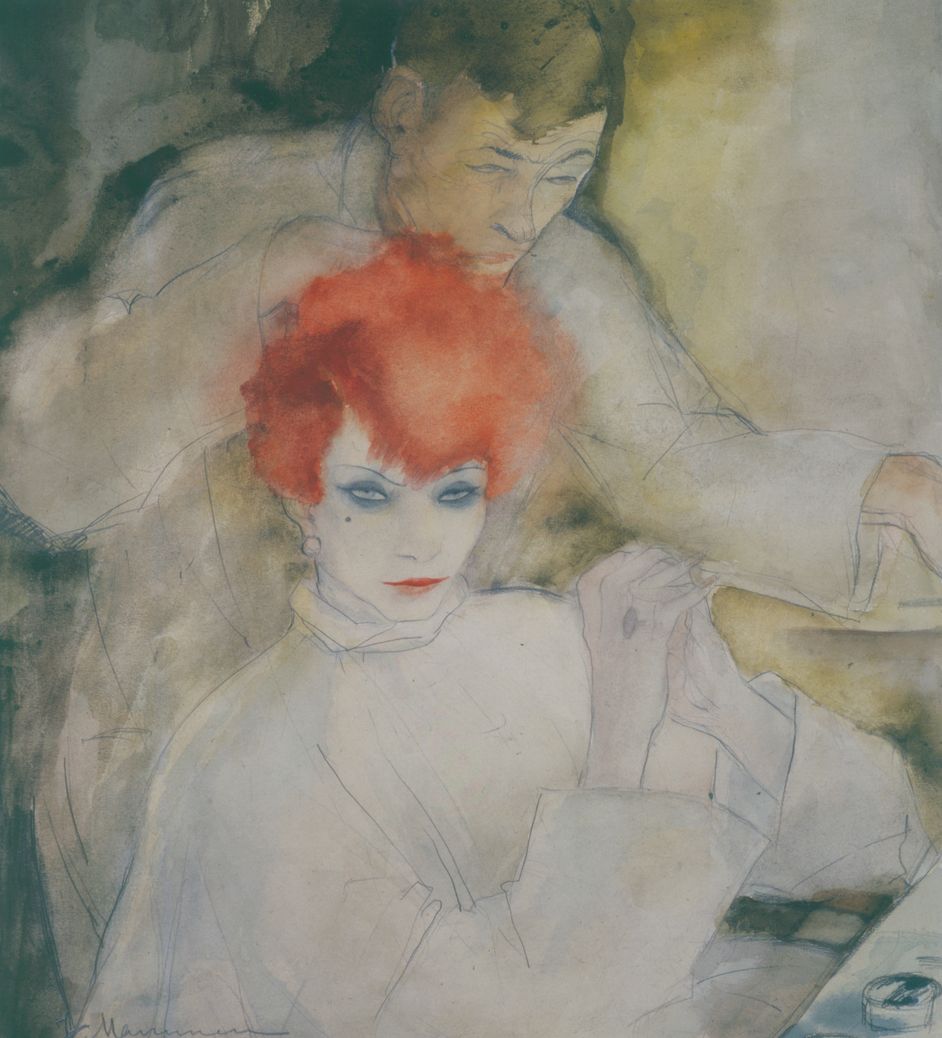
Jeanne Mammen :: Die Rothaarige | The Redhead (Thoughts at the Hairdresser's), um 1928. Drawing, watercolour and pencil on paper. | src Berlinische Galeri
Jeanne Mammen :: Die Rothaarige | The Redhead (Thoughts at the Hairdresser’s), um 1928. Drawing, watercolour and pencil on paper. | src Berlinische Galerie

Jeanne Mammen (1890–1976) made her name in the late 1920s with illustrations for magazines like Simplicissimus, Ulk and Jugend. In an enthusiastic review, Kurt Tucholsky wrote that her figures leaped “from the paper with skin and hair”. Mammen’s favourite motif were women in the city: in a café, at a ball, at the bar or in some sleazy joint. “The Redhead”, printed in Ulk in 1928, sits in the hairdresser’s chair. She is lost in thought as she looks towards the viewer: we are her mirror. The hairdresser is just finishing off the job. The look is perfect: the pale smock, the white skin, the brown shades in the background are an ideal background to set off her red hair, her lips and the blue shadow around her catlike eyes. “The Redhead”is a vamp rather than the sassy athletic young lass more typical of the times. This capricious creature exudes an air of cold detachment. Her beauty is not intended to seduce but is sufficient unto itself. [quoted from Berlinische Galerie]

Jeanne Mammen :: Vor der Leistung | Before the Performance, 1928. Drawing, watercolour and pencil on paper. Private collection, Berlin. | src Arthive
Jeanne Mammen :: Carnival in Berlin N III (Fasching Berlin N III), ca. 1930. Watercolor and pencil on wove paper. | src MoMA
Jeanne Mammen :: Carnival in Berlin N III (Fasching Berlin N III), ca. 1930. Watercolor and pencil on wove paper. © 2016 Jeanne Mammen / Artists Rights Society (ARS), New York / VG Bild-Kunst, Germany | src MoMA
Jeanne Mammen :: Illustration für die Zeitschrift "Simplicissimus" - Illustration for the magazine Simplicissimus, around 1930. [Aquarell, Bleistift]. | src arthive
Jeanne Mammen :: Illustration für die Zeitschrift “Simplicissimus” – Illustration for the magazine Simplicissimus, around 1930. [Aquarell, Bleistift]. | src arthive

Irene Weill by Hess sisters

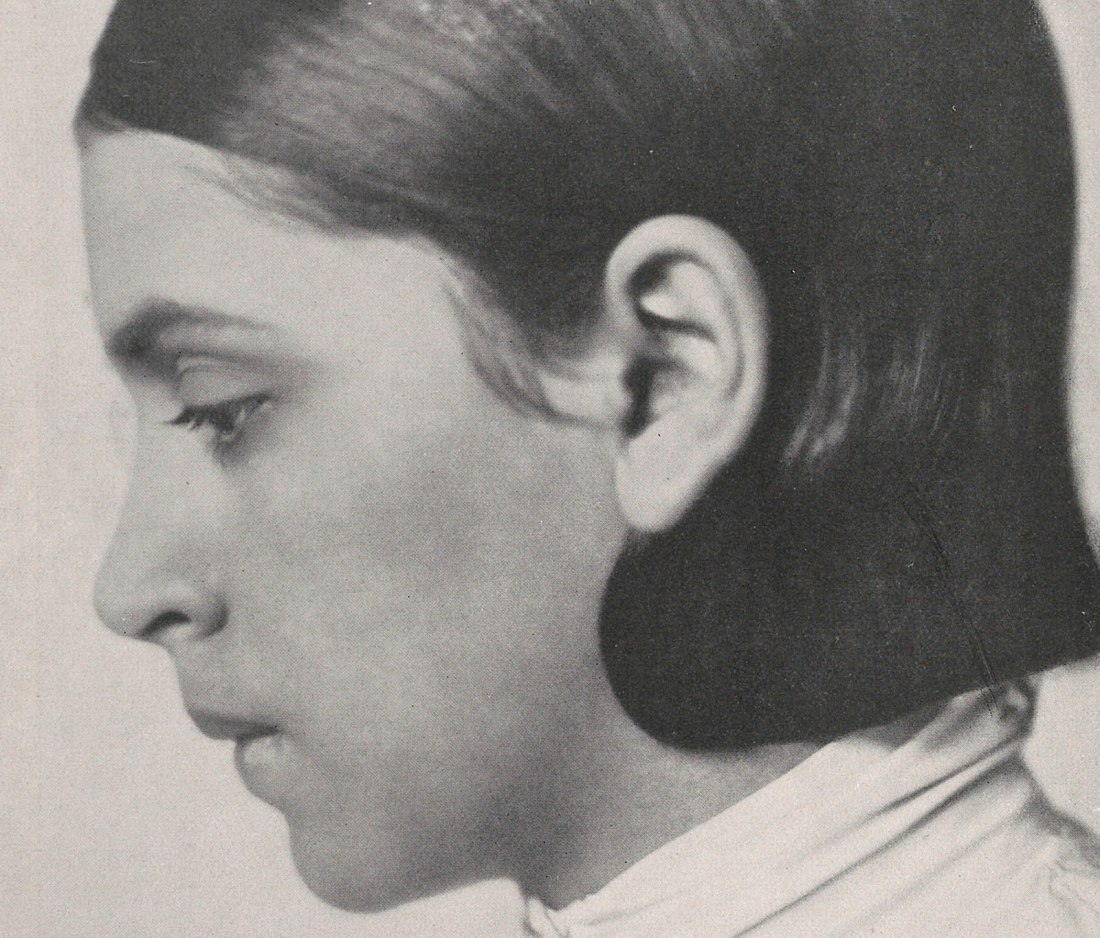
Nini & Carry Hess :: Irene Weill (Tänzerin), 1920–1930. Berlinische Galerie – Landesmuseum für Moderne Kunst, Fotografie und Architektur | src haGalil.com
Die Tänzerin Irene Weill. Das Frauengesicht der Gegenwart (Lothar Brieger · 1930) | src Polona · National Library of Poland

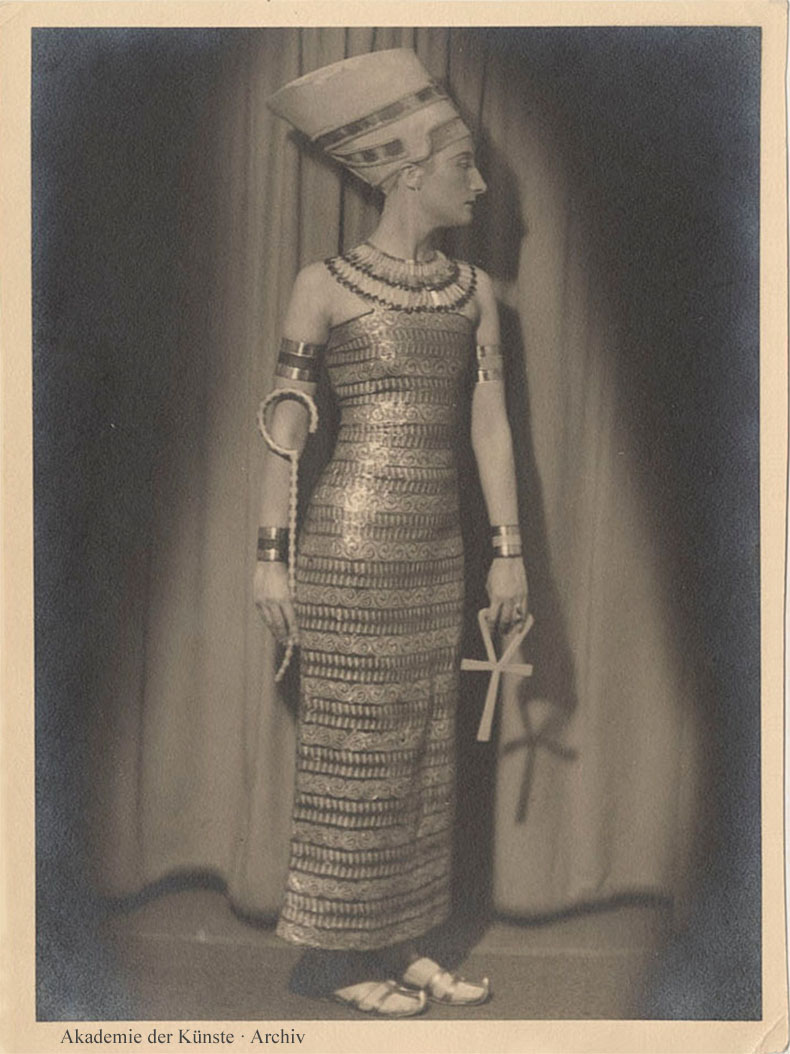
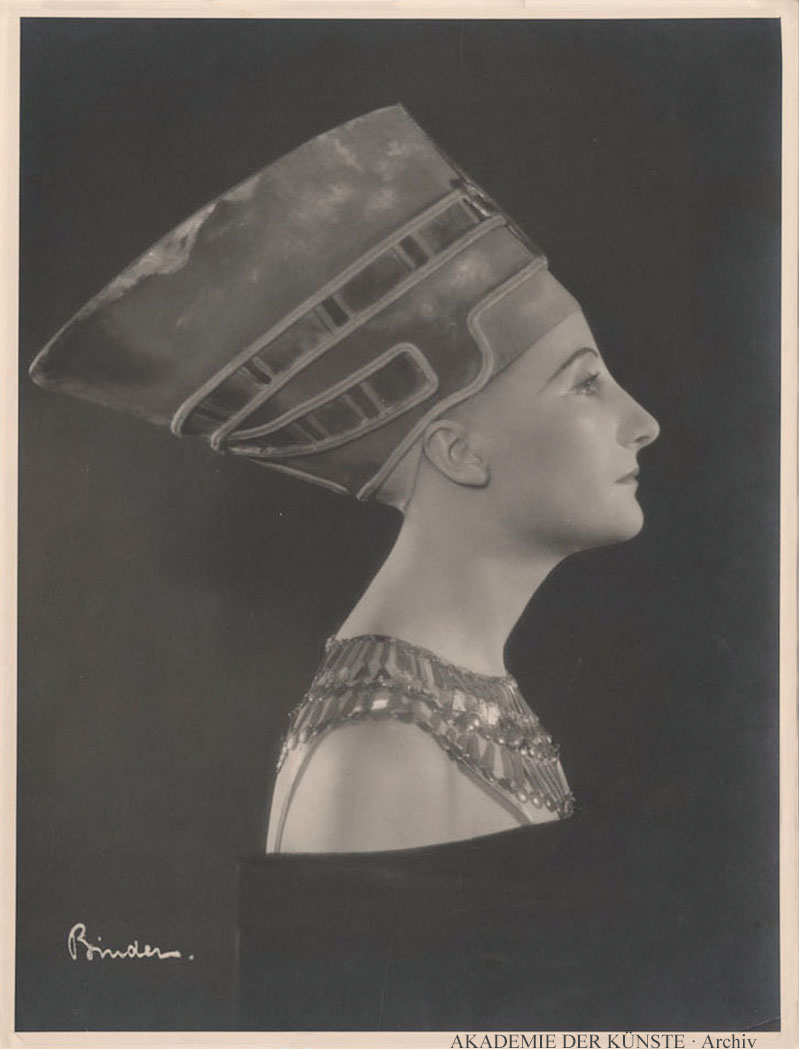
Margo Lion as Nefertiti, 1930

Margo Lion, Cabaret artist, Chansonniere, Actress (1899-1989). Portrait in the role of Nefertiti in the revue 'Quick' by Rudolf Nelson. Music by Friedrich Hollaender. Text: Marcellus Schiffer, ca. 1930. Photographer: Mundphoto, F. Grimm. Published in 'Berliner Morgenpost'; 20-09-1930 | src Getty Images
Margo Lion, cabaret artist, chansonniere, actress (1899-1989). Portrait in the role of Nefertiti in the revue ‘Quick’ by Rudolf Nelson. Music by Friedrich Hollaender. Text: Marcellus Schiffer; ca. 1930. Photographer: Mundphoto, F. Grimm. Published in ‘Berliner Morgenpost’; 20-09-1930 | src Getty Images
Margo Lion als Nofretete in der Revue von Friedrich Hollaender Quick, 19.9.1930. Fotograf: Mundophot
src Akademie der Künste Archiv
Atelier Binder ~ Margo Lion als Nofretete in der Revue von Friedrich Hollaender Quick, Pr 19.9.1930 | src Akademie der Künste Archiv

Margo Lion, cabaret artist, 1923

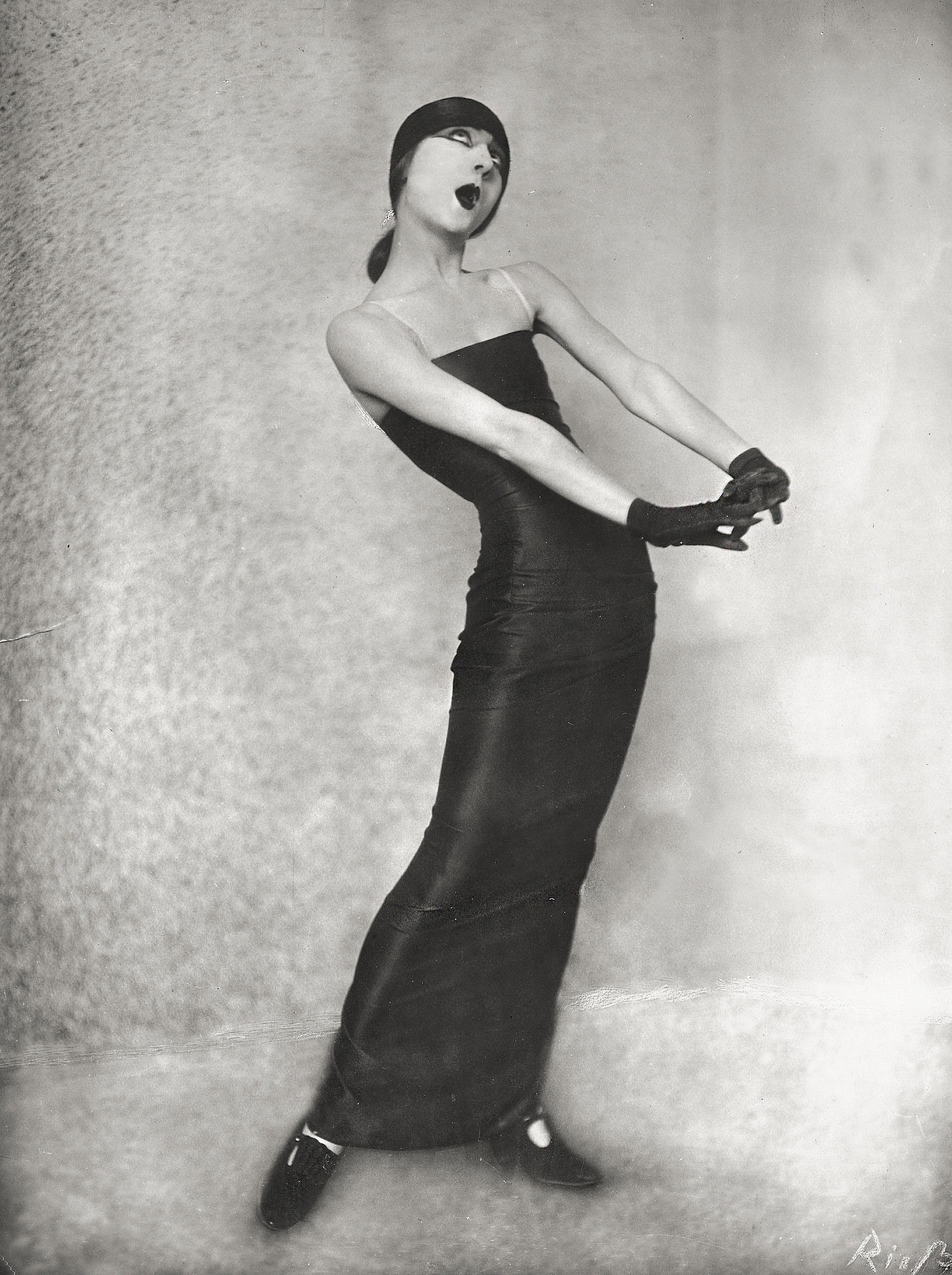
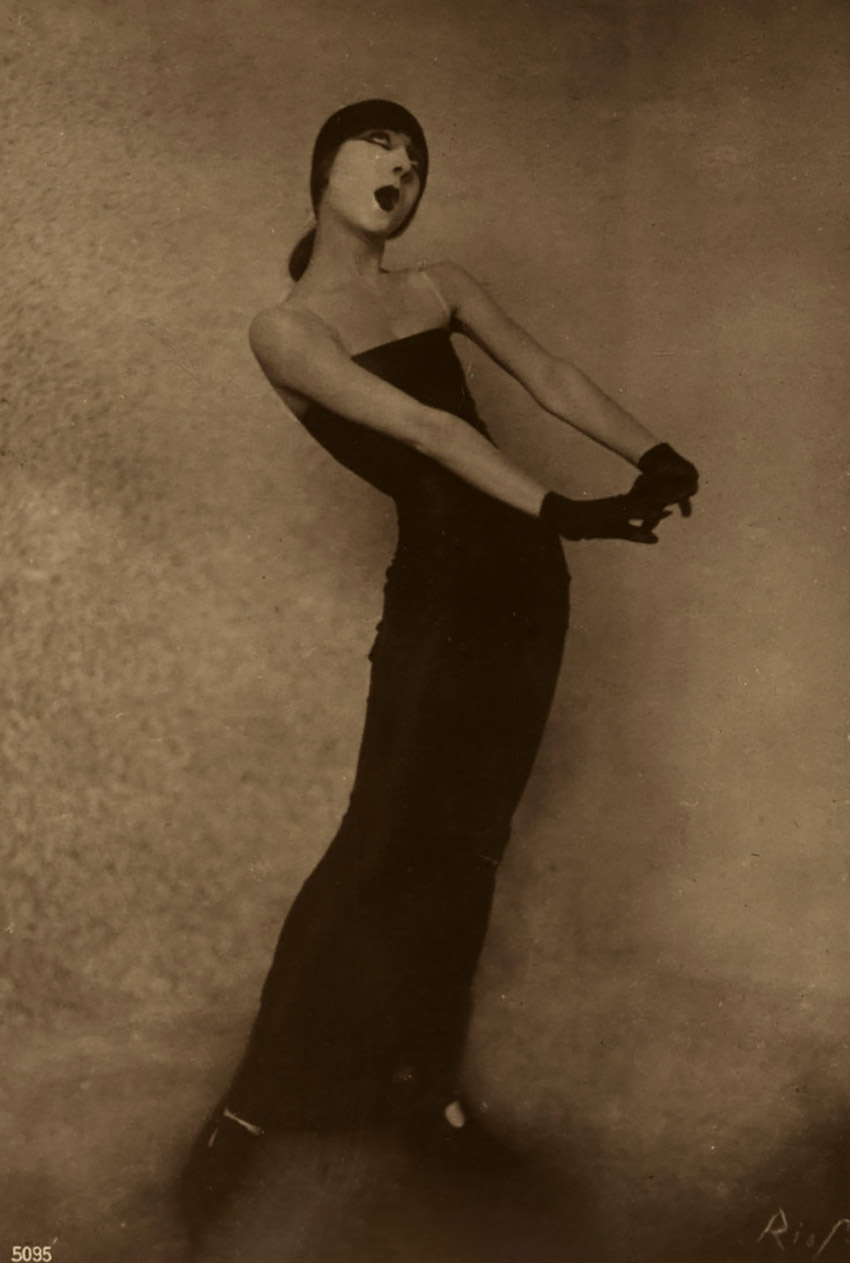
Frieda Riess :: Portrait of cabaret artist Margo Lion singing the couplet ‘Die Linie der Mode’ in the Wilde Bühne in Berlin, 1924. Music by Mischa Spoliansky, Text: Marcellus Schiffer | src Getty Images
Frieda Rieß:: Margo Lion singing the couplet ‘Die Linie der Mode’ in the Wilde Bühne, Berlin, 1924. Music by Mischa Spoliansky, Text: Marcellus Schiffer | src Marcellus Schiffer und Margo Lion Archiv at Akademie der Künst, Berlin
Frieda Rieß:: Margo Lion singing the couplet ‘Die Linie der Mode’ in the Wilde Bühne, Berlin, 1924. Music by Mischa Spoliansky, Text: Marcellus Schiffer | src Marcellus Schiffer und Margo Lion Archiv at Akademie der Künste, Berlin
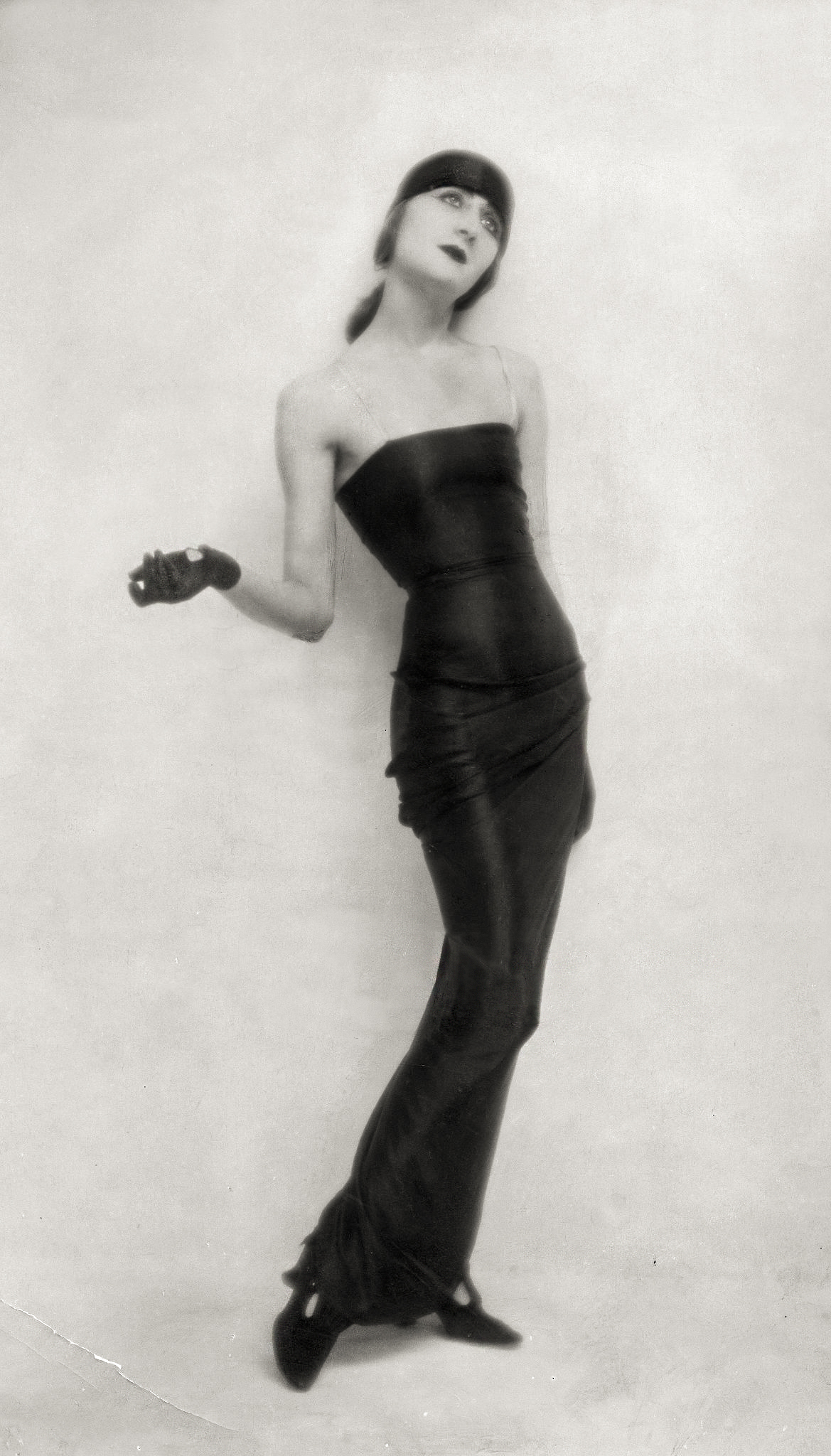
Atelier Eberth :: Margo Lion, cabaret artist and actress (1899-1989). Portrait singing the couplet 'Die Linie der Mode' in the Wilde Bühne in Berlin. Published in Berliner Illustrierte Zeitung BIZ 44/1923. | src Getty Images
Atelier Eberth :: Margo Lion, cabaret artist and actress (1899-1989). Portrait singing the couplet ‘Die Linie der Mode’ in the Wilde Bühne in Berlin. Published in Berliner Illustrirte Zeitung BIZ 44/1923. | src Getty Images

Erika Mann (portraits)

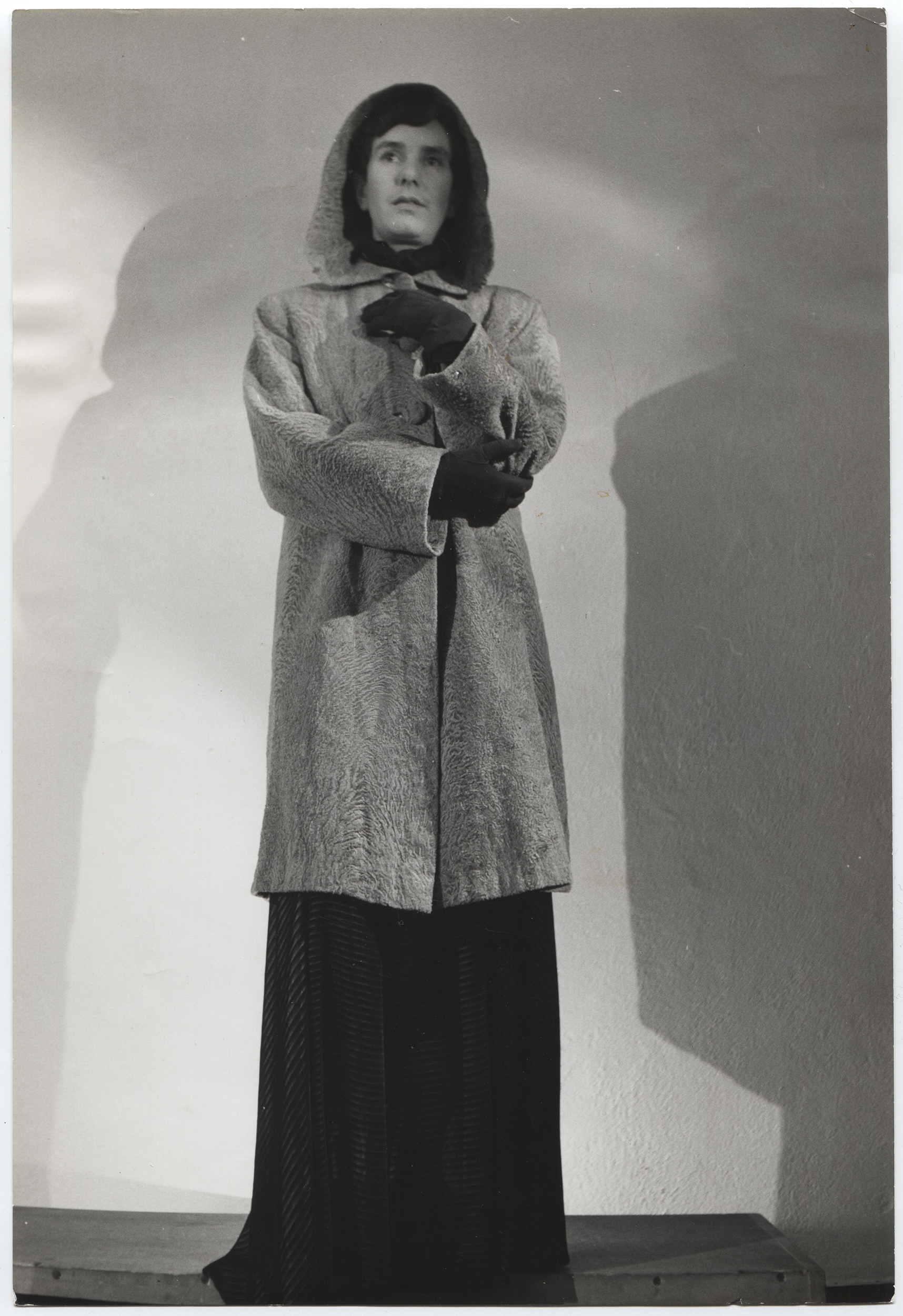
Erika Mann (1905 – 1969), Kabarettistin und Journalistin © Münchner Stadtbibliothek · Monacensia | src Bavariathek
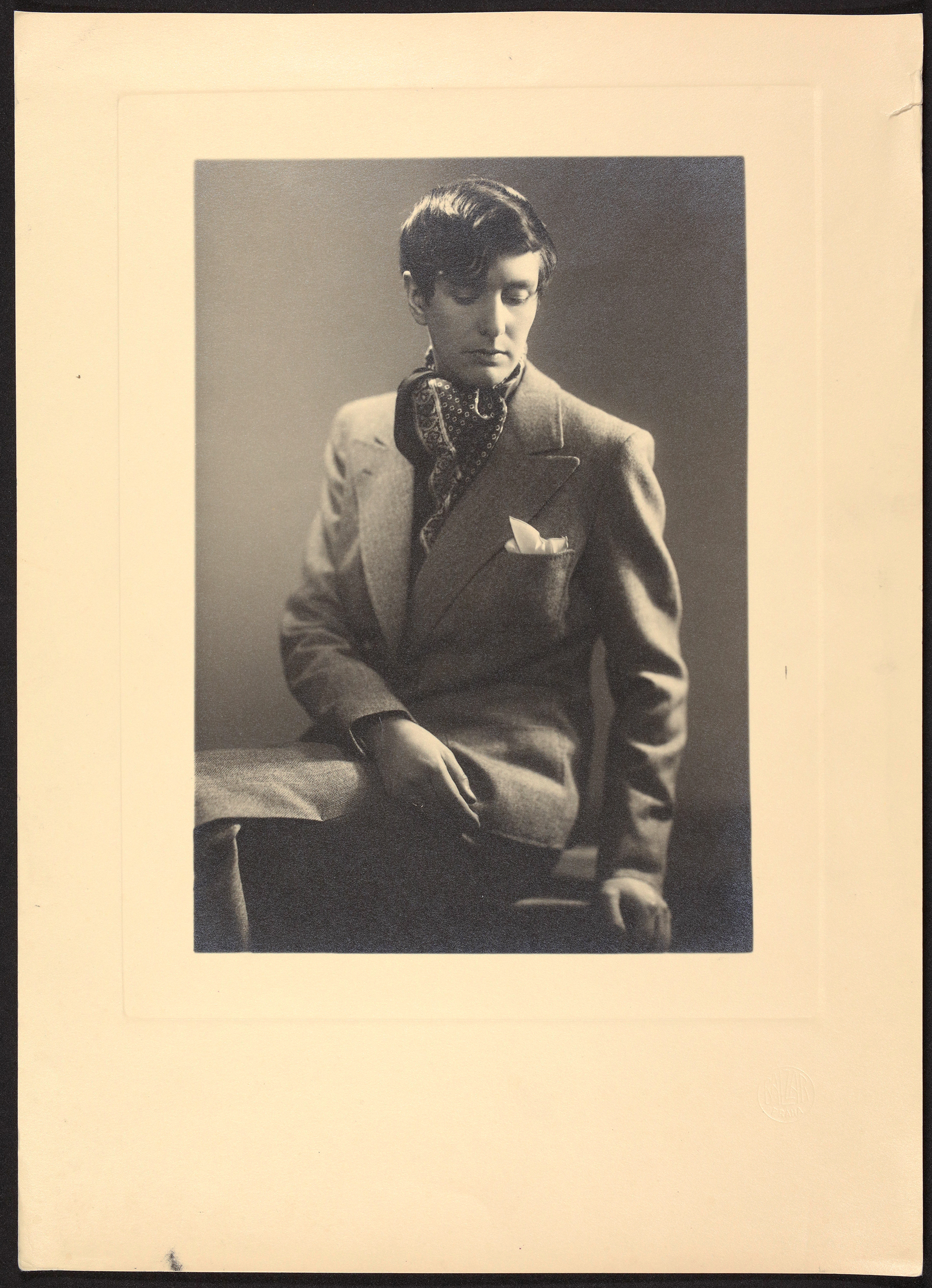
Balzar (Praha) :: Erika Mann, early 1930s. © Münchner Stadtbibliothek · Monacensia | src DNB · Deutsche Nationalbibliothek

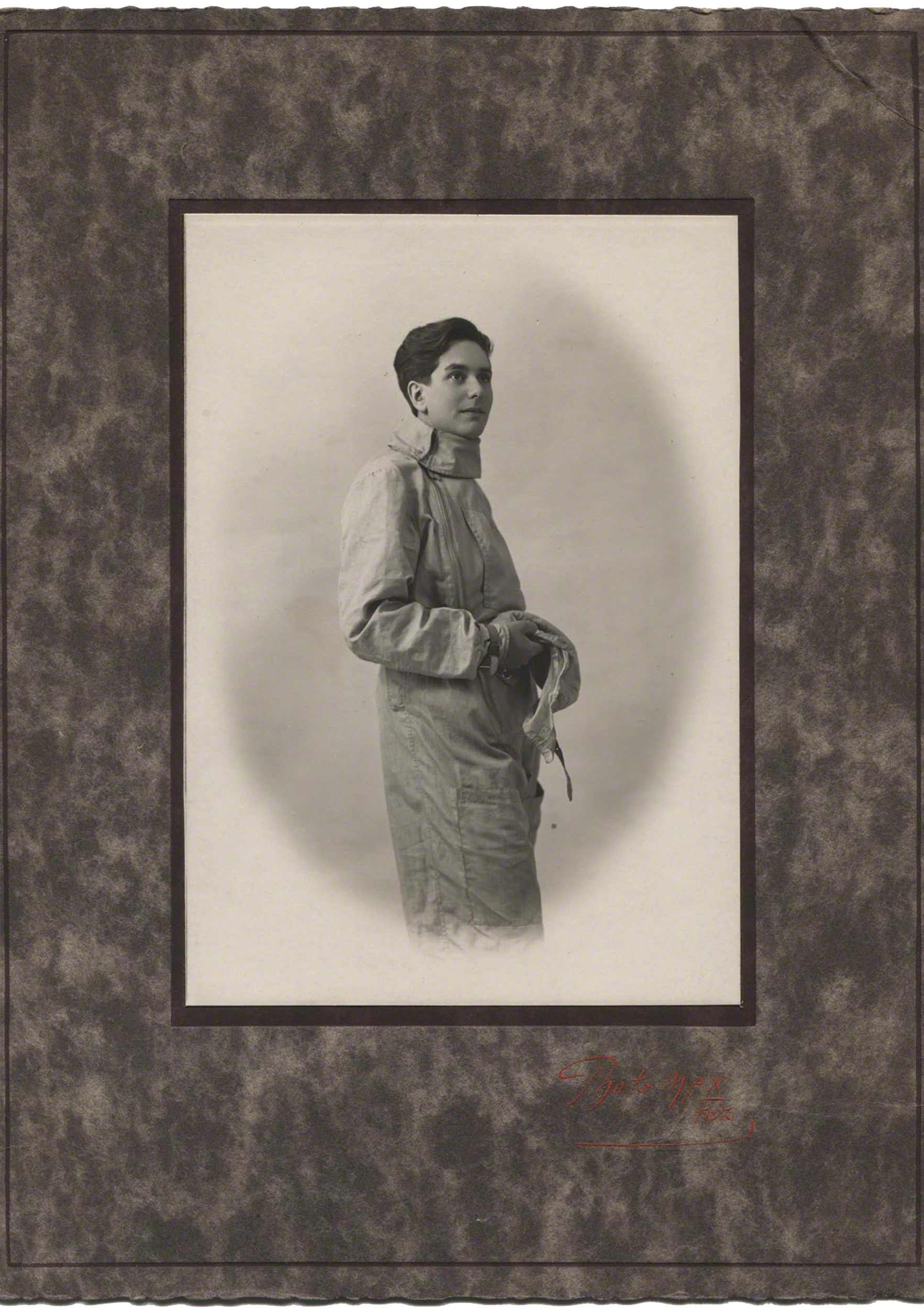
Erika Mann,racing driver, 1931

Max Fez :: Erika Mann as a racing driver, 1931. © Bibliothek Zürich, Thomas-Mann-Archiv. | src Amazed Magazine
Max Fez :: Erika Mann as a racing driver, 1931. © Bibliothek Zürich, Thomas-Mann-Archiv. | src Künste im Exil · Arts in Exile
And if I were asked to drive the car up a spiral staircase in front of a large crowd of people while declaiming Mary Stuart and composing a brief report on my “impressions” of this undertaking, I would certainly do it.
Erika Mann, Geht die Kunst nach Brot? 1931.

Rosamund Pinchot by Riess

Das Frauengesicht der Gegenwart (Lothar Brieger · 1930) | src Polona · National Library of Poland
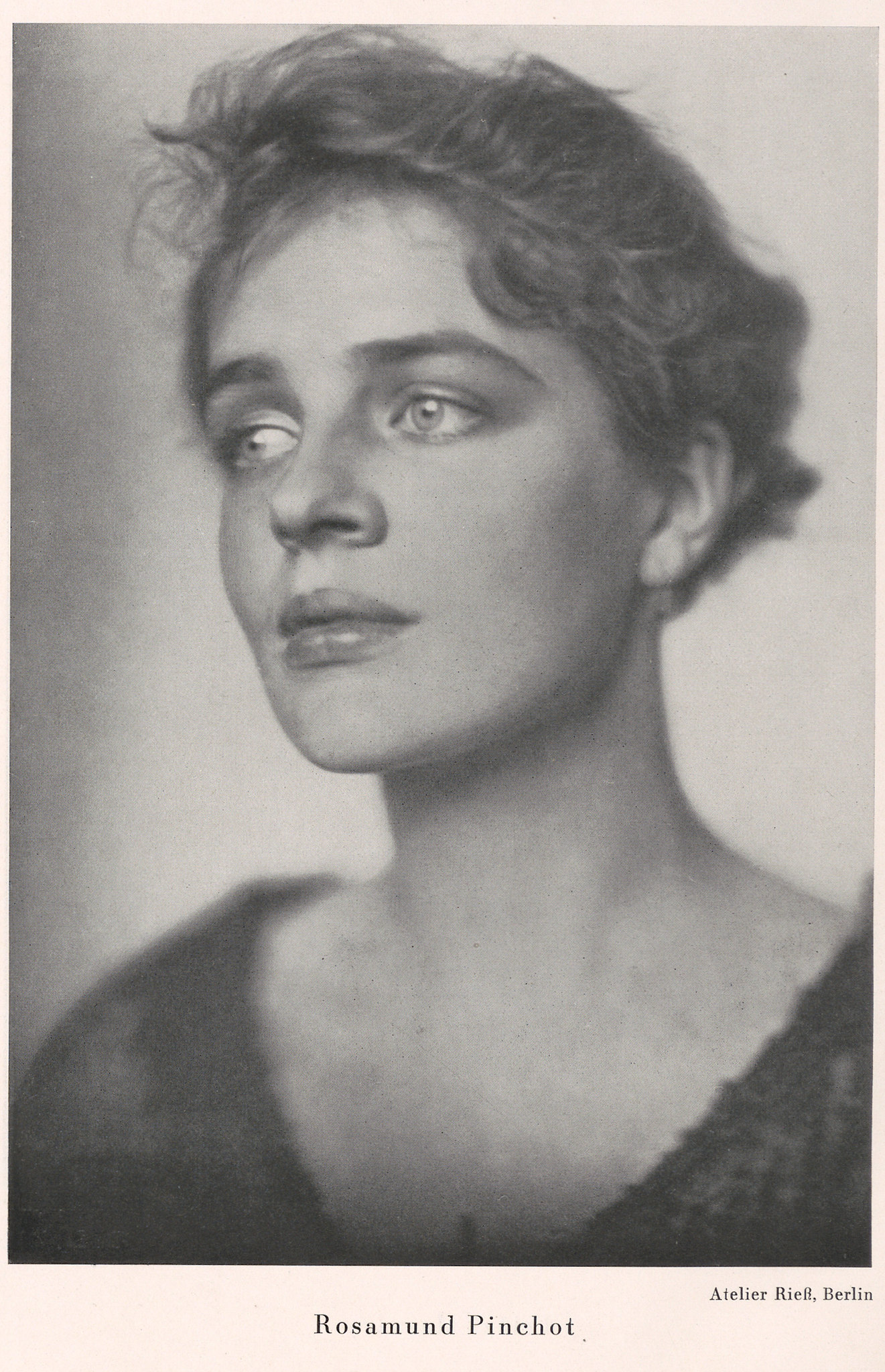
Frieda Gertrud Riess :: Portrait of actress Rosamond Pinchot (1904-1938), 1927. | src Getty Images
Frieda Gertrud Riess (1890-1954) ~ Portrait of actress Rosamond Pinchot (1904-1938), 1927 | src getty images
Frieda Gertrud Riess :: Rosamund Pinchot, um 1930. | src Das Verborgene Museum
Frieda Gertrud Riess (1890-1954) ~ Rosamund Pinchot, um 1930. | src Das Verborgene Museum