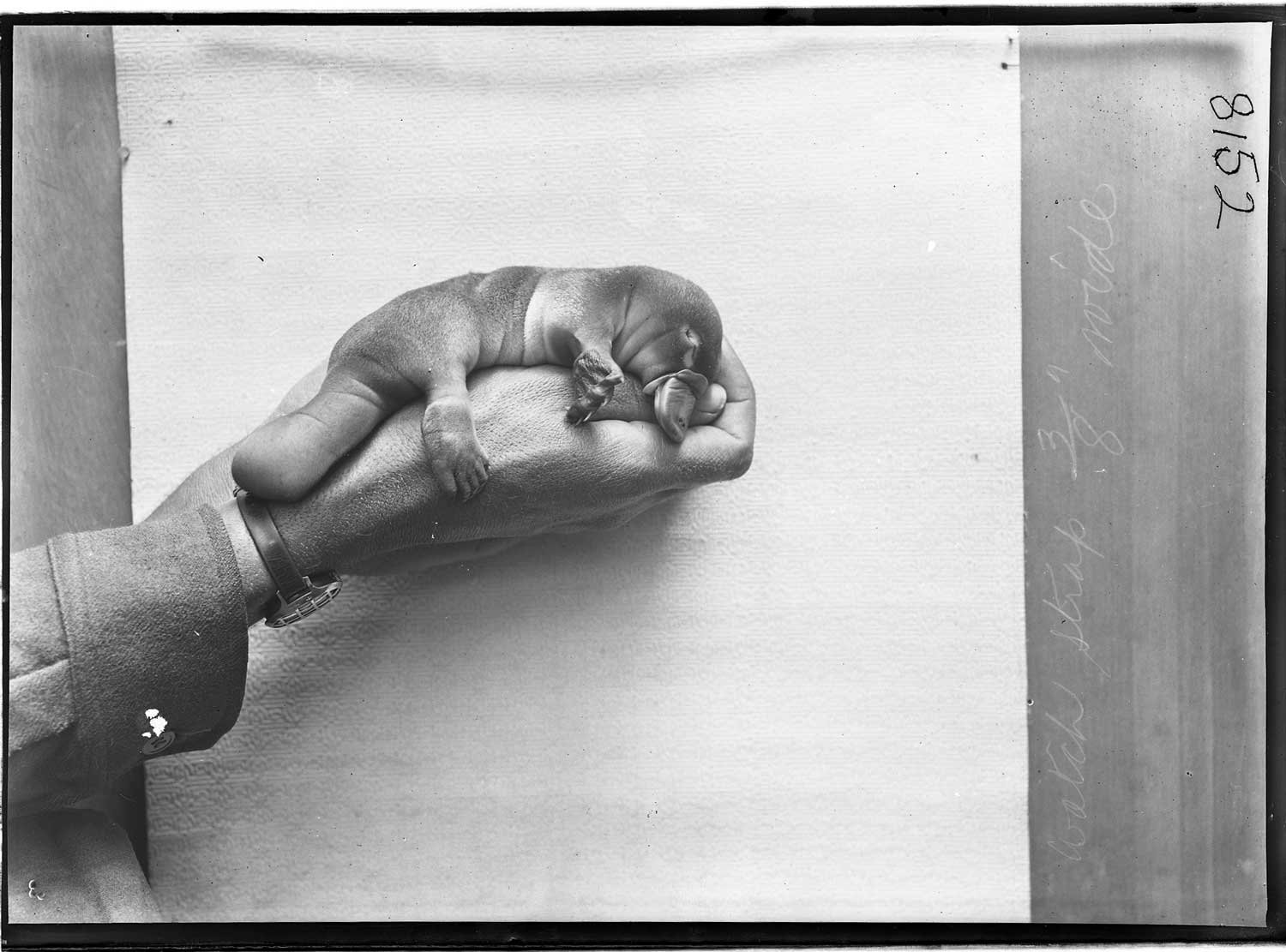
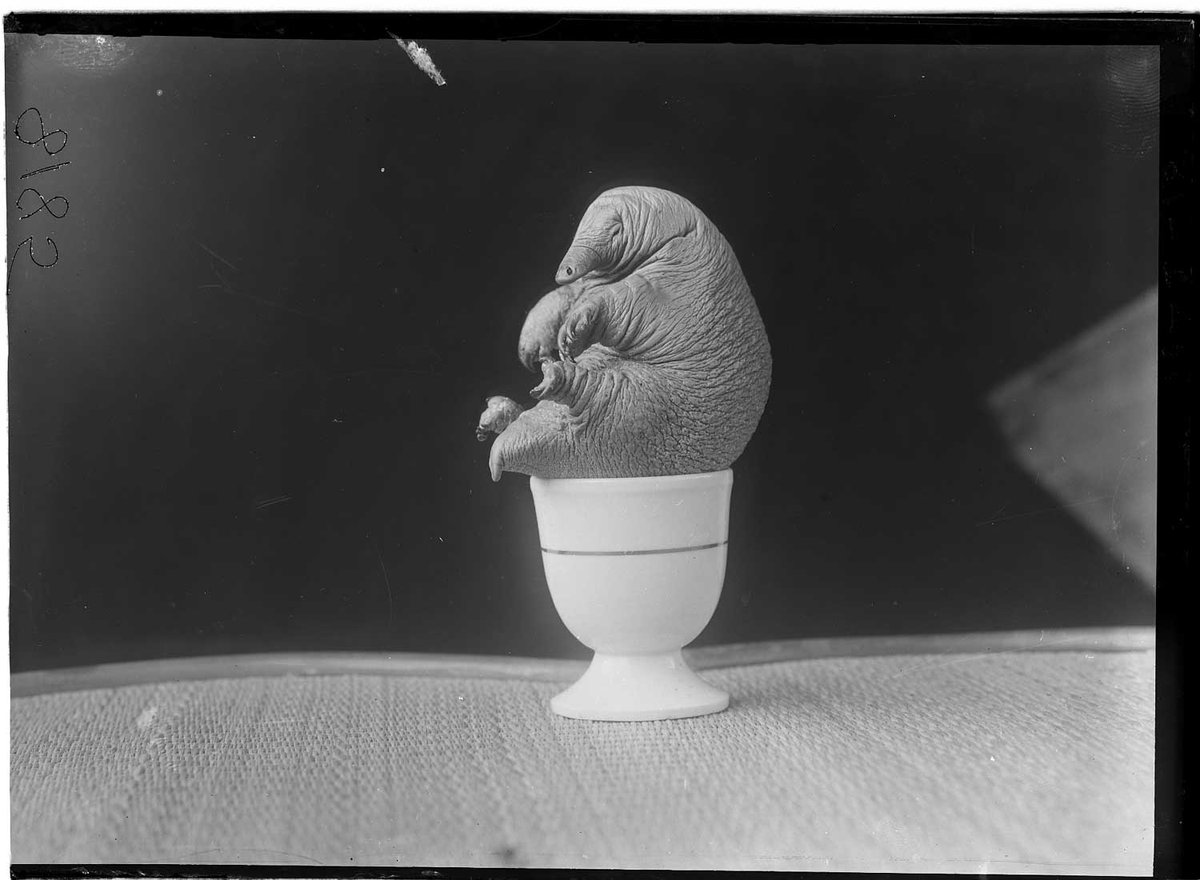
Henry James Burrell (1873-1945) ~ Young Platypus, ca. 1914. Glass negative | src Australian museumHenry James Burrell (1873-1945) ~ Young Platypus, ca. 1914. Glass negative | src Australian museum blogHenry James Burrell (1873-1945) ~ Young Platypus, ca. 1914. Glass negative | src Australian museum
Harry J. Burrell developed an interest in natural history after he settled in Manilla, northern NSW with his wife Susan Emily Naegueli in 1901. As a naturalist, Burrell is most famous for being the first person to successfully keep platypuses in captivity. To do this he invented the ‘platypusary’, a storage tank which enabled him to both study and exhibit live platypuses. The platypusary was used for the first time in 1910 to show live platypuses at the Moore Park Zoo in Sydney. In 1922 he assisted Ellis Stanley Joseph with successfully transporting the first ever live platypus beyond Australian shores. The sole surviving platypus of the original 5 platypuses’ arduous journey died within a few weeks of being exhibited at the Bronx Zoo, New York.
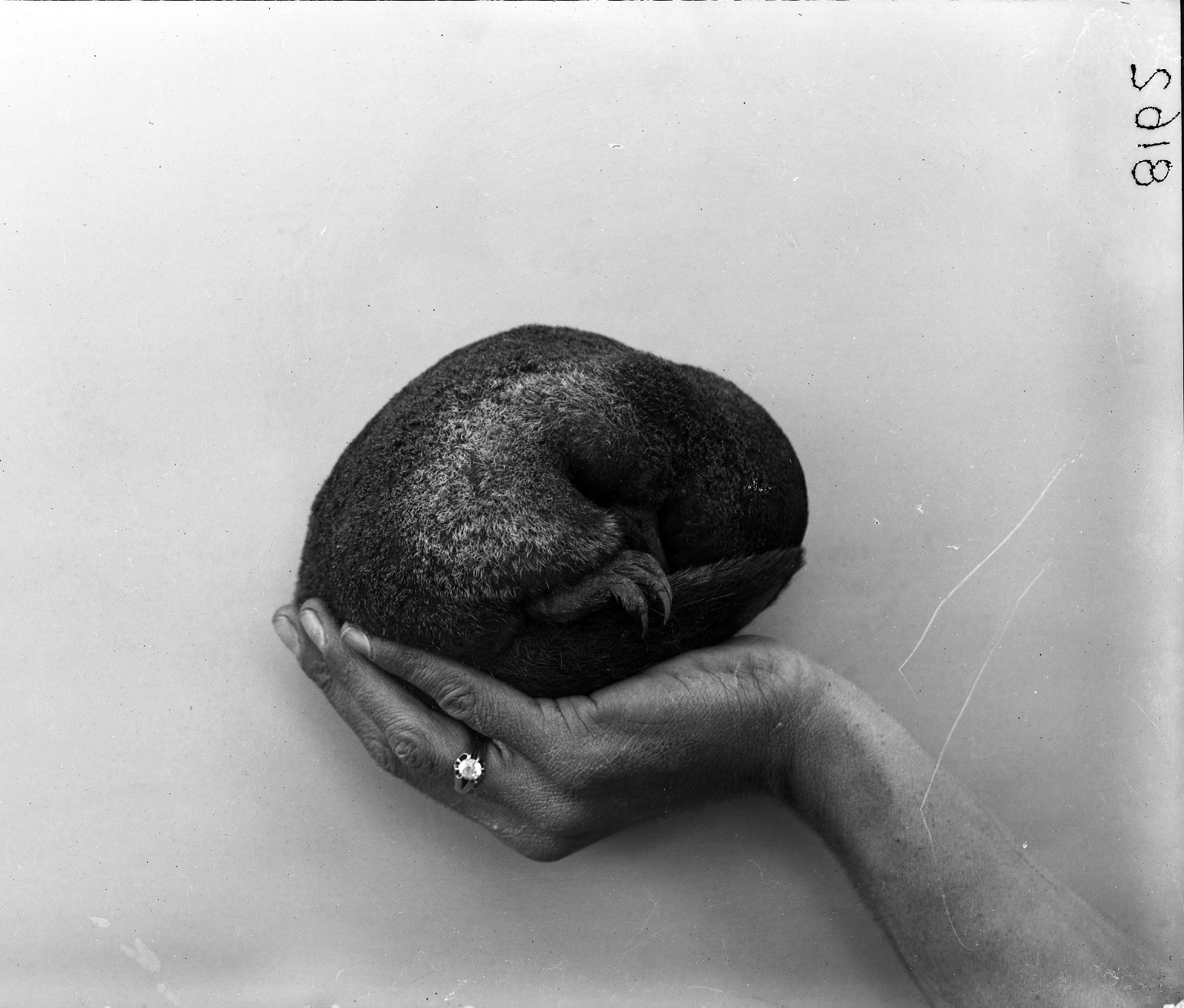
Henry James Burrell (1873-1945) ~ Echidna rolled up. Glass negative | src Australian museumHenry James Burrell (1873-1945) ~ Green snake eating a frog. Glass negative | src Australian museum
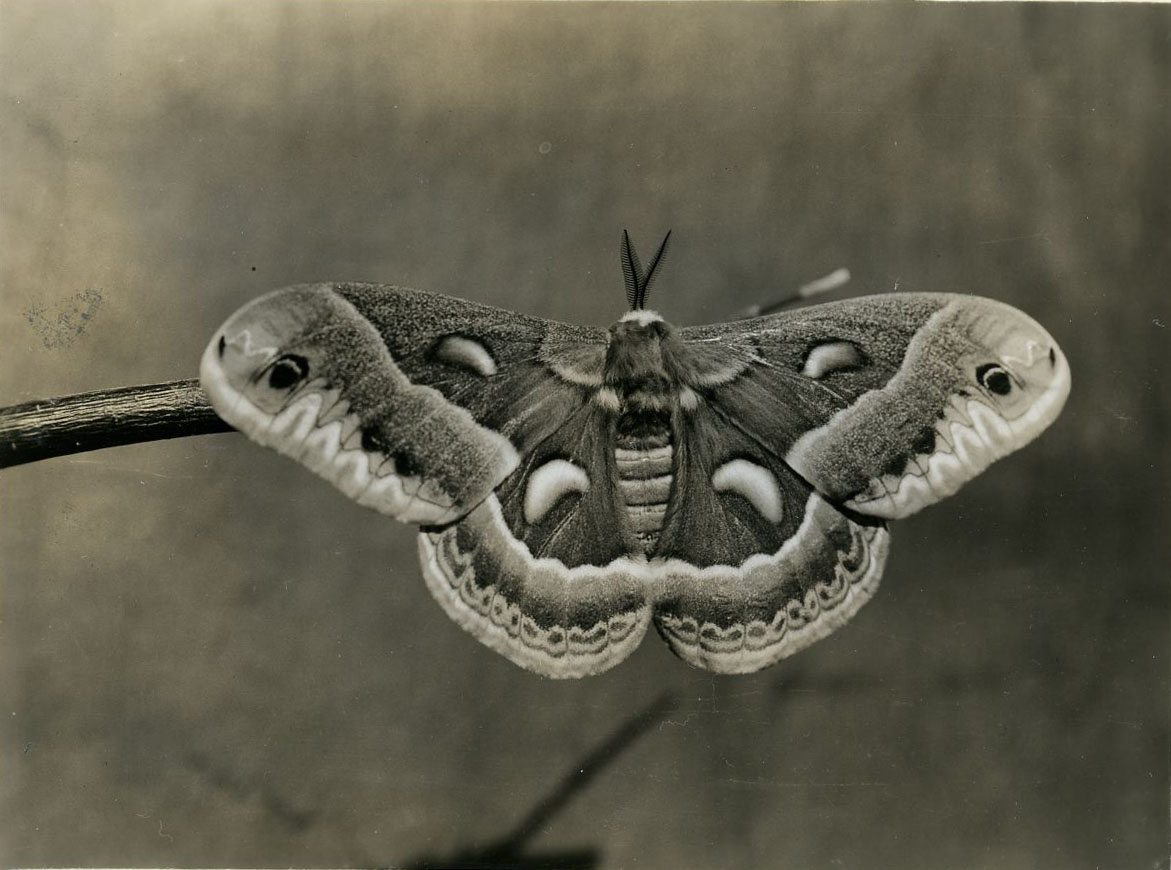
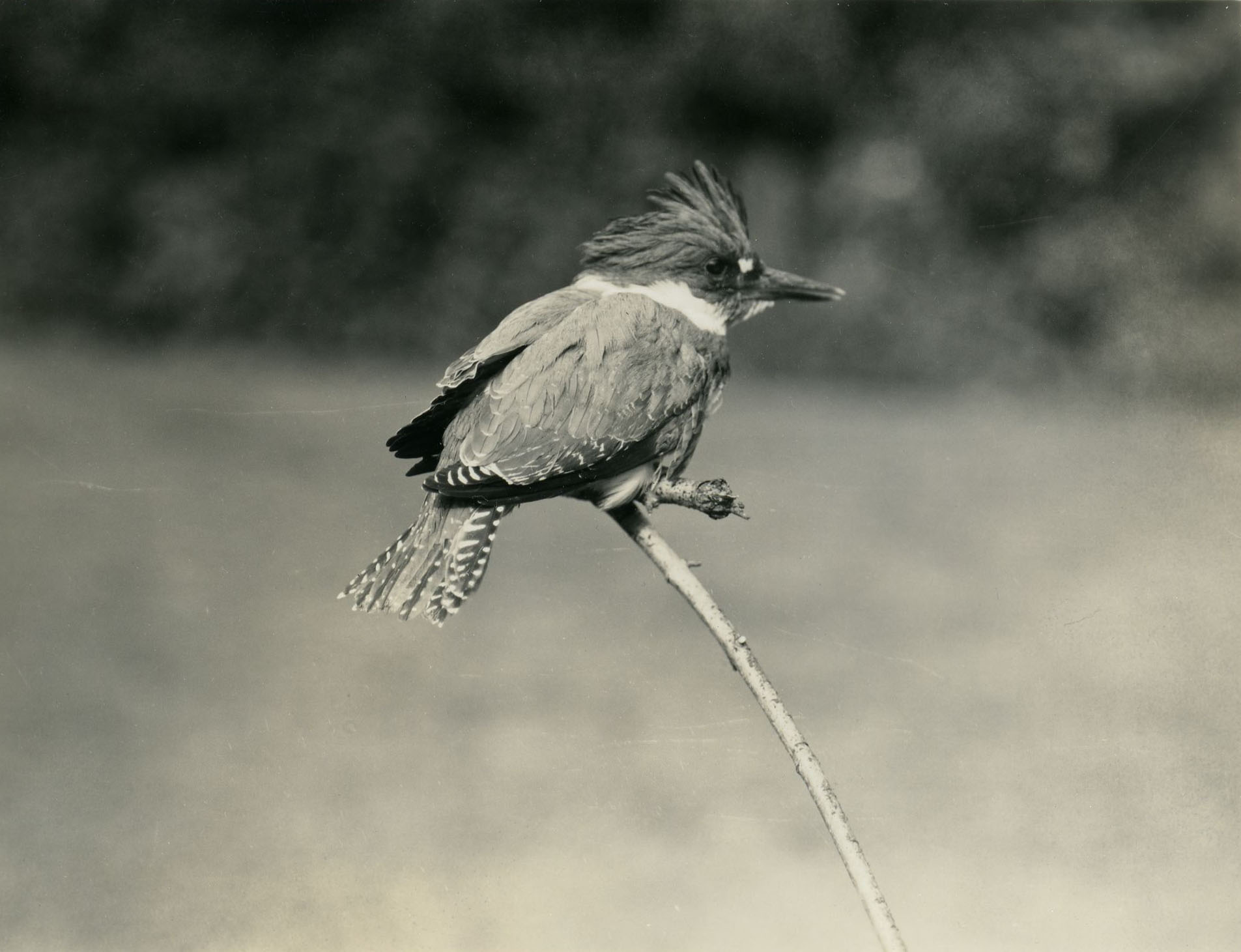
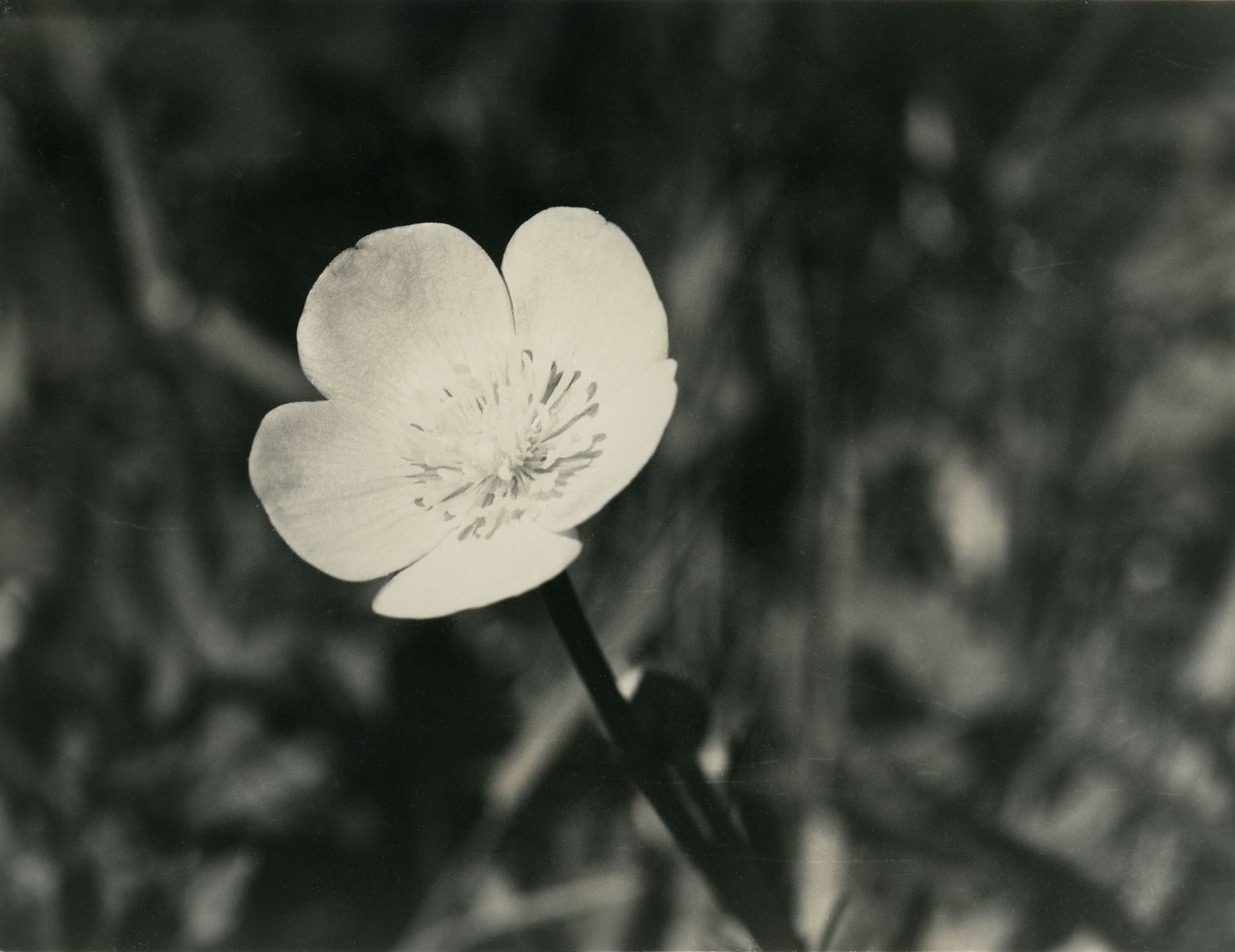
Cecropia (male and female) · Cecropia moths on end of stick. Acadia National Park, Maine, 22 March, 1939 | src NPGCecropia moth on end of stick. Acadia National Park, Maine, 22 March, 1939 | src National Park galleryReflection of Pemetic Mt. in Eagle lake. Acadia National Park, Maine, 5 June, 1939 | src National Park galleryKingfisher · Bird on stick. Acadia National Park, Maine, 18 July, 1939 | src National Parks galleryButtercup, close-up (five pedaled flower). Acadia National Park, Maine, 13 June, 1939 | src National Parks gallery
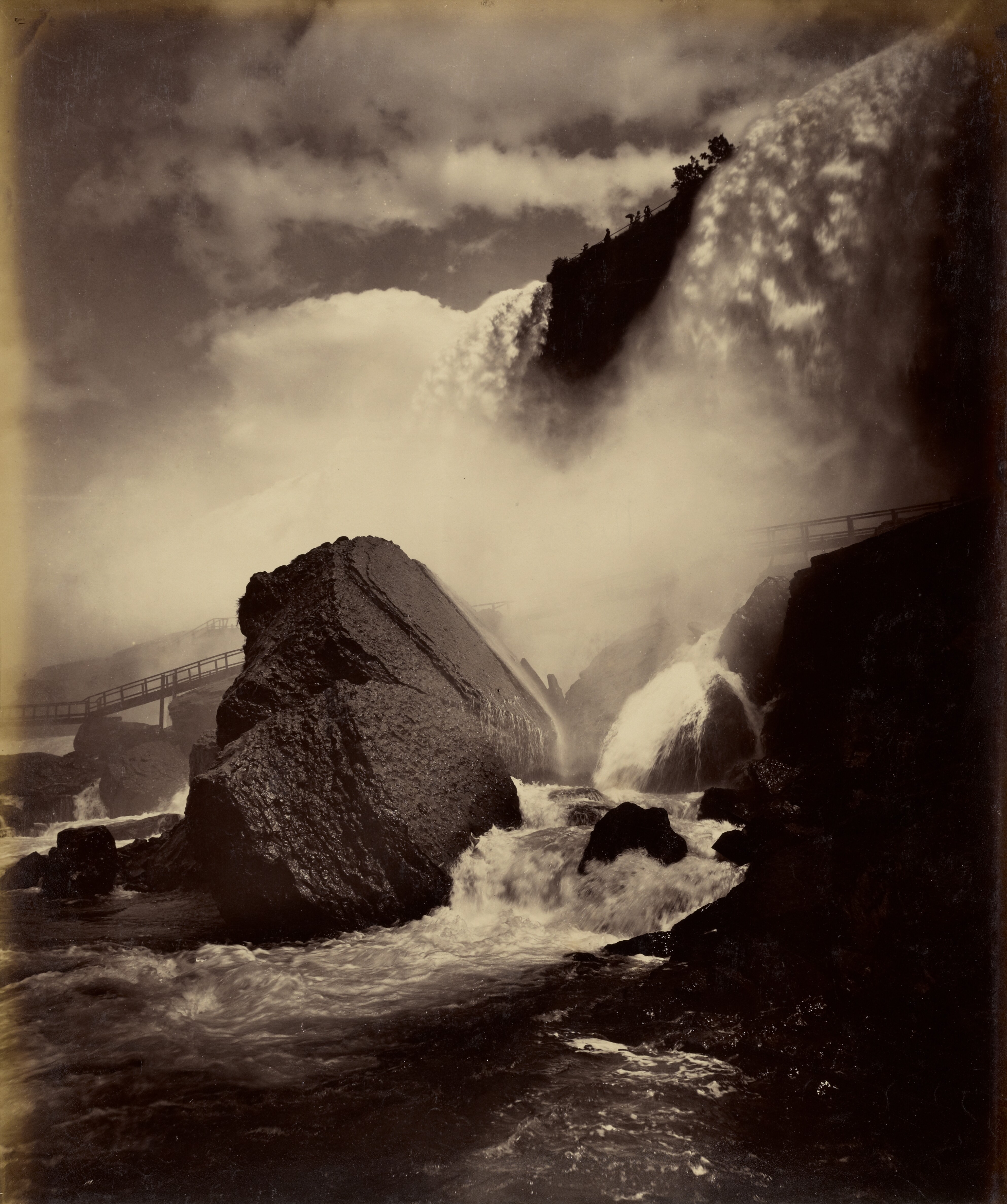
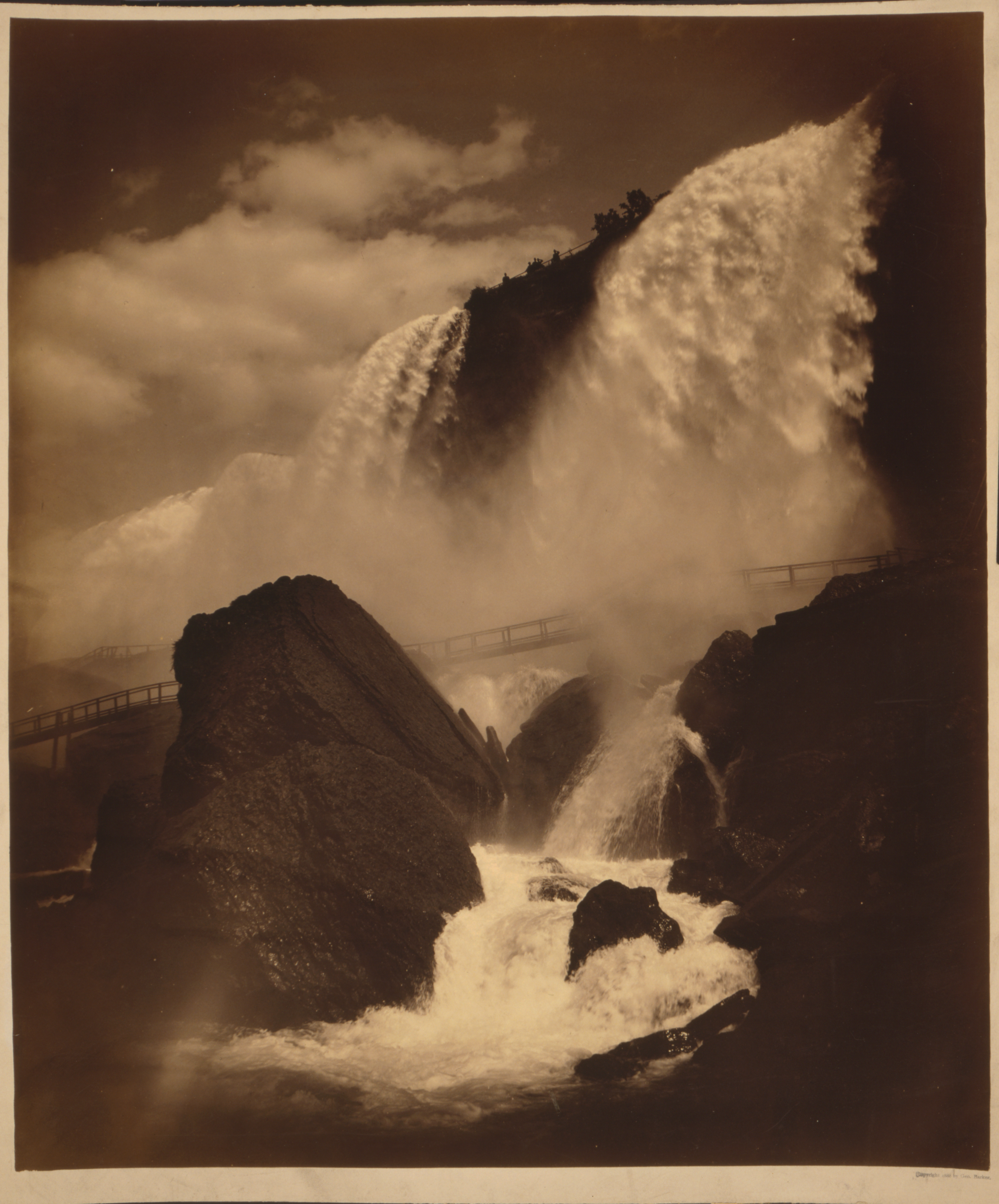
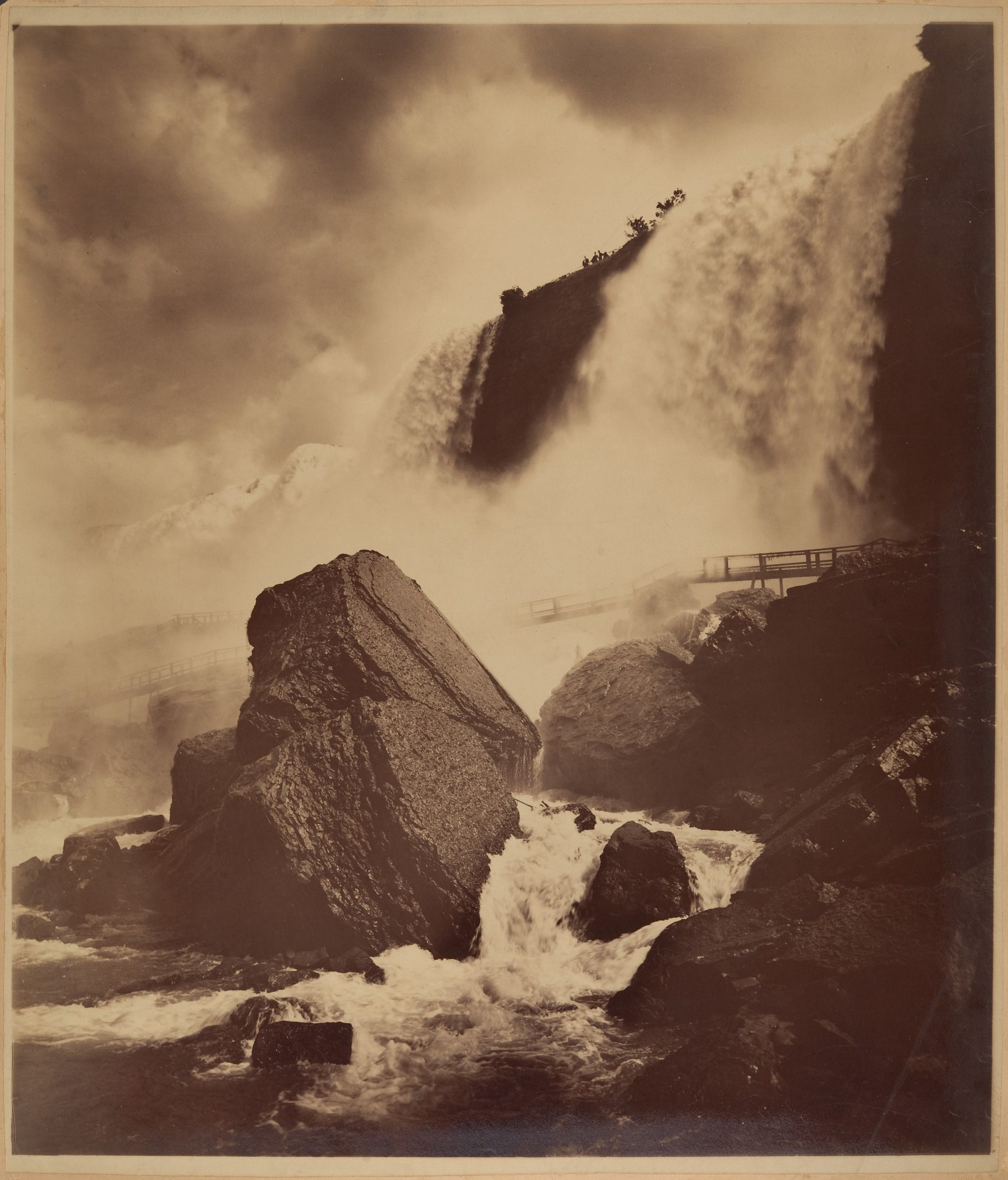
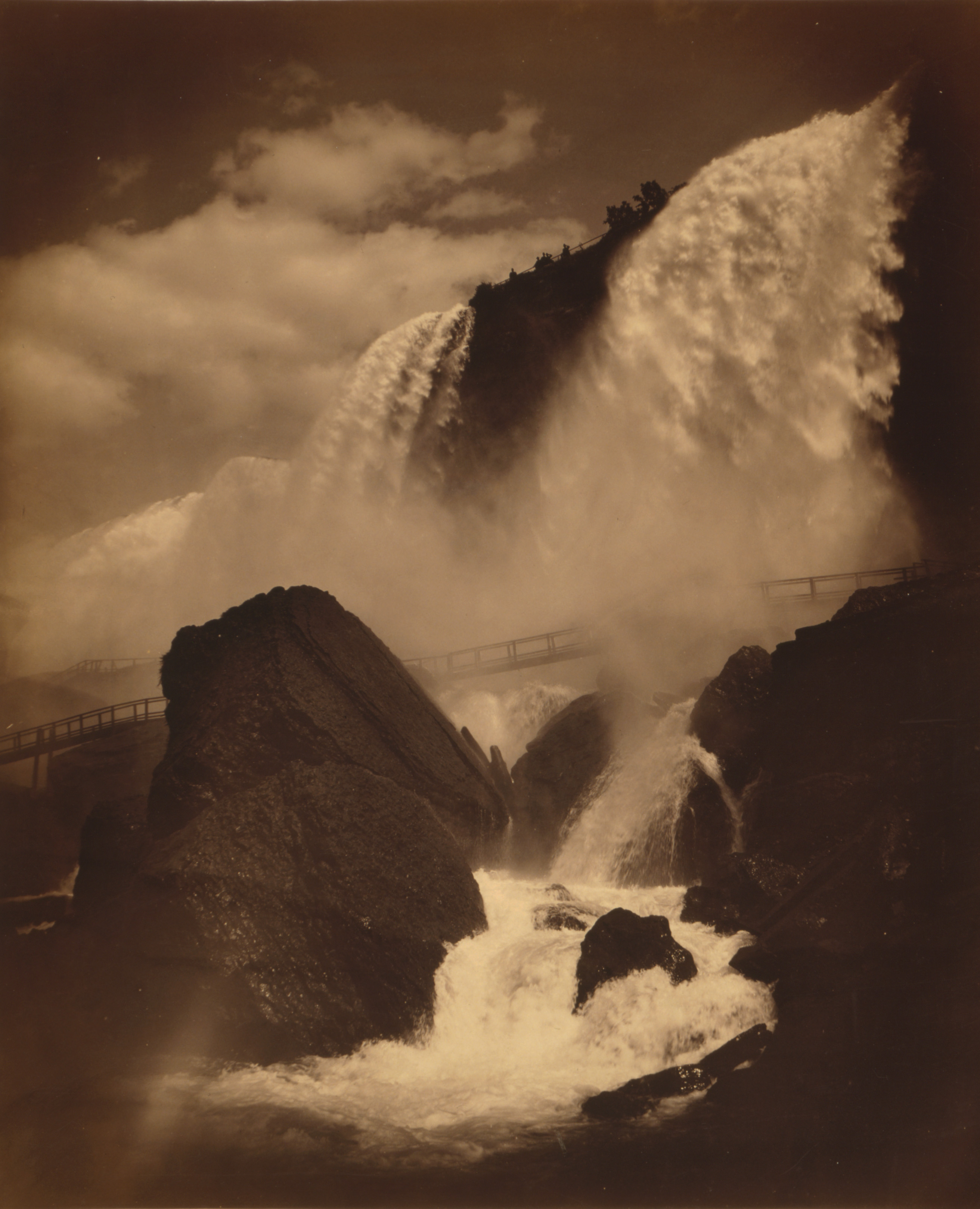
George Barker (1844-1894) ~ [Niagara Falls], ca. 1888. Albumen silver print. View of Niagara Falls taken from the base of the falls, with large boulder in foreground and footbridge in the background. | src Getty Museum Coll.George Barker (1844-1894) ~ Cave of the winds, ca. 1888. Niagara Falls with walkway in the foreground. Albumen silver print. | src Library of Congress
This Image is hosted in four American museums; three of them (Library of Congress, Getty Museum and The Metropolitan Museum of Art) acknowledge the authorship to George Barker. According to The Nelson-Atkins Museum of Art [x] this photograph is Nielson’s. In their website there is a mention to the photographer’s logo on back: “H.F. Nielson, Manuf. of all kinds of / Paper & Glass Views / Niagara Falls.”
Though the commercial market for large-scale landscape views was limited in the late 19th century, a small group of talented and savvy photographers found a lucrative niche in this genre. Herman F. Nielson, who lived most of his life in Niagara, New York, specialized in majestic tourist views of Niagara Falls. Here, Nielson depicts the American Falls (Luna Falls and Bridal Veil Falls) and the Rock of Ages. This view, or a slight variant, was reproduced in a popular guidebook at the time.
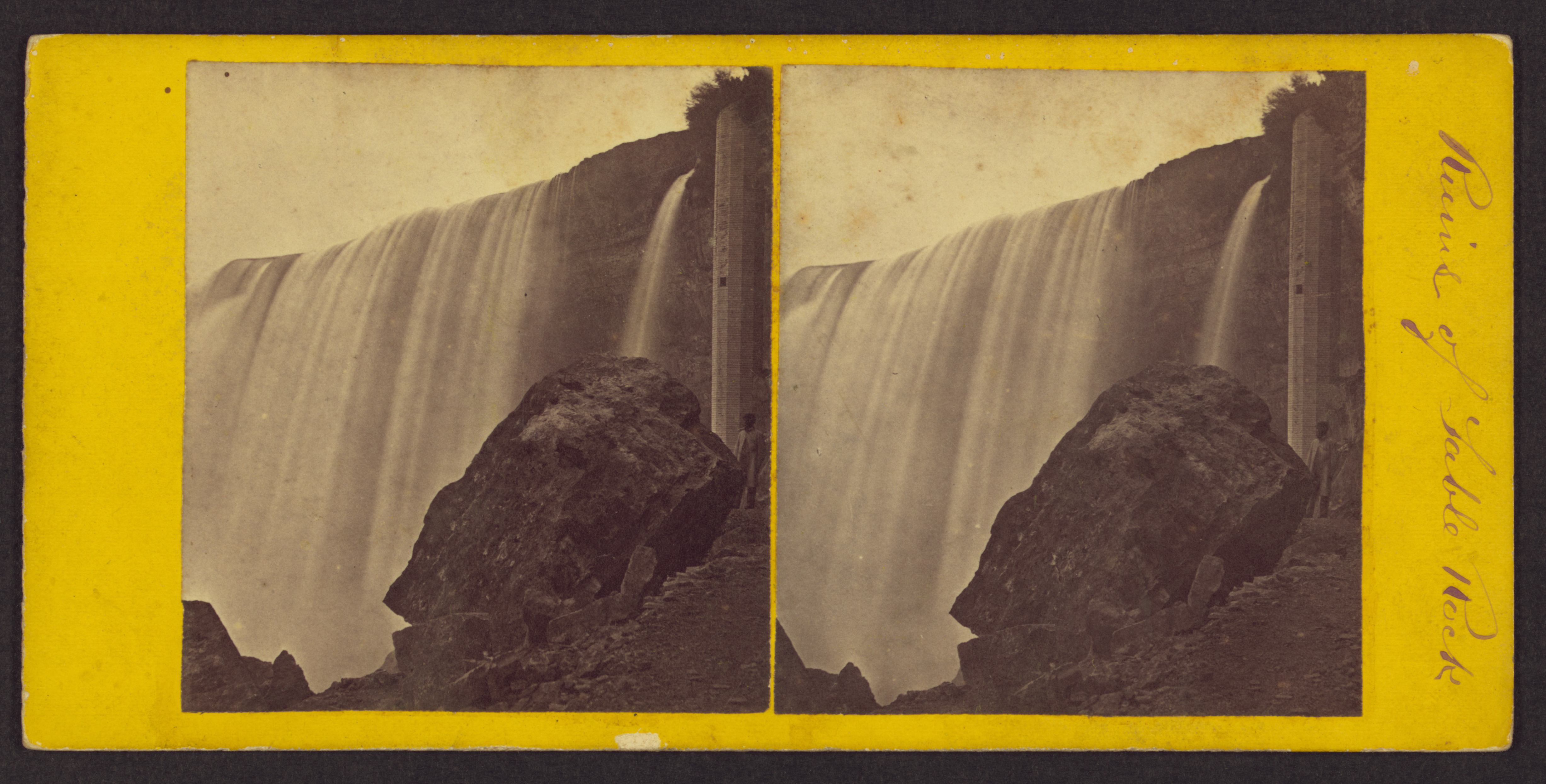
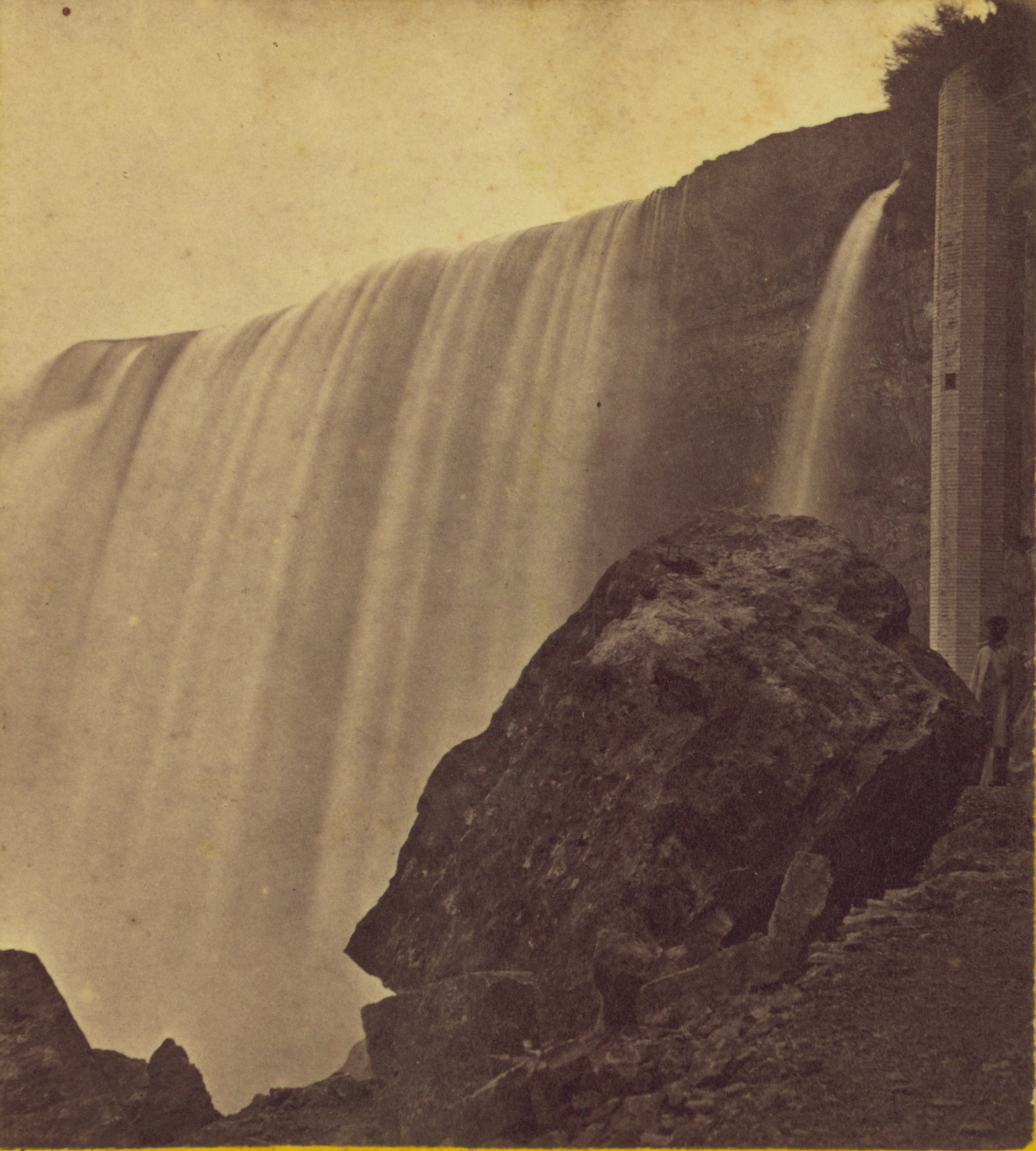
George Barker (1844-1894) ~ Niagara Falls, ca. 1888 Albumen silver print from glass negative | src The MetGeorge Barker (1844-1894) ~ Cave of the winds, ca. 1888. Image of rushing waterfalls leading down to a bridge with large rocks in the foreground. | Library of CongressGeorge Barker (1844-1894) ~ Ruins of Table Rock, ca. 1870. Stereograph. Albumen print on stereo card. | Library of CongressStereograph showing a portion of Table Rock that has fallen off the cliff, with Niagara Falls in the background. | Library of Congress
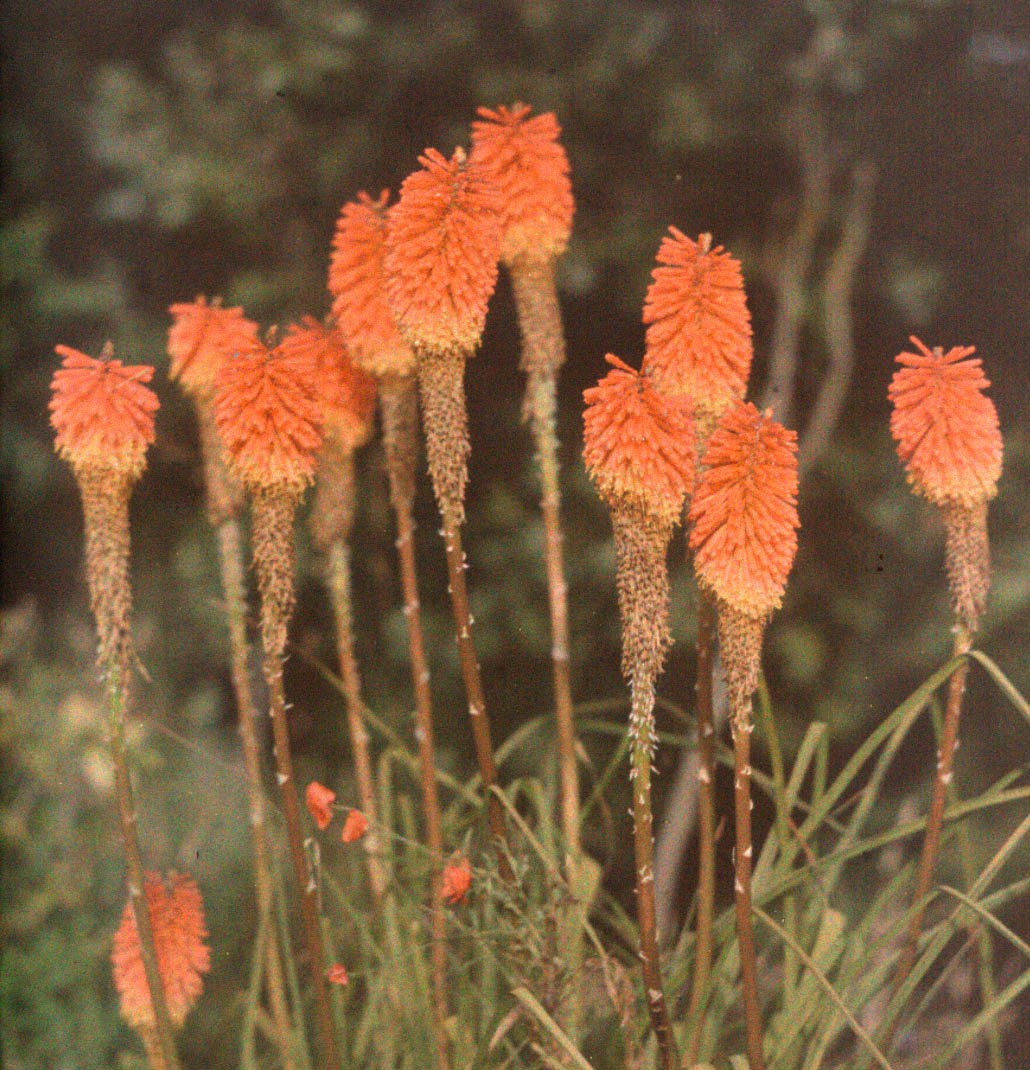
Gustave Gain ~ Un lys en fleur, 1910-1940. Plaque de verre autochrome. | src Archives de la MancheGustave Gain ~ Un lys en fleur, 1910-1940. Plaque de verre autochrome. | src Archives de la MancheGustave Gain ~ Une plante à fleurs orangées, 1910-1940. Plaque de verre autochrome. | src Archives de la MancheGustave Gain ~ Une plante à fleurs orangées, 1910-1940. Plaque de verre autochrome. | src Archives de la MancheGustave Gain ~ Une plante à fleurs bleues, 1910-1940. Plaque de verre autochrome. | src Archives de la MancheGustave Gain ~ Une plante à fleurs bleues, 1910-1940. Plaque de verre autochrome. | src Archives de la Manche
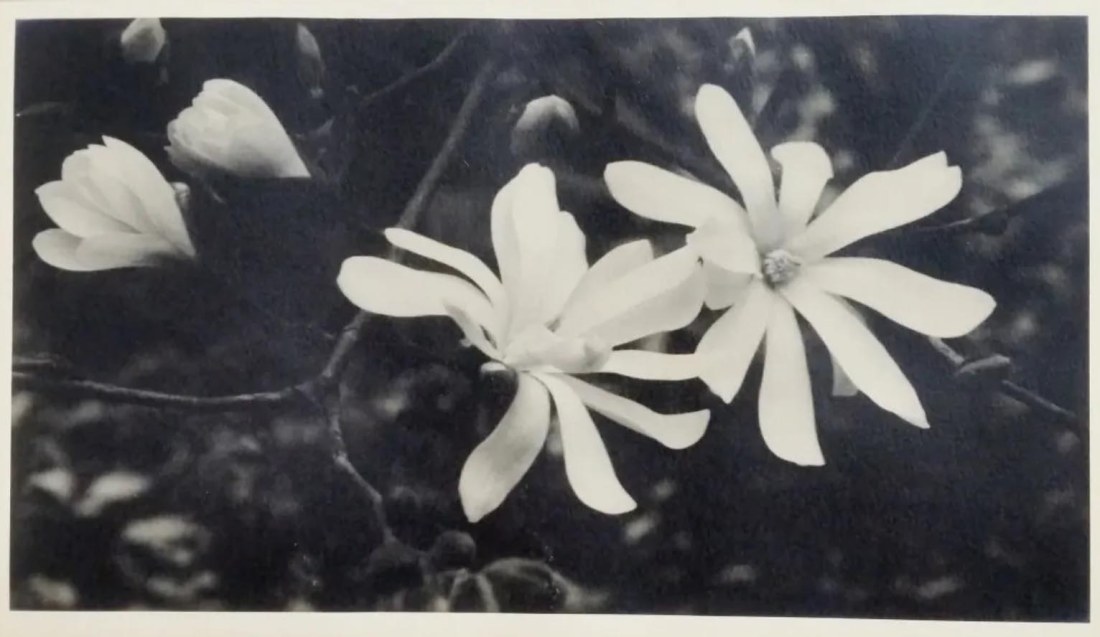
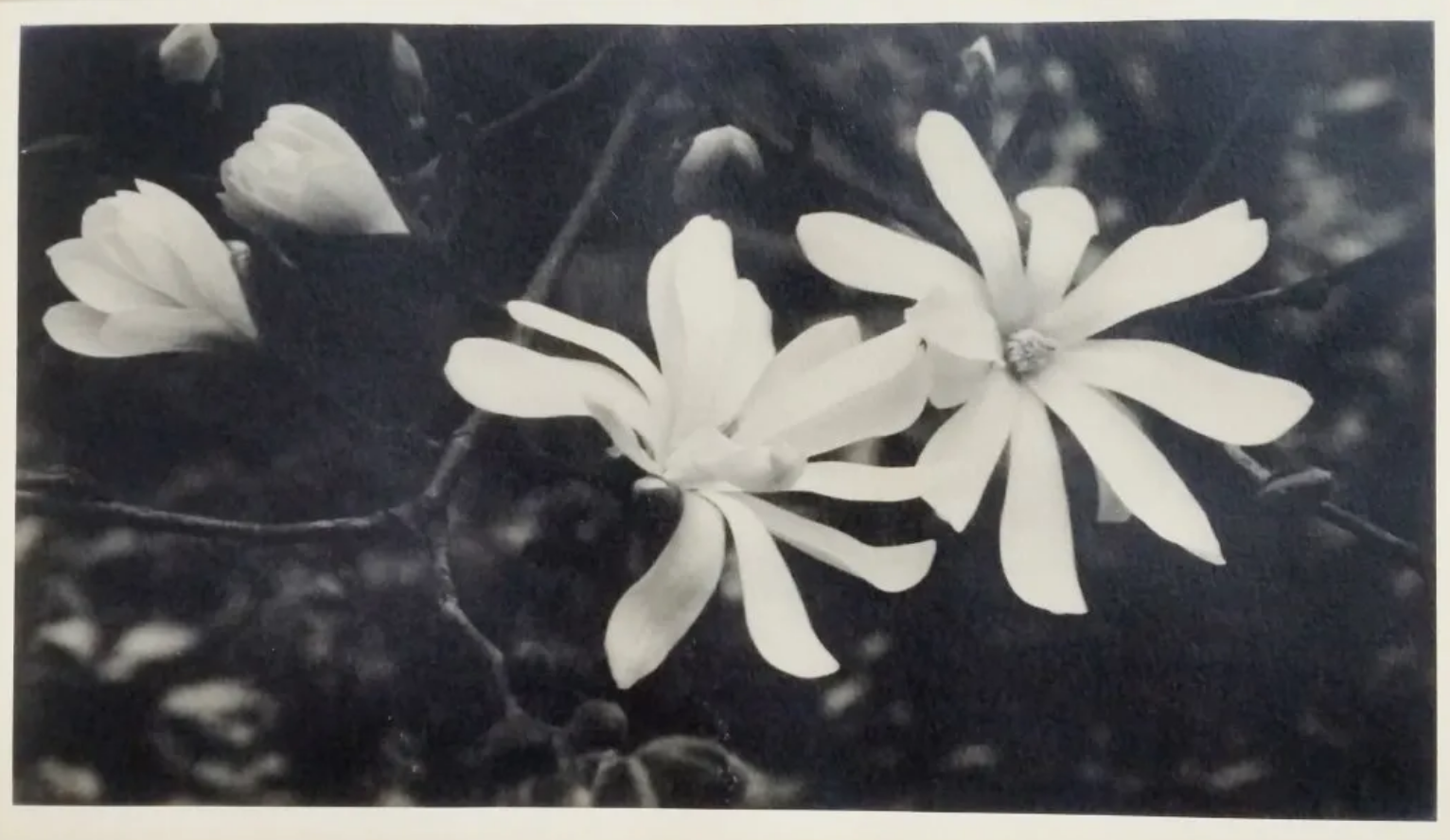
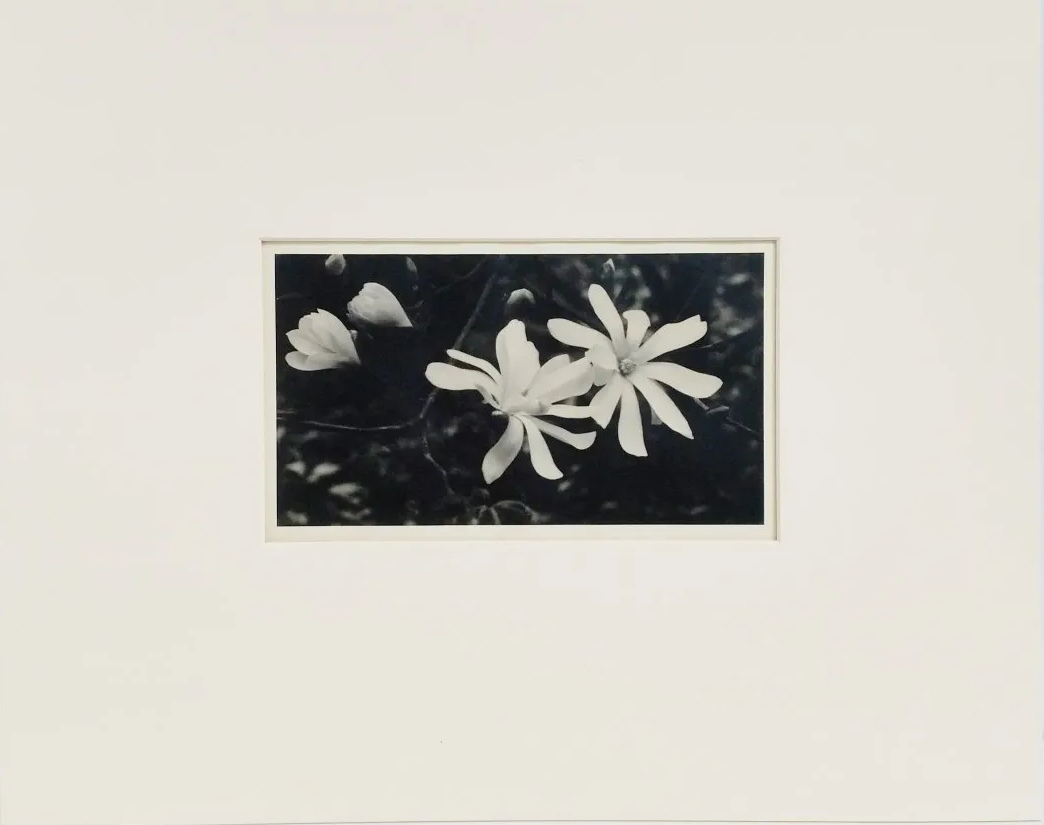
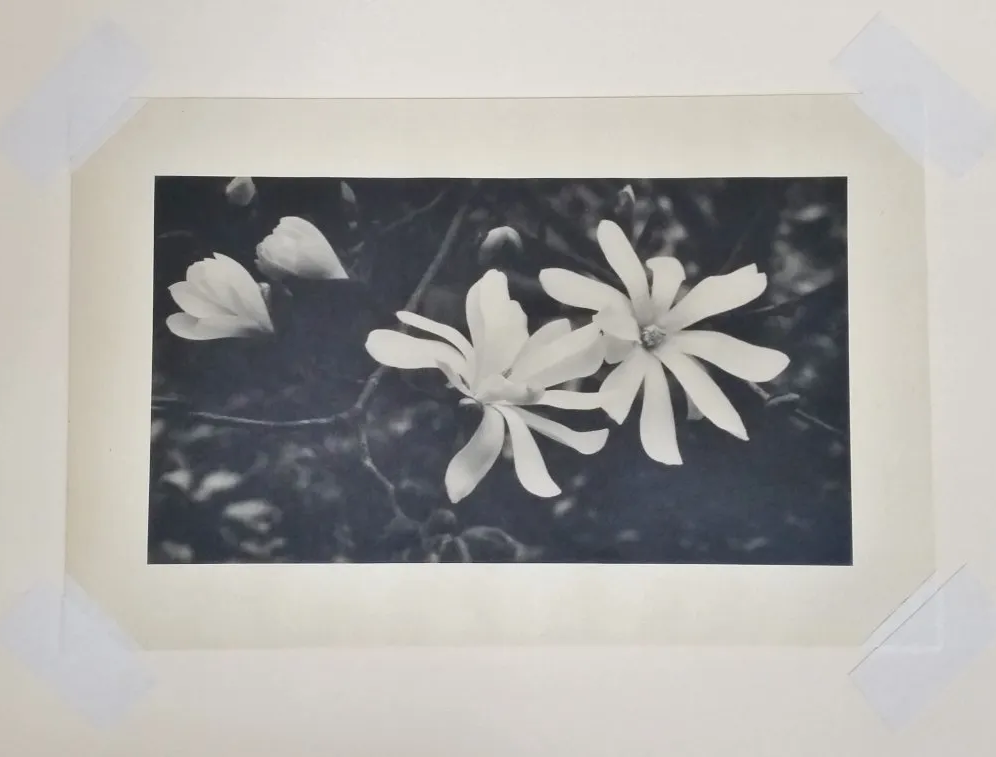
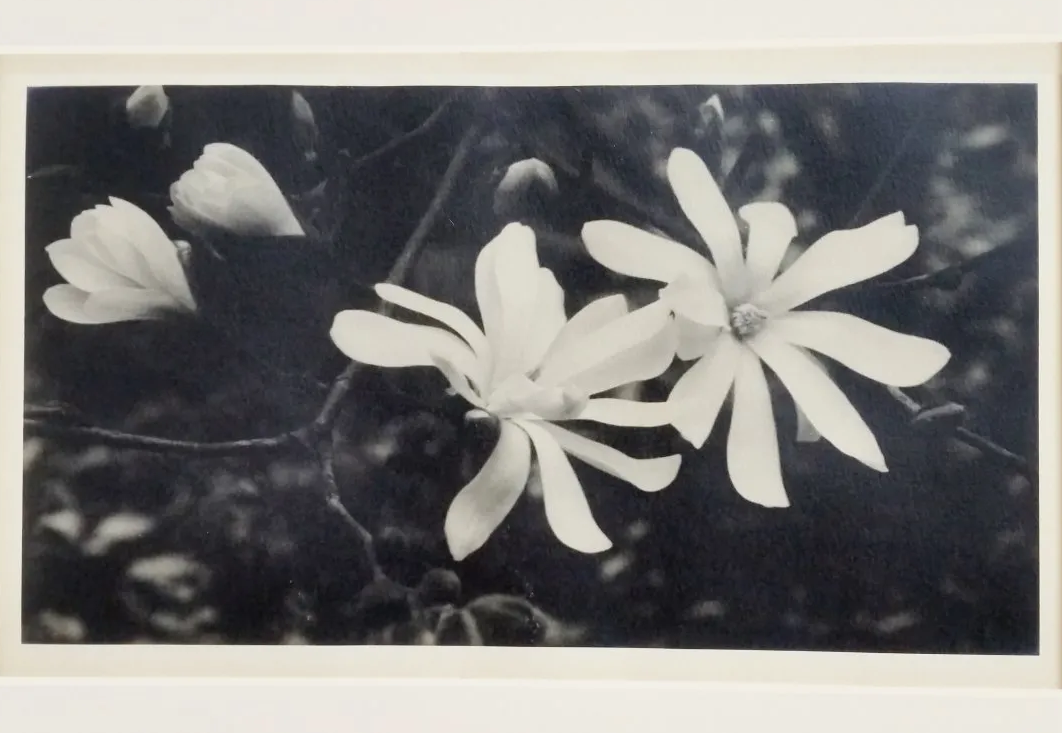
William Edward Dassonville (1879-1957) :: Blossoms, early 20th century | src liveauctioneers
Flower blossoms photographed by William Dassonville; very different from his usual landscape repertoire.
William Edward Dassonville (1879-1957) :: Blossoms, early 20th century | src liveauctioneersWilliam Edward Dassonville (1879-1957) :: Blossoms, early 20th century | src liveauctioneersWilliam Edward Dassonville (1879-1957) :: Blossoms, early 20th century | src liveauctioneers
William E. Dassonville was a California photographer primarily known for his landscapes. He was an associate of Ansel Adams and worked with William Keith, George Stirling, Maynard Dixon, and John Miur. Born in Sacramento, CA, he acted as secretary of the California Camera Club and contributed to Camera Craft. He also invented a velvety surfaced printing paper that he later manufactured commercially (REF: Getty). His chemistry was heralded by Ansel Adams and Imogen Cunningham, and he exhibited alongside Alfred Stieglitz, Clarence White, and Gertrude Kasebier (REF: icp org) | src liveauctioneers
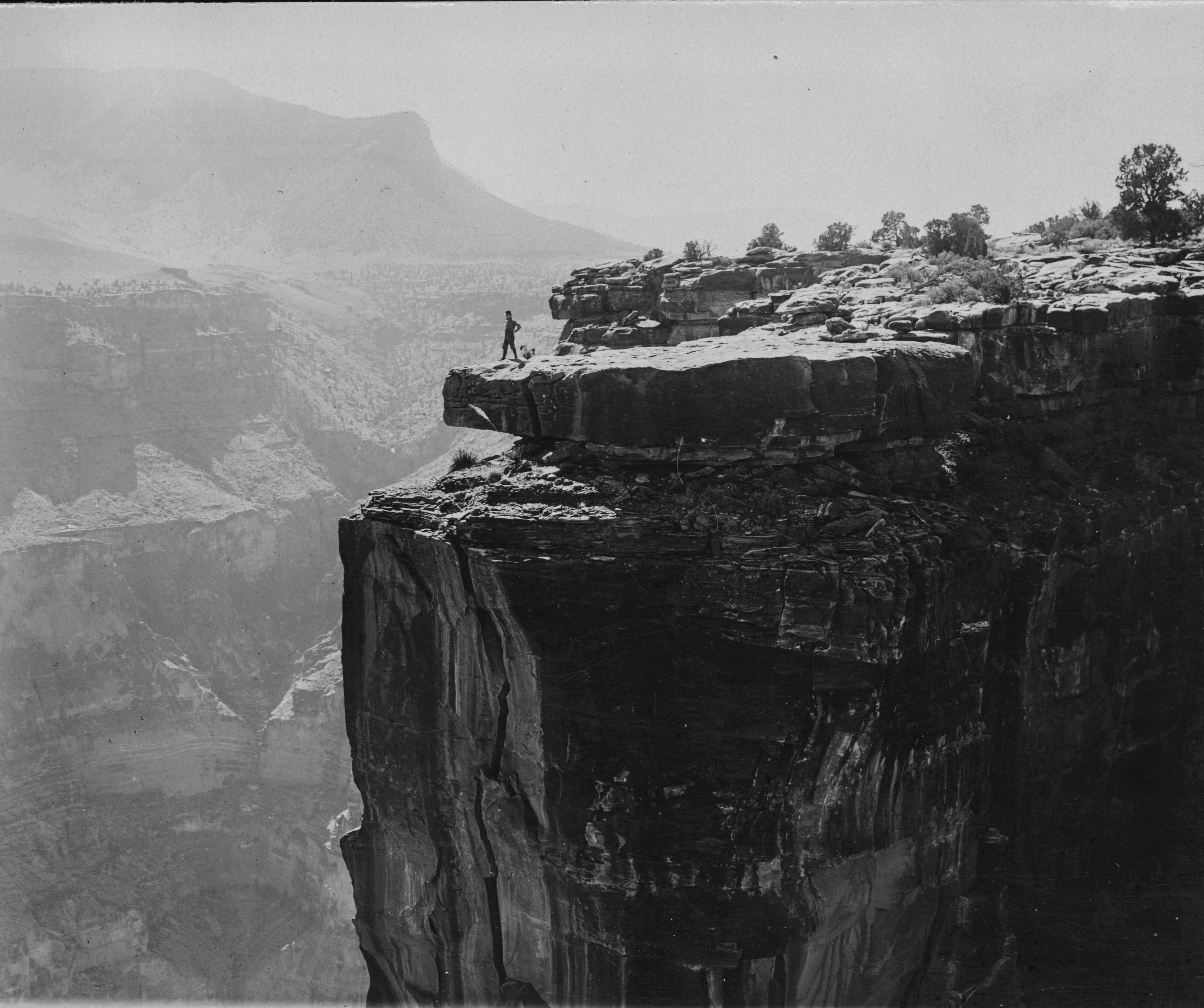
Photograph of a person on the edge of a cliff in the Grand Canyon, Arizona, 1900-1940. | src USC Digital Library
Photograph of a person on the edge of a cliff in the Grand Canyon, Arizona, 1900-1940. A steep and tall cliff can be seen from center towards the right. Trees and boulders are visible on the flat top of the cliff, as well as a person standing at the edge at center. The sides of the cliff are composed of smooth rock, while other canyons and mountains can be seen in the left background.
Photograph of a person on the edge of a cliff in the Grand Canyon, Arizona, 1900-1940. [detail] From the USC Digital Library
Public Domain. Please credit both “University of Southern California. Libraries” and “California Historical Society” as the source. Digitally reproduced by the USC Digital Library
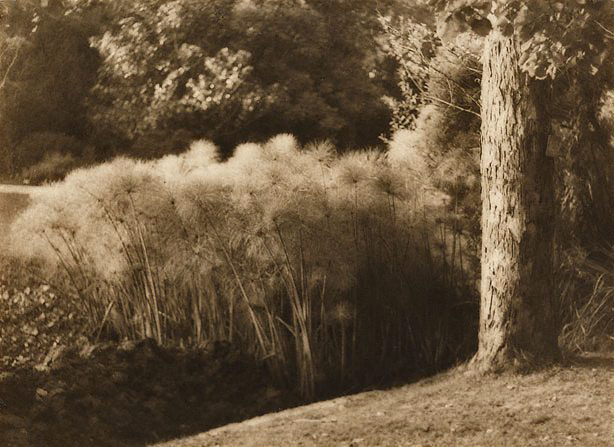
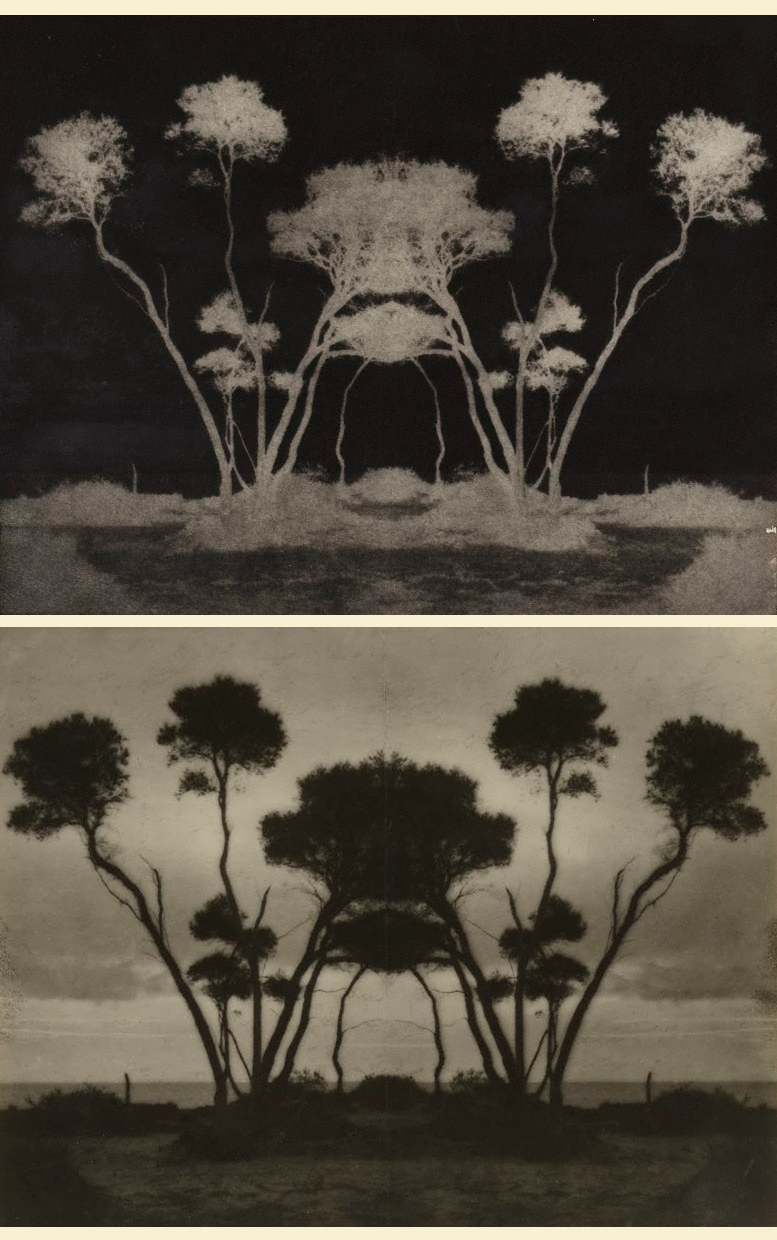
John Kauffmann (1864-1942) ~ Design for a frieze, aka Ti-trees, 1910-1920. Gelatin silver photograph, paper negative (and positive below), retouched with pencil | src Art Gallery NSW






![Photograph of a person on the edge of a cliff in the Grand Canyon, Arizona, 1900-1940. [detail] From the USC Digital Library](https://unregardoblique.com/wp-content/uploads/2023/01/photograph-of-a-person-on-the-edge-of-a-cliff-in-the-grand-canyon-arizona-1900-1940.-src-usc-digital-library.jpg)
 un regard oblique