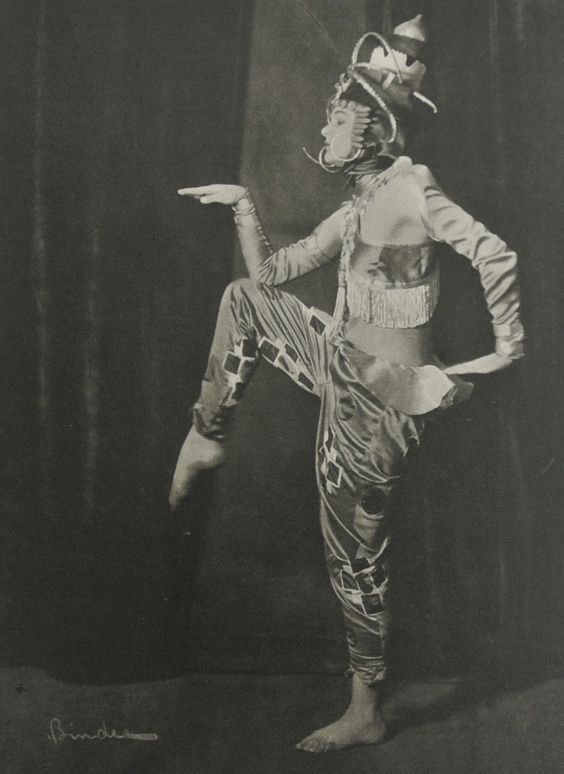
Anita Berber as Bingha
images that haunt us

Dancer
Cinthia Maugham during the inauguration of the Teatrino in Via Galliari in June 1925 (Torino, Italy). The dancer wears a costume by Gigi Chessa created by Lenci. / source: libreria marini


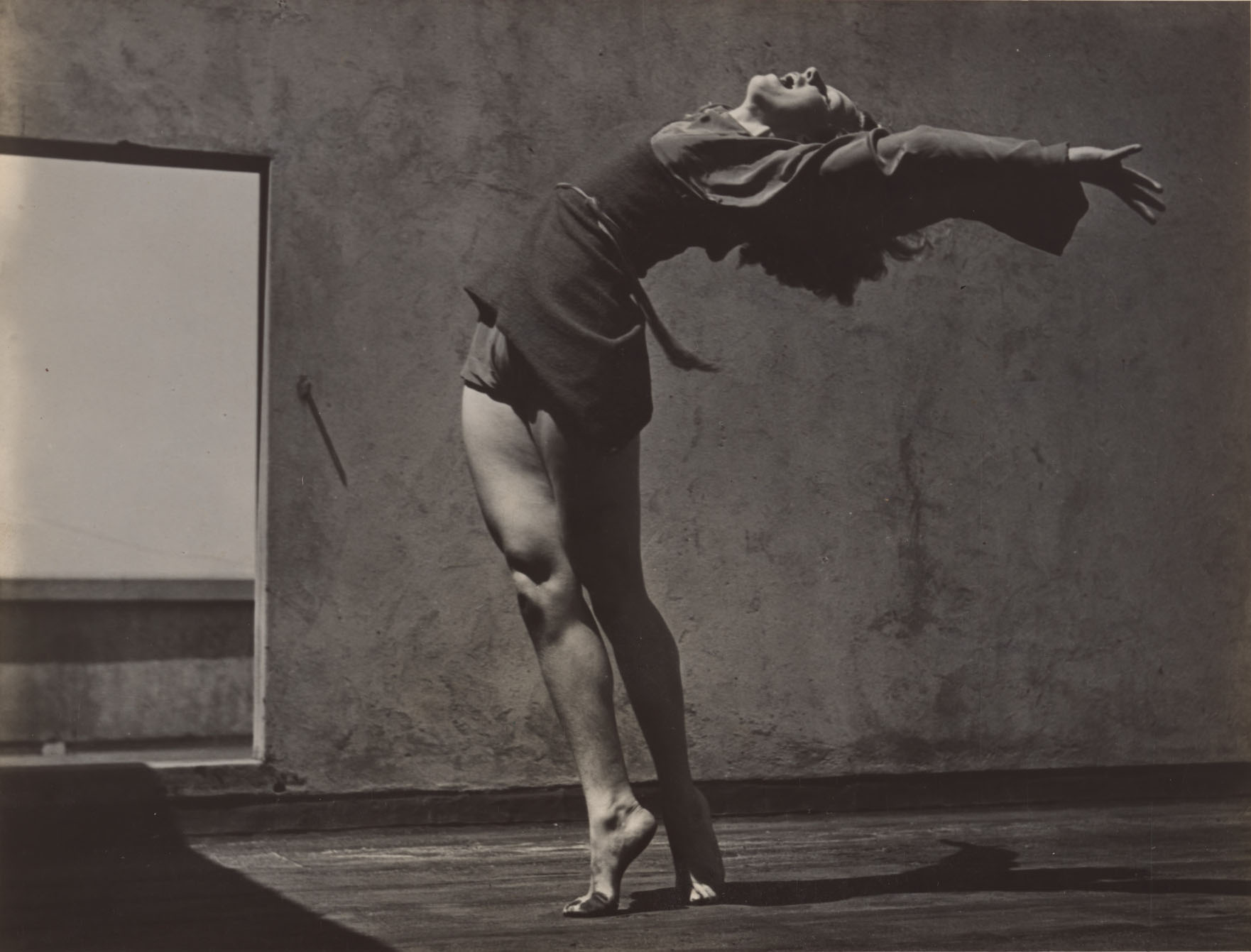


Atelier Setzer* :: German dancers Joachim von Seewitz and Lo Hesse, Vienna, 1918 / from: Sport und Salon
Dancers Lo Hesse and Joachim von Seewitz were active in Munich and Berlin between 1916 and 1920. Their dances relied heavily on extravagantly exotic costumes designed mostly by the Munich expressionist artist Walter Schnackenberg. The couple favoured fantastically Oriental, Venetian, Spanish, or rococo costumes that had the effect of making dance a sign of refined luxury and exquisite voluptuousness.
*Franz Xaver Setzer
/ more [+] by this photographer
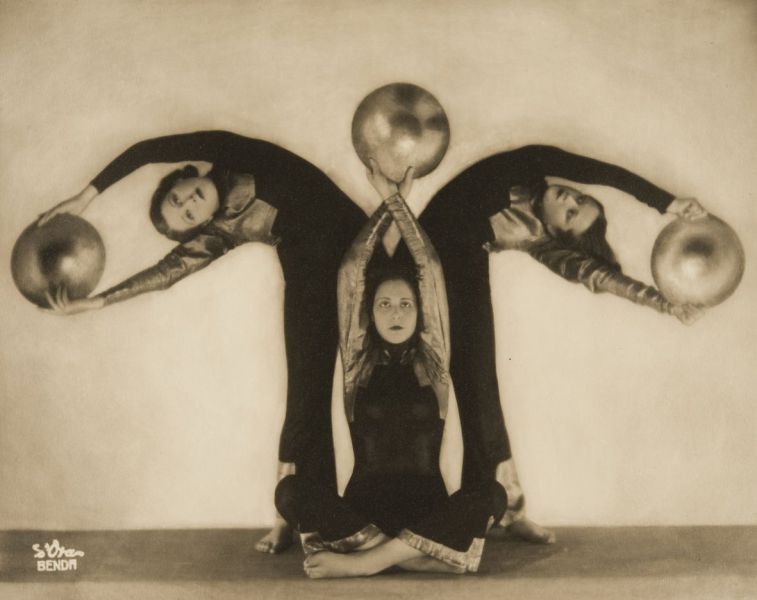

Mary Binney Montgomery in Oramunde, experimental film directed by Emlen Etting in 1933 / full short film on YouTube / source:
A study on the theme of ‘Pelléas et Méllissande’. A female figure, her face hidden by a long veil, dances, twirls, and runs on the shore. She leaps on rocks along the edge of the sea, her veil wafting behind her.
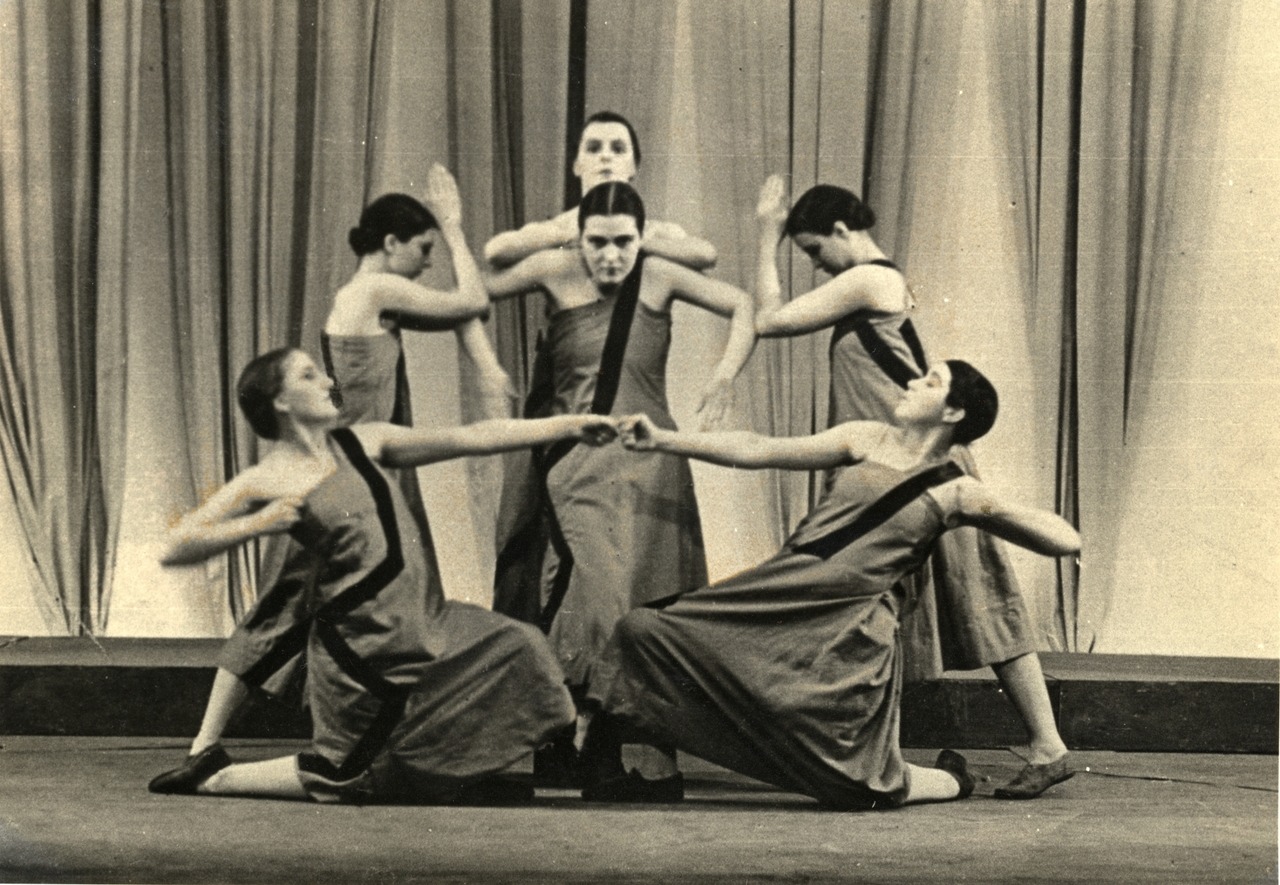
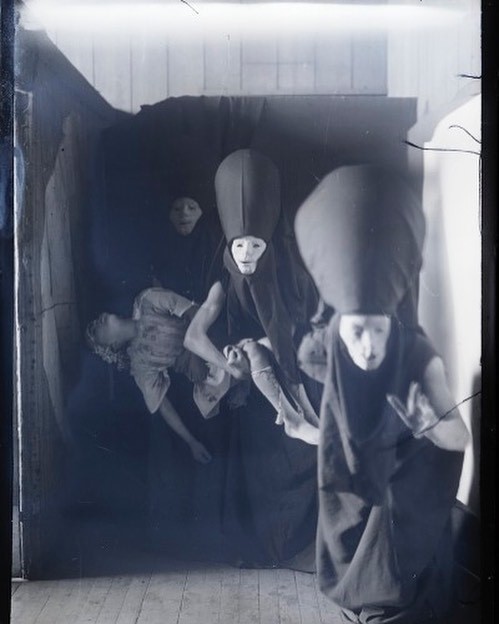
Photograph of Rout (1927) choreographed and performed by
Ninette de Valois, (centre) and performed by her students. Although her
work was rooted in Classical ballet, de Valois’ early choreography was
experimental, and influenced by German Expressionist dance. Photographer
unknown.
more [+]
Ninette de Valois
posts
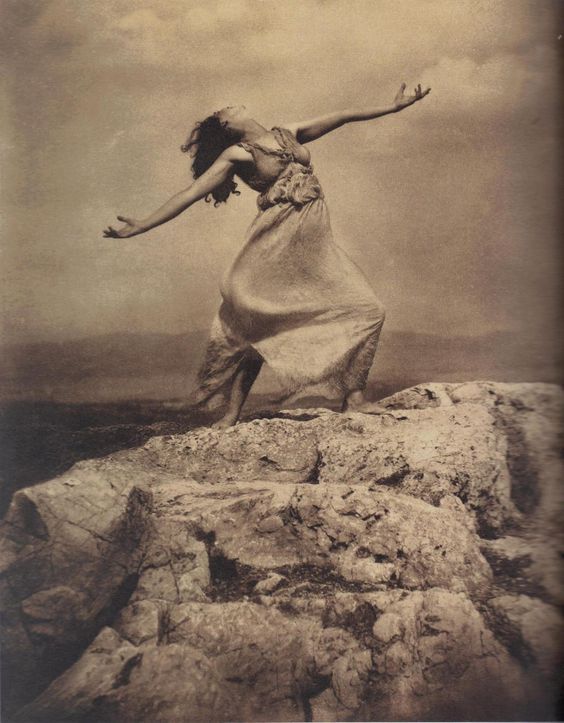
Edward Steichen :: Thérèse Duncan, adopted daughter of Isadora Duncan, on the Acropolis, Athens, 1921. From Edward Steichen: Lives in Photography, by Todd Brandow and William A. Ewing, Foundation for the Exhibition of Photography, and the Musee de l’Elysee, Lausanne, 2007. / src: pinterest, original src, thanks to reality asylum
related post, here /
more [+] by Edward Steichen

Edward Steichen :: Thérèse Duncan, Isadora Duncan daughter, at the Acropolis, Athens, 1921 / src: Stephen Ellcock on instagram
more [+] by Edward Steichen
Note: ‘Isadora’s adopted daughter, Thérèse, agreed to pose for
Steichen’s camera, and, in his autobiography, he described their session which produced more interesting results: “She was a living reincarnation of a Greek nymph. Once, while photographing the Parthenon, I lost sight of her, but I could hear her. When I asked where she was, she raised her arms in answer. I swung the camera around and photographed her arms against the background of the Erechtheum.”’
(A Life in Photography, chap. 6). source of text
 un regard oblique