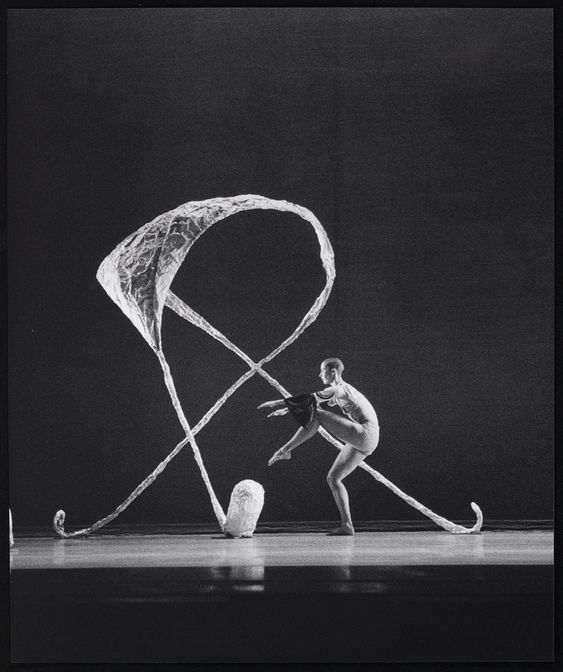
Demon Machine, 1930s

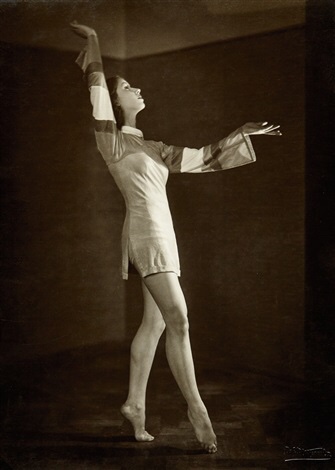
Ernst Sand :: De “machine, uitgebeeld door het Bodenwieser Ballet. Demon Machine performed by the Bodenwieser Ballet. Undated, probably 1930s.| src Archief Het Leven [Leven 022] Nationaal Archief
Atelier dʼOra-Benda :: Poses from The Demon Machine, 1936 | src National Library of Australia

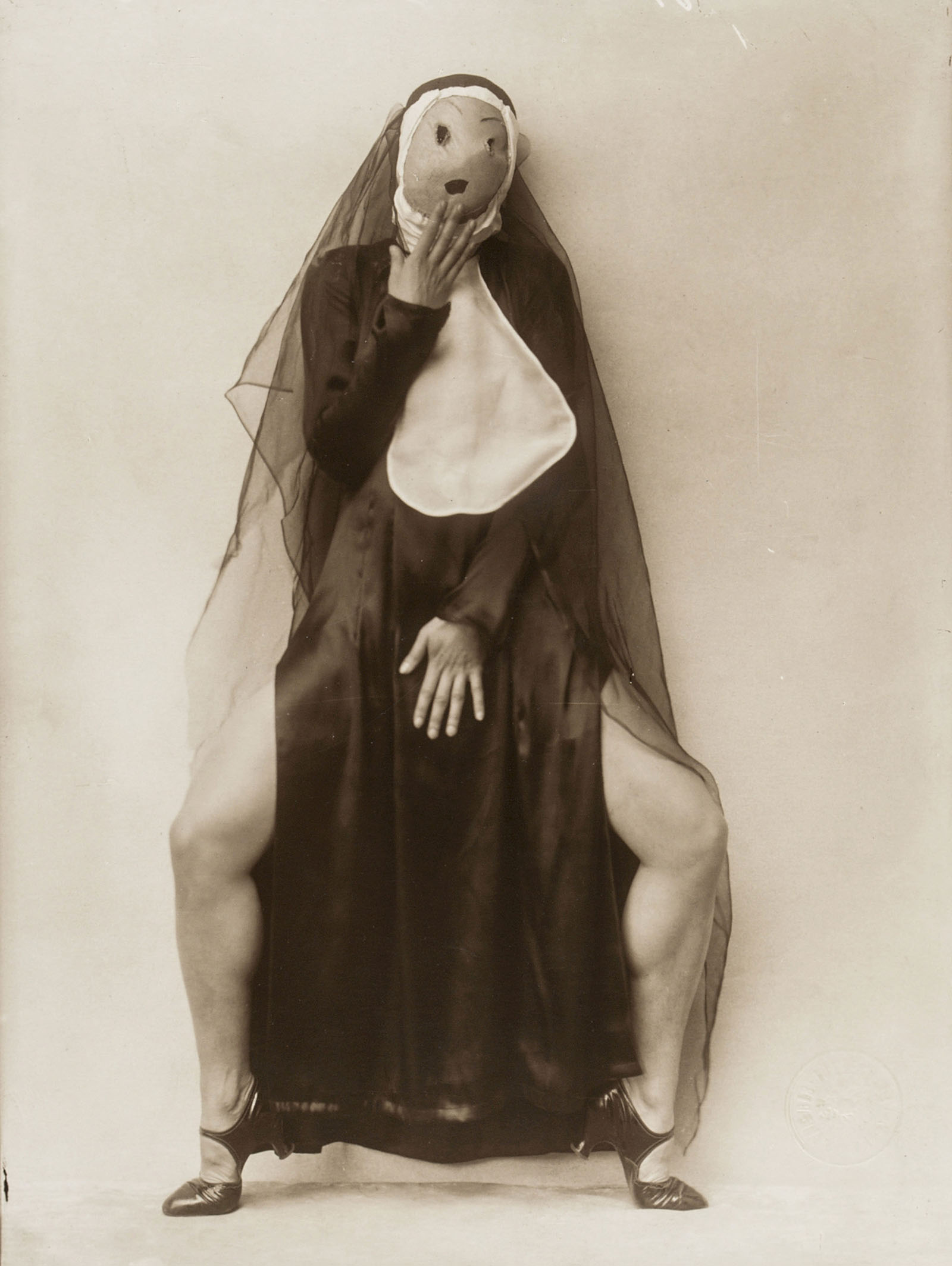
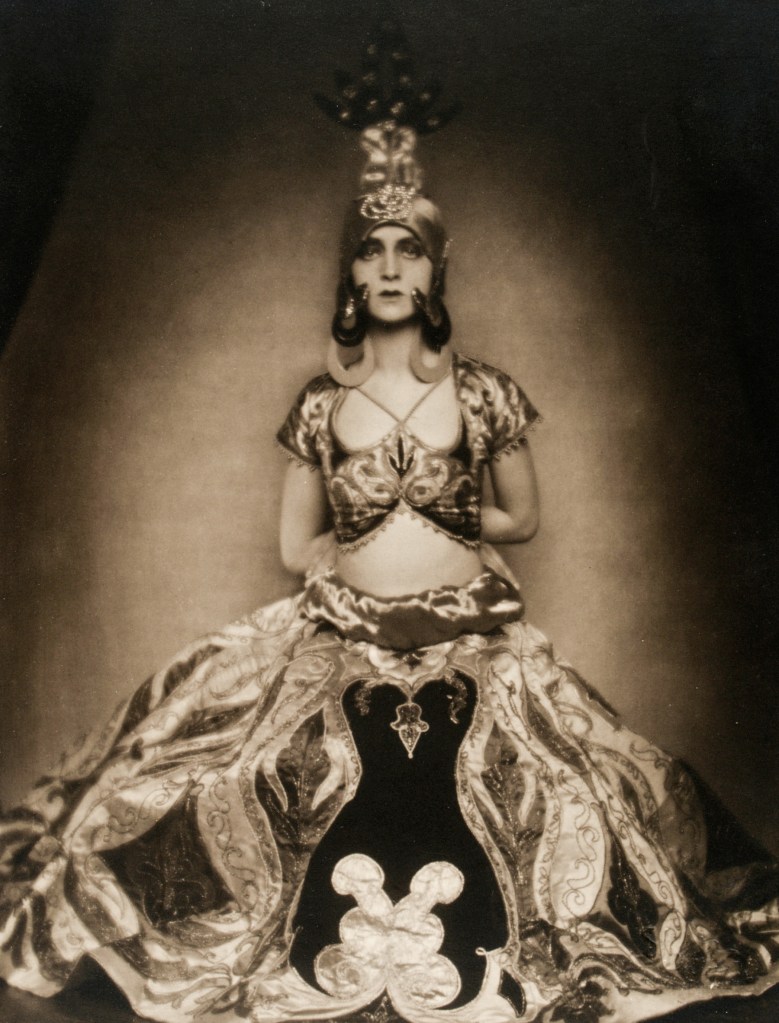
Mura Ziperowitsch, 1920s

Mura Ziperowitsch, Wien, 1920er Jahre, Foto Anonym, O. J. (Anonymous photographer) | src Alles tanzt Ausstellung @ Theatermuseum © KHM-Museumsverband

Role models. Many female dancers dealt with given role structures and criticized gender specific role attributions. The nun is seen as embodiment of a nonsexual woman who dedicates her life to God. Hence the play with the nun’s costume is a game with female physicality and sexuality. Here we meet Mura Ziperowitsch, who by wearing a nun similar costume refers to the female corporality.

source Vienna Pride at Kunsthistorisches Museum Wien
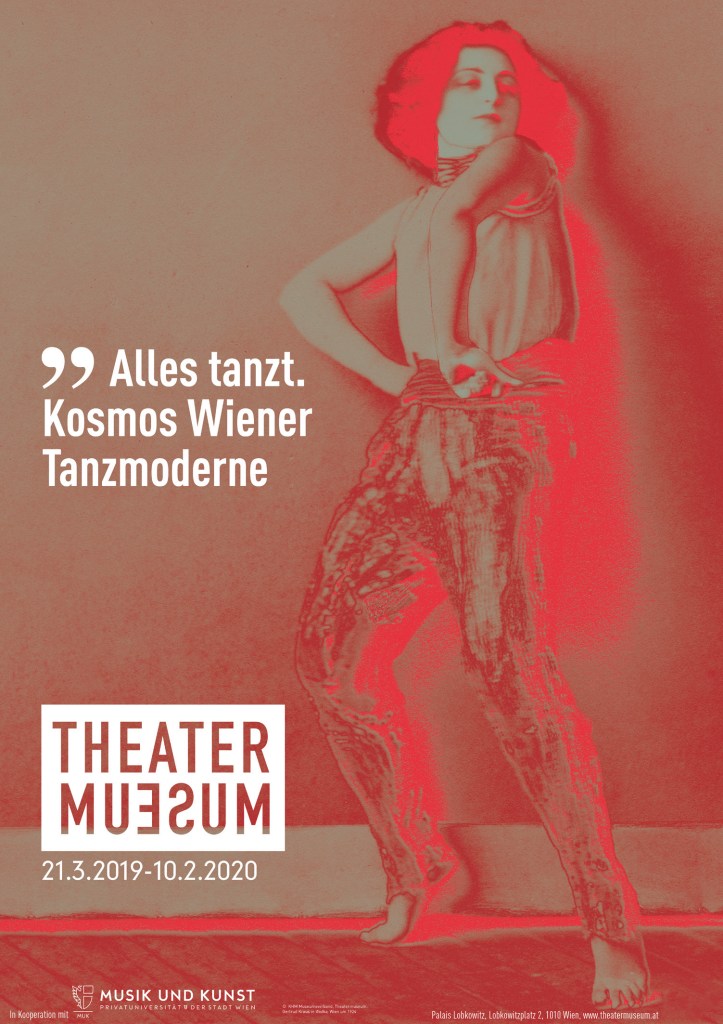
«Alles tanzt. Kosmos Wiener Tanzmoderne»

Plakat zur Ausstellung | Poster for the exhibition «Alles tanzt. Kosmos Wiener Tanzmoderne». | src and hi-res Theatermuseum © KHM-Museumsverband

Rosalia Chladek, 1925

Rosalia Chladek im Vorraum zum Festsaal der Schule Hellerau für Rhythmus, Musik und Körperbildung, Dresden, 1925. | Rosalia Chladek in the anteroom to the festival hall of the Hellerau School for Rhythm, Music and Physical Education, Dresden, 1925. | src and hi-res Theatermuseum, Wien

Hilde Holger by Antios, 1925

Anton Josef Trčka (1893 - 1940) :: Portrait of the Dancer Hilde Holger (1905-2001), 1925. | src Getty Images
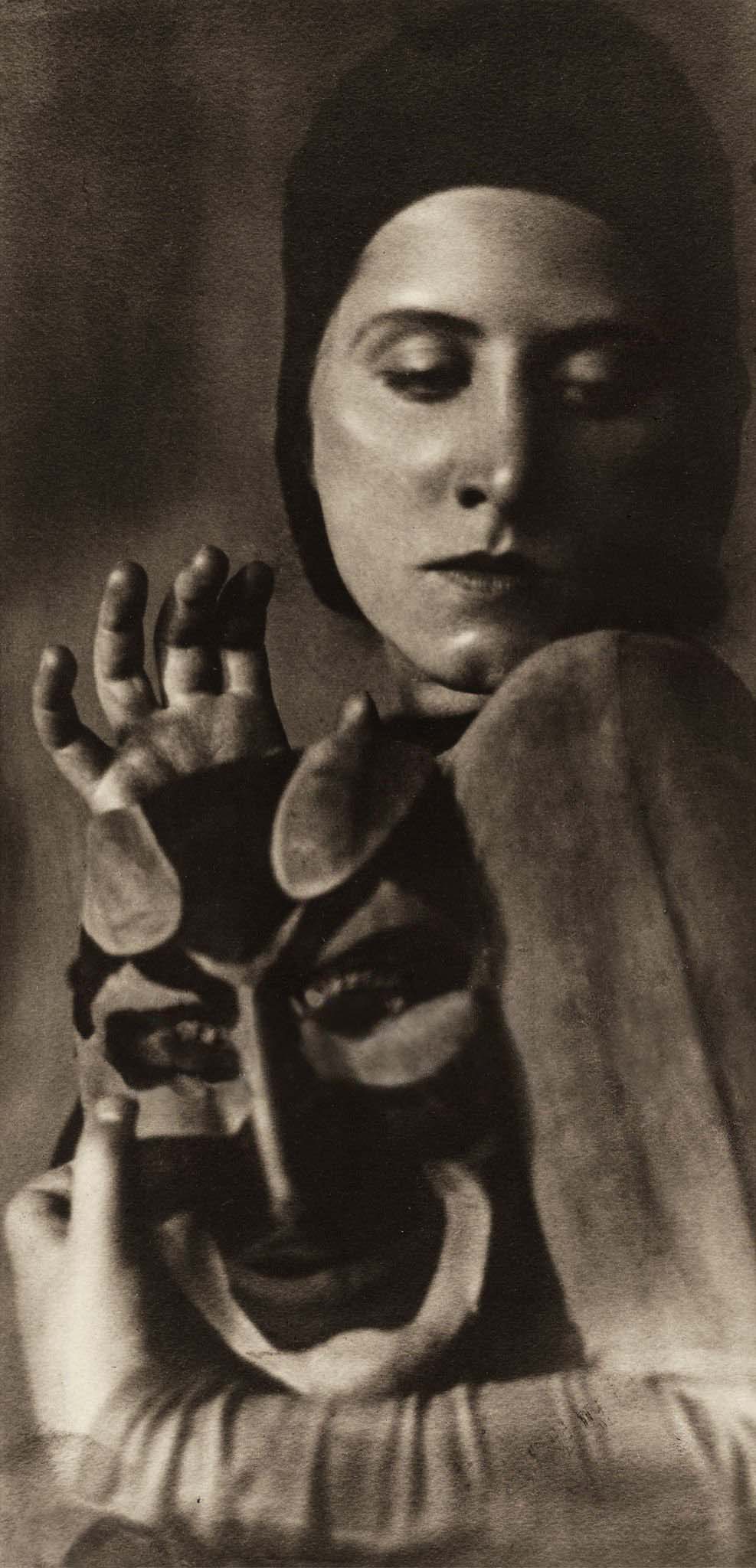
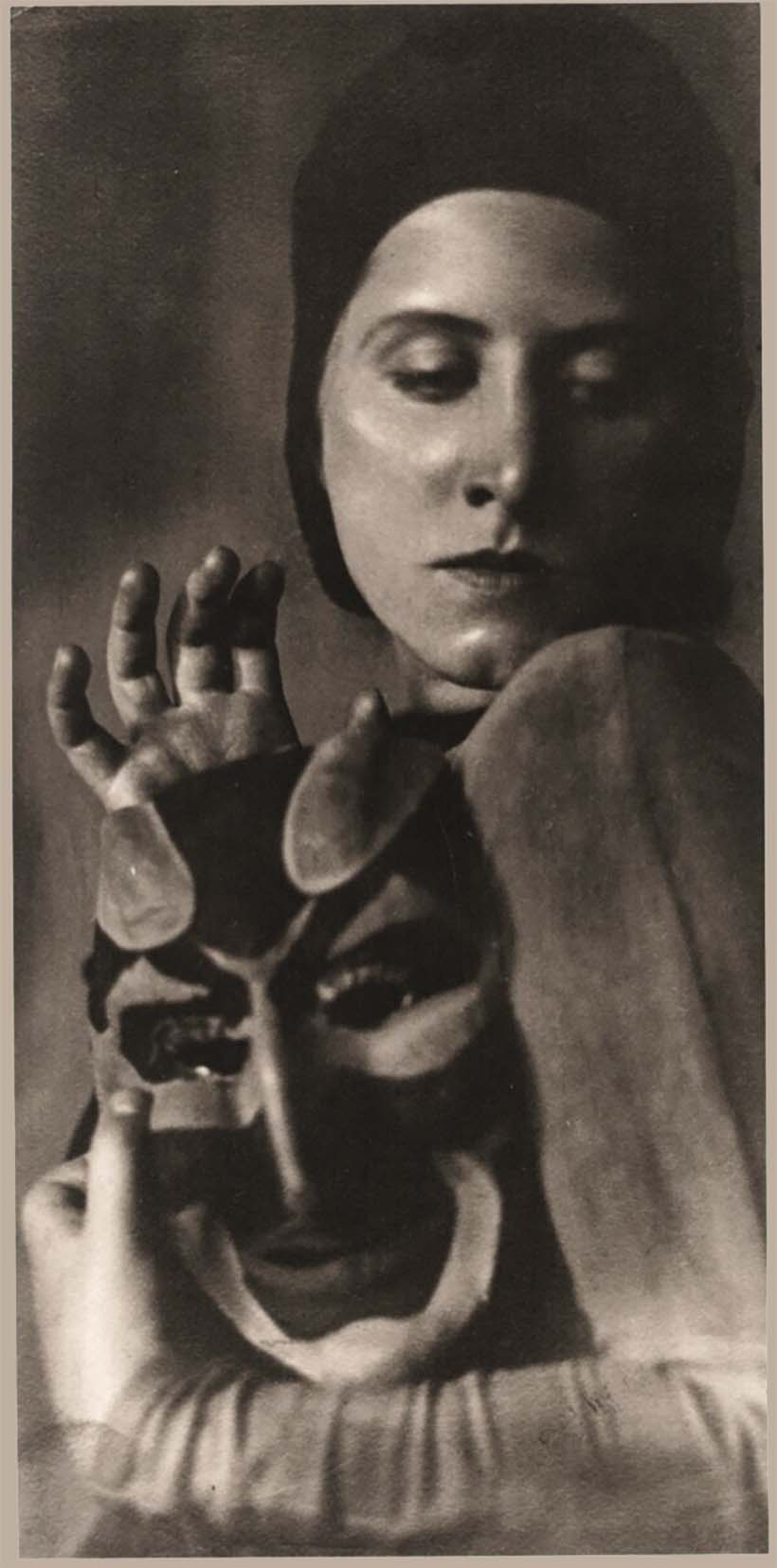
Anton Josef Trčka (1893 – 1940) :: Portrait of the Dancer Hilde Holger (1905-2001), 1925. | src Getty Images
Anton Josef Trčka (1893 – 1940) :: Die Tänzerin Hilde Holger mit Maske, 1925. Bromsilbergelatinepapier, auf Untersatzkarton. | src Albertina Museum