Lucia Joyce in Marche militaire

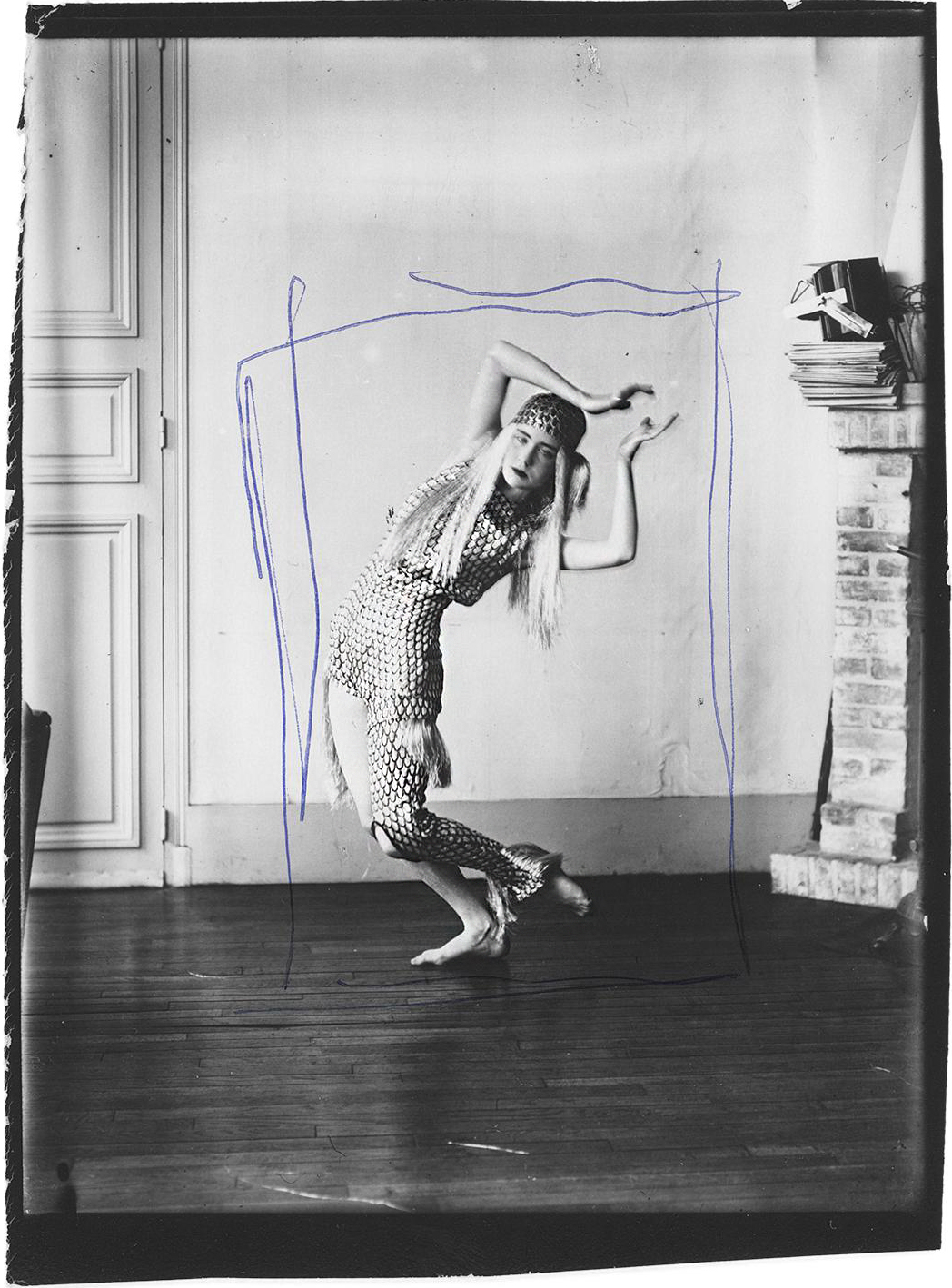
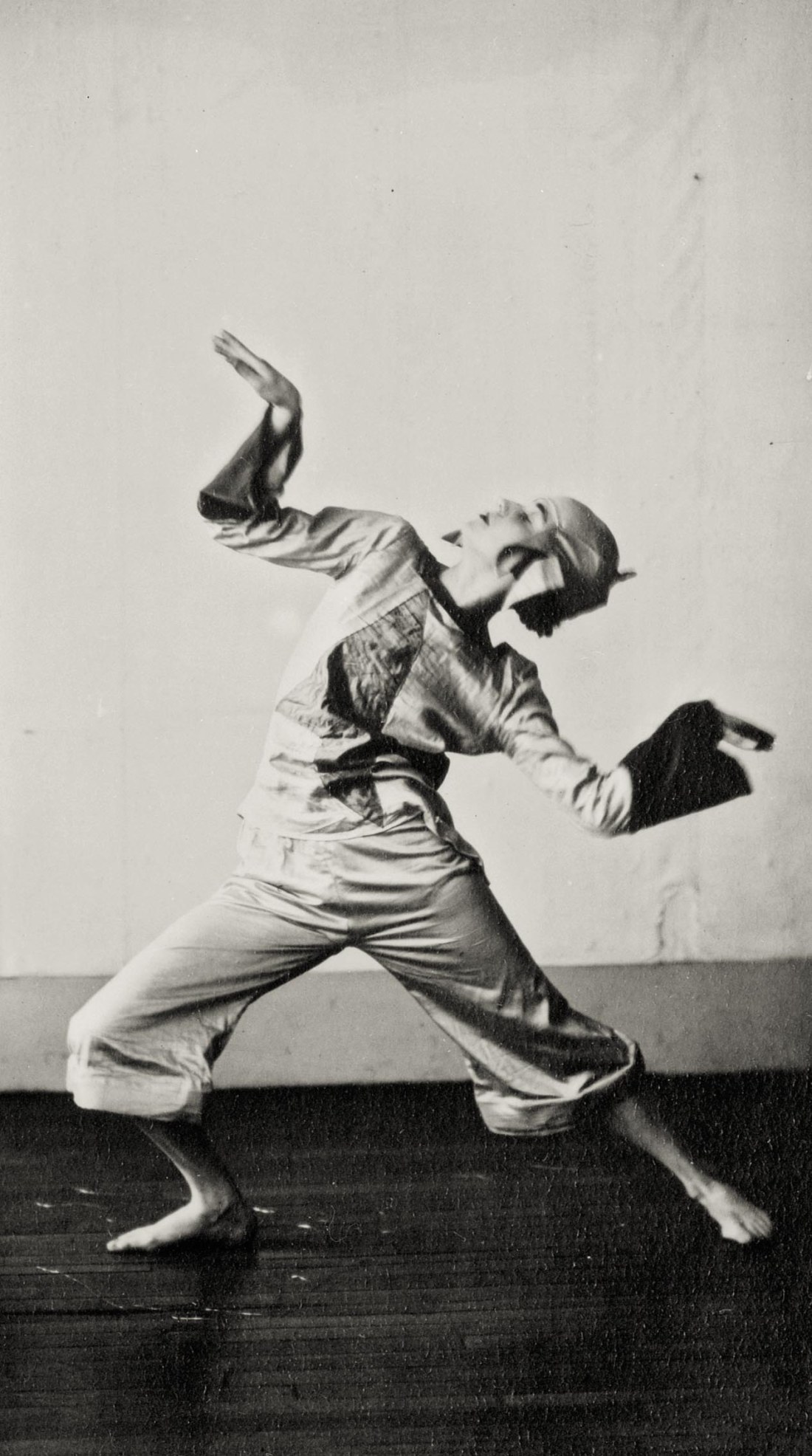
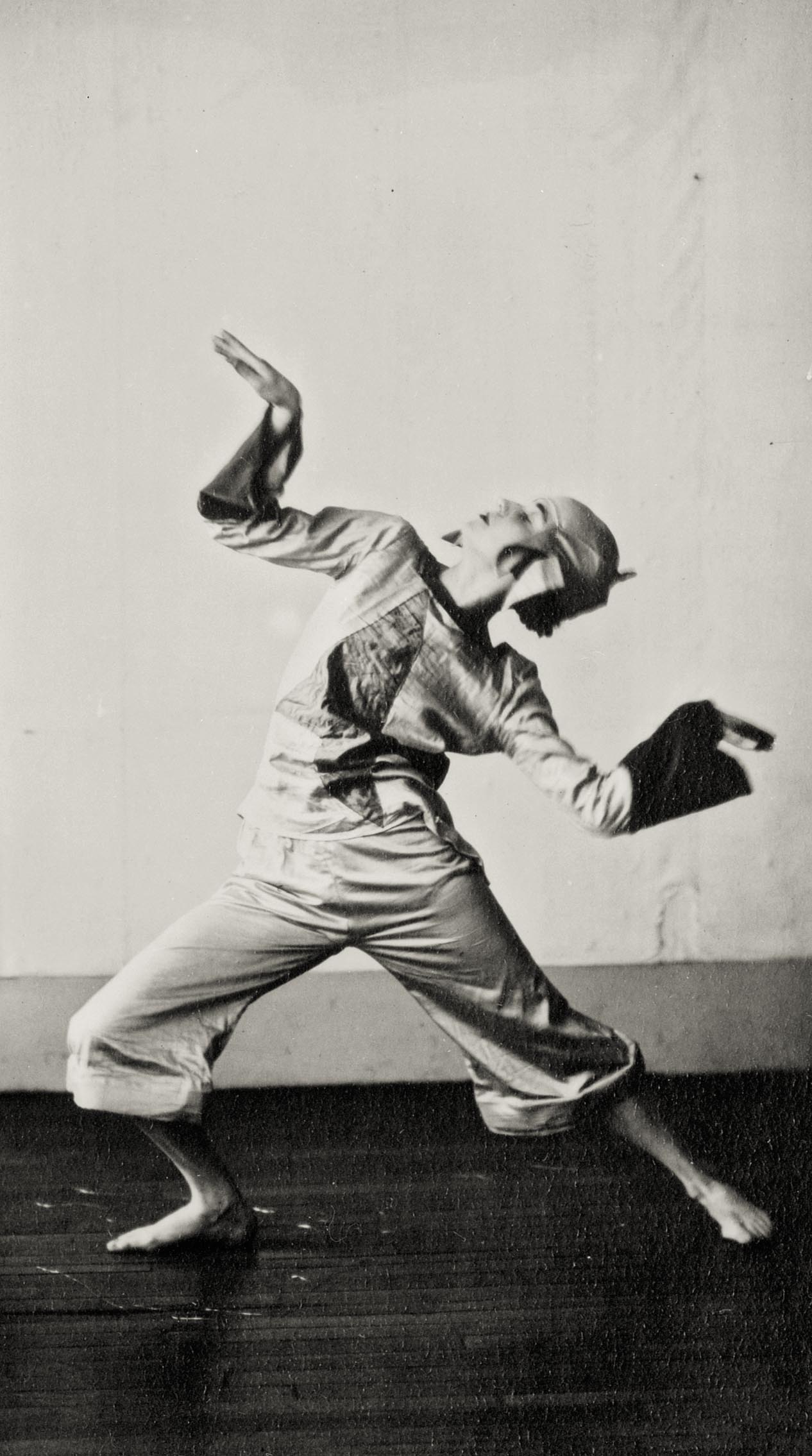
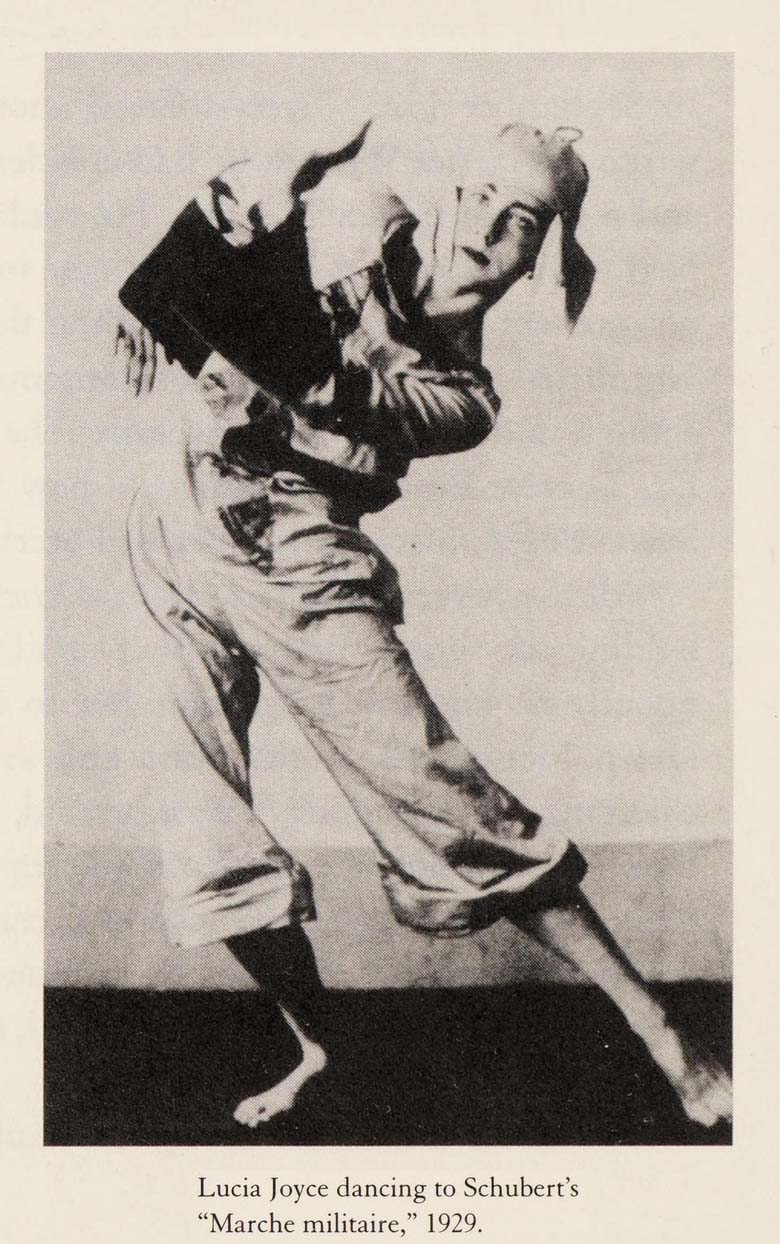
Bérénice Abbott :: Lucia Joyce dancing to Schubert's "Marche militaire", 1929. | src Raidió Teilifís Éireann, Ireland's National Public Service Media and IA: Lucia Joyce : to dance in the wake by Carol Loeb Schloss
Bérénice Abbott :: Lucia Joyce dancing to Schubert’s “Marche militaire”, 1929 | src Raidió Teilifís Éireann, Ireland’s National Public Service Media
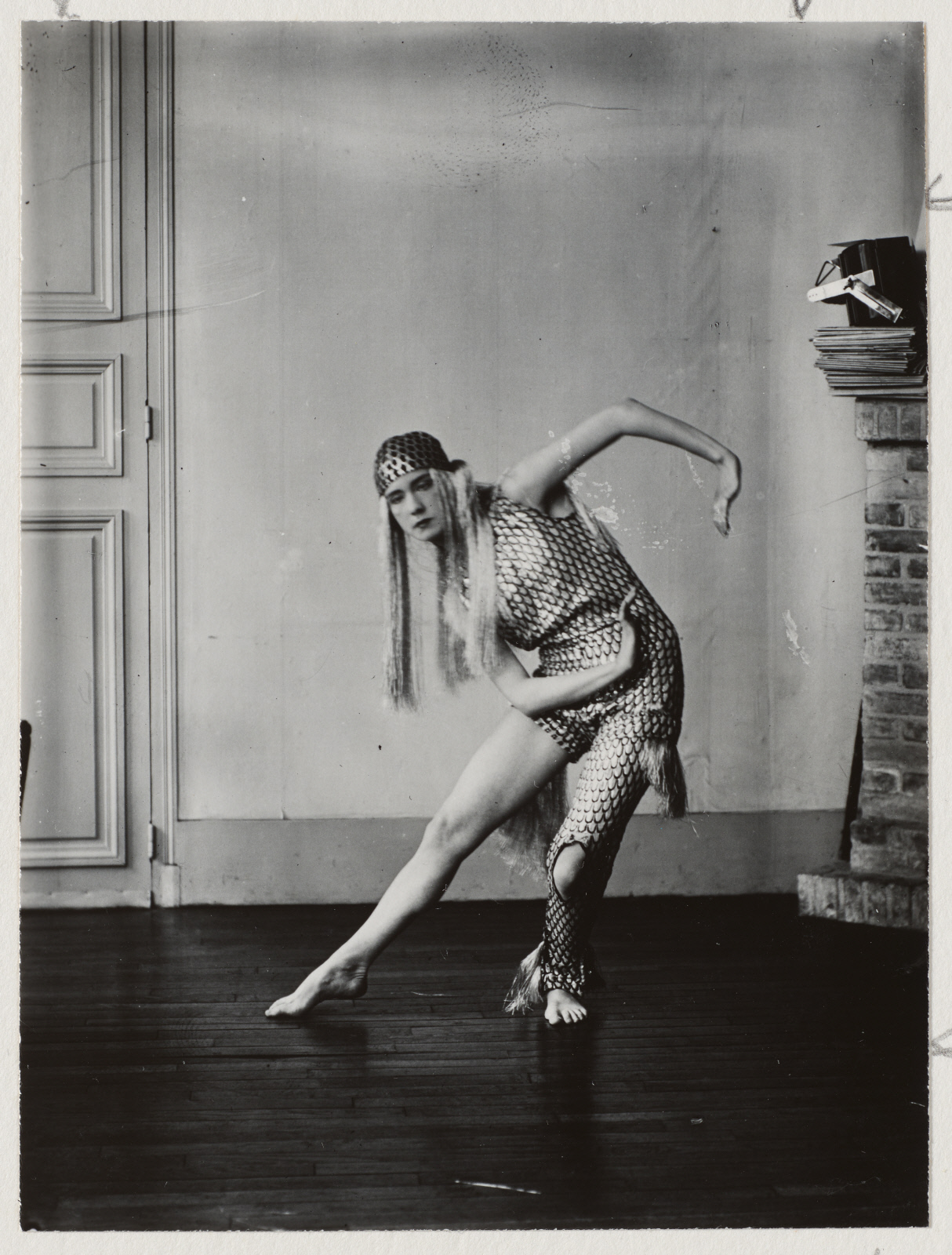
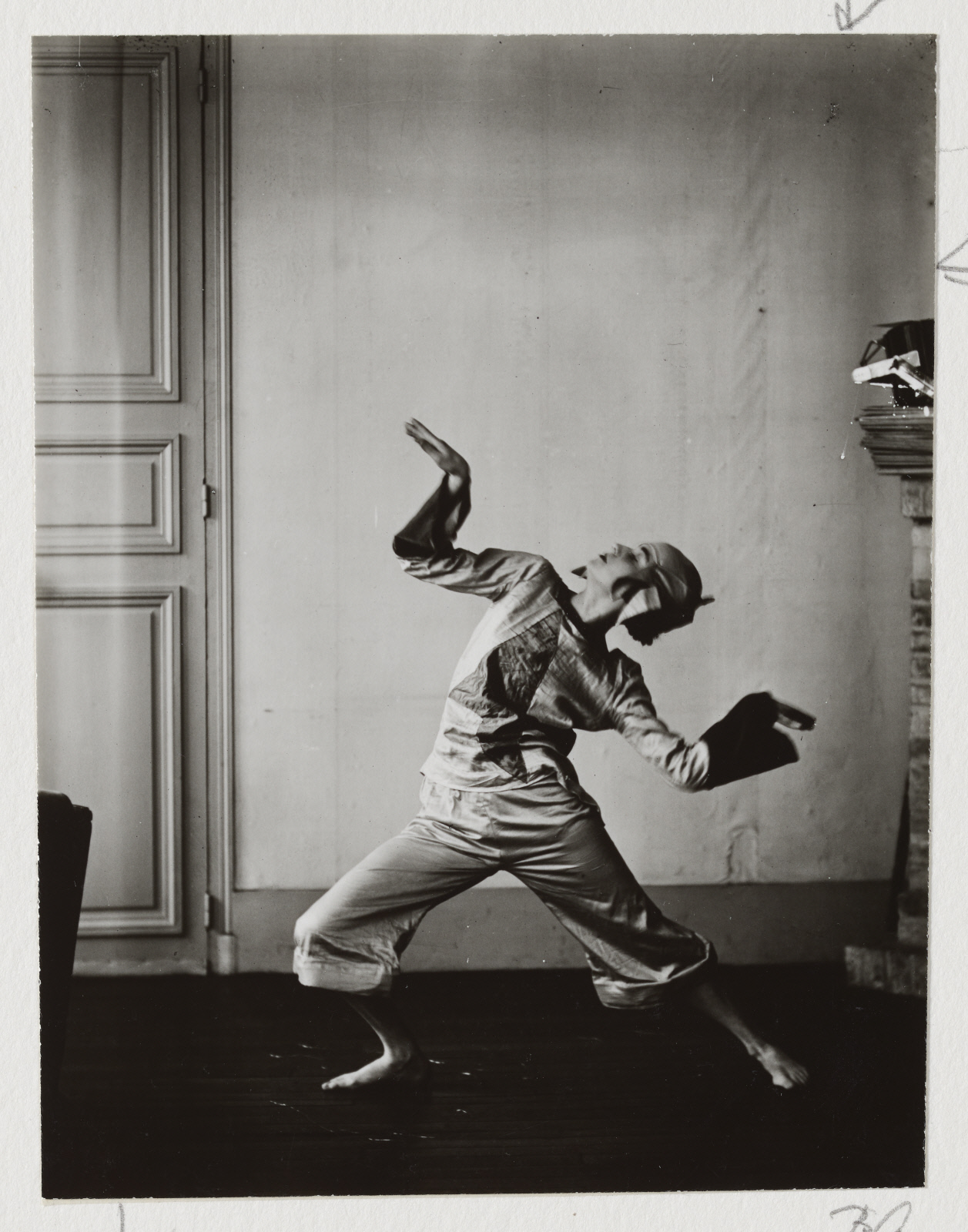
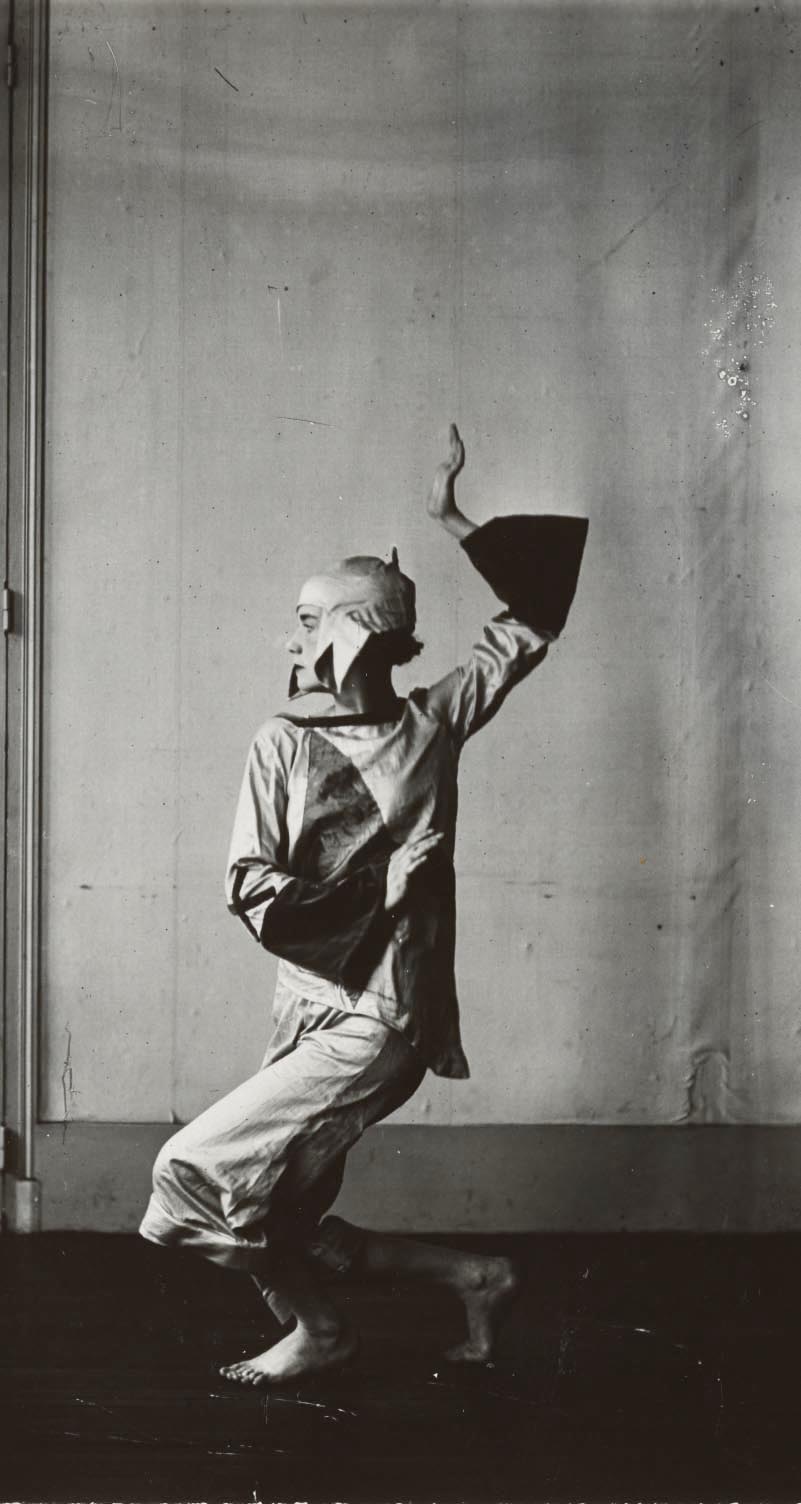
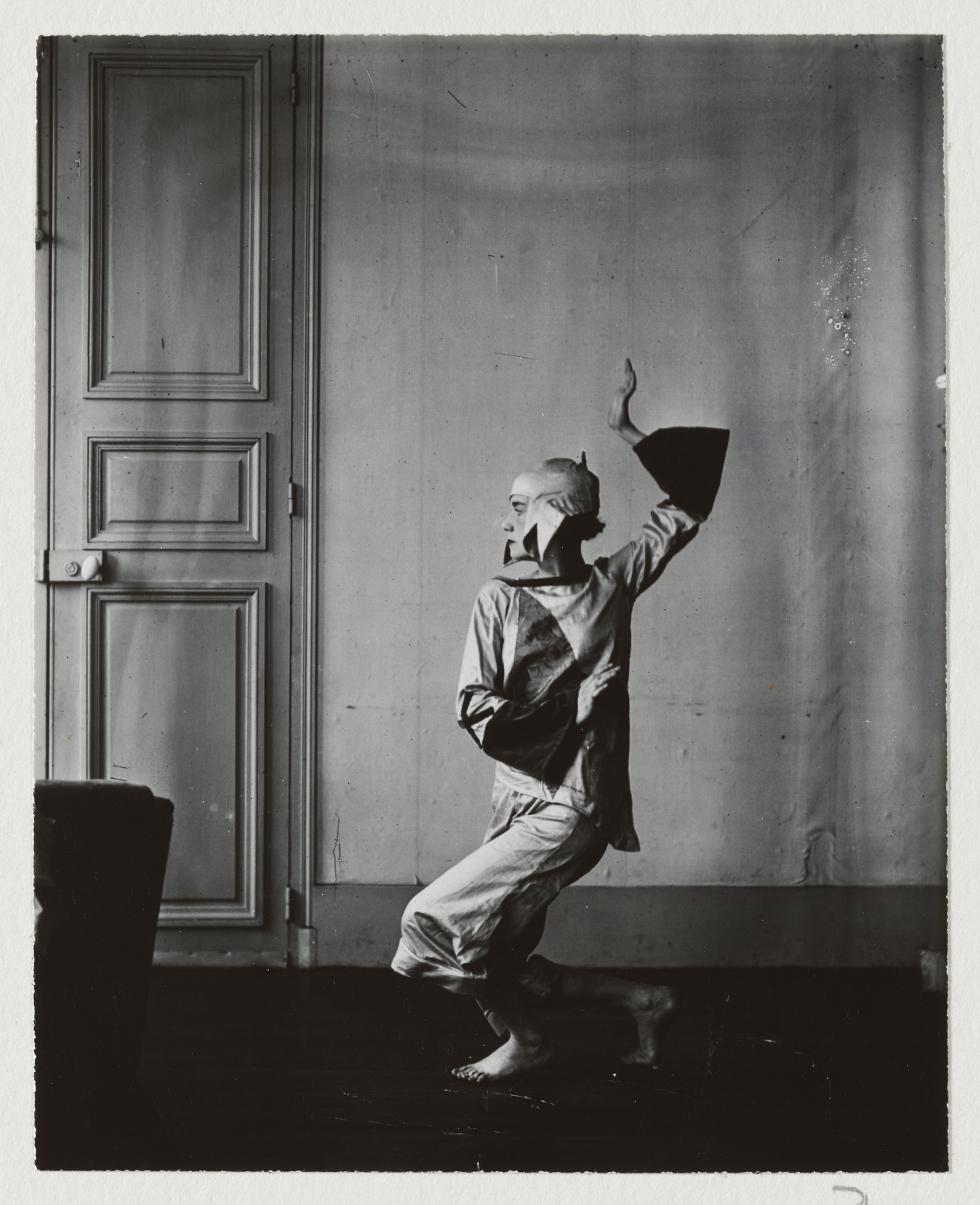
Berenice Abbott :: Portrait of Lucia Joyce, 1926–1927, printed 1982. Gelatin silver print. | src The Clark
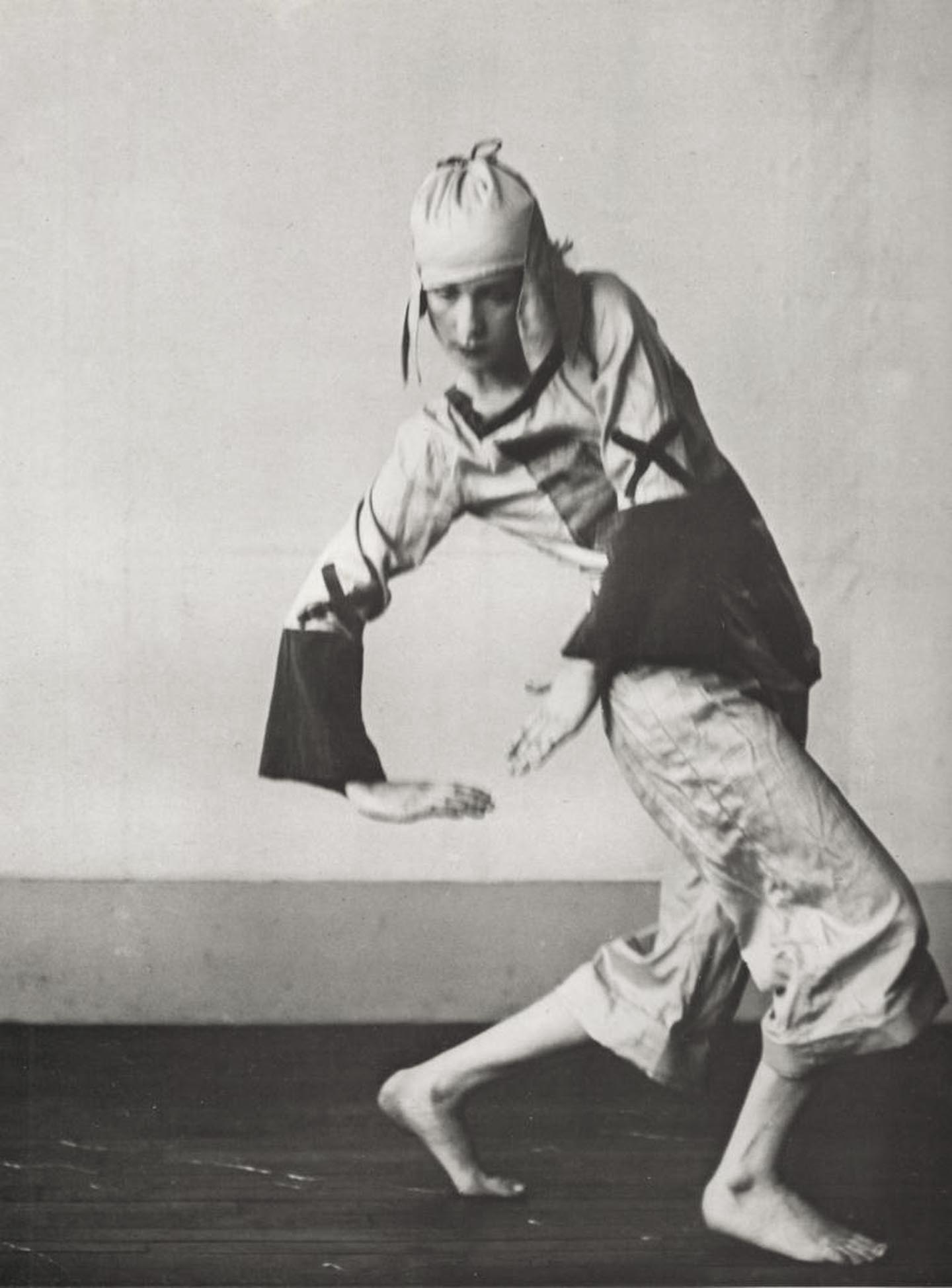
Bérénice Abbott :: Lucia Joyce (in the same costume as above, probably dancing to Schubert’s “Marche militaire”), ca. 1927. | src AnOther Mag
Berenice Abbott :: Portrait of Lucia Joyce, 1926–1927, printed 1982. Gelatin silver print. | src The Clark
Berenice Abbott :: Portrait of Lucia Joyce (in the costume used for dancing to Schubert’s “Marche militaire”), 1926–1927, printed 1982. Gelatin silver print. | src The Clark
Berenice Abbott :: Portrait of Lucia Joyce, 1926–1927, printed 1982. Gelatin silver print. | src The Clark
Berenice Abbott :: Lucia Joyce dancing to Schubert's "Marche militaire", 1929. | src Lucia Joyce : to dance in the wake by Carol Loeb Schloss at IA
Berenice Abbott :: Lucia Joyce dancing to Schubert’s “Marche militaire”, 1929. | src Lucia Joyce : to dance in the wake by Carol Loeb Schloss at IA

Dancer Áine Stapleton talks about her film Horrible Creature, a ‘creative investigation’ of the life of Lucia Joyce
I’ve been creatively investigating the biography of Lucia Joyce (daughter of the writer James Joyce) since 2014, through both choreography and film.
Lucia once commented to a family friend in Paris that she wanted to ‘do something’. She wanted to make a difference and to creatively have an impact on the world around her. Dancing was her way of having an impact. She trained hard for many years and worked with various avant-garde teachers including Raymond Duncan. She created her own costumes, choreographed for opera, entered high profile dance competitions in Paris, and even started her own dance physical training business after apprenticing with modern dance pioneer Margaret Morris.
Until this time she had lived almost entirely under the control of her family, and had to share a bedroom with her parents well into her teens. I imagine that dancing must have been a revolutionary feeling for her, and would have offered her an opportunity to process her chaotic and sometimes toxic upbringing. It was during these dancing years that she was finally allowed to spend some time away from her family, but this freedom did not last long. Her father’s artistic needs and his sexist disregard for her career choice interrupted her training at a vital stage. She was forced to stop dancing, and the circumstances surrounding this time remain unclear. I do not believe that she herself made the decision to quit dancing. Lucia was incarcerated by her brother in 1934, and then remained in asylums for 47 years. She died in 1982 and is buried in Northampton England, close to her last psychiatric hospital.
I’ve read Lucia’s writings repeatedly over the last four years, and my opinion of her hasn’t changed. She was a kind, funny, intelligent, creative and loving person. After her father James’ death in 1941, she had one visit from her brother and no contact from her mother, yet she only writes good things about her family. She was consistently thankful to those people who made contact with her during her many years stuck in psychiatric care. She appreciated small offerings from friends, such as an additional few pounds to buy cigarettes, a radio to keep her company, a new pair of shoes or a winter coat, all of which seemed to offer her some comfort in her later years.
I have no interest in romanticising Lucia’s relationship with her father. I also don’t believe that she was schizophrenic. I think that whatever mental strain Lucia experienced was brought on by those closest to her. Her supposed fits of rage or out of the ordinary behaviour only brought to light her suffering. We know that many women have been mistreated and silenced throughout history. Why do we still play along with a romanticised version of abuse? And why is James and Lucia’s relationship, or ‘erotic bond’ as Samuel Beckett described it, regarded as an almost tragic love story?
Horrible Creature (2020) examines Lucia’s story in her own words, and also focuses on the environment which shaped her during this time. The work attempts to tap into that invisible energy that can provide each of us with a real sense of aliveness and connectedness to the world around us, even in moments of great suffering.
Quoted from Raidió Teilifís Éireann, Ireland’s National Public Service Media
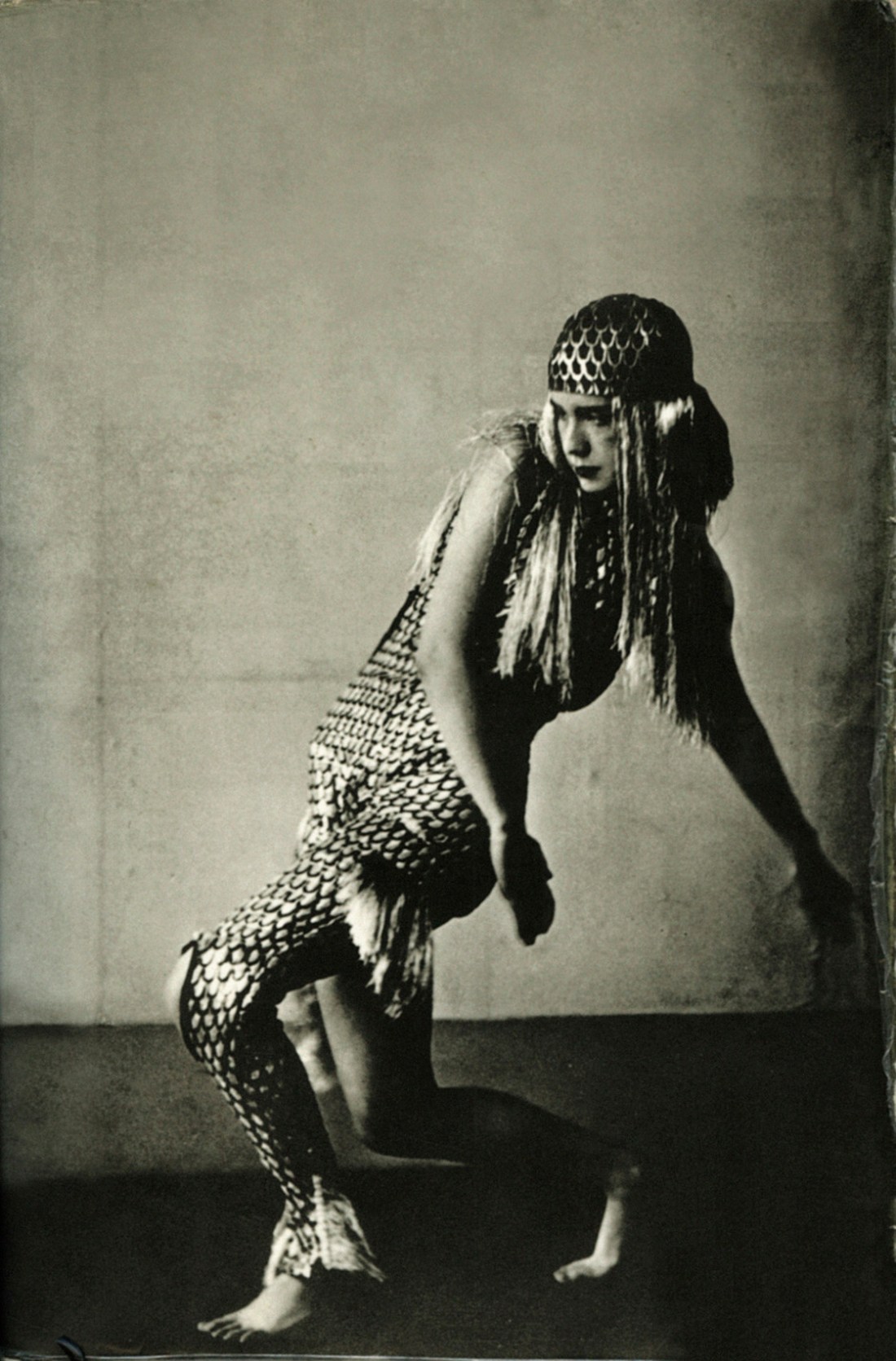
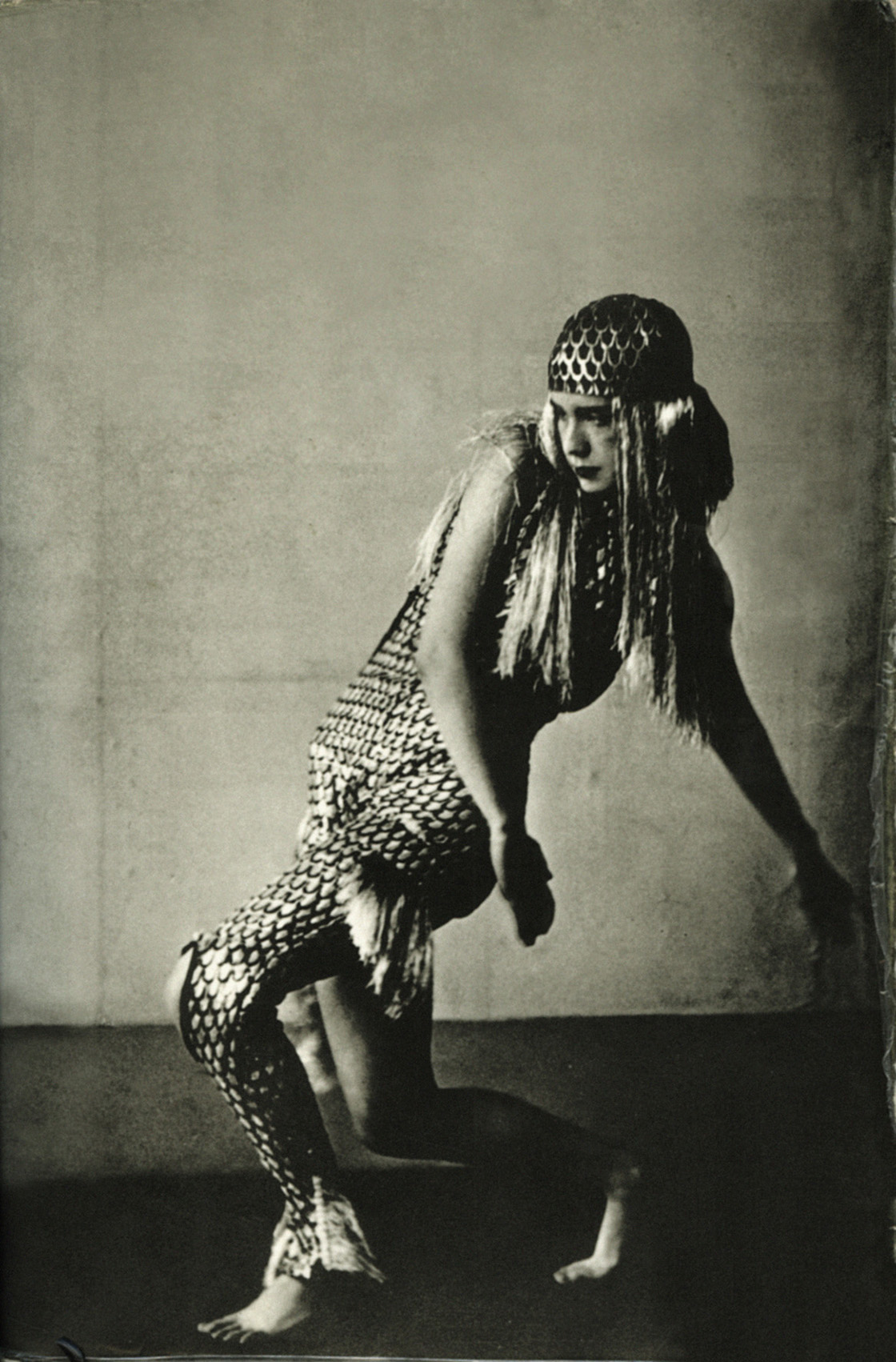
Lucia Joyce, Paris, 1927-1929

Lucia Joyce dancing at the Bullier Ball, Paris, May 1929 | src openculture
Lucia Joyce in her Mermaid costume (designed and made by her) dancing at the Bullier Ball, Paris, May 1929 | src openculture
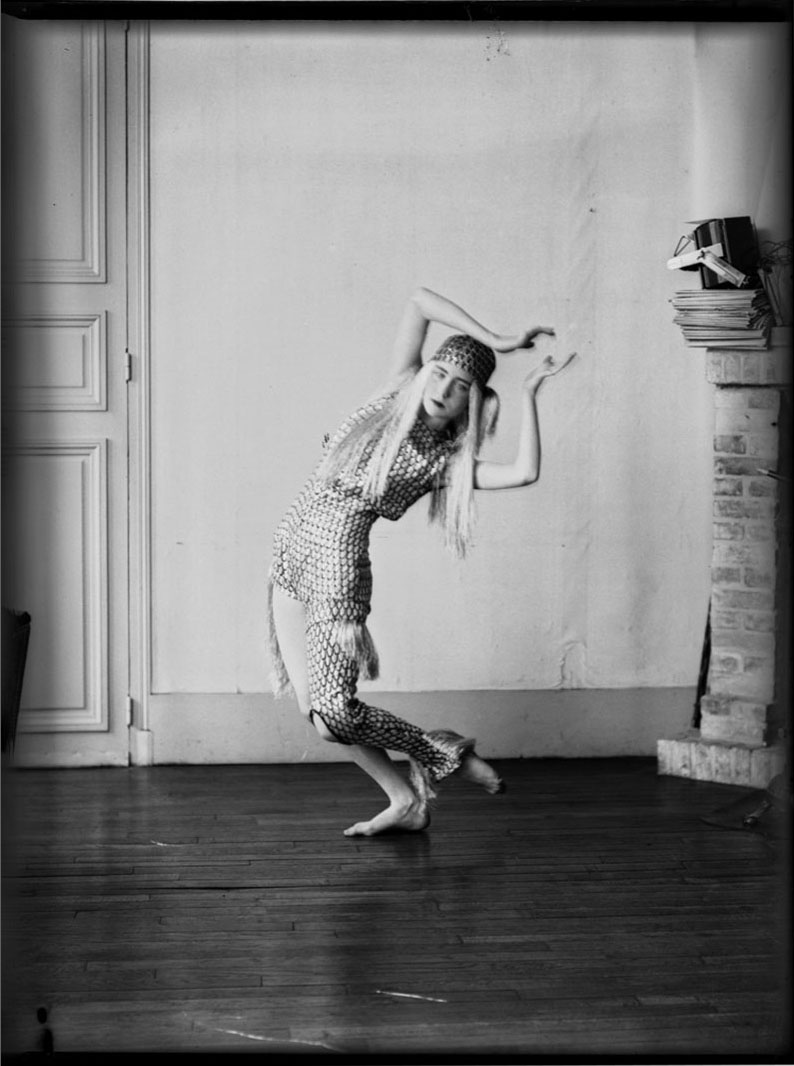
Berenice Abbott :: Lucia Joyce, Paris, 1927-1928. | src Ryerson Image Centre
Berenice Abbott :: Lucia Joyce in Ballo della Sirena, Paris, 1927-1928. | src Ryerson Image Centre
Berenice Abbott :: Portrait of Lucia Joyce, 1926–1927, printed 1982. | src The Clark
Berenice Abbott :: Portrait of Lucia Joyce in costume for the Mermaid Ball, 1926–1927, printed 1982. | src The Clark
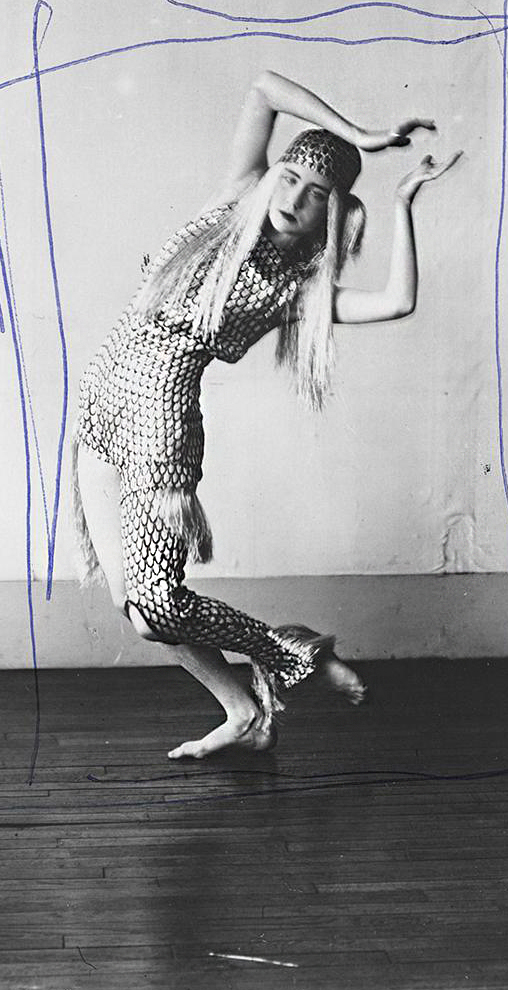
Berenice Abbott :: Lucia Joyce, Paris, 1927-1928. | src Ryerson Image Centre (following cropping marks)
Berenice Abbott :: Lucia Joyce, Paris, 1927-1928. | src Ryerson Image Centre
Lucia Joyce. Berenice Abbott, Paris Portraits 1925-1930 @ ODLP
Lucia Anna Joyce. Photographed by Bérénice Abbott, Paris Portraits 1925-1930 @ ODLP

The life of James Joyce’s schizophrenic daughter Lucia requires no particular embellishment to move and amaze us.  The “received wisdom,” writes Sean O’Hagan, about Lucia is that she lived a “blighted life,” as a “sickly second child” after her brother Giorgio. As a teenager, she “pursued a career as a modern dancer and was an accomplished illustrator. At 20, having abandoned both, she fell hopelessly in love with [Samuel] Beckett, a 21-year-old acolyte of her fathers.” He soon ended their one-sided relationship, an incident that may have triggered a psychotic break. Beckett was one of the few people to visit her later in the mental hospital where she died in 1982 after decades of institutionalization.

Before succumbing to her illness, Lucia was a highly accomplished artist who worked “with a succession of radically innovative dance teachers,” notes Hermione Lee in a review of a recent biography that “prove[s]… Lucia had talent.” Her promise renders her fall that much more dramatic, and her tragedy has inspired variously sensational biographies, plays, a novel and a graphic novel. Lucia perhaps provided a model for the language of Finnegans Wake. As Joyce once remarked, “People talk of my influence on my daughter, but what about her influence on me?”

The relationship between father and daughter has provided a subject of disturbing speculation, possibly warranted by Lucia’s “father-fixated… mental agonies,” as Stanford’s Robert M. Polhemus writes, and by “eroticized father-daughter, man-girl relationships” in Finnegans Wake that weave in Freud and Jung “with sexy nymphets on the couches of their secular confessionals.” At least in the excerpt Polhemus cites, Joyce uses the prurient language of psychoanalysis to seemingly express guilt, writing, “we grisly old Sykos who have done our unsmiling bits on ‘alices, when they were yung and easily freudened….”

Without inferring the worst, we can see the rest of this unsettling passage as parody of Jung and Freud’s ideas, of which, Louis Menand writes, he was “contemptuous.” And yet Joyce sent Lucia to see Carl Jung, “the Swiss Tweedledee,” he once wrote, “who is not to be confused with the Viennese Tweedledee.” His daughter’s behavior had become “increasingly erratic,” Lee writes, “she vomited up her food at table; she threw a chair at Nora [Barnacle, her mother] on Joyce’s 50th birthday… she cut the telephone wires on the congratulatory calls that friends were making about the imminent publication of ‘Ulysses’ in America; she set fire to things….”

After a succession of doctors and diagnoses and an “unwilling incarceration,” Jung agreed to analyze her. He had become acquainted with Joyce’s work, having written an ambivalent 1932 essay on Ulysses (calling it “a devotional book for the object-besotted white man”), which he sent to Joyce with a letter. Jung believed that both Lucia Joyce and her father were schizophrenics, but that Joyce, Menand writes, “was functional because he was a genius.” As Jung told Joyce biographer Richard Ellmann, Lucia and Joyce were “like two people going to the bottom of a river, one falling and the other diving.” Jung also, writes Lee, “thought her so bound up with her father’s psychic system that analysis could not be successful.” He was unable to help her, and Joyce reluctantly had her committed.

Much of the relationship between Joyce and his daughter remains a mystery because of the destruction of nearly all of their correspondence by Joyce’s friend Maria Jolas. (Likewise Beckett burned all of his letters from Lucia). This has not stopped her biographer Carol Loeb Shloss from writing about them as “dancing partners,” who “understood each other, for they speak the same language, a language not yet arrived into words….” What is clear is that “Joyce’s art surrounded” his daughter, “haunted her from birth,” and was part of the circumstances that led to her and her brother often living in extreme poverty and instability.

Lucia resented her father but was never able to fully separate herself from him after several failed relationships with other prominent figures, including American artist Alexander Calder. Whether we characterize her story as one of abuse or, as Lee writes of Shloss’ biography (Lucia Joyce: To Dance in the Wake), one of “love and creative intimacy,” depends on what we make of the limited evidence available to us. The erasure of Lucia from her father’s life began not long after his death, and hers “is a story that was not supposed to be told,” writes Shloss. But it deserves to be, as best as it can. Had her life been different, she would doubtless be well-known as an artist in her own right. As one critic wrote of her skills as a performer, linguist, and choreographer in 1928, James Joyce “may yet be known as his daughter’s father.” | quoted from: How James Joyce’s Daughter, Lucia, Was Treated for Schizophrenia by Carl Jung | openculture