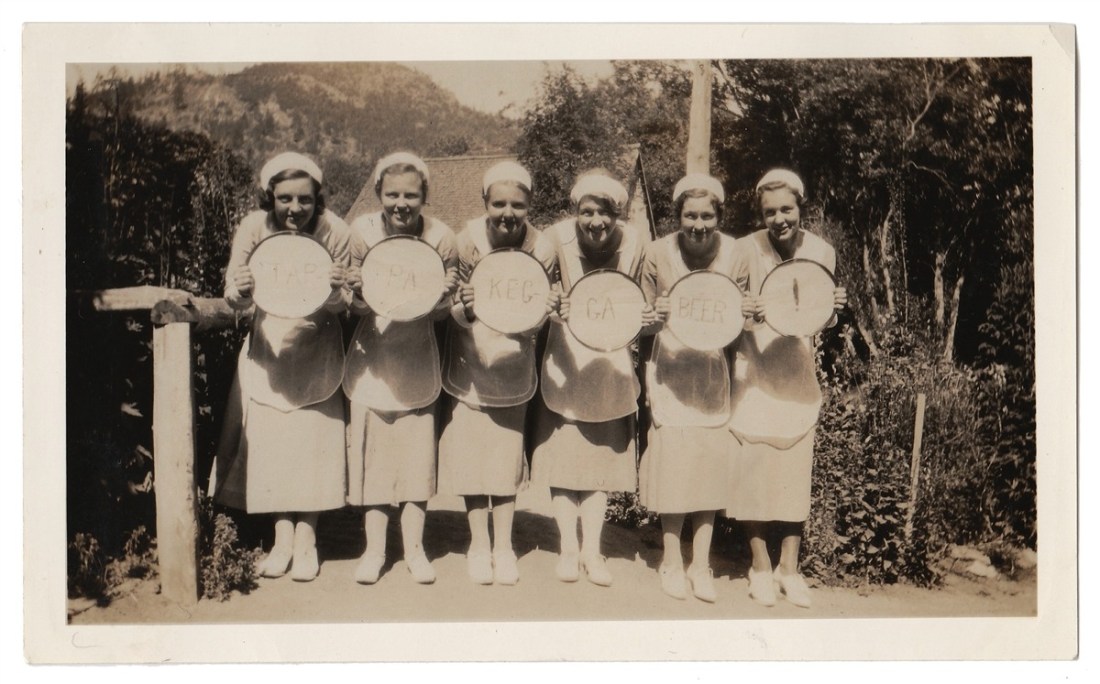
The message reads: Tap-pa Keg-ga Beer! / source: photosobscura
images that haunt us
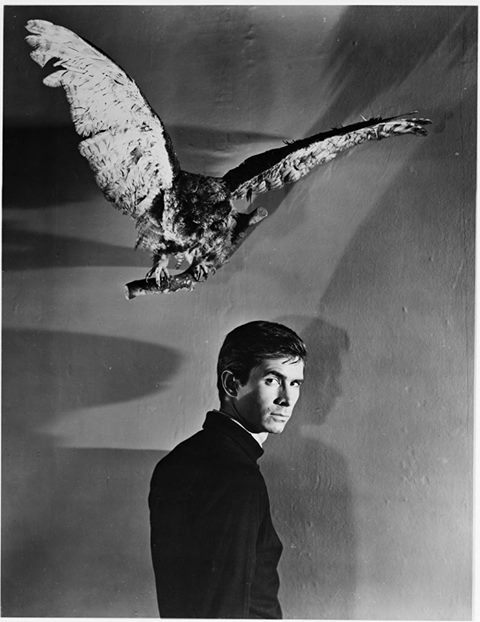
Anthony Perkins for Psycho directed by Alfred Hitchcock, 1960 (Paramount Pictures)

Anonymous photographer :: “We Still Want the Provo’s”. Northern Ireland, ca. 1970. Vintage silver print. / src: Lumière des Roses
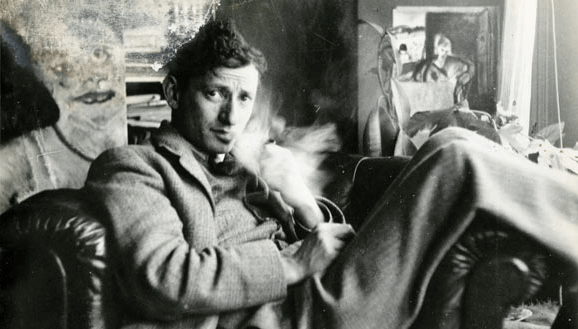
Erwin Blumenfeld :: Self-portrait in His Studio, Amsterdam, ca.1932
/ via kvetchlandia
more [+] by this photographer

A flexible flapper in 1925. Unknown photographer. General Photographic Agency / Getty Images / src: The Guardian
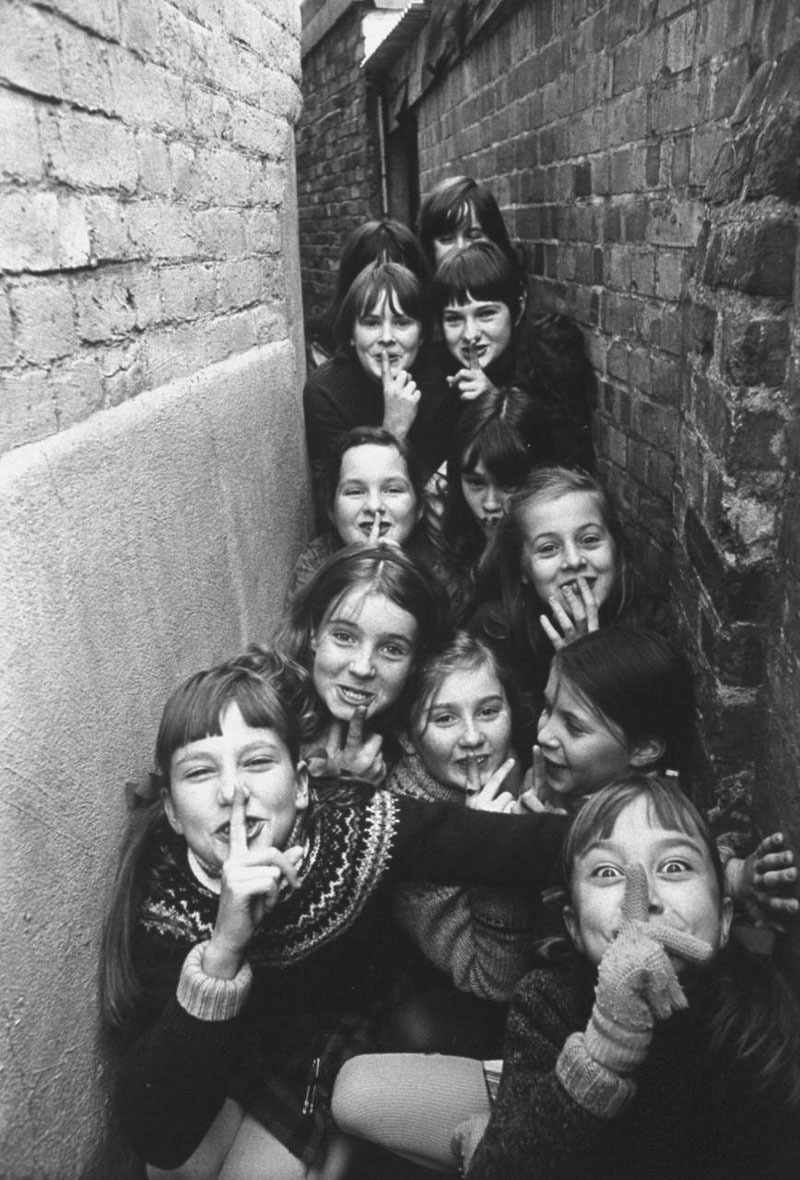
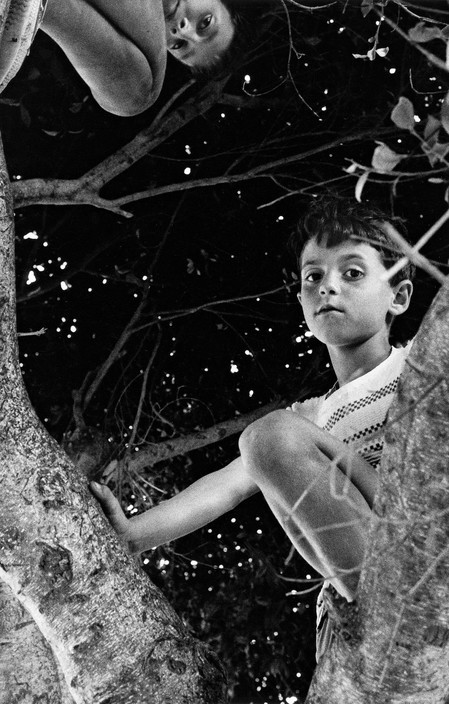
Terry Spencer :: British children playing outdoor games in London suburbs, 1970, for LIFE magazine / sources: el hurgador and sotto osservazione

František Dostál :: Sisters, 1975./ via
fragrantblossoms

Ernest Joseph Bellocq was a native New Orleans French Creole photographer, whose Storyville portraits captured the vibrant scene in Storyville, the city’s red-light district, circa 1912. The glass plate negatives were not discovered until after his death in 1949, which is why so many of the images are cracked, scratched, and damaged. It is said that some of the damages were deliberately inflicted by Bellocq while the emulsion was still wet, in order to protect the identity of the sex workers.

A lifelong resident of New Orleans, Ernest J. Bellocq was a commercial photographer who undertook a personal quest to photograph the prostitutes of Storyville. In these frank and intimate photographs, women are not portrayed as prey to the camera’s gaze, but rather seem to participate willingly and confidently in the photographic act. Rumored to be eccentric and reserved, Bellocq told only a handful of acquaintances about these portraits, which primarily date from 1912 (the negatives were later discovered and printed by photographer Lee Friedlander). This photograph of Bellocq’s desk, therefore, provides an unusual glimpse into his mysterious personality and life. The cluttered arrangement of images of women, juxtaposed with floral wallpaper and languidly posing marble figurines, coheres into a dotingly composed shrine to femininity, hinting at the artist’s admiration for women. | text: AIC

 un regard oblique